J4 Office by LAITA Design Studio: A Sustainable Vertical Workplace in Vietnam
A compact four-story design studio with flexible workspaces, sustainable materials, and polycarbonate façades that maximize daylight, creativity, and environmental performance.


The J4 Office by LAITA Design Studio redefines the compact urban workplace through a vertical, multifunctional design center located in Vietnam. Completed in 2022 and spanning 456 m², the project showcases how a four-story structure can deliver flexibility, environmental responsibility, and spatial efficiency for an interdisciplinary creative studio. Led by architect Nguyen Dinh Hoa, the design embraces resource-conscious construction while cultivating a light-filled environment that supports collaboration and innovation.
Compact Vertical Design for Flexible Workspaces
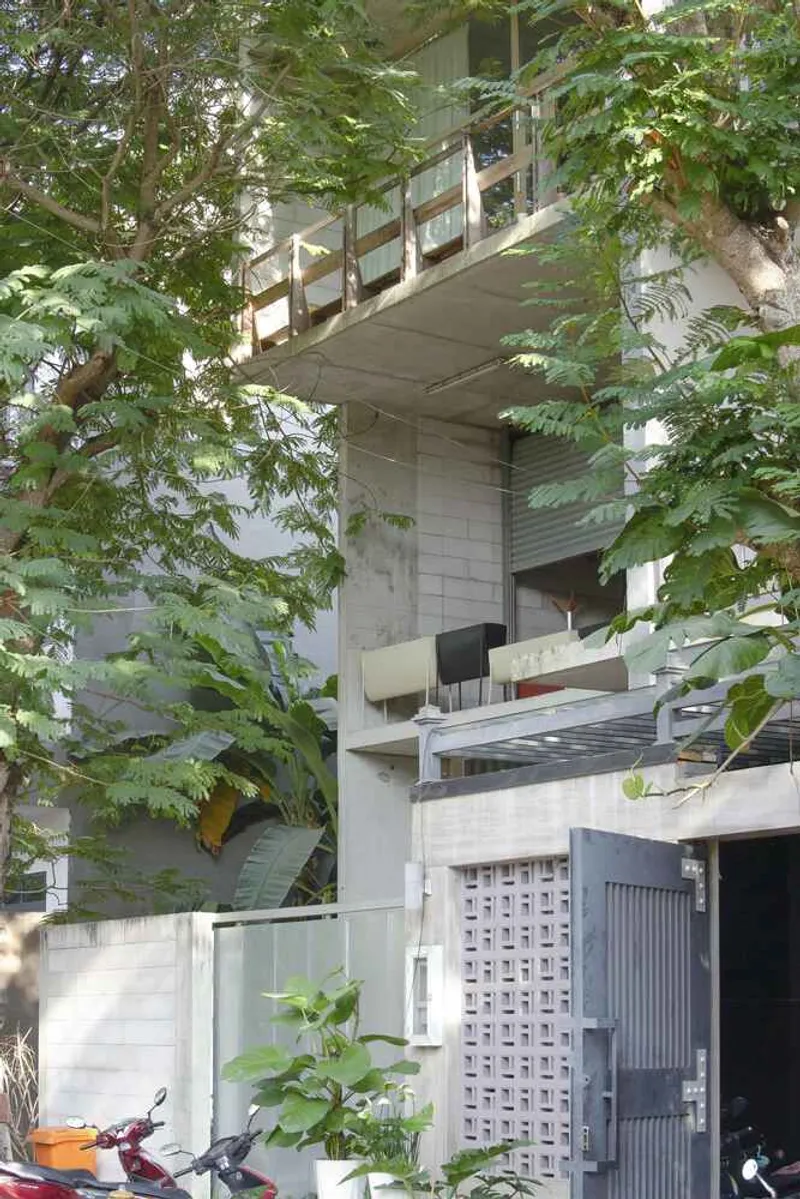
J4 Office is conceived as a transformative vertical workplace, maximizing its 100 m² floor plates to create a total of 400 m² of adaptable program space. Each level is designed to shift effortlessly between different operational needs, allowing the creative teams of LAITA Design Studio to move between research, design, production, and exhibition without physical constraints.
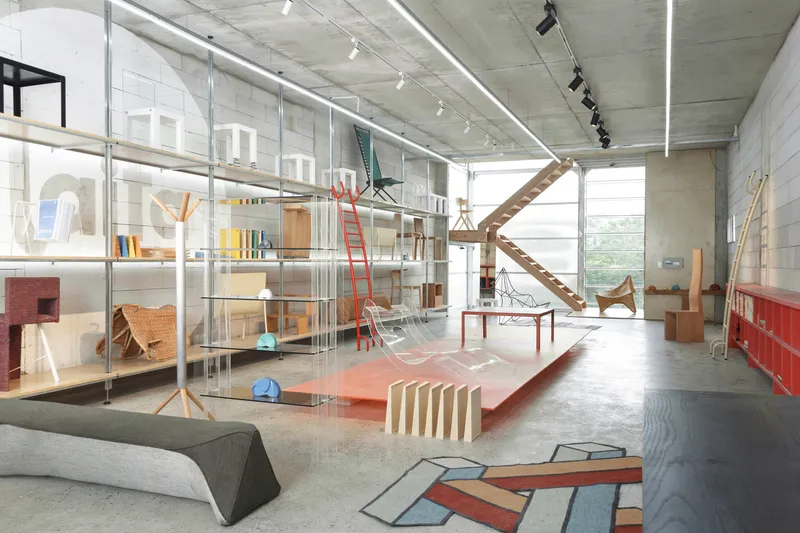
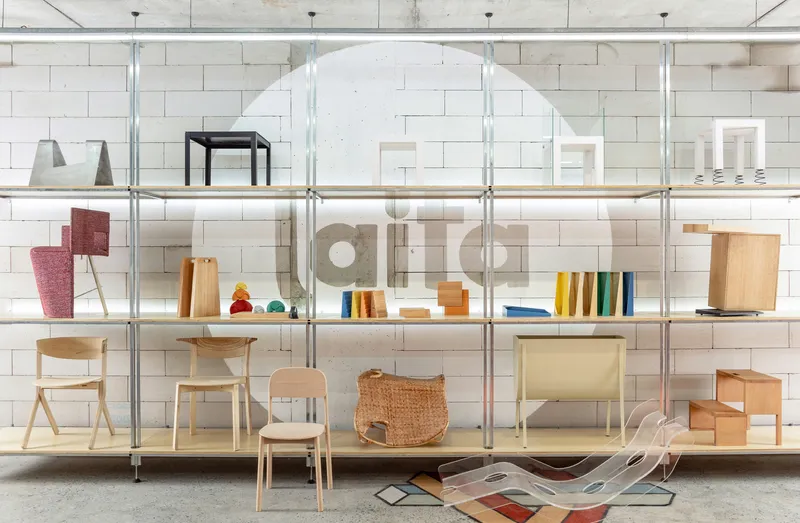
The ground floor operates as a dual-function R&D workshop and exhibition space, enabling the team to prototype, test, and present new design concepts. The upper floors integrate design studios and photography studios, forming a fluid workspace that supports interdisciplinary collaboration. This vertical arrangement allows the building to occupy a minimal footprint while delivering maximum functional diversity.
Material Strategy and Sustainable Construction
Sustainability is embedded in both the material palette and construction methods. LAITA Design Studio prioritized accessible, cost-effective materials such as onsite concrete and industrial plywood, reducing waste and simplifying the construction process. A steel frame system forms the structural backbone, ensuring stability and longevity while supporting open, flexible interiors.
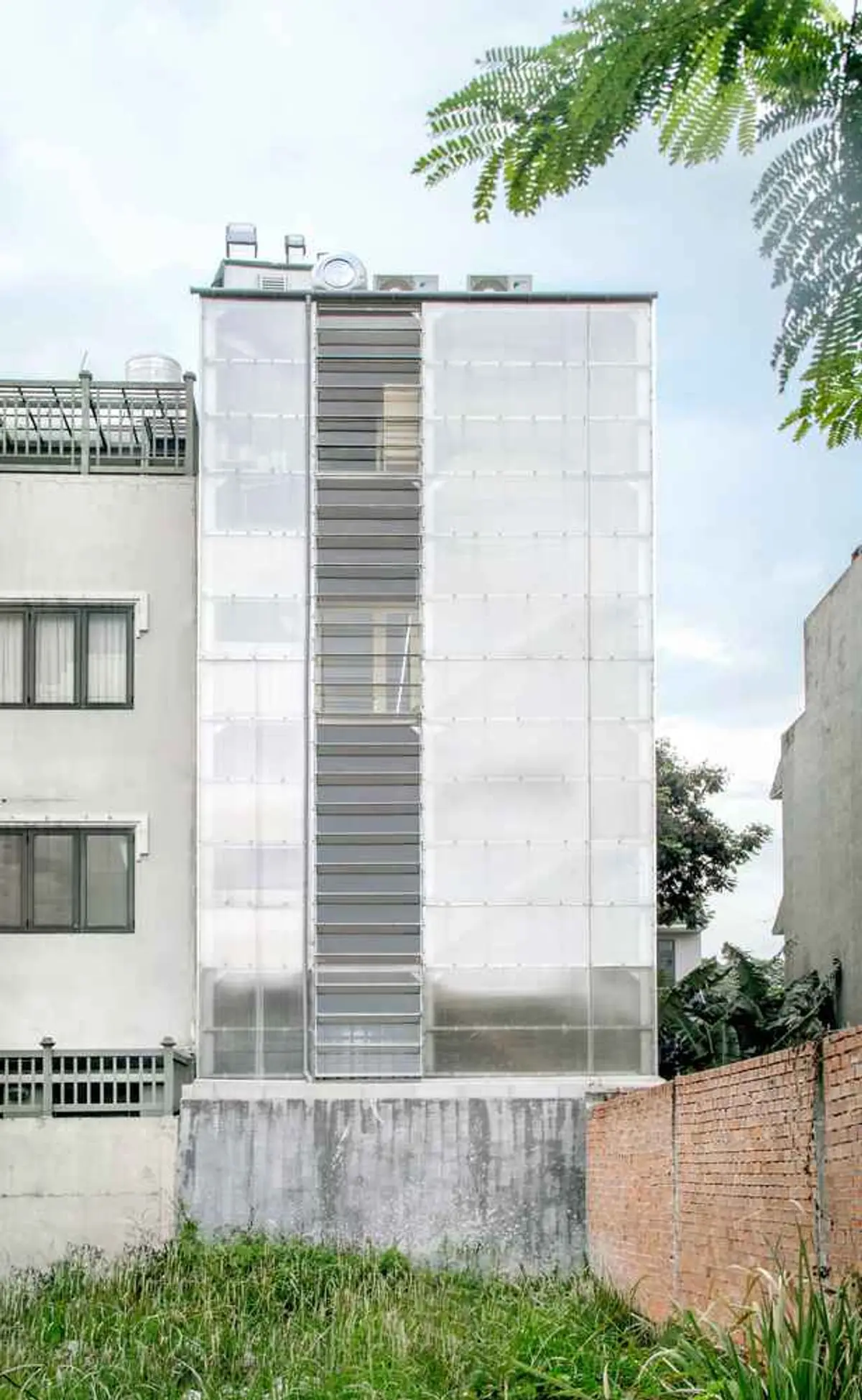
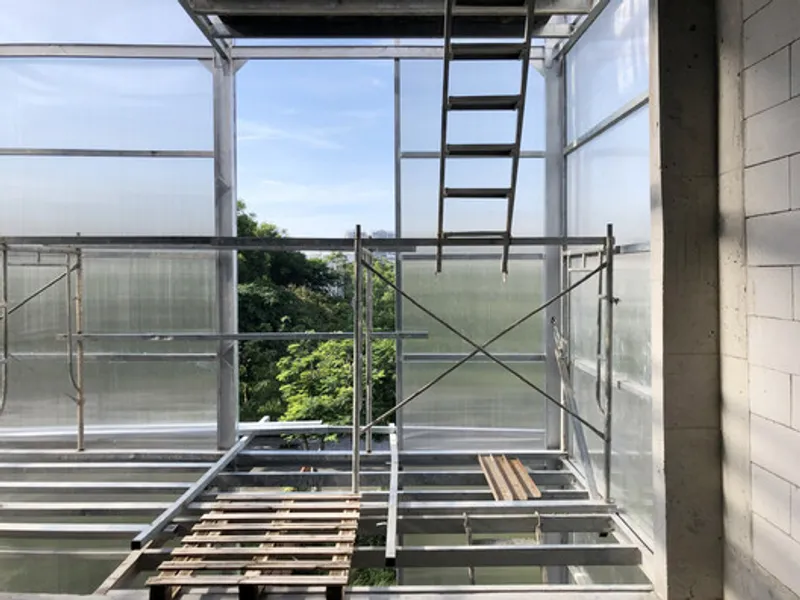
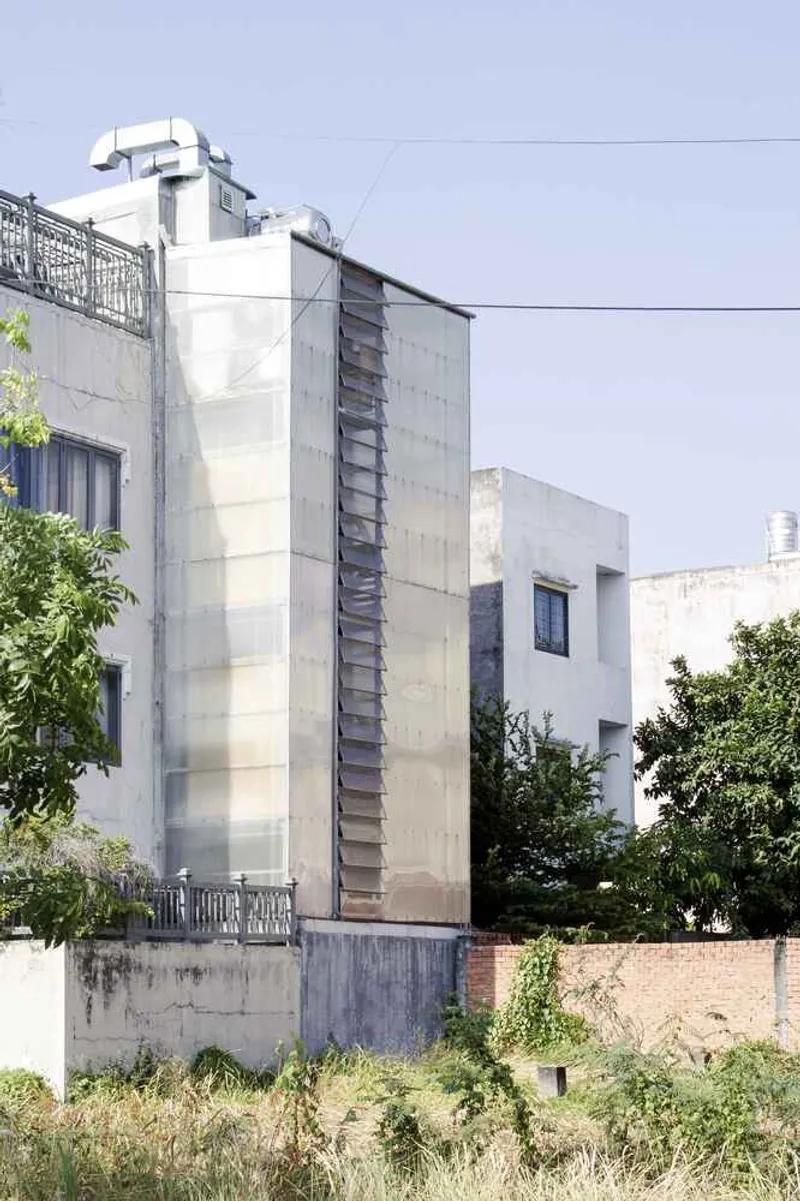
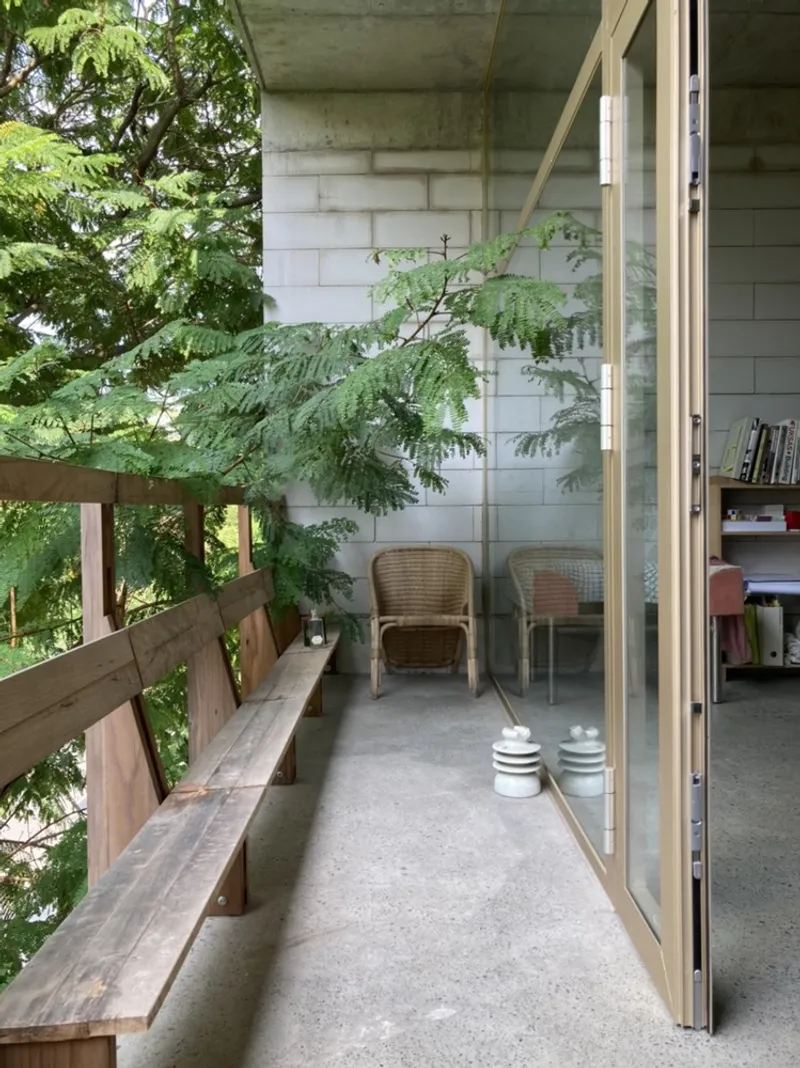
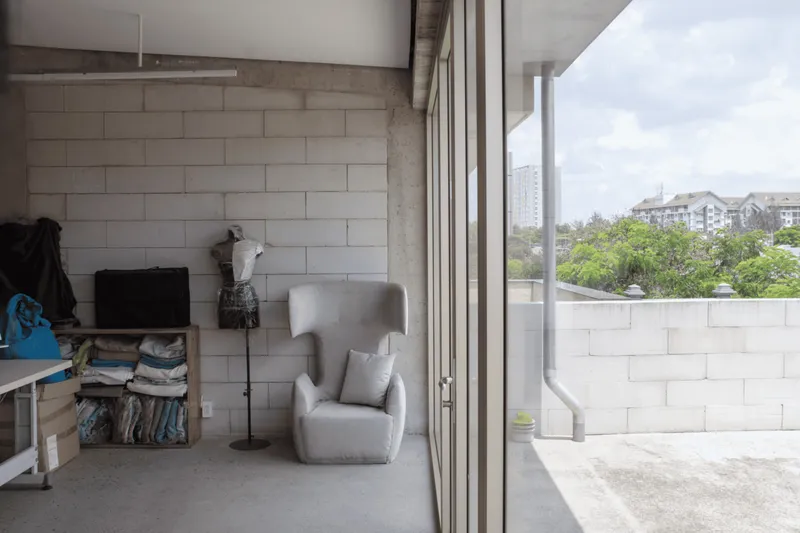
One of the building’s defining features is its transparent polycarbonate wall system. Installed across both sides of the structure, the polycarbonate layers infuse the interior with abundant daylight, reducing the need for artificial lighting and enhancing visual connectivity with the surrounding green landscape. This translucent façade softens the boundary between interior and exterior and contributes to natural ventilation, lowering energy consumption.
Light, Openness and Biophilic Integration
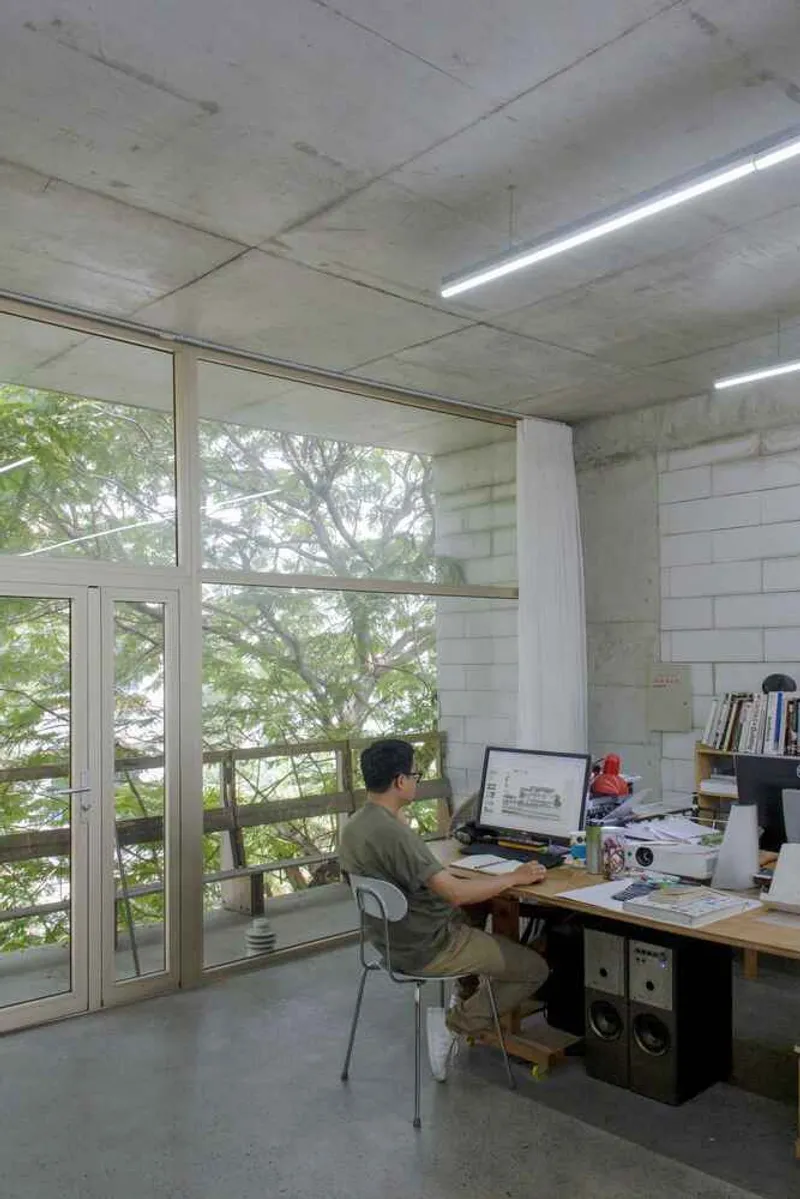
Natural light plays a central role in shaping the studio’s working environment. The use of expansive polycarbonate panels creates luminous interiors where spaces feel calm, open, and conducive to creativity. By establishing visual contact with nearby greenery, the design elevates workplace well-being and aligns with biophilic principles.
Interior spaces retain a raw, industrial character, highlighted by exposed concrete, steel beams, plywood surfaces, and minimal detailing. This honest use of materials reinforces the studio’s design philosophy while providing functional clarity within each work zone.
A Cost-Effective Model for Creative Workspaces
With a total construction cost of approximately USD 150,000, J4 Office demonstrates how thoughtful architecture can deliver both environmental performance and financial efficiency. The project is a model for compact urban studios and small creative enterprises seeking resilient, adaptable, and sustainable workplaces without the burden of excessive cost.
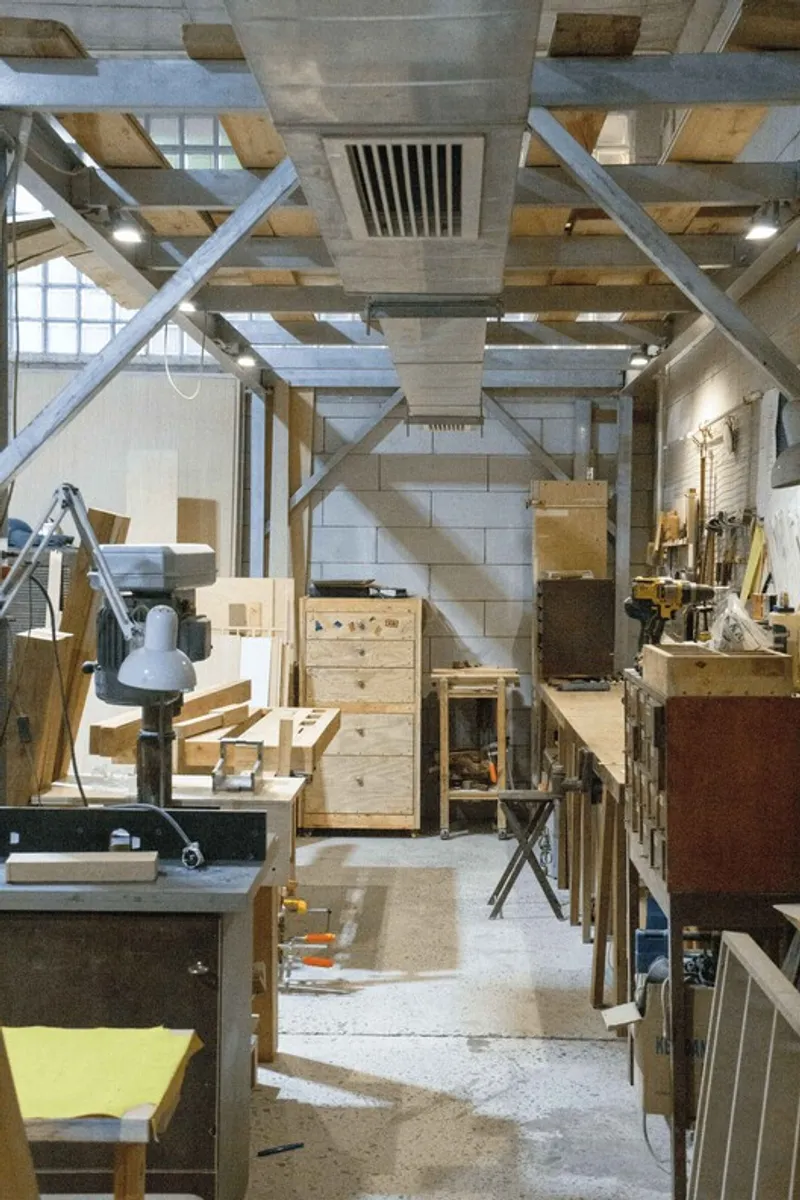
J4 Office by LAITA Design Studio stands as a forward-thinking example of vertical workspace design in Vietnam. Through its sustainable materials, multifunctional layout, and luminous façade, the project fosters an environment that supports interdisciplinary creation while remaining cost-effective and environmentally responsible. It is a compelling demonstration of how small, vertically organized buildings can provide expansive opportunities for design professionals in urban contexts.


Popular Articles
Popular articles from the community


Tsunami Convergenics: Turning Catastrophic Ocean Forces into Underwater Housing Infrastructure
A speculative underwater settlement off the coast of Onagawa, Japan, treats tsunamis and typhoons as energy sources rather than threats.

Opera on the Sea: Driftwood Logic Shapes a Timber Opera House on Estonia's Coast
Trevor Orgill's opera house translates the entangled drift of floating timber into a civic building where wood, water, and music converge.
Extended Shell: Retrofitting Kolkata's Balconies as Living Urban Thresholds
A modular retrofit system recovers the social and environmental intelligence of Kolkata's historic verandas for contemporary Park Street residents.

Manzana Morphosis: Stretching Barcelona's Grid into a Living Landscape for 2050
A radical reworking of the Eixample manzana turns density into a tool for generous public space, vertical ecology, and environmental performance.

Similar Reads
You might also enjoy these articles


Hodi-Mandai Geram
Project Function: Preservation and revitalization of the Intangible heritage and socio-spatial identity of the Hodi by Housing, Cultural Memory Center, Sacred Grove, landscape, local tourism economy


Olio Towers: A Mid-Rise for Performers That Fuses Housing, Rehearsal, and Stage
Located blocks from Houston's Theater District, this modular tower stacks living units around a central performance atrium.

Oasis: Modular Green Housing Carved into Dhaka's Urban Fabric
A shortlisted Plugin Housing entry reclaims unauthorized settlements in Dhaka with stepped concrete volumes, green roofs, and ventilation-driven design.

Black Hole: A Floating Megastructure for the Post-Physical Era
Emiliano Mazzarotto envisions a spherical, self-scaling arena where e-sports, digital hotels, and holographic stadiums replace traditional public space.

Explore Office De Architects Competitions
Discover active competitions in this discipline

Challenge to reimagine the Iron Throne

Photograph architecture without architects

Illustrate the lost glory of Angkor Wat - Render Challenge

Design challenge to reuse E-waste
Comments (0)
Please login or sign up to add comments
No comments yet. Be the first to comment!