
Jade Alley: Transforming a Hidden Alley into Miami’s Vibrant Public Space
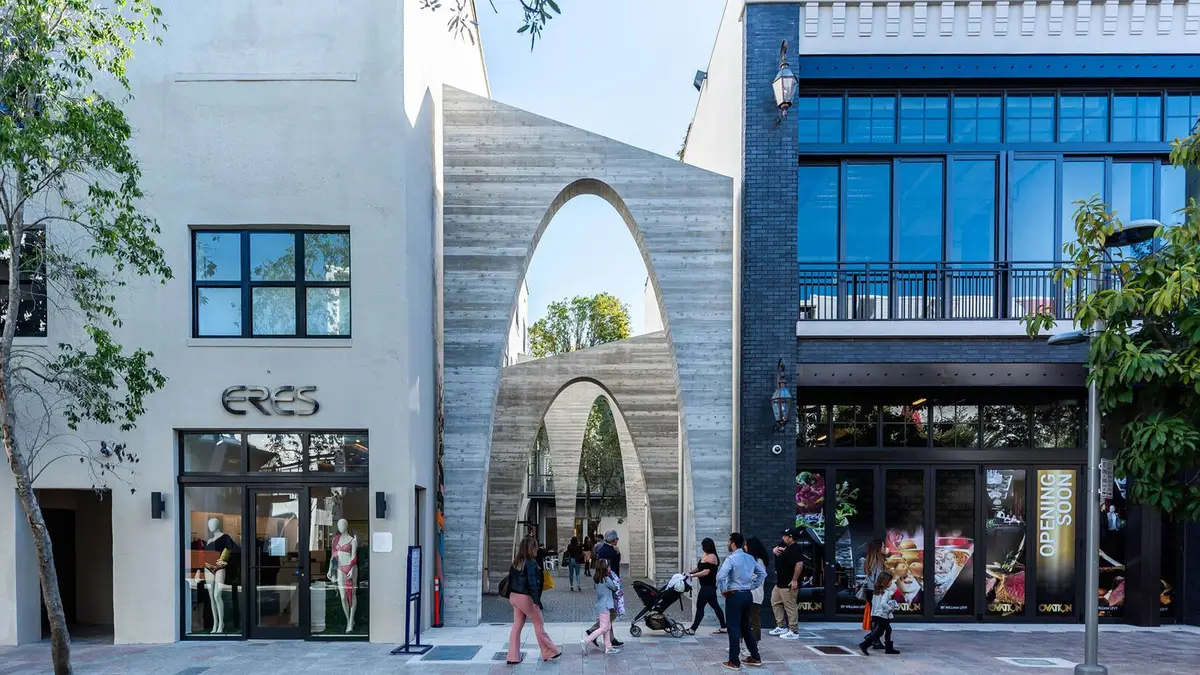
Jade Alley transforms a neglected Miami Design District alley into a vibrant public space with parabolic arches, greenery, art, and community engagement.


Jade Alley is a transformative urban intervention by Daniel Toole Architecture, turning a once-overlooked alley in the Miami Design District into a dynamic and iconic public space. This project redefines what an alleyway can be, creating a vibrant community hub while preserving the character of Miami’s historic fabric.
Context and Vision
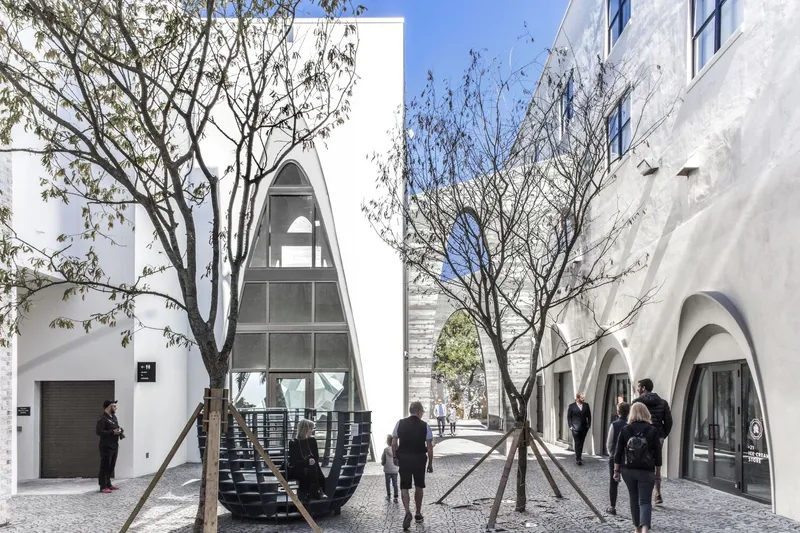
The Miami Design District, located just north of downtown Miami, has evolved from pineapple farms to furniture warehouses and, more recently, into a cultural destination for art, fashion, design, and dining. Despite this revitalization, pockets of underutilized spaces remained: most notably small alleys surrounded by dumpsters, mechanical rooms, and irregular parking. Jade Alley addressed this gap, transforming a neglected passageway into a place of engagement, commerce, and social interaction.
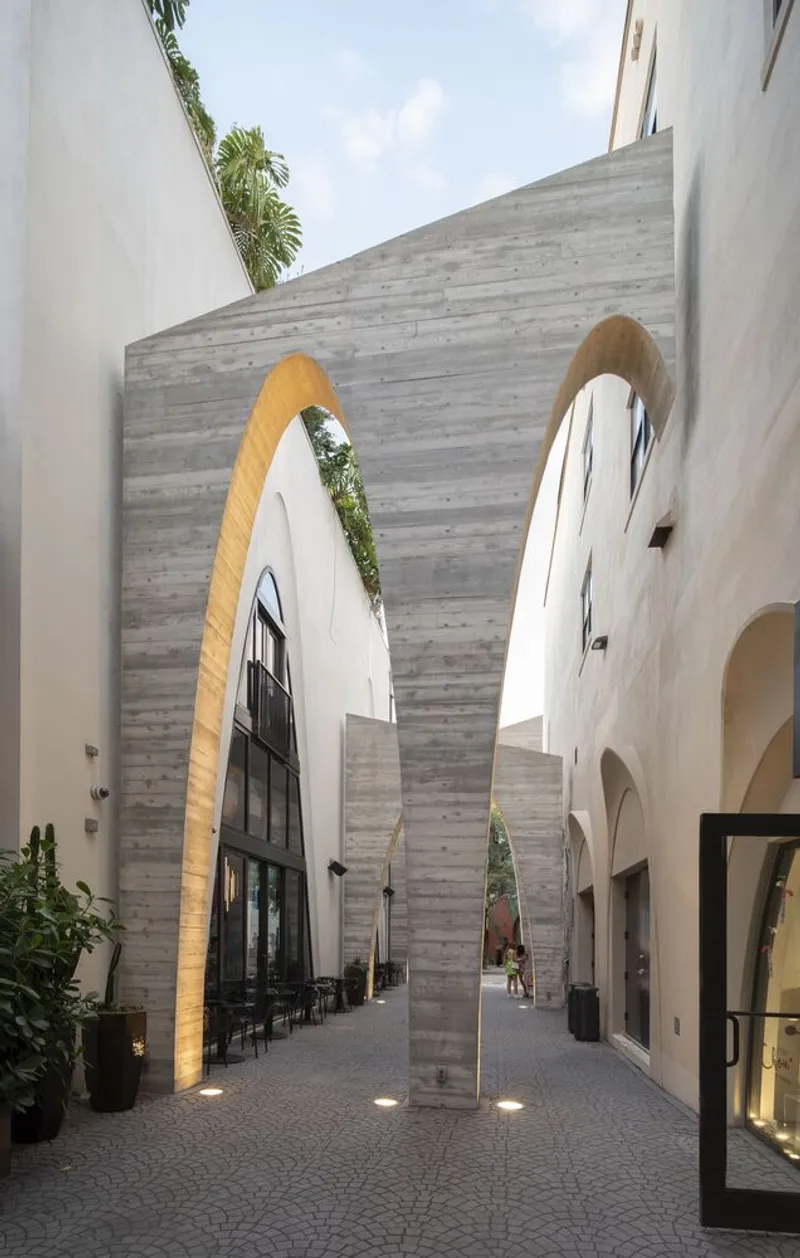
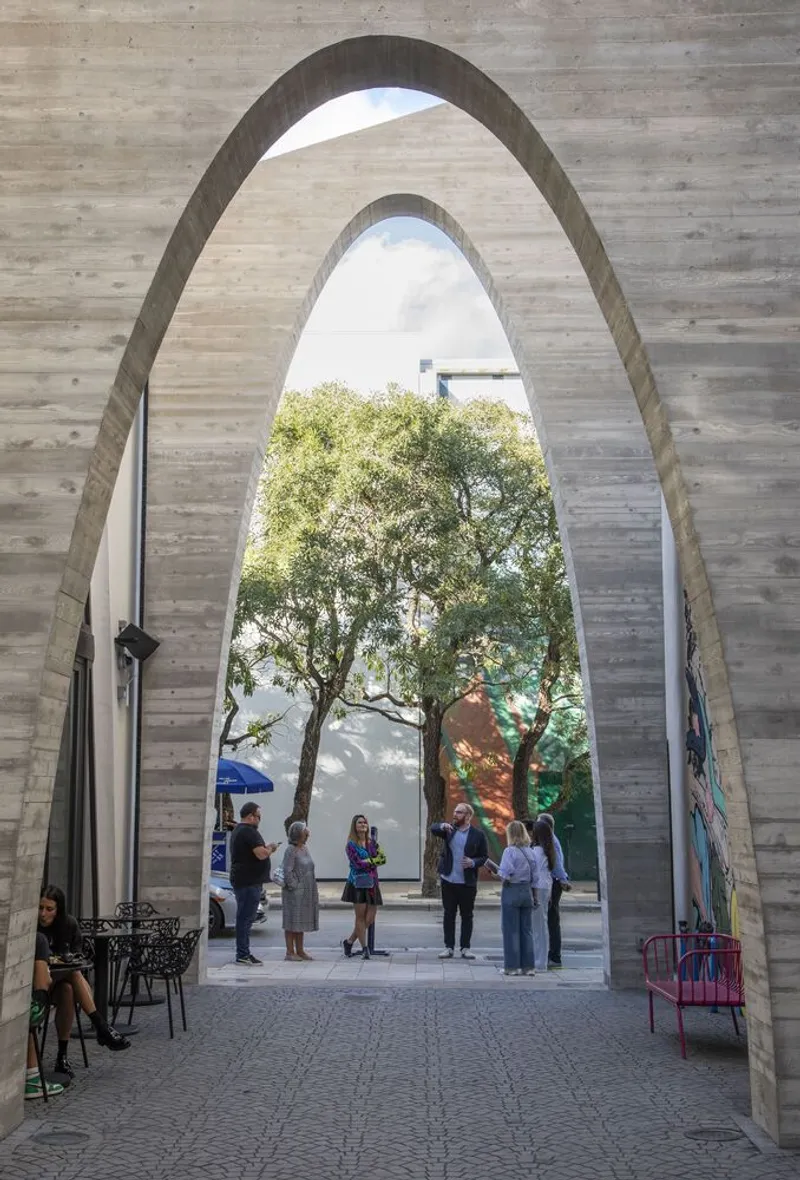
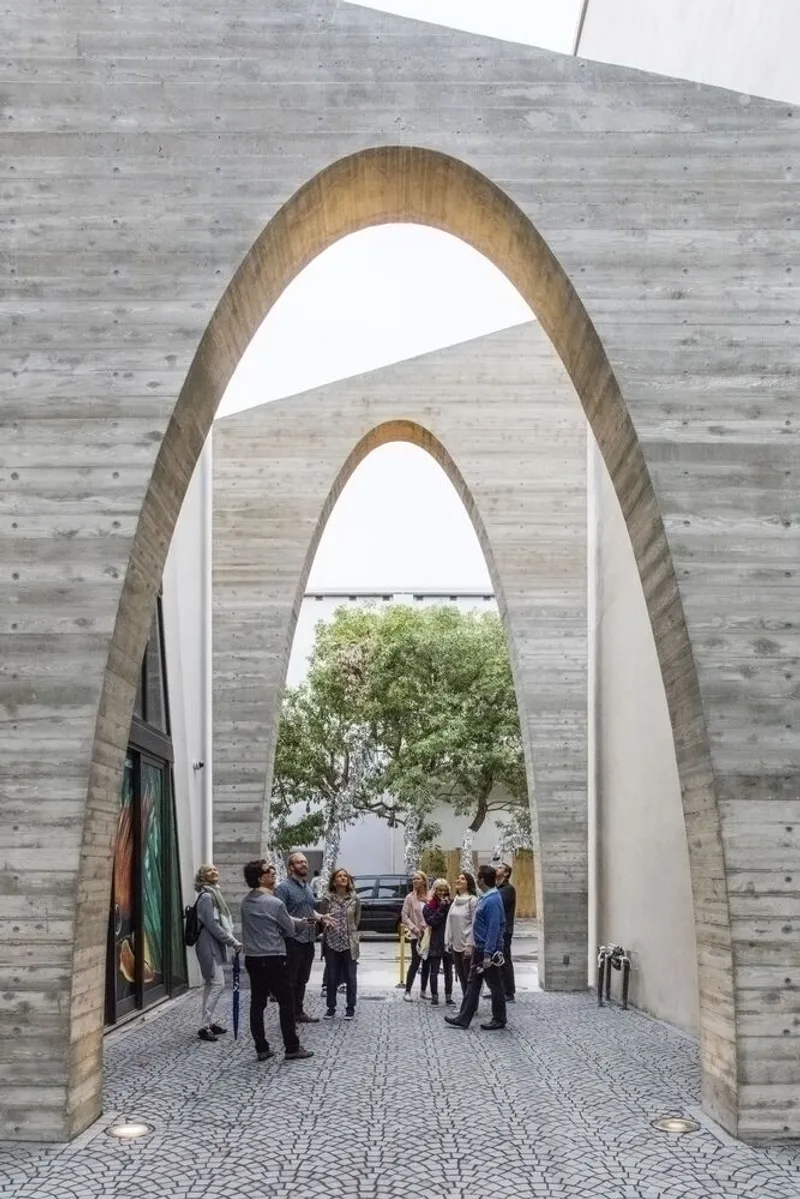
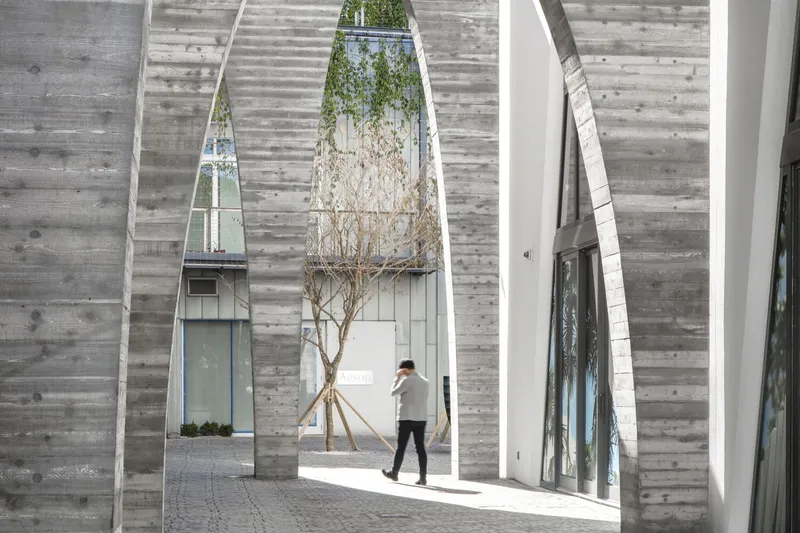
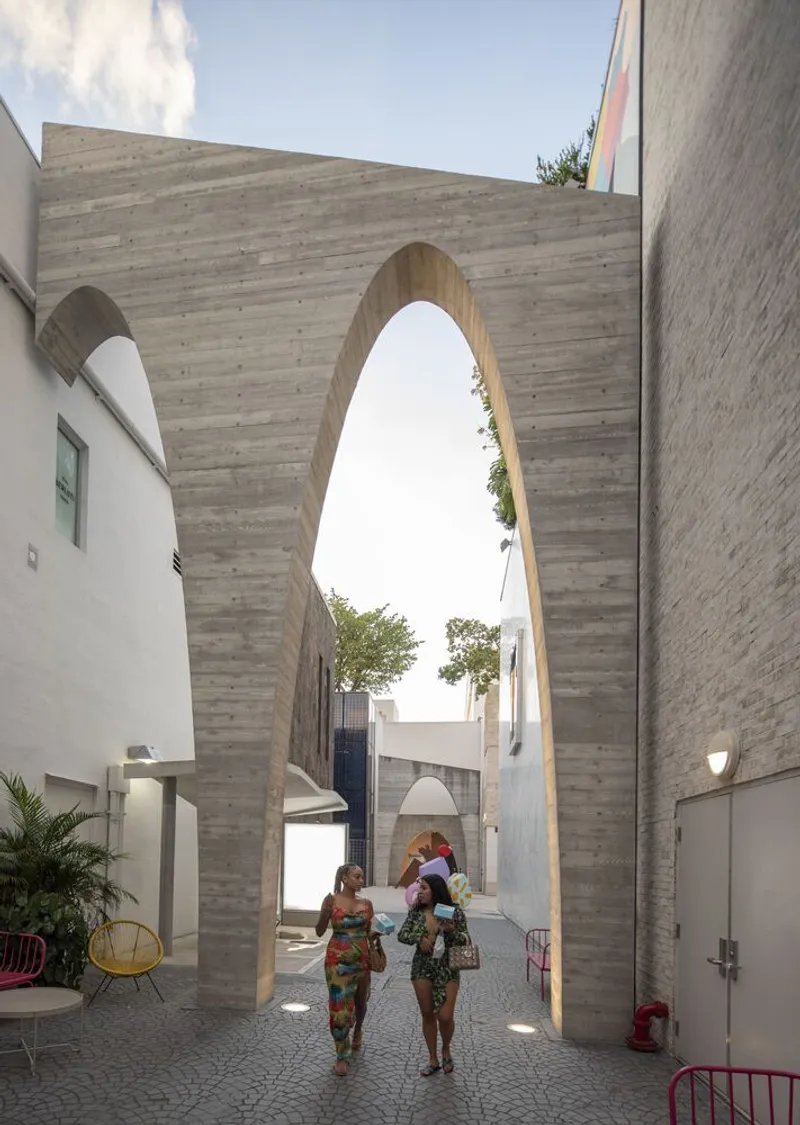
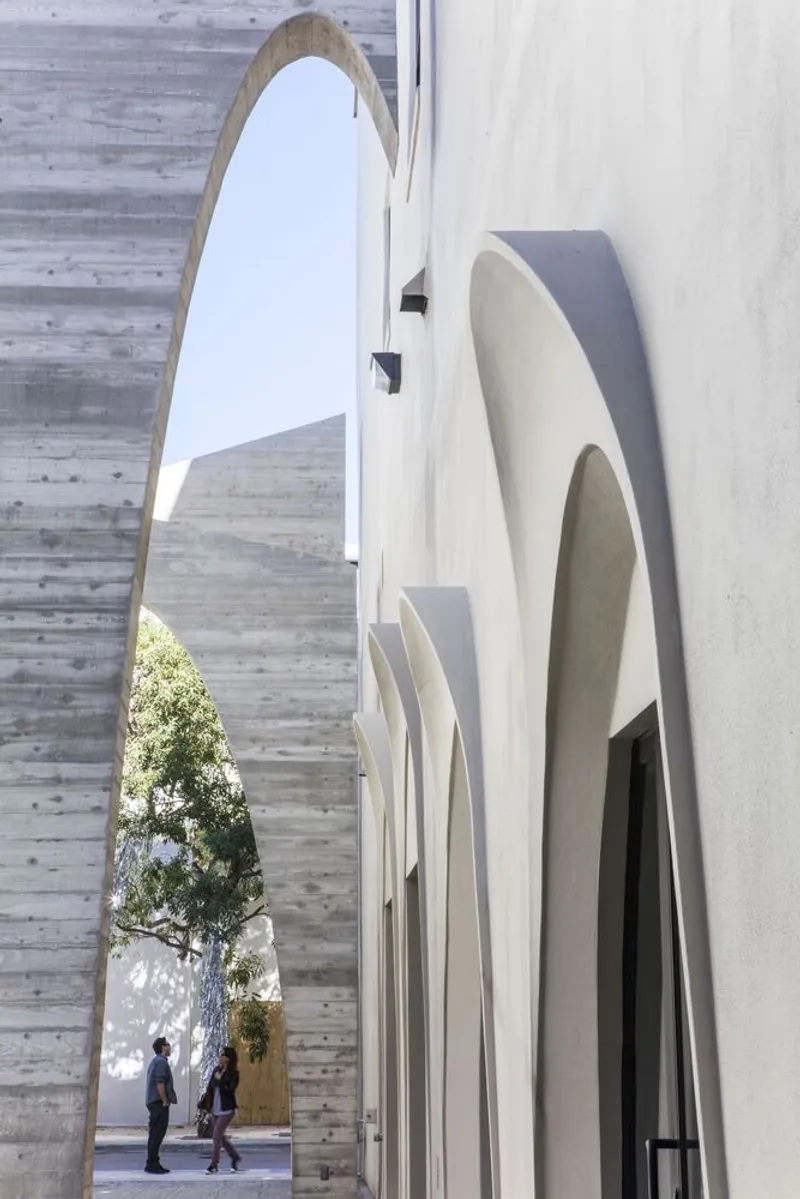
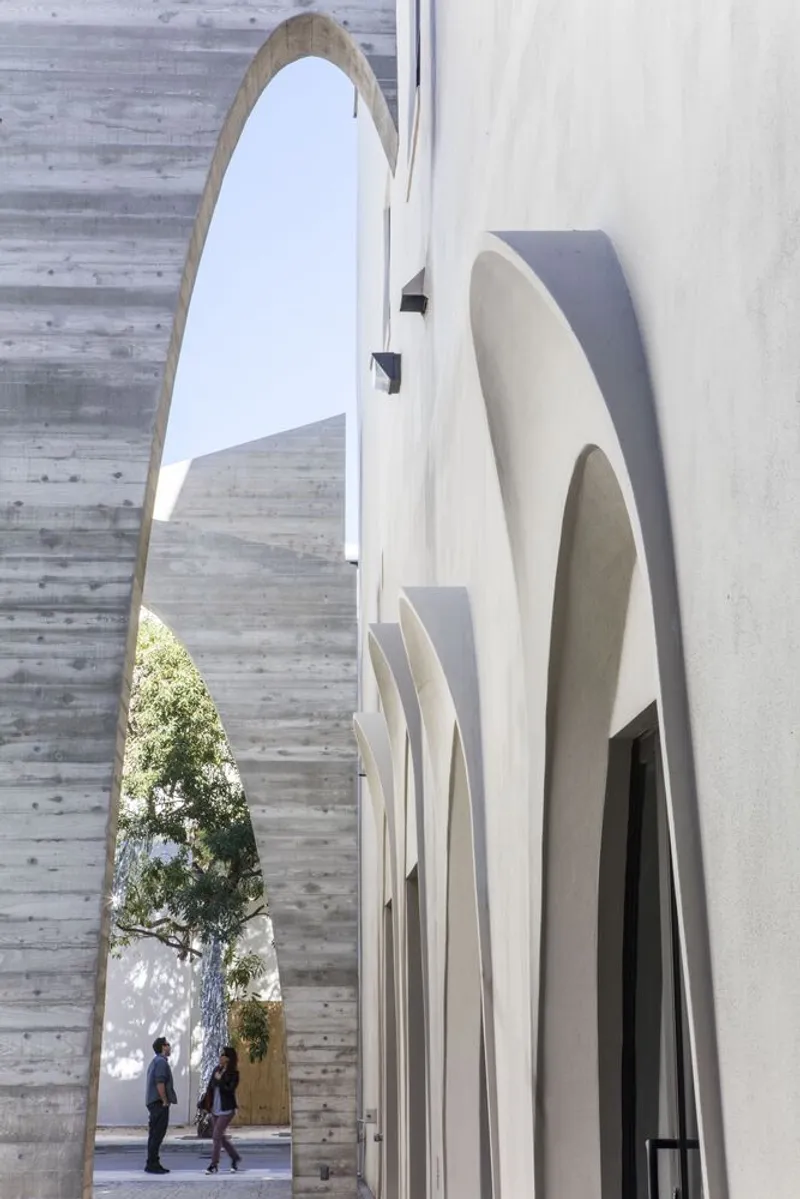
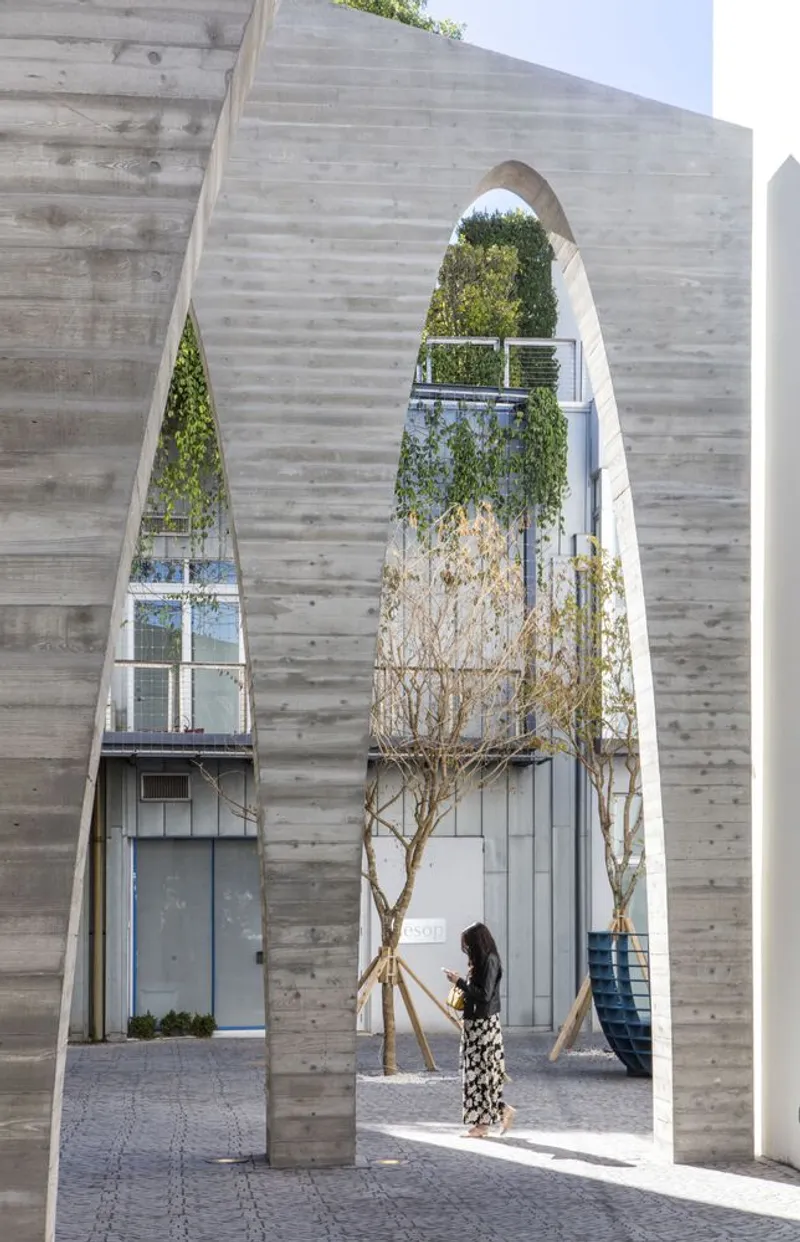
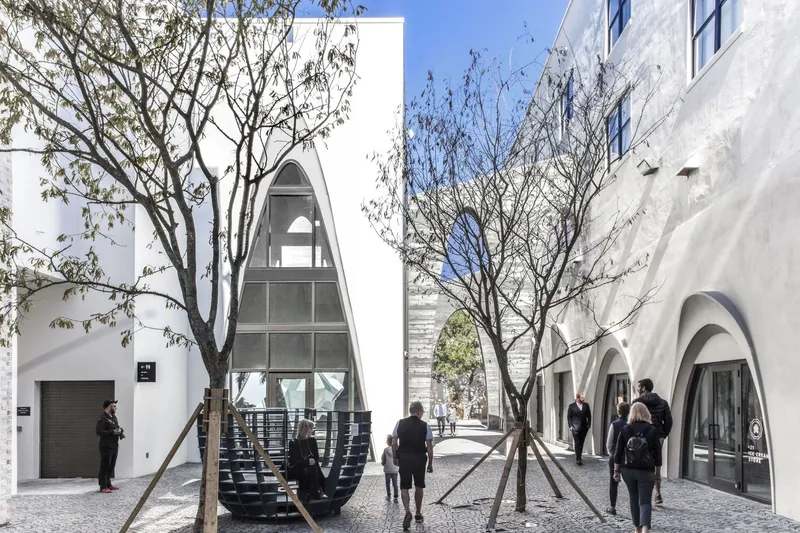
Daniel Toole Architecture approached the project with a visionary design concept, introducing a series of concrete parabolic arches throughout the alley. These arches, cast in rough-sawn board forms, preserve the alley’s informal, “ruin-like” atmosphere while imposing a new rhythm, scale, and order. The arches also extend into storefronts, creating new retail and dining opportunities for local businesses, a rare chance in a district dominated by international luxury brands.
Design and Materiality
The alley’s design maintains a careful balance between the old and new. Parabolic arches of various sizes form a miniature viaduct, connecting the alley’s fragmented spaces into a cohesive architectural experience. Existing mechanical and trash rooms were transformed into small, leasable spaces for boutique shops and cafes, demonstrating a sensitive approach to adaptive reuse.
Lush regional plantings, flowering trees, and shaded areas create a microclimate that mitigates Miami’s heat, encouraging visitors to linger. The combination of greenery, textured concrete, and the play of light and shadow enhances the sensory experience, while also reinforcing the alley as a pedestrian-oriented public space.
Community and Cultural Impact
Jade Alley has become more than just an architectural project, it’s a cultural catalyst. The space hosts a constantly evolving series of murals and installations by local and international artists, including Virgil Abloh. Free activities such as art walks, family craft days, maker markets, yoga sessions, and musical performances have made it a central gathering spot for locals and tourists alike.
For students from nearby design and fashion high schools, local workers, and residents, Jade Alley offers a rare combination of affordable retail space and a community-oriented environment. Its success demonstrates how thoughtful urban design can foster inclusivity, creativity, and connection, even in districts dominated by luxury development.
Jade Alley exemplifies the power of urban revitalization and human-centered design. By transforming a forgotten alley into a lively, interactive, and culturally rich public space, Daniel Toole Architecture has not only enhanced the Miami Design District but also set a benchmark for adaptive, community-driven urban interventions.
All photographs are works of
RA-HAUS, Heywood Chan, Robin Hill


Popular Articles
Popular articles from the community


Conexión: Biophilic Design Reimagines High-Rise Living in Hong Kong
Conexión reimagines high-rise living in Hong Kong through biophilic design, green facades, shared spaces, daylight, water and nature within.

Hill & Cross Opera: Sculptural Opera House Architecture Shaped by Tallinn’s Landscape and Identity
Hill & Cross Opera reimagines opera house architecture in Tallinn through its sculptural hill, civic plaza, glass wave and a luminous cross.

Lunar Spiral: Space Architecture Shaped by the Mathematics of the Universe
Lunar Spiral reimagines space architecture through Fibonacci geometry, lunar regolith, levitating habitats, and self-sustaining Moon living.

Little Red Riding Hood: Architectural Design as a Journey Through Fear, Light, and Storytelling
Little Red Riding Hood reimagines the fairy tale through architectural design shaped by fear, light, scale, memory, uncertainty, and choice.

Similar Reads
You might also enjoy these articles


Bamboo Housing Challenge 2026: Design Affordable, Sustainable Homes Using Bamboo
An international design competition by Bamboo U and IBUKU inviting architects and designers to reimagine affordable housing using bamboo — with the winning design built full-scale in Bali.

Computational Design & Education: Beegraphy Design Awards Introduces 7th Category (Featuring Jiyun's Innovative Approach)
Dive into Beegraphy’s 7th Design Awards category, where computational design meets education to create immersive, interactive learning tools, inspired by Jiyun’s work.

From Parametric Lighting to Urban Furniture: Join the 2nd Workshop in Beegraphy’s Computational Design Series
Dive into Cutting-Edge Design Techniques and Practical Applications with Industry Experts

Last Call: Unleash Your Architectural Genius in SHAK's Kindergarten Design Competition
Urgent call for architects to join SHAK's kindergarten design competition before the looming deadline

Explore Vertical Streets Competitions
Discover active competitions in this discipline

Challenge to reimagine the Iron Throne

Photograph architecture without architects

Illustrate the lost glory of Angkor Wat - Render Challenge

Design challenge to reuse E-waste
Comments (0)
Please login or sign up to add comments
No comments yet. Be the first to comment!