
Japanese Restaurant Interior Design: Tradition and Modernity at Tokiwa Shokudo
A contemporary Japanese restaurant interior design that blends tradition and modernity through the innovative use of noren curtains.


Reviving Tradition in Contemporary Spaces
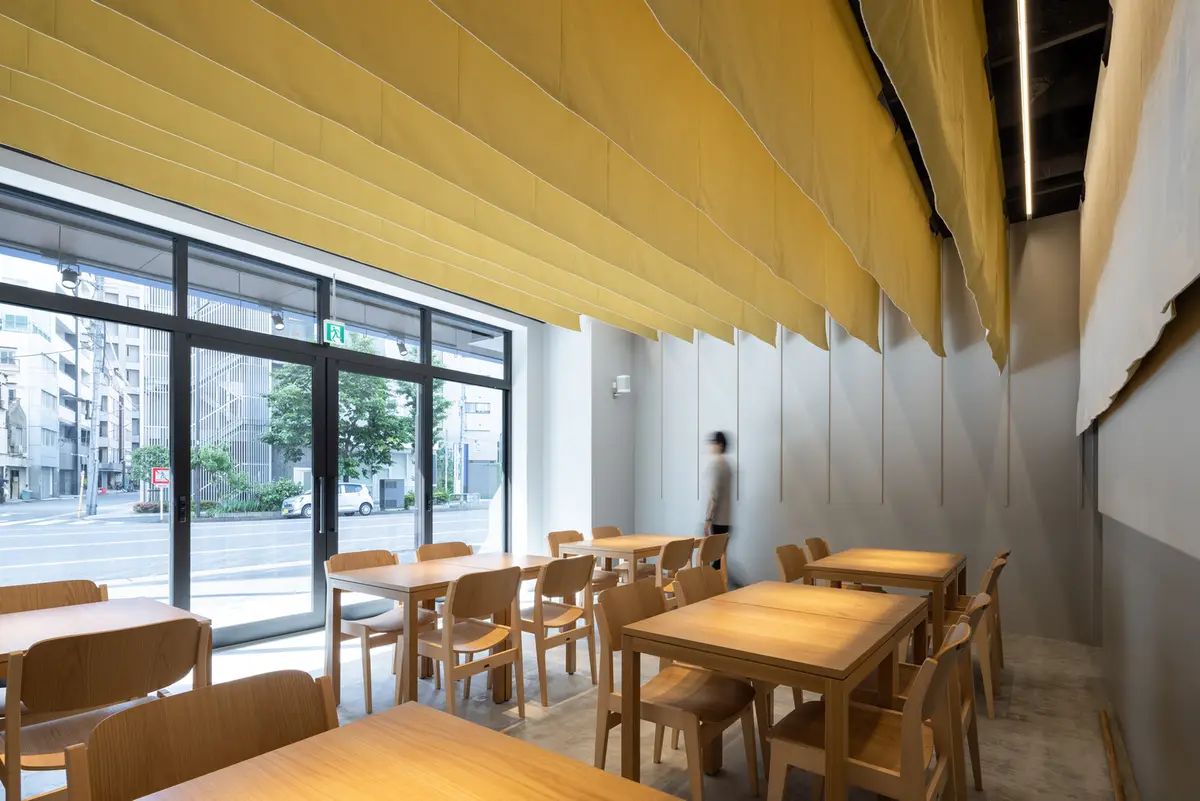
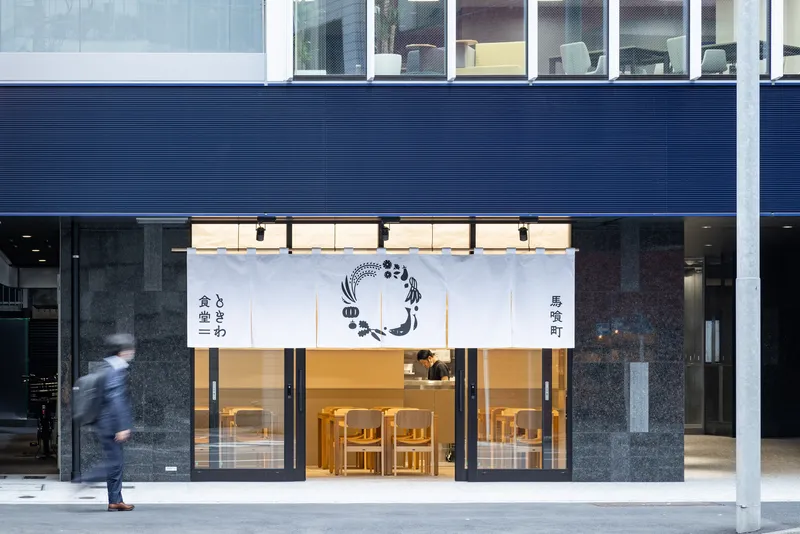
The restaurant in Bakurocho, designed by UENOA, is a masterful blend of heritage and innovation. Serving as the latest iteration of "Tokiwa Shokudo," a long-established diner with over a century of history, the interior design embodies a seamless fusion of past and future. This project reinterprets the traditional noren, a symbolic blind curtain, to shape a spatial experience that pays homage to Japanese culture while catering to modern sensibilities.
The Cultural Significance of Noren in Restaurant Design
The noren has been a fundamental aspect of Japanese architecture and commercial spaces for centuries. Originally used to block sunlight and provide privacy, noren gradually evolved to include intricate designs such as family crests, serving as a form of brand identity. Over time, these curtains became synonymous with hospitality, signaling that an establishment is open for business. The phrase "noren wo mamoru" (to protect goodwill) highlights its deep-rooted cultural significance in Japan.
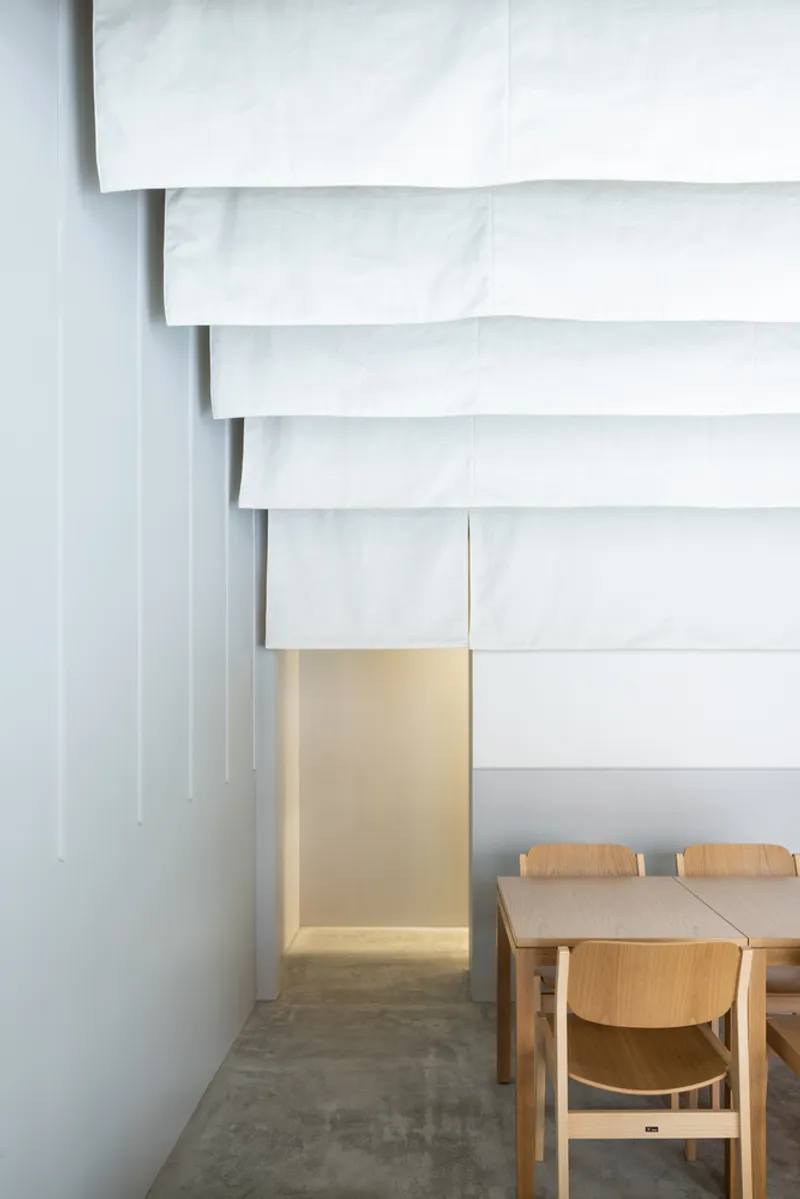
In the case of Tokiwa Shokudo, the designers sought to enhance the role of the noren beyond its traditional function. By integrating it into the interior architecture, they transformed it into an immersive design element that dictates the spatial experience of diners.
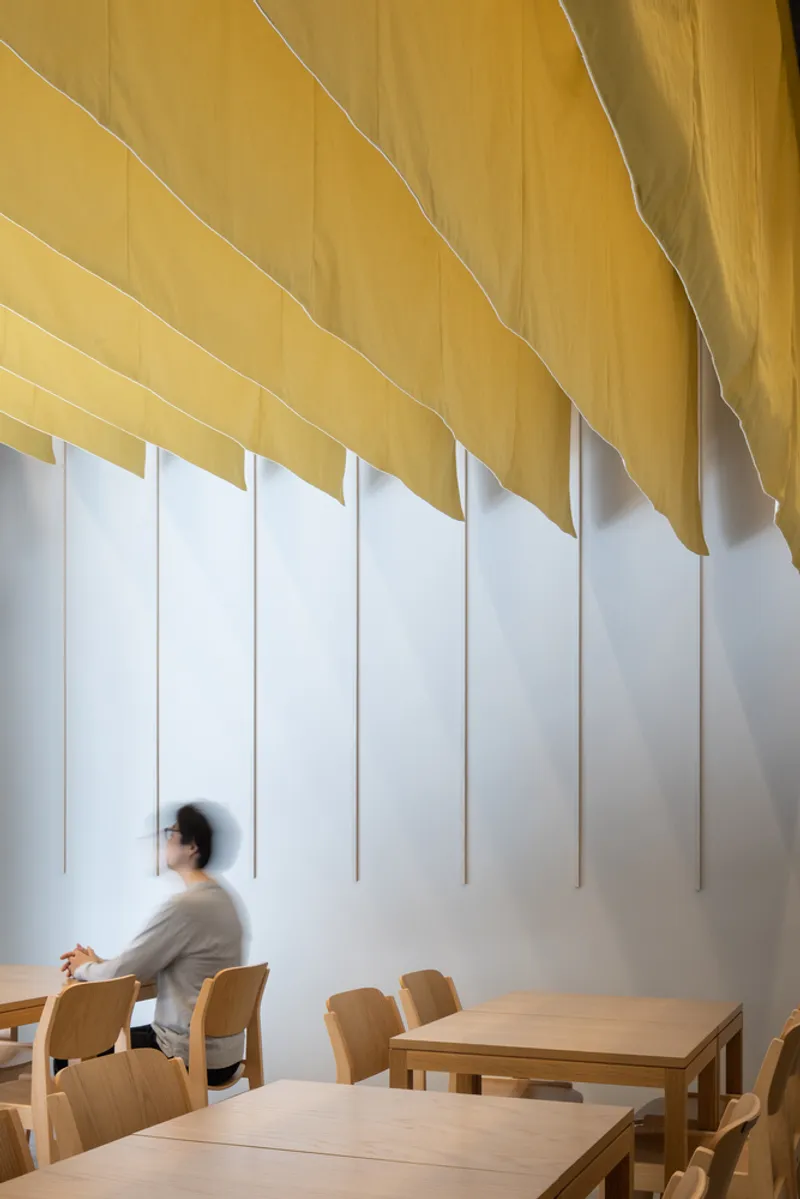
Layering Space with Fabric: The Design Concept
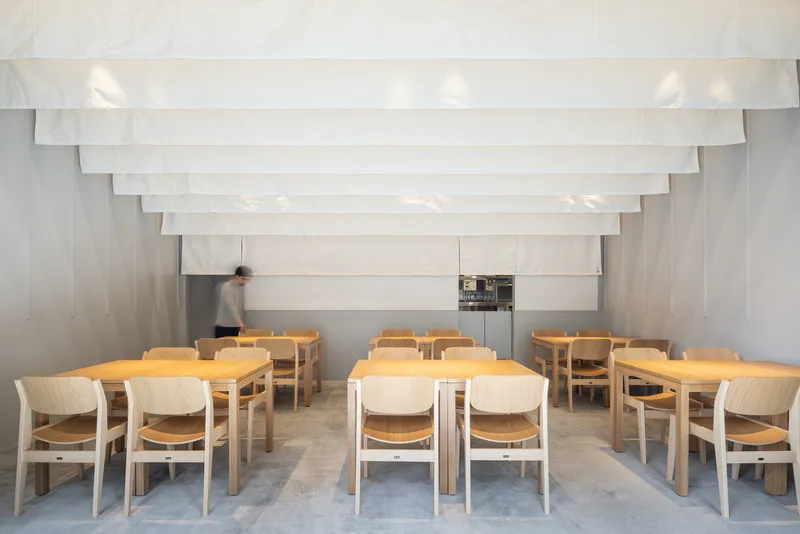
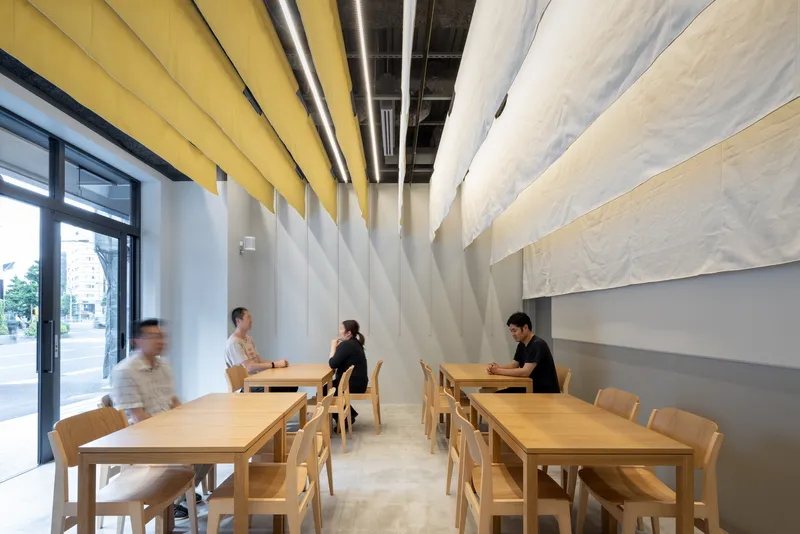
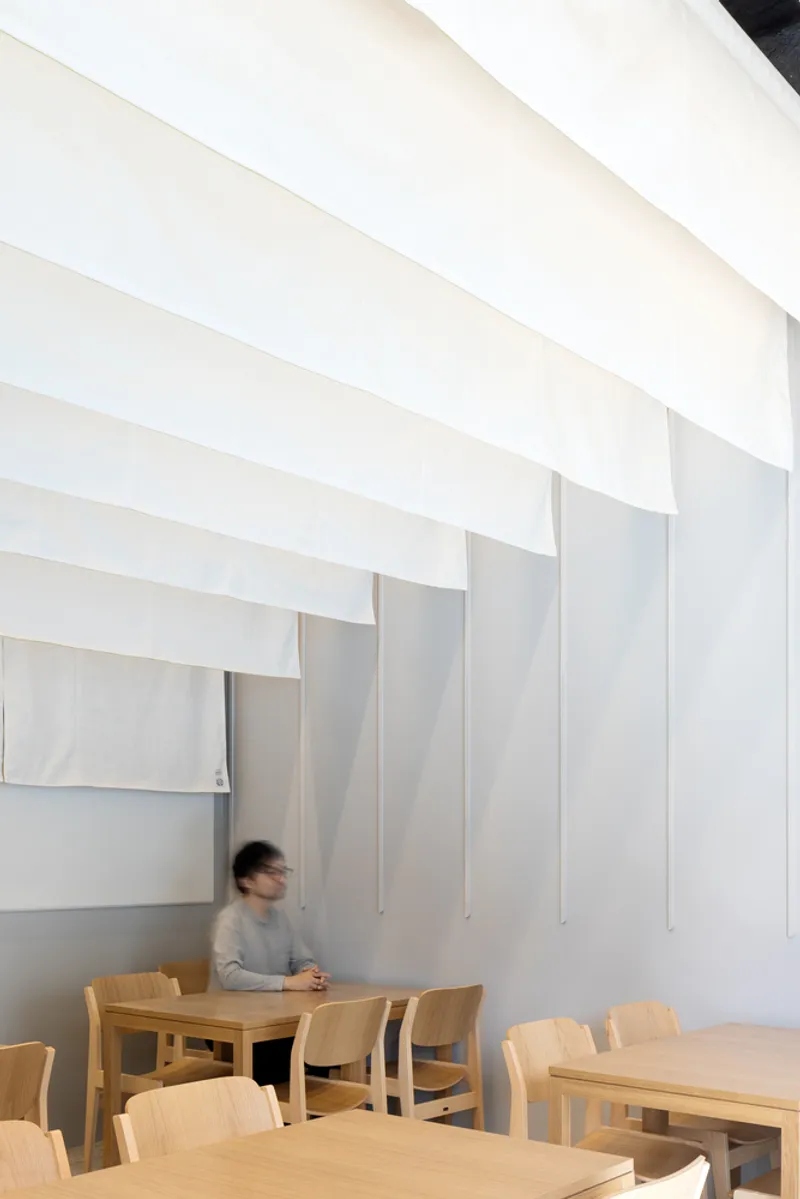
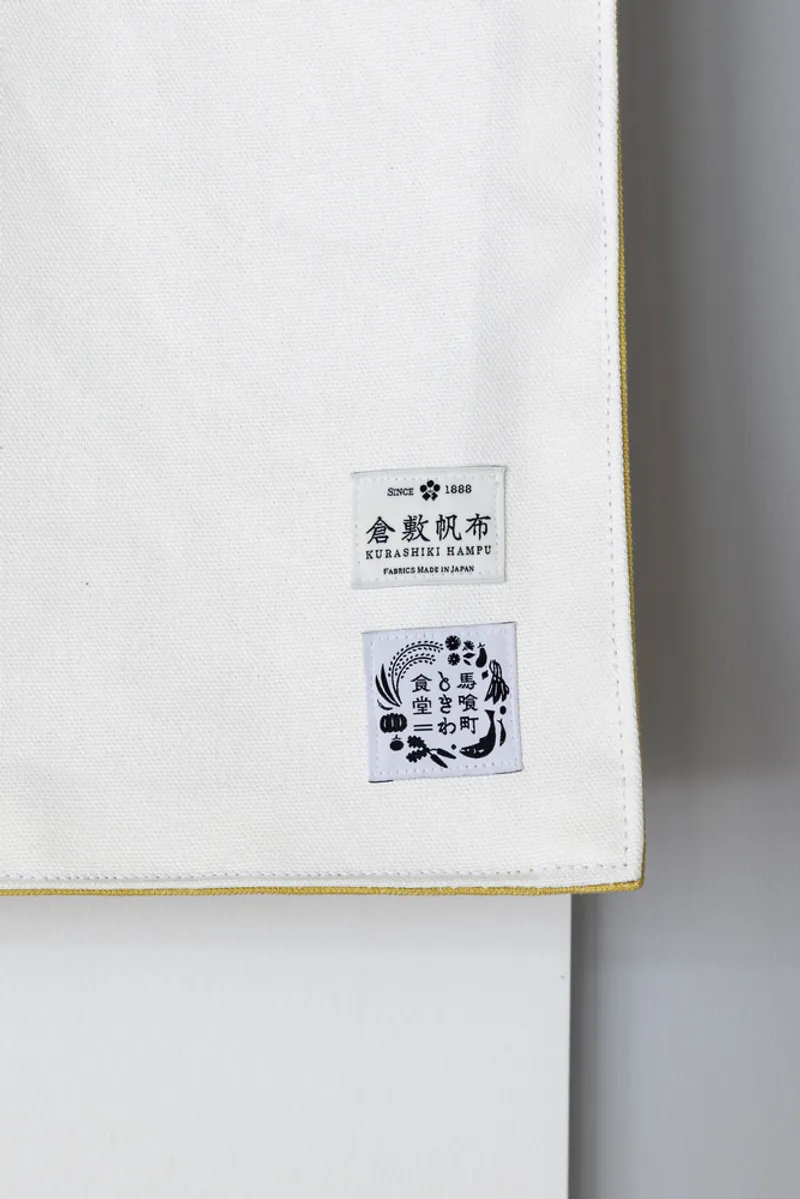
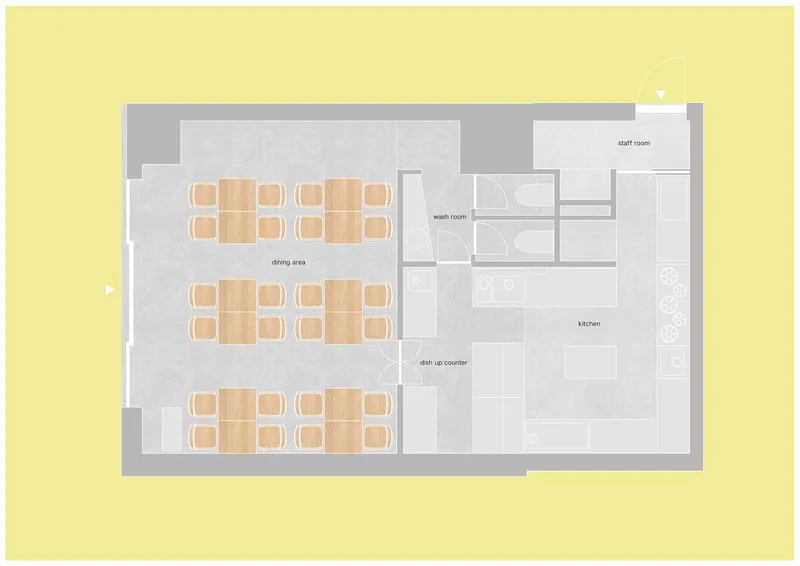
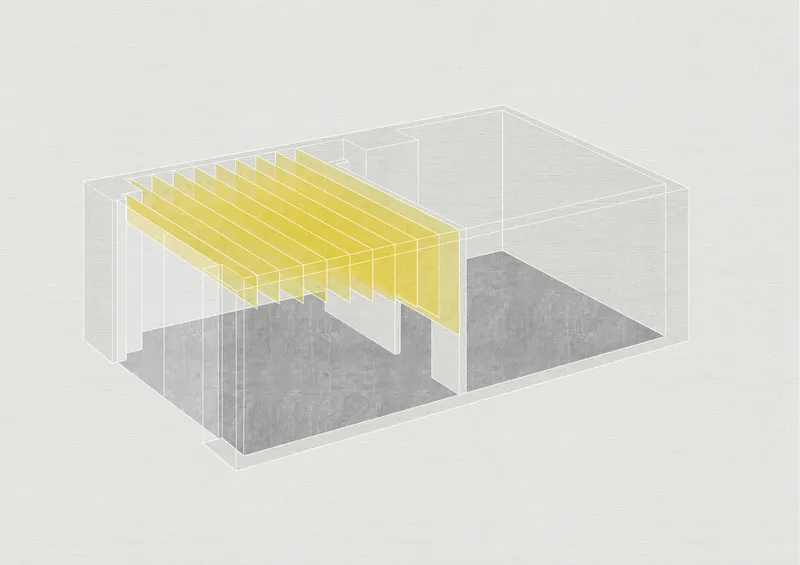
At the heart of the restaurant’s design lies a series of ten oversized noren curtains, arranged in layers across the dining area. Unlike the conventional No. 11 canvas noren, these are made from a thicker No. 8 canvas, sewn into bag-like forms that add depth and texture. Each curtain measures an impressive six meters in width, creating a fluid and dynamic ambiance.
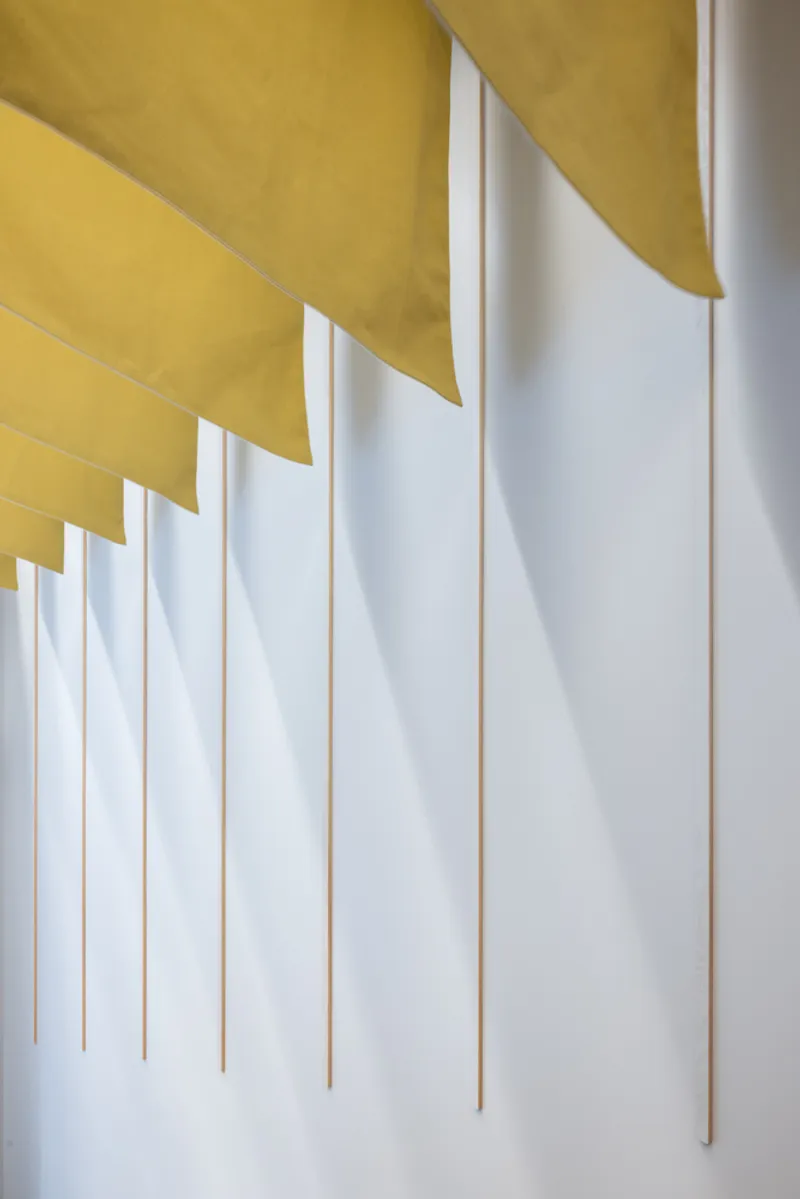
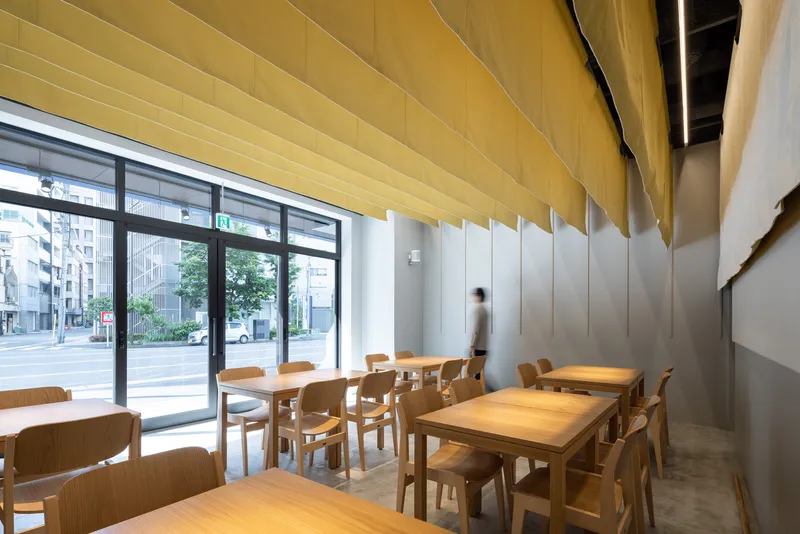
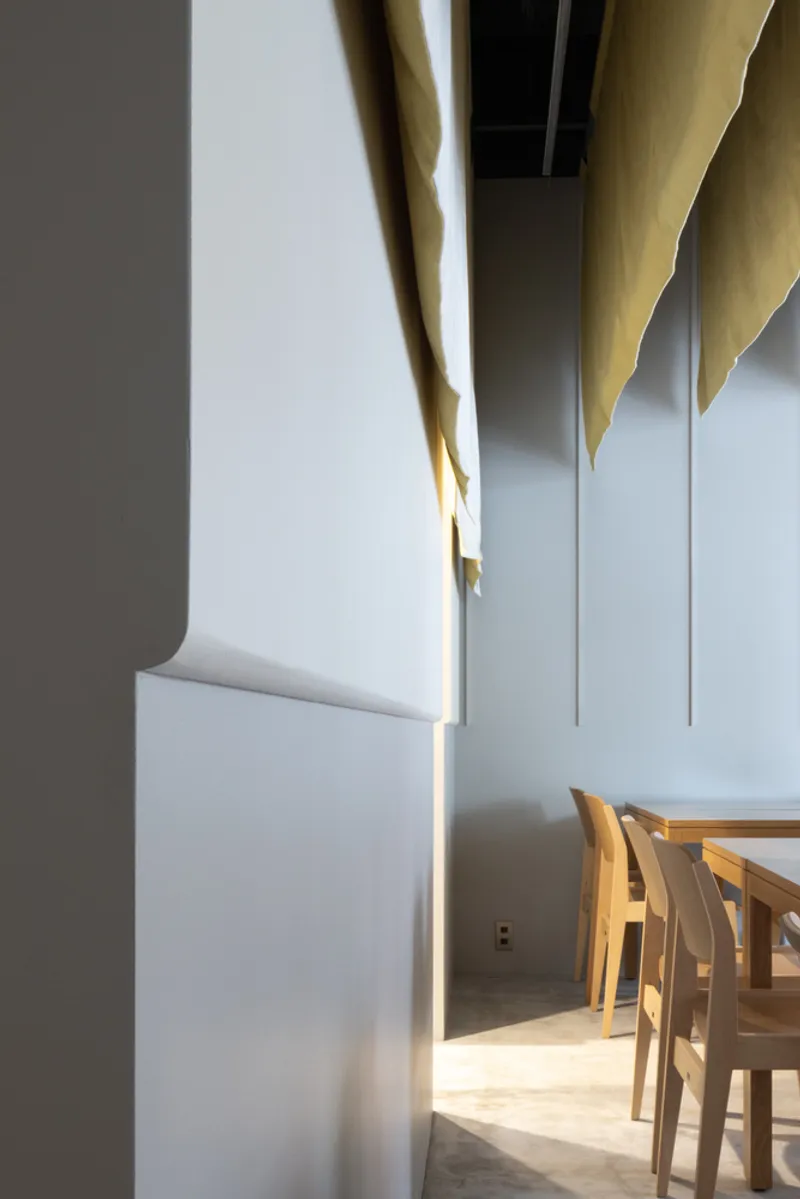
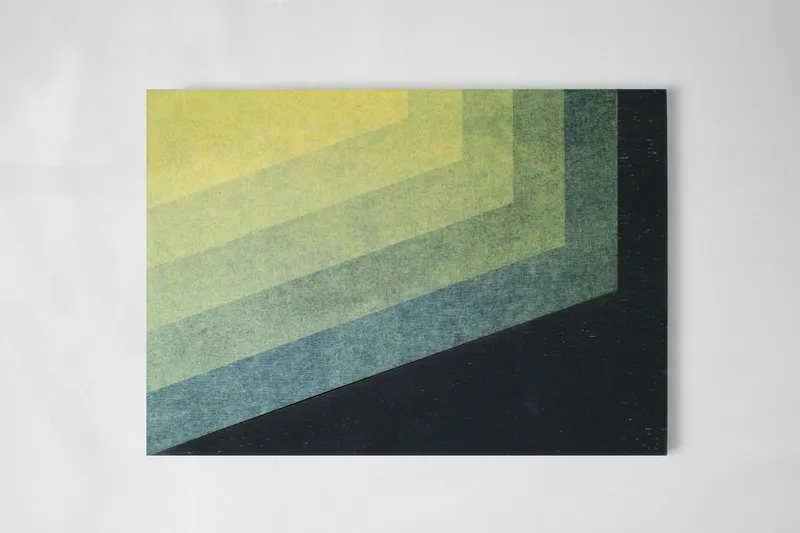
To further enhance the visual depth, the front and back surfaces of the curtains feature different colors. Their lengths gradually increase toward the back of the restaurant, ensuring that each stage of the dining experience—from entering to exiting—offers a distinct impression. This subtle transition creates a soft, immersive effect that contrasts with the rigidity of traditional wall surfaces.
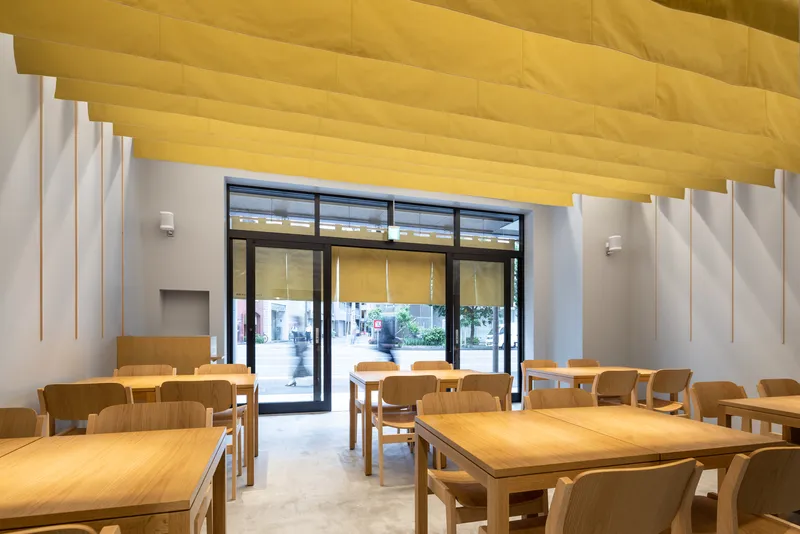
Movement and Atmosphere: The Dynamic Role of Noren
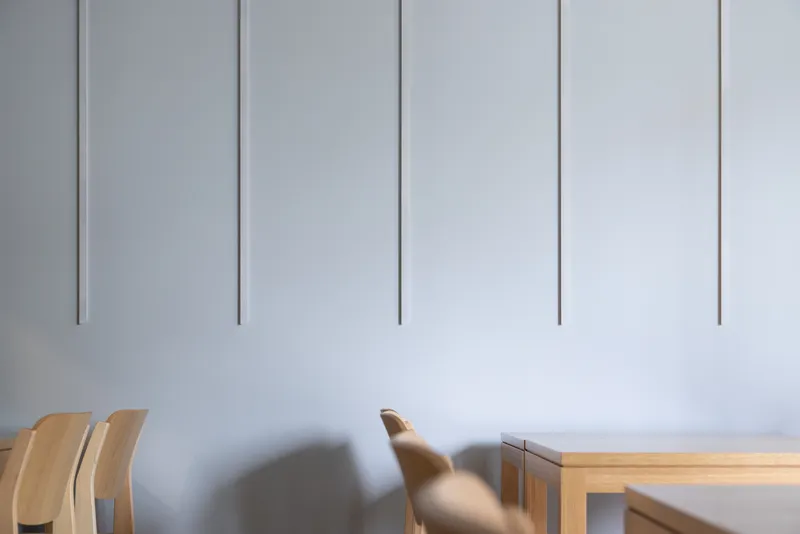
Unlike static architectural elements, the noren moves gently as patrons pass by, introducing a sense of fluidity to the restaurant’s atmosphere. This movement fosters a relaxing ambiance, making the dining experience more engaging. The shifting fabric allows guests to experience the space differently depending on their perspective—whether walking in from the street, dining at their table, or leaving after their meal.
Modernizing Japanese Restaurant Interior Design
By incorporating noren into the restaurant’s interior, UENOA successfully bridges traditional Japanese aesthetics with contemporary design principles. The project exemplifies how historical elements can be reinterpreted in a modern setting, maintaining their cultural essence while enhancing functionality. The result is an interior that not only respects tradition but also redefines the relationship between architecture, materiality, and user experience.
Enriching Daily Life Through Japanese Culture
At its core, the design philosophy behind Tokiwa Shokudo aligns with the idea of enriching daily life through Japanese culture. By transforming an ordinary dining environment into an ever-changing spatial experience, the restaurant pays tribute to Japan’s architectural heritage while offering a fresh perspective on modern hospitality design.
All Photographs are works of Naomichi Sode, UENOA


Popular Articles
Popular articles from the community


Cloaked Colonization: A Mobile Underwater Habitat That Moves Like a Fish
Micah Abaya's shortlisted EHC Pacific entry reimagines ocean settlement as a dispersed network of self-sustaining architectural organisms.

Extended Shell: Retrofitting Kolkata's Balconies as Living Urban Thresholds
A modular retrofit system recovers the social and environmental intelligence of Kolkata's historic verandas for contemporary Park Street residents.

The Amber Palace Opera: A Geological Fiction Surfaces on Tallinn's Baltic Waterfront
Pierre Brillard reimagines a Baltic legend as a public landscape, opera house, and waterfront promenade rooted in Tallinn's coastal identity.

Opera on the Sea: Driftwood Logic Shapes a Timber Opera House on Estonia's Coast
Trevor Orgill's opera house translates the entangled drift of floating timber into a civic building where wood, water, and music converge.

Similar Reads
You might also enjoy these articles

Bamboo Housing Challenge 2026: Design Affordable, Sustainable Homes Using Bamboo
An international design competition by Bamboo U and IBUKU inviting architects and designers to reimagine affordable housing using bamboo — with the winning design built full-scale in Bali.

Computational Design & Education: Beegraphy Design Awards Introduces 7th Category (Featuring Jiyun's Innovative Approach)
Dive into Beegraphy’s 7th Design Awards category, where computational design meets education to create immersive, interactive learning tools, inspired by Jiyun’s work.

From Parametric Lighting to Urban Furniture: Join the 2nd Workshop in Beegraphy’s Computational Design Series
Dive into Cutting-Edge Design Techniques and Practical Applications with Industry Experts

Last Call: Unleash Your Architectural Genius in SHAK's Kindergarten Design Competition
Urgent call for architects to join SHAK's kindergarten design competition before the looming deadline

Explore Japanese Architecture Competitions
Discover active competitions in this discipline

Challenge to reimagine the Iron Throne

Photograph architecture without architects

Illustrate the lost glory of Angkor Wat - Render Challenge

Design challenge to reuse E-waste
Comments (0)
Please login or sign up to add comments
No comments yet. Be the first to comment!