
KALA Offices Geneva Adaptive Reuse and Contemporary Extension by Sujets Objets
Adaptive reuse project in Geneva adds a contemporary office floor to a historic building, blending industrial heritage, flexible workspaces, and modern architecture.


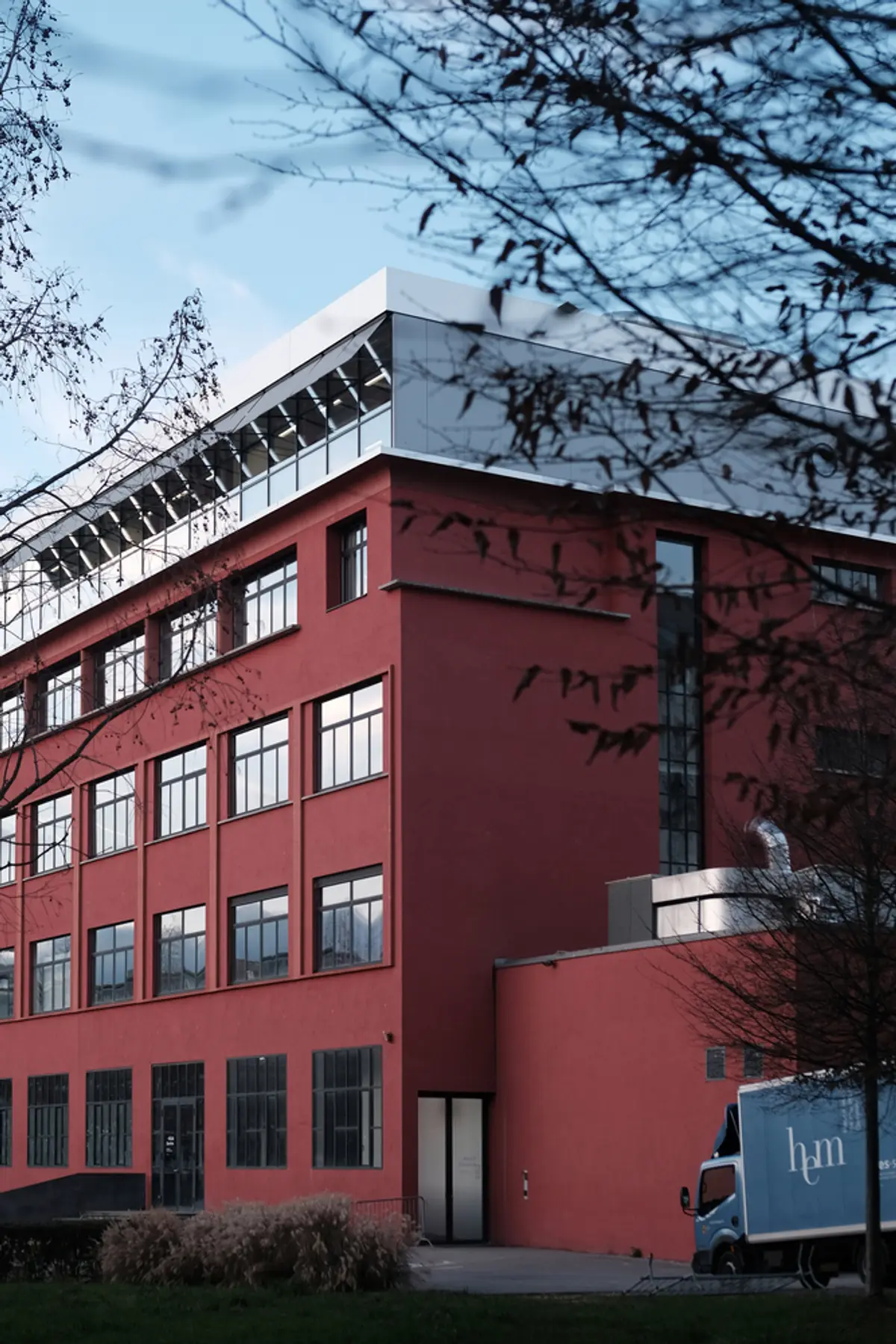
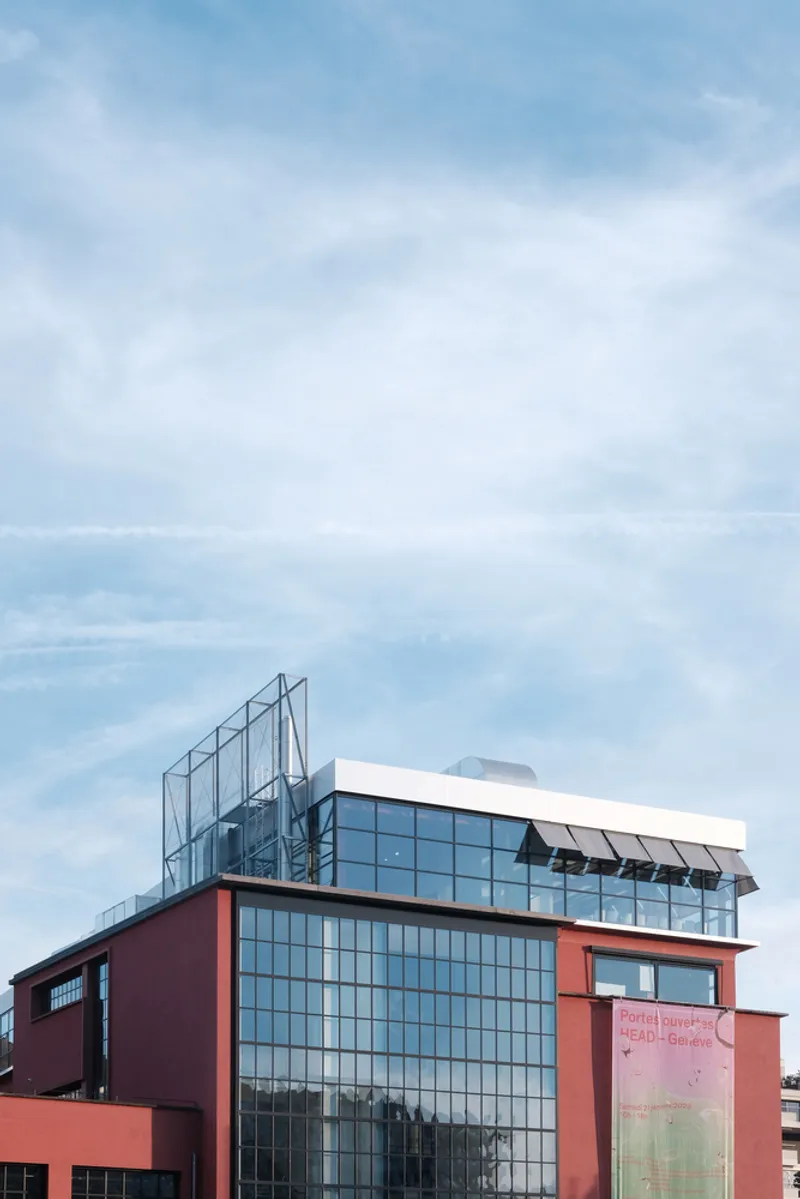
The KALA Offices in Geneva, Switzerland, designed by Sujets Objets, represent an innovative example of adaptive reuse and architectural extension within a historic urban context. Completed in 2020, the project expands an existing building belonging to HEAD, Geneva School of Art and Design, originally designed by architect Jean Erb in 1948.
Located in an area where many industrial buildings have been transformed or replaced, the project demonstrates how heritage preservation and contemporary office design can coexist. Rather than demolishing the existing structure, the architects chose to preserve the original building and add an additional floor, maintaining the architectural memory of the site while introducing new spatial possibilities.
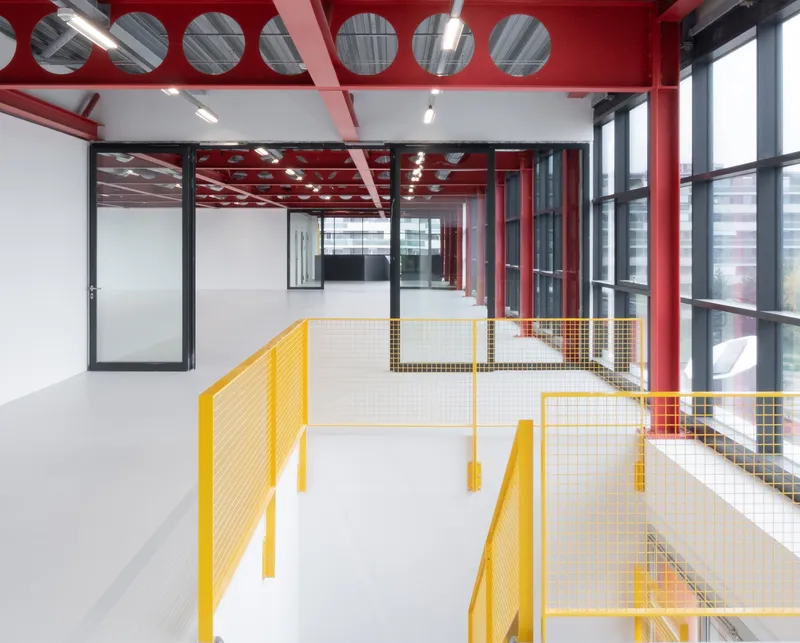
The resulting extension adds approximately 800 square meters of flexible workspace, creating a dynamic environment that accommodates offices, classrooms, and workshops. This thoughtful intervention reflects the growing architectural trend of sustainable urban regeneration, where existing buildings are carefully adapted to meet modern needs.
Heritage Preservation and Architectural Continuity
A key challenge of the KALA Offices project was balancing heritage conservation with modern architectural expression. The original building, recognized as a 20th-century heritage structure, required careful consideration to ensure that any modifications respected its historical value.
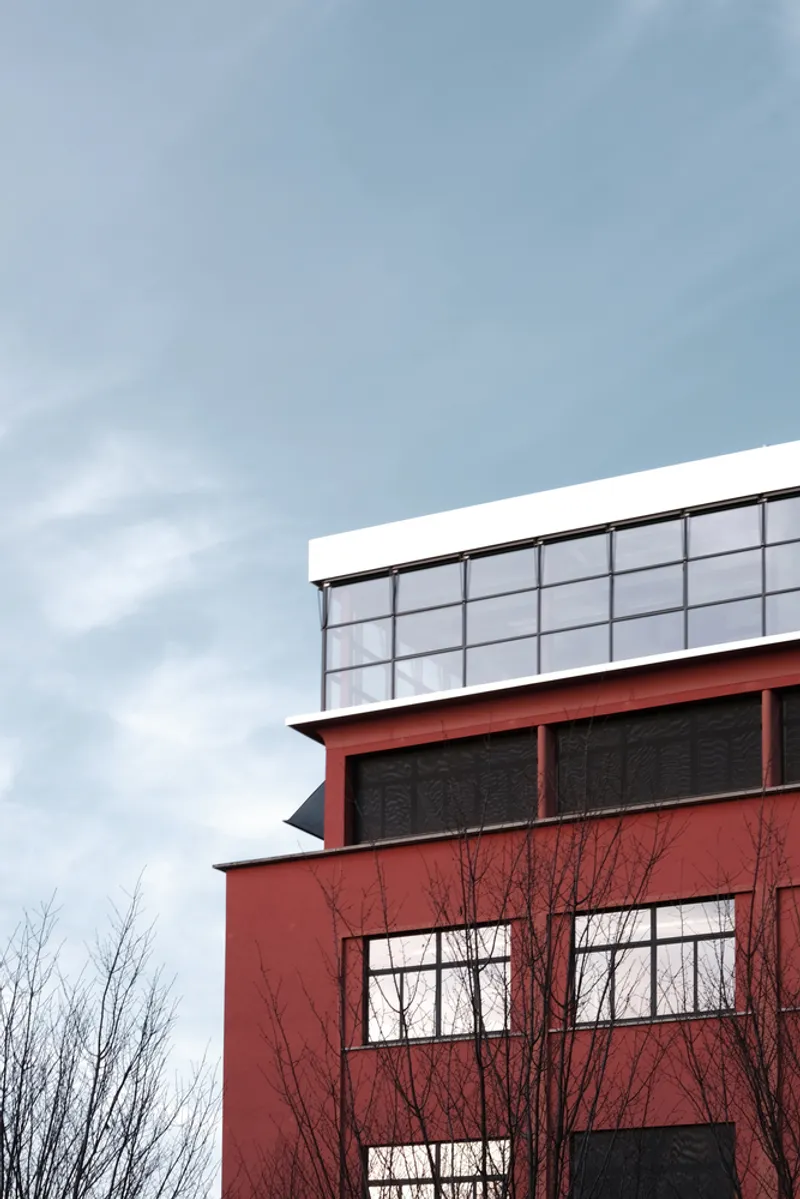
The architects approached the extension with a strategy of continuity and subtle contrast. The new floor aligns with the structural logic of the existing building while simultaneously asserting itself as a contemporary architectural element. This dual reading allows the extension to function both as a natural continuation of the building and as an independent architectural volume.
The project ultimately creates a dialogue between post-war industrial architecture and contemporary workspace design, reinforcing the building’s identity while enhancing its usability for creative and educational activities.
Open Plan Office Design and Flexible Workspaces
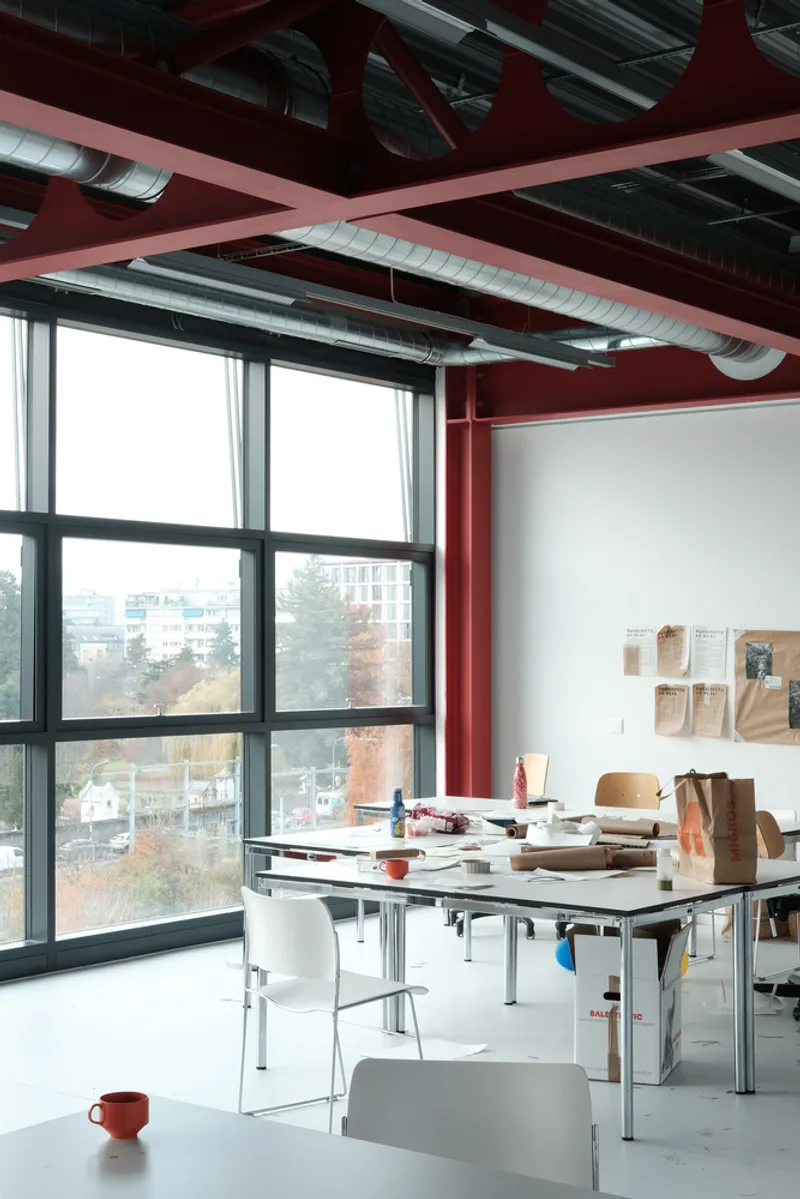
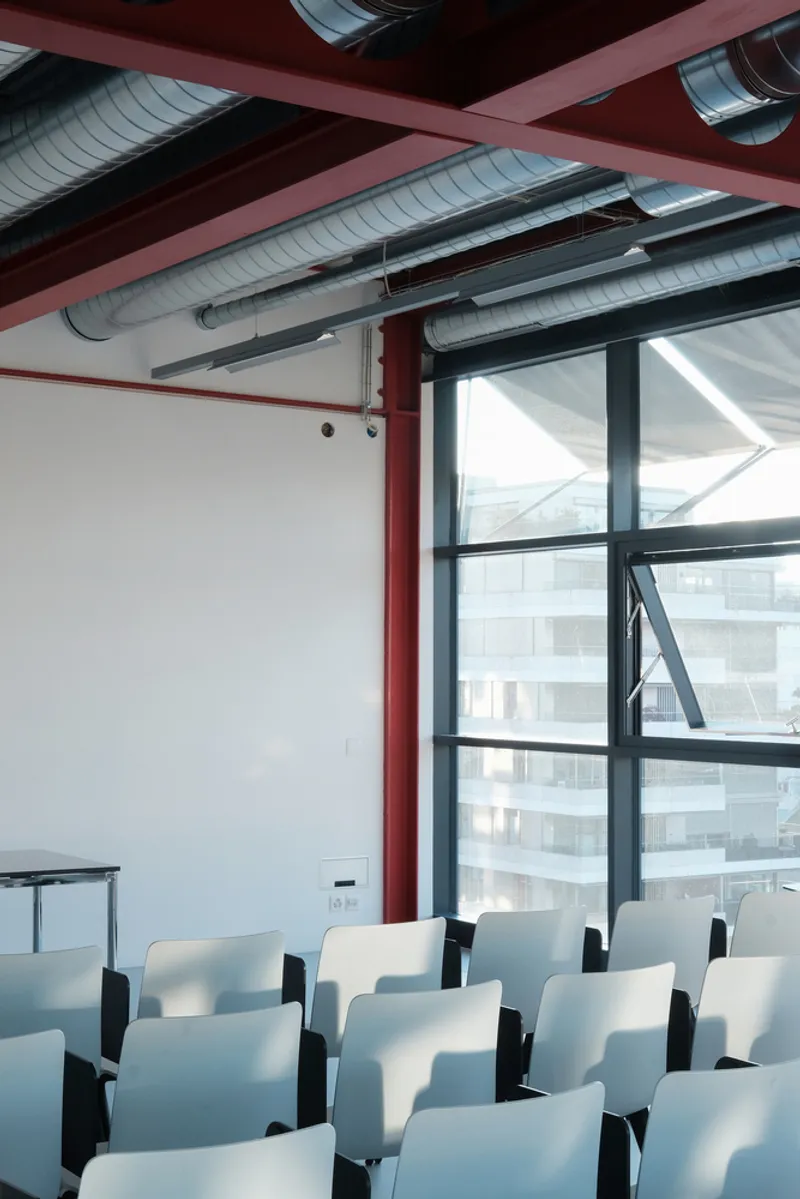
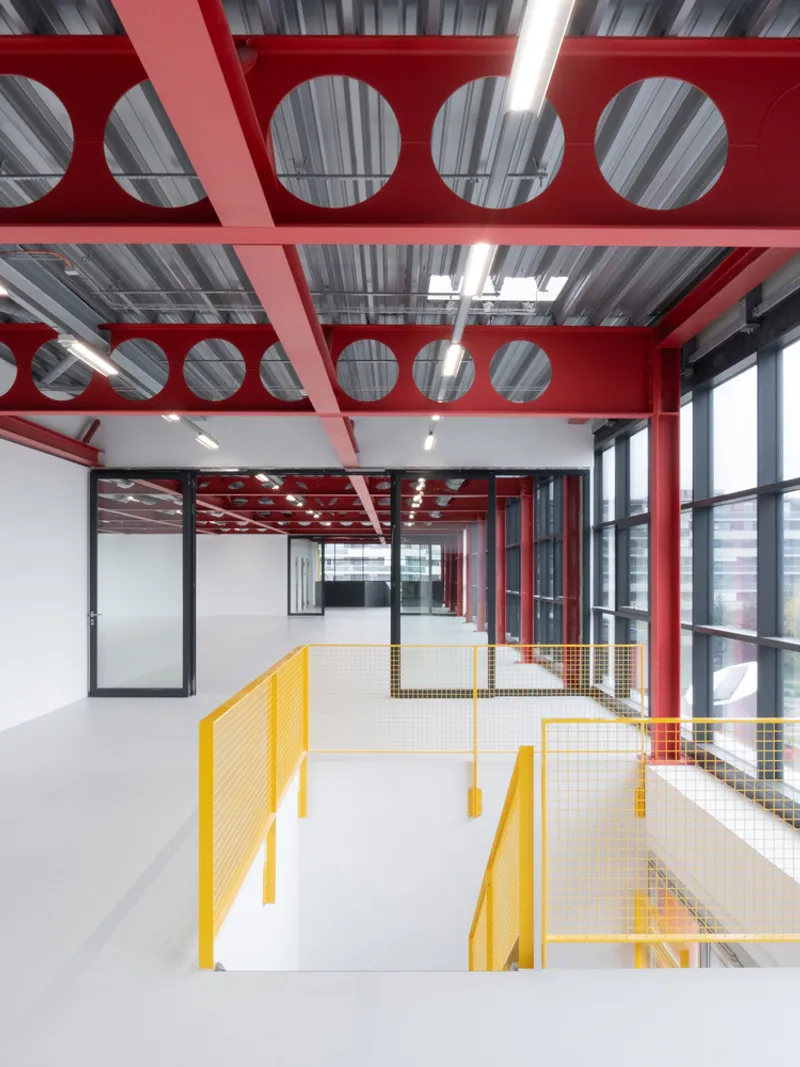
One of the defining characteristics of the KALA Offices extension is its open and flexible spatial layout. The architects developed a simple orthogonal plan, intentionally modifying the rhythm of the existing structural grid to free the interior from conventional corridor-based organization.
This strategy creates continuous and generous working environments, allowing the spaces to function as adaptable studios, classrooms, or collaborative workspaces. The absence of rigid circulation corridors promotes fluid movement and visual connectivity, encouraging interaction between occupants.
Such design principles align with contemporary office architecture trends that prioritize flexibility, collaboration, and multifunctional space planning. The result is an interior environment capable of adapting to evolving educational and professional needs.
Industrial Materials and Structural Expression
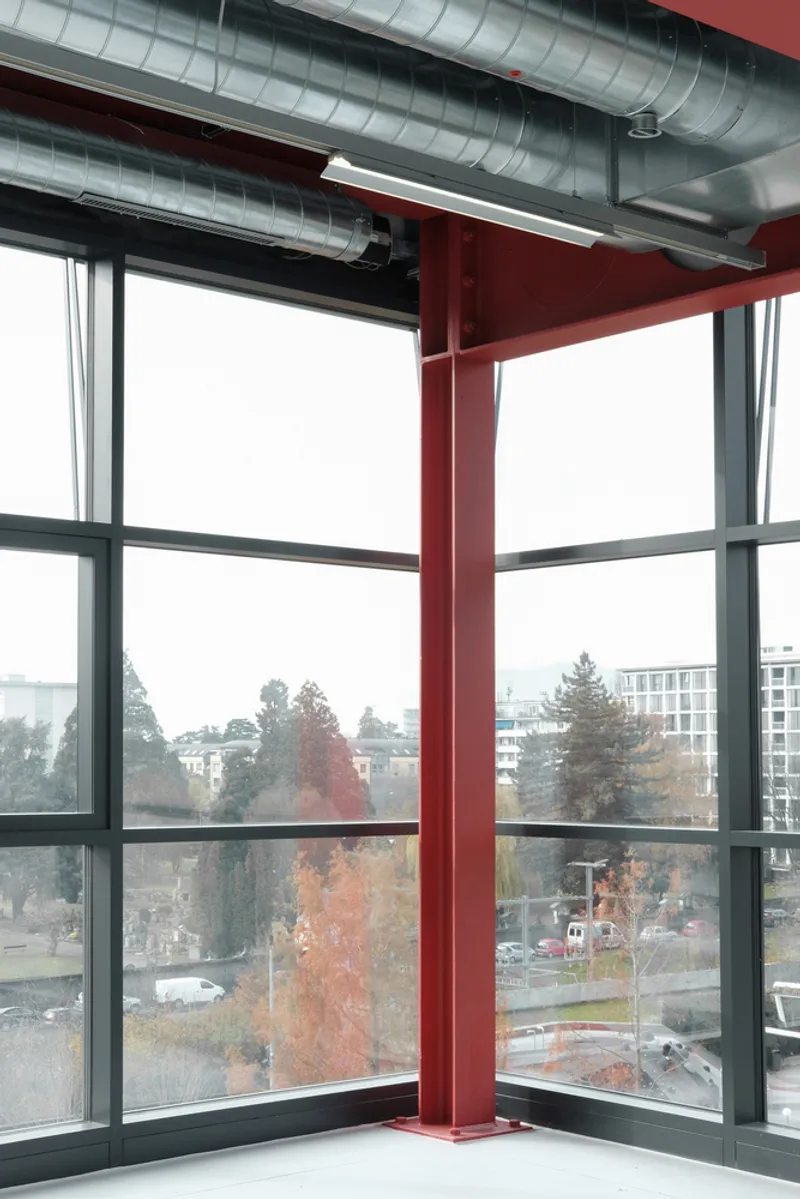
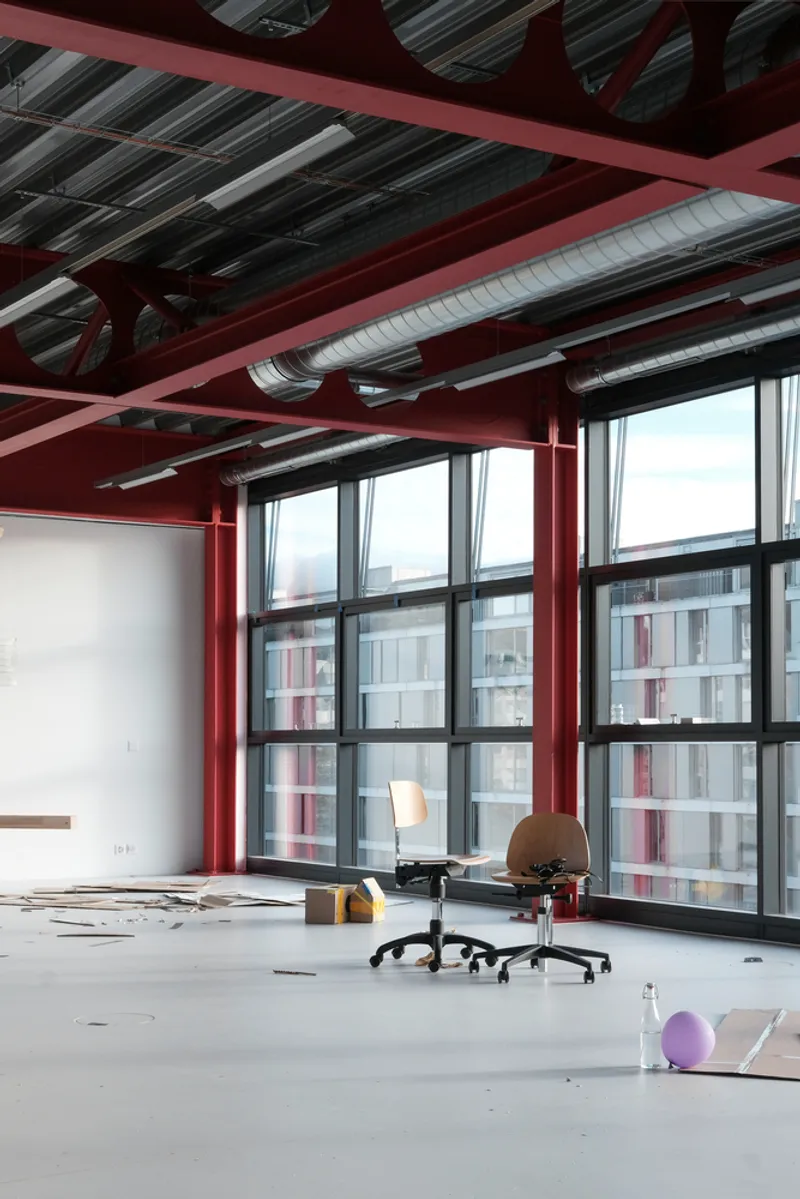
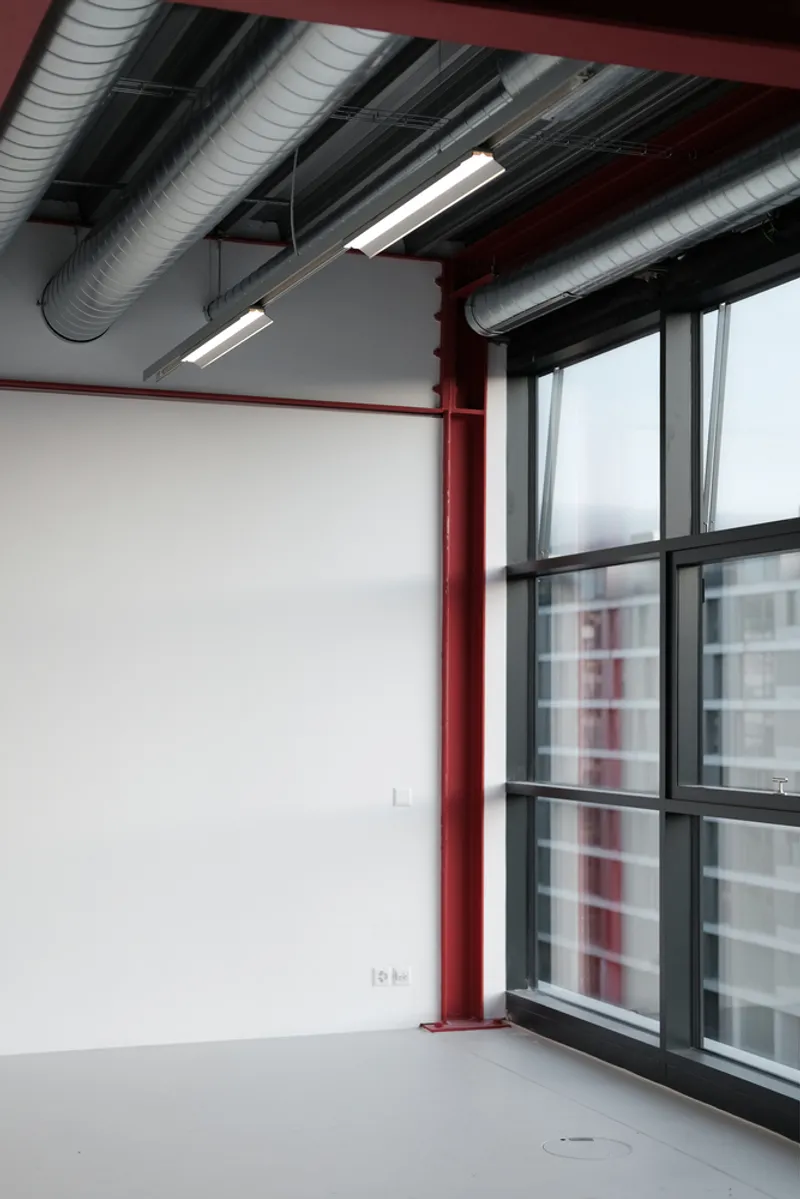
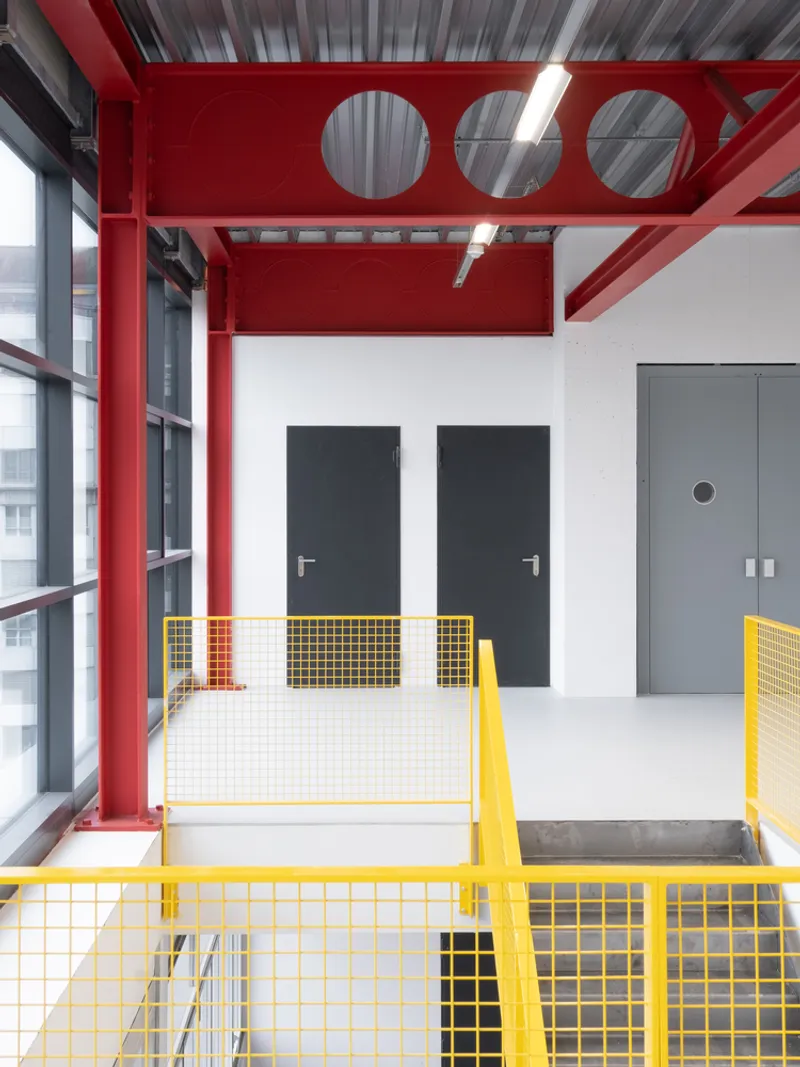
The extension is organized beneath a large metallic structural frame, which establishes a clear architectural rhythm throughout the interior. This visible structure emphasizes the building’s industrial character while providing the framework for flexible spatial organization.
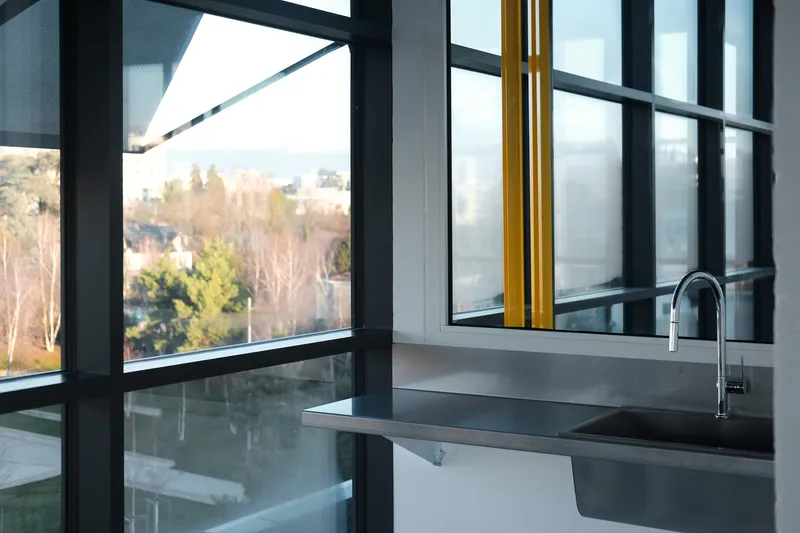
The perimeter of the extension defines a simple and efficient spatial boundary, generating neutral and adaptable interiors. Within this rational system, the architects introduce subtle irregularities and architectural moments that disrupt the otherwise strict order.
These controlled variations give the project a unique spatial identity. Rather than relying solely on functional repetition, the design incorporates intentional architectural events that create visual interest and spatial complexity.
Sculptural Circulation and Technical Integration
A striking architectural feature of the project is the sculptural staircase, positioned within a full-height void that marks the building’s primary access point. This vertical circulation element becomes both a functional component and a spatial focal point, connecting different levels while animating the interior environment.
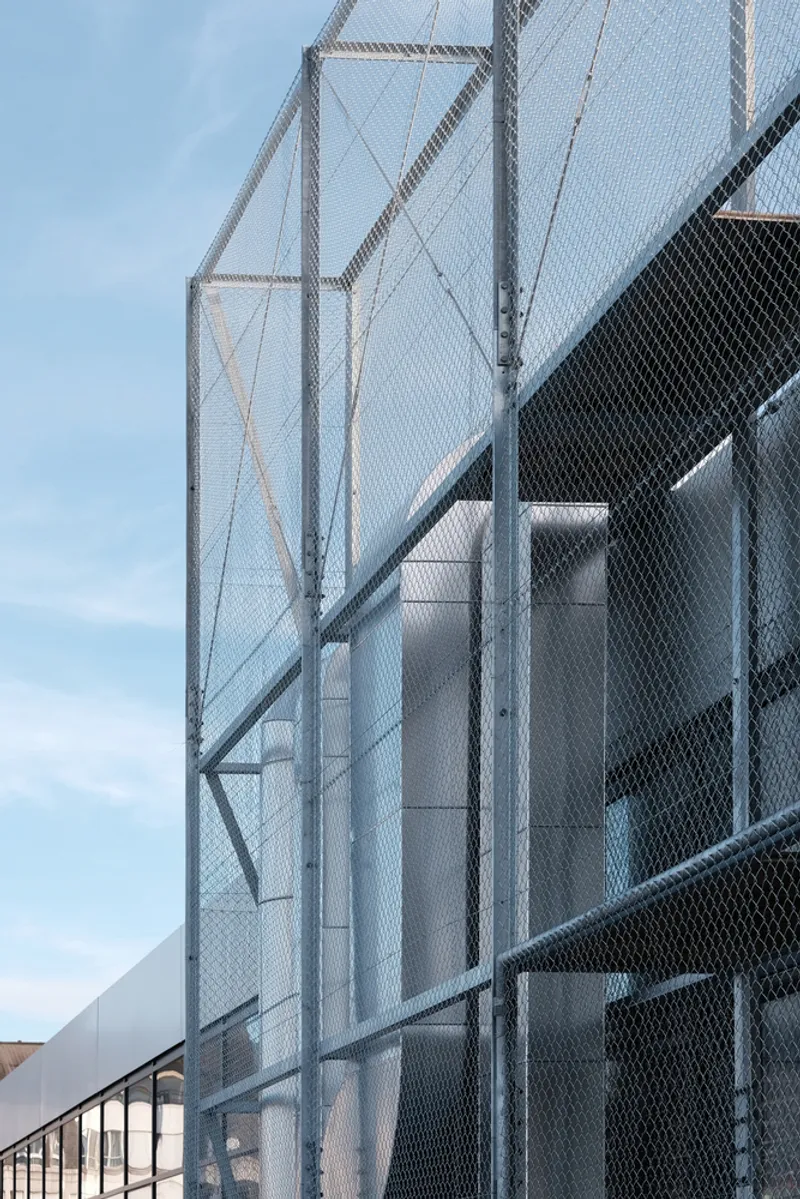
Technical infrastructure elements are deliberately exposed and allowed to traverse the space freely. Rather than hiding these systems, the architects integrate them as part of the building’s architectural language, emphasizing transparency and honesty in construction.
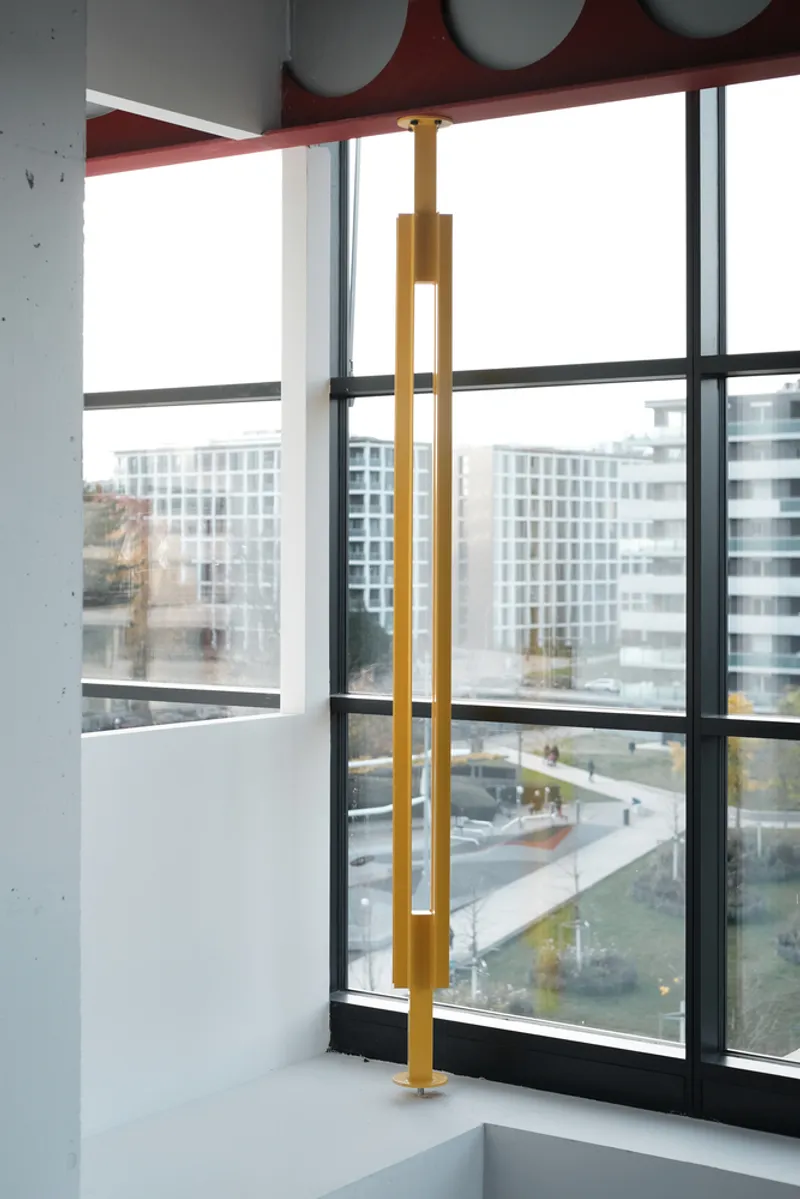
One particularly intriguing element is a floating column designed to support the metal frame in case of fire, demonstrating the careful integration of safety engineering within the architectural concept. Similarly, mechanical systems are strategically placed along the façade, reinforcing the building’s functional logic.
Contemporary Architecture within a Historic Framework
The KALA Offices extension reflects a broader architectural philosophy in which new interventions respect and reinterpret existing structures. By preserving the original building and adding a carefully designed contemporary layer, the project contributes to the sustainable transformation of Geneva’s industrial heritage.
The extension reads as a simple architectural box, yet within this clarity lies a series of subtle variations and spatial surprises. These moments of irregularity introduce complexity and character into an otherwise rational framework, reinforcing the architects’ conceptual approach.
Ultimately, the project demonstrates how adaptive reuse, structural clarity, and flexible design strategies can create a dynamic workplace environment while honoring the architectural history of a site.
The KALA Offices stand as a compelling example of modern office architecture integrated within a historic urban context, offering valuable insights into sustainable renovation and contemporary workspace design.
All photographs are works of
Sven Högger, Charly Jolliet


Popular Articles
Popular articles from the community


Little Red Riding Hood: Architectural Design as a Journey Through Fear, Light, and Storytelling
Little Red Riding Hood reimagines the fairy tale through architectural design shaped by fear, light, scale, memory, uncertainty, and choice.

Hill & Cross Opera: Sculptural Opera House Architecture Shaped by Tallinn’s Landscape and Identity
Hill & Cross Opera reimagines opera house architecture in Tallinn through its sculptural hill, civic plaza, glass wave and a luminous cross.

ALGAL REALM: A Bio-Integrated Lunar Habitat Design for Life Beyond Earth
ALGAL REALM reimagines lunar habitat design with algae-powered life support, 3D-printed regolith, and vertical living for a lunar future.

Play: Fragments of Their World
Familiar architecture becomes modular playground design, creating safe spaces where displaced children can learn, connect, imagine and play.

Similar Reads
You might also enjoy these articles

Bamboo Housing Challenge 2026: Design Affordable, Sustainable Homes Using Bamboo
An international design competition by Bamboo U and IBUKU inviting architects and designers to reimagine affordable housing using bamboo — with the winning design built full-scale in Bali.
Computational Design & Education: Beegraphy Design Awards Introduces 7th Category (Featuring Jiyun's Innovative Approach)
Dive into Beegraphy’s 7th Design Awards category, where computational design meets education to create immersive, interactive learning tools, inspired by Jiyun’s work.
From Parametric Lighting to Urban Furniture: Join the 2nd Workshop in Beegraphy’s Computational Design Series
Dive into Cutting-Edge Design Techniques and Practical Applications with Industry Experts

Last Call: Unleash Your Architectural Genius in SHAK's Kindergarten Design Competition
Urgent call for architects to join SHAK's kindergarten design competition before the looming deadline

Explore Architecture Competitions
Discover active competitions in this discipline

Challenge to reimagine the Iron Throne

Photograph architecture without architects

Illustrate the lost glory of Angkor Wat - Render Challenge

Design challenge to reuse E-waste
Comments (0)
Please login or sign up to add comments
No comments yet. Be the first to comment!