
Kindergarten in Locarno: A Harmonious Blend of Sustainability and Community
The Kindergarten in Locarno by cappelletti sestito architetti harmonizes modern architectural innovation with community-focused, sustainable design principles.


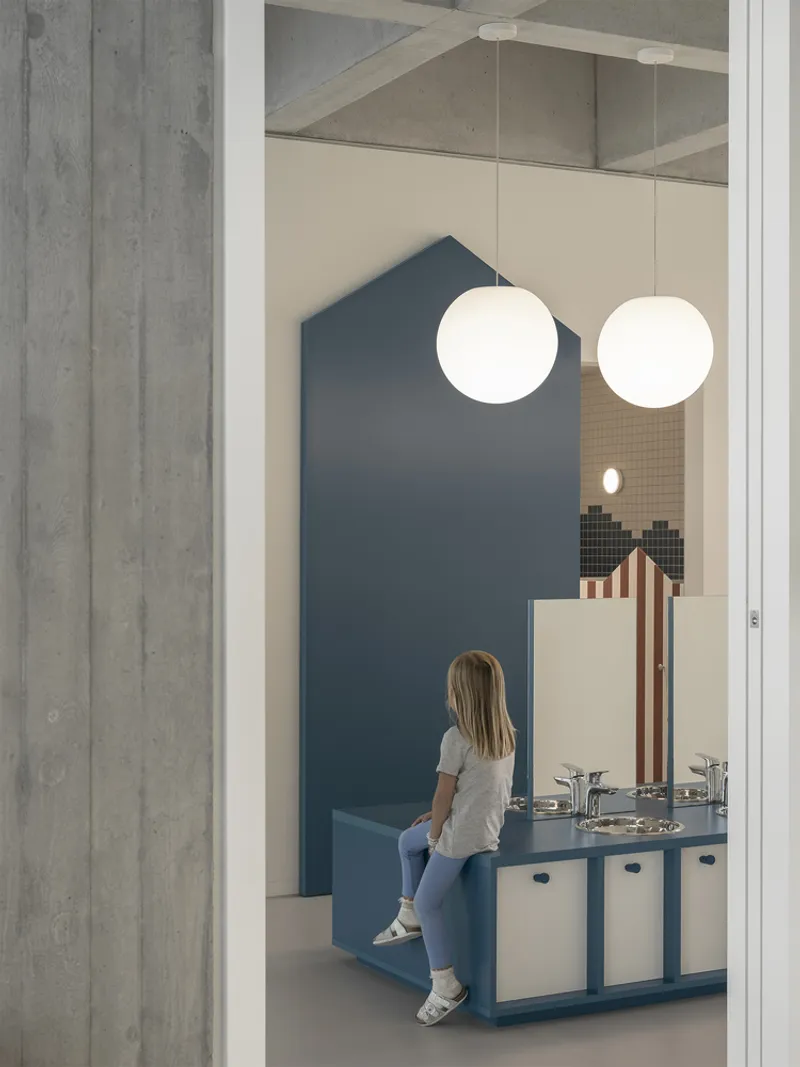
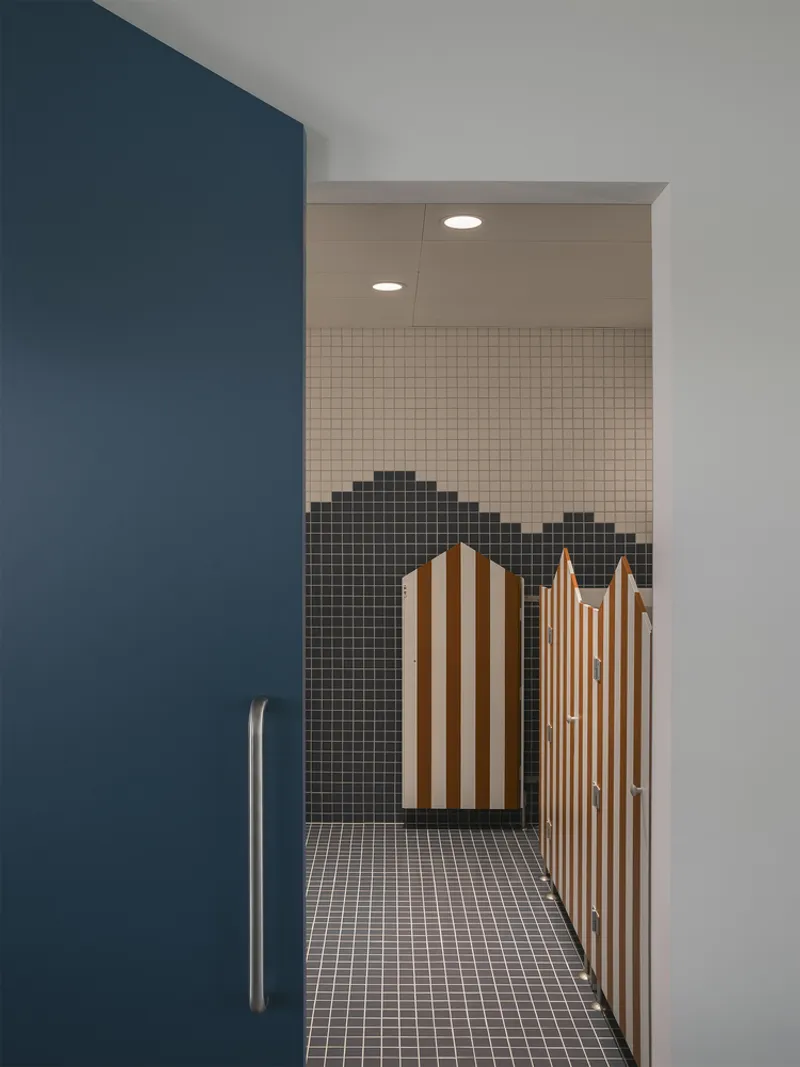
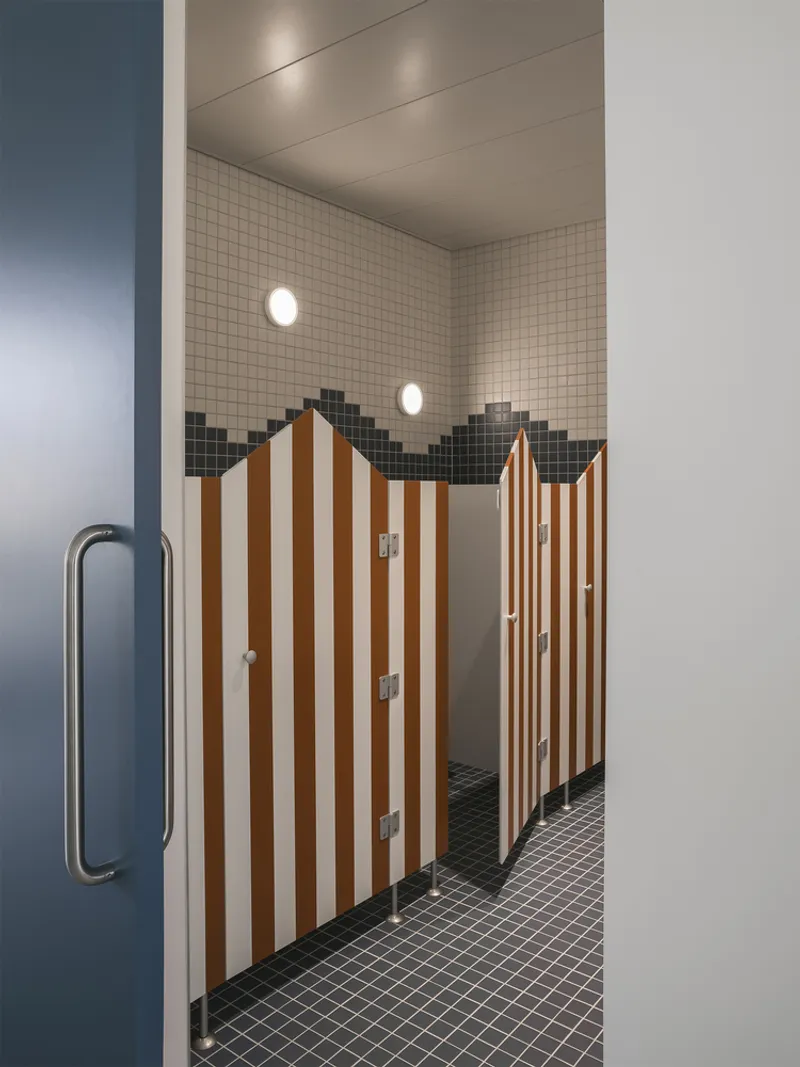
Situated in Locarno, Switzerland, the new Kindergarten by cappelletti sestito architetti is a testament to how thoughtful architecture can enhance community-focused education. Designed to foster inclusion, sustainability, and interaction, the project redefines educational spaces for children while seamlessly integrating into its natural and urban surroundings.
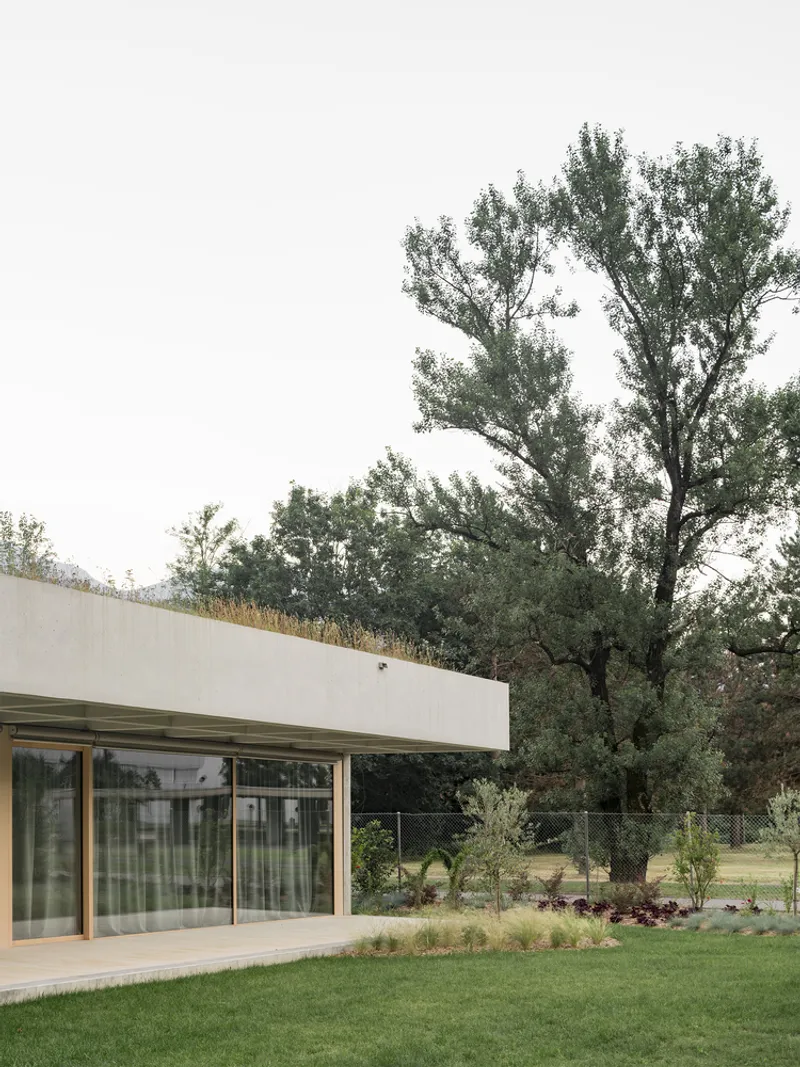
Architectural Context and Vision
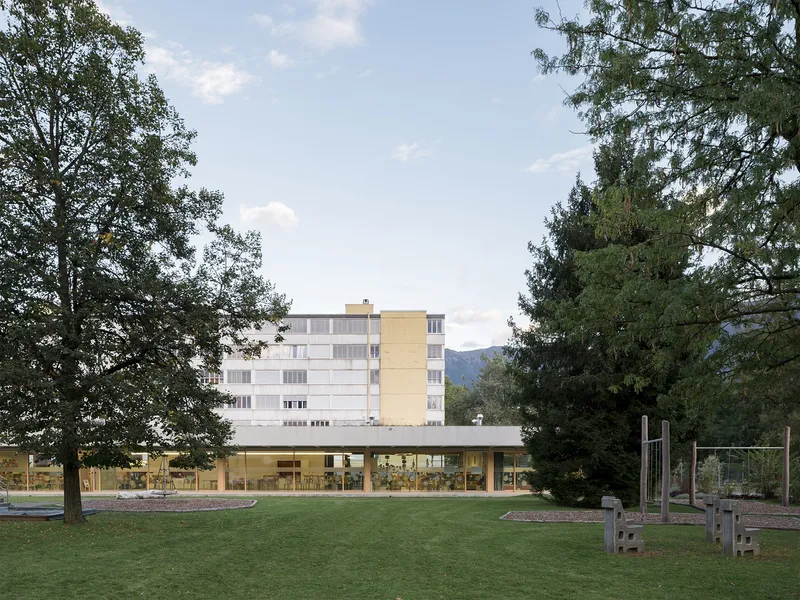
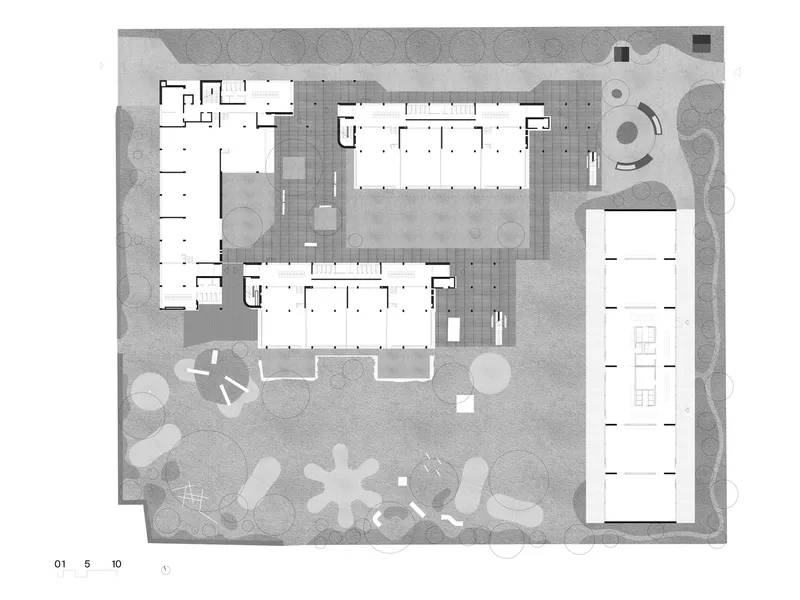
This project originated from an international competition organized by the Municipality of Locarno in 2019, which was unanimously awarded to cappelletti sestito architetti. The architects aimed to harmonize the new kindergarten sections with the organic architectural language of Dolf Schnebli’s original 1973 building while establishing a distinct identity for the addition.
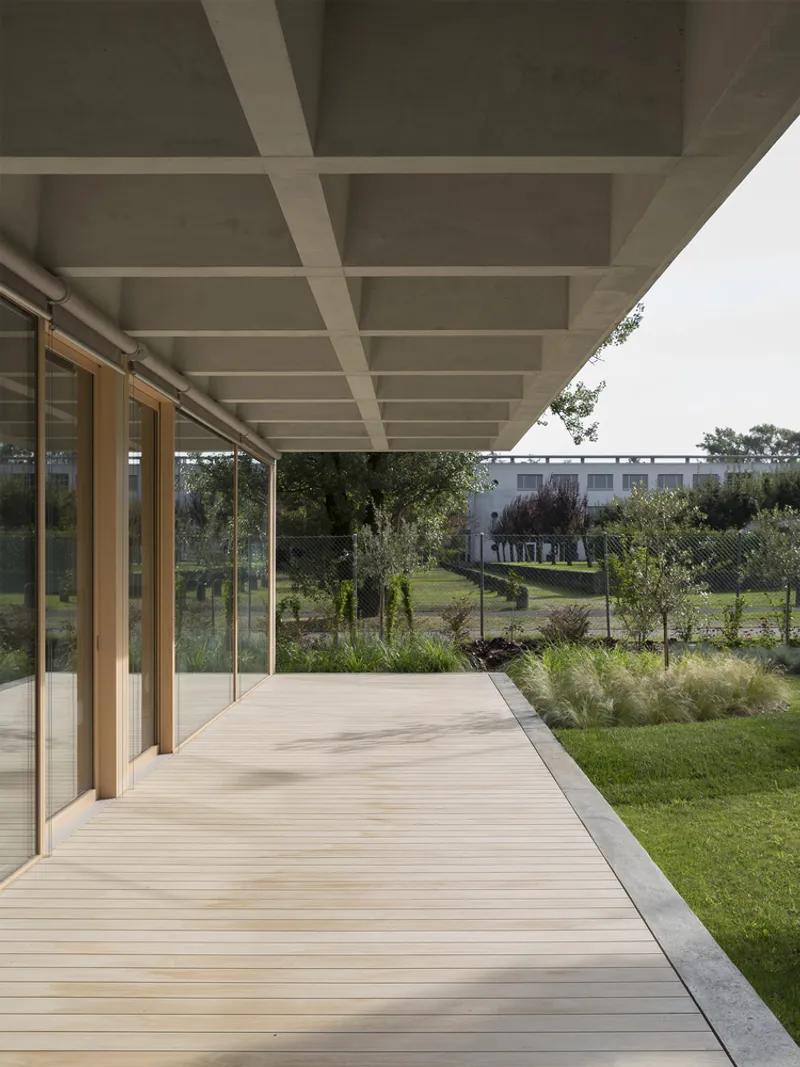
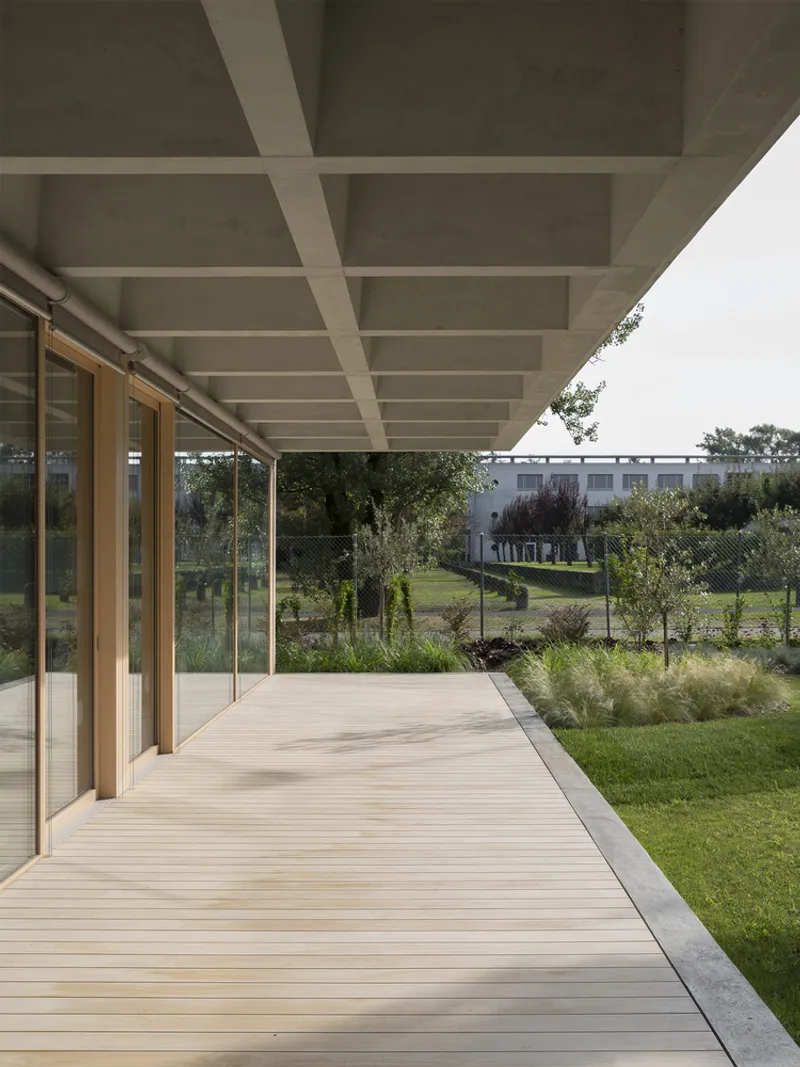
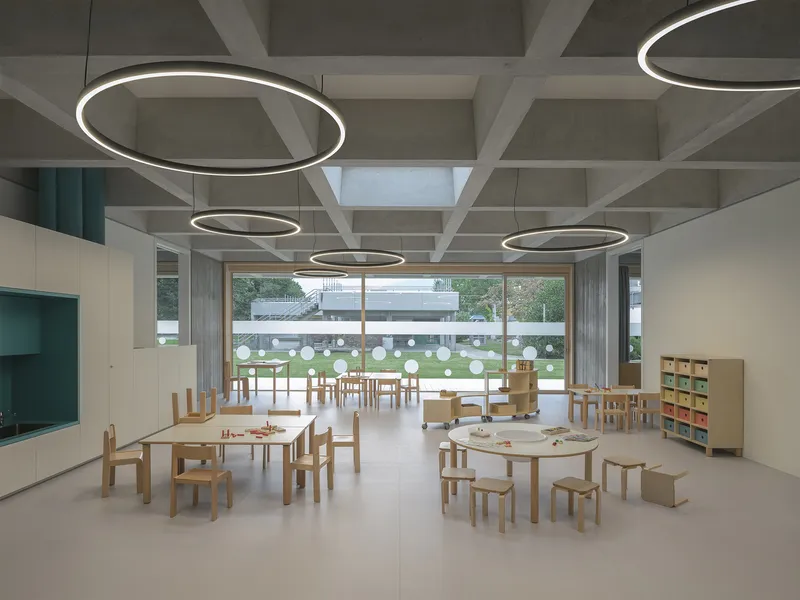
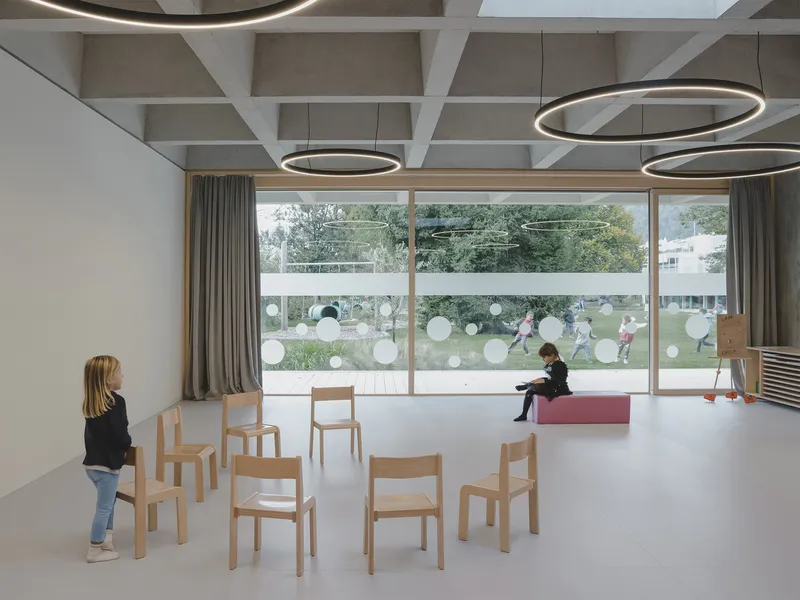
The kindergarten reimagines its site as a cohesive "campus" for children, creating a nurturing environment that emphasizes shared experiences, inclusivity, and sustainable design principles.

Design Philosophy: Modular and Flexible Spaces
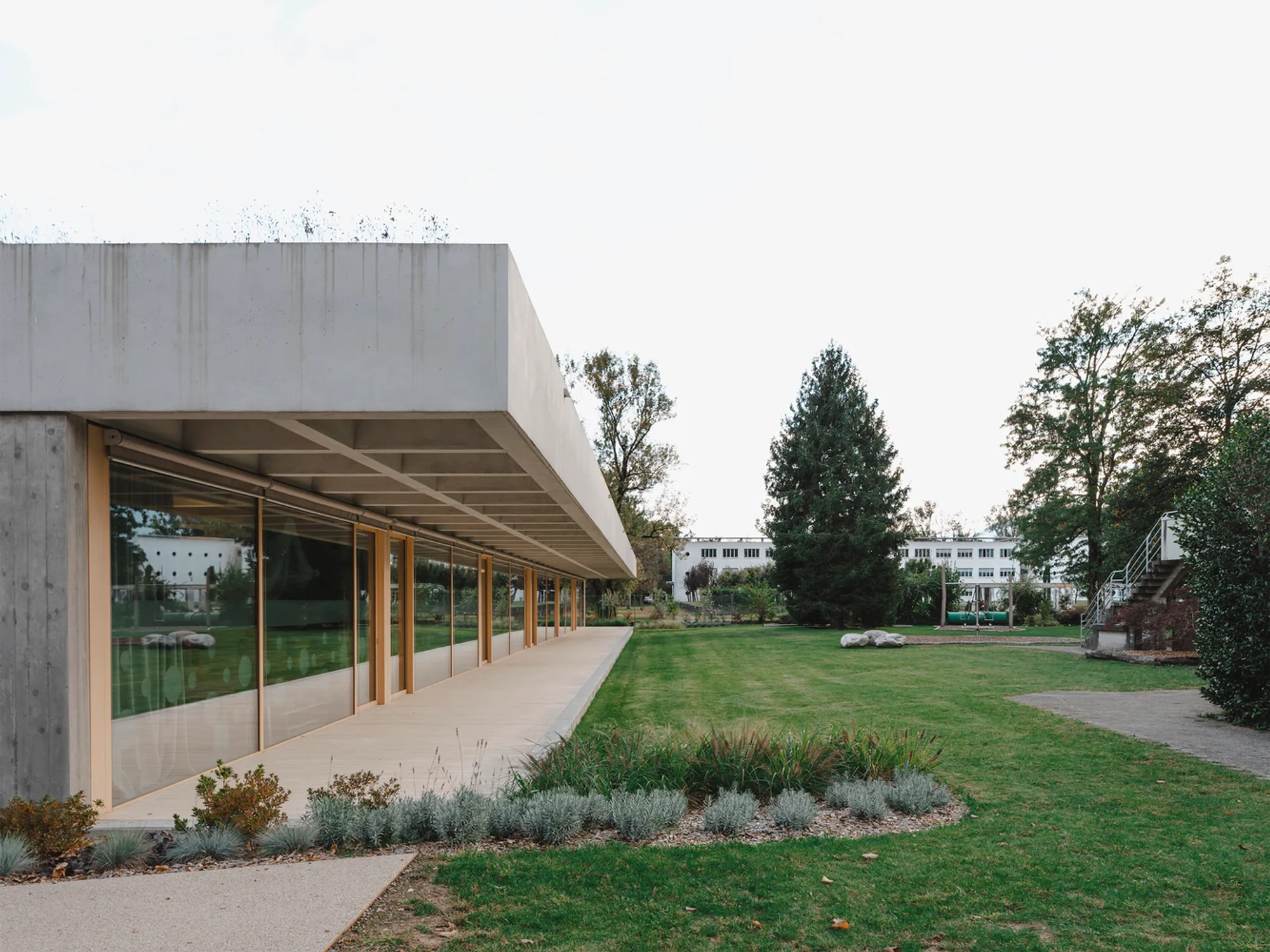
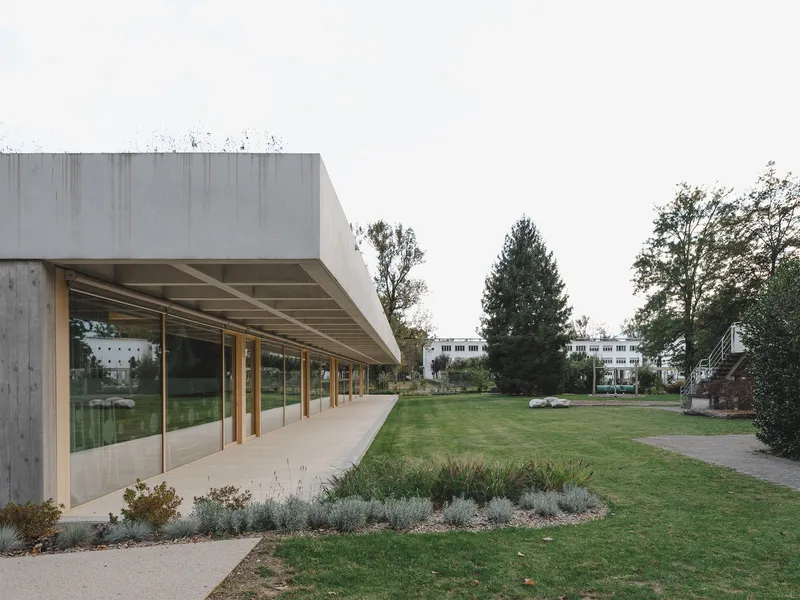
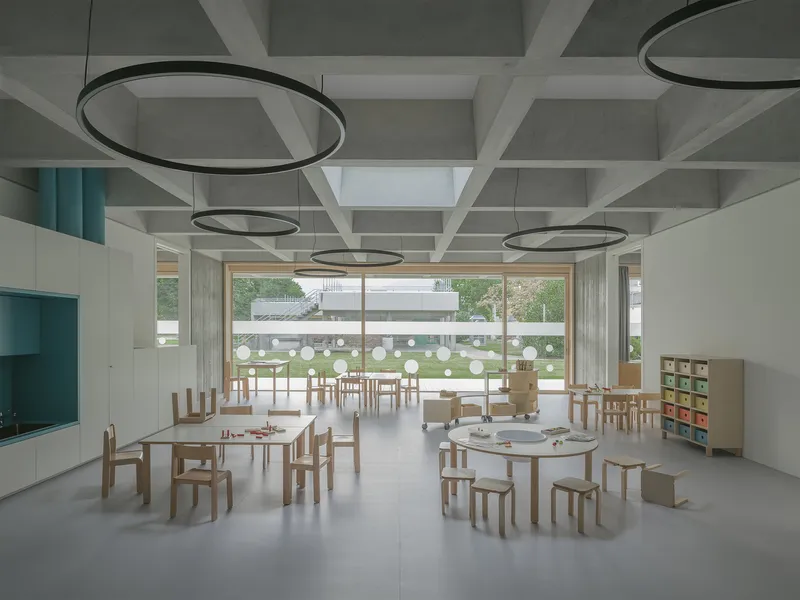
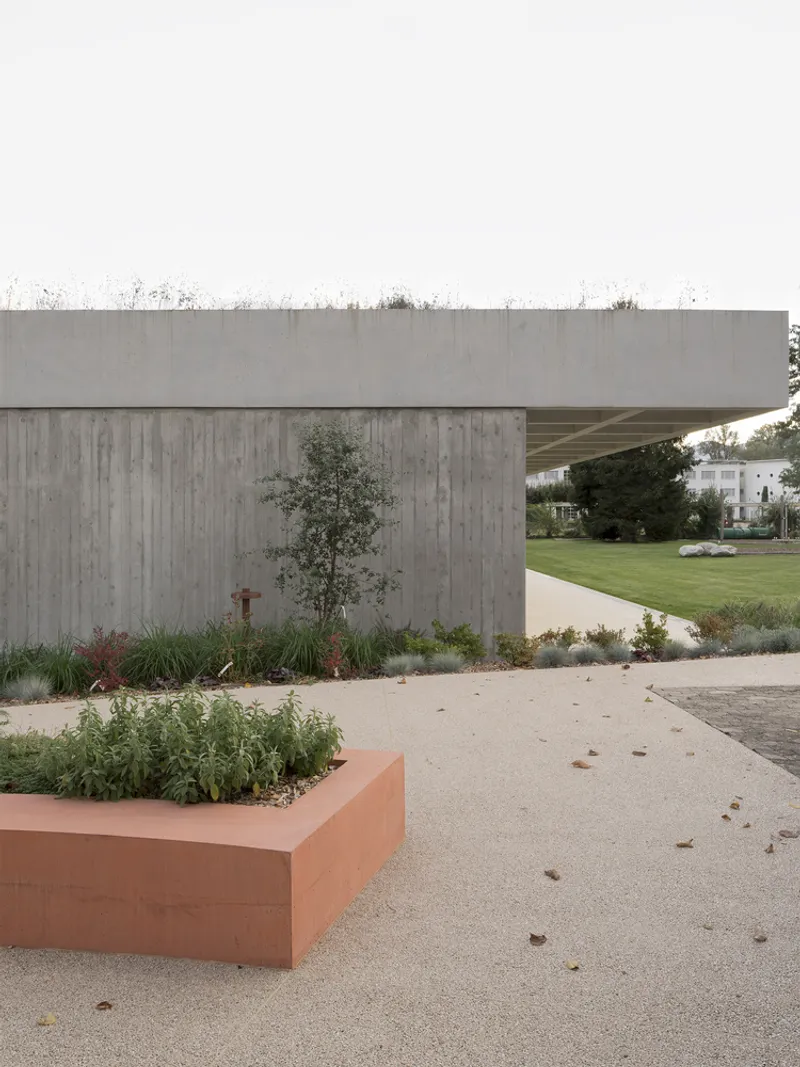
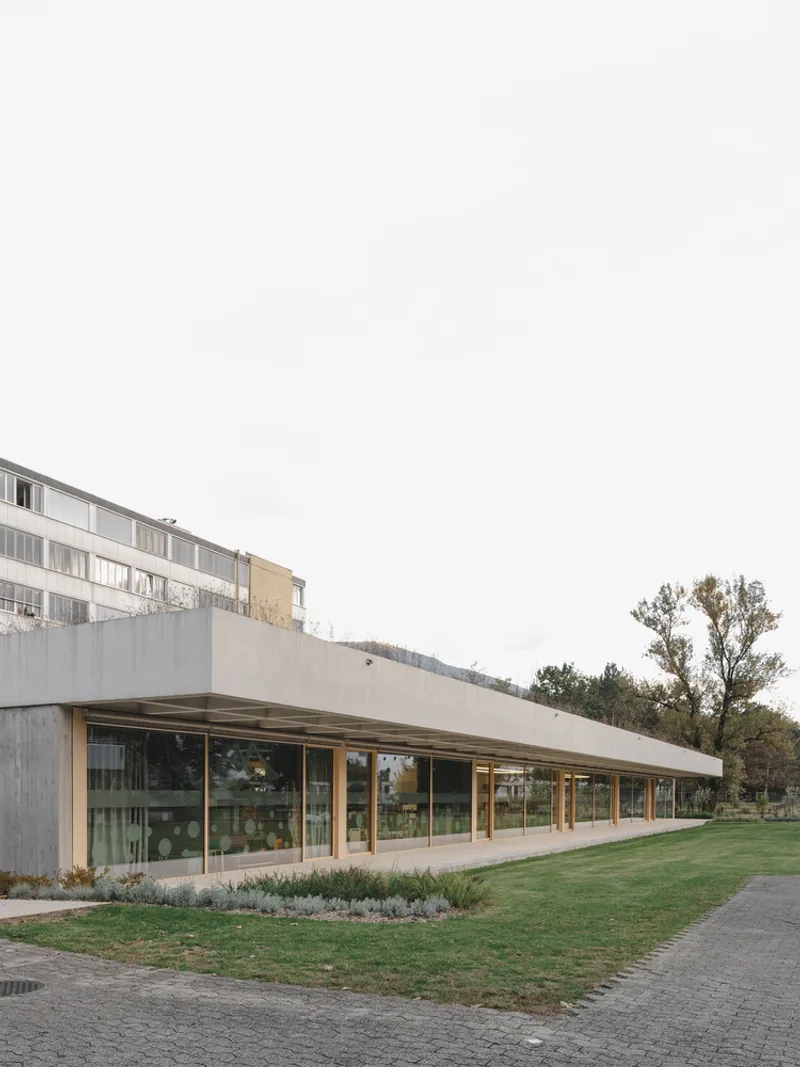
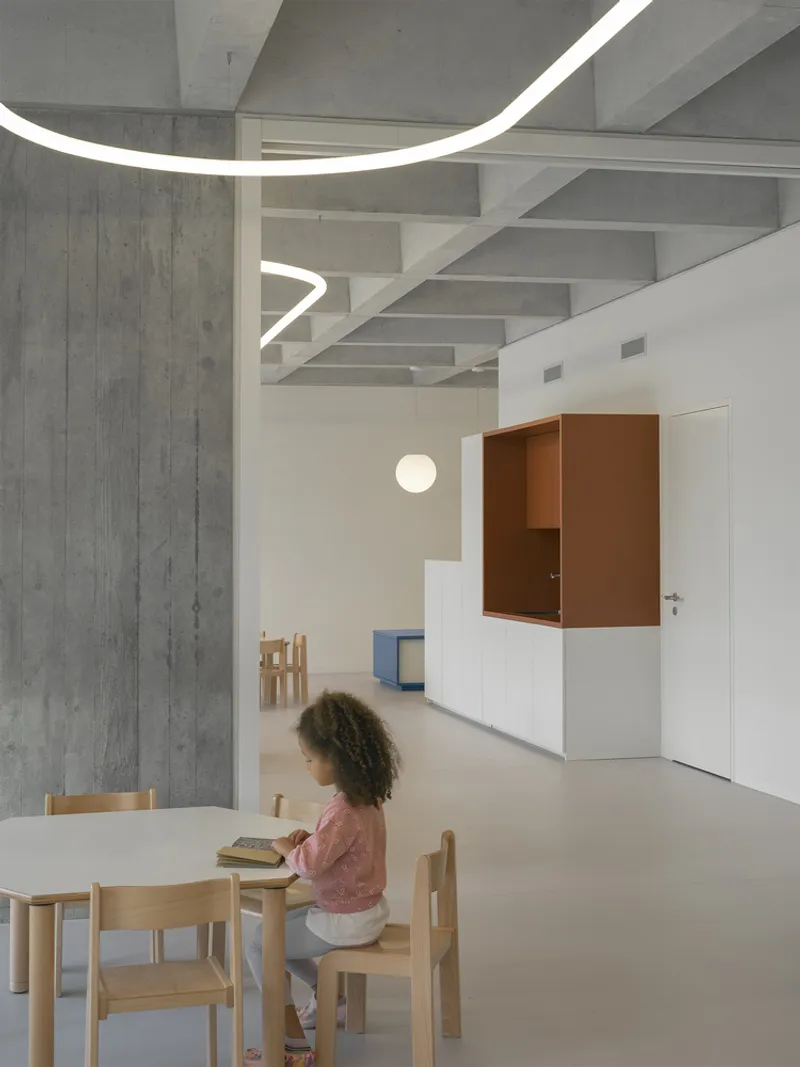
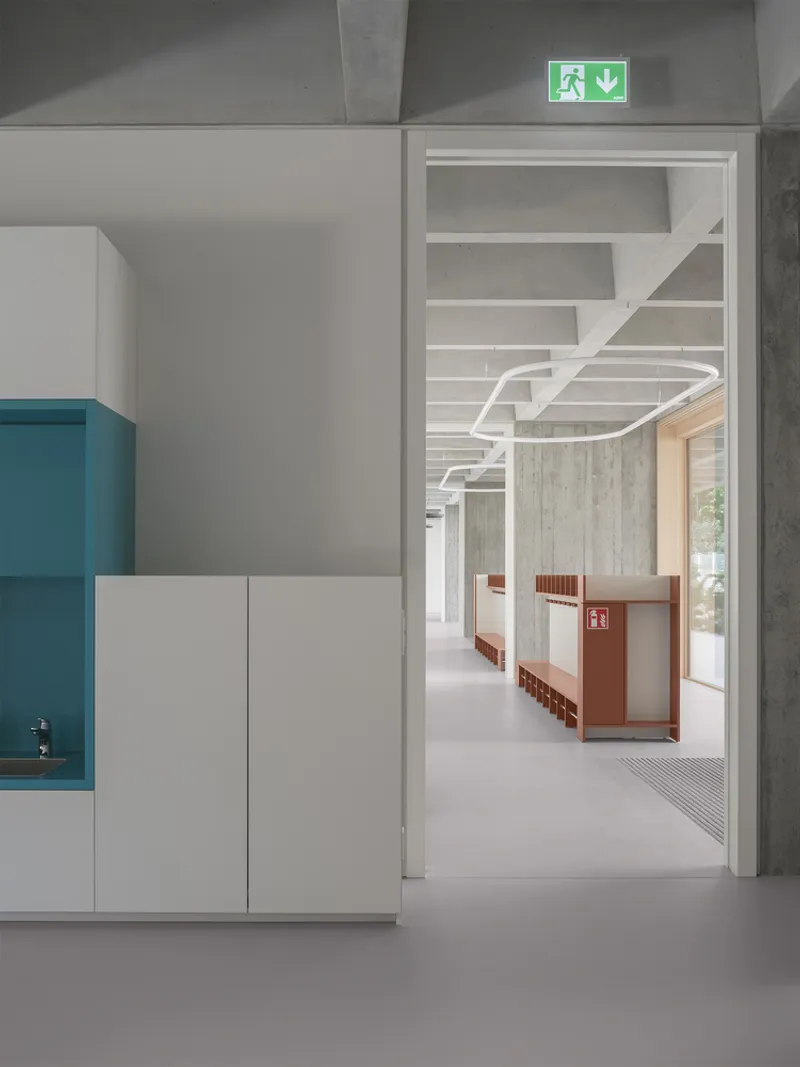
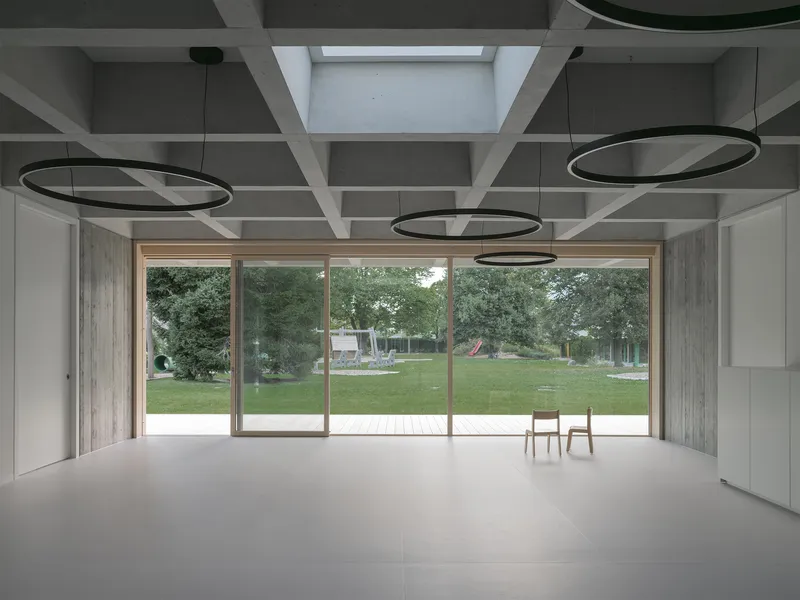
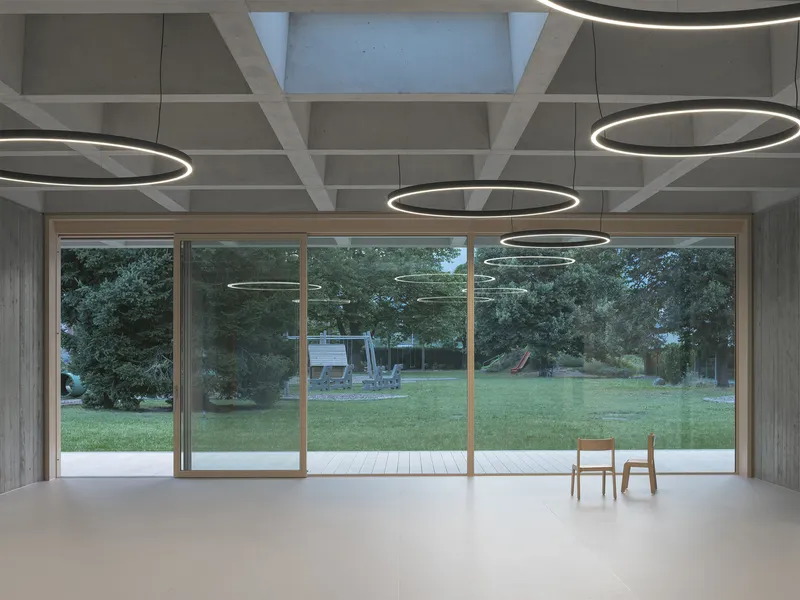
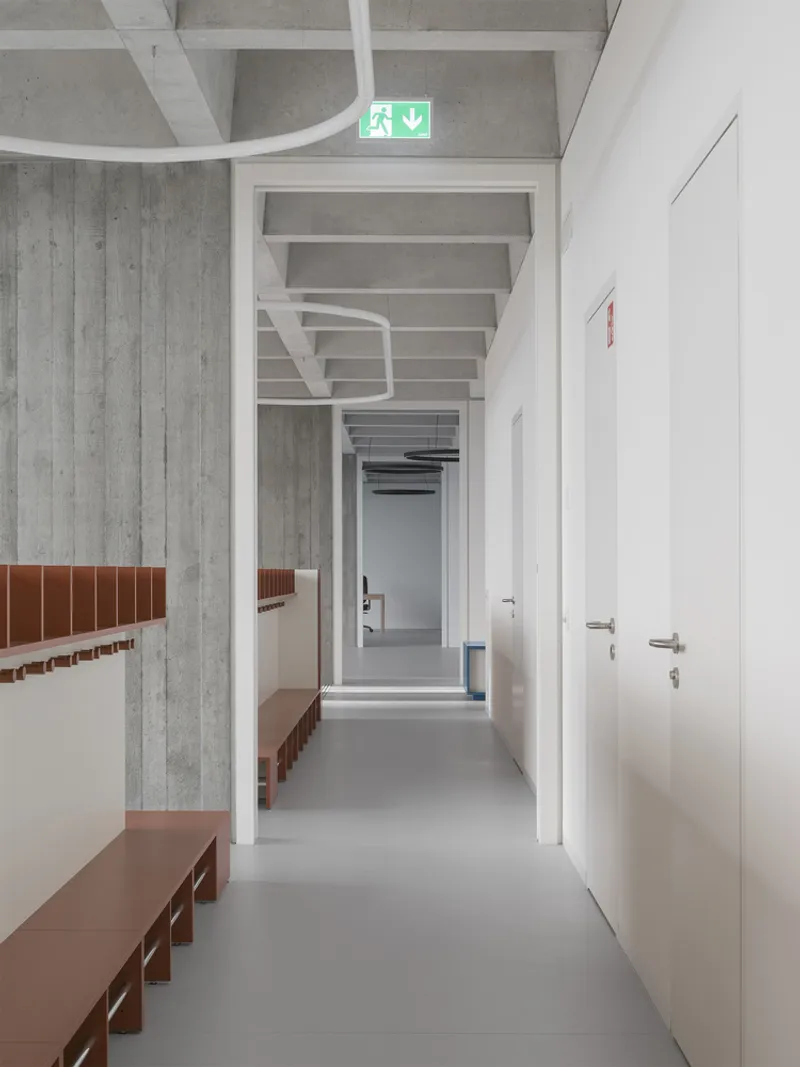
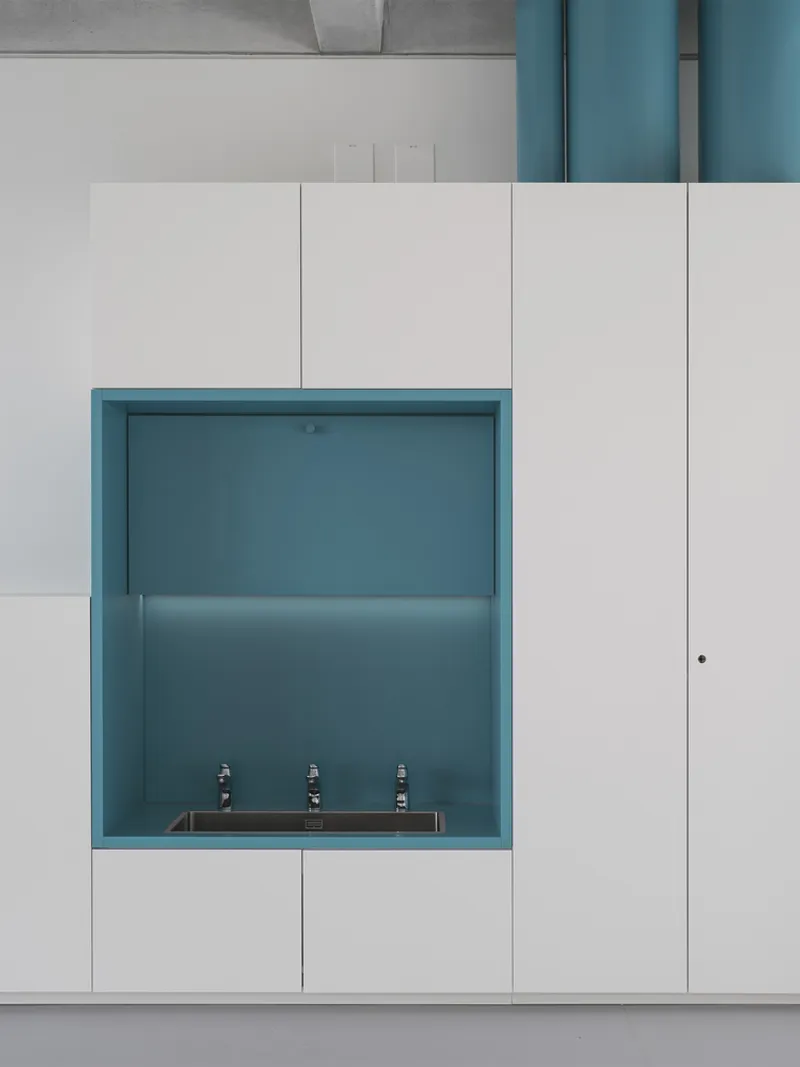
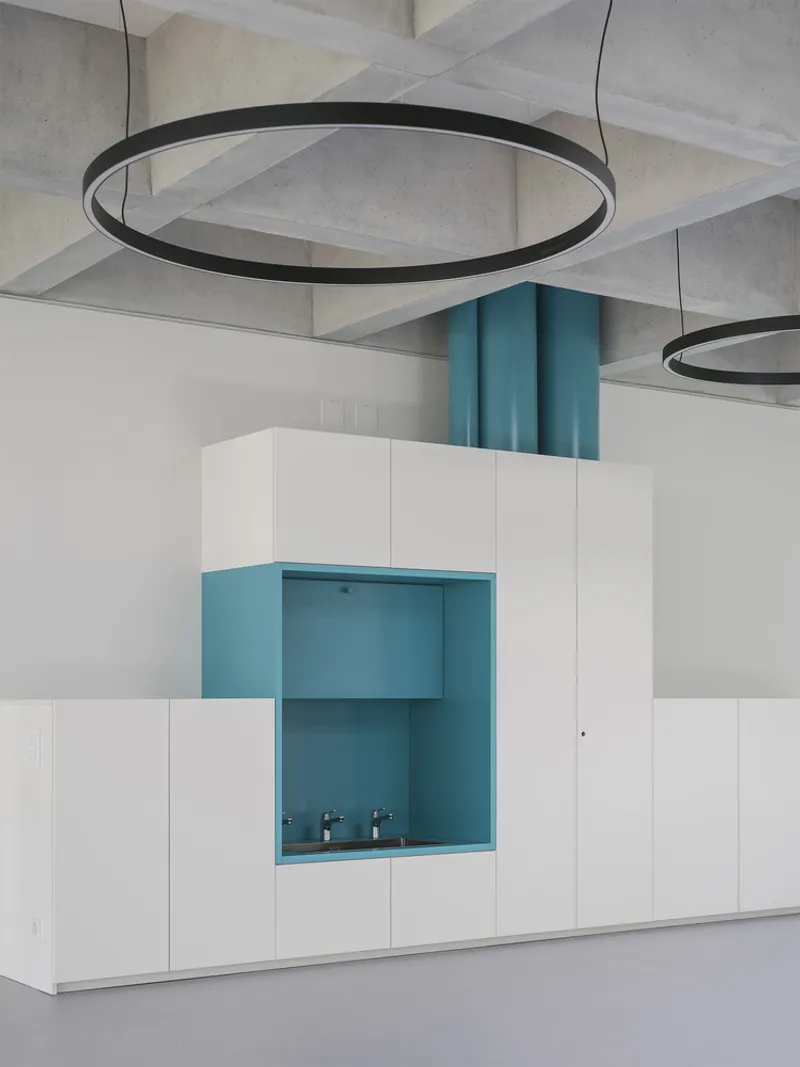
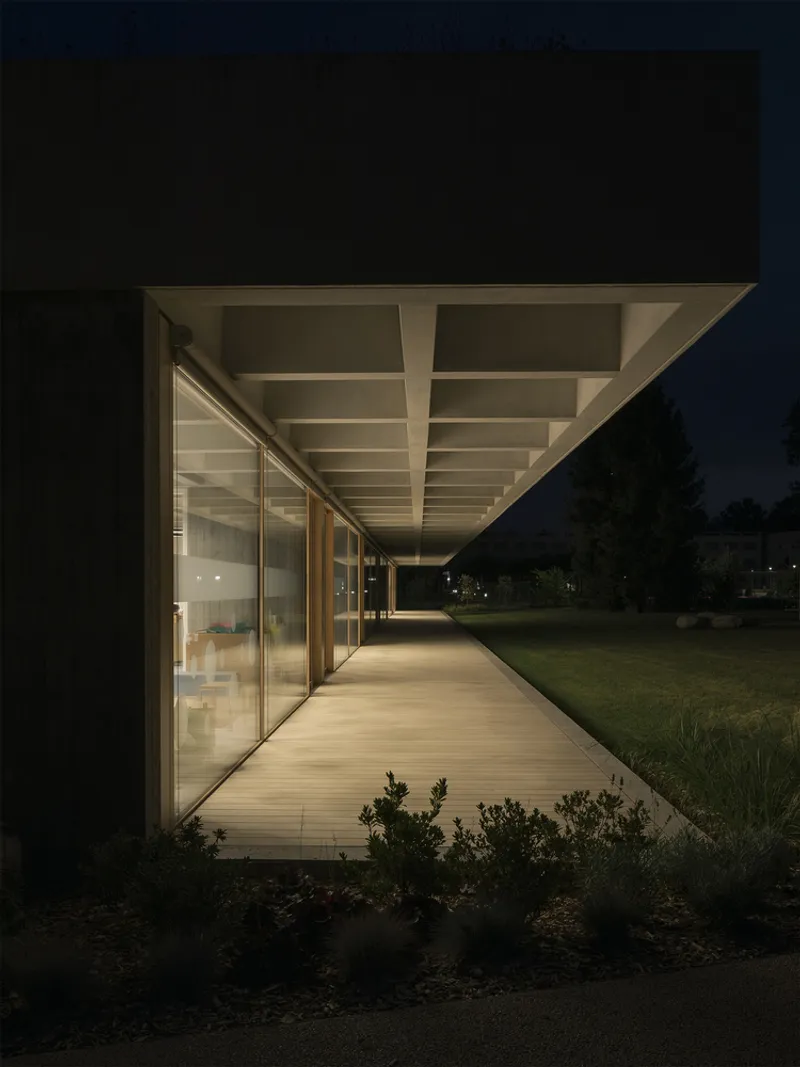
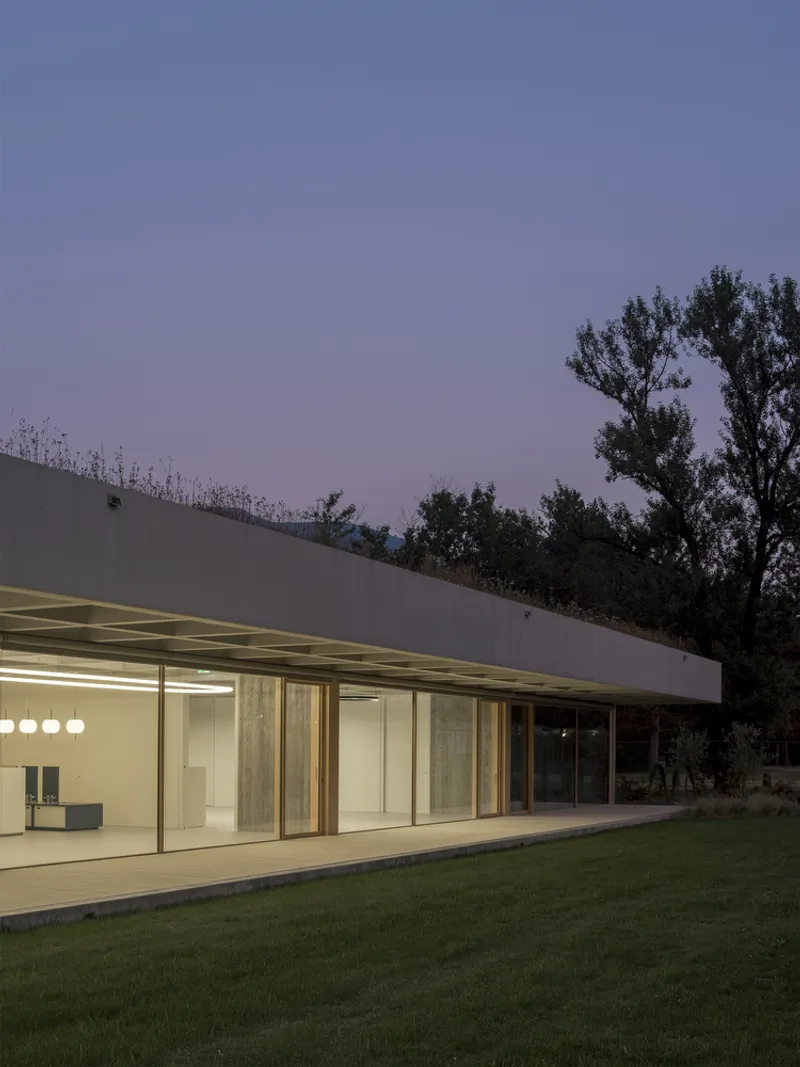
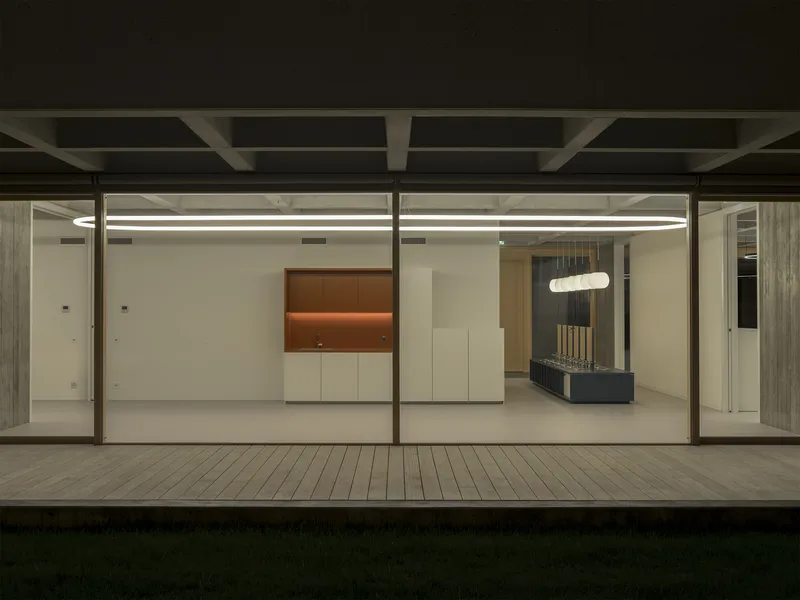
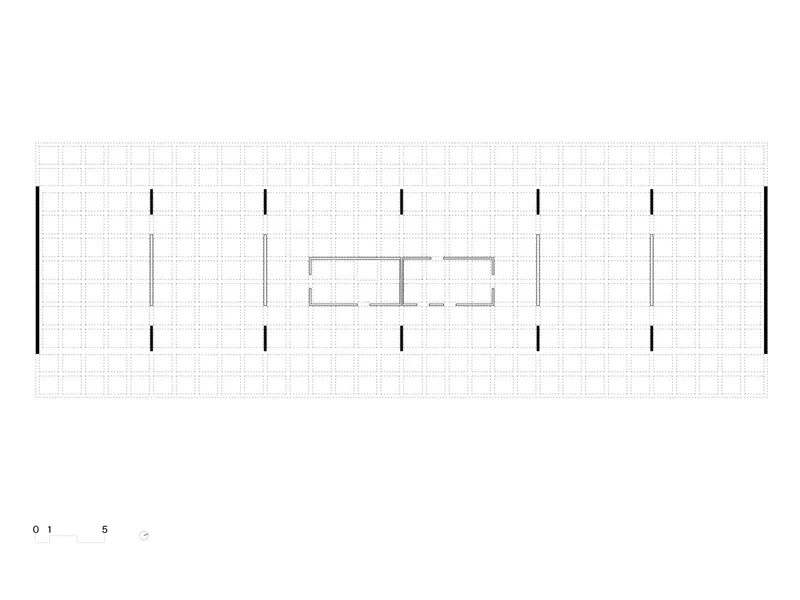
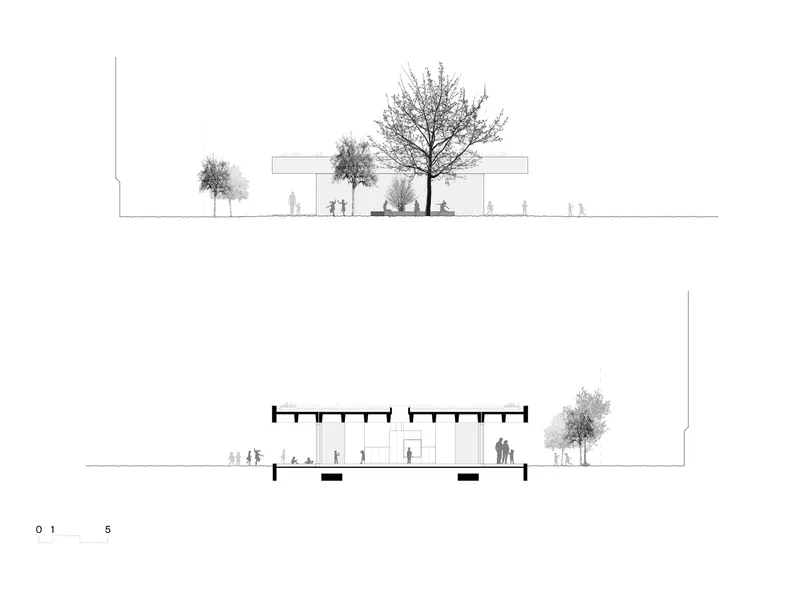
The design revolves around simplicity and modularity, echoing the proportions and materials of the original single-story building. A large coffered concrete roof serves as the focal point of the structure, unifying interior and exterior spaces.
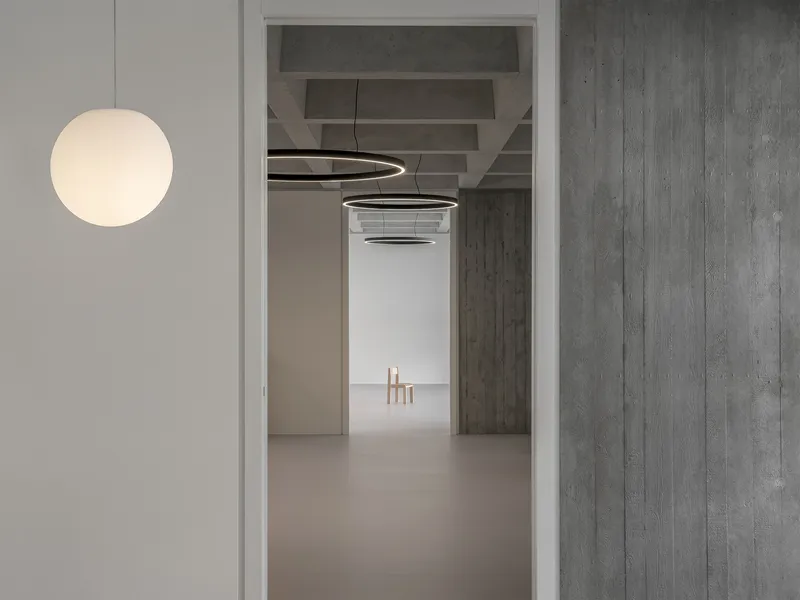
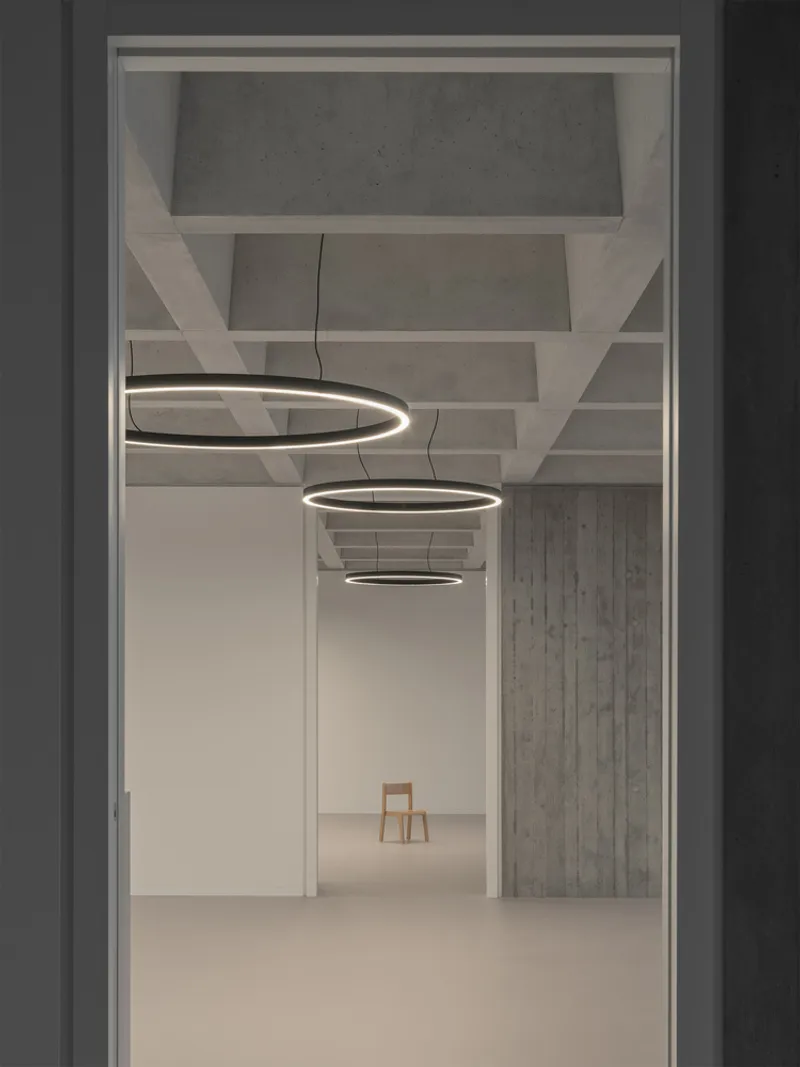
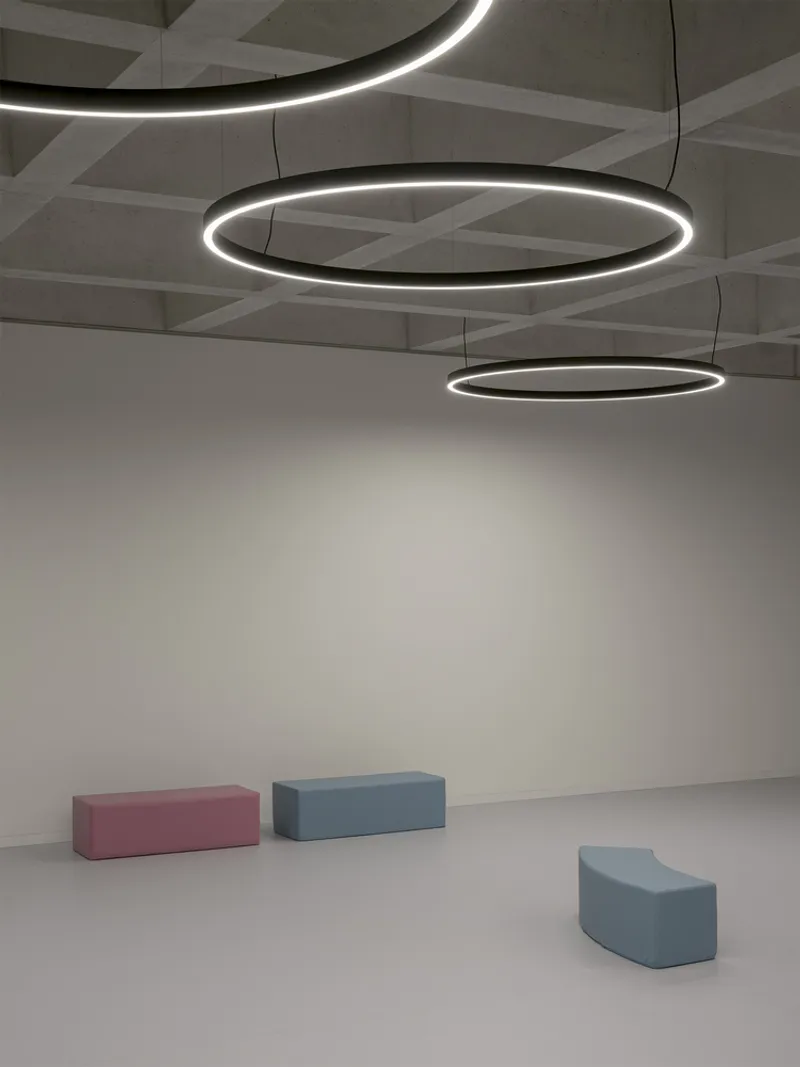
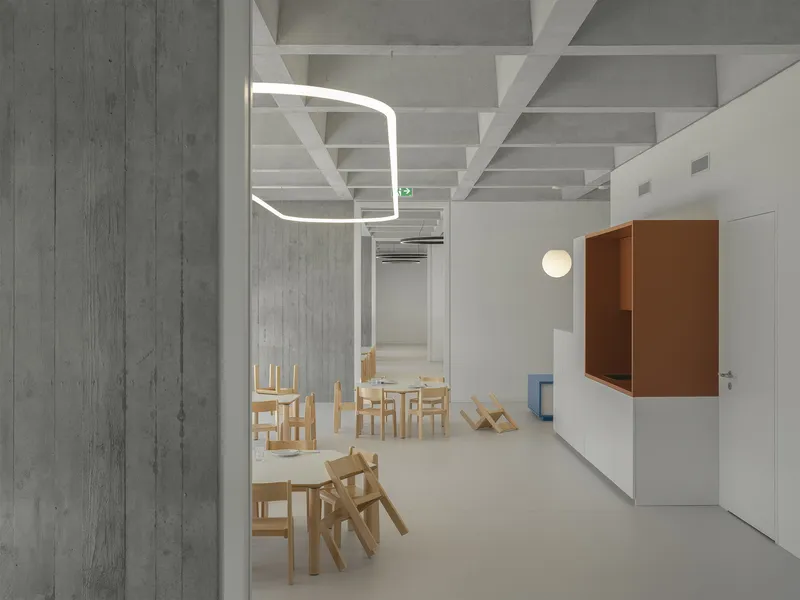
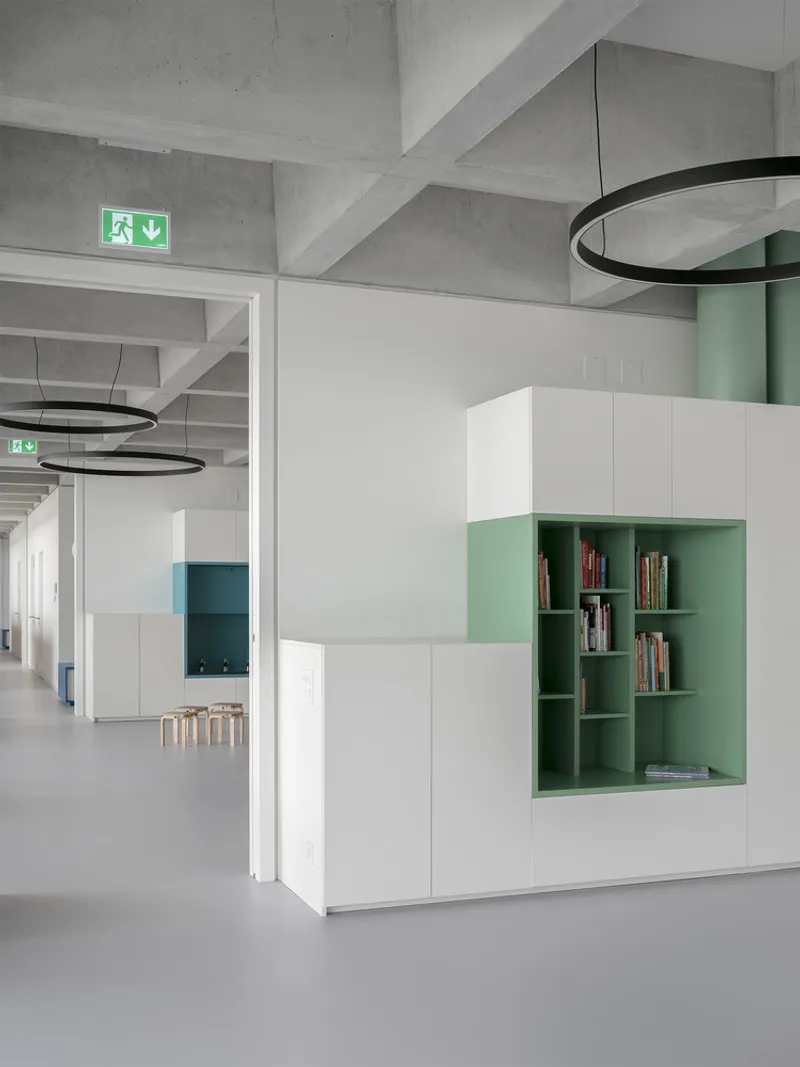
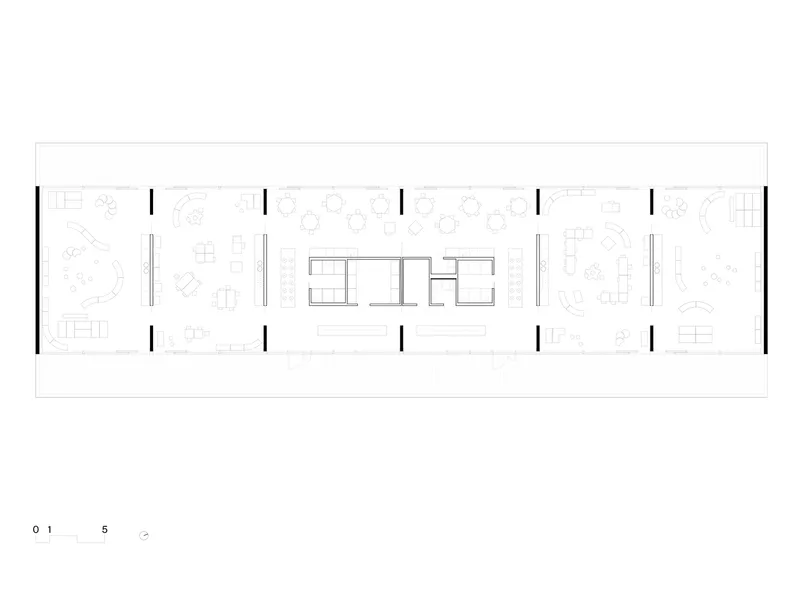
A modular grid of 165x165 cm enables spatial adaptability, supported by sliding doors and a vertical load-bearing system with minimal internal columns. This layout ensures maximum flexibility for diverse educational activities, fostering interaction among children, teachers, and families.
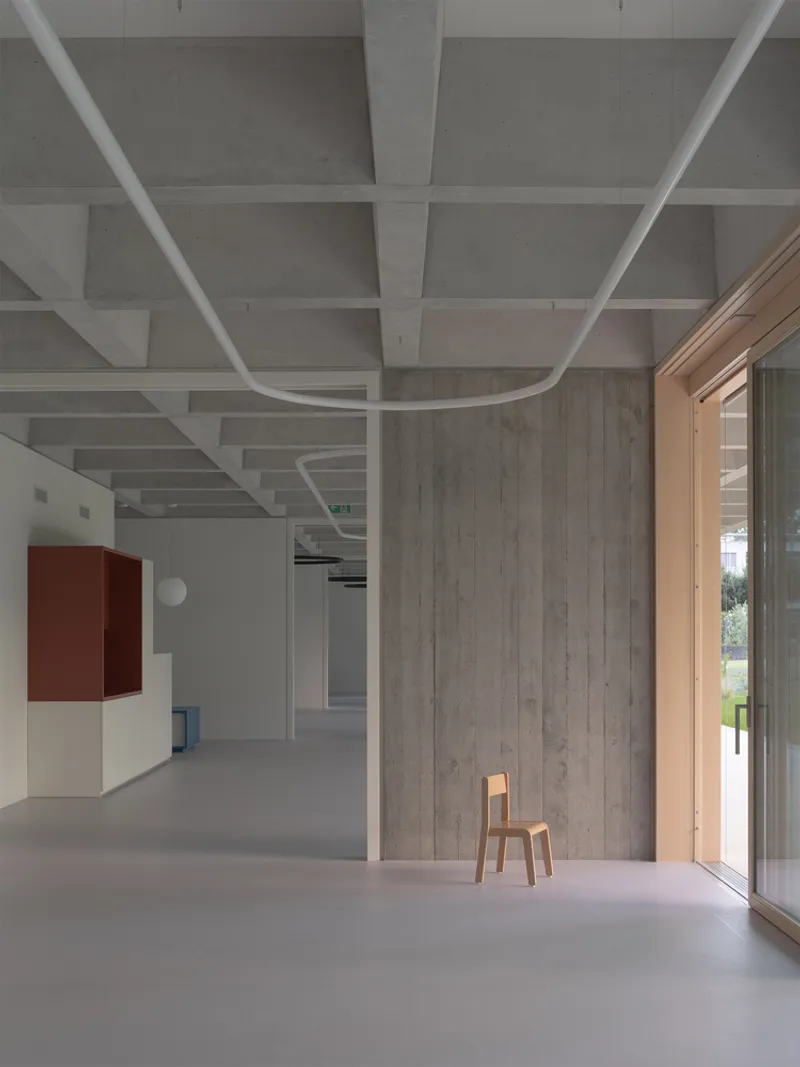
Indoor-Outdoor Continuity
A defining feature of the kindergarten is its seamless connection between indoor and outdoor spaces. Expansive glazed facades provide abundant natural light and visual continuity, while direct access to covered outdoor areas enriches the learning environment.
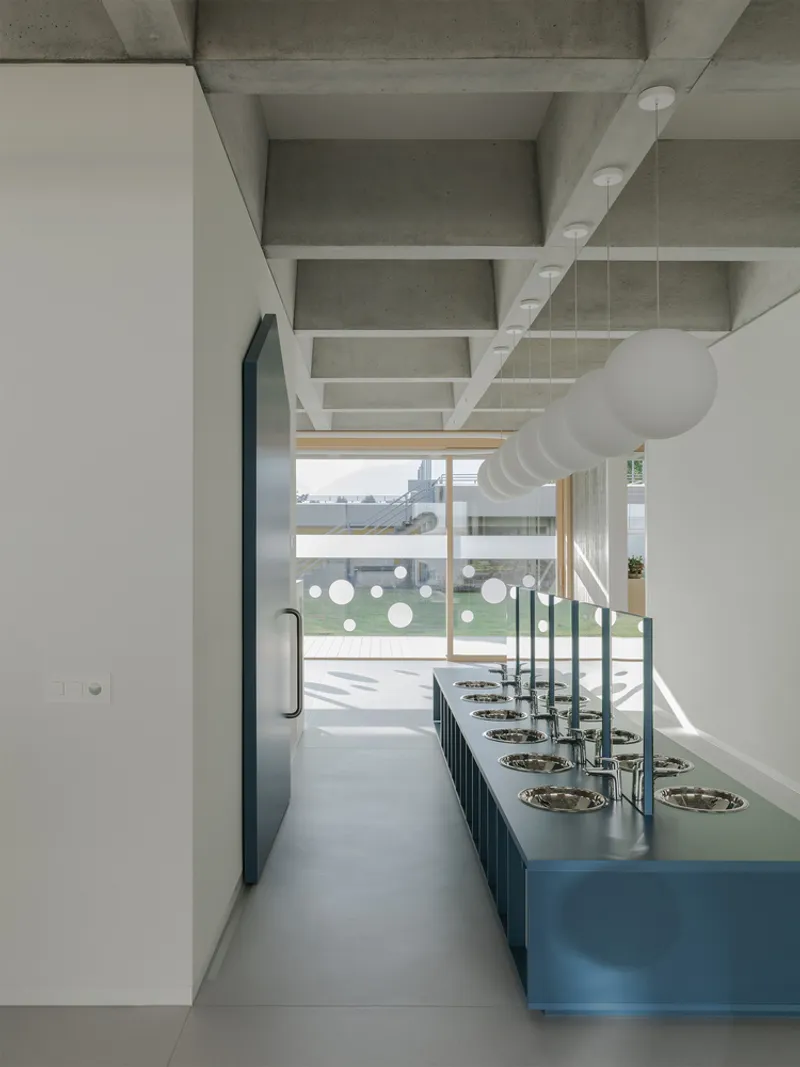
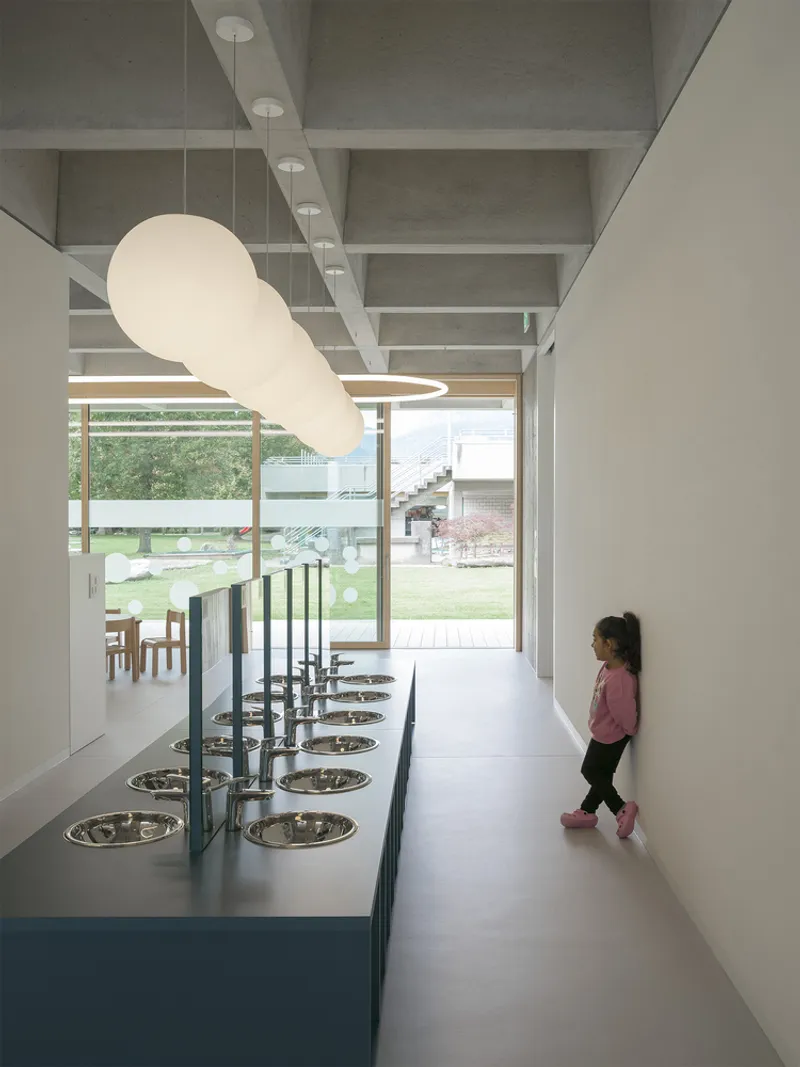
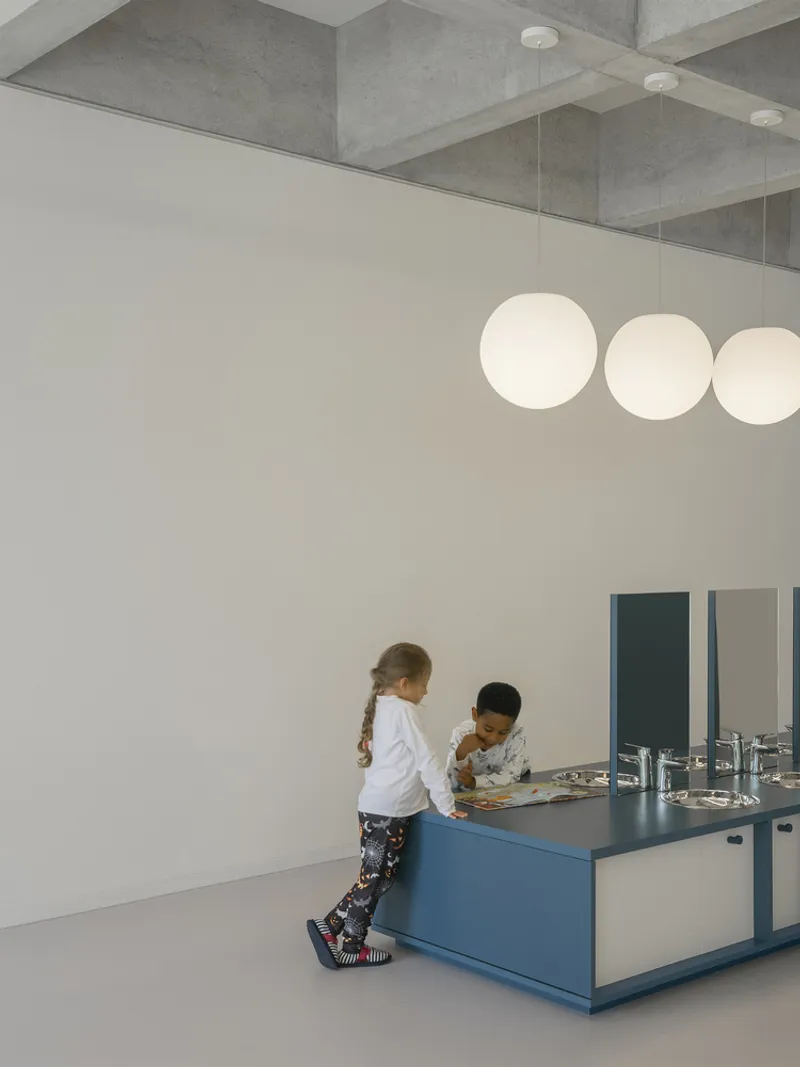
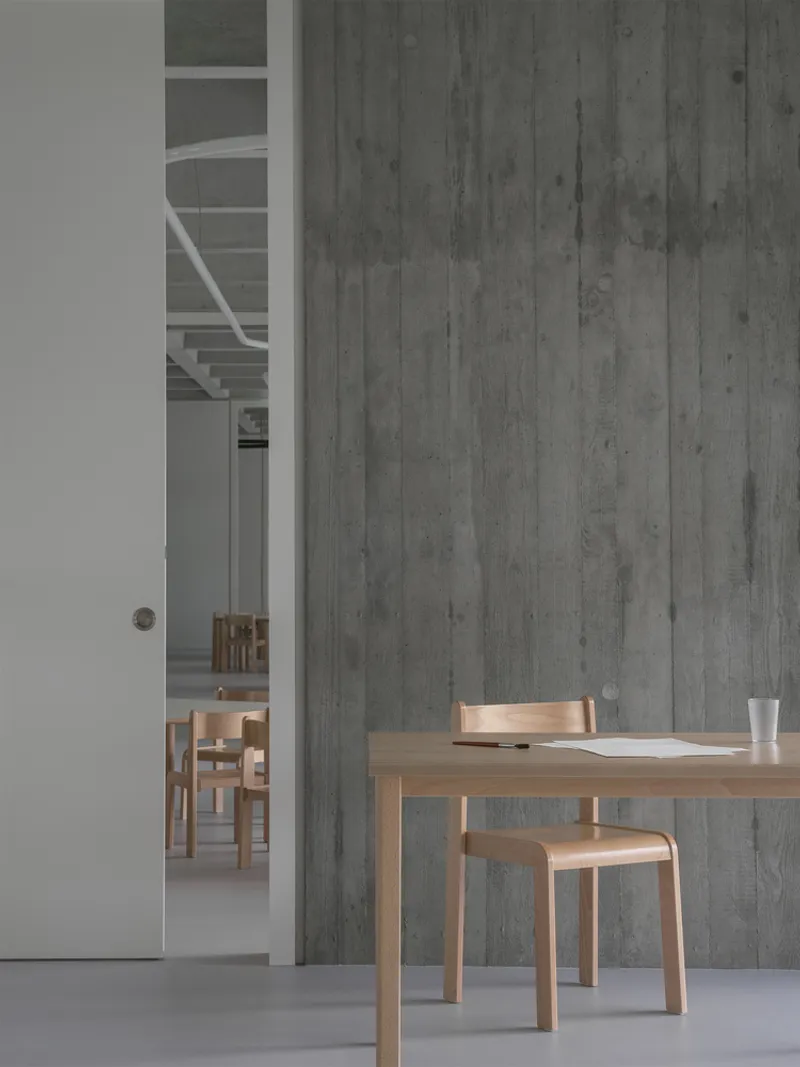
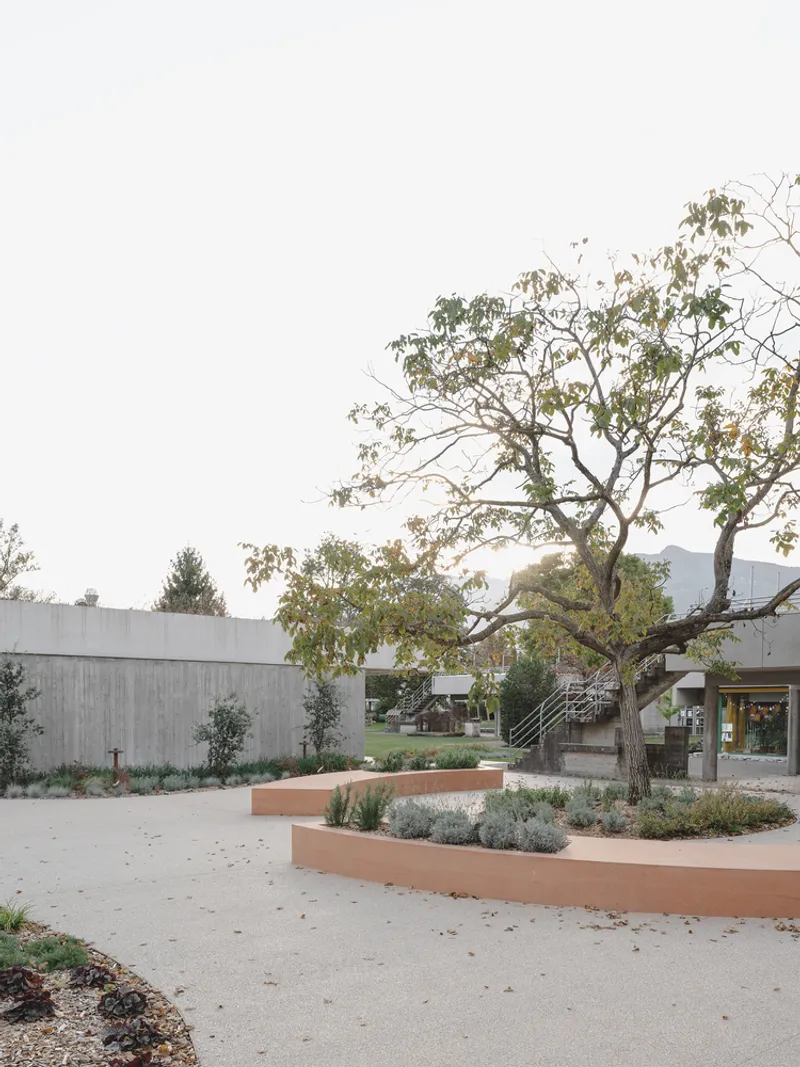
The "Piazza del Noce," the new central square, becomes a hub for outdoor activities, designed around a preserved tree with amphitheater-style seating. This thoughtful integration of nature encourages outdoor learning and play, complemented by a 2000 sqm sustainable playground.
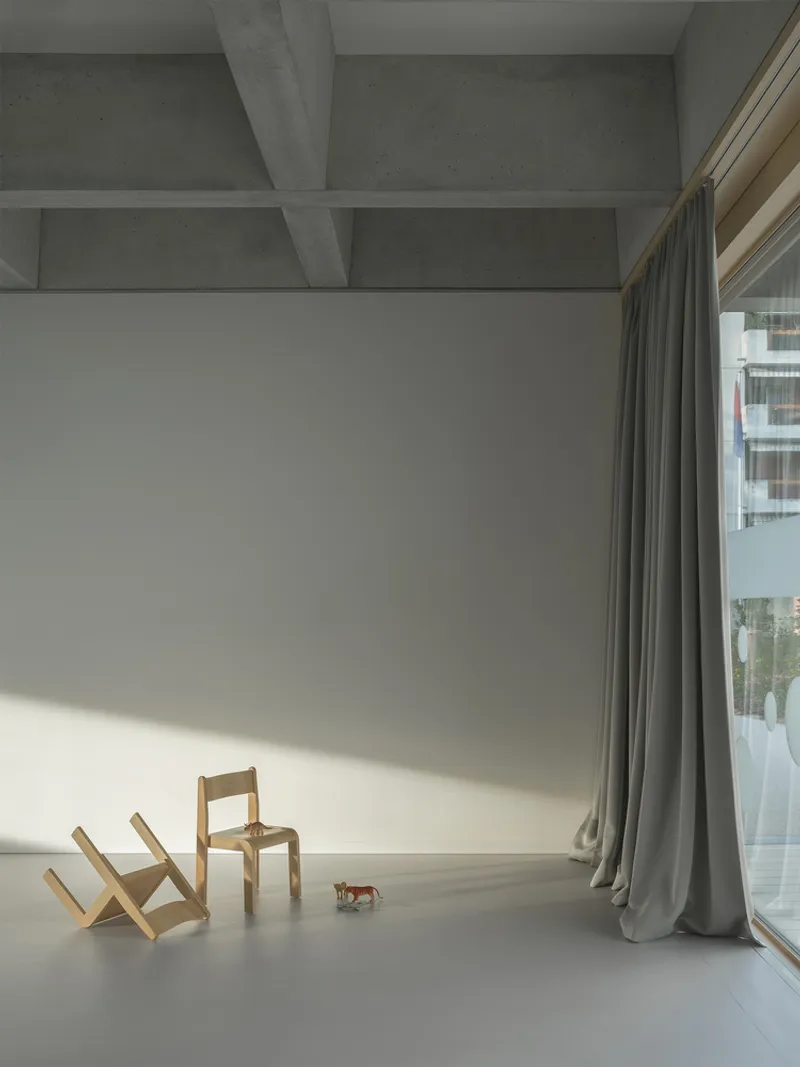
Sustainability at Its Core
The kindergarten adheres to Swiss Minergie standards, emphasizing energy efficiency and environmental sustainability. Key features include:
- Natural Ventilation and Daylighting: Enhancing indoor air quality and reducing energy consumption.
- Green Materials: Wood and reinforced concrete were selected for durability and low environmental impact.
- Sustainable Playground Equipment: Designed to align with eco-friendly principles.
The project’s phased construction ensured minimal disruption to school operations, reflecting the architects’ commitment to community well-being.


Community and Educational Impact
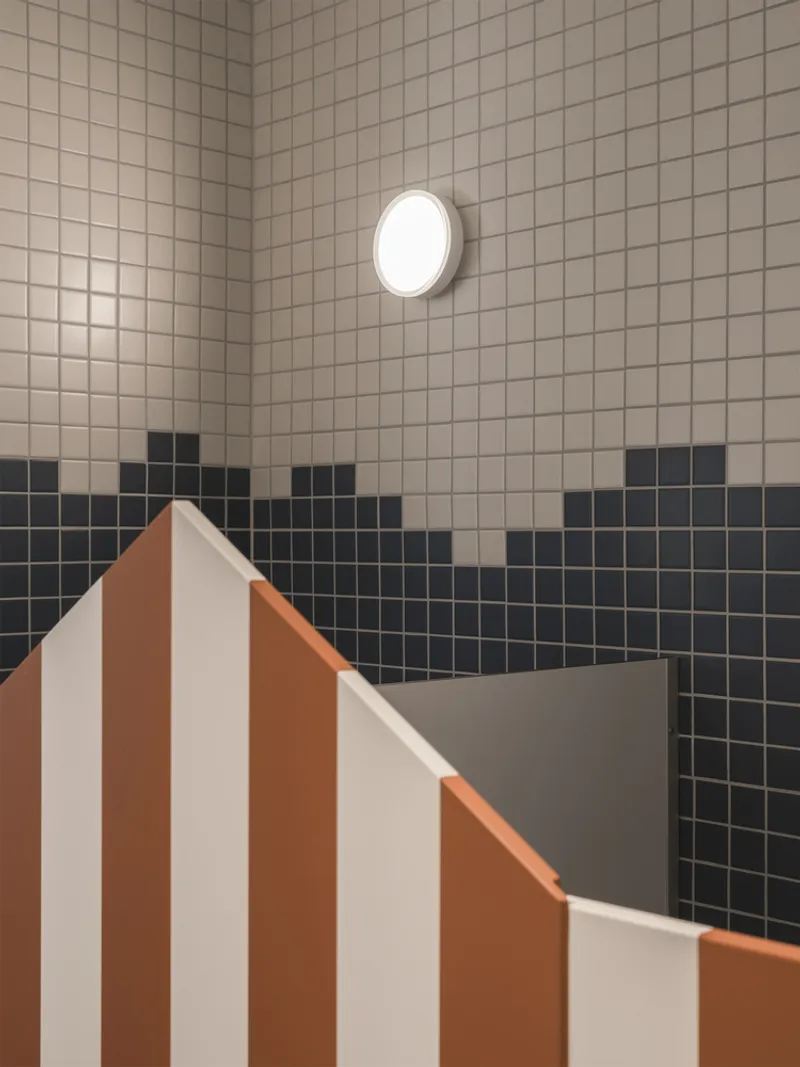
By prioritizing open, flexible spaces, the design fosters a dynamic and inclusive educational environment. Communal areas, multipurpose zones, and strategic meeting points encourage social interaction, reinforcing the kindergarten’s role as a community hub.
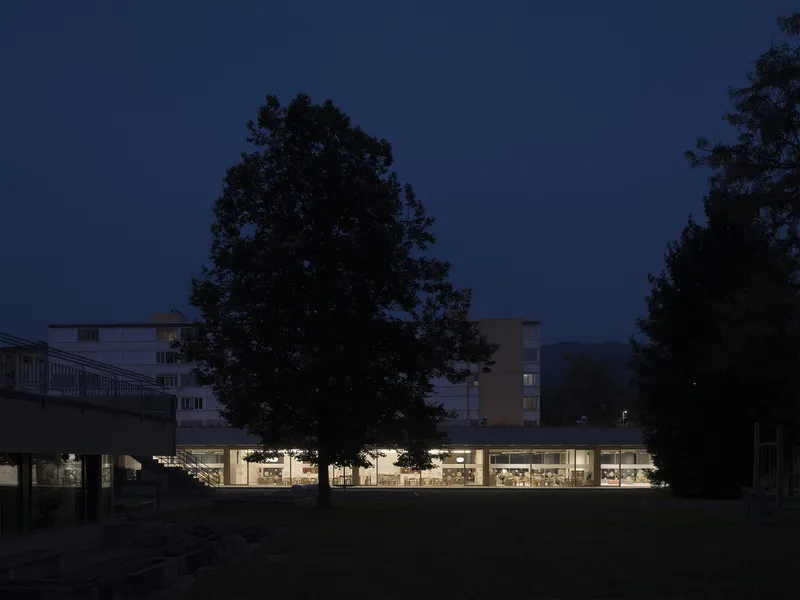
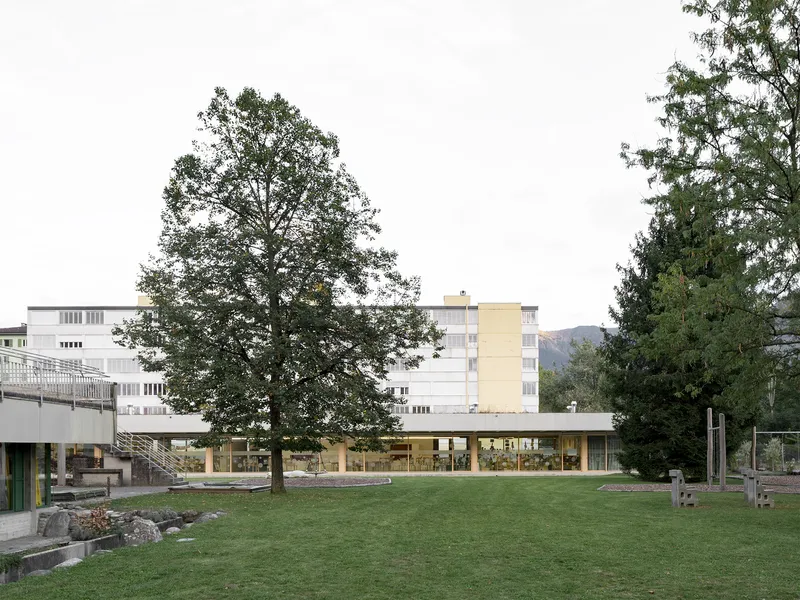
The project not only enriches the existing school complex but also establishes a new urban relationship with the surrounding public housing, strengthening the identity of the broader neighborhood.
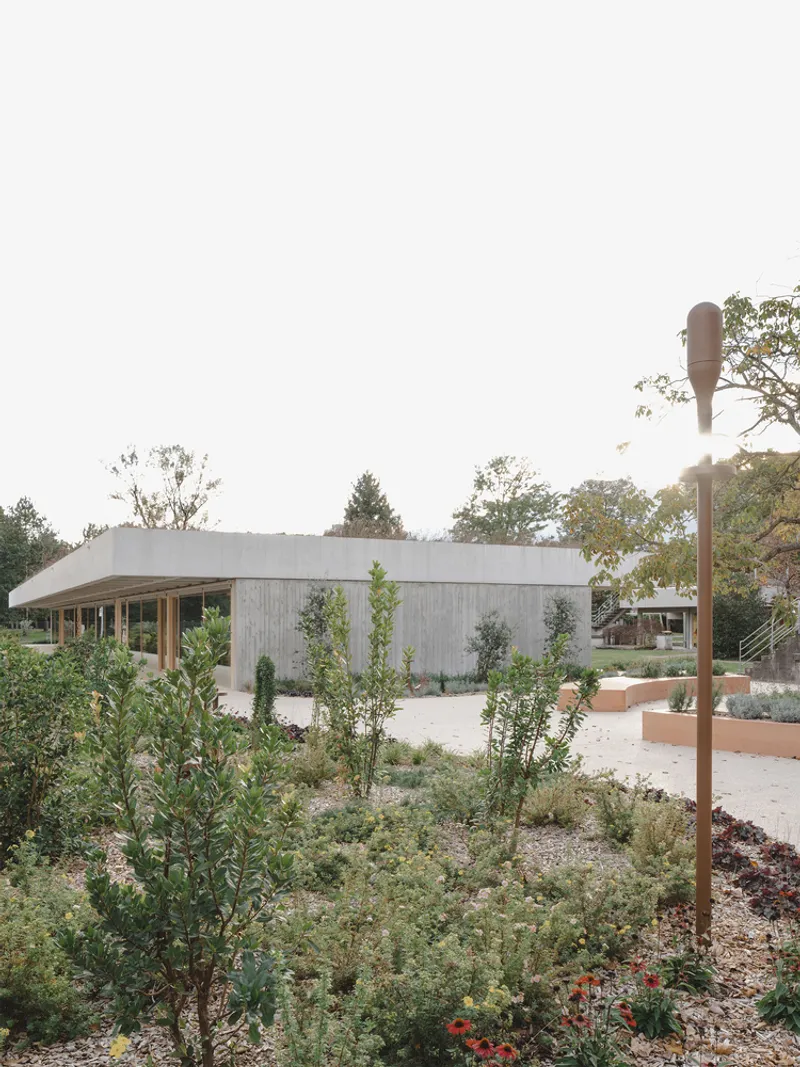
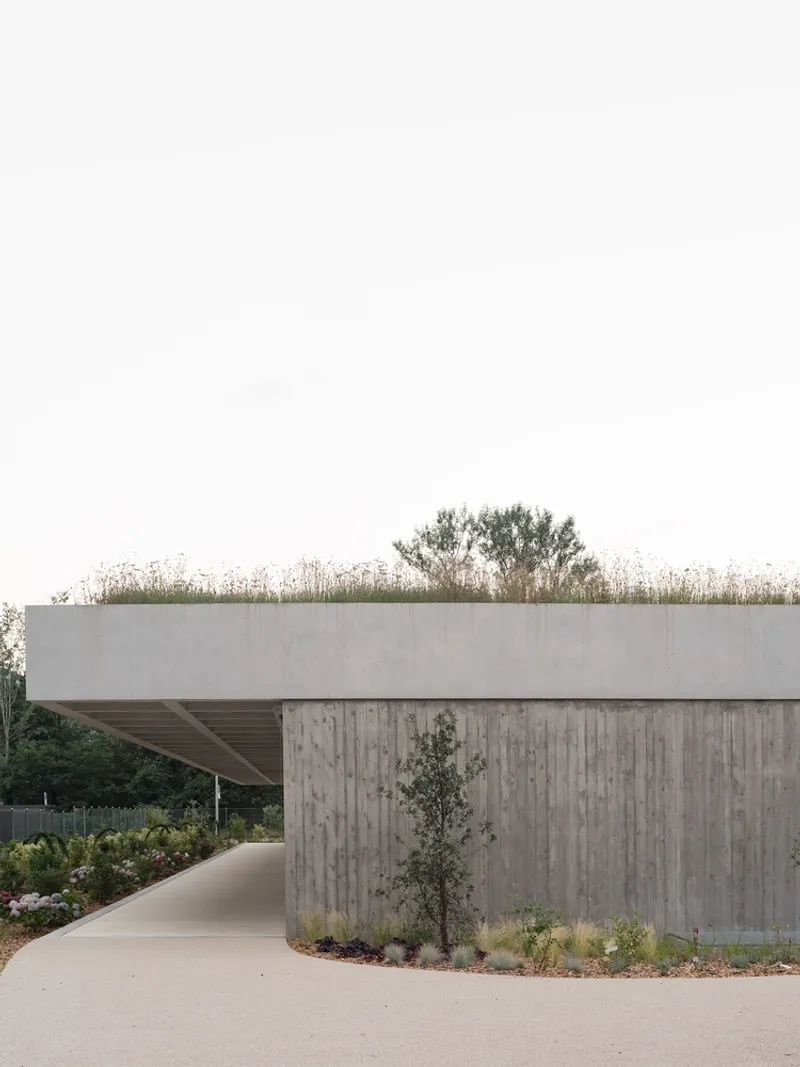
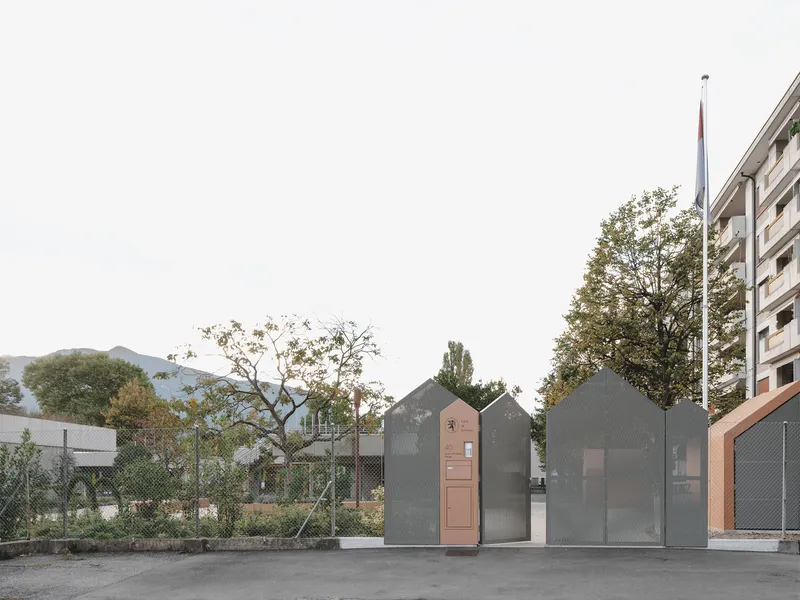
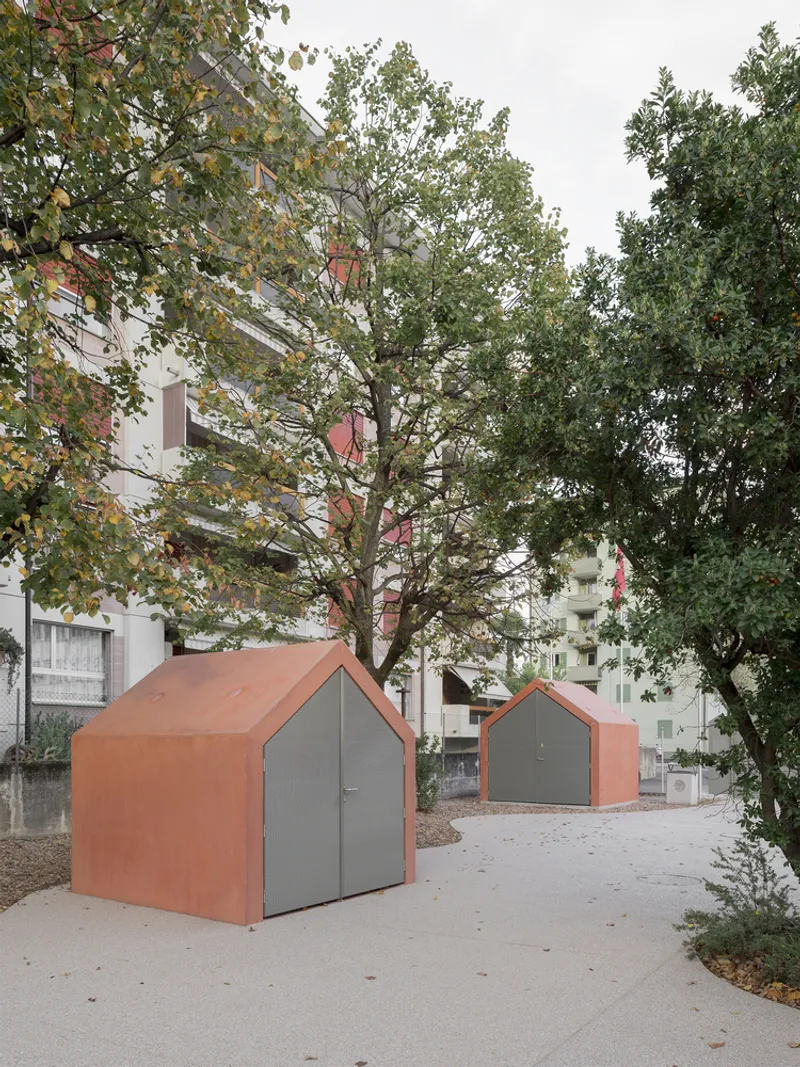
The Kindergarten in Locarno is a visionary project that exemplifies how architecture can enhance educational spaces while prioritizing sustainability and community needs. By integrating modular design, green principles, and flexible learning environments, cappelletti sestito architetti have set a benchmark for modern educational architecture in Switzerland.
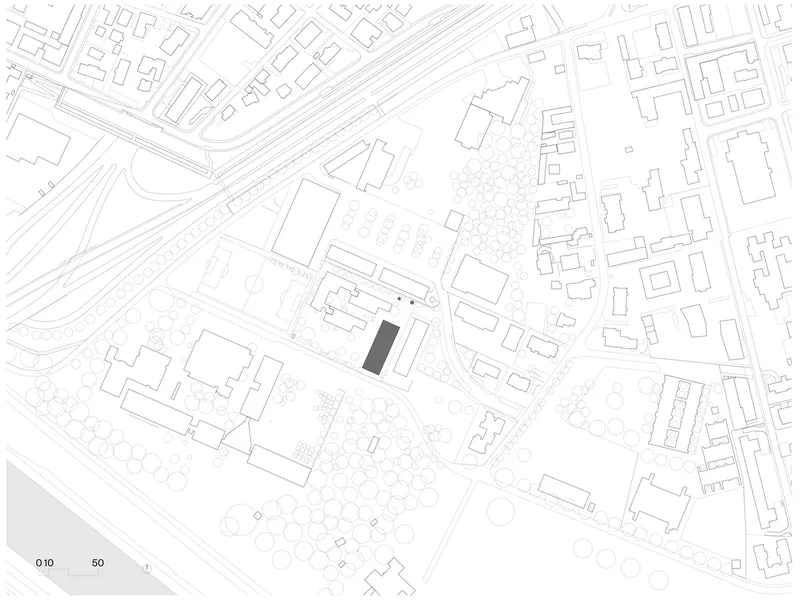
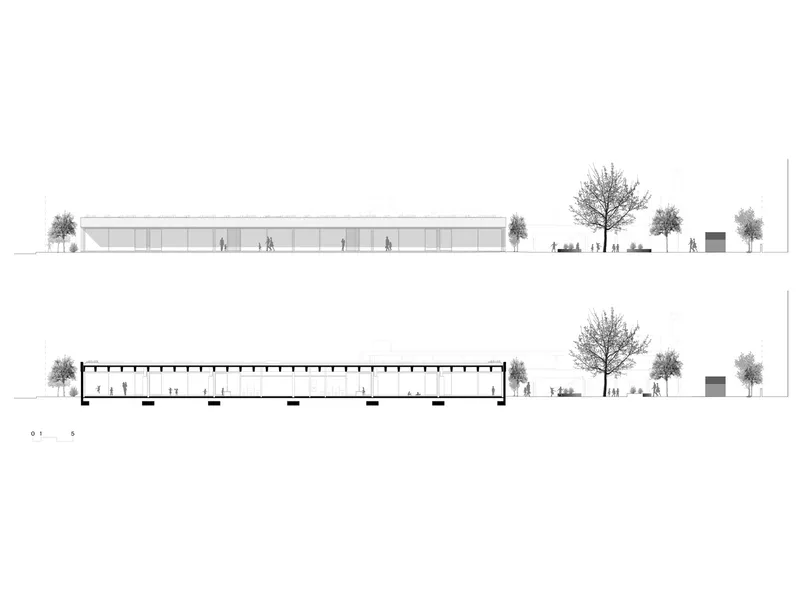
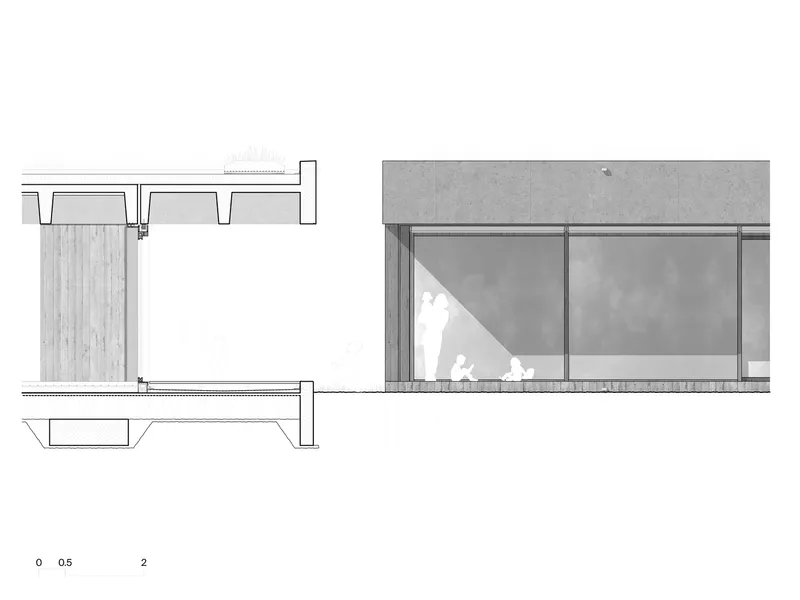
All Photographs are work of Giorgio Marafioti



Popular Articles
Popular articles from the community


Conexión: Biophilic Design Reimagines High-Rise Living in Hong Kong
Conexión reimagines high-rise living in Hong Kong through biophilic design, green facades, shared spaces, daylight, water and nature within.

The Musturak Paradise: Senior Living Architecture for a Connected Future in Temara, Morocco
The Musturak Paradise reimagines senior living architecture in Temara via private homes, social spaces, culture, community, and shared care.

Play: Fragments of Their World
Familiar architecture becomes modular playground design, creating safe spaces where displaced children can learn, connect, imagine and play.

Co-Life: Senior Housing Design That Reconnects Older Adults With the City
Co-Life reimagines senior housing design through healing gardens, shared streets, workshops, and a sustainable community across generations.


Similar Reads
You might also enjoy these articles


Hodi-Mandai Geram
Project Function: Preservation and revitalization of the Intangible heritage and socio-spatial identity of the Hodi by Housing, Cultural Memory Center, Sacred Grove, landscape, local tourism economy


Olio Towers: A Mid-Rise for Performers That Fuses Housing, Rehearsal, and Stage
Located blocks from Houston's Theater District, this modular tower stacks living units around a central performance atrium.

Oasis: Modular Green Housing Carved into Dhaka's Urban Fabric
A shortlisted Plugin Housing entry reclaims unauthorized settlements in Dhaka with stepped concrete volumes, green roofs, and ventilation-driven design.

Black Hole: A Floating Megastructure for the Post-Physical Era
Emiliano Mazzarotto envisions a spherical, self-scaling arena where e-sports, digital hotels, and holographic stadiums replace traditional public space.

Explore Educational Building Competitions
Discover active competitions in this discipline



Challenge to design public laboratory


Challenge to reimagine the Iron Throne


Photograph architecture without architects


Illustrate the lost glory of Angkor Wat - Render Challenge
Comments (0)
Please login or sign up to add comments
No comments yet. Be the first to comment!