
La Cité Internationale Université de Toulouse by Taillandier Architectes Associés: Heritage University Architecture Reimagined
La Cité Internationale Université de Toulouse blends heritage and contemporary university architecture, revitalizing historic spaces while reconnecting Toulouse’s academic and urban landscape.


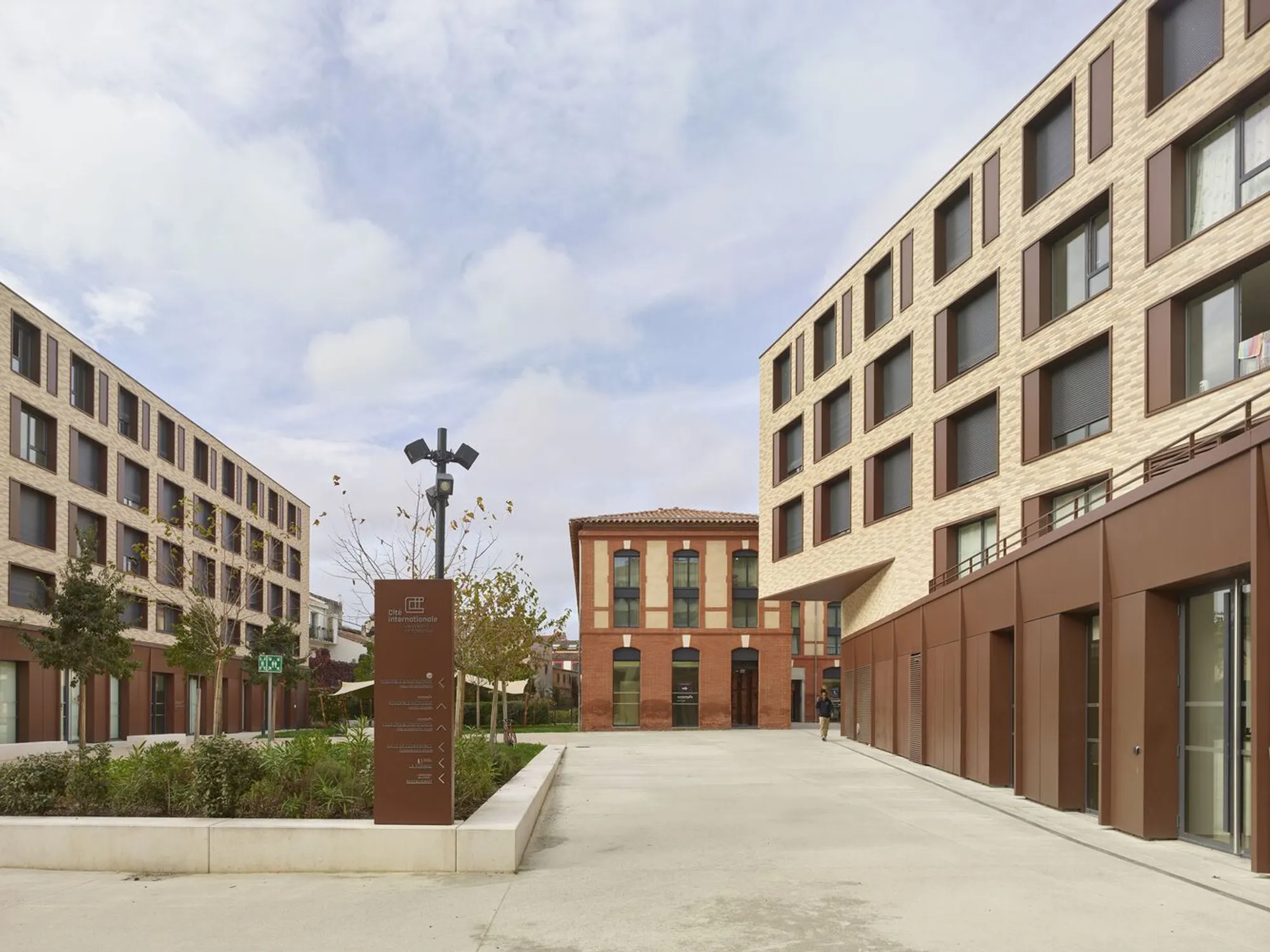
University architecture has always been more than just academic infrastructure; it is a cultural and urban statement that reflects history, knowledge, and the integration of communities. The Cité Internationale Université de Toulouse by Taillandier Architectes Associés represents a bold reimagining of heritage university architecture, revitalizing historic spaces while creating new connections for contemporary learning and public life. Completed in 2023, the 12,863 m² project blends old and new, preserving Toulouse’s scientific legacy while shaping the academic city of the future.
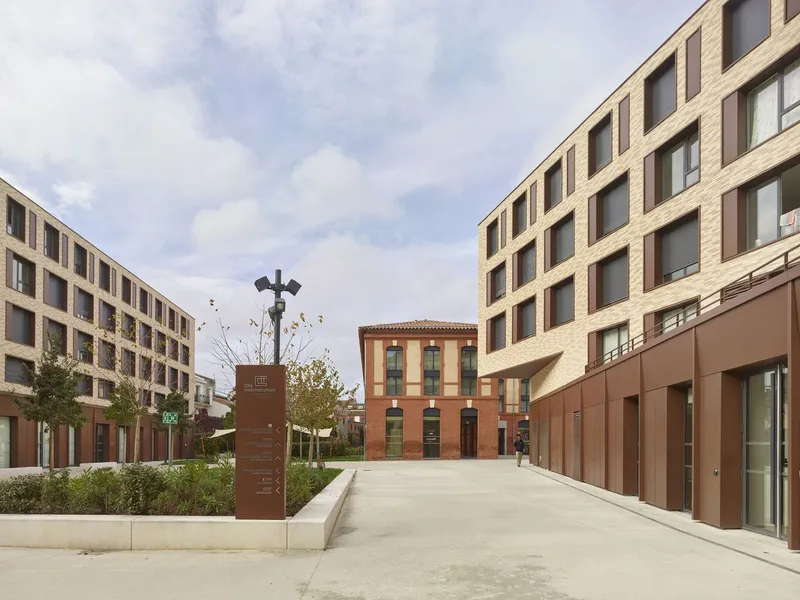
Historical Context: Paul Sabatier’s Legacy
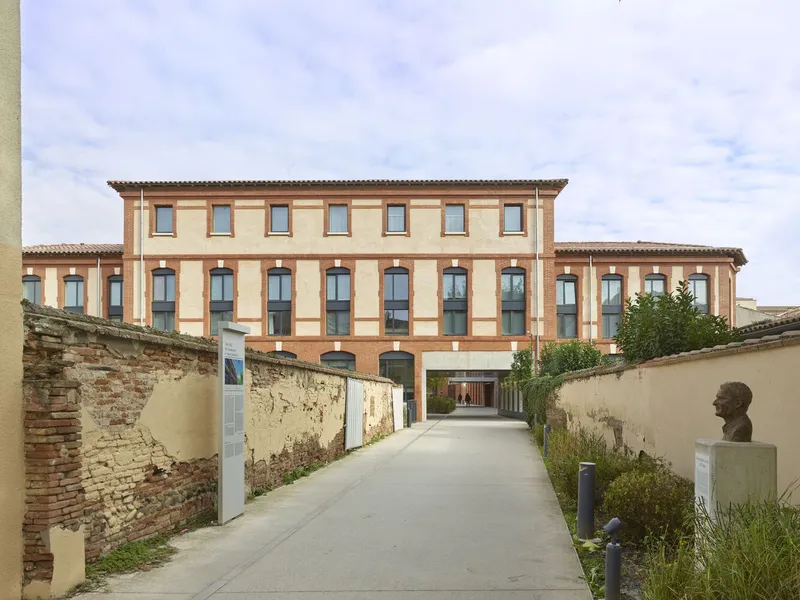
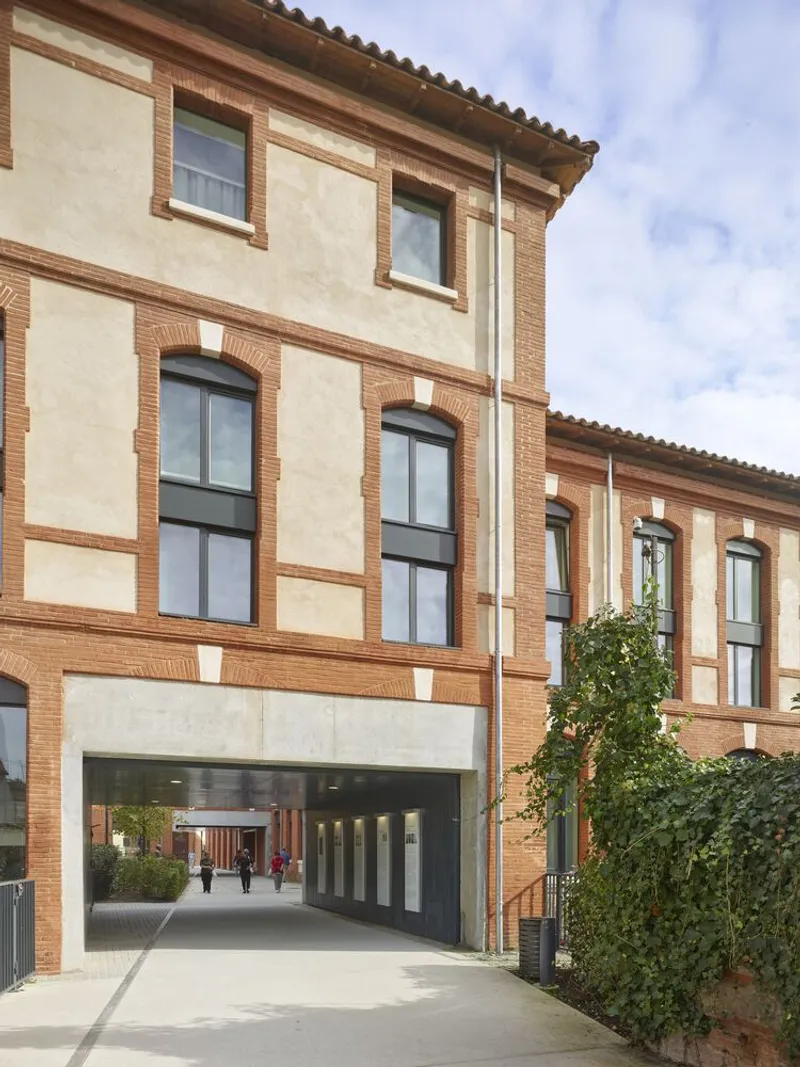
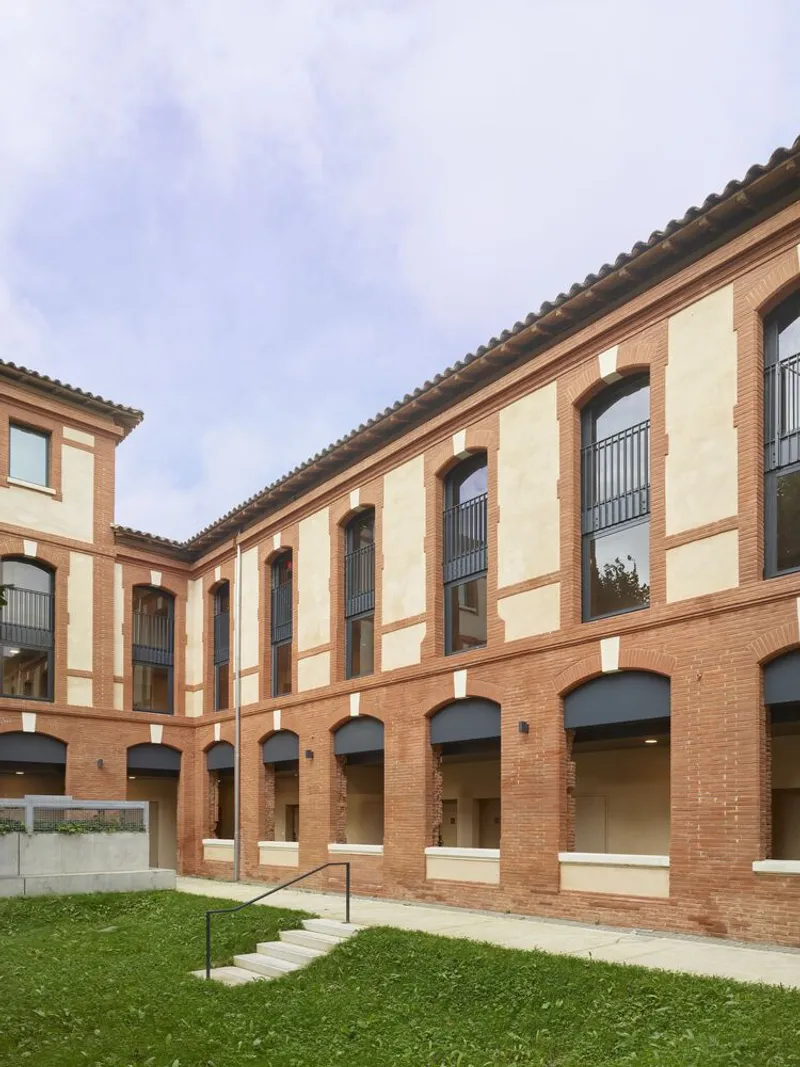
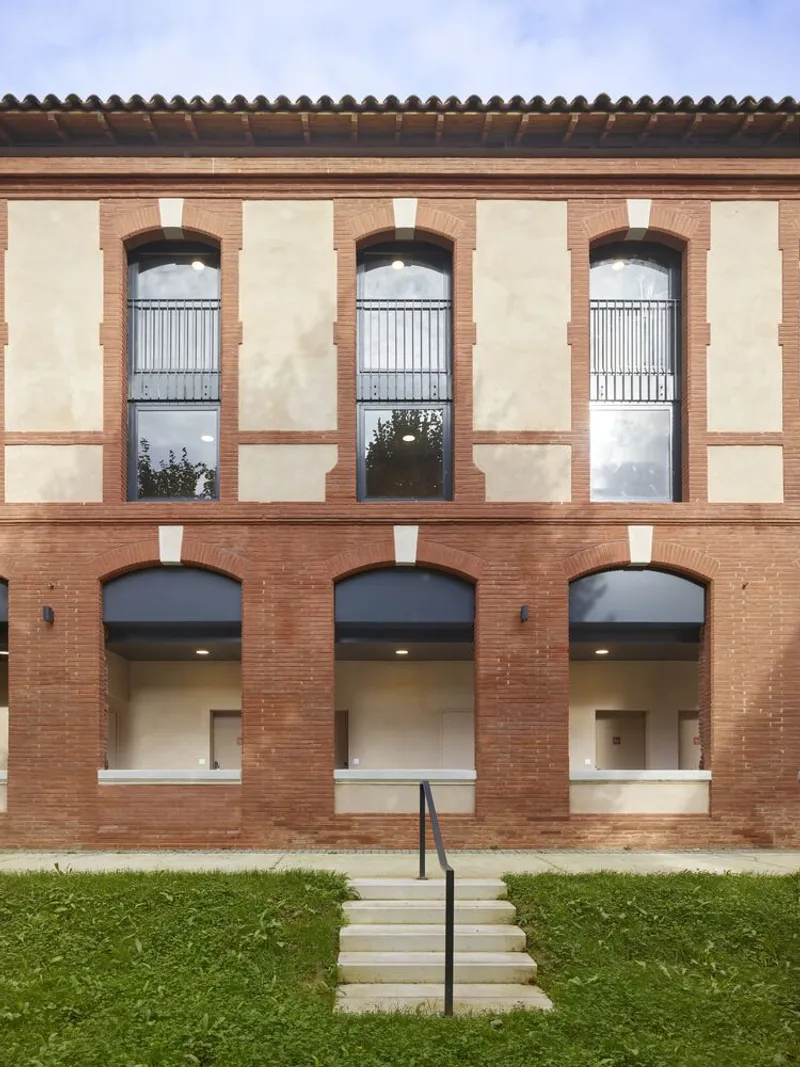
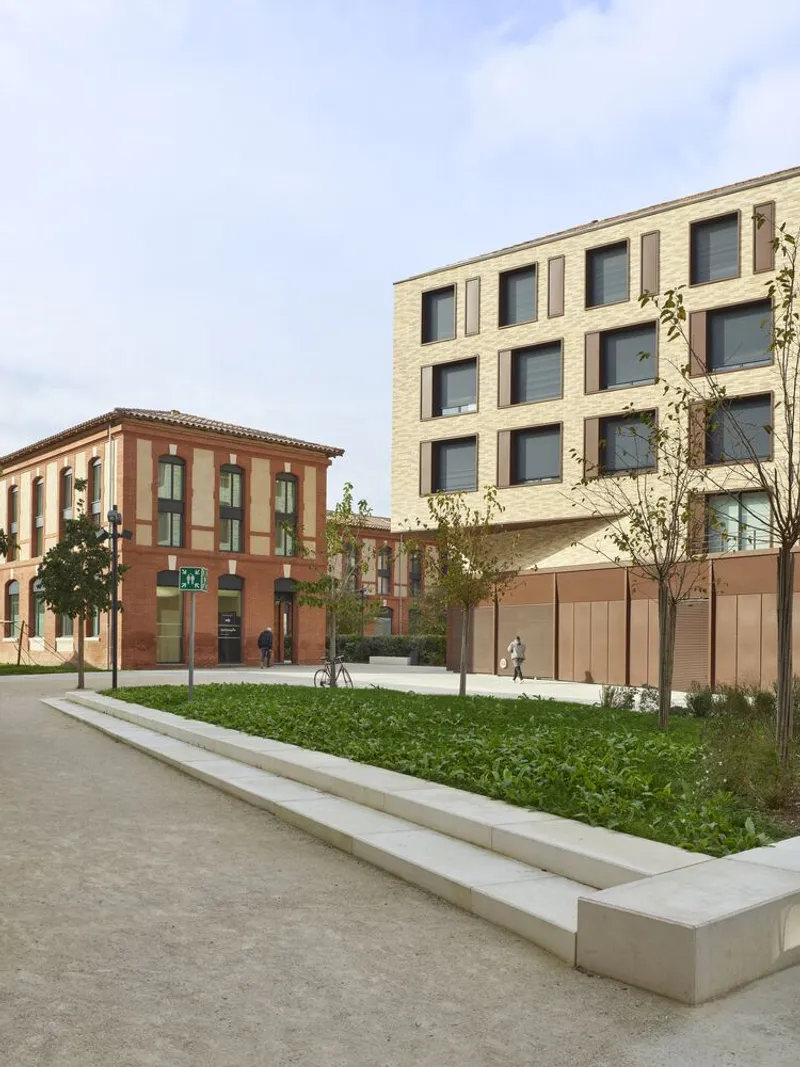
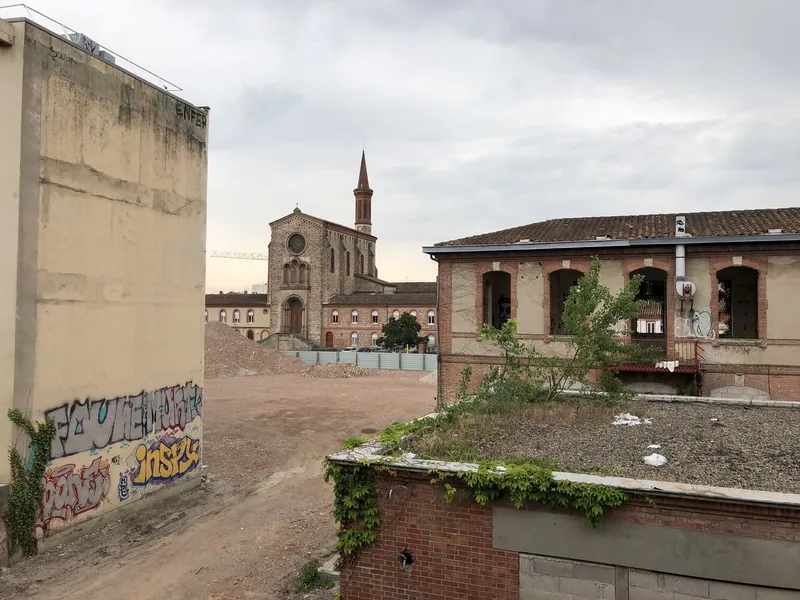
The site of the Cité Internationale Université de Toulouse holds significant historic value. Its centerpiece, the “H Building,” was designed in 1916 by architect Joseph Thillet, funded by Nobel Prize–winning chemist Paul Sabatier. Originally built as a research laboratory, the structure was repurposed as a military hospital during World War I before returning to its academic function in 1919. This dual role gave the building historical depth, symbolizing resilience and scientific advancement. Today, the redevelopment project pays homage to this heritage, ensuring that Sabatier’s contributions remain visible and celebrated within the fabric of Toulouse’s university district.
Urban Integration: Connecting Busca and Saint-Michel
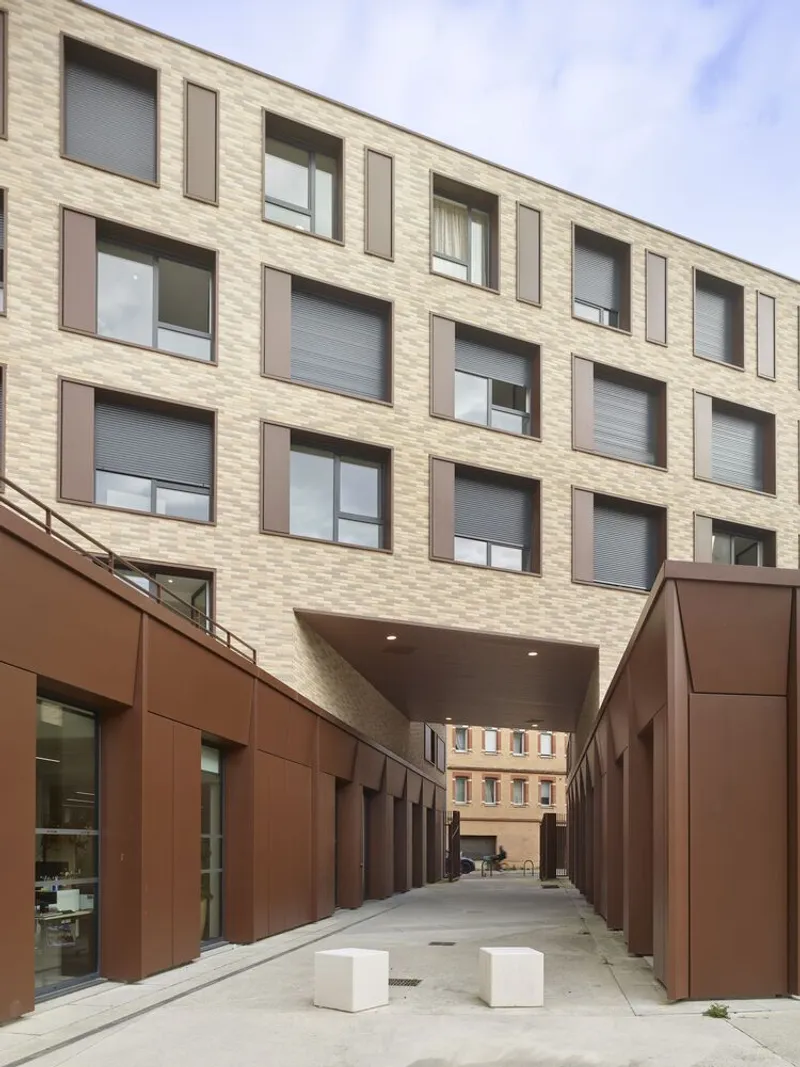
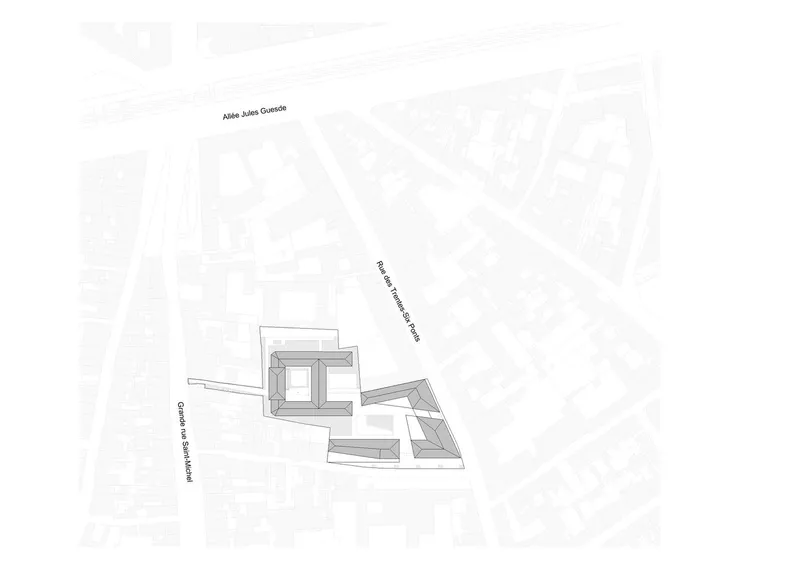
Set between the neighborhoods of Busca and Saint-Michel, the project plays a pivotal role in reconnecting the area’s fragmented urban landscape. The surrounding context, with its hidden heritage—such as the Notre-Dame chapel and historic façades—was largely overlooked by the public. By redeveloping the site, the architects not only revived the façades but also created new urban linkages, opening the complex to the city and reinforcing its role as a civic and academic hub.
Design Strategy: Blending Old and New University Architecture
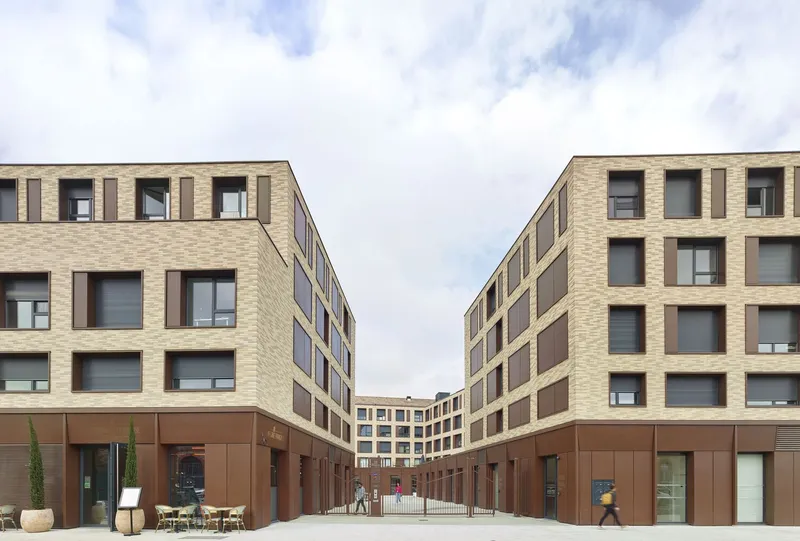
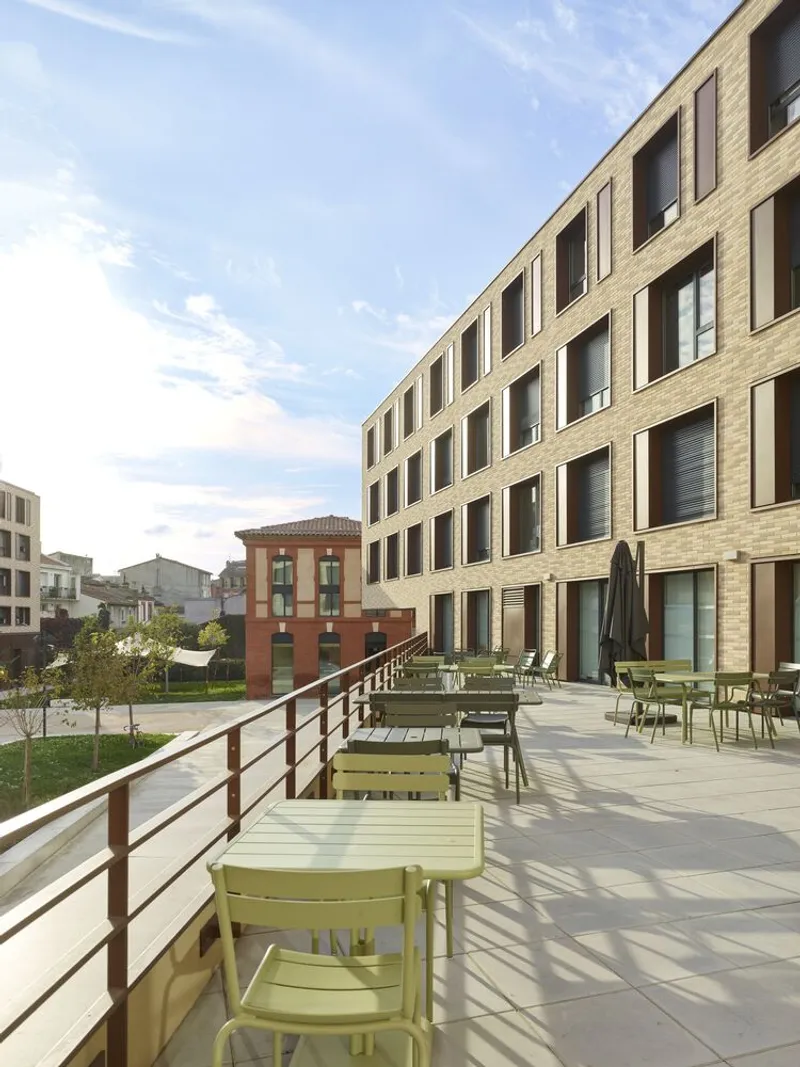
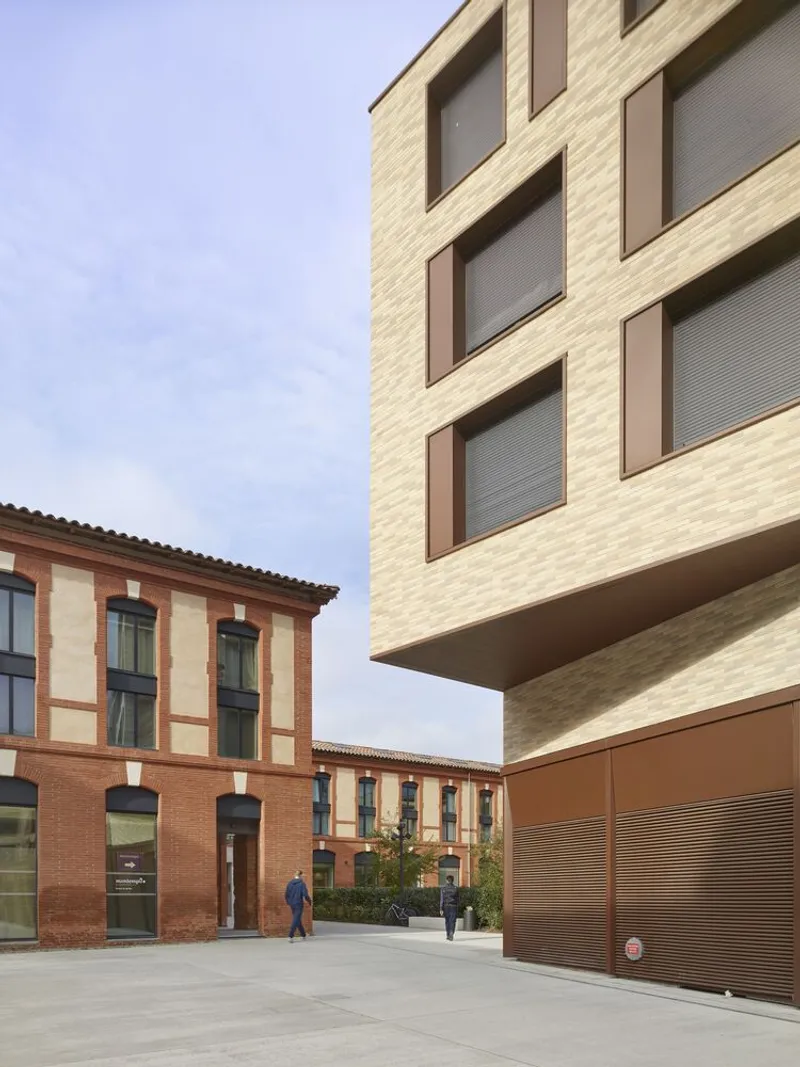
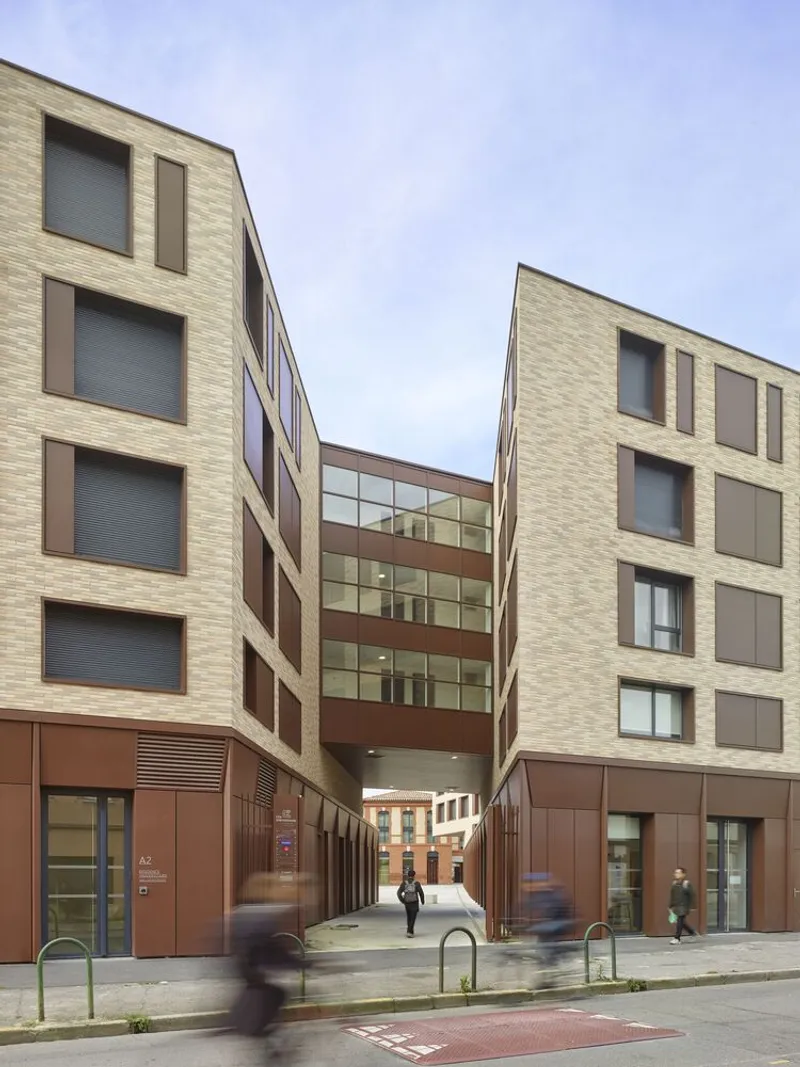
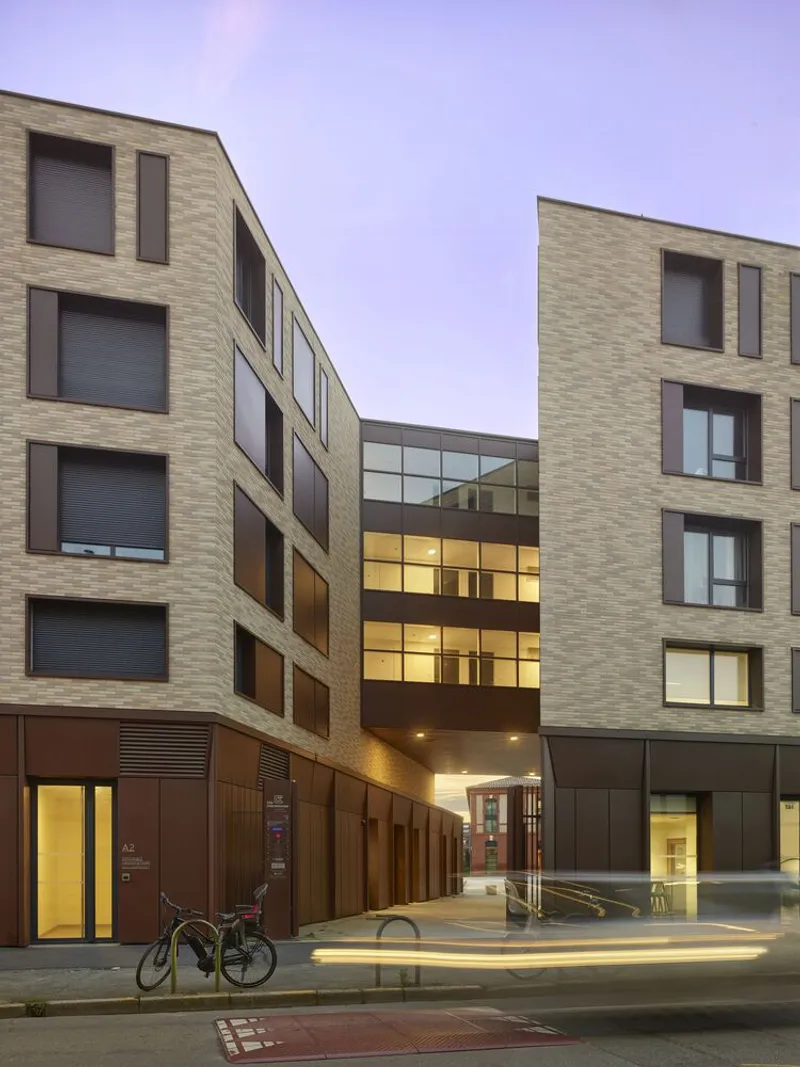
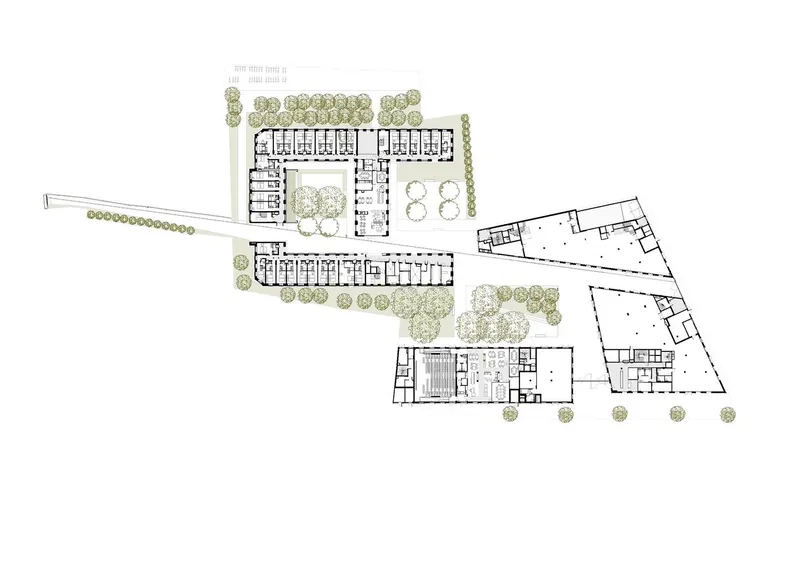
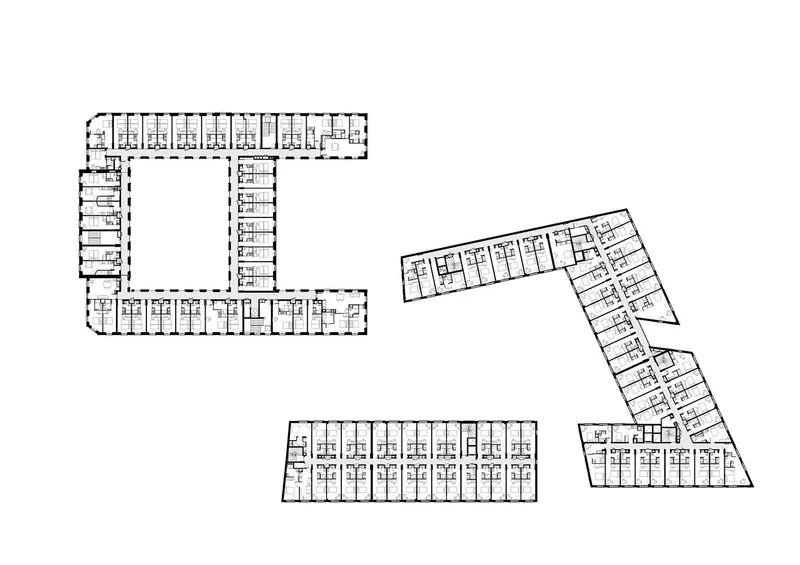
The architectural approach revolves around three interwoven systems. First, the preserved “H Building” acts as the historic anchor, retaining its courtyard and patio structure. Second, two newly designed buildings align with surrounding streets, forming U-shaped layouts that extend the city’s urban fabric. Third, a pedestrian pathway functions as the connective axis, guiding visitors through successive architectural and landscape sequences. This spine-like walkway weaves together old and new, academic and civic spaces, while creating a dynamic rhythm of discovery for users.
Pedestrian Pathway: A Museum-Like Urban Experience
The project’s most defining element is its central pedestrian pathway. Extending from Grande Rue Saint-Michel to Rue des Trente-Six Ponts, the path is designed as both circulation and storytelling. Along its route, visitors encounter courtyards, gardens, and open plazas, each revealing fragments of the site’s history. This scenographic approach transforms the urban journey into a museum-like narrative, allowing passersby to rediscover Paul Sabatier’s laboratories and their role in Toulouse’s academic evolution.
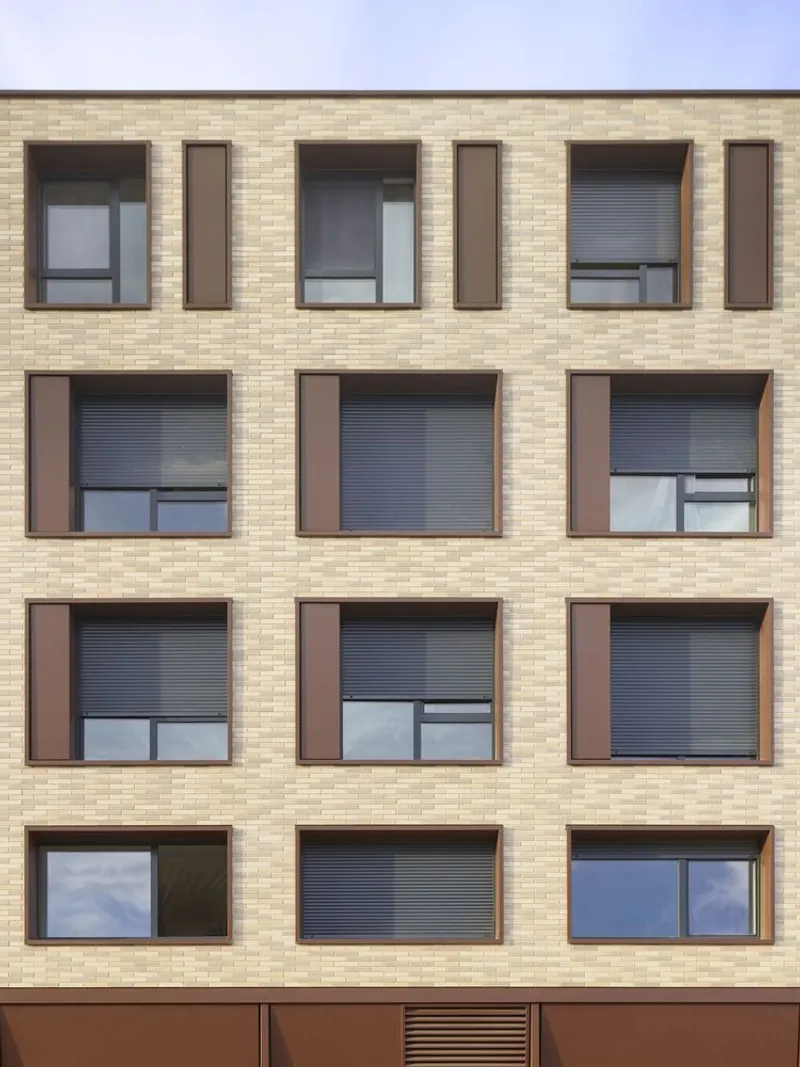
Spatial Experience: Openness, Gathering, and Academic Life
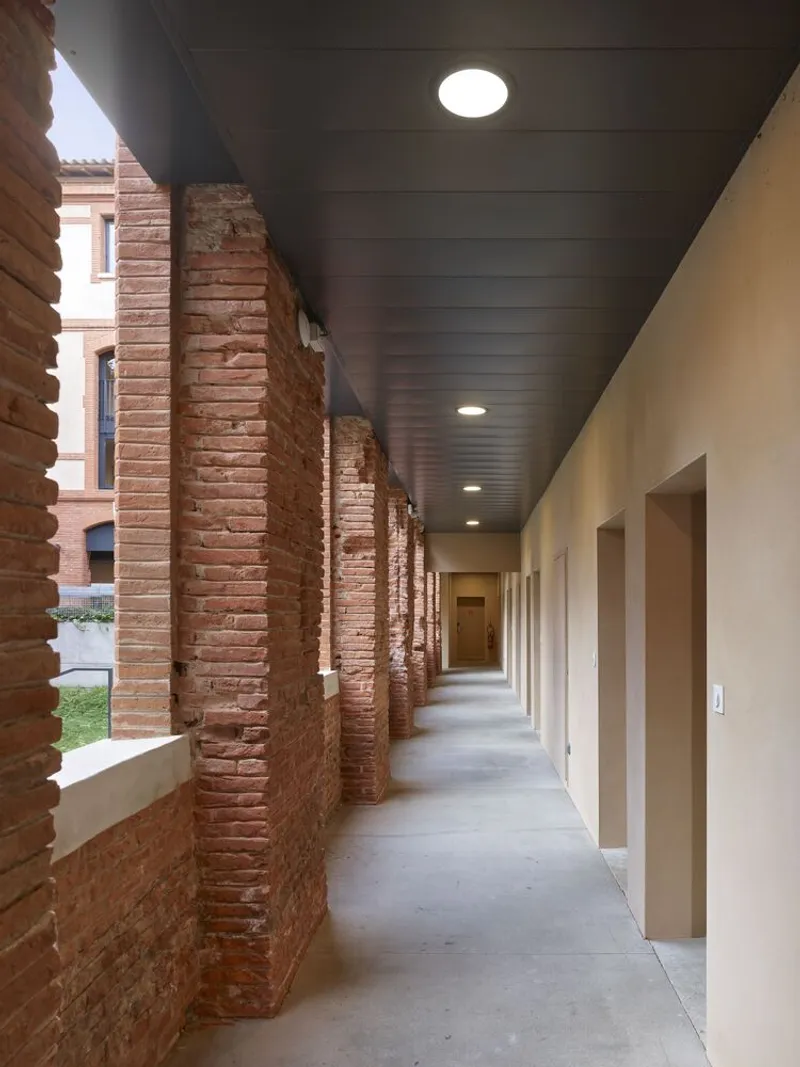
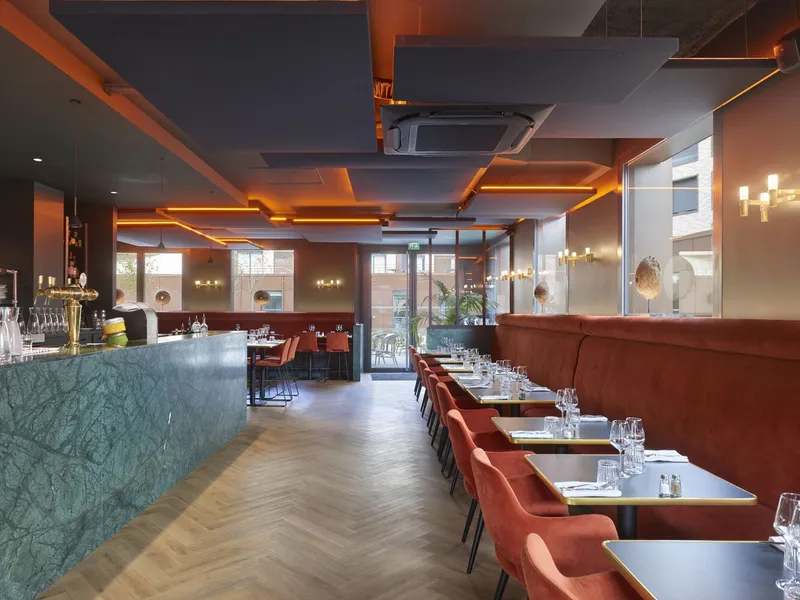
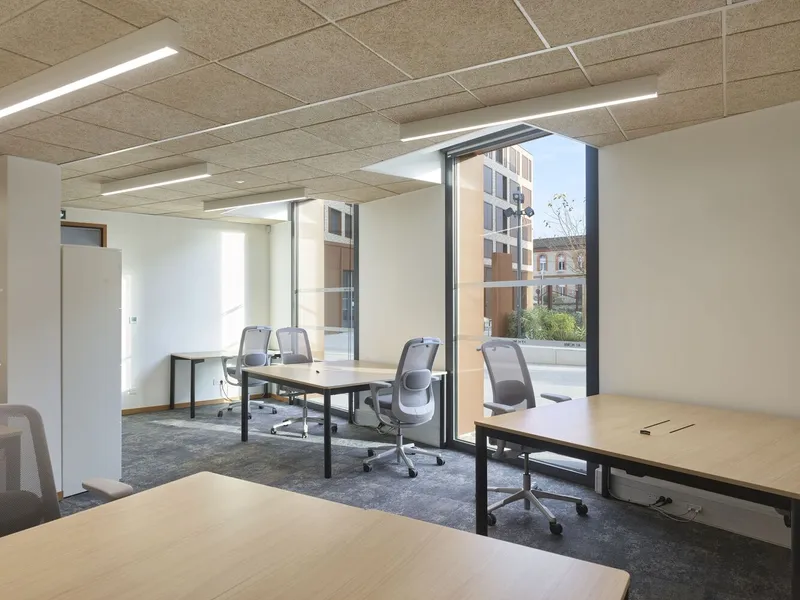
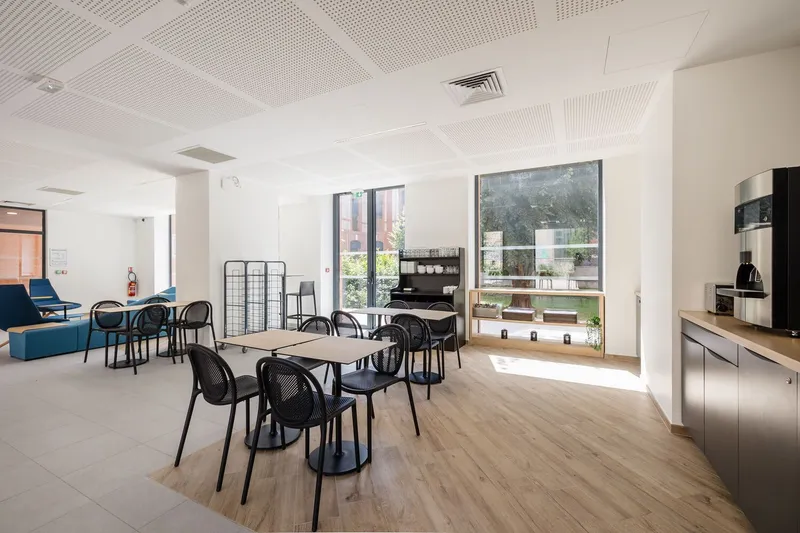
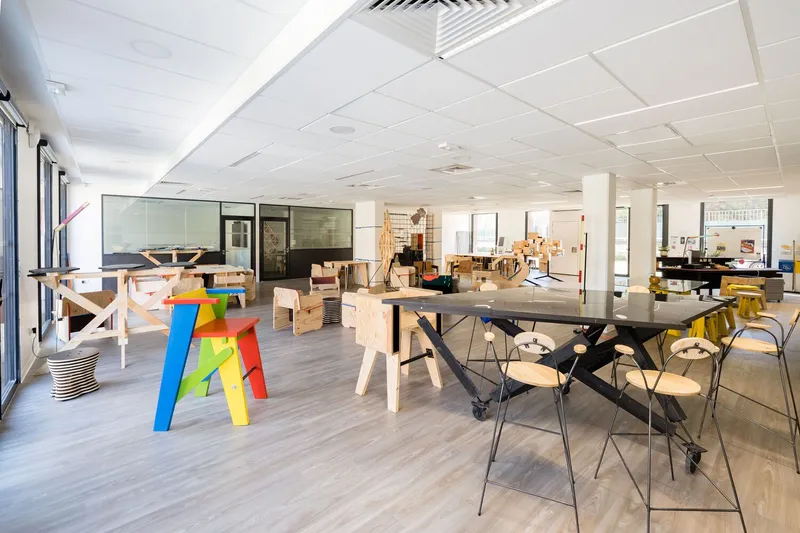
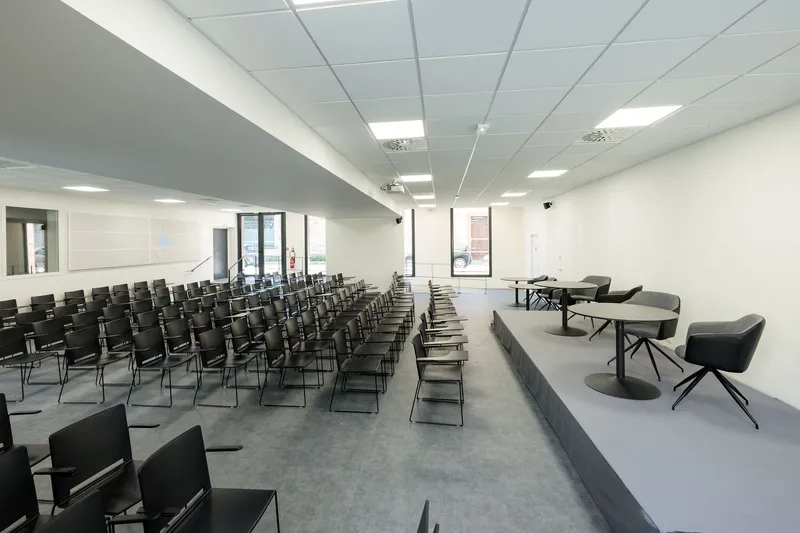
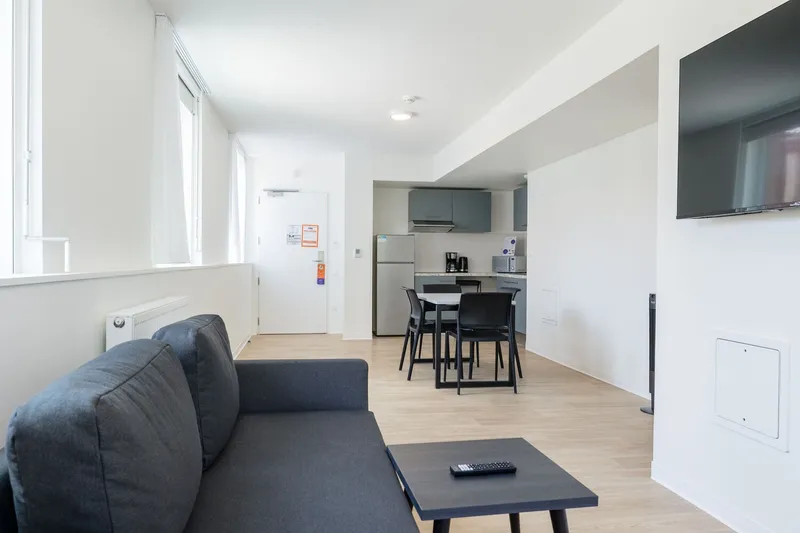
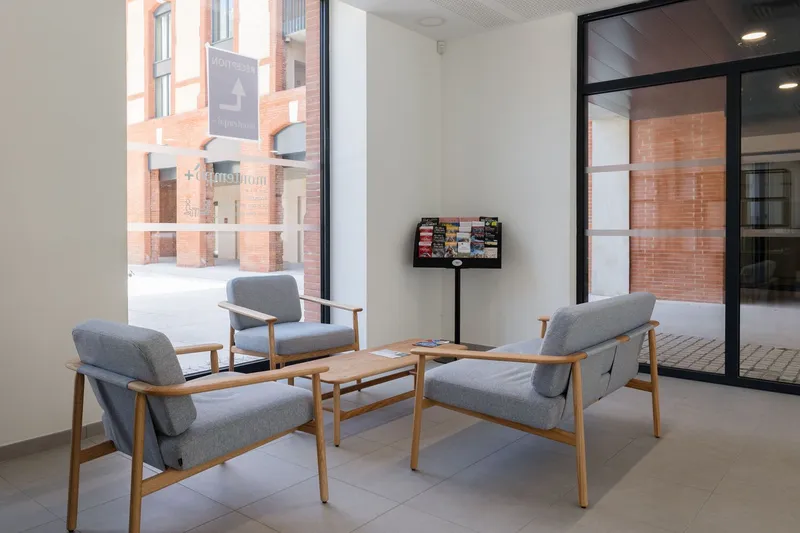
The Cité Internationale Université de Toulouse functions as more than a university campus. It creates a series of interconnected outdoor and indoor spaces that encourage gathering, interaction, and reflection. By incorporating patios, sheltered courtyards, and landscaped gardens, the project fosters a sense of inclusivity, extending beyond students to welcome local residents and the wider community. In doing so, it enriches Toulouse’s identity as a city of science, culture, and shared knowledge.
A New Model of Heritage University Architecture
The Cité Internationale Université de Toulouse by Taillandier Architectes Associés demonstrates how heritage university architecture can be revitalized without losing its historic essence. By integrating the legacy of Paul Sabatier, respecting the “H Building,” and introducing new architectural layers, the project strengthens both academic infrastructure and urban life. It stands as a model for 21st-century universities—where history, architecture, and community converge into a cohesive and inspiring whole.
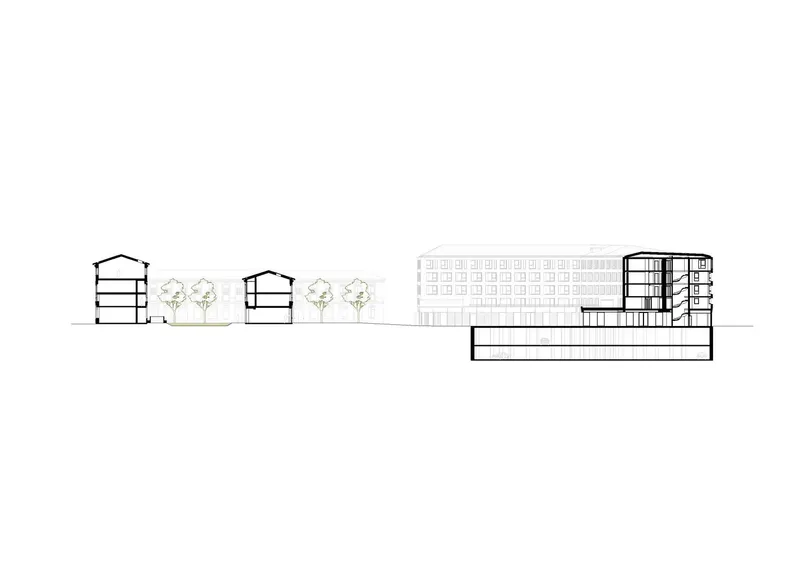
All Photographs are works of Roland Halbe, Sofiane Bensizera




Popular Articles
Popular articles from the community


Co-Life: Senior Housing Design That Reconnects Older Adults With the City
Co-Life reimagines senior housing design through healing gardens, shared streets, workshops, and a sustainable community across generations.

Play: Fragments of Their World
Familiar architecture becomes modular playground design, creating safe spaces where displaced children can learn, connect, imagine and play.

The Musturak Paradise: Senior Living Architecture for a Connected Future in Temara, Morocco
The Musturak Paradise reimagines senior living architecture in Temara via private homes, social spaces, culture, community, and shared care.

The Ocean Hive: Sustainable Architecture for a Self-Sufficient Civilization at Sea
The Ocean Hive imagines sustainable architecture at sea, where modular habitats, algae, wave power and ocean waste sustain a growing colony.


Similar Reads
You might also enjoy these articles

Bamboo Housing Challenge 2026: Design Affordable, Sustainable Homes Using Bamboo
An international design competition by Bamboo U and IBUKU inviting architects and designers to reimagine affordable housing using bamboo — with the winning design built full-scale in Bali.

Computational Design & Education: Beegraphy Design Awards Introduces 7th Category (Featuring Jiyun's Innovative Approach)
Dive into Beegraphy’s 7th Design Awards category, where computational design meets education to create immersive, interactive learning tools, inspired by Jiyun’s work.
From Parametric Lighting to Urban Furniture: Join the 2nd Workshop in Beegraphy’s Computational Design Series
Dive into Cutting-Edge Design Techniques and Practical Applications with Industry Experts

Last Call: Unleash Your Architectural Genius in SHAK's Kindergarten Design Competition
Urgent call for architects to join SHAK's kindergarten design competition before the looming deadline
Explore Architecture Competitions
Discover active competitions in this discipline



Challenge to reimagine the Iron Throne


Photograph architecture without architects


Illustrate the lost glory of Angkor Wat - Render Challenge


Design challenge to reuse E-waste
Comments (0)
Please login or sign up to add comments
No comments yet. Be the first to comment!