
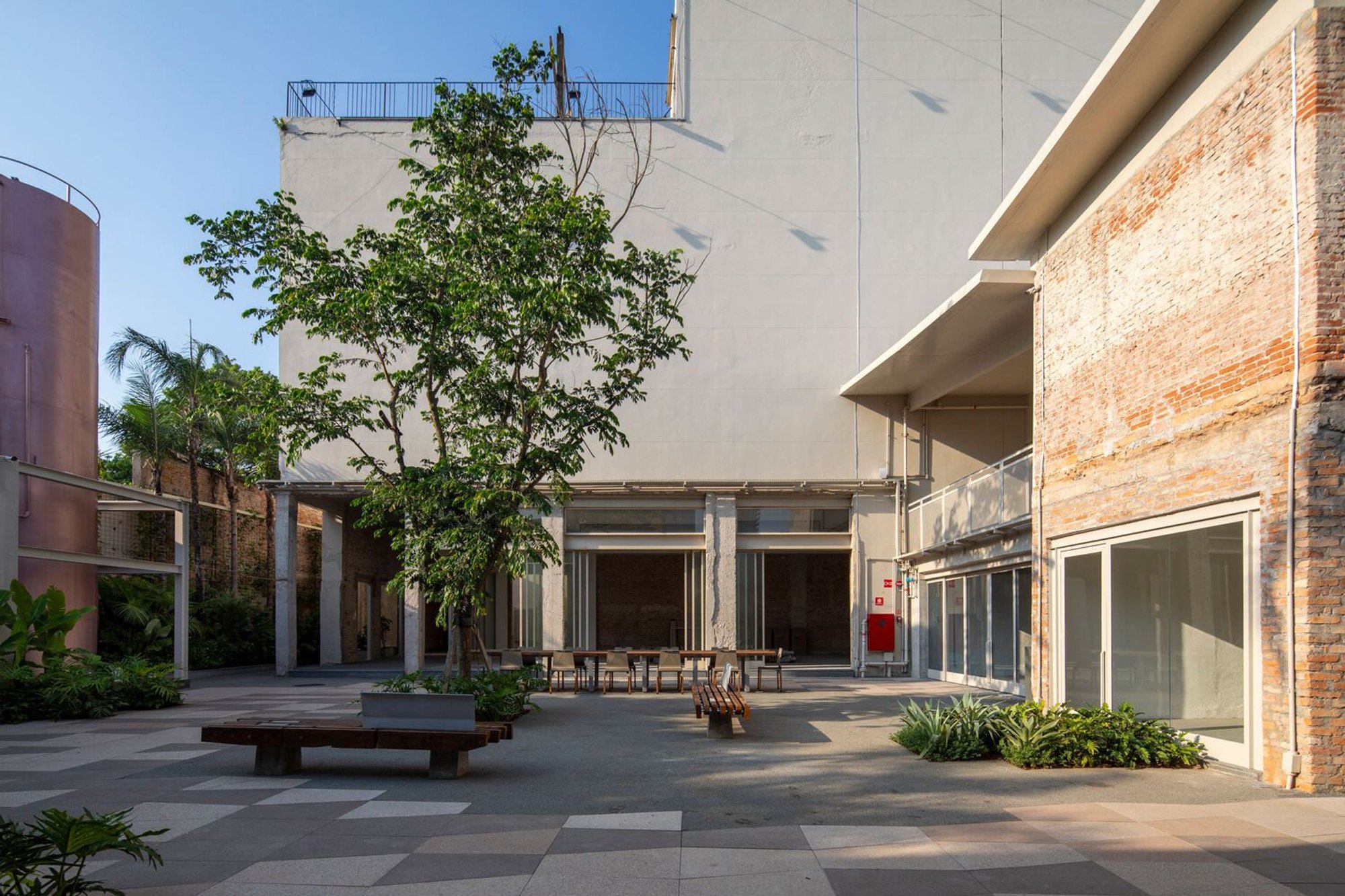
LAPI Development by SuperLimão: Revitalizing Pinheiros with Mixed-Use Urban Excellence
LAPI by SuperLimão revitalizes São Paulo’s Pinheiros with mixed-use architecture, blending adaptive reuse, sustainability, vibrant public spaces, and urban connectivity.

Located in the vibrant West Zone of São Paulo, the LAPI development represents a landmark in urban transformation and mixed-use architecture. Designed by SuperLimão, with a masterplan by Spol and developed by Jacarandá Capital, LAPI covers an extensive area of 20,000 m², integrating 29 properties into a cohesive, multifunctional urban ensemble. The project, inaugurated in March 2024, embodies the fusion of adaptive reuse, urban revitalization, and contemporary architectural design.
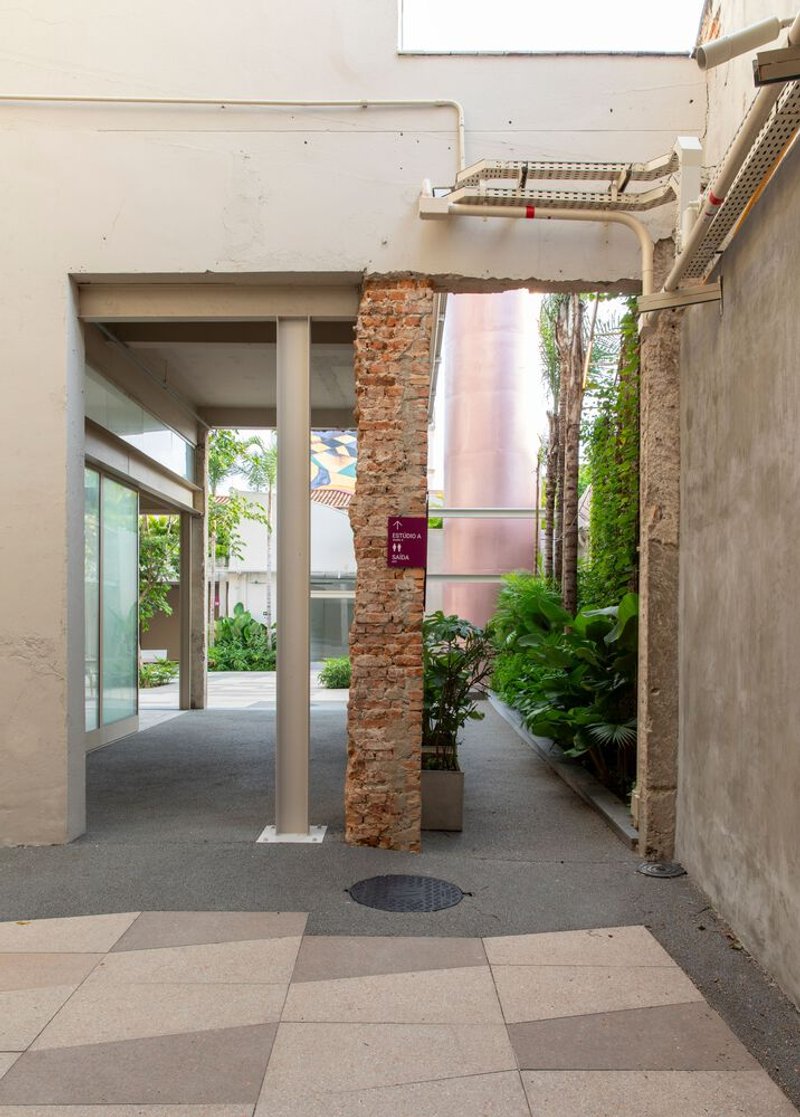
Transforming Largo da Batata
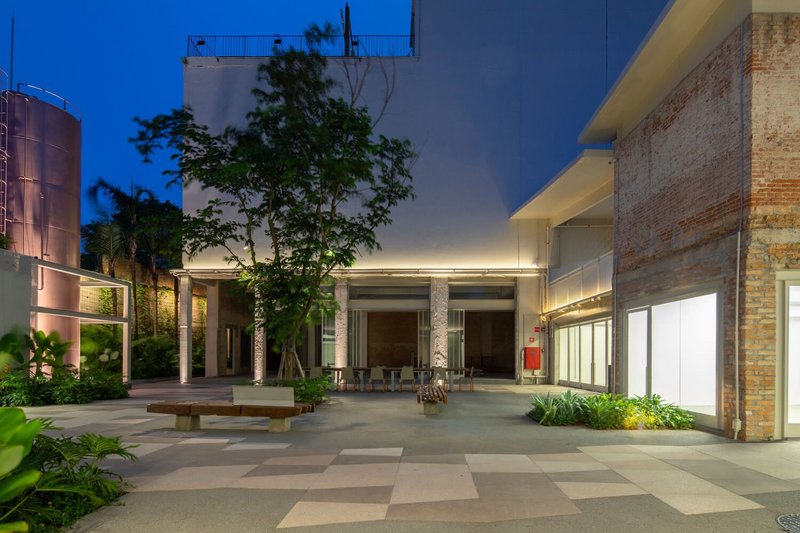
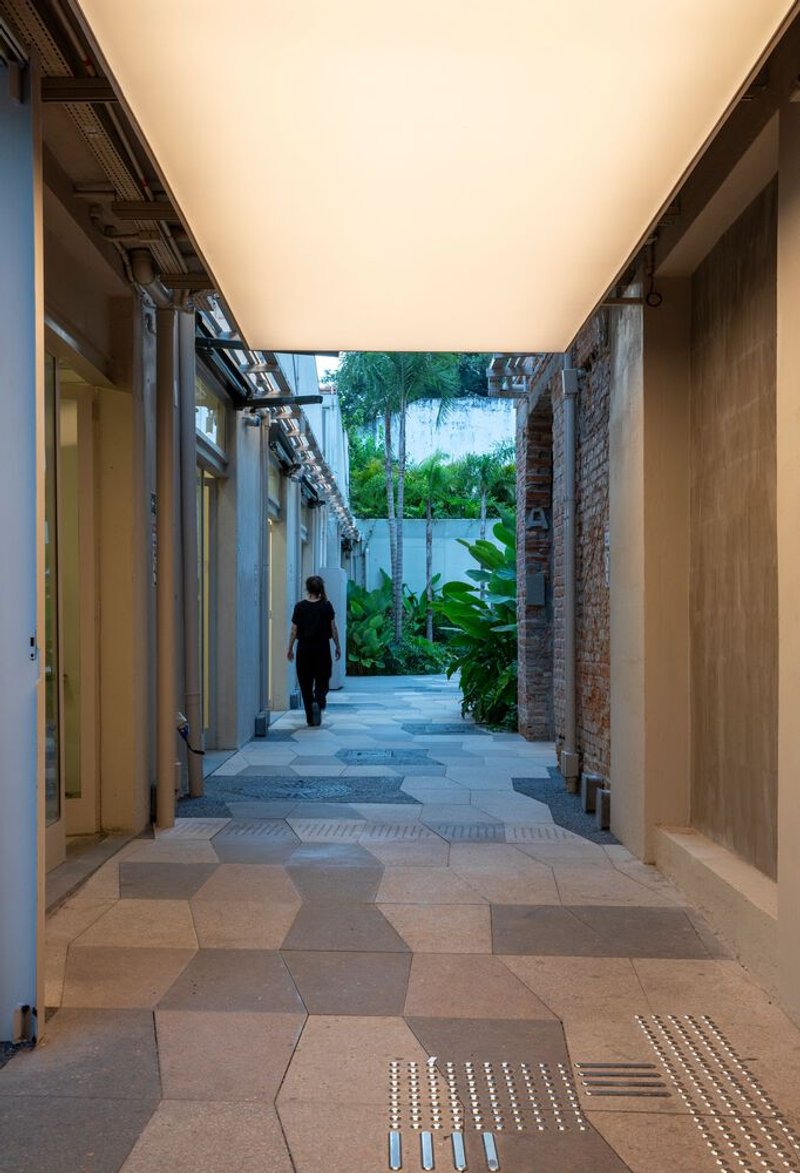
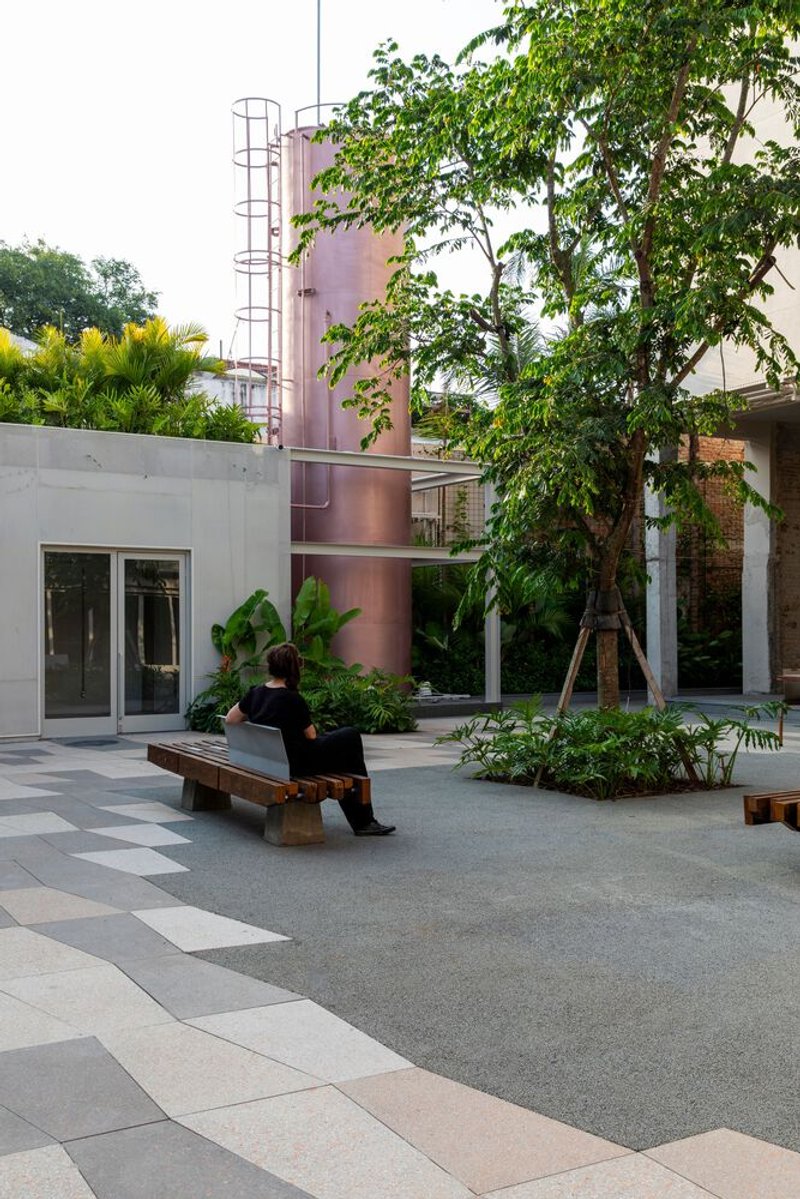
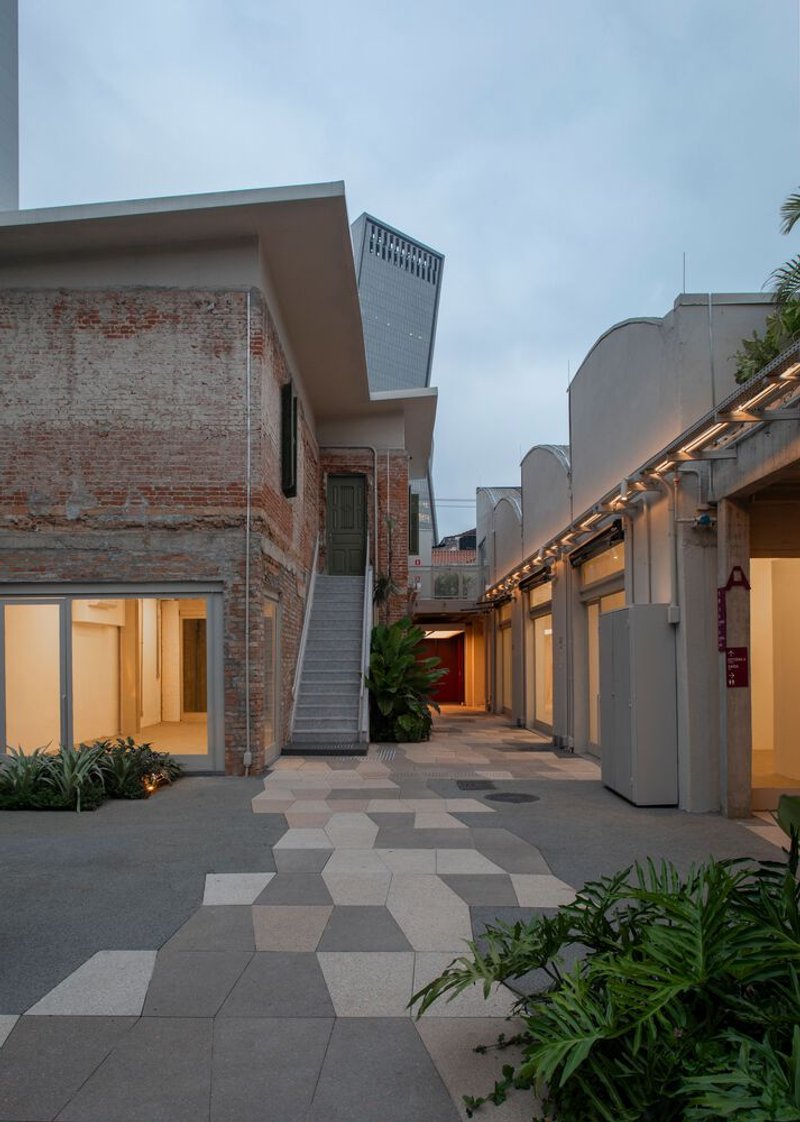
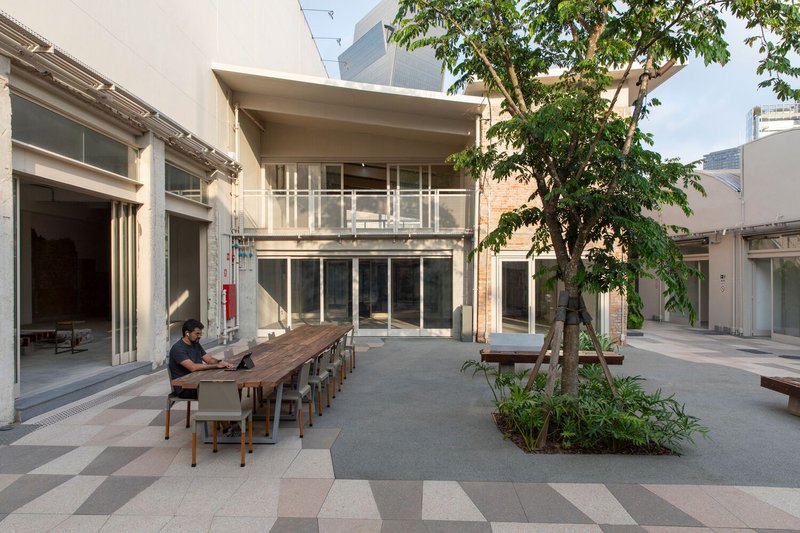
The neighborhood of Pinheiros, particularly the historically bustling Largo da Batata, is undergoing an intense transformation. LAPI strengthens this evolution by merging commercial, residential, and leisure spaces, creating a mixed-use complex that enhances community interaction while maintaining the cultural identity of the area. The first phase delivers Block 2, connecting Fernão Dias and Guaicuí streets, hosting shops, restaurants, and vibrant facades opening onto an internal square crowned by a majestic ingazeiro tree.
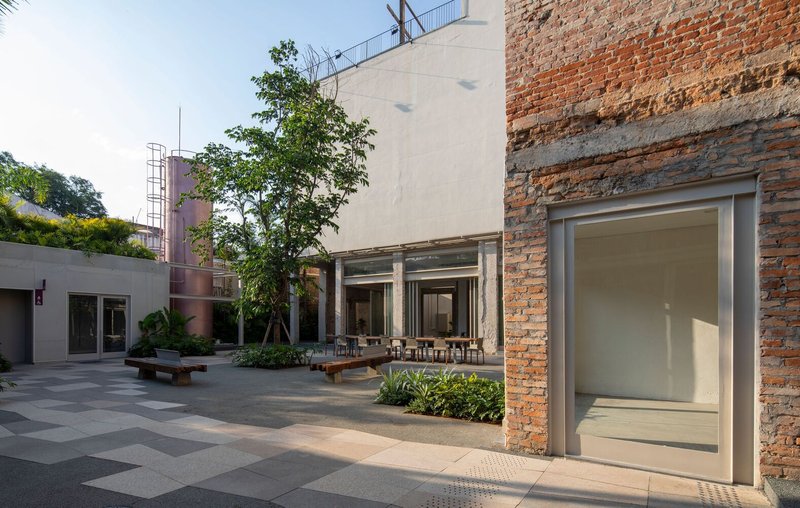
Connectivity and Urban Integration
Strategically positioned, LAPI integrates seamlessly with São Paulo’s main transport hub in the West Zone, fostering intermodal connectivity for thousands of daily commuters. The project’s name itself, combining the syllables of "Largo" and "Pinheiros," reflects its purpose: to establish a dynamic point of intersection, encouraging urban flow and public engagement. The development prioritizes internal circulation, ensuring residential and commercial access through internal spaces while maintaining active, vibrant streetscapes externally.
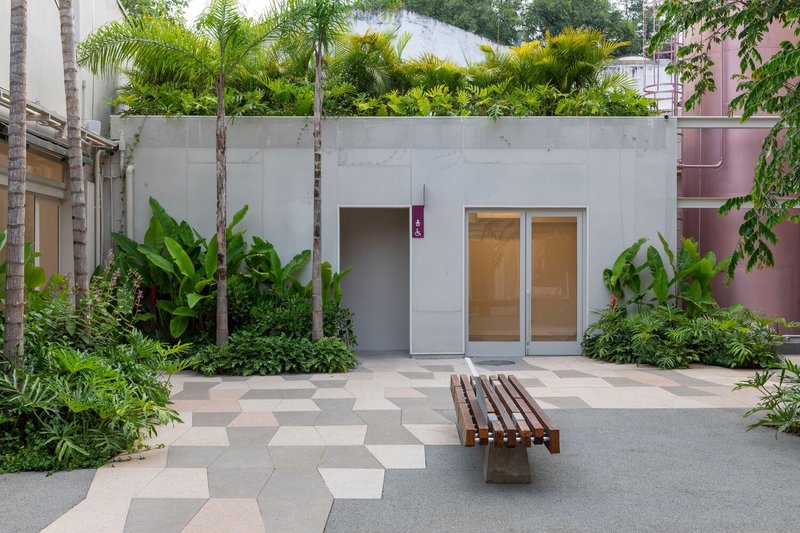
Redefining Urban Experience
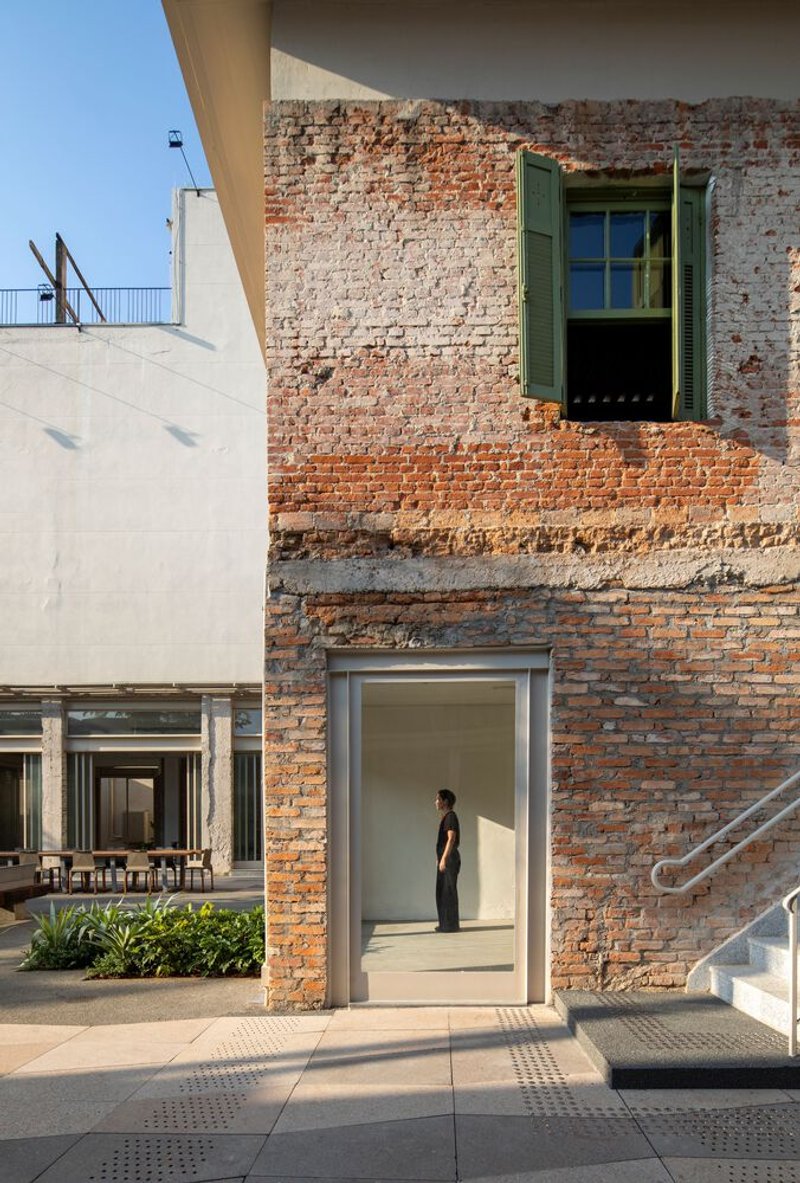
SuperLimão’s approach emphasizes a human-centered urban experience, rethinking public and private spaces in a way that preserves the neighborhood’s identity while enhancing accessibility and enjoyment. By requalifying existing blocks and integrating new constructions, LAPI offers a balanced mix of historic preservation and contemporary architectural intervention. The project enhances urban security, promotes social coexistence, and contributes to the broader qualification of Largo da Batata.
Thiago Rodrigues, partner at SuperLimão, explains, “The idea is for the neighborhood to gradually integrate these new uses of space, generating a flow that extends beyond the block, improving urban security and coexistence.” Luís Augusto Góes, founding partner at Jacarandá Capital, adds, “LAPI exemplifies projects that dialogue with the city, delivering tangible benefits to the surrounding areas while creating opportunities for occupants and investors.”
Sustainability and Adaptive Reuse
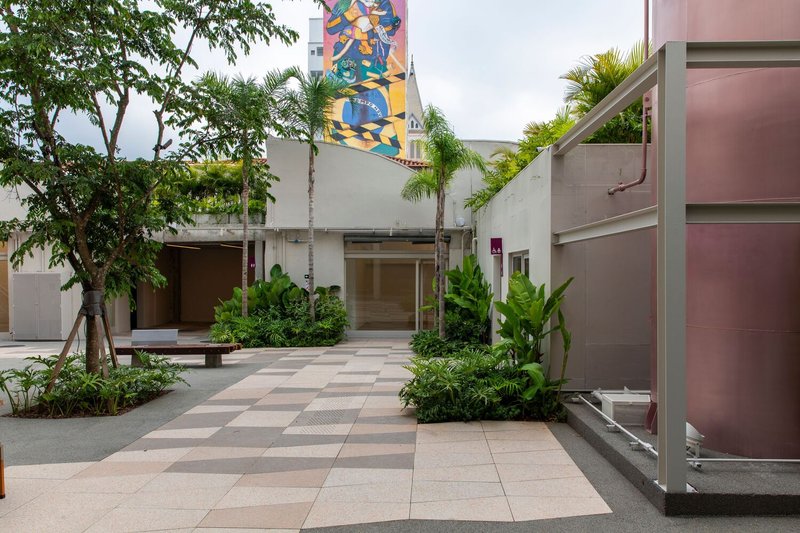
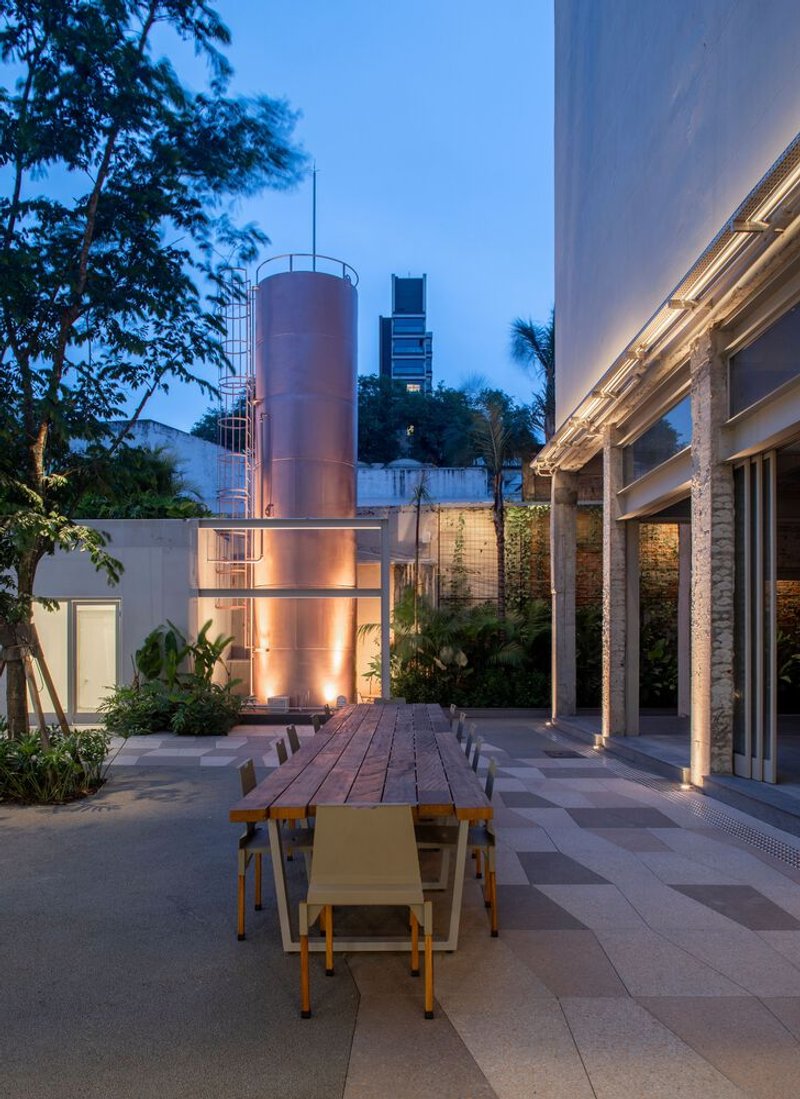
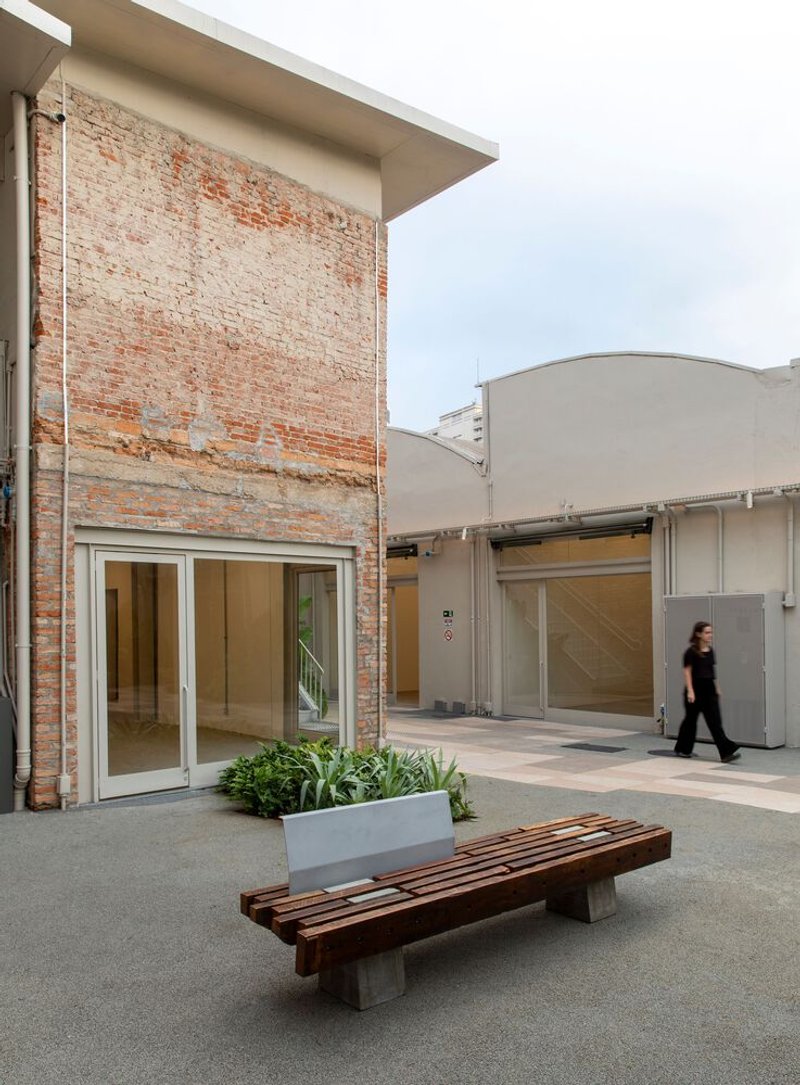
A central feature of LAPI is its commitment to sustainability. The project maximizes the preservation of existing buildings, reduces construction waste, and integrates salvaged materials into new uses. For instance, 20 cubic meters of reclaimed roof wood were repurposed into urban furniture, while ceramic tiles from demolished structures were reused in flooring. Energy optimization technologies and efficient water management systems further strengthen LAPI’s environmentally conscious design.
Enhancing Community Life
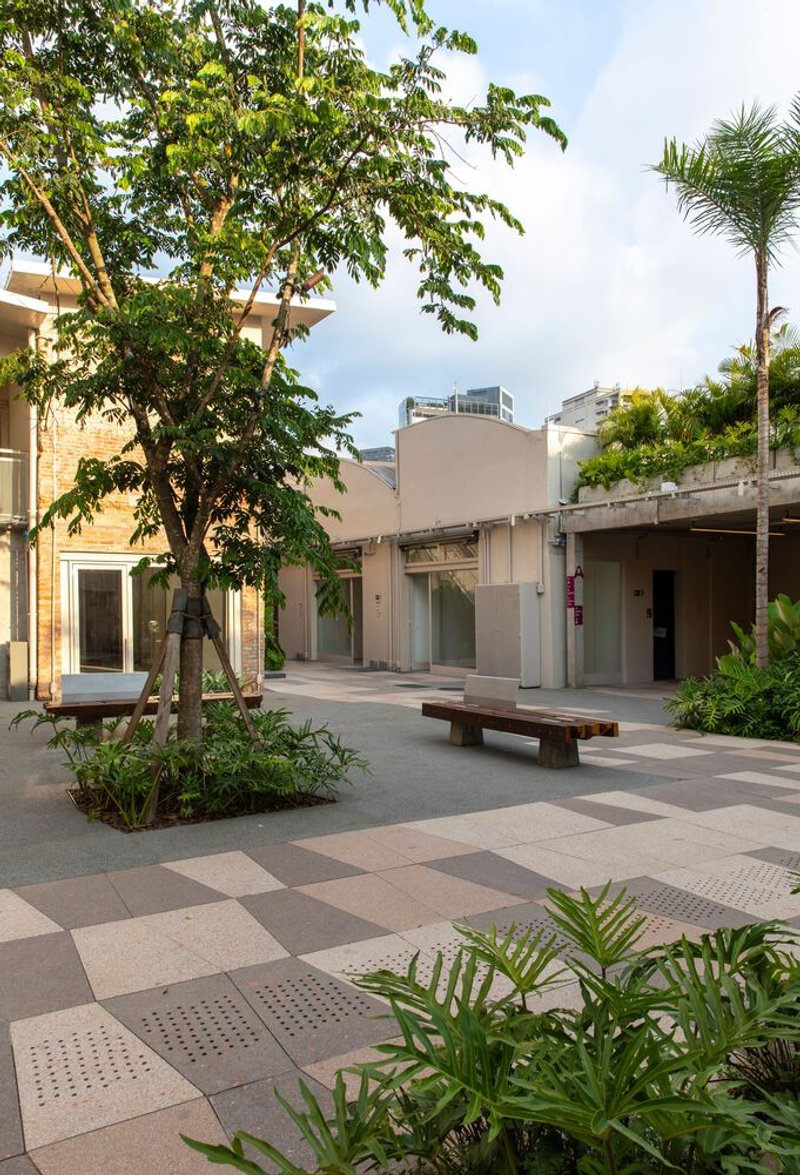
LAPI encourages continuous activity through a curated mix of services, shops, offices, and leisure areas. By concentrating circulation internally and ensuring dynamic facades, the project creates an active, vibrant atmosphere essential for social interaction and community engagement. New open spaces, resulting from the strategic demolition of irregular structures, allow for natural light, ventilation, and visual permeability, transforming previously neglected areas into dynamic urban environments.
A Landmark for São Paulo
Ultimately, LAPI stands as a transformative urban development, blending historical memory, contemporary design, and sustainable practices. Its thoughtful combination of retrofitted buildings, new constructions, and vibrant public spaces ensures that residents, visitors, and investors alike experience the city in a renewed and dynamic way. With its full completion expected by the end of 2024, LAPI sets a benchmark for future mixed-use developments in São Paulo and beyond.
All photographs are works of
Maíra Acayaba



Popular Articles
Popular articles from the community

Bood Design Bureau Splits a Gilan Residence in Two to Let the Forest In
Double Side House negotiates privacy and openness through interlocking concrete volumes and planted courtyards in northern Iran's humid Caspian lowlands.
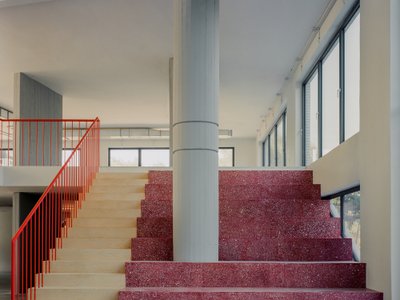
Art 1 Office Strips Athens Back to Its Bones
Neiheiser Argyros transforms a 40-year-old Athens office building into a vivid, materially rich workplace anchored by red steel, exposed concrete, and roof
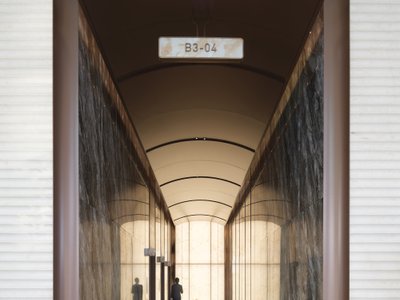
Guangzhou's Twin Towers Interiors Move Like Water
DuShe Architectural Design shapes the lobbies of a massive Guangzhou transit hub with undulating ceilings and deep geological materiality.
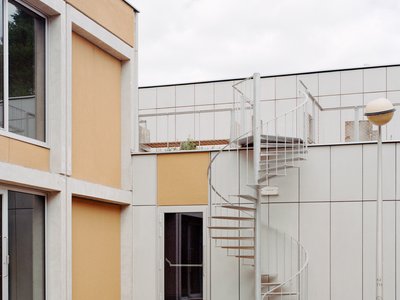
MAKER architecten Rewire a 1972 Brutalist Dormitory on the VUB Campus as a Living Lab
A modular renovation strategy in Belgium breathes new life into Willy Van Der Meeren's modernist student housing without erasing its concrete bones.


Similar Reads
You might also enjoy these articles
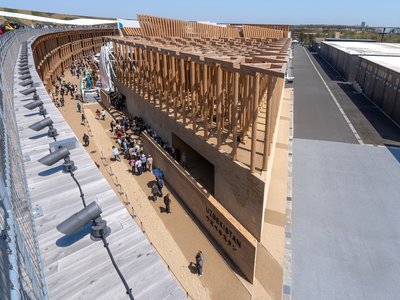
ATELIER BRÜCKNER Grows a Garden of Knowledge for Uzbekistan's Expo 2025 Pavilion in Osaka
A triangular timber canopy and blue-tiled courtyards translate Uzbek craft traditions into a 1,272-square-meter landscape of learning.
Bood Design Bureau Splits a Gilan Residence in Two to Let the Forest In
Double Side House negotiates privacy and openness through interlocking concrete volumes and planted courtyards in northern Iran's humid Caspian lowlands.
suatudio Splits a Multigenerational Home into Interlocking Concrete Volumes in West Java
Rumah Tahu House in Sumedang, Indonesia adapts to sloping terrain with split levels, timber decks, and deep overhangs for two generations.
MAKER architecten Rewire a 1972 Brutalist Dormitory on the VUB Campus as a Living Lab
A modular renovation strategy in Belgium breathes new life into Willy Van Der Meeren's modernist student housing without erasing its concrete bones.

Explore Architecture Competitions
Discover active competitions in this discipline




The International Standard for Design Portfolios


The Global Benchmark for Architecture Dissertation Awards


The Global Benchmark for Graduation Excellence


Challenge to reimagine the Iron Throne
Comments (0)
Please login or sign up to add comments
No comments yet. Be the first to comment!