
Layered Building by Atelier ITCH: A Vertical Hideout Crafted from Constraints in Seoul
A compact triangular retreat in Seoul, Layered Building stacks split levels, brick walls, and a top-lit courtyard to create secluded creative solitude.

Located at the end of a narrow alley in Seoul, South Korea, the Layered Building by Atelier ITCH transforms a highly constrained triangular plot into a compact yet poetic vertical retreat. Completed in 2025, the 98 m² mixed-use structure is an architectural study in turning limitations—site size, lack of sunlight, restricted access, and tight geometry—into opportunities for spatial invention and personal expression.
Lead architects Jinwook Jung and Yourim Lee approached the project with a sensitivity to the site’s eccentricities and the client’s longing for privacy, solitude, and creative immersion. The resulting building feels like an urban hideout: enclosed, introspective, and meticulously layered to maximize spatial continuity.
A Triangular Plot That Shapes the Story
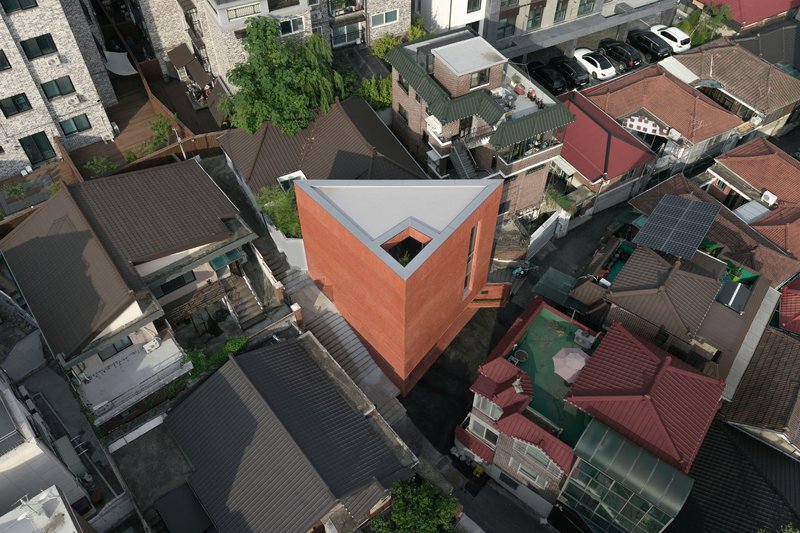
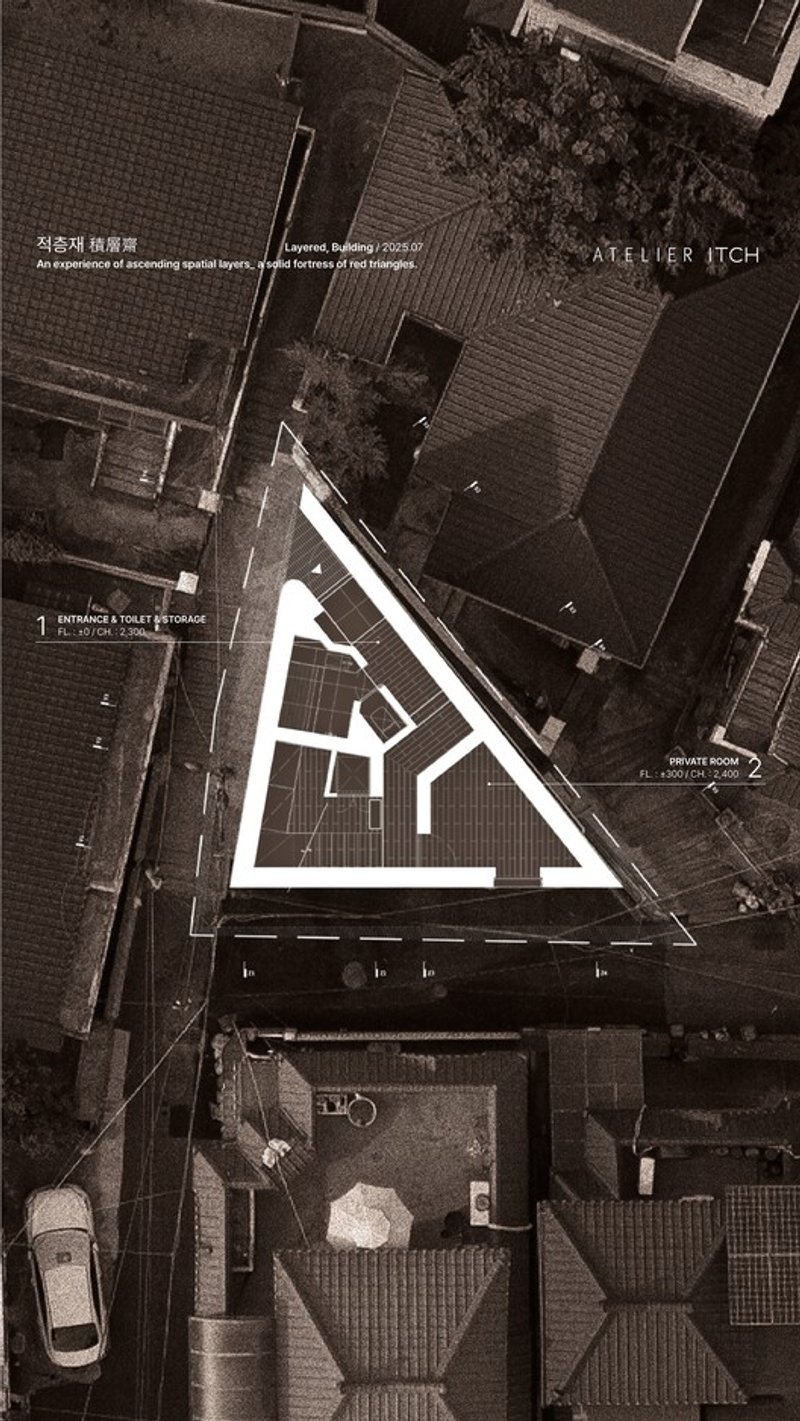
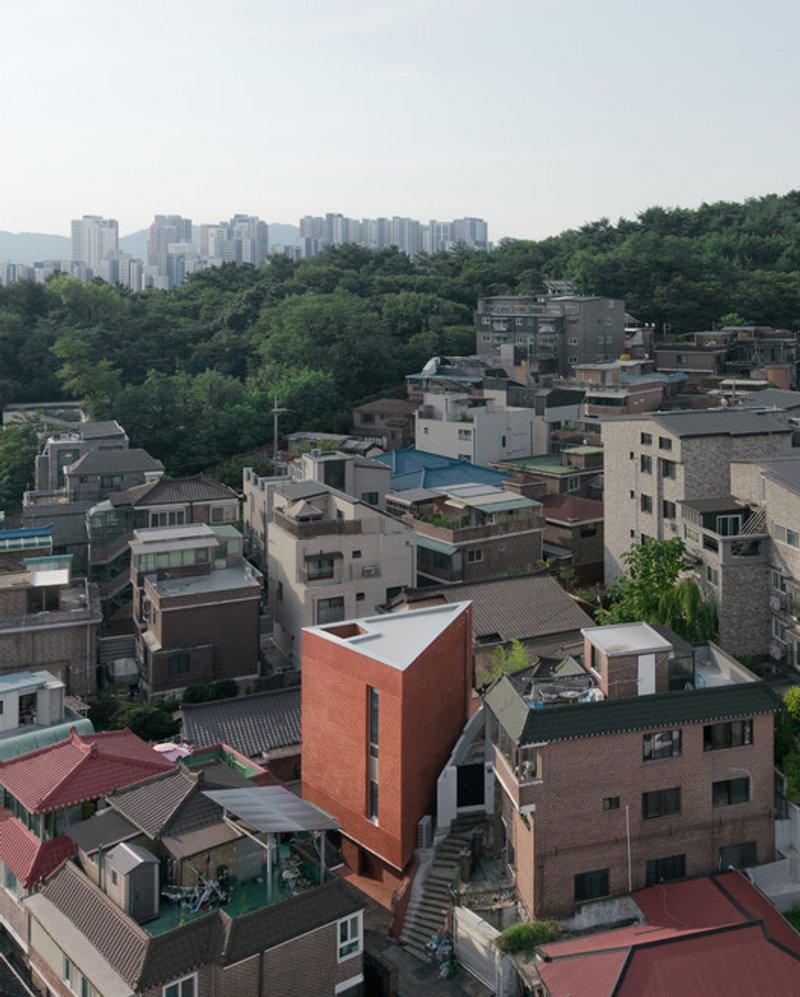
The project began on a triangular site under 60 m², bordered by tall outdoor stairs and pressed against higher neighboring land. With southern sunlight blocked and street-facing windows compromising privacy, conventional solutions were impossible.
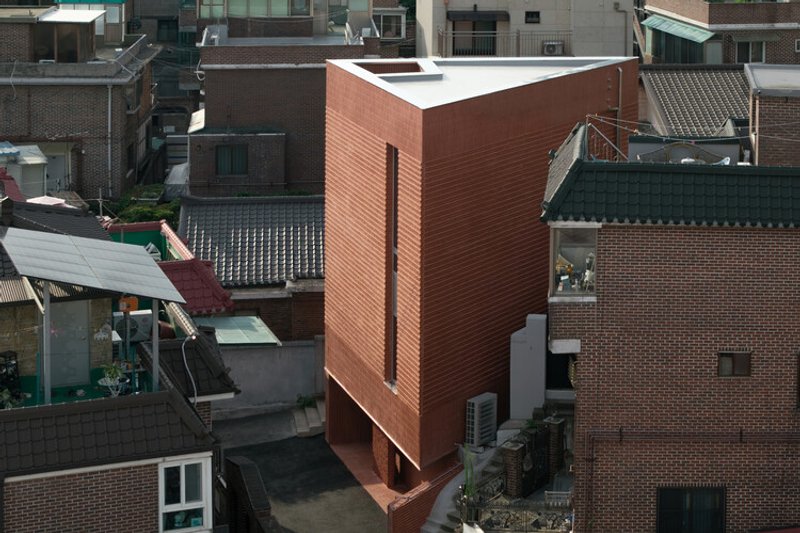
Construction access was limited, and the plot’s irregular geometry demanded precision.
Rather than seeing the site’s challenges as obstacles, the architects embraced them as defining qualities. The client—drawn to hidden corners, enclosed spaces, and childhood memories of secret hideouts—expressed a desire for a private creative haven, emphasizing protection over openness.
This set the conceptual foundation for a building that is both fortress-like and spatially layered.
Concept of Layering: A Vertical Sequence of Split Levels
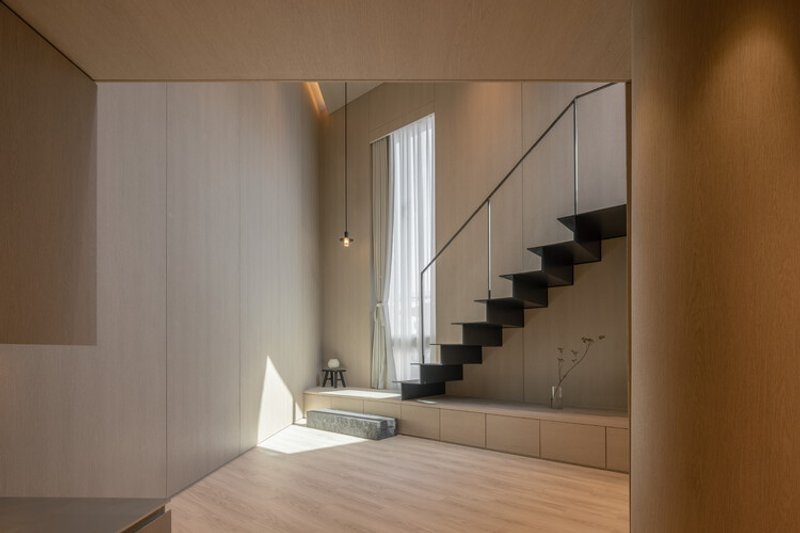
Atelier ITCH interpreted the client’s need for solitude through the idea of “layering.”The triangular floor plate was divided into three parts and stacked upward using a split-floor system to expand spatial depth within the compact footprint.
Key organizational strategies include:
- Seven half-levels within a three-story height
- Separate entries for the basement and ground floor
- Vertical circulation as the narrative backbone, creating a rhythmic ascent
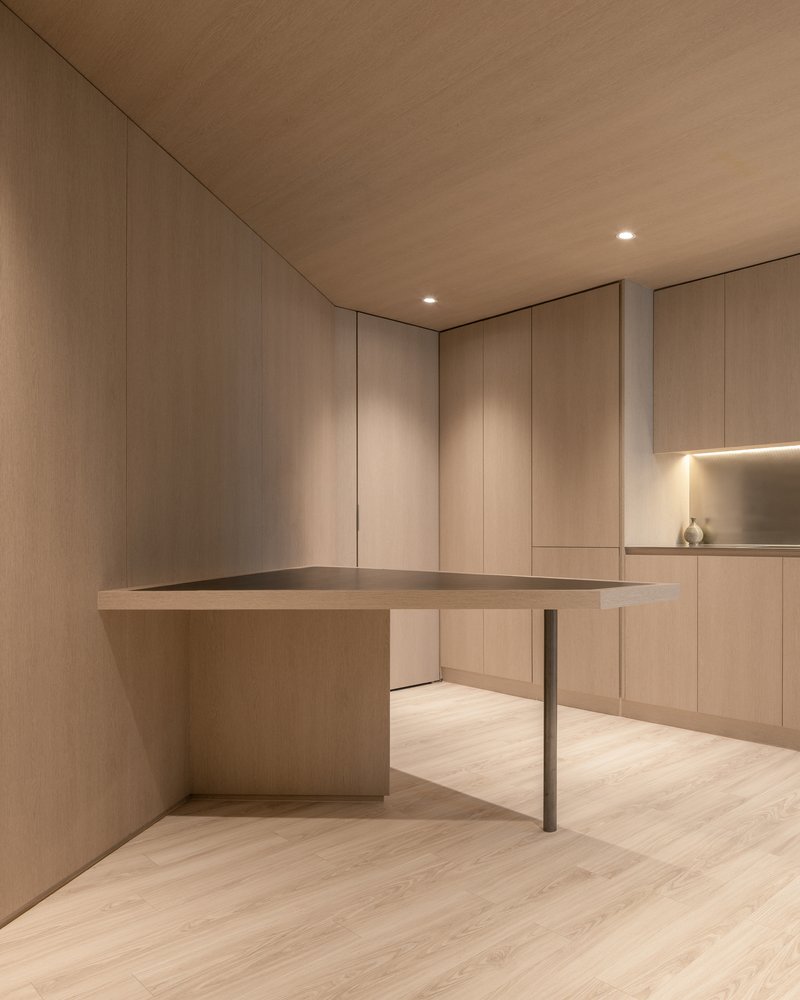
- Continuous visual and spatial connection across levels despite only 33 m² per floor plate
Stairs serve not merely as connectors but as spatial generators—producing shifts in height, perspective, intimacy, and light.
Through layering, the tiny building becomes a single breathing volume, unfolding room by room, level by level.
A Brick Bunker for Solitude and Artistic Focus
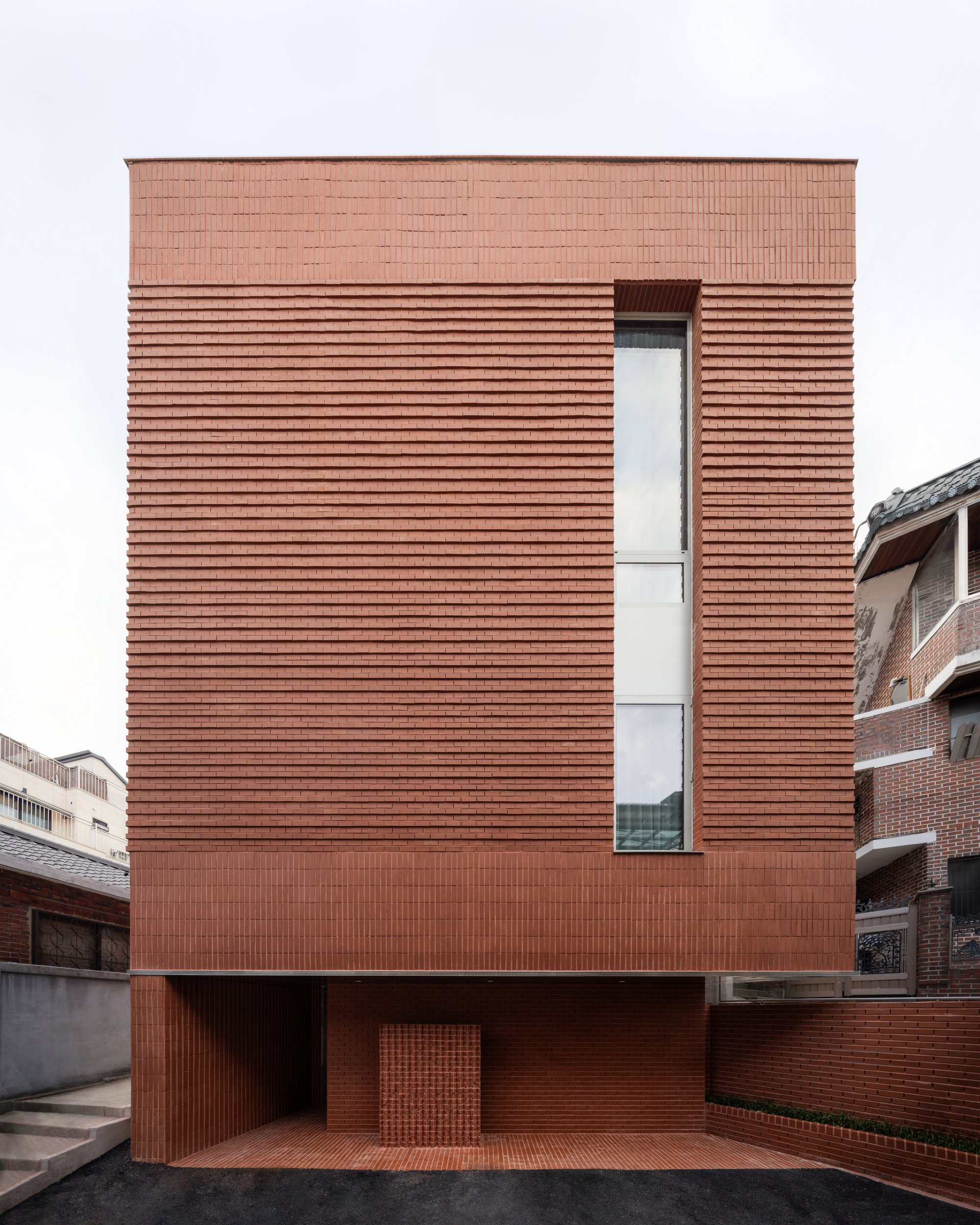
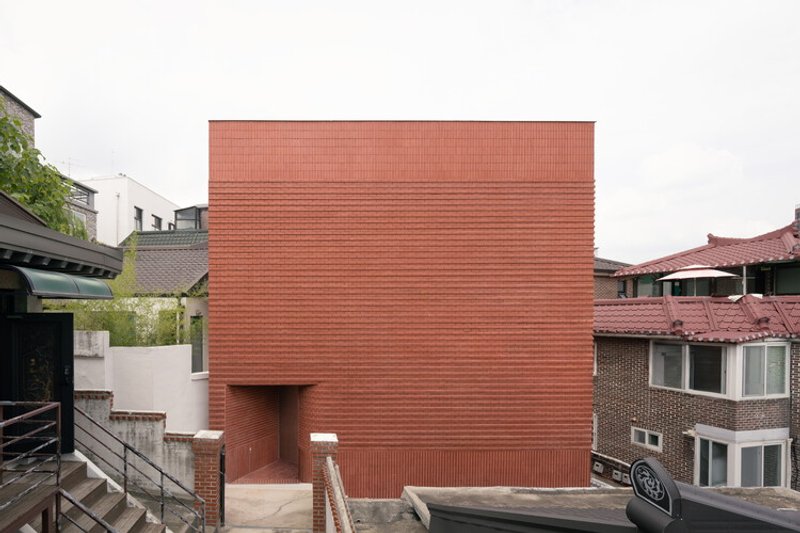
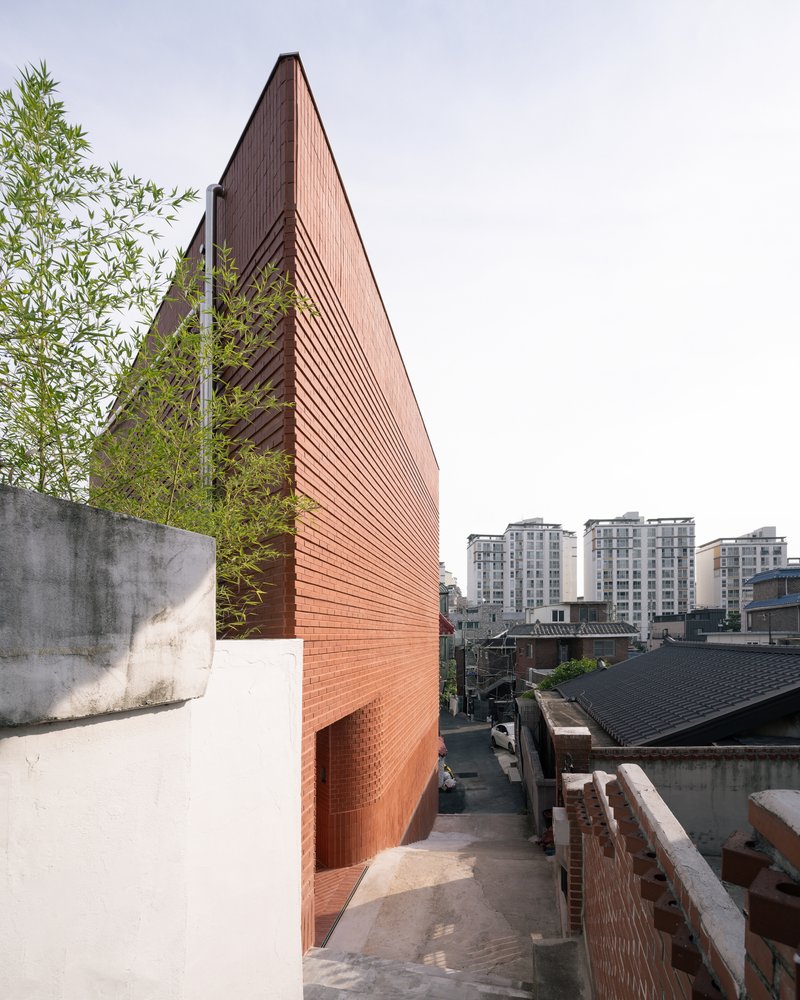
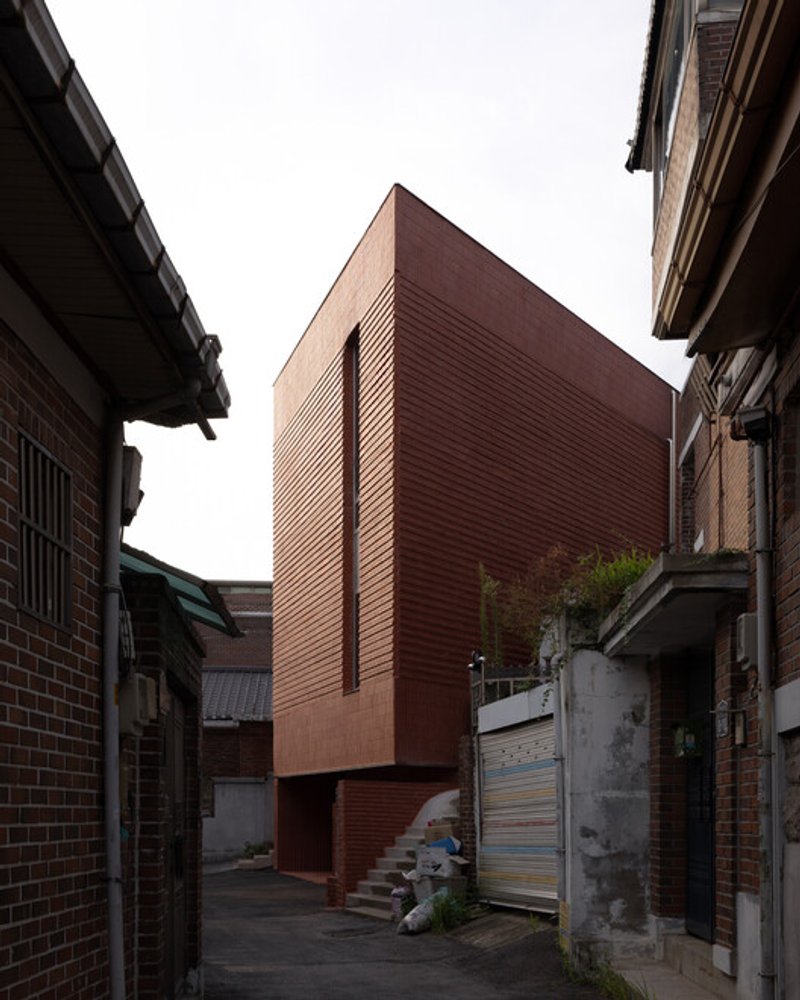
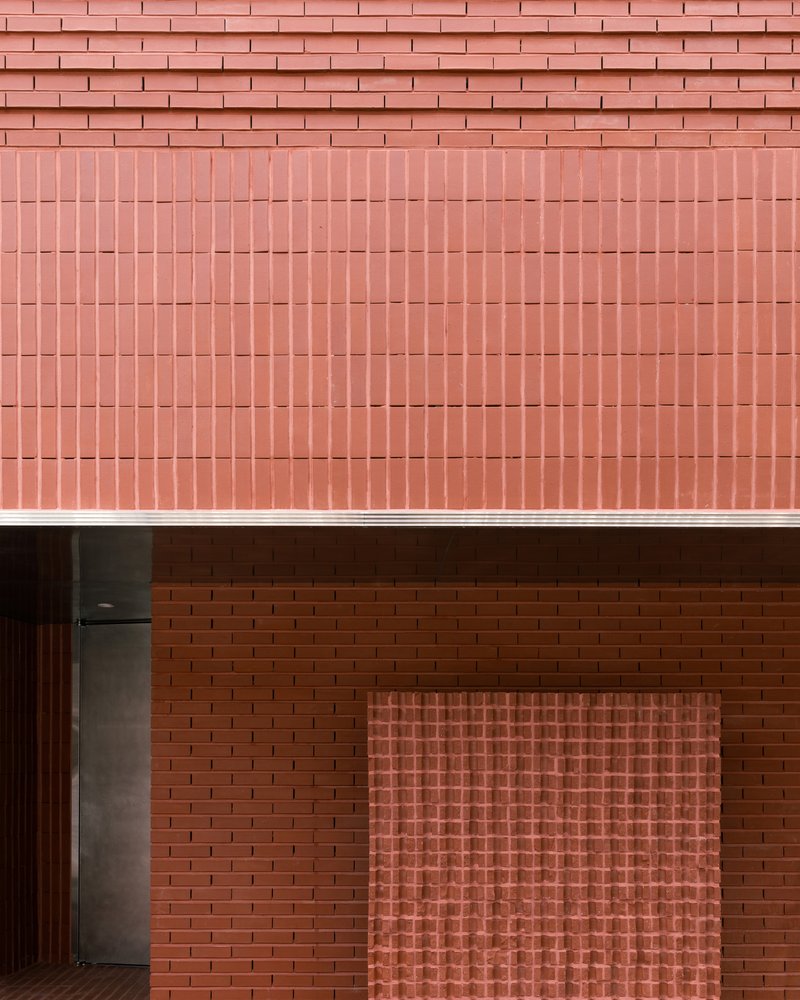
Externally, the Layered Building reads as a compact, protective shell, wrapped in red brick.Rather than opening outward, it turns inward, emphasizing introspection and personal space.
Features of the façade include:
- Minimal openings to ensure privacy
- A single tall, narrow vertical slit window running from bottom to top
- Varied brick bonding patterns that add tactility and depth
- A monolithic presence softened by handmade detailing
This closed, bunker-like volume embodies the client’s desire for a secluded creative refuge in the middle of urban Seoul.
Courtyard From Above: Light and Air for an Enclosed Retreat
Despite its introverted exterior, the building remains connected to natural rhythms.A small courtyard at the top brings daylight and fresh air into the interior through the vertical core. Rain, wind, and hints of sky penetrate the building gently, creating a contemplative atmosphere.
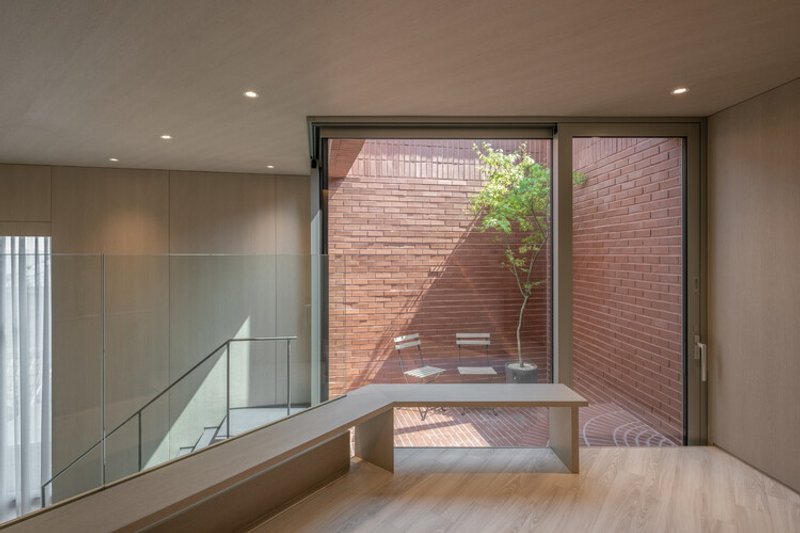
The courtyard also marks a threshold to the highest level—the client’s creative studio, a quiet sanctuary overlooking the layered spaces below. It is the culmination of the ascent, both literally and conceptually.
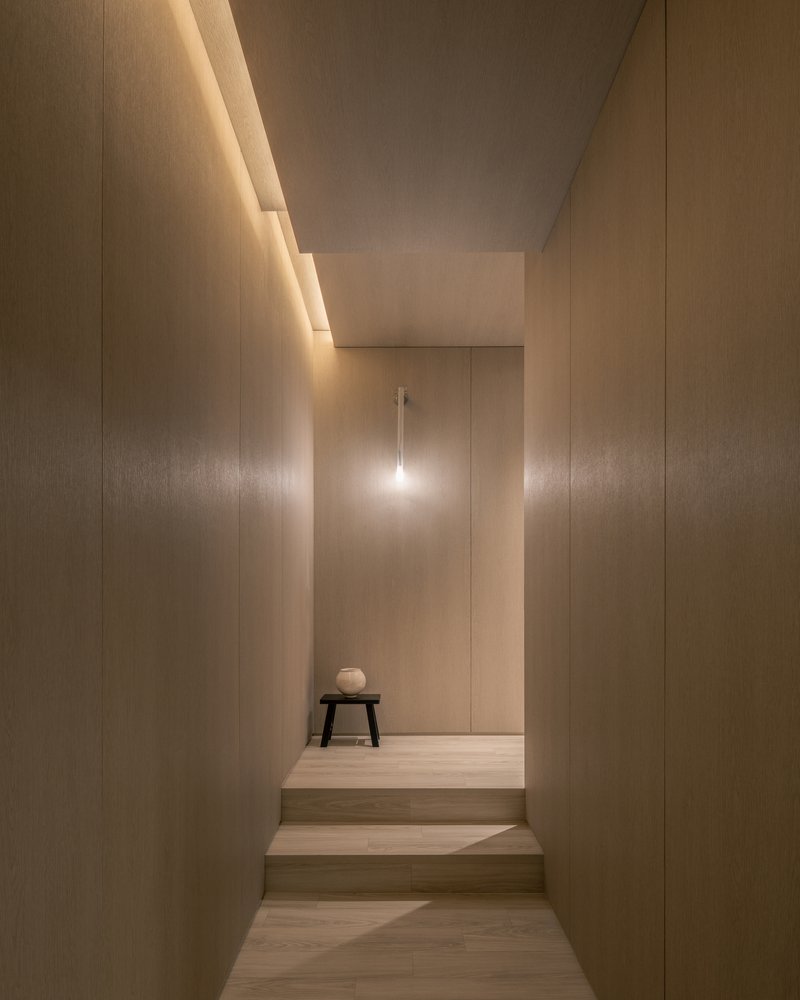
A Compact but Profound Architectural Hideout
The Layered Building is a reminder that meaningful architecture can emerge from constraints.By embracing the site’s challenges—tight geometry, blocked light, irregular shape—and the client’s personal narrative, Atelier ITCH created a multi-level, introspective refuge that feels both protected and open to discovery.
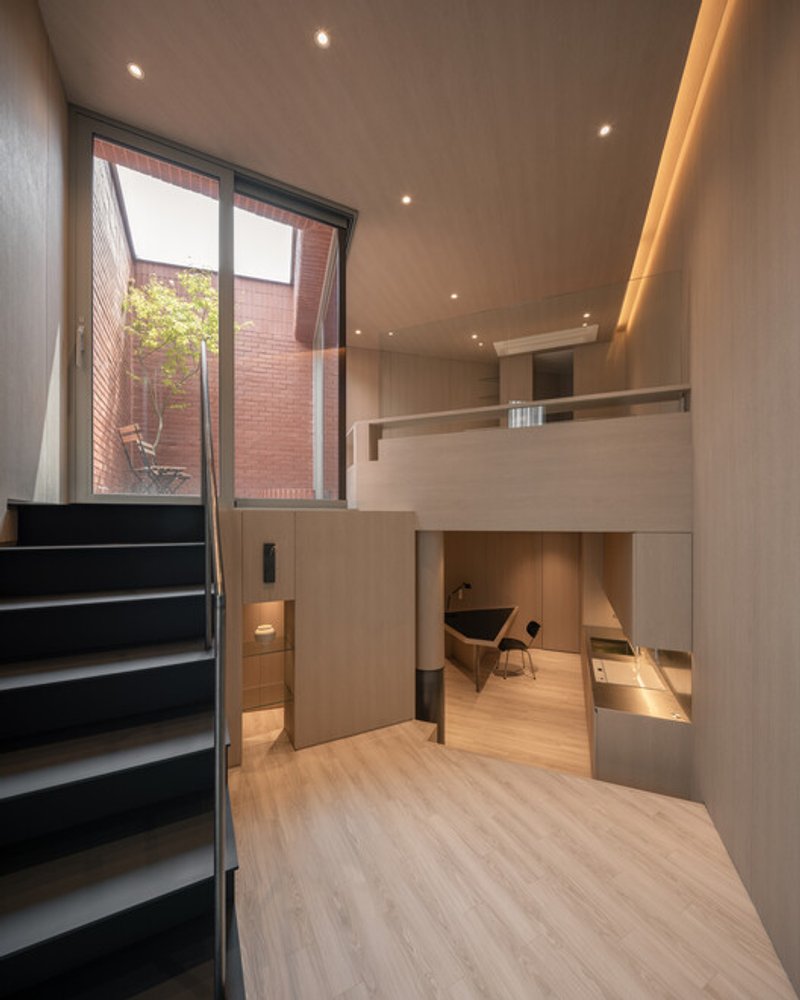
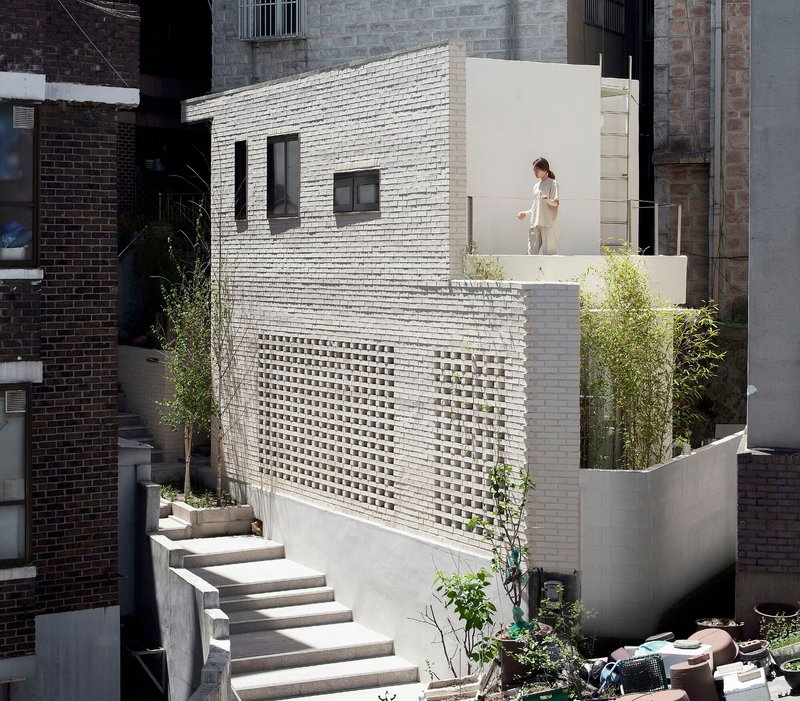
Its brick shell, layered split levels, and top-lit courtyard form a compact structure that captures solitude, creativity, and the beauty of a small space designed with intention.
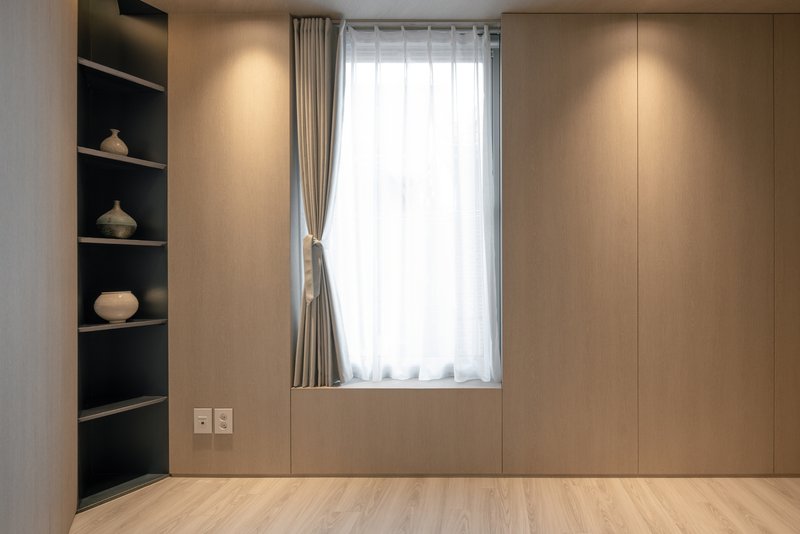
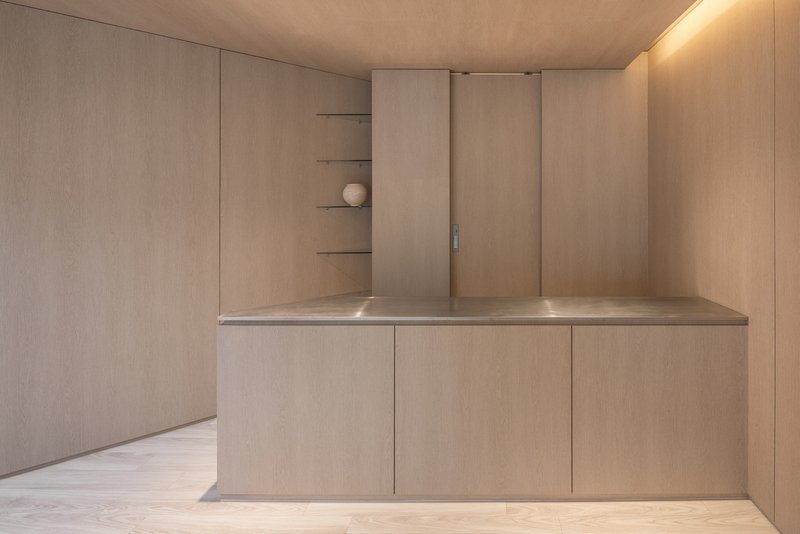
All the Photographs are works of Joel Moritz



Popular Articles
Popular articles from the community


The Ken Roberts Memorial Delineation Competition (Krob)
As the most senior architectural drawing competition currently in operation anywhere in the world, it draws hundreds of entries each year, awarding the very best submissions in a series of medium-based categories.

Gads Hill Early Learning Center by JGMA: Adaptive Reuse Shaping Community-Focused Educational Architecture
Adaptive reuse transforms fragmented structure into vibrant early learning center with playful façade, natural light, and community-focused sustainable design.
Inverted Architecture Installation by Studio Link-Arc: Exploring the Intersection of Architecture and Living Organisms
Inverted Architecture Installation by Studio Link-Arc blends mycelium, sustainability, inverted design, ecological cycles, and urban adaptive architecture in Shenzhen.
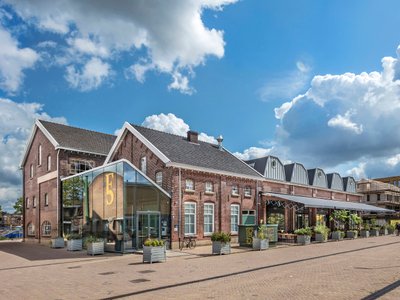
Fifth NRE Jazz Club – De Bever Architecten: Eindhoven’s Revitalized Cultural Hub
Historic gas factory transformed into Fifth NRE Jazz Club blending modern sustainability, jazz culture, dining, and heritage architecture seamlessly.


Similar Reads
You might also enjoy these articles
The Ken Roberts Memorial Delineation Competition (Krob)
As the most senior architectural drawing competition currently in operation anywhere in the world, it draws hundreds of entries each year, awarding the very best submissions in a series of medium-based categories.


Waterfront Redevelopment and Urban Revitalization in Mumbai: Forging a New Dawn for Darukhana
A transformative waterfront redevelopment project reimagining Darukhana’s shipbreaking heritage into an inclusive urban future.

OUT-OF-MAP: A Call for Postcards on Feminist Narratives of Public Space
Rhizoma Design and Research Lab invites artists, designers, architects, researchers, and students to reflect on how feminist perspectives can reshape public space. Selected works will be exhibited in Barcelona, October 2026. Submissions open until 15 April 2026.


Documentation Work on Buddhist Wooden Temple
Architectural syncretism and cultural hybridity: A comparative study of the Buddhist temples in Chattogram Hill tracks

Explore Architecture Competitions
Discover active competitions in this discipline




The International Standard for Design Portfolios


The Global Benchmark for Architecture Dissertation Awards


The Global Benchmark for Graduation Excellence


Challenge to reimagine the Iron Throne
Comments (0)
Please login or sign up to add comments
No comments yet. Be the first to comment!