
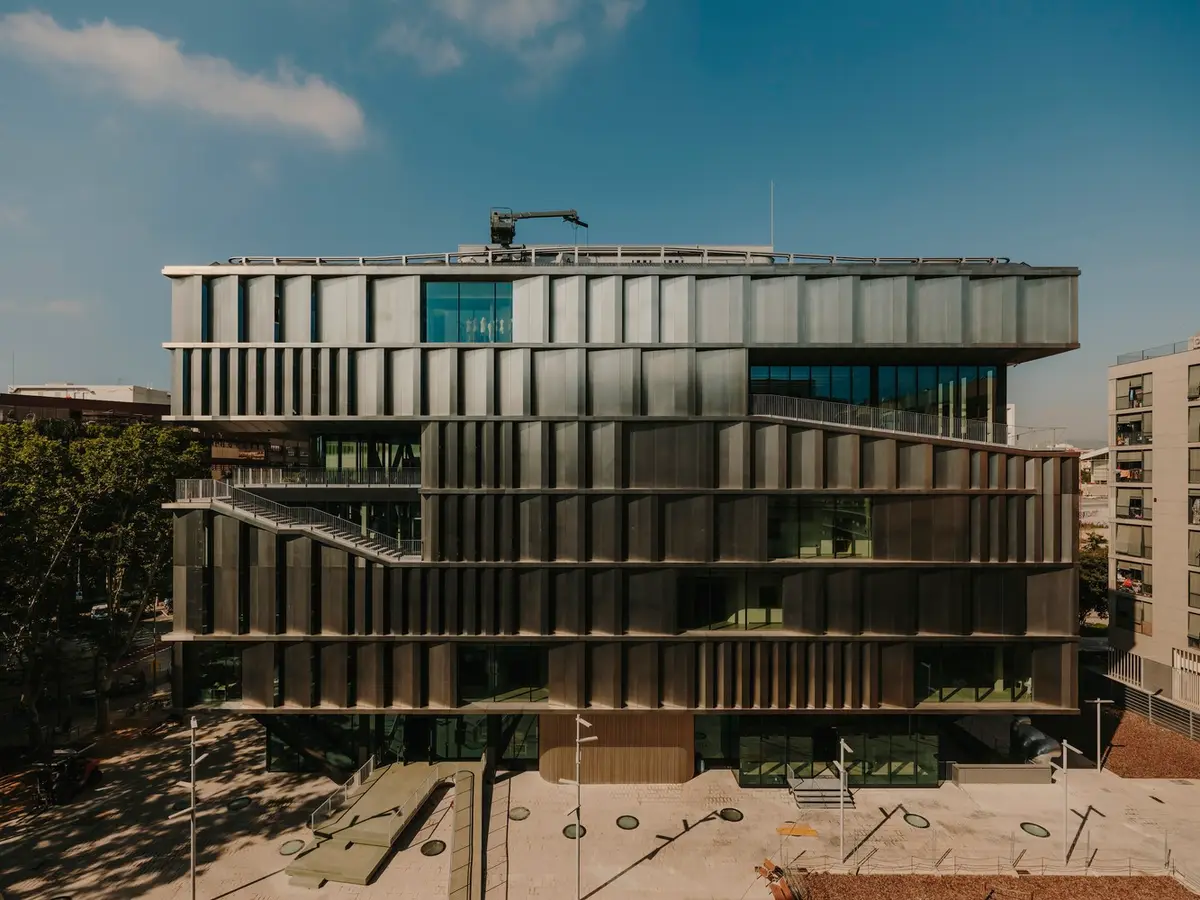
LCI Barcelona 22@ Campus: A Visionary Design School by CIRCULAR STUDIO
This article explores the LCI Barcelona 22@ Campus, an architectural masterpiece by CIRCULAR STUDIO, merging educational spaces with urban integration.


Overview of LCI Barcelona 22@ Campus
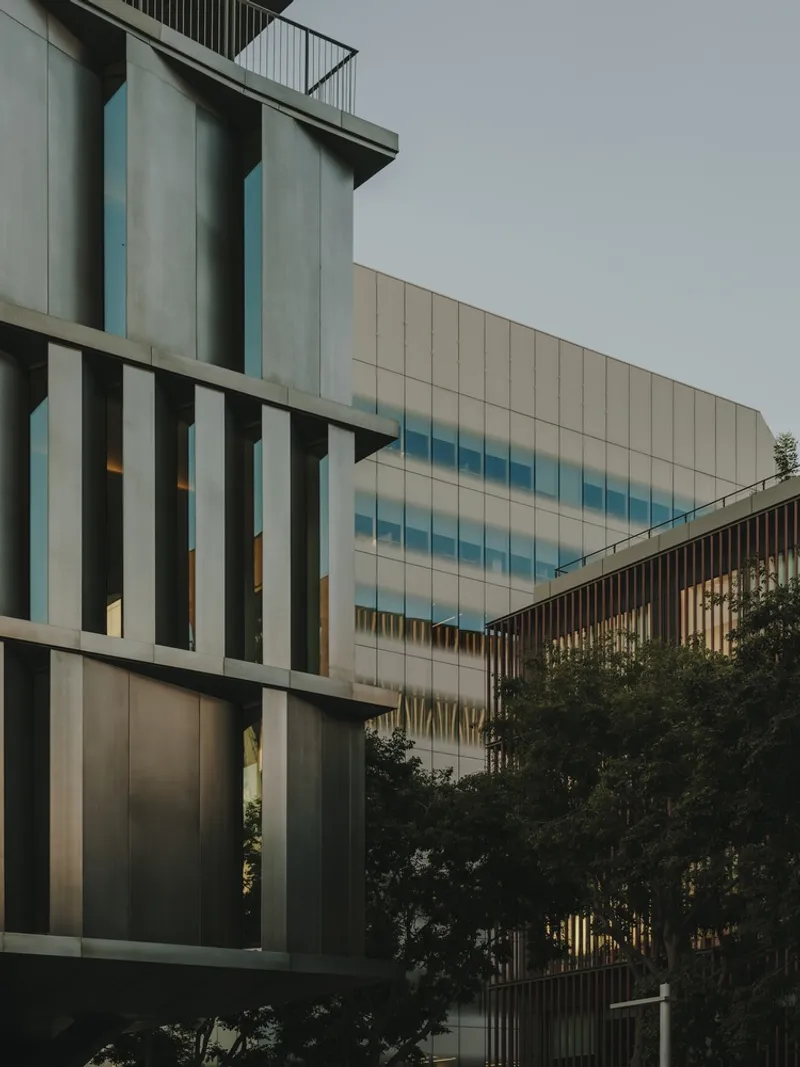
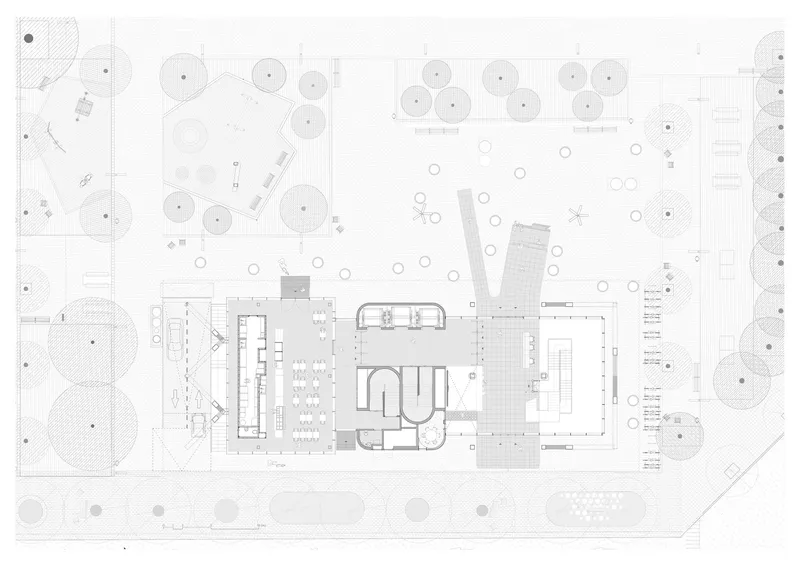
The LCI Barcelona 22@ Campus, designed by CIRCULAR STUDIO, serves as an international hub for the LCI Education network, a prestigious global association of design and visual arts schools. Located in the 22@ district of Barcelona, once an industrial area and now a hub for technology and innovation, the campus is a stunning example of contemporary educational architecture that integrates urban transformation with functional design.
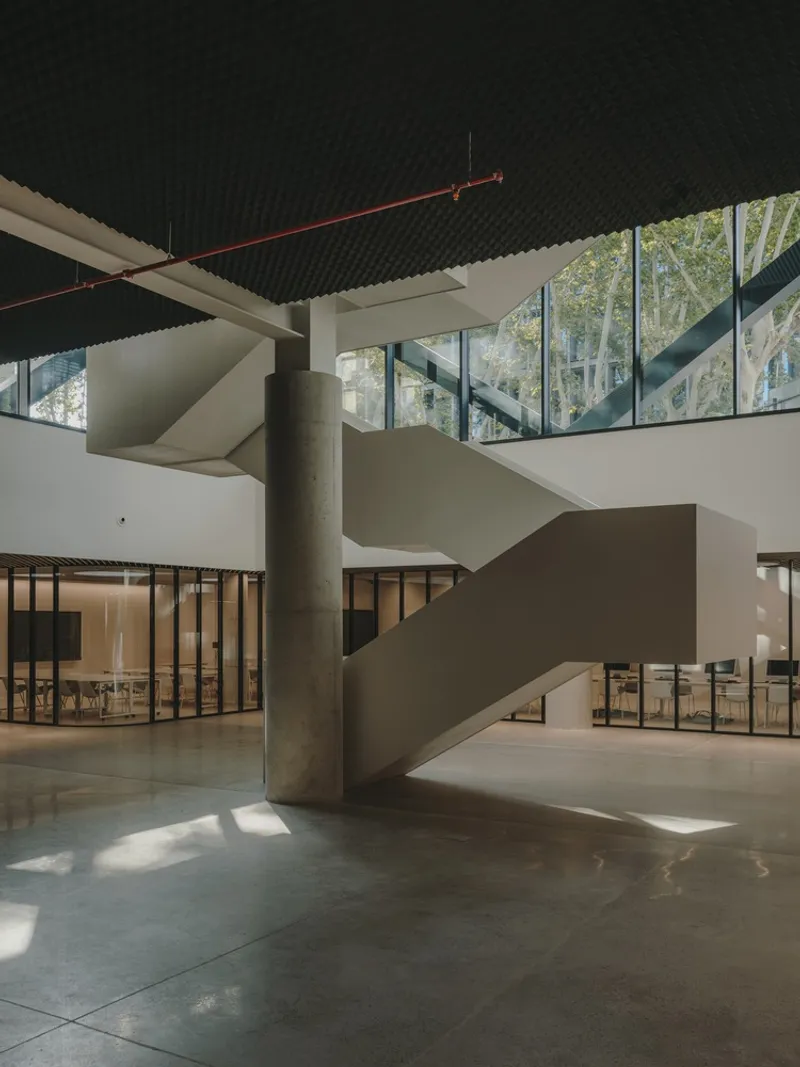
A Visionary Campus in the Heart of Barcelona’s Innovation District
Occupying 11,740 m², the campus provides a cutting-edge learning environment for approximately 3,000 students. It features classrooms, laboratories, studios, and social spaces, creating a "vertical campus" designed to maximize spatial efficiency while maintaining a dynamic, interactive atmosphere for students and faculty. This architectural innovation in Poblenou blends urban accessibility with a welcoming educational facility that inspires creativity.

Architectural Layout and Key Design Elements
Above-Ground Features
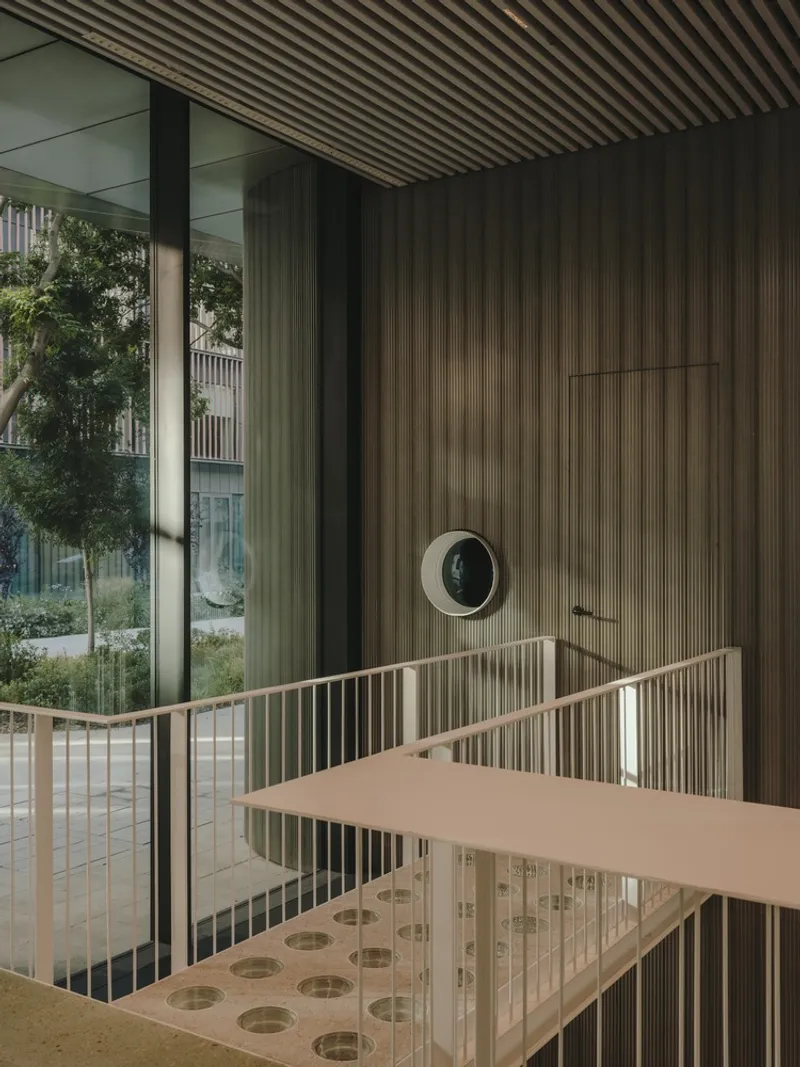
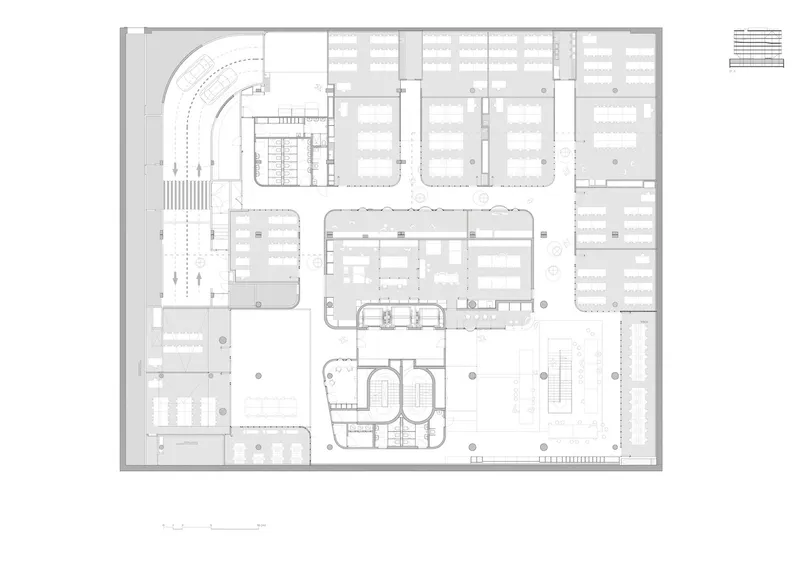
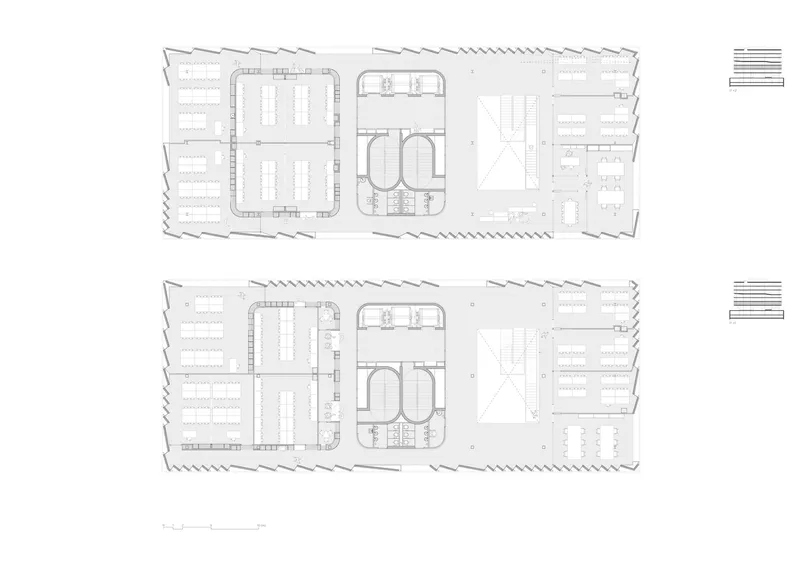
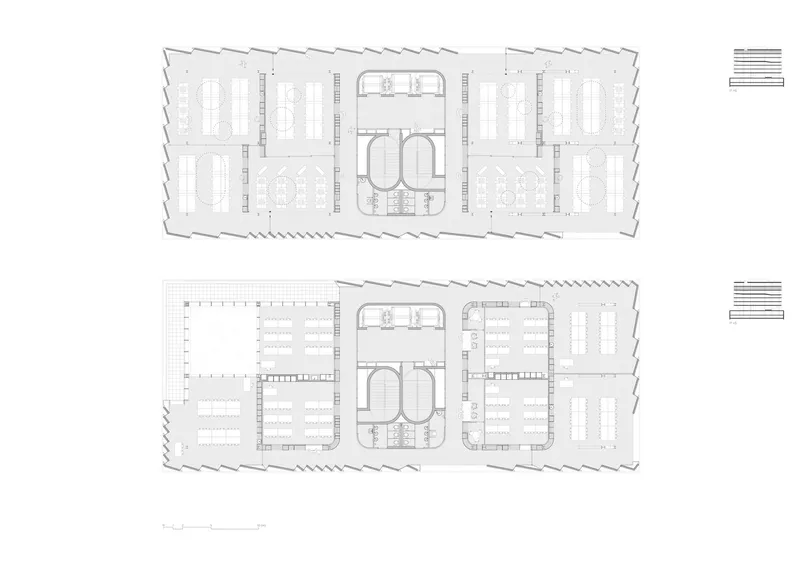
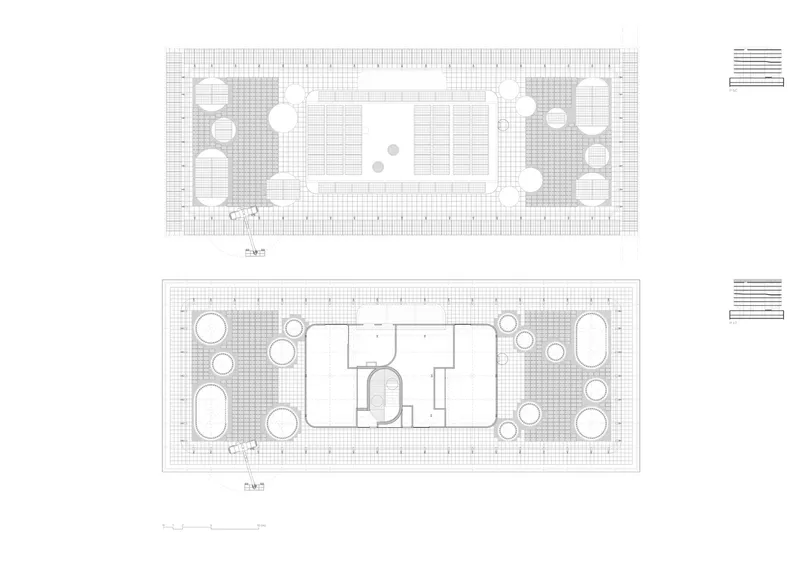
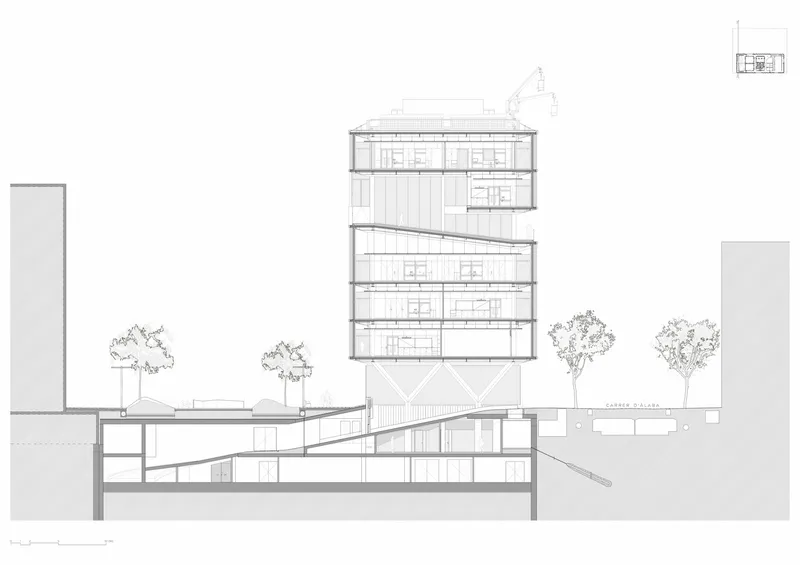
The above-ground structure houses key facilities, including classrooms, practical labs, administrative offices, a library, and student lounges. The circulation spaces run parallel to the façade, serving as social areas, workspaces, and exhibition zones. This circulation design creates an interplay between solid and open spaces, inviting students to experience a seamless connection between indoor and outdoor environments.
Underground Space and Flexible Learning Areas
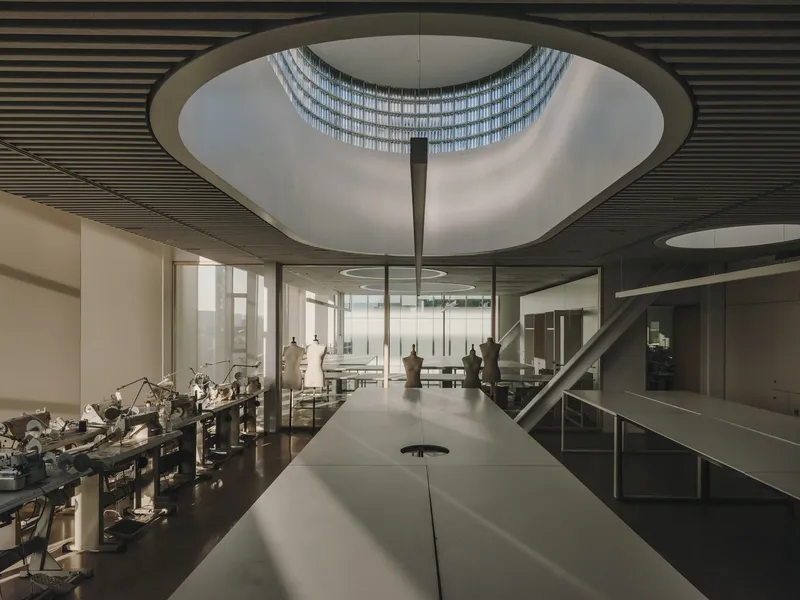
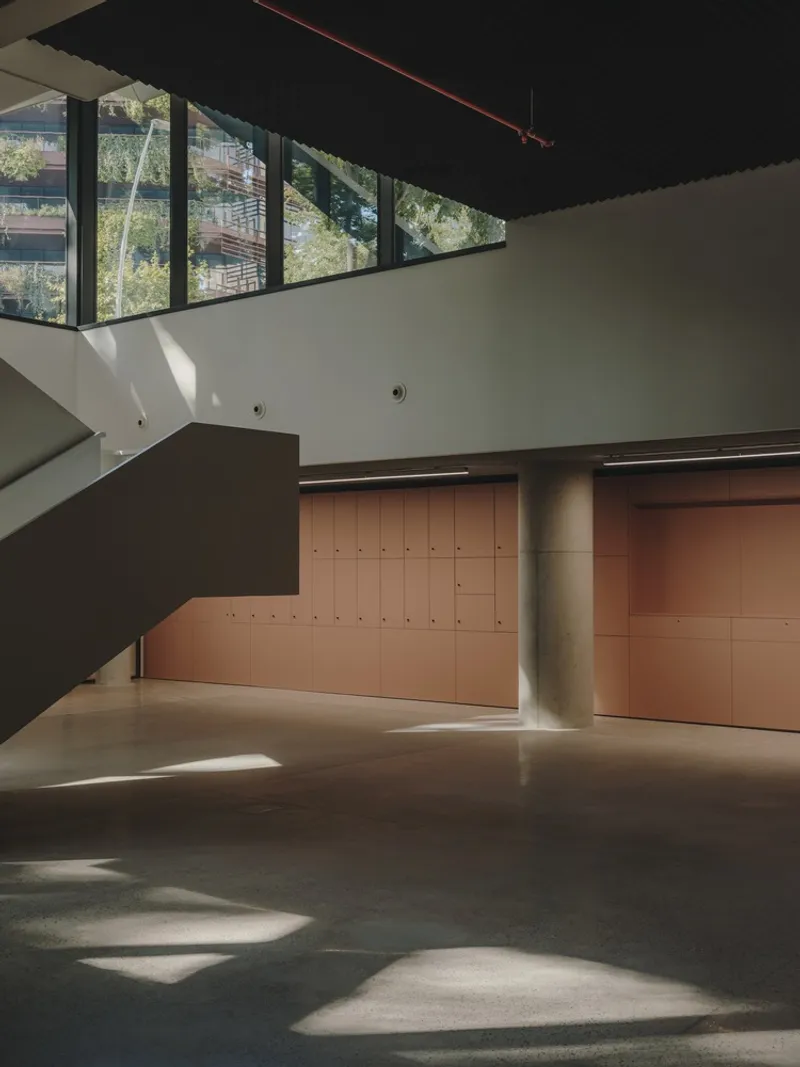
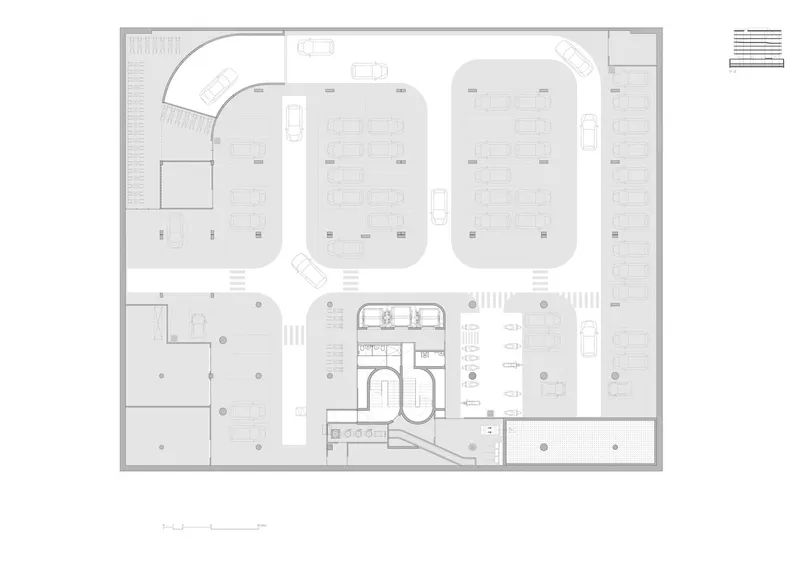
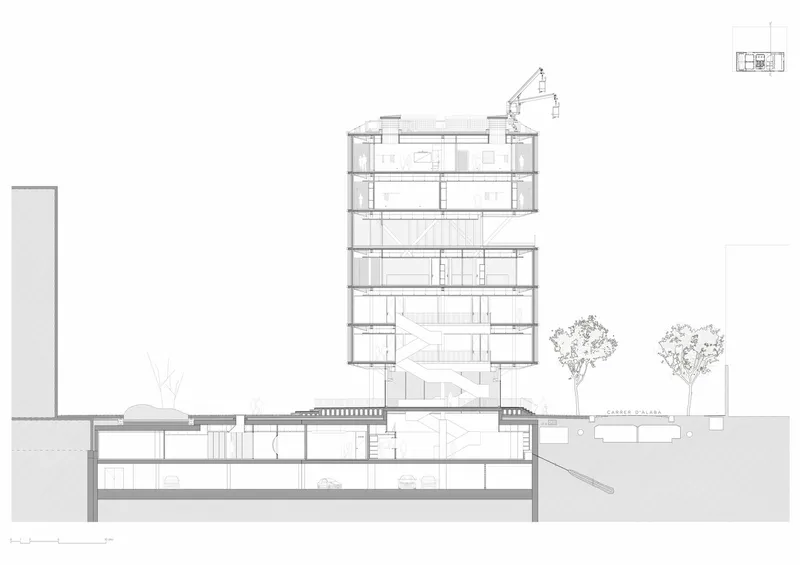
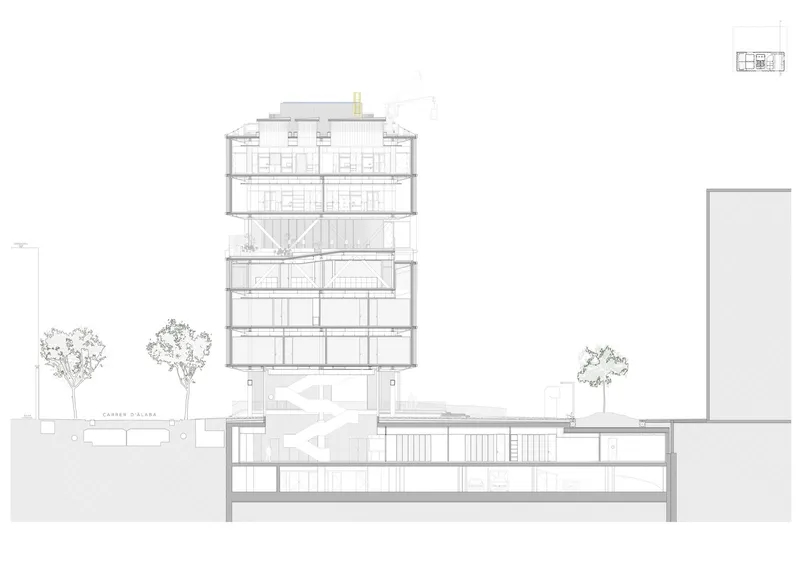
The underground area mirrors the footprint of the above-ground structure, providing an expansive open plaza that includes two large, adaptable halls for diverse activities, along with workshops, fabrication labs, and communal areas. Natural light reaches these spaces through double-height openings and skylights, enhancing the underground areas’ ambiance and connectivity with the main plaza above.
Facade Design: A Play of Light and Texture
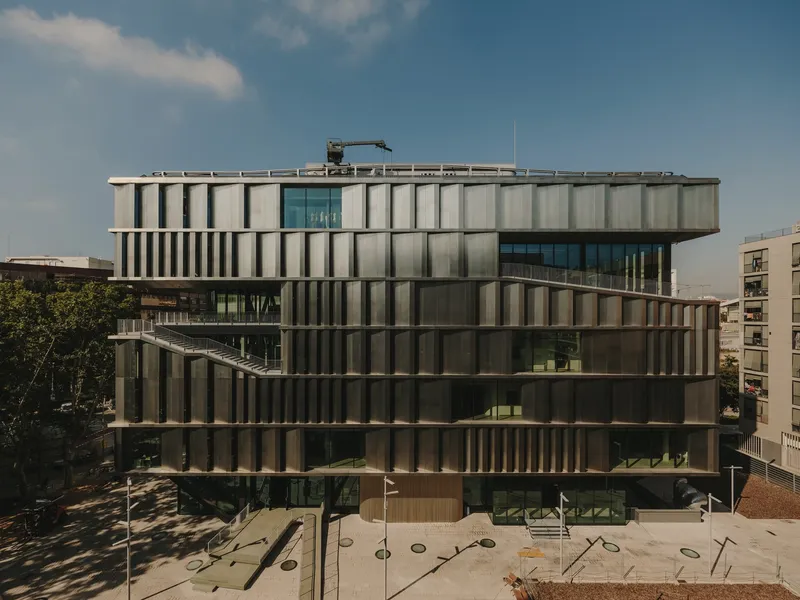
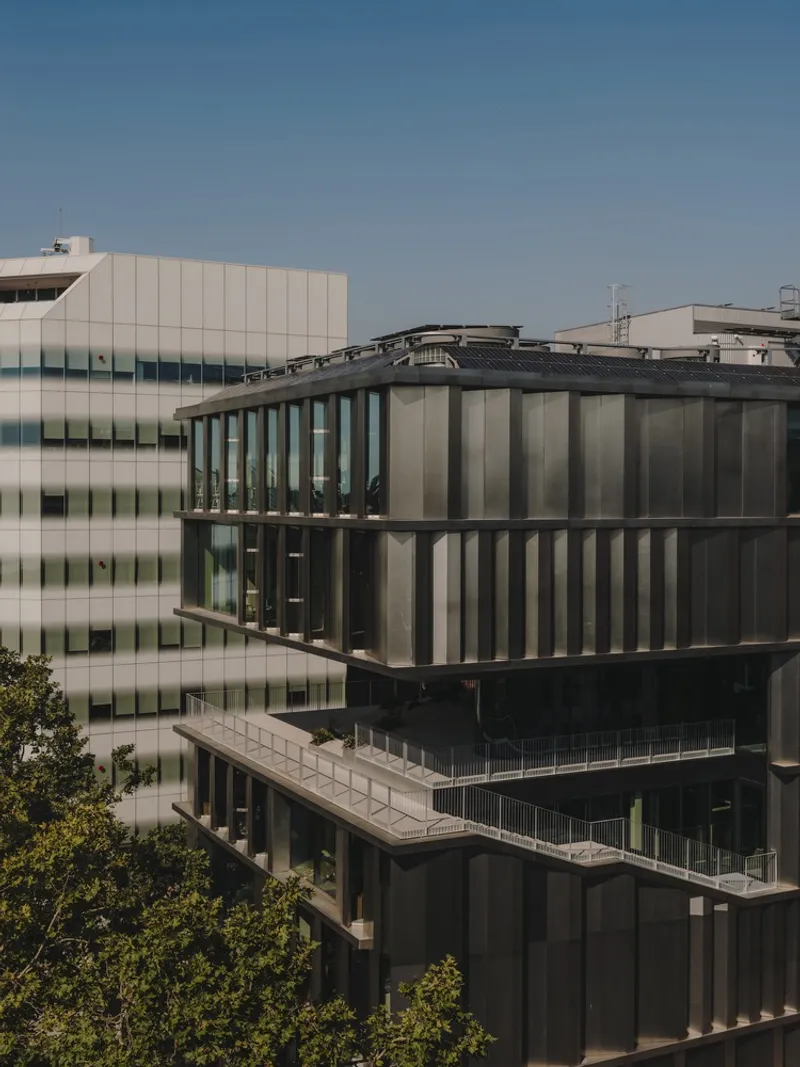
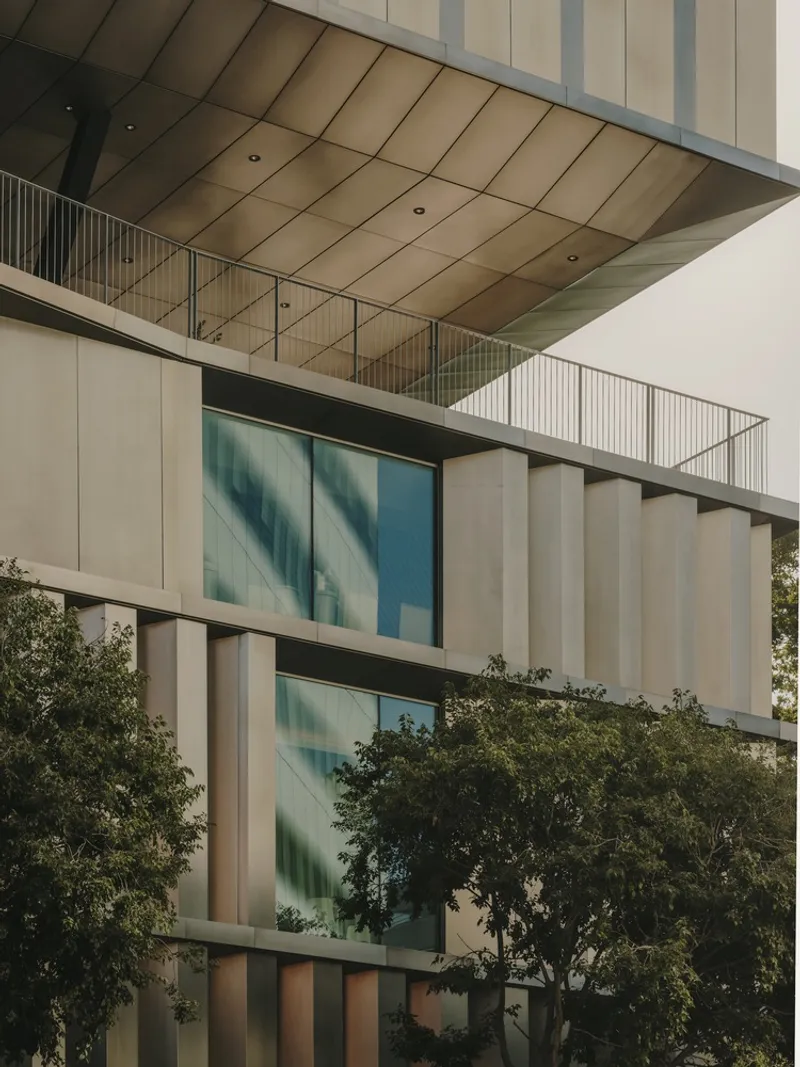
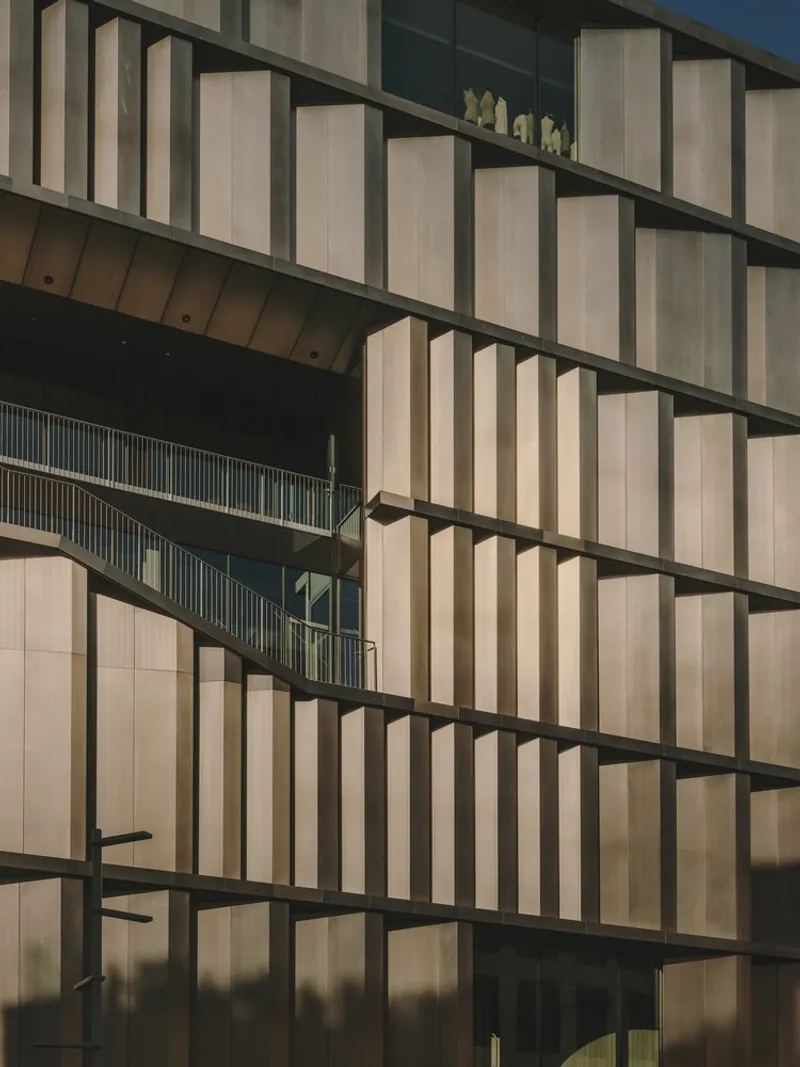
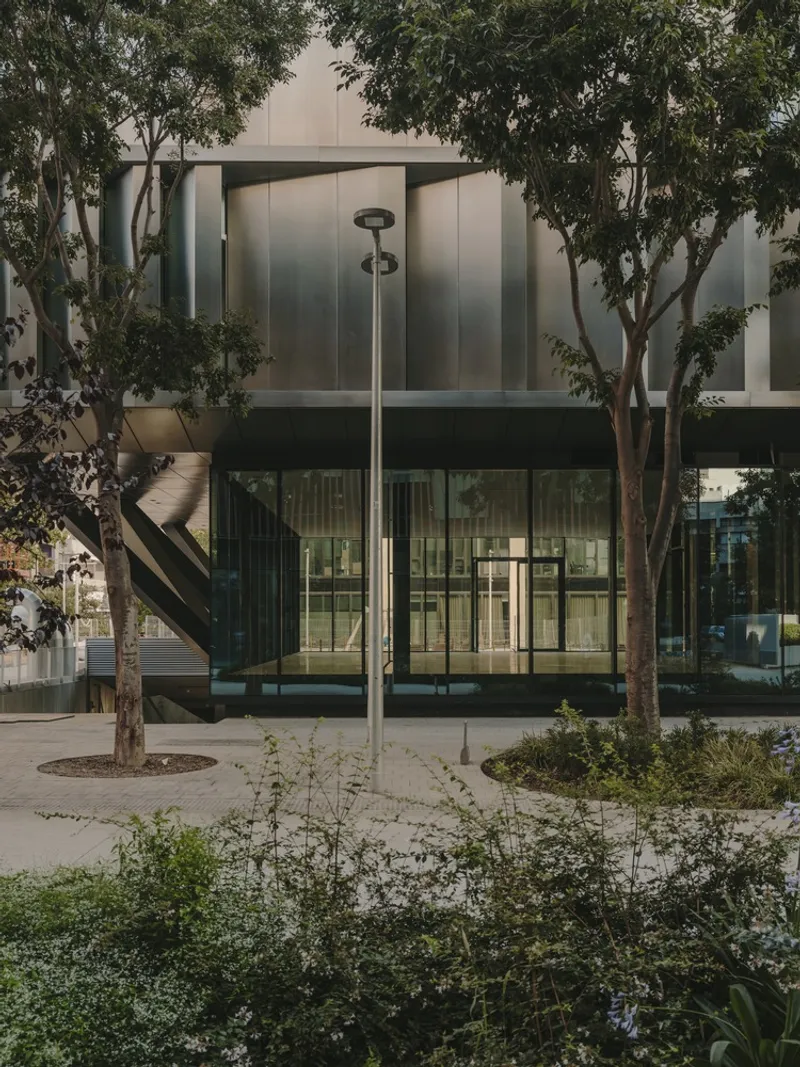
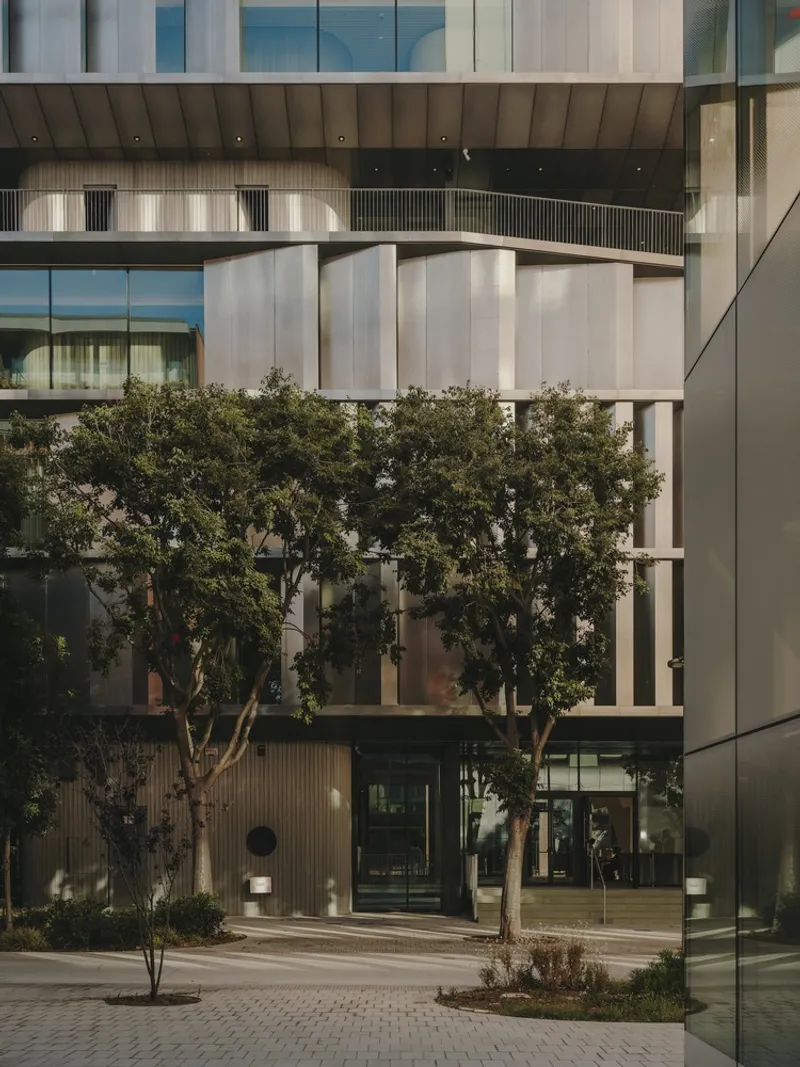
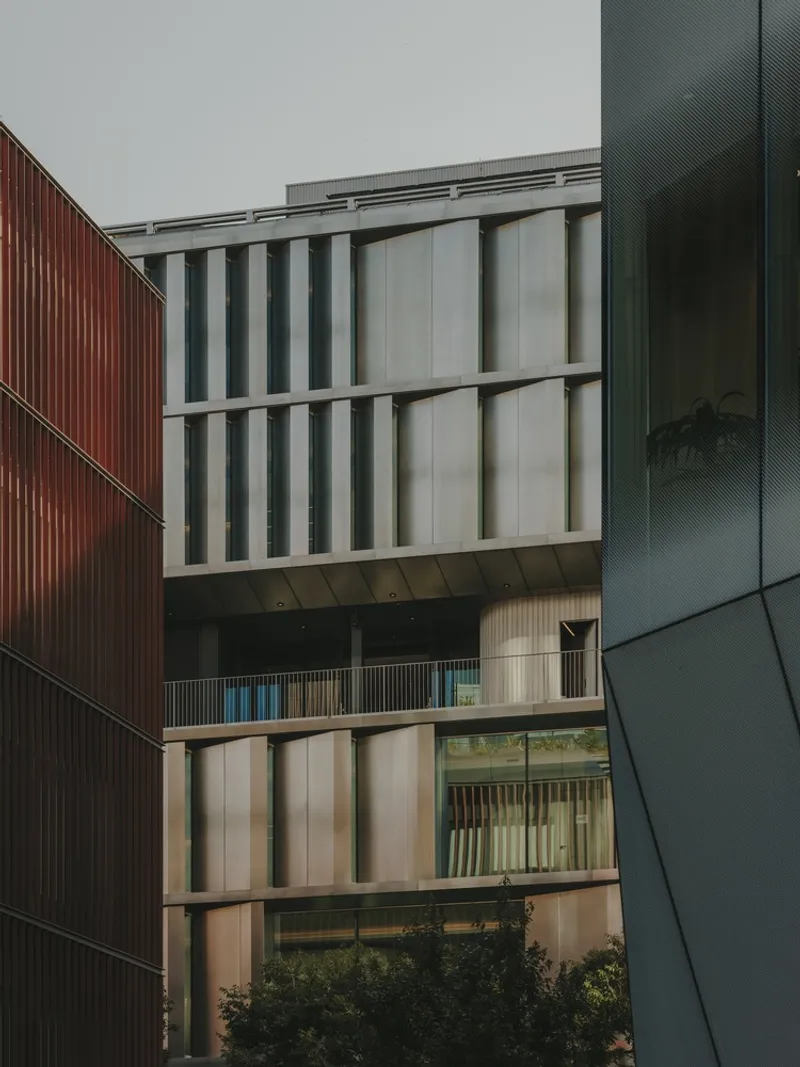
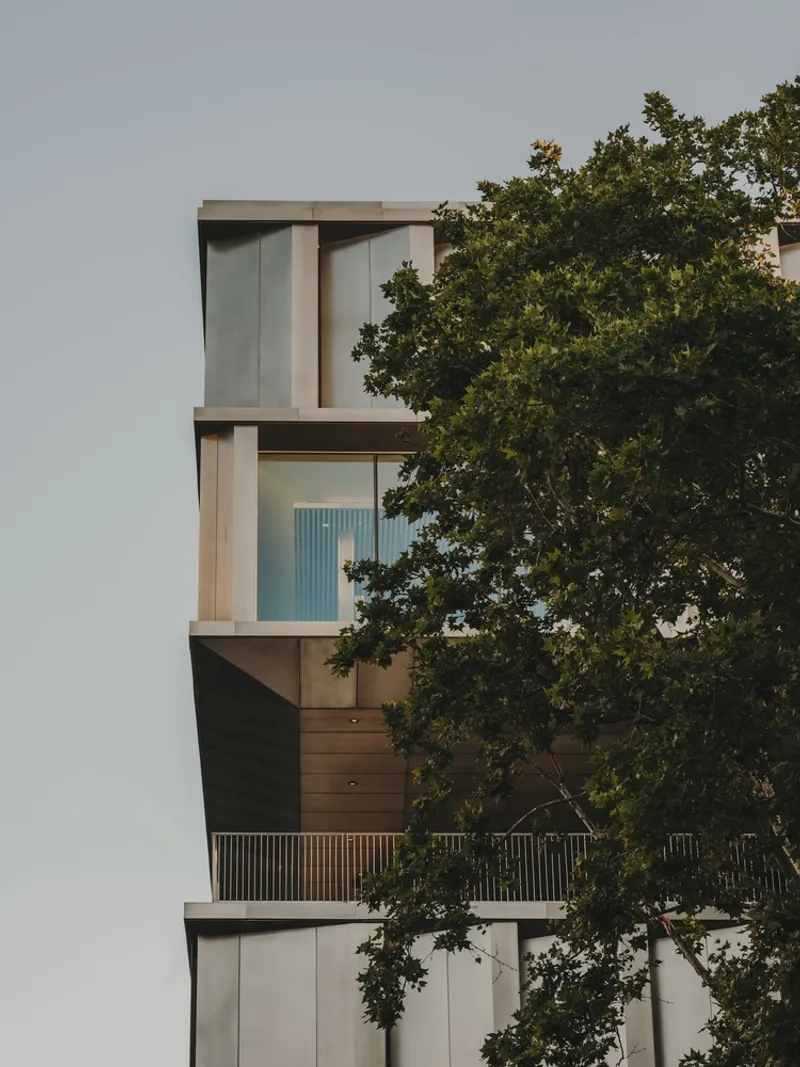
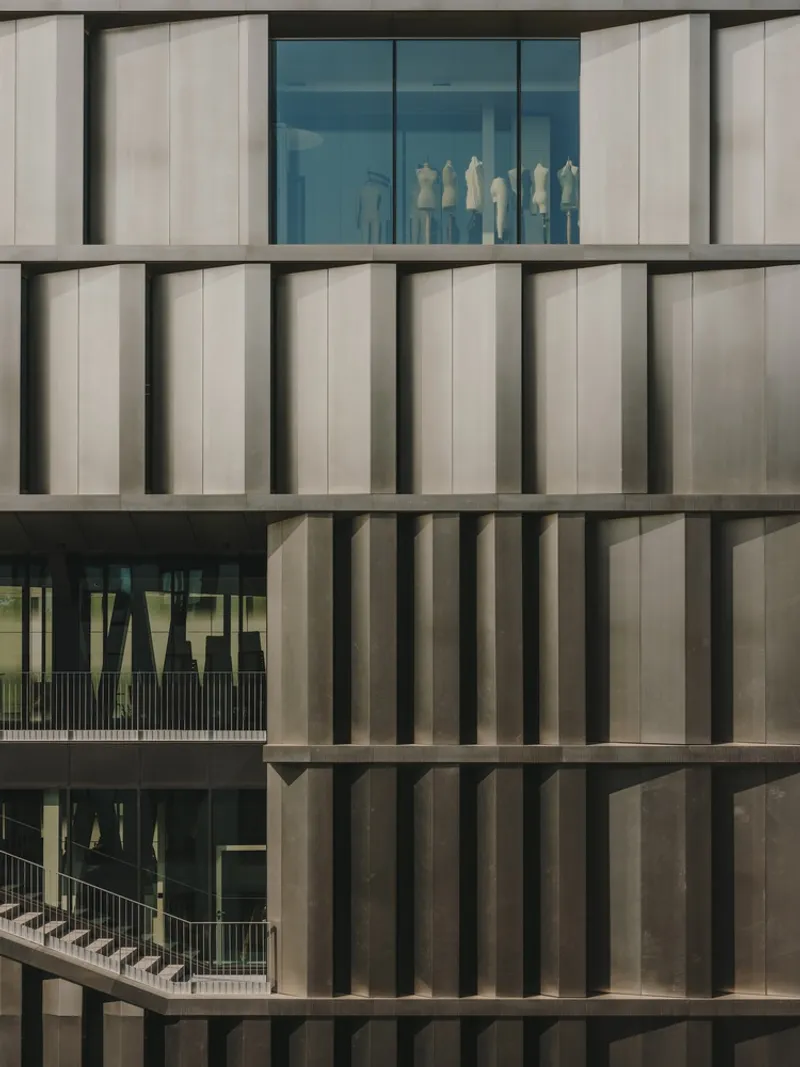
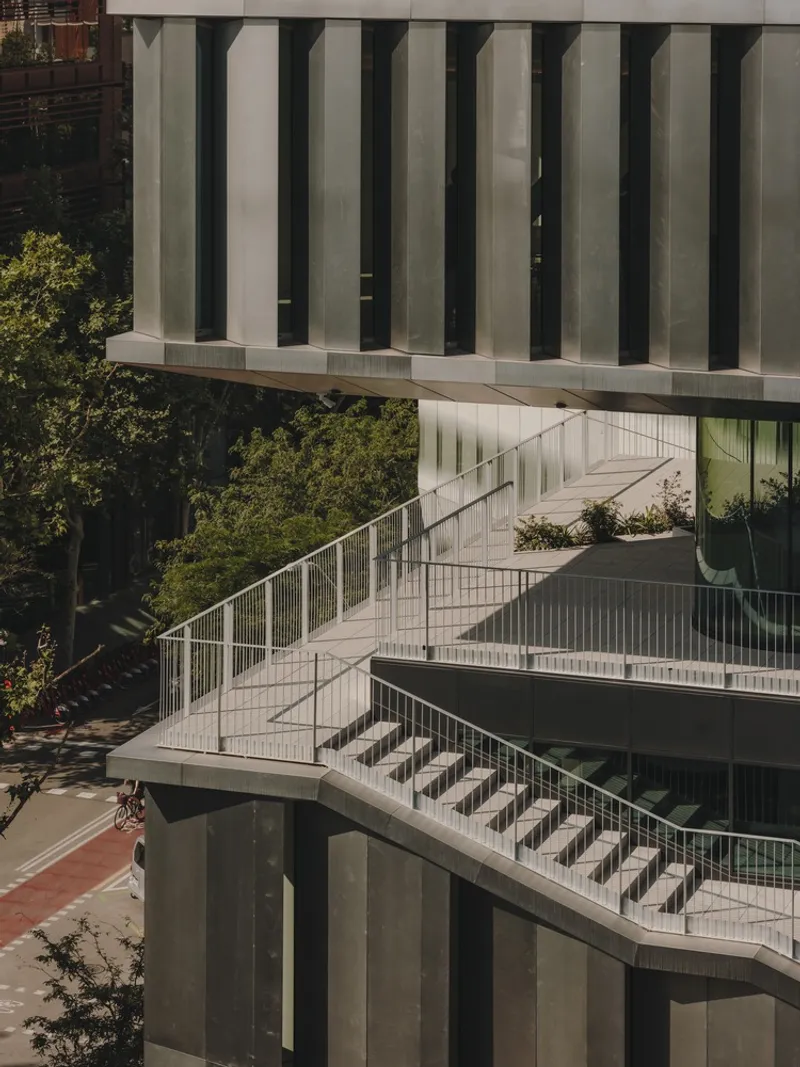
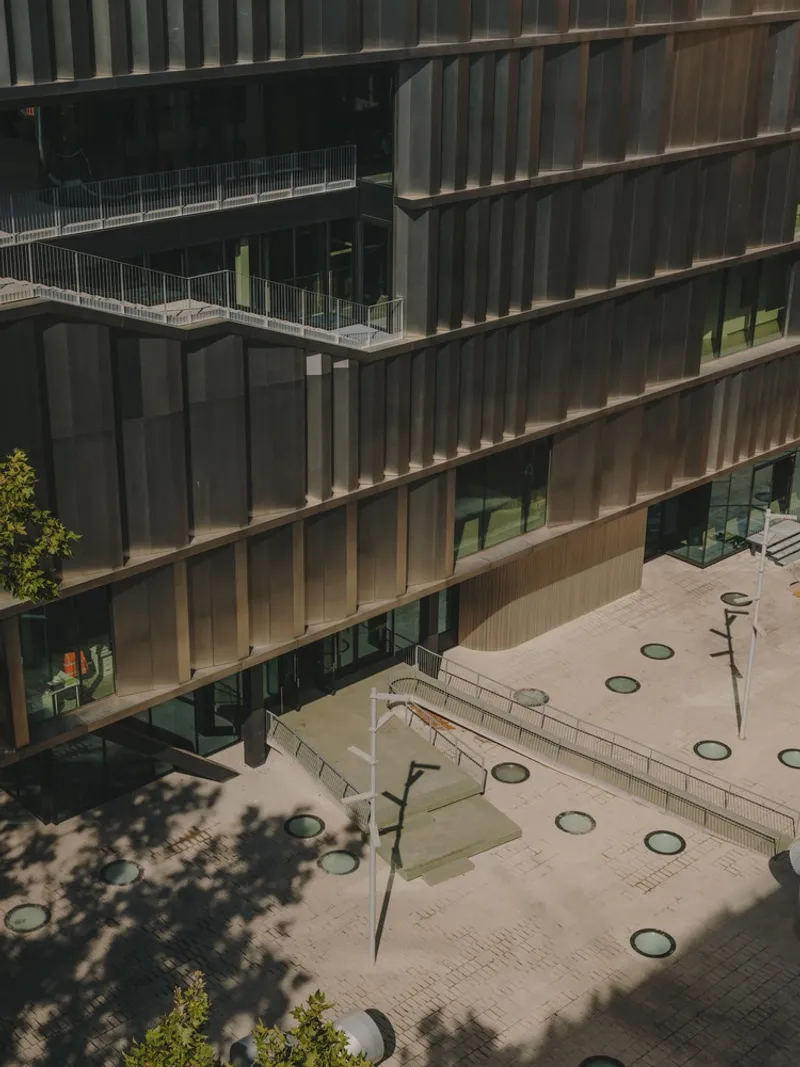
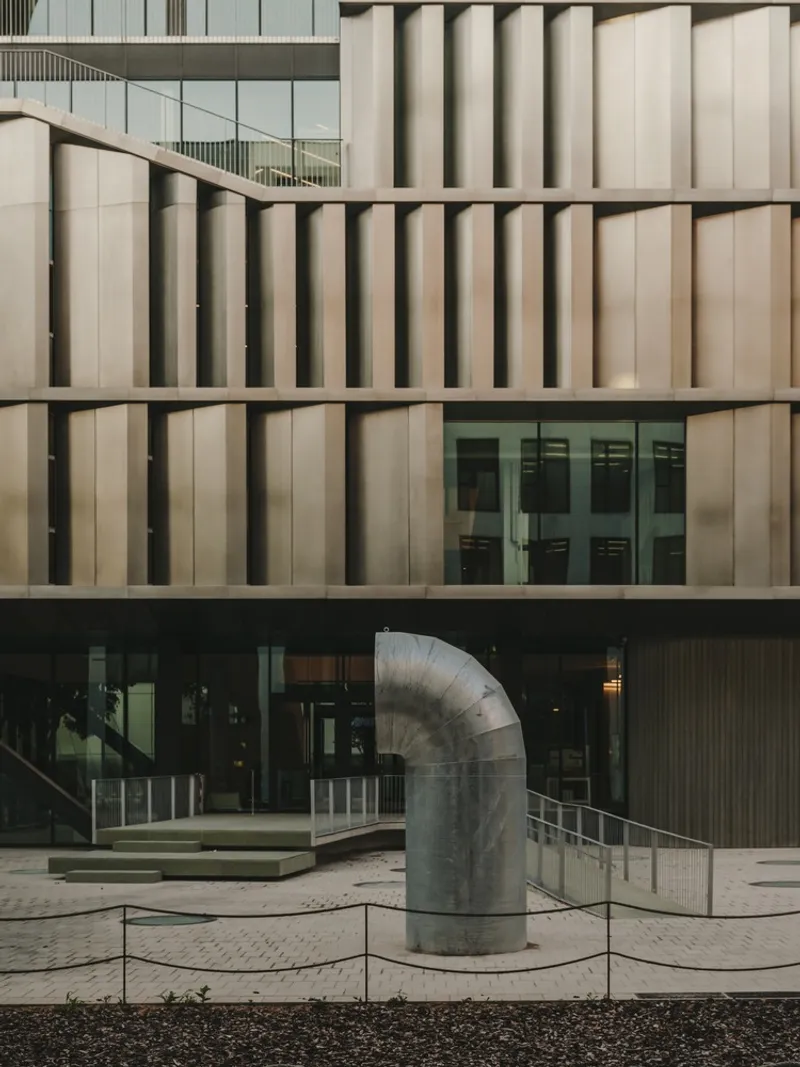
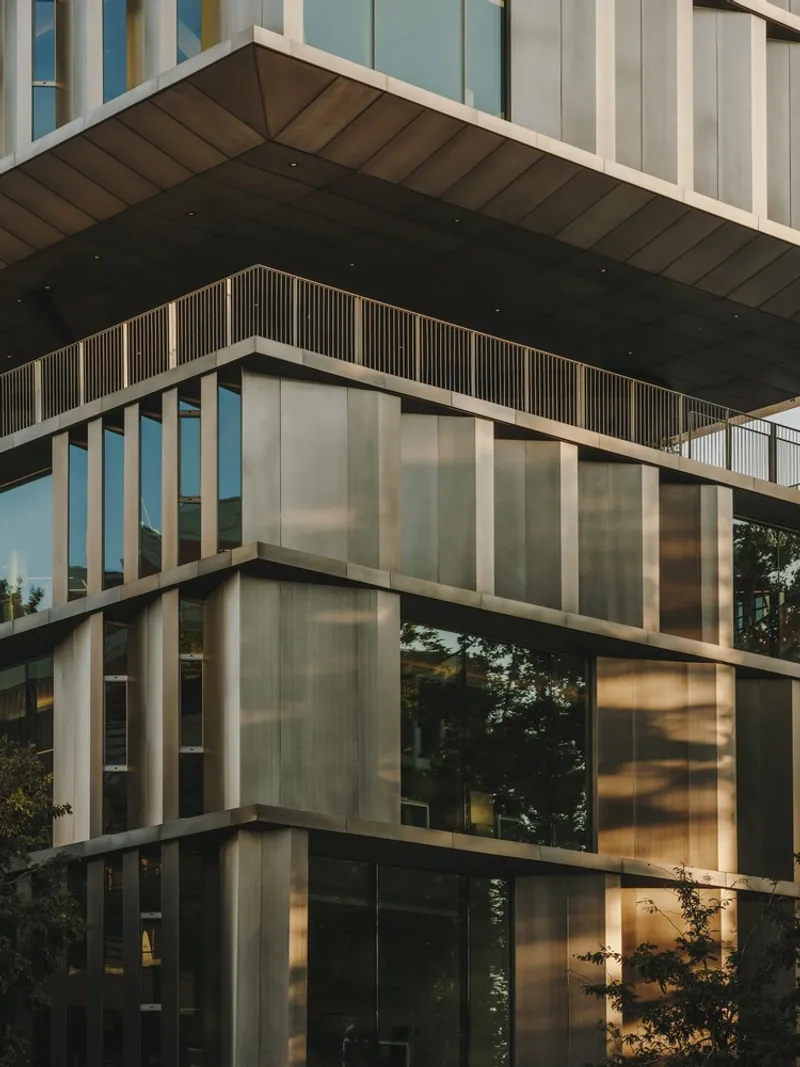
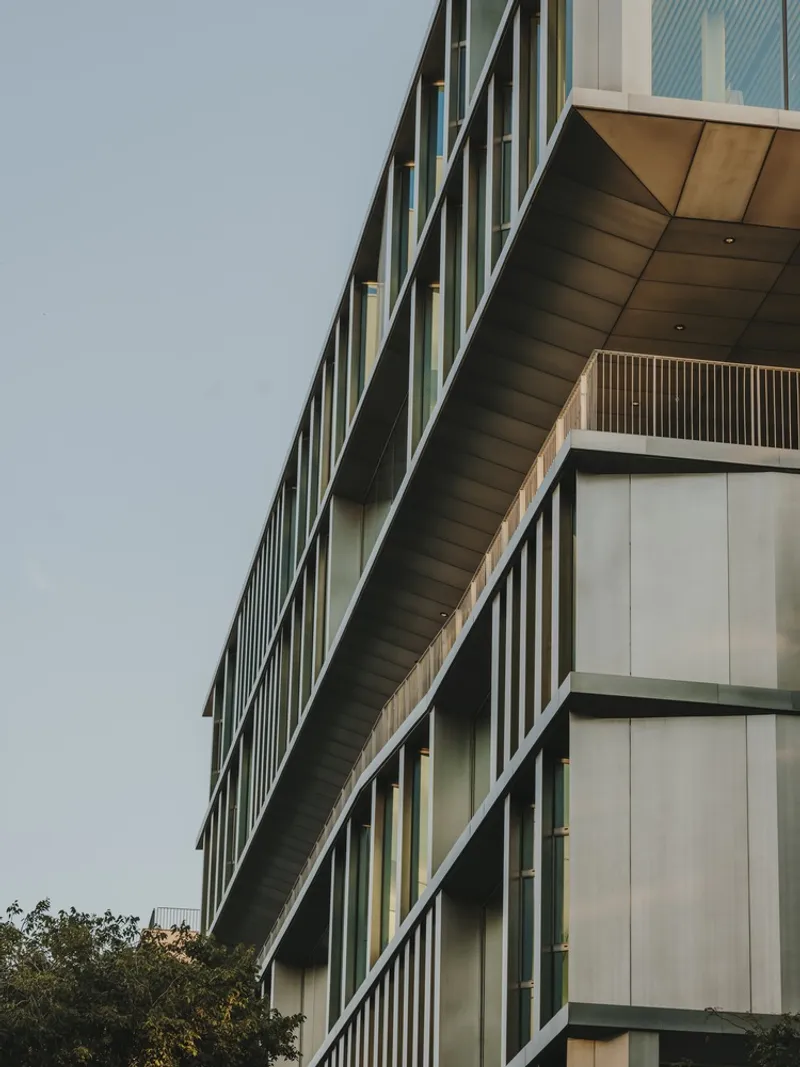
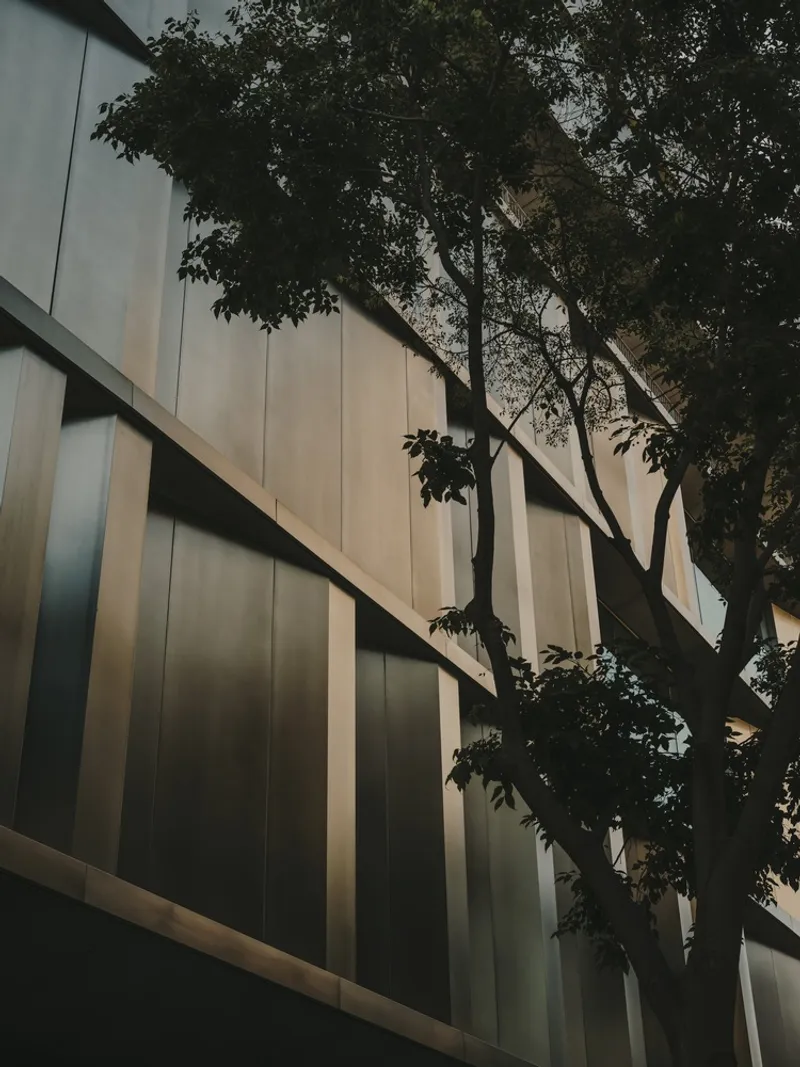
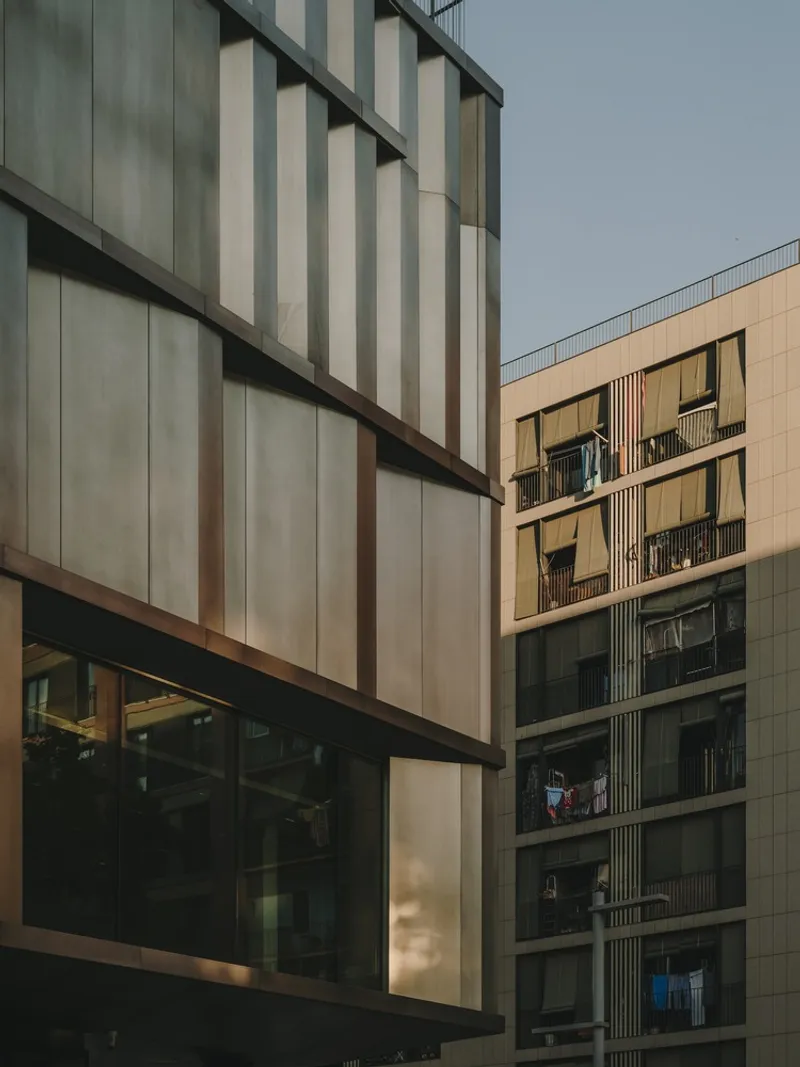
A key element of the LCI Barcelona 22@ Campus is its responsive facade, designed to optimize natural light. The aluminum-clad exterior, with a transparent powder finish, reflects the surrounding environment, responding to changes in daylight and enhancing the building’s visual integration with the urban setting. Internally, walls are paneled in white, amplifying natural light and creating a clean, minimalist interior.
Urban Integration and Community Engagement
Ground Floor and Public Access
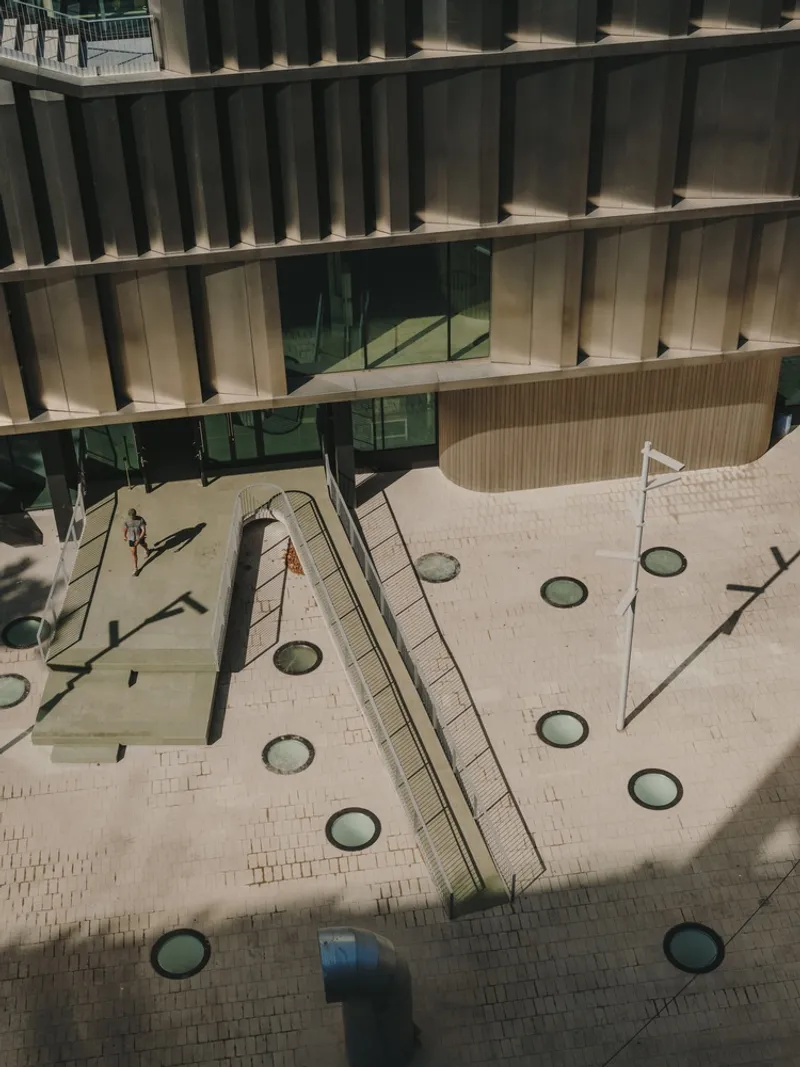
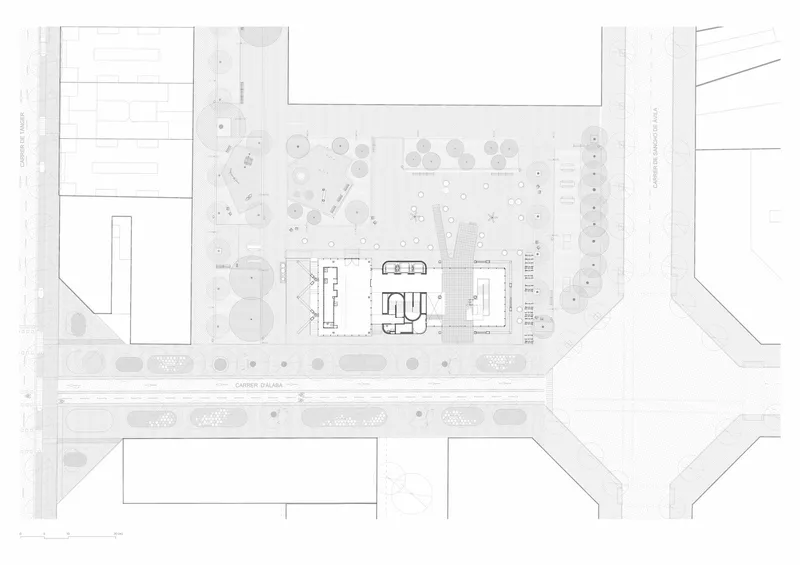
The ground floor of the campus is intentionally designed as a permeable space, set back from the building’s perimeter. Glass facades create a transparent entryway, allowing visual continuity between the street and the building interior. Access is facilitated by a bridge that leads into the plaza, with seating steps and a ramp that further blurs the boundaries between campus and city. This design fosters community engagement, as the plaza doubles as a gathering space for students and the local community.
Social Spaces and Plaza Design
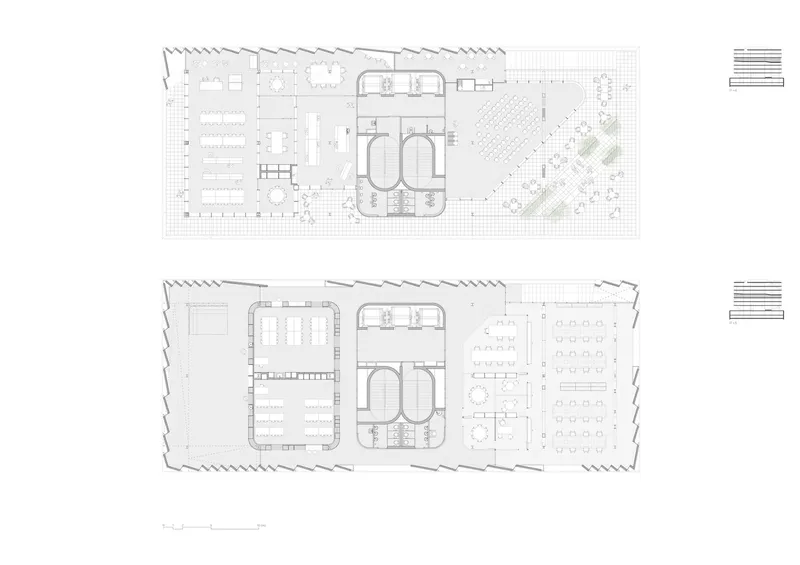
The campus plaza, both above and below ground, serves as a community hub. The design enables a social journey for students, with circulation extending across various levels. Between the third and fifth floors, movement occurs along a recessed facade, leading to a raised fourth-floor plaza, a gathering space designed to capture the Mediterranean breeze and maximize shade through overhangs that protect against direct sunlight.
Interior Spaces Designed for Learning and Collaboration
Quadruple-Height Entrance Foyer and Vertical Circulation
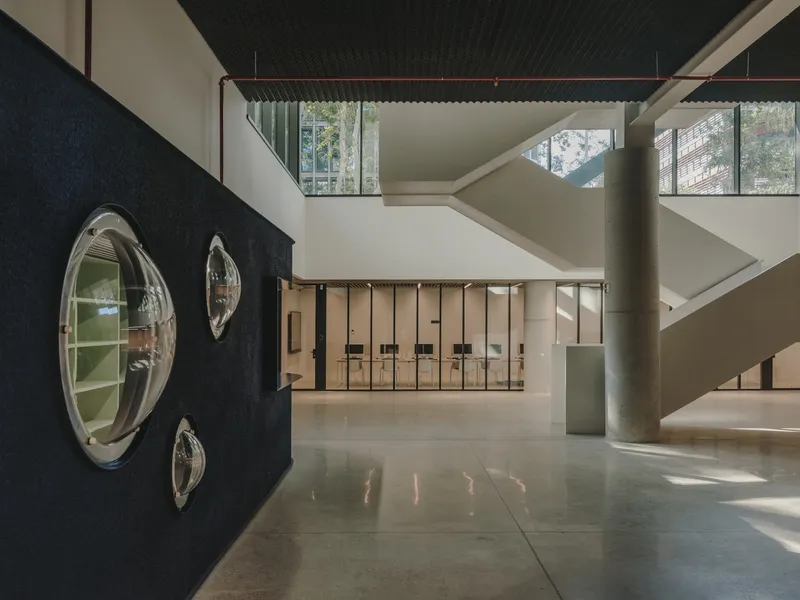
A defining interior feature of the LCI Barcelona 22@ Campus is its quadruple-height foyer at the main entrance. This impressive vertical space is traversed by a metal staircase connecting the ground and the first two levels, creating a strong visual link between the different floors and fostering a sense of community and collaboration.
Practical Labs, Workshops, and Student Lounges
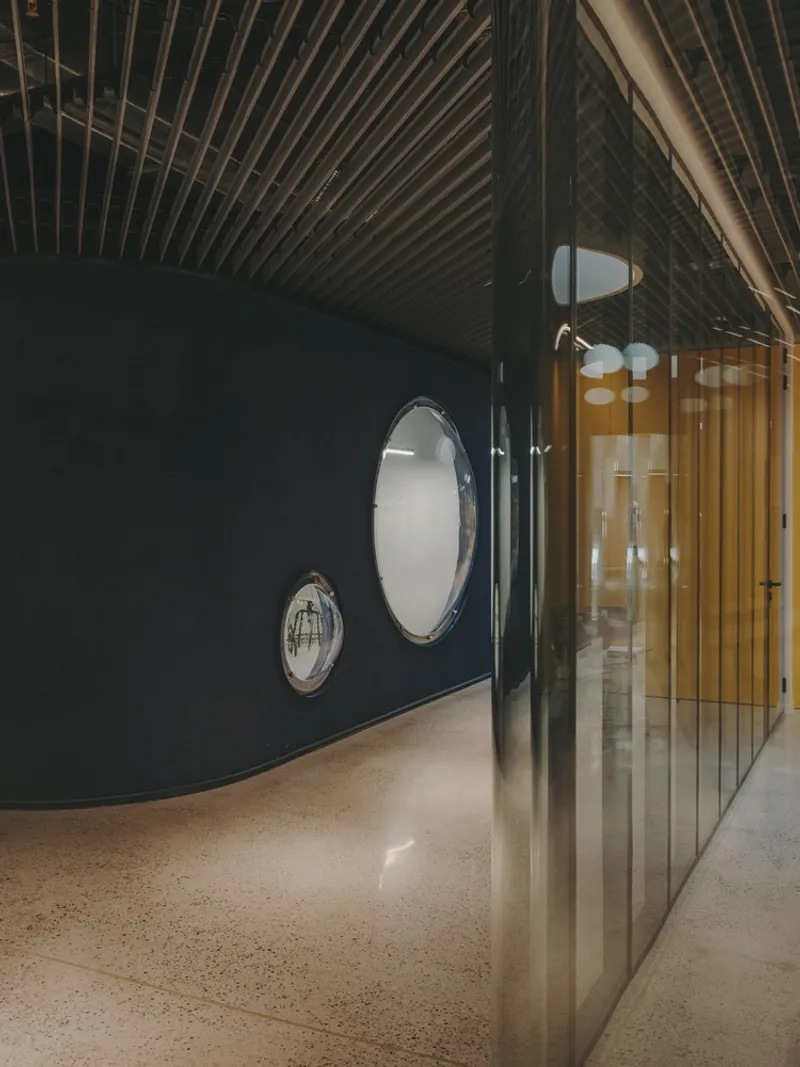
The campus is equipped with advanced practical labs and workshops, providing students with facilities for hands-on learning in design and visual arts. The integration of these workspaces with open student lounges promotes collaboration, creativity, and an interactive learning environment.
Sustainability and Climate-Responsive Design
The campus’s climate-responsive design not only enhances the student experience but also contributes to sustainability. By preventing glare through carefully oriented facades and maximizing indirect light, the design minimizes the need for artificial lighting. Additionally, overhangs and recessed facade elements help regulate the building’s temperature, ensuring a comfortable interior climate year-round.
A Campus That Inspires Future Creators
The LCI Barcelona 22@ Campus by CIRCULAR STUDIO exemplifies innovative educational architecture, blending academic functionality with a strong commitment to urban integration and sustainable design. This campus not only meets the demands of a contemporary learning environment but also fosters community engagement and environmental consciousness. It stands as a symbol of architectural evolution, creating a space where students can thrive in an inspiring, collaborative, and modern setting.
All photographs are work of Salva López


Popular Articles
Popular articles from the community


Singing Woman: An Opera House That Performs Before the Curtain Rises
Ovidiu Cristian Pavel's conceptual opera house translates Estonia's choral identity into a sculpted waterfront landmark facing the Baltic Sea.


ETEH Reworks the Shared Spaces of São Domingos School in Brazil Around Timber, Color and Hanging Plants
At São Domingos School in Brazil, 436 m² of hall, refectory and library are recast with timber joinery, a yellow and blue code and trailing greenery.

Aquadapt: An Underwater Habitat That Rewrites Its Rooms by the Hour
Curved modules ring the seabed while one shell shifts from breakfast room to cinema, farm and football pitch as residents' needs change.

LT2A and OPEN Architectes Thread a Brick and Glass High School Through a Wooded Belgian Campus
In Braine-l'Alleud, a 3,000 m² wing for Collège Cardinal Mercier pairs pale brick with a glazed colonnade, deferring to a small chapel and a dense wood.

Similar Reads
You might also enjoy these articles


Hodi-Mandai Geram
Project Function: Preservation and revitalization of the Intangible heritage and socio-spatial identity of the Hodi by Housing, Cultural Memory Center, Sacred Grove, landscape, local tourism economy


Olio Towers: A Mid-Rise for Performers That Fuses Housing, Rehearsal, and Stage
Located blocks from Houston's Theater District, this modular tower stacks living units around a central performance atrium.

Oasis: Modular Green Housing Carved into Dhaka's Urban Fabric
A shortlisted Plugin Housing entry reclaims unauthorized settlements in Dhaka with stepped concrete volumes, green roofs, and ventilation-driven design.

Black Hole: A Floating Megastructure for the Post-Physical Era
Emiliano Mazzarotto envisions a spherical, self-scaling arena where e-sports, digital hotels, and holographic stadiums replace traditional public space.

Explore CSIIT School Of Architecture Competitions
Discover active competitions in this discipline

Challenge to reimagine the Iron Throne

Photograph architecture without architects

Illustrate the lost glory of Angkor Wat - Render Challenge

Design challenge to reuse E-waste
Comments (0)
Please login or sign up to add comments
No comments yet. Be the first to comment!