
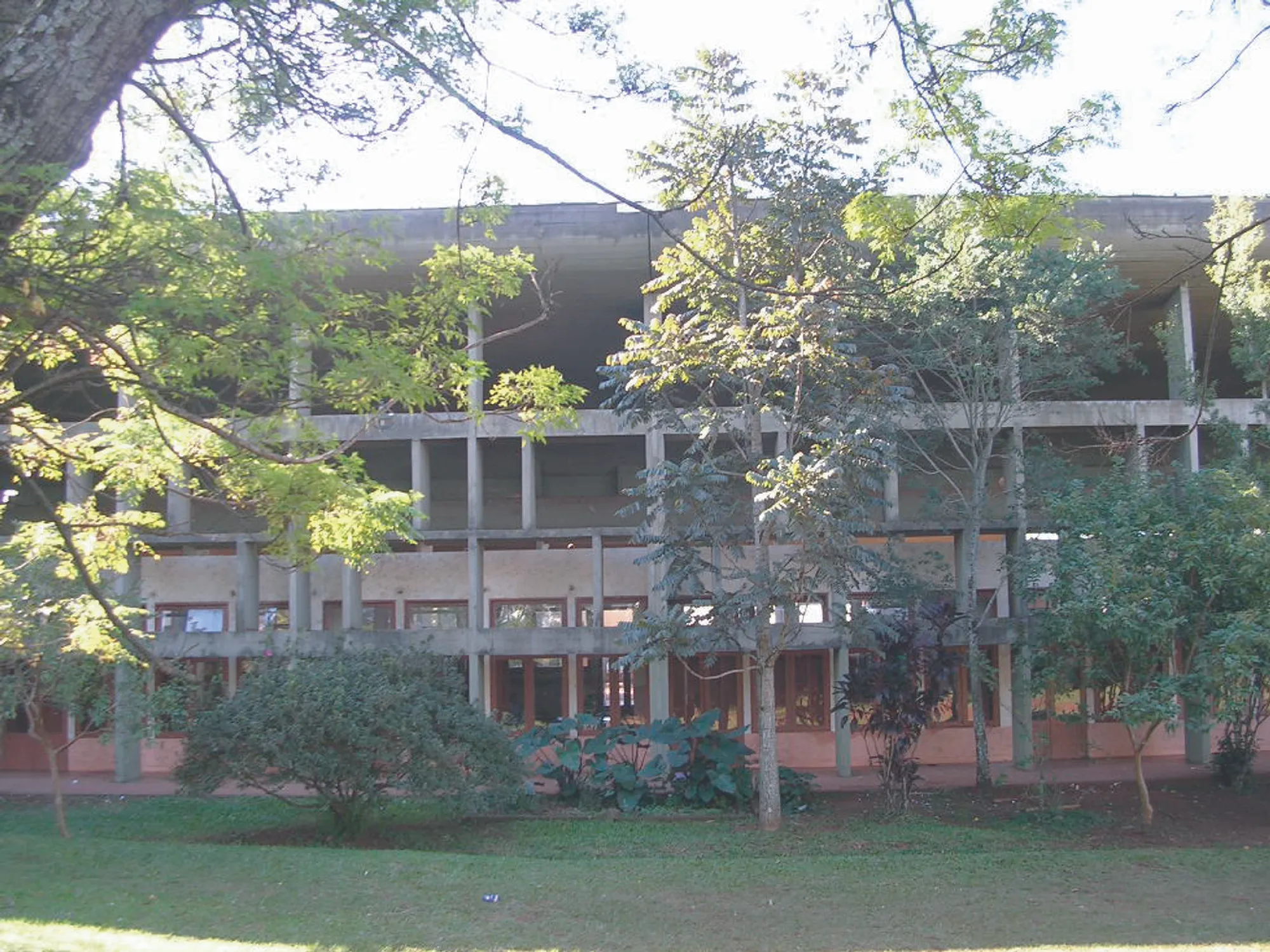
Legacy of Normal Superior School N°1 Domingo Faustino Sarmiento: A Testament to Argentine Architecture Landmarks
Exploring the iconic design and cultural significance of the Normal Superior School in Argentine architecture.


The Normal Superior School N°1 Domingo Faustino Sarmiento, designed by the visionary architects Mario Soto and Raúl Rivarola, stands as an emblematic figure among Argentine architecture landmarks. Nestled in the heart of Leandro N. Alem, Misiones, this educational facility is not just a building but a symbol of the architectural innovation and cultural heritage that Argentina prides itself on.
The Architects' Vision
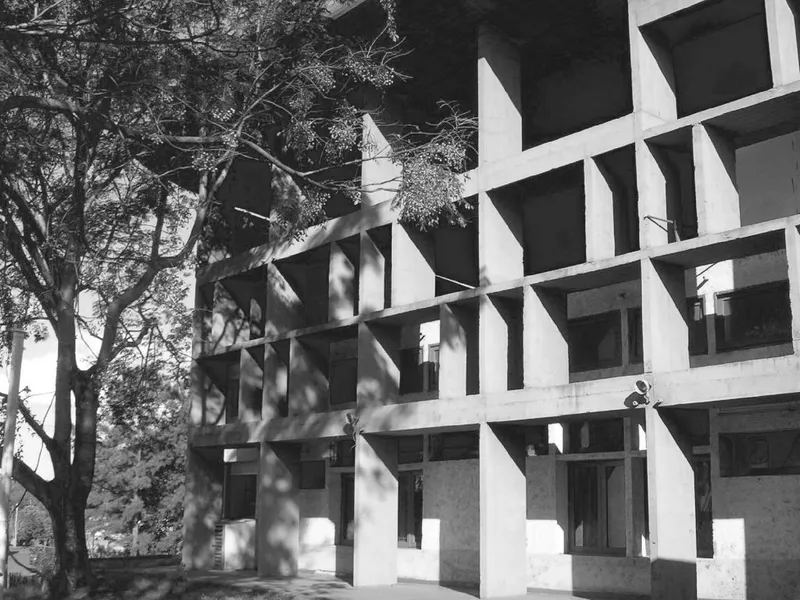
Mario Soto and Raúl Rivarola, renowned for their contribution to the architectural landscape of Misiones, embarked on this project with a vision that transcended the mere function of an educational institution. Their portfolio, rich with diverse structures including wooden schools and inns, set the stage for a groundbreaking approach to the design of the Normal Superior School N°1. Commissioned in the era of Juan Domingo Perón, the school was a part of a broader initiative to bolster the infrastructure of the newly recognized province of Misiones, aiming to strengthen its institutional framework.
Architectural Marvel Amidst Subtropical Climate
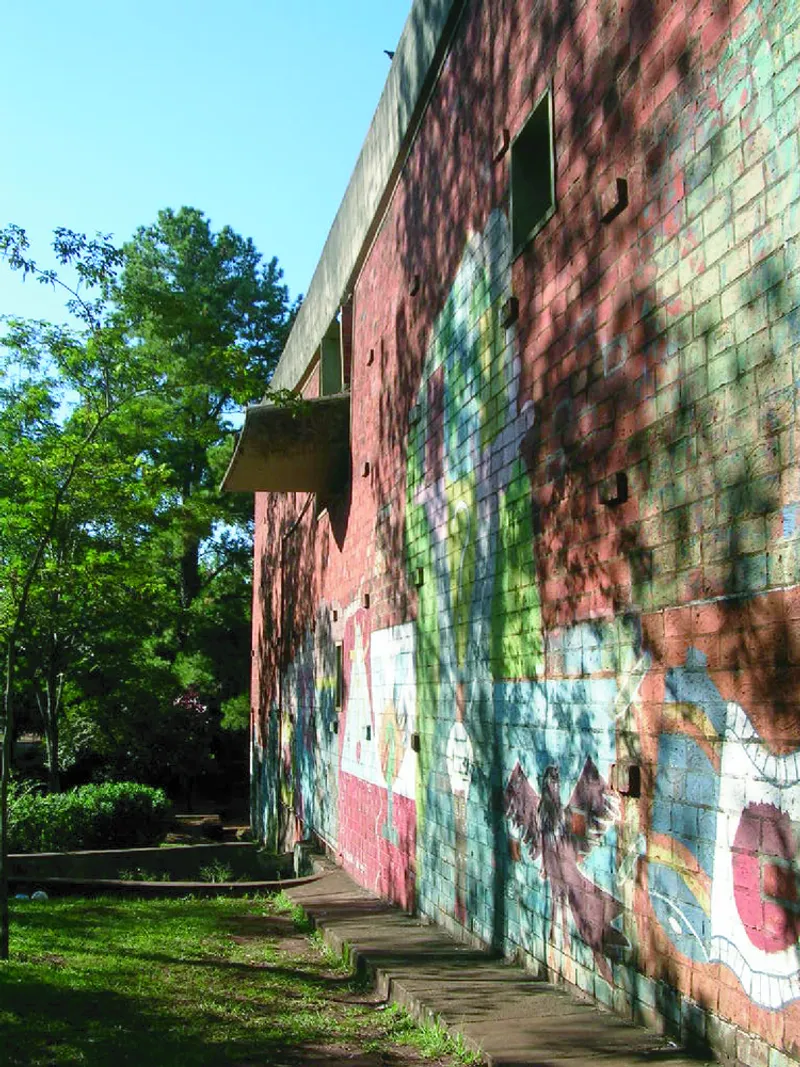
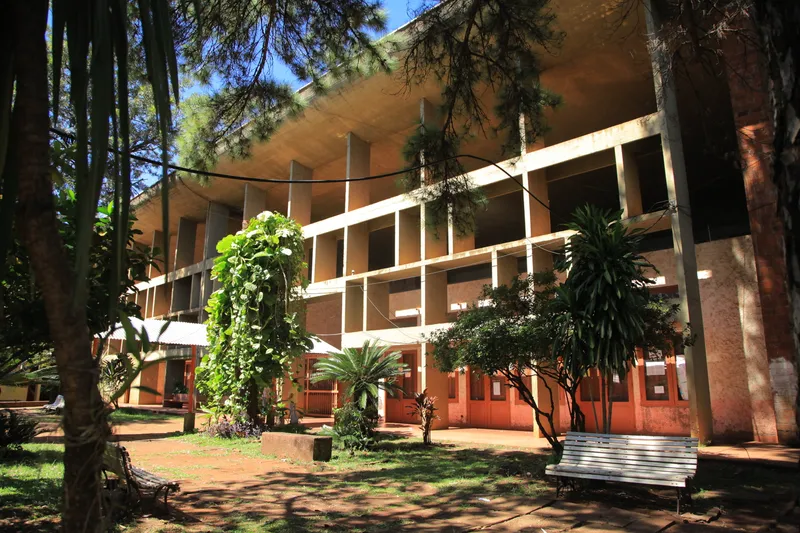
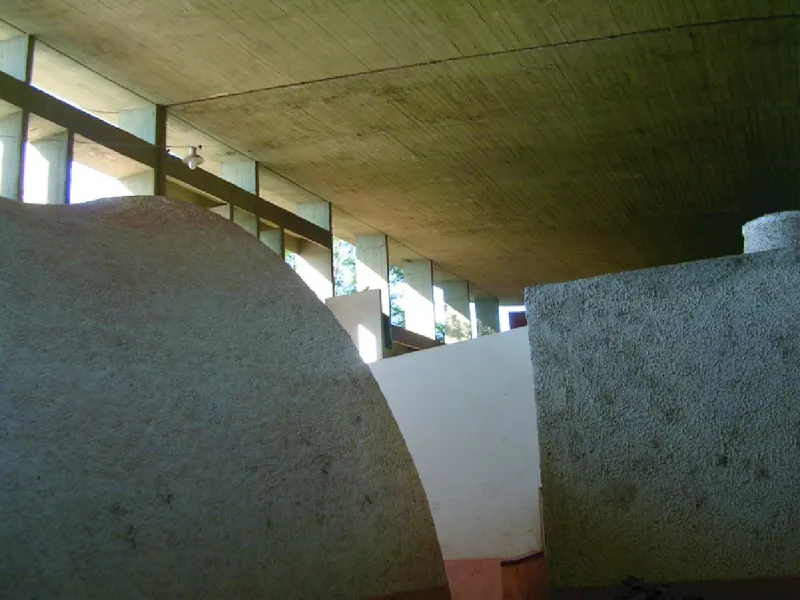
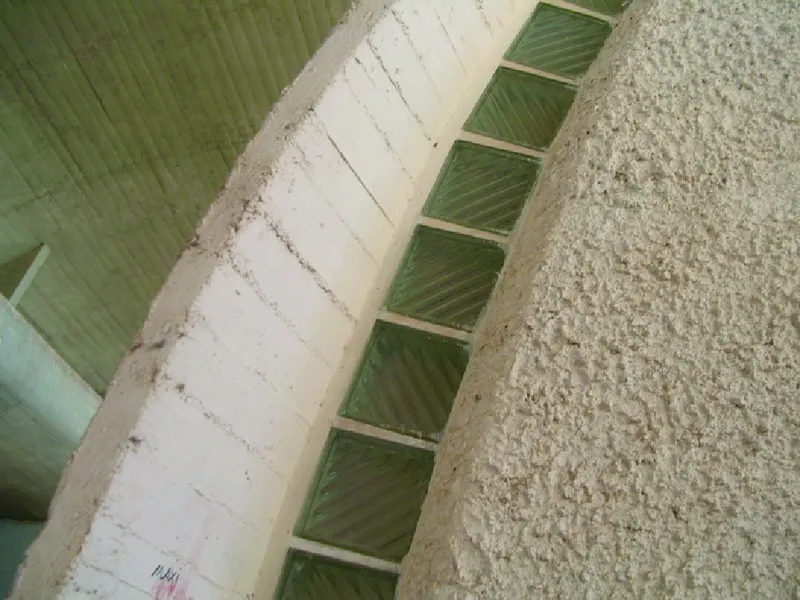
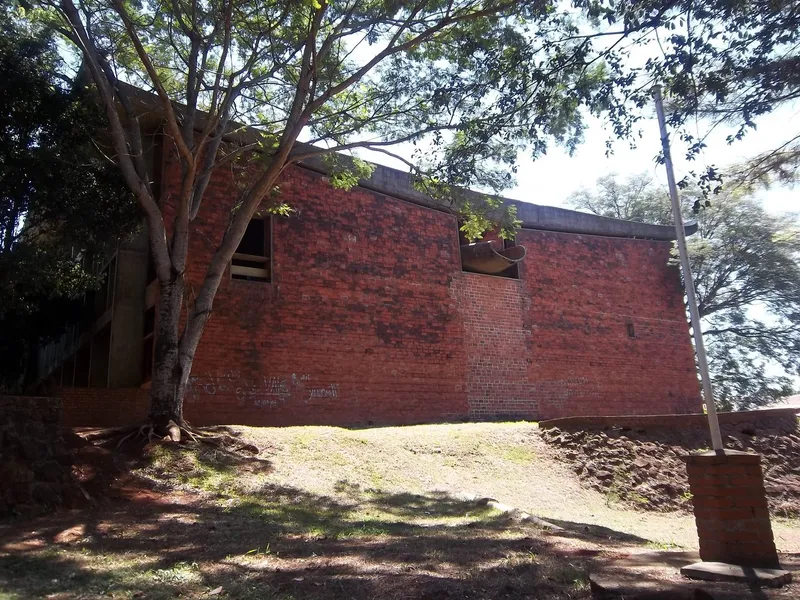
Constructed between 1957 and 1963, the school's design intricately considers the subtropical climate of the Argentine littoral. The architects ingeniously incorporated a large concrete roof, initially planned to be made of wood and metal sheets. This not only serves as a monumental rainwater collector but also significantly cools the building, creating a more conducive learning environment. The roof's design, coupled with the strategic use of concrete sunshades, exemplifies a harmonious blend of aesthetic appeal and climatic responsiveness.
A Hub of Flexibility and Interaction
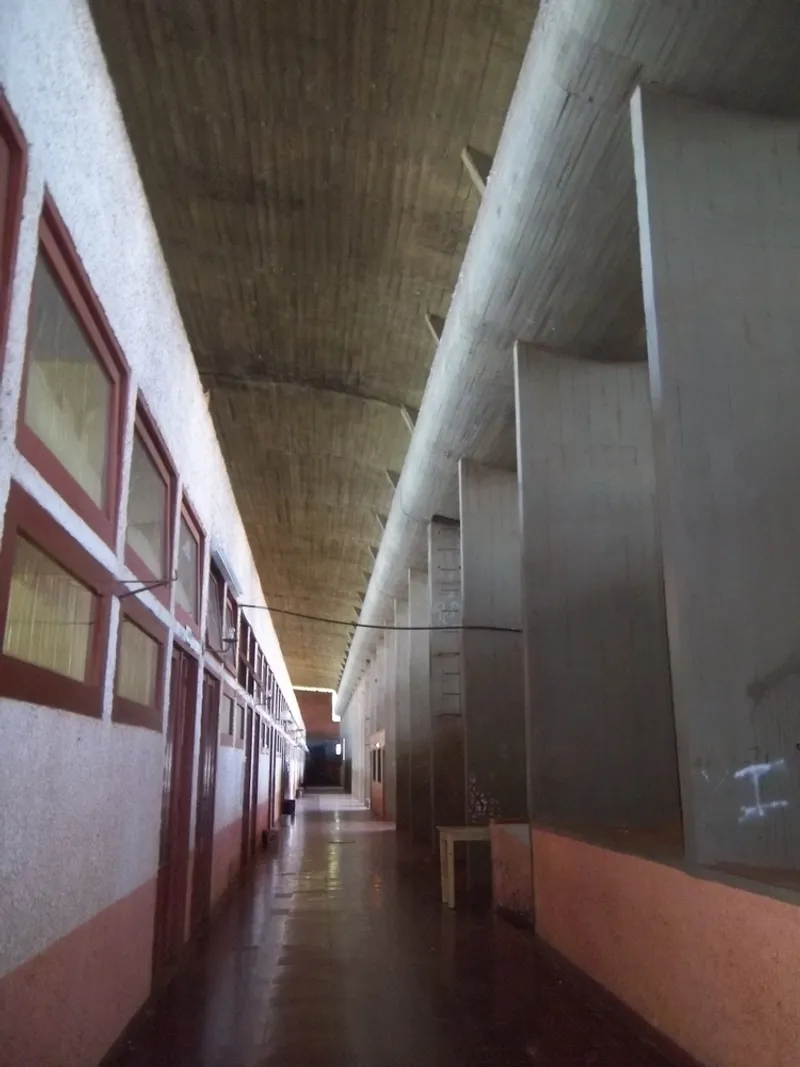
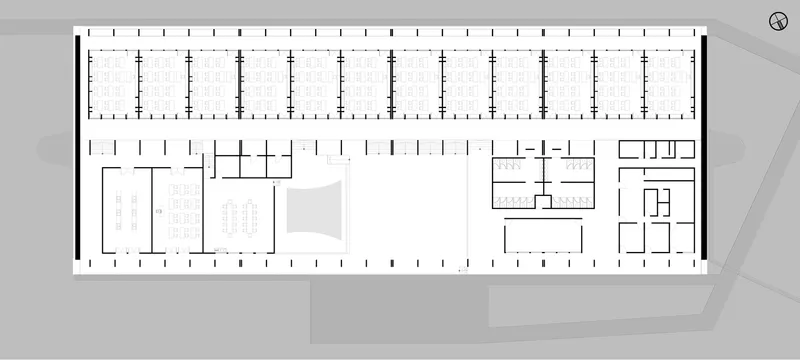
The school's layout underlines the autonomy of educational activities while promoting interaction and communal engagement. Divided into three main zones — classrooms, administrative sectors, and a covered inner courtyard — the structure fosters an adaptive and collaborative atmosphere. The covered courtyard, in particular, emerges as a central gathering space, reminiscent of the traditional courtyards found in other notable educational establishments of the time.
Interior Design and Spatial Quality
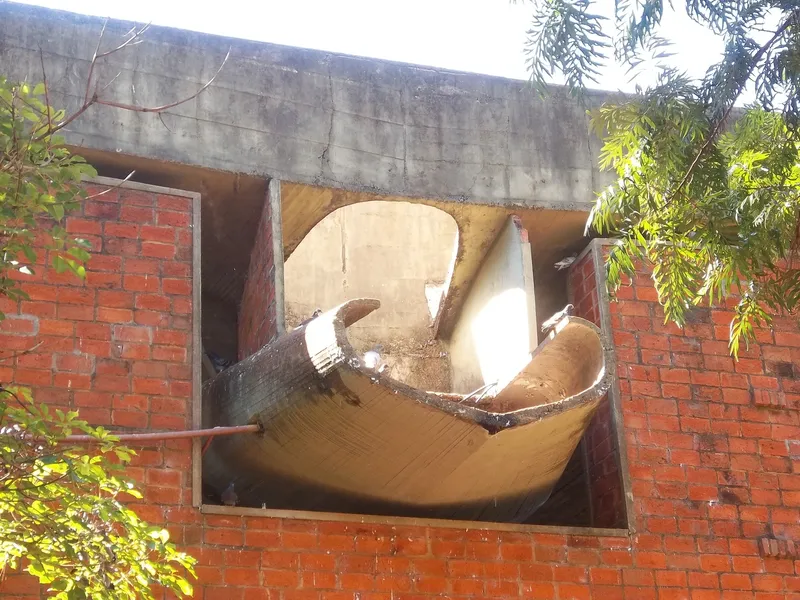
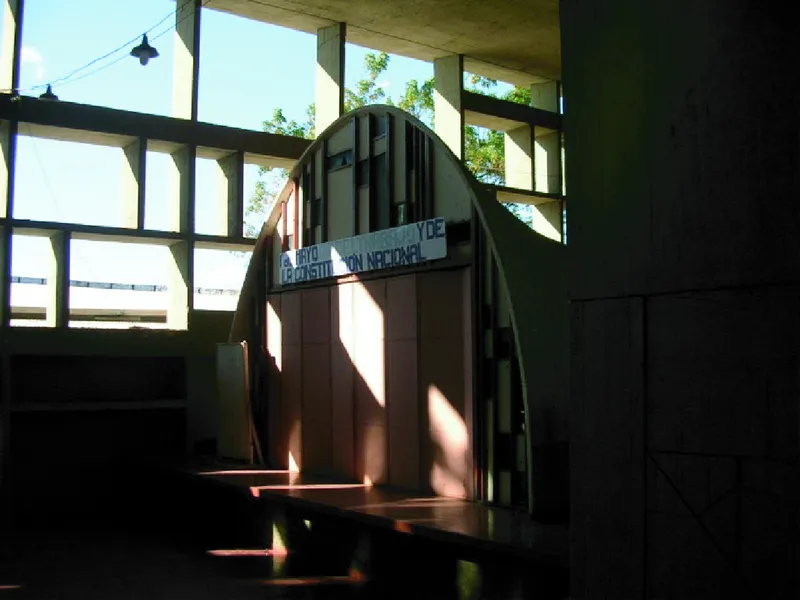
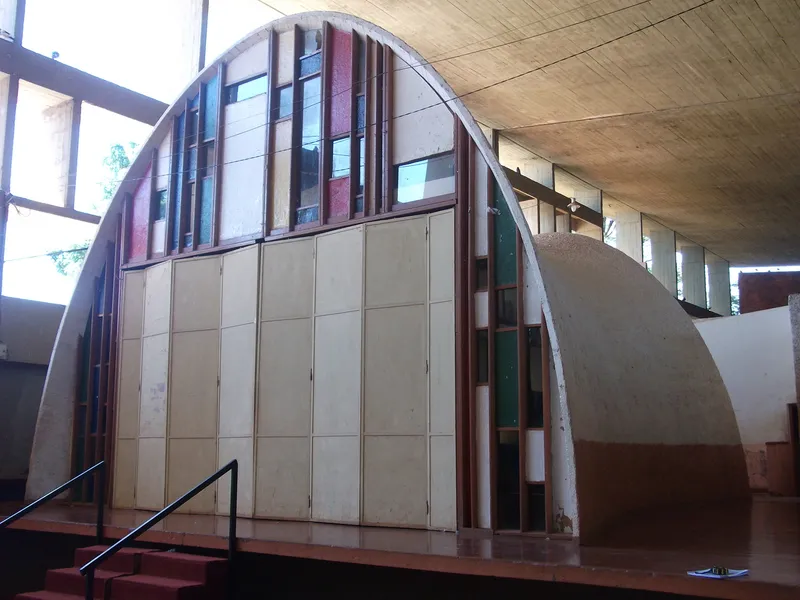
The interior of the Normal Superior School N°1 Domingo Faustino Sarmiento is a testament to the architectural foresight of Soto and Rivarola. The music room, with its demountable enclosure and hyperbolic paraboloid structure, exemplifies the school's overarching theme of open-plan flexibility. This innovative design approach not only facilitates various uses of the space but also contributes to the school's significant spatial quality.
A National Historic Monument
Today, the school is celebrated not only as a cornerstone of Argentine architecture but also as a national historic monument. Its design, deeply rooted in the local climatic conditions and aesthetic sensibilities, continues to inspire and attract architecture enthusiasts from across the globe. The Normal Superior School N°1 Domingo Faustino Sarmiento is a vivid illustration of how visionary architecture can intertwine with cultural heritage to create spaces that are both functional and symbolic.
The legacy of this architectural masterpiece underscores the importance of design that respects and responds to its environmental context, fostering a space that is both innovative and reflective of its cultural milieu. As such, the Normal Superior School N°1 Domingo Faustino Sarmiento remains a pivotal chapter in the story of Argentine architecture landmarks, symbolizing a blend of modernist ideals with local traditions and climatic considerations.




Popular Articles
Popular articles from the community


Riyadh For All: Intergenerational Urban Design for Active Aging in Rabat
Riyadh For All reimagines urban design in Rabat with intergenerational co-living, adaptive courtyards, and Moroccan cultural exchange today.

The Ocean Hive: Sustainable Architecture for a Self-Sufficient Civilization at Sea
The Ocean Hive imagines sustainable architecture at sea, where modular habitats, algae, wave power and ocean waste sustain a growing colony.

Conexión: Biophilic Design Reimagines High-Rise Living in Hong Kong
Conexión reimagines high-rise living in Hong Kong through biophilic design, green facades, shared spaces, daylight, water and nature within.

Hill & Cross Opera: Sculptural Opera House Architecture Shaped by Tallinn’s Landscape and Identity
Hill & Cross Opera reimagines opera house architecture in Tallinn through its sculptural hill, civic plaza, glass wave and a luminous cross.

Similar Reads
You might also enjoy these articles

Bamboo Housing Challenge 2026: Design Affordable, Sustainable Homes Using Bamboo
An international design competition by Bamboo U and IBUKU inviting architects and designers to reimagine affordable housing using bamboo — with the winning design built full-scale in Bali.

Computational Design & Education: Beegraphy Design Awards Introduces 7th Category (Featuring Jiyun's Innovative Approach)
Dive into Beegraphy’s 7th Design Awards category, where computational design meets education to create immersive, interactive learning tools, inspired by Jiyun’s work.
From Parametric Lighting to Urban Furniture: Join the 2nd Workshop in Beegraphy’s Computational Design Series
Dive into Cutting-Edge Design Techniques and Practical Applications with Industry Experts

Last Call: Unleash Your Architectural Genius in SHAK's Kindergarten Design Competition
Urgent call for architects to join SHAK's kindergarten design competition before the looming deadline

Explore Educational Building Competitions
Discover active competitions in this discipline



Challenge to design public laboratory


Challenge to reimagine the Iron Throne


Photograph architecture without architects


Illustrate the lost glory of Angkor Wat - Render Challenge
Comments (0)
Please login or sign up to add comments
No comments yet. Be the first to comment!