
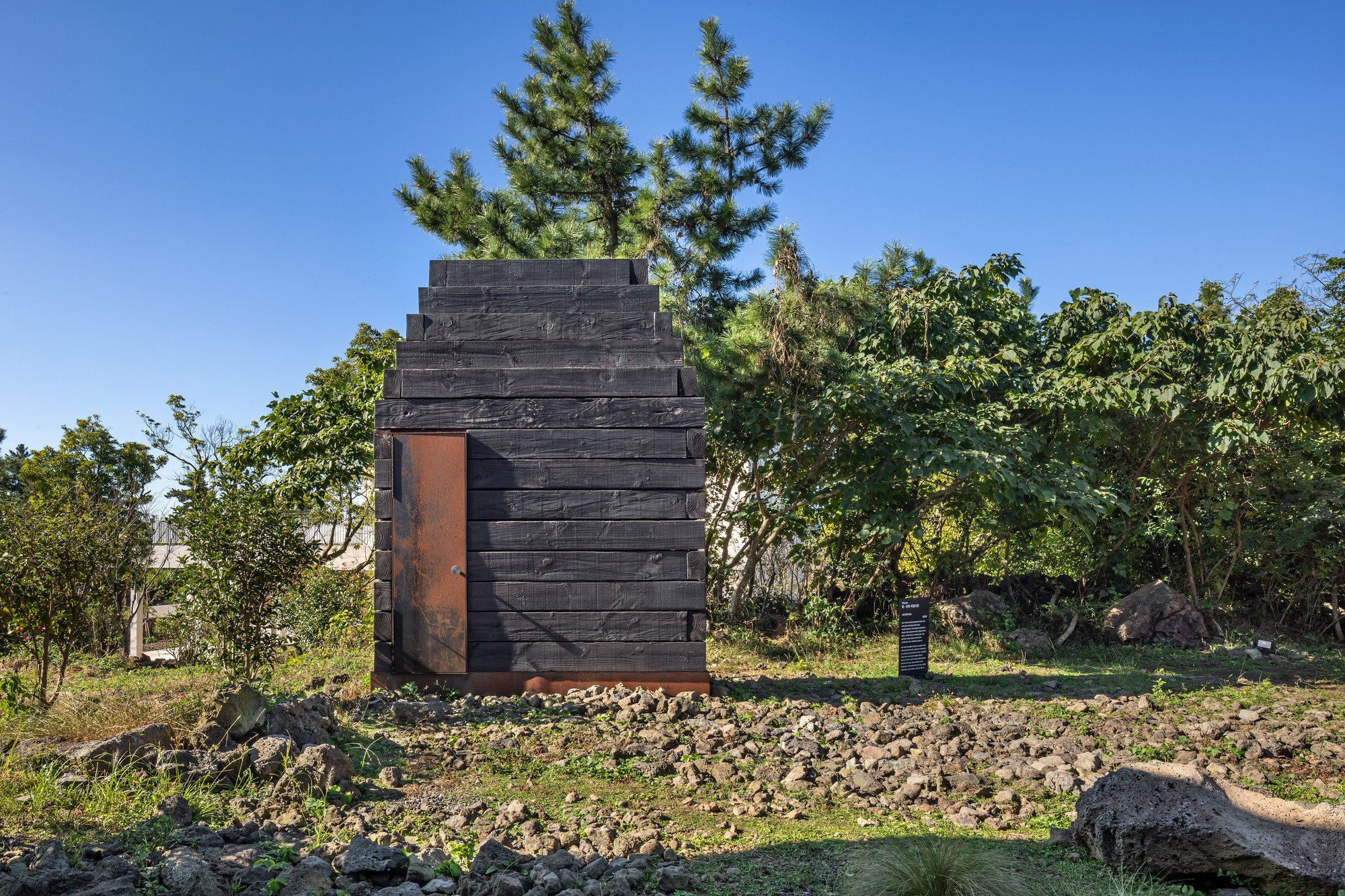
Light Pavilion: Capturing Jeju's Light in 10 m²
DRAWING WORKS built a 10 m² timber pavilion on Jeju Island that treats light as architecture, framing the sky through precisely angled openings.

Jeju Island sits in the sea between Korea and Japan, and it has its own weather. The light there is not steady. It shifts between mist, wind, rain, and sudden clarity in ways that feel like a language. Light Pavilion, a 10 square metre structure completed in 2025 by DRAWING WORKS, attempts to make that language visible through architecture.
At 10 m², this is one of the smallest projects you will see published anywhere. It is also one of the most precise. Lead architect Youngbae Kim treats the pavilion not as a building to be inhabited in the conventional sense, but as an instrument. It captures, filters, and frames light the way a camera captures an image.
An Architecture of Capture
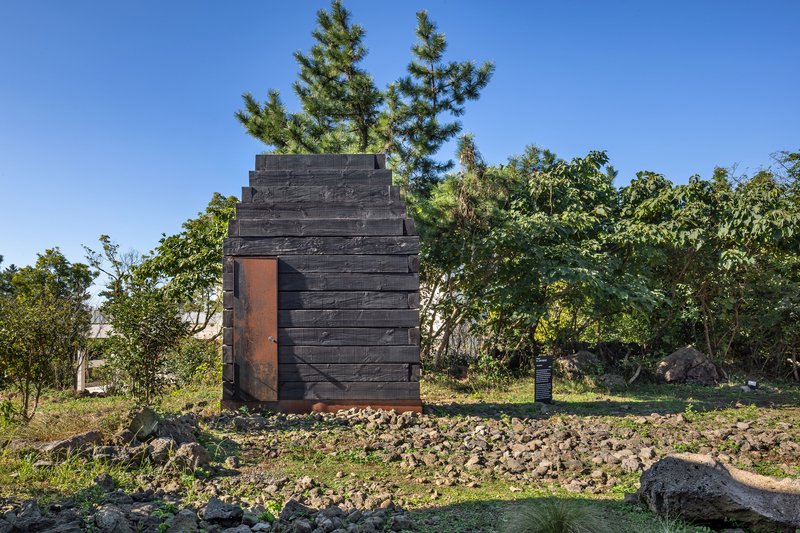
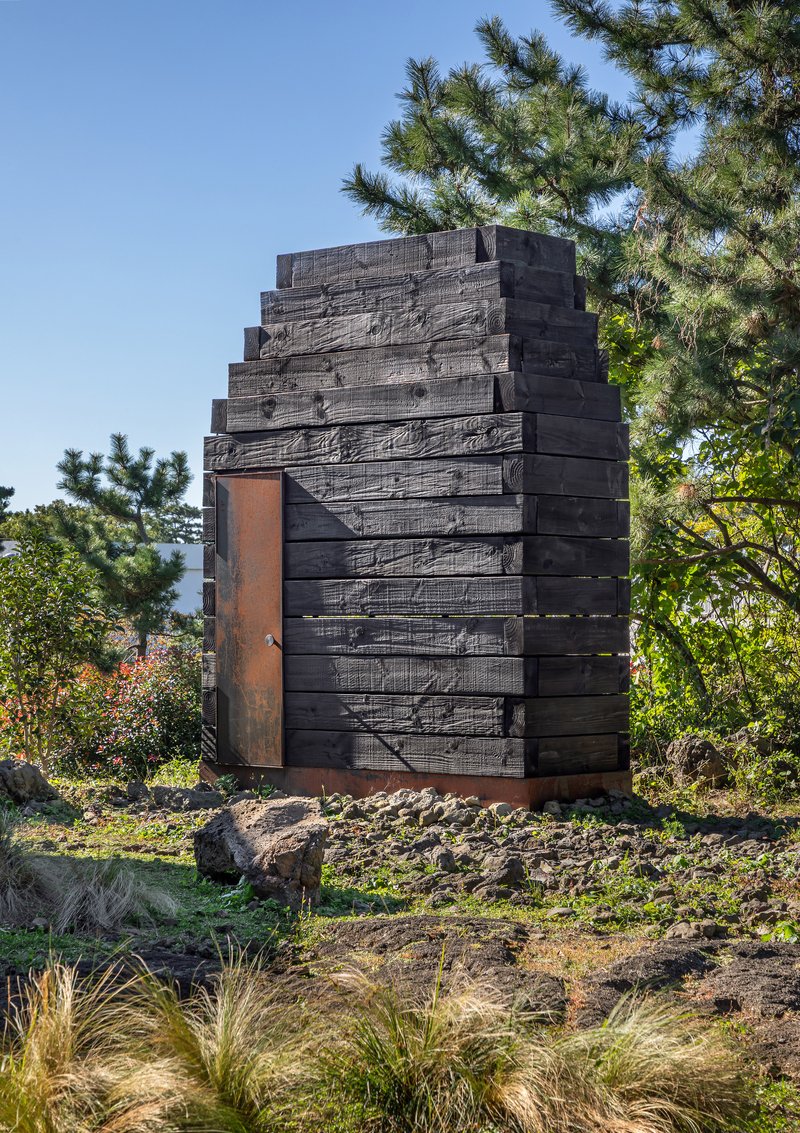
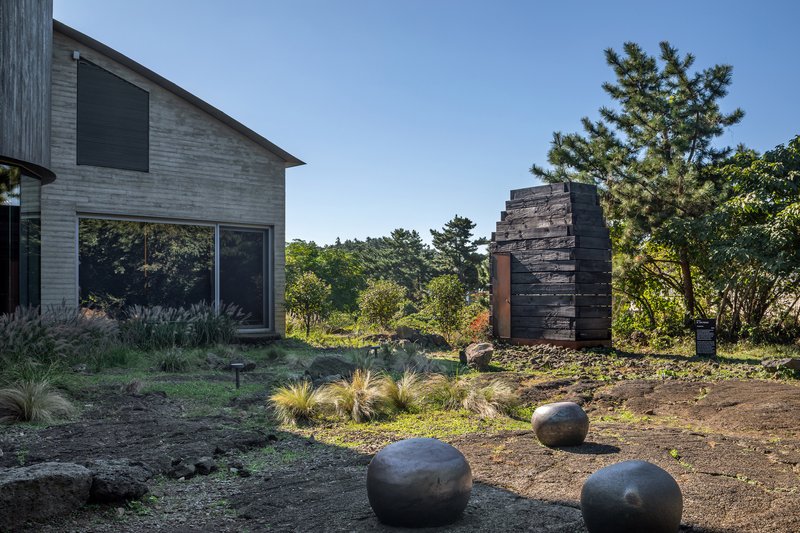
The architects describe the project as an attempt to capture the ephemeral nature of Jeju's light through architecture. It is not a reproduction of nature's forms, but an experimental structure that allows the sensations of nature to permeate through space.
That description is rare in its honesty. Most pavilion projects claim more than they deliver. This one does something specific. It is a room where light is the content, and the walls are there to give light something to arrive on.
Timber and Void
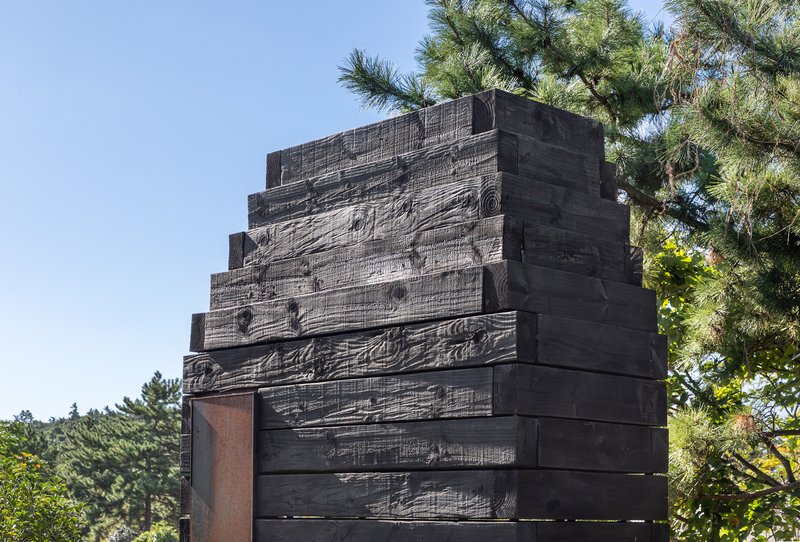
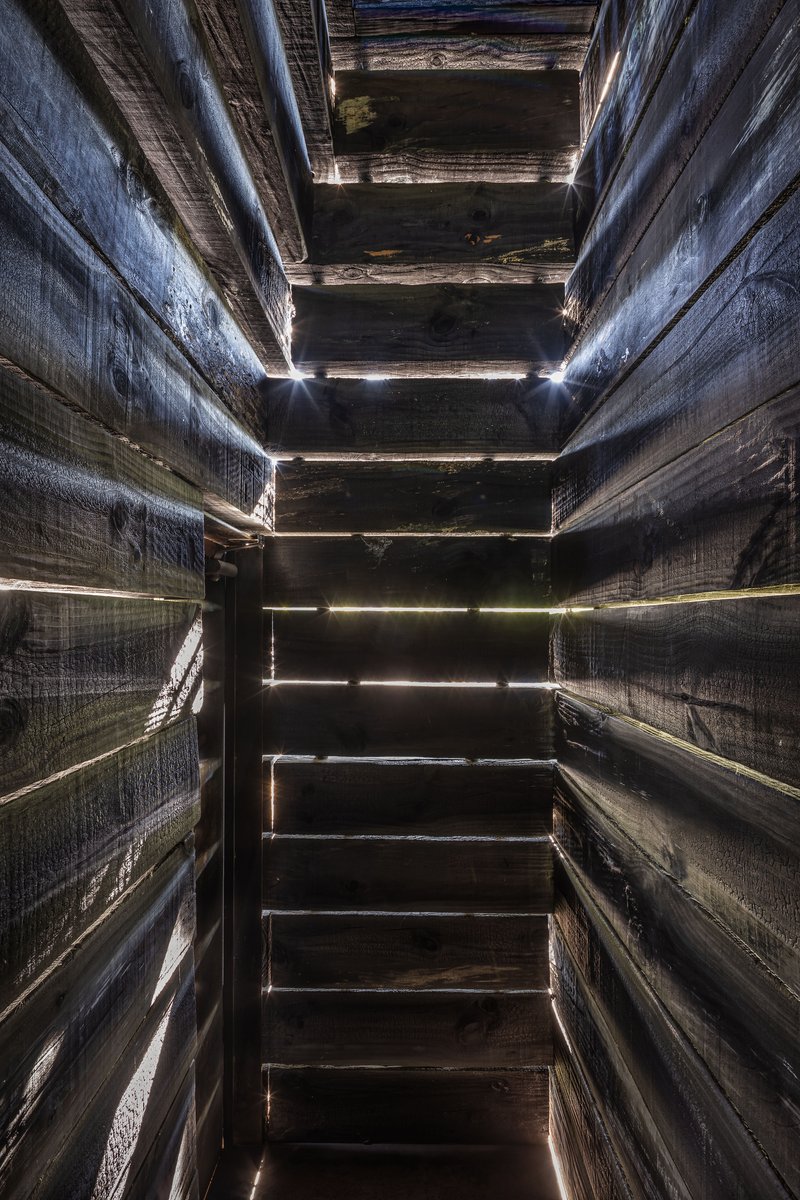
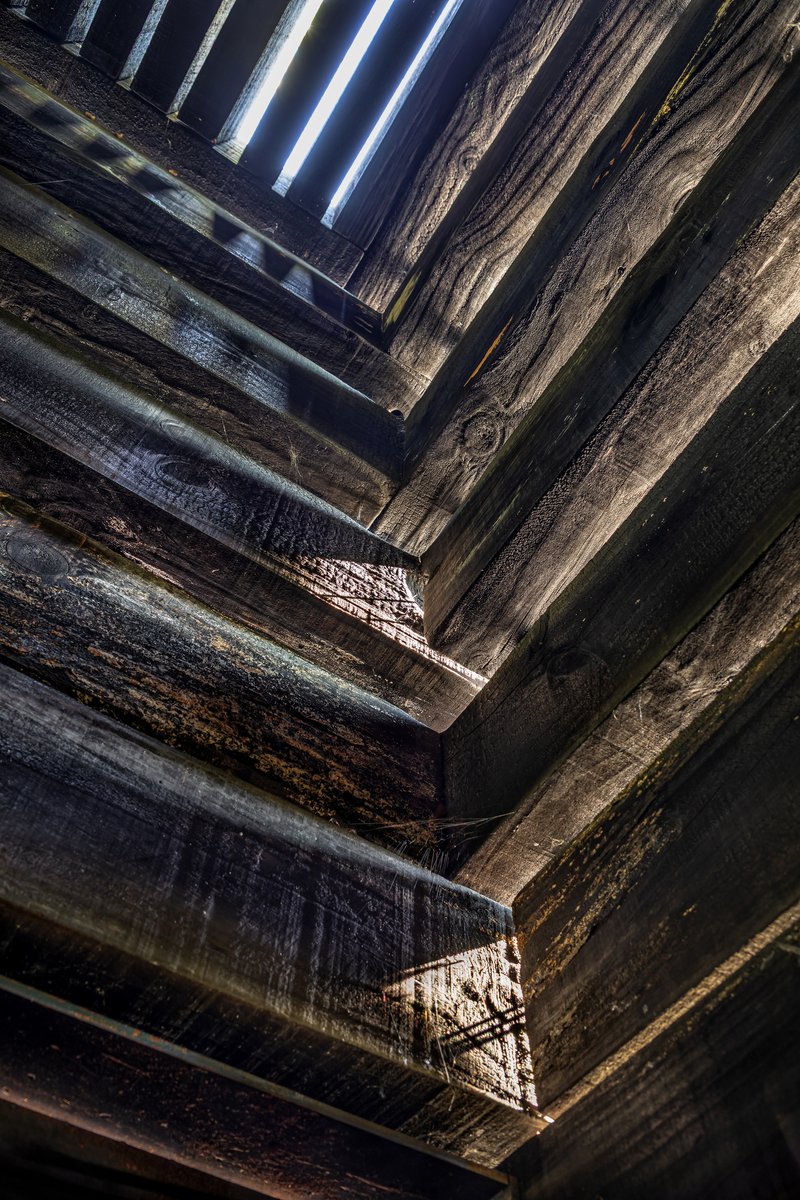
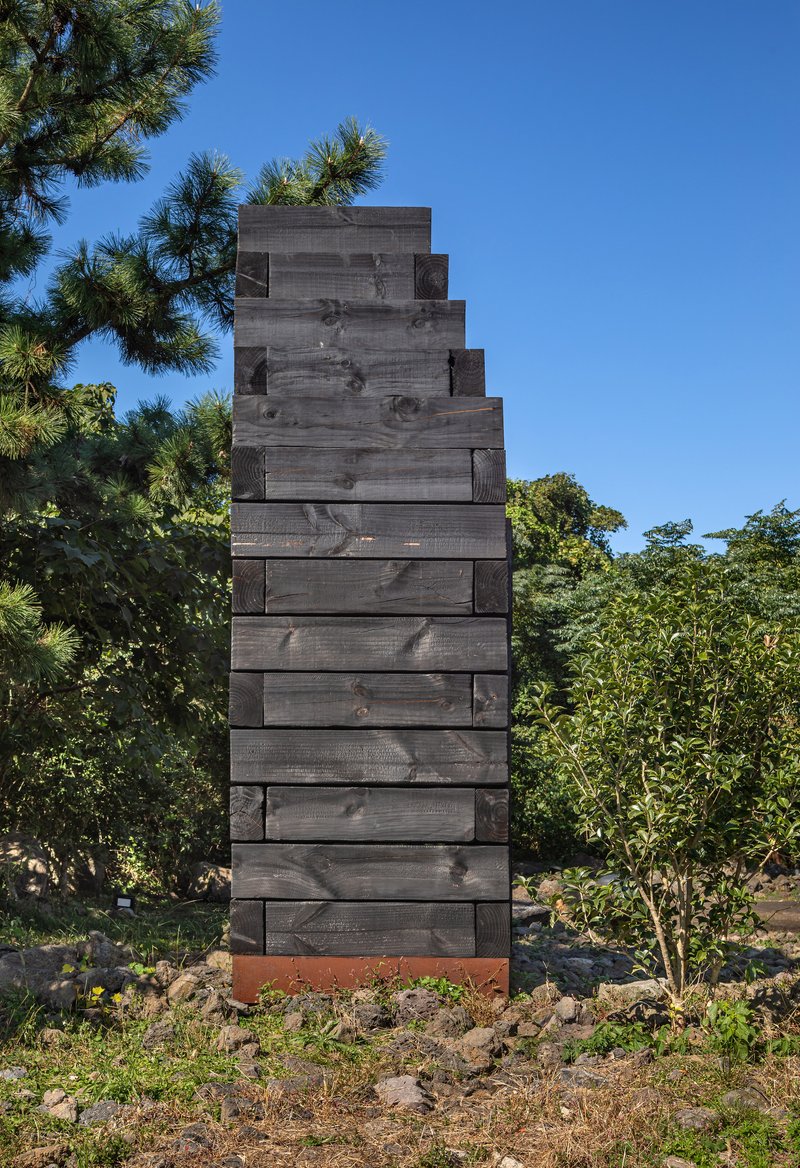
The construction is timber. The geometry is angular, folded, and slightly asymmetric. Openings are cut precisely so that different conditions of sky register as distinct experiences inside. Morning mist, midday sun, cloudy dusk: each one produces a different pavilion.
The material choice is deliberate. Timber ages in the Jeju climate. It greys, softens, and absorbs moisture. Over years, the pavilion will look more like the landscape rather than less. It is designed to weather into its site rather than resist it.
Scale and Ambition
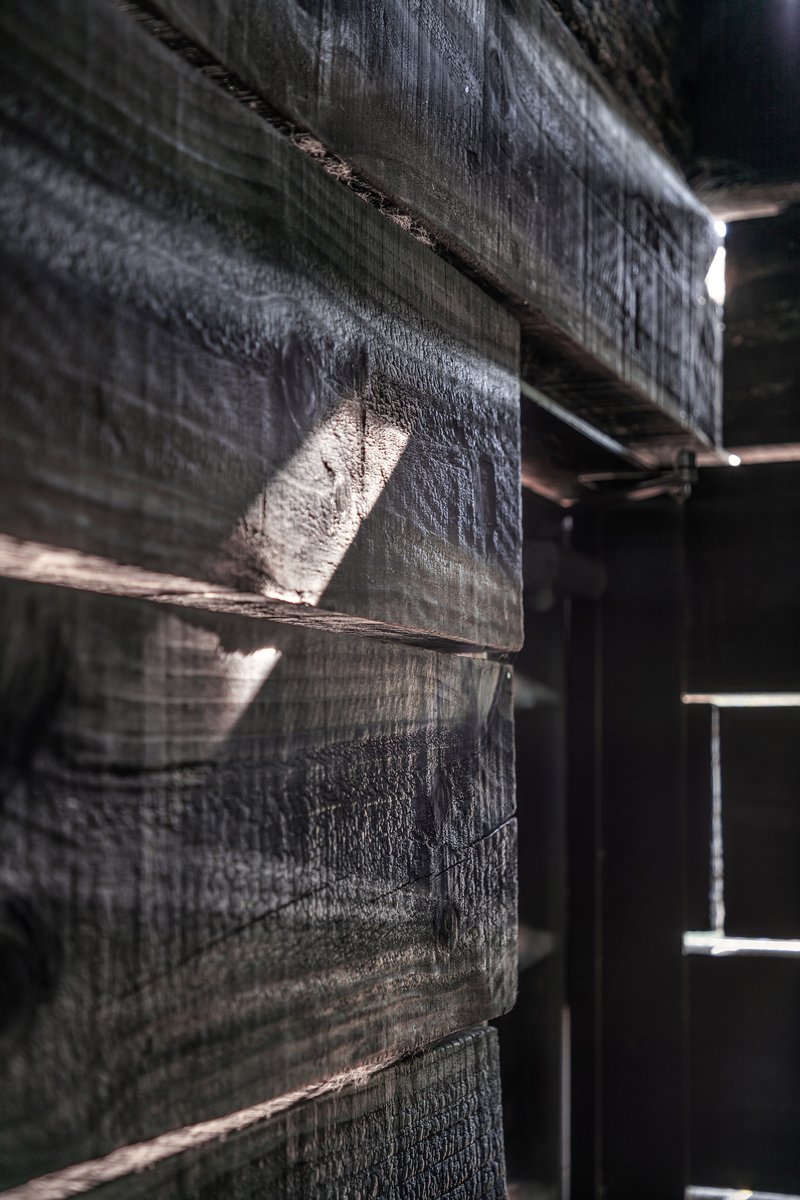
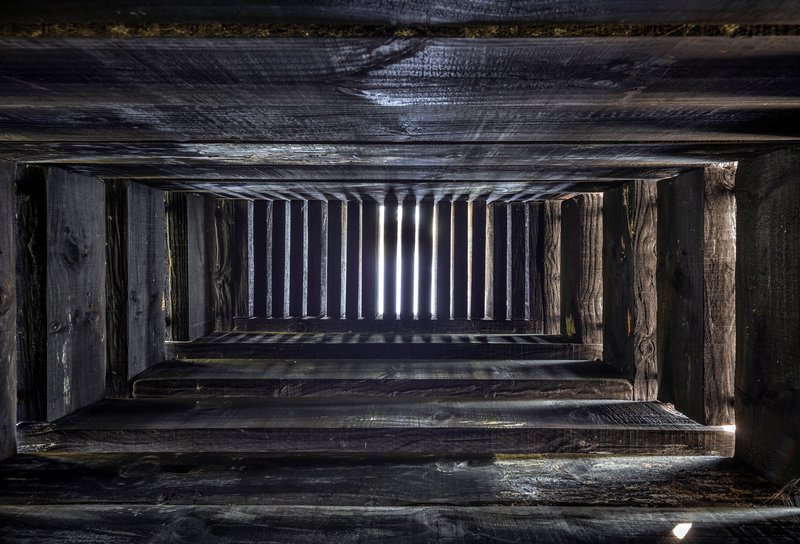
Ten square metres is barely a room. It is the size of a large closet. But the ambition here is inversely proportional to the floor area. The project asks: how much can architecture do in the smallest possible footprint? How little material and how much meaning?
This is a question that matters beyond pavilions. Every building has moments where a small volume does large work: an entrance, a stairwell, a window seat, a threshold. The Light Pavilion isolates that condition and studies it in full.
Context: Jeju's Architecture of Smallness
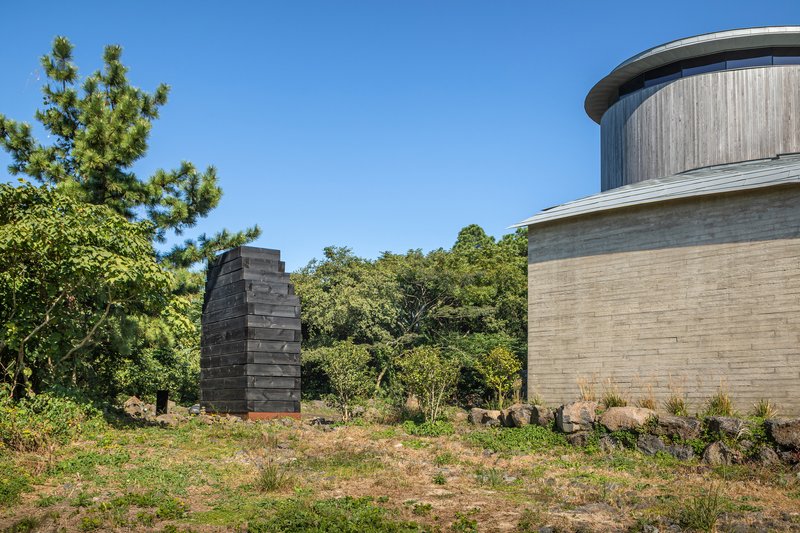
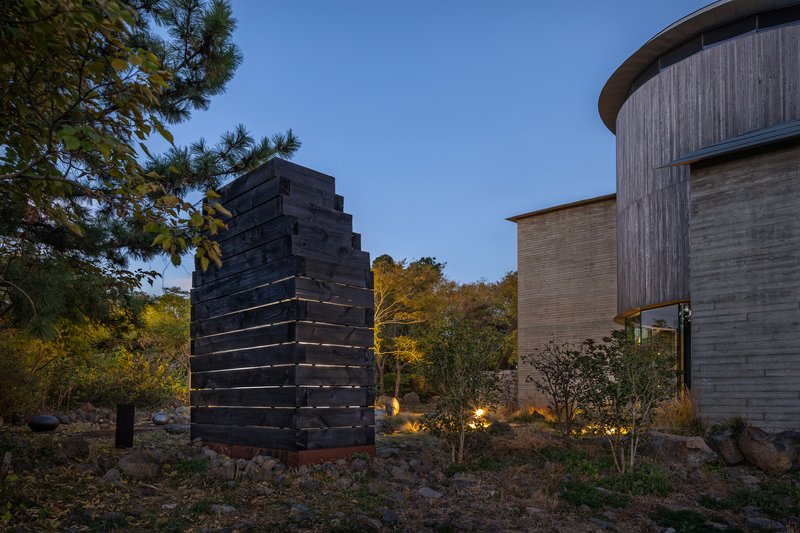
Jeju has become a quiet laboratory for small-scale architecture in South Korea. The island's tourism economy, its relaxed zoning, and its powerful landscape have attracted studios who want to build experiments that would not be possible on the mainland. Cafes, galleries, guesthouses, and pavilions dot the coastline, each one testing a different idea.
Light Pavilion sits within that culture but pushes it further. It is not a commercial space. It is not a cafe with a good view. It is, frankly, closer to a sculpture that you can enter. But it is made with architectural discipline: plans, sections, structure, and a clear relationship to site.
Drawings
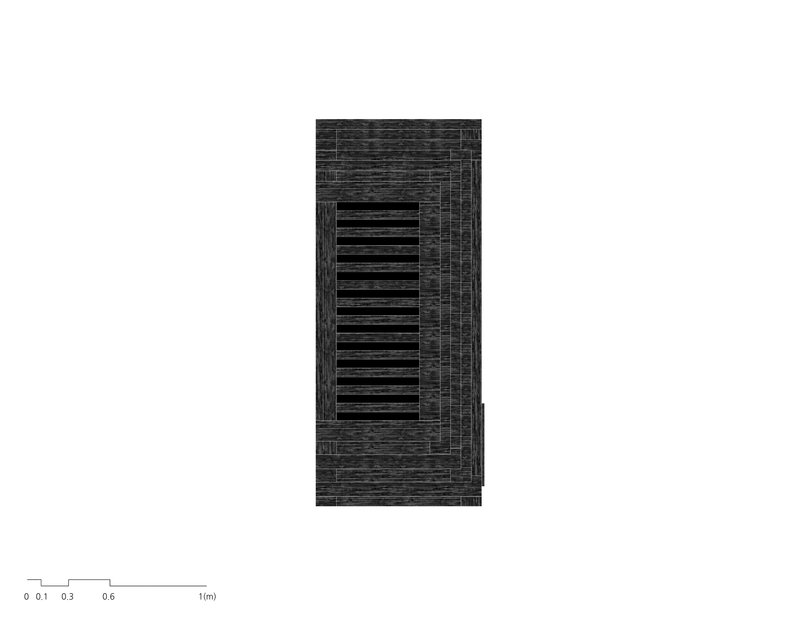
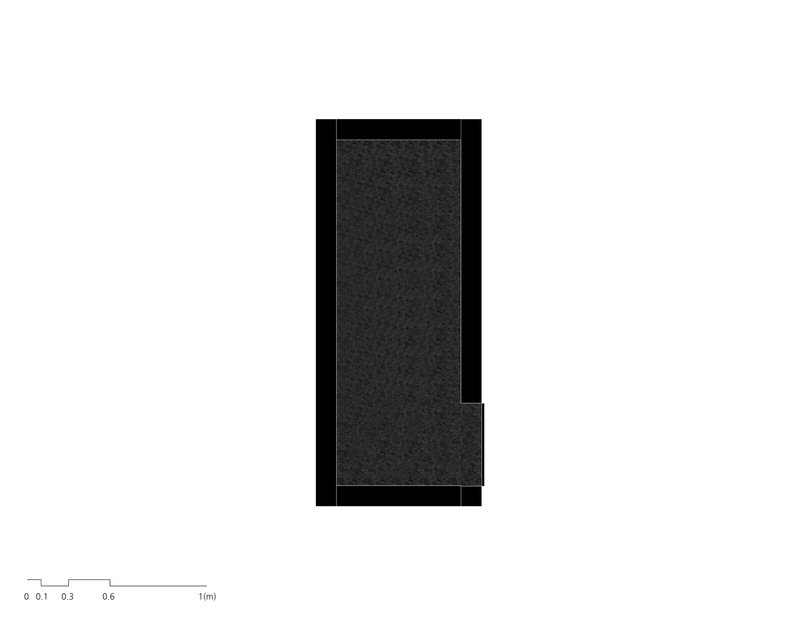
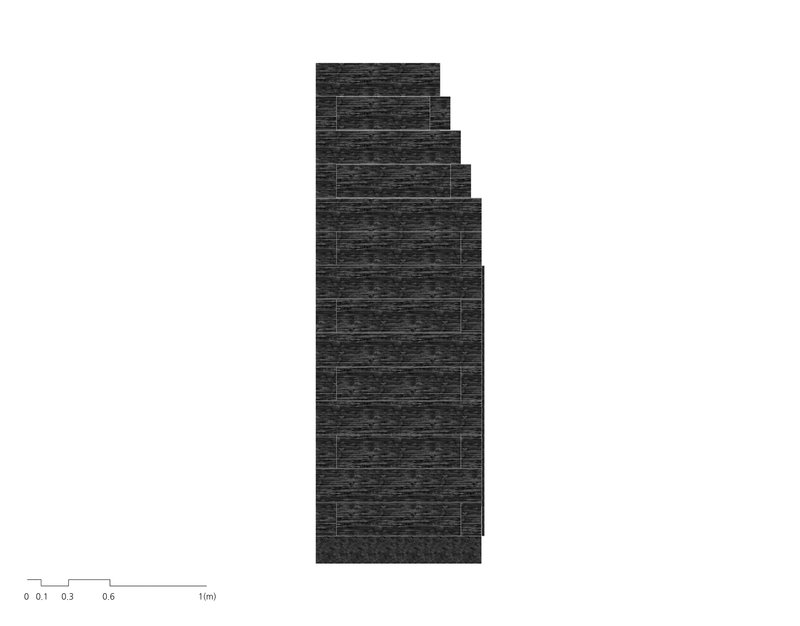
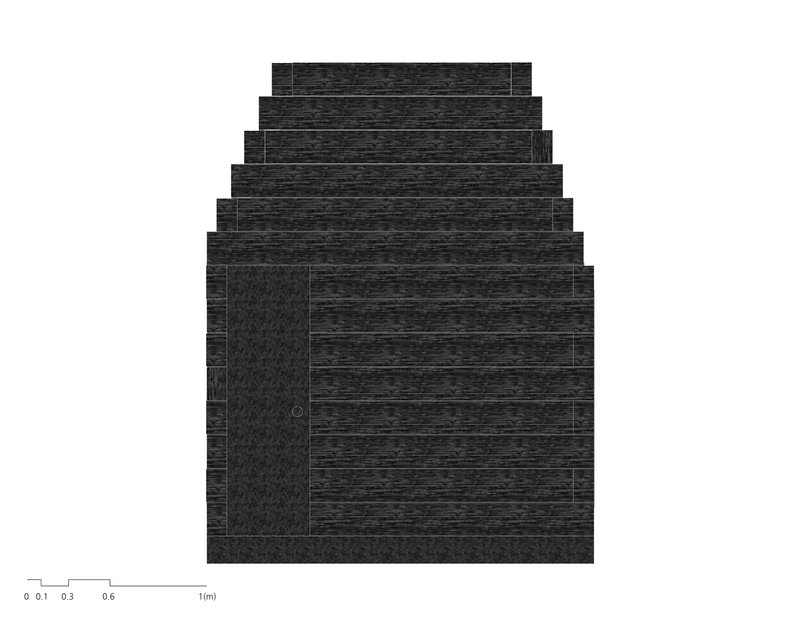
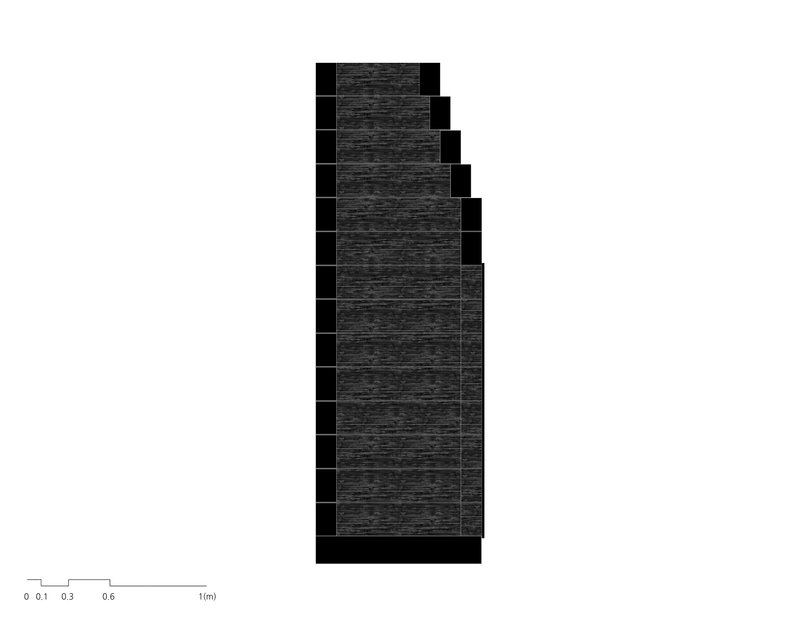
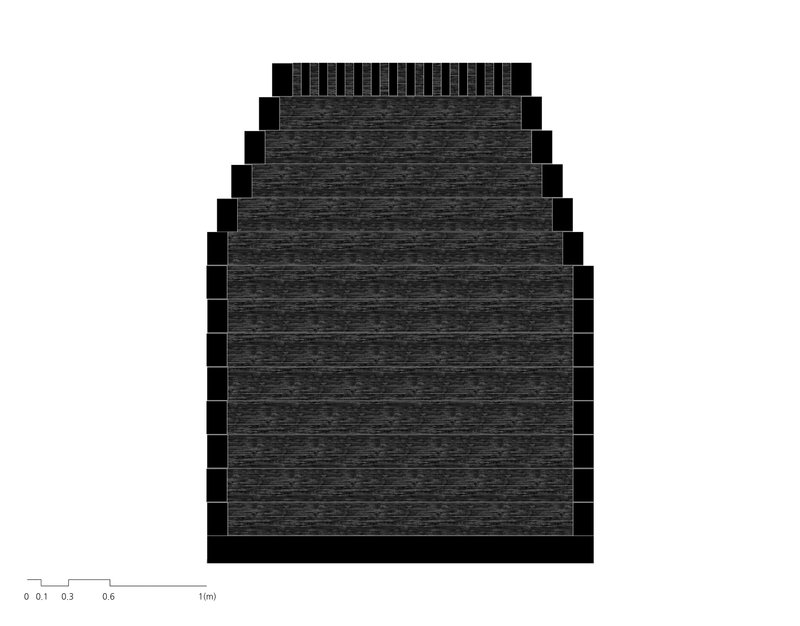
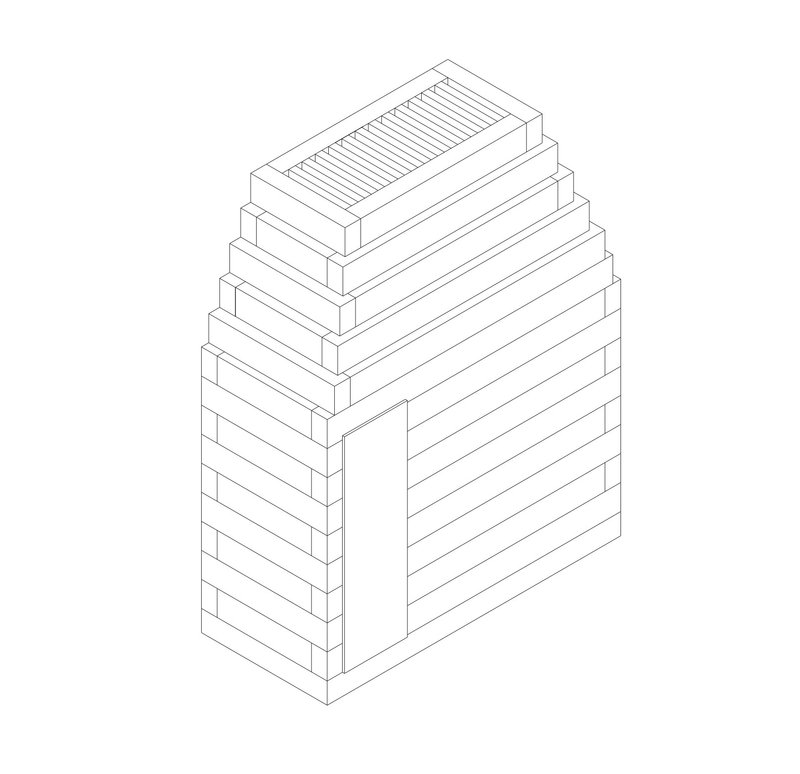
The drawings show how the folded geometry creates the interior volume. The site plan places the pavilion within its landscape context. The elevations and sections reveal how each opening is angled to catch a different arc of sky.
Why This Project Matters
Small projects are underrepresented in architecture media because they do not generate large fees, large construction photos, or large click counts. But they are often where the clearest thinking happens. When there is no budget to hide behind, every decision shows.
Light Pavilion is worth studying for anyone interested in what architecture can do at minimum scale. It is also worth studying for anyone designing on Jeju, or in any landscape where light and weather are the primary conditions. The building does not compete with its environment. It collaborates.
About the Studio
Share Your Own Work on uni.xyz
If you are working on pavilions, installations, or experimental architecture at small scale, uni.xyz is a place to publish your work and connect with a global community of designers.
Project credits: Light Pavilion by DRAWING WORKS. Jeju, South Korea. 10 m². Completed 2025. Lead architect: Youngbae Kim. Photographs: Joon Hwan Yoon.



Popular Articles
Popular articles from the community

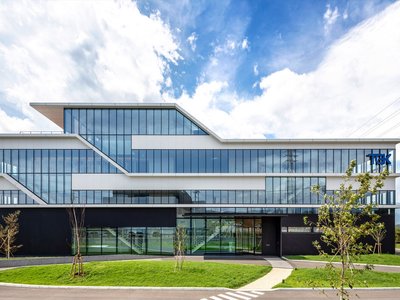
TGK Nirasaki Plant: A Smart Factory Blending Technology, Landscape, and Wellness
Smart factory in Japan blending IoT manufacturing, scenic trail design, natural ventilation, and landscape integration to enhance user experience and sustainability.

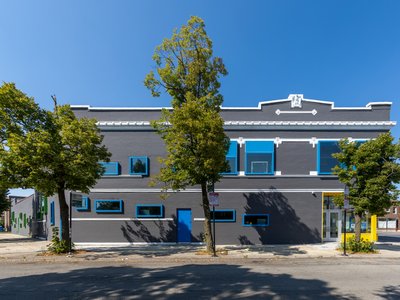
Gads Hill Early Learning Center by JGMA: Adaptive Reuse Shaping Community-Focused Educational Architecture
Adaptive reuse transforms fragmented structure into vibrant early learning center with playful façade, natural light, and community-focused sustainable design.
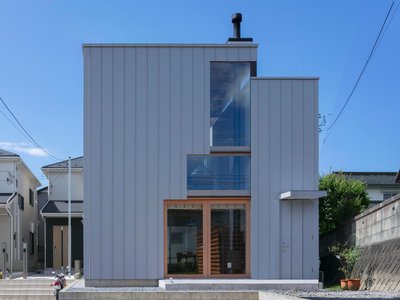
Split House: A Compact Urban Home Blending Privacy, Light, and Flexible Living in Japan
Compact Japanese home featuring DOMA space, flexible café potential, passive lighting, privacy zoning, and sustainable urban living design.

Similar Reads
You might also enjoy these articles
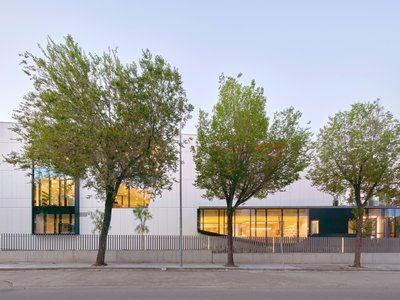
Magic Box Office Barcelona Innovative Sustainable Workplace Design
Innovative sustainable office design featuring triangular form, ceramic façade, flexible interiors, natural light optimization, and creative workspace for modern work culture.
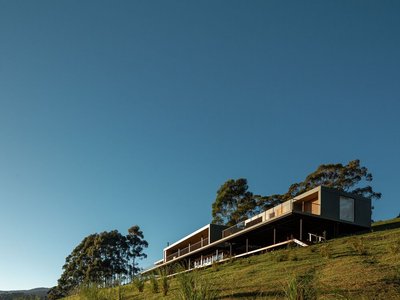
Mantiqueira House by SysHaus and M Magalhães Estúdio
A linear modular house embedded in Serra da Mantiqueira, integrating panoramic views, sustainable prefabrication, minimal terrain impact, and contemporary interiors.
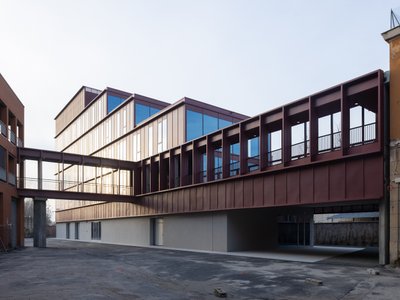
Guardia di Finanza Office Building by DEMOGO
Stepped institutional office in Bologna integrates terraces, red-toned facade, and linear staircase, reconnecting military complex with surrounding urban landscape.
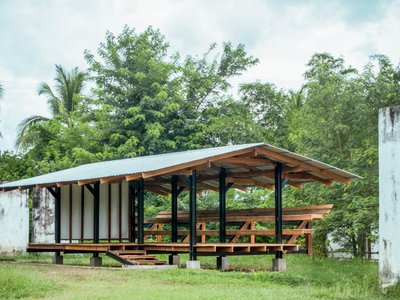
Tara Thiwakorn Pavilion: A Community-Built Learning Space Along the Mekong River
A community-built pavilion in rural Thailand, combining steel and local wood to create an open-air learning and gathering space.


Explore Architecture Competitions
Discover active competitions in this discipline




The International Standard for Design Portfolios


The Global Benchmark for Architecture Dissertation Awards


The Global Benchmark for Graduation Excellence


Challenge to design a portable theatre
Comments (0)
Please login or sign up to add comments
No comments yet. Be the first to comment!