
Long-form Article: Conditioning of The Harbor of Porto do Son By CREUSeCARRASCO Arquitectos + RVR Arquitectos
Transformation of Porto do Son Harbor into a vibrant public space, blending architecture, landscape, and community through sustainable coastal design.


Reclaiming Public Space Through Architectural Integration
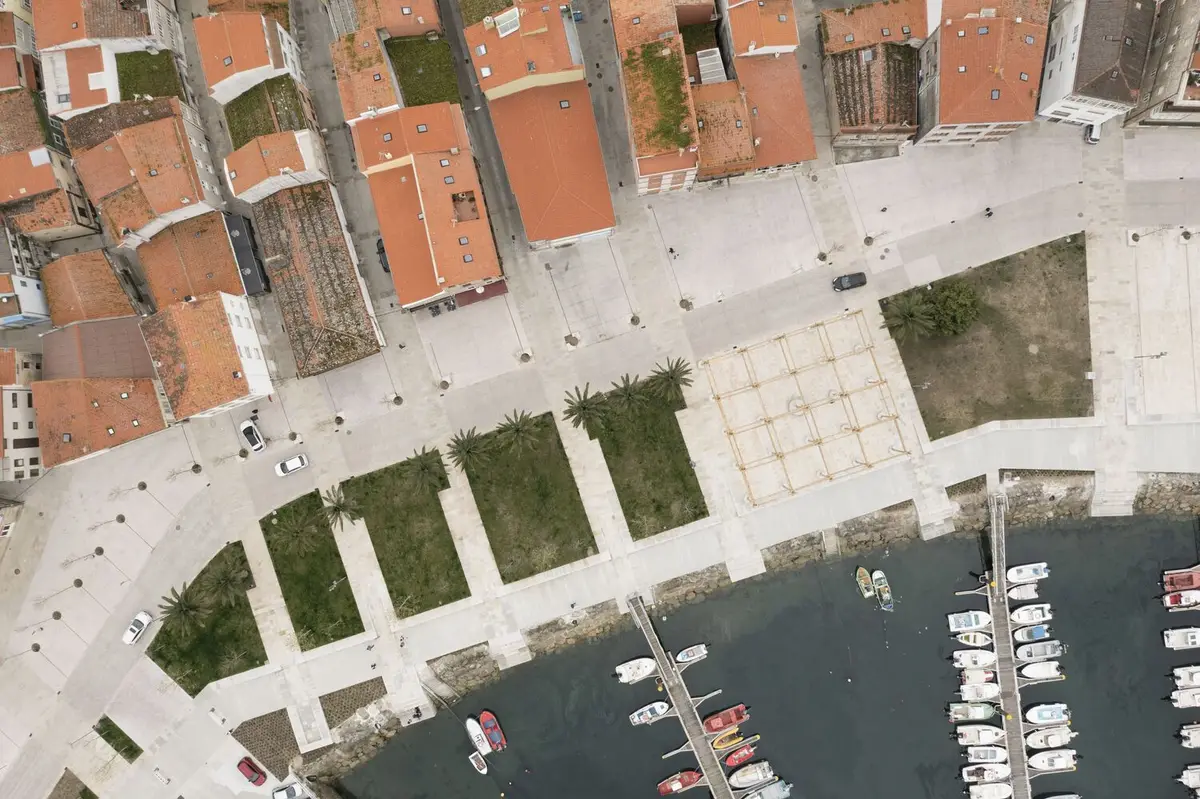
The Conditioning of the Harbor of Porto do Son by CREUSeCARRASCO Arquitectos and RVR Arquitectos is a transformative urban renewal project that reimagines a once-congested harbor into a vibrant, multifunctional public space. This ambitious project addresses pressing issues at the intersection of urban design, maritime infrastructure, and civic usability—creating a seamless dialogue between the town and its coastal heritage.
A Response to Conflict and Congestion
Previously overwhelmed by vehicular traffic, unmanaged parking, and commercial expansion, the harbor's spatial quality had deteriorated despite its rich coastal identity. The redesign strategically reorganizes circulation, segregating port access from pedestrian zones, and introduces green and paved communal areas that re-establish the historic connection between the town center and the waterfront.
Architectural Strategies and Materials
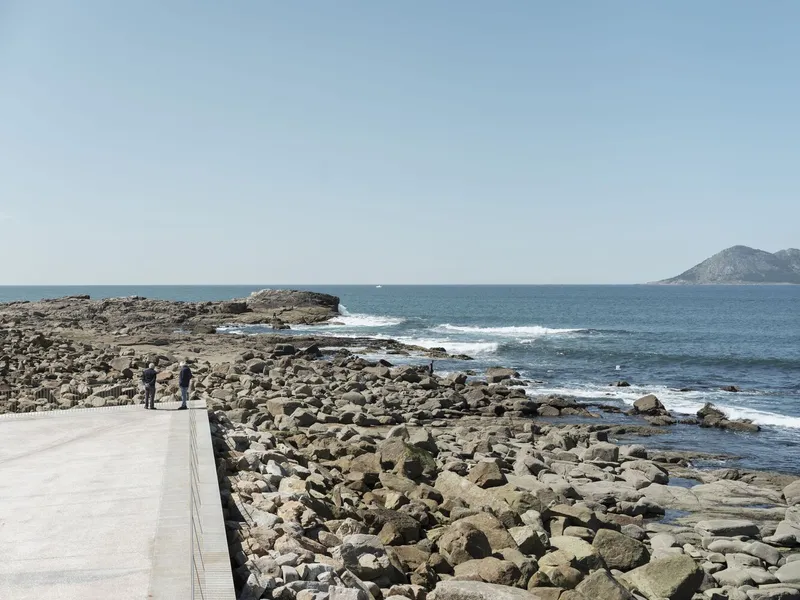
A key feature is the recovery of "O Cruceiro", a historic monument that now serves as a welcoming entry point. A prefabricated walkway integrates with a retaining wall, improving connectivity without disrupting the site's topography.
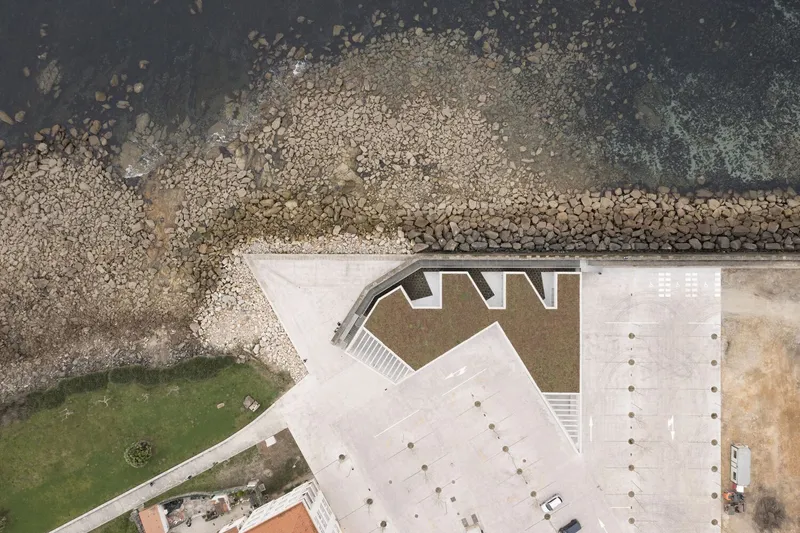
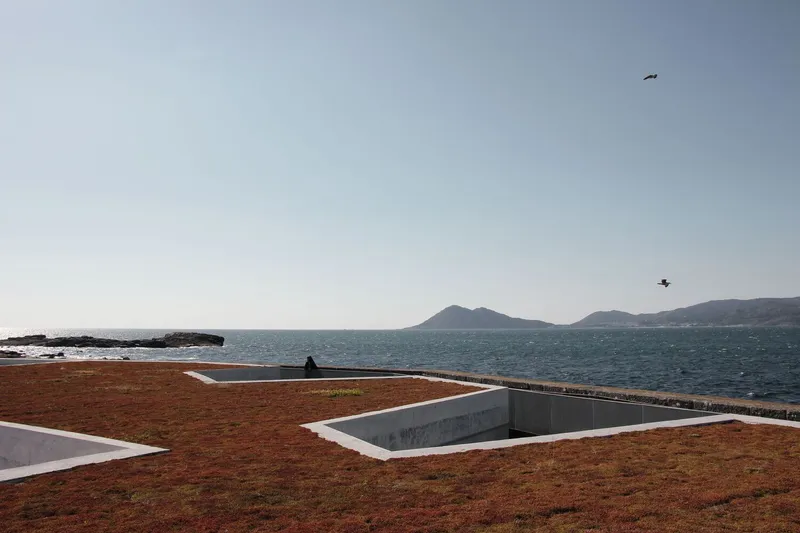
The design uses raw concrete, local stone, and compacted earth to extend the town’s texture and architectural language to the sea. This natural material palette strengthens the relationship between the built environment and landscape, enhancing user experience and environmental harmony.
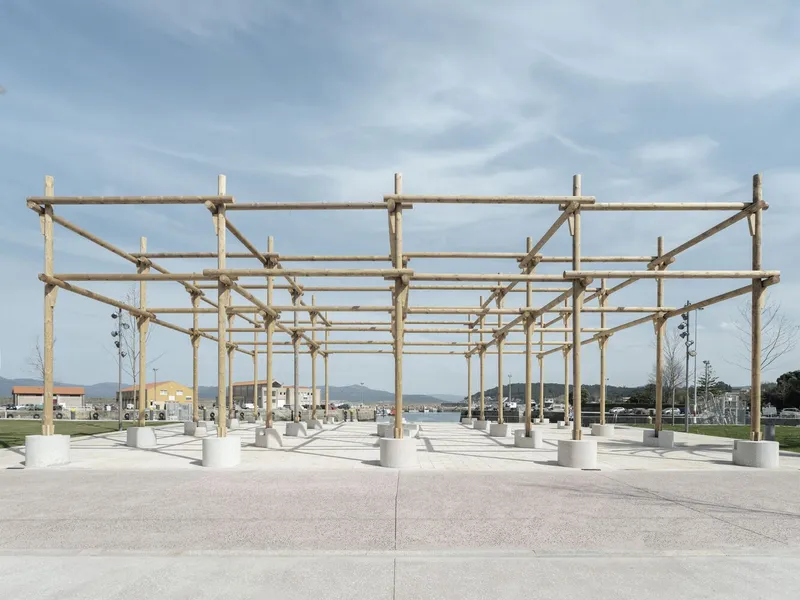
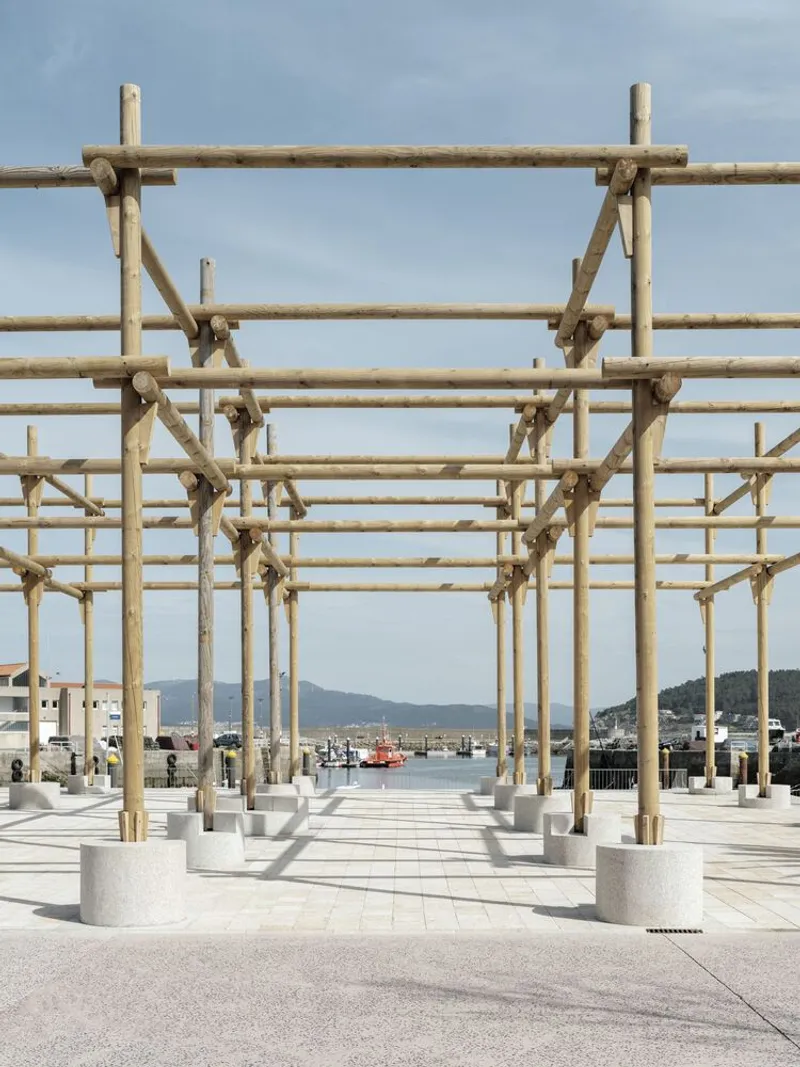
Near the market, a striking wooden structure of beams and posts evokes traditional net drying racks, repurposed for cinema screenings, exhibitions, concerts, and market extensions—blending cultural memory with functional innovation.
Versatile Open Spaces for the Community
The harbor now features two large open areas dedicated to festivals and public events: one paved with stone and another covered with earth and shaded by trees. These flexible spaces allow for spontaneous interaction and planned gatherings, enriching the town’s civic and cultural life.
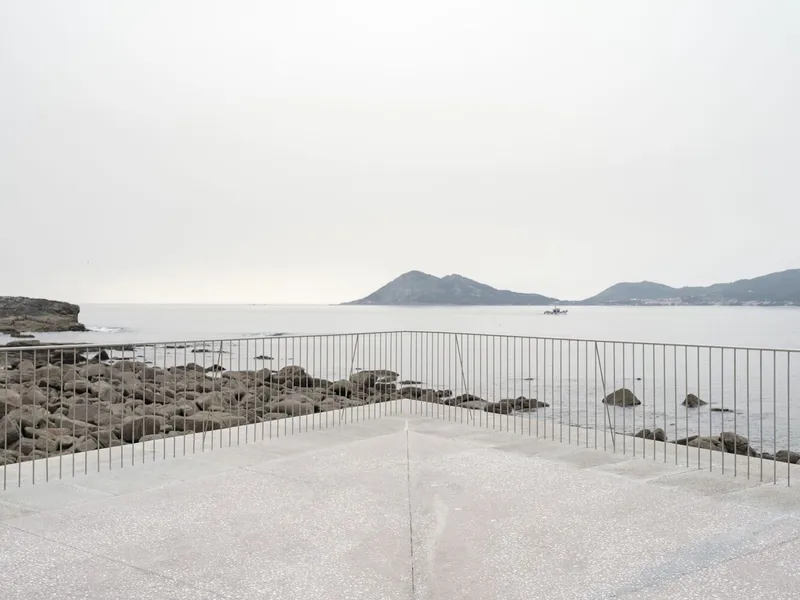
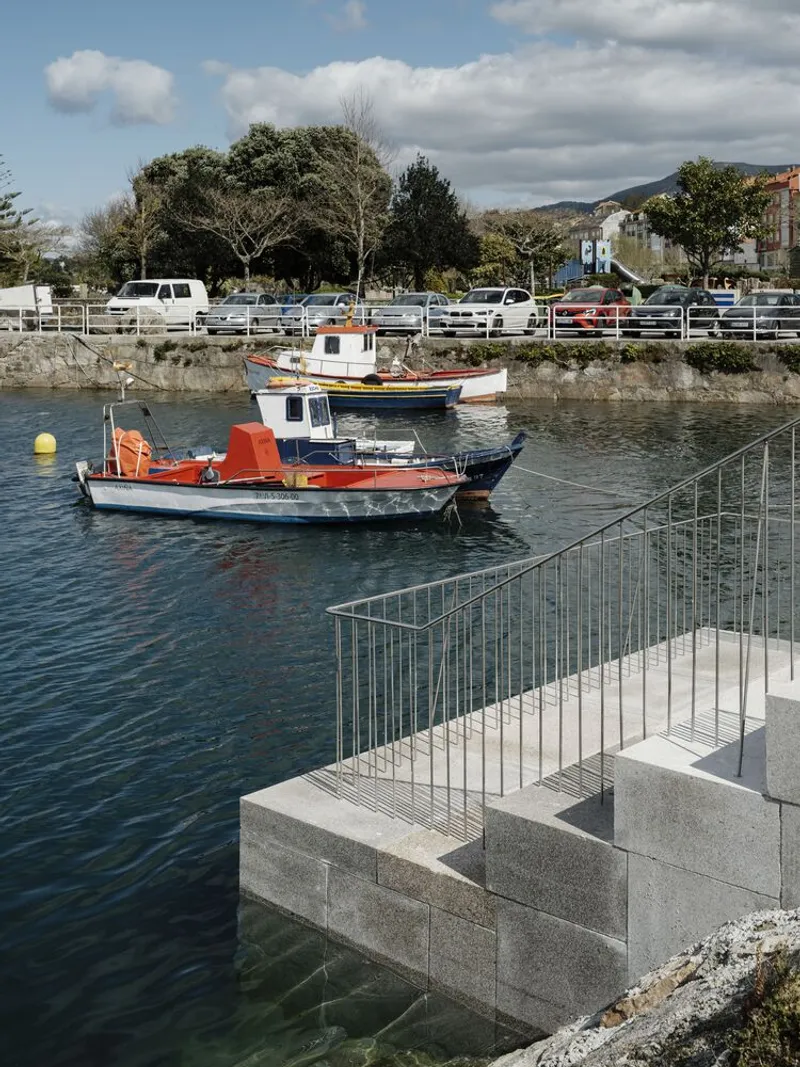
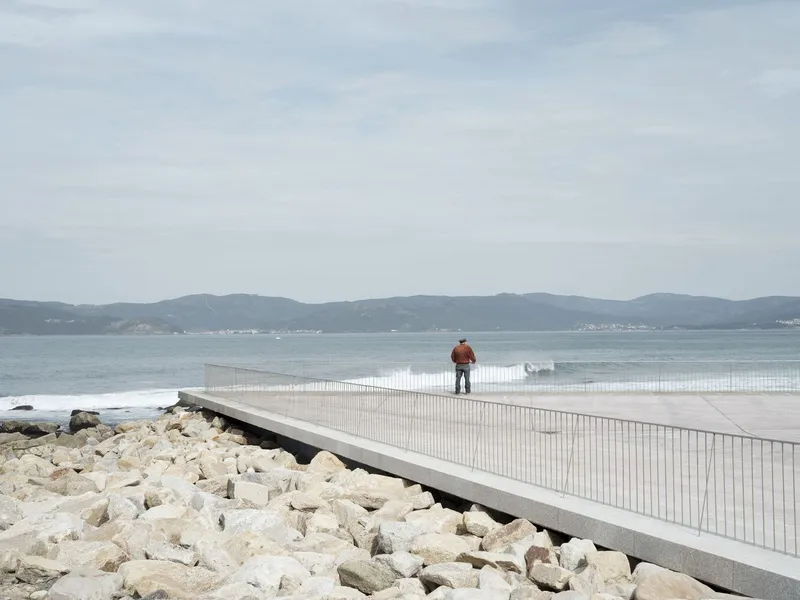
The seafront promenade has been extended and now includes pontoon access and organized parking, culminating in the construction of a new Nautical Club building. This new structure utilizes the harbor wall’s geometry, concluding the promenade with a scenic viewpoint toward Monte Louro and the Muros-Noia estuary.
Conclusion: Architecture as a Bridge Between Land and Sea
The Porto do Son Harbor conditioning project exemplifies how sensitive urban planning and context-driven architecture can resolve spatial conflicts while enhancing community interaction and ecological integration. Through deliberate materiality, historic preservation, and public engagement, the project redefines this harbor not just as an infrastructure node but as a shared, living space.
All the photographs are works of Luis Díaz Díaz


Popular Articles
Popular articles from the community


Co-life: Sustainable Architecture for Age-Friendly Community Living
Co-life reimagines sustainable architecture for seniors through courtyards, rammed earth, shared gardens, and spaces designed for belonging.

ALGAL REALM: A Bio-Integrated Lunar Habitat Design for Life Beyond Earth
ALGAL REALM reimagines lunar habitat design with algae-powered life support, 3D-printed regolith, and vertical living for a lunar future.

Little Red Riding Hood: Architectural Design as a Journey Through Fear, Light, and Storytelling
Little Red Riding Hood reimagines the fairy tale through architectural design shaped by fear, light, scale, memory, uncertainty, and choice.

Co-Life: Senior Housing Design That Reconnects Older Adults With the City
Co-Life reimagines senior housing design through healing gardens, shared streets, workshops, and a sustainable community across generations.

Similar Reads
You might also enjoy these articles


Hodi-Mandai Geram
Project Function: Preservation and revitalization of the Intangible heritage and socio-spatial identity of the Hodi by Housing, Cultural Memory Center, Sacred Grove, landscape, local tourism economy


Olio Towers: A Mid-Rise for Performers That Fuses Housing, Rehearsal, and Stage
Located blocks from Houston's Theater District, this modular tower stacks living units around a central performance atrium.

Oasis: Modular Green Housing Carved into Dhaka's Urban Fabric
A shortlisted Plugin Housing entry reclaims unauthorized settlements in Dhaka with stepped concrete volumes, green roofs, and ventilation-driven design.

Black Hole: A Floating Megastructure for the Post-Physical Era
Emiliano Mazzarotto envisions a spherical, self-scaling arena where e-sports, digital hotels, and holographic stadiums replace traditional public space.

Explore Ocean Architecture Competitions
Discover active competitions in this discipline

Challenge to design locus for the upliftment of human rights

Challenge to reimagine the Iron Throne

Photograph architecture without architects

Illustrate the lost glory of Angkor Wat - Render Challenge
Comments (0)
Please login or sign up to add comments
No comments yet. Be the first to comment!