

Low-Carbon Urban Housing Architecture: Pradrier 15 by Mobile Architectural Office in Paris
A sustainable housing project in Paris using stone, timber, and hemp concrete to redefine low-carbon urban living and design.


A Contextual Response to Urban Density and Sustainability
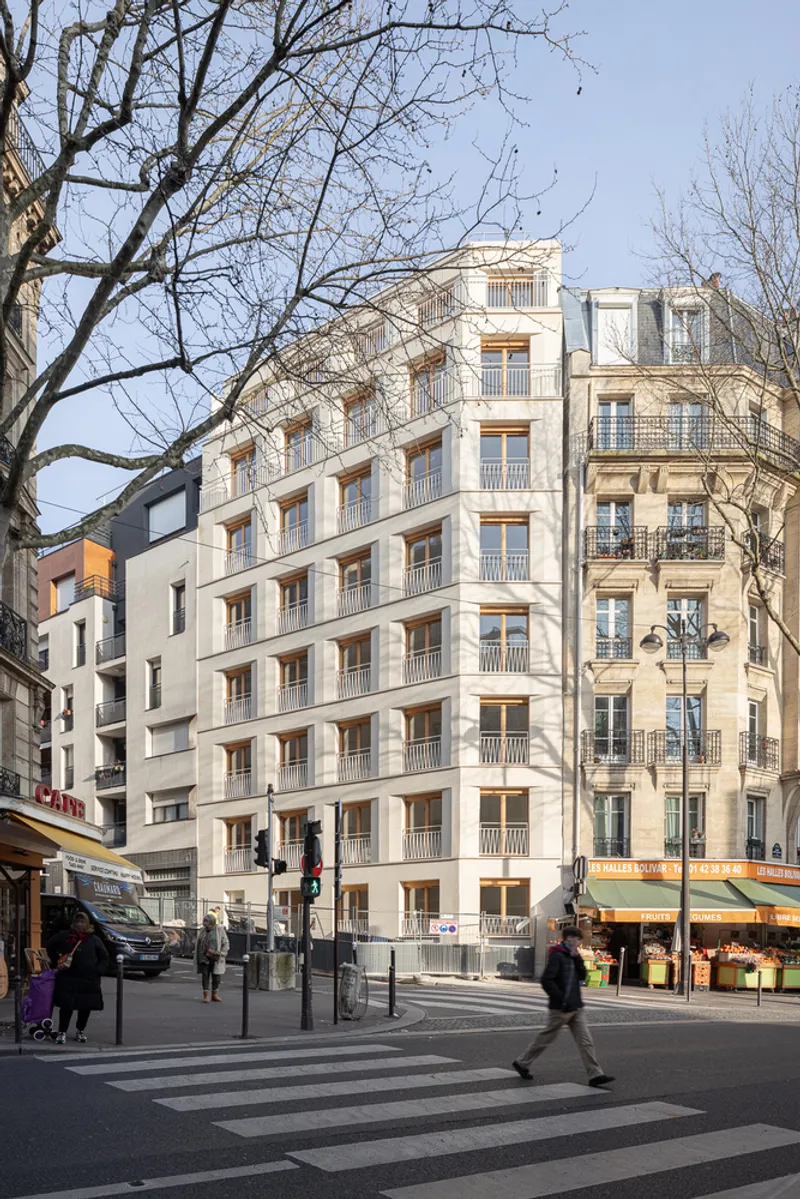
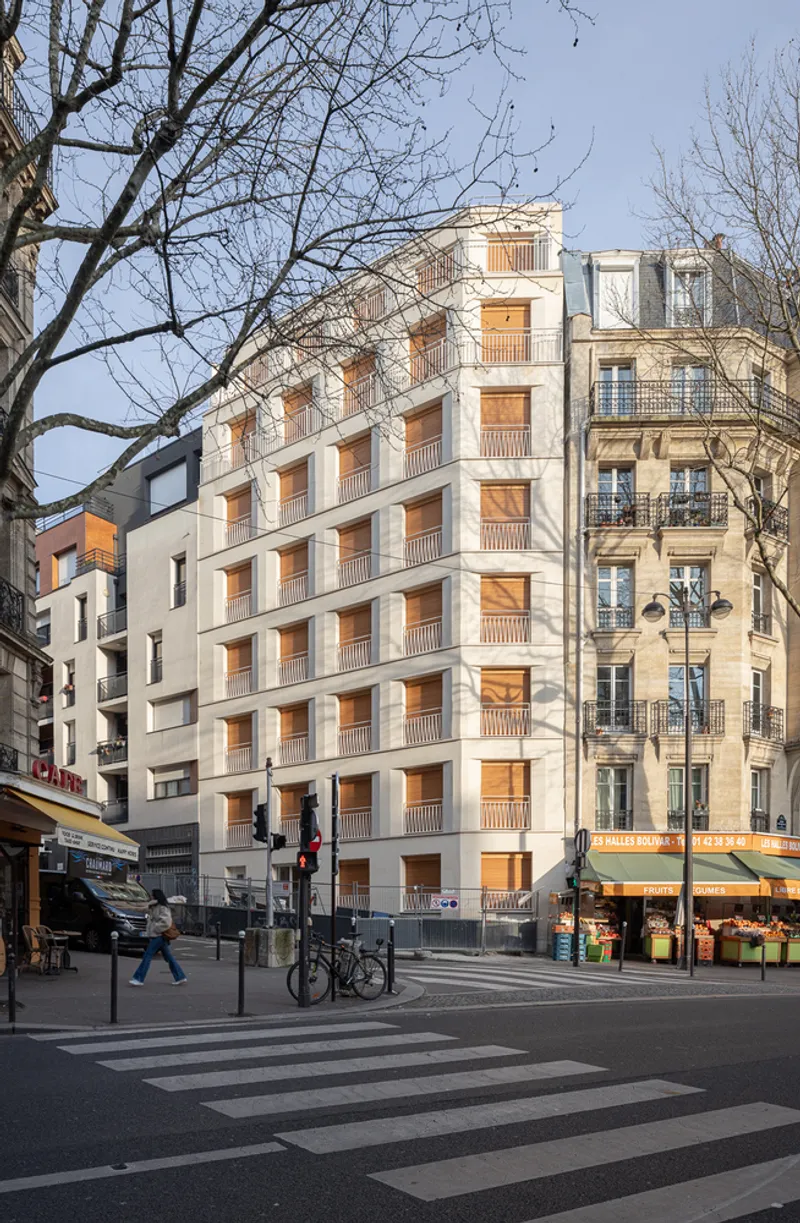
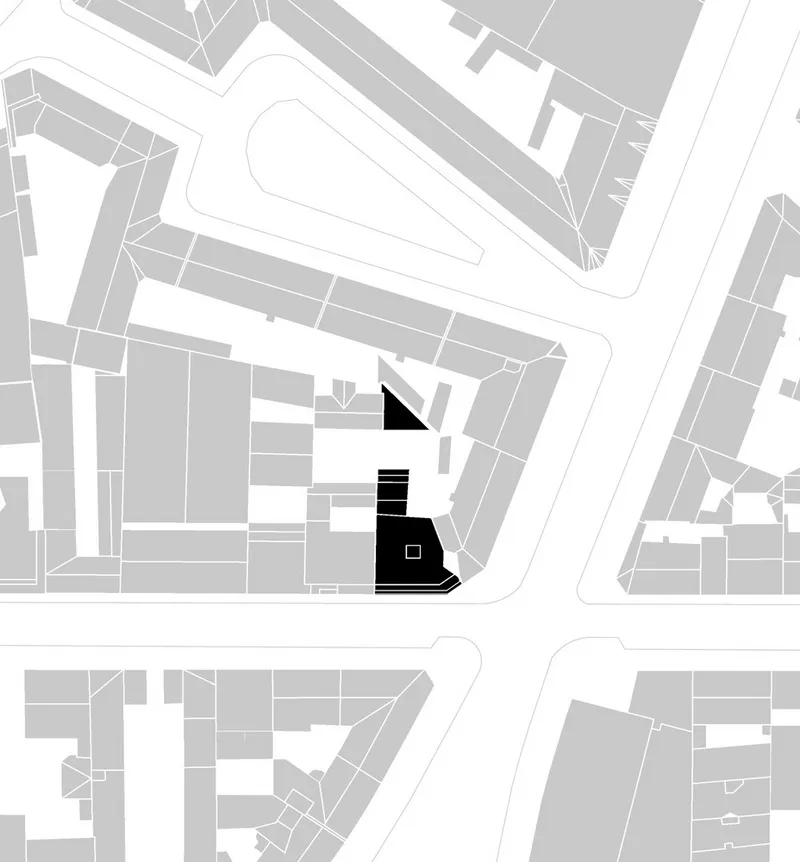
In the heart of Paris, Pradrier 15 Housing Units by Mobile Architectural Office demonstrates the future of low-carbon urban housing architecture, redefining how contemporary buildings can balance material sustainability, contextual aesthetics, and livability. Located at a key intersection between Boulevard de la Villette and Rue Pradier, the project seeks not only to fill a physical gap in the Haussmannian streetscape but also to repair the urban fabric through mindful, ecologically driven design.
Extending Haussmannian Rhythm with a Contemporary Voice
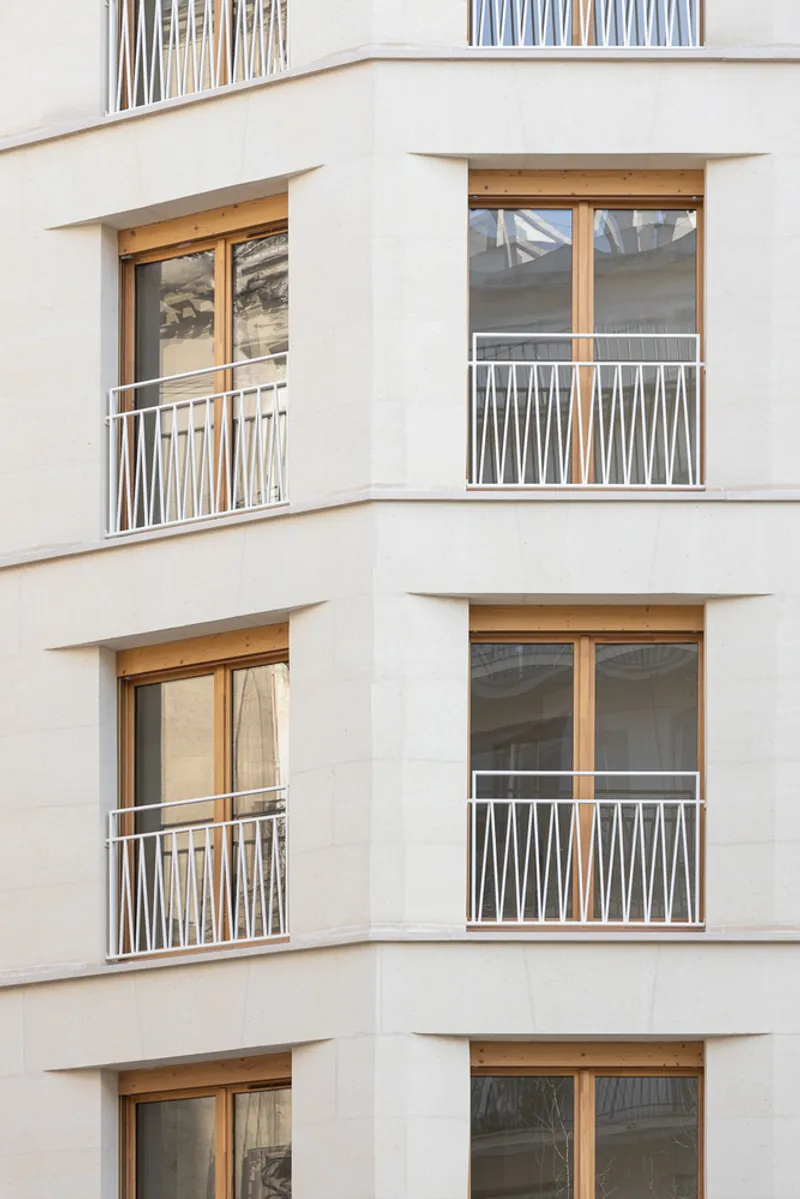
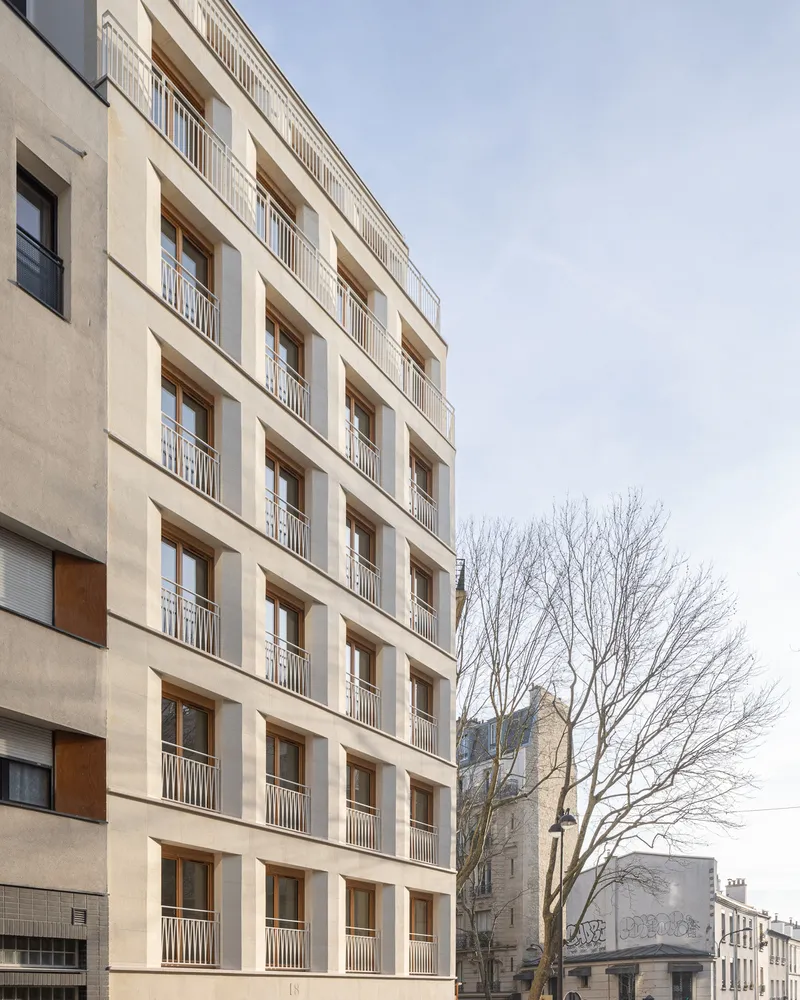
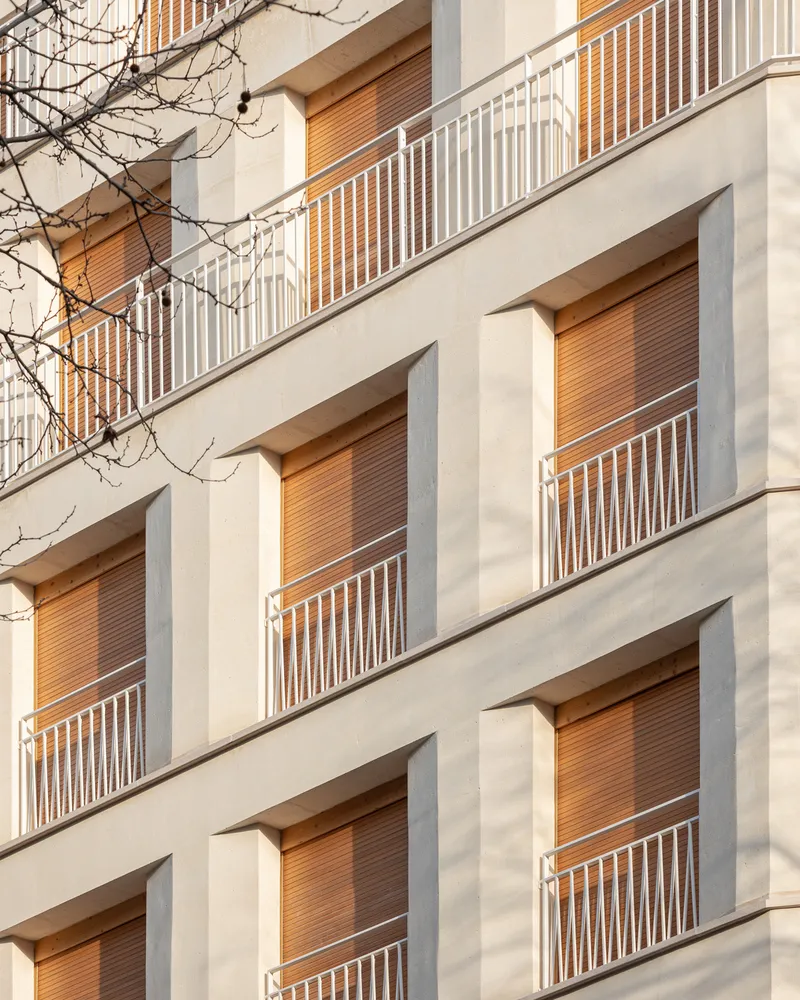
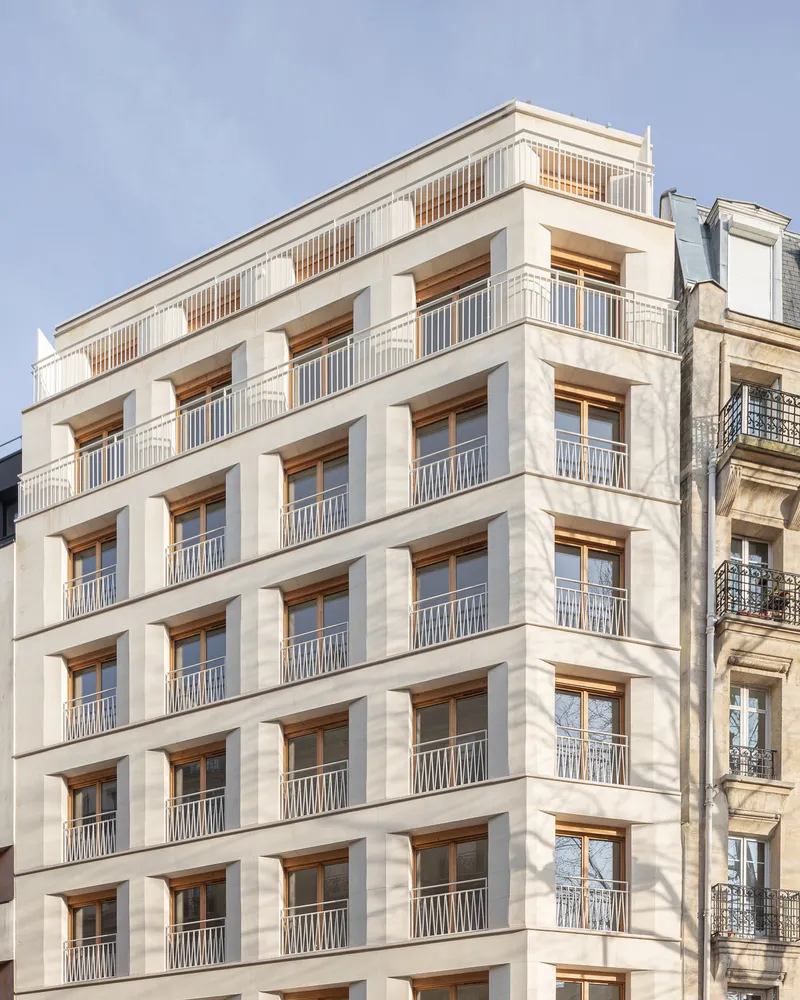
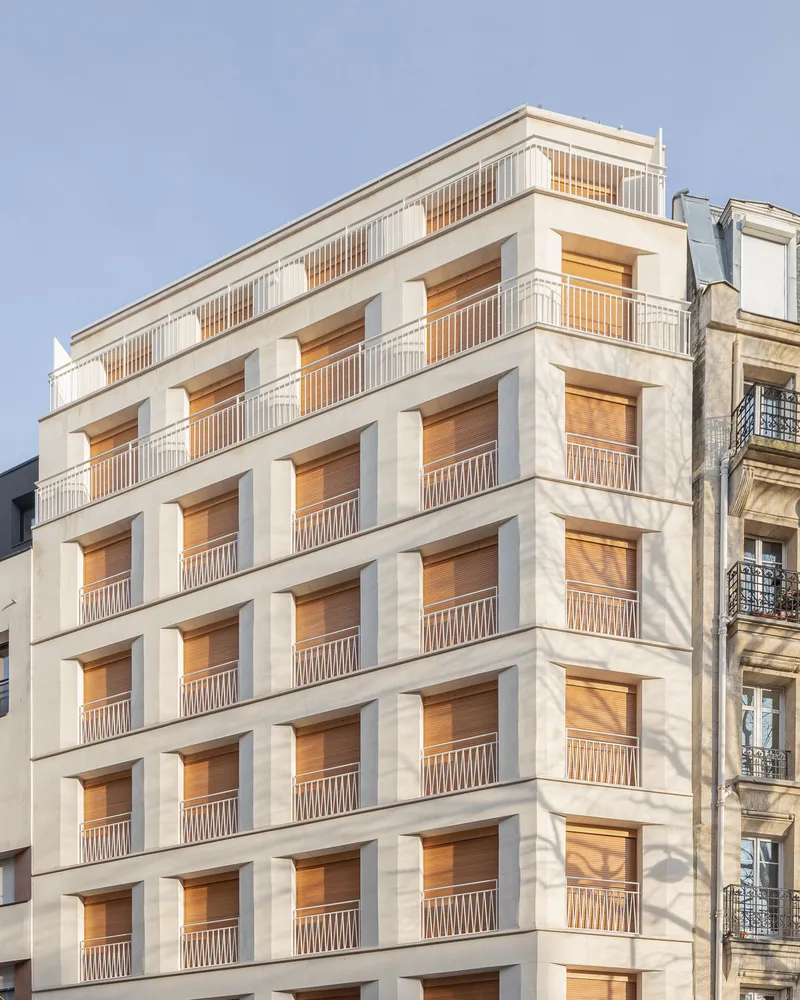
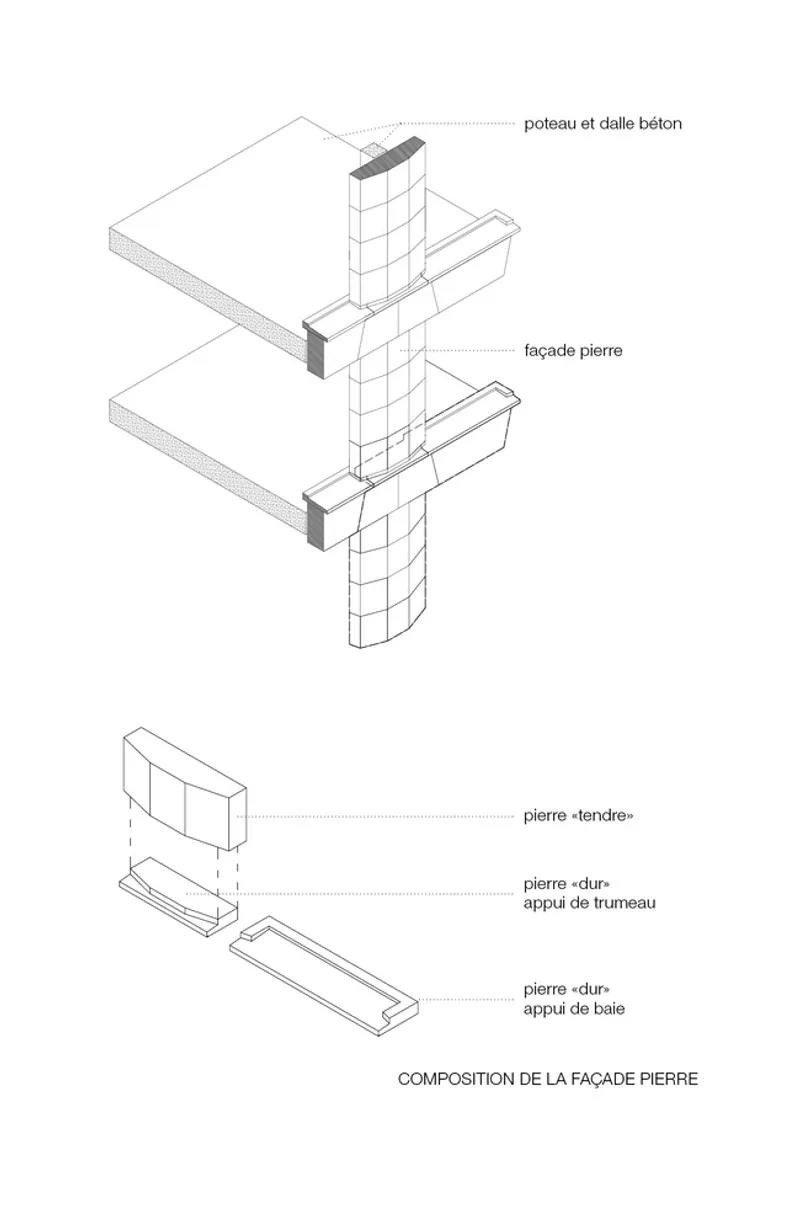
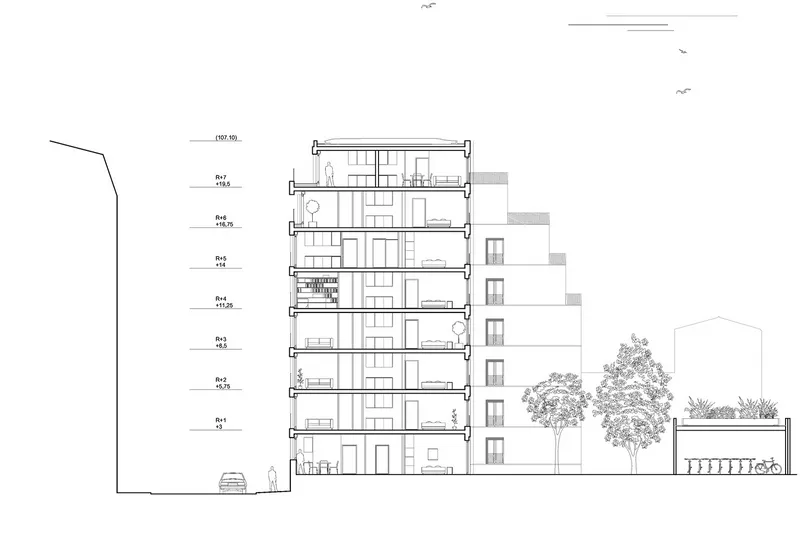
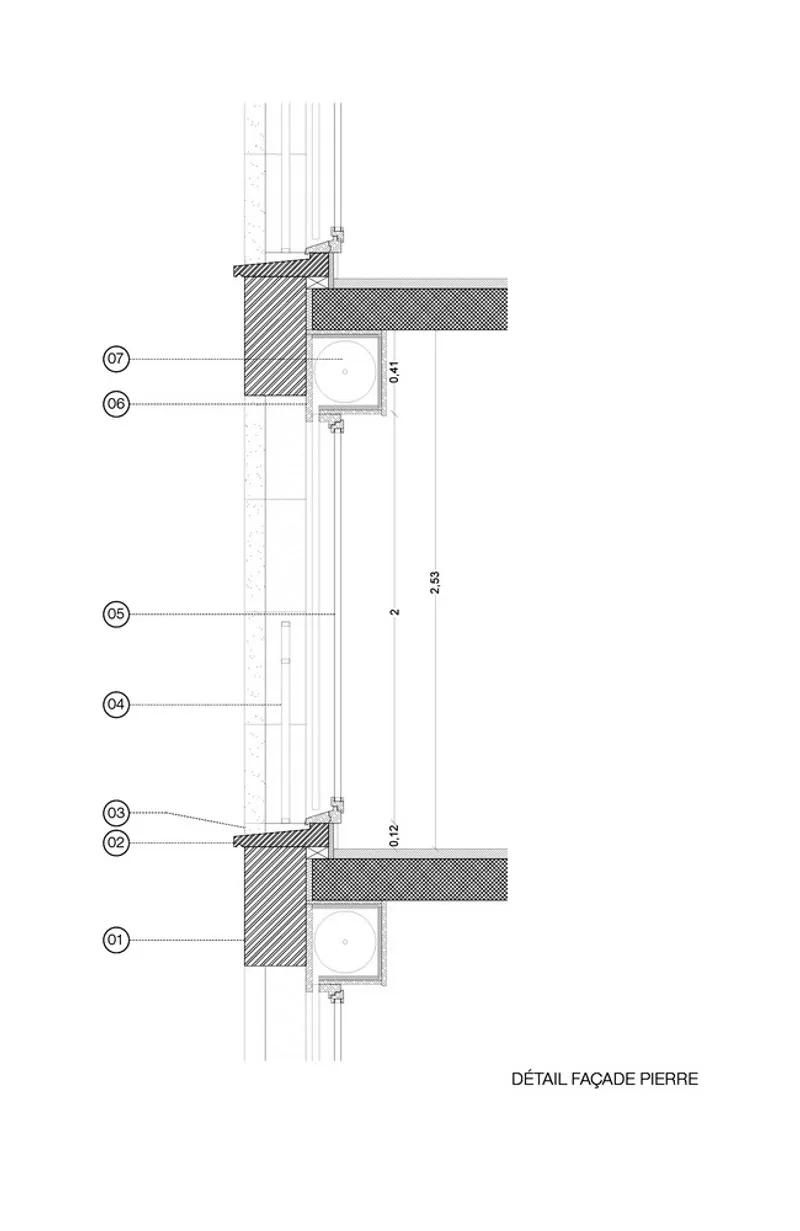
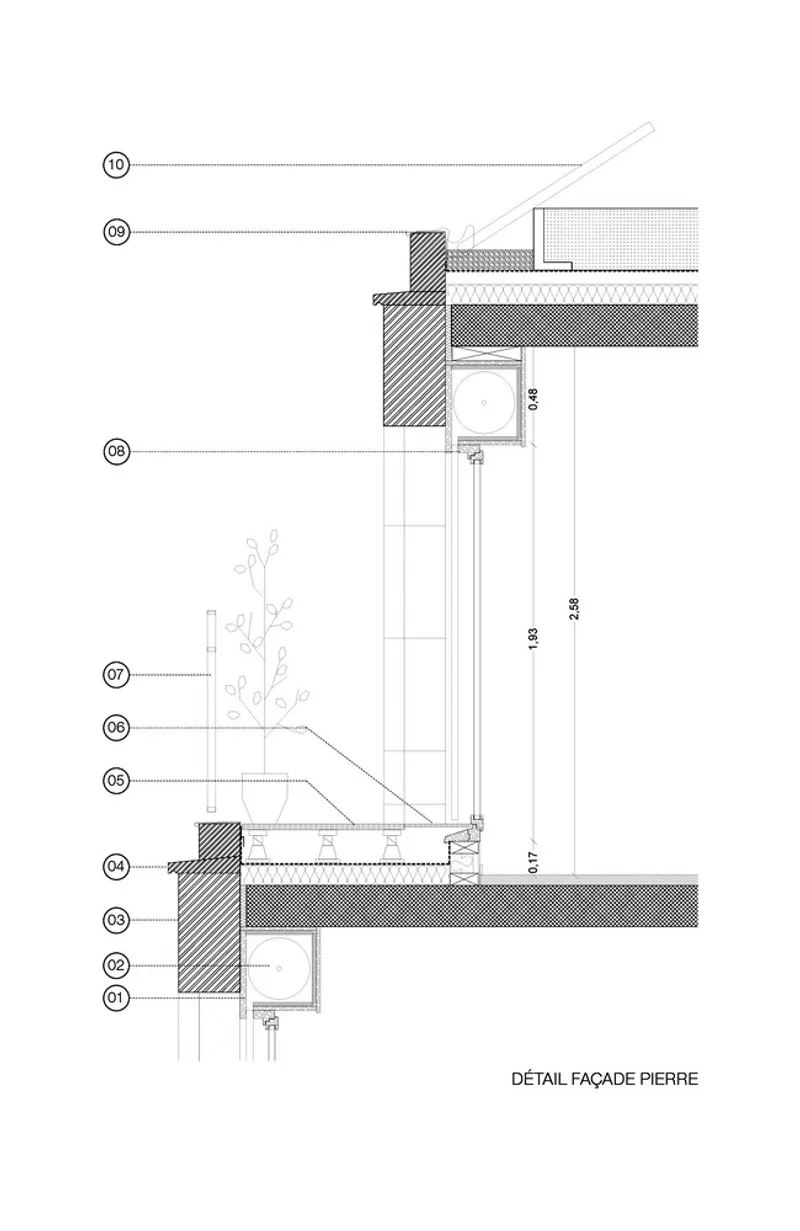
The building’s facade aligns itself with the urban rhythm of its Parisian surroundings, softly continuing the architectural language of the adjacent Haussmannian corner block. From the Parc des Buttes-Chaumont, it becomes a visible urban landmark—assertive yet sensitive in its scale and articulation. The street-facing facade is clad in cut Noyant stone, extracted from the Paris Basin, referencing local building traditions while forming part of a broader sustainable material strategy.
Natural Materials for a Breathable Building Envelope
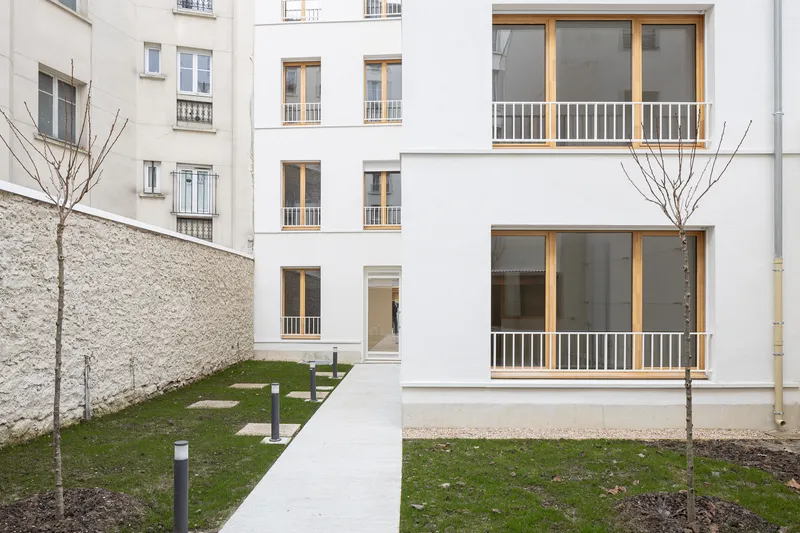
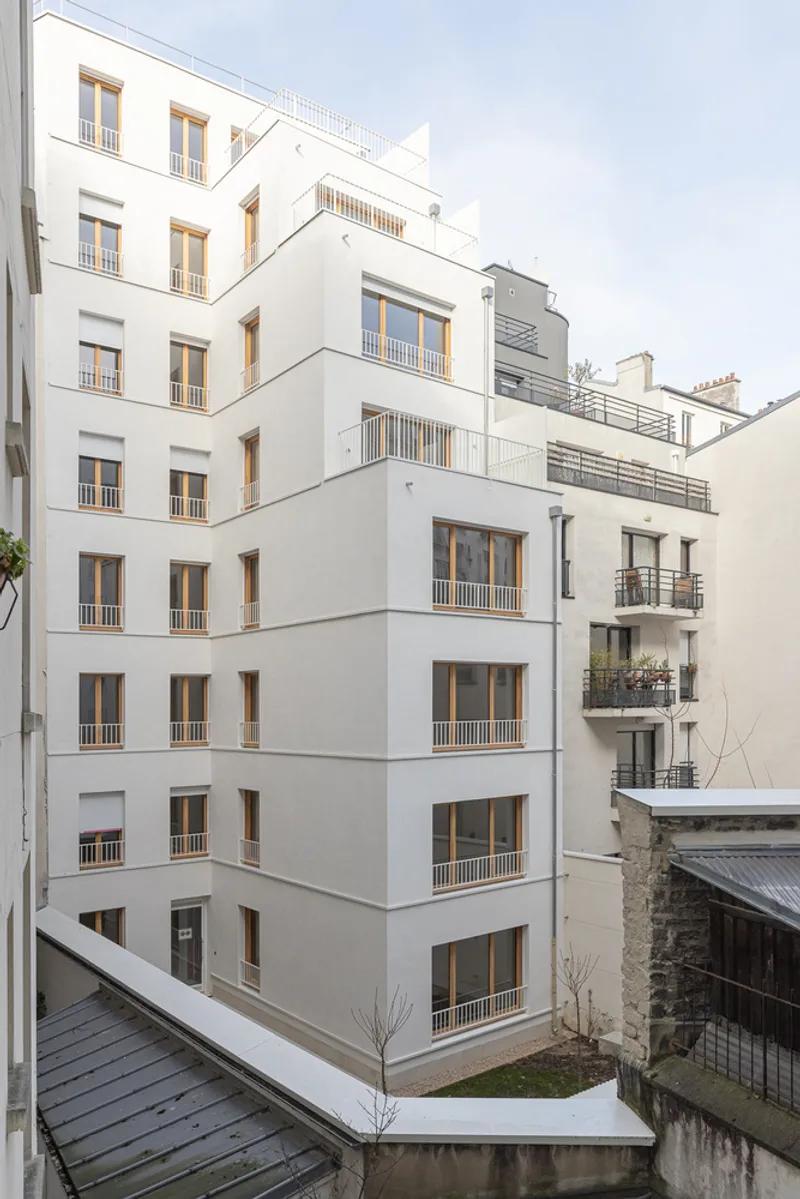
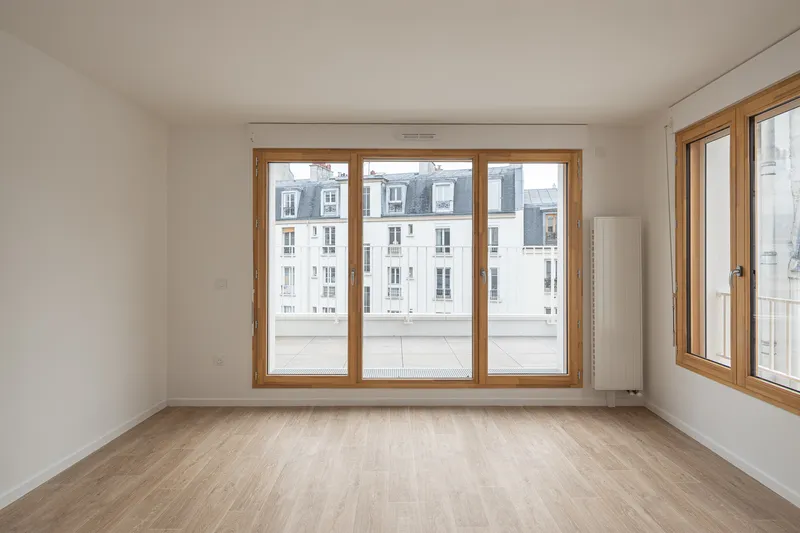
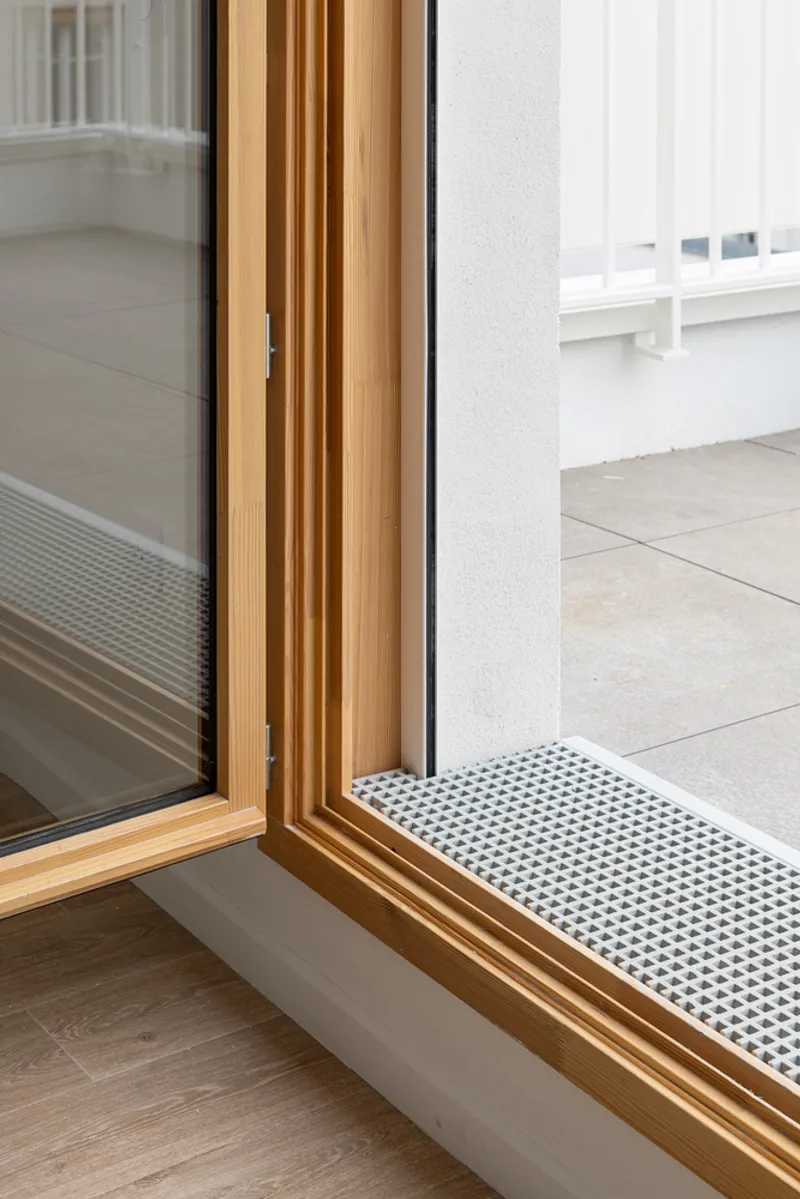
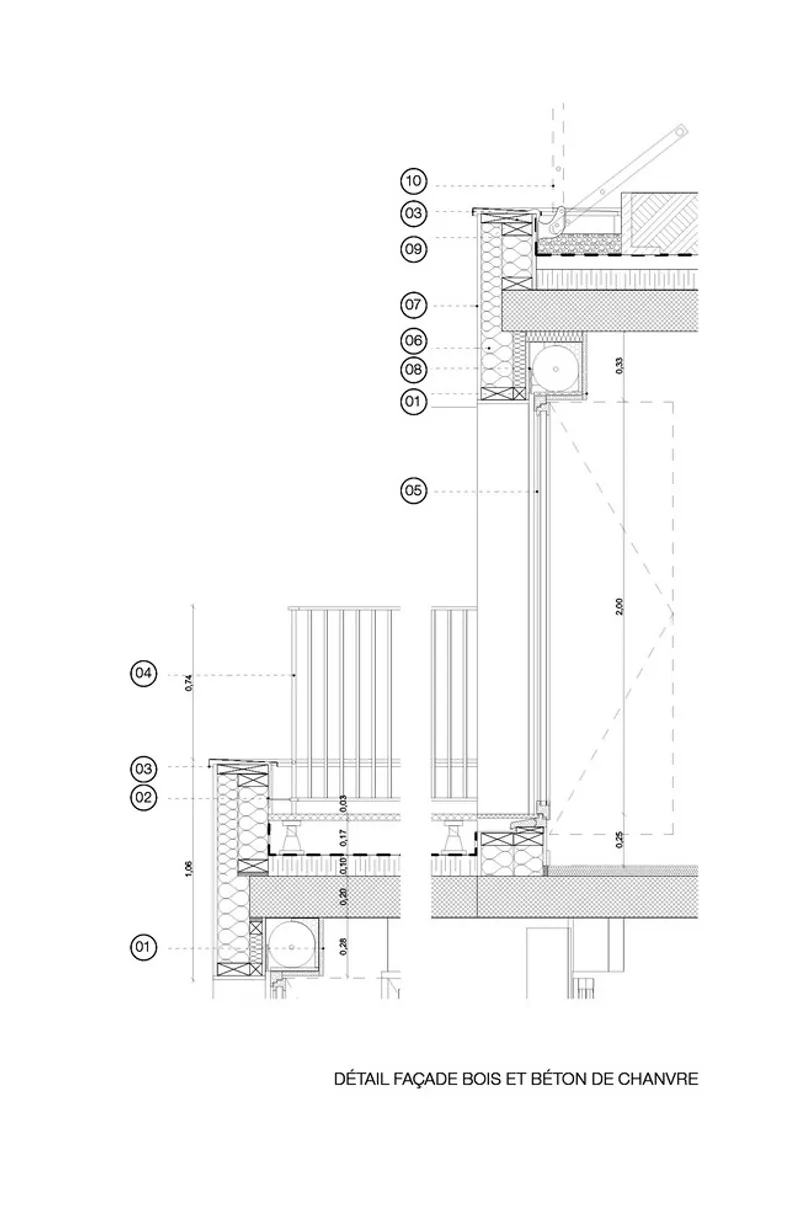
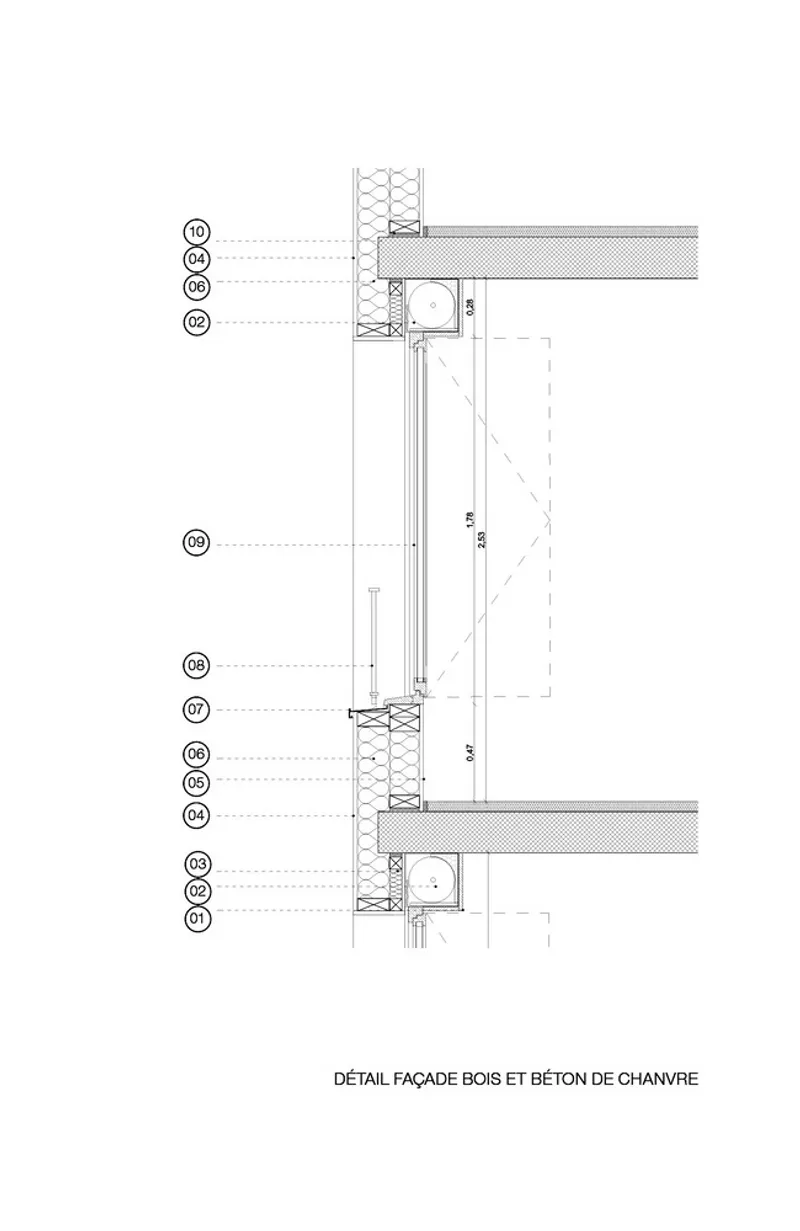
The project champions a bioclimatic approach through a hybrid structure combining stone, timber, and hemp concrete. These materials go beyond aesthetics, creating a breathable envelope that regulates interior climate naturally. The solid stone facade on the street side is juxtaposed with a lime-rendered garden-facing elevation, paired with hemp concrete insulation to improve thermal comfort and permeability. This envelope breathes—allowing vapor to escape while moderating heat transfer, reducing energy demands, and enhancing occupant well-being.
Harmonizing Historic Techniques with Modern Prefabrication
This blend of historic and contemporary construction techniques enables a low-carbon footprint. The Noyant stone, shaped with cornices and angled joints, adds depth and character to the facade, while timber frames and hemp concrete reinterpret vernacular craftsmanship. Prefabricated timber panels and stone elements minimized on-site construction noise and waste, crucial given the compact urban site. Concrete use was intentionally reduced, applied only in the slabs and columns to provide acoustic insulation and structural efficiency without compromising on sustainability goals.
Light, Air, and Green Space in a Dense Urban Block
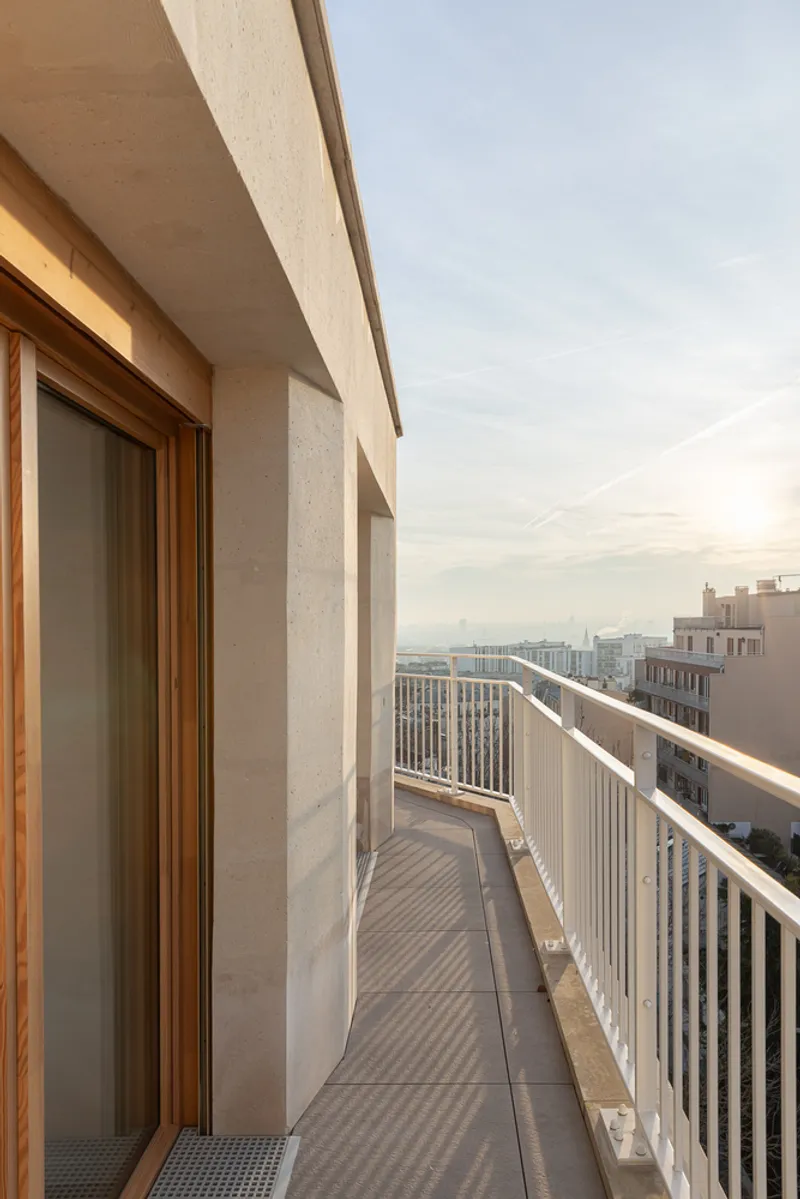
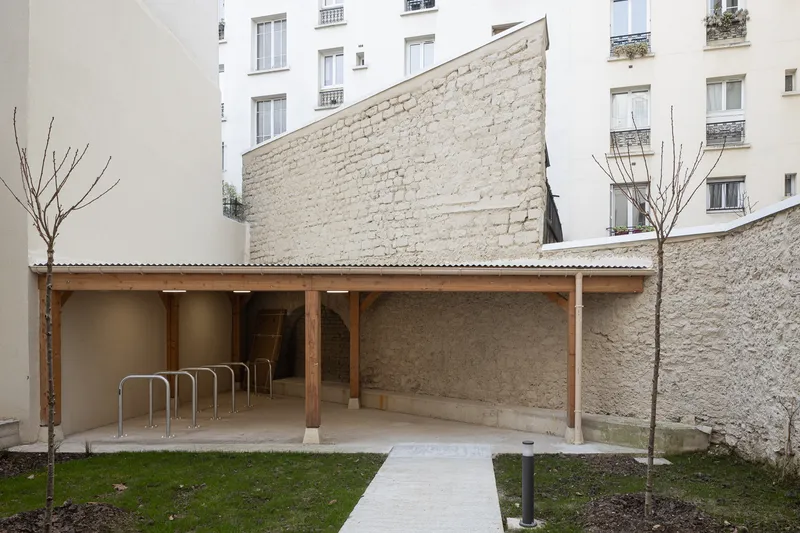
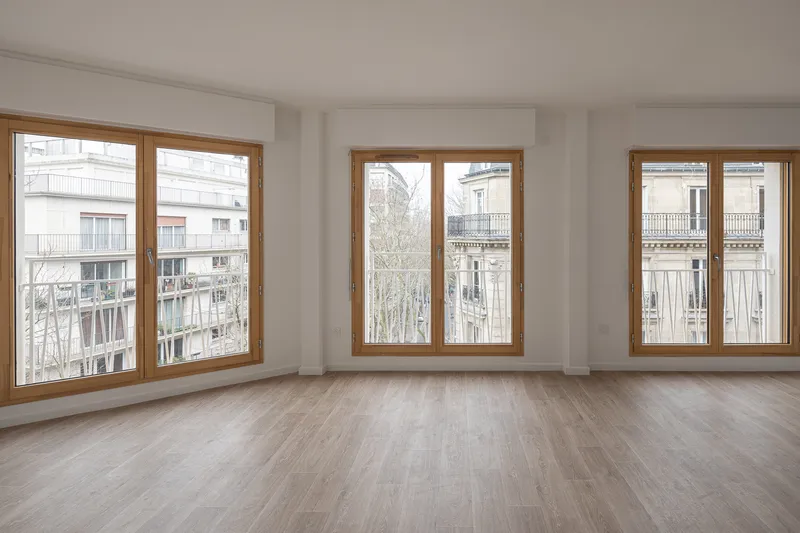
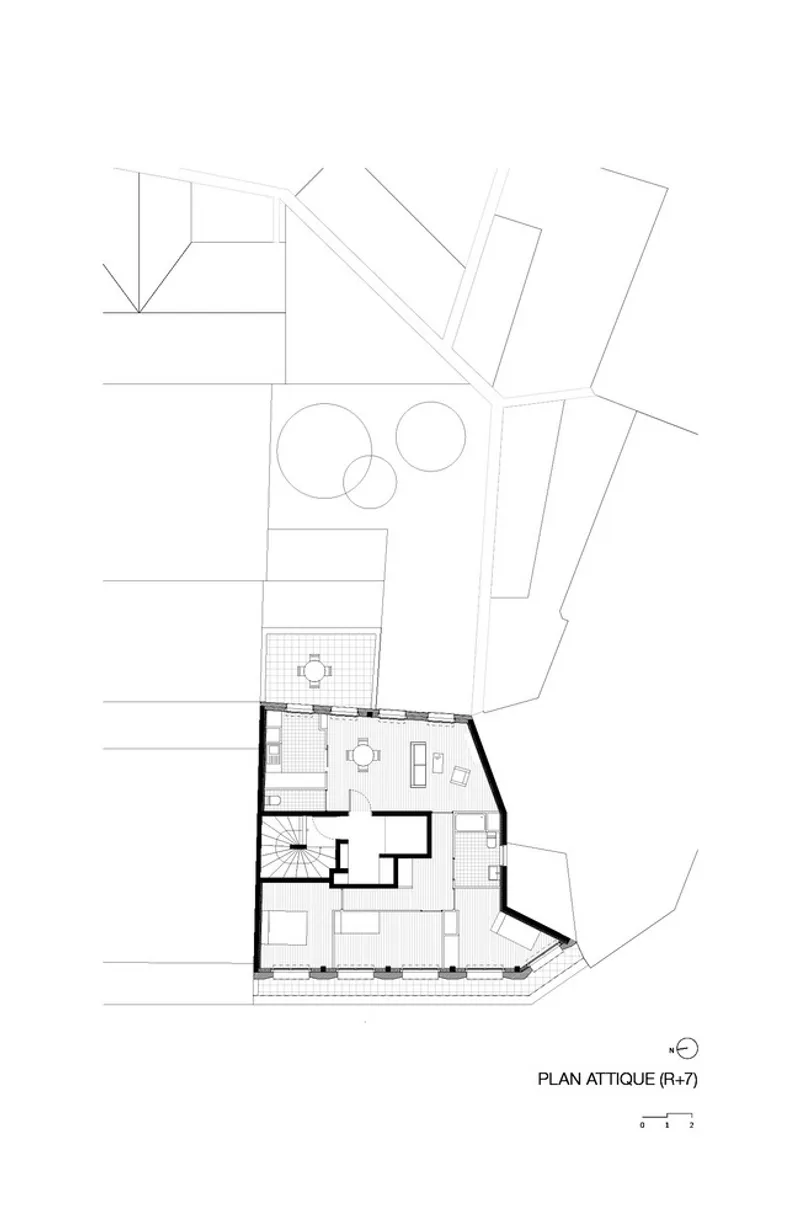
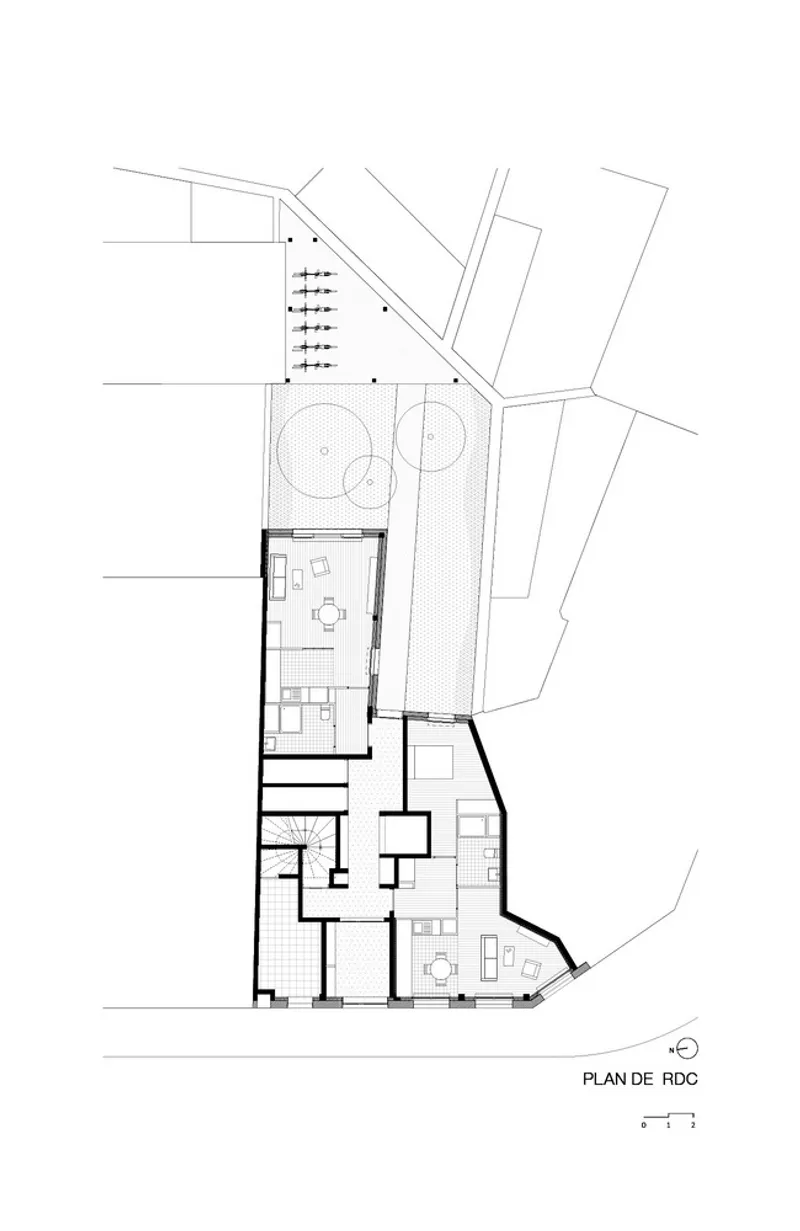
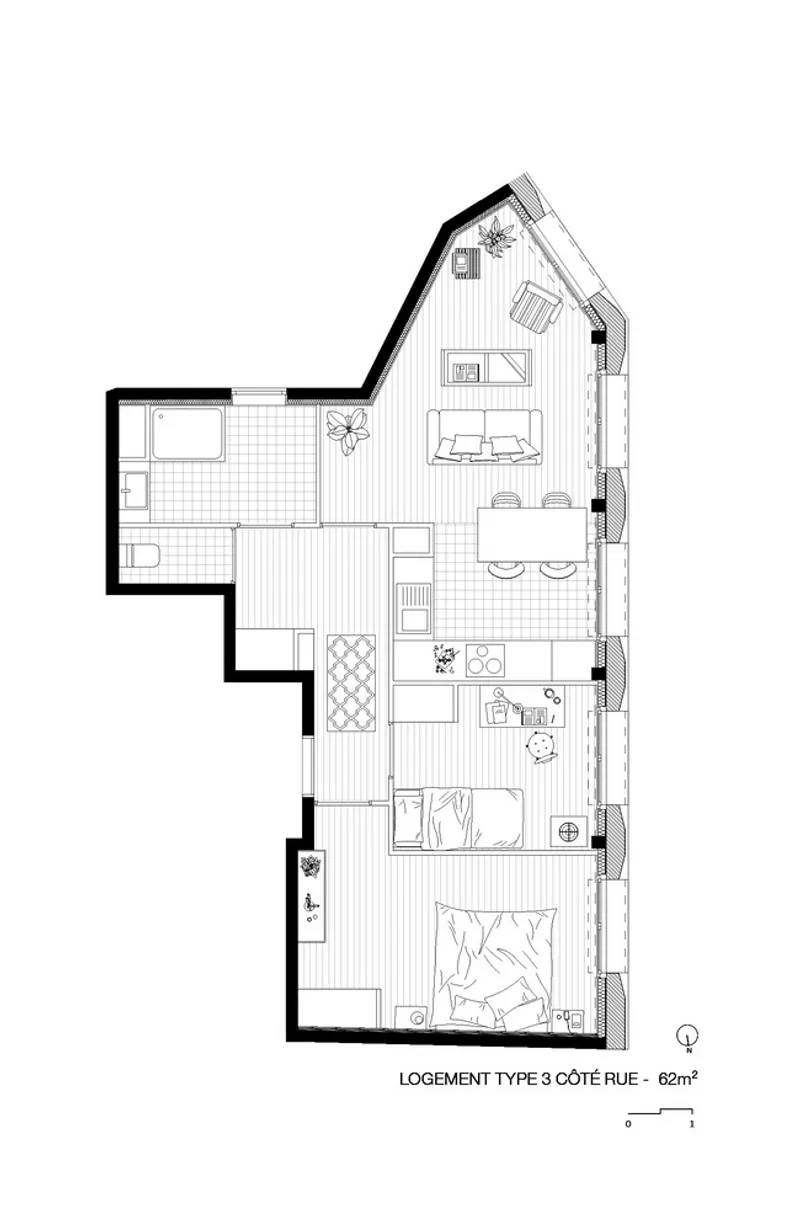
Despite its compact 820-square-meter footprint, the building maximizes light, ventilation, and privacy. Each apartment is multi-oriented and shares access via landings serving two units each, creating intimacy and efficiency. Strategic window placements avoid direct sightlines into neighboring homes, while ensuring consistent daylight. The interior courtyard breathes with tall trees planted directly in the ground, contributing to the urban microclimate and visual relief. The ground floor integrates community functions—bike storage, a garden-facing lobby, and soft mobility parking within a lightweight roofed structure.
Resilient Urban Living through Architecture
Pradrier 15 Housing Units is more than an infill project—it’s a manifesto for low-carbon urban housing architecture. Through thoughtful spatial planning, contextually sensitive materials, and ecological responsibility, it proves that housing density can coexist with human comfort and environmental care. The result is a model of Parisian sustainability, one that resonates with tradition while forging a low-impact future.
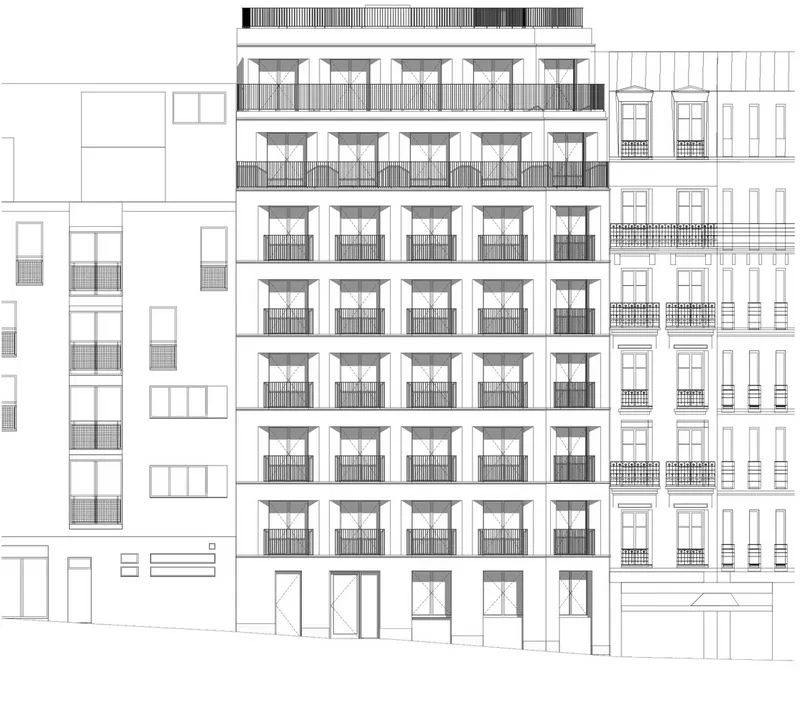
All Photographs are works of Cyrille Lallement


Popular Articles
Popular articles from the community


The Amber Palace Opera: A Geological Fiction Surfaces on Tallinn's Baltic Waterfront
Pierre Brillard reimagines a Baltic legend as a public landscape, opera house, and waterfront promenade rooted in Tallinn's coastal identity.

Cloaked Colonization: A Mobile Underwater Habitat That Moves Like a Fish
Micah Abaya's shortlisted EHC Pacific entry reimagines ocean settlement as a dispersed network of self-sustaining architectural organisms.

Manzana Morphosis: Stretching Barcelona's Grid into a Living Landscape for 2050
A radical reworking of the Eixample manzana turns density into a tool for generous public space, vertical ecology, and environmental performance.

Temporary Home for Dogs: A Reversed Zoo Rethinks Animal Shelter Architecture
In Bucharest, a sinuous corridor and freed landscape flip the logic of containment, designing a shelter that works to make itself unnecessary.

Similar Reads
You might also enjoy these articles

Bamboo Housing Challenge 2026: Design Affordable, Sustainable Homes Using Bamboo
An international design competition by Bamboo U and IBUKU inviting architects and designers to reimagine affordable housing using bamboo — with the winning design built full-scale in Bali.

Computational Design & Education: Beegraphy Design Awards Introduces 7th Category (Featuring Jiyun's Innovative Approach)
Dive into Beegraphy’s 7th Design Awards category, where computational design meets education to create immersive, interactive learning tools, inspired by Jiyun’s work.
From Parametric Lighting to Urban Furniture: Join the 2nd Workshop in Beegraphy’s Computational Design Series
Dive into Cutting-Edge Design Techniques and Practical Applications with Industry Experts

Last Call: Unleash Your Architectural Genius in SHAK's Kindergarten Design Competition
Urgent call for architects to join SHAK's kindergarten design competition before the looming deadline

Explore Eco-concrete Competitions
Discover active competitions in this discipline

Challenge to reimagine the Iron Throne

Photograph architecture without architects

Illustrate the lost glory of Angkor Wat - Render Challenge

Design challenge to reuse E-waste
Comments (0)
Please login or sign up to add comments
No comments yet. Be the first to comment!