
Mango Malanshan Cultural Plaza: A Fluid Urban Settlement for Creative Production
Mango Malanshan Cultural Plaza redefines urban space through concrete volumes, blurred boundaries, and open public landscapes supporting creative media production.

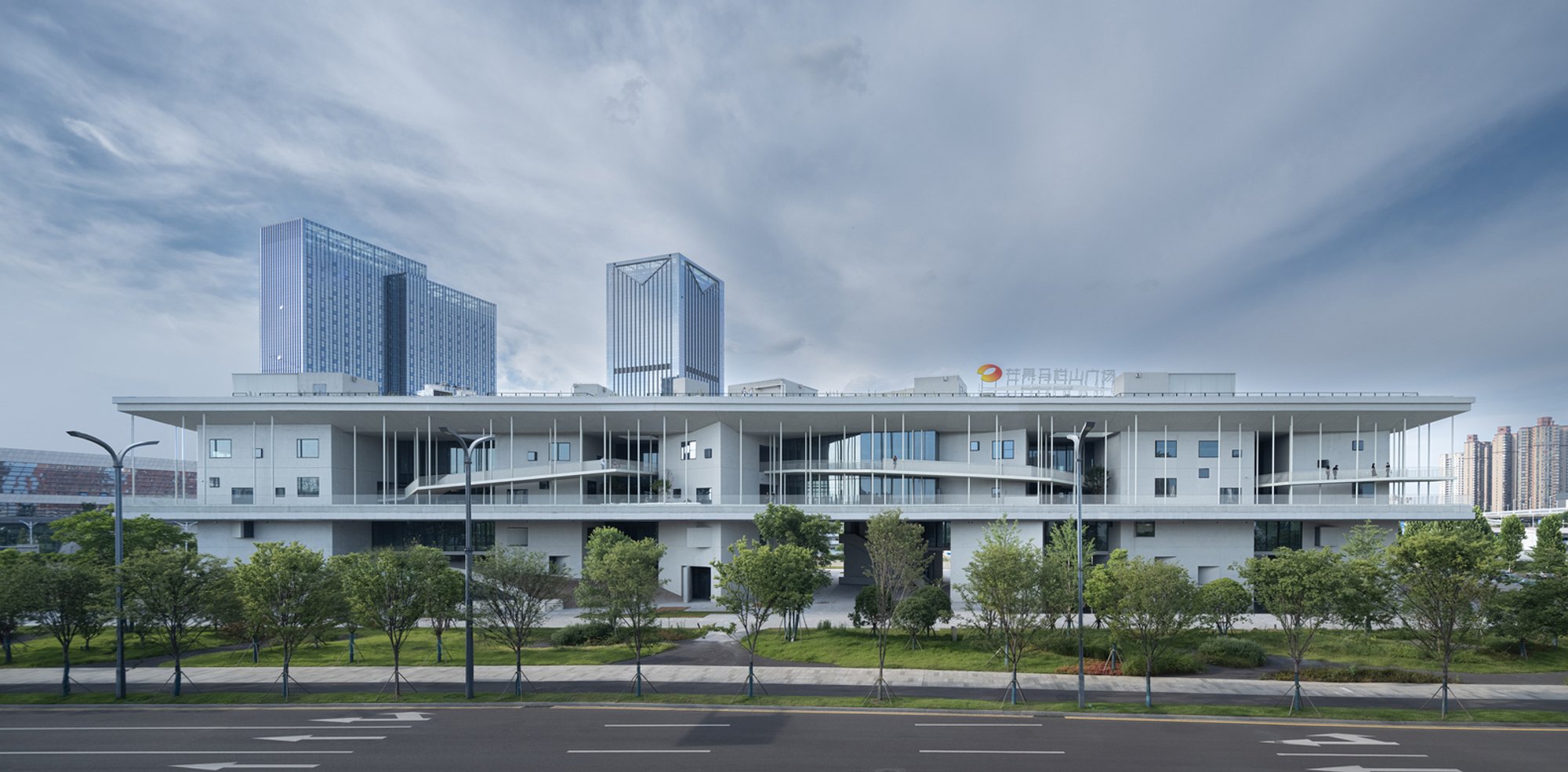
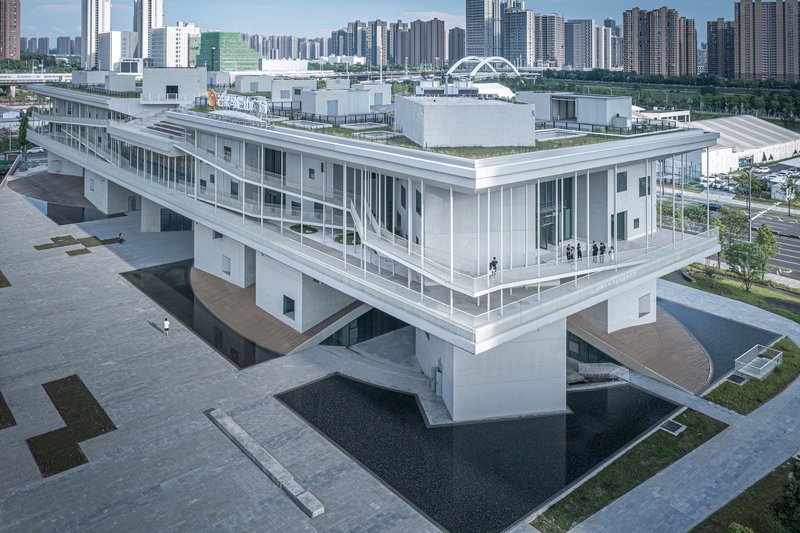
Designed by Regional Studio, Mango Malanshan Cultural Plaza reimagines the relationship between architecture and the city by dissolving rigid boundaries and embracing spatial openness. Located within the Malanshan Video Cultural and Creative Industry Park in China, the 55,016-square-meter cultural complex responds directly to the evolving nature of media production and contemporary urban life.
Architecture as an Open Creative System
Rather than functioning as a closed, object-like building, Mango Malanshan Cultural Plaza explores a fluid and ambiguous figure, ground relationship. The project rejects conventional enclosed architectural typologies in favor of an open-ended spatial framework that encourages interaction, flexibility, and continuous exchange between city, architecture, and people.
Research conducted during the design process revealed that media professionals: the plaza’s primary users: operate with highly irregular schedules, shifting teams, and flexible working environments. Traditional office buildings often fail to support this dynamic workflow. In response, the project proposes the concept of “Settlement as Creative Workshop,” aligning spatial production with the real behavioral patterns of media creation.
Blurring Figure and Ground
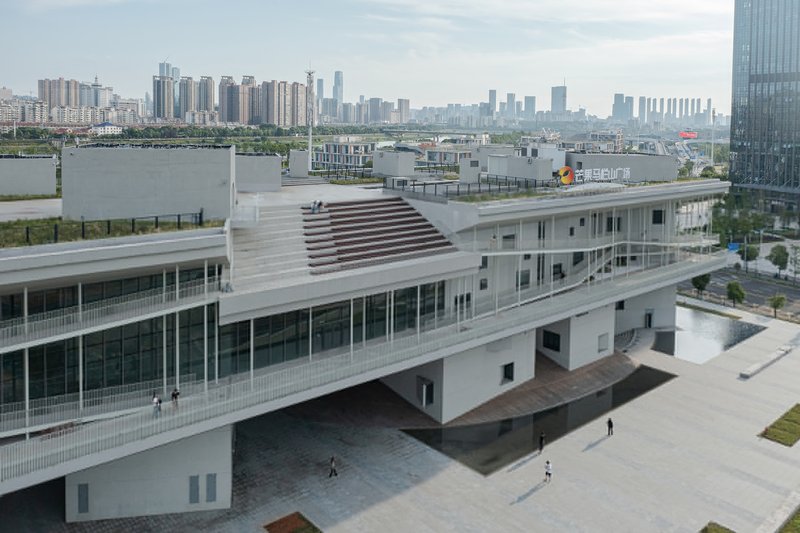
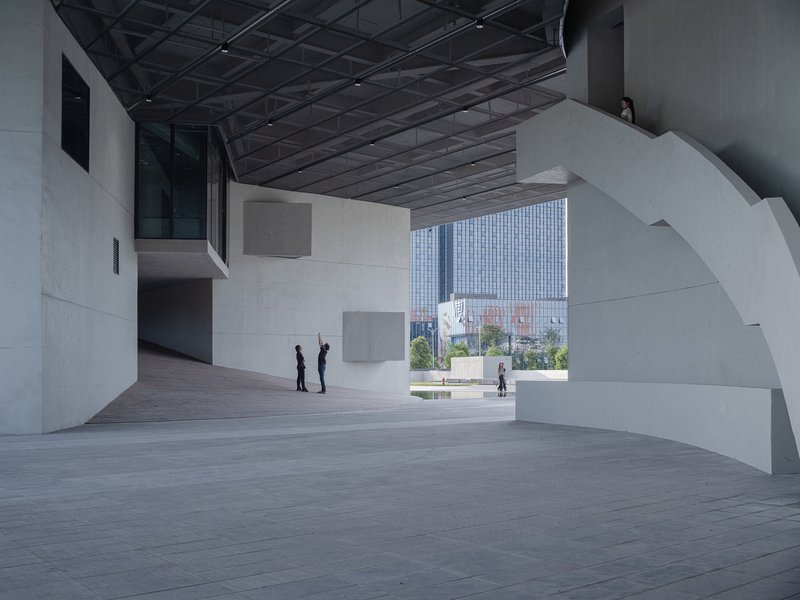
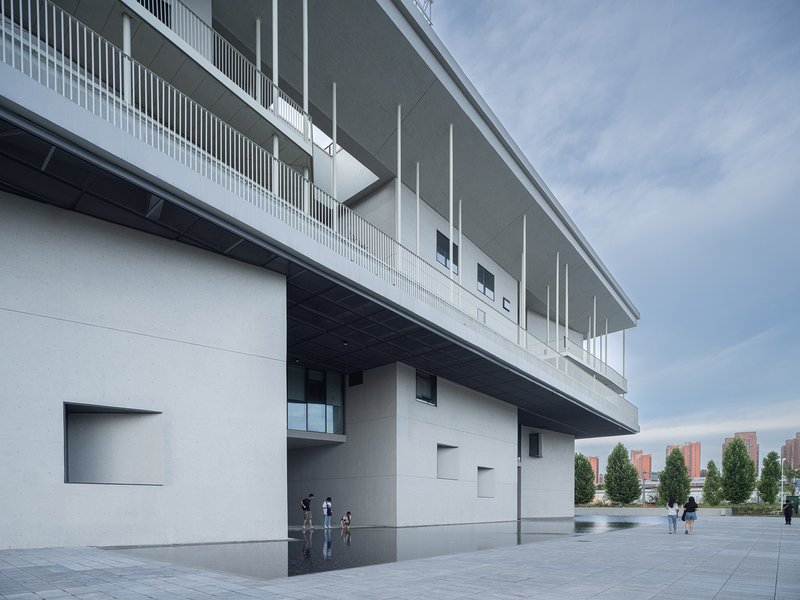
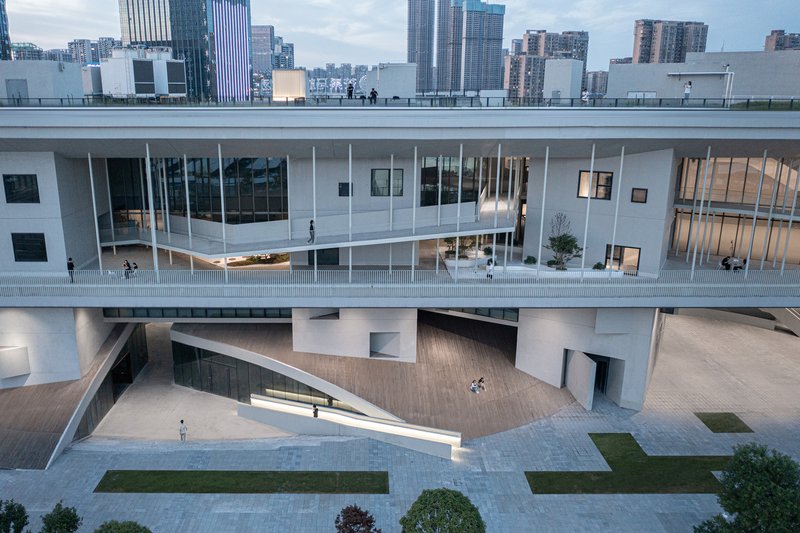
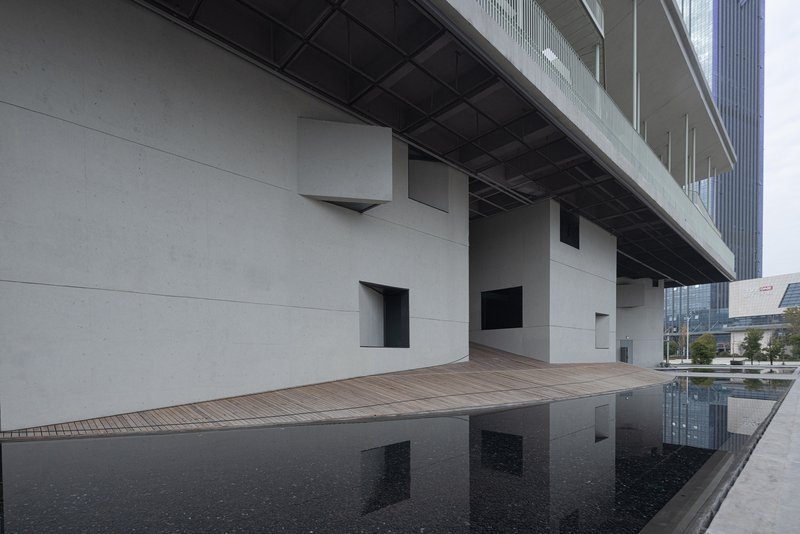
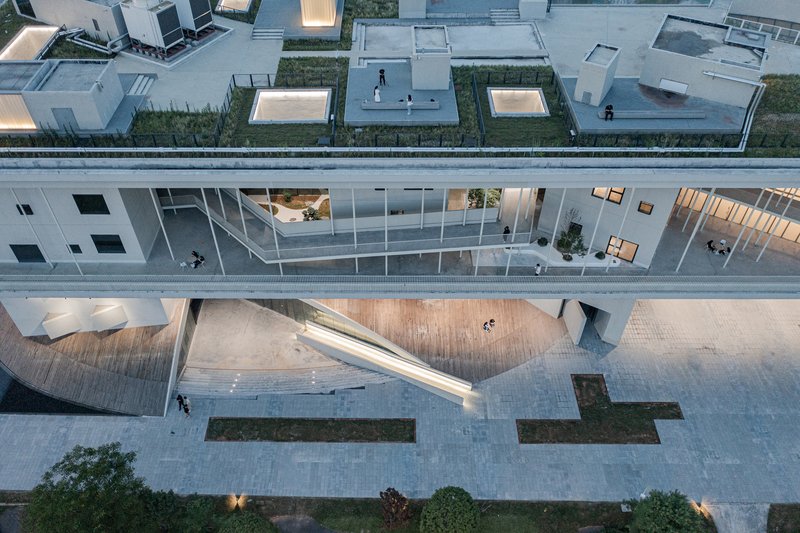
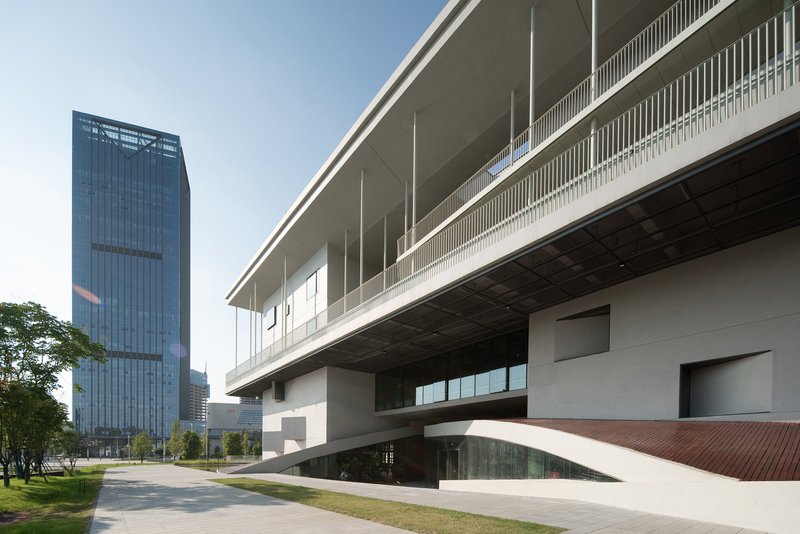
The plaza is composed of 12 fair-faced concrete boxes, freely distributed across the site and oriented at varying angles. Their staggered arrangement generates a constantly shifting spatial experience defined by movement, rotation, overlap, and visual permeability. Rather than dominating the site, these volumes act as fragments within a larger urban field.
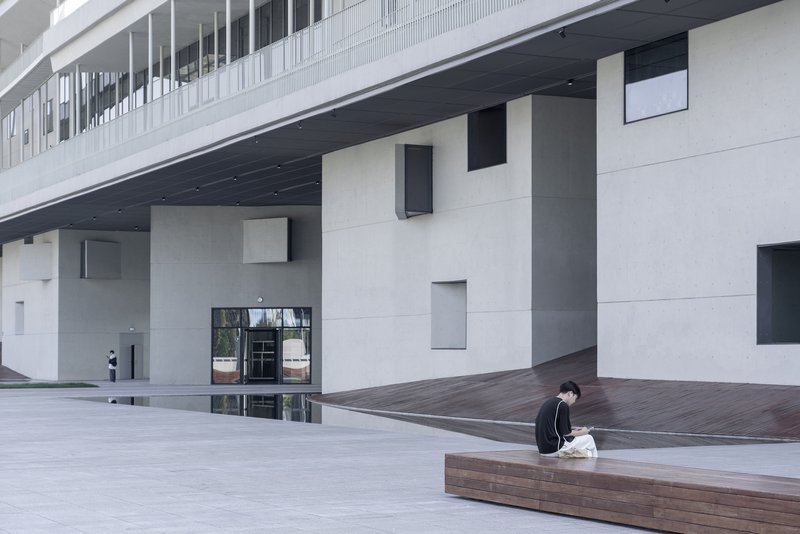
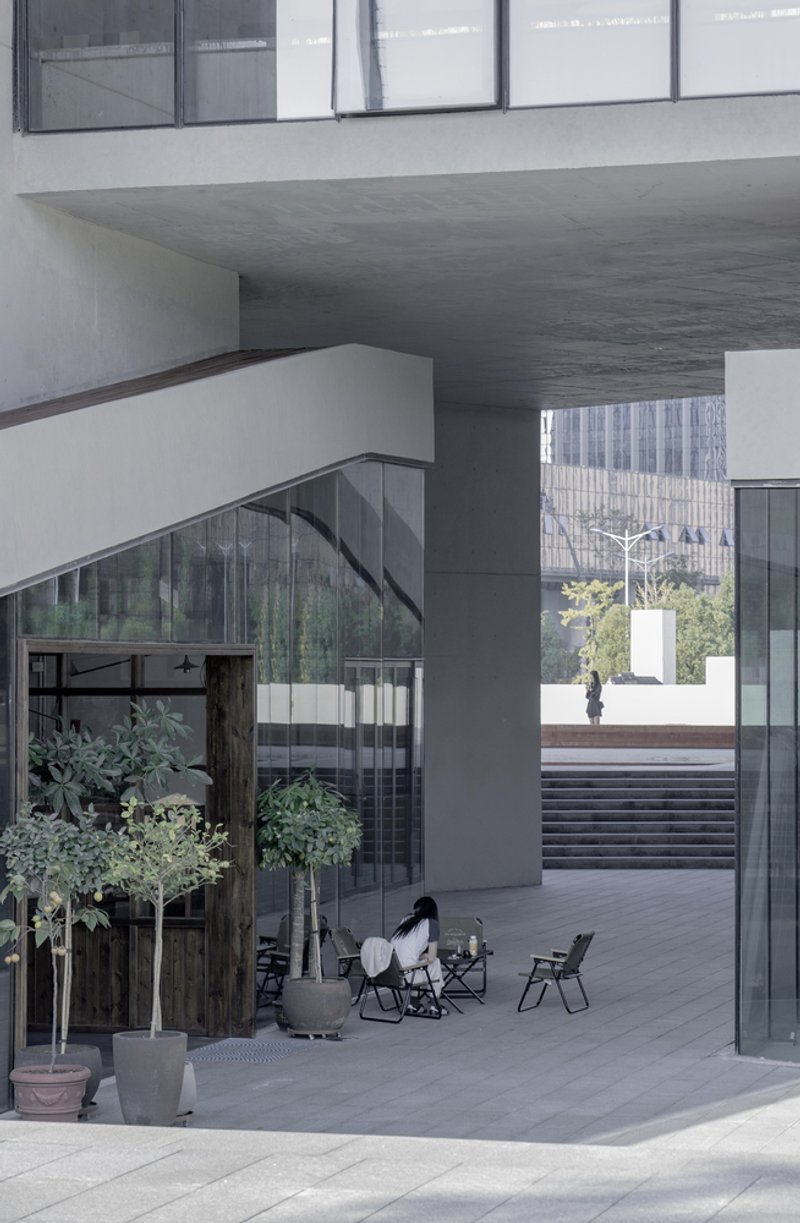
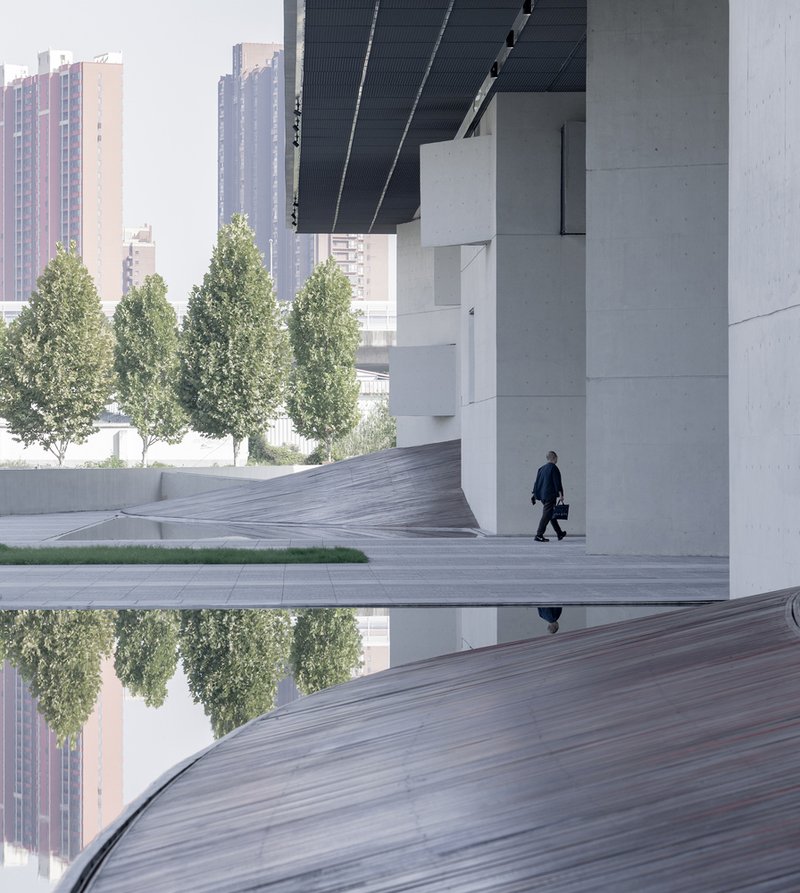
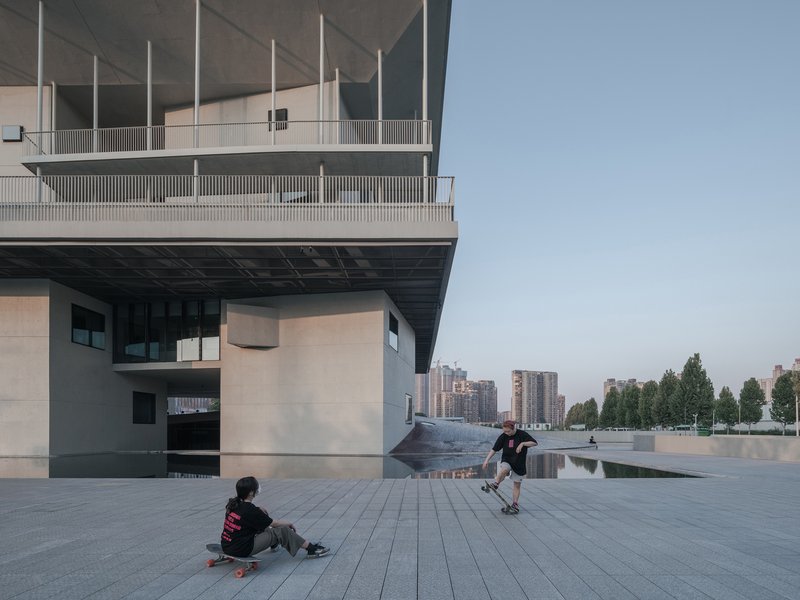
At ground level, the terrain is subtly elevated to create generous urban void spaces beneath and around the boxes. These open areas are accessible to the public, allowing the city to flow directly into the architecture. Unlike traditional street hierarchies with clear separations between building and open space, the project intentionally blurs these distinctions, fostering a seamless integration between built form and public life.
Gap Spaces and Social Interaction
Between the concrete volumes, a rich network of “gap spaces” emerges. These include:
- Gently rising landscapes between buildings that accommodate commercial and social functions
- Narrow vertical slits of space reminiscent of traditional residential alleys
- Sunken steps, ramps, and circulation paths that guide movement through the site
Together, these gap spaces enrich the larger voids, creating layered public environments that support informal encounters, leisure, and collaboration. The spatial logic echoes the organic structure of a settlement, where architecture, landscape, and daily life are deeply interconnected.
Multi-Dimensional Interior Landscapes
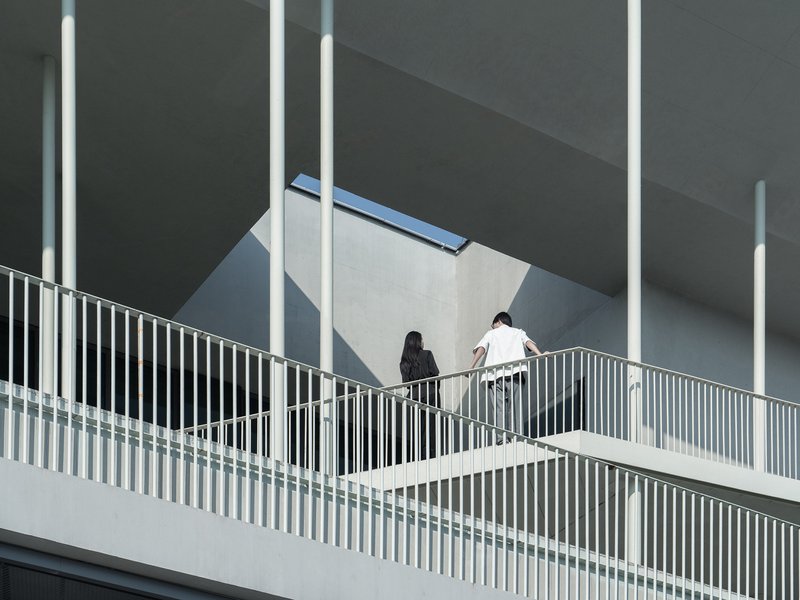
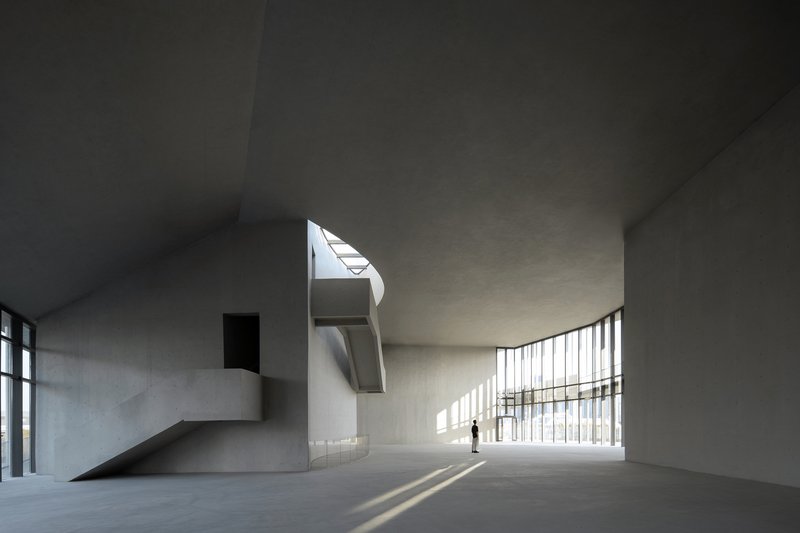
The figure, ground dialogue continues inside the complex. Transparent recessed curtain walls contrast with solid concrete surfaces, forming dynamic interior interfaces. Elevated platforms and shared lobbies host cafes, bookstores, exhibitions, and performance spaces, functions that move beyond conventional office use and encourage collective participation.
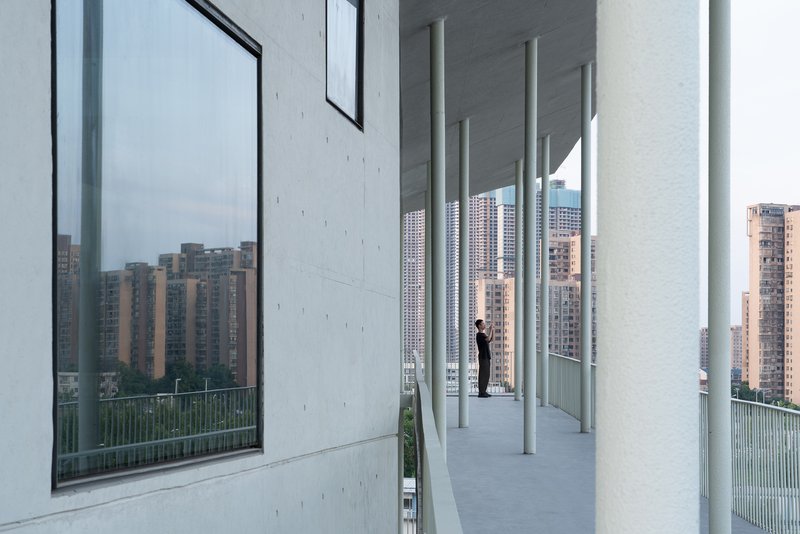
Elements such as verandas, courtyards, terraces, and interior streets oscillate between being architectural “figures” and urban “ground.” As visitors move through the plaza, these spaces feel less like interiors and more like fragments of the city itself.
An Experiential Urban Architecture
Ultimately, Mango Malanshan Cultural Plaza suggests that clearly defining figure and ground is no longer essential. What matters instead is the lived experience: the interplay of light and shadow, the movement of air, framed views, and the sensory richness of inhabiting space. By merging architecture with urban life, the project offers a contemporary model for cultural and creative infrastructure in rapidly evolving cities.
All photographs are works of
Haohao Xu, Jinquan Kong




Popular Articles
Popular articles from the community

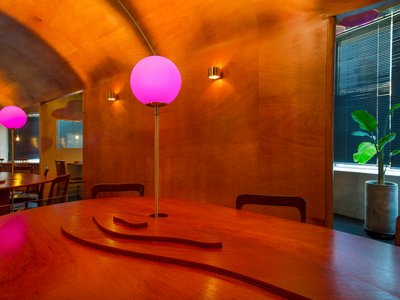
Indiesalon Carves a Plywood Cave into a Seoul Bistro's Second Floor
Munhwa Bistro's second Seongsu branch wraps diners in a laminated timber vault laced with colored light and mirror illusions.
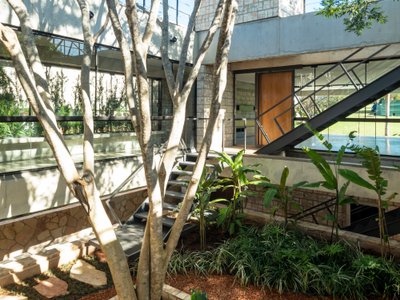
OMCM arquitectos Builds a Summer House in Paraguay from Quarry Waste Blocks and Three Sacred Trees
In the young hillside neighborhood of Altos, a 696-square-meter concrete volume hovers on six pillars around three preserved native Yvyraju trees.
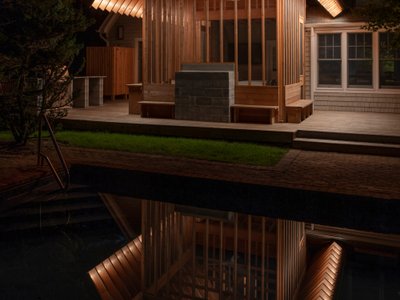
BLDUS Turns a 250-Square-Foot Screened Porch into a Pine Forest Temple in East Hampton
A gabled cedar pavilion mimics the rhythm of surrounding pines, anchoring a 1990s wooded home to its hollow in Long Island.
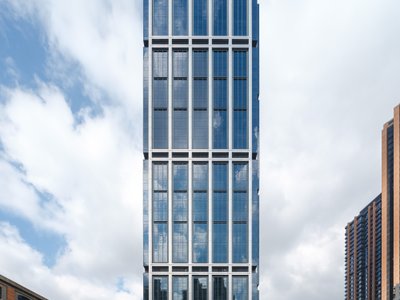
Foster + Partners Wraps a 200-Meter Shanghai Tower in Stainless Steel and Industrial Memory
The Suhe Centre Office Tower anchors a regenerated waterfront district in Shanghai with an all-steel structure that nods to local warehouse heritage.


Similar Reads
You might also enjoy these articles

Bamboo Housing Challenge 2026: Design Affordable, Sustainable Homes Using Bamboo
An international design competition by Bamboo U and IBUKU inviting architects and designers to reimagine affordable housing using bamboo — with the winning design built full-scale in Bali.

Computational Design & Education: Beegraphy Design Awards Introduces 7th Category (Featuring Jiyun's Innovative Approach)
Dive into Beegraphy’s 7th Design Awards category, where computational design meets education to create immersive, interactive learning tools, inspired by Jiyun’s work.
From Parametric Lighting to Urban Furniture: Join the 2nd Workshop in Beegraphy’s Computational Design Series
Dive into Cutting-Edge Design Techniques and Practical Applications with Industry Experts

Introducing Sphere by UNI: Pioneering a New Era in AEC Industry
Unlocking Global Potential with BIM and Agile Management


Explore Architecture Competitions
Discover active competitions in this discipline




The International Standard for Design Portfolios


The Global Benchmark for Architecture Dissertation Awards


The Global Benchmark for Graduation Excellence


Challenge to reimagine the Iron Throne
Comments (0)
Please login or sign up to add comments
No comments yet. Be the first to comment!