
Merya Conversion Sanitary Building by BARAKI – Innovative Public Architecture in Fribourg, Switzerland
The Merya Conversion Sanitary Building transforms a motorway restroom into a stainless steel, contemplative public space with panoramic Swiss landscape views.


Located in the scenic region of Fribourg, Switzerland, the Merya Conversion Sanitary Building by BARAKI Architects transforms a late-1980s public restroom into an extraordinary blend of functionality, design, and landscape integration. Completed in 2021, this 240 m² project exemplifies how thoughtful public architecture can elevate everyday infrastructure into an experiential, contemplative space.
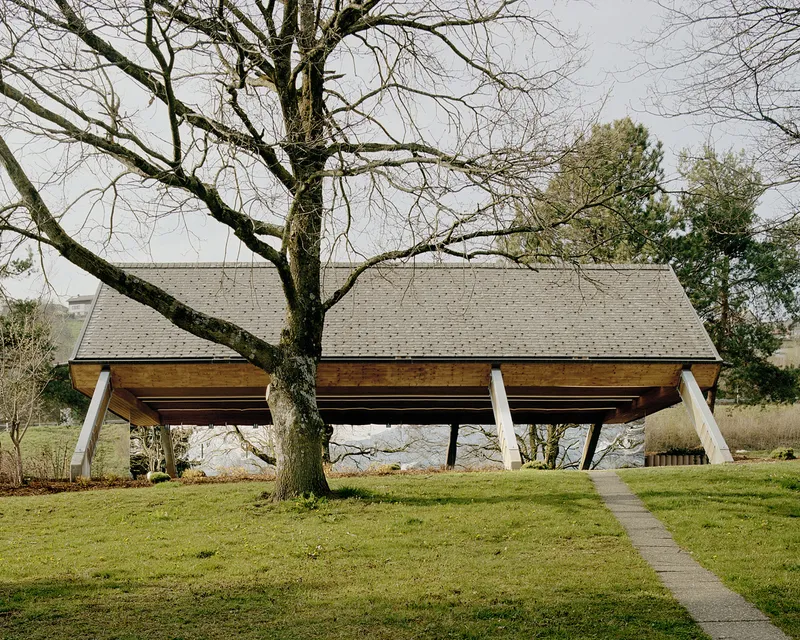
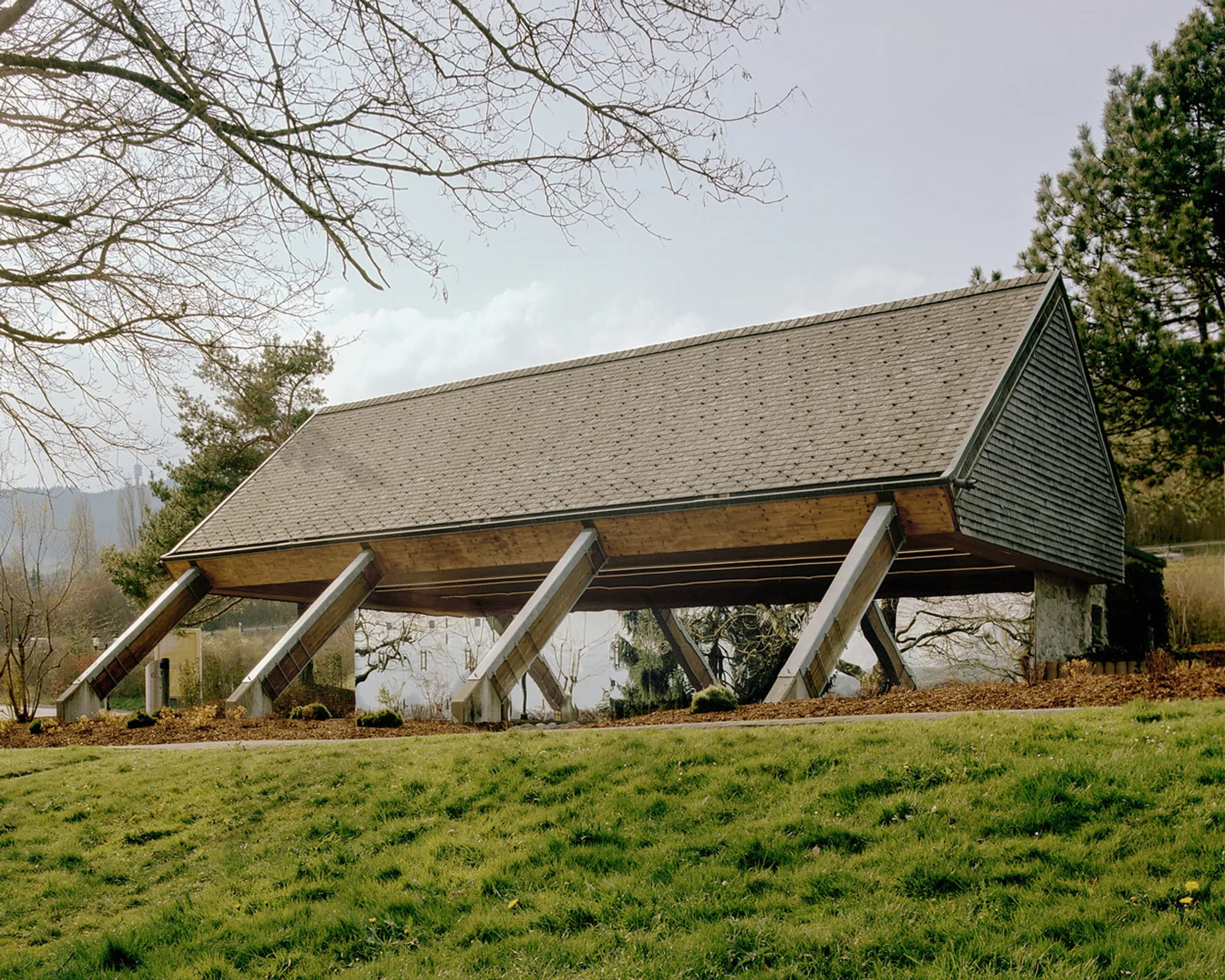
Originally part of the Gruyère motorway rest area, the facility was designed in a post-modernist style, using vernacular materials like local river pebbles and reinforced concrete. The building features a masonry base and a distinctive glued-laminated timber frame forming a two-sloped roof. Its off-set triangular volume creates a covered forecourt, providing visitors with panoramic views of Lac de Gruyère and the Fribourg Pre-Alps. Four oblique support beams anchor the structure to the ground while visually framing the surrounding landscape.

The renovation focused on improving public restroom functionality, safety, and maintenance efficiency. The internal circulation was reconfigured to allow direct access from the covered square to self-contained WC cubicles. The architects were given freedom of expression, emphasizing everyday experience in public infrastructure. BARAKI’s approach challenges the perception that architecture is reserved for monumental projects, highlighting the potential of mundane spaces to engage users and their surroundings.
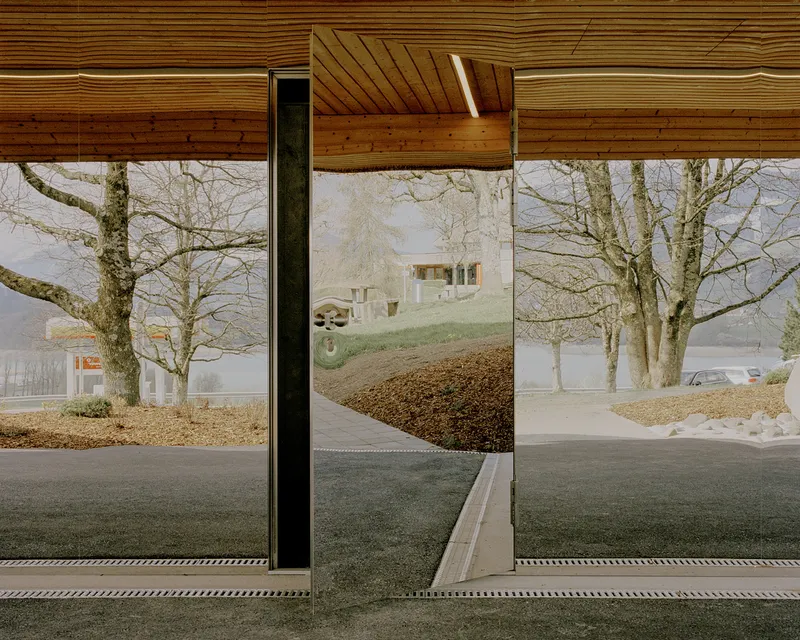
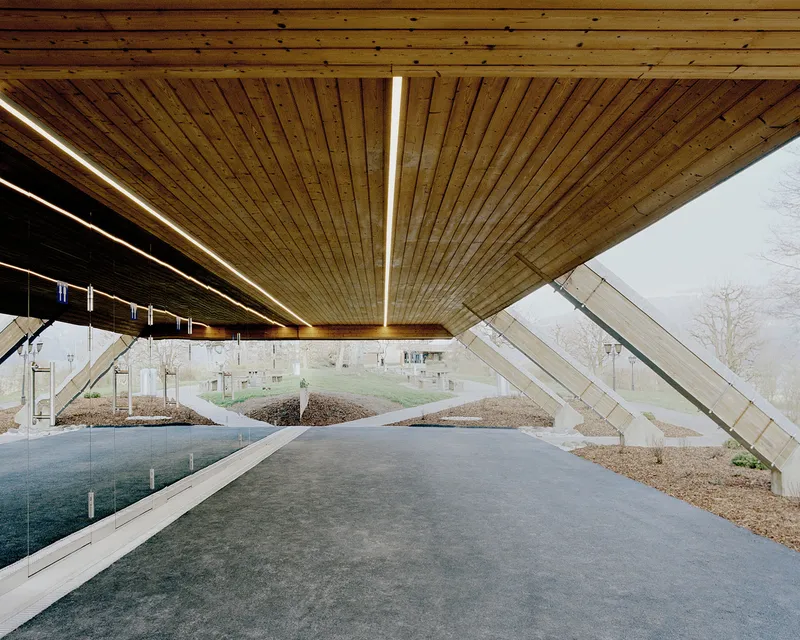
Inside, the building reveals a stainless steel-clad interior that cleverly camouflages structural joints and amplifies the surrounding landscape through reflective surfaces. This design choice avoids cluttering the existing context with additional materials, creating a seamless and airy environment. Linear LED lighting integrates subtly into the sandblasted cladding, and the asphalt flooring continues the visual flow of adjacent roads, reinforcing a sense of continuity. The mirrored surfaces create a visual symmetry, enhancing the off-axis architectural composition while maintaining a minimalistic aesthetic.
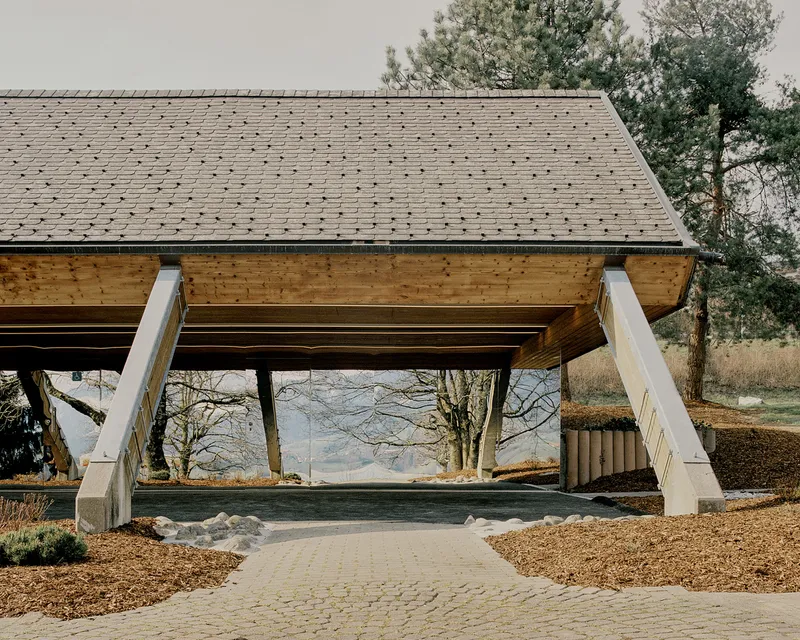
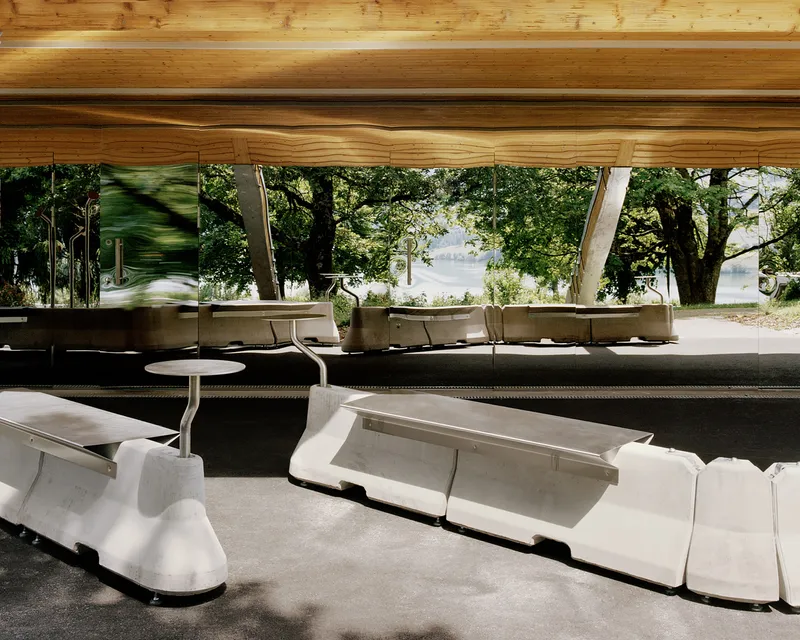
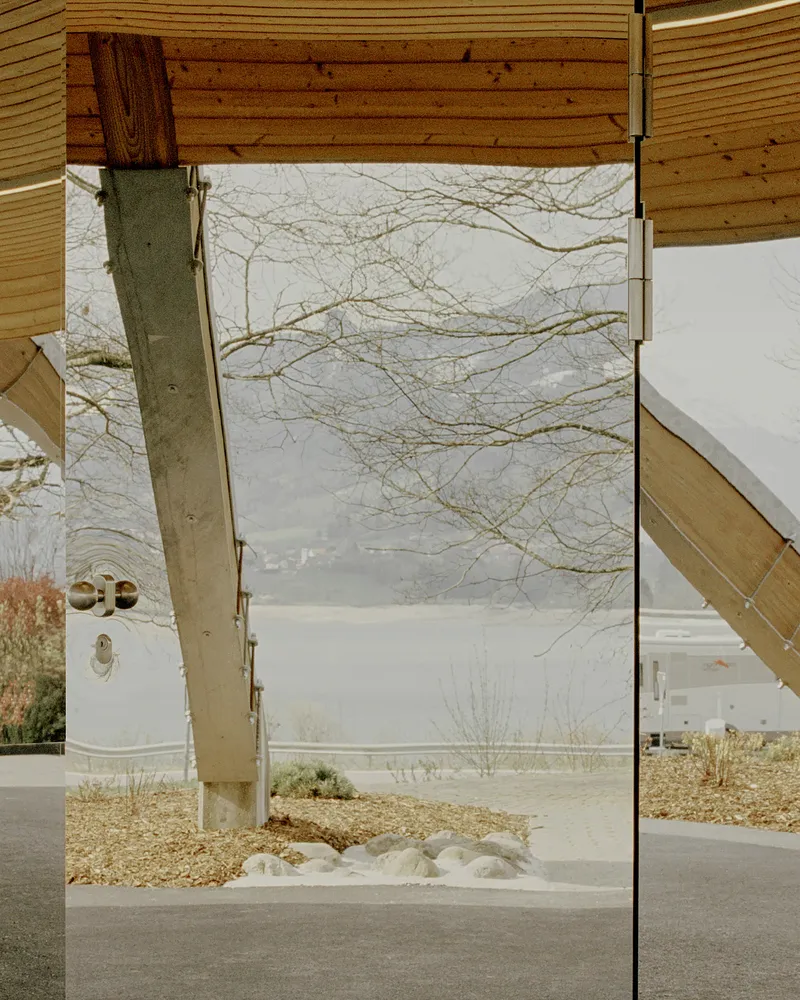
The front exterior includes bespoke urban furniture, designed in collaboration with Elie Fazel and Valentin Sieber. Prefabricated concrete 'City Blocks' serve as bases for seating, tables, and coat racks, encouraging visitors to pause, rest, and appreciate the surrounding views. Through these interventions, a previously unnoticed public restroom is transformed into a contemplative landscape observatory, merging practicality with architectural and experiential quality.
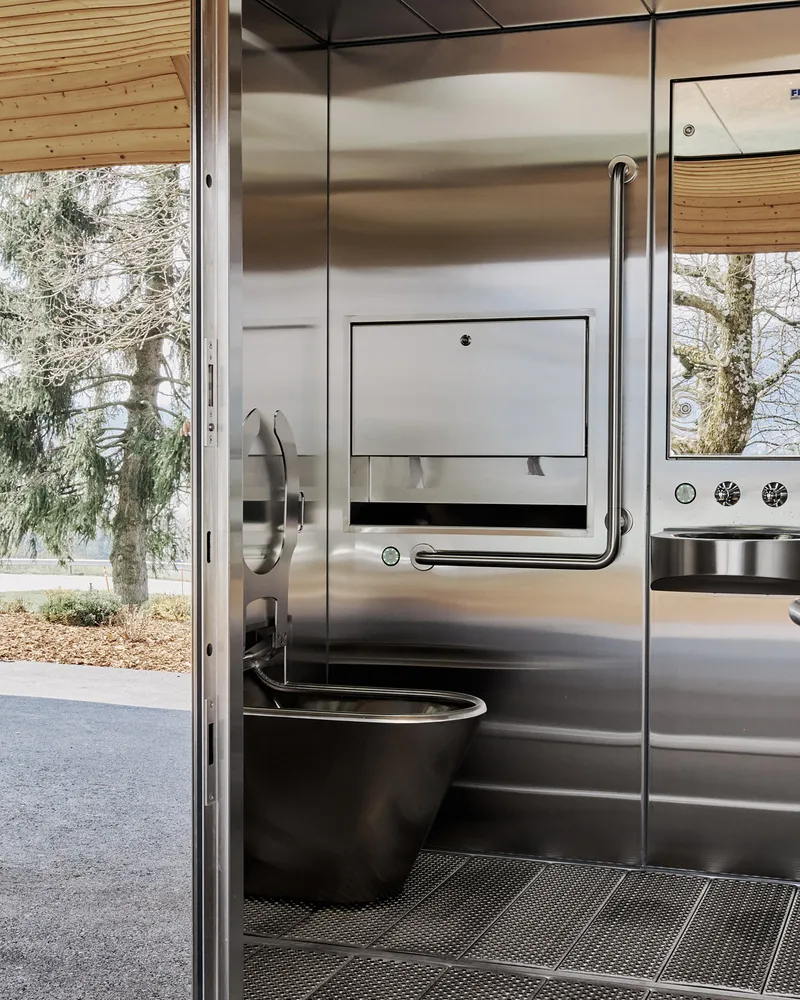
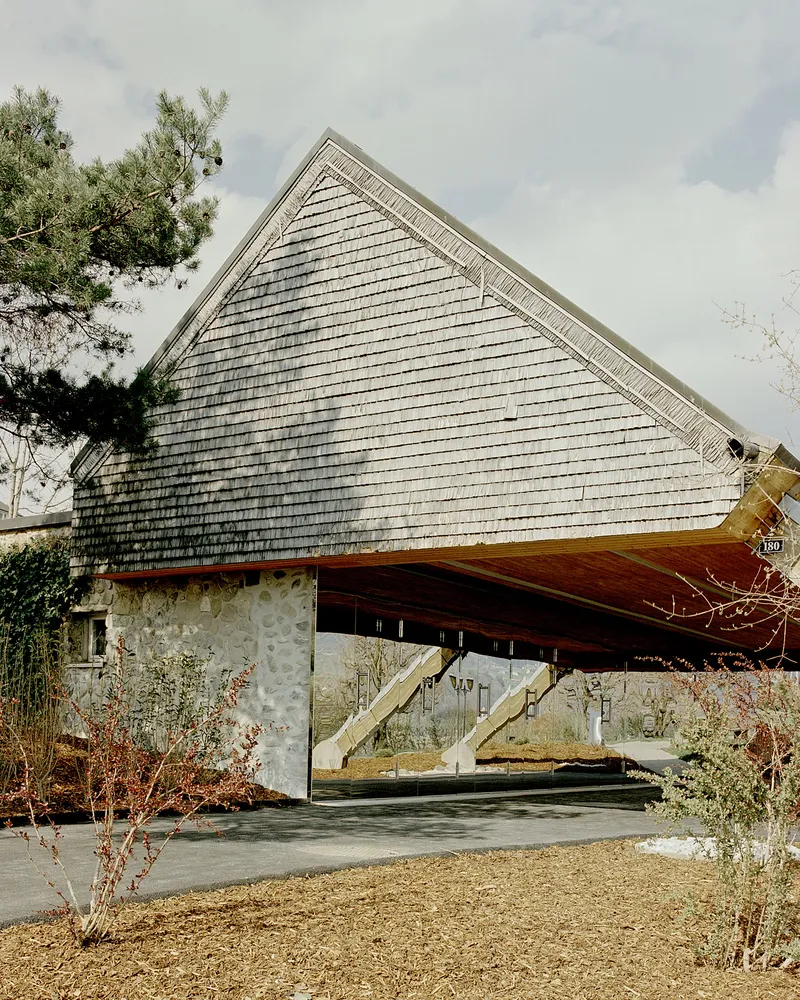
The Merya Conversion Sanitary Building demonstrates the potential of infrastructure design to elevate everyday experiences. By integrating landscape, light, and material innovation, BARAKI turns a simple motorway restroom into a public space that celebrates Swiss natural beauty while offering a functional, safe, and comfortable environment.
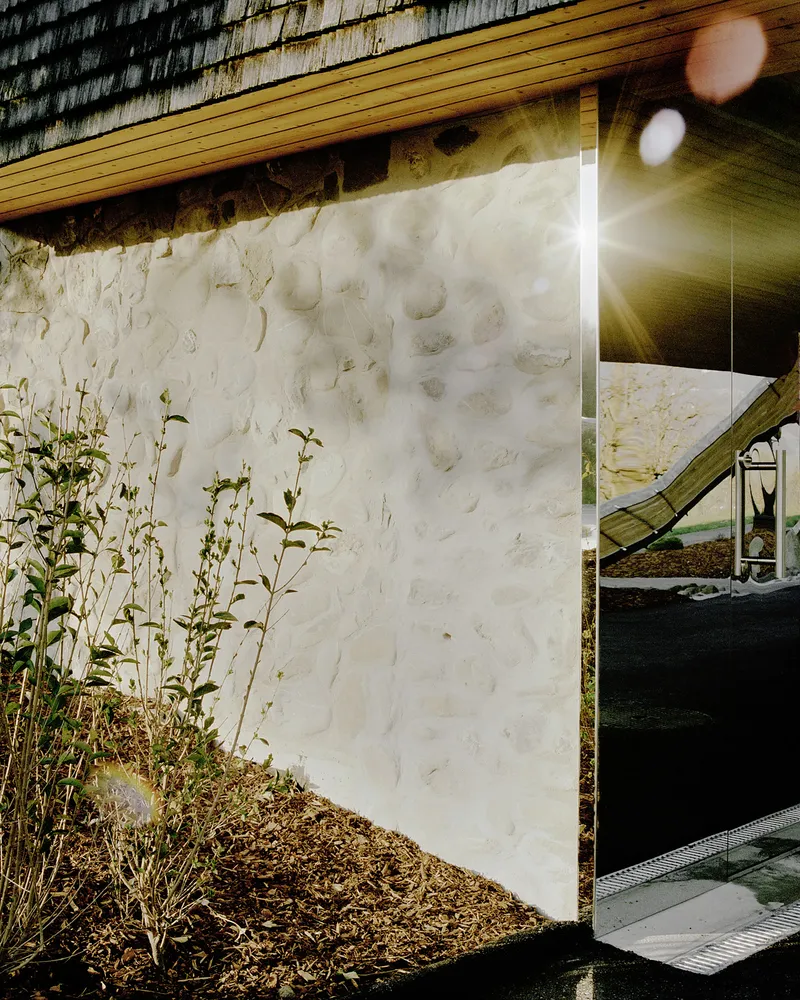
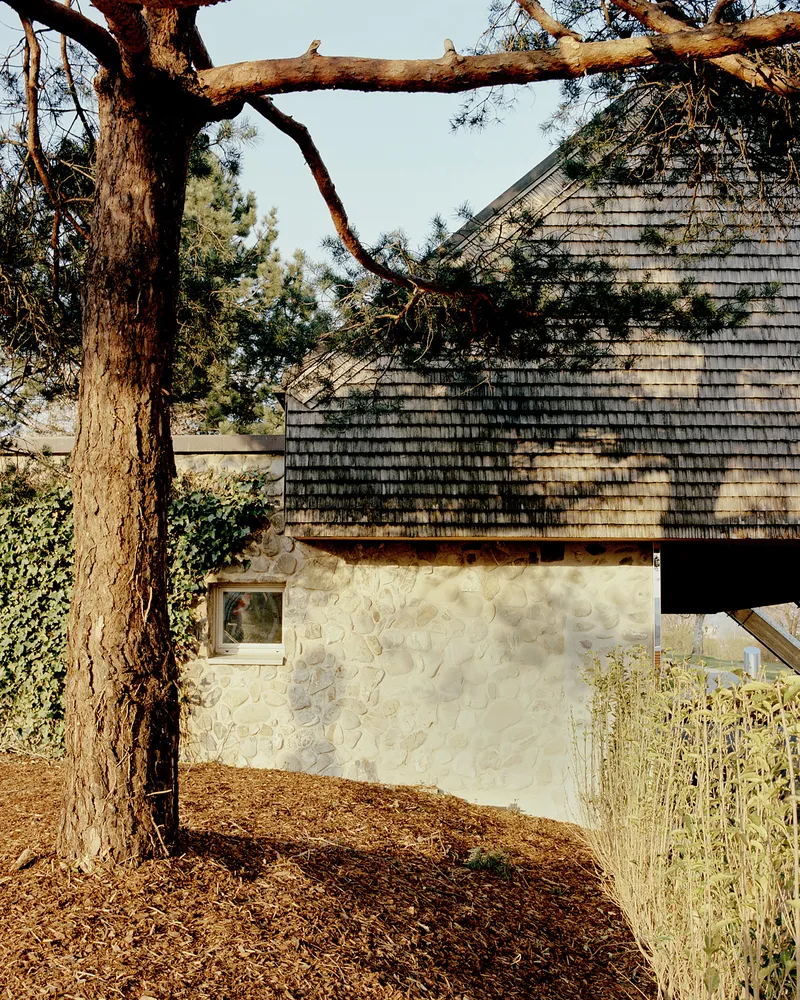
All photographs are works of Matthieu Croizier


Popular Articles
Popular articles from the community


Conexión: Biophilic Design Reimagines High-Rise Living in Hong Kong
Conexión reimagines high-rise living in Hong Kong through biophilic design, green facades, shared spaces, daylight, water and nature within.

Co-Life: Senior Housing Design That Reconnects Older Adults With the City
Co-Life reimagines senior housing design through healing gardens, shared streets, workshops, and a sustainable community across generations.

Hill & Cross Opera: Sculptural Opera House Architecture Shaped by Tallinn’s Landscape and Identity
Hill & Cross Opera reimagines opera house architecture in Tallinn through its sculptural hill, civic plaza, glass wave and a luminous cross.

AL-JANNAH: Sustainable Architecture and Permaculture for Afghan Widows
AL-JANNAH uses sustainable architecture and permaculture to create resilient oasis of housing, learning, work and renewal for Afghan widows.

Similar Reads
You might also enjoy these articles


Hodi-Mandai Geram
Project Function: Preservation and revitalization of the Intangible heritage and socio-spatial identity of the Hodi by Housing, Cultural Memory Center, Sacred Grove, landscape, local tourism economy


Olio Towers: A Mid-Rise for Performers That Fuses Housing, Rehearsal, and Stage
Located blocks from Houston's Theater District, this modular tower stacks living units around a central performance atrium.

Oasis: Modular Green Housing Carved into Dhaka's Urban Fabric
A shortlisted Plugin Housing entry reclaims unauthorized settlements in Dhaka with stepped concrete volumes, green roofs, and ventilation-driven design.

Black Hole: A Floating Megastructure for the Post-Physical Era
Emiliano Mazzarotto envisions a spherical, self-scaling arena where e-sports, digital hotels, and holographic stadiums replace traditional public space.

Explore Public Architecture Competitions
Discover active competitions in this discipline



Challenge to reimagine the Iron Throne


Photograph architecture without architects


Illustrate the lost glory of Angkor Wat - Render Challenge


Design challenge to reuse E-waste
Comments (0)
Please login or sign up to add comments
No comments yet. Be the first to comment!