

Microlibrary Pringwulung SHAU Indonesia – Revitalizing Kampung Mrican Through Community-Centered Urban Design
Microlibrary Pringwulung by SHAU Indonesia revitalizes Kampung Mrican with cultural architecture, public spaces, and community-driven urban development.


The Microlibrary Pringwulung SHAU Indonesia is a transformative urban project that reimagines Kampung Mrican in Yogyakarta. Designed by SHAU Indonesia in collaboration with the PKP Directorate of the Ministry of Public Works and Housing, the project enhances the village's infrastructure while preserving its cultural identity. With a total area of 4,353 m², this 2024 development integrates a microlibrary, community garden, pedestrian pathways, playgrounds, and flood-control systems to elevate the quality of life for residents.
Community-Centric Urban Development
Kampungs, the traditional village settlements in Indonesian cities, are characterized by high-density, low-rise housing. Kampung Mrican, located near major universities, faces pressures of urbanization and rental demands. Rather than a top-down redevelopment approach, SHAU Indonesia implemented a sensitive, incremental urban design that respects the existing social fabric and architectural character.
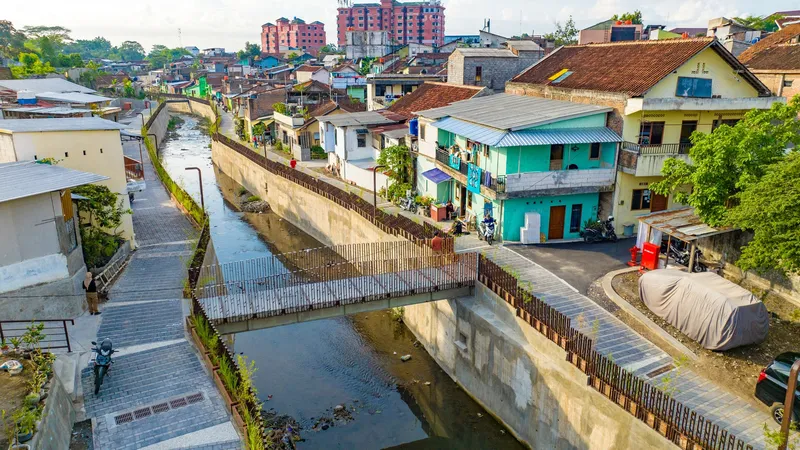
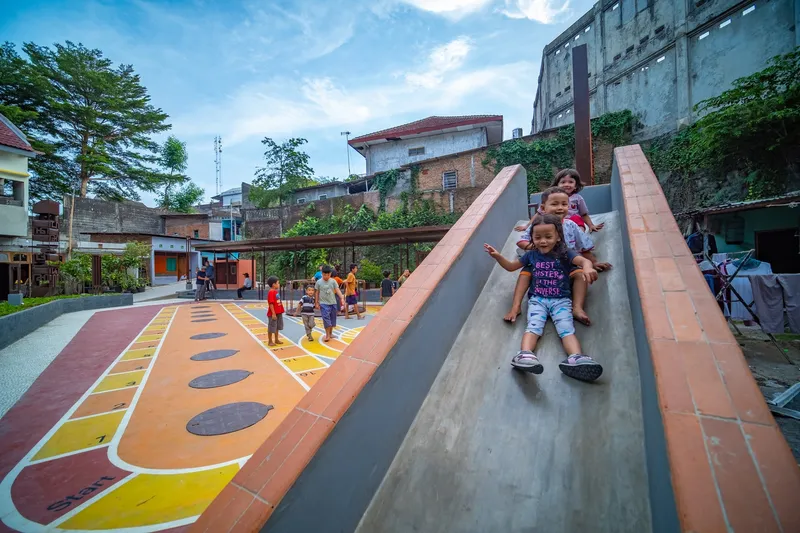
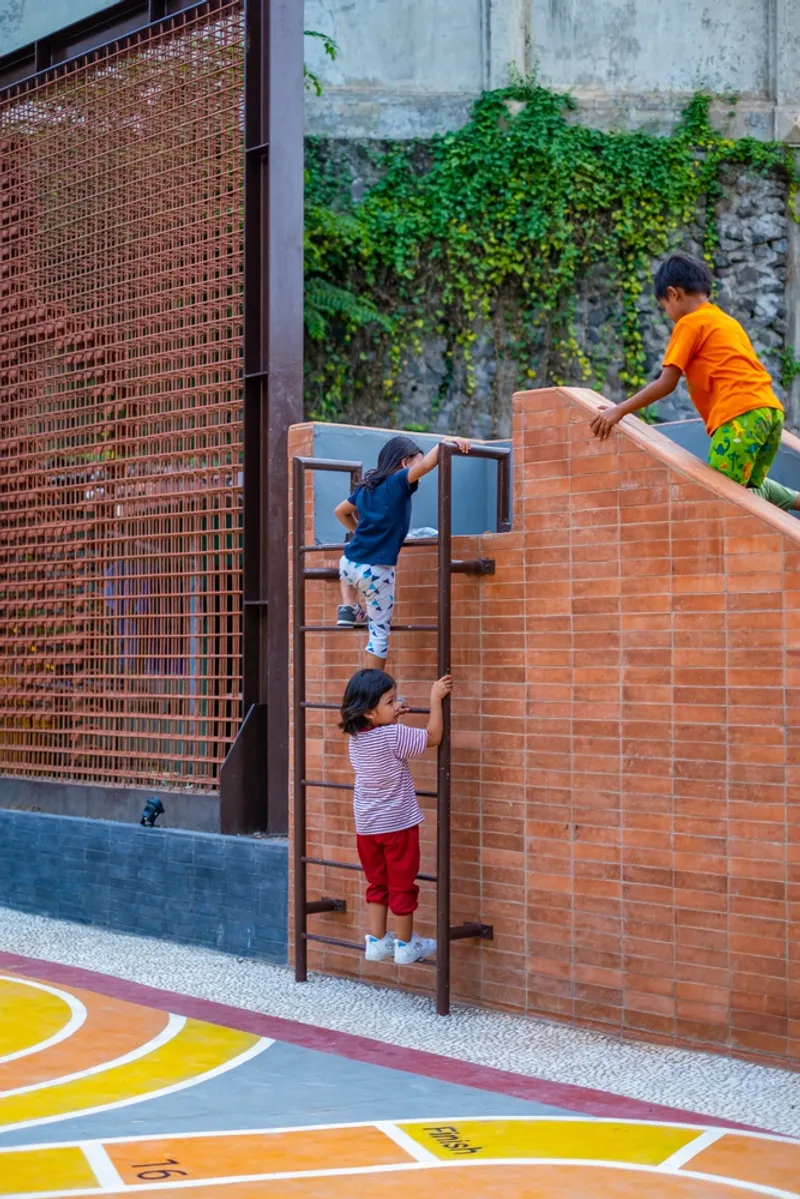
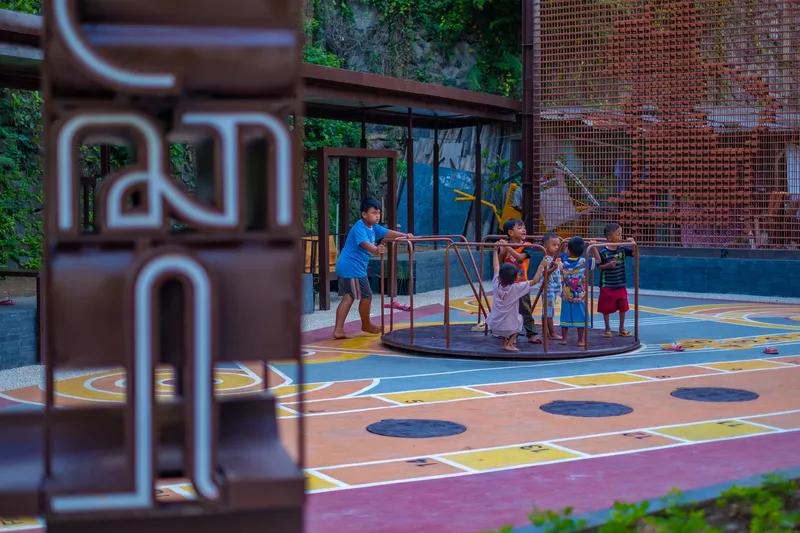
The planning process involved detailed urban and social analysis, with residents actively contributing to design decisions. This participatory approach ensured that new interventions such as the riverside walkway, flood-control post, and green spaces resonated with community needs. Elements like batik-patterned fences, street lighting, and historical Javanese texts on sidewalks further strengthen the cultural identity of the village.
Architectural Design of Microlibrary Pringwulung
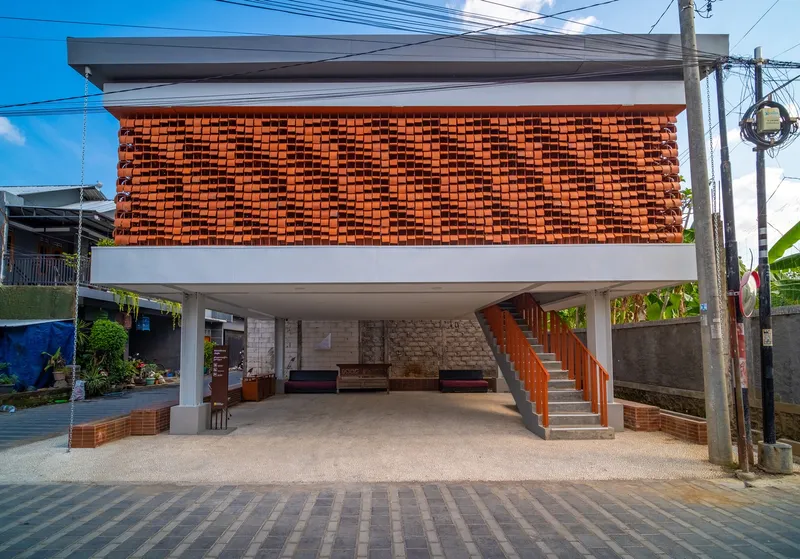
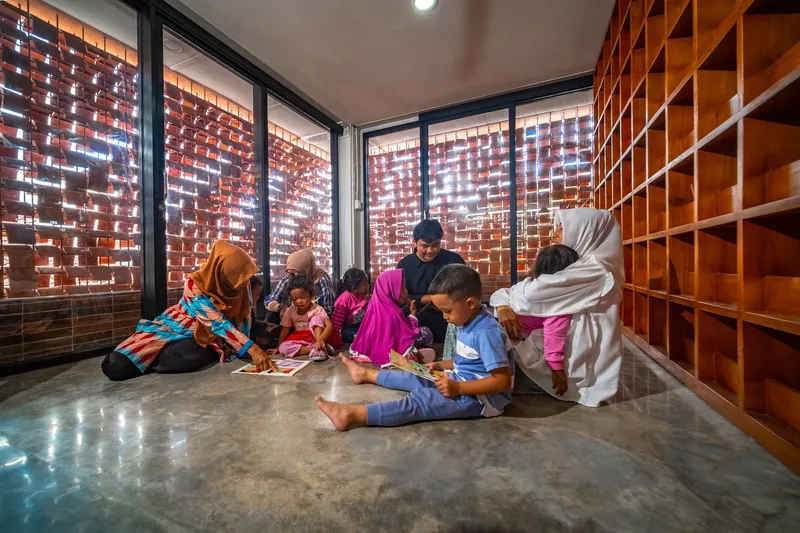
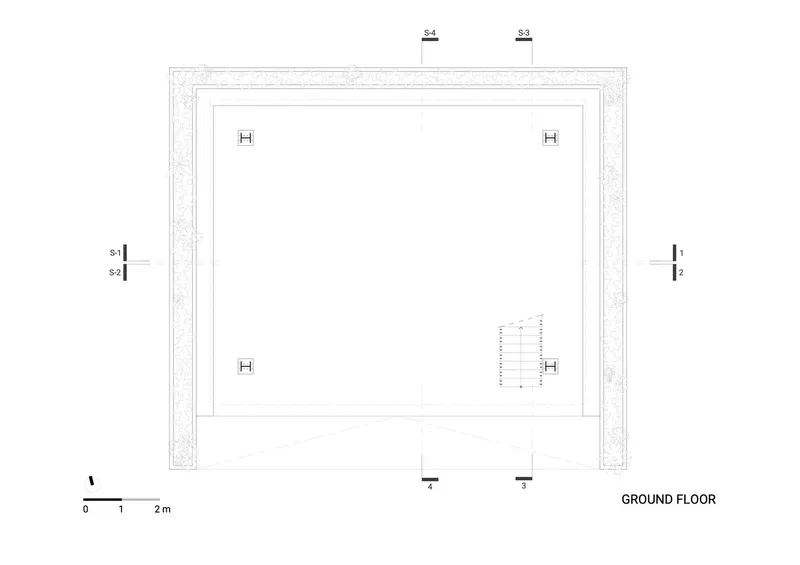
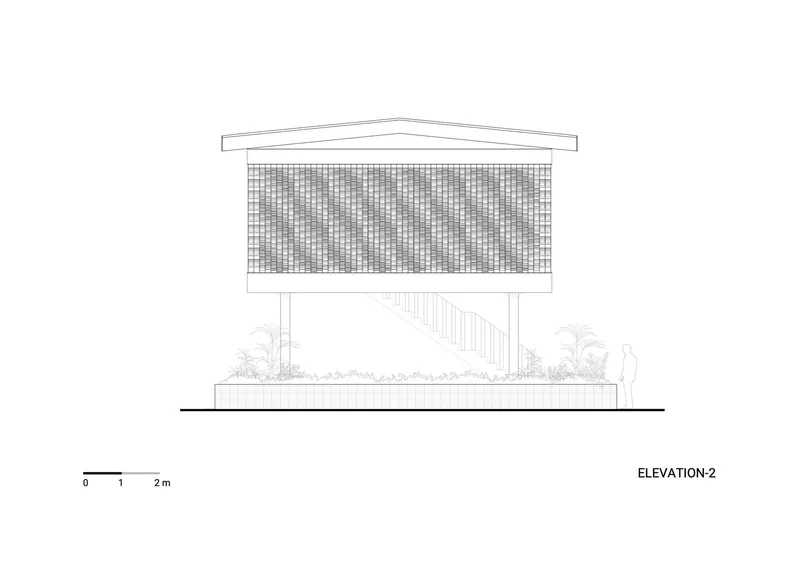
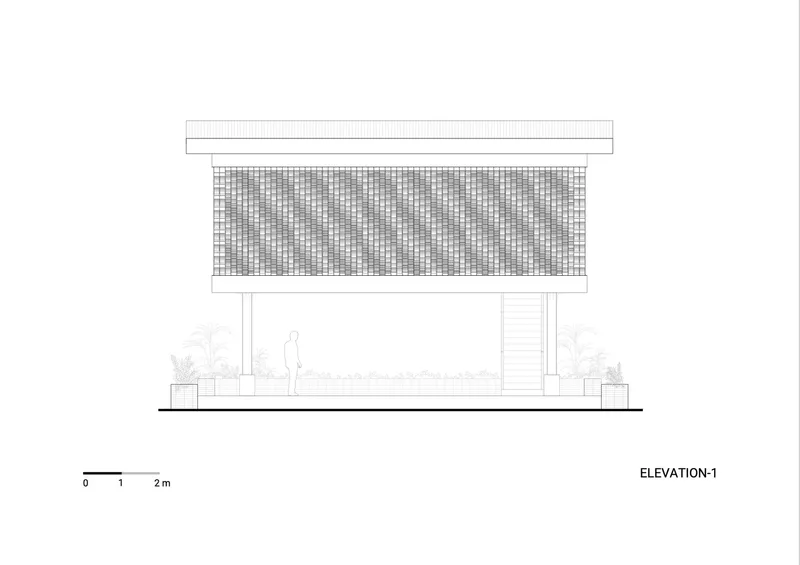
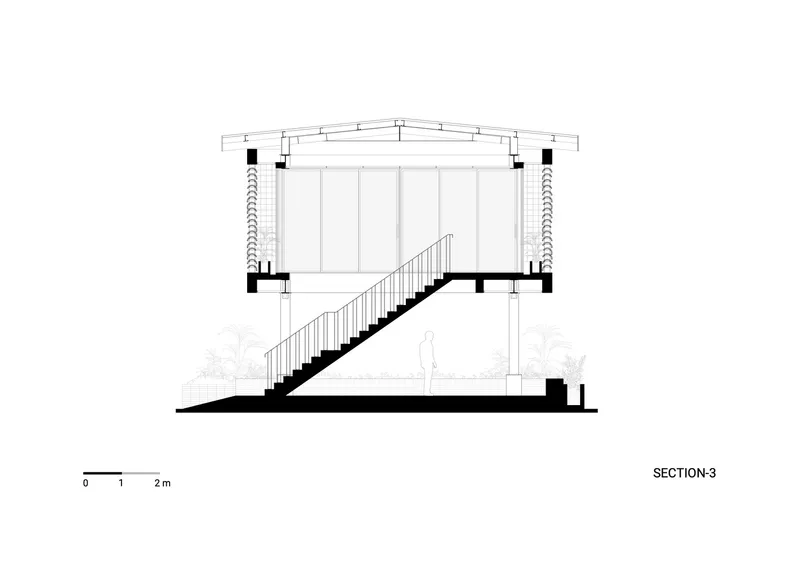
The Microlibrary Pringwulung SHAU Indonesia serves as a cultural and educational hub, offering multifunctional spaces for community activities, events, and learning. Elevated on stilts, the structure allows for various activities underneath, including local gatherings, weddings, and motorbike parking. Its striking terracotta façade is inspired by Yogyakarta’s batik patterns, providing natural ventilation and shading.
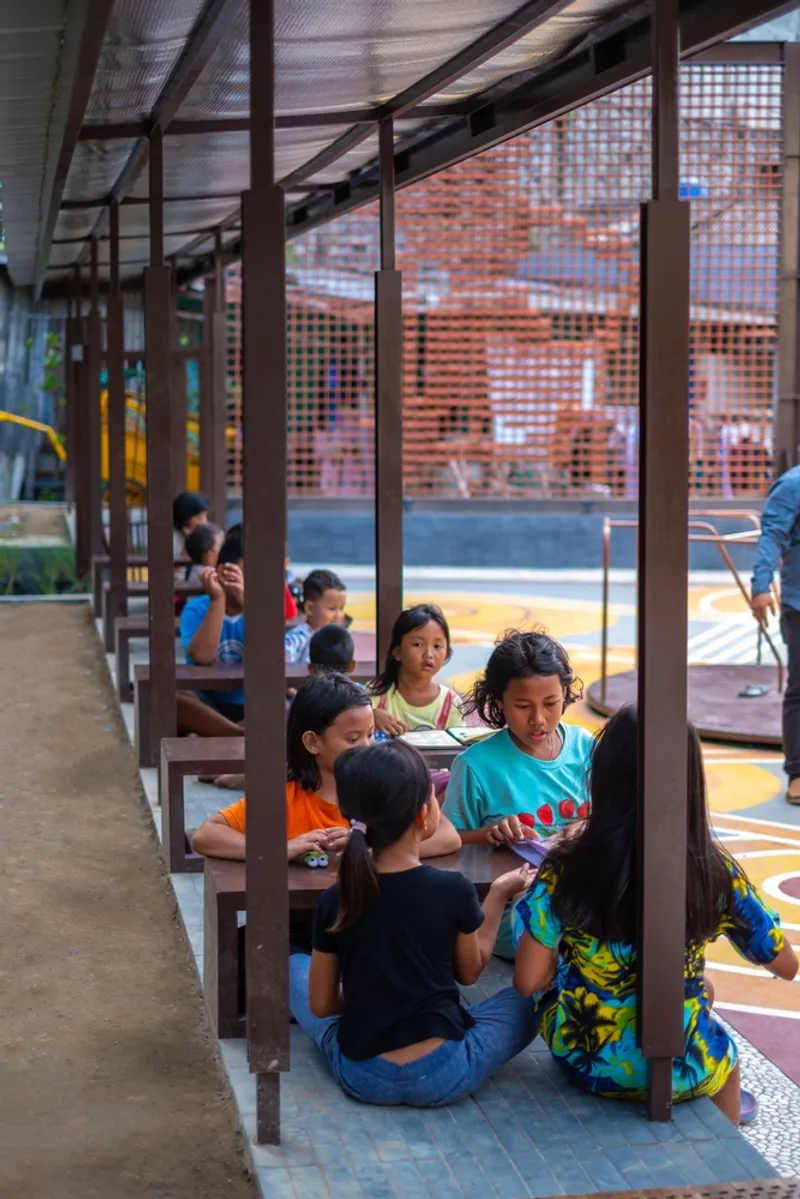
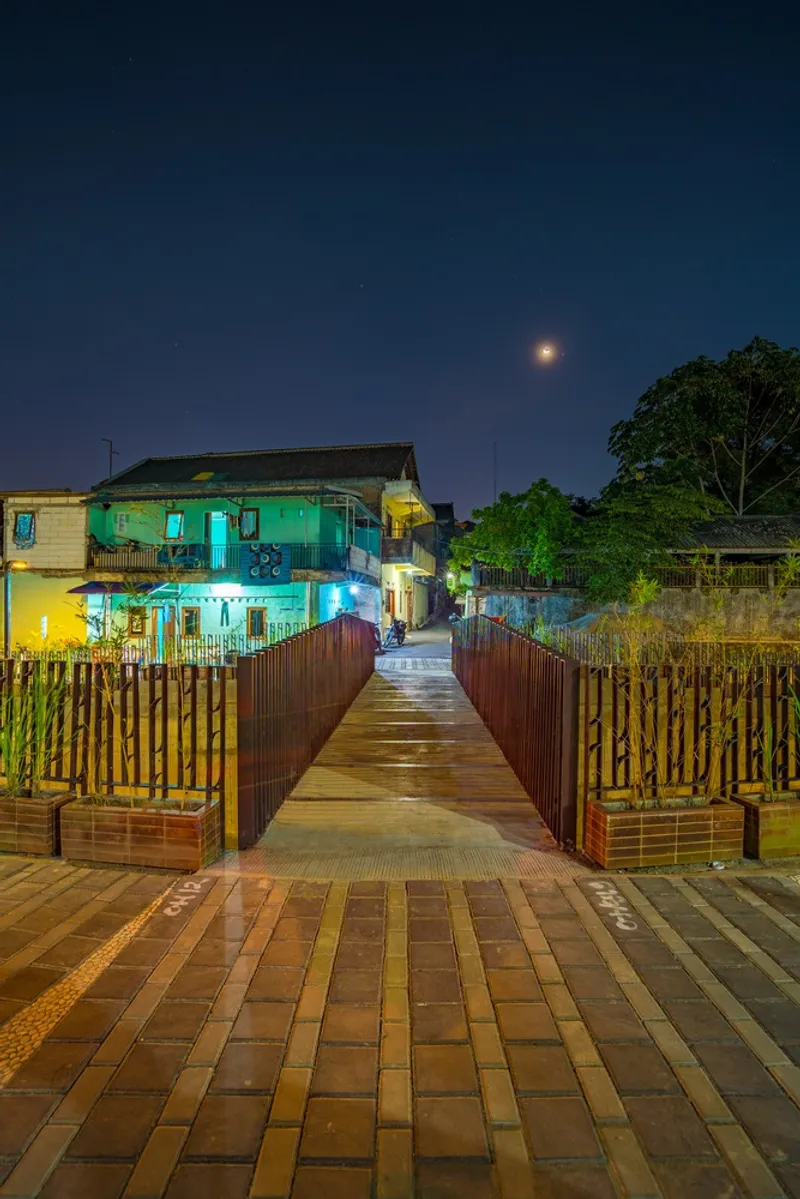
A custom-designed terracotta shingle is the primary building material, arranged in five unique positions on a steel mesh to create dynamic patterns. Locally manufactured just a few blocks away, these shingles not only reduce costs and environmental impact but also celebrate regional craftsmanship.
Public Spaces and Urban Integration
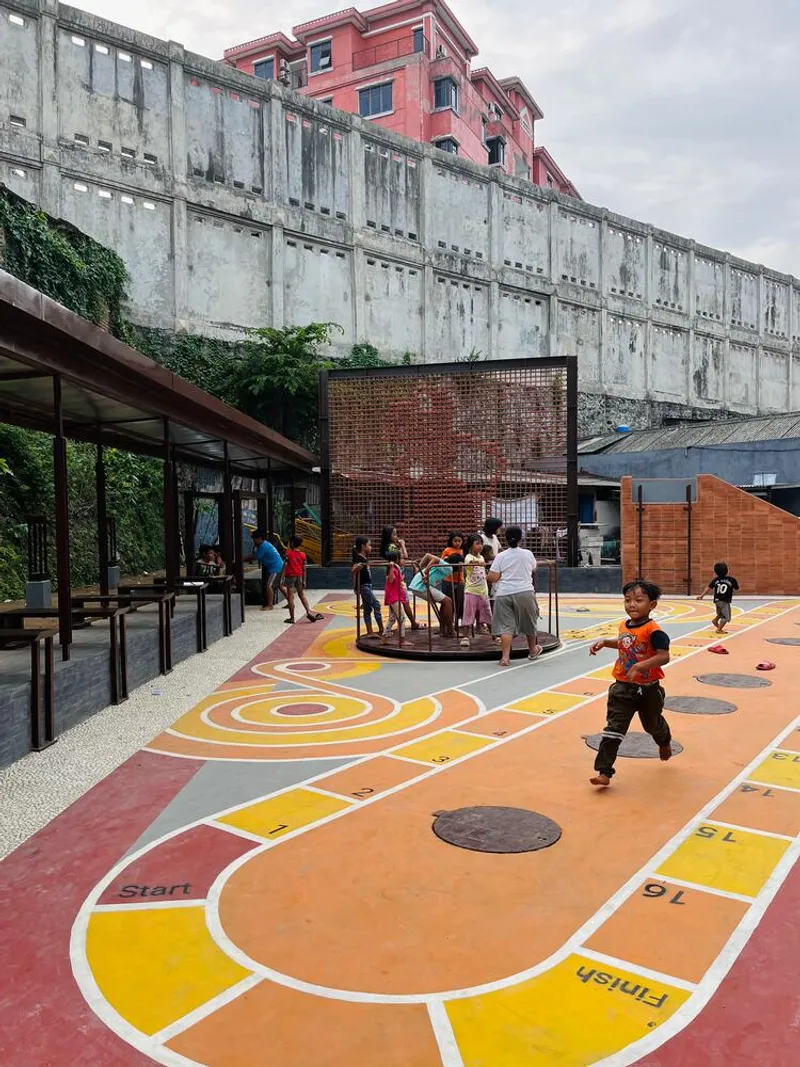
The project extends beyond architecture, focusing on enhancing public spaces. The playground integrates traditional games and cultural references, including a terracotta Wayang figure of Gatotkaca, a celebrated hero from Javanese folklore. This cultural reference connects the play space to the street’s identity while offering children an engaging learning environment.
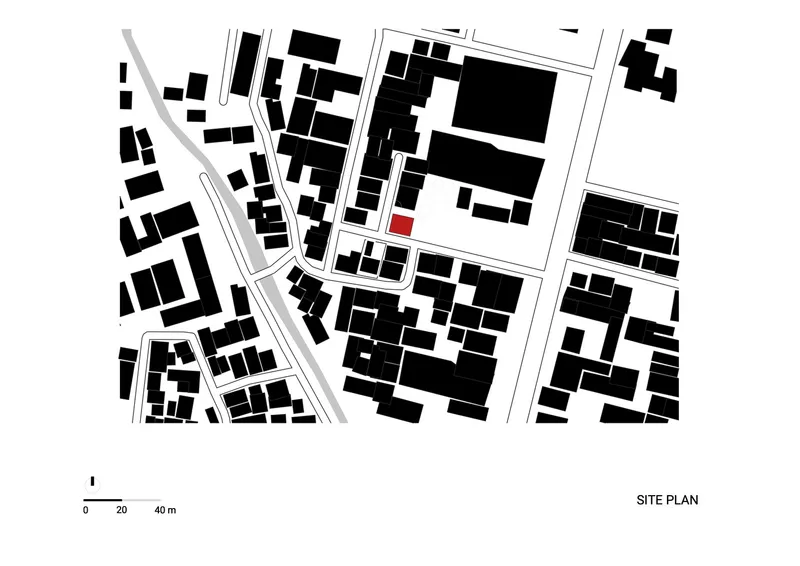
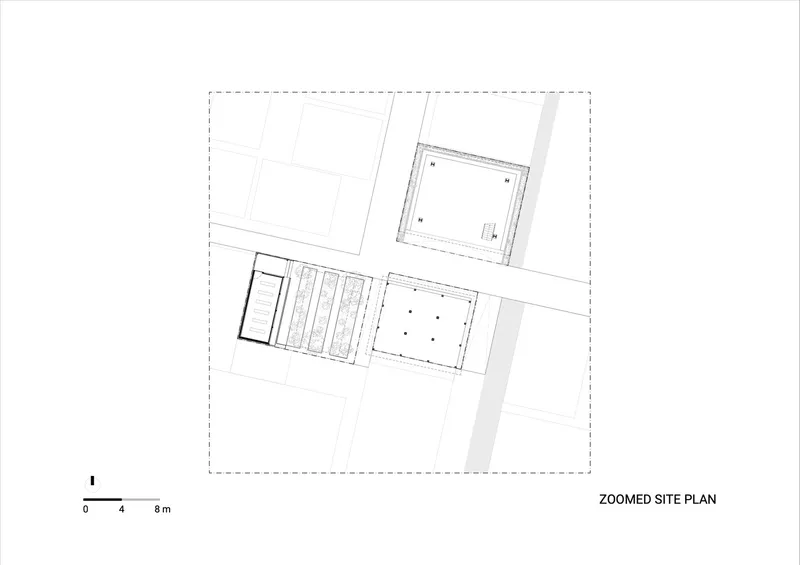
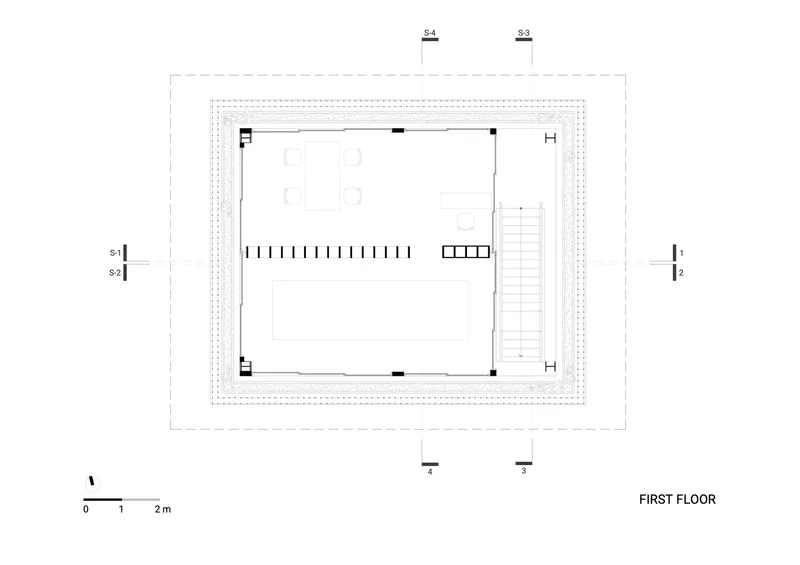
A community garden and urban farming initiatives are part of the master plan, supporting sustainable living practices such as organic waste recycling and eco-enzyme production. These green spaces encourage biodiversity while offering residents opportunities for relaxation and community bonding.
Sustainability and Social Impact
Sustainability is at the heart of the project, with flood-control systems, eco-friendly materials, and rainwater management embedded within the design. The pedestrian network improves walkability and accessibility while reducing dependence on vehicles. By combining modern urban planning with local cultural narratives, SHAU Indonesia has redefined how small-scale architecture and landscape design can create long-term social impact.
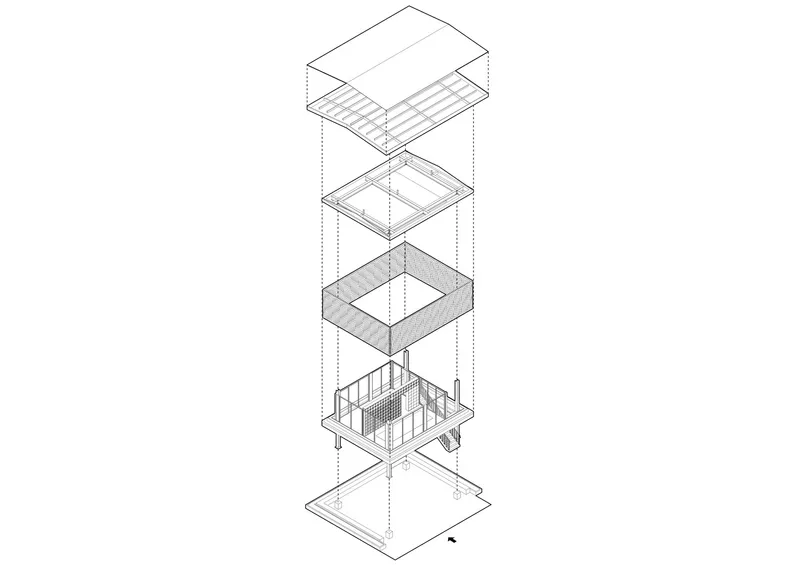
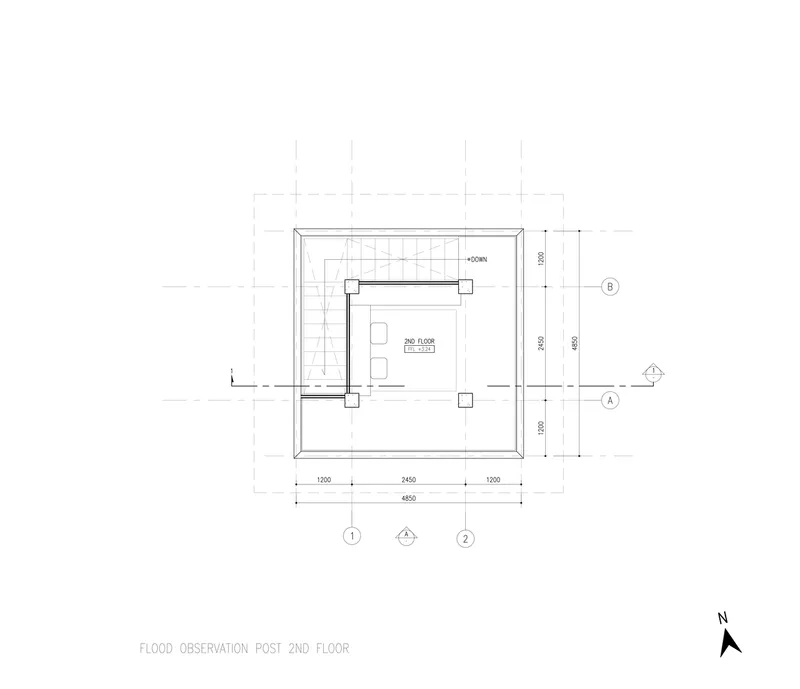
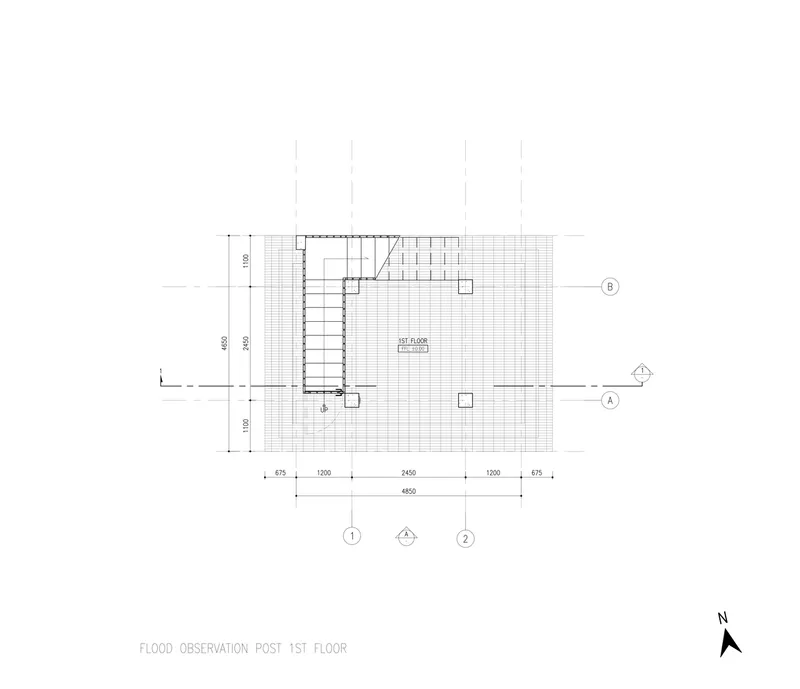

The Microlibrary Pringwulung SHAU Indonesia and the revitalization of Kampung Mrican exemplify how architecture can empower communities, preserve cultural heritage, and address contemporary urban challenges. This project is not only an educational and social hub but also a model for sustainable, inclusive urban design in Indonesia.
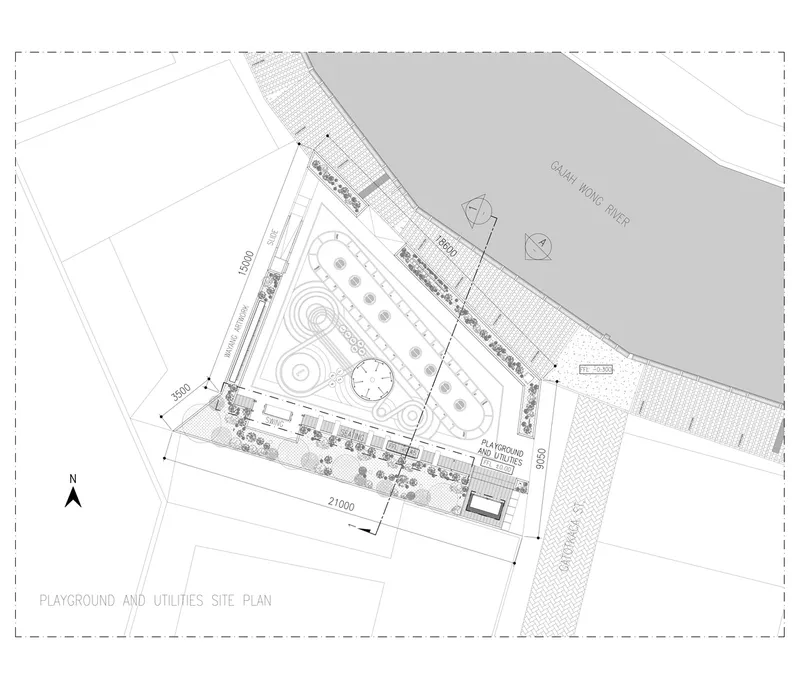
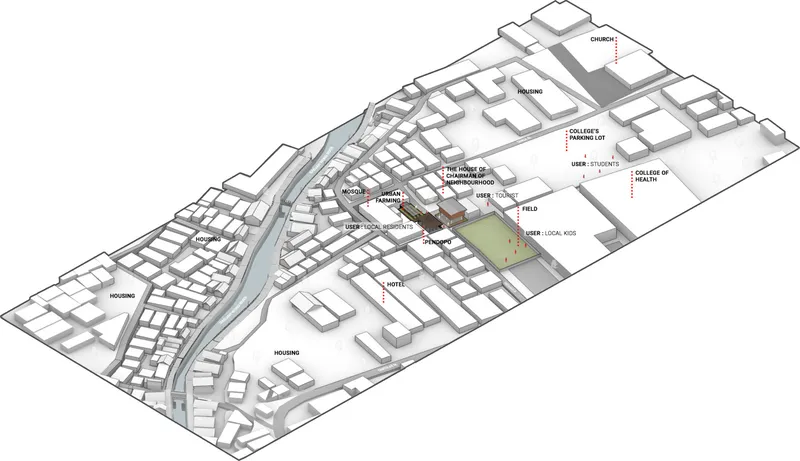
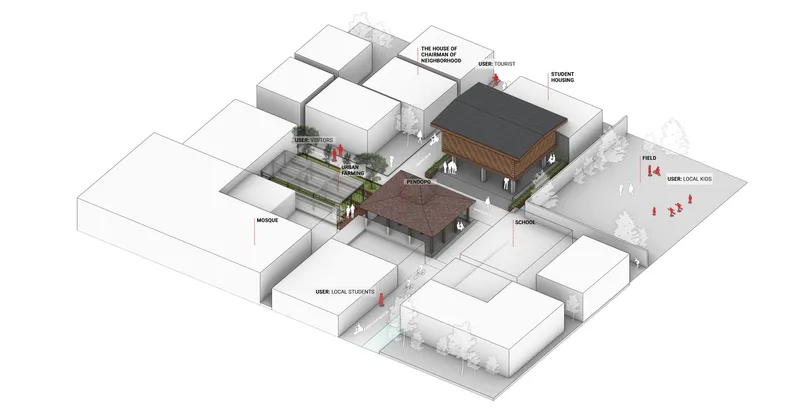

All the photographs are works of Instansi Direktorat PKP


Popular Articles
Popular articles from the community


The Amber Palace Opera: A Geological Fiction Surfaces on Tallinn's Baltic Waterfront
Pierre Brillard reimagines a Baltic legend as a public landscape, opera house, and waterfront promenade rooted in Tallinn's coastal identity.


Cube Design Draws an Ecological Corridor Between Two Shenzhen Hills with the Nankai Building
Beside Shenzhen's container docks, the Nankai Building pairs stacked balconies with a climbing green screen to connect two hillsides across its height.

FCC Arquitectura Expands a Portuguese Granite House with a Board-Marked Concrete Wing
In Portugal, JV House pairs a cleaned-up whitewashed and granite dwelling with a timber-shuttered concrete extension, courtyards and a garden pool.

David Ortega Stacks a Two-Story Mexico City Penthouse Around a Steel Stair and a Pergola-Shaded Roof Terrace
In Colonia Roma, a 300 m² penthouse uses oak joinery, a planted steel stair and a slatted roof pergola to make a new-build apartment feel like a house.

Similar Reads
You might also enjoy these articles

Bamboo Housing Challenge 2026: Design Affordable, Sustainable Homes Using Bamboo
An international design competition by Bamboo U and IBUKU inviting architects and designers to reimagine affordable housing using bamboo — with the winning design built full-scale in Bali.

Computational Design & Education: Beegraphy Design Awards Introduces 7th Category (Featuring Jiyun's Innovative Approach)
Dive into Beegraphy’s 7th Design Awards category, where computational design meets education to create immersive, interactive learning tools, inspired by Jiyun’s work.
From Parametric Lighting to Urban Furniture: Join the 2nd Workshop in Beegraphy’s Computational Design Series
Dive into Cutting-Edge Design Techniques and Practical Applications with Industry Experts

Last Call: Unleash Your Architectural Genius in SHAK's Kindergarten Design Competition
Urgent call for architects to join SHAK's kindergarten design competition before the looming deadline

Explore Architecture Competitions
Discover active competitions in this discipline

Challenge to reimagine the Iron Throne

Photograph architecture without architects

Illustrate the lost glory of Angkor Wat - Render Challenge

Design challenge to reuse E-waste
Comments (0)
Please login or sign up to add comments
No comments yet. Be the first to comment!