
Minimalist Pedestrian Bridge Design in China: Ephemeral Bridge by FAR WORKSHOP
A minimalist pedestrian bridge in Moganshan that poetically merges with nature through time-sensitive design and structural clarity.


A Poetic Response to Nature in Moganshan
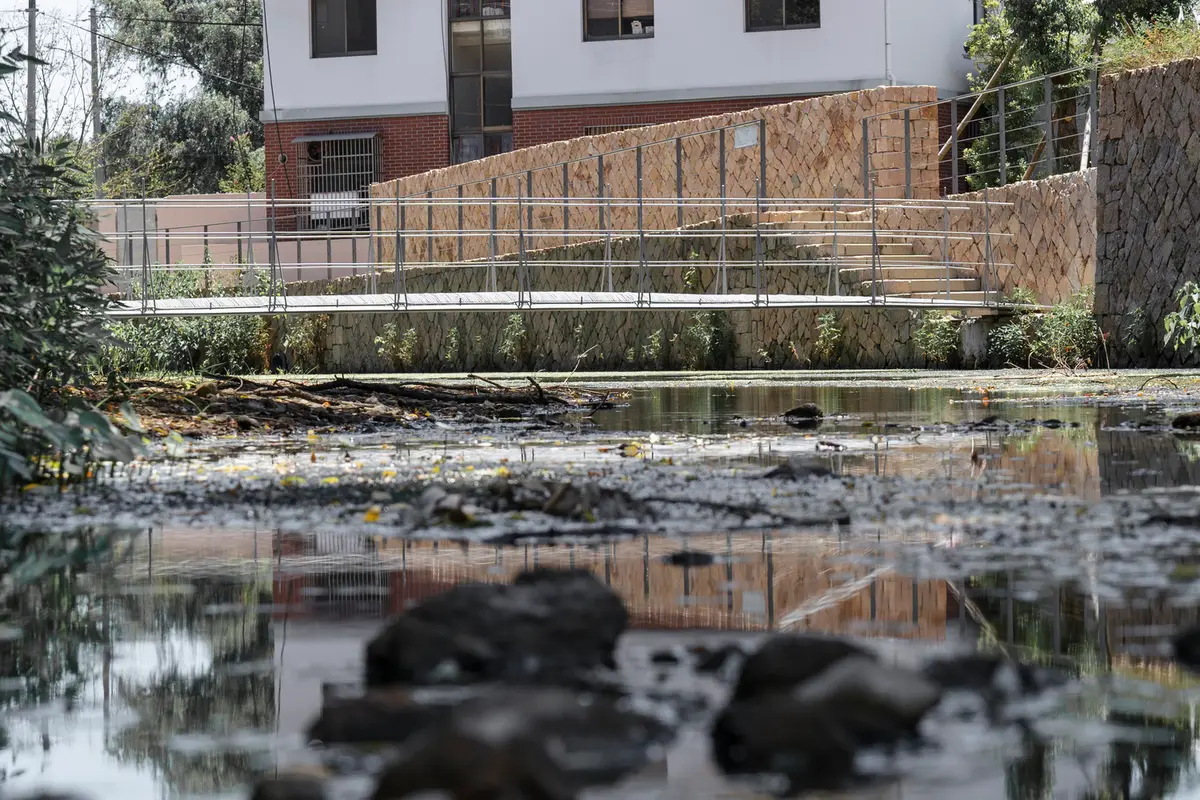
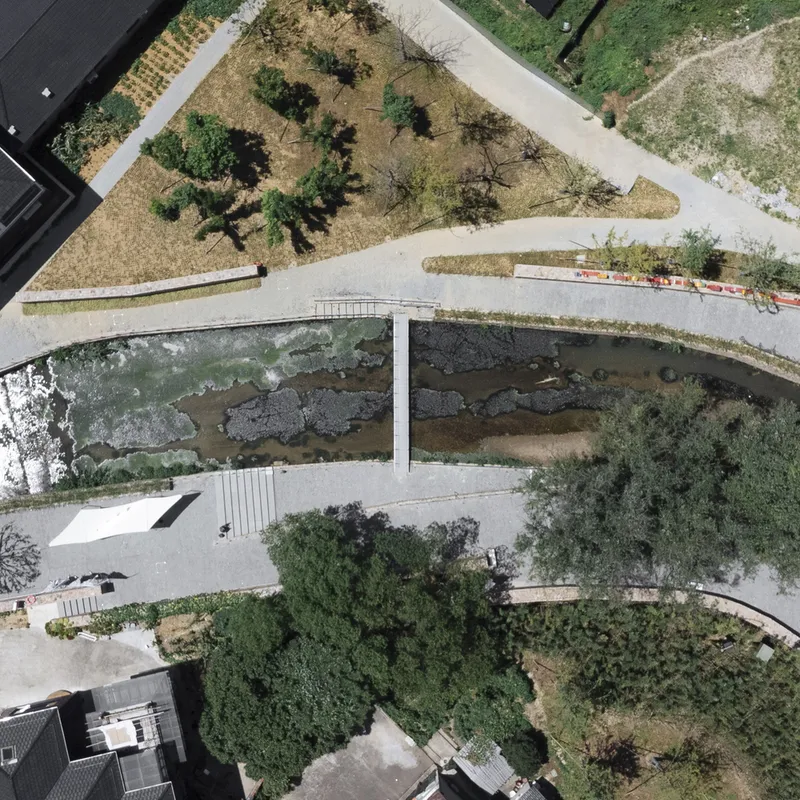
Located in the scenic region of Fuxi, Moganshan, the Ephemeral Bridge by FAR WORKSHOP challenges conventional infrastructure with a poetic, minimalist intervention that merges with its natural surroundings. Completed in 2024, this 13-square-meter pedestrian bridge was one of two winning entries from FAR WORKSHOP in the prestigious Seven Bridges International Competition.
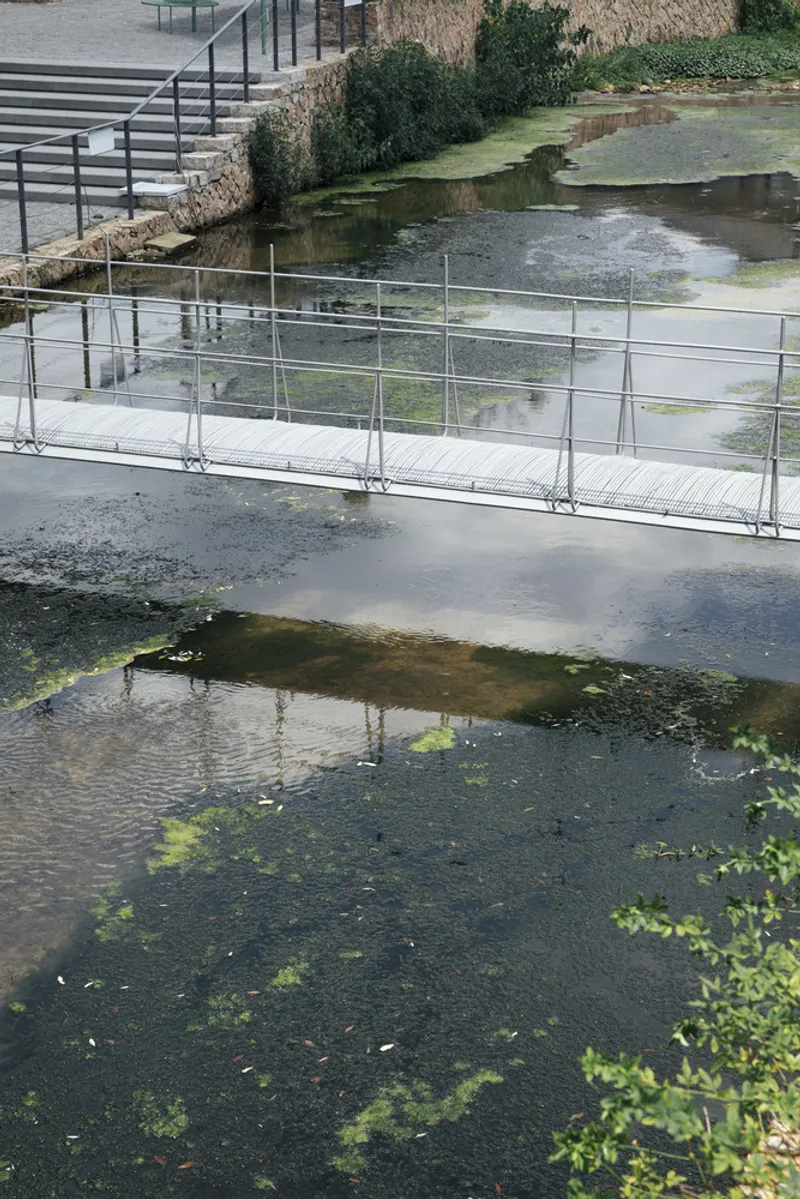
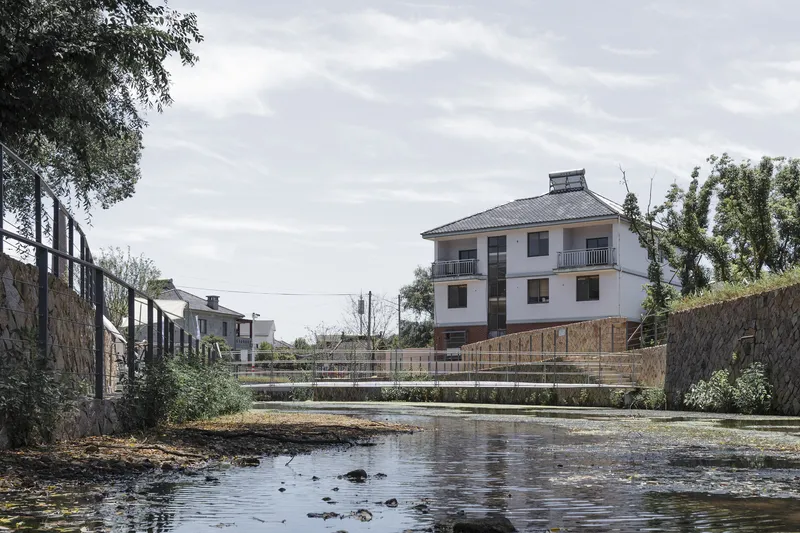
More than a crossing, this bridge is a dialogue between architecture, nature, and time, representing a unique interpretation of impermanence and environmental responsiveness in bridge design.
Reimagining the Relationship Between Water and Structure
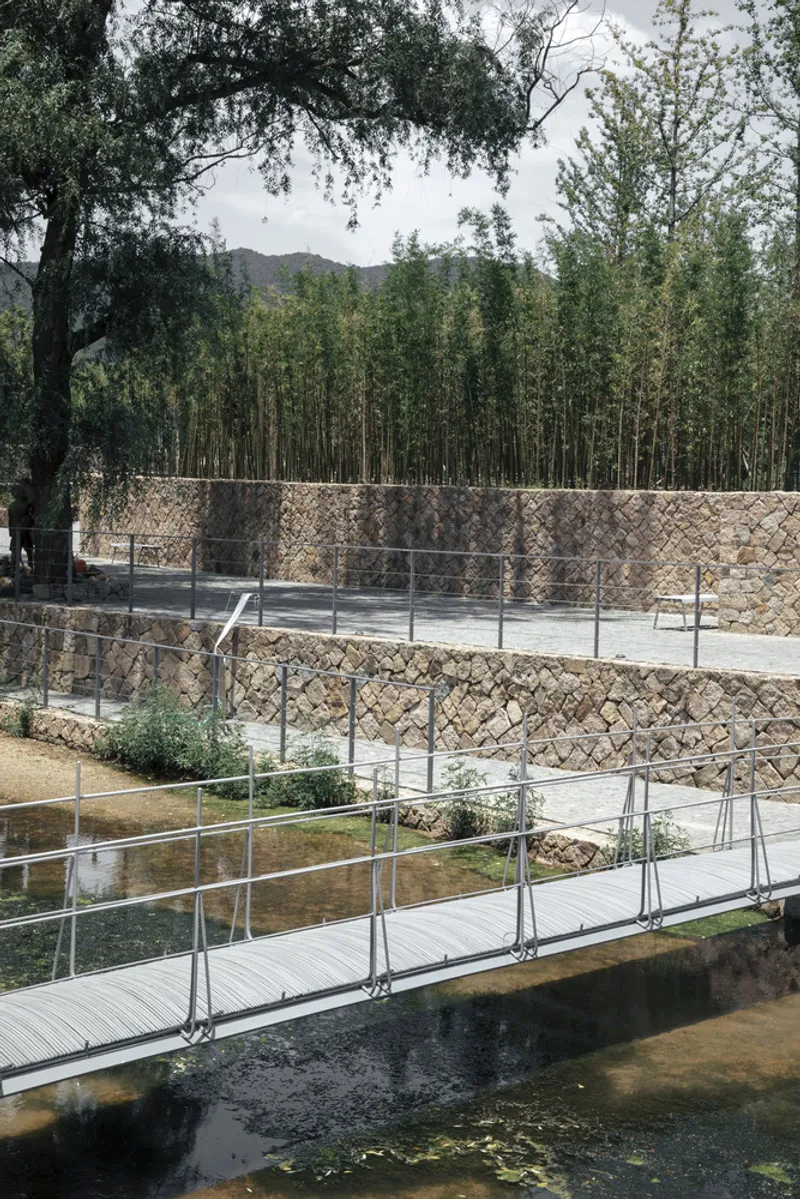
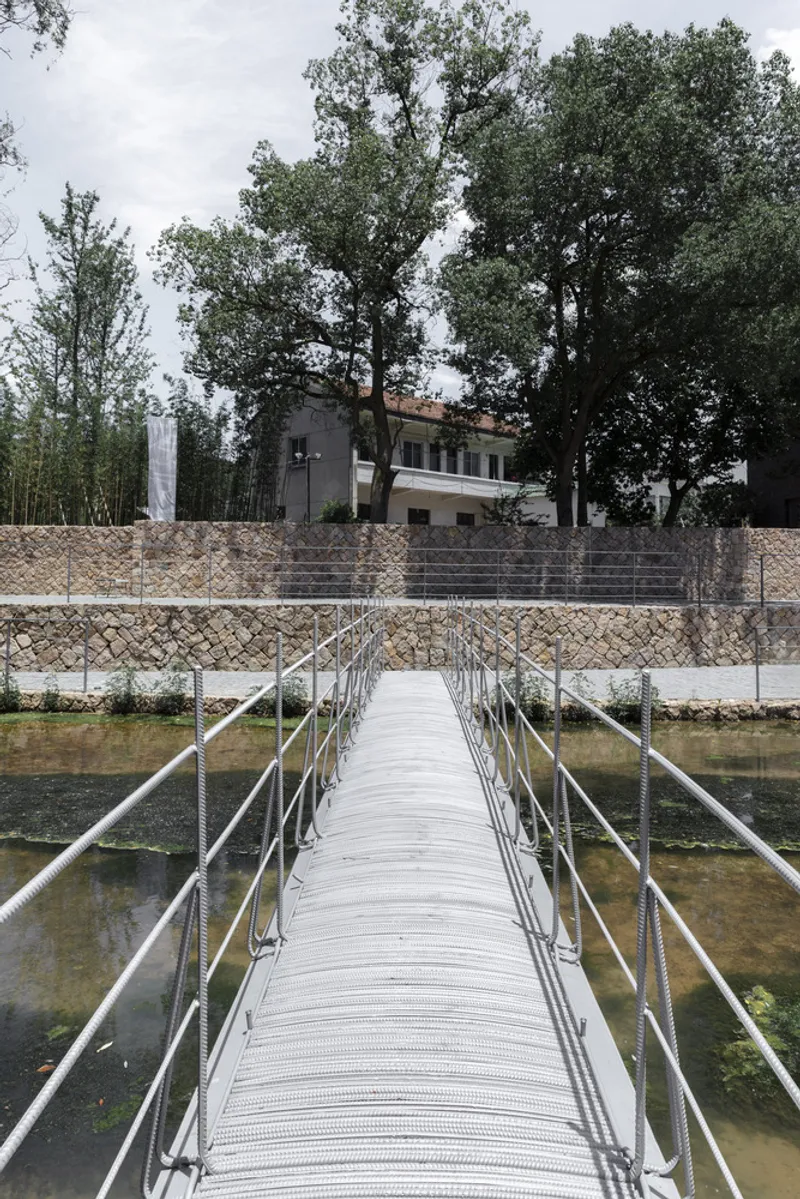
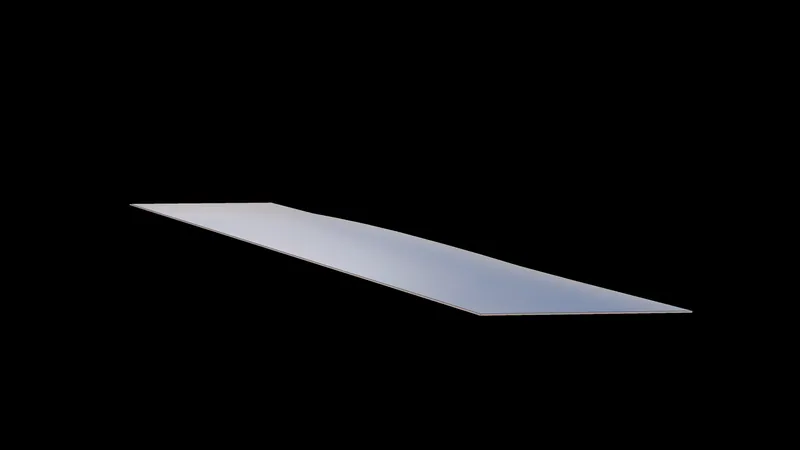
What sets the Ephemeral Bridge apart is its fluid interaction with the changing water levels beneath it. Instead of distancing the structure from nature, FAR WORKSHOP embraced fluctuation as a design condition. By keeping the bridge height low and integrating a subtle arch into the form, the bridge becomes an instrument for observing time and tide.
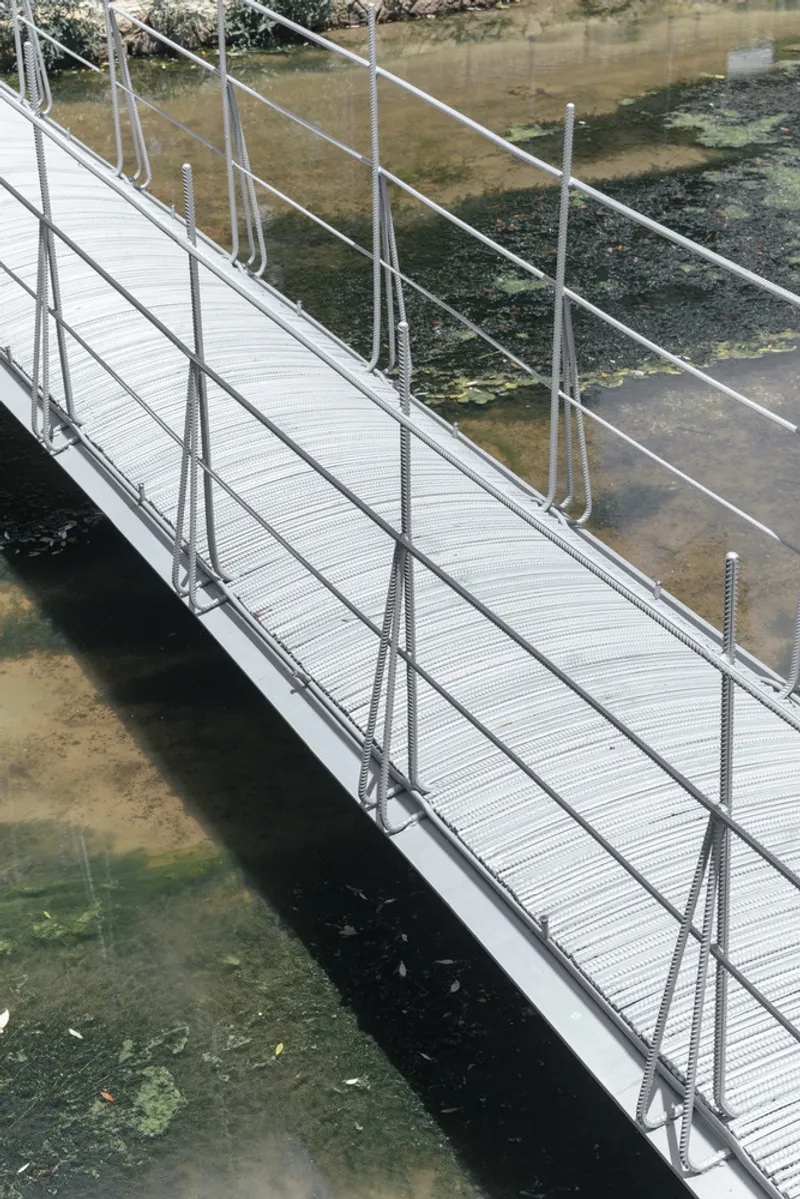
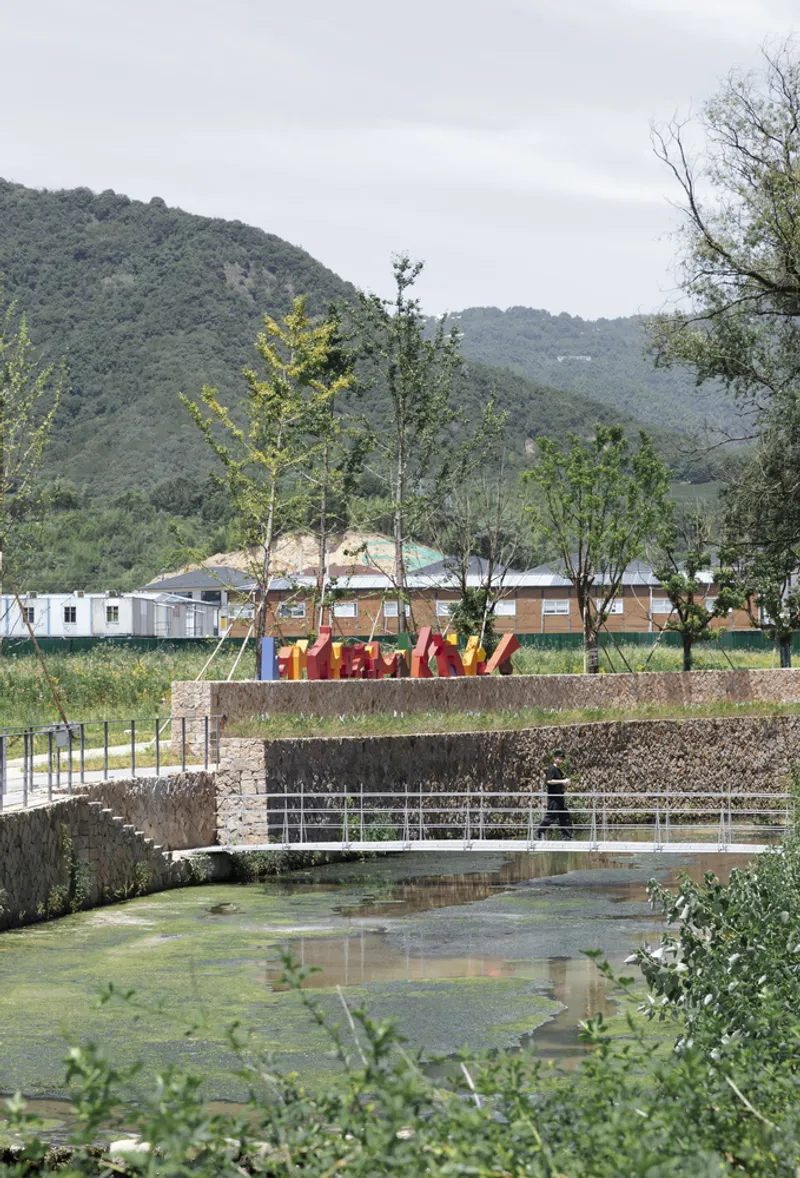
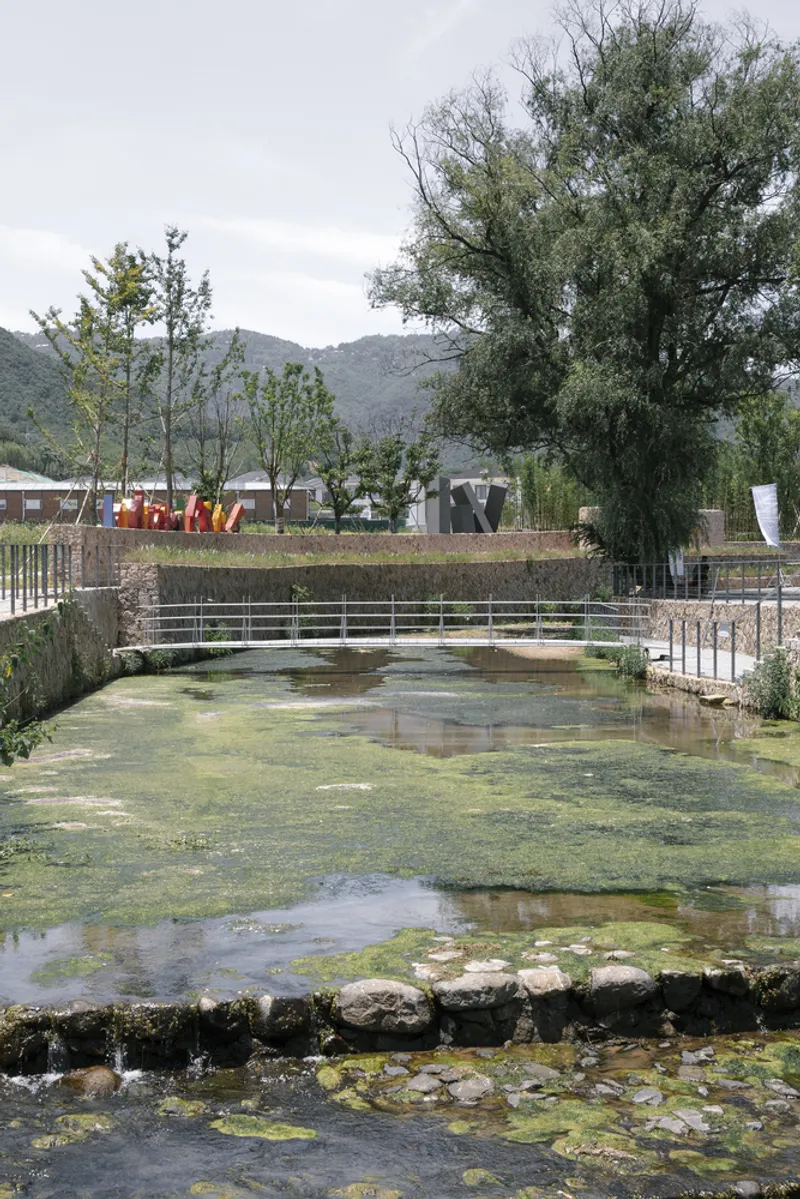
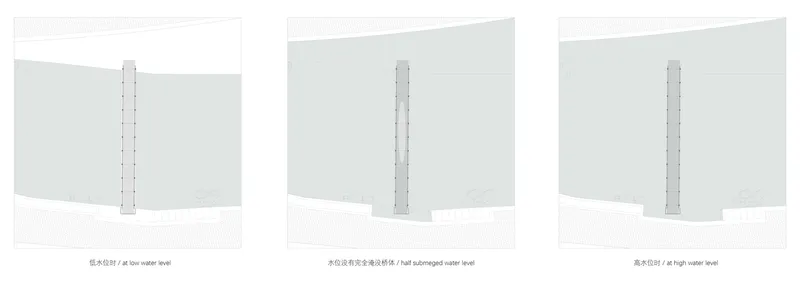
When the stream level is low, pedestrians can pass easily. As water rises, the curved top remains visible like a sliver of island in the water—signaling both continuity and change. If the water floods entirely, the bridge disappears. This fleeting presence invites a comparison to Mont-Saint-Michel, where land and sea meet in constantly shifting configurations.
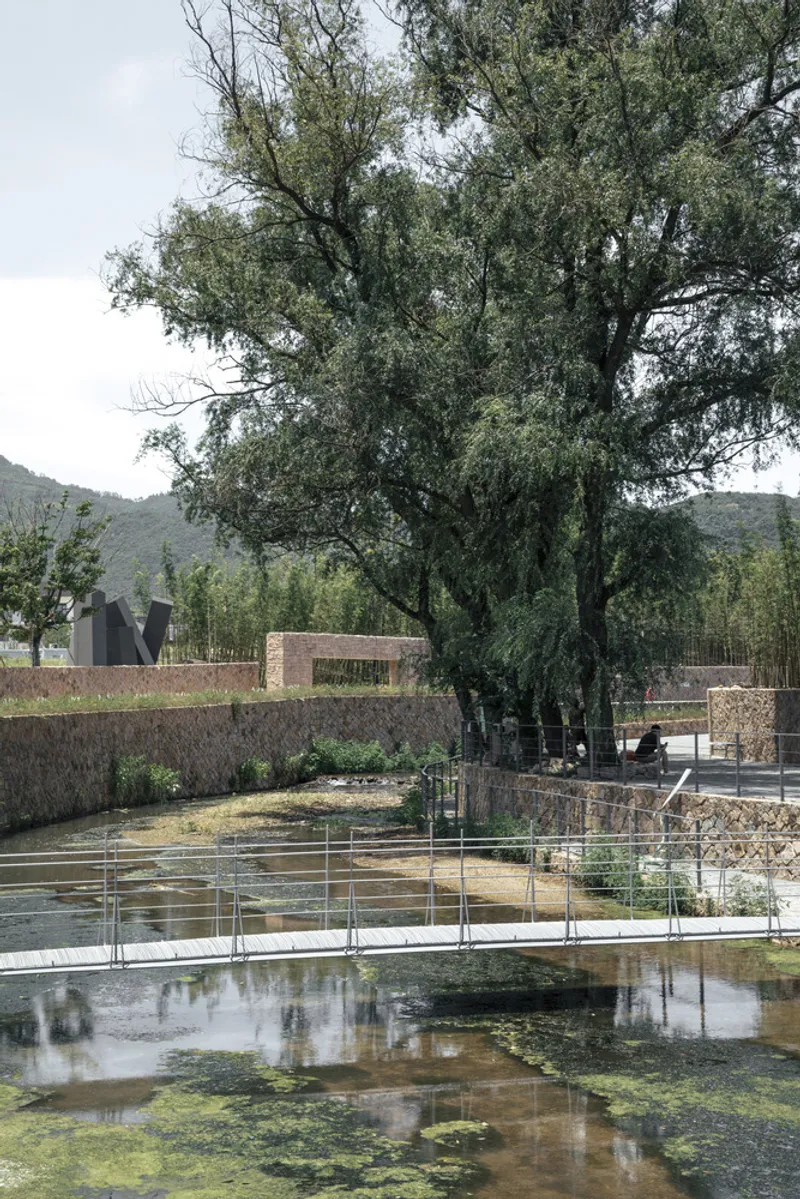
Structural Simplicity with Engineering Precision
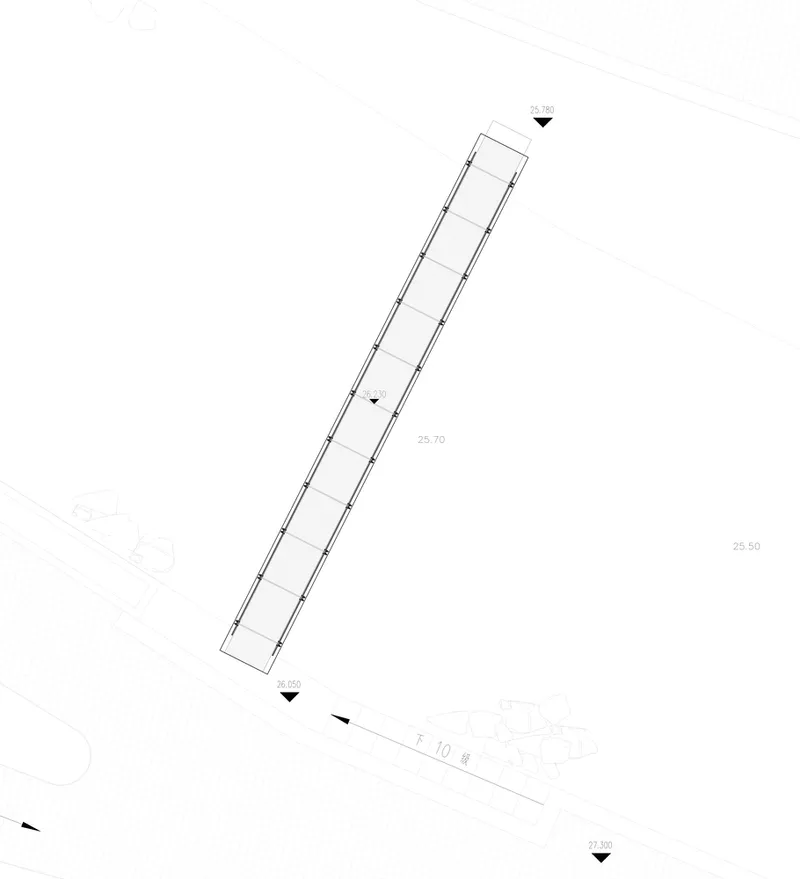
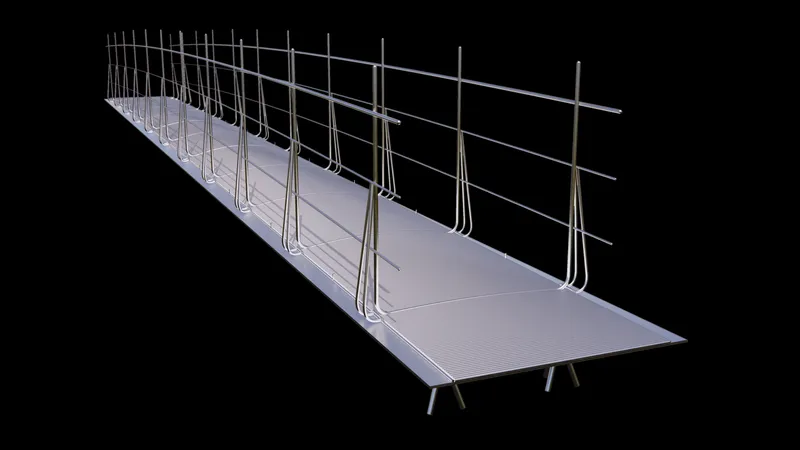
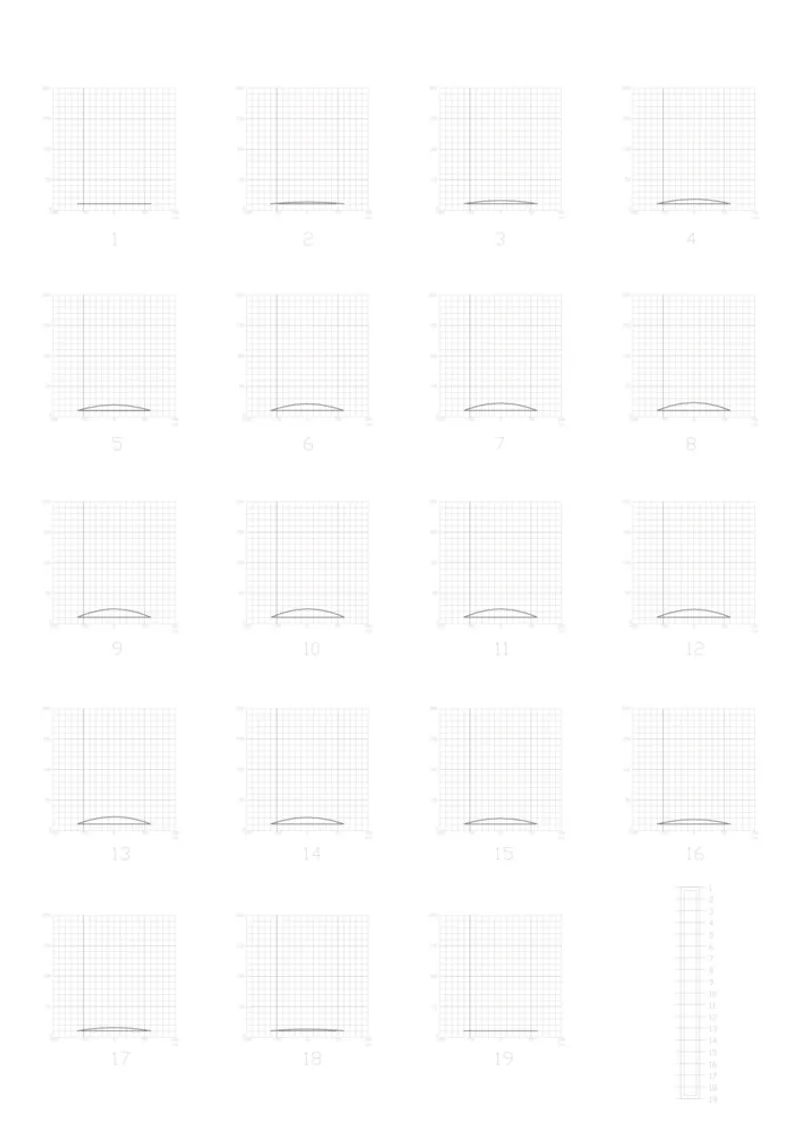
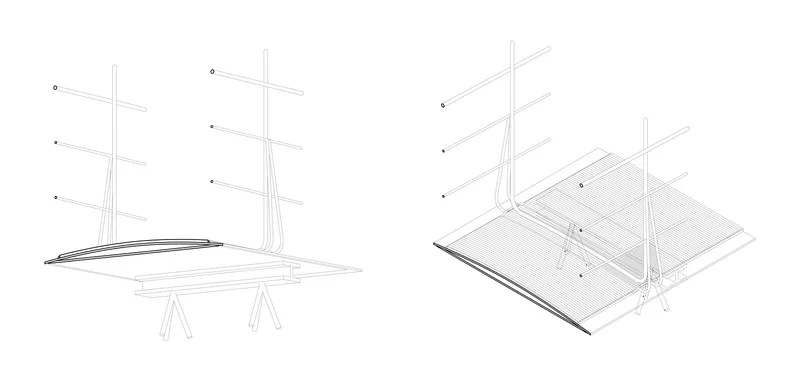
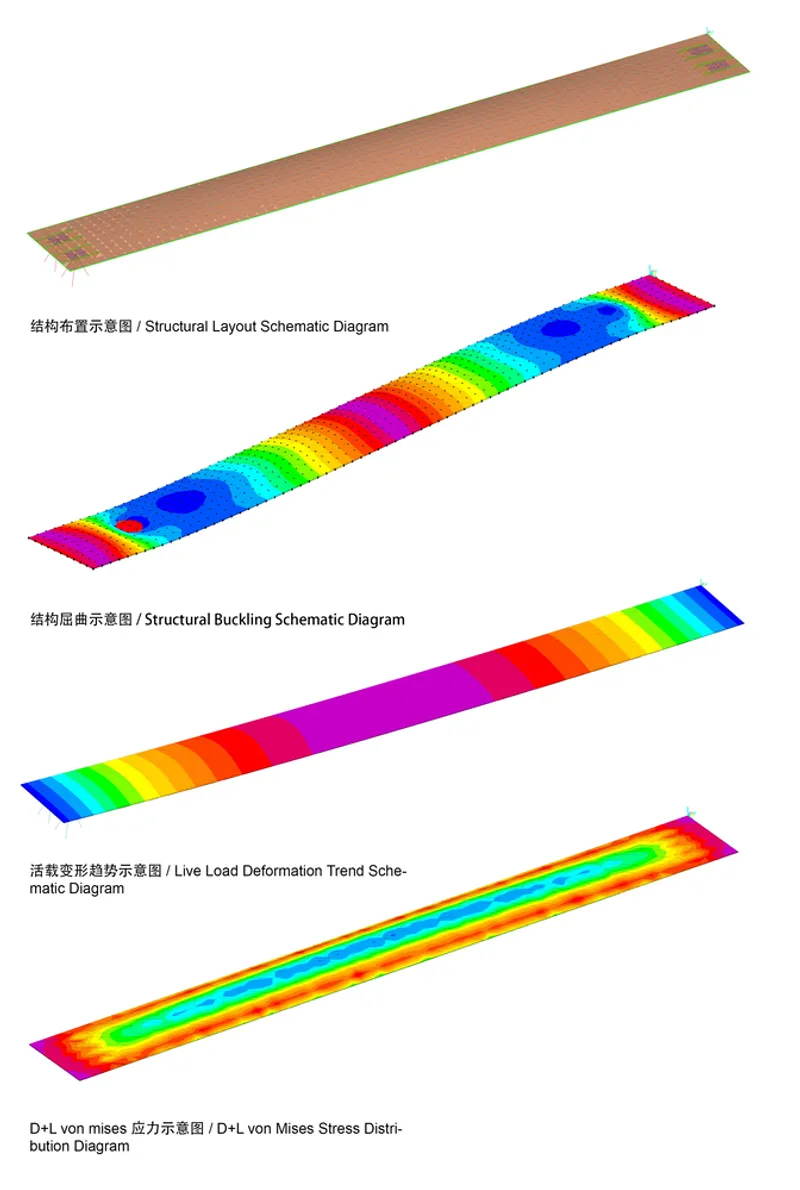
The Ephemeral Bridge spans 13.5 meters and is constructed from two welded steel plates, forming a lentil-shaped box section. In the middle, the bridge is 150mm thick, gradually thinning to 32mm at the supports. The convex top plate not only adds visual elegance but serves a crucial structural function—enhancing local stability through compression.
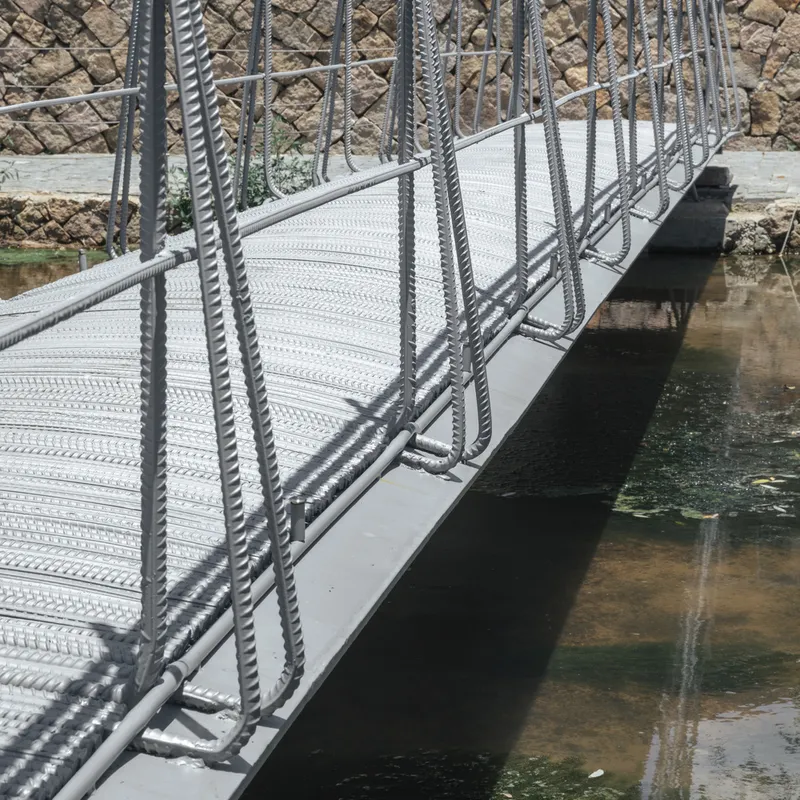
Without the need for internal ribs or diaphragms, the bridge maintains a pure tectonic form, appearing as delicate as paper yet strong enough to carry pedestrian loads. Anti-slip steel bars are attached to the walking surface, some extending vertically to serve as minimalist handrails. This fusion of form and function is a hallmark of minimalist bridge design.
An Ambiguous Boundary Between the Artificial and the Natural
Rather than reinforce the dichotomy between urban infrastructure and natural environment, the design introduces ambiguity—a quality often absent in modern cities. The Ephemeral Bridge restores a poetic ambiguity once familiar in pre-industrial landscapes, where artificial interventions were inseparable from nature.
By allowing the bridge to submerge and re-emerge, the project challenges the rigid safety-driven binaries of city planning. This ephemeral condition does not signify failure or danger; it signals change, rhythm, and environmental connection—qualities lost in overly rationalized urban environments.
Constructing Ephemerality with Precision
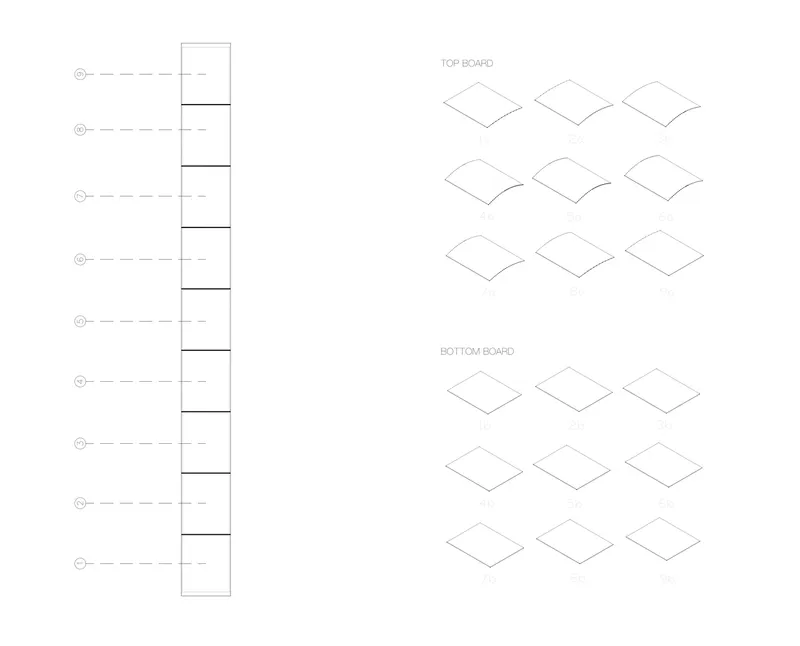
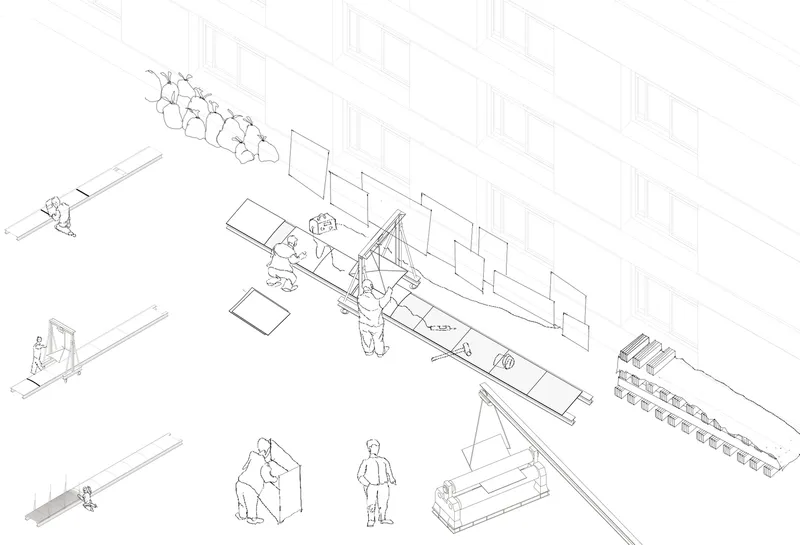
Due to limitations in steel plate dimensions, the bridge was fabricated in nine sections for both top and bottom plates. The top plates were precisely curved with pressing machinery before being edge-welded to the flat bottom plate. Despite its ultra-thin profile, the bridge underwent load and vibration testing to ensure structural integrity. The final result is an exceptionally light and stable form that defies the visual expectations of pedestrian infrastructure.
Walking on Water: A Psychological Experience
From a user’s perspective, crossing the Ephemeral Bridge is more than a passage—it’s a psychological encounter. At first glance, the bridge’s proximity to the water and slender profile create hesitation. But as one steps onto the surface, this perceived fragility is replaced by an unexpected sense of stability. The experience of walking just above the water surface produces a surreal, contemplative moment—like defying gravity while still being anchored.

Redefining Bridge Architecture in China
The Ephemeral Bridge by FAR WORKSHOP is a landmark in minimalist pedestrian bridge design in China, offering a built environment that does not impose itself upon nature but becomes part of it. Its structural lightness, poetic ambiguity, and time-responsive form make it not just a bridge, but a living part of the landscape. In an era defined by control and certainty, the bridge reintroduces architecture as a space for mystery, rhythm, and reflection.
All Photographs are works of Biosphere, AND office


Popular Articles
Popular articles from the community


Play: Fragments of Their World
Familiar architecture becomes modular playground design, creating safe spaces where displaced children can learn, connect, imagine and play.

Co-Life: Senior Housing Design That Reconnects Older Adults With the City
Co-Life reimagines senior housing design through healing gardens, shared streets, workshops, and a sustainable community across generations.

The Ocean Hive: Sustainable Architecture for a Self-Sufficient Civilization at Sea
The Ocean Hive imagines sustainable architecture at sea, where modular habitats, algae, wave power and ocean waste sustain a growing colony.

Conexión: Biophilic Design Reimagines High-Rise Living in Hong Kong
Conexión reimagines high-rise living in Hong Kong through biophilic design, green facades, shared spaces, daylight, water and nature within.

Similar Reads
You might also enjoy these articles

Bamboo Housing Challenge 2026: Design Affordable, Sustainable Homes Using Bamboo
An international design competition by Bamboo U and IBUKU inviting architects and designers to reimagine affordable housing using bamboo — with the winning design built full-scale in Bali.

Computational Design & Education: Beegraphy Design Awards Introduces 7th Category (Featuring Jiyun's Innovative Approach)
Dive into Beegraphy’s 7th Design Awards category, where computational design meets education to create immersive, interactive learning tools, inspired by Jiyun’s work.

From Parametric Lighting to Urban Furniture: Join the 2nd Workshop in Beegraphy’s Computational Design Series
Dive into Cutting-Edge Design Techniques and Practical Applications with Industry Experts

Last Call: Unleash Your Architectural Genius in SHAK's Kindergarten Design Competition
Urgent call for architects to join SHAK's kindergarten design competition before the looming deadline

Explore Pedestrian Bridge Competitions
Discover active competitions in this discipline

Challenge to reimagine the Iron Throne

Photograph architecture without architects

Illustrate the lost glory of Angkor Wat - Render Challenge

Design challenge to reuse E-waste
Comments (0)
Please login or sign up to add comments
No comments yet. Be the first to comment!