

Modern Hotel Architecture in Berlin: Hotel Bellman Berlin-Neukoelln by Tchoban Voss Architekten
Hotel Bellman Berlin-Neukoelln redefines modern hotel architecture in Berlin with a dynamic façade and urban-sensitive spatial design.


A Contemporary Landmark at the Heart of Berlin-Neukoelln
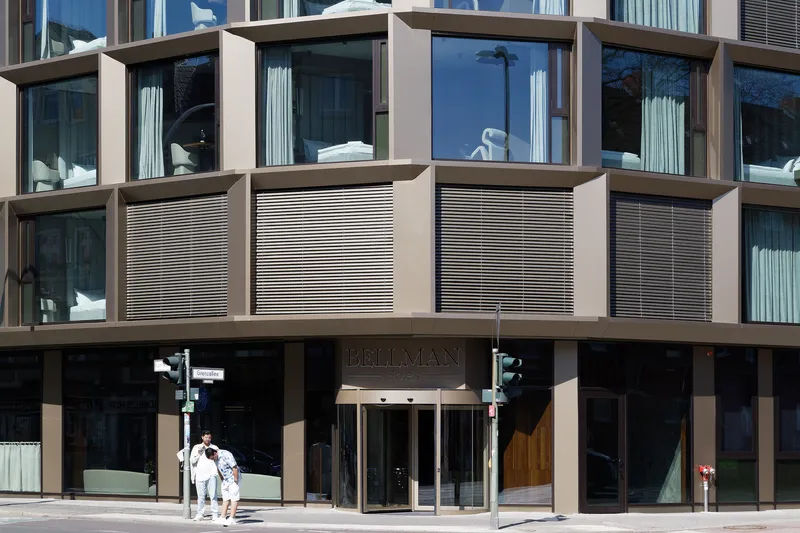
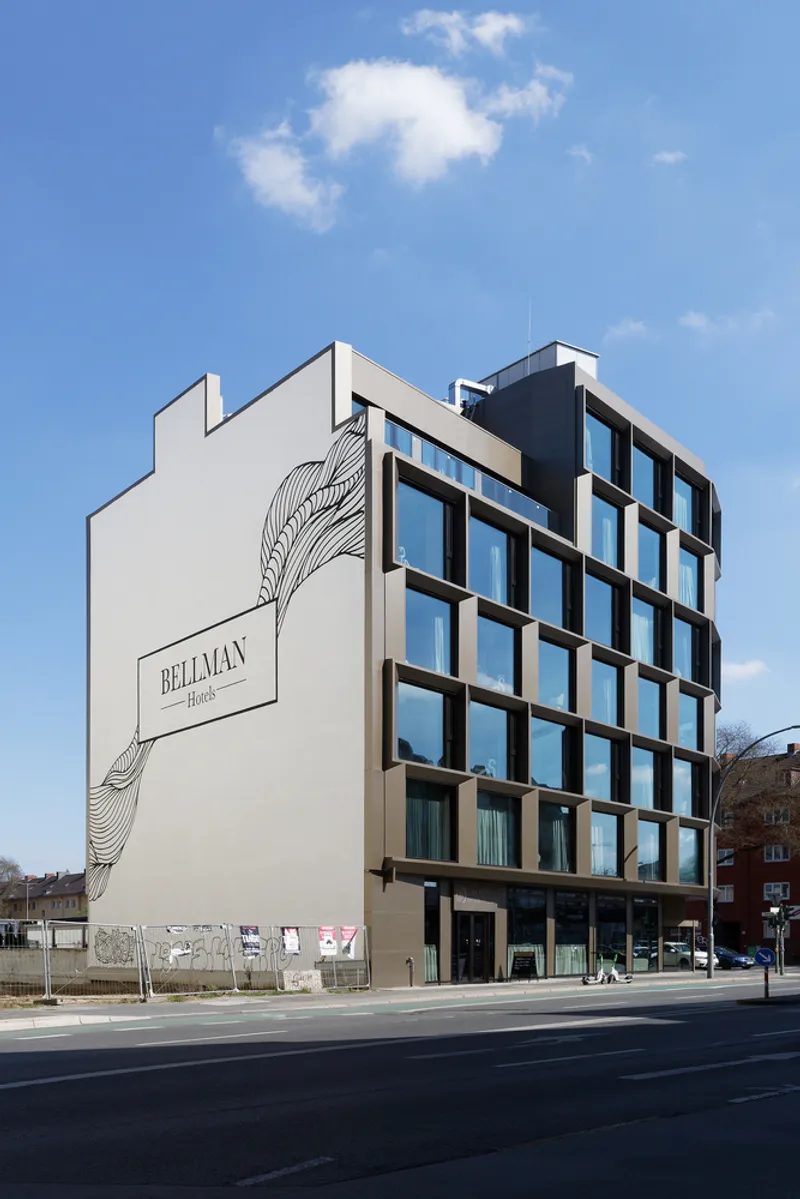
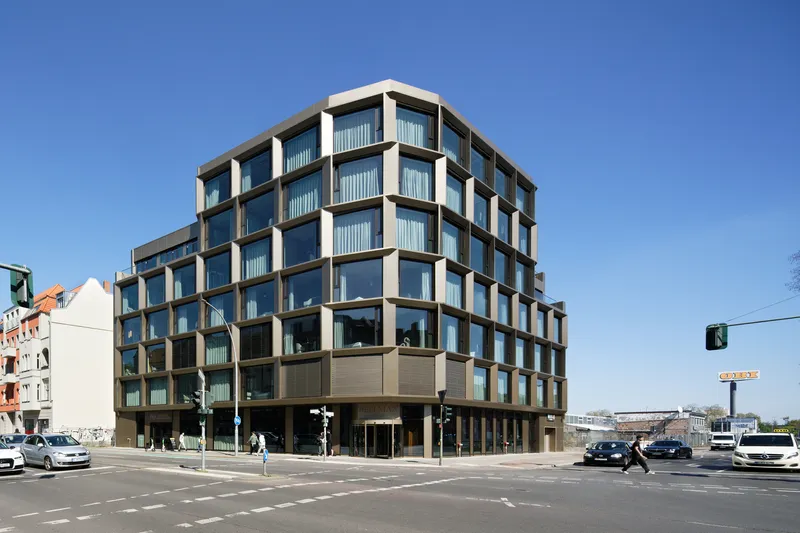
Situated at the corner of Karl-Marx-Strasse and Grenzallee, Hotel Bellman Berlin-Neukoelln by Tchoban Voss Architekten stands as a distinctive example of modern hotel architecture in Berlin. With its shimmering golden bronze aluminium and glass façade, this new urban landmark transforms a previously neglected street corner into a vibrant and architecturally cohesive destination. Drawing inspiration from the gritty charm of New York’s Meatpacking District, the building brings texture, energy, and contemporary elegance to one of Berlin’s most dynamic neighborhoods.
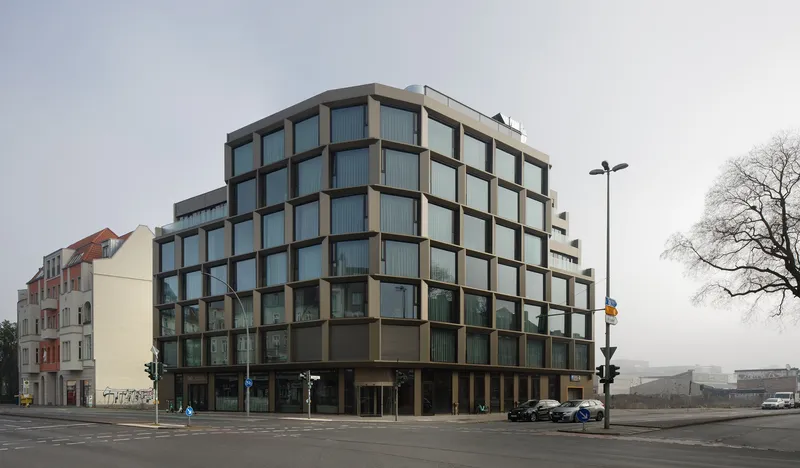
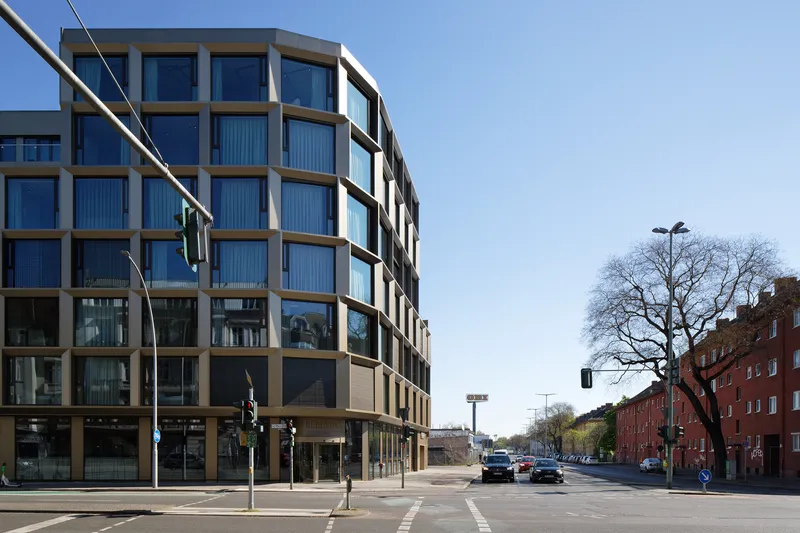
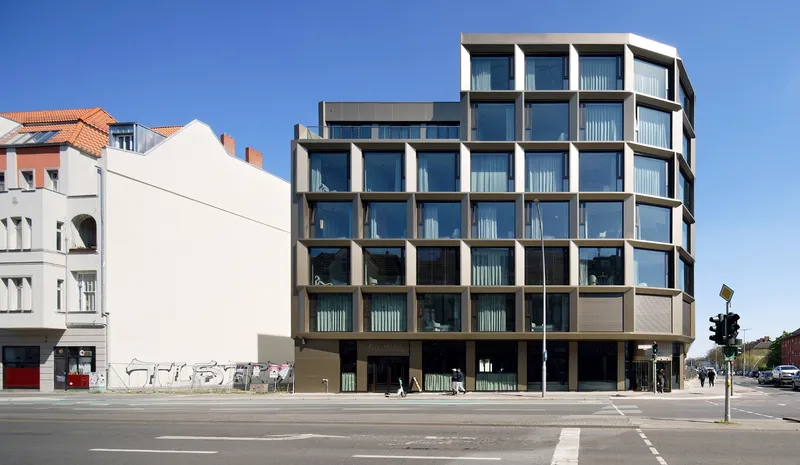
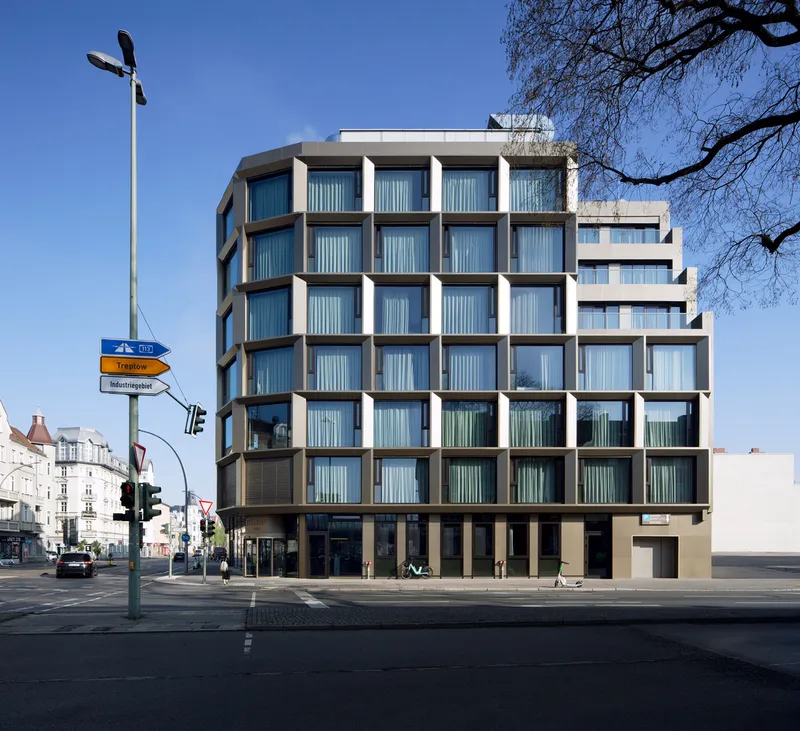
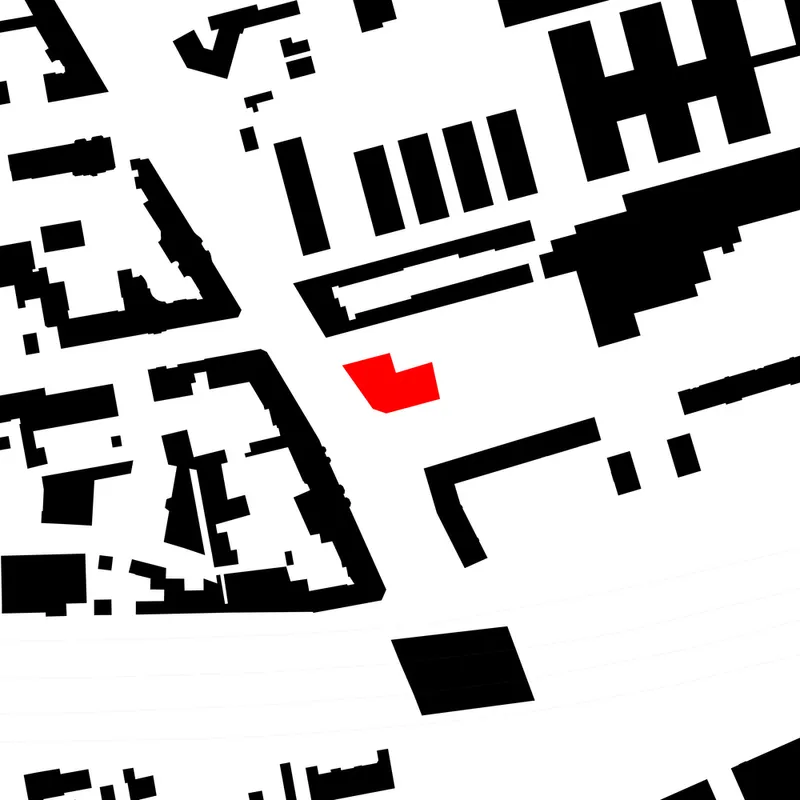
The seven-story structure operates as both a functional hospitality space and an urban connector. Its perimeter block development form allows it to integrate naturally with the Wilhelminian-style buildings nearby, while its bold material palette and dynamic geometry signal a forward-looking architectural identity.
Harmonizing Tradition and Innovation through Form
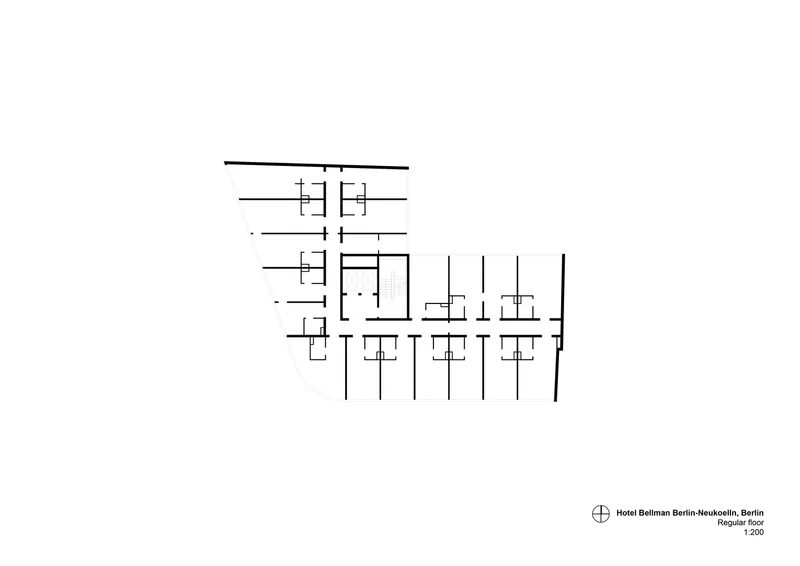
Hotel Bellman respects the surrounding urban context by carefully responding to local building heights, lines, and depths. The architects have created staggered setbacks at the corners, mediating between different eaves levels in the neighborhood and introducing variation into the otherwise uniform façade rhythm. This subtle maneuvering ensures the hotel feels like an organic extension of its context rather than a disruptive insertion.
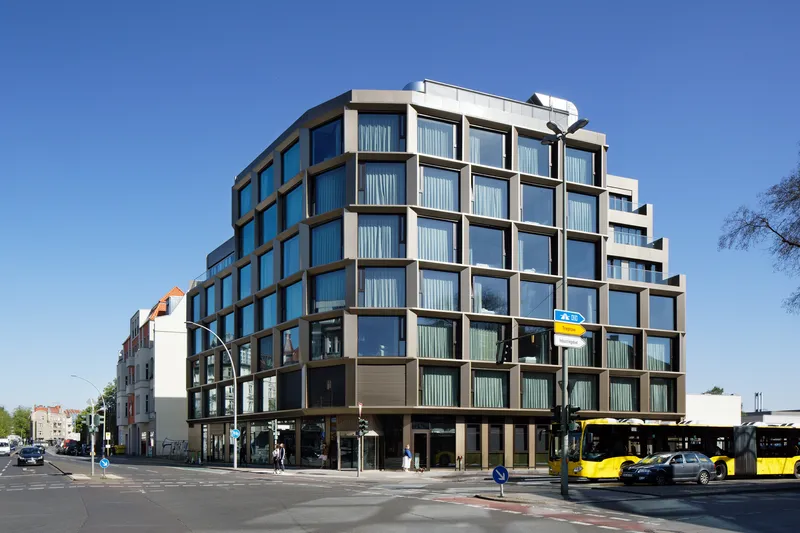
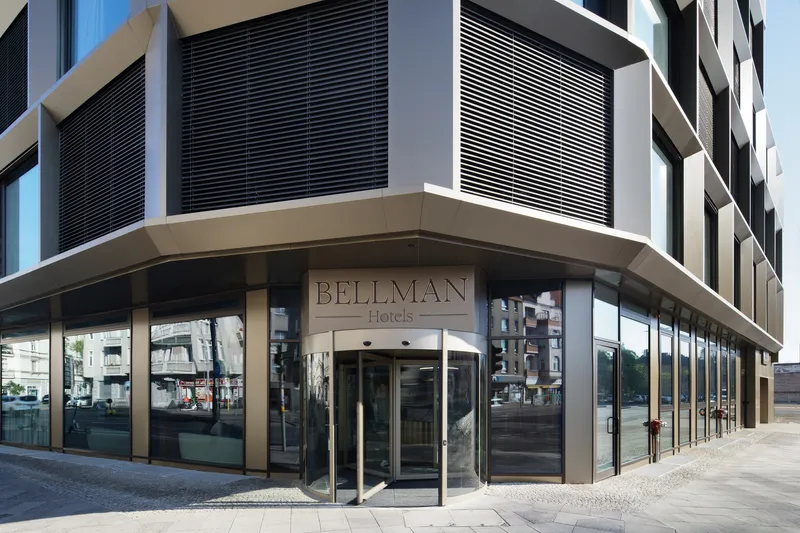
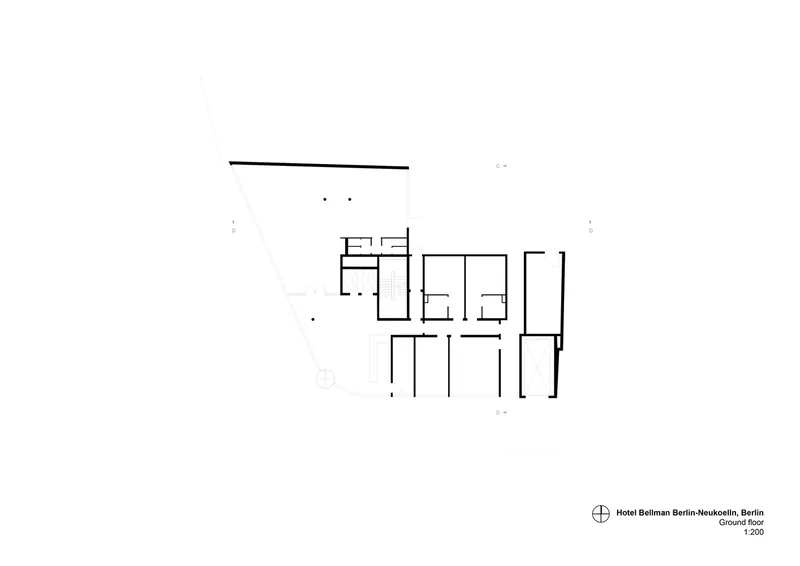
While the overall building height adheres to the urban grid, the upper floors slightly overhang the property line along Karl-Marx-Strasse. This move reinforces the street’s building edge while allowing for a recessed, pedestrian-friendly plinth zone. The ground floor setback, in particular, frames a welcoming entrance to both the hotel and its restaurant, establishing a dynamic public interface.
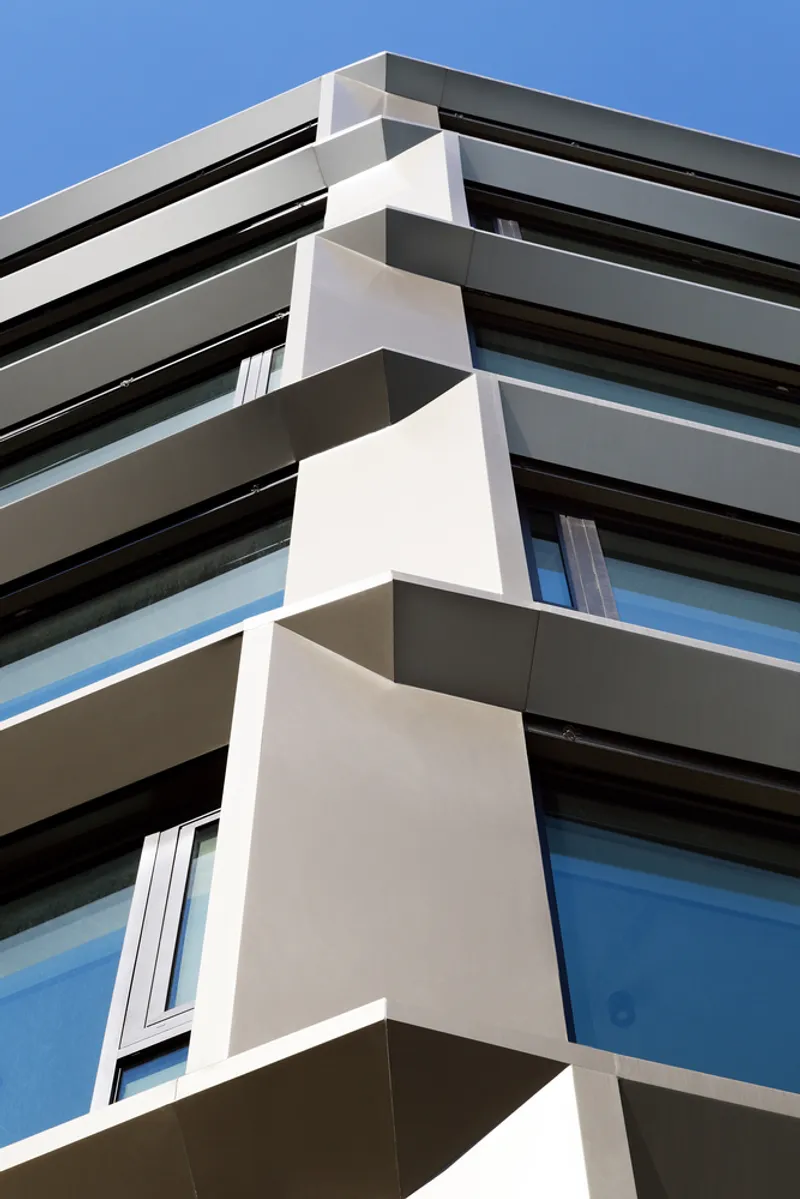
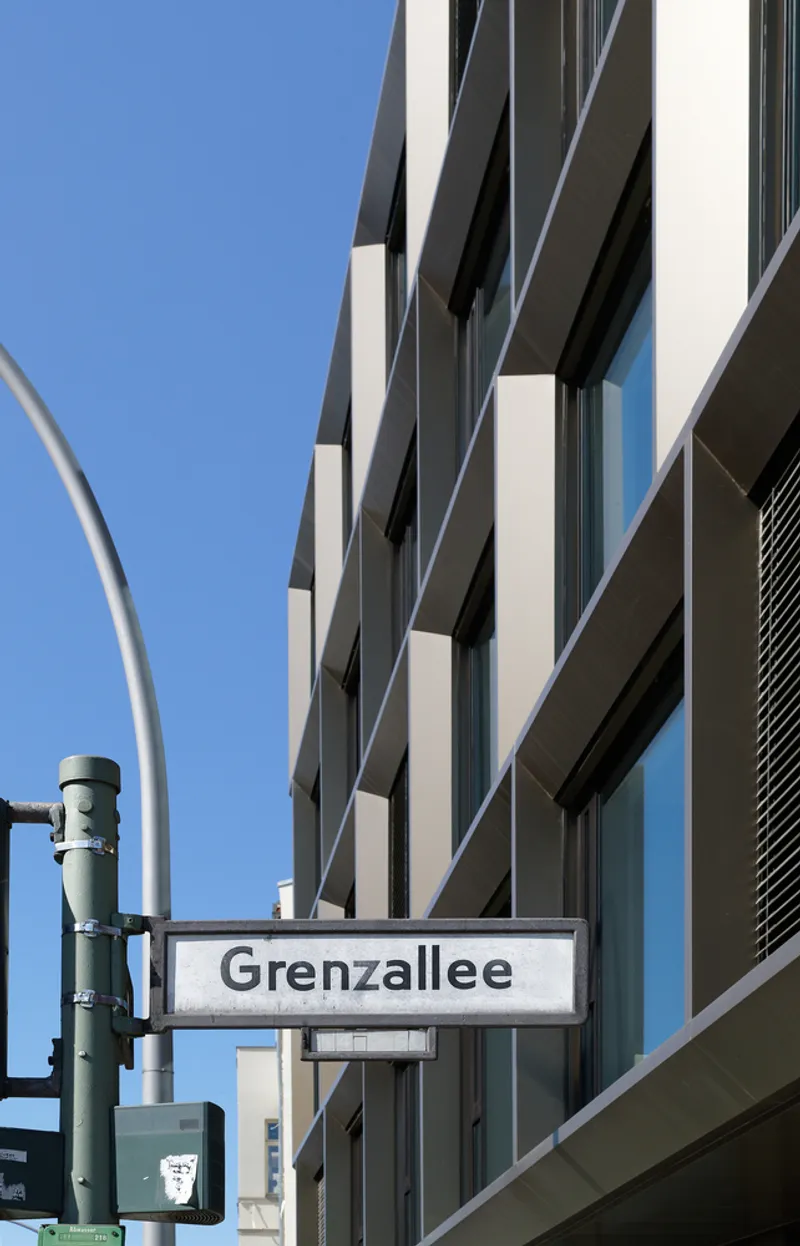
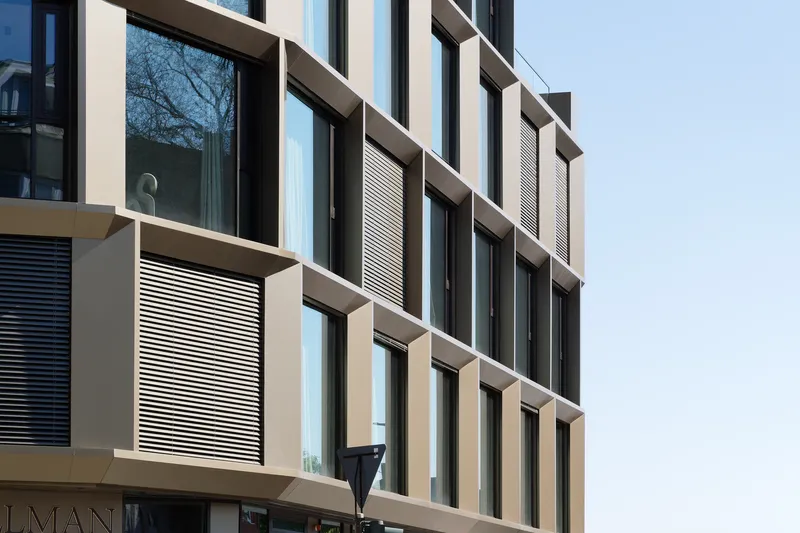
A Façade that Embodies Movement and Light
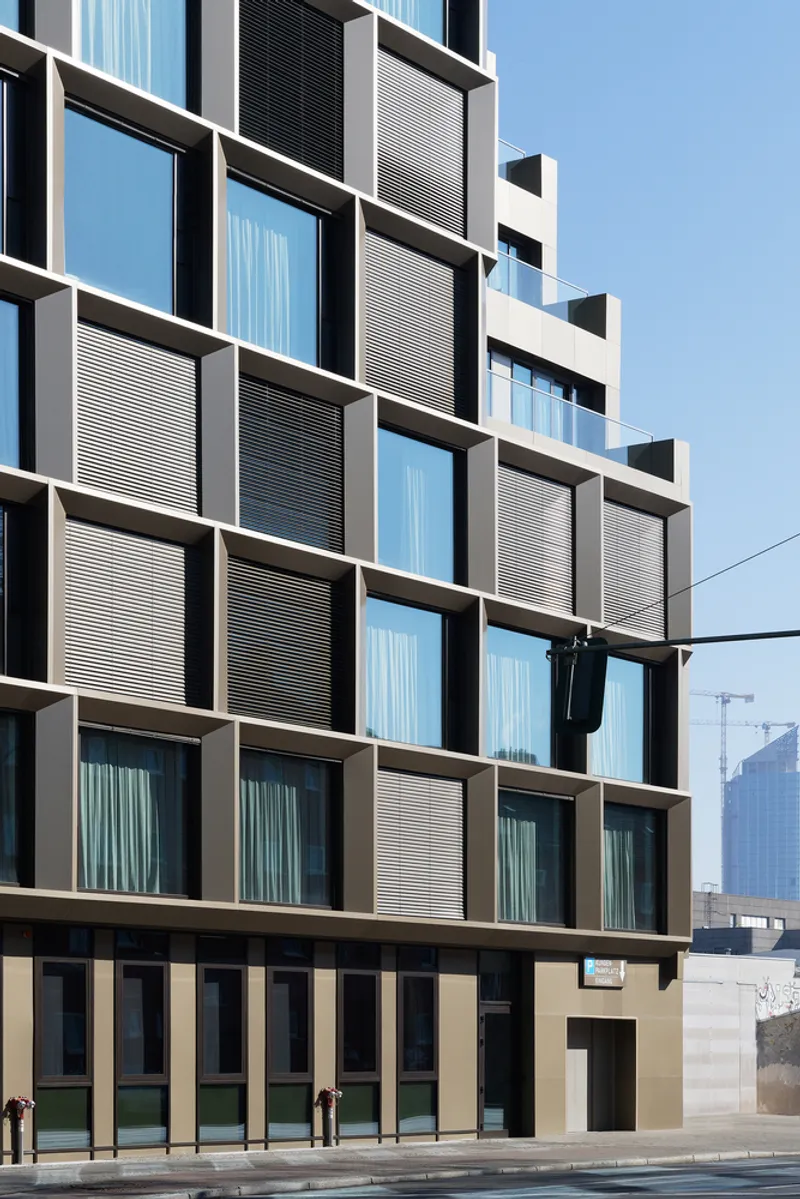
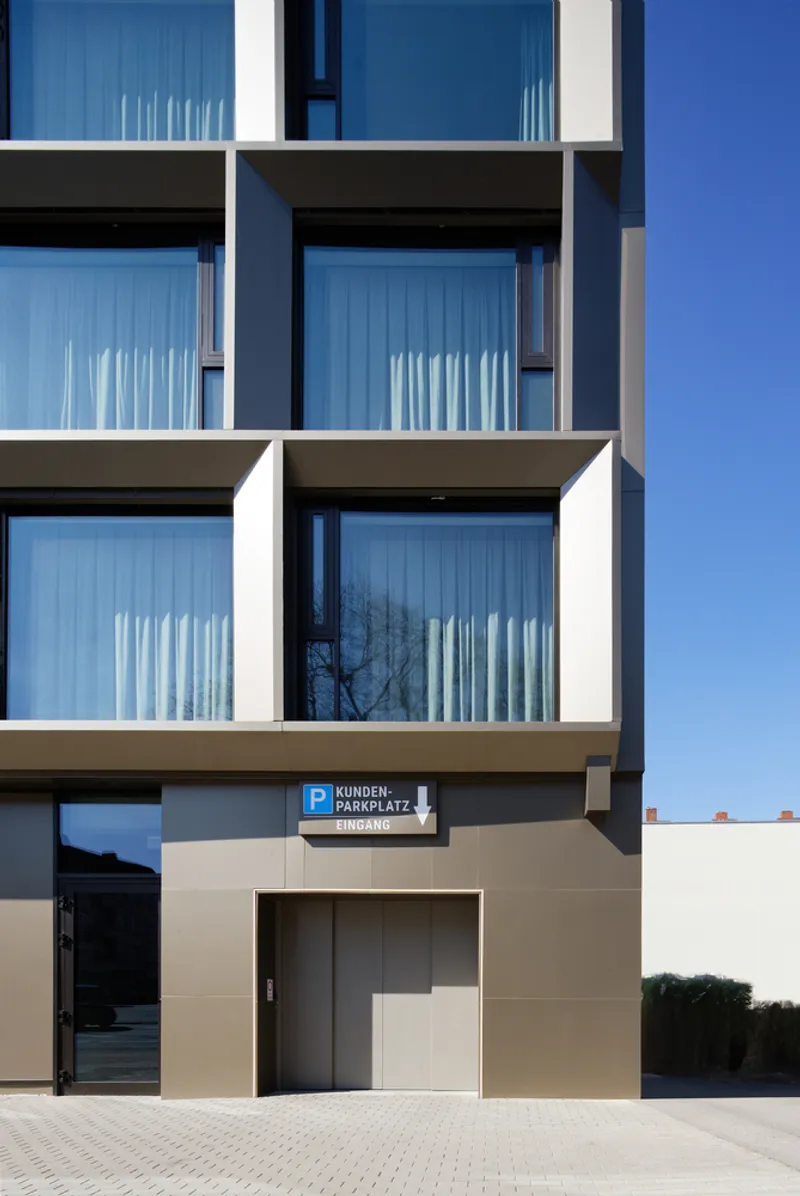
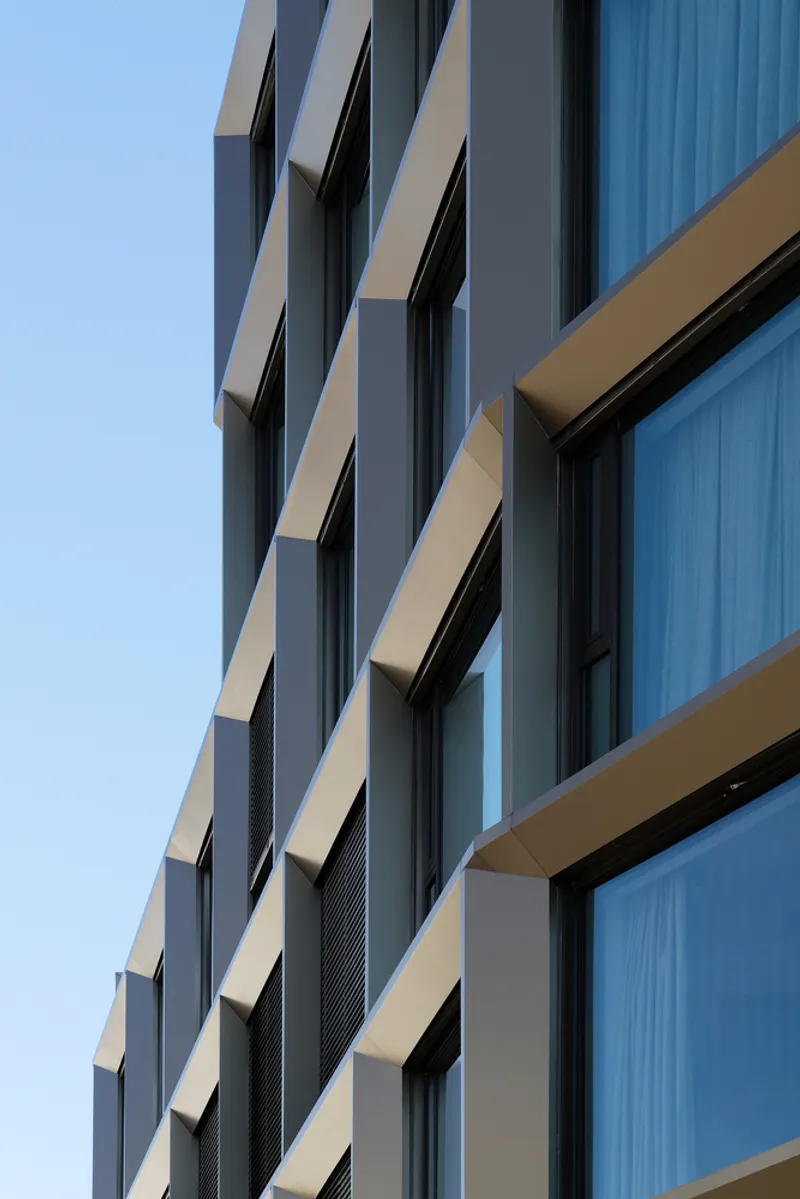
The defining feature of Hotel Bellman is its golden bronze-colored curtain wall façade, composed of angled aluminium panels and expansive glazing. The façade's directional shifts at each floor reflect and refract sunlight throughout the day, animating the structure with a kinetic energy. This subtle dynamism lends the building a constantly changing appearance, ensuring it remains visually engaging from different viewpoints and in various light conditions.
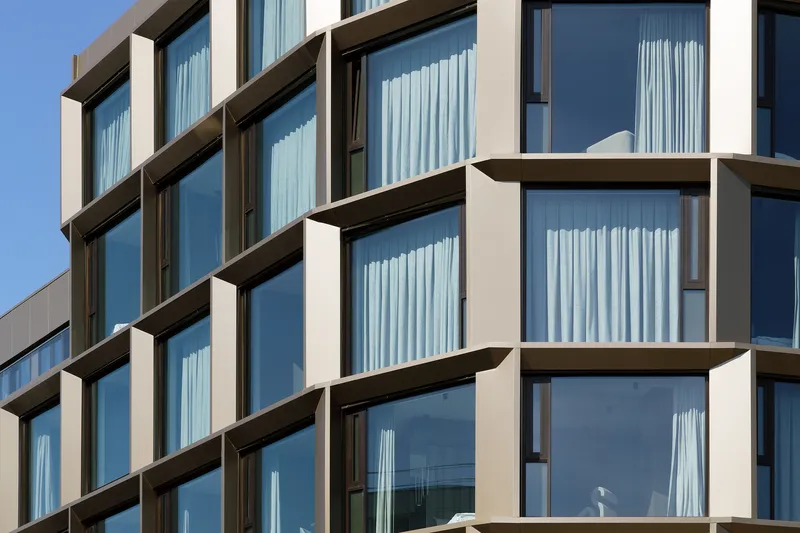
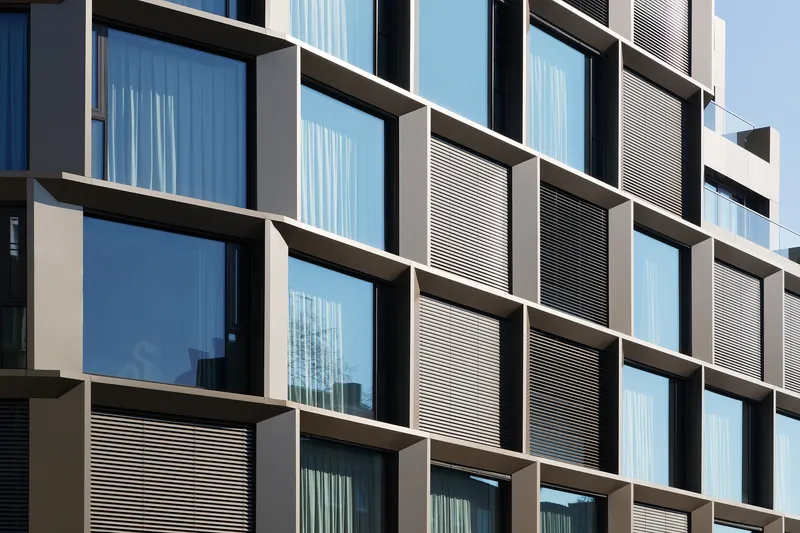
The large, floor-to-ceiling windows not only contribute to the building's striking modern aesthetic but also serve a functional purpose. They flood the interiors with natural daylight, elevating the comfort and spatial quality of each room. The regular yet dynamic grid of windows forms a rhythm that ties the hotel’s exterior identity to its interior experience.
Interior Design Rooted in Comfort and Accessibility
The hotel interiors, designed by MONAPORT, reflect the same clarity and refinement seen in the exterior. A neutral yet warm palette, tactile surfaces, and minimalist detailing define the guest rooms and common areas. The layout emphasizes comfort, inclusivity, and spatial efficiency. The hotel offers seven barrier-free rooms and three fully wheelchair-accessible rooms in accordance with DIN standards, and every level is accessible by elevator.
Supporting its urban sustainability goals, the project replaces former surface-level parking with a two-level underground car park offering 28 parking spaces. This intervention maximizes usable street-level space for pedestrians and contributes to the area’s ongoing urban revitalization.
A Model for Future Hospitality Architecture in Berlin
Hotel Bellman Berlin-Neukoelln exemplifies the potential of modern hotel architecture in Berlin to balance heritage sensitivity with architectural innovation. Its form is both respectful and assertive, its materials both reflective and grounded. By reactivating a once-forgotten urban corner and turning it into a sculptural yet welcoming destination, the project offers a blueprint for future hospitality developments in similarly layered urban environments.
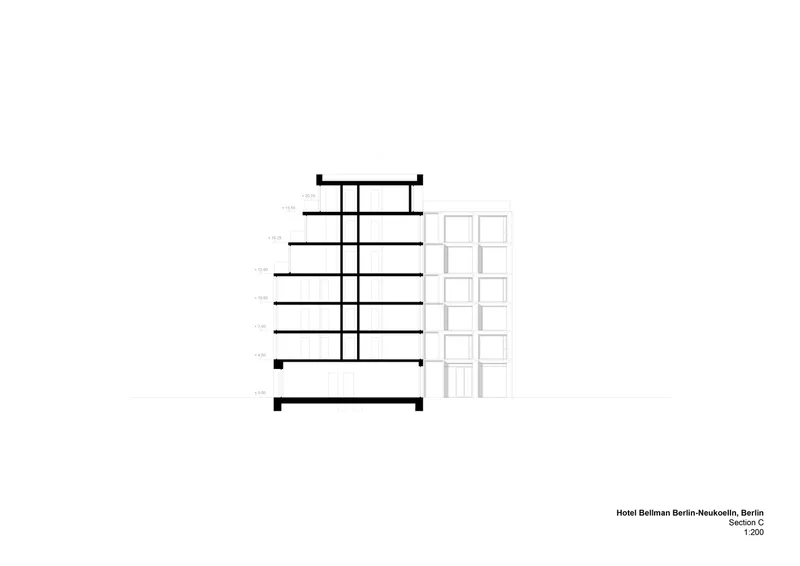
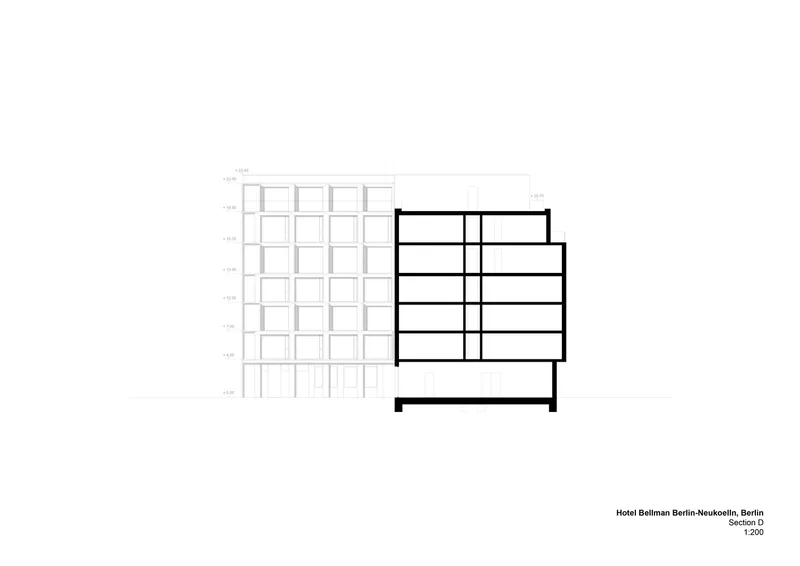
More than just a hotel, it acts as an urban gesture—bridging tradition with transformation, stability with fluidity, and privacy with public life. The result is a building that elevates both its guests' experience and the fabric of the city.
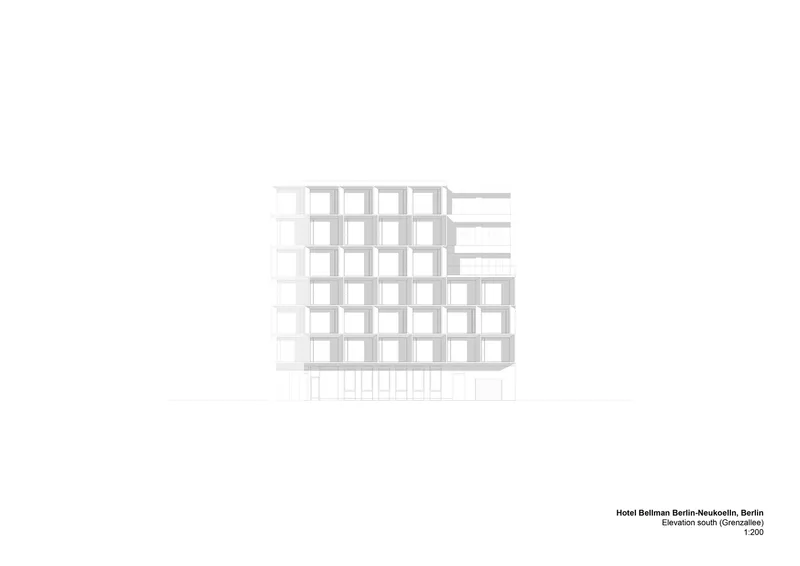
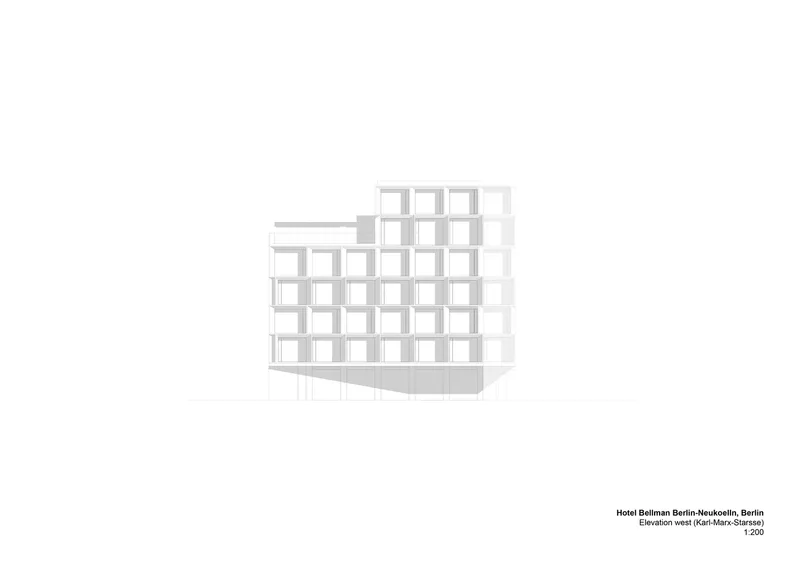
All the photographs are works of Yasutaka Kojima


Popular Articles
Popular articles from the community


David Macias Steps a Doorless Stone and Plaster House Down a Tropical Colombian Hillside
In the humid hills of Colombia, Threshold House replaces the front door with an open void and terraces its 850 m² down the slope instead of fighting it.

David Ortega Stacks a Two-Story Mexico City Penthouse Around a Steel Stair and a Pergola-Shaded Roof Terrace
In Colonia Roma, a 300 m² penthouse uses oak joinery, a planted steel stair and a slatted roof pergola to make a new-build apartment feel like a house.

U.GA Architects Wraps an Oval Rooftop Pool in Curved Board-Formed Concrete on Busan's Jeollidan-gil
In Busan's Jeonpo-dong, a 454 m² mixed-use block stacks a neighborhood facility, guest rooms and an oval rooftop pool inside spiraling concrete walls.

Architekt Andreas Gruber Scatters 23 Dark Timber Chalets Across a South Tyrolean Forest Edge
In Molini di Tures, Amonti Chalets breaks a resort into a hamlet of gabled timber houses, with parking, storage and services pushed into the slope.

Similar Reads
You might also enjoy these articles

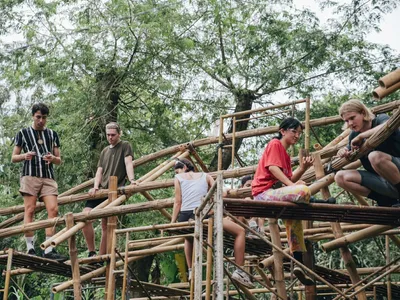
Bamboo Housing Challenge 2026: Design Affordable, Sustainable Homes Using Bamboo
An international design competition by Bamboo U and IBUKU inviting architects and designers to reimagine affordable housing using bamboo — with the winning design built full-scale in Bali.

Computational Design & Education: Beegraphy Design Awards Introduces 7th Category (Featuring Jiyun's Innovative Approach)
Dive into Beegraphy’s 7th Design Awards category, where computational design meets education to create immersive, interactive learning tools, inspired by Jiyun’s work.

From Parametric Lighting to Urban Furniture: Join the 2nd Workshop in Beegraphy’s Computational Design Series
Dive into Cutting-Edge Design Techniques and Practical Applications with Industry Experts

Last Call: Unleash Your Architectural Genius in SHAK's Kindergarten Design Competition
Urgent call for architects to join SHAK's kindergarten design competition before the looming deadline

Explore TU Berlin Competitions
Discover active competitions in this discipline

Challenge to reimagine the Iron Throne

Photograph architecture without architects

Illustrate the lost glory of Angkor Wat - Render Challenge

Design challenge to reuse E-waste
Comments (0)
Please login or sign up to add comments
No comments yet. Be the first to comment!