
Modern Olive Oil Production Center Architecture: The House of Olives in Montenegro
The House of Olives in Montenegro showcases modern olive oil production center architecture, integrating tradition, education, and sustainable design.

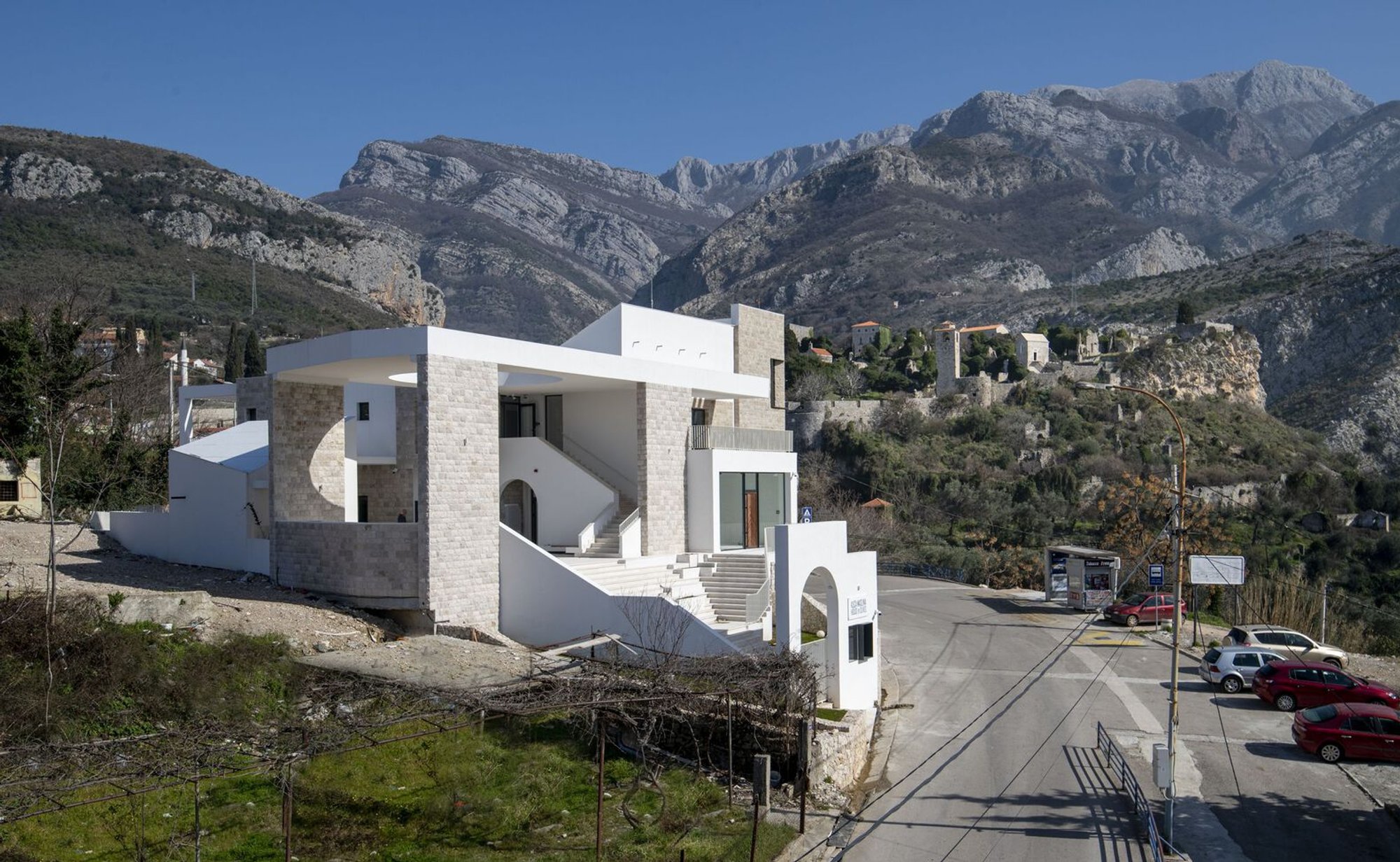
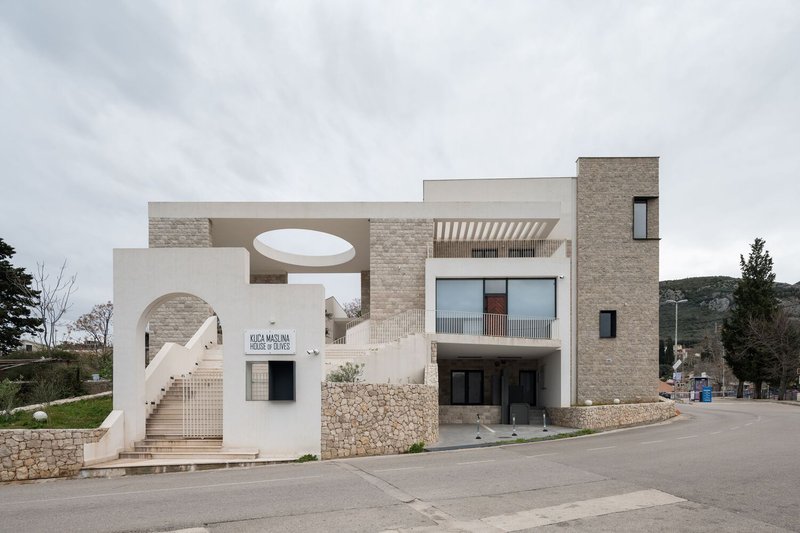
The House of Olives in Montenegro, designed by ARHINGinženjering, is a modern olive oil production center architecture project that seamlessly integrates tradition and contemporary design. Serving as the headquarters for the Association of Olive Growers of Montenegro, the facility combines administrative, educational, and commercial functions while paying homage to the region's rich olive-growing heritage.
Architectural Concept and Design Inspiration
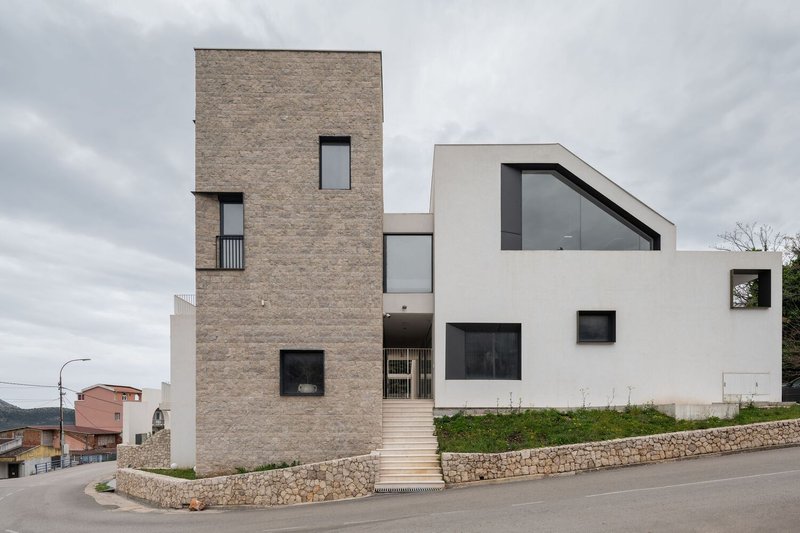
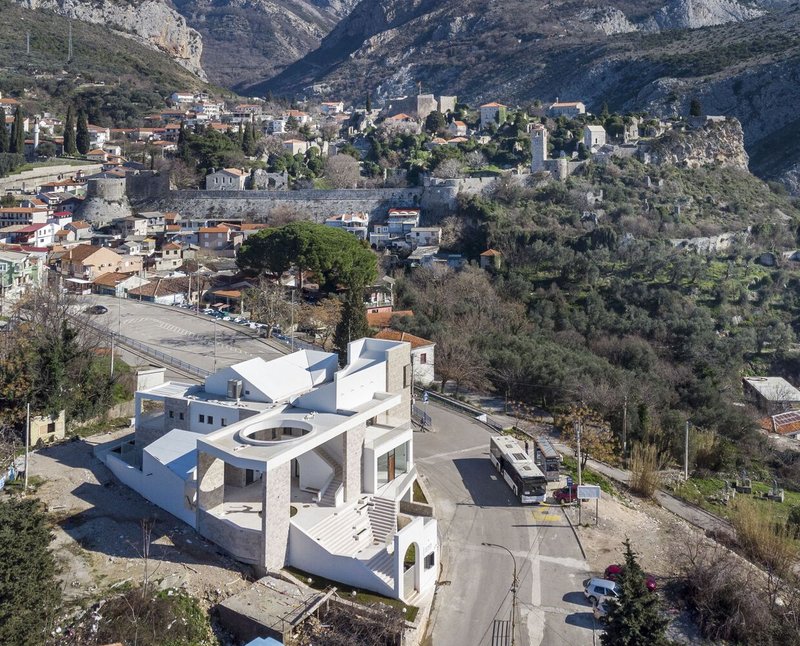
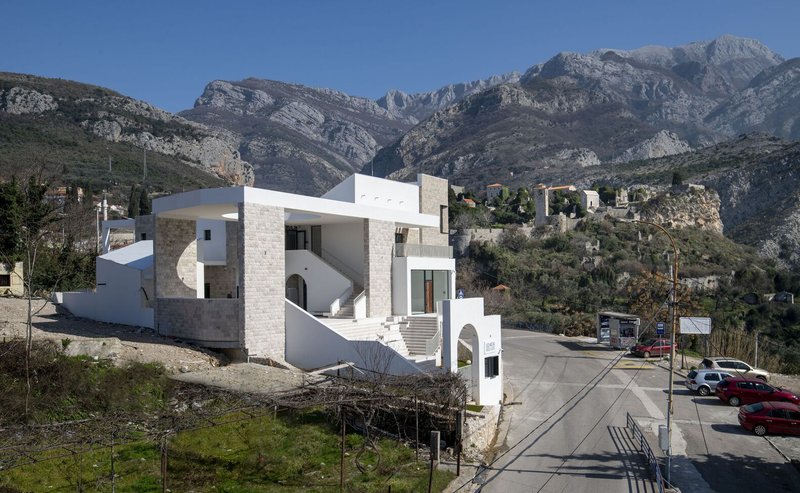
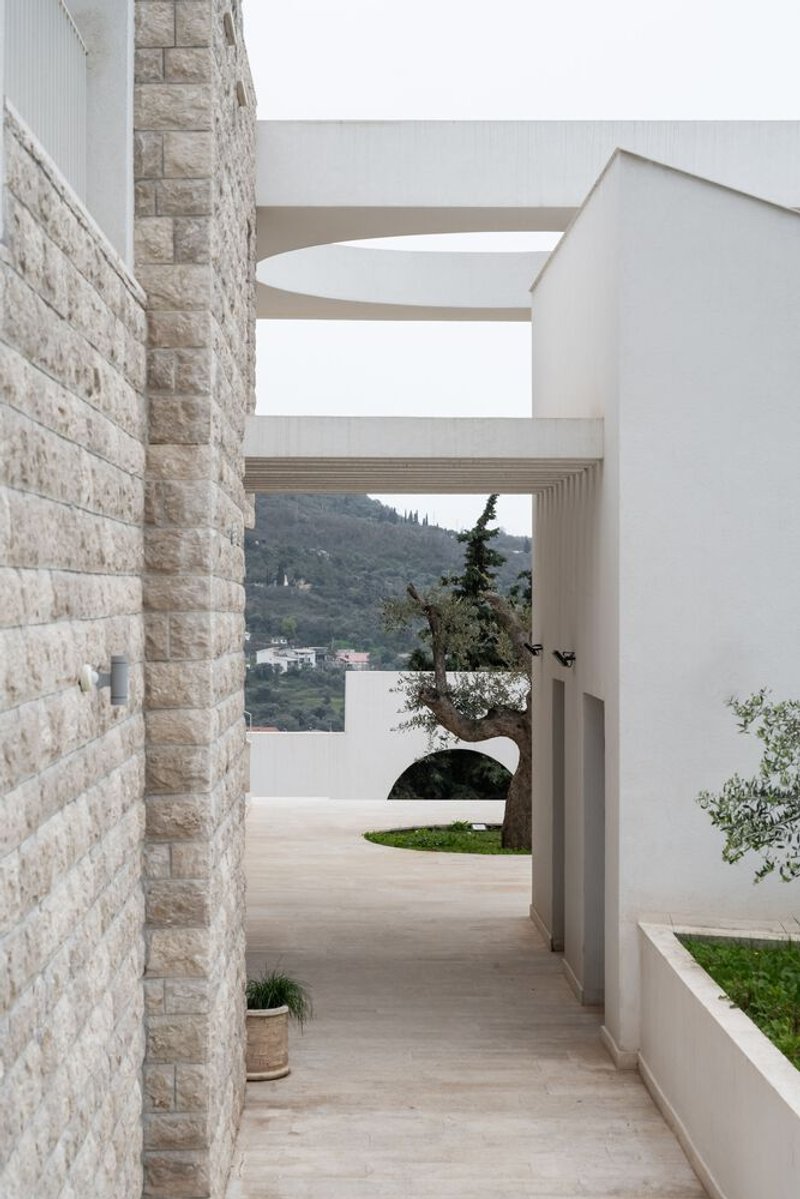
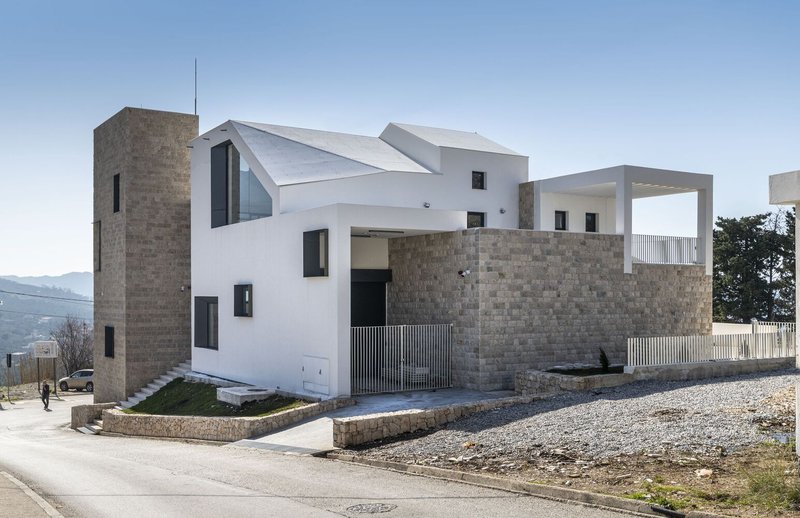
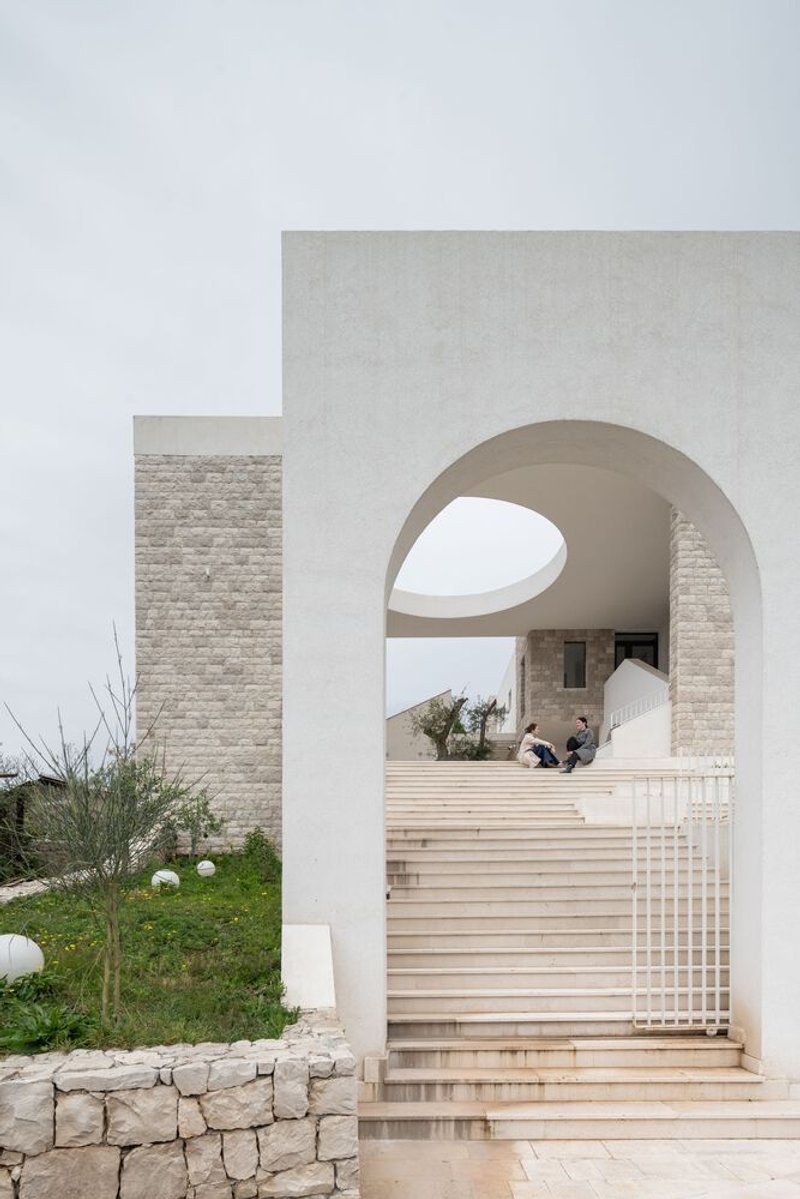
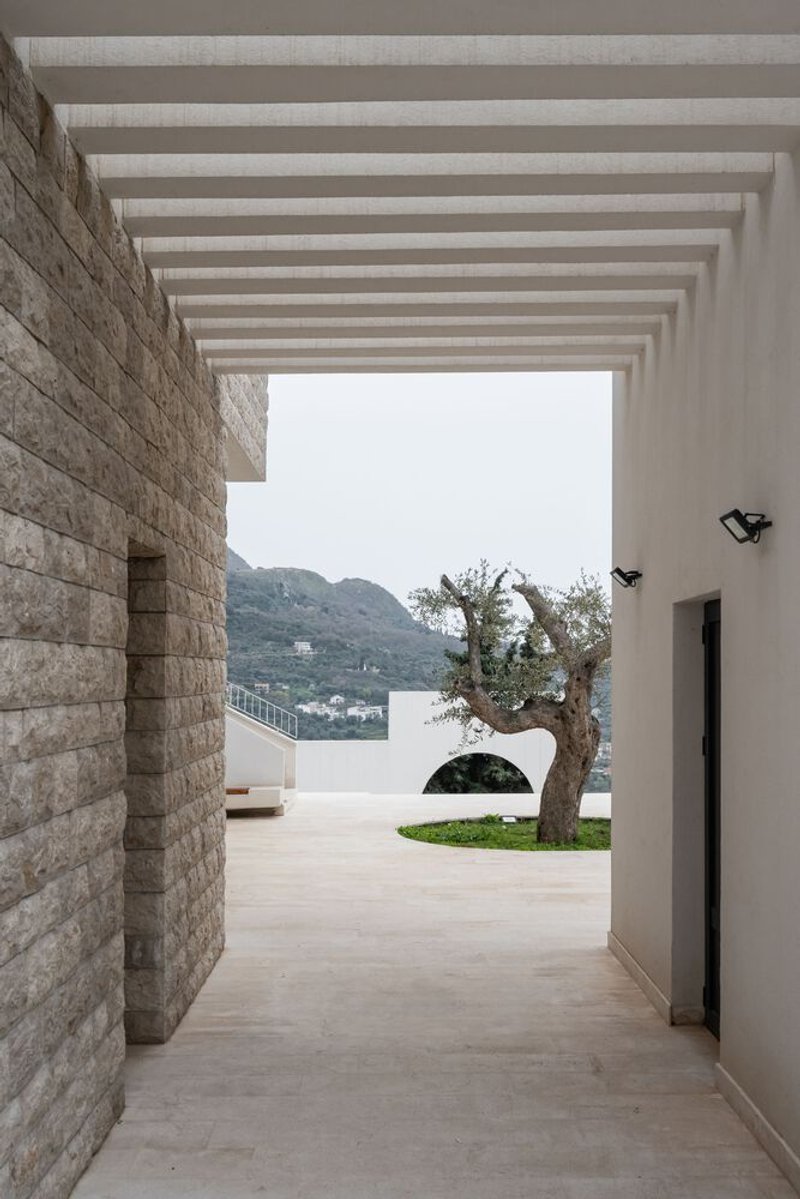
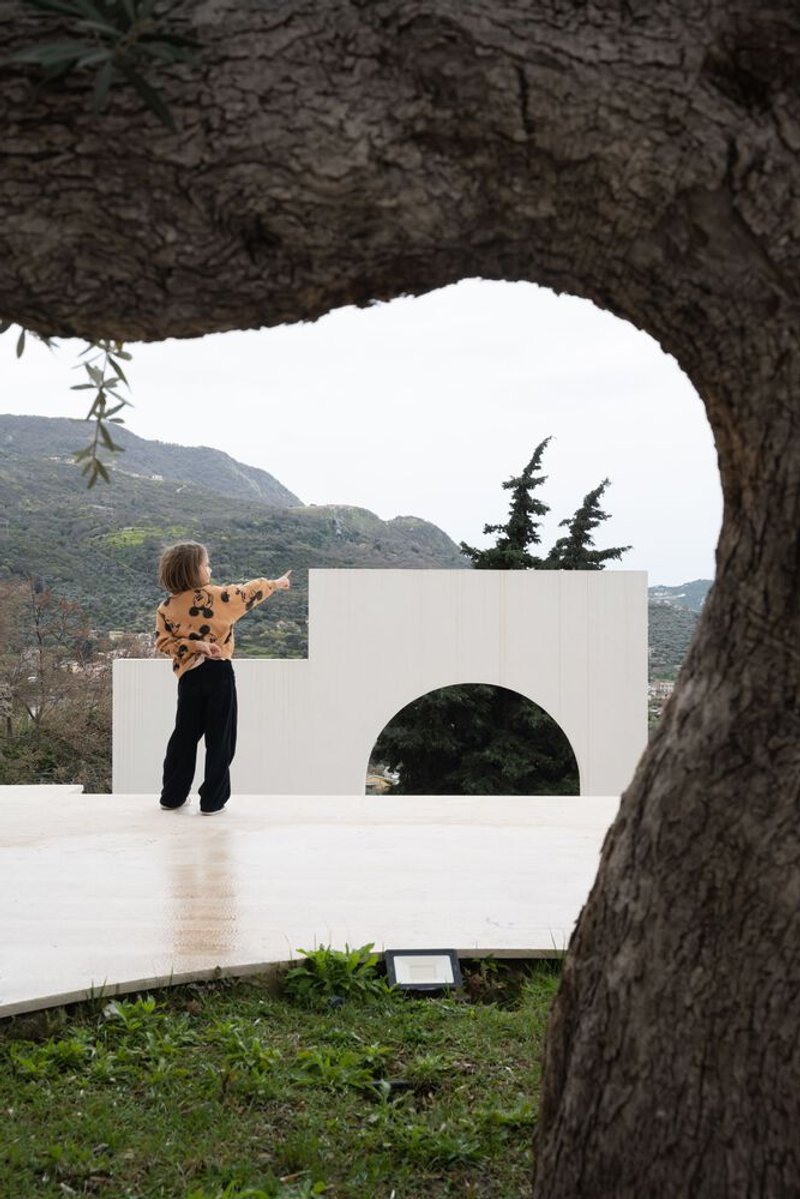
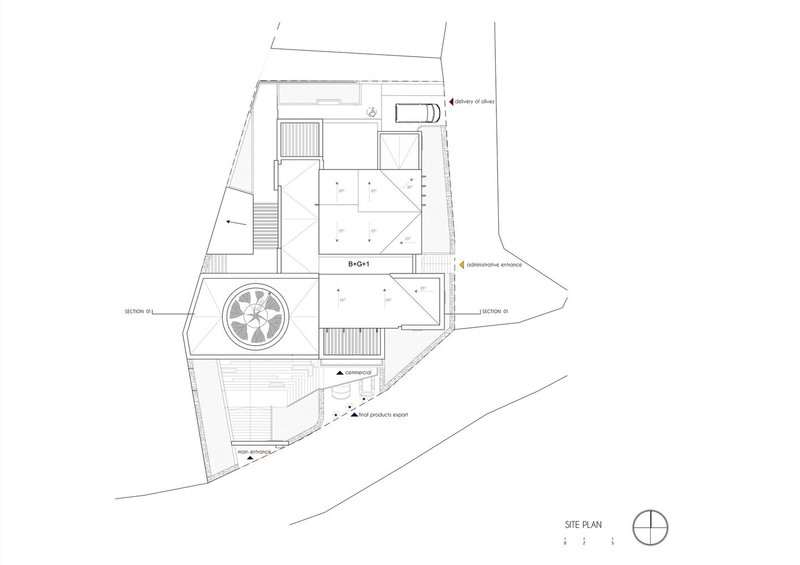
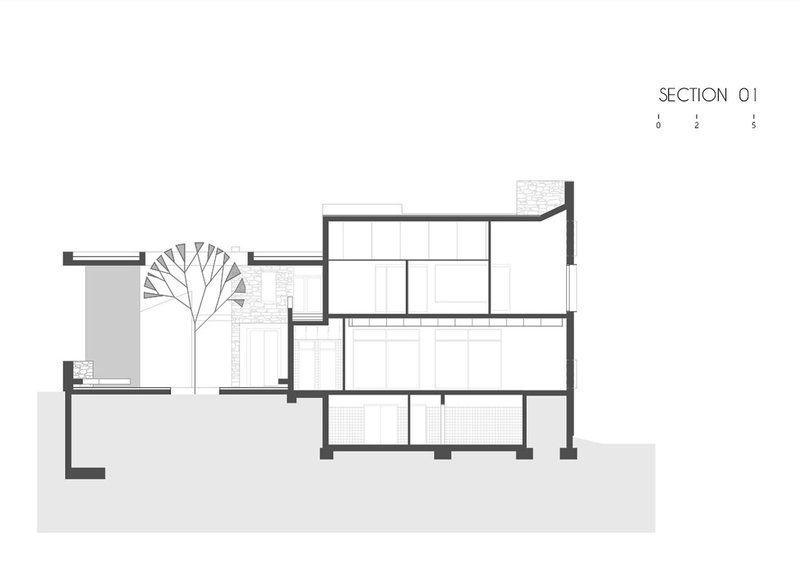
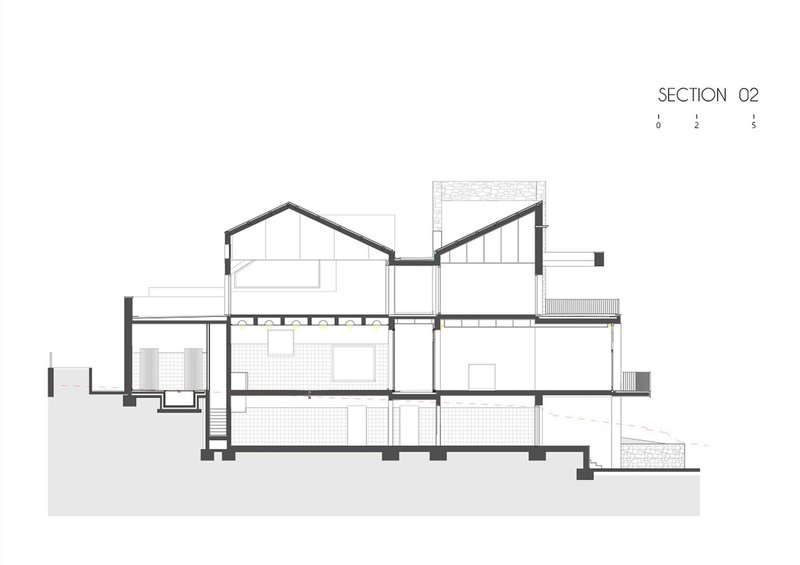
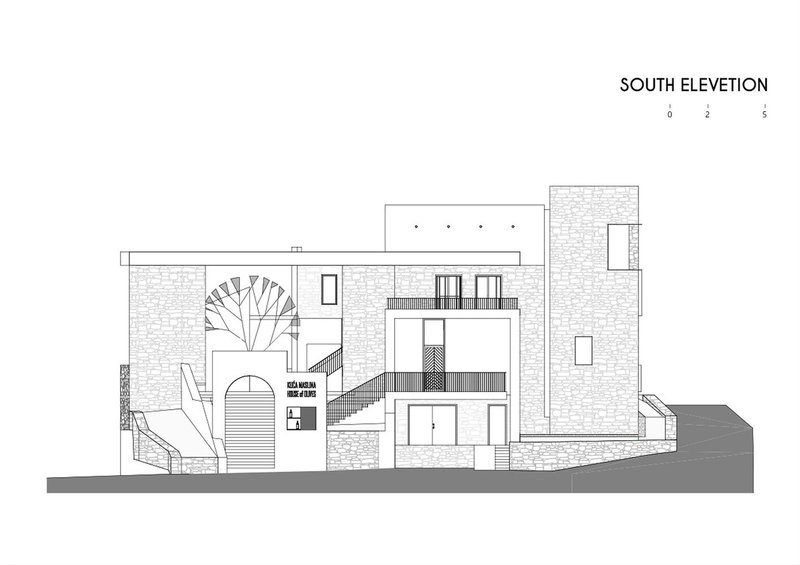
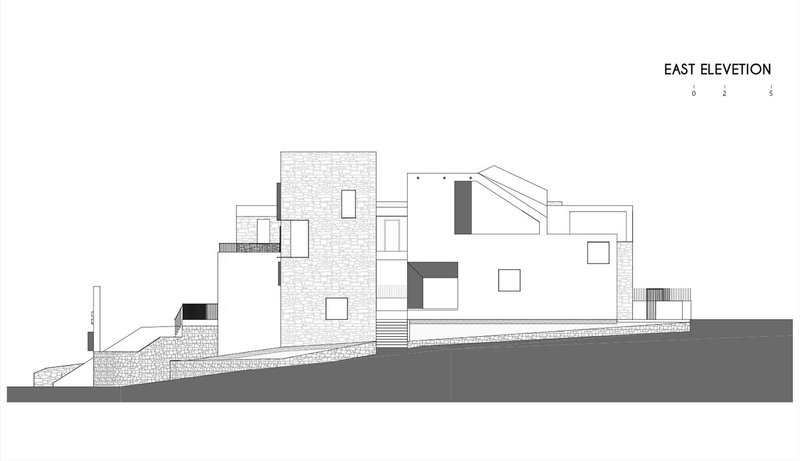
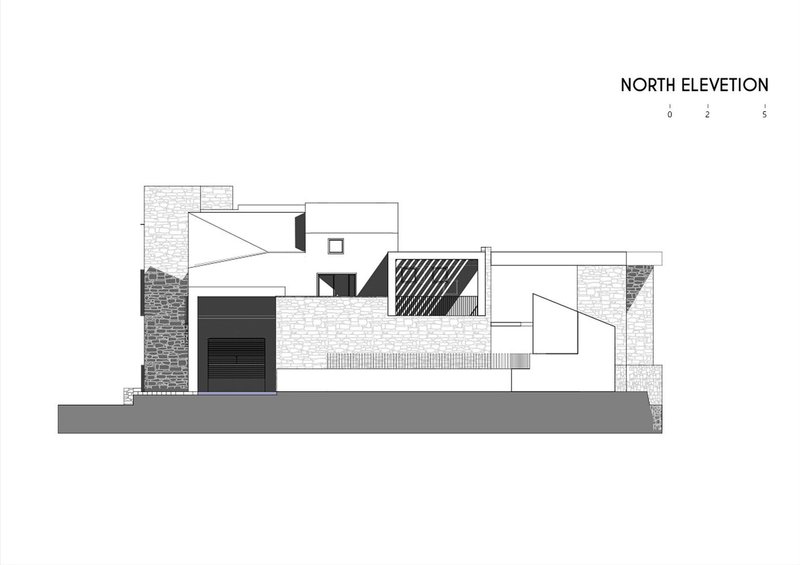
The design of the House of Olives is deeply rooted in the historical and vernacular architecture of Old Town Bar. Drawing inspiration from traditional courtyards, the structure is composed of interconnected buildings that form a functional and aesthetic whole. The combination of pitched and flat roofs creates a visually dynamic form, while the central courtyard, featuring a symbolic olive tree, reinforces the connection to nature and tradition.

Olive Oil Production and Processing Facilities
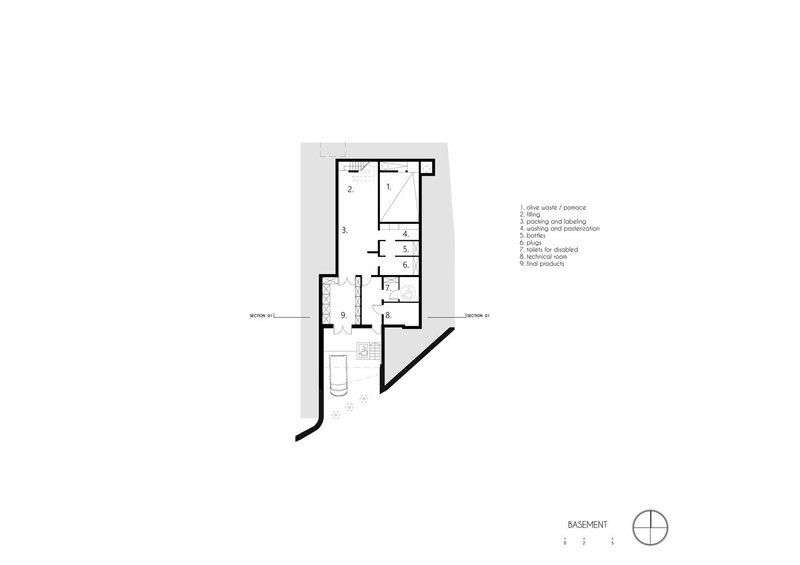
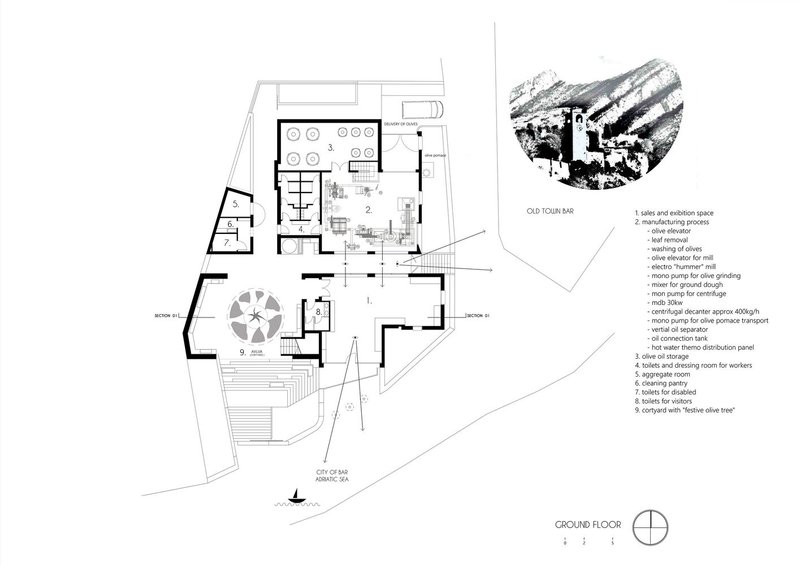
A key function of the building is to facilitate the entire olive oil production process. The ground floor is designed for receiving and processing olives, with stainless steel storage tanks preserving the quality of the extracted oil. The basement houses bottling and packaging facilities, ensuring an efficient workflow. By-products, such as pomace, are stored separately in the basement, maintaining cleanliness and organization within the facility.
Tasting and Retail Space
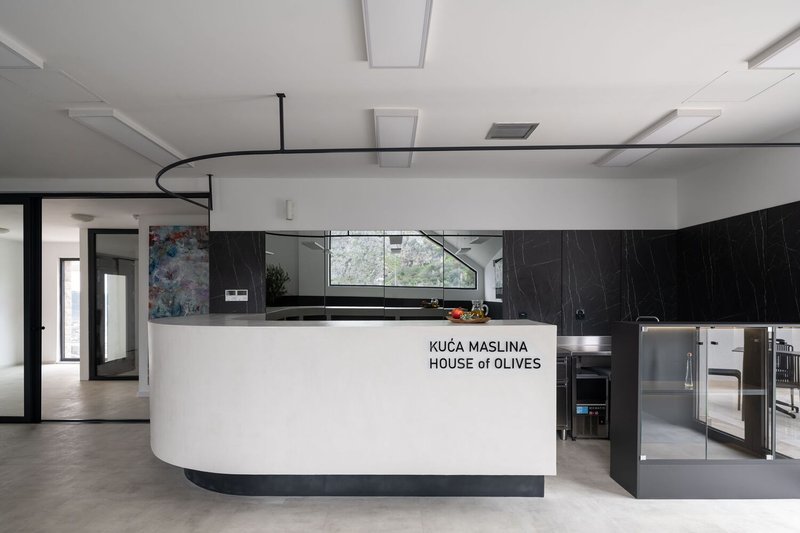
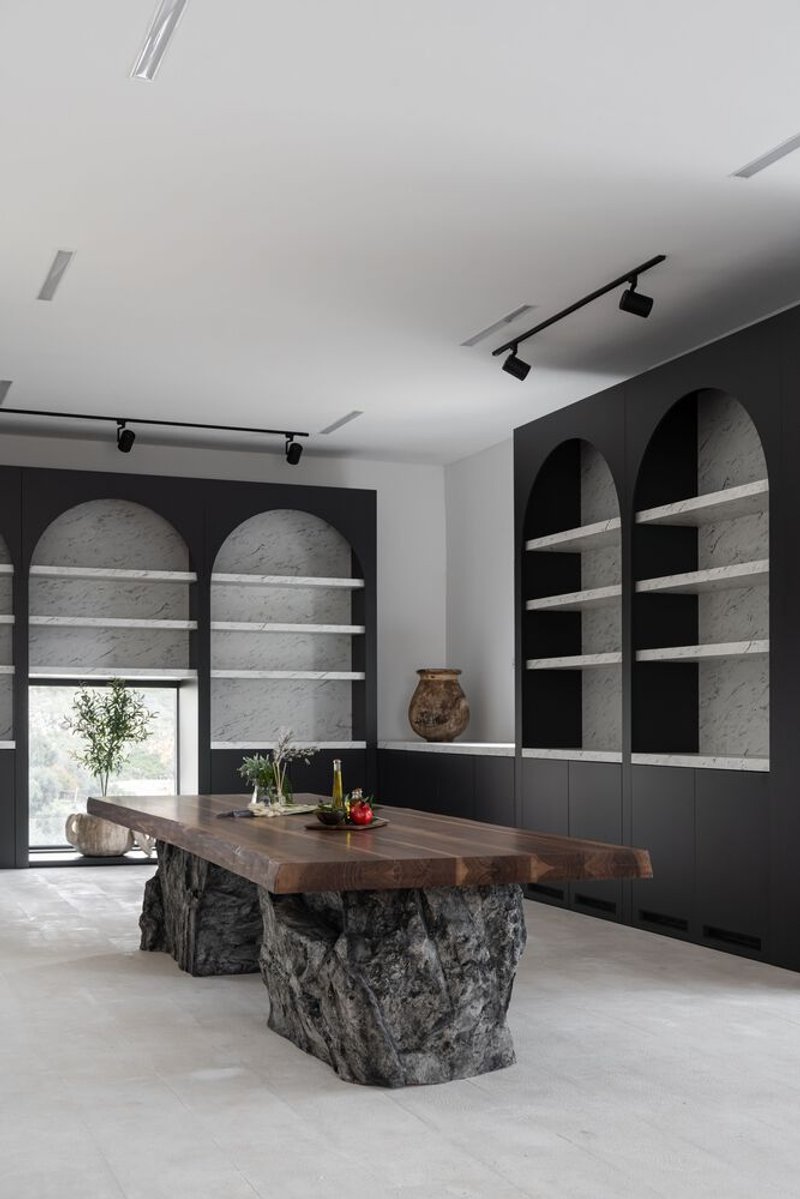
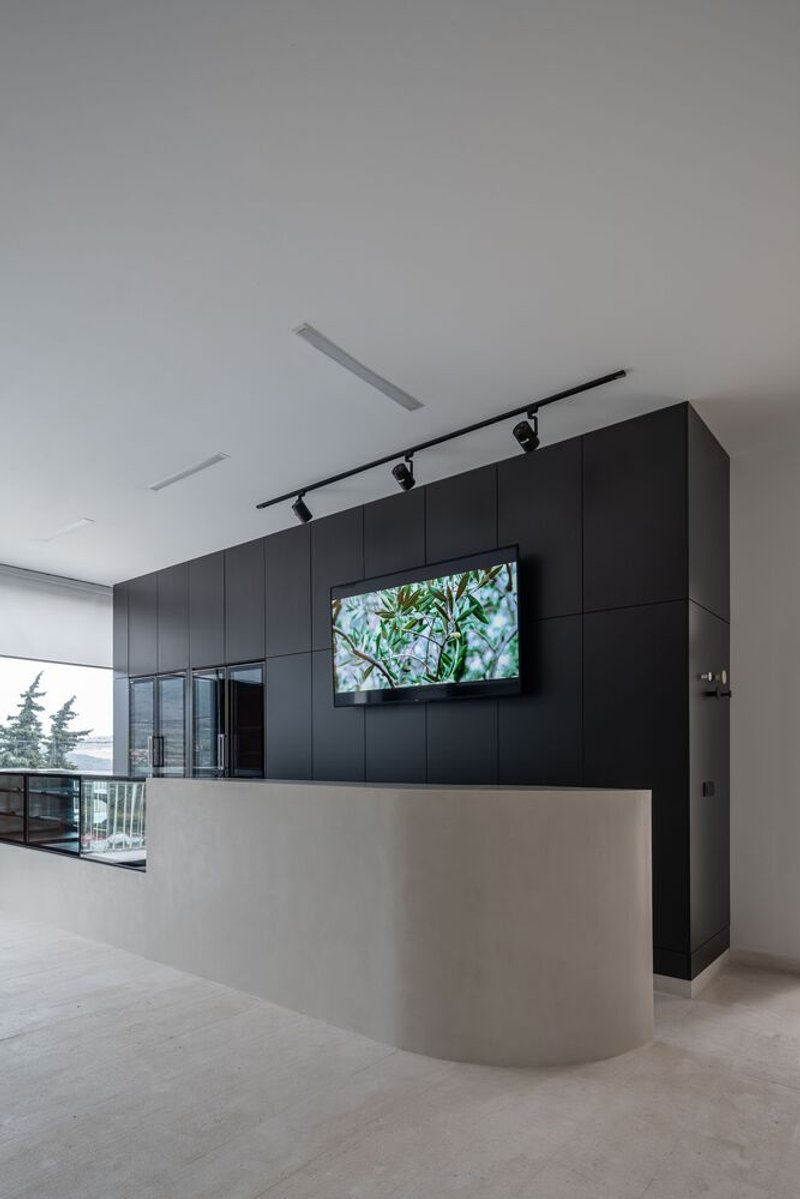
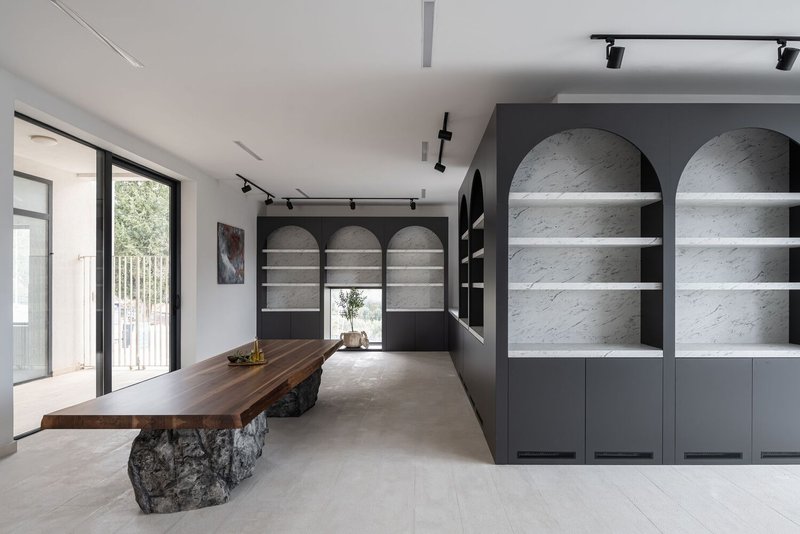
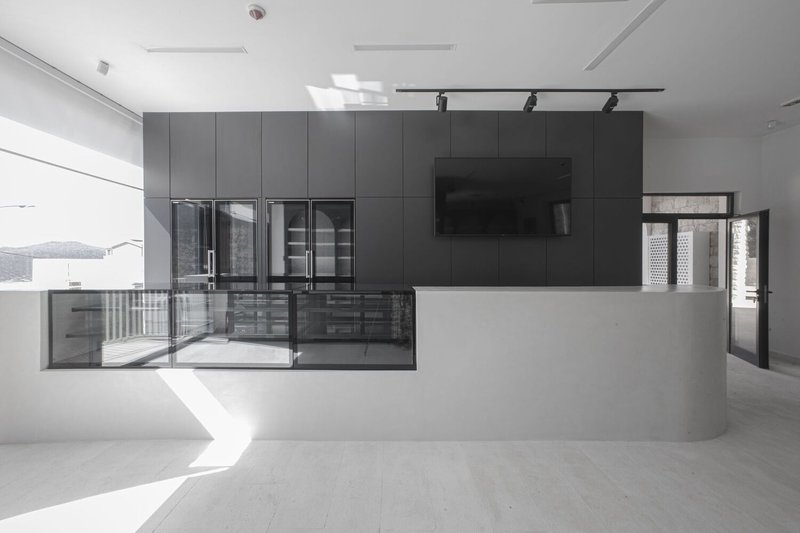
The House of Olives is not only a production facility but also a tourist attraction. A dedicated space for product tasting and sales is strategically positioned on the ground floor, offering visitors an immersive experience. Large openings visually connect this space to the olive oil extraction process and the courtyard, reinforcing the authenticity of the experience. Exclusive, high-quality olive-based products are available for purchase, promoting local craftsmanship and sustainability.
Education and Administrative Spaces
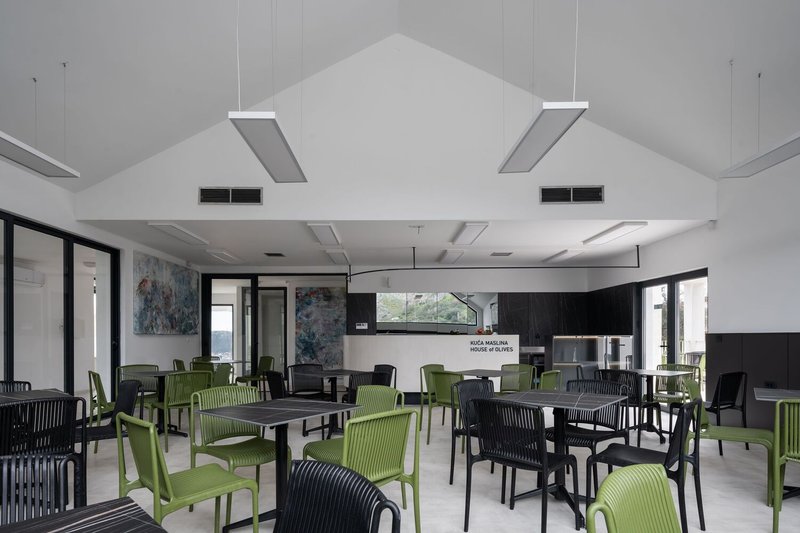
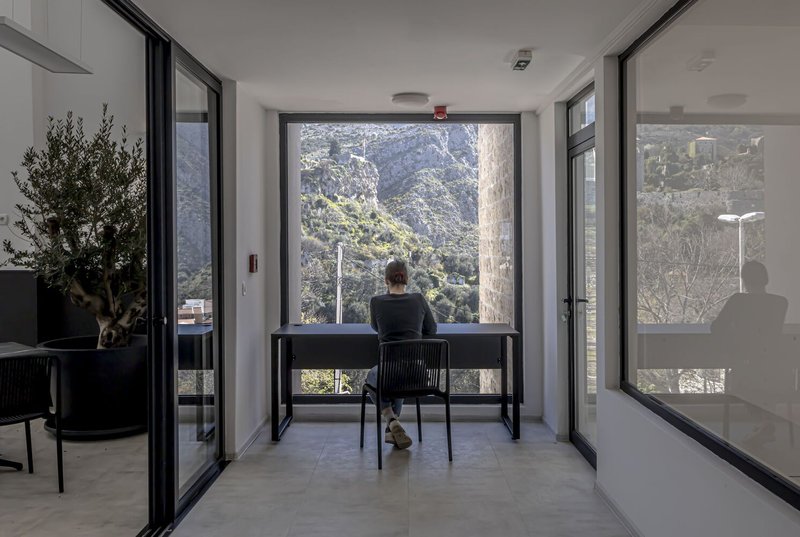
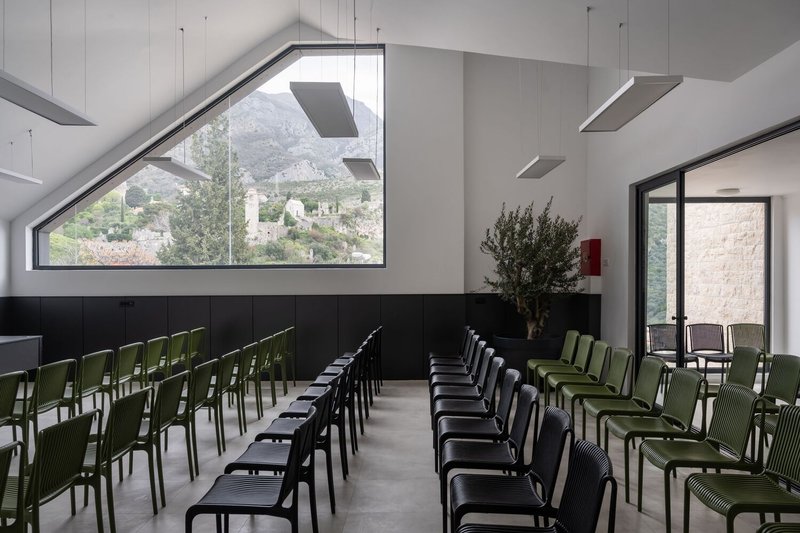
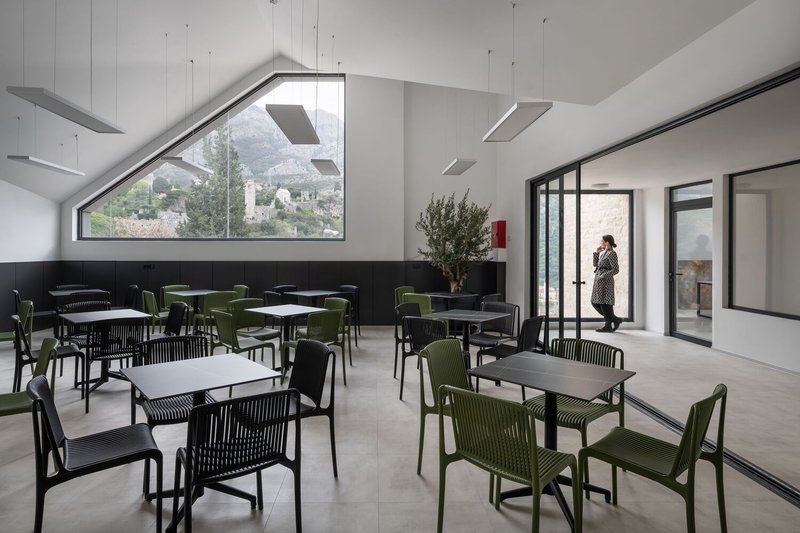
The first floor of the building houses a multifunctional hall designed for seminars and training sessions aimed at olive growers across Montenegro. The space accommodates up to 80 participants and is seamlessly connected to administrative offices. The open-plan layout fosters interaction between education, administration, and tourism, reflecting the inclusive nature of the facility.
Modern Interpretation of Traditional Elements
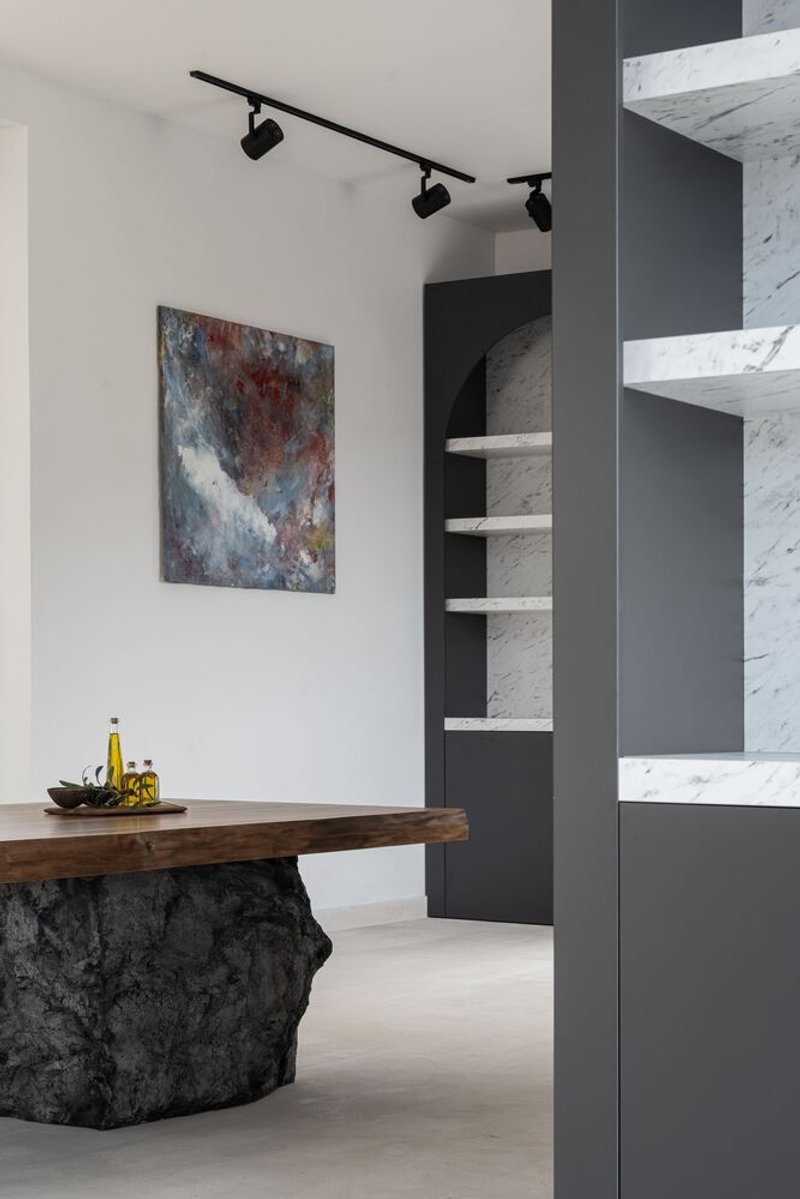
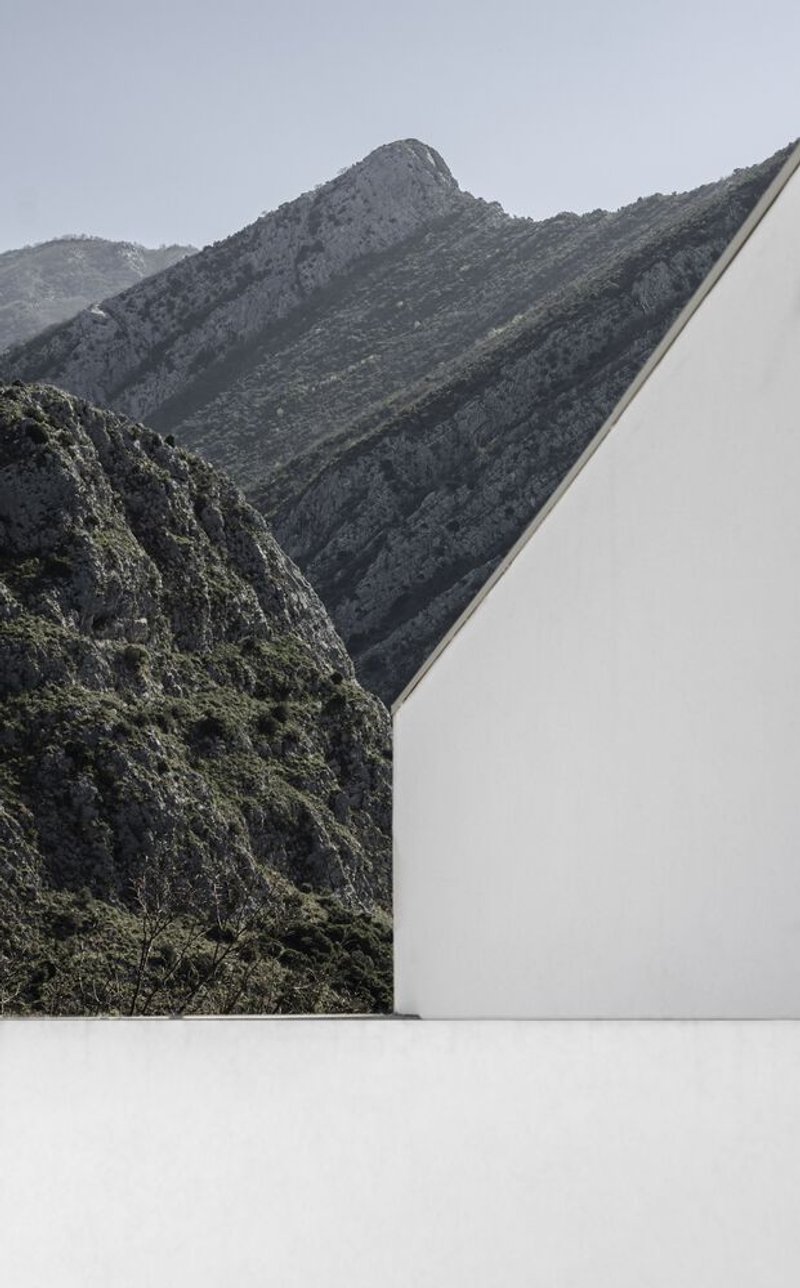
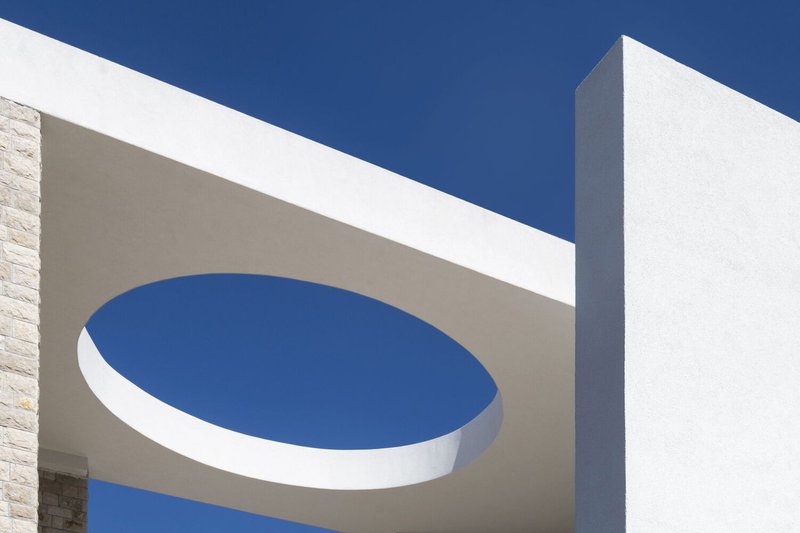
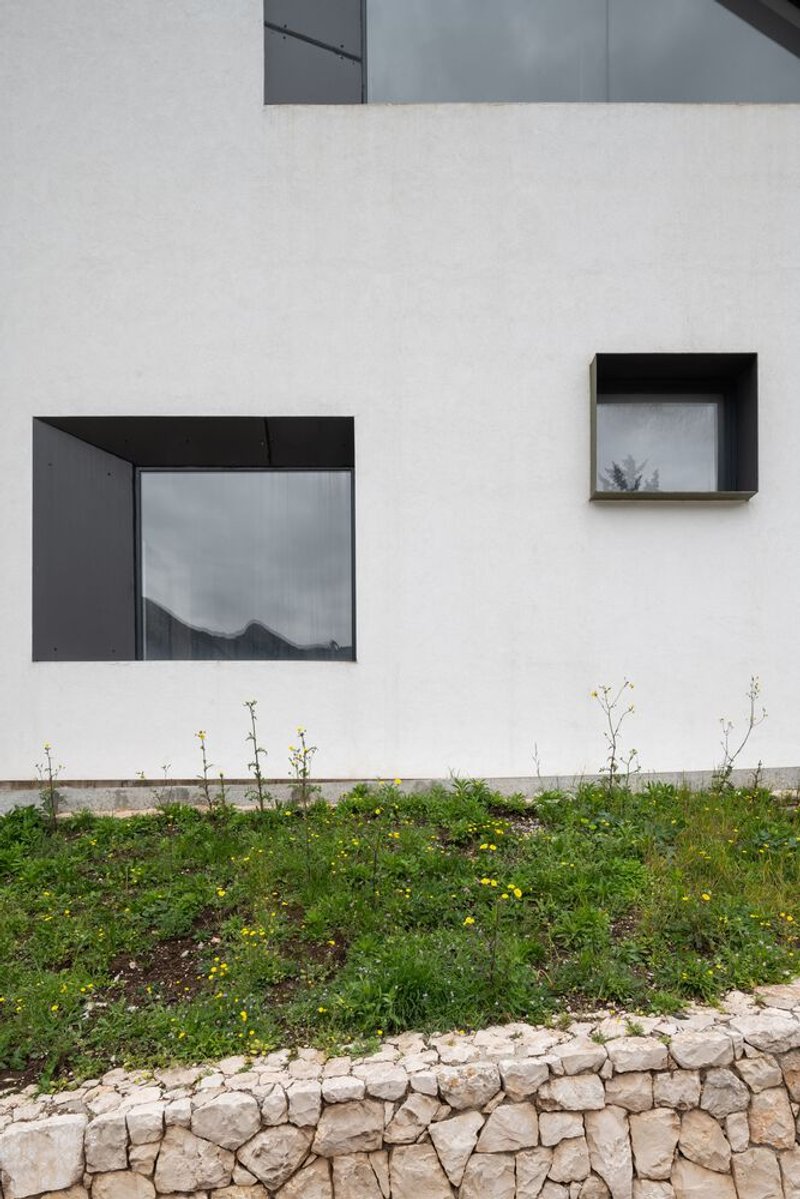
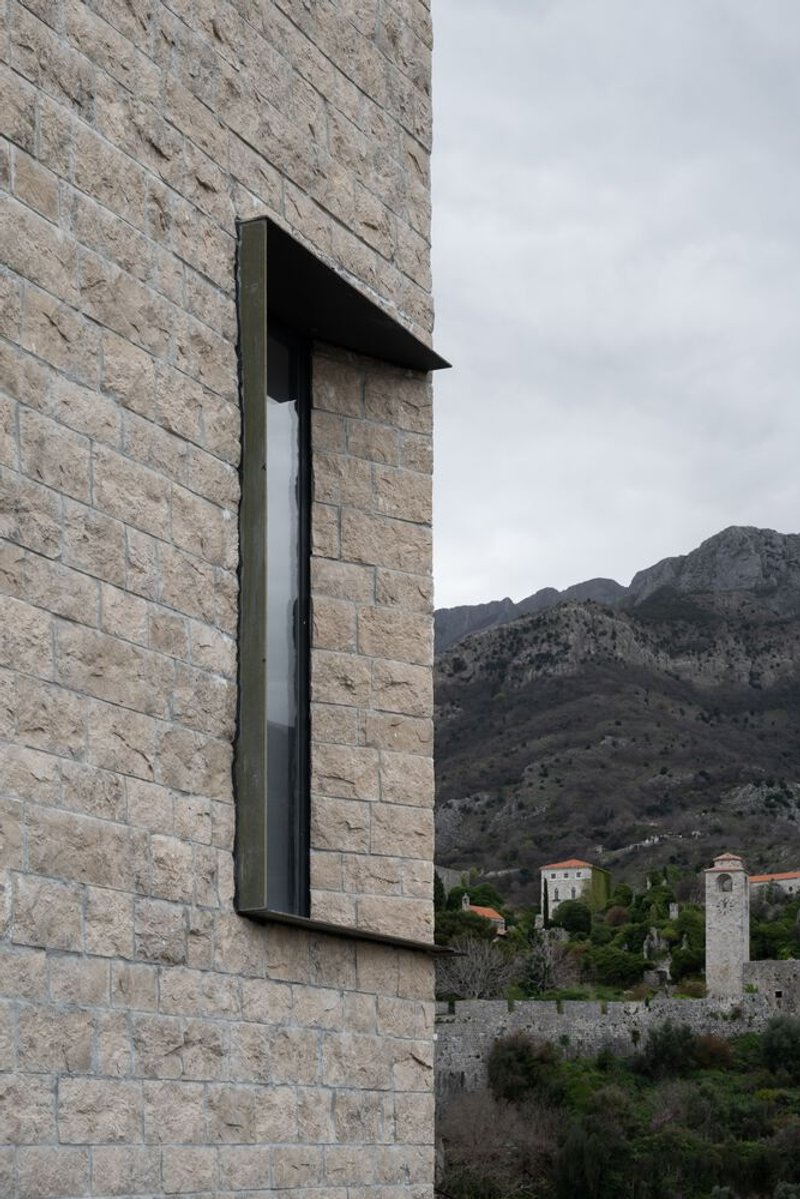
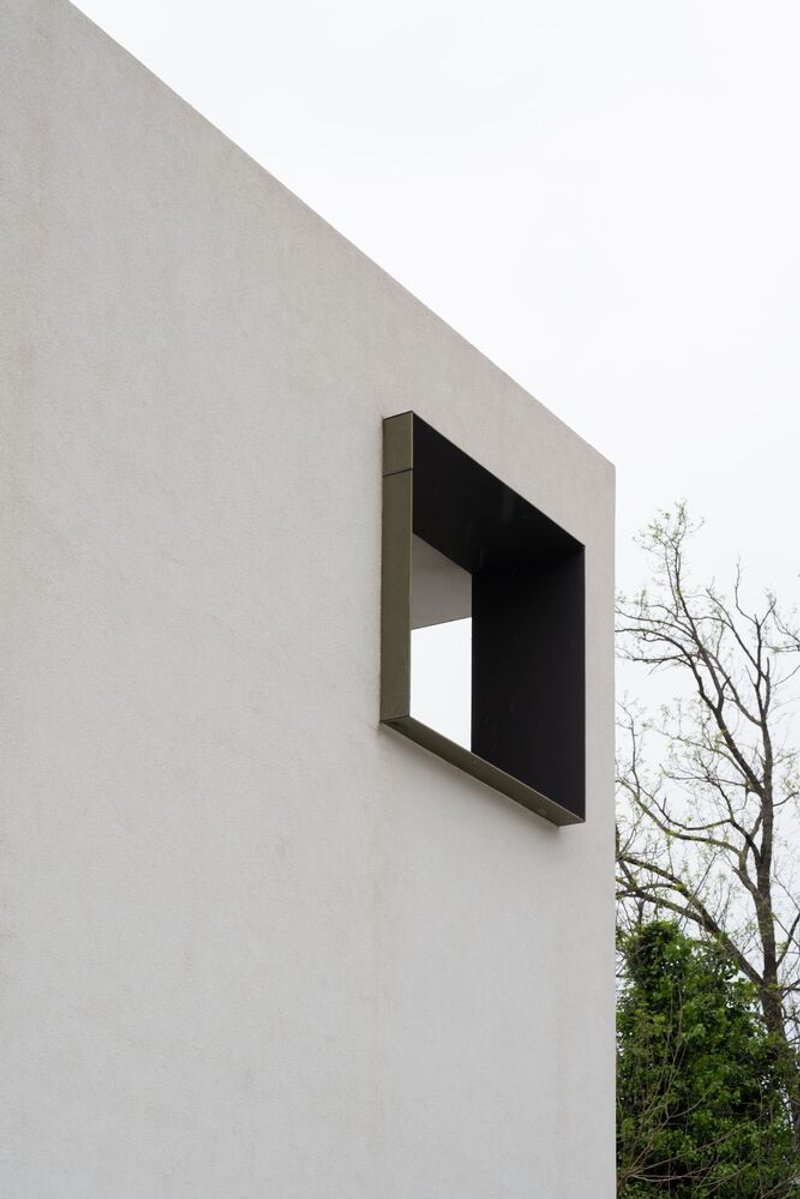
The interior design of the House of Olives blends modern aesthetics with traditional motifs. Natural materials such as stone and wood, inspired by Old Town Bar, create a warm and inviting atmosphere. Arches, a signature element of Mediterranean architecture, frame key spaces, while olive trees serve as both literal and symbolic design features. Expansive windows capture views of the surrounding historical landscape, reinforcing the connection between past and present.
Sustainable and Contextual Integration
Beyond its architectural beauty, the House of Olives exemplifies sustainable design principles. The integration of natural ventilation, energy-efficient materials, and thoughtful spatial planning ensures a low environmental footprint. The facility’s layout promotes a circular economy, optimizing resource use while celebrating Montenegro’s cultural and agricultural heritage.
The House of Olives is a remarkable example of modern olive oil production center architecture, blending historical influences with contemporary design. Through its innovative layout, thoughtful material choices, and multifunctional spaces, the building serves as a bridge between tradition and progress, ensuring that Montenegro’s olive-growing legacy continues to thrive in a modern context.
All Photographs are works of Ilya Ivanov, Lejla Nurković, Branko Rabrenović, Lazar Pejović




Popular Articles
Popular articles from the community

Ippolito Fleitz Group Identity Architects Turn Eight Floors in Shanghai into a Vertical Creative City
Publicis Groupe's new headquarters in Xintiandi reimagines the office as a courtyard-driven urban landscape stacked across eight floors.
3dor Concepts Wraps a Kerala Home in Mirrored Concrete Arcs Around a Courtyard Tree
In the Western Ghats foothills of Thamarassery, a 270 m² single-story house uses two curved volumes to frame nature as its center.

20 Most Popular Office Building Projects of 2025
From biophilic workspaces in India to net-positive energy offices in New Delhi, 20 office building projects that defined architecture in 2025.
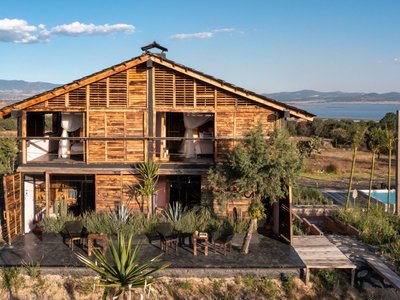
Fausto Terán and Toro Fuse Japanese Craft with Mexican Tradition in a Lakeside Retreat
Nakamura House pairs Shou-Sugi-Ban charred pine with handmade clay tile at the foot of Atlangatepec Lagoon in Mexico.


Similar Reads
You might also enjoy these articles
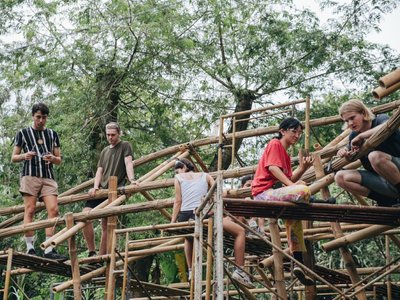
Bamboo Housing Challenge 2026: Design Affordable, Sustainable Homes Using Bamboo
An international design competition by Bamboo U and IBUKU inviting architects and designers to reimagine affordable housing using bamboo — with the winning design built full-scale in Bali.

Computational Design & Education: Beegraphy Design Awards Introduces 7th Category (Featuring Jiyun's Innovative Approach)
Dive into Beegraphy’s 7th Design Awards category, where computational design meets education to create immersive, interactive learning tools, inspired by Jiyun’s work.

From Parametric Lighting to Urban Furniture: Join the 2nd Workshop in Beegraphy’s Computational Design Series
Dive into Cutting-Edge Design Techniques and Practical Applications with Industry Experts

Introducing Sphere by UNI: Pioneering a New Era in AEC Industry
Unlocking Global Potential with BIM and Agile Management


Explore Architecture Competitions
Discover active competitions in this discipline




The International Standard for Design Portfolios


The Global Benchmark for Architecture Dissertation Awards


The Global Benchmark for Graduation Excellence


Challenge to reimagine the Iron Throne
Comments (0)
Please login or sign up to add comments
No comments yet. Be the first to comment!