
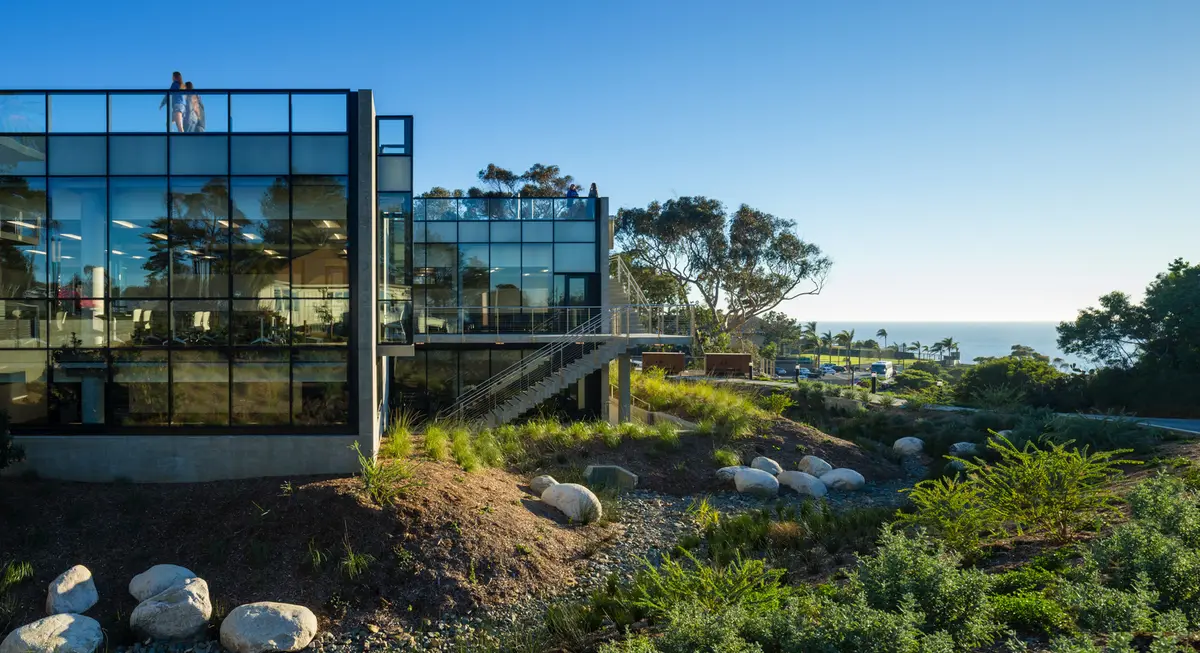
Modern University Science Complex Design: A Case Study of Point Loma Nazarene University
The article discusses the innovative design and features of the new science complex at Point Loma Nazarene University.


In today's educational landscape, the design of university science buildings is evolving to meet the needs of modern pedagogy and research. The Point Loma Nazarene University (PLNU) Science Complex, designed by Carrier Johnson + Culture, serves as a prime example of how architecture can support and enhance the educational mission of a science program.
Background of PLNU's Science Complex
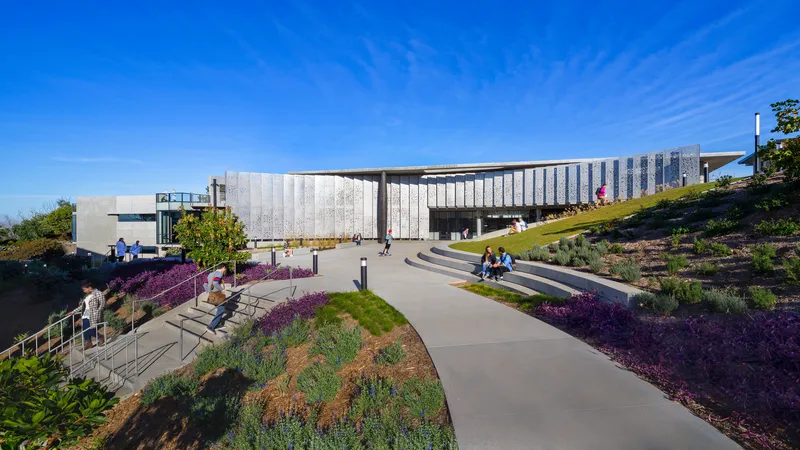
Point Loma Nazarene University, located on a picturesque coastal campus in San Diego, California, is known for its strong sense of faith and acclaimed science programs. The university's existing science building was outdated, prompting the need for a new facility that could accommodate the growing student body and the advanced requirements of contemporary science education.
Key Features of PLNU's Science Complex
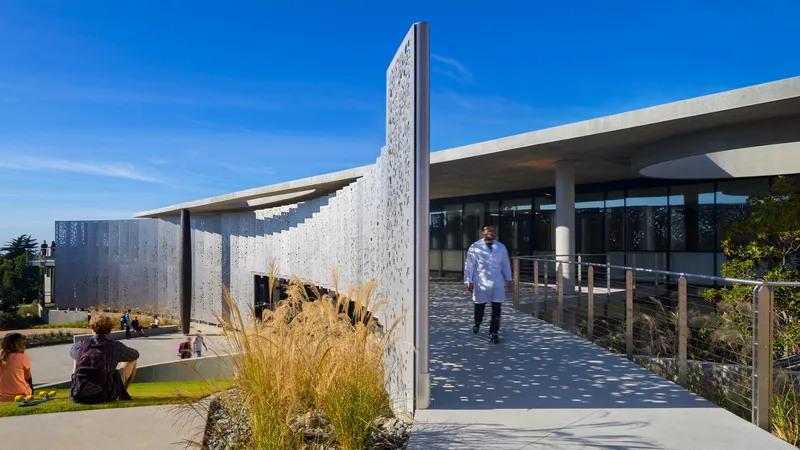
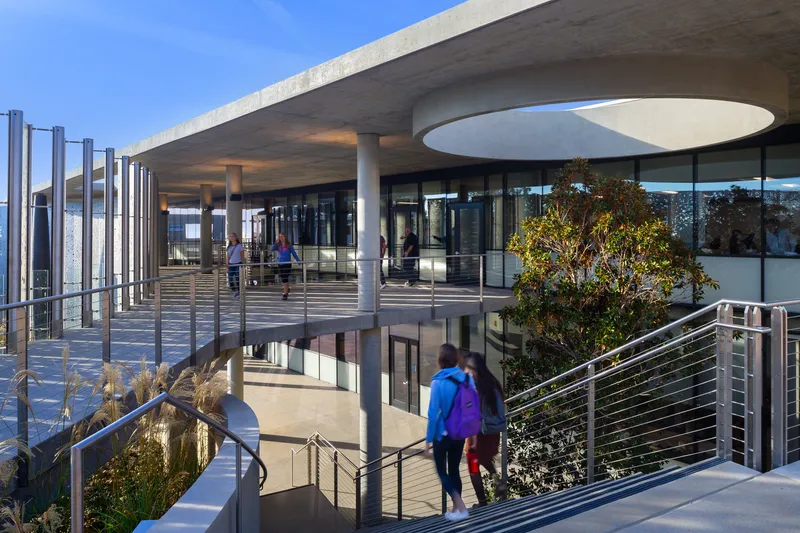
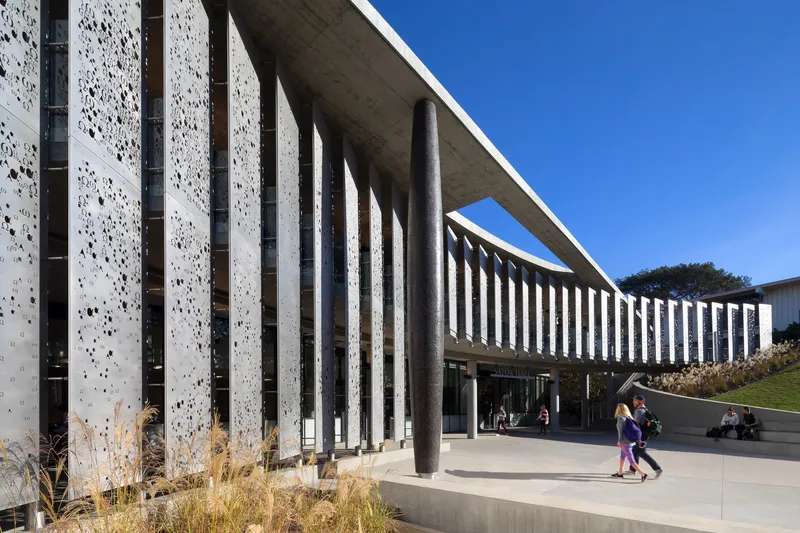
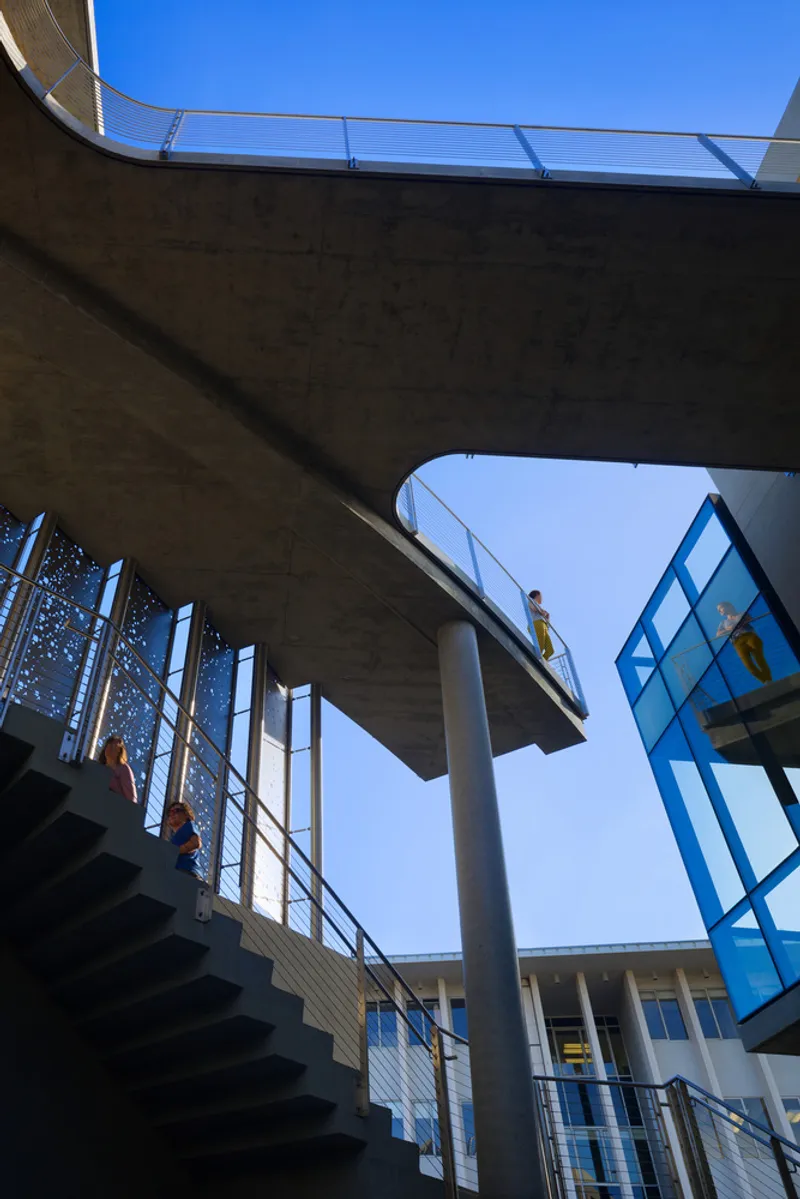
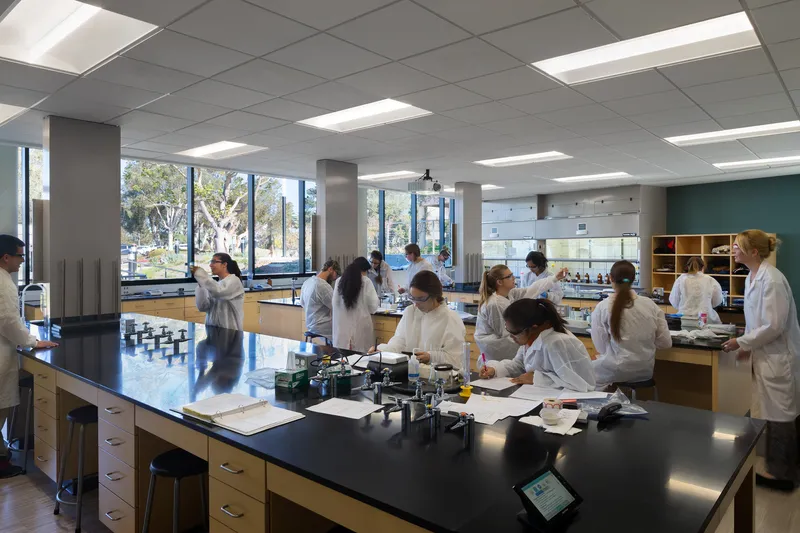
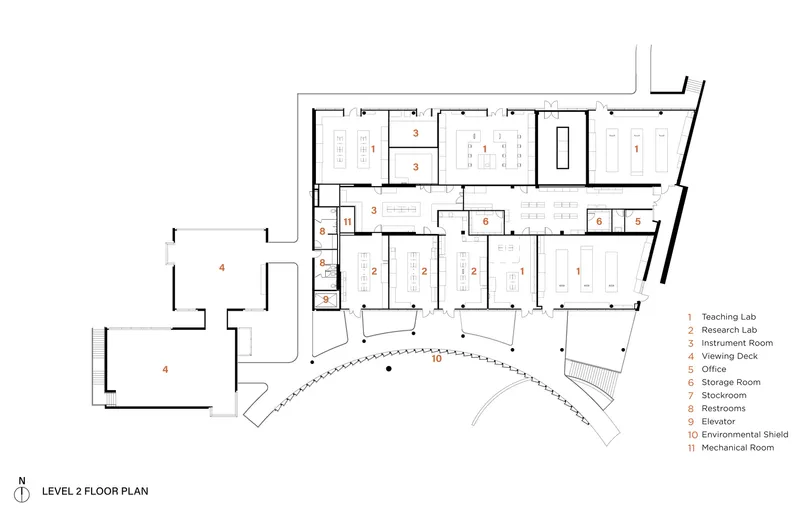
The new science complex at PLNU is a testament to modern university science complex design. It comprises two separate buildings: a laboratory and a classroom component, connected by an elevated walkway. This design enables seamless transitions from theoretical learning to practical application, fostering a hands-on learning environment.
Innovative Classroom and Laboratory Spaces
The complex houses four state-of-the-art classrooms and thirteen advanced teaching and research laboratories. These facilities are equipped with modern technology and designed to support student-faculty collaborative research, highlighting the importance of hands-on learning and mentoring in science education.


Sustainable and Inspirational Architecture
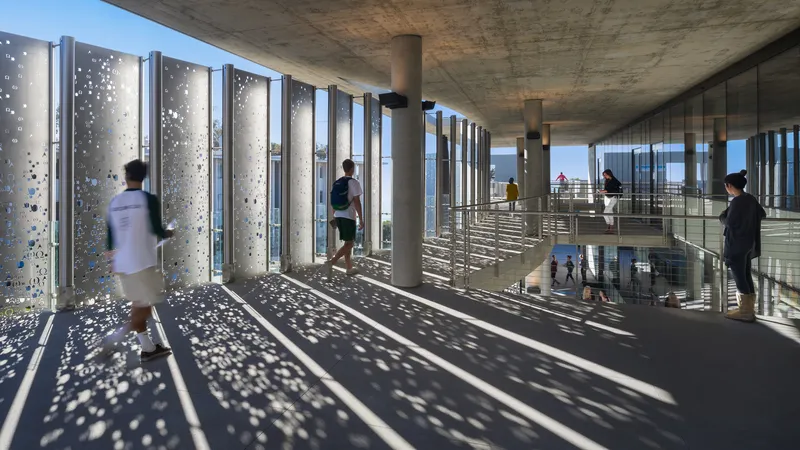
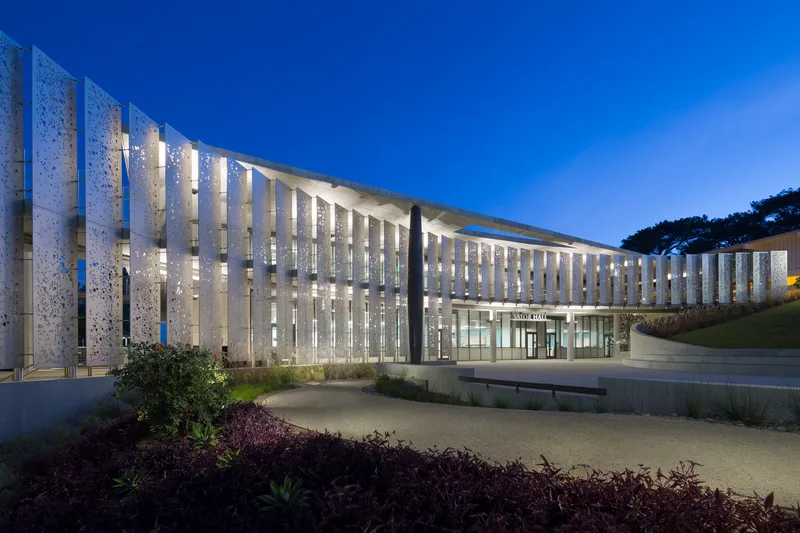
The design of the PLNU Science Complex incorporates insulated glass and smooth concrete, creating a visually striking yet functional space. A distinctive feature is the perforated metal panels along the south exposure, laser-cut with the Greek letters Alpha and Omega. This design not only has religious and scientific symbolism but also allows natural light to filter through, reminiscent of stained-glass windows in European cathedrals.
Integrating Outdoor Social Spaces
Acknowledging the importance of the learning environment extending beyond classrooms and labs, the PLNU Science Complex design includes various outdoor social spaces. These areas, from a landscaped central plaza to rooftop terraces with ocean views, encourage interdisciplinary interactions and support the university’s communal nature.

Harmonizing with the Natural Environment
The complex is designed to blend with the natural beauty of its coastal location. More than 48% of the project site is dedicated to open space, with native or adapted planting. The building is positioned to nestle into the landscape while maintaining a strong architectural presence, with view corridors that frame the surrounding ocean and vegetation.

The Future of University Science Buildings
The Point Loma Nazarene University Science Complex by Carrier Johnson + Culture represents the future of modern university science complex design. It combines functional educational spaces with sustainable architecture and outdoor social areas, creating an environment that supports both academic excellence and community engagement.
This case study exemplifies how thoughtful design can profoundly impact the learning experience, preparing students for success in the scientific world. The PLNU Science Complex sets a new standard for educational buildings, emphasizing the role of architecture in advancing science education in the 21st century.

All photographs are work of Lawrence Anderson Photography


Popular Articles
Popular articles from the community


Conexión: Biophilic Design Reimagines High-Rise Living in Hong Kong
Conexión reimagines high-rise living in Hong Kong through biophilic design, green facades, shared spaces, daylight, water and nature within.

Lunar Spiral: Space Architecture Shaped by the Mathematics of the Universe
Lunar Spiral reimagines space architecture through Fibonacci geometry, lunar regolith, levitating habitats, and self-sustaining Moon living.

The Musturak Paradise: Senior Living Architecture for a Connected Future in Temara, Morocco
The Musturak Paradise reimagines senior living architecture in Temara via private homes, social spaces, culture, community, and shared care.

The Ocean Hive: Sustainable Architecture for a Self-Sufficient Civilization at Sea
The Ocean Hive imagines sustainable architecture at sea, where modular habitats, algae, wave power and ocean waste sustain a growing colony.

Similar Reads
You might also enjoy these articles

Maya Harvest: A Cacao Resort Village Rooted in Mayan Tradition and Local Craft
Situated within a Tabasco cacao plantation, this shortlisted resort proposal merges vernacular materials with hands-on cultural immersion.
Harmonia: A River-Shaped Community That Grows Over Decades in Boa Vista
Curved pathways and modular grid structures along the Branco River create a phased settlement designed to evolve from 2030 to 2050.

The Architecture of Bathing: A Mughal Hammam Reimagined Across the Yamuna
Charlotte May's honorable mention entry for The Black Taj reinterprets Agra's bathing rituals through red sandstone, water, and framed views of the Taj Mah
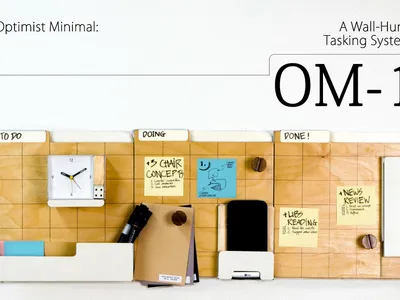
Om-1: A Wall-Hung System That Moves Your Workspace Off the Desk
Modular plywood boards, magnetic pegs, and utility elements migrate clutter from the horizontal surface to the vertical plane.

Explore Modern University Competitions
Discover active competitions in this discipline

Challenge to design public laboratory

Challenge to reimagine the Iron Throne

Photograph architecture without architects

Illustrate the lost glory of Angkor Wat - Render Challenge
Comments (0)
Please login or sign up to add comments
No comments yet. Be the first to comment!