
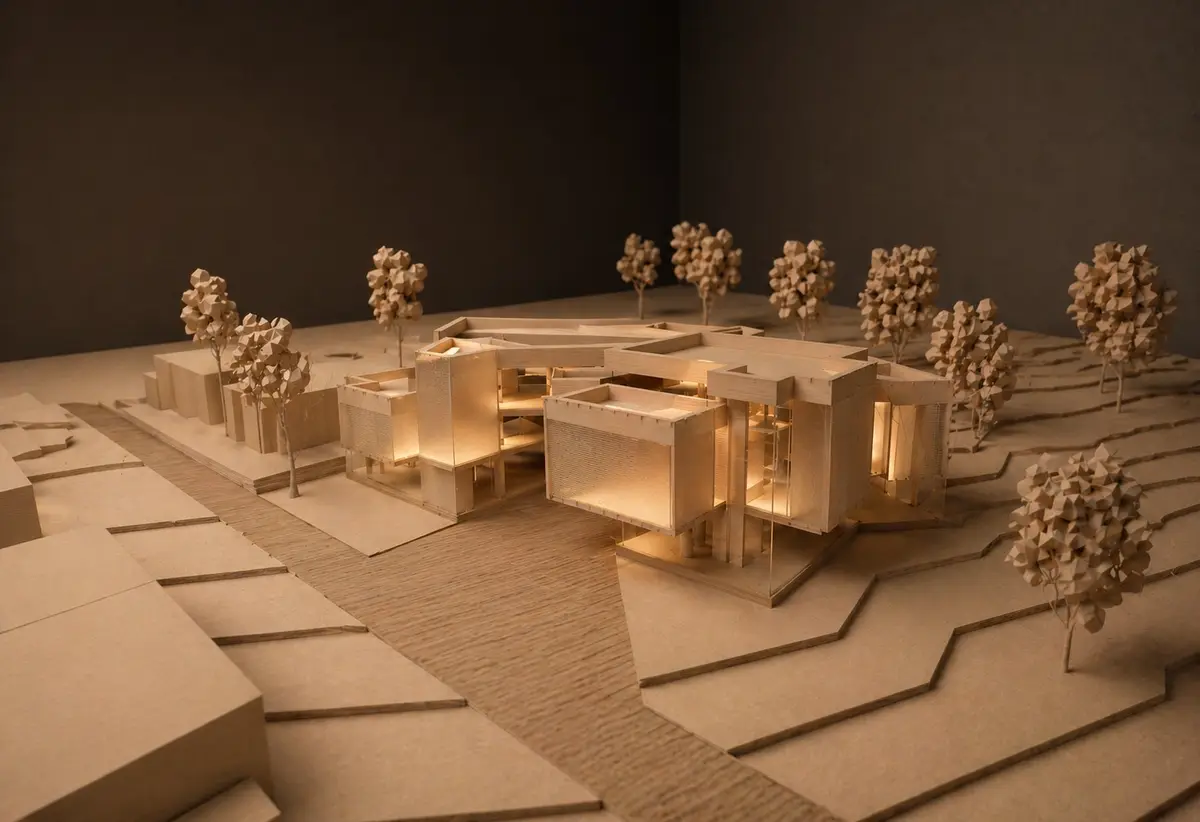
Flow: Spatializing Well-being Through Intersecting Layers
Transforming the inner depth of wellness into a spatial reality.

This project journal was developed by Begüm Erdoğan, Ebru Tosun and Meryem Gökbayrak.
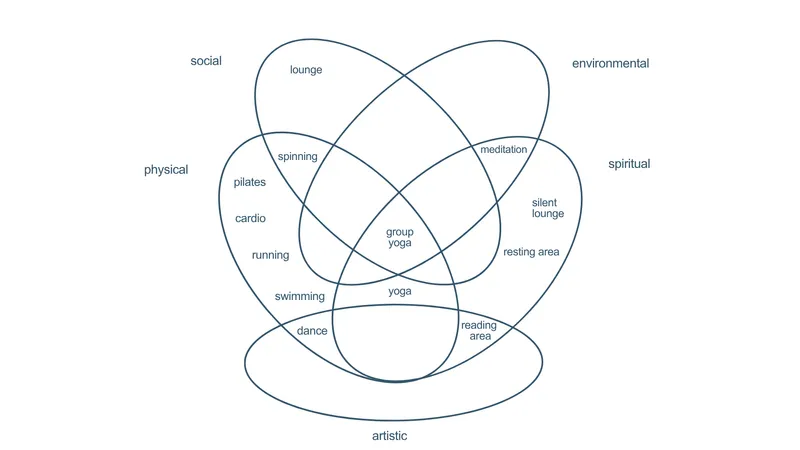
While designing the fitness center, we proposed a layered and flexible structure rooted in the idea of individuals acquiring healthy habits, practicing self-care, and discovering their own internal layers. To redefine the fitness center as more than just a place for repetitive routines, we explored the concept of 'wellness.' We discovered that wellness is inherently multidimensional, and we utilized these dimensions as layers to build our project program. The Venn diagram that we created shown below does not include all dimensions of wellness, but specifically the ones we have integrated into this project.
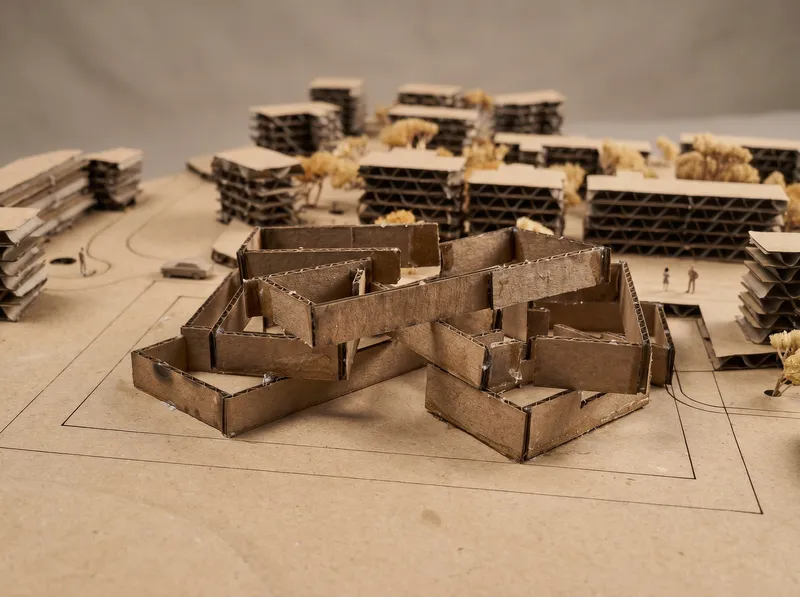
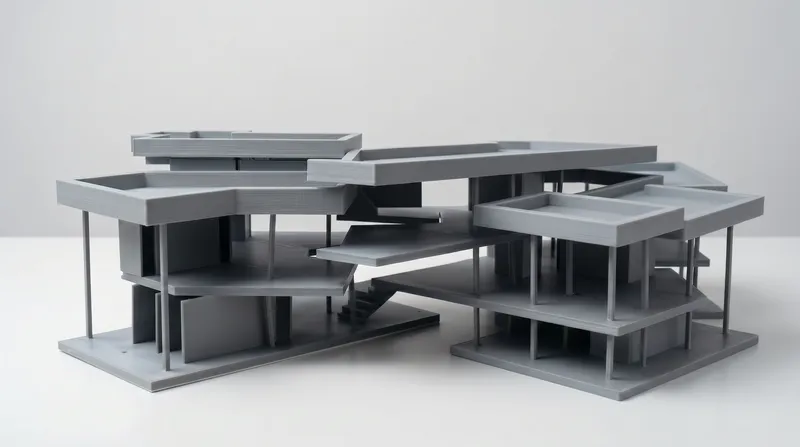
We achieved these layers by overlapping 9 distinct units at different levels. The diagrams below represent some of the preliminary trials we conducted during the design process to reach this final composition. These studies explore how rotating pairs of units at various angles and intersection points determines the resulting square footage and the spatial qualities within the section plane. Our goal was to ensure that users feel a sense of freedom and flexibility while navigating these layered volumes, varying levels, and intersecting planes. Consequently, we rejected the traditional, closed room-by-room layout. Instead, we allowed walls to rise only from the traces of these intersections, creating a natural flow and orientation.
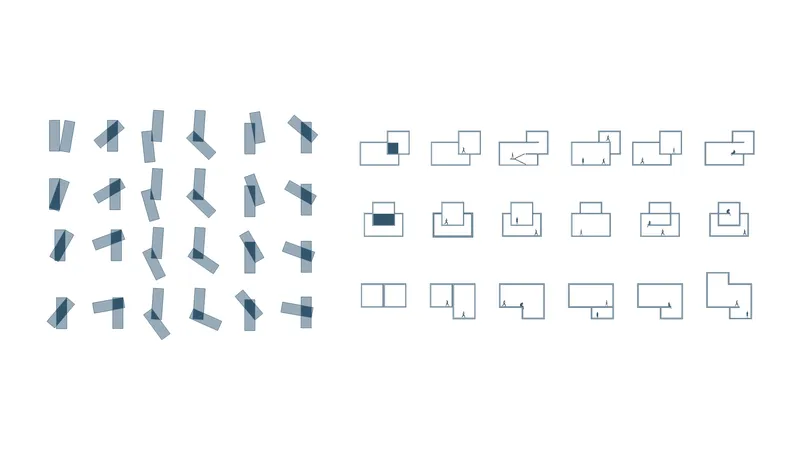
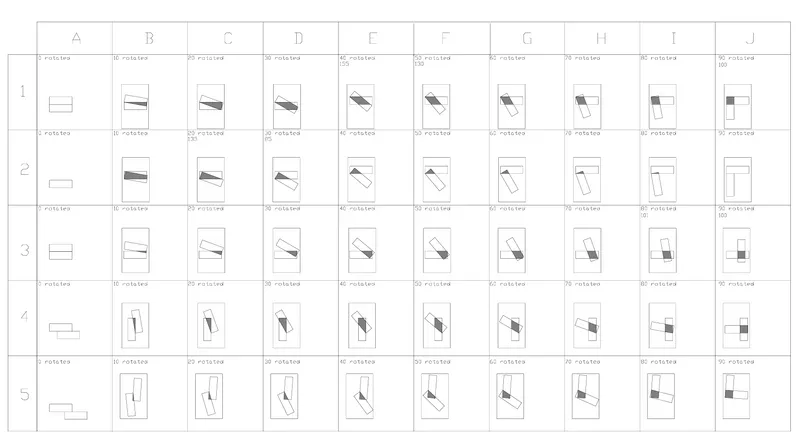
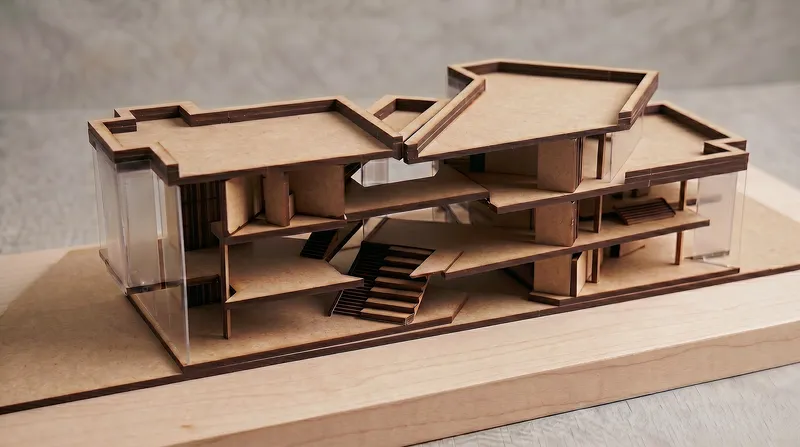
We believe that an environment conducive to healthy habits must be both social and a place where individuals move without pressure or obligation, choosing their own orientation and activities. By creating gallery voids within the units, we aimed to provide spaces where people can maintain visual connection with each other, fostering a shared atmosphere.
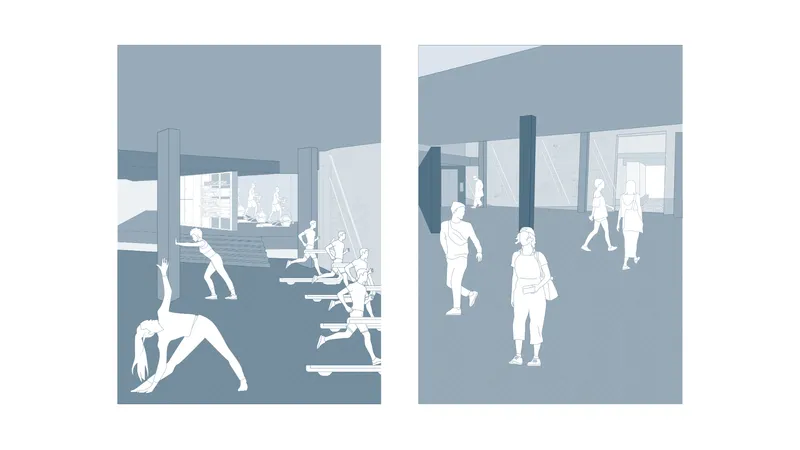
As the concept developed, the project evolved into a spatial system that guides the user through a series of interconnected experiences. Translating these overlapping traces into a three-dimensional reality required organizing the building's section according to the activity levels of the programs. In this system, circulation is not merely a tool to connect floors but a central element that orchestrates the experience itself.
Through this vertical movement, the user encounters varying levels of dynamism. The spatial arrangement allows for a smooth transition from the high-paced activity of the cardio and spinning zones at the +3.60 level to the serenity of the yoga and meditation areas at the +8.20 level, mediated by gallery voids. These voids act as permeable boundaries that reinforce the 'space within a space' condition. Architecture thus shifts from a static container to an active mediator of experience.
In conclusion, FLOW offers a flexible and fluid alternative to traditional fitness center design. By rejecting spatial fragmentation, it defines a new fitness experience through gradual transitions and volumetric continuity.



Popular Articles
Popular articles from the community


Opera by the Sea Estonia: Three Shells Dissolving Architecture into Tallinn's Coastline
A winning opera house proposal replaces monumental form with interconnected shells that blur the boundary between building, park and Baltic Sea.

Singing Woman: An Opera House That Performs Before the Curtain Rises
Ovidiu Cristian Pavel's conceptual opera house translates Estonia's choral identity into a sculpted waterfront landmark facing the Baltic Sea.

Manzana Morphosis: Stretching Barcelona's Grid into a Living Landscape for 2050
A radical reworking of the Eixample manzana turns density into a tool for generous public space, vertical ecology, and environmental performance.
Faces of the Soviet Avant-Garde: Turning Moscow's Street Names into an Open-Air Museum
A network of sculptural installations across a Moscow residential district transforms forgotten architect names into spatial encounters with cultural memor

Similar Reads
You might also enjoy these articles
The Rhythm of Seasons
A Farmers' Market Connecting Nature and the City

More Than a Building-Designing a Living System
More Than a Building-Designing a Living System
Base Beyond
DESERT COMPOUND ARID: TOURISM OF ABSENCE AND ABUNDANCE

Explore Flowing Space Competitions
Discover active competitions in this discipline


Challenge to design a barrier free sports center

Challenge to design an outdoor ice-rink and park

Challenge to reimagine the Iron Throne

Photograph architecture without architects
Comments (16)
Please login or sign up to add comments
Great job!
Well-developed project with a strong concept.
Great project!!
The project embodies the concept deeply. Amazing work!
Great job!!
Detailed and well-developed project. Great job!
Great work !
I loved the layering and parametric studies. The models are also very nice and explanatory.
Great work, the project looks very mature and creative. Exploring the layers of the wellness concept has added a different perspective to the project.
Congratulations, it’s a creative and useful project.