
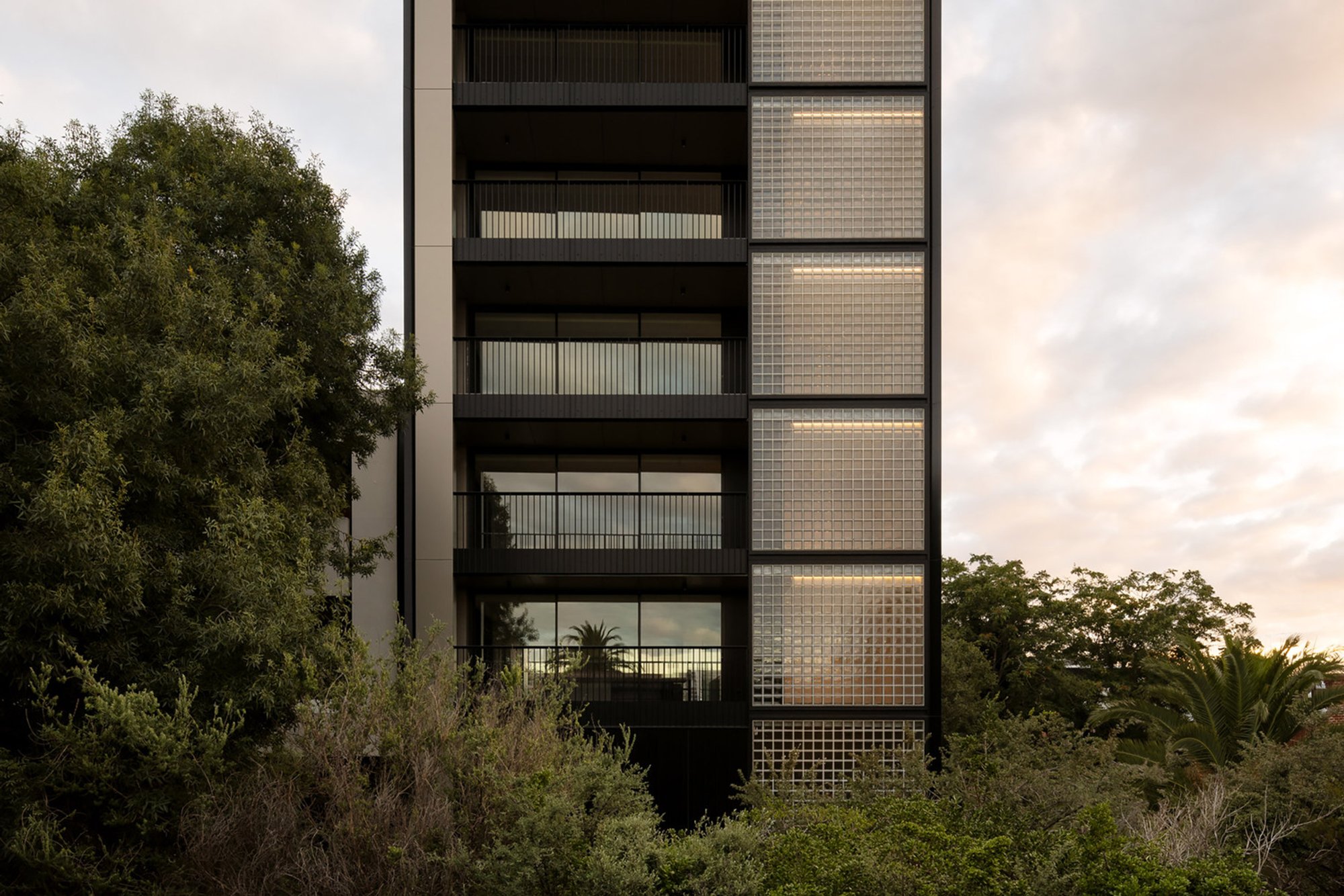
Modular Apartment Architecture in Urban Infill: Newburgh Light House by Splinter Society
A modular apartment tower redefines compact urban living with luminous design, prefabrication, and spatial elegance on a tight site.

Redefining Compact Urban Living through Vertical Modularity
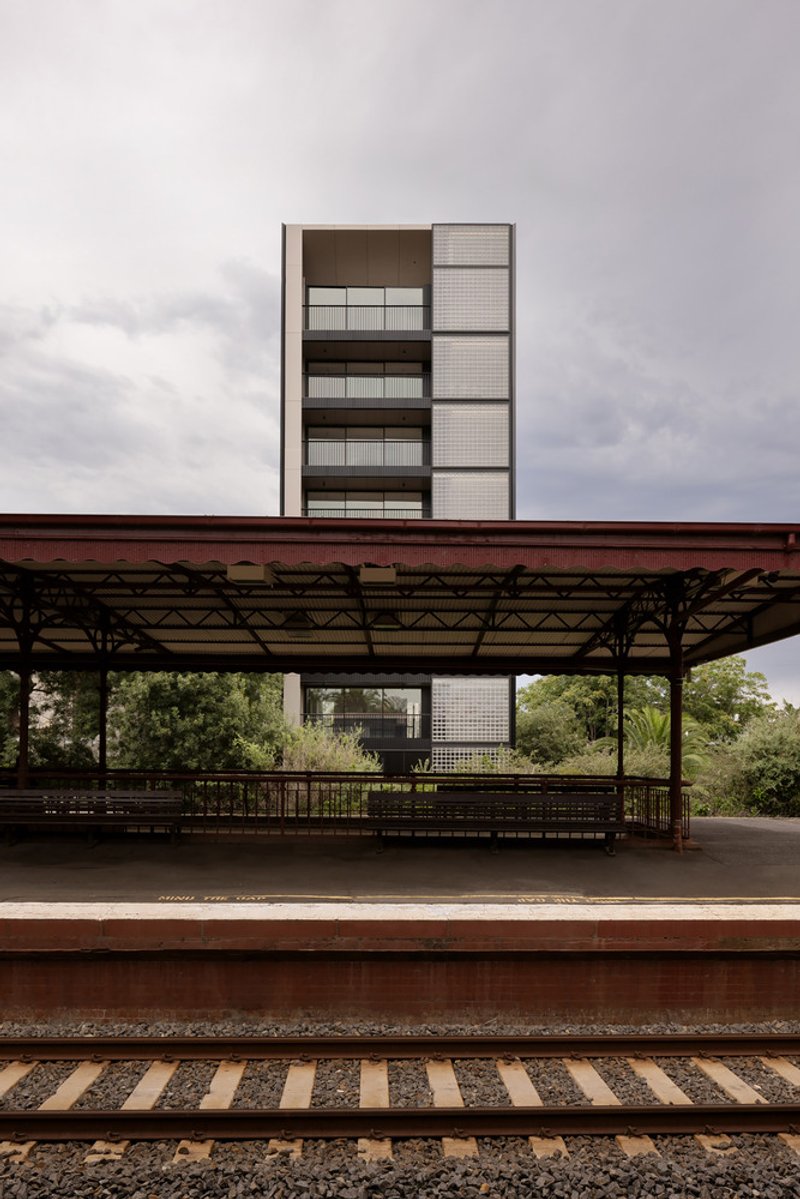
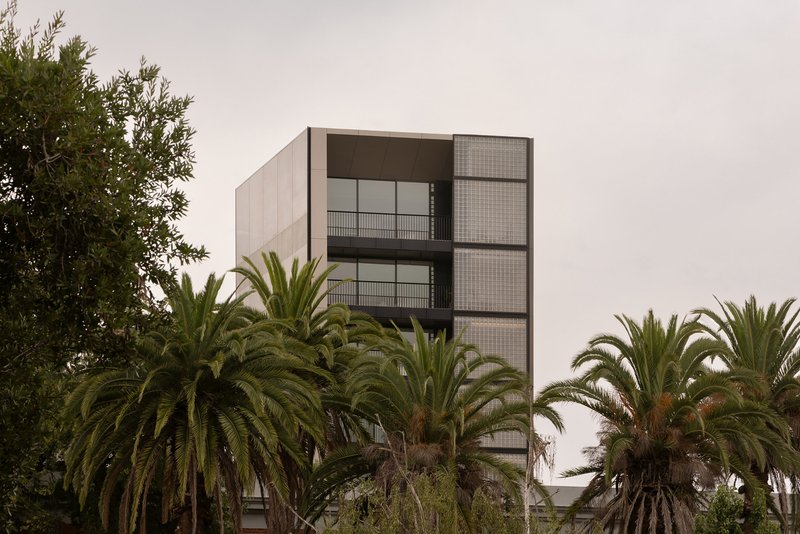
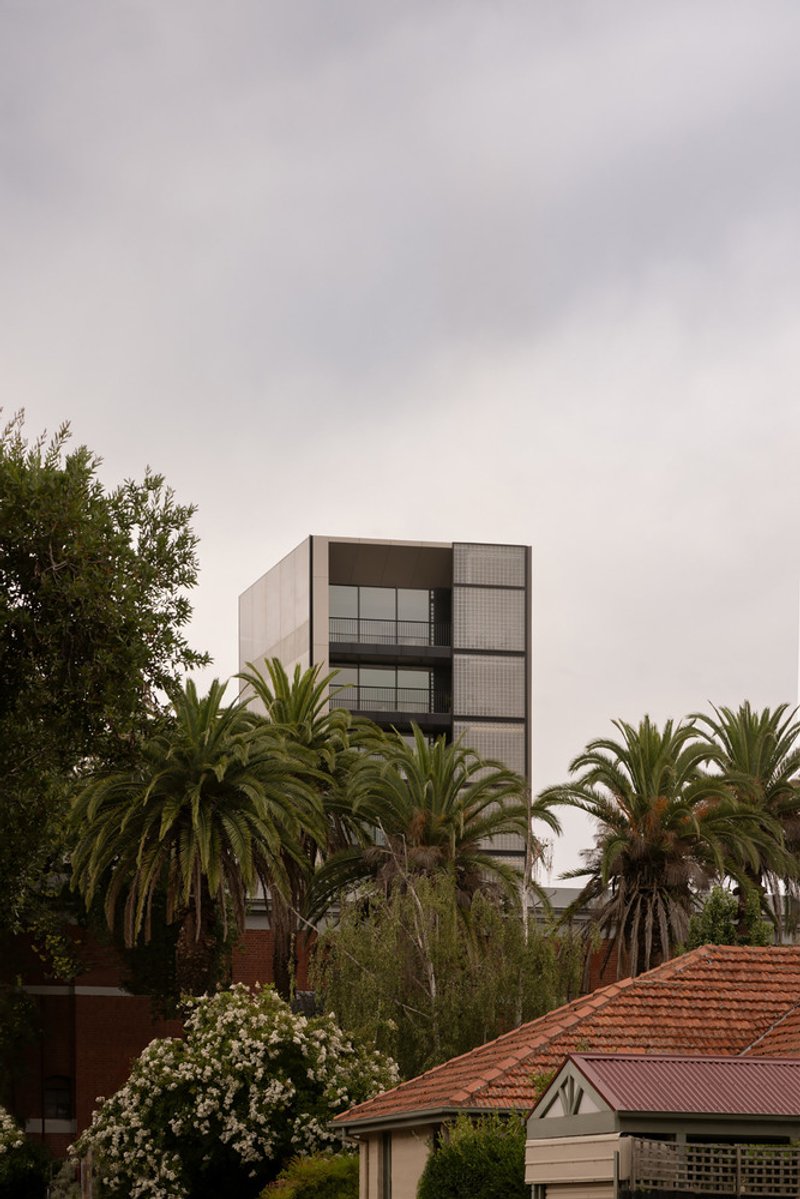
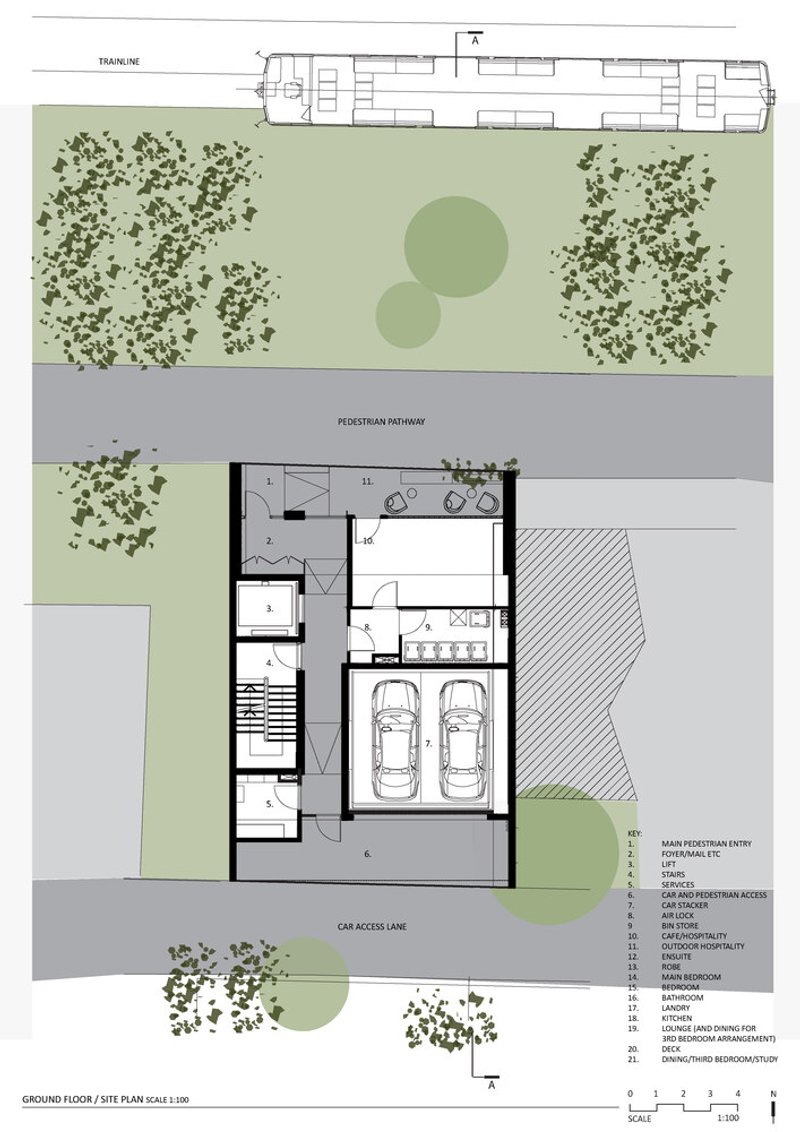
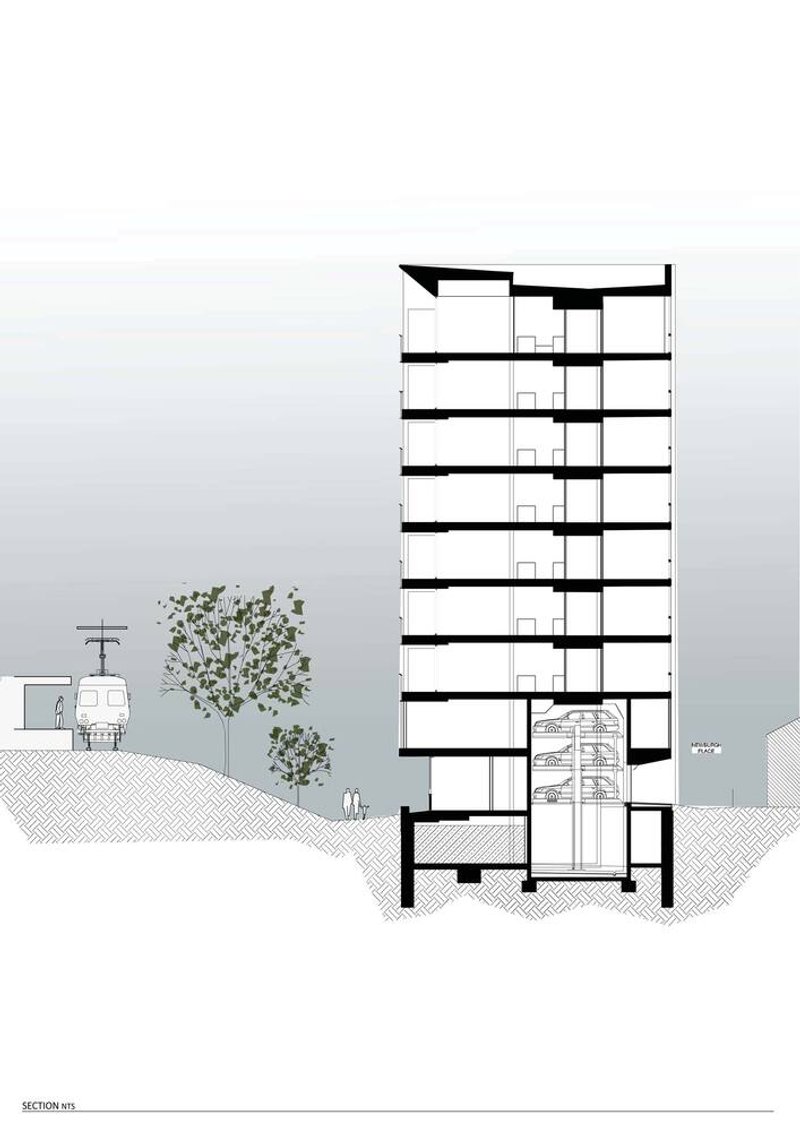
Located in Hawthorn, Australia, the Newburgh Light House by Splinter Society is a pioneering model of modular apartment architecture, strategically sited in Auburn Village on an exceptionally tight 150m² plot. Designed to accommodate 21 residents over 10 levels, this vertical housing solution transforms extreme site limitations into a design advantage through prefabrication, translucency, and innovation. With no street frontage and an active railway bordering the north, the building reimagines urban infill typologies through spatial efficiency and luminous design.
Site Challenges Shaping the Vertical Tower Typology
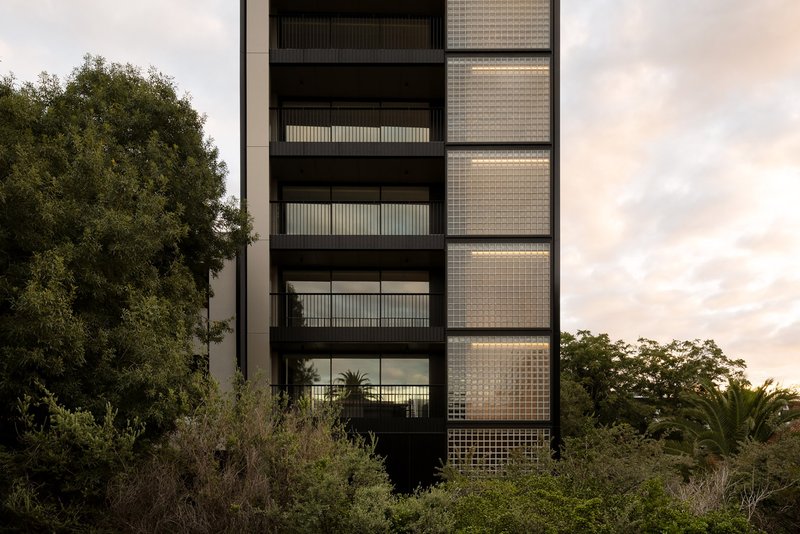
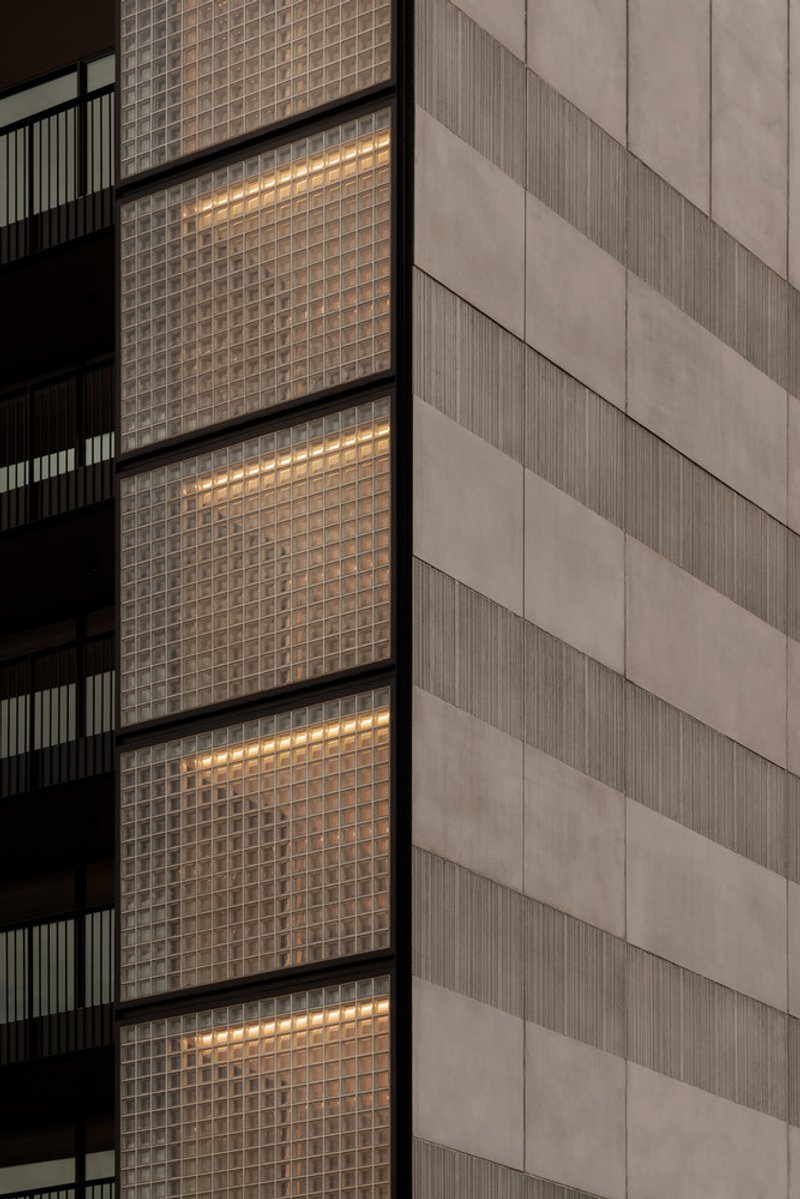
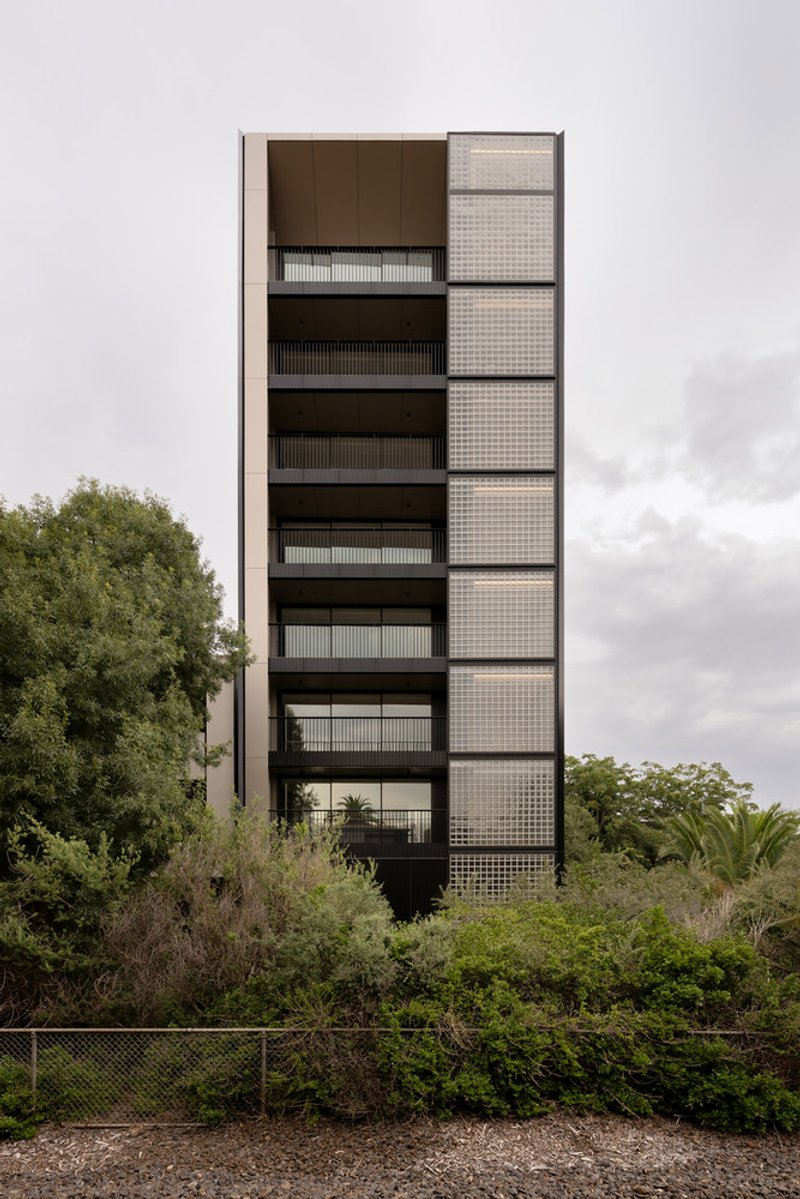
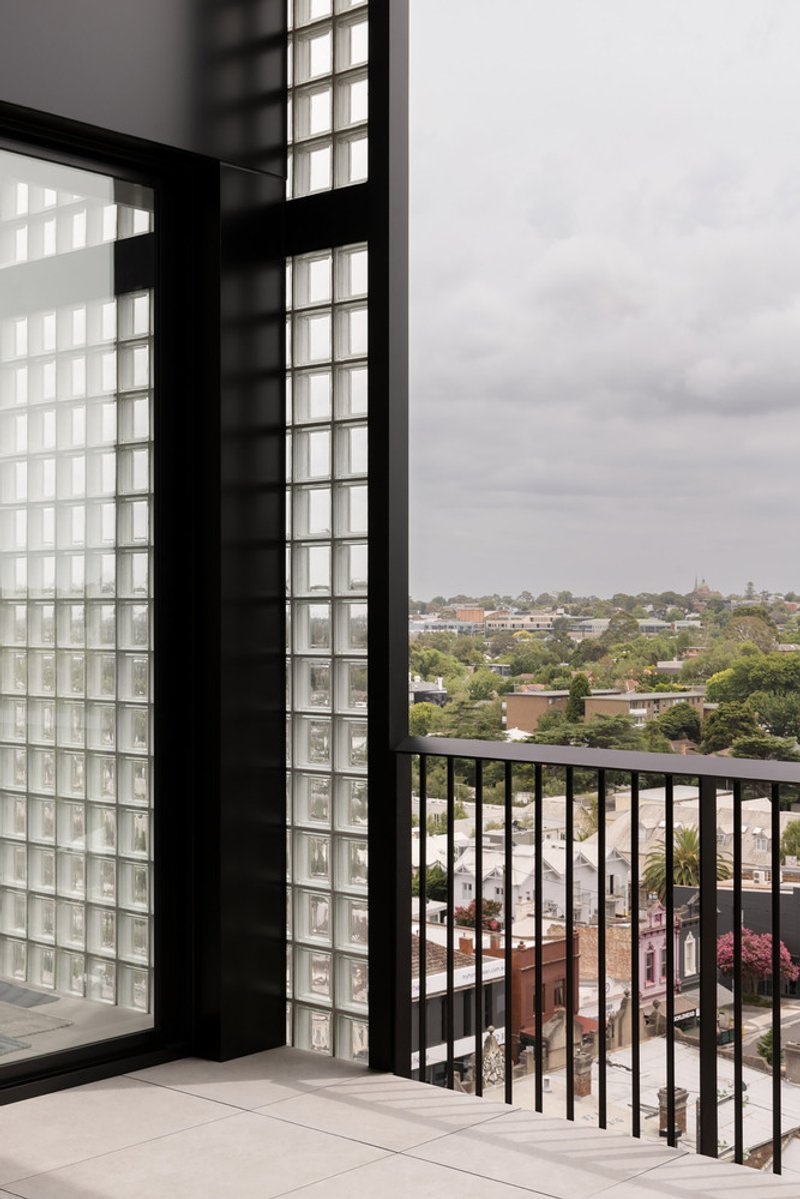
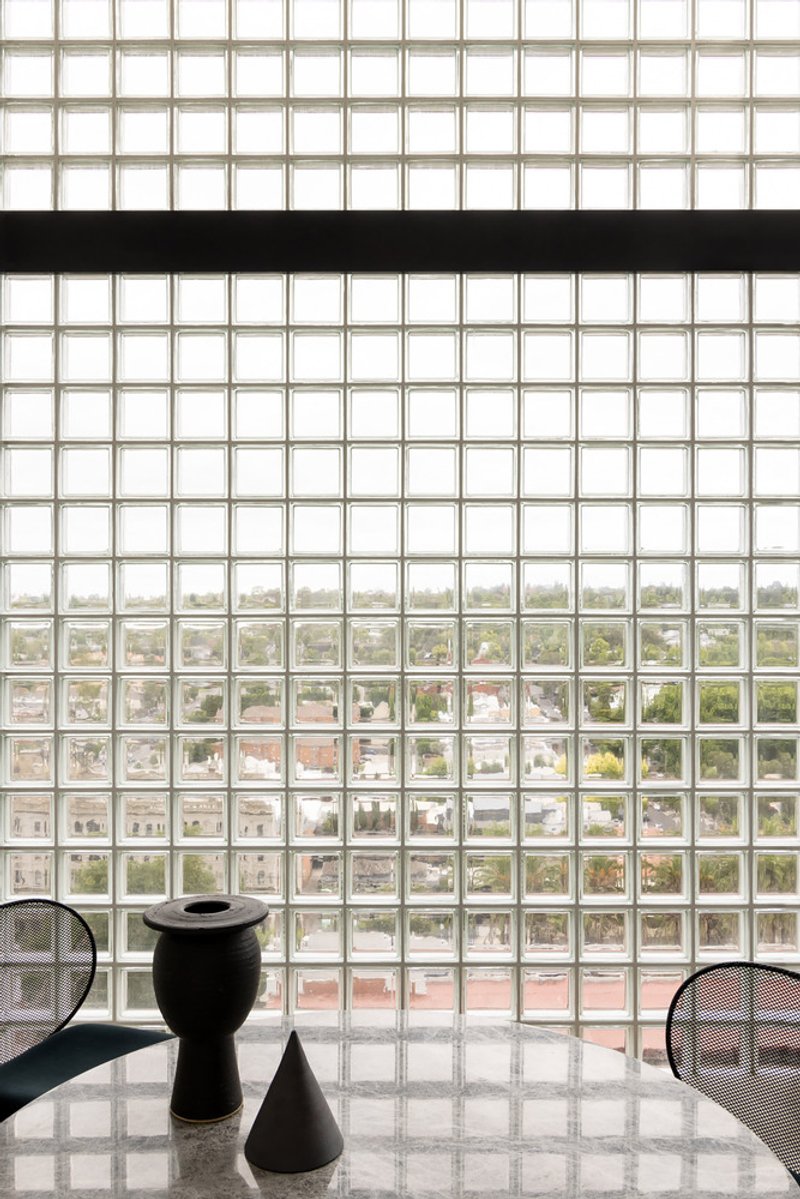
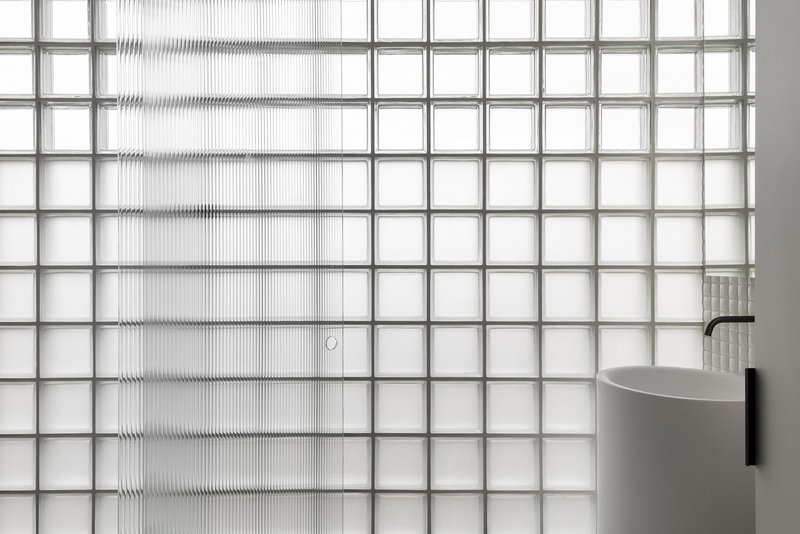
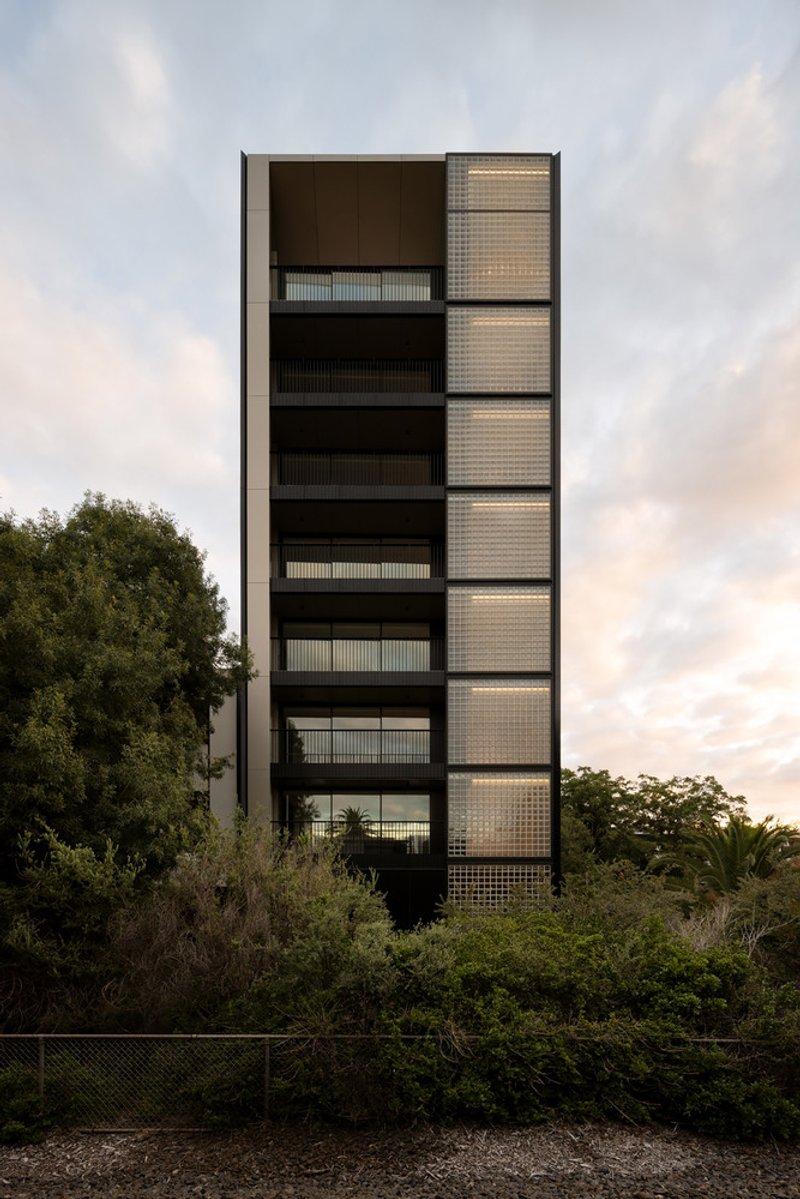
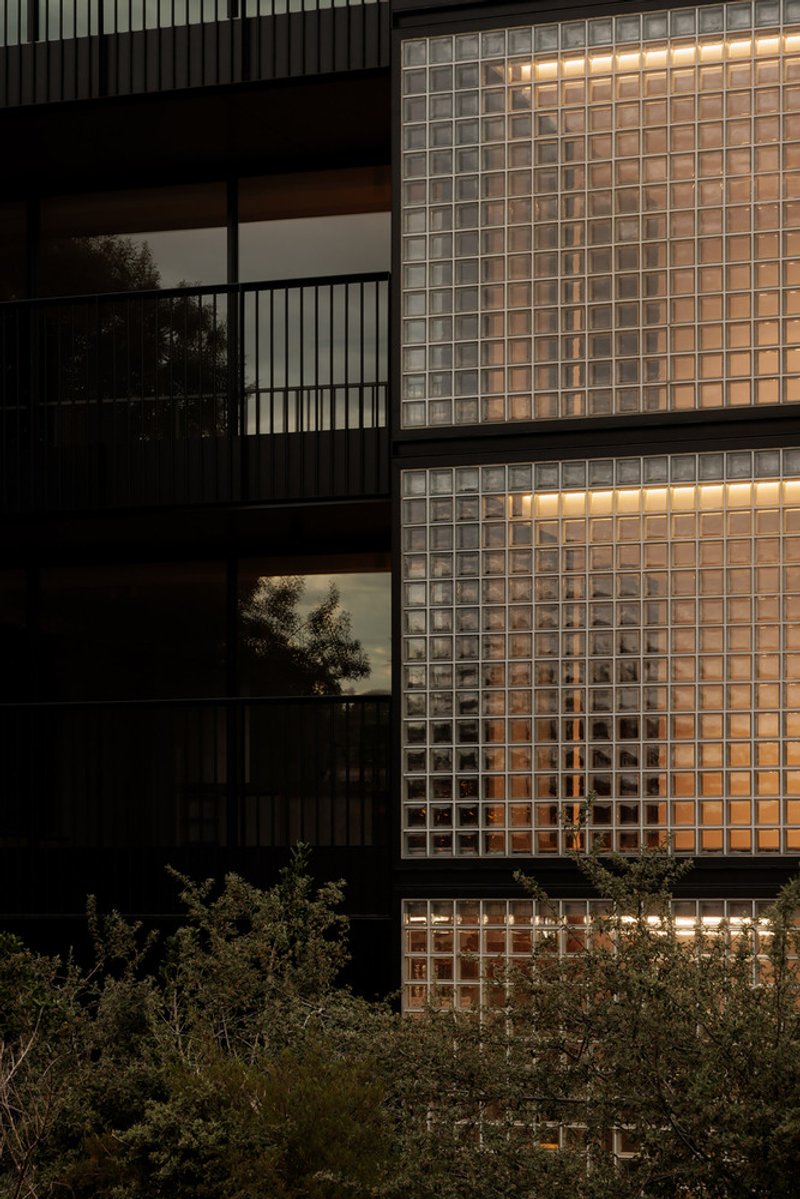
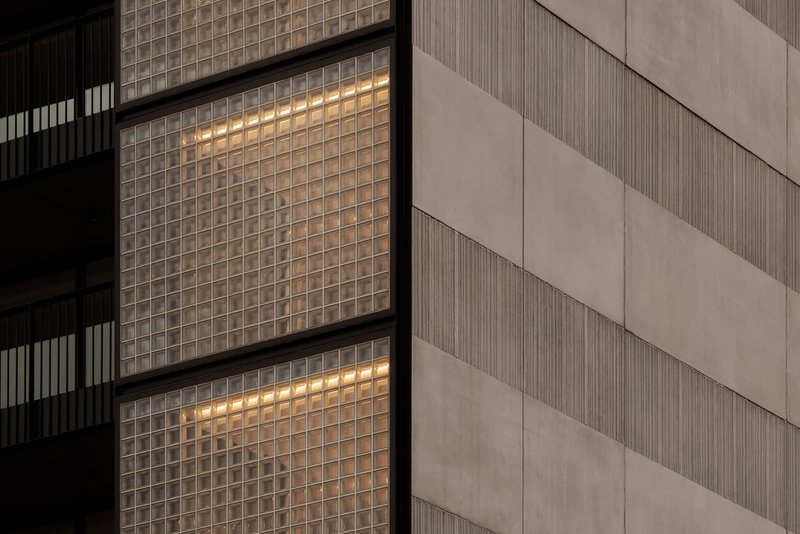
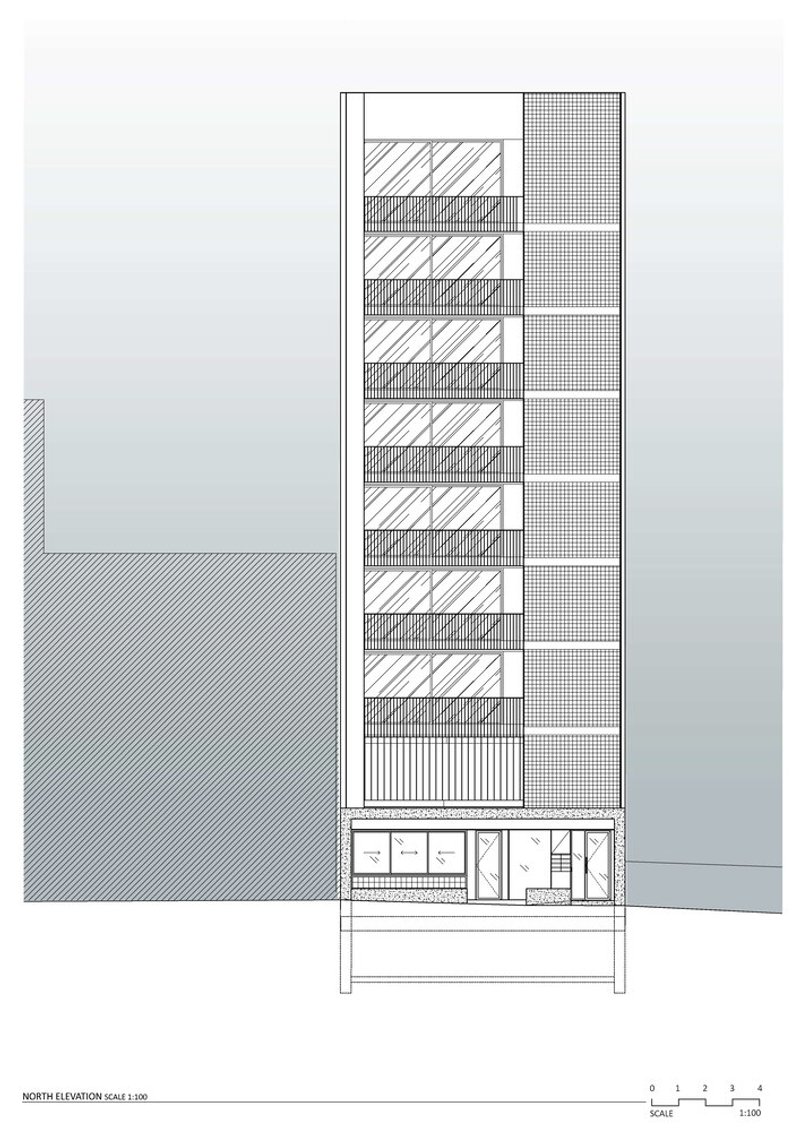
Facing significant regulatory and spatial constraints, including fire compliance, acoustic control, and access to daylight, the architectural response was the creation of a slender mini-tower—where each apartment occupies an entire floor. The defining characteristic of the project lies in its use of translucent glass block facades, which satisfy both fire and equitable daylight requirements while establishing a glowing lantern-like presence in the streetscape. This approach not only ensures resident privacy and safety but also contributes to the building’s poetic relationship with the surrounding public realm.
Light, Reflection, and Material Innovation
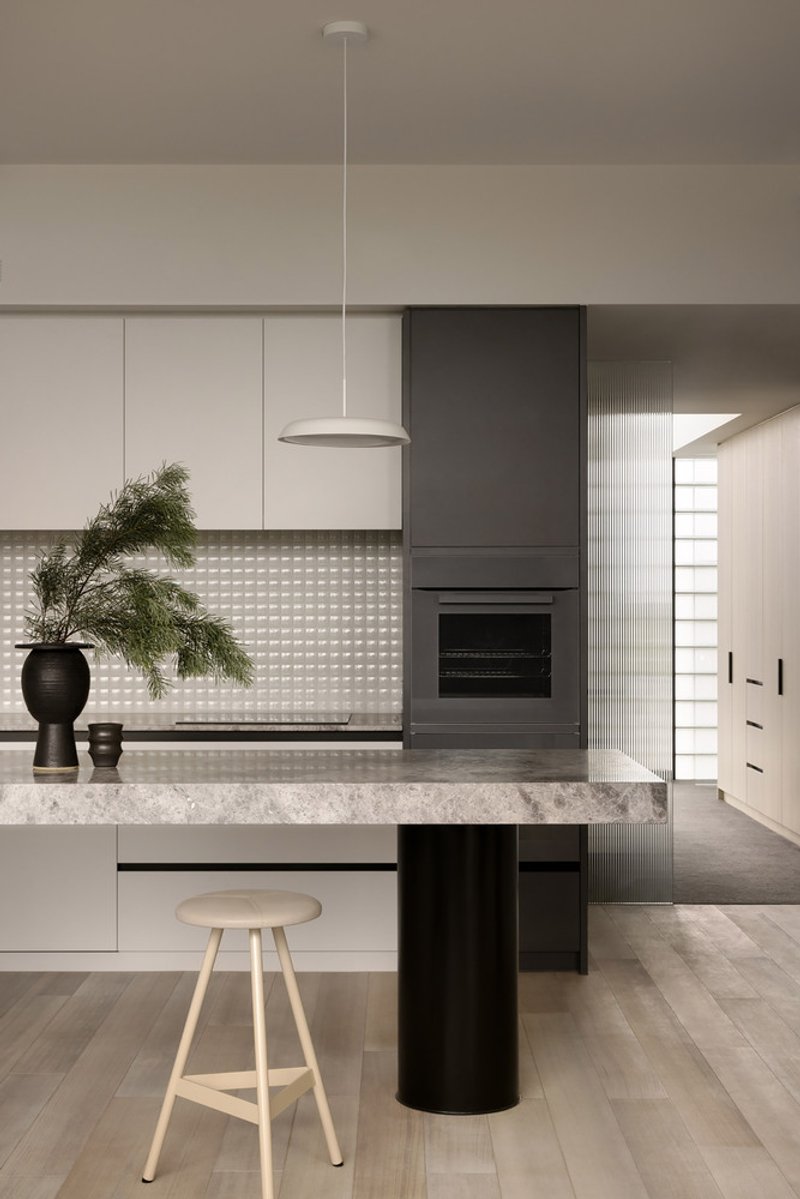
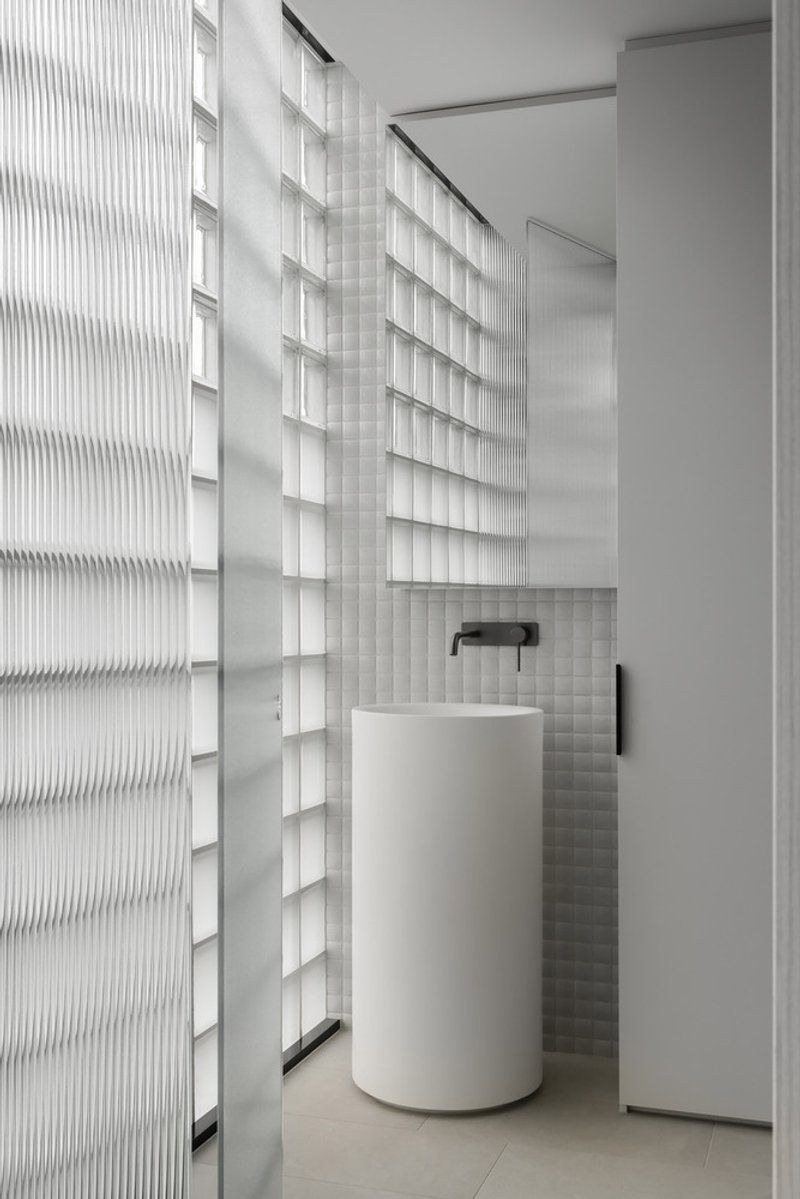
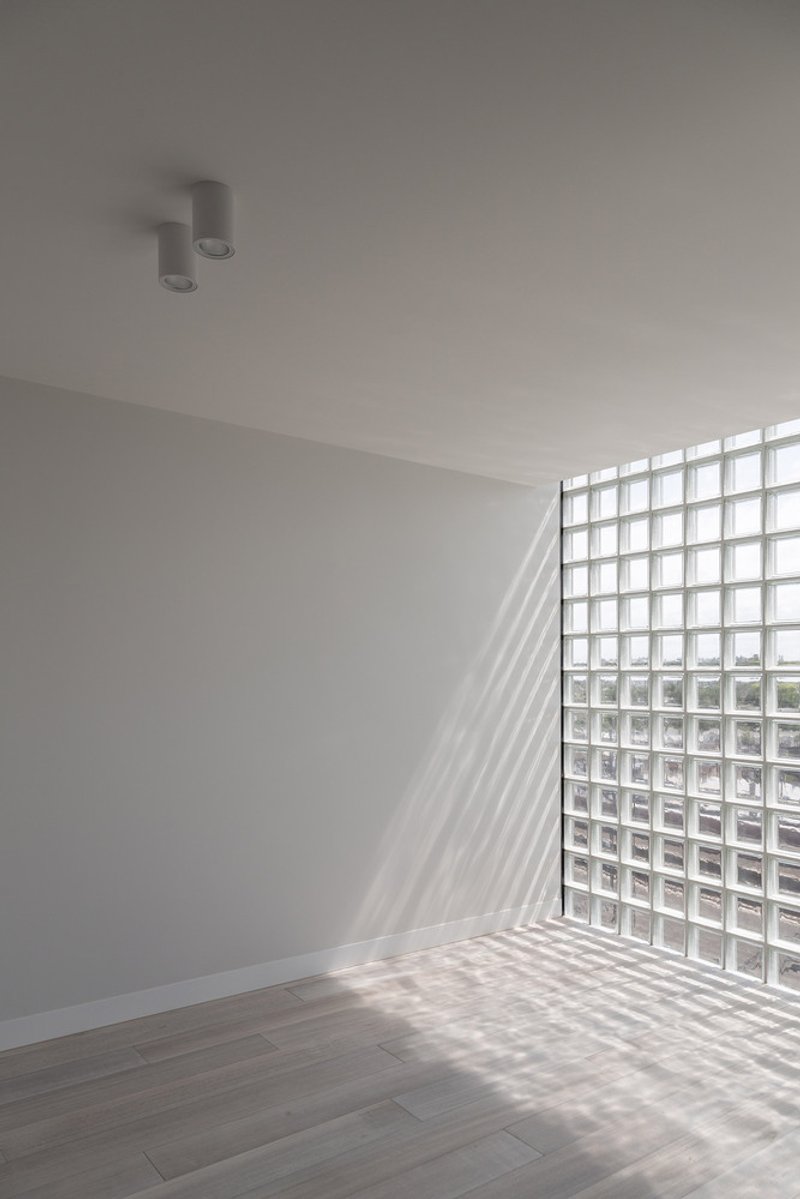
The architectural language prioritizes transparency, reflectivity, and subtle modulation of light. Glass blocks on the north and south façades work in concert with recessed operable glazing to maximize views and ventilation, while also creating ethereal light effects throughout the interior. Inside, the use of textured glass partitions and doors continues this language of permeability, transforming daylight into an atmospheric design element that animates the apartments across the day.
Modular Design Meets Urban Density
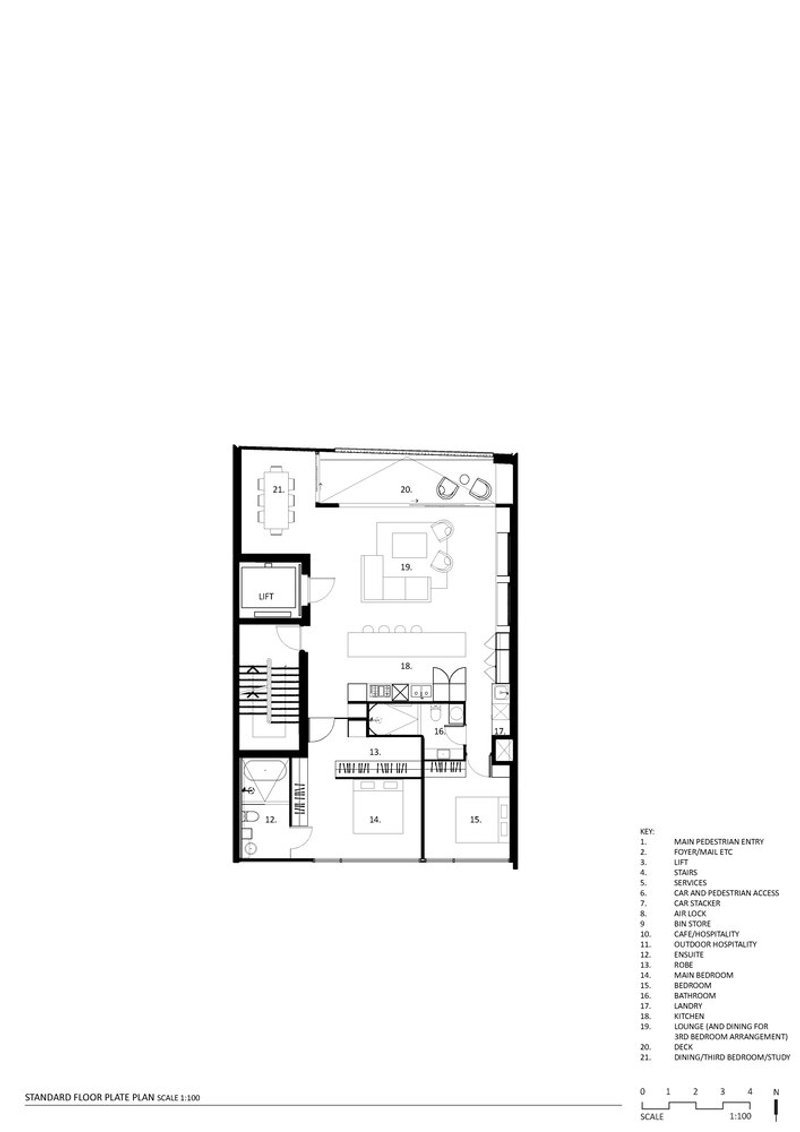
Embracing modular apartment architecture, Splinter Society employed prefabricated construction elements to streamline assembly and address the site’s constrained accessibility. Each unit was designed with private elevator access, a flexible three-room layout, and efficient cross ventilation. Additional storage and bike spaces were integrated to appeal to a diverse range of residents—from downsizers seeking privacy and convenience, to students and young professionals drawn by its proximity to public transport.
Blurring Boundaries between Interior and Exterior
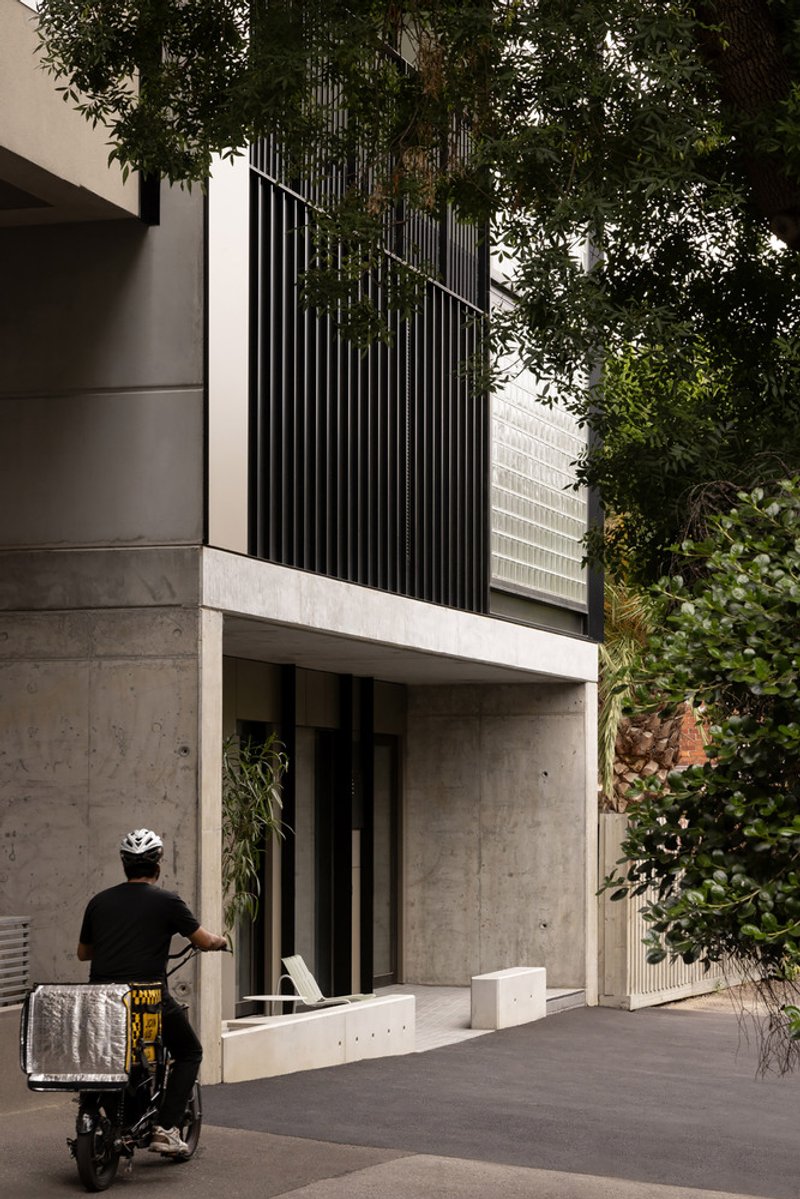
The ground floor, constructed with in-situ concrete for structural integrity in the event of a train derailment, includes a small coffee shop and integrated seating to activate the pedestrian edge. Bluestone cobbles extend from surrounding laneways into the building footprint, creating a tactile transition between public and private. This soft threshold reflects the project’s intent to harmonize with its historic railway context while bringing a modern identity to the neighborhood.
Interior Warmth Anchored in Material Craft
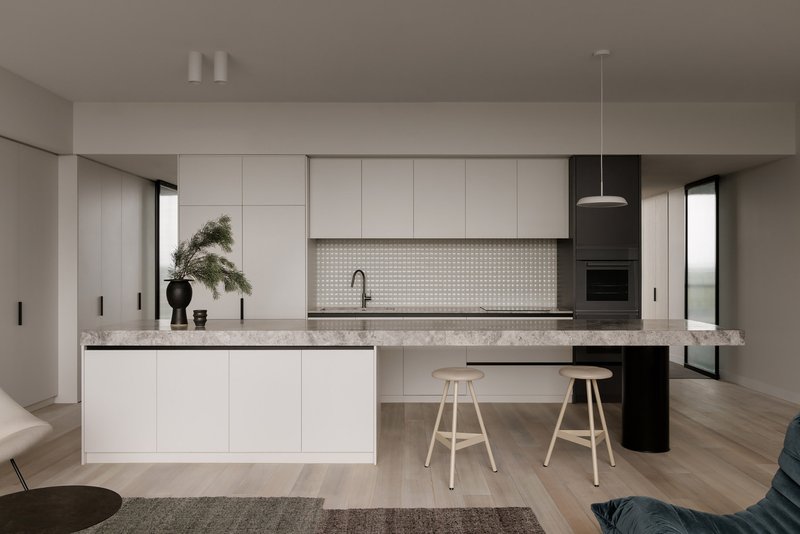
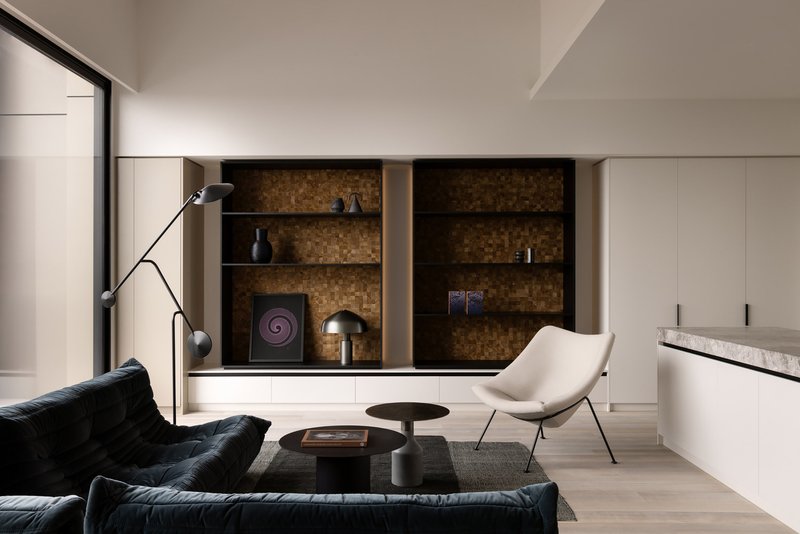
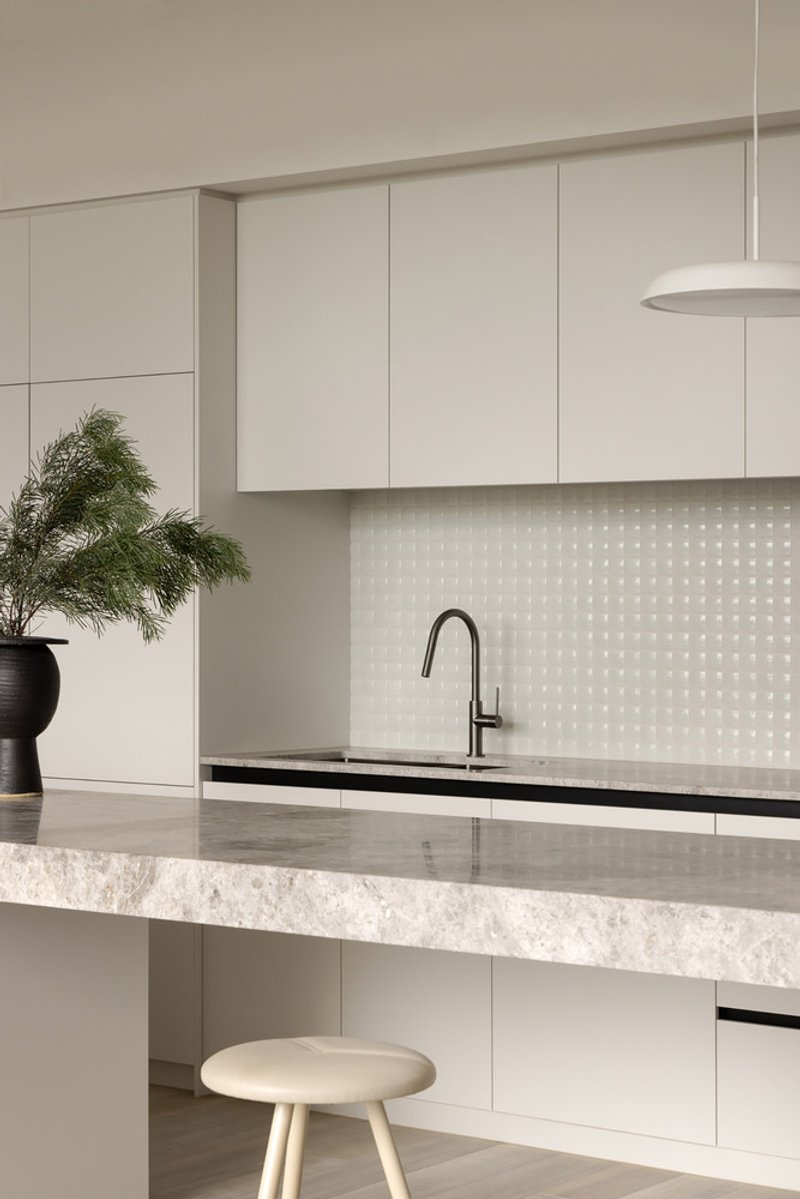
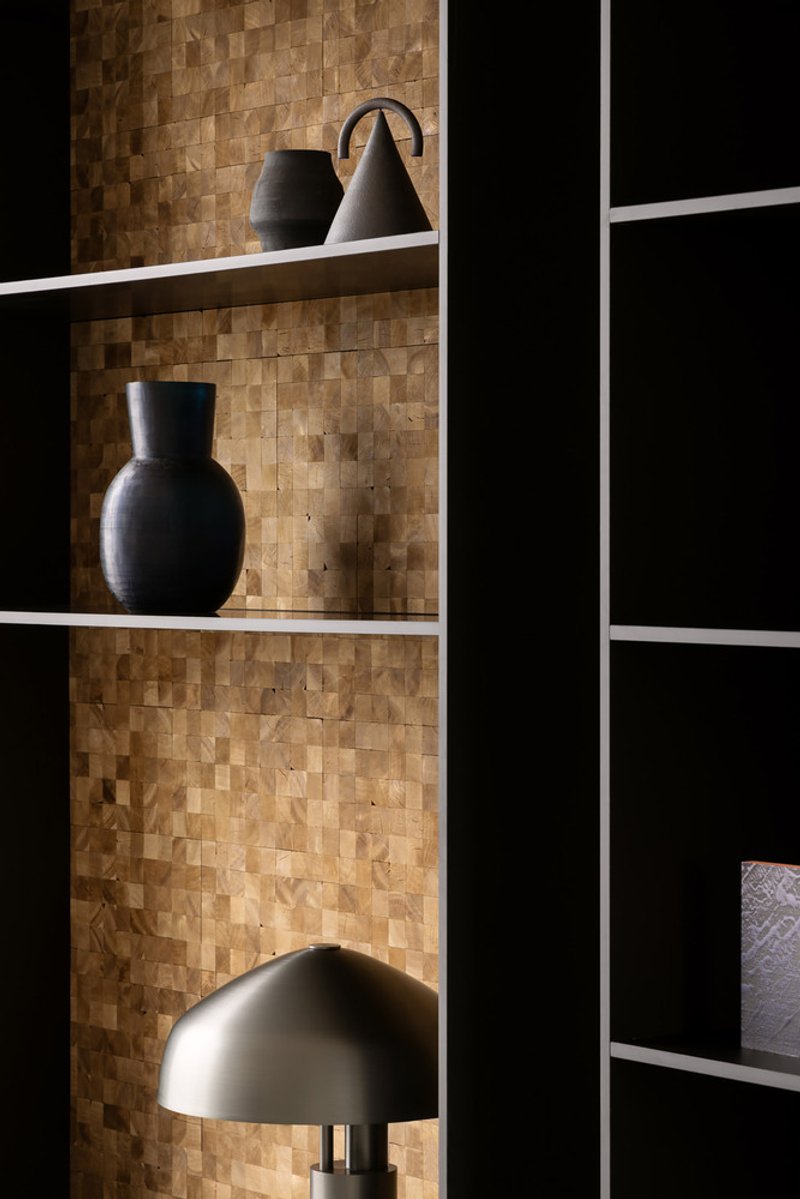
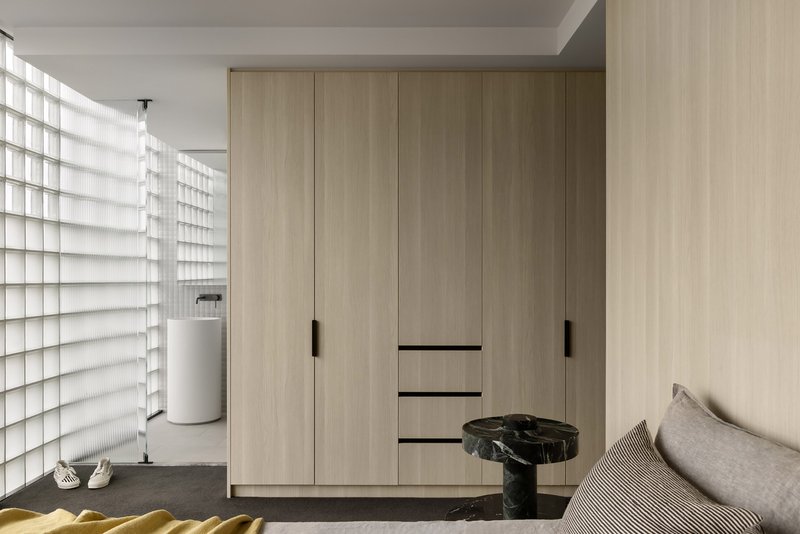
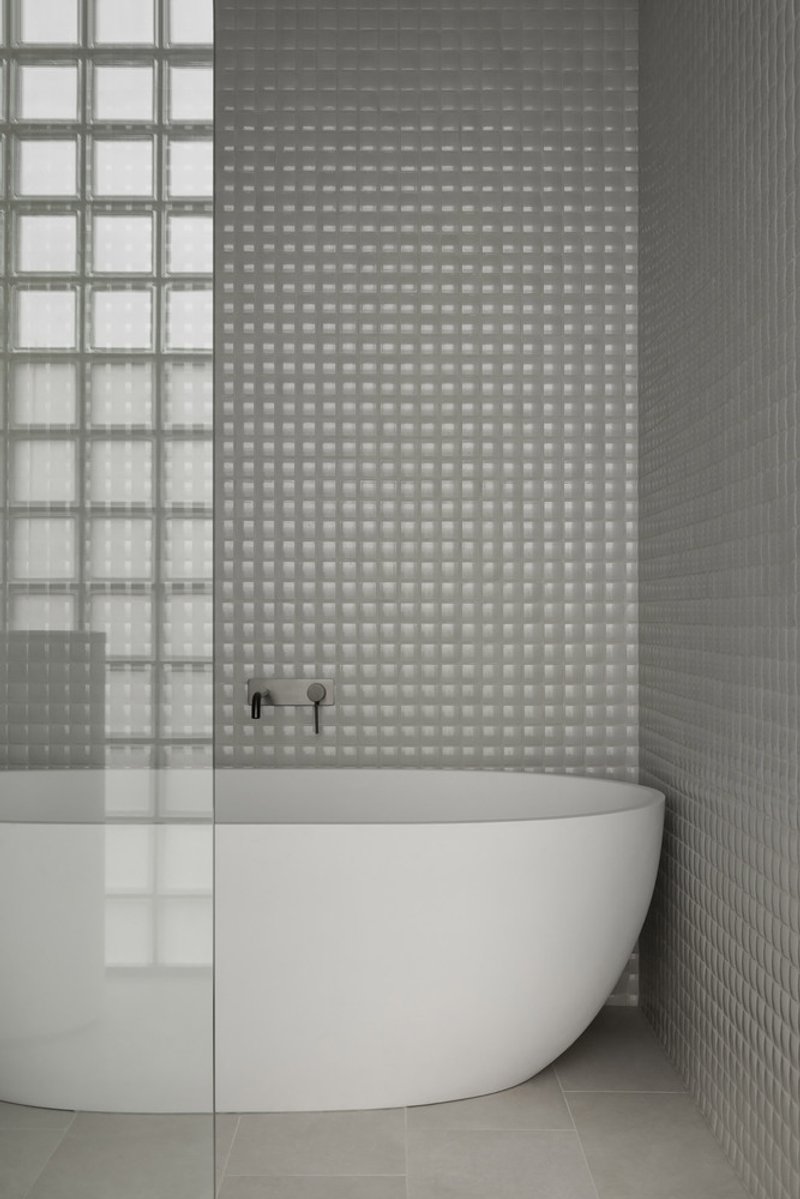
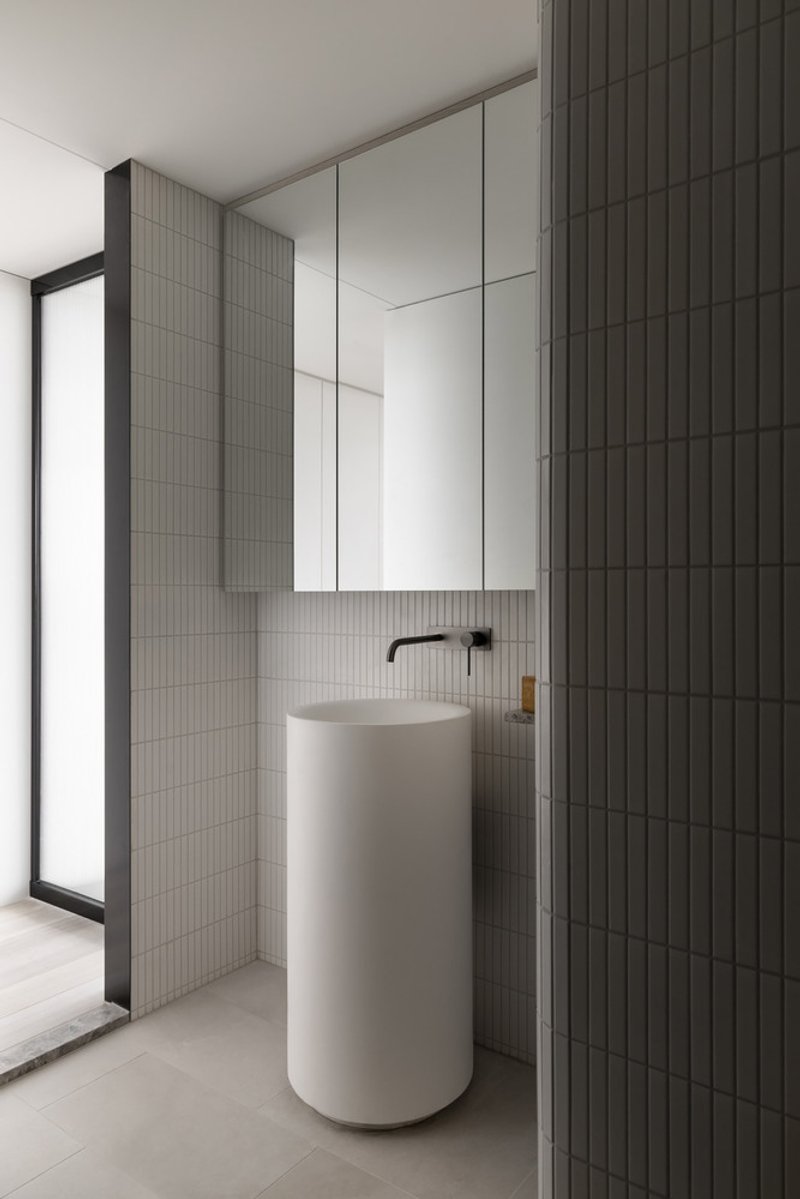
The minimalist grid expressed on the exterior carries through the interior, where timber panels, ceramic tiles, and natural stone surfaces reflect the building’s modular ethos. The contrast between raw finishes and soft illumination defines the apartments’ character, enhancing liveability without sacrificing spatial economy. A penthouse level and one two-storey unit introduce variation within the otherwise repeated floorplates, enriching the experience of modular living with moments of bespoke design.
A Beacon of Sustainable Urban Development
Newburgh Light House exemplifies how architectural ingenuity can unlock potential in even the most challenging urban parcels. By prioritizing flexibility, sustainable prefabrication, and spatial quality, the project repositions modular apartment architecture as a viable and desirable solution to growing density pressures. Day and night, the building serves not only as a home but also as an urban landmark—its softly lit façade acting as a beacon for the evolving Auburn Village.
All Photographs are works of Timothy Kaye




Popular Articles
Popular articles from the community

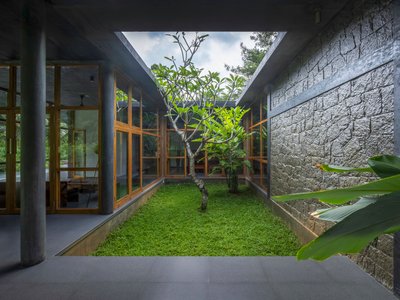
3dor Concepts Wraps a Kerala Home in Mirrored Concrete Arcs Around a Courtyard Tree
In the Western Ghats foothills of Thamarassery, a 270 m² single-story house uses two curved volumes to frame nature as its center.

Ippolito Fleitz Group Identity Architects Turn Eight Floors in Shanghai into a Vertical Creative City
Publicis Groupe's new headquarters in Xintiandi reimagines the office as a courtyard-driven urban landscape stacked across eight floors.
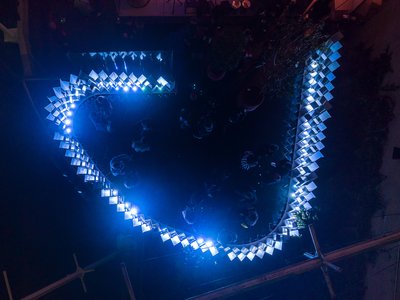
Rojkind Arquitectos and Think Parametric Build a Glueless Pavilion from 67 Interlocking Panels
A serpentine fiber-cement installation in Chapultepec Park celebrates a decade of architectural media in Mexico City.
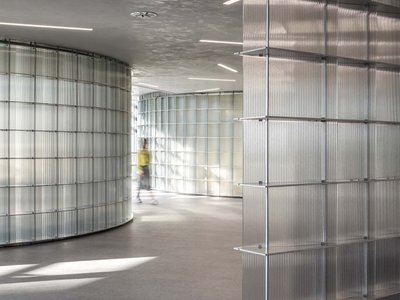
HCCH Studio Wraps a Shanghai High-Rise Office in Curved Walls of Translucent Glass
A 1,000 square meter fit-out in Lujiazui replaces the typical tech-office palette with layered glass, micro-cement, and quiet rigor.


Similar Reads
You might also enjoy these articles


Bamboo Housing Challenge 2026: Design Affordable, Sustainable Homes Using Bamboo
An international design competition by Bamboo U and IBUKU inviting architects and designers to reimagine affordable housing using bamboo — with the winning design built full-scale in Bali.

Computational Design & Education: Beegraphy Design Awards Introduces 7th Category (Featuring Jiyun's Innovative Approach)
Dive into Beegraphy’s 7th Design Awards category, where computational design meets education to create immersive, interactive learning tools, inspired by Jiyun’s work.

From Parametric Lighting to Urban Furniture: Join the 2nd Workshop in Beegraphy’s Computational Design Series
Dive into Cutting-Edge Design Techniques and Practical Applications with Industry Experts

Introducing Sphere by UNI: Pioneering a New Era in AEC Industry
Unlocking Global Potential with BIM and Agile Management


Explore Architecture Competitions
Discover active competitions in this discipline




The International Standard for Design Portfolios


The Global Benchmark for Architecture Dissertation Awards


The Global Benchmark for Graduation Excellence


Challenge to reimagine the Iron Throne
Comments (0)
Please login or sign up to add comments
No comments yet. Be the first to comment!