
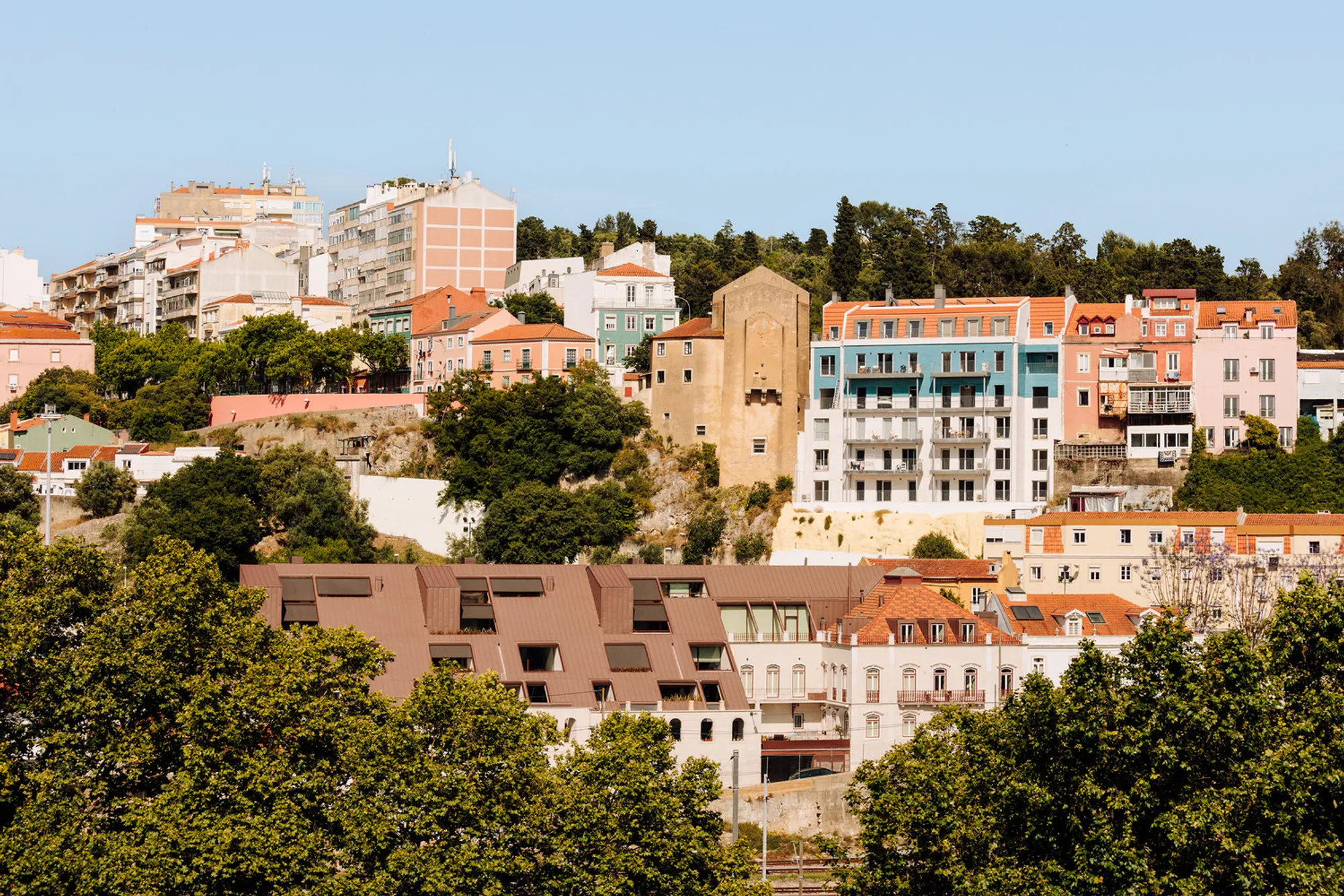
Montisnava Residential Building by António Costa Lima Arquitectos: Revitalizing Lisbon’s Industrial Heritage
Adaptive reuse transforms an old Lisbon tannery into sustainable housing, blending industrial heritage with contemporary design and revitalizing the Alcântara neighborhood.


The Lisbon project by António Costa Lima Arquitectos, led by António Costa Lima, spans 3,800 m² and was completed in 2024. Showcasing a refined balance of contemporary design and material precision, the architecture harmonizes with its urban context. Distinctive elZinc cladding enhances form and texture, captured beautifully by Francisco Nogueira, Laura Deus, and André Ribeiro.
A New Life for an Industrial Landmark in Alcântara
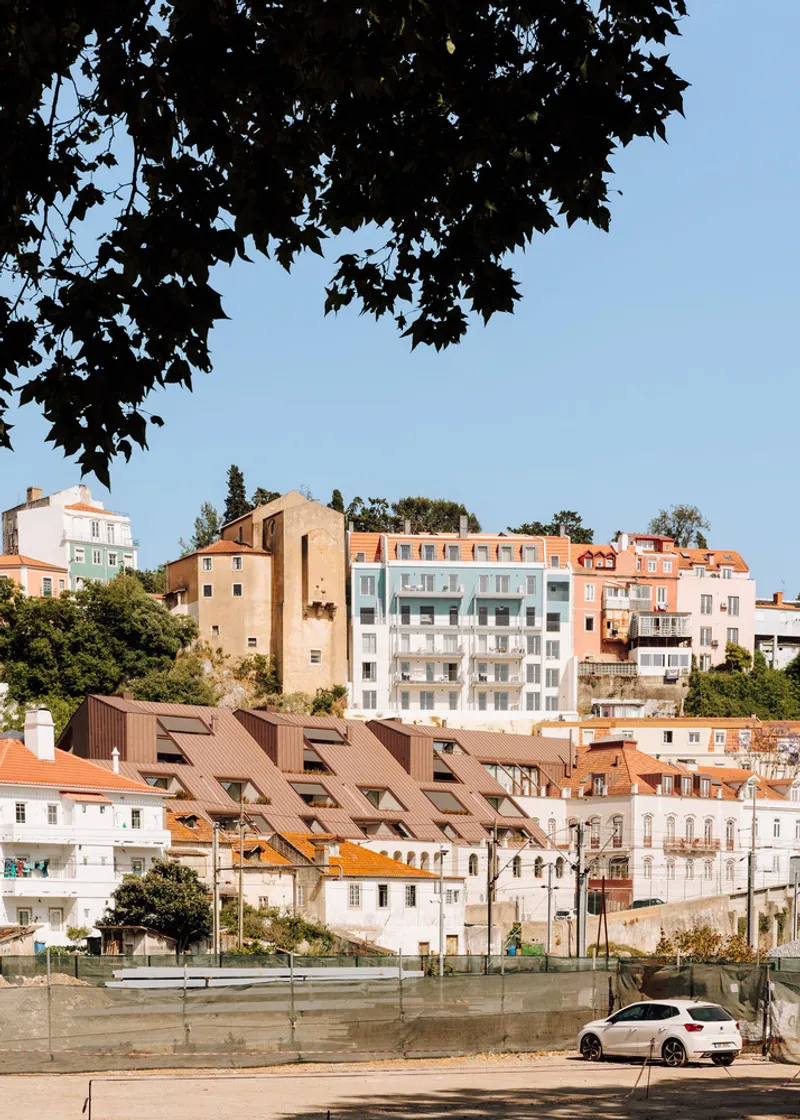
The Montisnava Residential Building, designed by António Costa Lima Arquitectos, breathes new life into the ruins of an old tannery factory in Lisbon’s historic Alcântara district. Through a careful blend of adaptive reuse and contemporary architecture, the project transforms two derelict factory buildings into a modern residential complex that plays a pivotal role in urban regeneration and social revitalization within one of the city’s most historically charged neighborhoods.

Once a neglected area burdened by social and structural decay, Alcântara’s east side is now experiencing a wave of renewal. The Montisnava project stands at the forefront of this transformation—bridging Lisbon’s industrial past with its urban future.

Preserving Heritage Through Adaptive Reuse
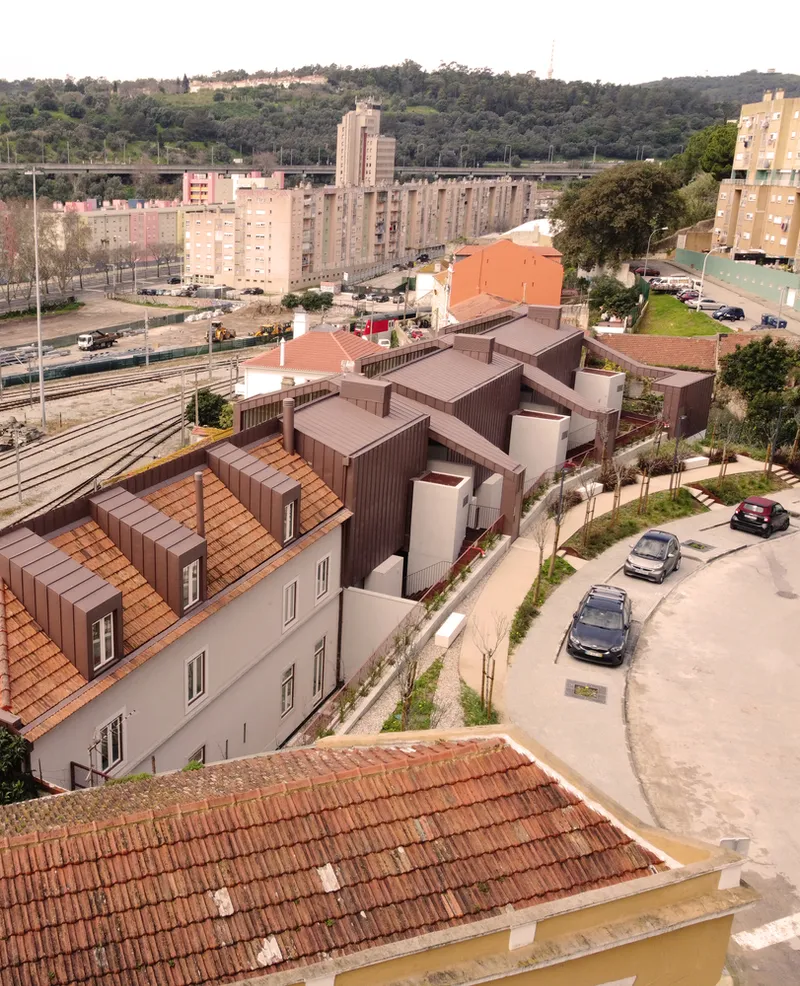
Before its transformation, the site reflected the stark contrast between the residential fabric of the neighborhood and the nearby industrial landscape of the Alcântara Valley. On one side stood a historic mansion (“palacete”), while on the other, the remnants of a factory complex marked a bygone era of production and labor.
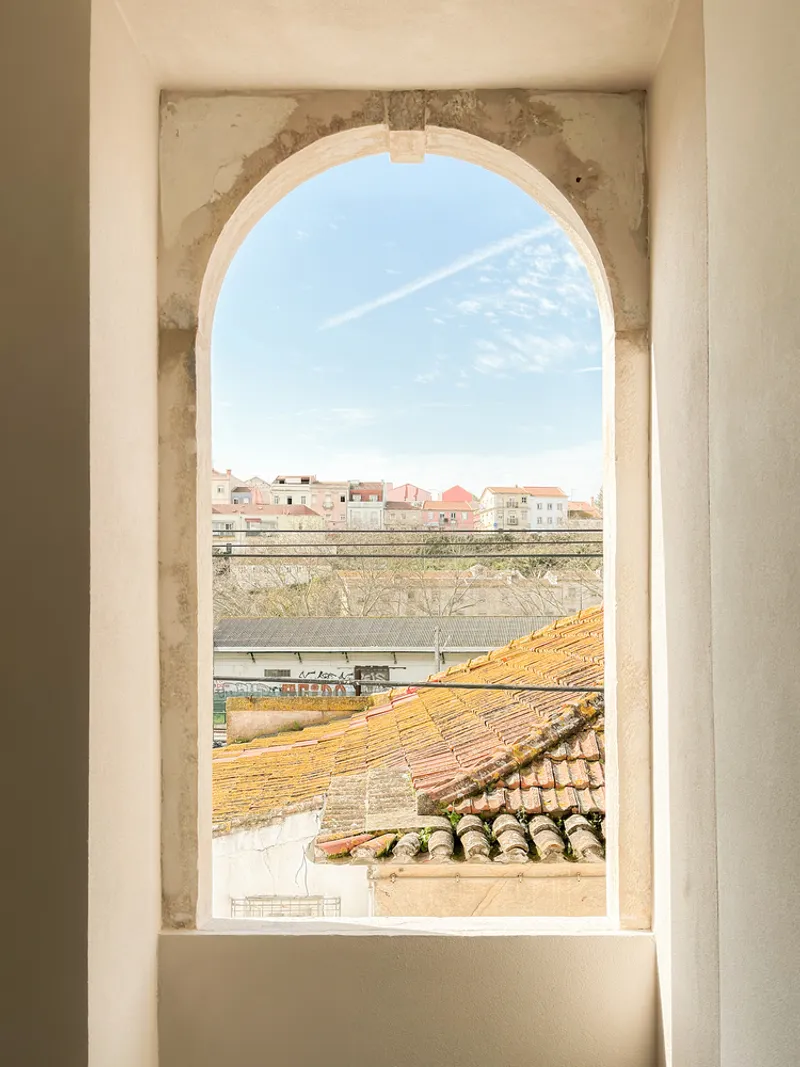
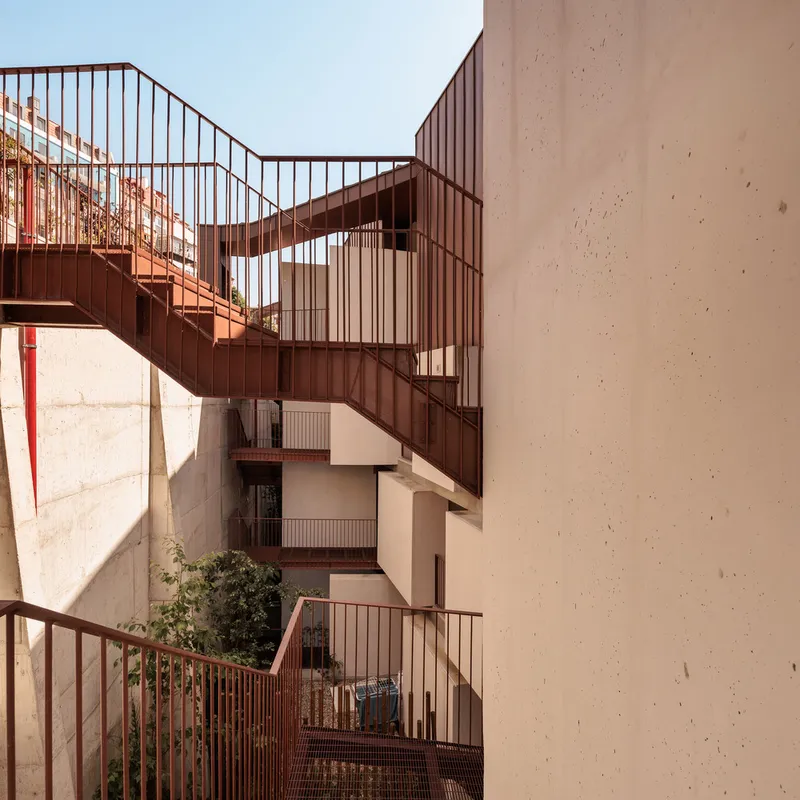
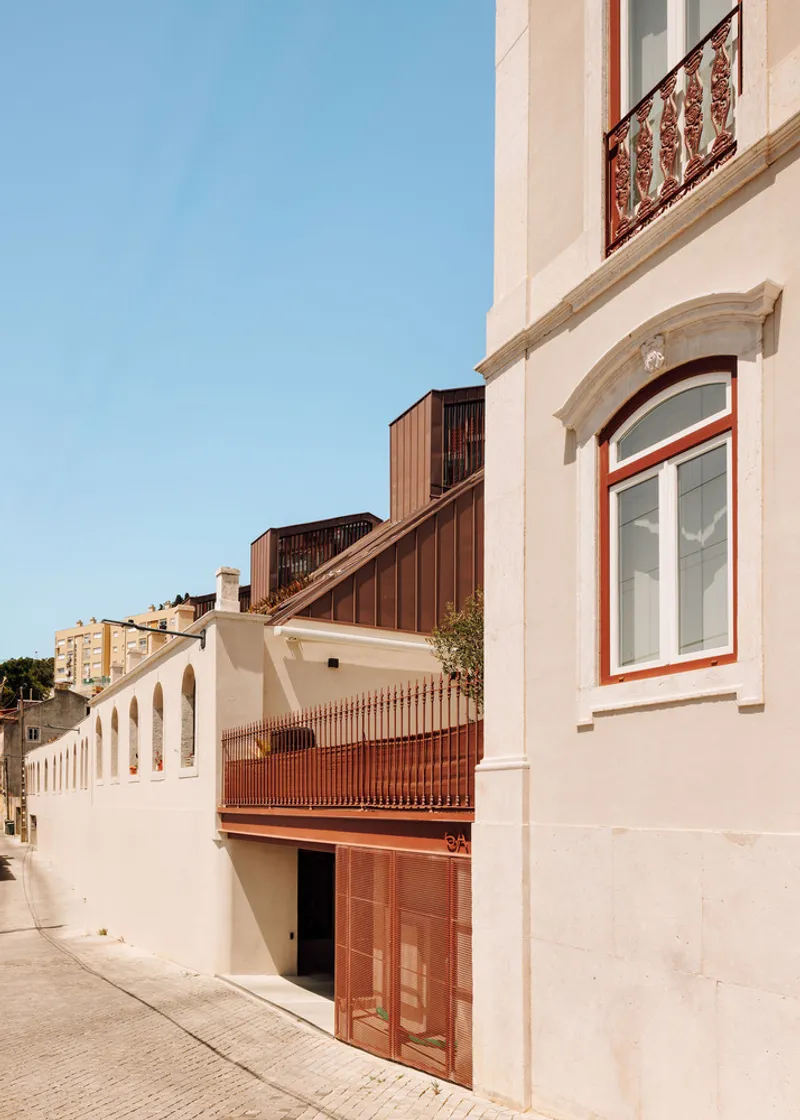
The architectural intervention preserves this dual identity. The mansion underwent a meticulous heritage refurbishment, restoring its original elegance and spatial rhythm. Meanwhile, the factory building was partially reconstructed—maintaining the perimeter walls that survived time and neglect—while introducing new structural and spatial systems that respond to modern living needs.
The result is a dialogue between memory and modernity, where historical textures coexist with contemporary forms and materials.

Redefining the Industrial Roofscape
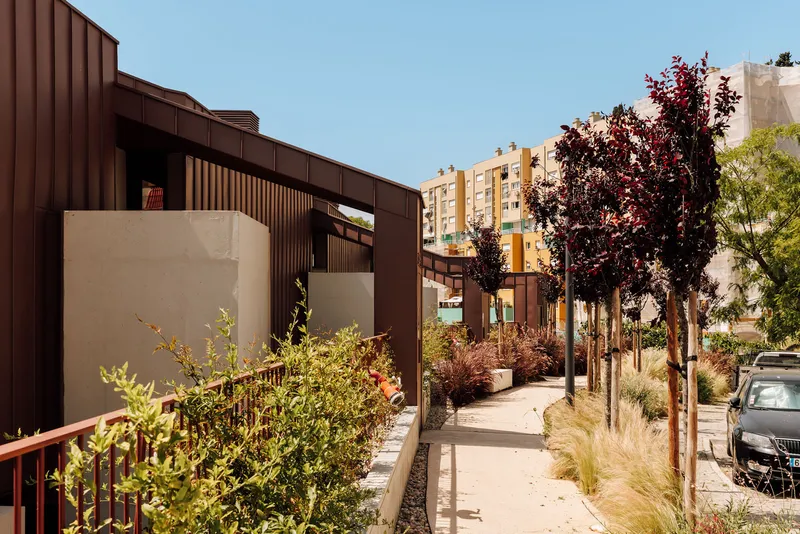
A defining feature of the project is its reimagined roofscape, conceived as a “fifth façade.” Inspired by the dynamic topography and morphology of the Alcântara Valley, the architects designed a layered composition of zinc-clad surfaces, open terraces, and inclined perforated screens that mediate between structure and sky.
Using earth-toned elZinc cladding, the roof merges seamlessly with the urban landscape, while vegetated terraces with mid-height shrubs introduce a touch of green softness to the structure. This subtle play of opacity and transparency results in a semi-opaque membrane that envelopes the building, harmonizing it with its surroundings.

Social Revitalization and Urban Responsibility
Beyond its architectural form, the Montisnava Residential Building is a socially conscious project. It embodies a commitment to revitalizing Lisbon’s inner neighborhoods, where industrial decline once gave way to social vulnerability. By converting a decaying industrial complex into 31 high-quality apartments, the project contributes directly to the neighborhood’s regeneration and economic reactivation.
The development targets middle-class families and young professionals, offering primarily T1 and T2 typologies that cater to the evolving urban demographic. Its human-centered design combines longevity, comfort, and sustainability, ensuring both architectural quality and energy-efficient performance.

Sustainability, Comfort, and Longevity
The project’s sustainability strategy extends from material selection to spatial efficiency. By repurposing existing structures and integrating energy-certified systems, António Costa Lima Arquitectos ensures that the building not only respects its heritage context but also aligns with contemporary environmental goals.
Constructive solutions emphasize durability and thermal performance, while the careful modulation of natural light enhances interior comfort and reduces reliance on artificial lighting. The interiors feature natural wood finishes and warm tones, balancing the industrial legacy of the exterior with a sense of domestic intimacy.

A Catalyst for Urban Regeneration
The Montisnava Residential Building represents more than an architectural intervention—it’s a catalyst for change in the heart of Lisbon. By reactivating a neglected site within the Alcântara industrial zone, the project contributes to the broader urban strategy led by the municipality to restore dignity and vitality to the city’s historic core.
While it is a private initiative, its public impact is evident. The project fosters community integration, supports new urban lifestyles, and reinforces the cultural identity of Lisbon through design that bridges heritage preservation and contemporary housing innovation.
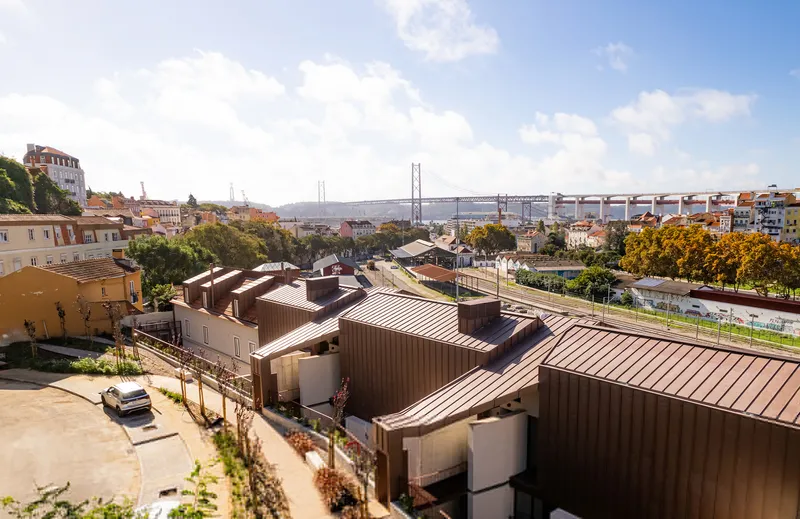

Through the Montisnava Residential Building, António Costa Lima Arquitectos demonstrates how adaptive reuse architecture can drive urban regeneration, merging social awareness with aesthetic and technical precision. The project’s layered dialogue between old and new, factory and home, symbolizes a Lisbon in transformation—resilient, inclusive, and rooted in memory.

All photographs are works of Francisco Nogueira, Laura Deus, André Ribeiro



Popular Articles
Popular articles from the community


The Musturak Paradise: Senior Living Architecture for a Connected Future in Temara, Morocco
The Musturak Paradise reimagines senior living architecture in Temara via private homes, social spaces, culture, community, and shared care.
AL-JANNAH: Sustainable Architecture and Permaculture for Afghan Widows
AL-JANNAH uses sustainable architecture and permaculture to create resilient oasis of housing, learning, work and renewal for Afghan widows.

Riyadh For All: Intergenerational Urban Design for Active Aging in Rabat
Riyadh For All reimagines urban design in Rabat with intergenerational co-living, adaptive courtyards, and Moroccan cultural exchange today.
EW PARK: Sustainable Architecture Reimagines the Future of Urban Parking
EW PARK reimagines city parking as a modular wooden tower combining automation, solar energy, electric mobility, and adaptable urban design.

Similar Reads
You might also enjoy these articles


Hodi-Mandai Geram
Project Function: Preservation and revitalization of the Intangible heritage and socio-spatial identity of the Hodi by Housing, Cultural Memory Center, Sacred Grove, landscape, local tourism economy


Olio Towers: A Mid-Rise for Performers That Fuses Housing, Rehearsal, and Stage
Located blocks from Houston's Theater District, this modular tower stacks living units around a central performance atrium.

Oasis: Modular Green Housing Carved into Dhaka's Urban Fabric
A shortlisted Plugin Housing entry reclaims unauthorized settlements in Dhaka with stepped concrete volumes, green roofs, and ventilation-driven design.

Black Hole: A Floating Megastructure for the Post-Physical Era
Emiliano Mazzarotto envisions a spherical, self-scaling arena where e-sports, digital hotels, and holographic stadiums replace traditional public space.


Explore Housing Competitions
Discover active competitions in this discipline



Challenge to reimagine the Iron Throne


Photograph architecture without architects


Illustrate the lost glory of Angkor Wat - Render Challenge


Design challenge to reuse E-waste
Comments (0)
Please login or sign up to add comments
No comments yet. Be the first to comment!