

Moruleng Cultural Precinct by Office 24-7 Architecture: A Layered Narrative of Heritage, Identity, and Transformation
Moruleng Cultural Precinct blends heritage, landscape, and architecture to honor Bakgatla-ba-Kgafela history through restoration, storytelling, and spatial layering.


Architects: Office 24-7 Architecture
Reimagining Cultural Architecture Through Context and Memory
Set against the scenic backdrop of the Mmammitlwa Mountains in South Africa’s North West province, the Moruleng Cultural Precinct redefines the concept of the traditional museum. Designed by Office 24-7 Architecture, the project is rooted in the ancestral heritage of the Bakgatla-ba-Kgafela people, offering a deeply spatialized exploration of their layered histories—from pre-colonial settlements and missionary influence to post-apartheid transformation.
More than just a cultural museum, the precinct acts as an interactive palimpsest—a site where time periods overlap and speak to each other through architecture, landscape, and exhibition design.
Architectural Strategy: Layering History and Contemporary Intervention
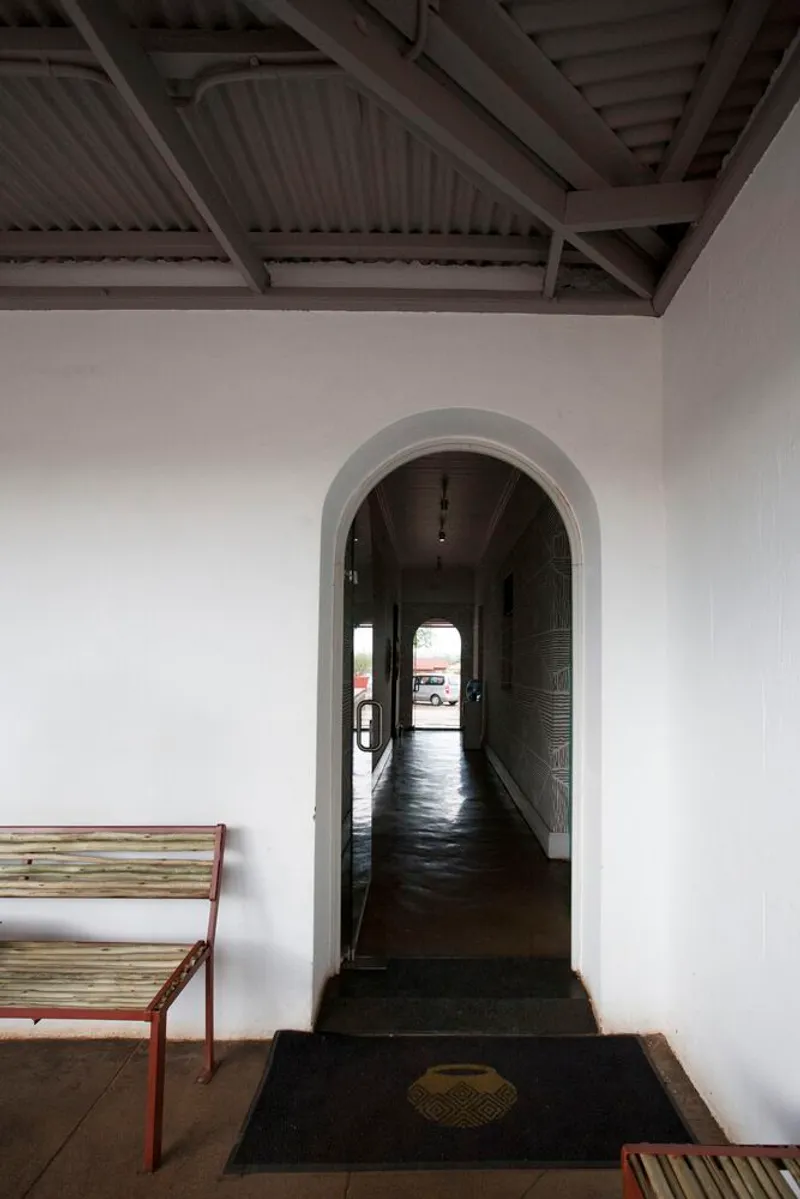
The project brief required the renovation of the existing museum, the restoration of the historic Dutch Reformed Mission Church (1889), and the development of a holistic cultural precinct. The architectural approach carefully balances preservation, reconstruction, and innovation, where each intervention is legible and deliberate.
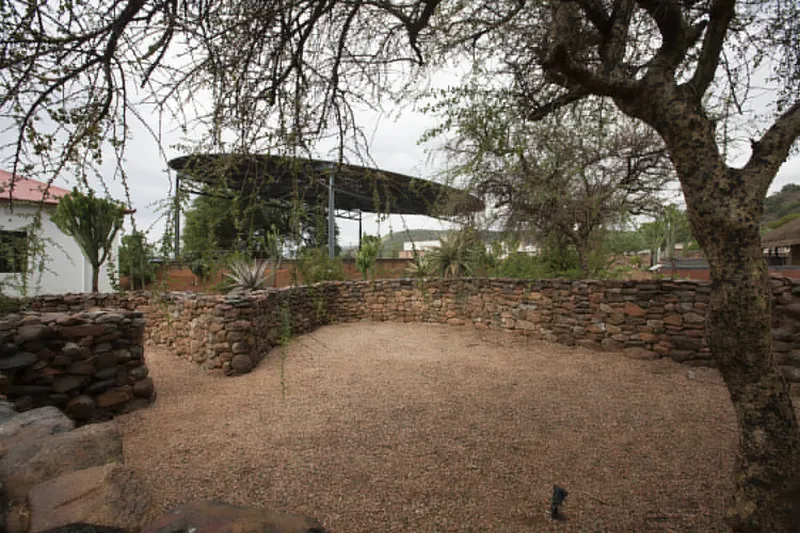
- Pre-colonial stone walling was reconstructed to trace the forms of ancient Tswana settlements.
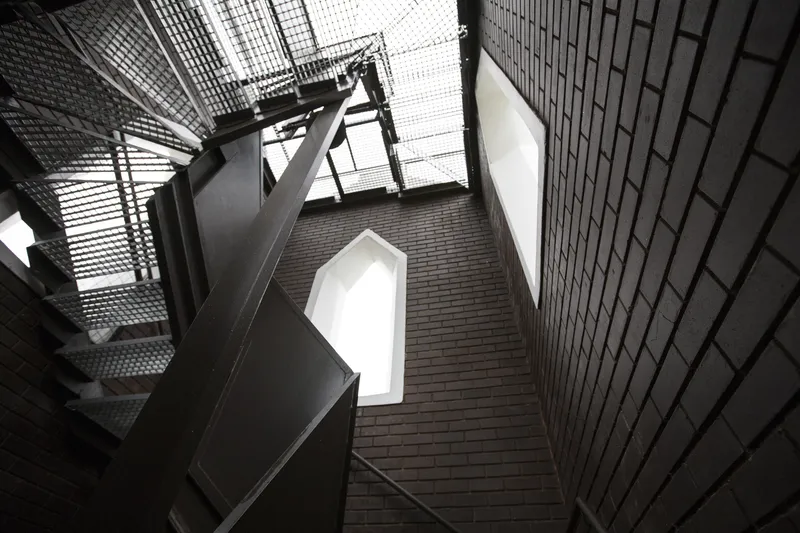
- New insertions, such as ramps and pergolas, are expressed in modern materials like steel and dark brick to distinguish them from historical elements.
- The design intentionally creates spatial narratives that connect the past with the present, enabling visitors to walk through time and witness the evolution of identity, landscape, and belief systems.
The Amphitheater Kgotla: A Contemporary Space Rooted in Tradition
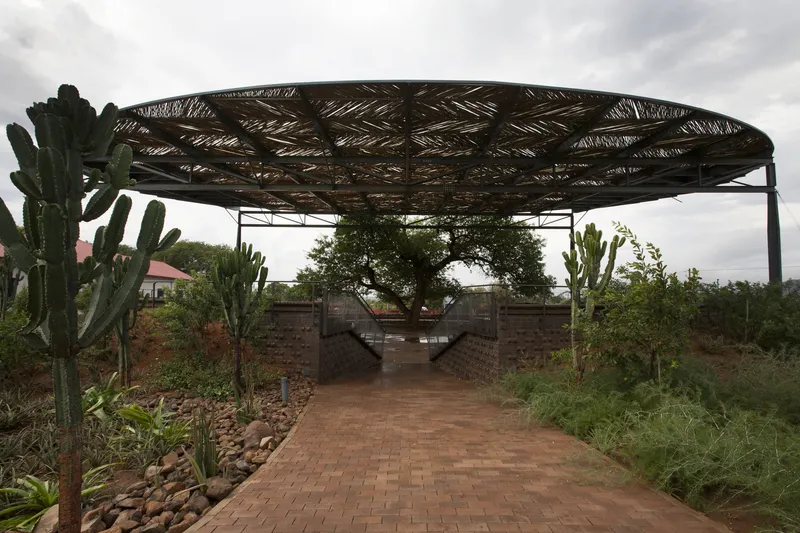
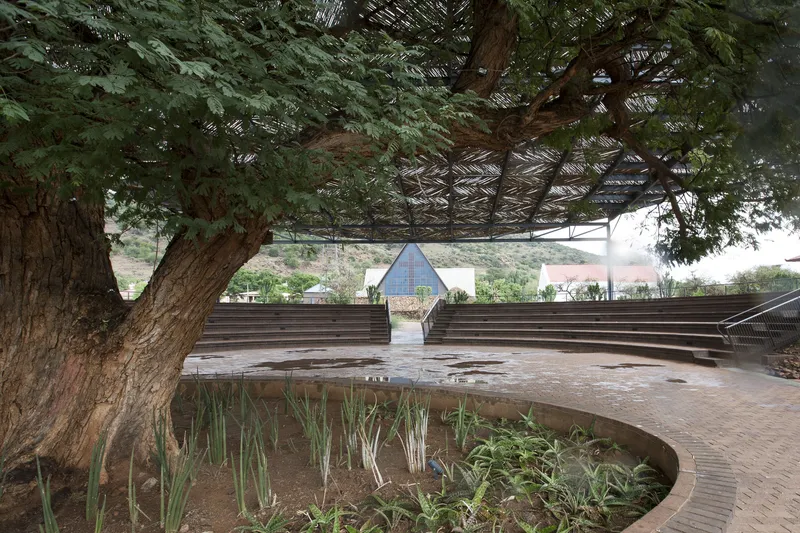
At the heart of the site lies a raked amphitheater, known as the kgotla, which is carved directly into the landscape. Shaded by a steel pergola, its design reinterprets the lekgapo patterning—a traditional motif used in Tswana architecture and art. The structure not only offers shelter but transforms throughout the day as sunlight casts intricate shadows, creating a living tapestry of memory and culture.
Landscape as Framework and Fabric
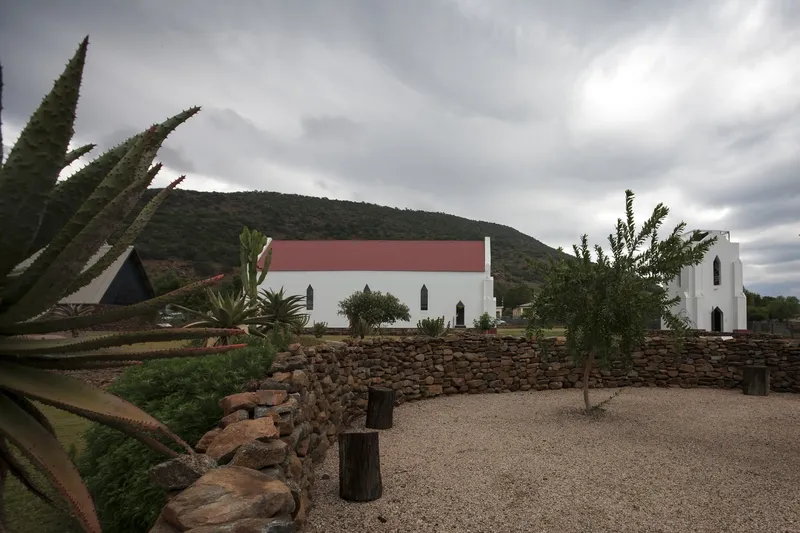
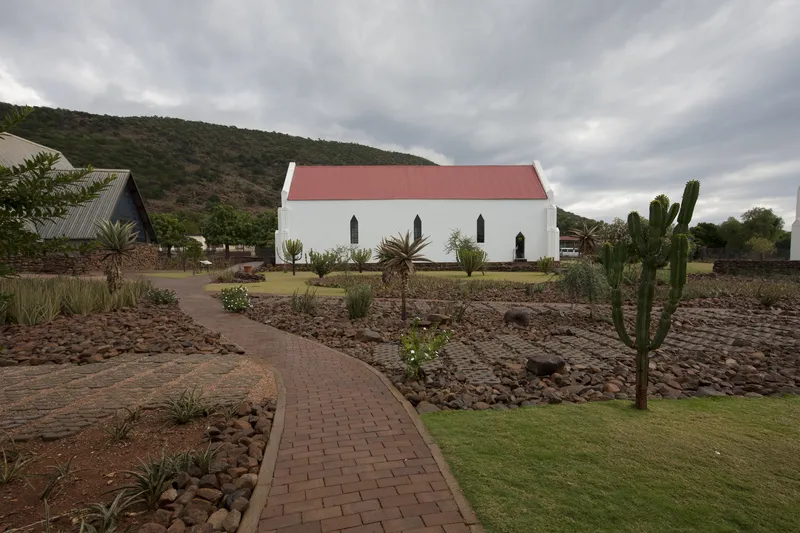
The landscape design reinforces connections between heritage buildings, using traditional materials and spatial typologies to stitch the site together. Inspired by Iron Age stone settlements, pathways and boundary walls are layered across the terrain, guiding visitors from the museum to the church and beyond. These landscape elements act as both narrative markers and spatial anchors, encouraging contemplation and reconnection with ancestral land.
The Restoration of the Dutch Reformed Church
Originally built in 1889, the Dutch Reformed Mission Church stood in a state of ruin by 2009. Restoring this structure was a meticulous process, guided only by two archival photographs from the 1930s and 1960s. The result is a sensitive blend of authentic material preservation and contemporary accessibility interventions.
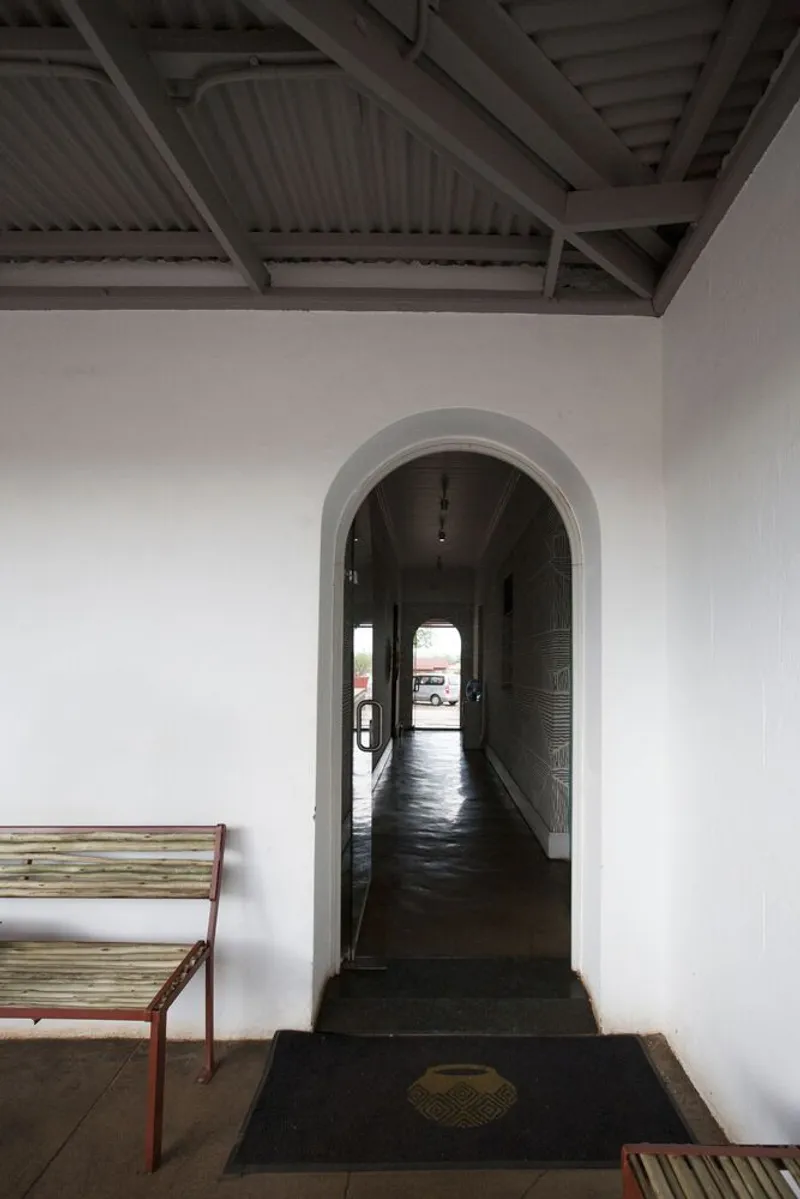
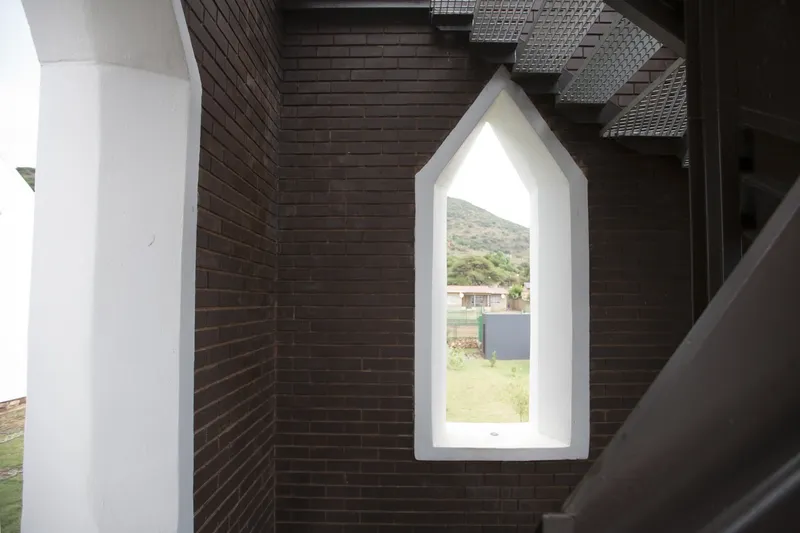
- The majority of the original brickwork was left unplastered, honoring the building's age and texture.
- New additions, such as a brick ramp for universal access, were constructed in dark tones and subtly detached from the original fabric through shadow reveals.
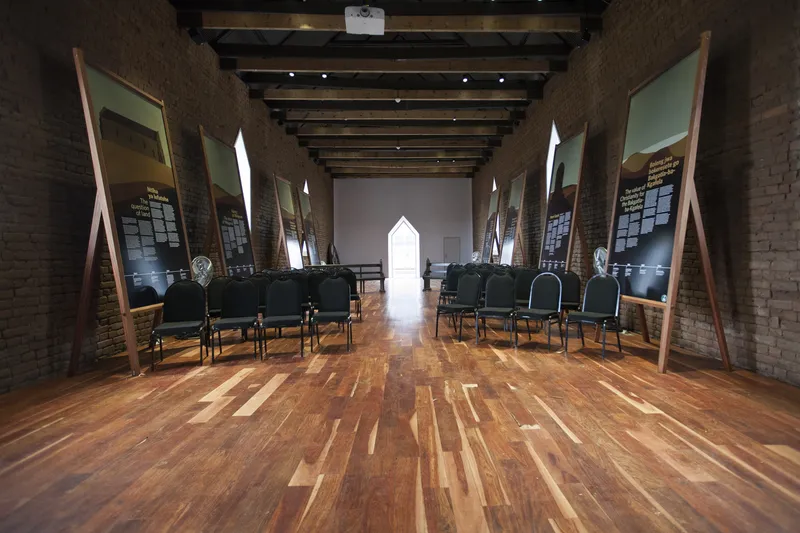
- The restored church now serves as a multi-functional exhibition and event space, breathing new life into a once-forgotten landmark.
Architectural Significance and Cultural Impact
The Moruleng Cultural Precinct is a landmark example of contextual and culturally responsive design in South Africa. It challenges conventional museum typologies by embedding memory, storytelling, and spatial experience directly into the built environment. Through a multi-disciplinary approach involving architecture, landscape, and exhibition design, the project embodies a living archive of Bakgatla-ba-Kgafela heritage.


Popular Articles
Popular articles from the community


David Ortega Stacks a Two-Story Mexico City Penthouse Around a Steel Stair and a Pergola-Shaded Roof Terrace
In Colonia Roma, a 300 m² penthouse uses oak joinery, a planted steel stair and a slatted roof pergola to make a new-build apartment feel like a house.

GROUP A Strips a 1969 Rotterdam Harbor Headquarters to Its Frame and Wraps It in Timber Louvers
In Rotterdam's M4H harbor district, Ferro Offices reuses a 1969 frame, adds one timber storey and reaches BREEAM-NL Outstanding.

Cube Design Draws an Ecological Corridor Between Two Shenzhen Hills with the Nankai Building
Beside Shenzhen's container docks, the Nankai Building pairs stacked balconies with a climbing green screen to connect two hillsides across its height.

Architekt Andreas Gruber Scatters 23 Dark Timber Chalets Across a South Tyrolean Forest Edge
In Molini di Tures, Amonti Chalets breaks a resort into a hamlet of gabled timber houses, with parking, storage and services pushed into the slope.

Similar Reads
You might also enjoy these articles


Hodi-Mandai Geram
Project Function: Preservation and revitalization of the Intangible heritage and socio-spatial identity of the Hodi by Housing, Cultural Memory Center, Sacred Grove, landscape, local tourism economy


Olio Towers: A Mid-Rise for Performers That Fuses Housing, Rehearsal, and Stage
Located blocks from Houston's Theater District, this modular tower stacks living units around a central performance atrium.

Oasis: Modular Green Housing Carved into Dhaka's Urban Fabric
A shortlisted Plugin Housing entry reclaims unauthorized settlements in Dhaka with stepped concrete volumes, green roofs, and ventilation-driven design.

Black Hole: A Floating Megastructure for the Post-Physical Era
Emiliano Mazzarotto envisions a spherical, self-scaling arena where e-sports, digital hotels, and holographic stadiums replace traditional public space.

Explore Cultural Architecture Competitions
Discover active competitions in this discipline

Challenge to reimagine the Iron Throne

Photograph architecture without architects

Illustrate the lost glory of Angkor Wat - Render Challenge

Bring back Drive In's
Comments (0)
Please login or sign up to add comments
No comments yet. Be the first to comment!