
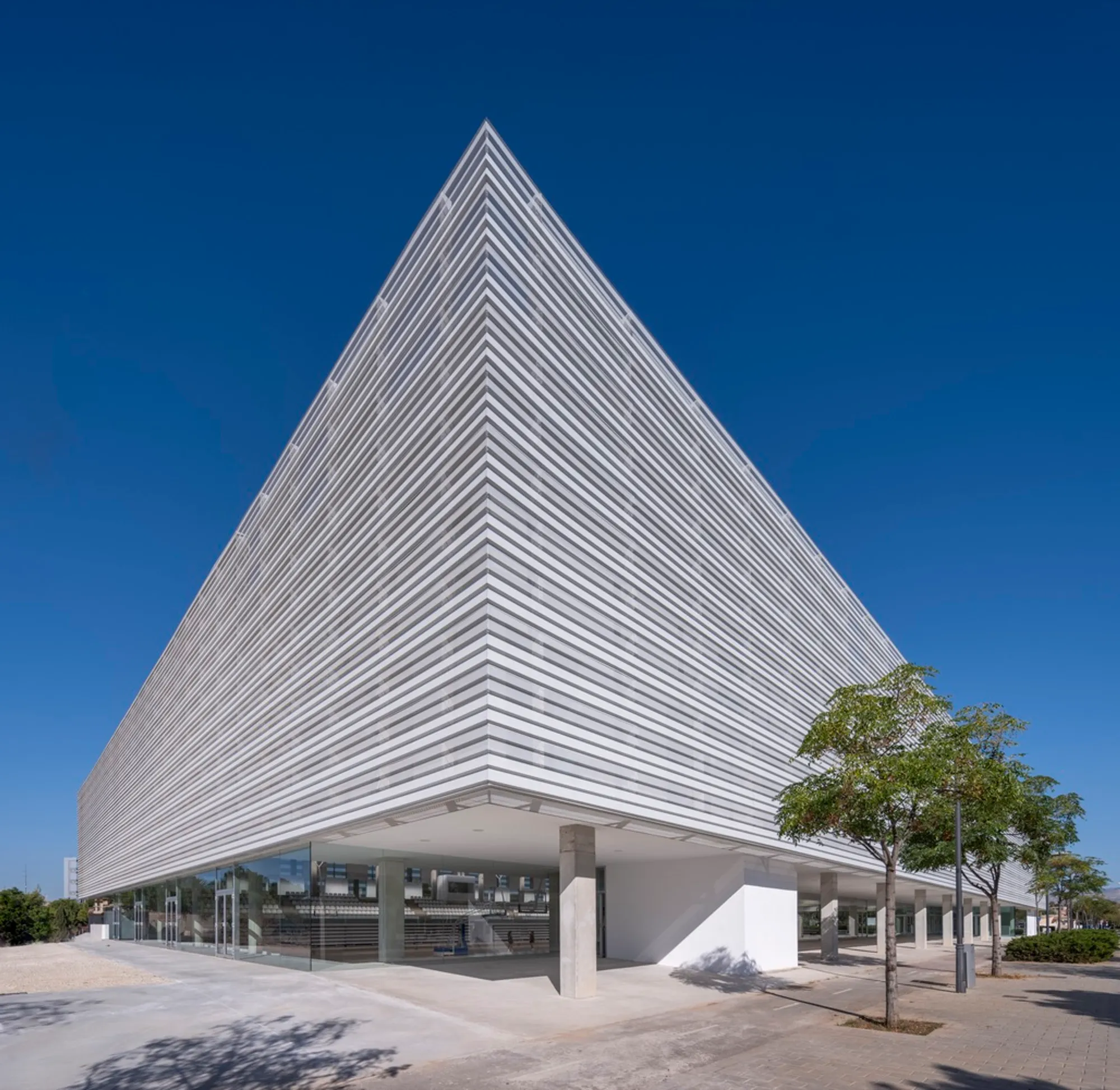
Municipal Sports Pavilion of San Vicente del Raspeig by MCEA Arquitectura and NAOS 04 Arquitectos
A versatile, light-filled sports pavilion with dynamic façades, flexible multi-sport spaces, natural ventilation, and sustainable design promoting community wellness and active living.


A Dynamic, Light-Filled Sports Pavilion Designed for Community Wellness
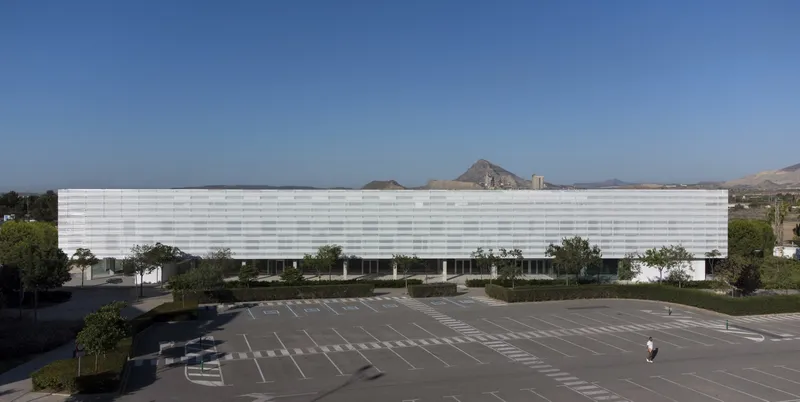
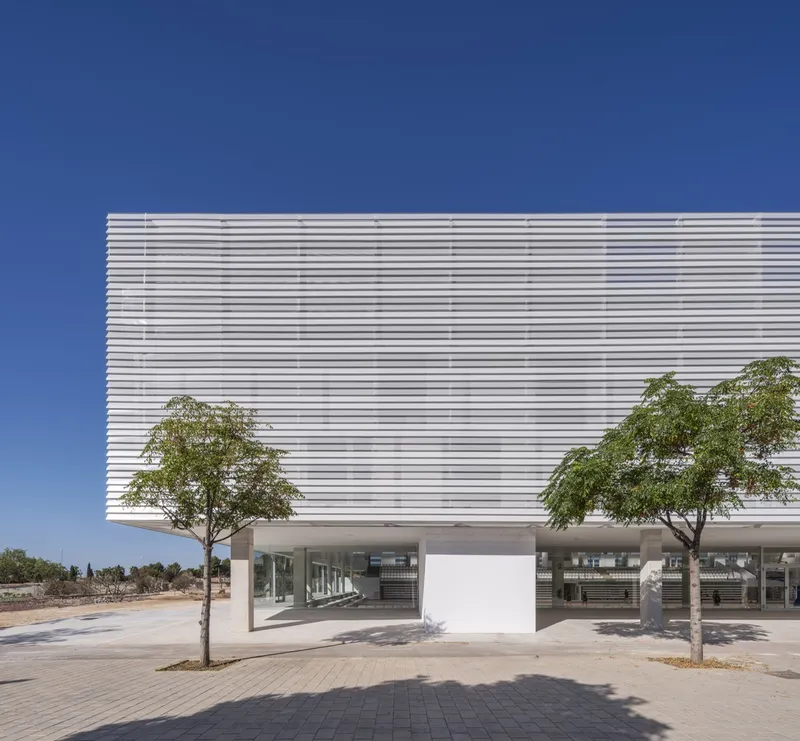
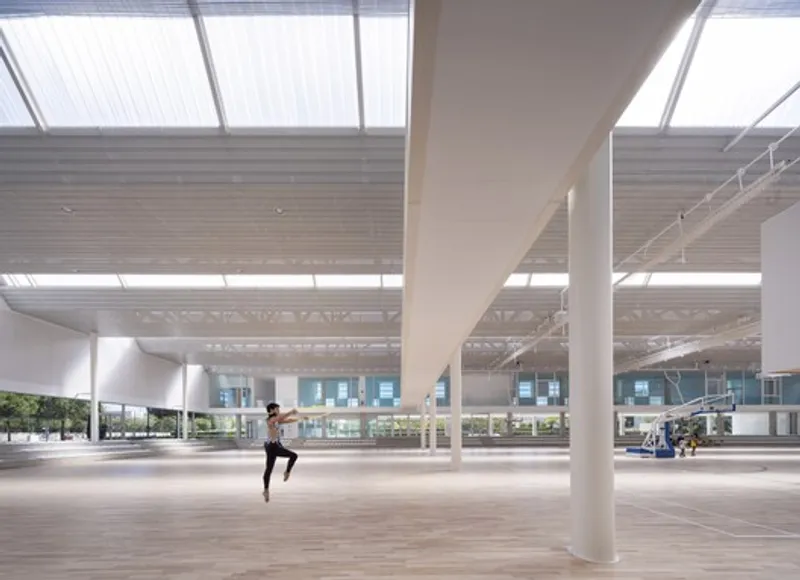
The Municipal Sports Pavilion of San Vicente del Raspeig in Spain redefines contemporary recreational architecture through versatility, visual openness, and high energy performance. Designed by MCEA Arquitectura and NAOS 04 Arquitectos, this 6,648 m² civic facility promotes community engagement by exposing sports activity to the exterior, turning the building into a living showcase of movement, health, and collective energy.
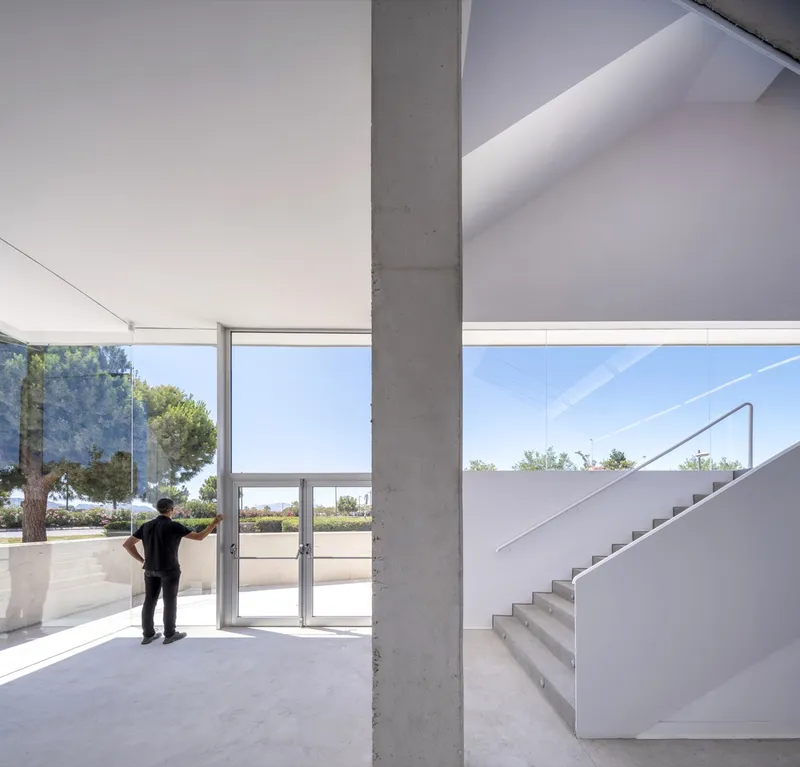
The architects envisioned a large, flexible container capable of hosting a wide variety of sports and high-capacity events. A strong emphasis on transparency and natural illumination ensures that interior programs remain visually connected with the surrounding public realm, reinforcing the municipality’s goal of encouraging active lifestyles through spatial openness and architectural clarity.
A Versatile Interior Organized for Multiple Sporting Modalities
To maximize functional adaptability, the program is divided into two principal zones:
1. Central Multi-Sport Hall
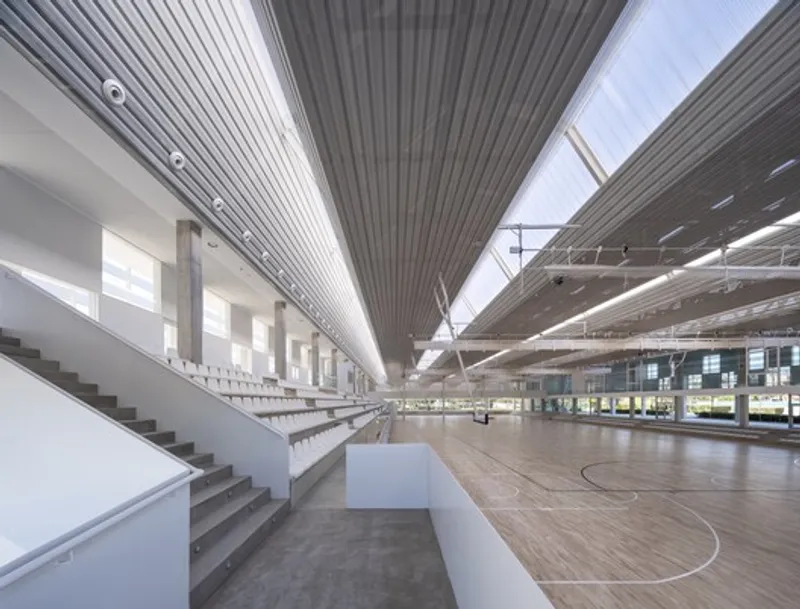
The core of the pavilion is a spacious volume equivalent to four indoor basketball courts, dedicated to team sports and large-format activities. Five north-oriented skylights introduce soft, even daylight from above, reducing glare and eliminating direct solar gain. The warm tones of the wooden sports flooring create a comfortable atmosphere that enhances athletic performance and visual comfort.
2. Specialized Rooms and Gyms
The second program cluster integrates multiple rooms for directed activities, training spaces, and gym facilities. These spaces receive filtered illumination through a dual façade system, balancing privacy, comfort, and energy efficiency. Their cool-toned flooring subtly contrasts with the warmth of the central hall, creating a sensorially diverse interior landscape tailored to different sports experiences.
Independent Operation Through Smart Spatial Organization
The layout enables independent functioning of the main uses—the main pavilion, the gym, and the cafeteria. This operational autonomy offers both economic and managerial flexibility, making the building highly efficient for daily activities, tournaments, and community events. Circulation paths are intuitive and clearly defined, ensuring fluid movement for spectators, athletes, and staff.
A Façade That Changes With Light, Color, and Time
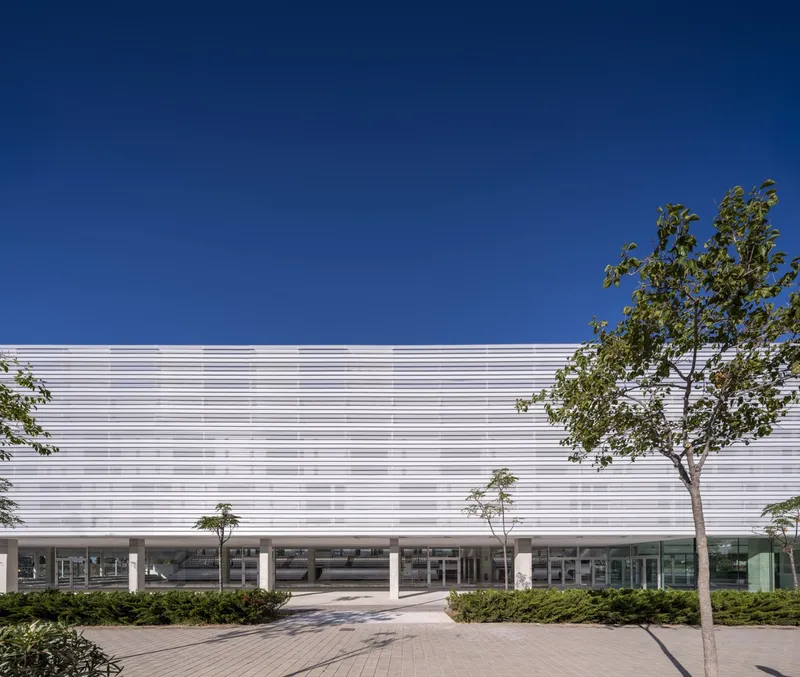
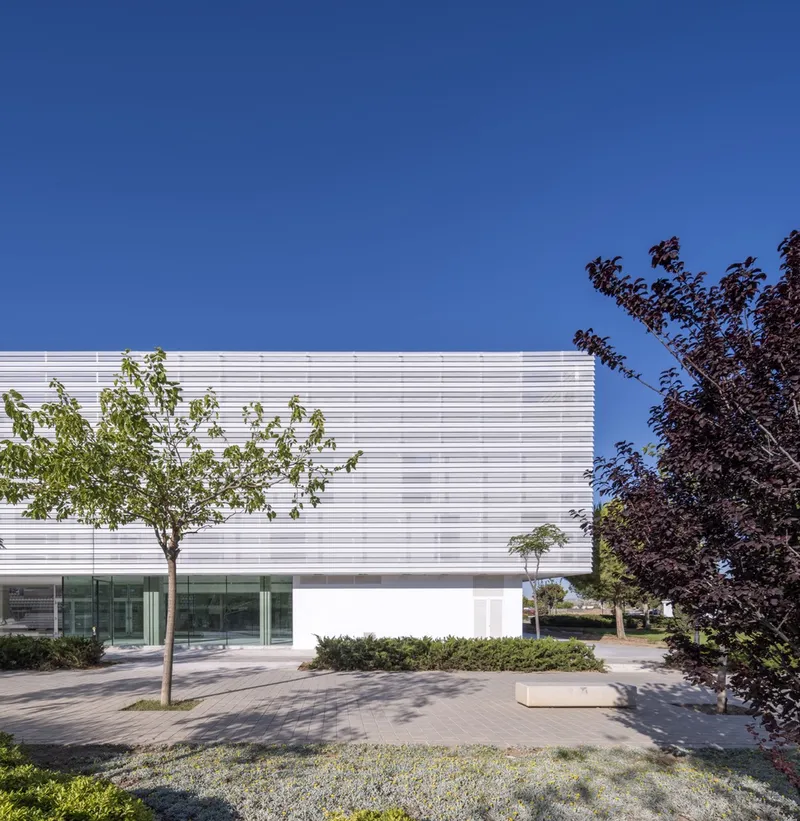
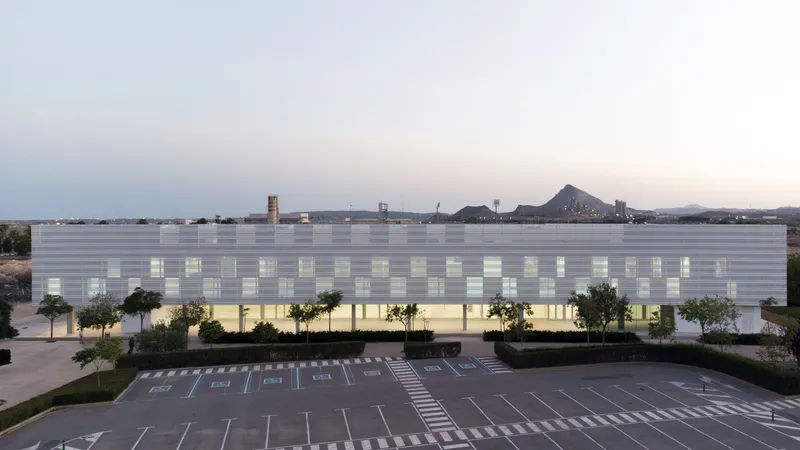
The pavilion’s façade is conceived as a dynamic, ever-changing skin. Two geometric layers—horizontal exterior striping and interior checkerboard panels—interact with each other depending on lighting conditions. During the day, the exterior appears crisp white, with subtle shifts created by varying shadows and sun angles. At night, internal lighting transforms the surface into a composition of soft blues, produced by reflections bouncing off the interior floors.
This constant chromatic variation turns the building into an urban landmark that evolves throughout the day, reinforcing its identity as an active public hub.
Advanced Daylighting, Ventilation, and Energy Efficiency
The building is engineered as a high-performance environmental system, relying heavily on passive strategies to reduce operational energy demand:
- Maximized natural daylighting reduces artificial lighting use across all interior spaces.
- Motorized natural ventilation enables cross-ventilation through façade openings and roof vents.
- Night cooling dissipates heat accumulated during the day, improving indoor comfort without mechanical load.
- Aerothermal energy efficiently generates domestic hot water.
- A photovoltaic installation supplies on-site renewable electricity.
Together, these measures position the pavilion as a near-zero energy building, illustrating the municipality’s commitment to sustainable public infrastructure.
The Municipal Sports Pavilion of San Vicente del Raspeig stands as a forward-thinking example of flexible sports architecture, combining environmental performance, luminous interior design, and community-oriented planning. Through thoughtful materiality, innovative façade composition, and intelligent program distribution, the pavilion becomes more than a recreational building—it becomes a catalyst for active living and a vibrant architectural presence within the city.
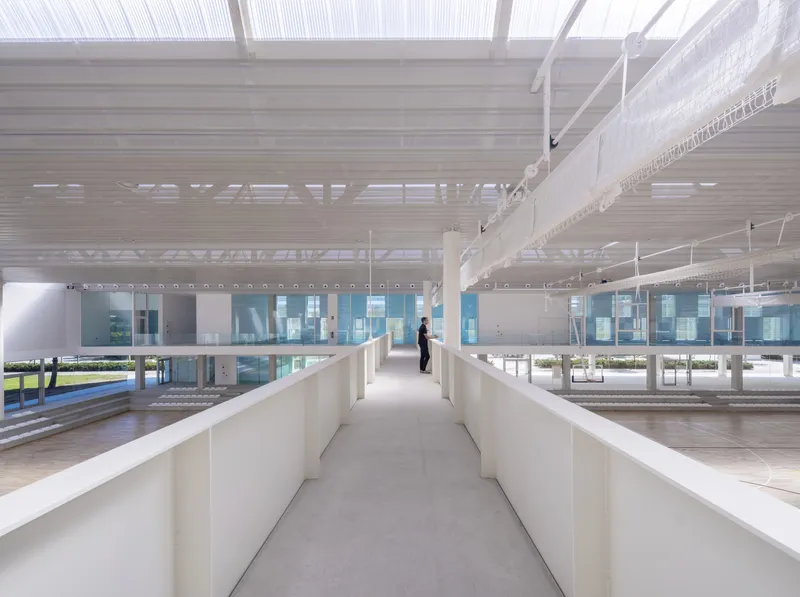
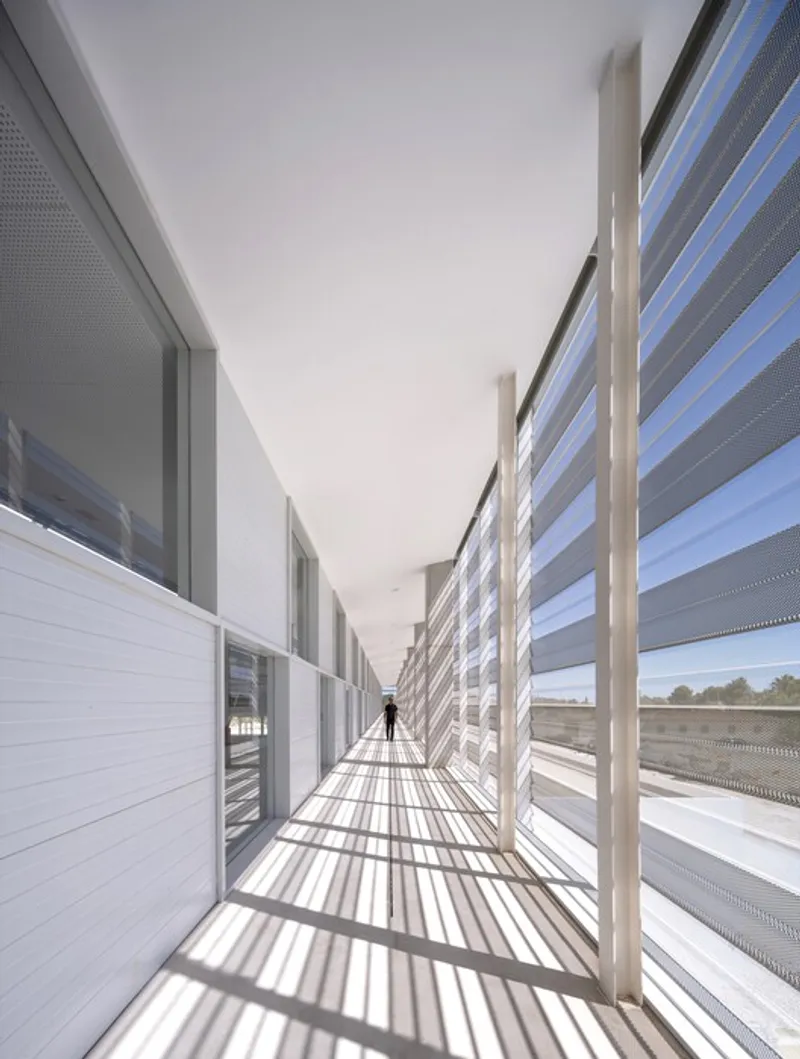
All photographs are works of David Frutos



Popular Articles
Popular articles from the community


Co-Life: Senior Housing Design That Reconnects Older Adults With the City
Co-Life reimagines senior housing design through healing gardens, shared streets, workshops, and a sustainable community across generations.

Hill & Cross Opera: Sculptural Opera House Architecture Shaped by Tallinn’s Landscape and Identity
Hill & Cross Opera reimagines opera house architecture in Tallinn through its sculptural hill, civic plaza, glass wave and a luminous cross.

The Ocean Hive: Sustainable Architecture for a Self-Sufficient Civilization at Sea
The Ocean Hive imagines sustainable architecture at sea, where modular habitats, algae, wave power and ocean waste sustain a growing colony.

Lunar Spiral: Space Architecture Shaped by the Mathematics of the Universe
Lunar Spiral reimagines space architecture through Fibonacci geometry, lunar regolith, levitating habitats, and self-sustaining Moon living.


Similar Reads
You might also enjoy these articles


Hodi-Mandai Geram
Project Function: Preservation and revitalization of the Intangible heritage and socio-spatial identity of the Hodi by Housing, Cultural Memory Center, Sacred Grove, landscape, local tourism economy


Olio Towers: A Mid-Rise for Performers That Fuses Housing, Rehearsal, and Stage
Located blocks from Houston's Theater District, this modular tower stacks living units around a central performance atrium.

Oasis: Modular Green Housing Carved into Dhaka's Urban Fabric
A shortlisted Plugin Housing entry reclaims unauthorized settlements in Dhaka with stepped concrete volumes, green roofs, and ventilation-driven design.

Black Hole: A Floating Megastructure for the Post-Physical Era
Emiliano Mazzarotto envisions a spherical, self-scaling arena where e-sports, digital hotels, and holographic stadiums replace traditional public space.


Explore Sustainable Design Competitions
Discover active competitions in this discipline



Challenge to reimagine the Iron Throne


Photograph architecture without architects


Illustrate the lost glory of Angkor Wat - Render Challenge


Design challenge to reuse E-waste
Comments (0)
Please login or sign up to add comments
No comments yet. Be the first to comment!