

NANGA Shop Sendai: Innovative Retail Design by ABOUT + monotrum
NANGA Shop Sendai features flexible ceiling hanger racks and movable floors, showcasing sleeping bags, outdoor gear, and apparel with innovative, adaptable design.


Located in Sendai, Japan, the NANGA Shop redefines outdoor retail experiences with its thoughtful, flexible, and functional design. Designed by ABOUT + monotrum in 2023, this 143 m² store combines retail innovation, brand storytelling, and interactive display systems, providing visitors with an immersive experience of NANGA’s high-quality outdoor products. Photography by Yoshiro Masuda beautifully captures the store’s dynamic interior.
Flexible Display Systems for Outdoor Gear
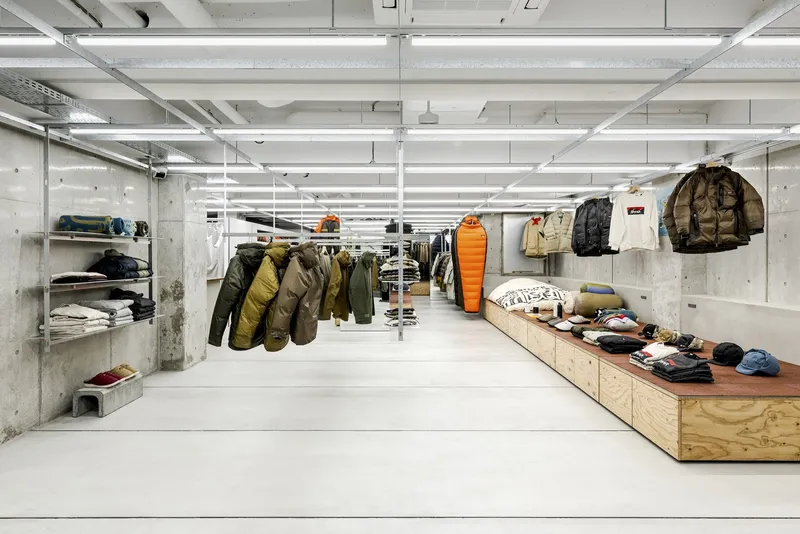
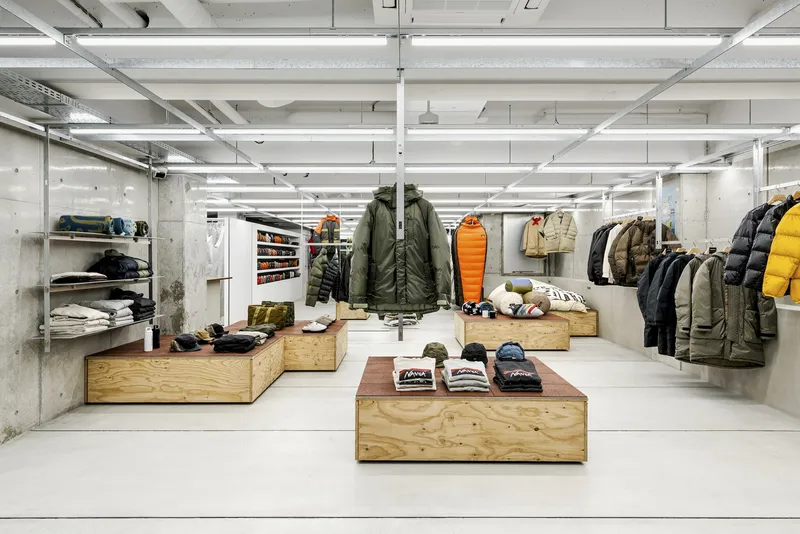
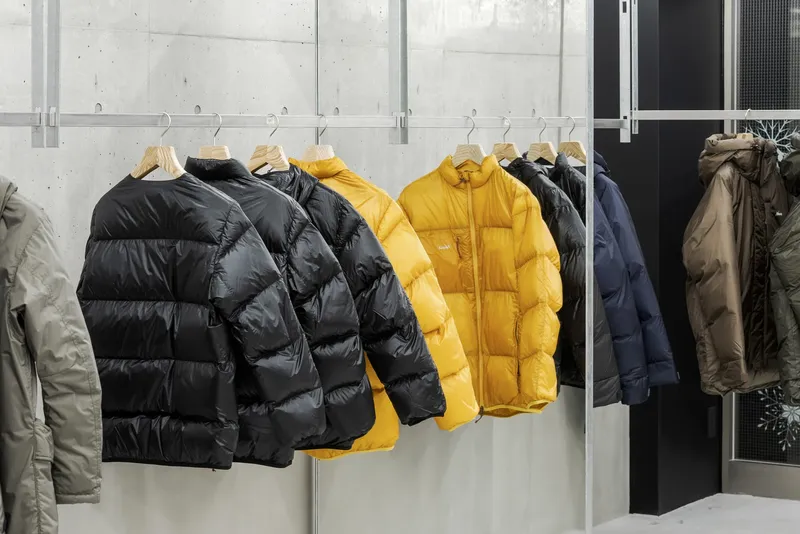
NANGA, renowned as a Japanese sleeping bag manufacturer, produces premium sleeping bags alongside clothing and outdoor accessories. To showcase products of varying sizes: from small items like hats, towels, and shoes, to large items such as 2-meter sleeping bags, the architects implemented a ceiling hanger rack system paired with a movable raised floor. This combination allows for dynamic seasonal displays and a retail environment that adapts to evolving merchandising needs.
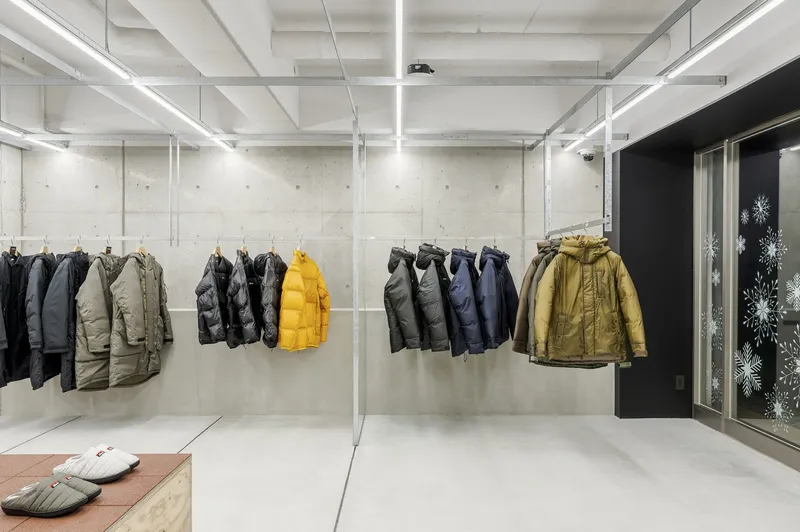
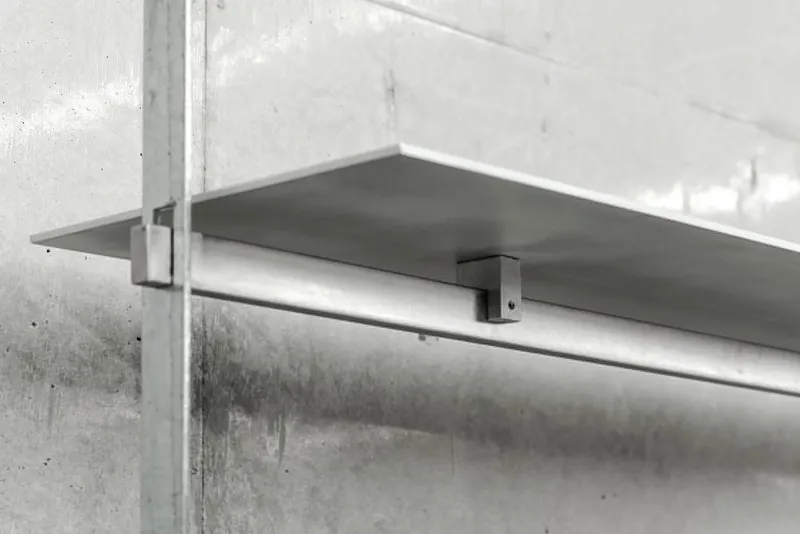
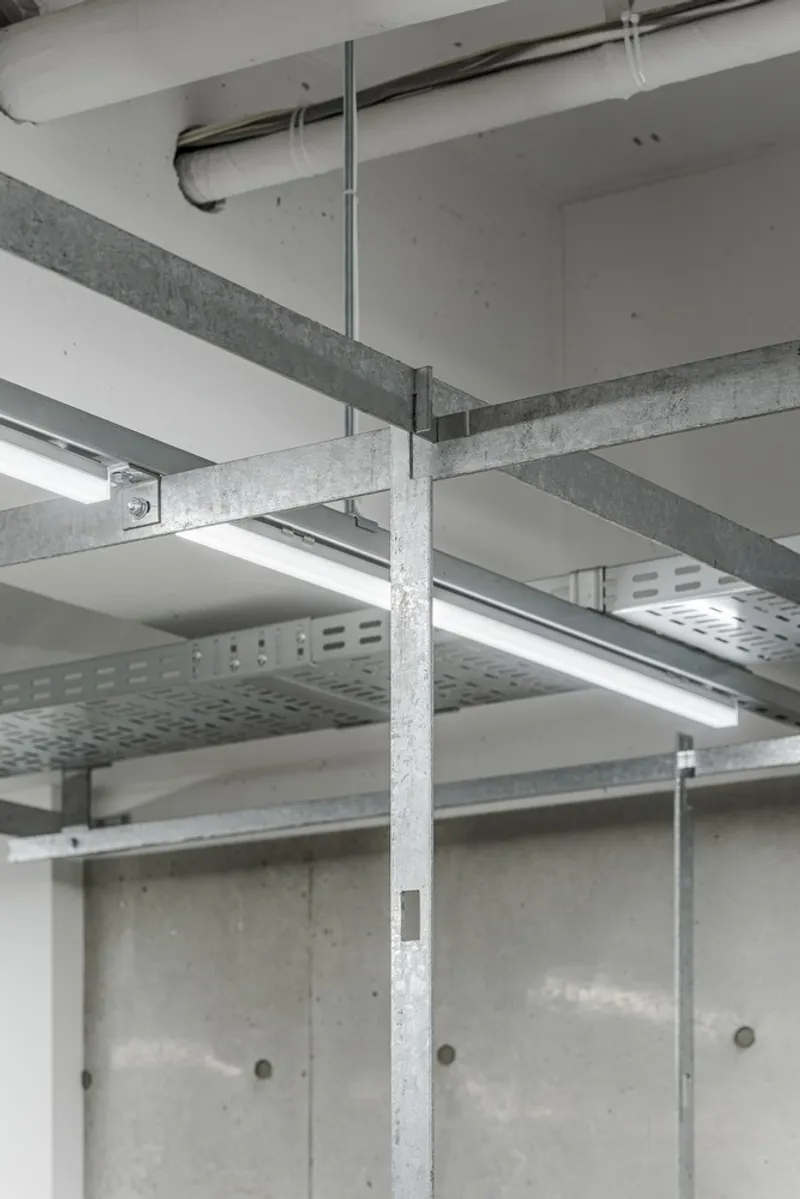
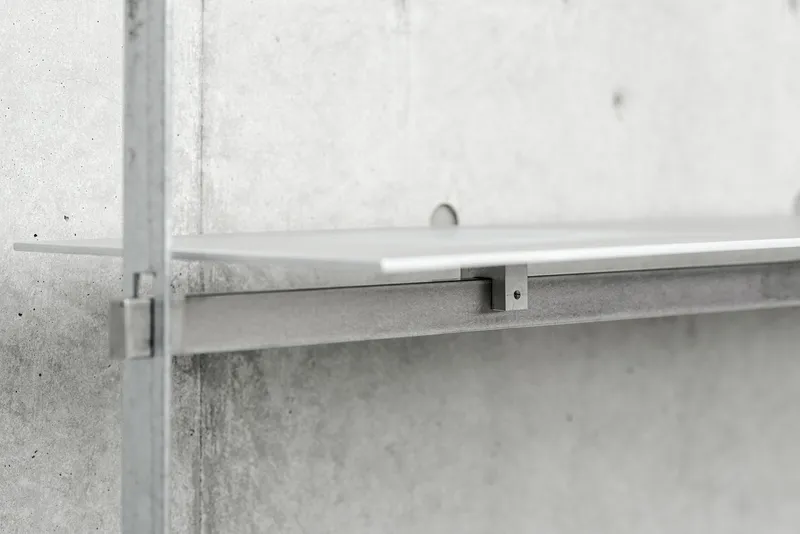
The ceiling hanger system is a core feature, constructed with a grid of flat steel bars. This design enables sleeping bags over 2 meters to be displayed freely without spatial restrictions. Medium-sized apparel is accommodated with movable hanger racks, created by hooking perforated steel flat bars to the ceiling system and adjusting bar heights. Small items are displayed on shelves attached to these bars, demonstrating the system’s versatility for all product sizes.
Integrated Lighting and Operational Efficiency
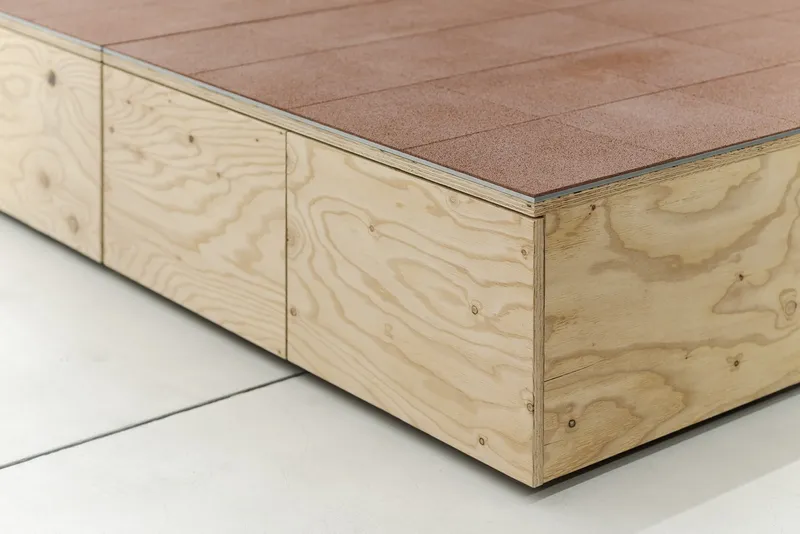
The ceiling hanger system doubles as a lighting framework, allowing adaptable illumination to highlight products effectively. Complementing this, the movable raised floor functions both as a display platform and a scaffold to hang large sleeping bags on the ceiling system at 2.4 meters high. Grooves in the floor guide movement while also facilitating mirror installations, enhancing both the aesthetics and operational workflow for staff. This integrated approach ensures the store is both visually appealing and highly functional for staff operations.
A Deep Connection to Craftsmanship
During the project’s early stages, the design team visited NANGA’s headquarters factory in Shiga Prefecture, gaining firsthand insight into the meticulous manufacturing process of sleeping bags. They observed the factory’s ingenuity, staff customizes sewing machines using leftover materials and repurposes packaging to organize tools, highlighting a commitment to sustainability and resourcefulness.
Inspired by this approach, the store design mirrors the factory’s creativity, with flexible display mechanisms serving as a platform to showcase the brand’s craftsmanship and innovation. The result is a retail space where visitors not only shop but fully experience the NANGA brand universe.
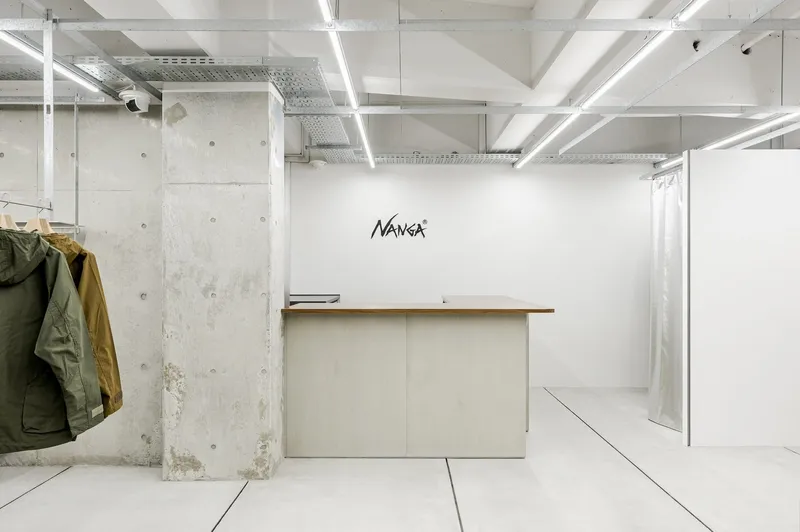
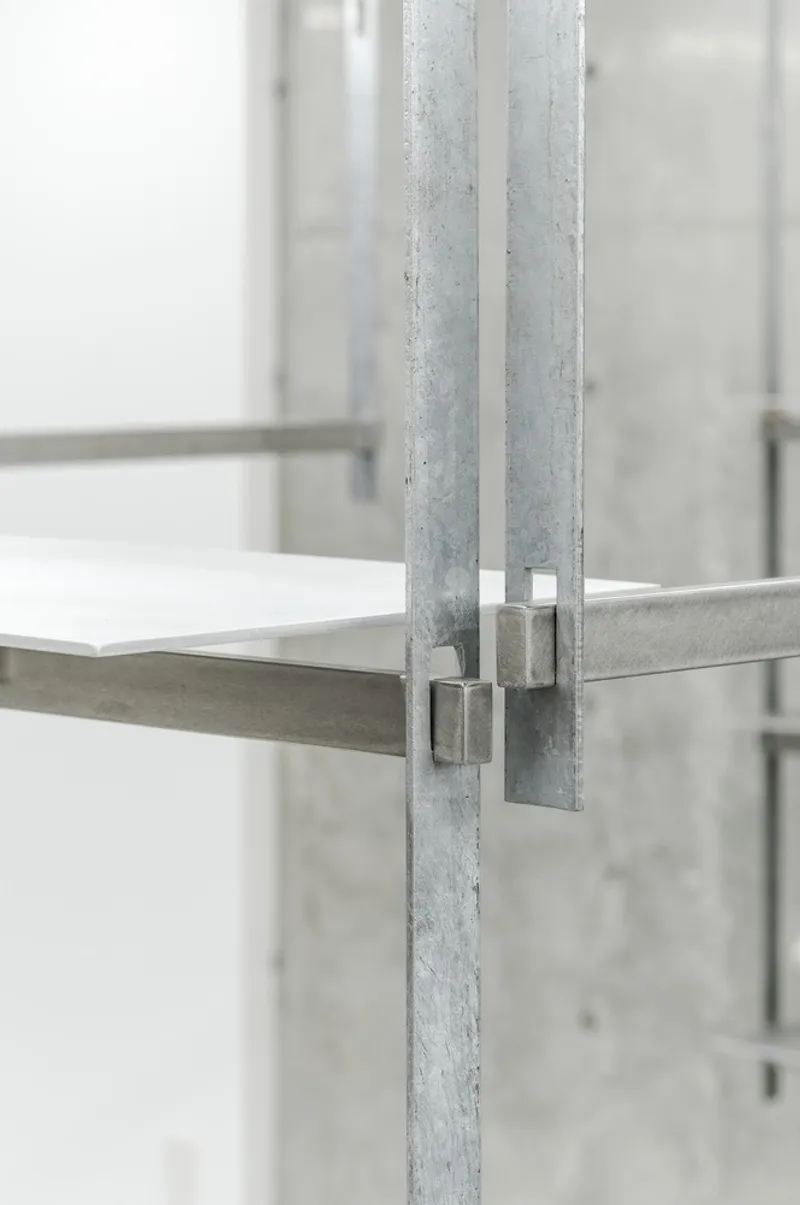
NANGA Shop Sendai exemplifies how retail architecture can merge functionality, sustainability, and brand storytelling. The use of ceiling hanger systems, movable raised floors, and integrated lighting demonstrates a modern, adaptable approach to store design that is both operationally efficient and visually compelling.
All photographs are works of
Yoshiro Masuda


Popular Articles
Popular articles from the community


GROUP A Strips a 1969 Rotterdam Harbor Headquarters to Its Frame and Wraps It in Timber Louvers
In Rotterdam's M4H harbor district, Ferro Offices reuses a 1969 frame, adds one timber storey and reaches BREEAM-NL Outstanding.

David Ortega Stacks a Two-Story Mexico City Penthouse Around a Steel Stair and a Pergola-Shaded Roof Terrace
In Colonia Roma, a 300 m² penthouse uses oak joinery, a planted steel stair and a slatted roof pergola to make a new-build apartment feel like a house.

LT2A and OPEN Architectes Thread a Brick and Glass High School Through a Wooded Belgian Campus
In Braine-l'Alleud, a 3,000 m² wing for Collège Cardinal Mercier pairs pale brick with a glazed colonnade, deferring to a small chapel and a dense wood.

U.GA Architects Wraps an Oval Rooftop Pool in Curved Board-Formed Concrete on Busan's Jeollidan-gil
In Busan's Jeonpo-dong, a 454 m² mixed-use block stacks a neighborhood facility, guest rooms and an oval rooftop pool inside spiraling concrete walls.

Similar Reads
You might also enjoy these articles

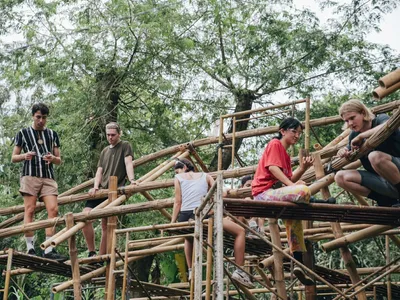
Bamboo Housing Challenge 2026: Design Affordable, Sustainable Homes Using Bamboo
An international design competition by Bamboo U and IBUKU inviting architects and designers to reimagine affordable housing using bamboo — with the winning design built full-scale in Bali.

Computational Design & Education: Beegraphy Design Awards Introduces 7th Category (Featuring Jiyun's Innovative Approach)
Dive into Beegraphy’s 7th Design Awards category, where computational design meets education to create immersive, interactive learning tools, inspired by Jiyun’s work.

From Parametric Lighting to Urban Furniture: Join the 2nd Workshop in Beegraphy’s Computational Design Series
Dive into Cutting-Edge Design Techniques and Practical Applications with Industry Experts

Last Call: Unleash Your Architectural Genius in SHAK's Kindergarten Design Competition
Urgent call for architects to join SHAK's kindergarten design competition before the looming deadline

Explore Architecture Competitions
Discover active competitions in this discipline

Challenge to design luxury tourism on rails

Challenge to reimagine the Iron Throne

Photograph architecture without architects

VR headsets Storefront design competition
Comments (0)
Please login or sign up to add comments
No comments yet. Be the first to comment!