

National Teachers Colleges Uganda by bkvv architects: A Model for Climate-Responsive Educational Design
Sustainable renovation of Uganda’s National Teachers Colleges by bkvv architects combines climate-responsive design, local materials, and educational transformation.


In a significant stride toward sustainable education infrastructure, bkvv architects have transformed the campuses of the National Teachers Colleges (NTC) in Uganda through an ambitious renovation and expansion project. Recognized globally, this initiative won the 2022 Architizer A+ Awards Public Award in the ‘Architecture for Good’ category, highlighting the project's dedication to social impact and sustainable development.
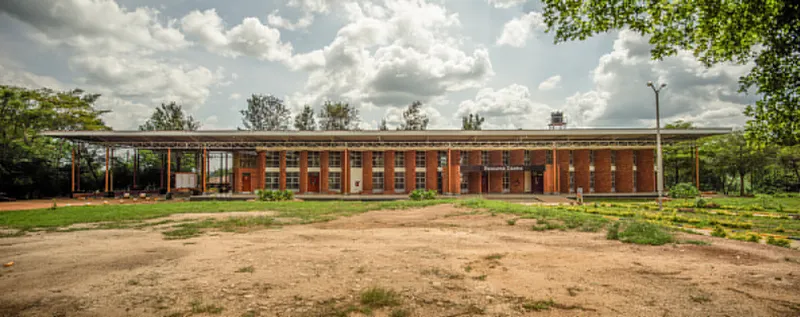
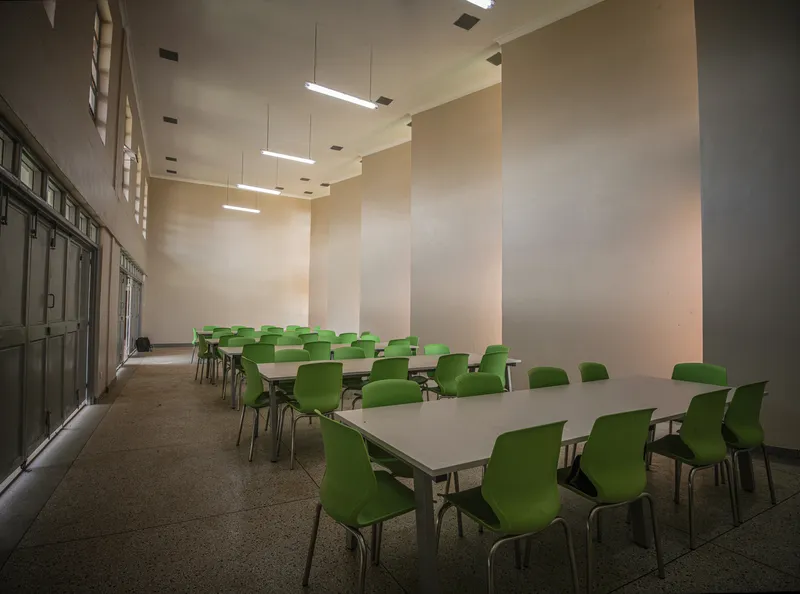
A Master Plan for Educational Transformation
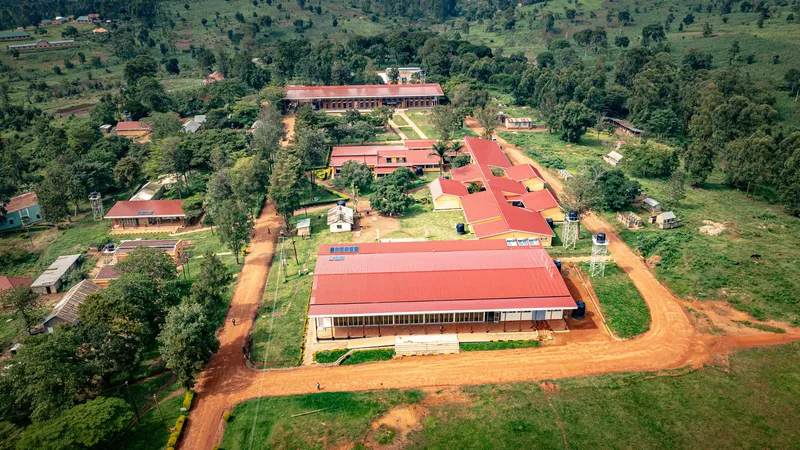
Located near the towns of Kaliro and Mubende, the project comprises the comprehensive renovation of 24 existing buildings and the construction of 8 new facilities. Serving approximately 2,000 students and educators, the upgraded campuses include:
- Student and teacher housing
- Modern classroom blocks
- Energy-efficient kitchens
- Sports and recreation areas
- Renewable energy infrastructure
- Waste recycling facilities
- On-site food production systems
This large-scale development is a cornerstone in Uganda’s national education improvement strategy, jointly initiated by the Ministry of Education and Sports and the Belgian Development Agency (Enabel). Funding was provided by the Belgian Government, and the project was realized through a collaboration between Oubuntu Consulting, DASUDA, and bkvv architects.
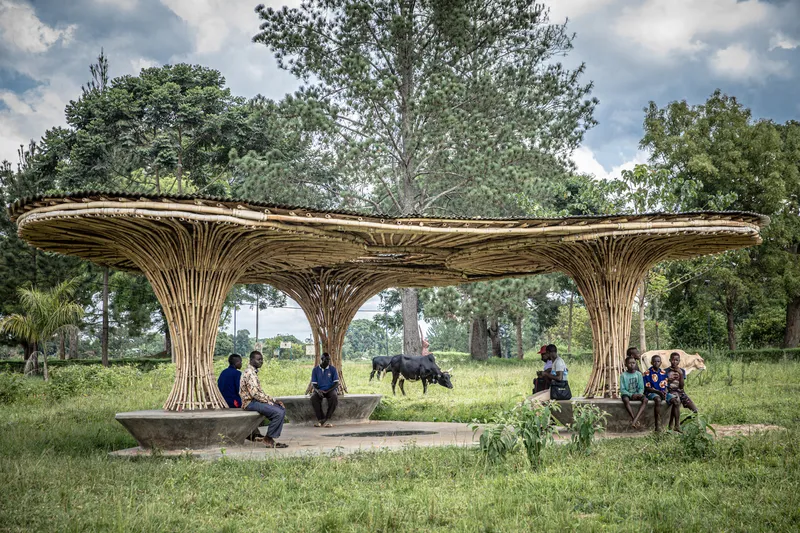
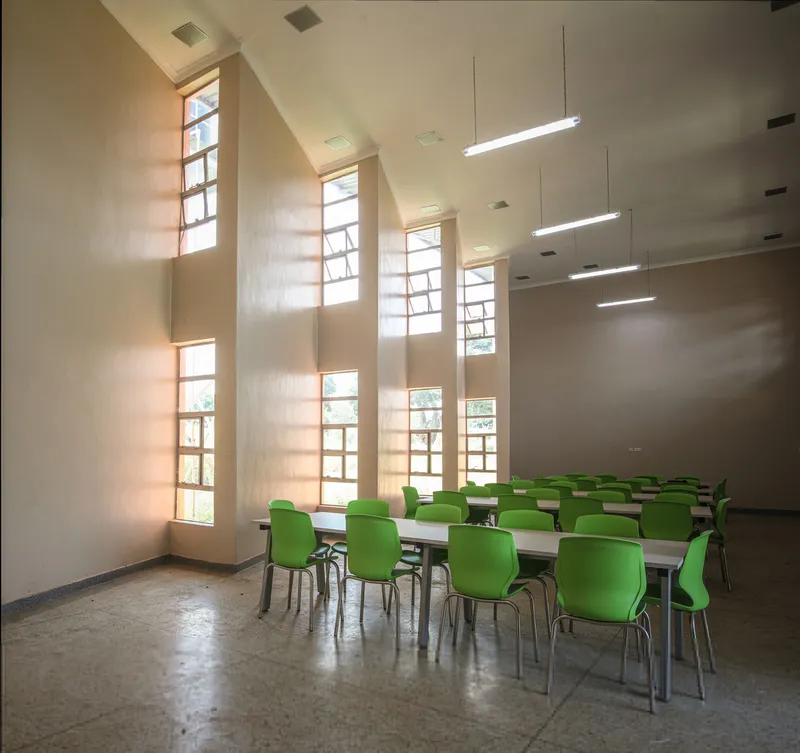
Climate-Responsive and Community-Driven Design
Completed in late 2021, the project was inaugurated during a high-profile ceremony that also marked the signing of the Manifesto for Climate Responsive Design by the Minister of State for Education and the Belgian Ambassador. This manifesto emphasizes Uganda’s commitment to sustainable architecture and environmental stewardship.
The NTC project is the first in Uganda to be officially recognized as a best practice example of climate-responsive design, setting a precedent for institutional architecture across the country.
Key sustainable features include:
- Locally sourced materials, such as bamboo and earth bricks
- Natural lighting and ventilation systems
- Passive cooling design, ensuring thermal comfort without the need for air conditioning
- Water protection strategies and promotion of local biodiversity
- Low-maintenance structures that reduce long-term operational costs
These design principles not only reduce environmental impact but also encourage community involvement, support local artisans, and promote knowledge exchange.
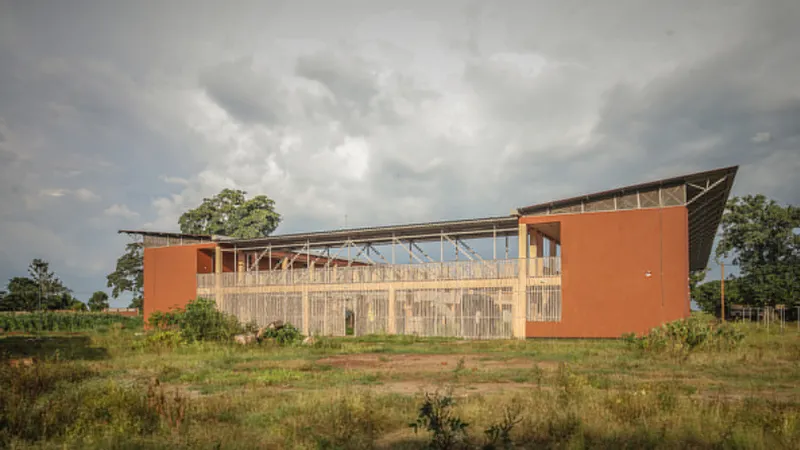
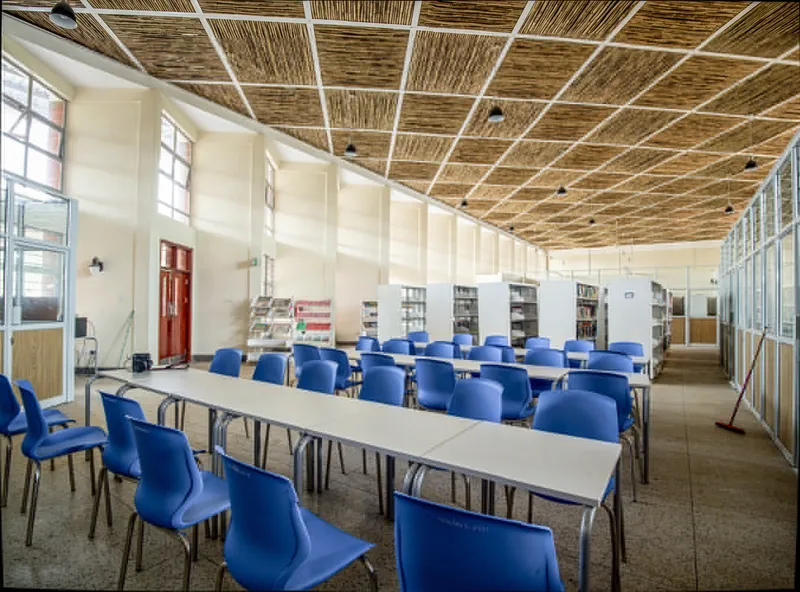
Redefining Learning Environments in Uganda
The newly designed campuses aim to provide more than just physical infrastructure—they embody the vision of educational empowerment through sustainability. By living and learning in environmentally responsible spaces, future Ugandan teachers are being prepared to become role models in their communities.
According to Tom Vanneste, Enabel’s Country Representative in Uganda, this initiative creates a “safer and more conducive learning environment,” reinforcing the vital link between architecture, education, and community development.
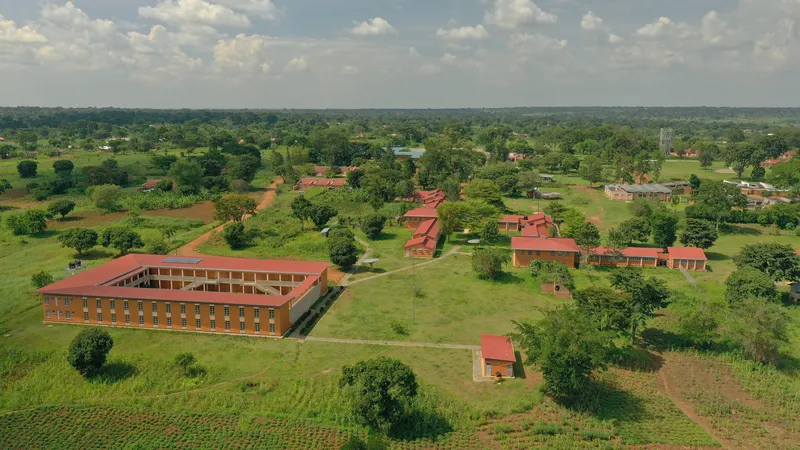
A Benchmark for the Future
The National Teachers Colleges project is not only a flagship example of sustainable educational architecture in Uganda—it also serves as an inspiration for institutional development in similar contexts across Africa and beyond. Its focus on cost-effective, eco-conscious design combined with educational transformation ensures its relevance for years to come.


Popular Articles
Popular articles from the community


Tsunami Convergenics: Turning Catastrophic Ocean Forces into Underwater Housing Infrastructure
A speculative underwater settlement off the coast of Onagawa, Japan, treats tsunamis and typhoons as energy sources rather than threats.

Temporary Home for Dogs: A Reversed Zoo Rethinks Animal Shelter Architecture
In Bucharest, a sinuous corridor and freed landscape flip the logic of containment, designing a shelter that works to make itself unnecessary.
Opera by the Sea Estonia: Three Shells Dissolving Architecture into Tallinn's Coastline
A winning opera house proposal replaces monumental form with interconnected shells that blur the boundary between building, park and Baltic Sea.

Opera on the Sea: Driftwood Logic Shapes a Timber Opera House on Estonia's Coast
Trevor Orgill's opera house translates the entangled drift of floating timber into a civic building where wood, water, and music converge.

Similar Reads
You might also enjoy these articles


Hodi-Mandai Geram
Project Function: Preservation and revitalization of the Intangible heritage and socio-spatial identity of the Hodi by Housing, Cultural Memory Center, Sacred Grove, landscape, local tourism economy


Olio Towers: A Mid-Rise for Performers That Fuses Housing, Rehearsal, and Stage
Located blocks from Houston's Theater District, this modular tower stacks living units around a central performance atrium.

Oasis: Modular Green Housing Carved into Dhaka's Urban Fabric
A shortlisted Plugin Housing entry reclaims unauthorized settlements in Dhaka with stepped concrete volumes, green roofs, and ventilation-driven design.

Black Hole: A Floating Megastructure for the Post-Physical Era
Emiliano Mazzarotto envisions a spherical, self-scaling arena where e-sports, digital hotels, and holographic stadiums replace traditional public space.

Explore BMS College Of Architecture Competitions
Discover active competitions in this discipline

Challenge to design public laboratory

Challenge to reimagine the Iron Throne

Photograph architecture without architects

Illustrate the lost glory of Angkor Wat - Render Challenge
Comments (0)
Please login or sign up to add comments
No comments yet. Be the first to comment!