

Nolde Museum by ARTANDARCHITECTURE Kirsch Bremer Architekten: A Sensitive Restoration of an Artist’s Legacy
The Nolde Museum restoration revives the artist’s original home and studio with careful conservation, modern clarity, restored proportions, and transparent historical interpretation.


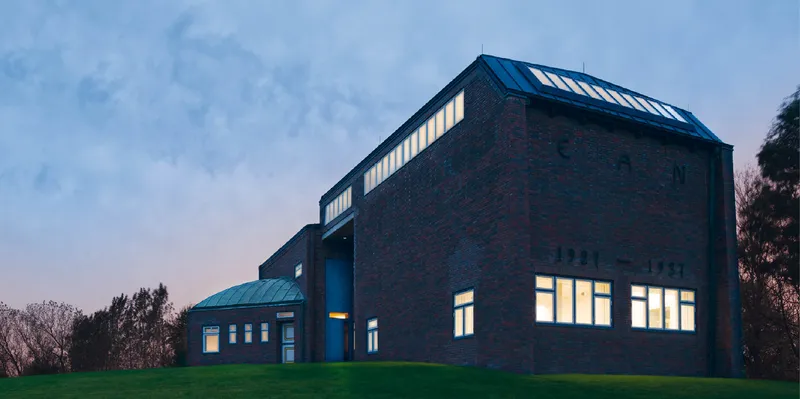
The renovation of the Nolde Museum in Neukirchen, Germany, led by ARTAND ARCHITECTURE Kirsch Bremer Architekten, redefines how historical artist residences can evolve into contemporary cultural spaces. Through a meticulous conservation approach, the architects revive the original spatial atmosphere of Ada and Emil Nolde’s home and studio while transforming it into a forward-looking museum environment that honors both heritage and transparency.
Restoring the Essence of Nolde’s Home and Studio
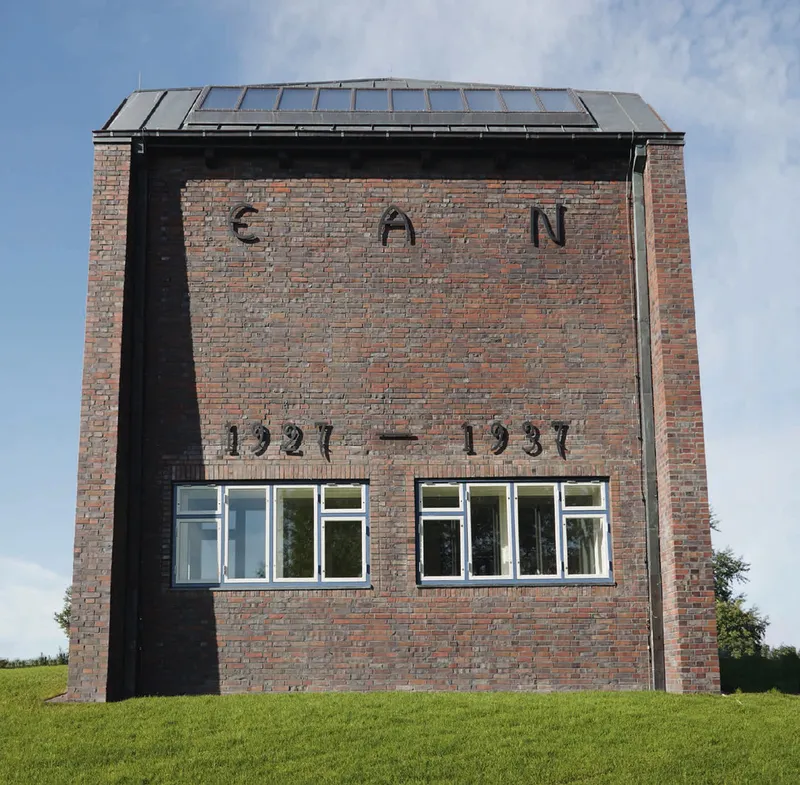
Central to the project is a deep respect for the building’s authentic character. The architects grounded the renovation in the 1937 master plan, reinstating proportions, material textures, and spatial rhythms that defined the Noldes’ living and working environment. This conservation framework emphasizes intimacy, light, and openness, aiming to recreate the lived-in ambiance essential to Nolde’s artistic life.
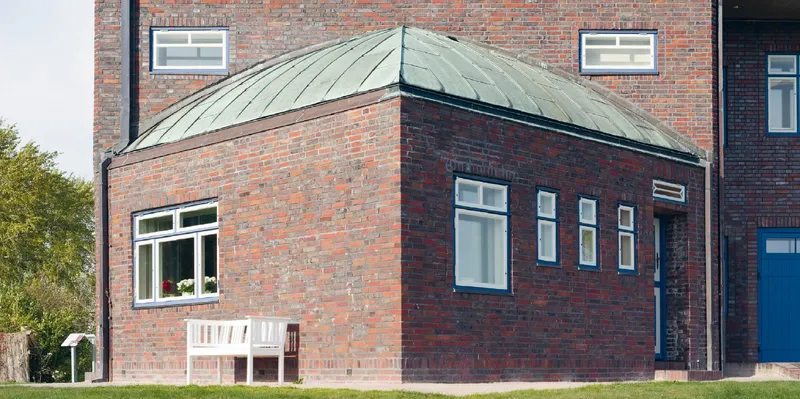
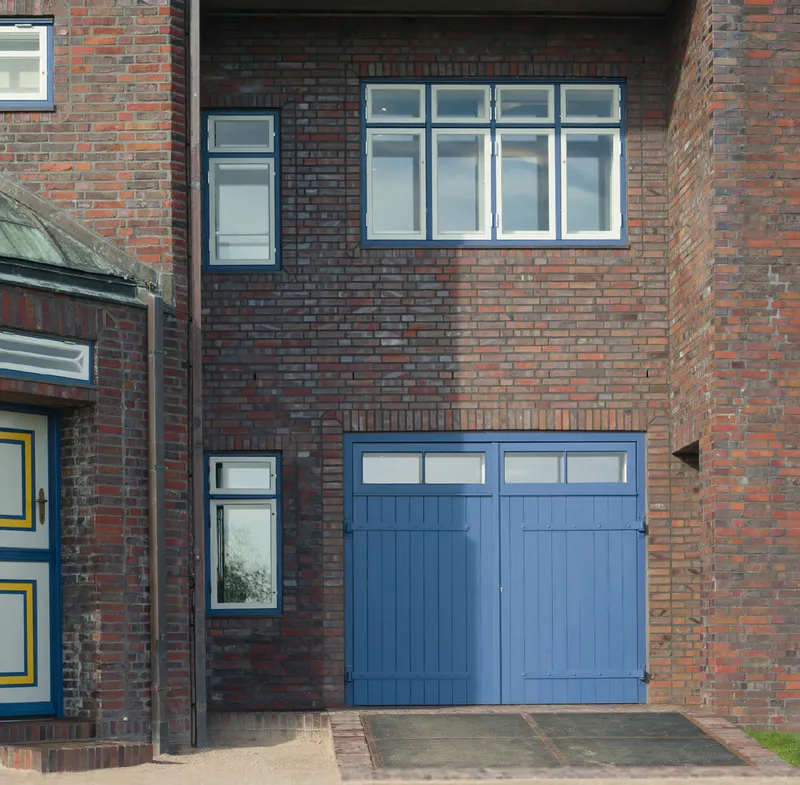
The building volume is carefully returned to its original proportions, with the silhouette of key architectural features, such as the cistern and twin chimneys, accurately reconstructed. These elements reestablish the strong visual composition that once shaped the residence, strengthening the historical continuity of the site.
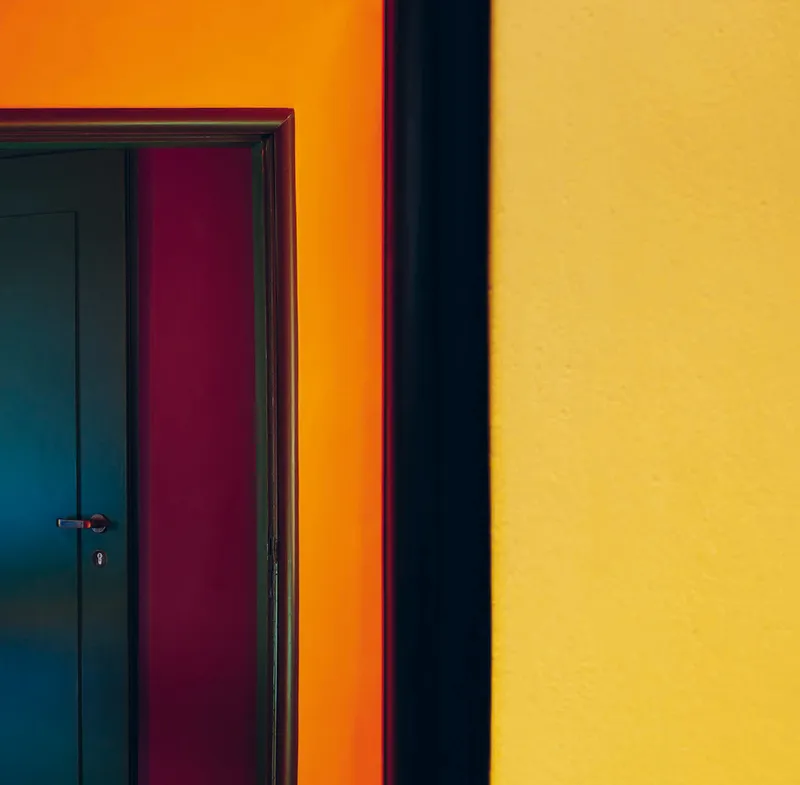
Reconstruction of Color and Architectural Language
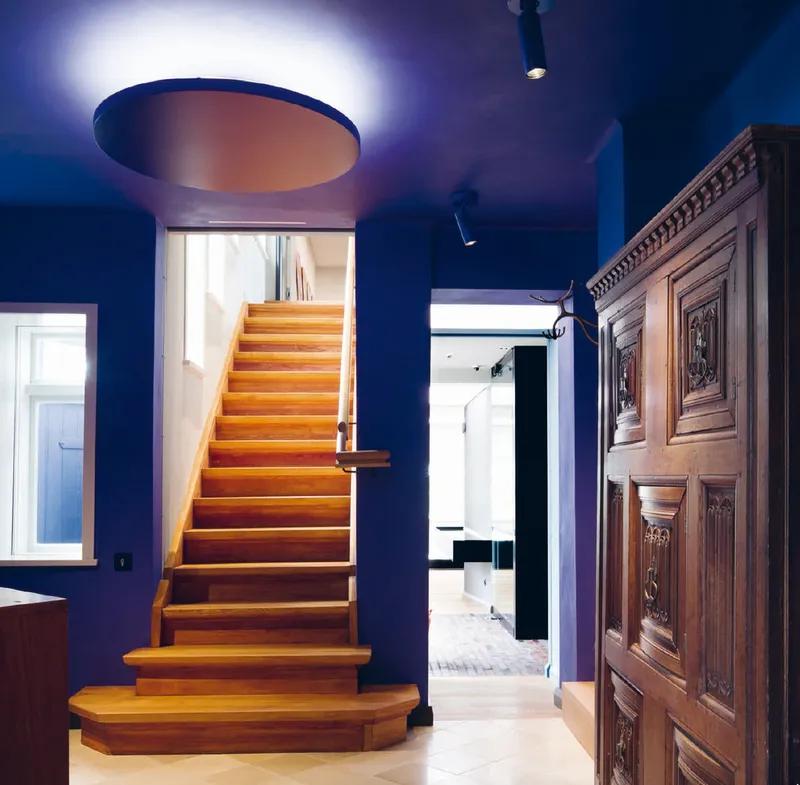
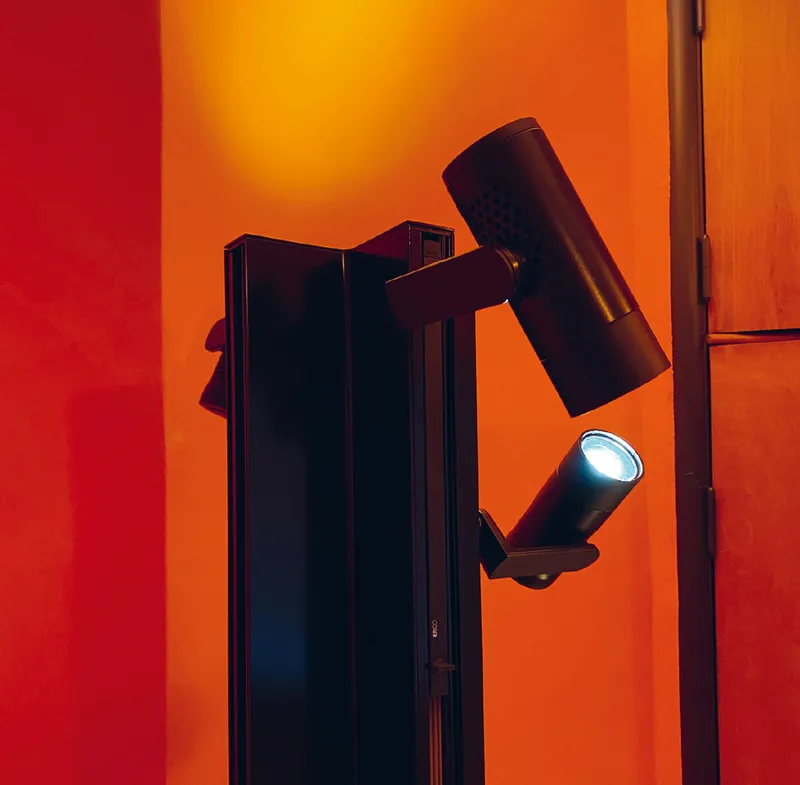
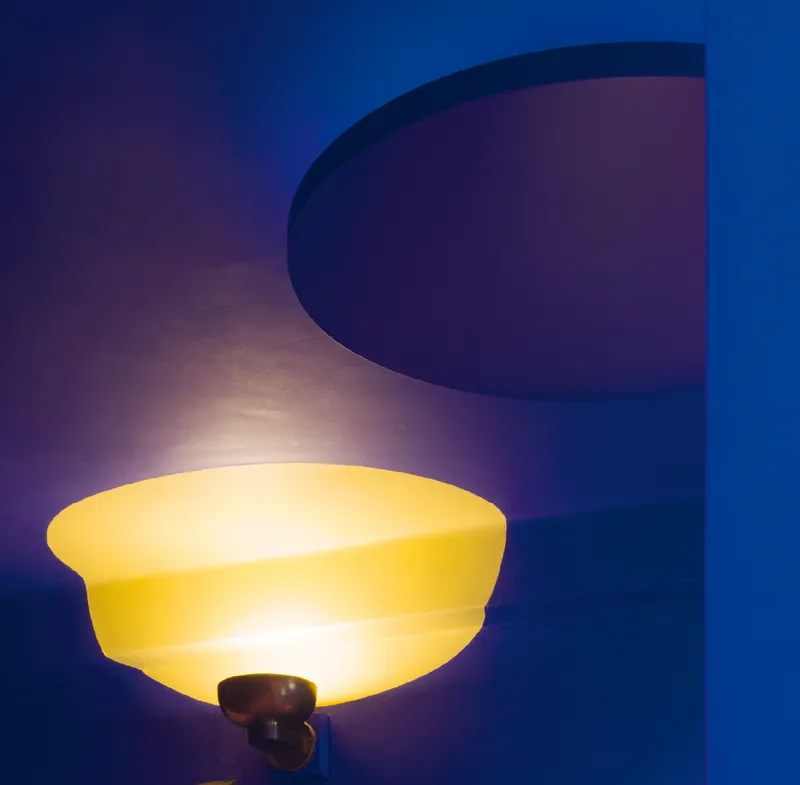
Emil Nolde’s personal approach to architectural color design plays a significant role in the restoration. The renovation reconstructs his original color concept for the residential wing, aligning it with the functional geometry of the interior spaces. This work underscores Nolde’s affinity with the ideals of “Neues Bauen”, the early 20th-century movement known for its clarity, simplicity, and modernist expression.
By reviving Nolde’s color palette and spatial intentions, the architects connect past and present, enabling visitors to experience the unique synthesis of art, architecture, and domestic life that defined the Noldes’ world.
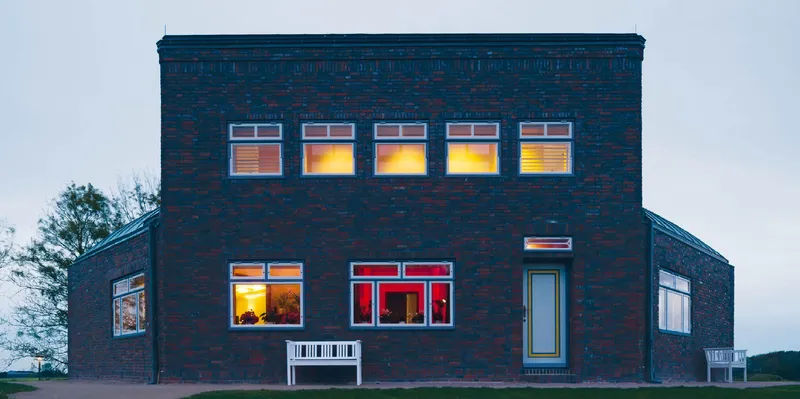
Reconfiguring Circulation and Light
A major component of the renovation revisits the home’s circulation sequence. The staircase added in later years is removed, allowing the reinstatement of the historic connecting staircase between the residential floors. Reinterpreted in a contemporary design, this architectural gesture reconnects the vertical movement of the home and restores its original spatial logic.
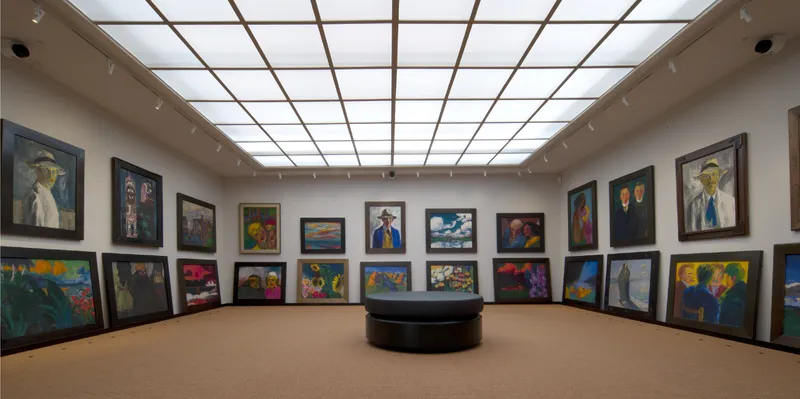
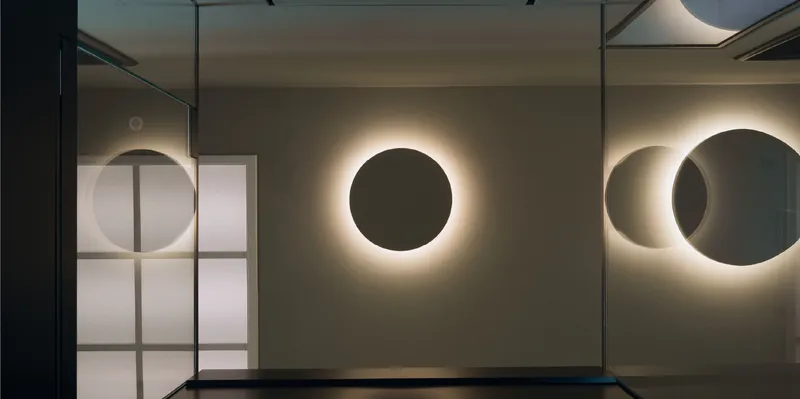
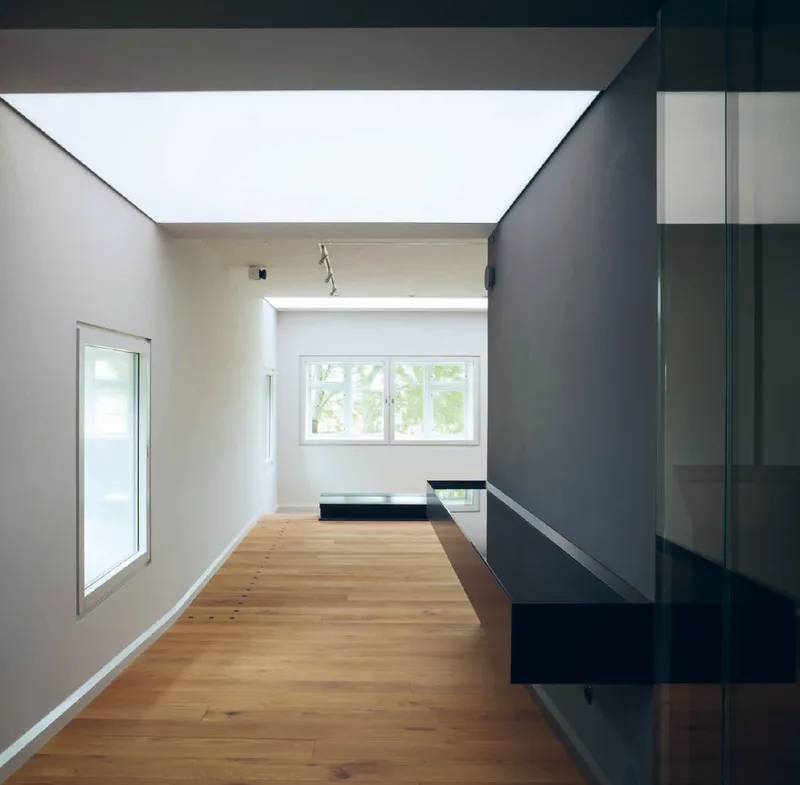
In Emil Nolde’s studio, lighting conditions are revitalized through the reinstatement of window openings and the elevation of the floor to its original height. This transformation brings back the expressive daylight environment critical to Nolde’s creative practice. The studio’s restored proportions now reflect its historic character, while newly introduced spatial sequences create a subtle contemporary layer that enhances visitor experience without overshadowing authenticity.
A Transparent Approach to Historical Context
The renovation adopts a conceptual stance aligned with the Nolde Foundation’s recent efforts to engage openly with Emil Nolde’s Nazi-influenced past. Kirsch Bremer Architekten translate this ethos into spatial form:
- Rooms are opened up
- Views are unobstructed
- Previously concealed elements are made visible
- A new architectural layer communicates honesty and reinterpretation
This clarity deepens the museum’s narrative, allowing the building itself to embody a dual perspective, preserving the atmosphere of the Noldes’ life while serving as a contemporary site of reflection.
A Museum for the Future
The completed project stands as a refined synthesis of conservation and innovation. The Nolde Residence and Studio House remains emotionally and historically intact, yet evolves into a museum of the future, capable of hosting exhibitions, fostering dialogue, and presenting a holistic view of the artist’s life, work, and complex legacy.
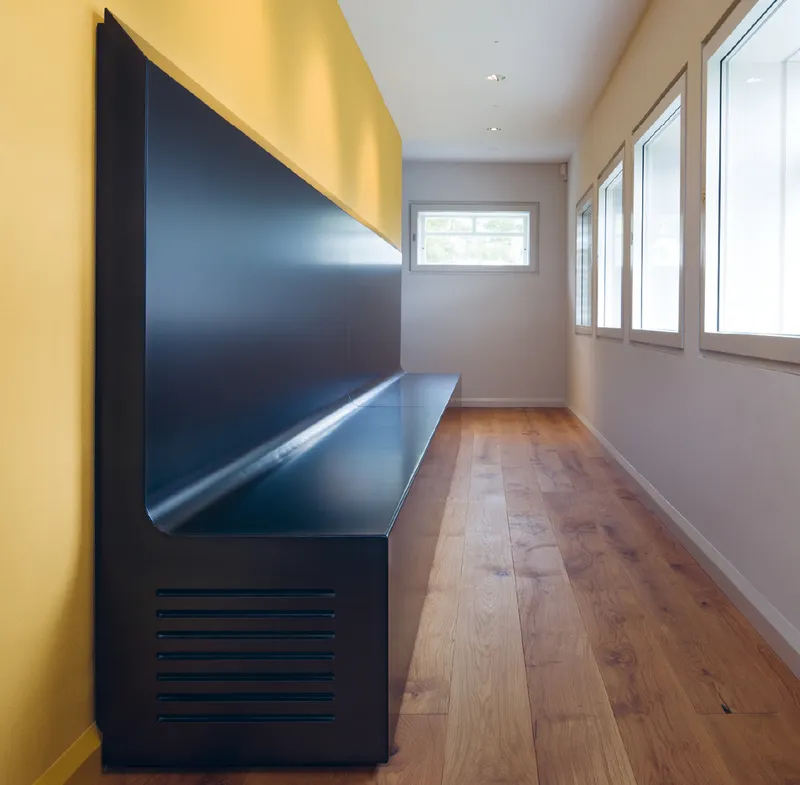
All photographs are works of Klaus Frahm, ARTANDARCHITECTURE, Dirk Dunkelberg, Ralph Kerpa


Popular Articles
Popular articles from the community


Manzana Morphosis: Stretching Barcelona's Grid into a Living Landscape for 2050
A radical reworking of the Eixample manzana turns density into a tool for generous public space, vertical ecology, and environmental performance.

The Amber Palace Opera: A Geological Fiction Surfaces on Tallinn's Baltic Waterfront
Pierre Brillard reimagines a Baltic legend as a public landscape, opera house, and waterfront promenade rooted in Tallinn's coastal identity.

Faces of the Soviet Avant-Garde: Turning Moscow's Street Names into an Open-Air Museum
A network of sculptural installations across a Moscow residential district transforms forgotten architect names into spatial encounters with cultural memor

Opera on the Sea: Driftwood Logic Shapes a Timber Opera House on Estonia's Coast
Trevor Orgill's opera house translates the entangled drift of floating timber into a civic building where wood, water, and music converge.

Similar Reads
You might also enjoy these articles


Hodi-Mandai Geram
Project Function: Preservation and revitalization of the Intangible heritage and socio-spatial identity of the Hodi by Housing, Cultural Memory Center, Sacred Grove, landscape, local tourism economy


Olio Towers: A Mid-Rise for Performers That Fuses Housing, Rehearsal, and Stage
Located blocks from Houston's Theater District, this modular tower stacks living units around a central performance atrium.

Oasis: Modular Green Housing Carved into Dhaka's Urban Fabric
A shortlisted Plugin Housing entry reclaims unauthorized settlements in Dhaka with stepped concrete volumes, green roofs, and ventilation-driven design.

Black Hole: A Floating Megastructure for the Post-Physical Era
Emiliano Mazzarotto envisions a spherical, self-scaling arena where e-sports, digital hotels, and holographic stadiums replace traditional public space.

Explore Nur Art Gallery Competitions
Discover active competitions in this discipline

Challenge to reimagine the Iron Throne

Photograph architecture without architects

Illustrate the lost glory of Angkor Wat - Render Challenge

Bring back Drive In's
Comments (0)
Please login or sign up to add comments
No comments yet. Be the first to comment!