
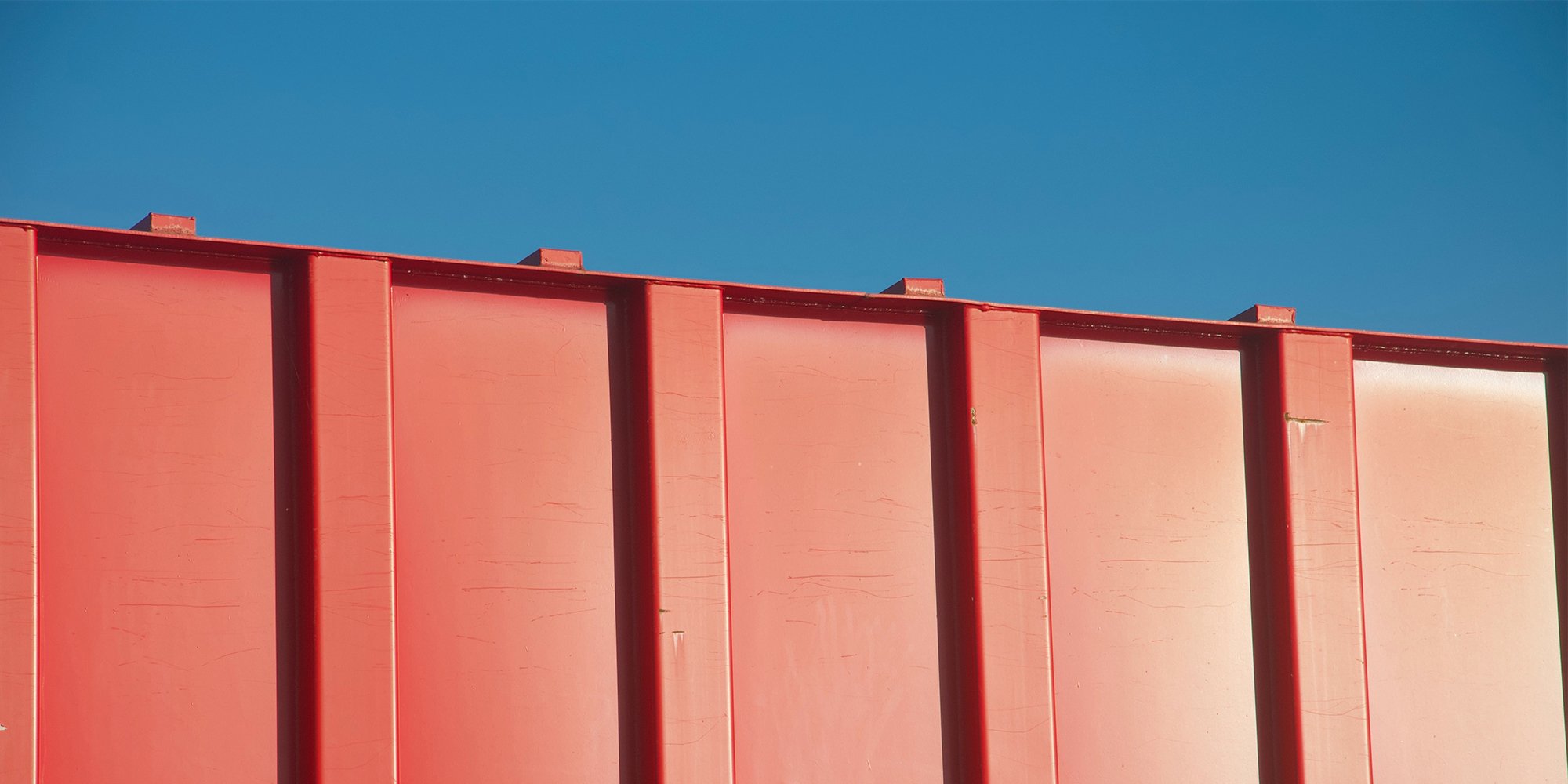
NOMAD
A step towards a new era of housing typologies for students

Housing problems
Housing shortage is a big problem among exchange students worldwide. There is a lack of affordable housing and construction of new housing projects continue to lag behind the demand. This results in several problems. Exchange students are often forced to stay in hostels or Airbnb’s which hardly offer any privacy. Subsequently, rack-renters and scammers are attracted by a housing market that’s under great pressure. Going on exchange is a great opportunity for students to develop themselves and interact with different cultures and nationalities. Students should be supported in this.
A nomadic lifestyle
The conceptual and progressive design of NOMAD student housing aims to be an important step towards a new era of affordable, modular housing typologies for exchange students. Within this concept, the comparison is made between exchange students and nomads. Since ancient times, people have lived in nomadic communities travelling from place to place, however this practise has mostly been lost in the modernized society we know today. Since shipping containers have a high degree of usability, mobility and durability, it gives them great potential to be used for a unique type of ‘nomadic’ housing system for the modern age. The design is not site-specific. High modularity allows the site to adapt to the demand of the user. It is possible anywhere in the world and containers can change location indefinitely.
These quintessential features have been assimilated and incorporated in the NOMAD concept. Aiming to give students the opportunity to explore and develop. A place where the integration of architecture, modularity and housing allow for the creation of a new sustainable solution for exchange students.
As a student myself, I am fascinated by the possible role that shipping containers can fulfil in the mission to provide a sustainable solution for the difficult challenges that student housing faces.
Methods and materials
A simple yet effective design method is applied to make it an instantly recognizable building while still retaining its functionality. The emerged form is an inevitable result of design iterations to optimize the modularity. As a result, the structural elements are exposed which makes the functionality of the building act as the façade.
The building consists of different forms of housing; entirely shared, combined or solo. Accompanied with a high degree of modularity, each individual building can have a unique configuration. This results in a wide variety of social dynamics that all act as their own unique, vibrant student hub.
The basis of the design consists of three key components. A steel frame (1x), suspension wheels (90x) and shipping containers (15x). The frame consists of vertical and horizontal axis’ on which the containers are rested. The suspension wheels, of which every container has six, ease the mounting procedures for the containers, as they can slide in the frame. This enables the containers to be mounted according to the demand of the users, for example divided more broadly or combined in the case of shared housing.


Popular Articles
Popular articles from the community

On the Brooks House by Monsoon Collective – A Contemporary Kerala Home Rooted in Tradition
Kerala home blending tradition and modernity with water-inspired design, brick architecture, courtyard planning, and sustainable rainwater harvesting strategies.
Flamboyant House by Juliana Camargo + Prumo Projetos
Modern Brazilian house integrating existing tree, pool, and volumes with glass, wood, and transitional spaces blending interior, exterior, and landscape seamlessly.
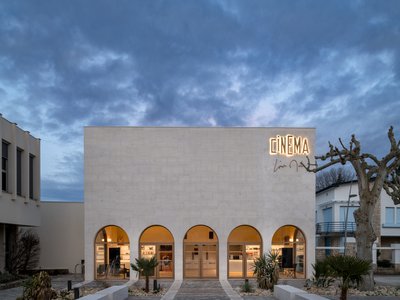
Louis Malle Cinema: A Limestone Cultural Landmark Revitalizing Community Life in Prayssac
Limestone cinema extension with public forecourt, blending heritage and modern design to create flexible cultural spaces and strengthen community interaction.
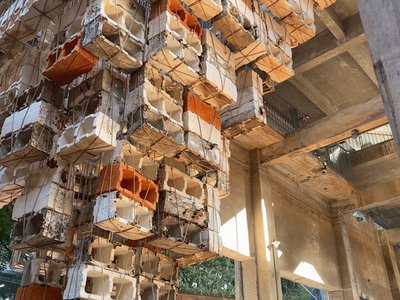
Inverted Architecture Installation by Studio Link-Arc: Exploring the Intersection of Architecture and Living Organisms
Inverted Architecture Installation by Studio Link-Arc blends mycelium, sustainability, inverted design, ecological cycles, and urban adaptive architecture in Shenzhen.
Similar Reads
You might also enjoy these articles


The Ken Roberts Memorial Delineation Competition (Krob)
As the most senior architectural drawing competition currently in operation anywhere in the world, it draws hundreds of entries each year, awarding the very best submissions in a series of medium-based categories.
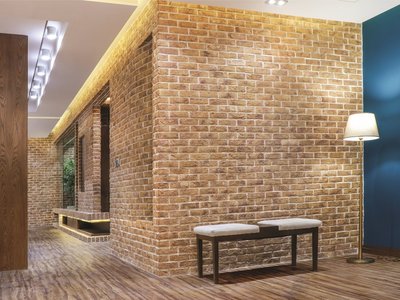
A Contemporary Take on Iranian Residential Architecture
A modern interior design in Mashhad that reinterprets brick, light, and spatial flow to create a warm, contemporary residential architecture.
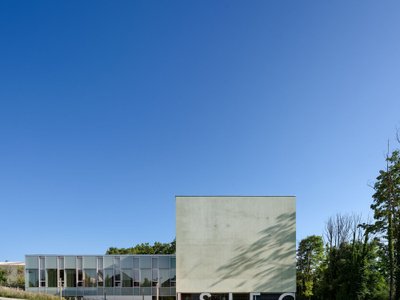
Franche-Comté Advanced School of Engineering by Dominique Coulon & associés, Besançon
A flexible engineering school immersed in woodland, combining concrete minimalism, adaptable spaces, and natural light to support evolving educational environments.


Waterfront Redevelopment and Urban Revitalization in Mumbai: Forging a New Dawn for Darukhana
A transformative waterfront redevelopment project reimagining Darukhana’s shipbreaking heritage into an inclusive urban future.
Explore Architecture Competitions
Discover active competitions in this discipline




The International Standard for Design Portfolios


The Global Benchmark for Architecture Dissertation Awards


The Global Benchmark for Graduation Excellence


Challenge to reimagine the Iron Throne
Comments (0)
Please login or sign up to add comments
No comments yet. Be the first to comment!