
Non-scholar Learning Spaces – Community Architecture
A community architecture model redefining education through flexible, non-formal spaces that connect learning, craft, and local economies

The project “Non-scholar learning spaces for Arts and Crafts” by Ramiro Isaurralde and Ana Magdalena Molina, a Jury Commendation entry of Education '20, proposes a decisive shift in how educational architecture is conceived. Rather than reinforcing rigid institutional models, the project introduces a community architecture framework that integrates learning, production, and social engagement within adaptable spatial systems.
Set in Cayastá, Santa Fe Province in Argentina, the proposal responds to a fragmented urban condition where access to educational infrastructure remains limited. Data-driven insights from the region reveal a strong disconnect between formal education systems and real community needs. A significant portion of young people either drop out early or never engage with institutional learning environments, highlighting a systemic gap that architecture can actively address.
From Institutional Education to Community-Based Learning Environments
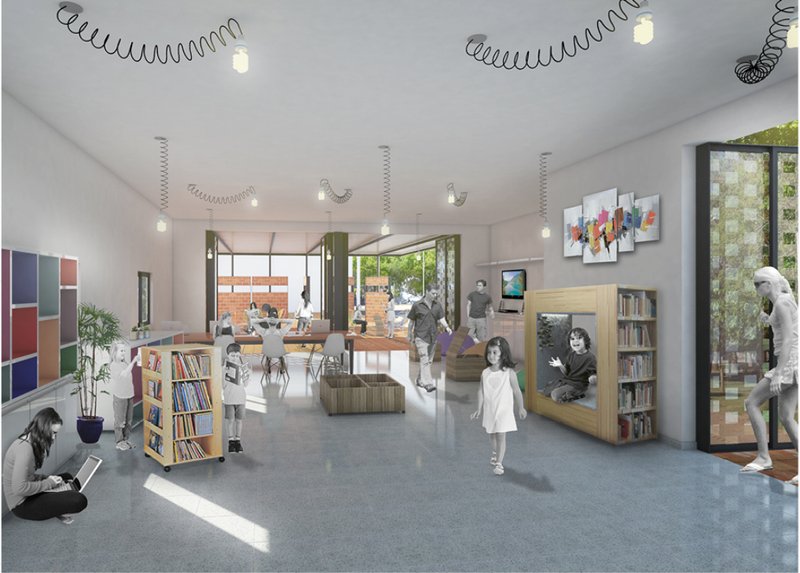
The project challenges the traditional classroom model by proposing non-scholar learning environments that operate outside formal educational systems. These spaces are not schools in the conventional sense. Instead, they are open, inclusive, and programmatically flexible environments designed to support arts, crafts, and productive skills.
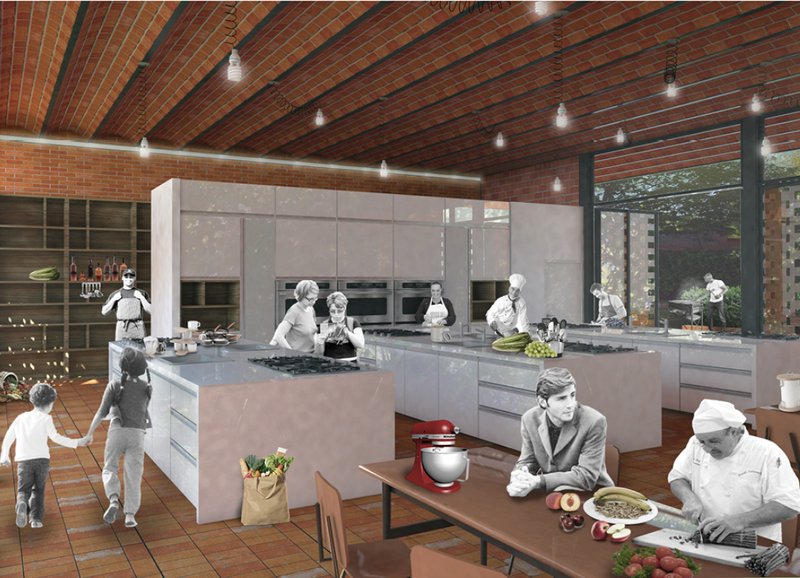
This shift aligns with the principles of community architecture, where spatial design becomes a tool for social inclusion, economic participation, and cultural continuity. Learning is no longer confined to enclosed classrooms. It extends into courtyards, workshops, kitchens, and open public spaces where interaction, collaboration, and skill-building occur organically.
Territorial Strategy: Three Nodes, One Network
The architectural strategy is organized around three interconnected nodes distributed across the urban fabric:
- Northern Node – Crafts: Focused on artisanal production and skill development
- Central Node – Culture: Dedicated to collective learning, exhibitions, and community interaction
- Southern Node – Production: Oriented toward food production, workshops, and applied learning
This decentralized system transforms the project into a distributed educational infrastructure, allowing accessibility across different neighborhoods while reinforcing territorial identity. Each node operates independently yet remains part of a cohesive network, enabling scalability and adaptability.
Spatial Typology: Modular, Open, and Adaptive
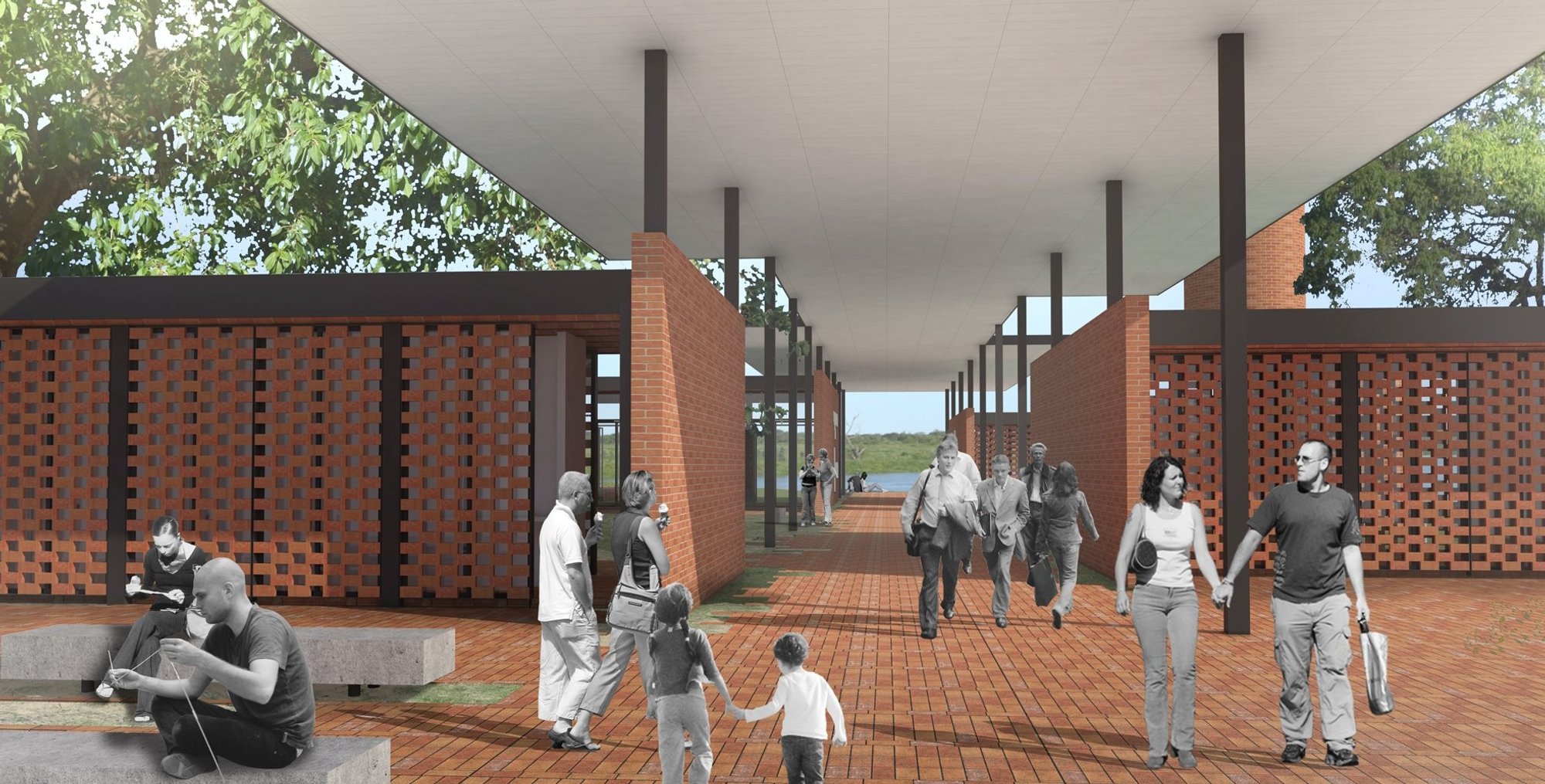
At the core of the proposal is a modular architectural system composed of repeatable units that can be configured according to programmatic needs. These modules are arranged along shaded circulation corridors, forming a continuous spatial spine that connects different activities.
Key spatial characteristics include:
- Open courtyards that function as social and learning hubs
- Permeable brick facades enabling ventilation and visual continuity
- Covered walkways providing climatic comfort and spatial cohesion
- Flexible interiors that support workshops, kitchens, and learning spaces
This typology reflects a low-tech yet high-impact approach, where simple construction techniques generate complex social interactions.
Material and Environmental Strategy
The project employs locally sourced materials, particularly brick, to ensure economic feasibility and cultural relevance. The use of perforated brick walls allows for passive ventilation and diffused lighting, reducing dependence on mechanical systems.
Environmental strategies include:
- Cross ventilation through porous envelopes
- Shaded outdoor spaces to mitigate heat
- Integration of vegetation for microclimate regulation
- Water-sensitive planning aligned with the river landscape
These decisions position the project within the discourse of sustainable community architecture, where environmental performance is embedded within everyday use.
Programmatic Integration: Learning Meets Production
A critical strength of the proposal lies in its integration of education and economic activity. The spaces are designed not only for learning but also for production-oriented functions such as crafts, food preparation, and local manufacturing.
This creates a hybrid model where:
- Learning is experiential and skill-based
- Users transition directly into income-generating activities
- Community members of all ages can participate
The architecture therefore supports a circular ecosystem, linking education, employment, and social interaction within a single spatial framework.
Social Impact: Architecture as an Enabler
By prioritizing accessibility and inclusivity, the project addresses broader socio-economic challenges such as unemployment, lack of infrastructure, and educational inequality.
The design fosters:
- Community ownership of space
- Informal learning networks
- Cultural exchange and collective identity
In this context, architecture acts not as an isolated object but as a social infrastructure system that evolves with its users.
Visual and Experiential Quality
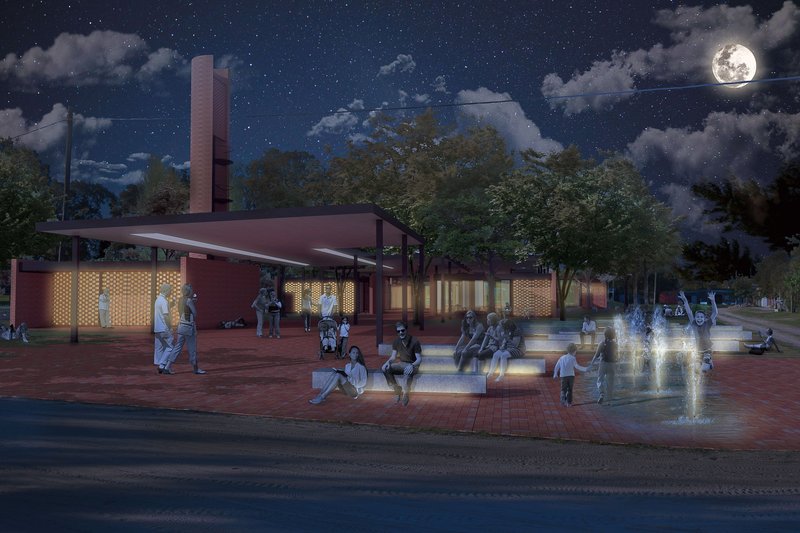
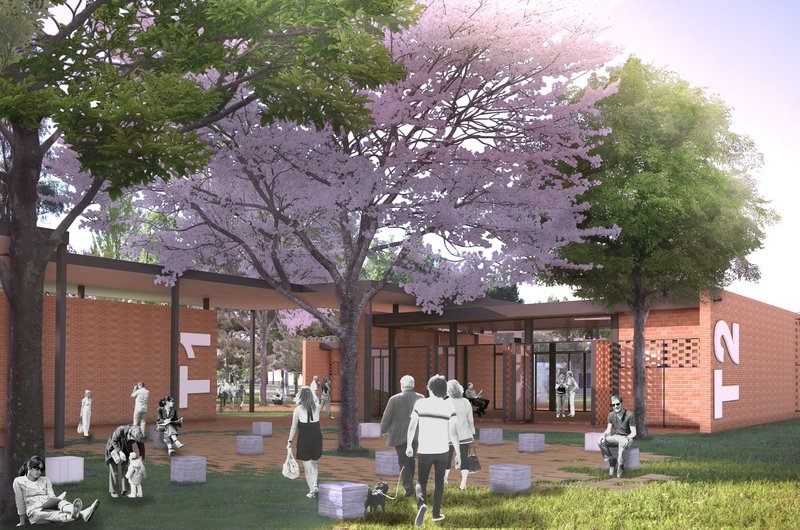
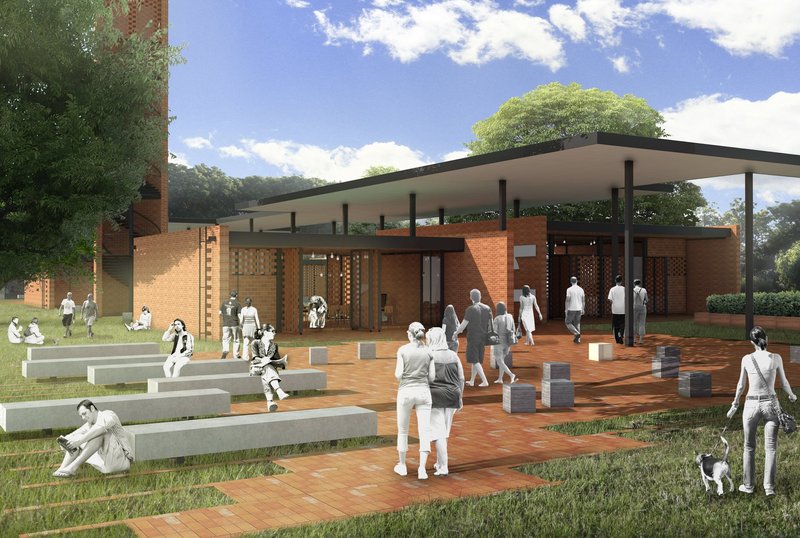
The visual language of the project is defined by warm materiality, human-scale proportions, and open spatial sequences. Rendered perspectives illustrate active public life, with children, adults, and families engaging across different zones.
Daytime scenes emphasize permeability and openness, while nighttime views highlight the building’s role as a community anchor, glowing softly within the landscape and extending its usability beyond daylight hours.
Redefining Educational Architecture Through Community Design
This project exemplifies how community architecture for education can redefine the role of built environments in society. By moving away from institutional rigidity and embracing flexibility, the proposal creates a system that is responsive, inclusive, and economically relevant.
It positions architecture as a mediator between learning, making, and living, offering a replicable model for regions facing similar challenges.
“Non-scholar learning spaces for Arts and Crafts” is not merely an architectural proposal. It is a strategic framework that rethinks how education is spatially and socially constructed. Through its modular design, territorial integration, and community focus, the project establishes a compelling case for community-driven educational architecture.
By aligning spatial design with real human needs, it demonstrates that the future of education may not lie within traditional classrooms, but within open, adaptable, and socially embedded environments.




Popular Articles
Popular articles from the community

BAST Slots a Four-Story Glass House into a Narrow Gap Between Toulouse Townhouses
In the dense Bonnefoy district, a stepped infill building merges home and office while preserving a majestic hackberry tree.
Three Studios Build 200 Affordable Units for Tulum's Displaced Hospitality Workers
Casa Selva embeds dark concrete housing blocks into Yucatán rainforest, offering dignified shelter to those priced out by the tourism they serve.
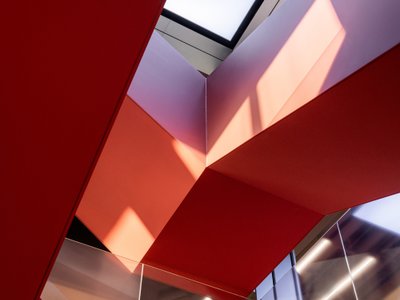
Ippolito Fleitz Group Identity Architects Turn Eight Floors in Shanghai into a Vertical Creative City
Publicis Groupe's new headquarters in Xintiandi reimagines the office as a courtyard-driven urban landscape stacked across eight floors.

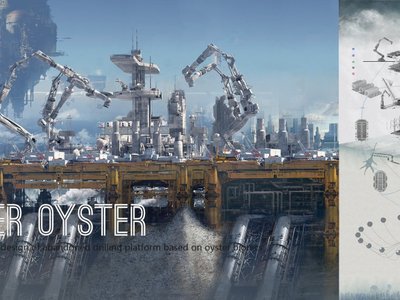
Cyber Oyster: A Visionary Adaptive Reuse Architecture Project Transforming Abandoned Oil Rigs Through Oyster Bionics
An adaptive reuse architecture concept transforming abandoned offshore oil platforms into self-healing marine ecosystems inspired by oyster bionics.


Similar Reads
You might also enjoy these articles


Urban Forest: A Vertical Ecosystem for 5,000 Workers in Singapore's Changi Business Park
Radially stacked pods and layered green decks turn a 7-acre plot into 47 acres of ecological workspace projected for 2040.
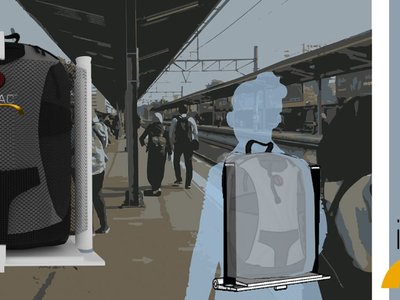
interACT: A Wearable Transit Object That Turns Commuting Into Social Infrastructure
A backpack-mounted foldable device transforms walking, waiting, and riding into moments of shared comfort across Jakarta's transit network.
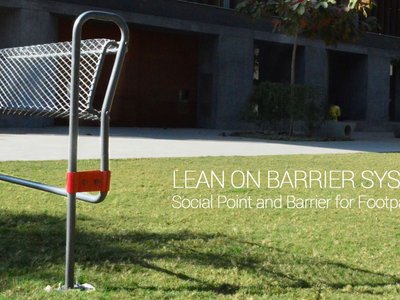
Lean On Barrier System: Where Traffic Safety Meets Chai Culture in Ahmedabad
A modular steel barrier doubles as informal seating and lean-on furniture at one of Ahmedabad's busiest intersections, keeping vendors in place.

The Black Bagh: A Living Monument Built from Water, Light, and Memory
On the banks of the Yamuna, two designers replace the myth of a marble mausoleum with a regenerative landscape of reflection and ritual.


Explore Urban Planning Competitions
Discover active competitions in this discipline




The International Standard for Design Portfolios


The Global Benchmark for Architecture Dissertation Awards


The Global Benchmark for Graduation Excellence


Challenge to design public laboratory
Comments (0)
Please login or sign up to add comments
No comments yet. Be the first to comment!