

Not a Rural House: Redefining Contemporary Rural Architecture
Not a Rural House redefines contemporary rural architecture, blending historic preservation requirements with modern design elements to challenge traditional notions of authenticity.


Not a Rural House challenges traditional notions of contemporary rural architecture, presenting a modern reinterpretation of vernacular design. Created by AACM - Atelier Architettura Chinello Morandi, the project responds to strict Italian building regulations that dictate the retention of historical building forms, even when structures are newly constructed.
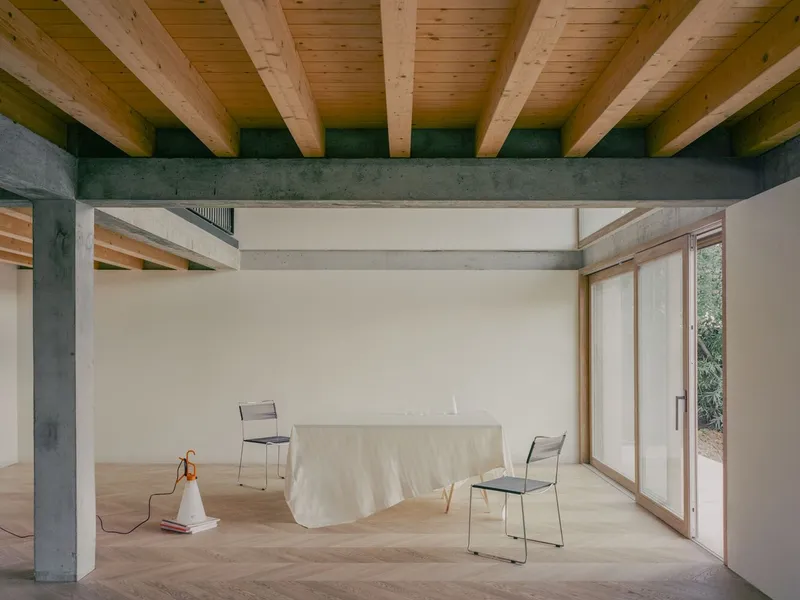
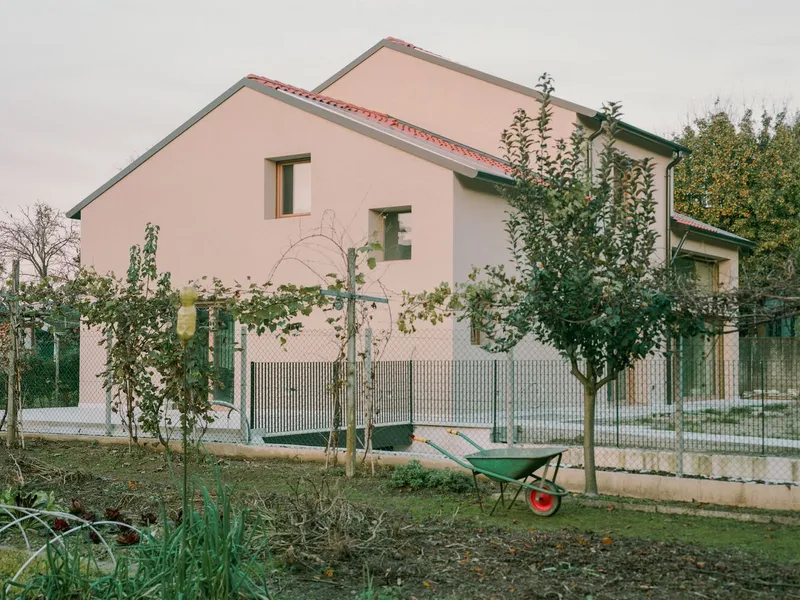
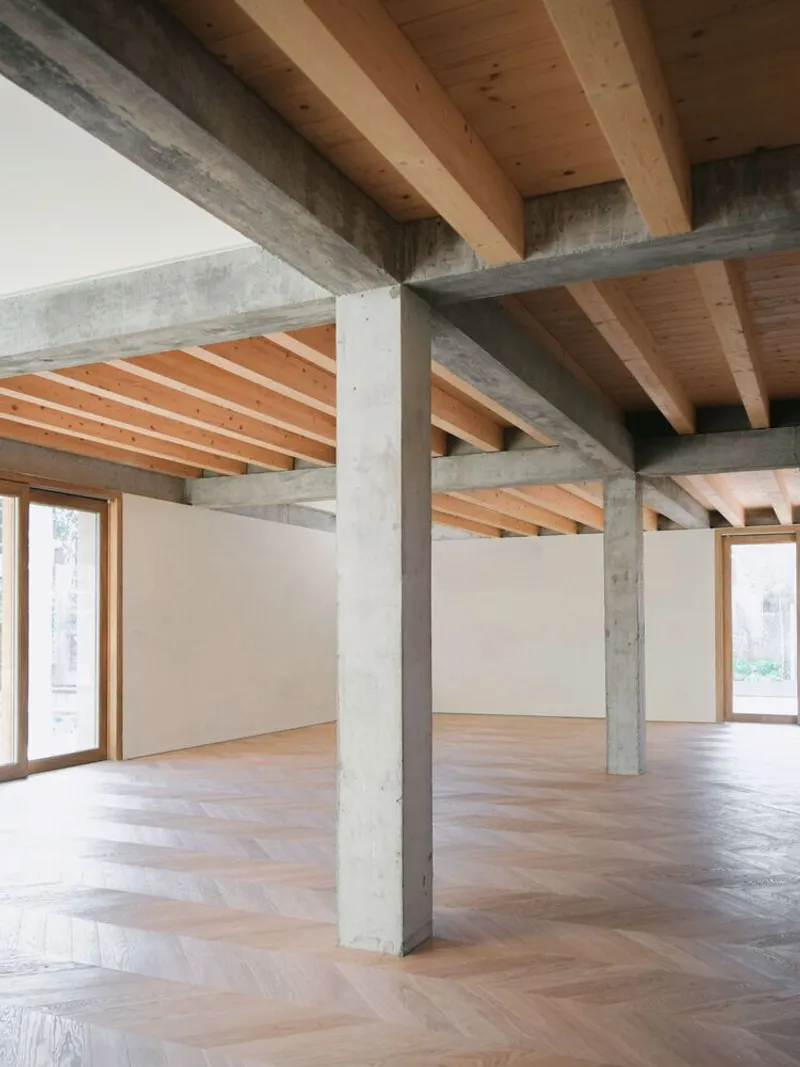
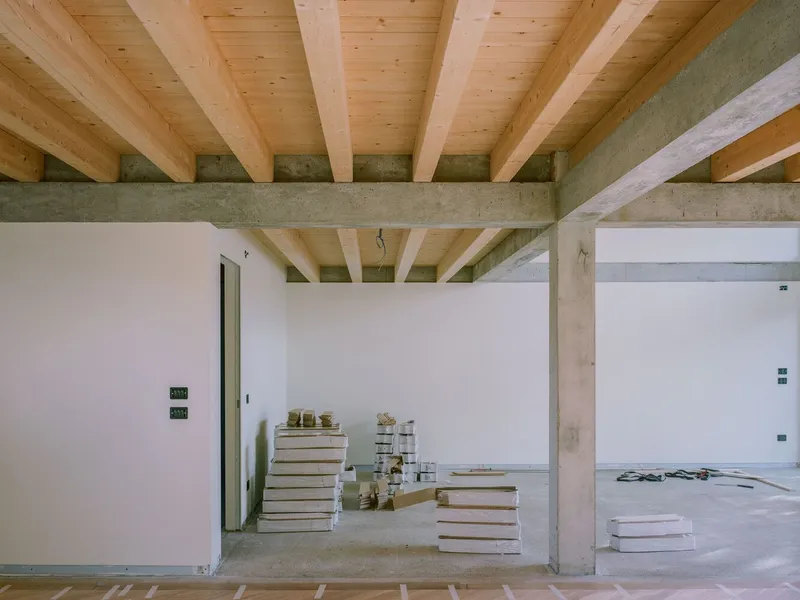
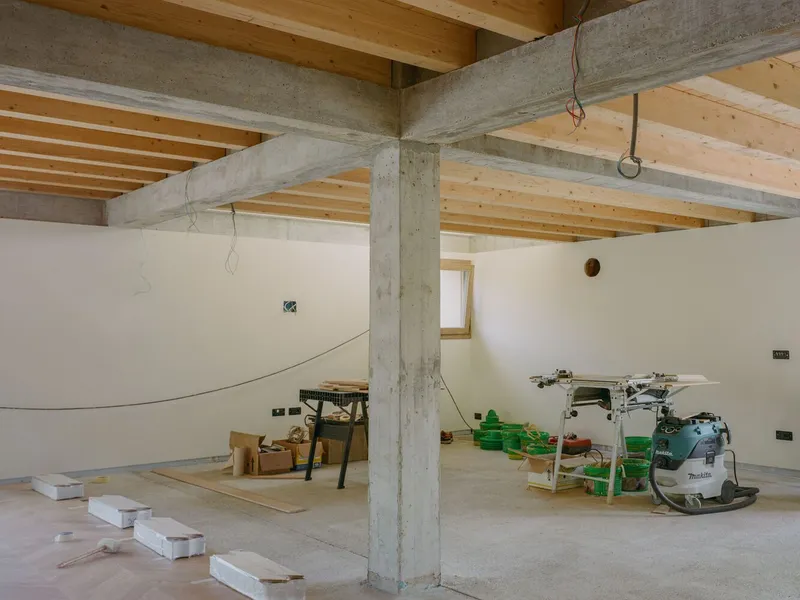
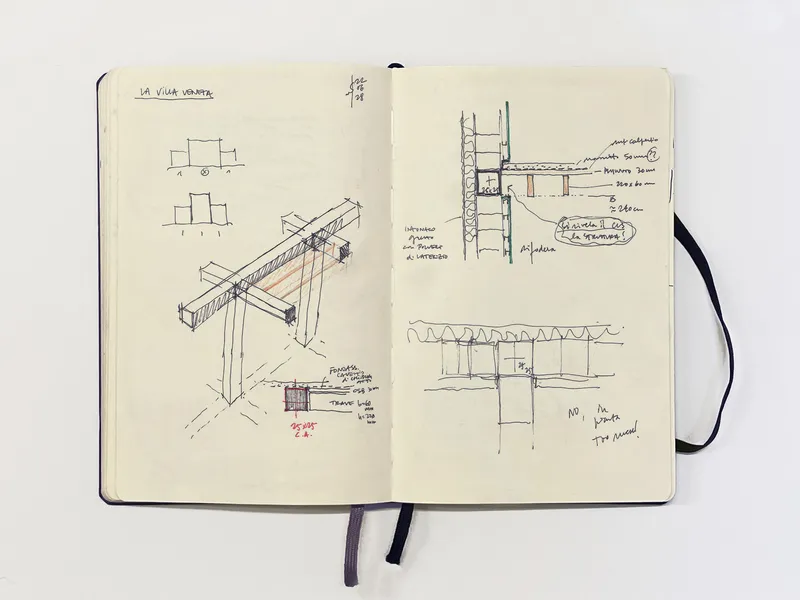
Faced with the requirement to replicate the outline of a demolished barn, the architects subverted the intent by crafting a home that externally resembles a traditional rural house, but internally exposes its true contemporary essence. Through the use of reinforced concrete, timber framing, and Palladian spatial principles, the house asserts its identity as a modern intervention within a historic framework.
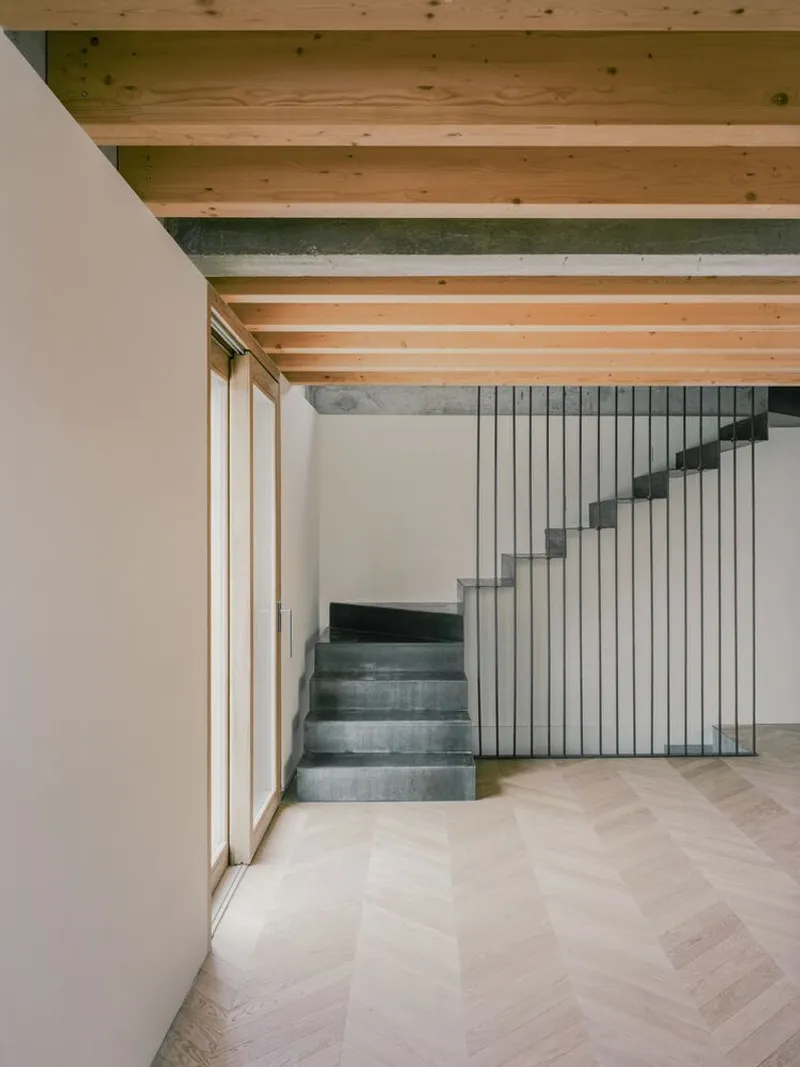
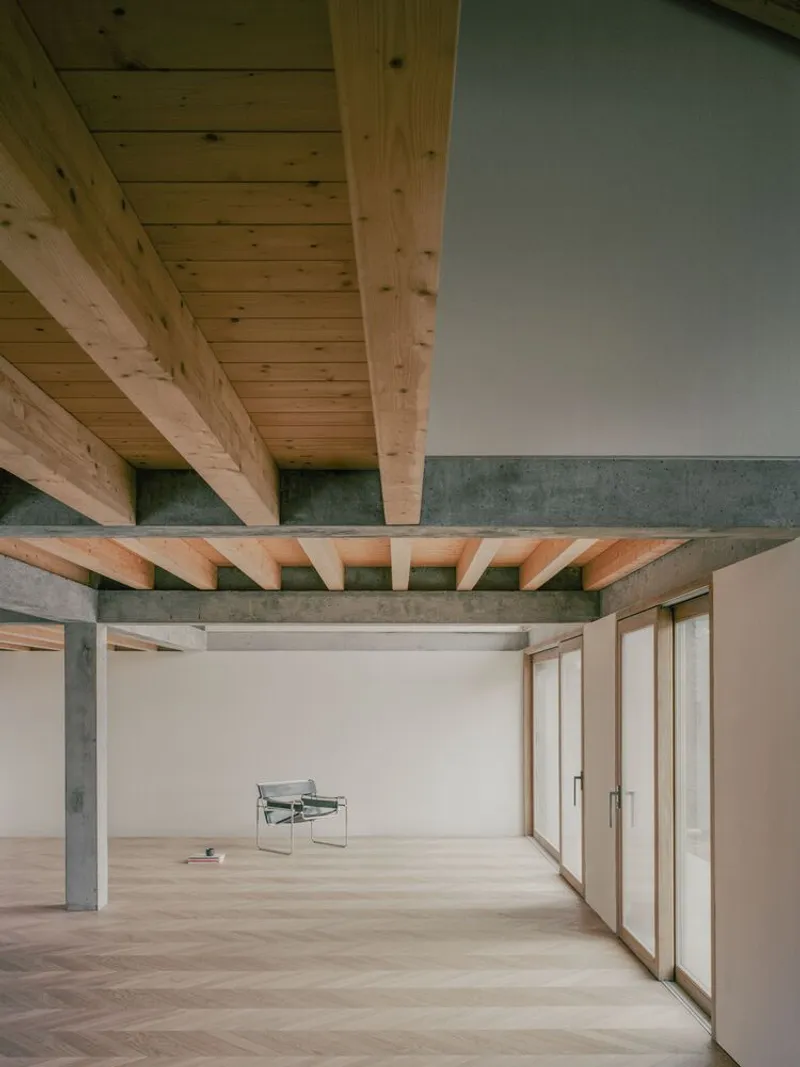
Architectural Paradox: The Illusion of Tradition
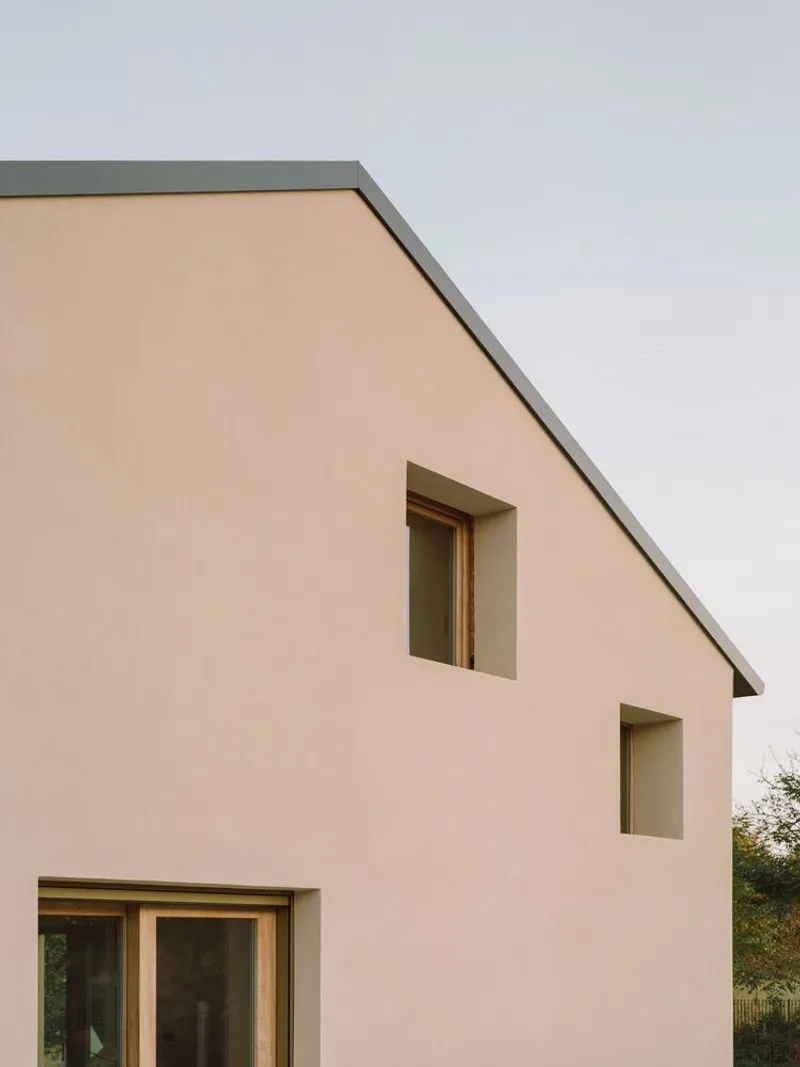
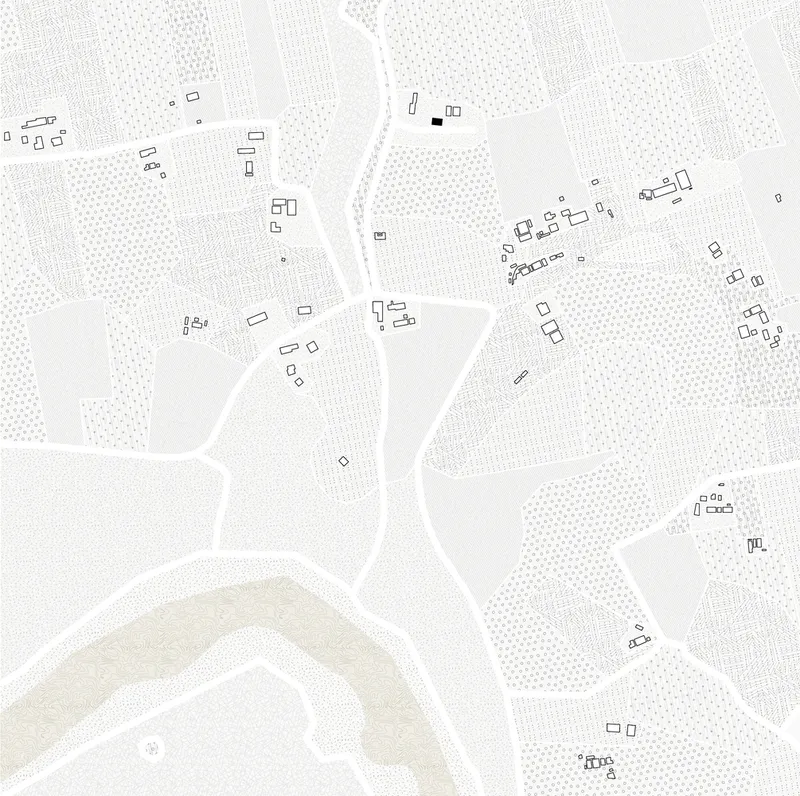
Italian regulations governing rural architectural preservation required the new residence to fit within the exact footprint, volume, and shape of the original crumbling barn. This legislative constraint led to a visually deceptive structure—one that appears historical on the outside yet reveals a modern soul within.
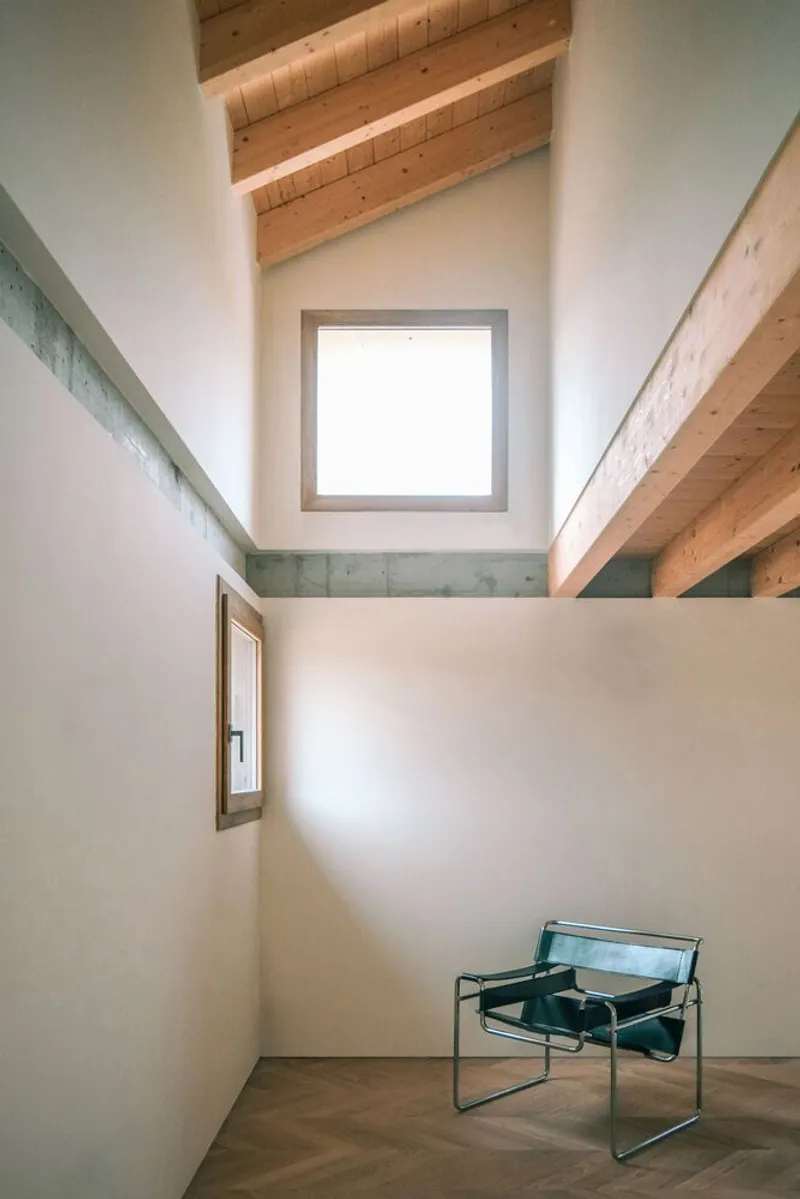
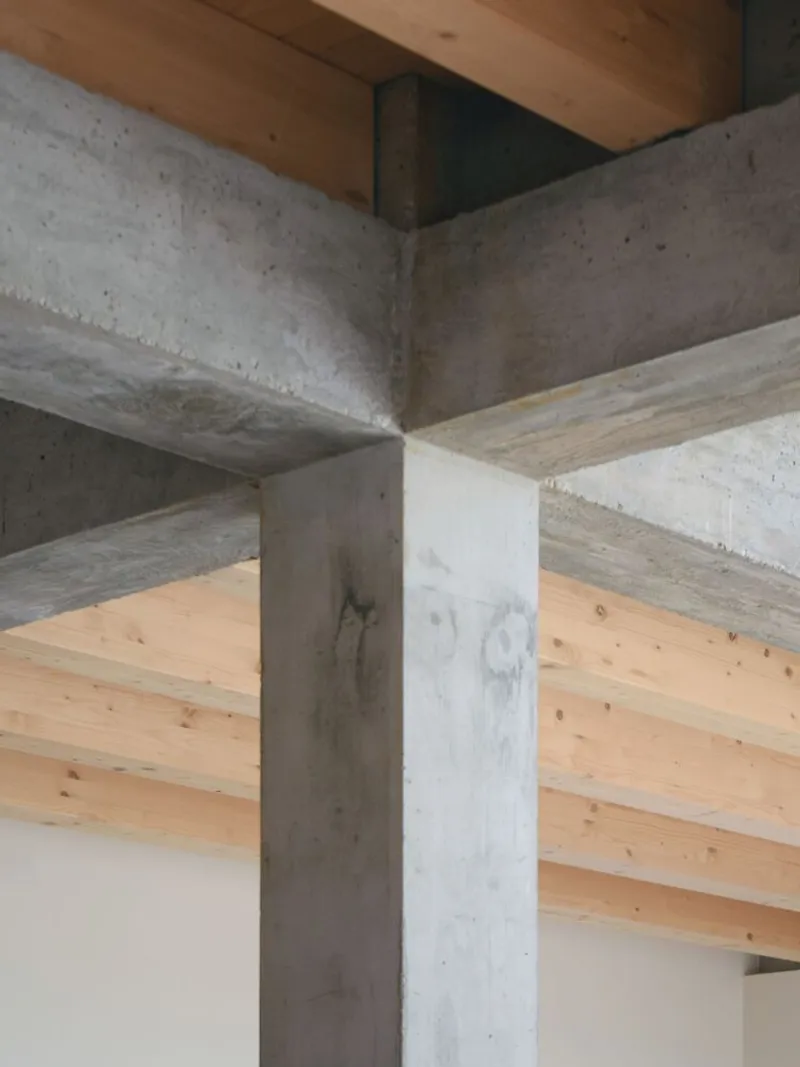
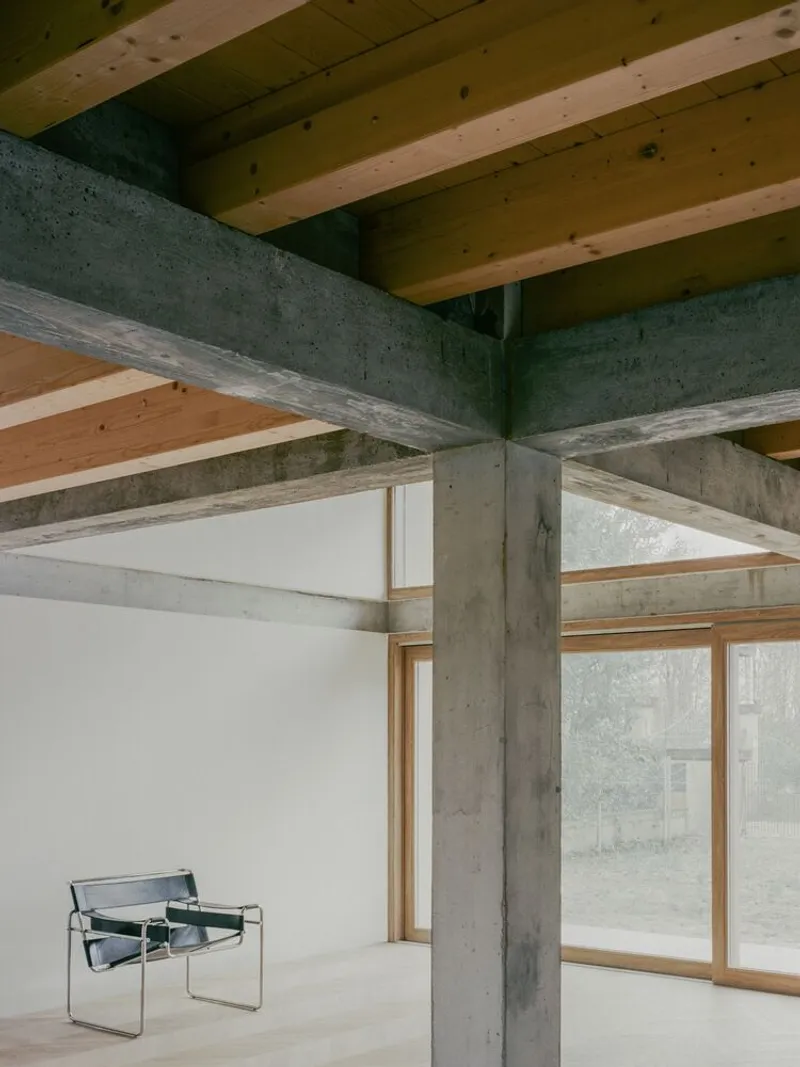
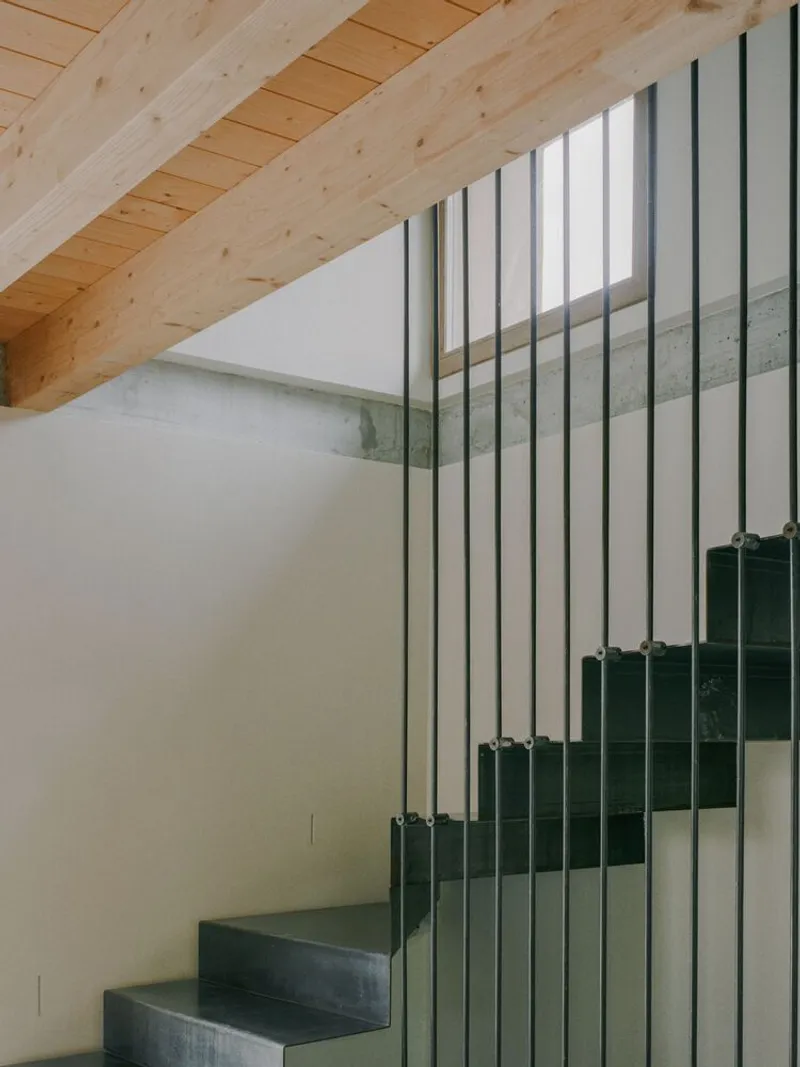
Rather than resisting the imposed framework, the architects embraced the paradox and exposed the contrast. The exterior respects the historic façade ratios and material finishes dictated by rural preservation laws, but the interior tells a different story. The concrete skeleton, timber frame, and minimalist spatial configuration stand in deliberate opposition to the nostalgic exterior. This approach transforms the regulatory limitations into an architectural critique, questioning the meaning of authenticity in contemporary rural architecture.
Spatial Composition: A Modern Take on Palladian Proportions
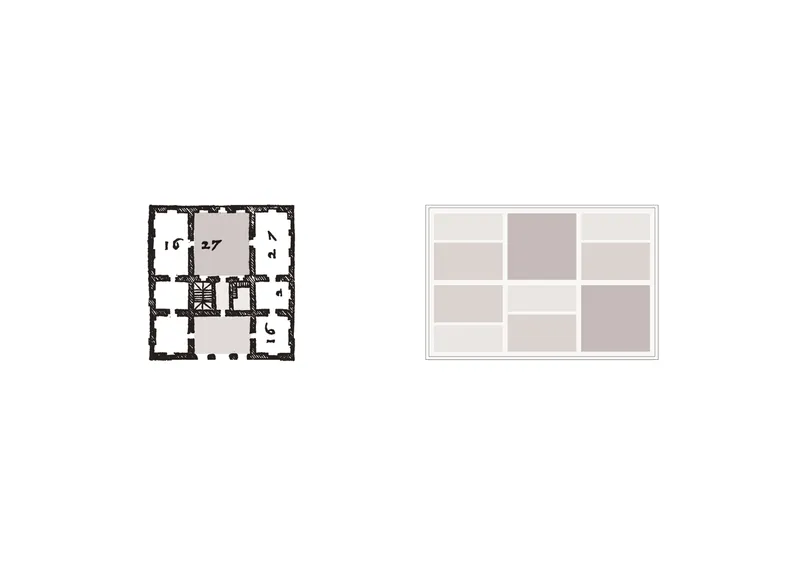
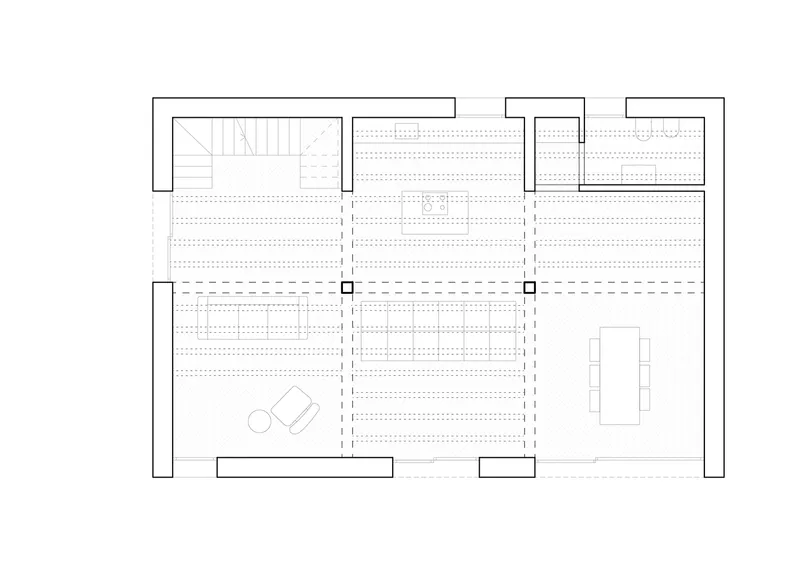
The internal layout of Not a Rural House references the Palladian spatial traditions seen in Venetian Villas, aligning with classic 2+3=5 proportional systems. While the structure embraces modularity and rhythmic repetition, it fosters a dynamic interaction between solid and void, openness and enclosure.
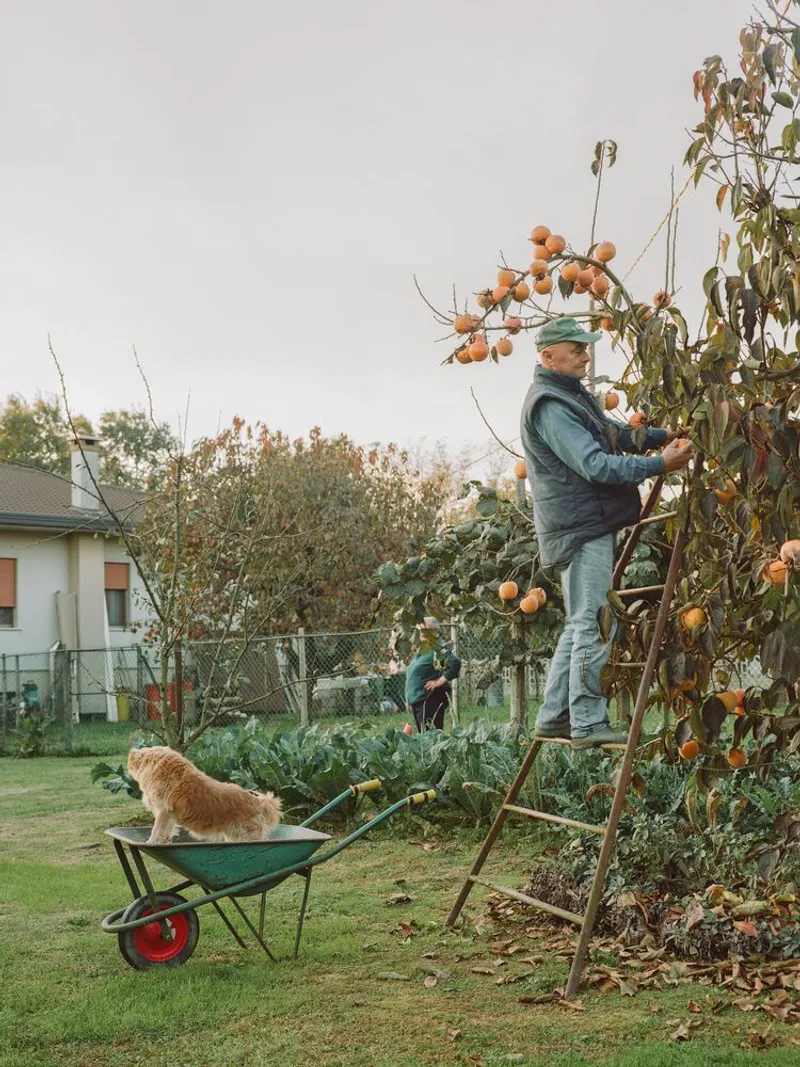
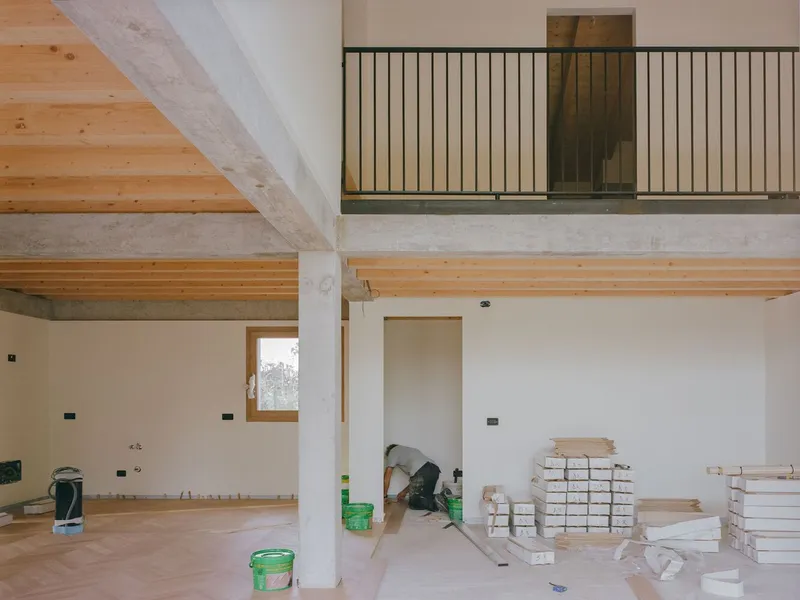
From the living room to the stairwell, the house is designed to engage with the surrounding rural landscape through carefully framed views and visual axes. These openings create a dialogue between architectural geometry and nature, reinforcing the house’s dual identity as both a rural homage and a modern statement.
Materiality: A Dialogue Between Past and Present
Material selection in Not a Rural House reflects the tension between history and modernity. The interplay between the “finished” and the “unfinished” is evident in the juxtaposition of exposed concrete, raw structural elements, and refined herringbone parquet flooring.
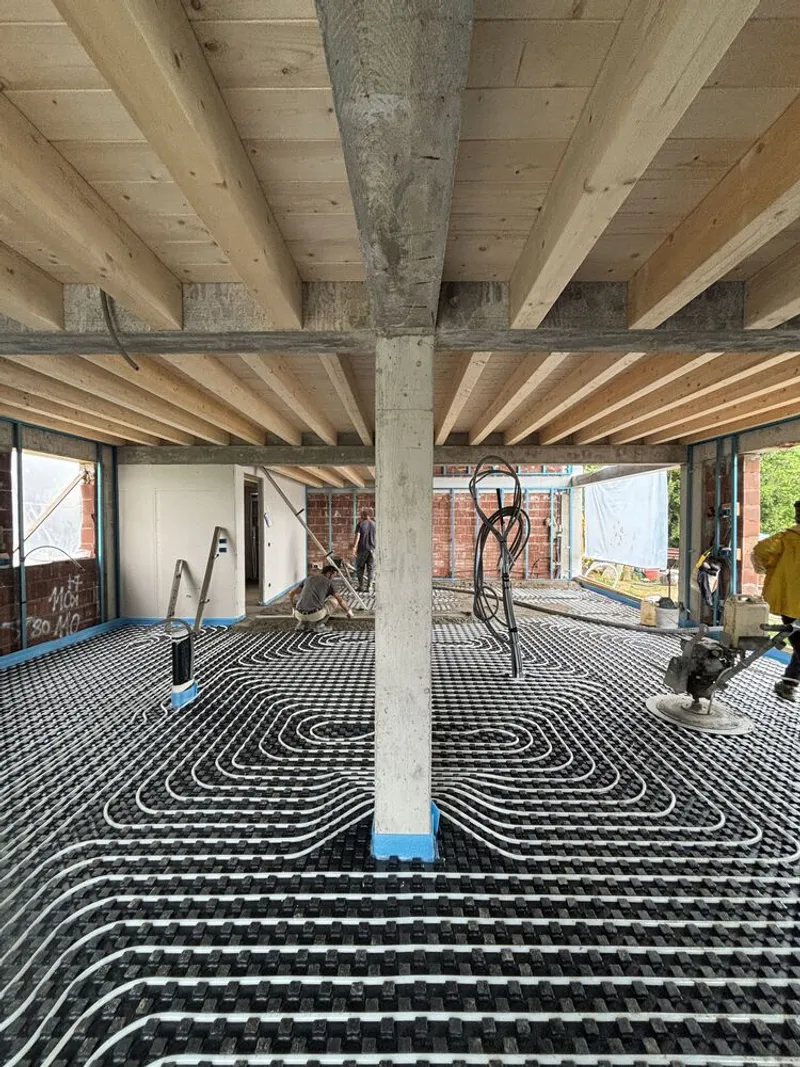
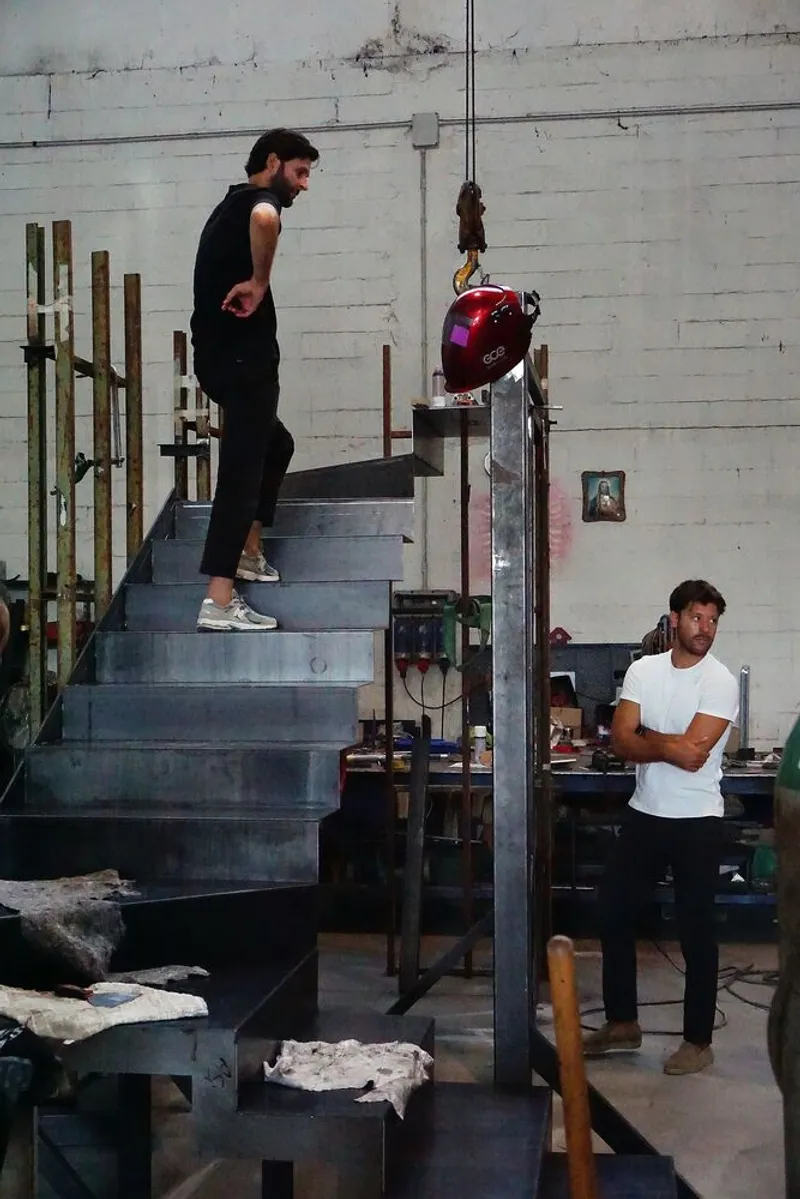
The warm tones of timber and the soft glow of grazing light contribute to an atmosphere of slow living, emphasizing the house’s connection to seasonal rhythms and the natural world. This fusion of raw and refined materials enhances the project's thematic contrast—where the surface pays tribute to the past, but the core belongs to the present.
A Critical Statement on Rural Preservation Laws
Beyond its architectural merits, Not a Rural House serves as a provocative commentary on Italy’s rural preservation policies. By complying with regulatory demands while simultaneously challenging their relevance, the project questions the authenticity of imposed historicism.
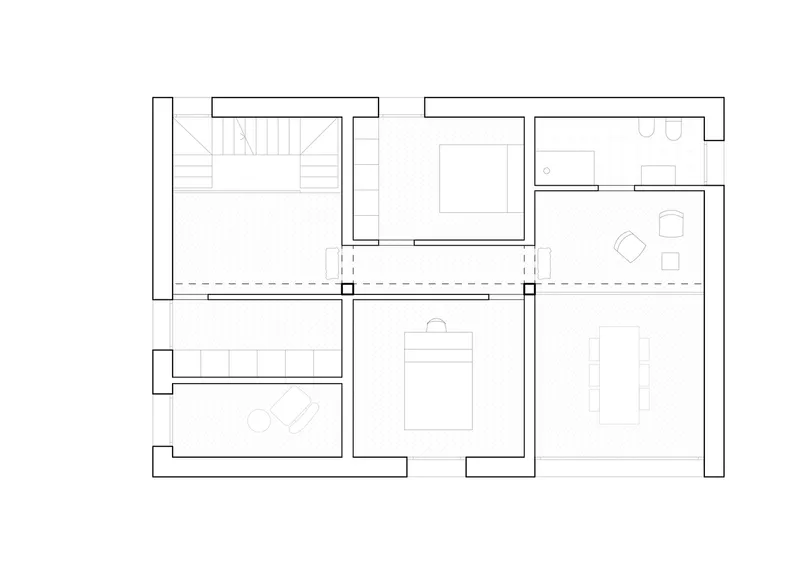
This project does not reject rural traditions but instead reinterprets them through contemporary design principles. The architects demonstrate how strict building codes, often intended to preserve history, can instead lead to the creation of architectural fictions—where structures appear traditional yet function in an entirely modern way.
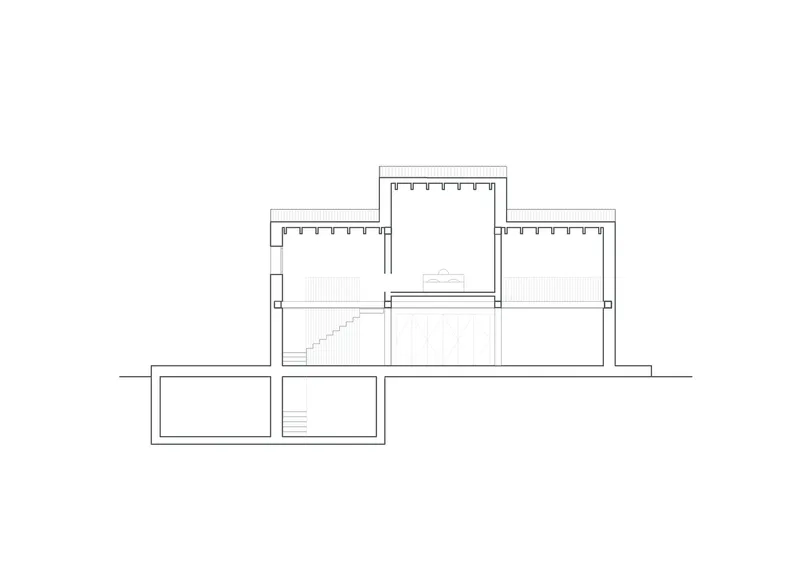
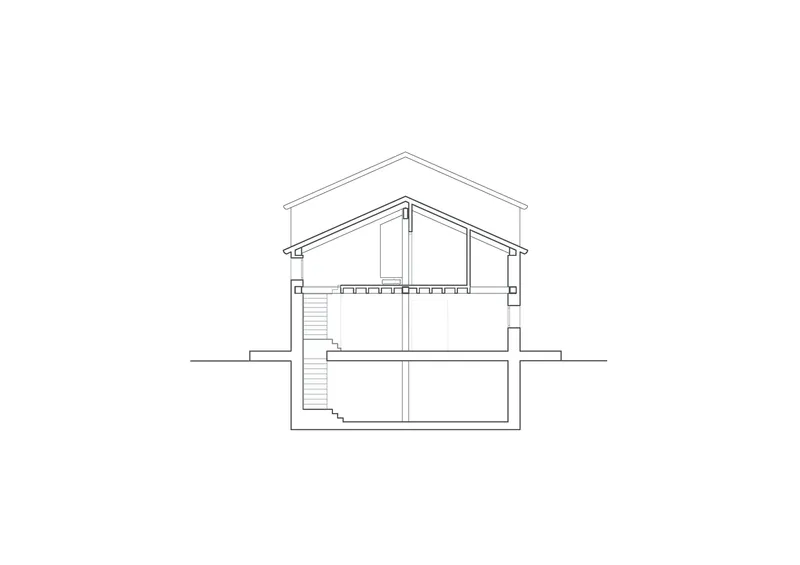
Not a Rural House is a defining example of contemporary rural architecture, demonstrating how constraints can inspire innovative design solutions. By embracing and exposing the contradictions between regulation and authenticity, the architects have crafted a residence that blends the past and present, using materiality, proportion, and spatial sequencing to create a truly unique living experience.
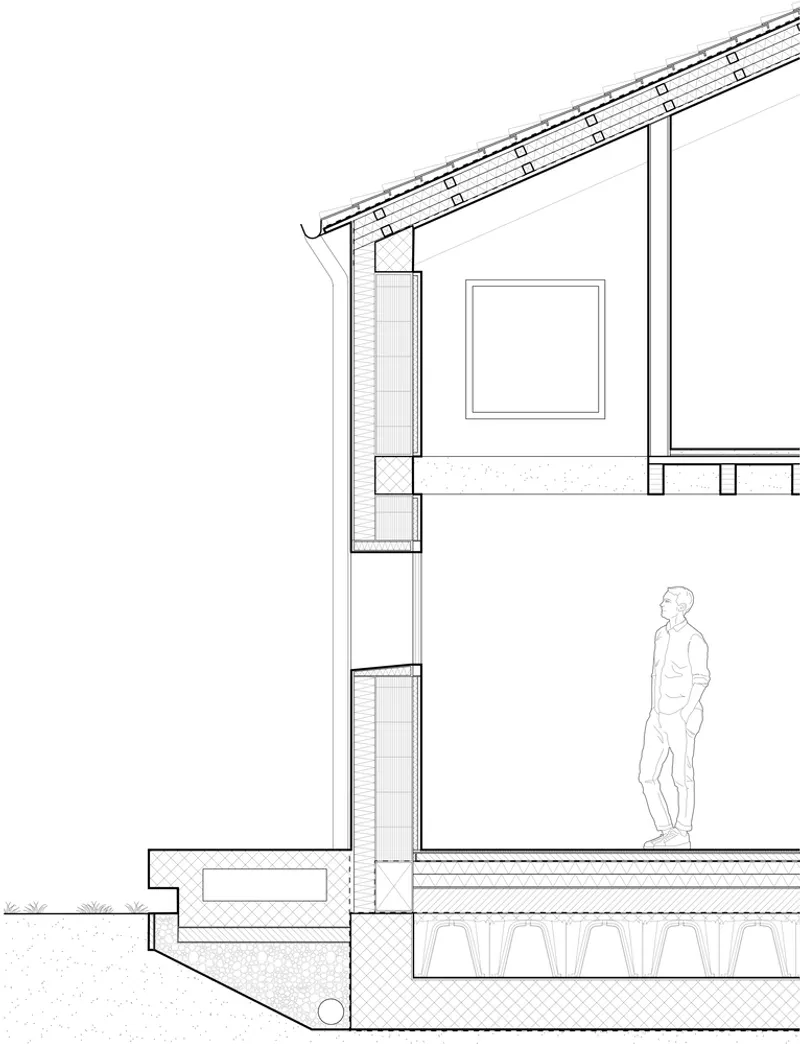
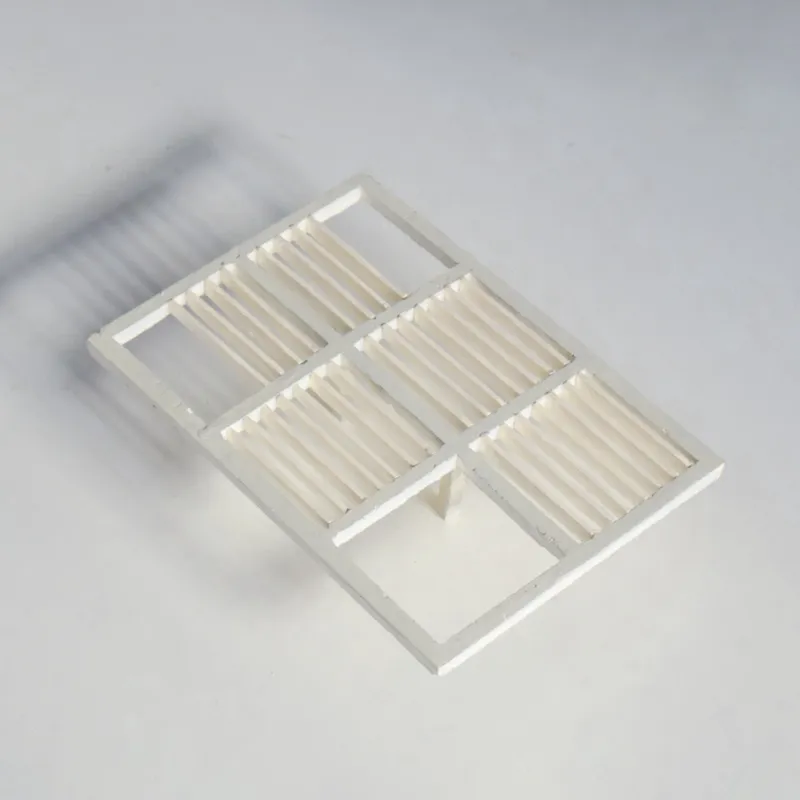
This house is more than a home; it is a critical dialogue between legislation and creativity, proving that even within the strictest architectural frameworks, there is room for innovation, critique, and modern reinterpretation.
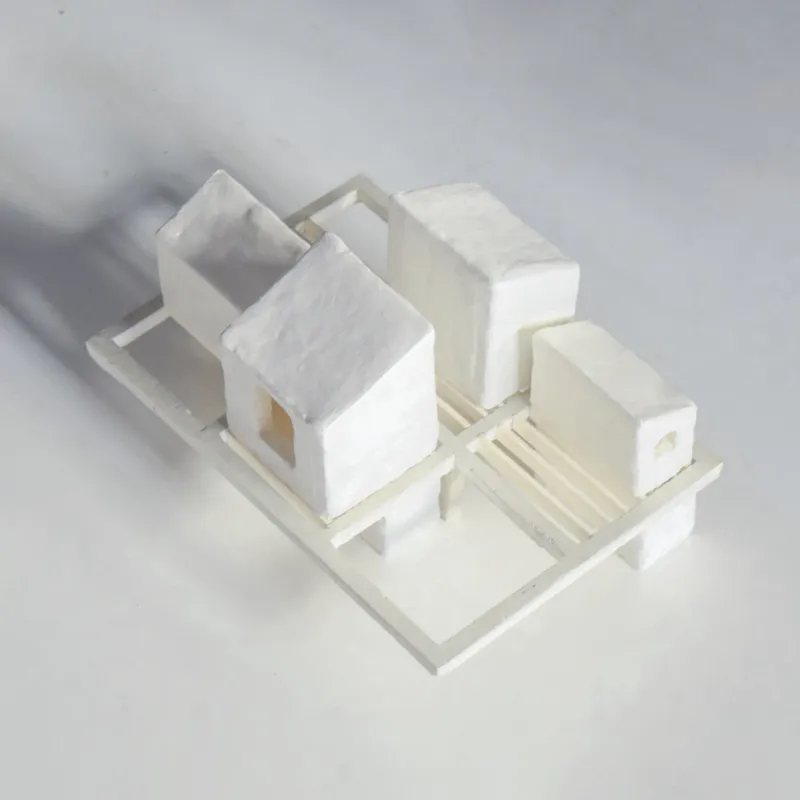
All Photographs are works of Lorenzo Zandri, AACM - Atelier Architettura Chinello Morandi


Popular Articles
Popular articles from the community


Manzana Morphosis: Stretching Barcelona's Grid into a Living Landscape for 2050
A radical reworking of the Eixample manzana turns density into a tool for generous public space, vertical ecology, and environmental performance.

Extended Shell: Retrofitting Kolkata's Balconies as Living Urban Thresholds
A modular retrofit system recovers the social and environmental intelligence of Kolkata's historic verandas for contemporary Park Street residents.
Temporary Home for Dogs: A Reversed Zoo Rethinks Animal Shelter Architecture
In Bucharest, a sinuous corridor and freed landscape flip the logic of containment, designing a shelter that works to make itself unnecessary.

The Amber Palace Opera: A Geological Fiction Surfaces on Tallinn's Baltic Waterfront
Pierre Brillard reimagines a Baltic legend as a public landscape, opera house, and waterfront promenade rooted in Tallinn's coastal identity.

Similar Reads
You might also enjoy these articles


FAMM Arquitectura Organizes Ten Villas Around Courtyards and Jungle in Nosara, Costa Rica
El Molino pairs two elongated volumes with deep overhangs and timber louvers to build a compact coastal community five minutes from the beach.

Oscar Niemeyer's Ibirapuera Park Pavilions Define São Paulo's Cultural Identity in Concrete and Curve
A constellation of modernist volumes set within São Paulo's most important urban park, conceived for the city's 400th anniversary in 1954.

Sanjay Puri Architects Wraps a Jaipur Office Tower in Capsule-Shaped Green Buffers
A nine-level climate-responsive workplace near Jaipur Airport uses stacked planter terraces and aluminium screens to fight 40°C heat.
RHO Converts a Berlin Spree-Side Industrial Courtyard into Enkime's 1,000 m² Agency Headquarters
A social media agency's new home in Charlottenburg trades glossy branding for concrete waffle ceilings, glazed tile, and sheer curtains.

Explore Vernacular Architecture Competitions
Discover active competitions in this discipline

Challenge to reimagine the Iron Throne

Photograph architecture without architects

Illustrate the lost glory of Angkor Wat - Render Challenge

Design challenge to reuse E-waste
Comments (0)
Please login or sign up to add comments
No comments yet. Be the first to comment!