
Nungalinya Accommodation by Incidental Architecture: Culturally Responsive Student Housing in Darwin
Culturally sensitive student housing in Darwin, blending passive design, community collaboration, and Indigenous values for sustainable, inclusive architecture.


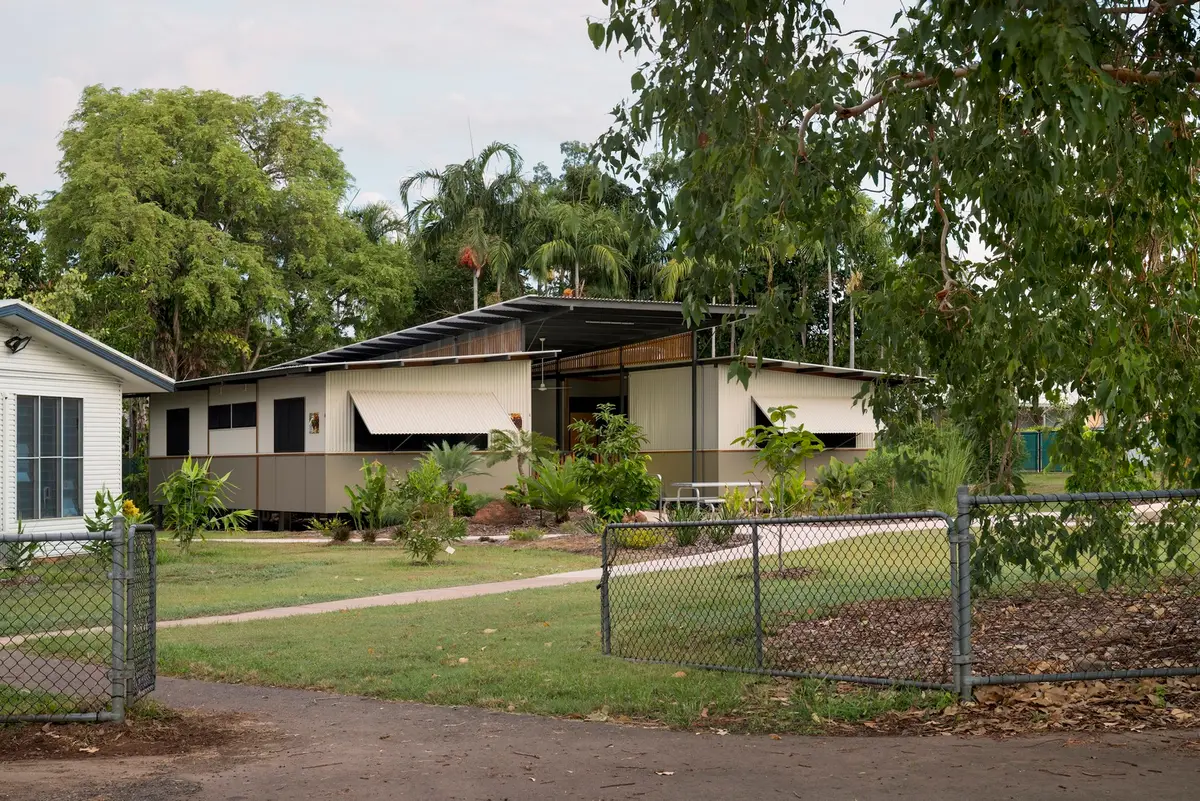
Located in Darwin, Australia, the Nungalinya Accommodation project by Incidental Architecture redefines the design of educational lodging by prioritizing cultural sensitivity, sustainability, and community participation. Developed between 2018 and 2021 in collaboration with C&R Constructions, engineers WGA RFP, and the Indigenous community of the Northern Territory, the project delivers five student accommodation units for Indigenous adult learners attending Nungalinya College.
Spanning 630 square meters, the design responds to both climatic and cultural imperatives, creating environmentally efficient, socially inclusive, and cost-conscious housing solutions that are both robust and flexible. The phased construction model allowed time for community feedback and design evolution, embodying a truly participatory architectural process.
Architecture for Social Equity
Incidental Architecture operates with the belief that good design should be accessible to everyone, especially those traditionally underserved by architectural practice. The Nungalinya project exemplifies this ethos. While the firm engages in bespoke, custom-built residential work, this initiative highlights their commitment to architecture as a tool for empowerment and equity.
The brief evolved through continuous dialogue with students and staff, ensuring the design reflected real needs. Adjustments such as improved privacy at entries, enlarged bedrooms, and cost-effective repositioning of air conditioning units were directly informed by user feedback. This co-design process strengthened trust and brought Indigenous perspectives to the forefront—resulting in architecture that is not only functional but emotionally resonant.
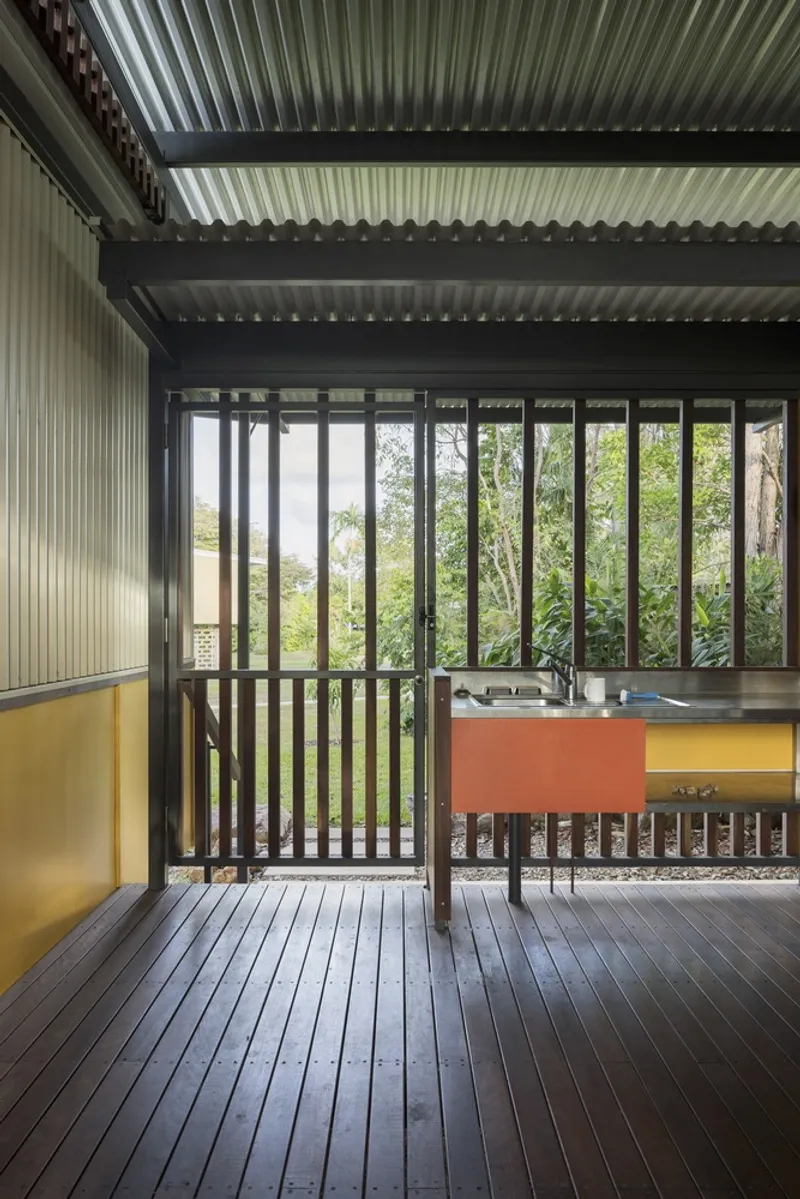
Passive Design Meets Cultural Consideration
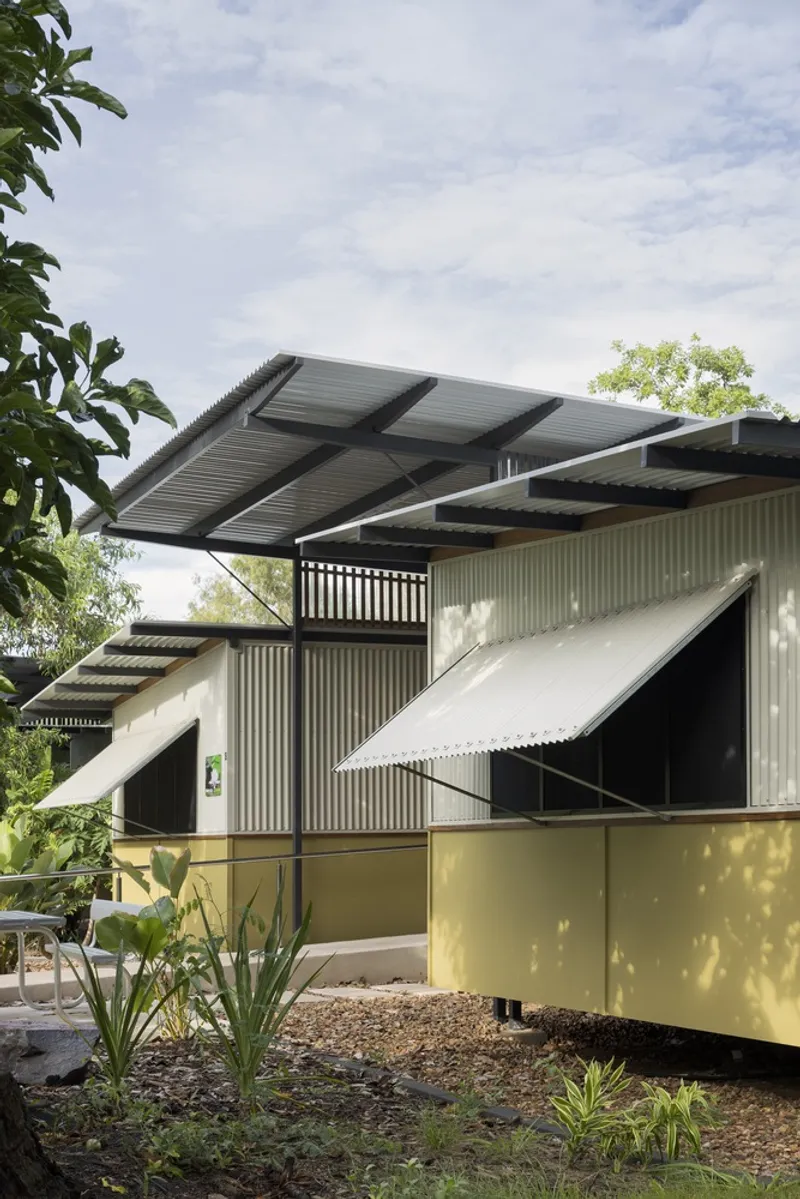
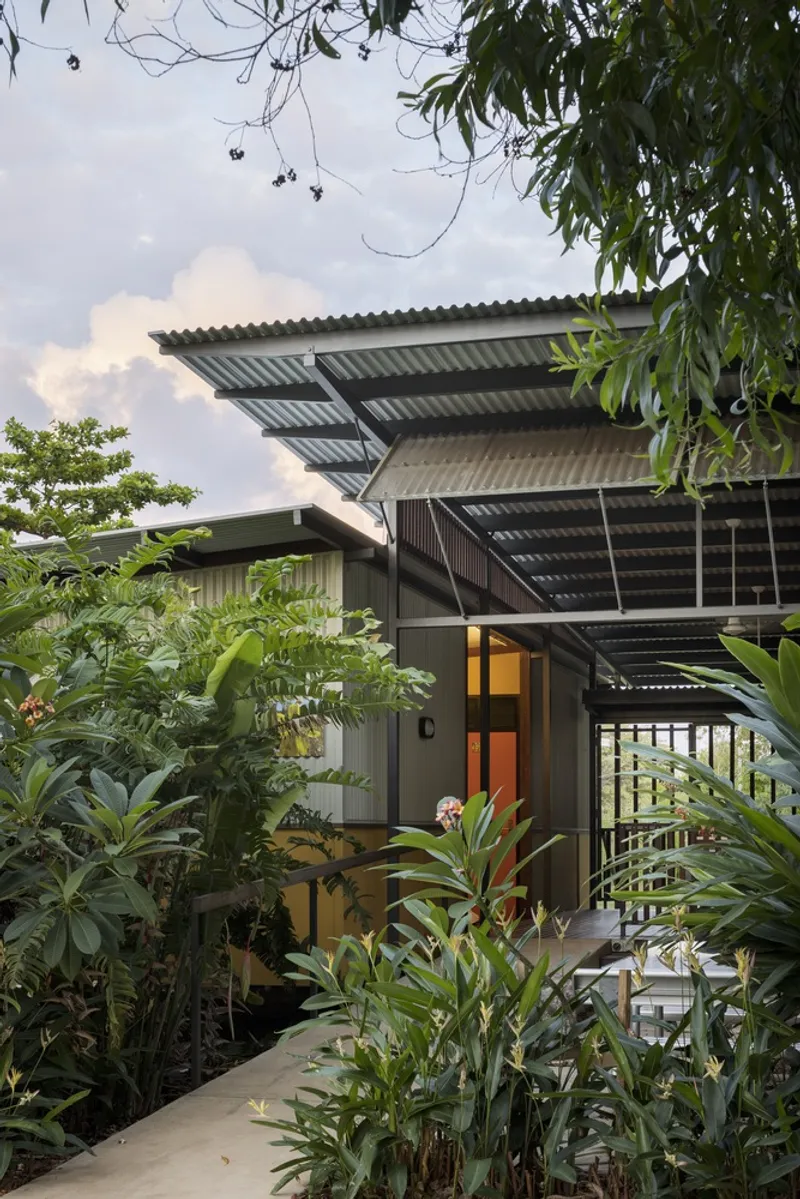
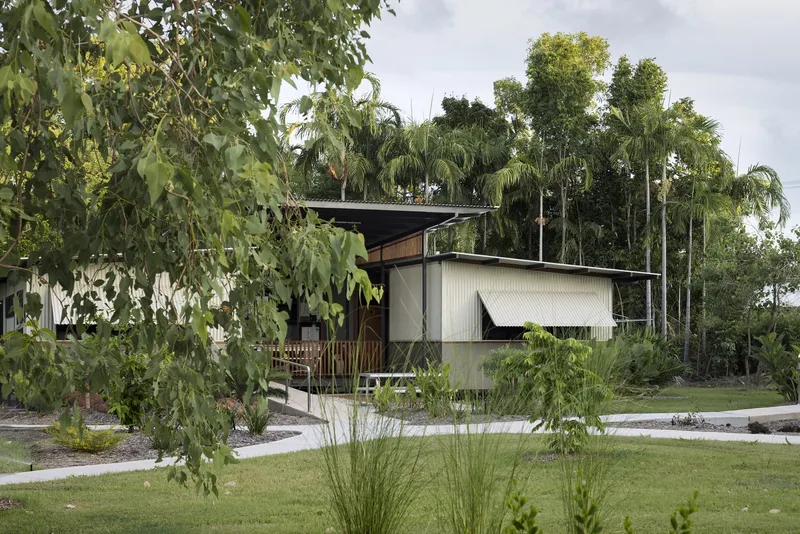
The site layout is symmetrical and rectilinear—efficient, legible, and economical. The centerpiece of each unit is an elevated breezeway, a semi-open communal living space designed to harness Darwin’s prevailing winds. Equipped with ceiling fans and open to lush gardens, the breezeway fosters passive cooling, reduces energy usage, and supports visual connection and passive surveillance—a design move rooted in Indigenous cultural values of community visibility and safety.
The architectural language is deliberately understated. Material simplicity, climate responsiveness, and adaptability define the project’s aesthetic and operational ethos. Units are flexible enough to support varying levels of privacy and social interaction, essential for a population coming from diverse remote communities.
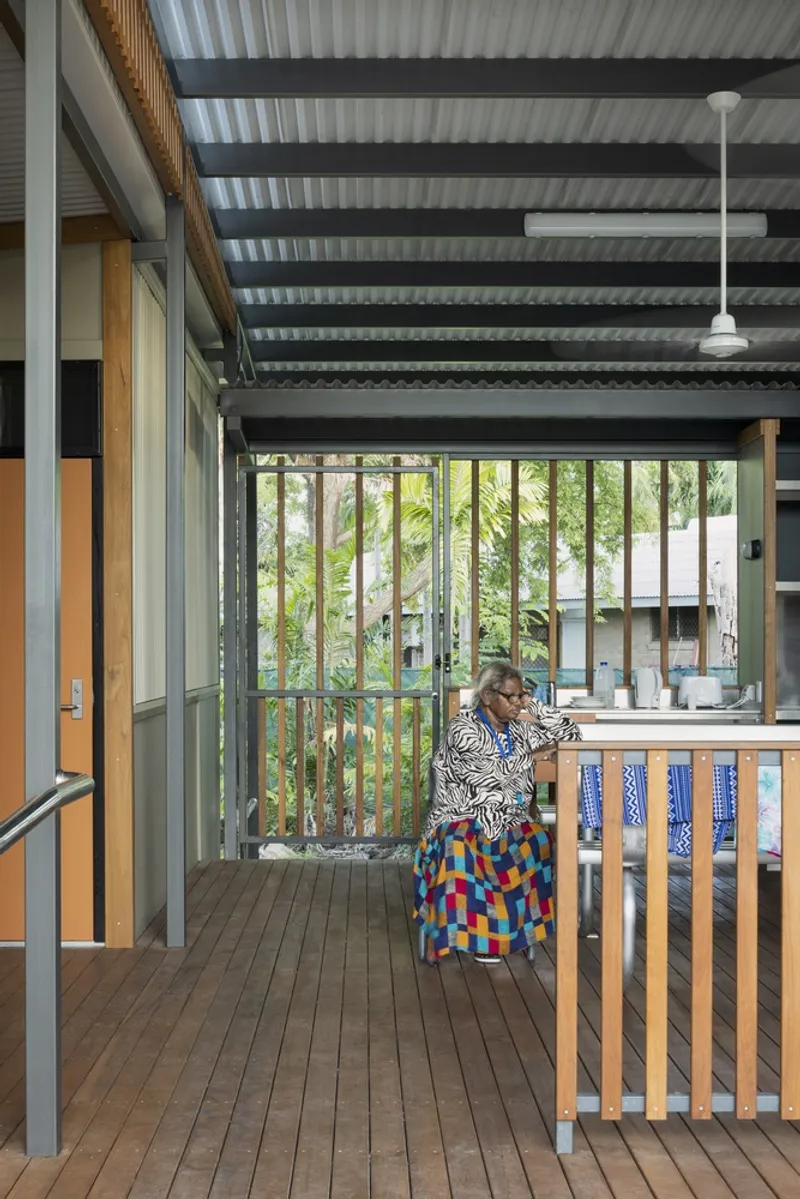
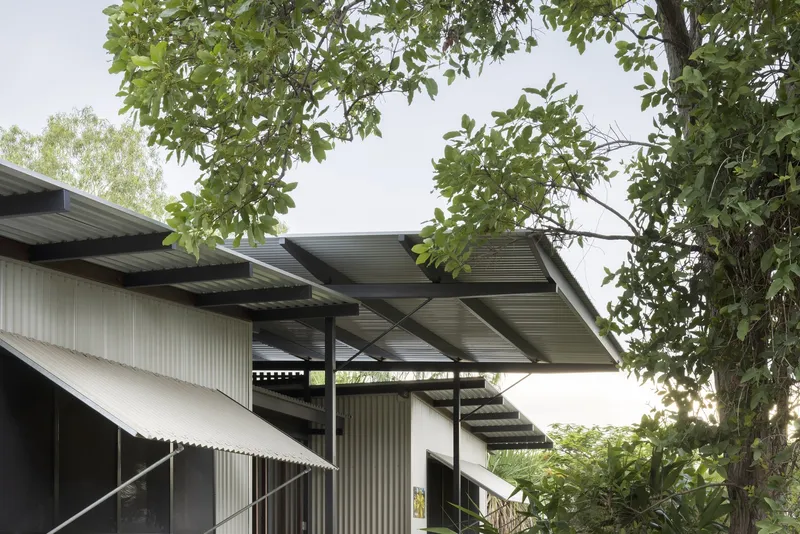
Building Community Through Design
Architects Matt Elkan and Daina Cunningham emphasize that architecture is a collaborative act. The success of the Nungalinya project is owed not only to designers but to engineers, landscape architects, builders, and community members. This collective process reflects the firm’s philosophy that “a good idea is a good idea no matter who had it.”
The result is not just a group of buildings, but a transformational space. As Ben van Gelderen, President of Nungalinya College, notes, the new accommodation has uplifted the spirits of students—many of whom come from overcrowded or inadequate housing. They feel respected and valued through the architecture itself, a profound testament to the project’s social impact.
At Nungalinya, architecture becomes an agent of dignity, trust, and knowledge exchange, bridging Indigenous wisdom with contemporary spatial practices.
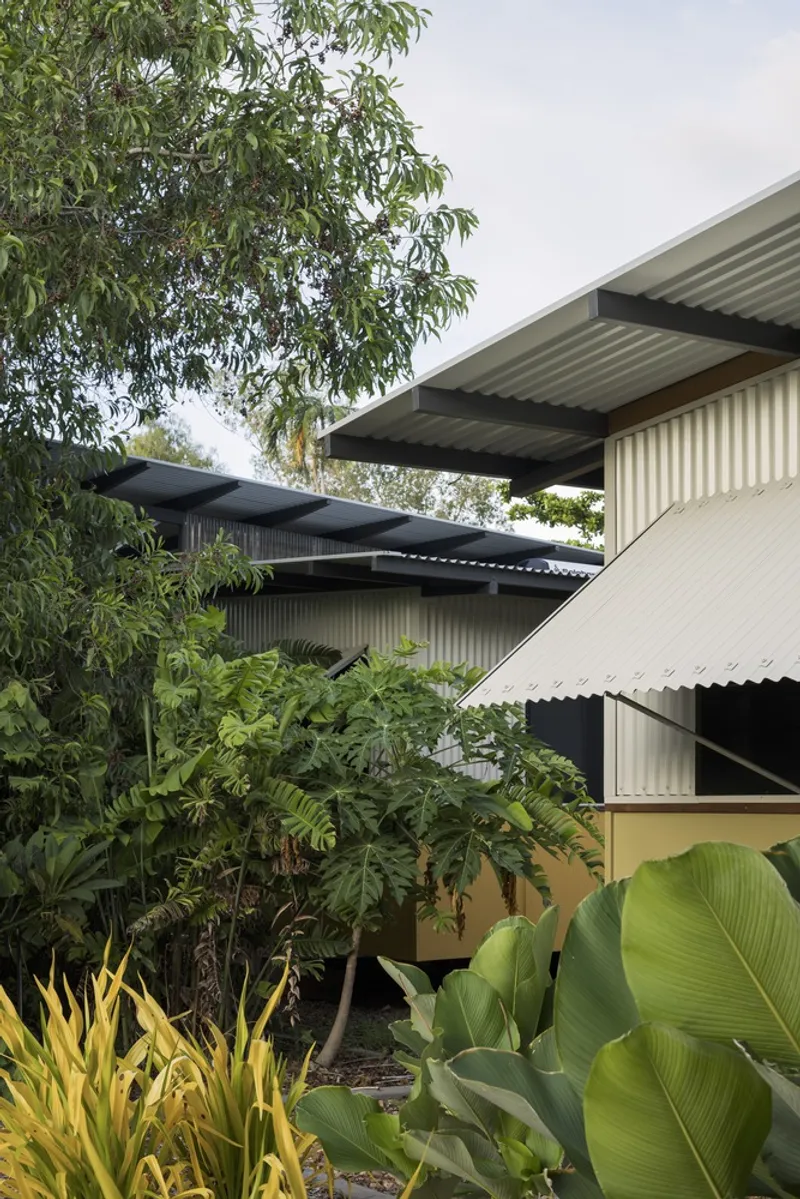
All Photographs are works of Clinton Weaver


Popular Articles
Popular articles from the community


Cloaked Colonization: A Mobile Underwater Habitat That Moves Like a Fish
Micah Abaya's shortlisted EHC Pacific entry reimagines ocean settlement as a dispersed network of self-sustaining architectural organisms.

Singing Woman: An Opera House That Performs Before the Curtain Rises
Ovidiu Cristian Pavel's conceptual opera house translates Estonia's choral identity into a sculpted waterfront landmark facing the Baltic Sea.

Opera by the Sea Estonia: Three Shells Dissolving Architecture into Tallinn's Coastline
A winning opera house proposal replaces monumental form with interconnected shells that blur the boundary between building, park and Baltic Sea.

Tsunami Convergenics: Turning Catastrophic Ocean Forces into Underwater Housing Infrastructure
A speculative underwater settlement off the coast of Onagawa, Japan, treats tsunamis and typhoons as energy sources rather than threats.

Similar Reads
You might also enjoy these articles


Hodi-Mandai Geram
Project Function: Preservation and revitalization of the Intangible heritage and socio-spatial identity of the Hodi by Housing, Cultural Memory Center, Sacred Grove, landscape, local tourism economy


Olio Towers: A Mid-Rise for Performers That Fuses Housing, Rehearsal, and Stage
Located blocks from Houston's Theater District, this modular tower stacks living units around a central performance atrium.

Oasis: Modular Green Housing Carved into Dhaka's Urban Fabric
A shortlisted Plugin Housing entry reclaims unauthorized settlements in Dhaka with stepped concrete volumes, green roofs, and ventilation-driven design.

Black Hole: A Floating Megastructure for the Post-Physical Era
Emiliano Mazzarotto envisions a spherical, self-scaling arena where e-sports, digital hotels, and holographic stadiums replace traditional public space.

Explore Hospitality Building Competitions
Discover active competitions in this discipline

Challenge to reimagine the Iron Throne

Photograph architecture without architects

Illustrate the lost glory of Angkor Wat - Render Challenge

Design challenge to reuse E-waste
Comments (0)
Please login or sign up to add comments
No comments yet. Be the first to comment!