
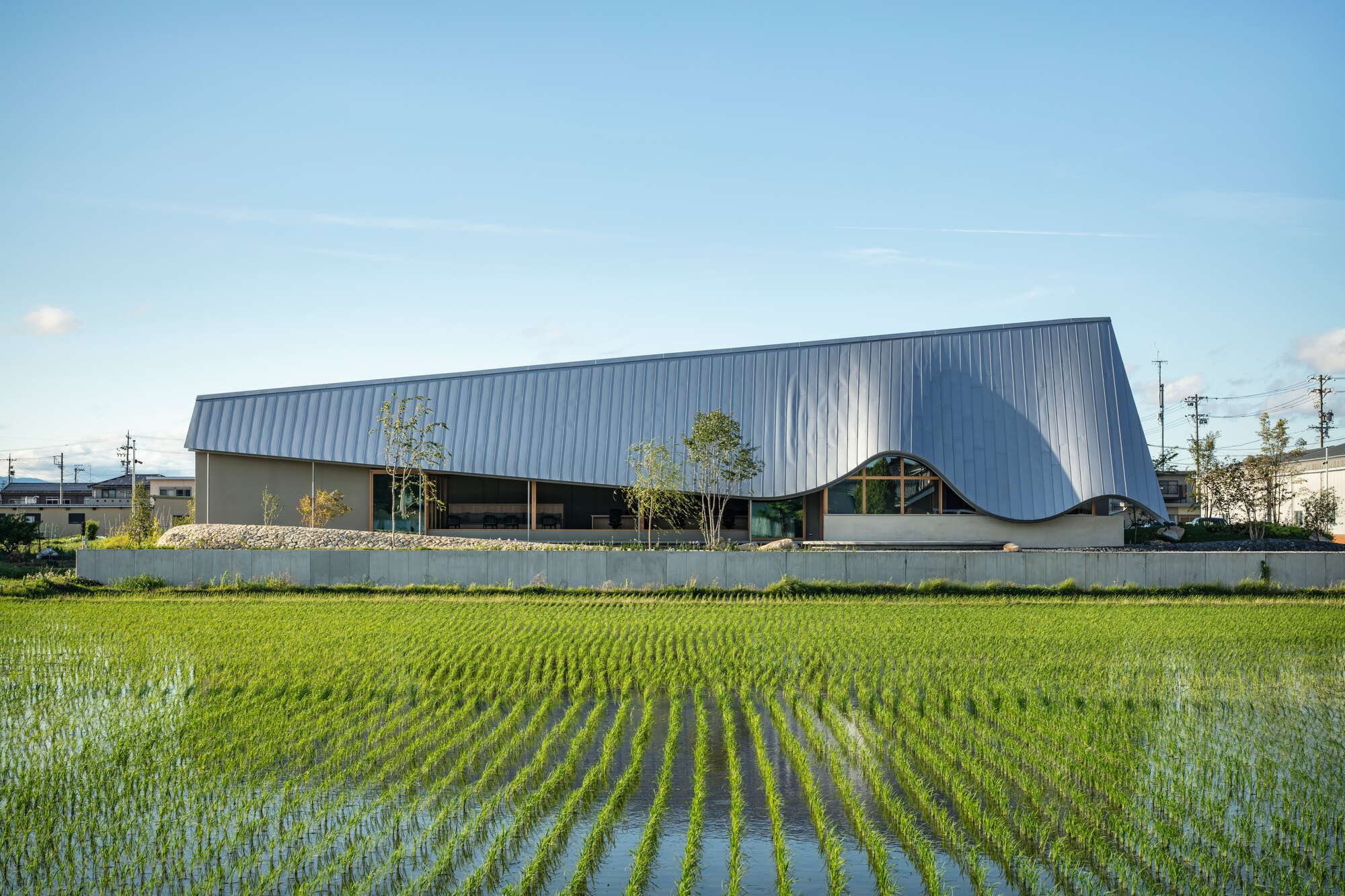
Office in Hashima by PERMANENT Co., Ltd. + Atelier Nagara Architectural Design Office
Office in Hashima blends modern workspace with nature, featuring wooden interiors, sloped roofs, and courtyards that harmonize architecture with rural serenity.

Redefining Workplace Architecture Through Nature: The Office in Hashima
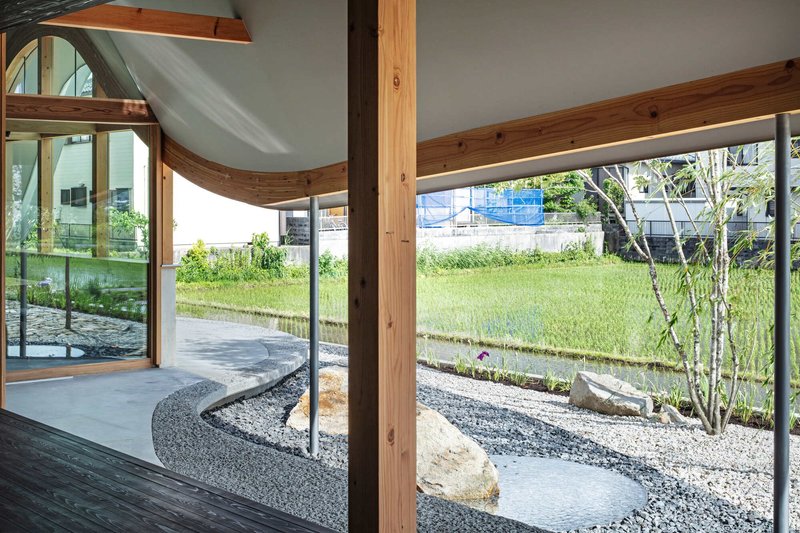
Set amidst the serene rice fields of Hashima City, this new headquarters designed by PERMANENT Co., Ltd. and Atelier Nagara Architectural Design Office seamlessly blends modern office functionality with Japan’s rural tranquility. Surrounded by mountains and endless greenery, the Office in Hashima reimagines the workspace as a space of calm observation and connection with nature rather than mere productivity.
The architects were inspired by the quiet beauty of the everyday landscape — the sway of rice stalks, the changing sunlight, and the rippling reflections on water after rainfall. Instead of designing a building that simply fits into the landscape, they sought to create an architectural device that draws attention to these subtle yet profound natural movements.
Concept: A Building That Breathes With the Land
Commissioned by a civil engineering and real estate company deeply tied to the land, the project aimed to embody longevity, humility, and regional harmony. The architects envisioned a structure that not only serves its practical role as a corporate headquarters but also amplifies awareness of the surrounding environment.
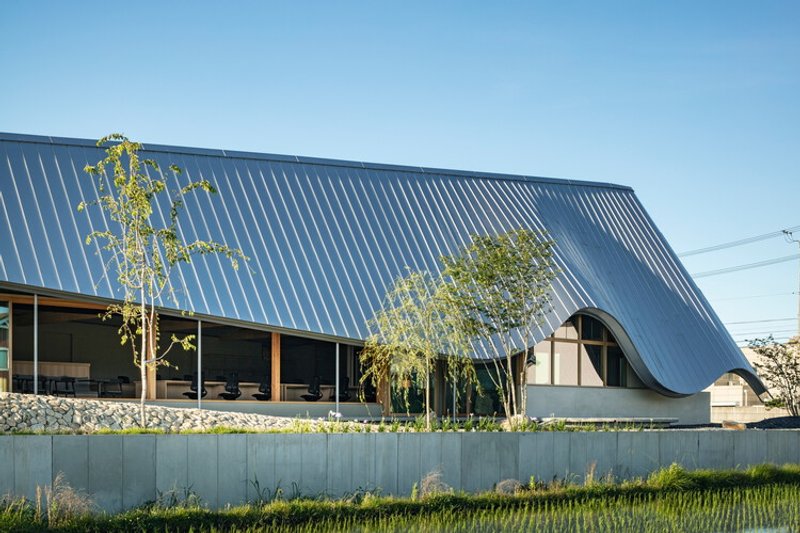
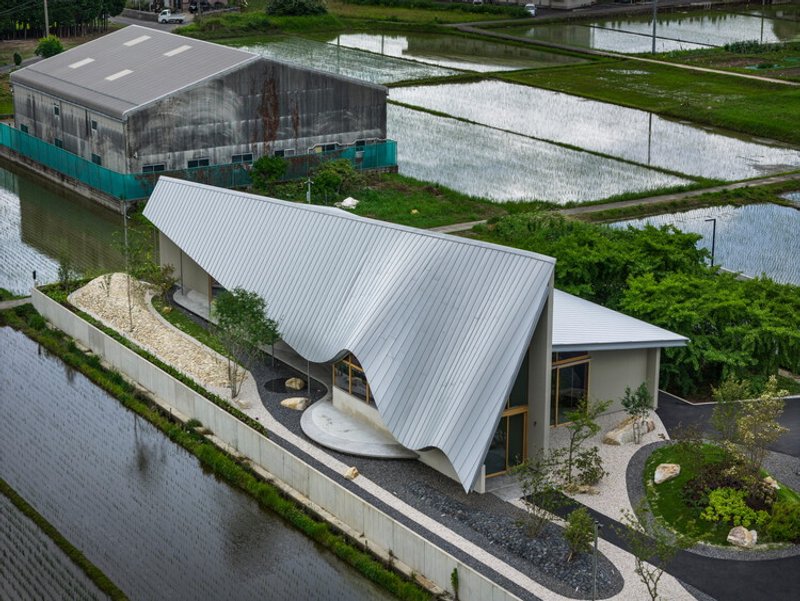
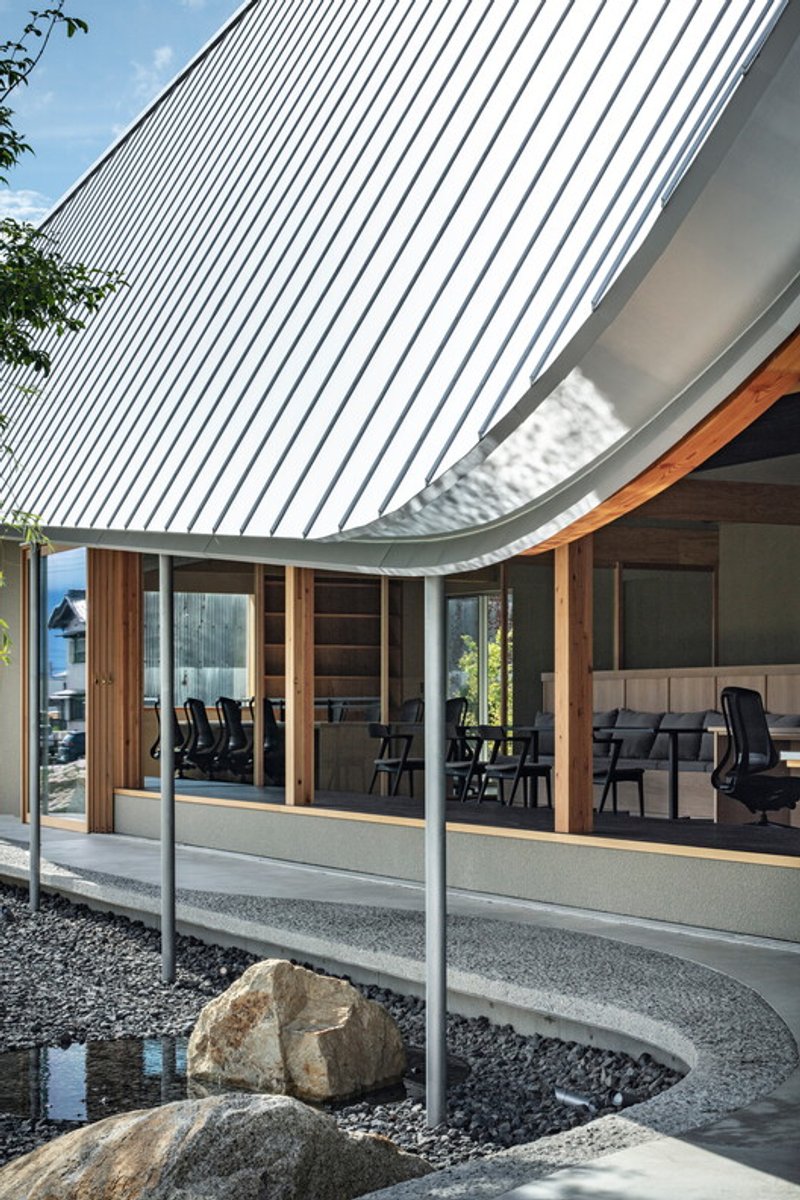
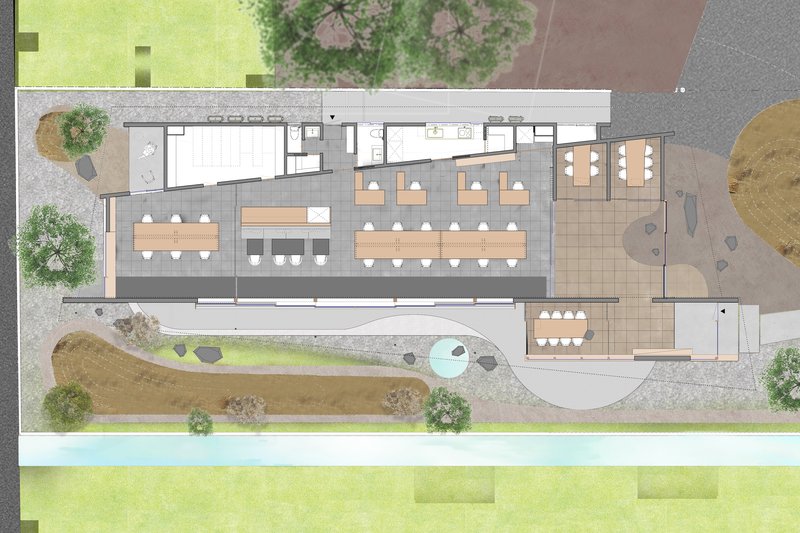
The building’s roofline is its defining gesture—a dramatic slope that rises to the east while gently descending close to the ground. This asymmetry mirrors the organic flow of the terrain and engages with the light and atmosphere in a dynamic way. The undulating form enhances how reflections, shadows, and raindrops interact with the surface, turning the architecture itself into a lens through which nature is experienced.
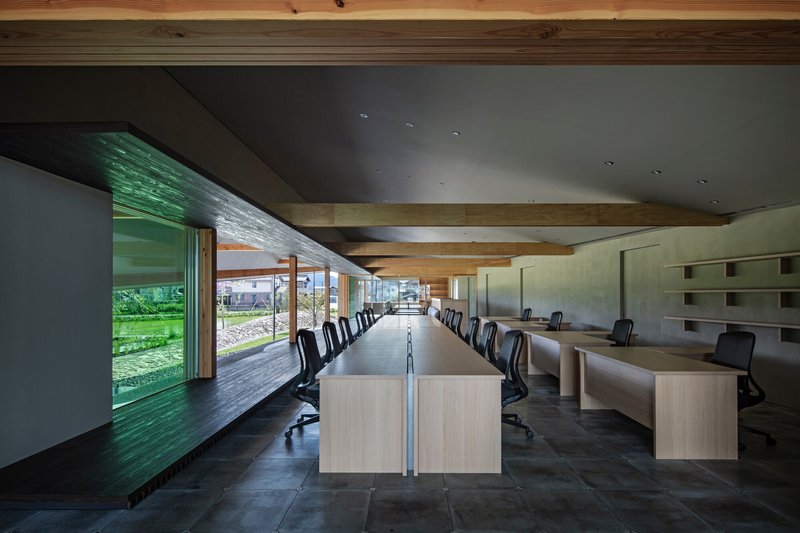
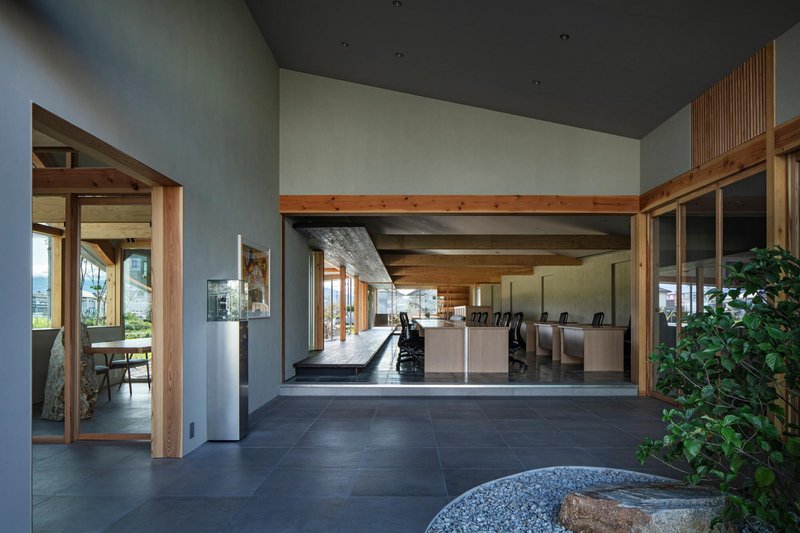
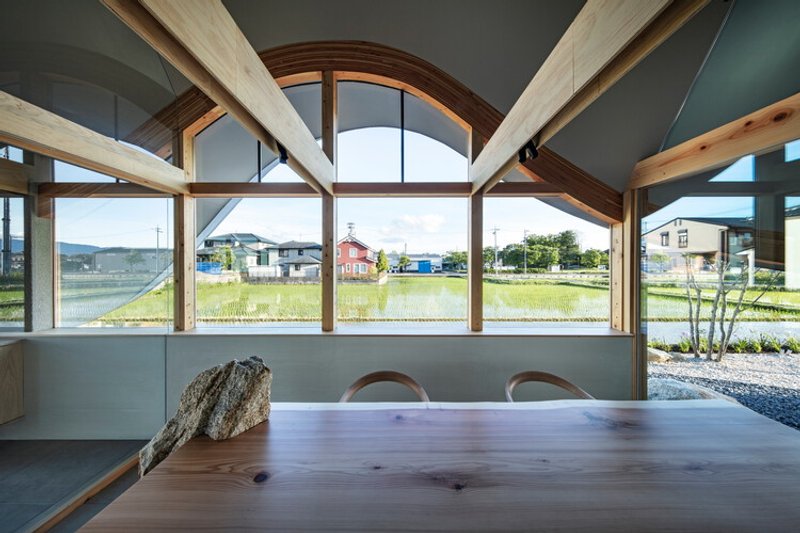
Spatial Composition: Connecting Inside and Outside
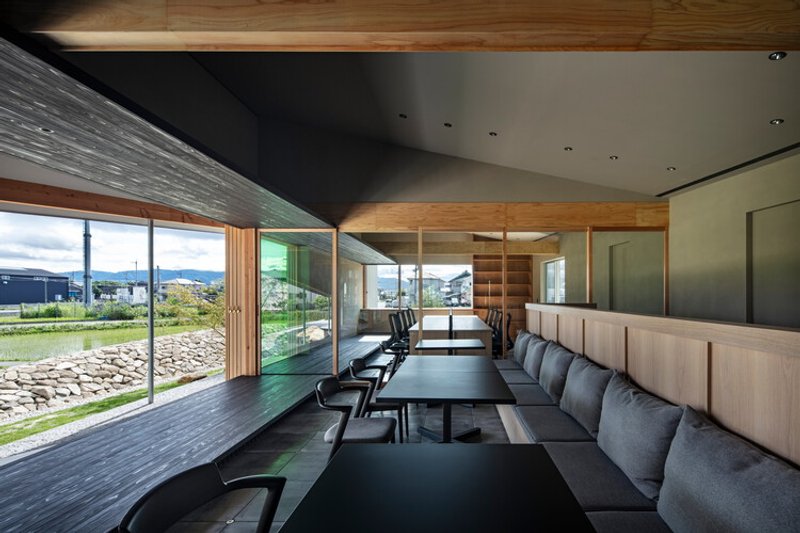
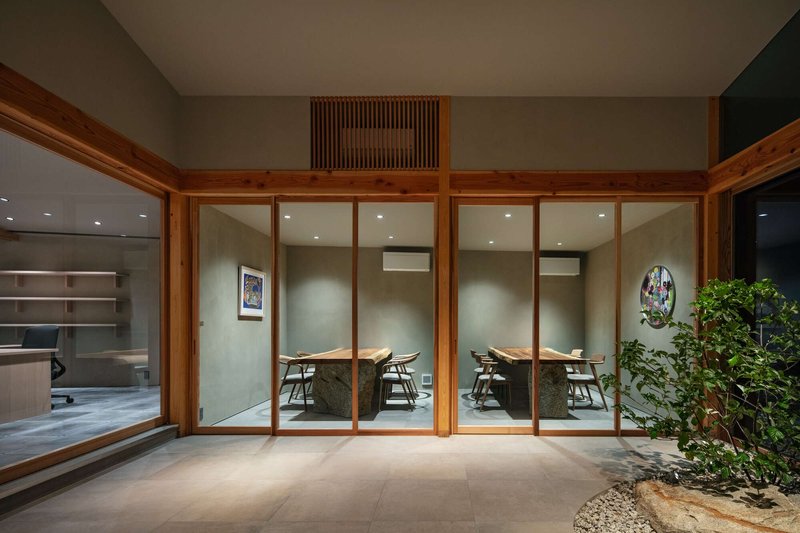
Internally, the office follows a fluid layout designed for both functionality and contemplation. The entrance and meeting spaces are positioned under the raised portion of the roof, capturing ample daylight while framing views of the landscape.
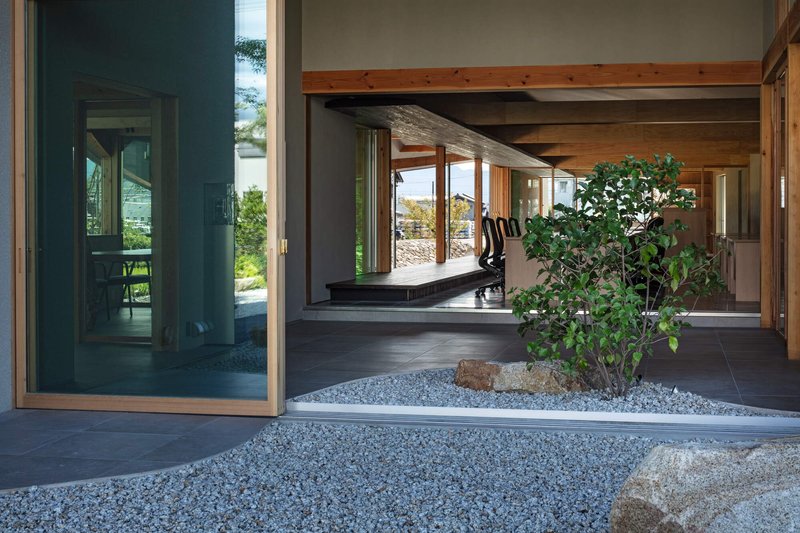
A series of courtyards, verandas, and transitional zones serve as breathing spaces between the interior and exterior, encouraging a slower rhythm of work. Small pockets of greenery, stones, and water elements are thoughtfully integrated into the interiors, dissolving the boundaries between built and natural environments.
Large south-facing openings paired with deep overhangs maintain thermal comfort while providing intimate visual connections to the garden. The gentle play of light and shadow changes throughout the day, fostering a sense of time and seasonality within the workspace.
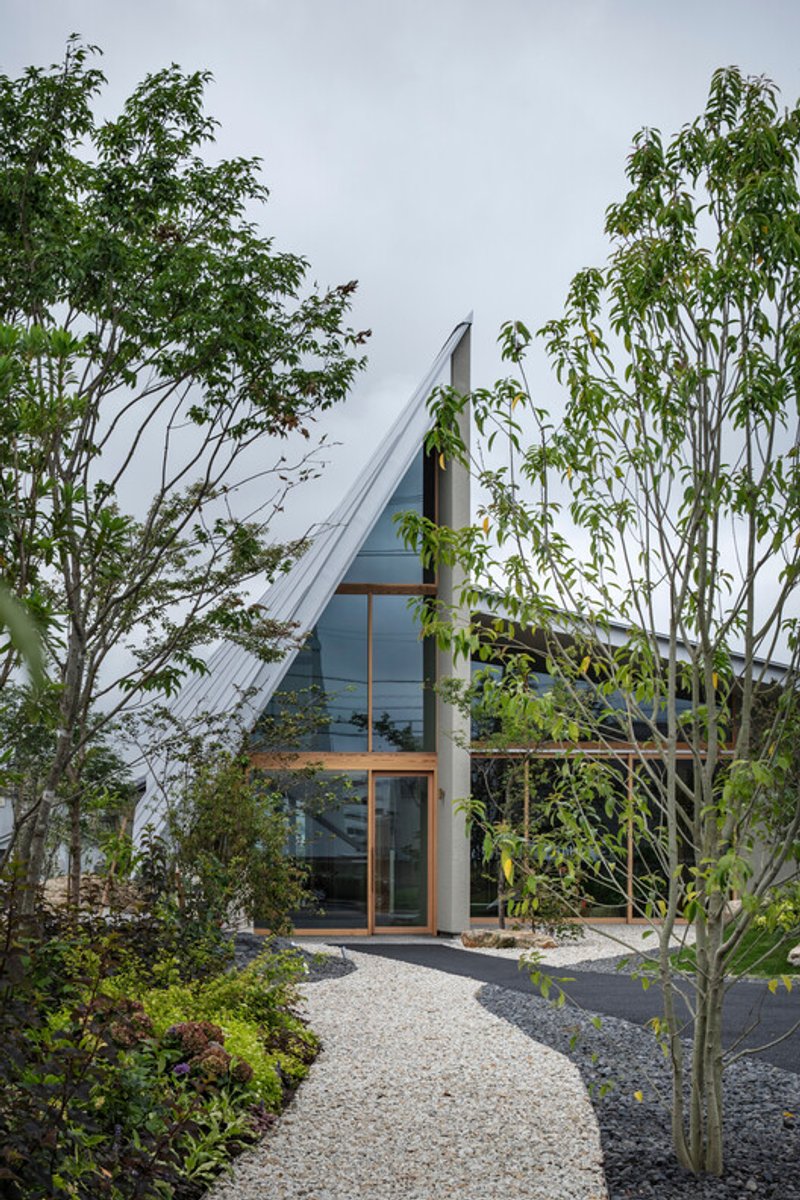
Functionality Meets Philosophy
The Office in Hashima serves multiple functions—formal meetings, casual breaks, and moments of silent reflection. By prioritizing natural light, ventilation, and sensory experiences, the architecture promotes well-being and mindfulness among its occupants.
This approach transforms the everyday office routine into an opportunity for reconnection—with nature, with community, and with oneself. It celebrates the coexistence of work and landscape, reminding visitors that beauty often resides in the unnoticed details of daily life.
Crafting a New Everyday Scenery
Through its poetic design, Office in Hashima transcends traditional corporate architecture. It invites users to experience "a new everyday scenery", where architecture becomes a medium for awareness and gratitude toward the natural world.
Rooted in place yet forward-looking in design, this project stands as a harmonious dialogue between human activity and the timeless rhythms of nature.
All the photographs are works of Kenta Hasegawa




Popular Articles
Popular articles from the community

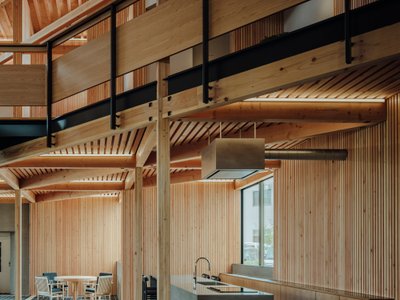
ure LLC Builds a Timber-Framed Suburban Office That Doubles as a Community Living Room in Hiroshima
KItoNOKO wraps sawtooth roofs and corrugated metal around an exposed timber frame to give a commercial district a new civic anchor.
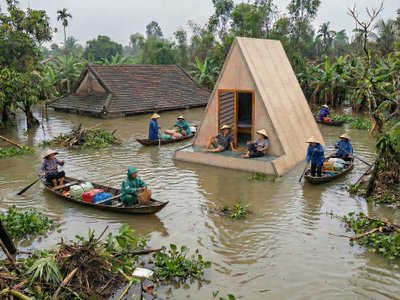
CTA | Creative Architects Designs Triangular Floating Shelters for Vietnam's Flood-Ravaged Communities
A timber-louvered triangular shelter rises on concrete pontoons to keep Vietnamese families safe and together when floodwaters come.

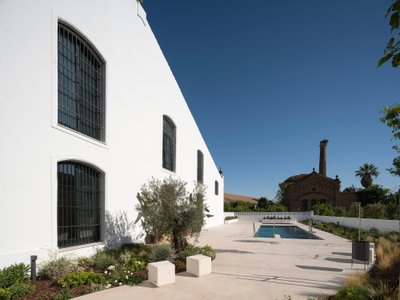
De la Riva Sherry Homes By Juan Vega Arquitectos
De la Riva Sherry Homes transform a historic winery into unique residences, blending industrial heritage, modern comfort, and community-focused courtyard living.
Guangzhou's Twin Towers Interiors Move Like Water
DuShe Architectural Design shapes the lobbies of a massive Guangzhou transit hub with undulating ceilings and deep geological materiality.


Similar Reads
You might also enjoy these articles

Filtering Space: A Gradual Spatial Experience
From urban intensity to spatial calm.


The Ken Roberts Memorial Delineation Competition (Krob)
As the most senior architectural drawing competition currently in operation anywhere in the world, it draws hundreds of entries each year, awarding the very best submissions in a series of medium-based categories.

Waterfront Redevelopment and Urban Revitalization in Mumbai: Forging a New Dawn for Darukhana
A transformative waterfront redevelopment project reimagining Darukhana’s shipbreaking heritage into an inclusive urban future.

OUT-OF-MAP: A Call for Postcards on Feminist Narratives of Public Space
Rhizoma Design and Research Lab invites artists, designers, architects, researchers, and students to reflect on how feminist perspectives can reshape public space. Selected works will be exhibited in Barcelona, October 2026. Submissions open until 15 April 2026.


Explore Office Building Competitions
Discover active competitions in this discipline




The International Standard for Design Portfolios


The Global Benchmark for Architecture Dissertation Awards


The Global Benchmark for Graduation Excellence


Challenge to reimagine the Iron Throne
Comments (0)
Please login or sign up to add comments
No comments yet. Be the first to comment!