
Ōimachi House by ROOVICE: A Subtle and Smart Traditional Japanese House Renovation for Modern Work-Life
A 73-year-old wooden house in Tokyo transformed into a minimalist office through thoughtful traditional Japanese house renovation by ROOVICE.

Rethinking the Urban Life of a Wooden Home
In the heart of Shinagawa City, Tokyo, a modest 73-year-old wooden house has undergone a transformative journey through a traditional Japanese house renovation by ROOVICE. What was once a typical postwar dwelling in a densely packed neighborhood near Ōimachi Station has now become a finely balanced workspace—respectful of its past yet fully responsive to present needs. This project exemplifies how Tokyo's shrinking inventory of wooden homes can be repurposed into relevant, high-performing spaces while preserving memory and character.
Site and Historical Context: A Hidden Gem Among Dense Layers
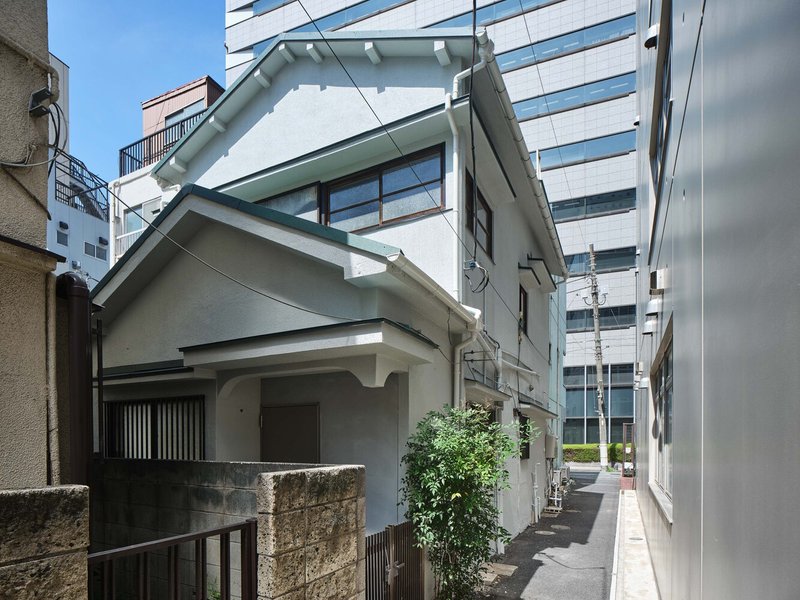
The house, nestled behind the commercial facades and mid-rise buildings of Ōimachi, belongs to a lesser-seen layer of Tokyo’s built environment—a world of timber homes and narrow alleyways shaped by postwar necessity and craftsmanship. ROOVICE’s renovation preserves this contextual identity while opening the home to its new role: a clean, functional, and welcoming office space.
Entrance and Street Interface: Discreet Commercial Identity
From the outside, the house now bears a clear visual language signaling its transformation. A new door and exterior wall finish create a simple and clean façade, allowing for signage and a discreet but professional presence. This gesture is essential in reorienting the house from residential privacy to commercial legibility, establishing a calm threshold into the renovated interior.
First Floor Reorganization: From Tatami Room to Adaptive Workspace
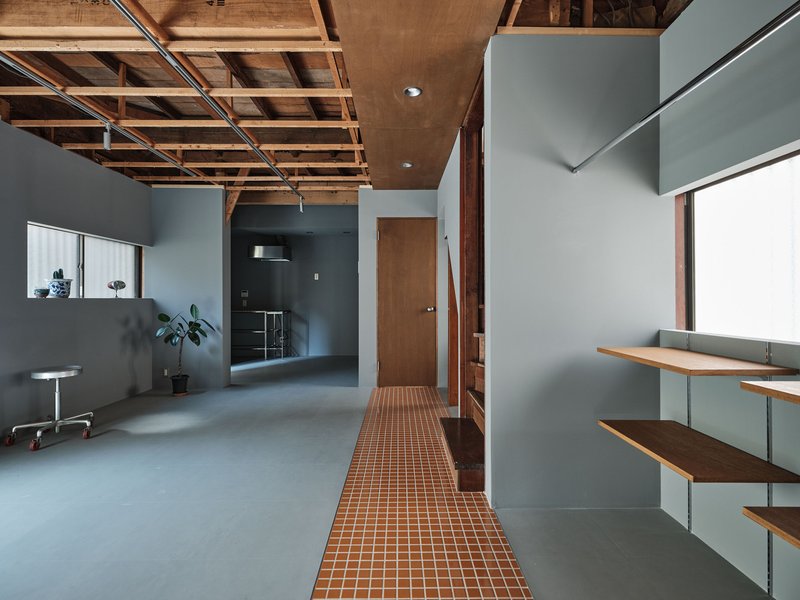
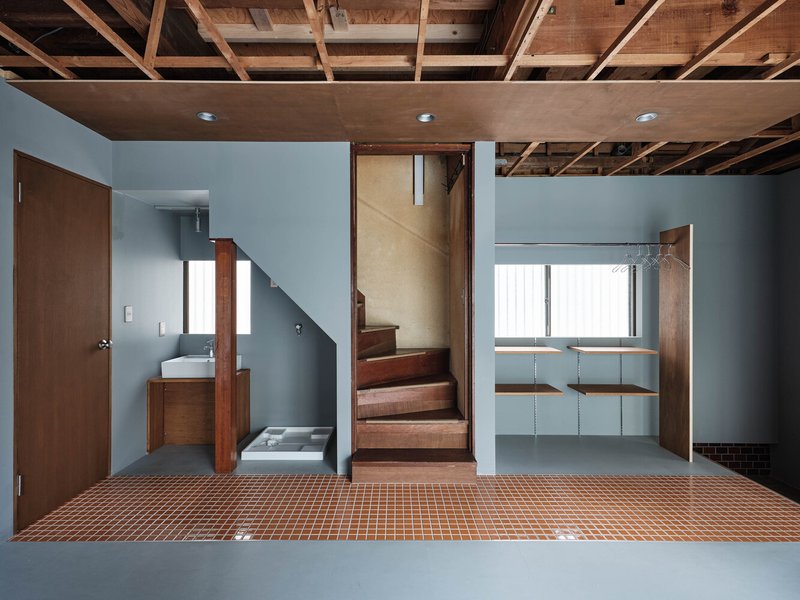
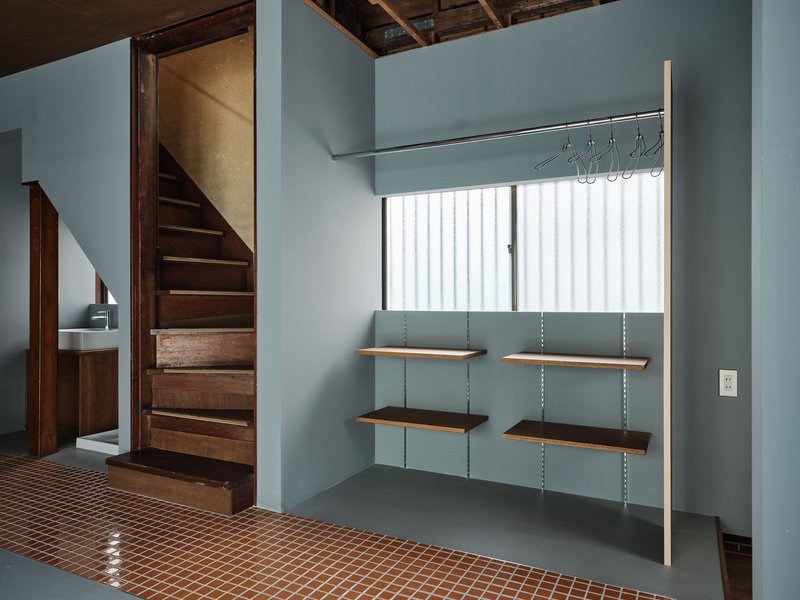
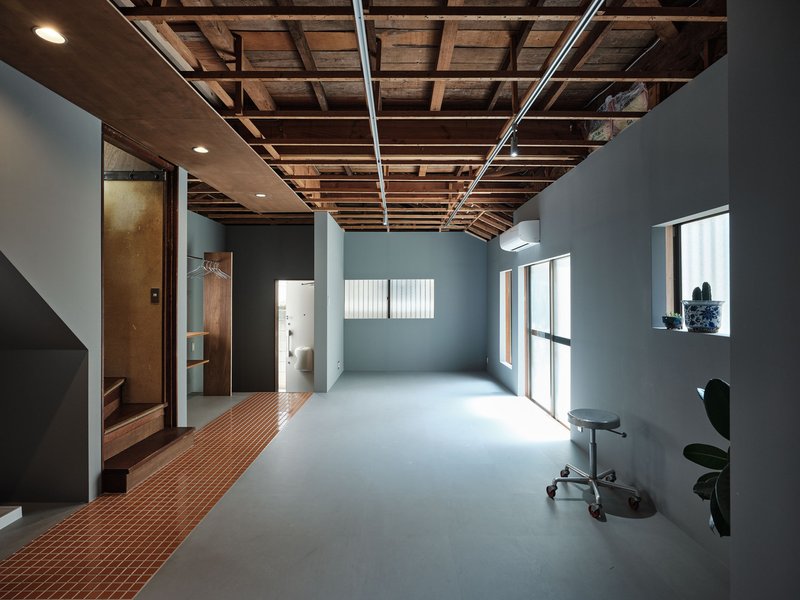
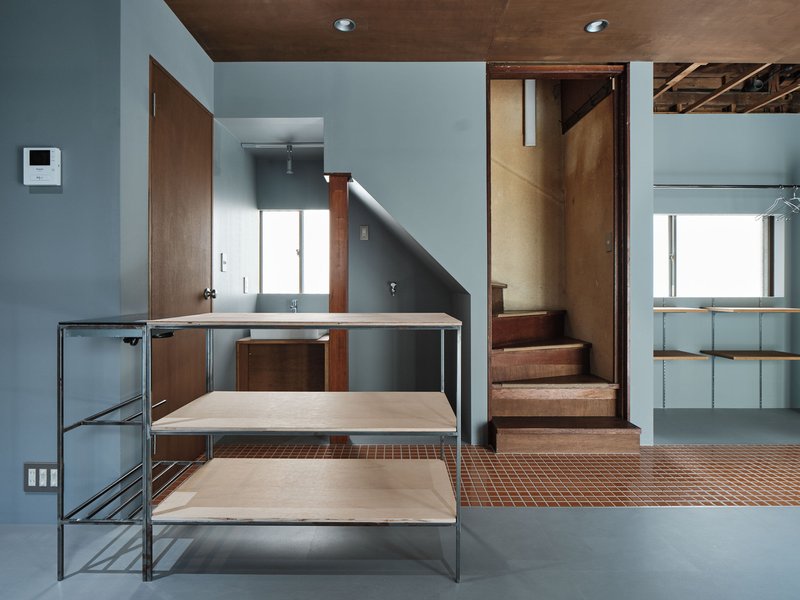
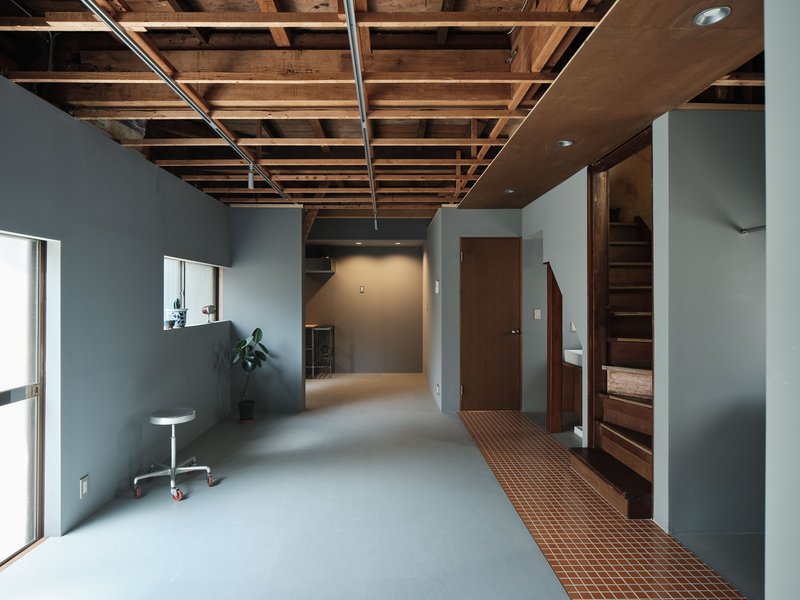
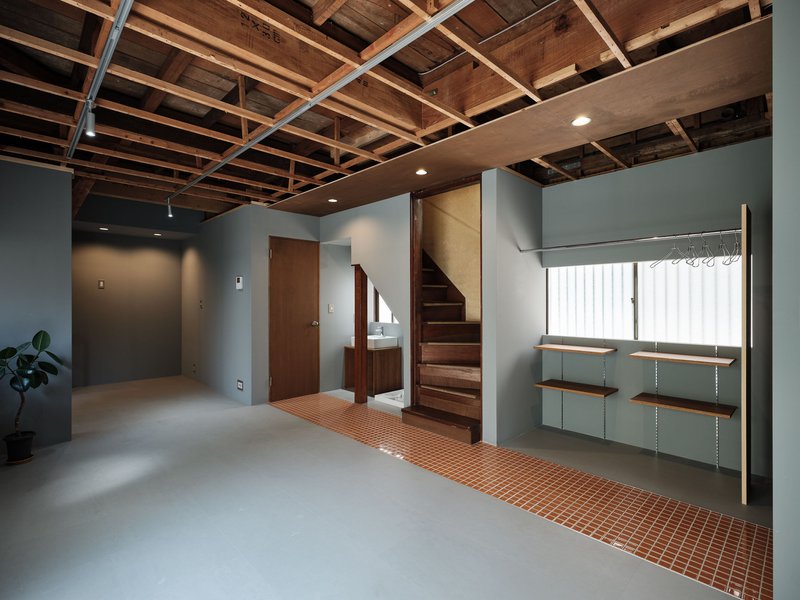
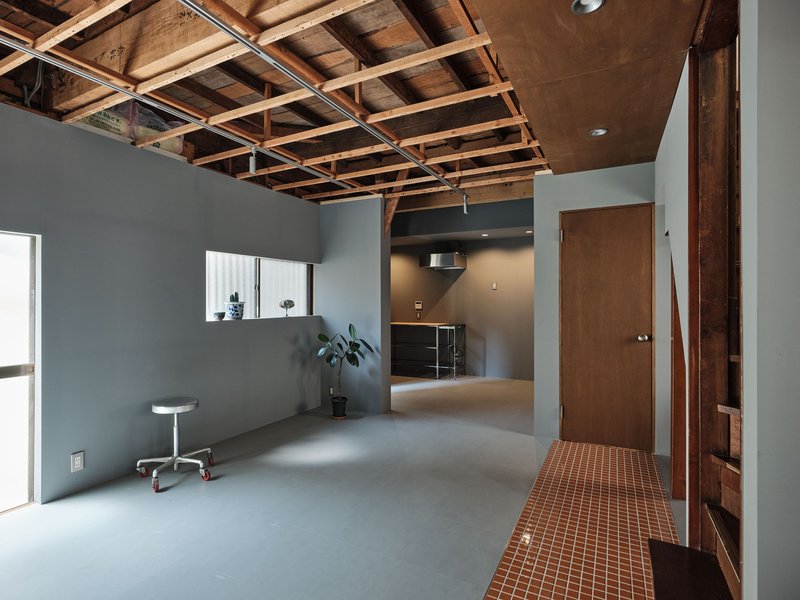
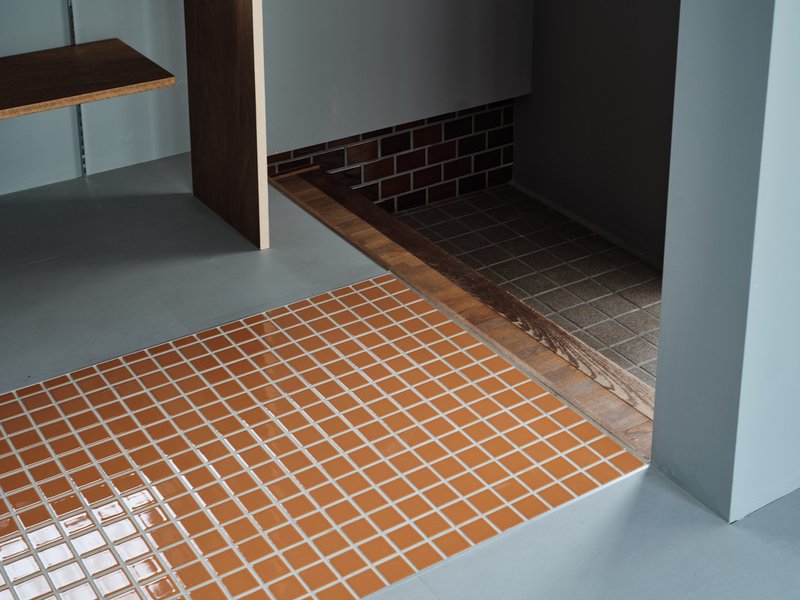
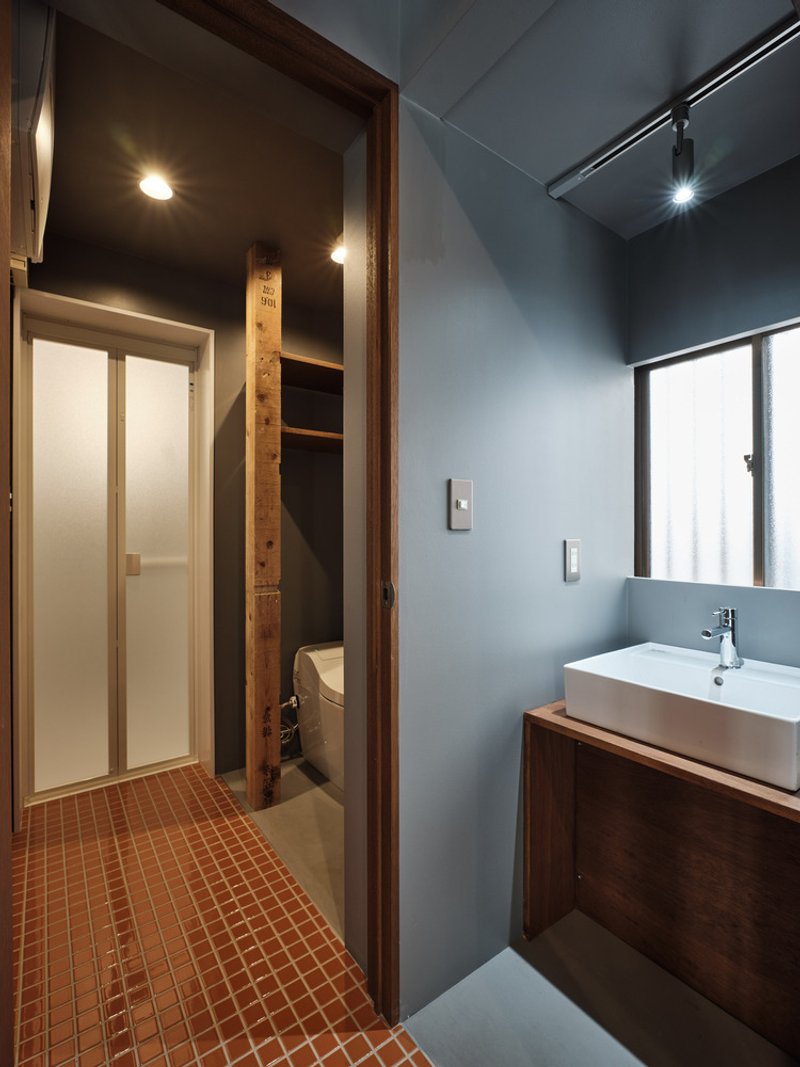
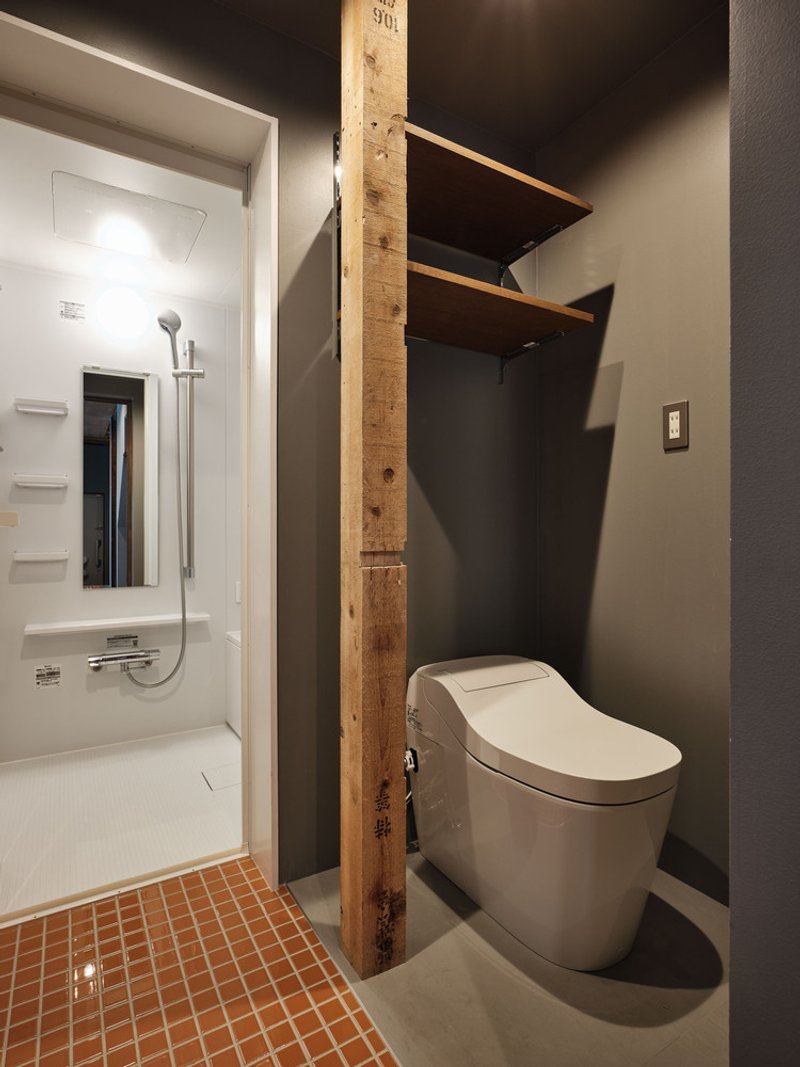
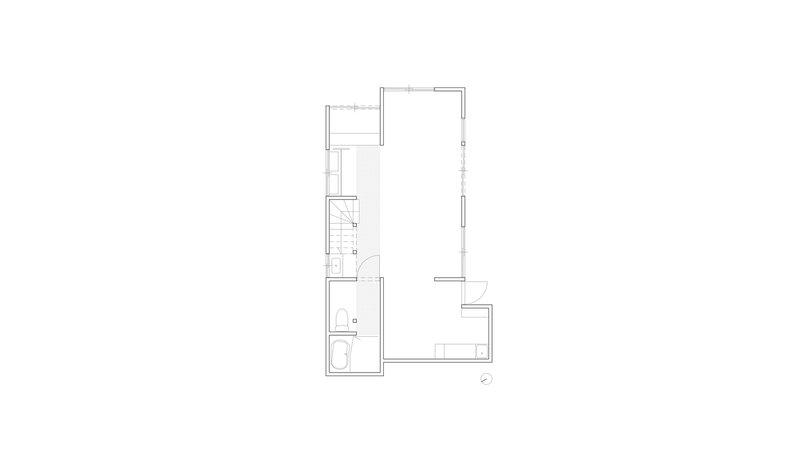
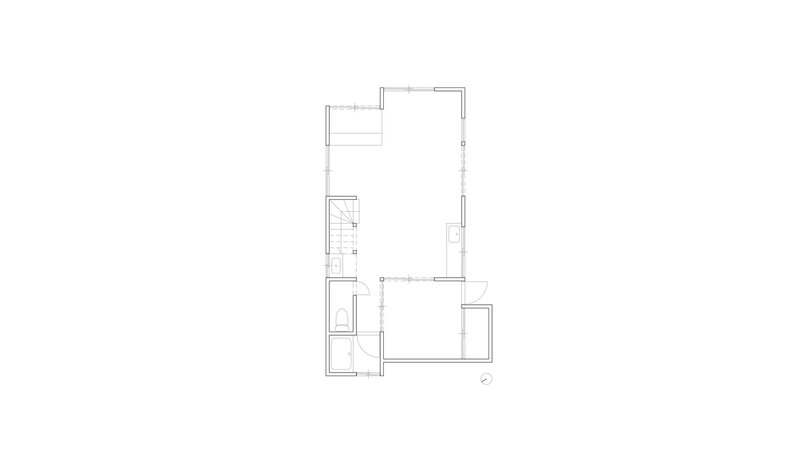
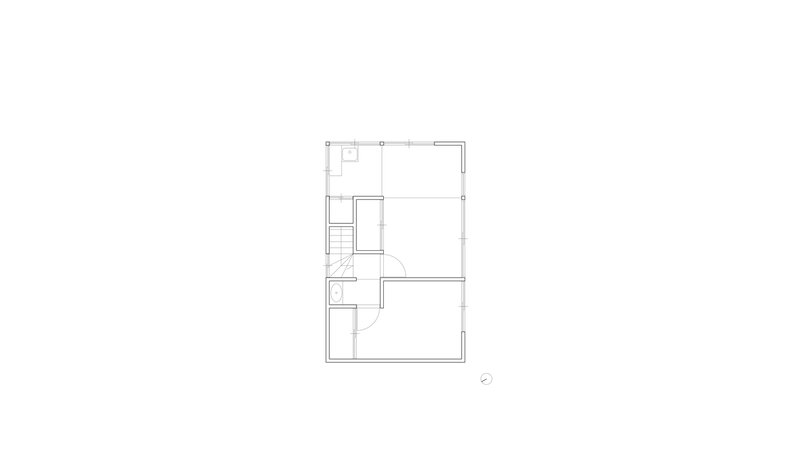
Inside, the first floor has been fully restructured to support functional office use. The faux-wood PVC flooring was replaced by a durable grey finish, while a striking line of orange tiles guides movement through the space—from the entry to the bath—accompanied by a matching ceiling light strip that gives rhythm and orientation.
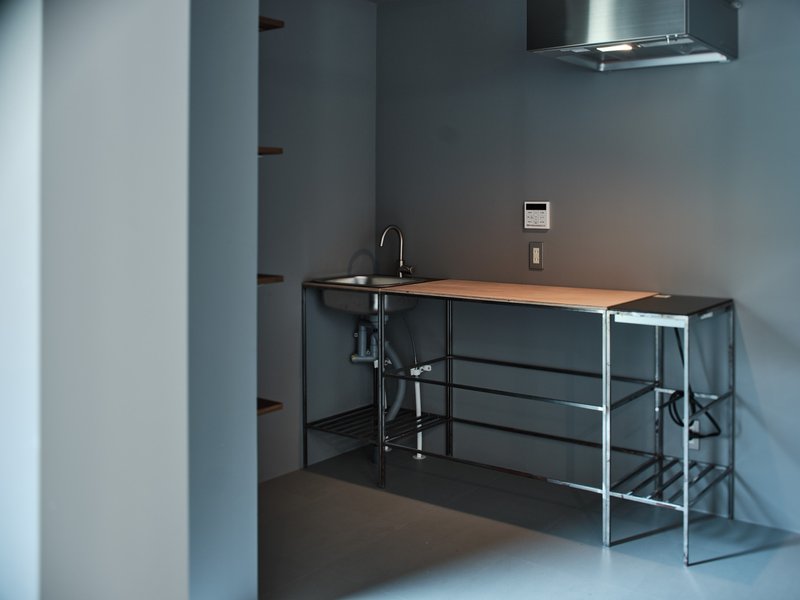
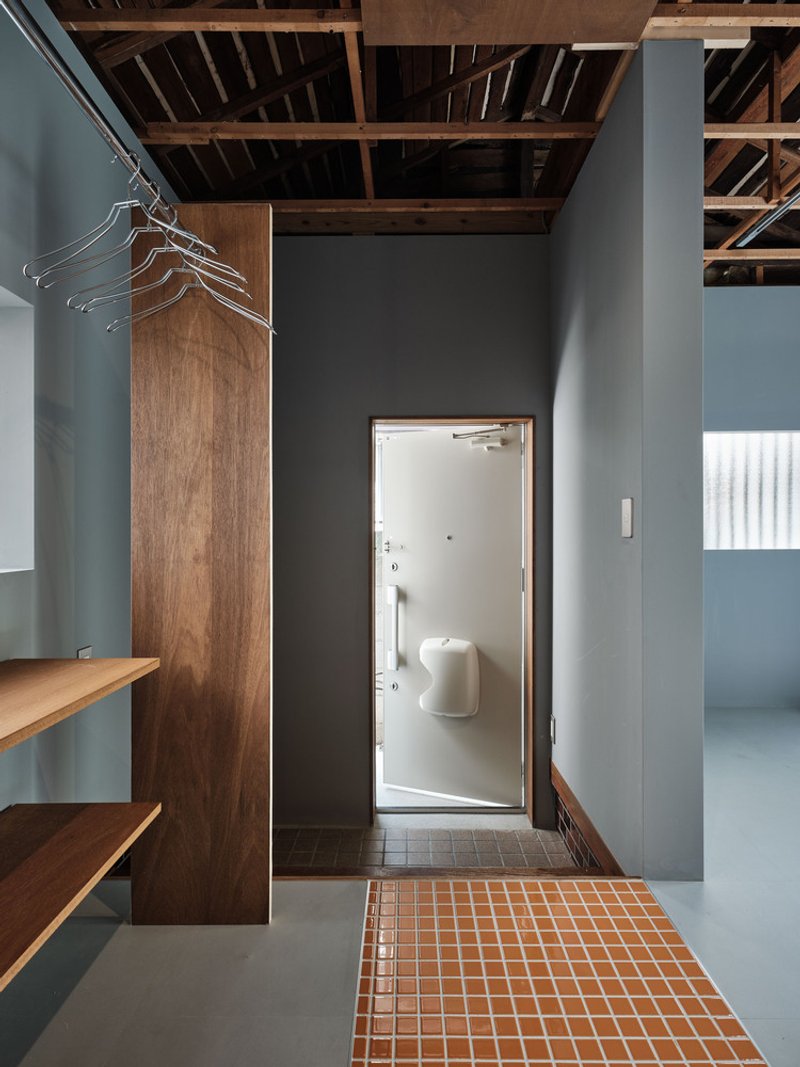
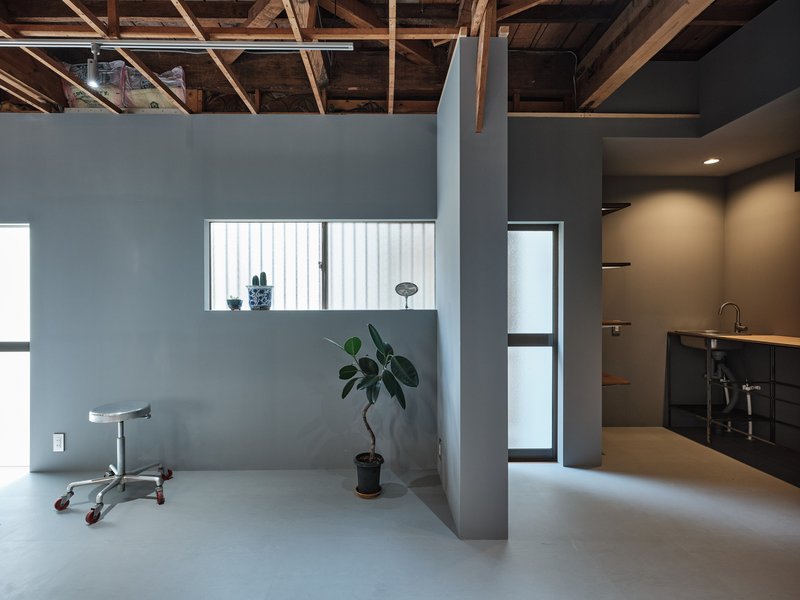
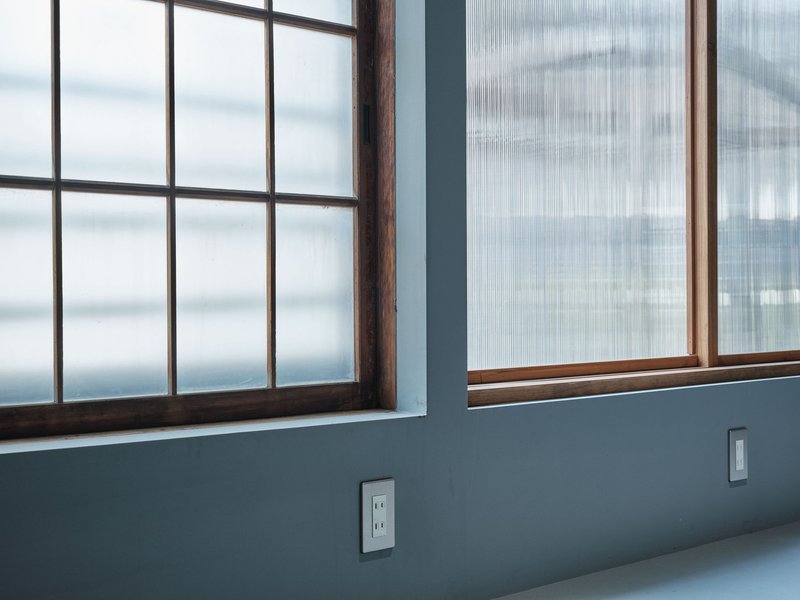
In the former tatami room, a flexible stainless-steel kitchen now occupies the space. With a movable island and plug-in IH cooktop, the kitchen is designed not just for utility, but for collaboration, lunches, and workshops. Curtain rails conceal old aluminum sashes and add visual control—striking a careful balance between work privacy and openness.
Second Floor: Vertical Lightness and Exposed Heritage
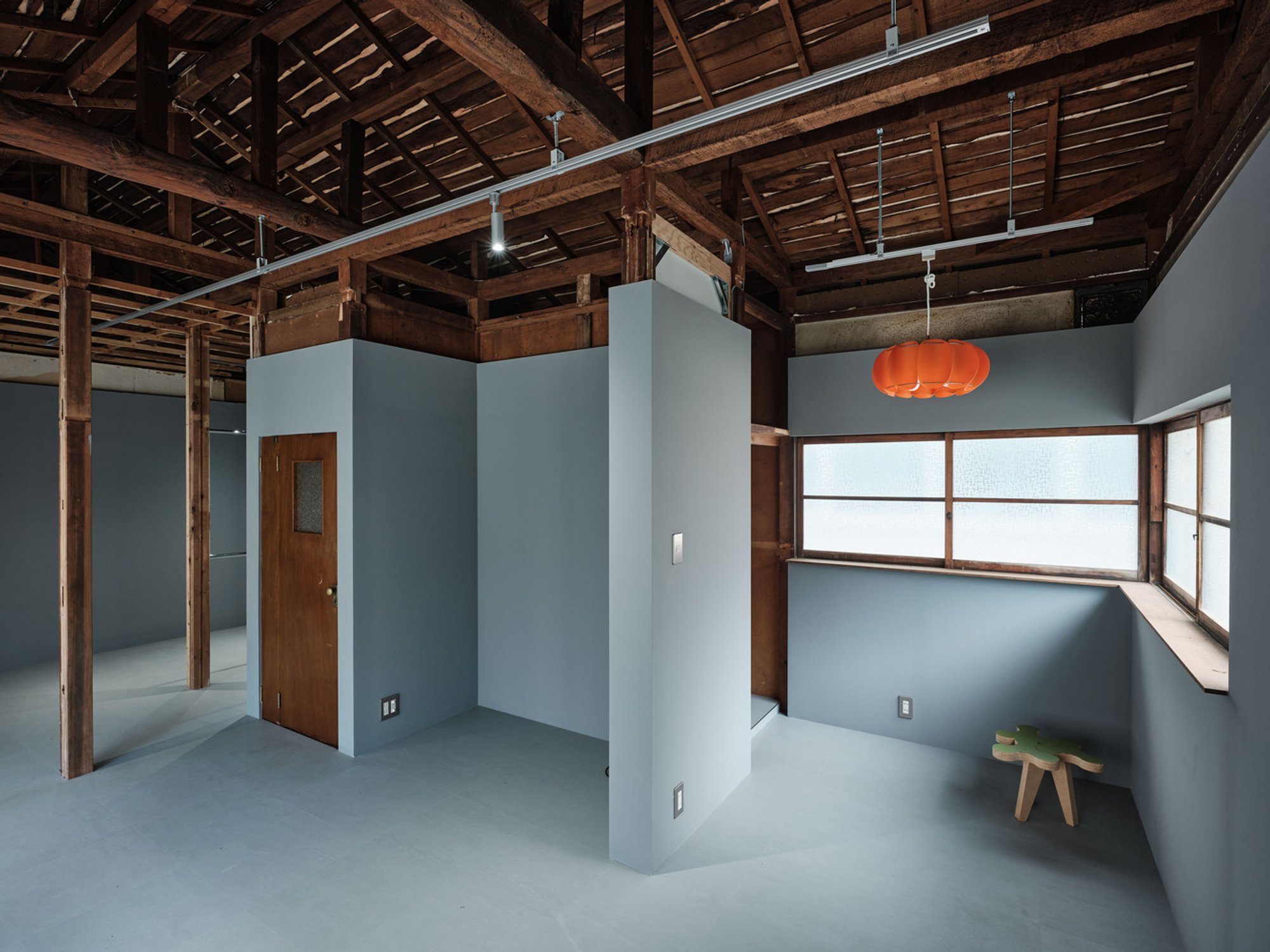
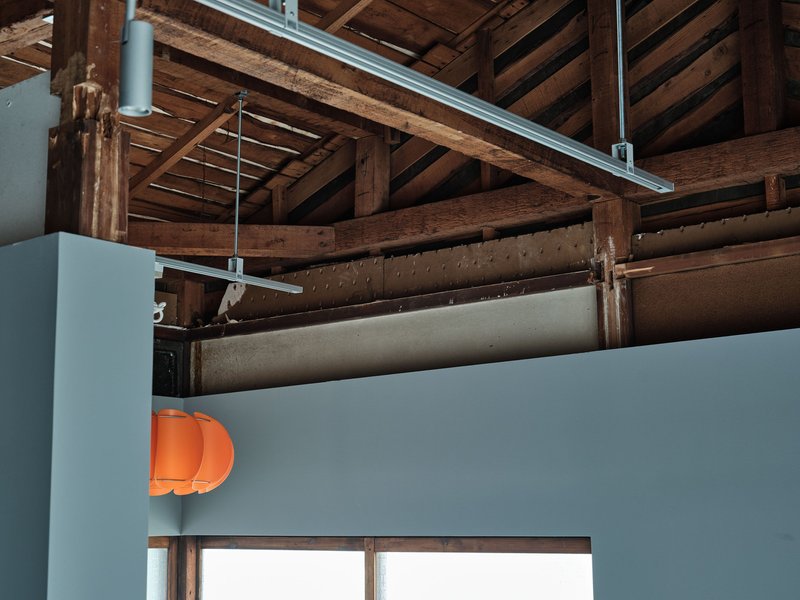
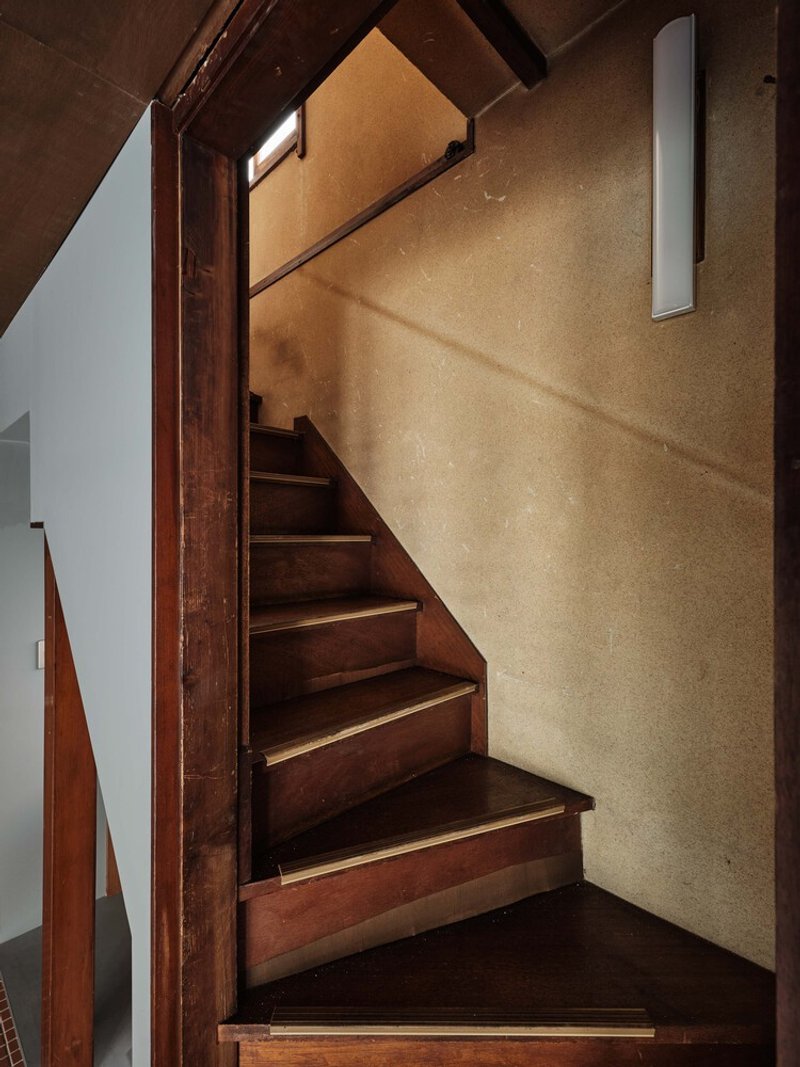
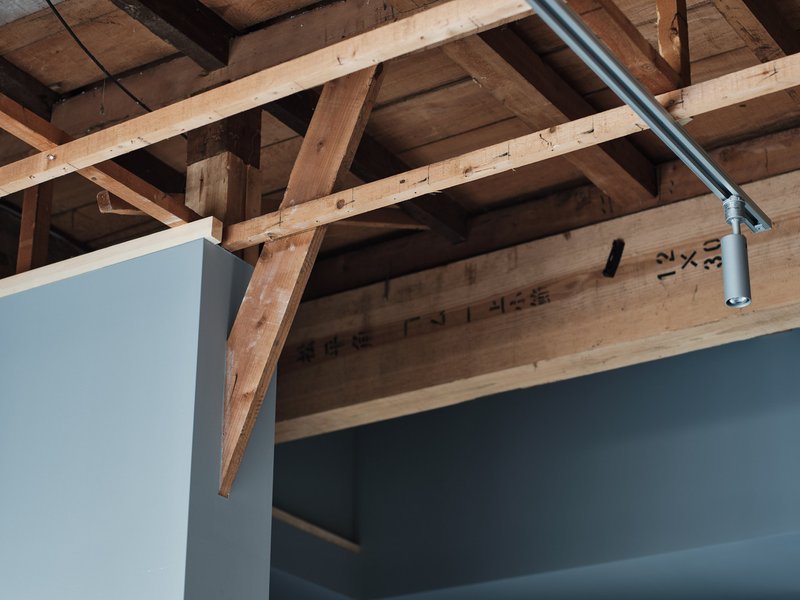
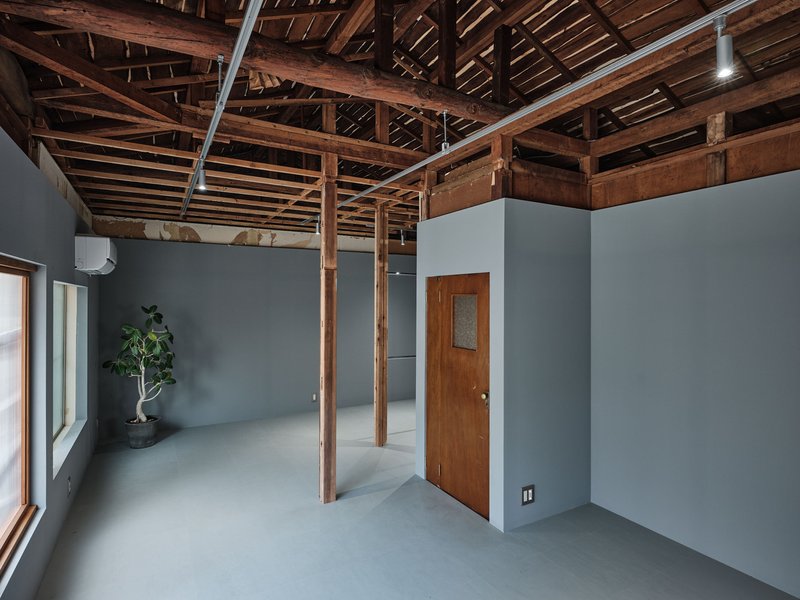
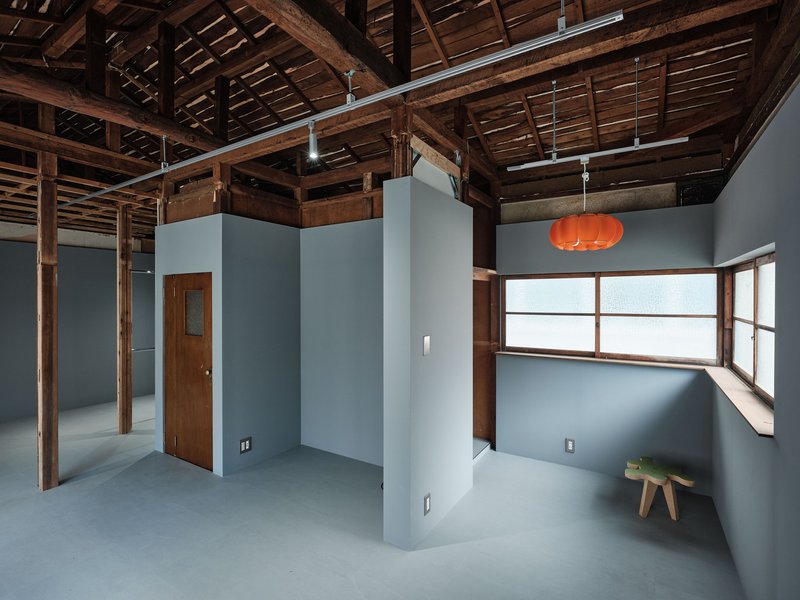
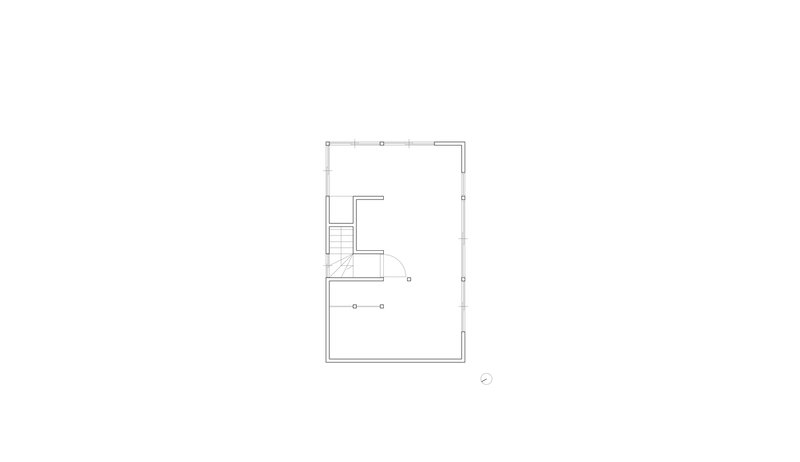
The second floor marks a dramatic shift. By removing non-structural partitions and the existing ceiling, ROOVICE unveiled the original timber roof framework. This decision opens the space vertically, adding both airiness and a tactile connection to the building’s craft. A new roof and insulation were added above to ensure thermal comfort and energy efficiency, proving that traditional houses can be brought to modern performance standards without compromising atmosphere.
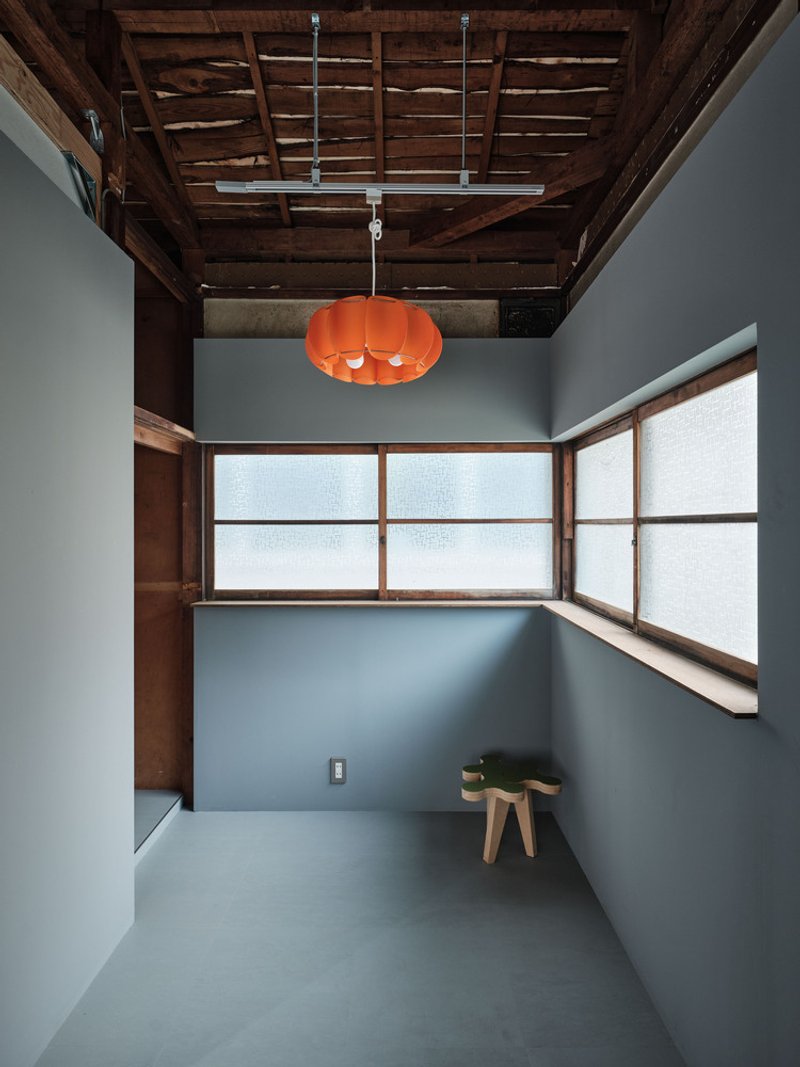
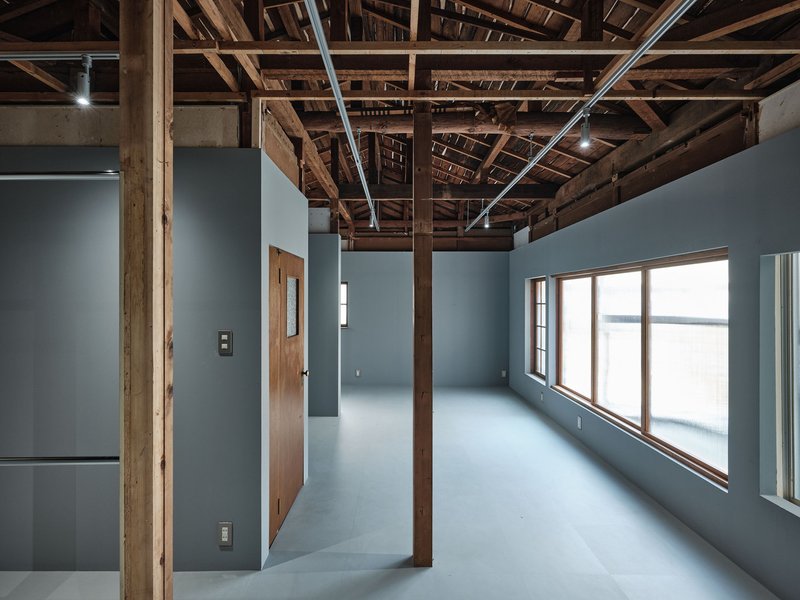
A remnant of the home’s original jōtōshiki (ridgepole-raising ceremony) remains visible—an unassuming yet profound connection to tradition. These subtle details quietly reinforce the building’s layered past and strengthen the emotional connection between old and new.
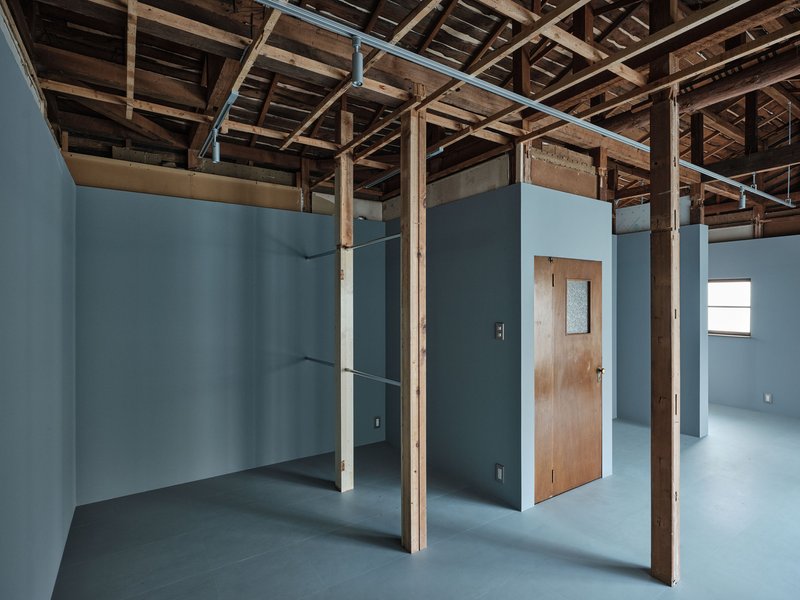
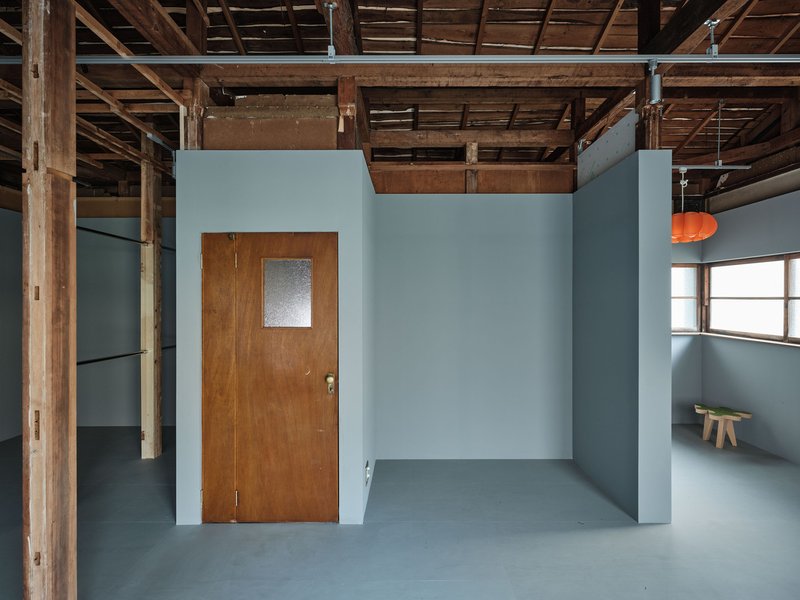
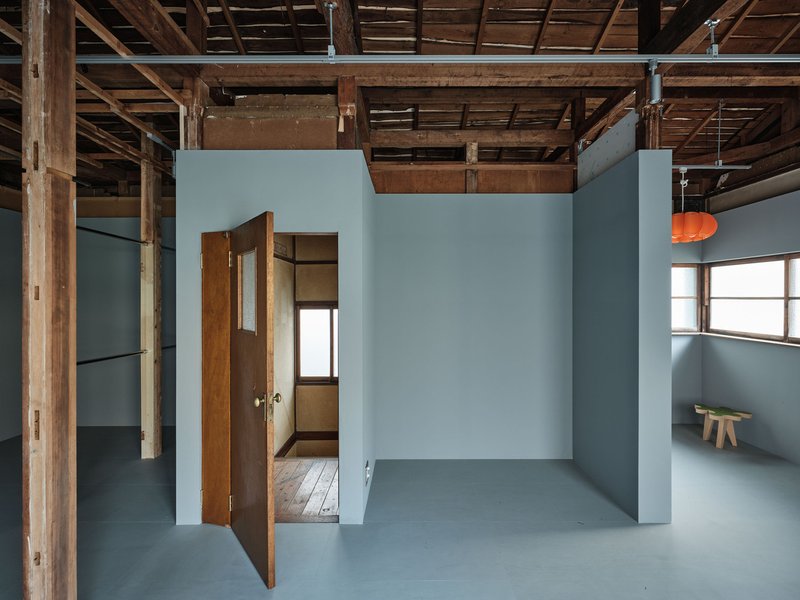
Design Duality: A Visual Dialogue Between Erasure and Memory
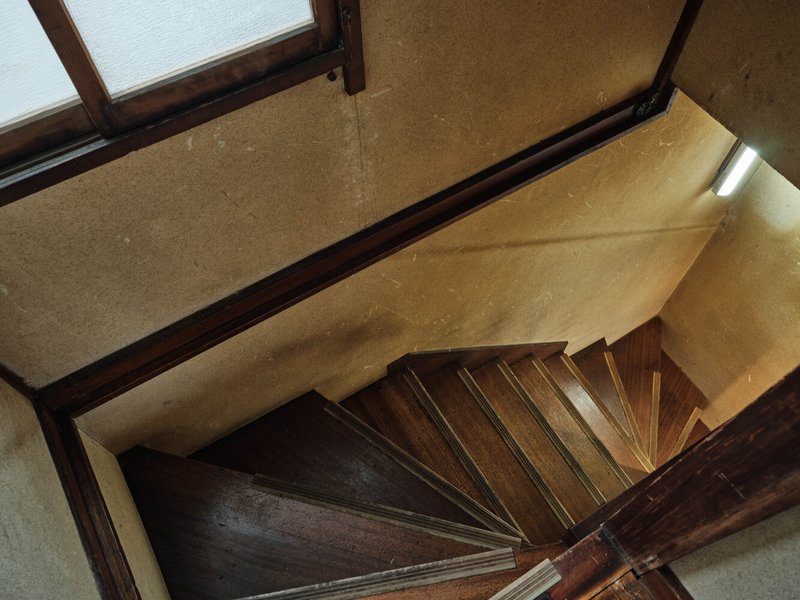
Rather than fully replacing old surfaces, the renovation embraces a layered aesthetic. Traces of past finishes remain visible alongside freshly installed elements, creating a visual timeline within each room. The ceiling shadows, worn walls, and reused doors act as counterpoints to new light fixtures and clean flooring. This deliberate contrast becomes a central design principle, allowing the building to tell its story through spatial fragments.
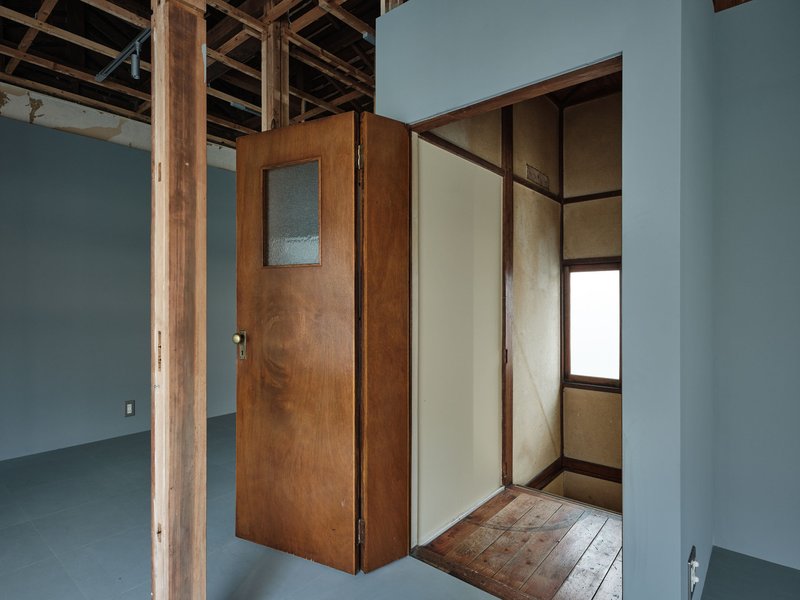
Function, Flexibility, and Legacy in One Cohesive Space
By clearly defining the office’s new functions—while avoiding the sterilization that often comes with over-renovation—ROOVICE has crafted a space that is as practical as it is emotionally grounded. The thoughtful addition of outlets, optimized storage, and soft transitions between work and rest zones ensures that the renovated house meets the needs of modern urban life without dismissing the texture of memory.
A Model for Traditional Japanese House Renovation in Urban Japan
Ōimachi House is a quiet architectural statement. It doesn’t scream for attention but rather invites reflection—on adaptability, on heritage, and on the power of small-scale transformation. As cities like Tokyo evolve, projects like this offer a path forward for traditional Japanese house renovation—where old timber homes are not erased but elevated into new relevance. With precision, respect, and clarity, ROOVICE shows that the old can indeed become new again, with even more meaning.
All Phtographs are works of Akira Nakamura



Popular Articles
Popular articles from the community

Art 1 Office Strips Athens Back to Its Bones
Neiheiser Argyros transforms a 40-year-old Athens office building into a vivid, materially rich workplace anchored by red steel, exposed concrete, and roof
Bood Design Bureau Splits a Gilan Residence in Two to Let the Forest In
Double Side House negotiates privacy and openness through interlocking concrete volumes and planted courtyards in northern Iran's humid Caspian lowlands.
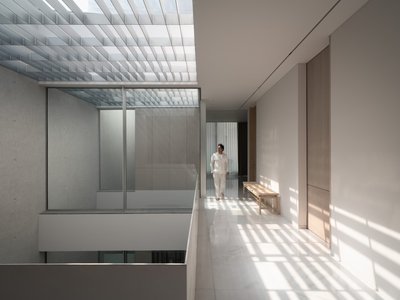
Residence BB 214: Quiet Precision in Ludhiana
Minimalist Architecture & Design Studio composes a residence of white volumes, filtered light, and deliberate restraint in Punjab's urban fabric.

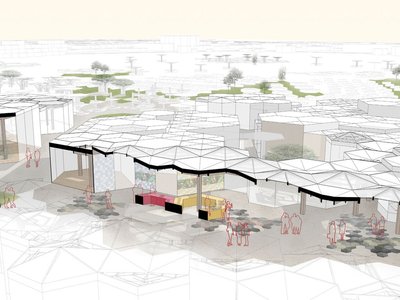
20 Most Popular Commercial Architecture Projects of 2025
From sustainable market concepts to heritage factories, the commercial buildings and proposals that drew the most attention on uni.xyz this year.

Similar Reads
You might also enjoy these articles

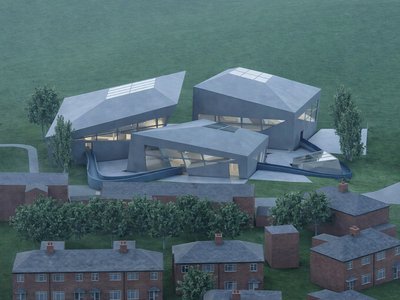
Filtering Space: A Gradual Spatial Experience
From urban intensity to spatial calm.


The Ken Roberts Memorial Delineation Competition (Krob)
As the most senior architectural drawing competition currently in operation anywhere in the world, it draws hundreds of entries each year, awarding the very best submissions in a series of medium-based categories.

Waterfront Redevelopment and Urban Revitalization in Mumbai: Forging a New Dawn for Darukhana
A transformative waterfront redevelopment project reimagining Darukhana’s shipbreaking heritage into an inclusive urban future.

OUT-OF-MAP: A Call for Postcards on Feminist Narratives of Public Space
Rhizoma Design and Research Lab invites artists, designers, architects, researchers, and students to reflect on how feminist perspectives can reshape public space. Selected works will be exhibited in Barcelona, October 2026. Submissions open until 15 April 2026.
Explore Architecture Competitions
Discover active competitions in this discipline




The International Standard for Design Portfolios


The Global Benchmark for Architecture Dissertation Awards


The Global Benchmark for Graduation Excellence


Challenge to reimagine the Iron Throne
Comments (0)
Please login or sign up to add comments
No comments yet. Be the first to comment!