

Opportuna Residential Tower: Redefining Affordable Housing Architecture in Amsterdam Nieuw-West
A sustainable residential tower redefining affordable housing architecture in Amsterdam with contextual design, efficient construction, and community-focused living.


A Landmark in Affordable Housing Design
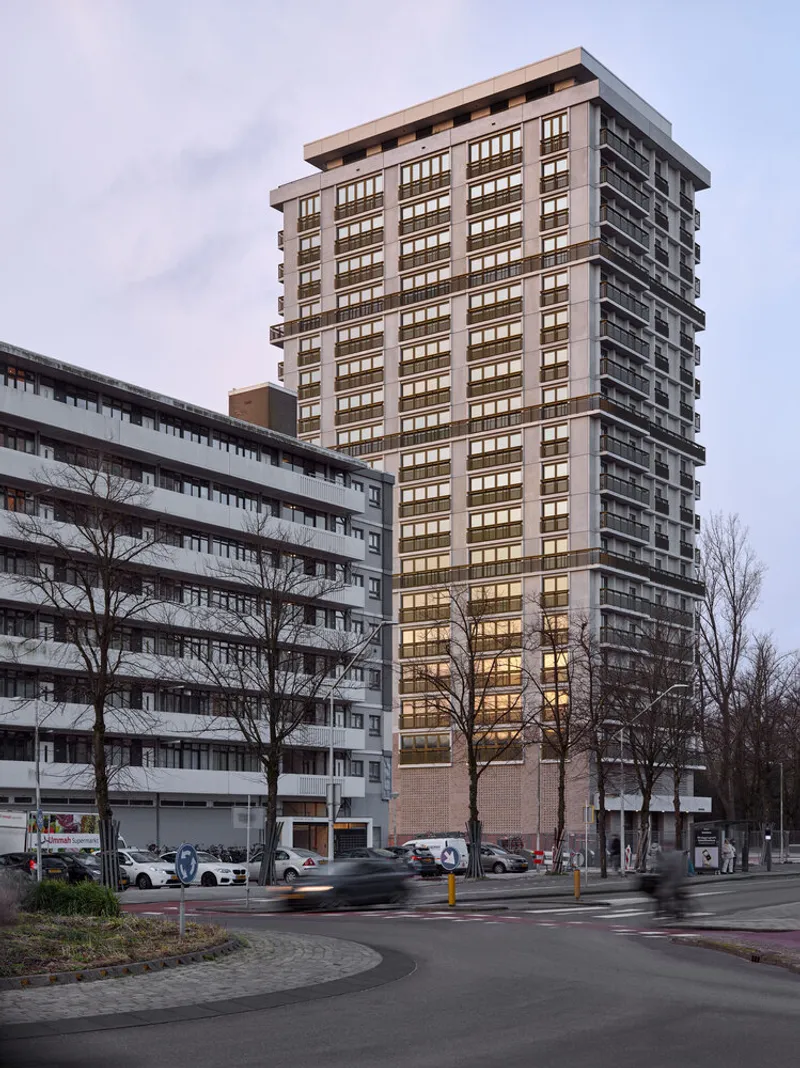
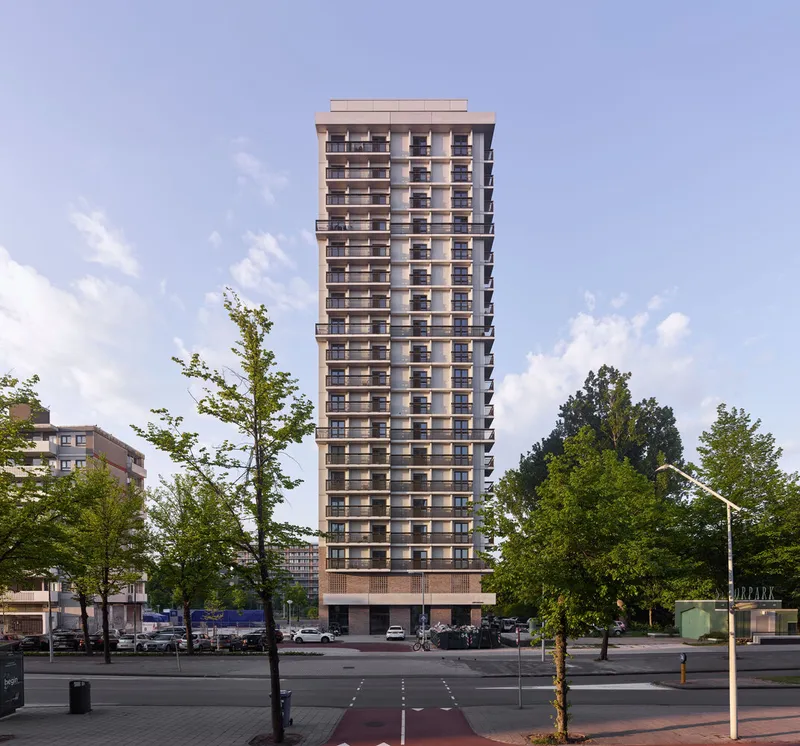
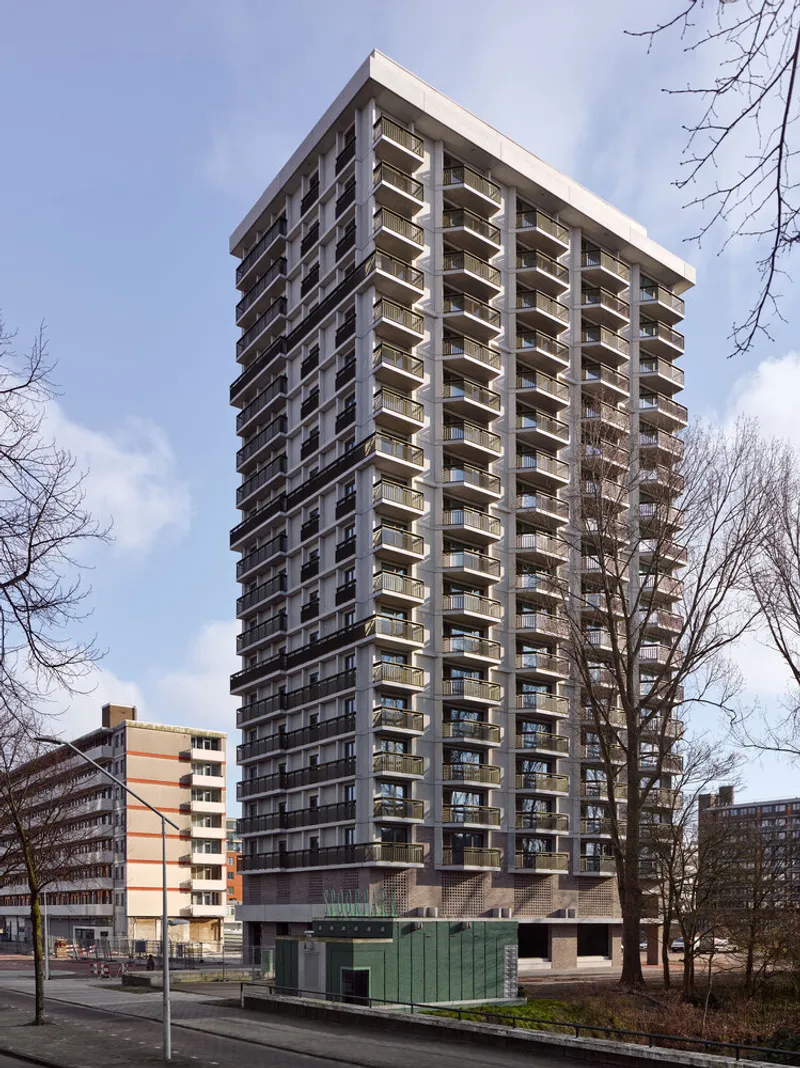
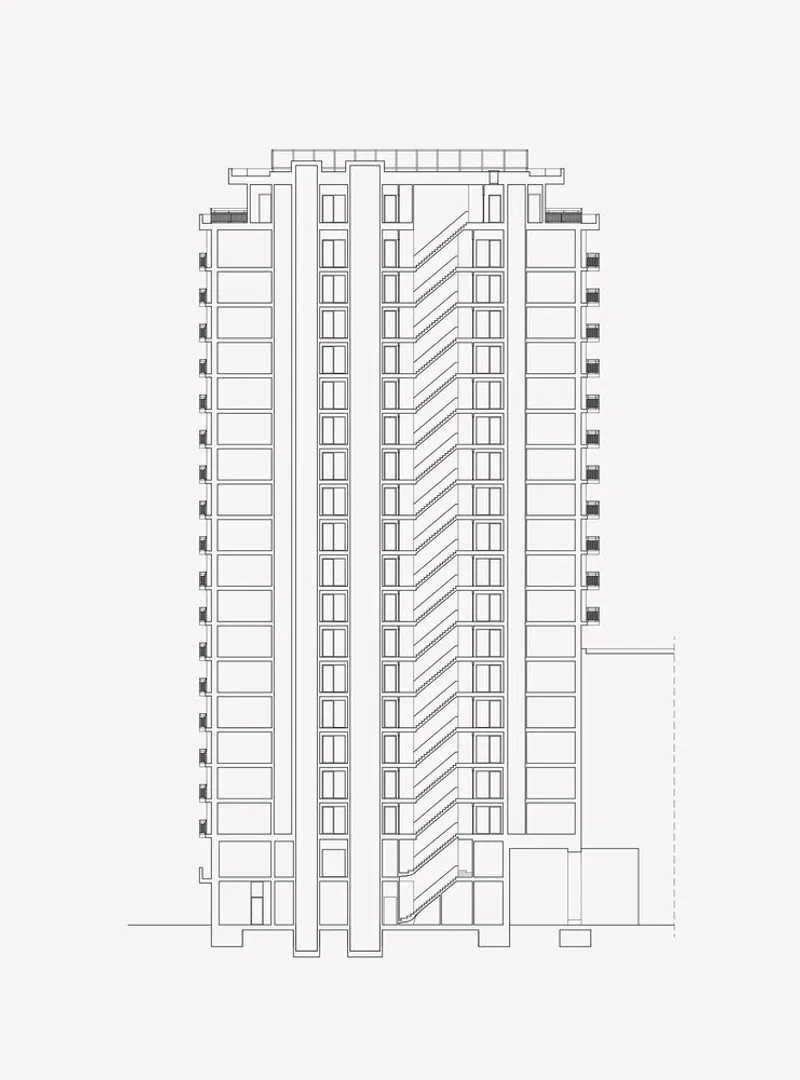
The Opportuna Residential Tower by Office Winhov and Office Haratori sets a new benchmark in affordable housing architecture in Amsterdam. Rising 20 stories high and offering 174 compact, high-quality social rental apartments, this tower directly addresses the city’s pressing housing needs for young adults. Developed in collaboration with the housing association Lieven de Key, the project is more than just a residential structure—it’s an architectural statement embedded within the evolving identity of Amsterdam Nieuw-West.
Architectural Vision Rooted in Local Context
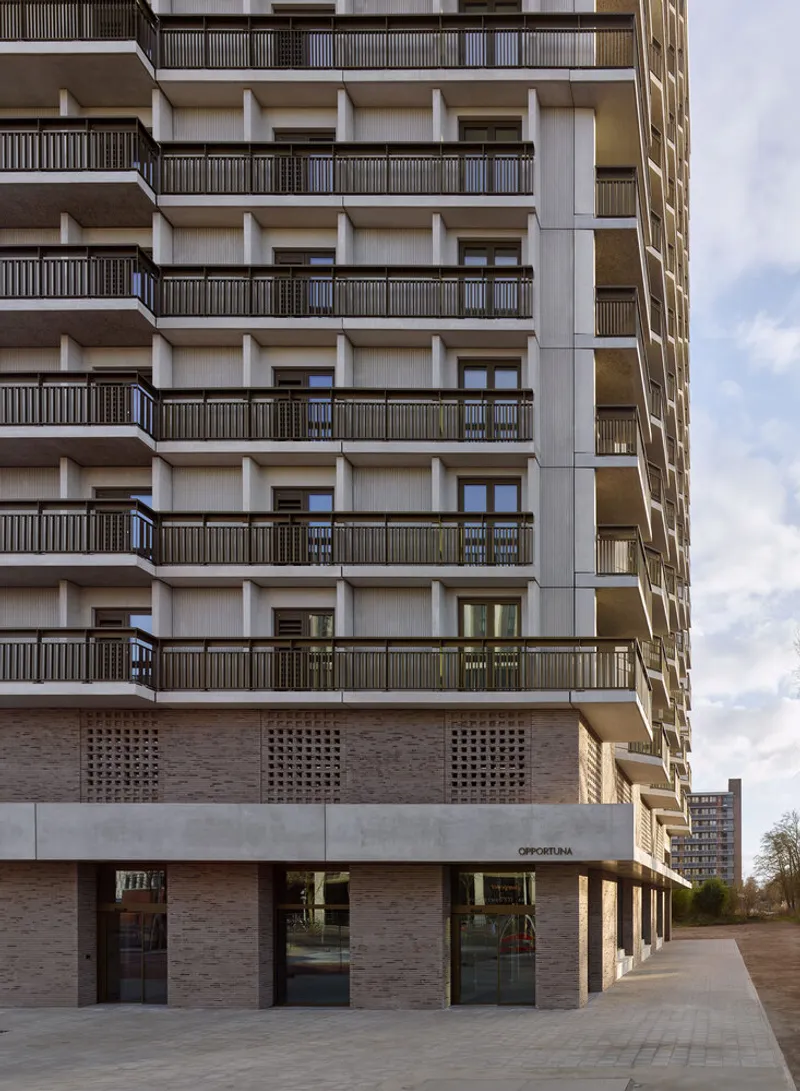
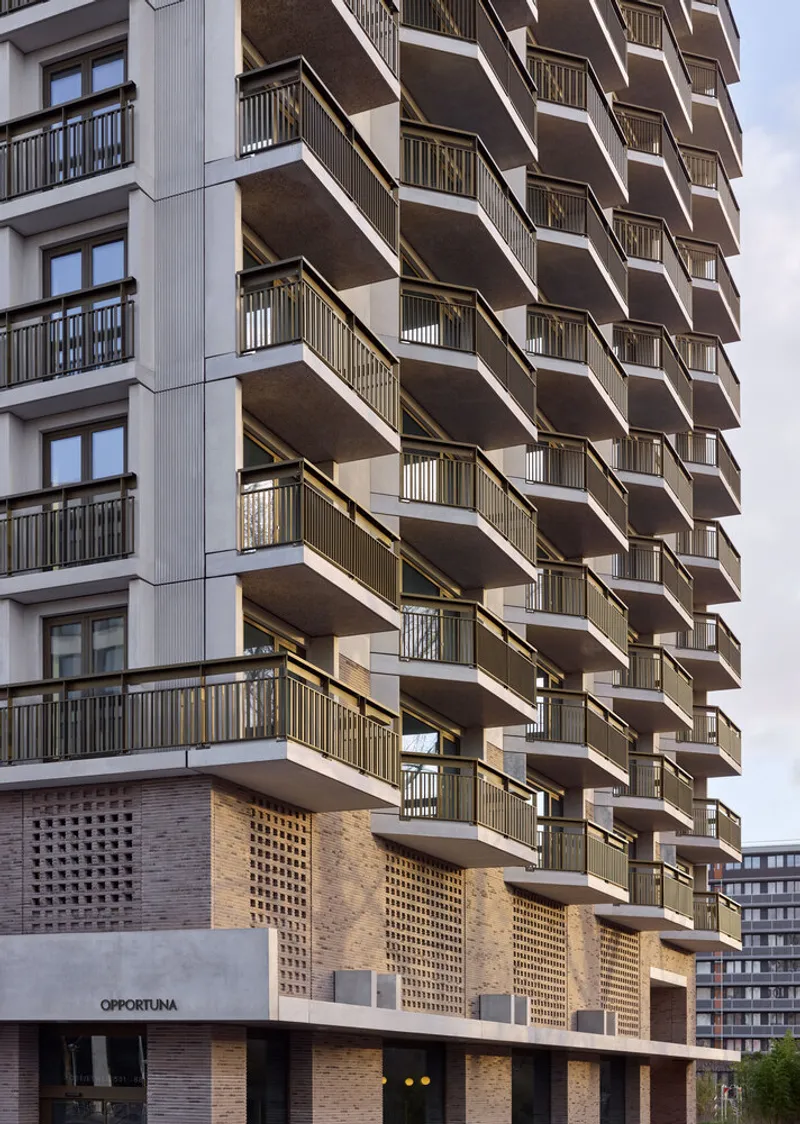
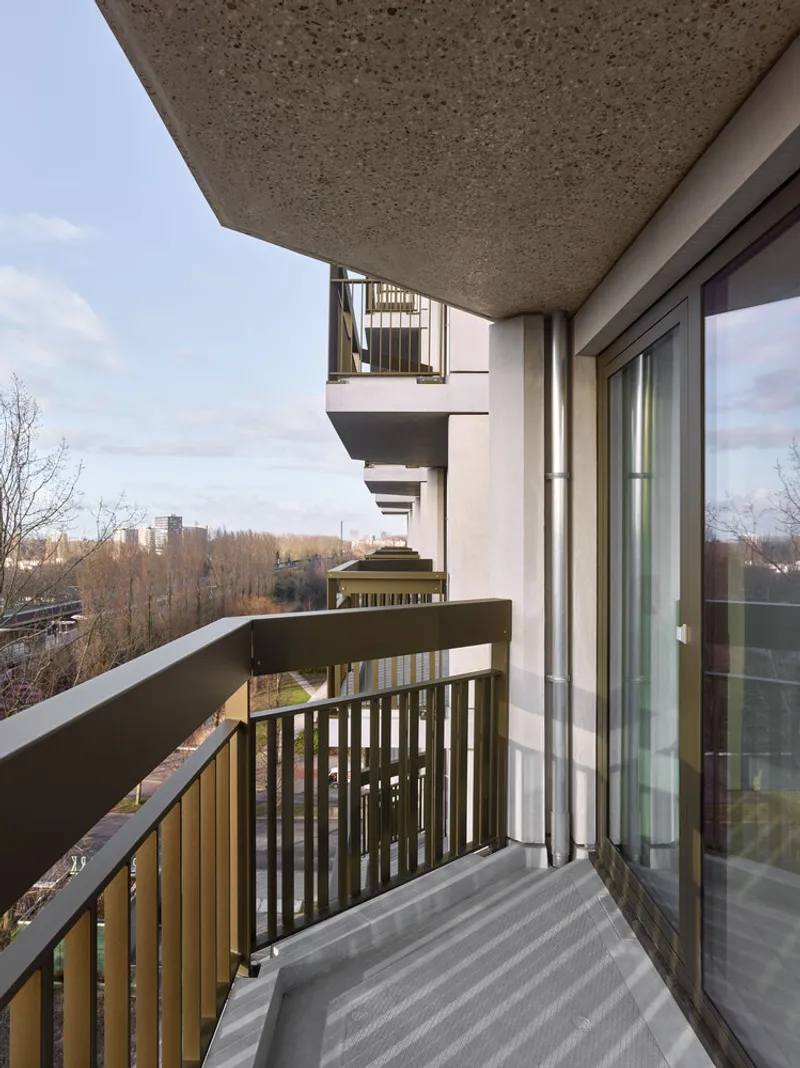
Opportuna’s design responds thoughtfully to the surrounding urban and architectural landscape. Drawing inspiration from the characteristics of the Western Garden Cities, the building integrates harmoniously with its neighborhood. The sculptural concrete façade, resting on a brick plinth, is distinguished by horizontal lines and rhythmic detailing that emphasize verticality and complement the adjacent high-rises. These elements not only define the tower’s identity but also reinforce its relationship with the context of the district.
Maximizing Living Quality in Minimal Space
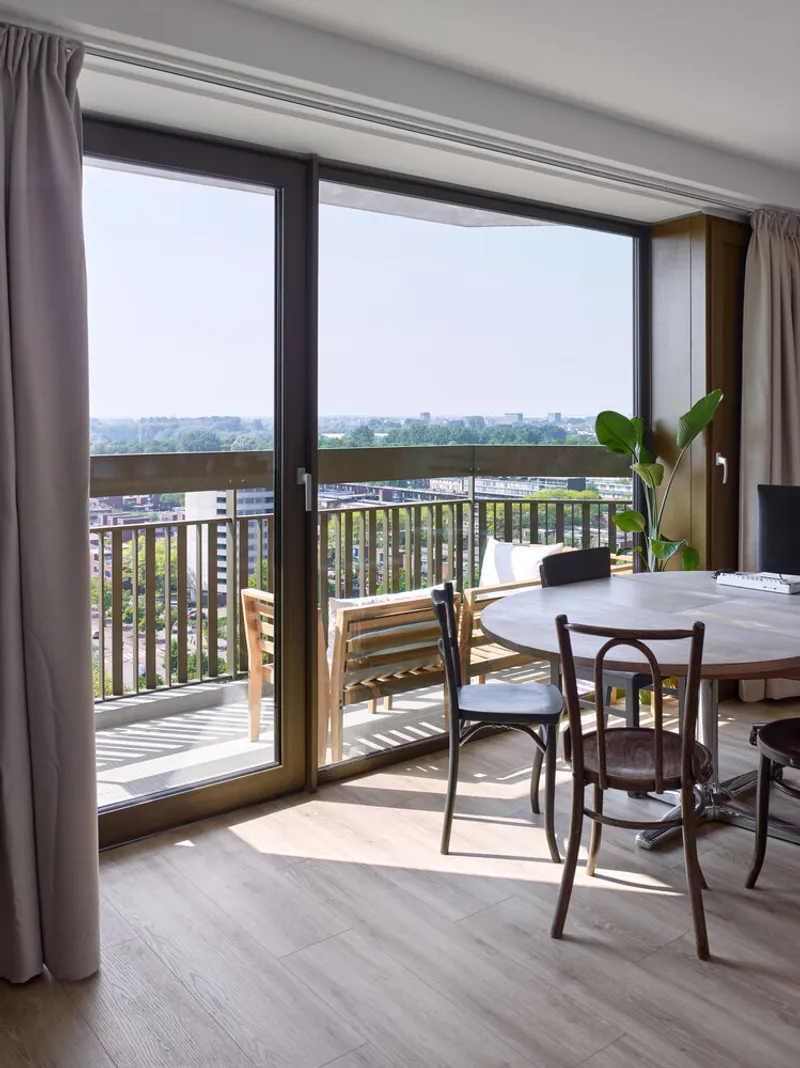
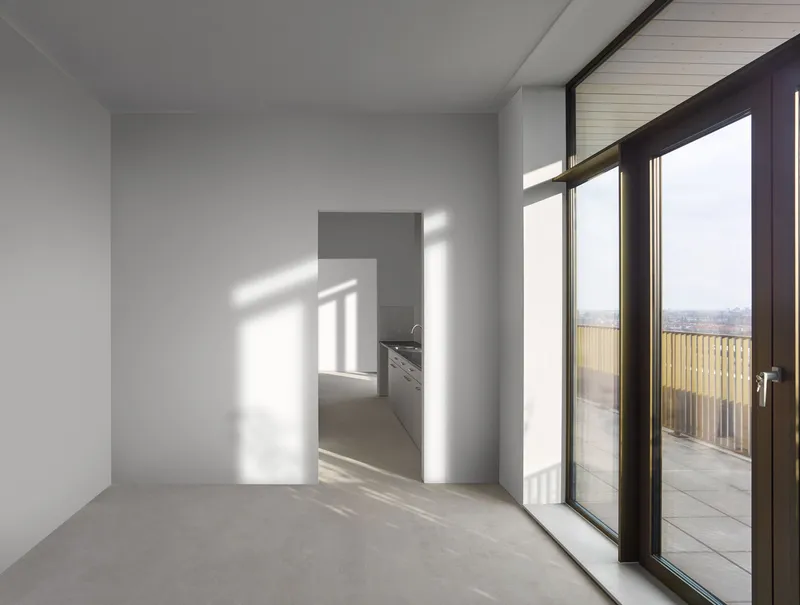
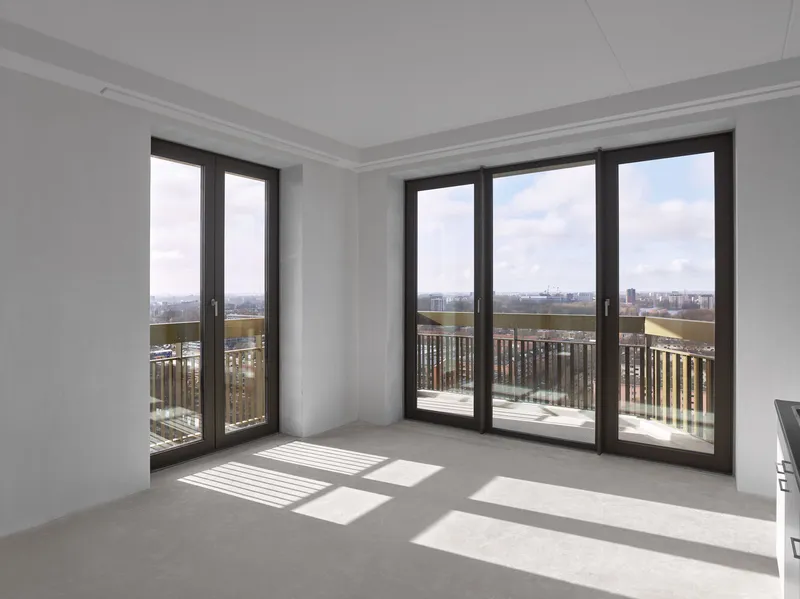
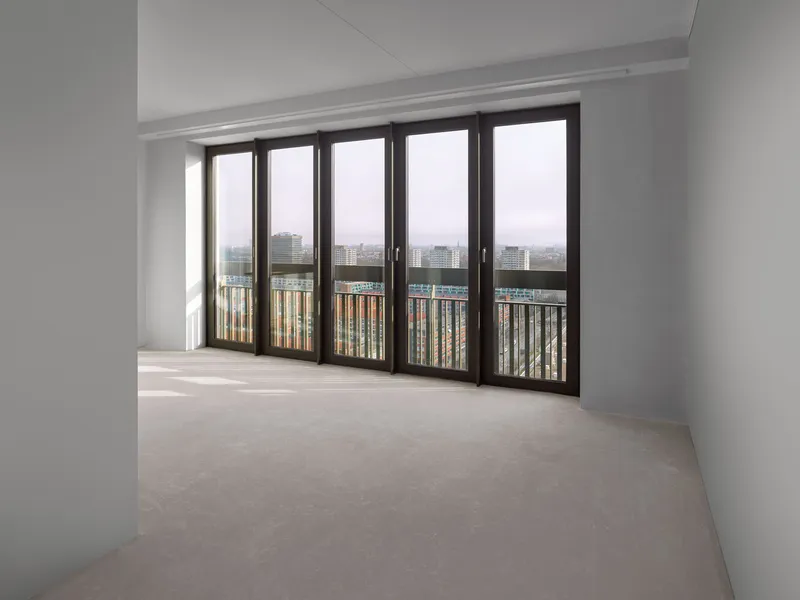
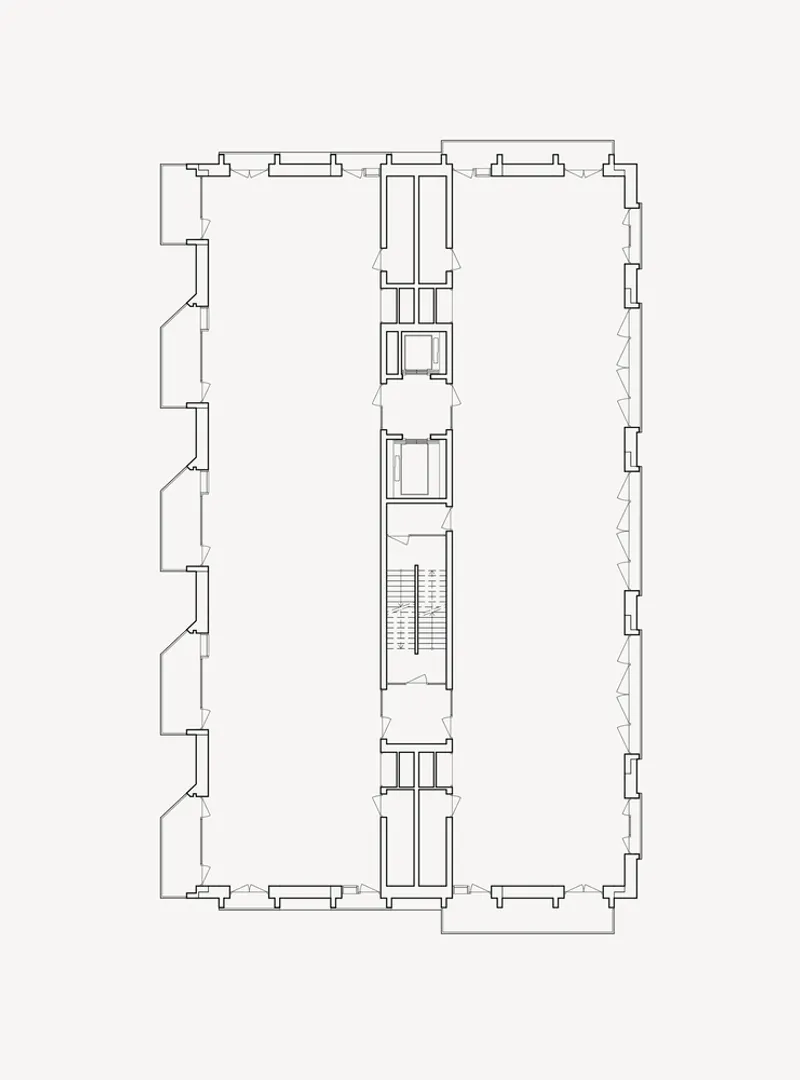
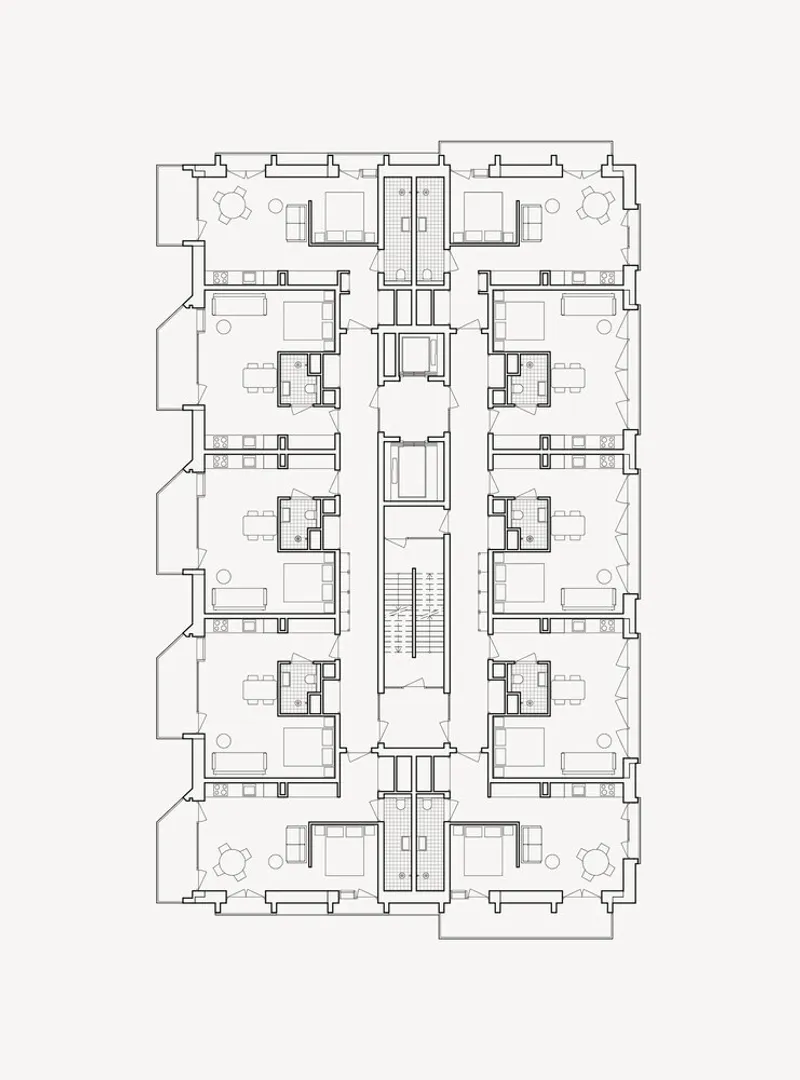
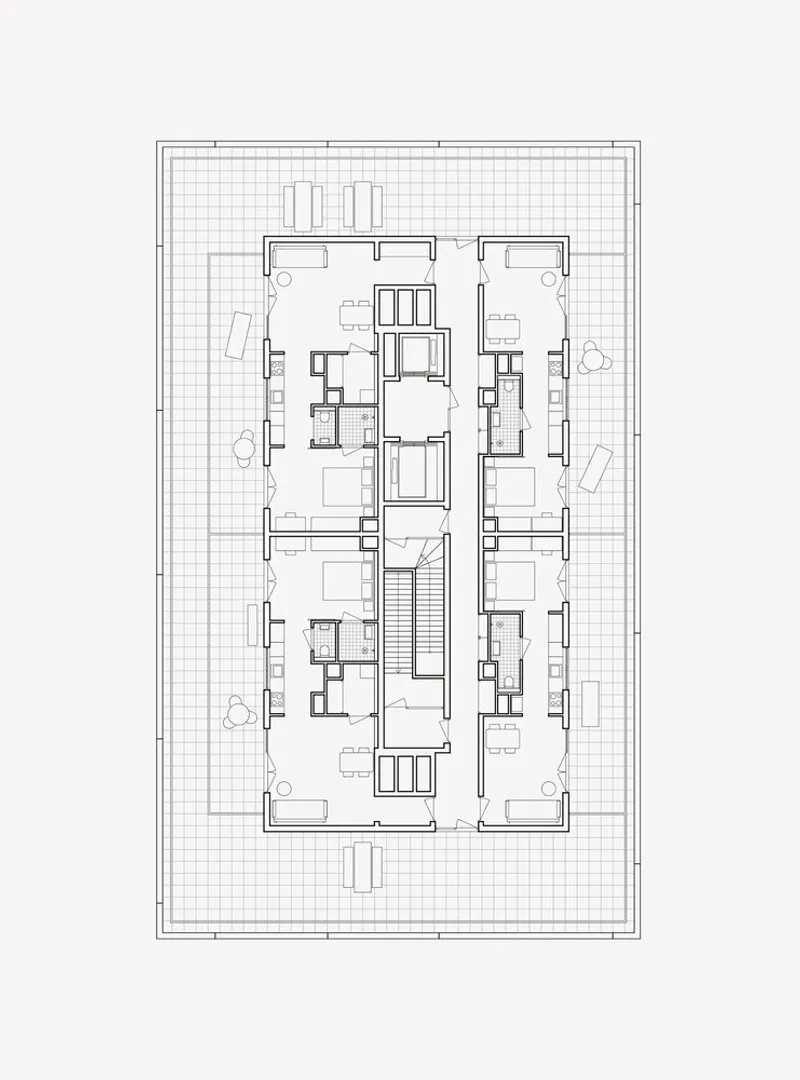
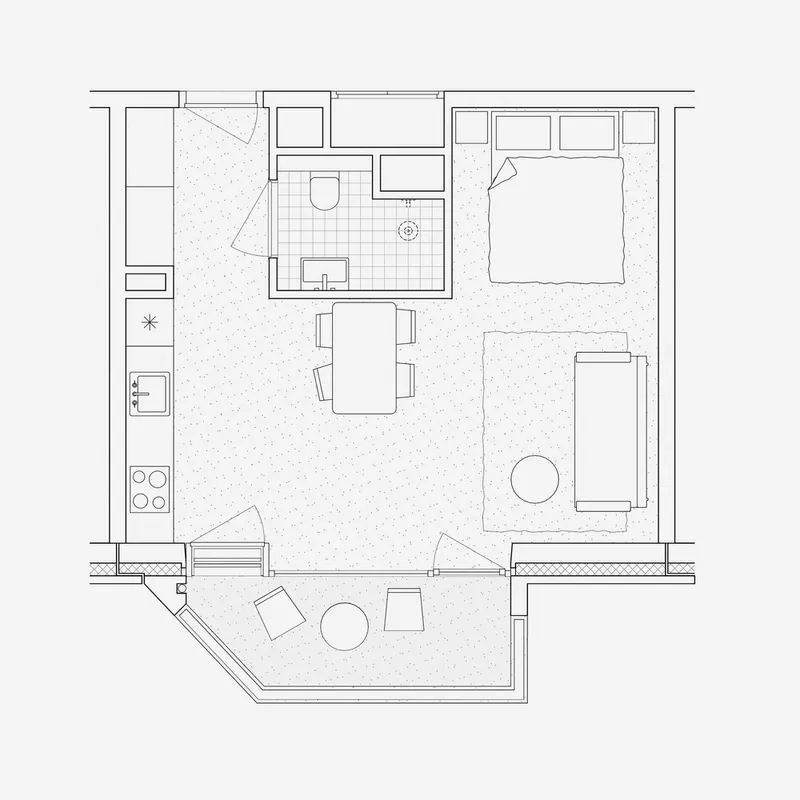
Each apartment, ranging from 35 to 45 square meters, is meticulously designed to optimize both space and comfort. By arranging units width-wise, both the kitchen and living spaces benefit from direct exposure to the façade, maximizing natural light and ventilation. Most homes feature private balconies, and a shared rooftop terrace fosters community engagement. These smart spatial decisions reflect a human-centric approach that proves affordable housing does not need to compromise on living quality.
Interior Design with a Participatory Approach
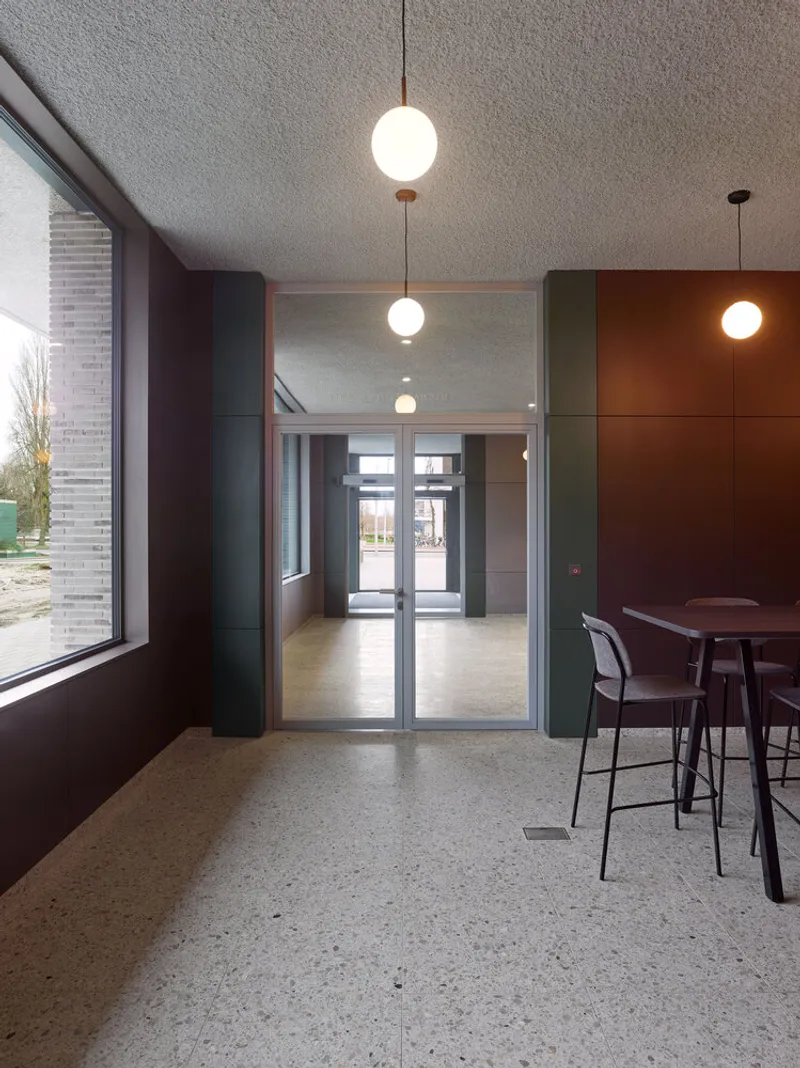
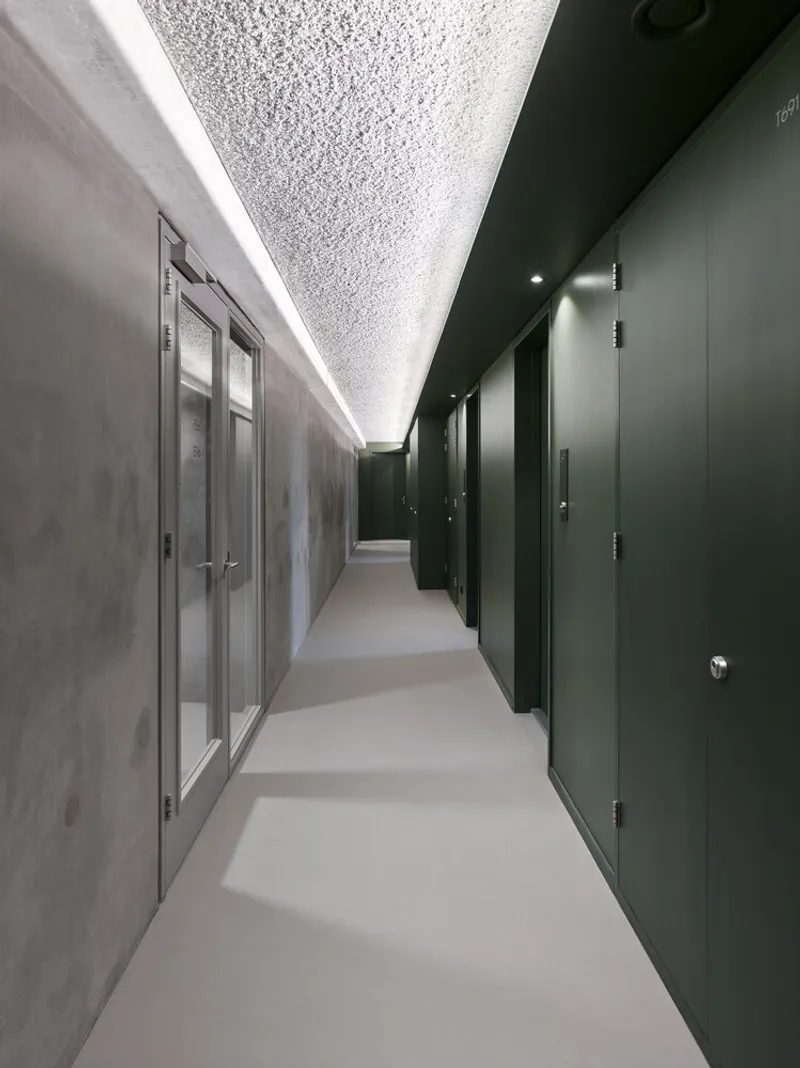
The interiors of Opportuna are co-designed with future residents, ensuring a sense of ownership and belonging from the start. On the ground floor, a generous entrance hall creates a welcoming experience. Facing the park, shared amenities such as a lounge with a pantry and a study area serve as social anchors for the community. This integration of communal functions into the architecture reinforces the idea that collective living and individual dignity can coexist seamlessly.
Prefabricated Concrete: A Sustainable and Flexible Construction Strategy
A key strength of the project lies in its use of prefabricated concrete elements. These elements—featuring textured ‘ribs’ and varying surface treatments—create a refined façade while enabling fast and efficient construction. The tower was built at a pace of one floor per week, minimizing on-site waste and labor costs. This prefabrication strategy also allows for flexible internal layouts, making the building adaptable to future needs and use patterns.
A Future-Ready Model for Urban Living
Opportuna stands as a forward-thinking example of how architectural design can actively contribute to the social and physical transformation of a district. It is not merely a solution to a housing shortage—it is a catalyst for urban renewal. The project embodies a sustainable, resilient approach to residential development, fostering a community-centered lifestyle grounded in dignity, inclusivity, and urban responsibility.
Architecture with Social Impact
In the broader discourse on affordable housing architecture in Amsterdam, the Opportuna Residential Tower is a compelling prototype. It combines thoughtful urban integration, resident-centered design, material efficiency, and construction innovation. This project signals a hopeful direction for cities seeking to balance growth, affordability, and design excellence in the 21st century.
All Photographs are works of Stefan Müller


Popular Articles
Popular articles from the community


Temporary Home for Dogs: A Reversed Zoo Rethinks Animal Shelter Architecture
In Bucharest, a sinuous corridor and freed landscape flip the logic of containment, designing a shelter that works to make itself unnecessary.

Opera on the Sea: Driftwood Logic Shapes a Timber Opera House on Estonia's Coast
Trevor Orgill's opera house translates the entangled drift of floating timber into a civic building where wood, water, and music converge.

Opera by the Sea Estonia: Three Shells Dissolving Architecture into Tallinn's Coastline
A winning opera house proposal replaces monumental form with interconnected shells that blur the boundary between building, park and Baltic Sea.

Tsunami Convergenics: Turning Catastrophic Ocean Forces into Underwater Housing Infrastructure
A speculative underwater settlement off the coast of Onagawa, Japan, treats tsunamis and typhoons as energy sources rather than threats.

Similar Reads
You might also enjoy these articles

Bamboo Housing Challenge 2026: Design Affordable, Sustainable Homes Using Bamboo
An international design competition by Bamboo U and IBUKU inviting architects and designers to reimagine affordable housing using bamboo — with the winning design built full-scale in Bali.

Computational Design & Education: Beegraphy Design Awards Introduces 7th Category (Featuring Jiyun's Innovative Approach)
Dive into Beegraphy’s 7th Design Awards category, where computational design meets education to create immersive, interactive learning tools, inspired by Jiyun’s work.

From Parametric Lighting to Urban Furniture: Join the 2nd Workshop in Beegraphy’s Computational Design Series
Dive into Cutting-Edge Design Techniques and Practical Applications with Industry Experts

Last Call: Unleash Your Architectural Genius in SHAK's Kindergarten Design Competition
Urgent call for architects to join SHAK's kindergarten design competition before the looming deadline

Explore Affordable Housing Competitions
Discover active competitions in this discipline

Challenge to reimagine the Iron Throne

Photograph architecture without architects

Illustrate the lost glory of Angkor Wat - Render Challenge

Design challenge to reuse E-waste
Comments (0)
Please login or sign up to add comments
No comments yet. Be the first to comment!