
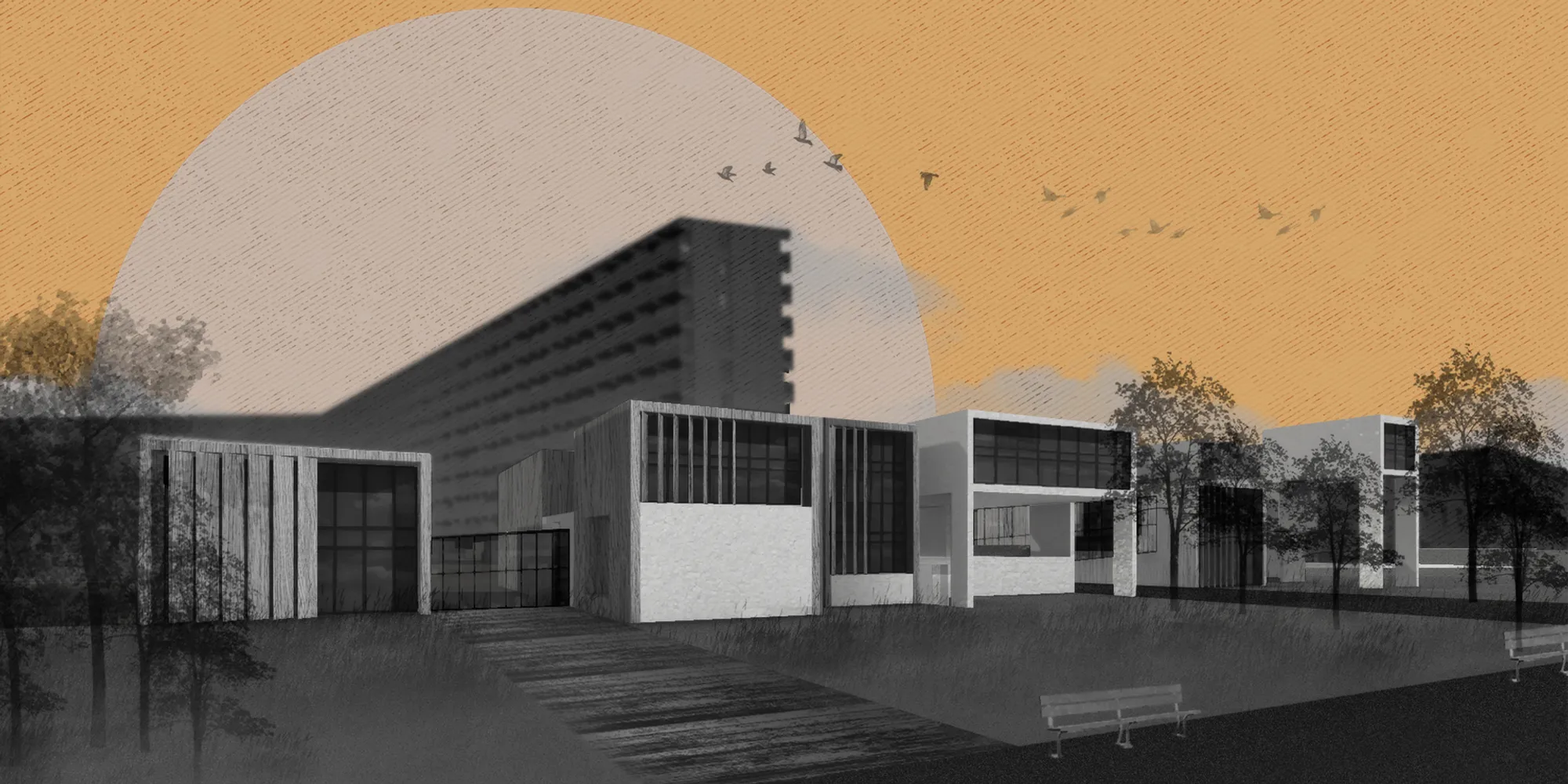
Overlapped Surface: A Vibrant Community Hub for International Students
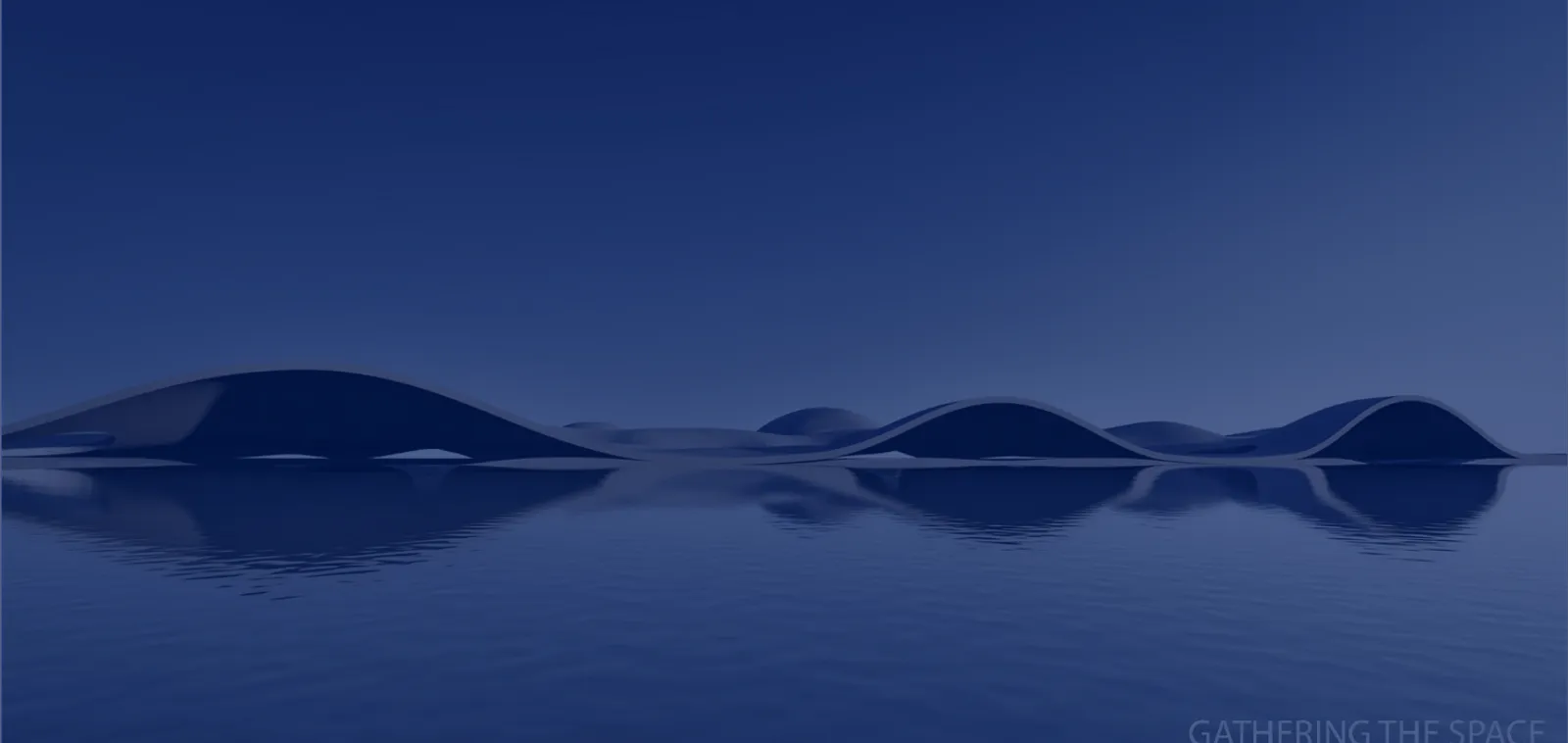
Overlapped Surface project, creating a vibrant community hub for international students.

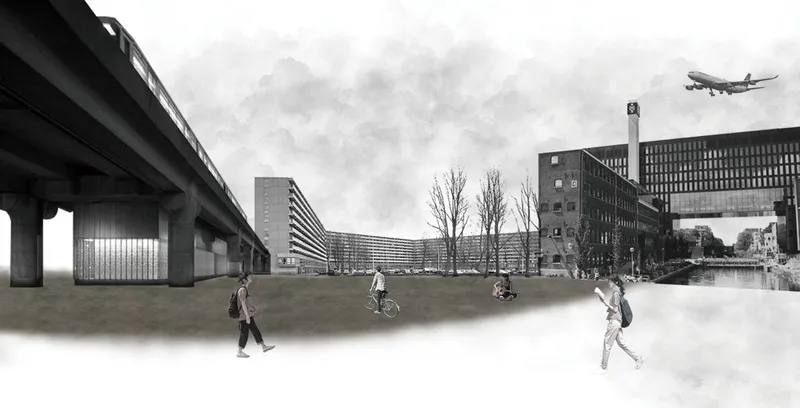
The Overlapped Surface project, created by Suhyeon Choe, Juyoung Lim, and Sun Wooseok, is a shortlisted entry in the Overseas Oasis competition. This innovative proposal introduces a new road system that integrates with the existing infrastructure to create a vibrant space for international students and residents. By transforming the area in front of the Kraaiennest metro station in Amsterdam, this project aims to foster a sense of community and inclusivity.
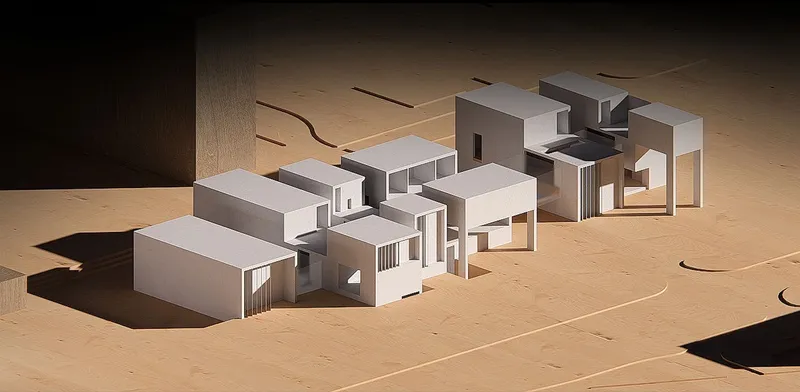
Project Overview
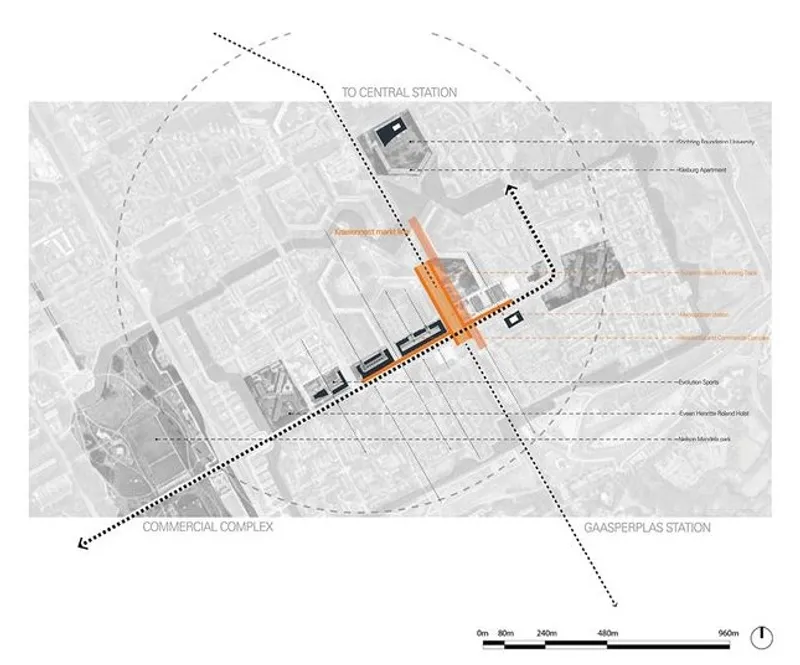
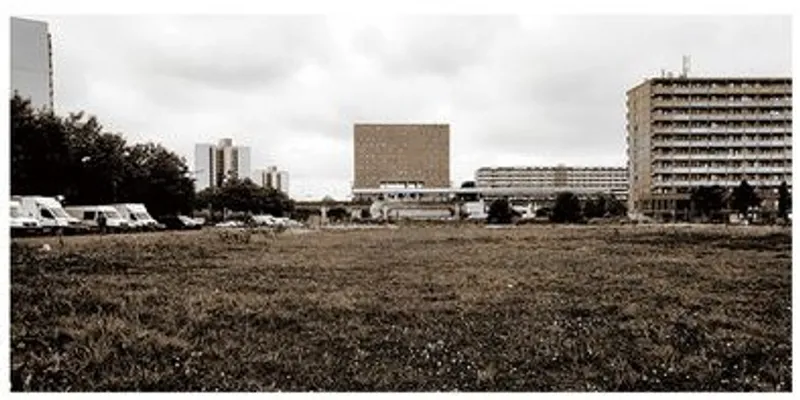
The site, located at the heart of a residential complex extending from the Kraaiennest metro station, serves as a crucial connection point between the metro and the neighborhood. This unique location acts as a gateway, drawing in residents and international students from diverse backgrounds. Despite its potential as a communal hub, the current site lacks facilities to accommodate and integrate international students, a gap that Overlapped Surface aims to fill.
Design Principle
The project addresses two primary issues: the need for suitable housing for international students and the challenge of social integration. With the increasing reluctance of international students to enter the Netherlands, fostering a supportive environment is more critical than ever. The Foundation to the north of the site, which prepares international students for admission to Dutch universities, does not provide housing, exacerbating the problem. The proposed community center, featuring shared housing spaces, aims to mitigate these challenges and facilitate smoother transitions for international students.
Concept
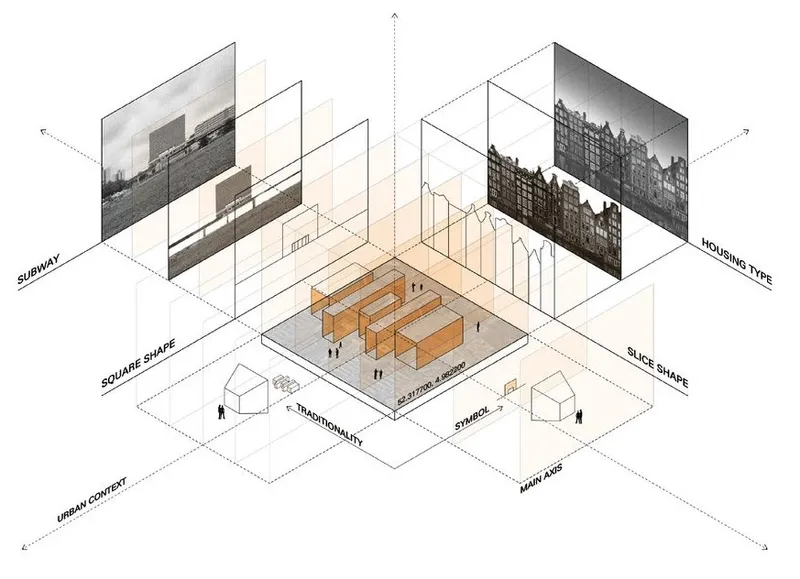
Drawing inspiration from traditional Dutch houses, characterized by their narrow, elongated shapes, the project seeks to blend with the existing architectural landscape. The design incorporates alley-like spaces between buildings, creating a market street that connects to the existing shopping district. This main road, which runs through several buildings, serves as the project's core, connecting various local spaces and fostering a shared environment for international students and local residents alike.
Architectural Features
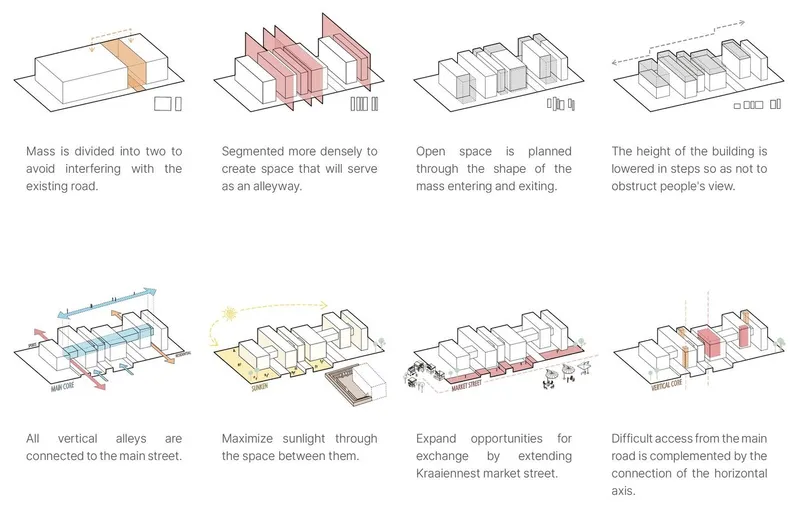
Mass Division: The building mass is divided to avoid interfering with the existing road, creating a dense space that serves as an alleyway.
Open Space: Open spaces are strategically planned through the mass's shape, with building heights adjusted to preserve views and sunlight.
Vertical Alleys: All vertical alleys are connected to the main street, enhancing accessibility and flow.
Plan
The community center is designed to encourage interaction and cultural exchange among international students and local residents. The facility includes shared kitchens, offices, and residences, providing ample opportunities for socialization and collaboration. The project aims to evolve into a vibrant, multicultural hub, contributing to the cultural development of the Netherlands and aiding in the settlement of immigrants.
Design Process
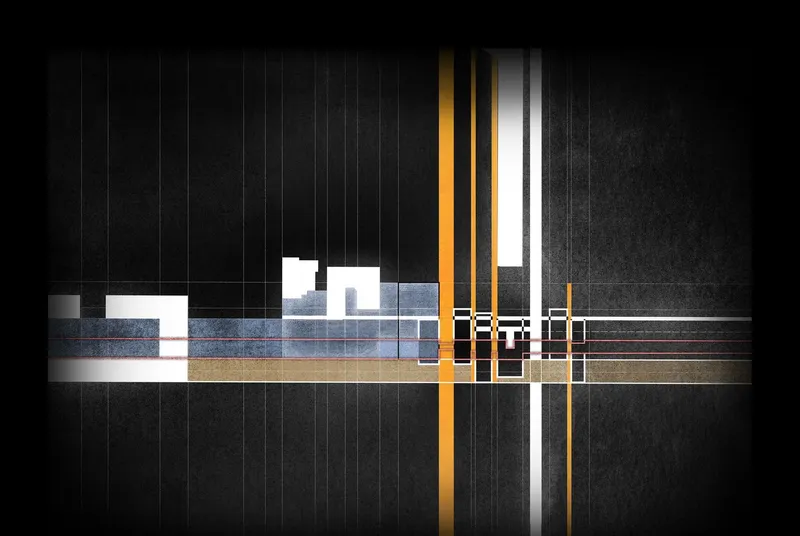
The design process involved extensive case studies and explorations of traditional Dutch architecture. Concept models were developed to investigate spatial organization, with a focus on creating vertical connections between masses using diagonal lines. The final program emphasizes shared spaces, facilitating community building and cultural exchange.
Material Selection
The primary structure features transparent glass for the main core column, highlighting the regularity of the long mass. Concrete is used for the building's mass, while wooden elements on the exterior provide a familiar, welcoming feel.
Objectives and Expansion
The project aims to create dynamic alleyways at various levels, enhancing movement and accessibility. The design encourages interaction across different levels, from underground spaces to elevated paths. The long-term goal is to explore and utilize idle urban spaces for community purposes, incorporating both traditional and modern Dutch architectural elements.
Future Transformation
Over time, the facility is expected to become a central hub for both international students and local residents. By providing shared spaces for hobbies and daily activities, the project will support international students in adapting to life in the Netherlands, fostering a harmonious and inclusive community.



Popular Articles
Popular articles from the community


The Memory of World: Skyscraper Architecture as a Vertical Exhibition of Human Civilization
A vertical museum in Hong Kong transforms skyscraper architecture into a journey through six eras of humanity, nature, memory, and progress.

Vaissnavi Shukl Wraps a Single-Storey Ahmedabad Home Around a Courtyard That Breathes
Malhaar Residence uses perforated brick, translucent canopies, and an L-shaped plan to turn a quiet suburban plot into an inward world.
A.N. Tombazis and K-Studio Bury a Luxury Resort into a Peloponnese Hillside
Mandarin Oriental Costa Navarino scatters 99 earth-sheltered rooms across 140 hectares above the Bay of Navarino in Pilos, Greece.
RHO Converts a Berlin Spree-Side Industrial Courtyard into Enkime's 1,000 m² Agency Headquarters
A social media agency's new home in Charlottenburg trades glossy branding for concrete waffle ceilings, glazed tile, and sheer curtains.


Similar Reads
You might also enjoy these articles
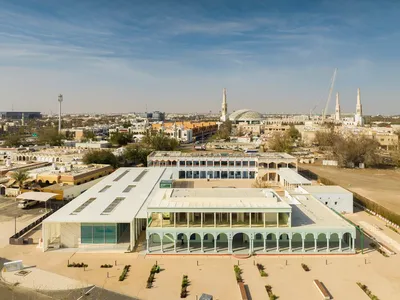
Bait Mohammed Bin Khalifa: A Landmark Heritage Restoration by Buro Happold & X Architects
Bait Mohammed Bin Khalifa blends heritage restoration and modern reuse, preserving a 1950s Emirati home as a cultural, educational, and community landmark.
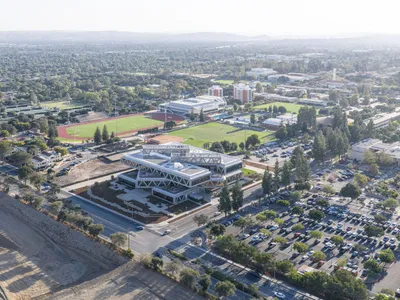
Robert Day Sciences Center at Claremont McKenna College by Bjarke Ingels Group (BIG)
Innovative science center by BIG featuring rotating volumes, collaborative atrium, sustainable design, and integrated learning spaces at Claremont McKenna College.
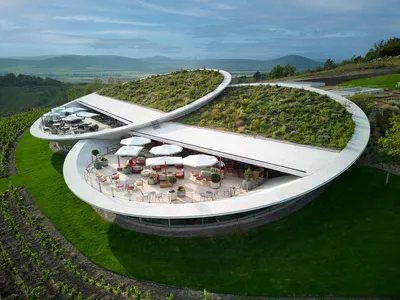
Tokaj Sauska Winery by BORD Architectural Studio – A Floating Landmark in Hungary’s Historic Wine Region
A floating, lens-shaped winery in Tokaj blending modern architecture, underground production, and panoramic hospitality within Hungary’s historic UNESCO wine landscape.
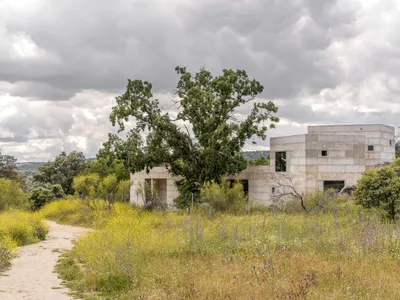
House X by Bojaus Arquitectura: A Harmonious Integration with Nature in Valdemorillo, Spain
House X by Bojaus Arquitectura blends seamlessly with Valdemorillo’s rugged landscape, featuring X-shaped concrete design, exposed walls, and lasting natural integration.


Explore Housing Competitions
Discover active competitions in this discipline




The Global Benchmark for Architecture Dissertation Awards

The Global Benchmark for Graduation Excellence


Bring back Drive In's
Comments (0)
Please login or sign up to add comments
No comments yet. Be the first to comment!