

Phare Ylliam Lighthouse: A Poetic Beacon of Architecture and Landscape by BUREAU
Geneva Lake lighthouse blends hyperboloid architecture, dynamic lantern, and landscape integration to inspire, guide, and captivate visitors.


Rising gracefully on the serene shores of Geneva Lake, the Phare Ylliam Lighthouse, designed by BUREAU, redefines what it means to be a contemporary lighthouse. Completed in 2025, this 120 m² structure combines poetic architecture, innovative engineering, and landscape integration, offering both functional and symbolic significance. While traditional lighthouses are often associated with dramatic, stormy coasts, the calm waters of Geneva provide a unique context, emphasizing tranquility, reflection, and subtle interaction with the landscape. Here, the lighthouse is not merely a maritime aid but a cultural and architectural landmark.
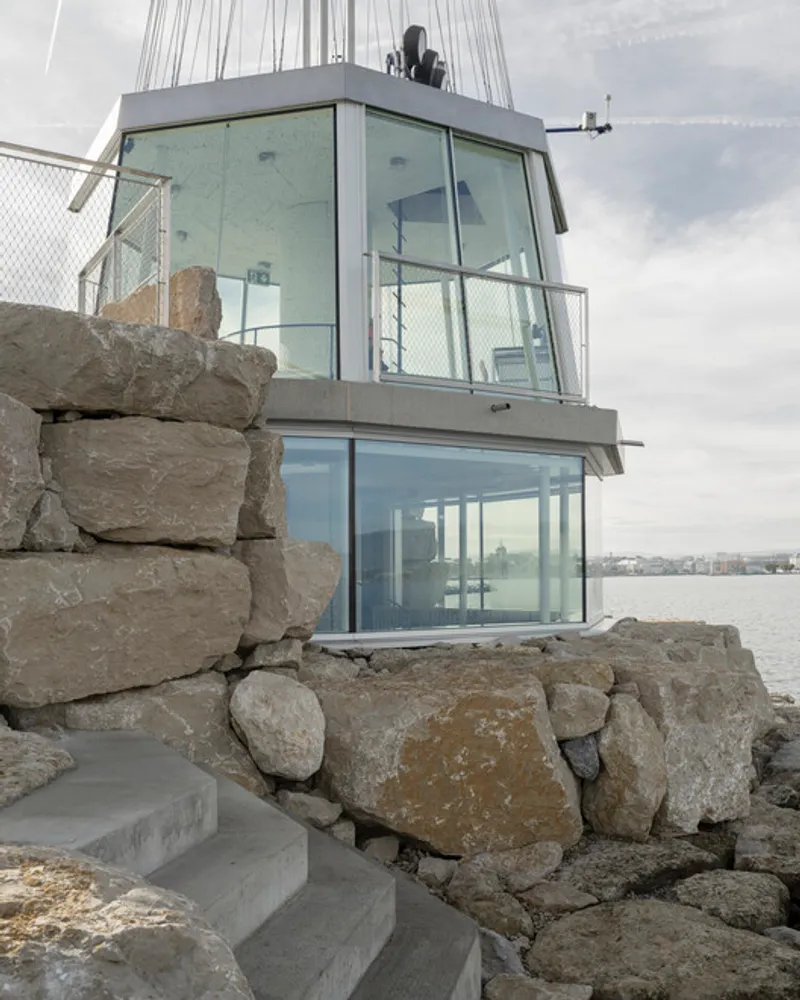
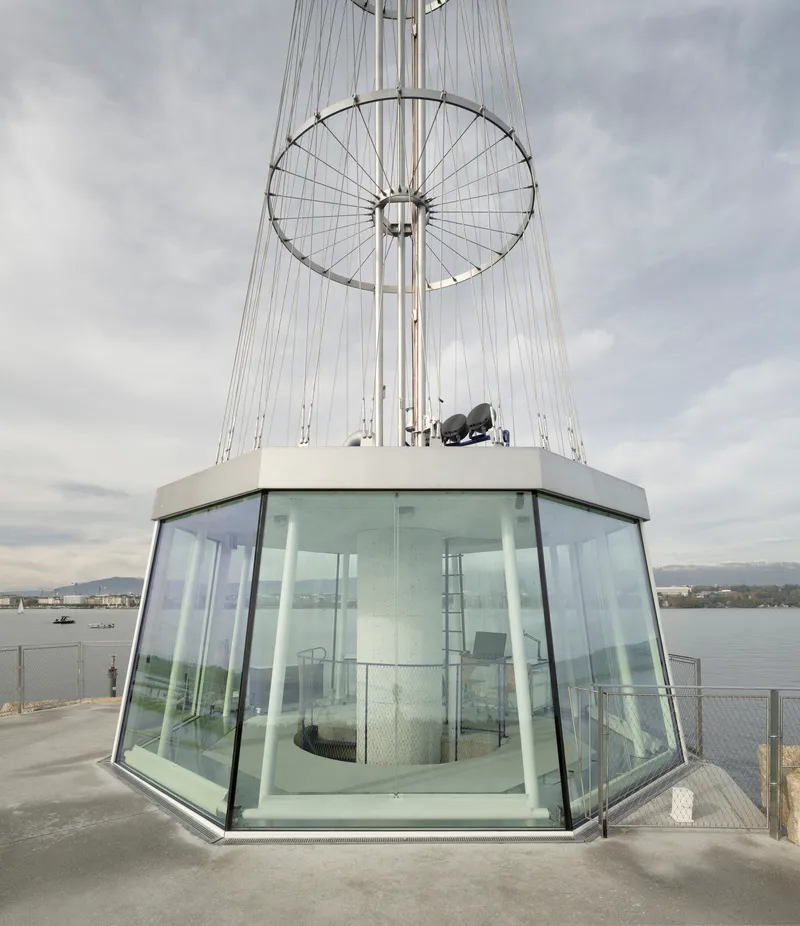
Architecture Inspired by Lightness and Structural Innovation
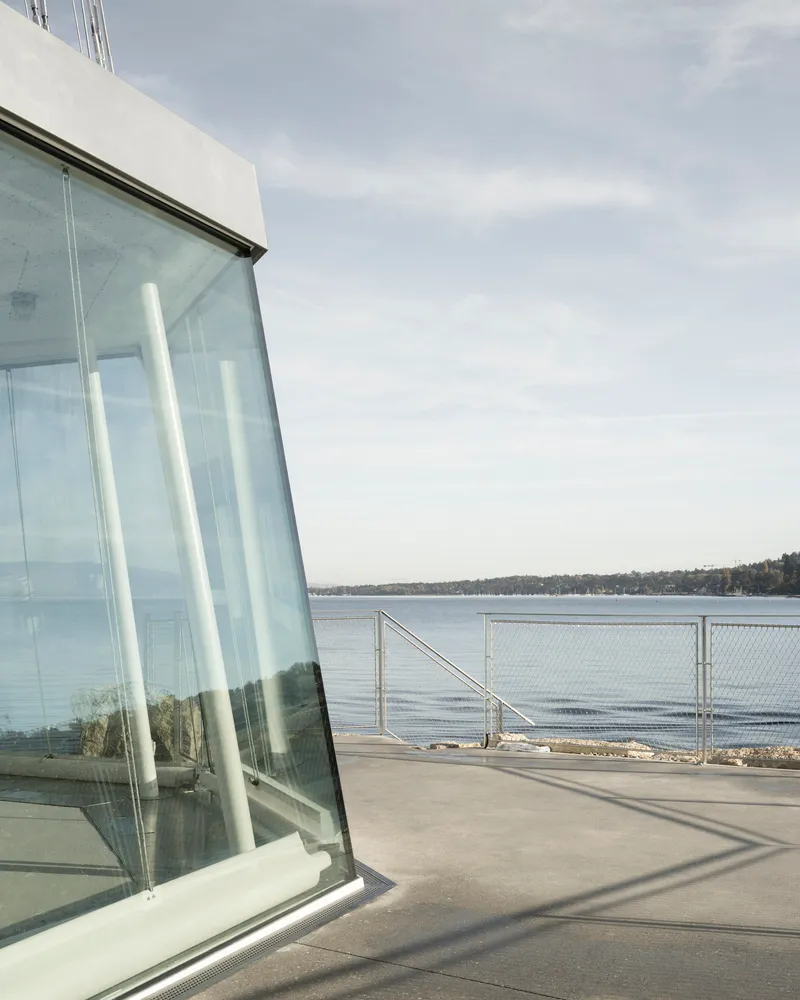
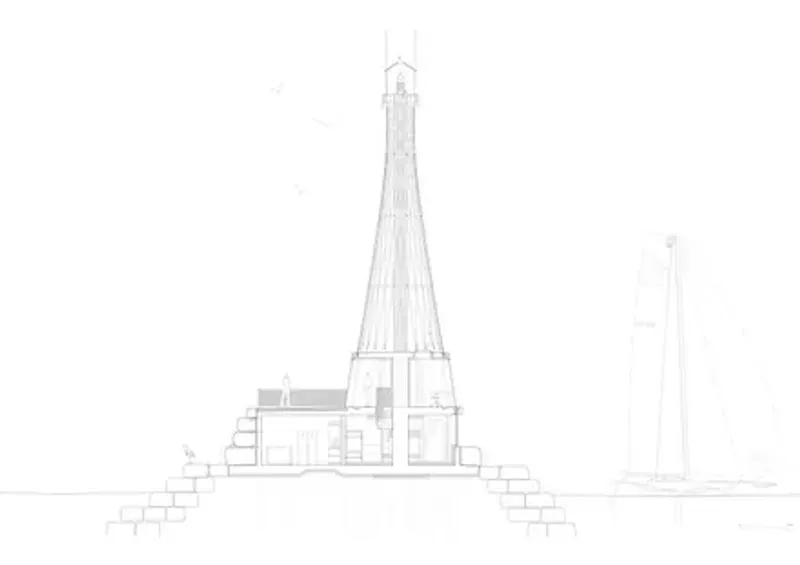
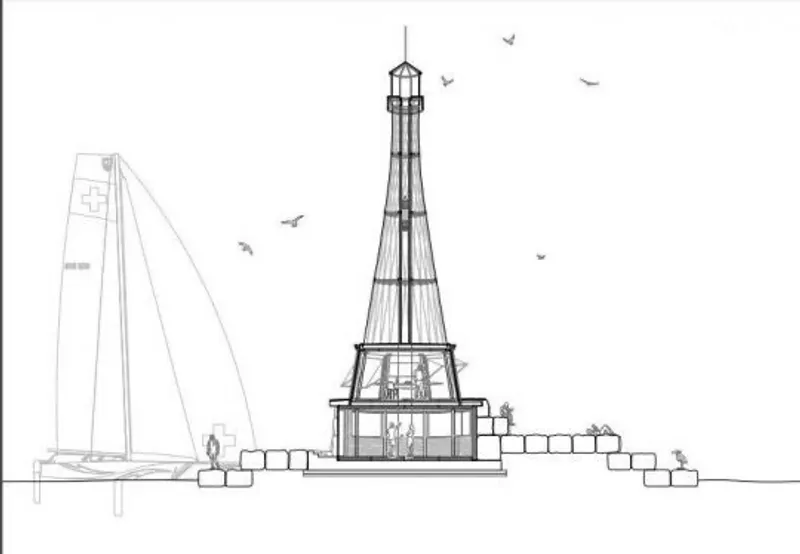
The design draws inspiration from the hyperboloid structures of Vladimir Shukhov, a pioneering Soviet engineer from the early 20th century. Known for his ultra-light, lattice-like constructions, Shukhov’s work influenced the lighthouse’s airy vertical form. Unlike conventional lighthouses, which often dominate the surrounding landscape with solid mass, the Phare Ylliam Lighthouse employs a transparent and almost ephemeral silhouette, rising from its solid mineral base. This interplay of lightness and solidity allows the structure to merge harmoniously with the natural environment, appearing as a mirage that subtly emerges and recedes with the viewer’s perspective.
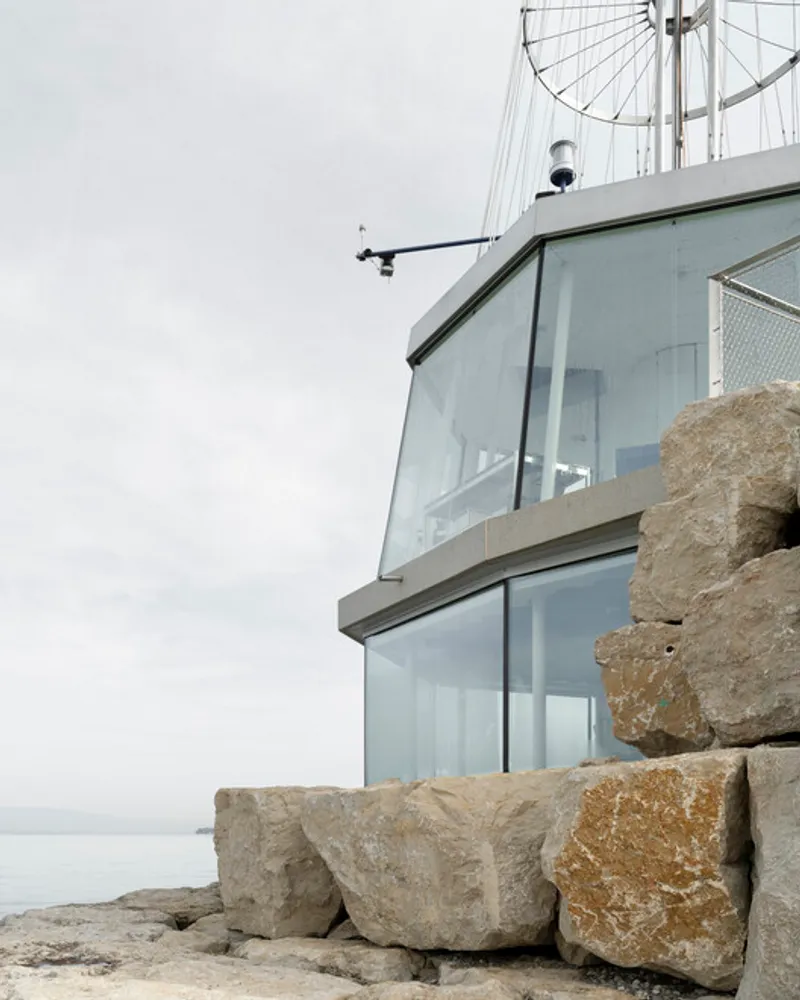
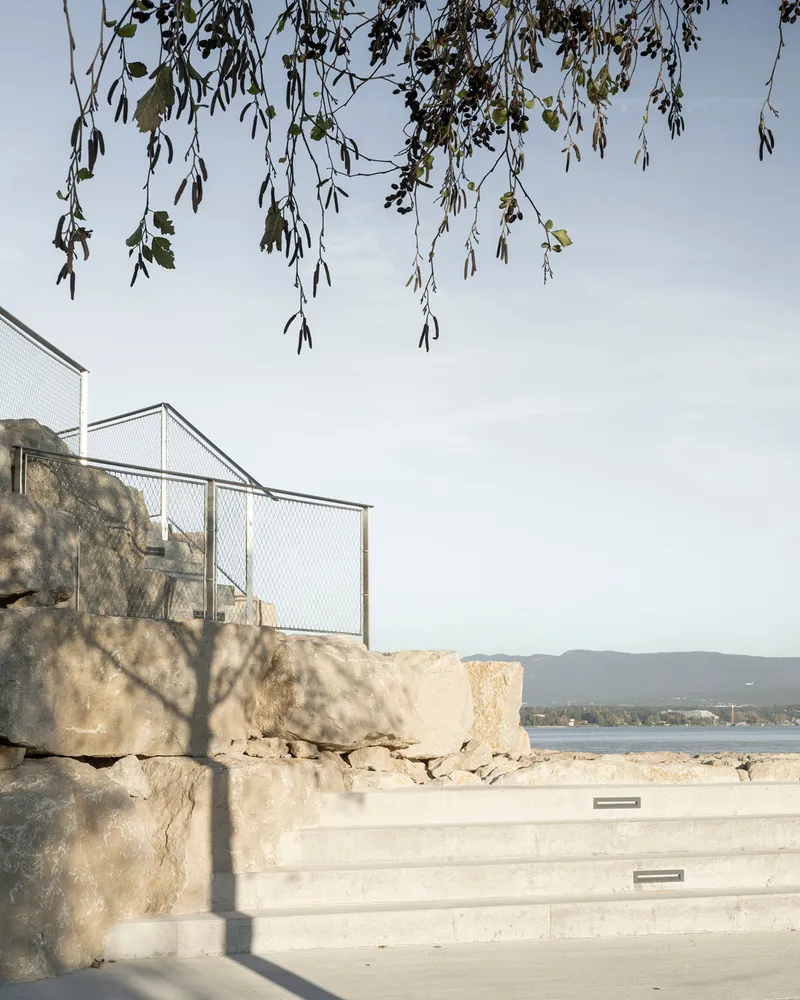
The lighthouse is set on a modified version of Geneva harbor’s existing mineral blocks, creating a robust foundation while maintaining visual continuity with the surrounding riprap landscape. The combination of a solid base and a lightweight hyperboloid tower ensures both structural stability and architectural elegance. This duality emphasizes the lighthouse’s infrastructure-based design, highlighting functionality without sacrificing aesthetic sophistication.
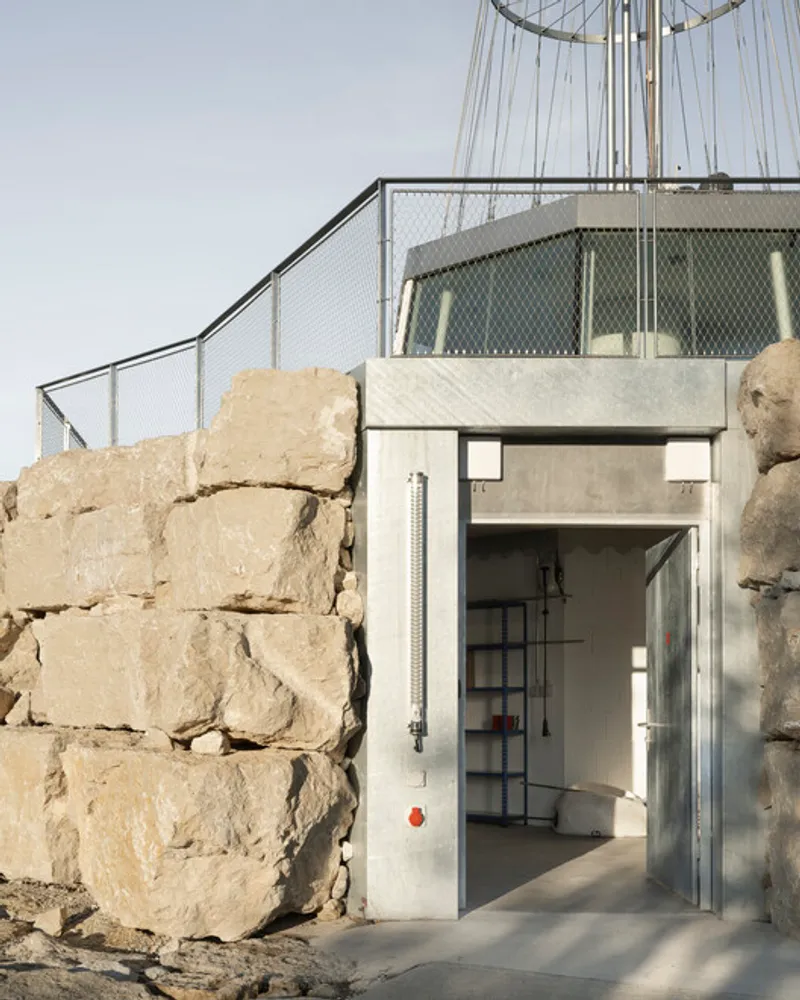
Spatial Experience and Interior Design
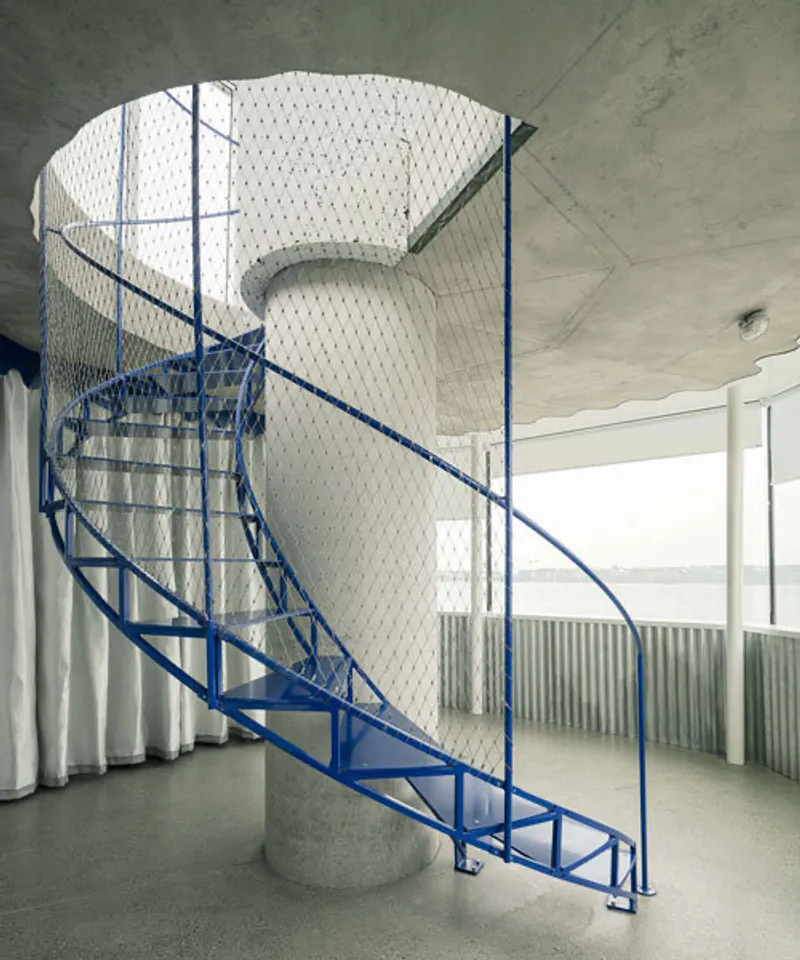
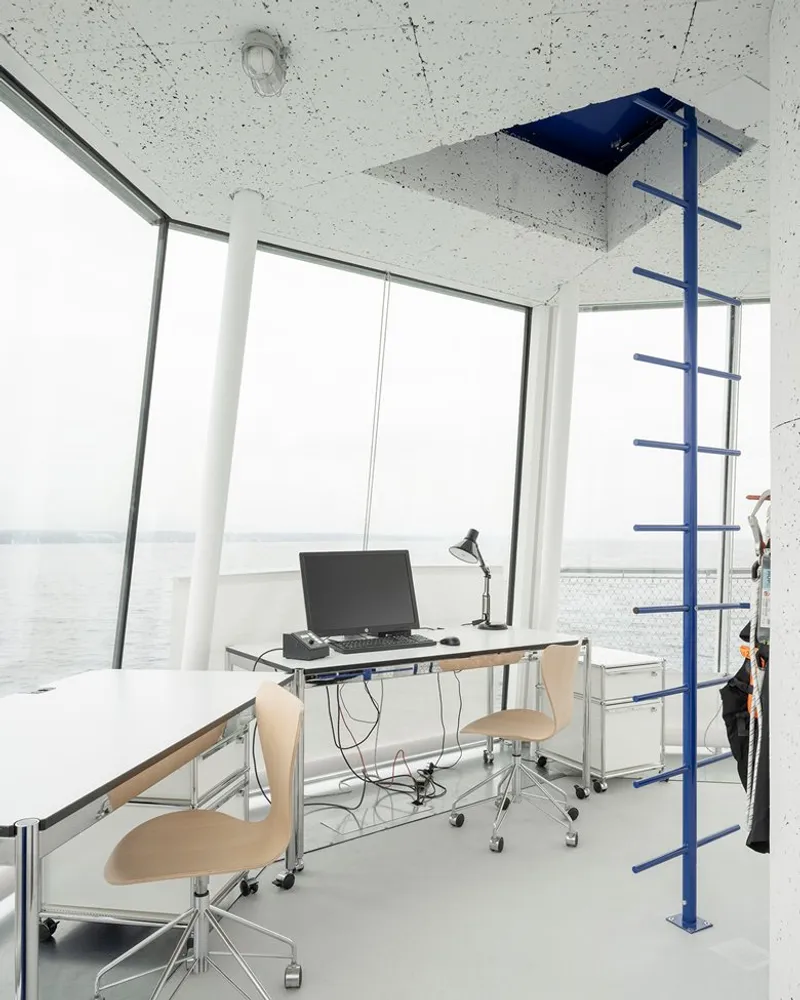
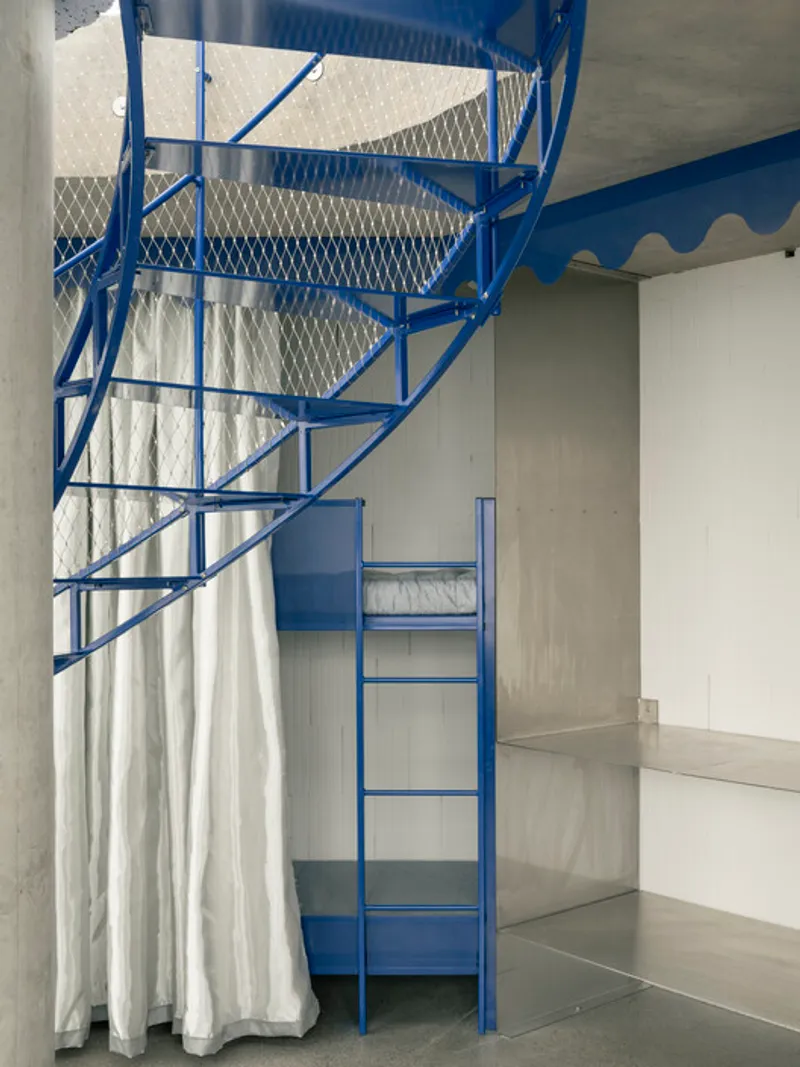
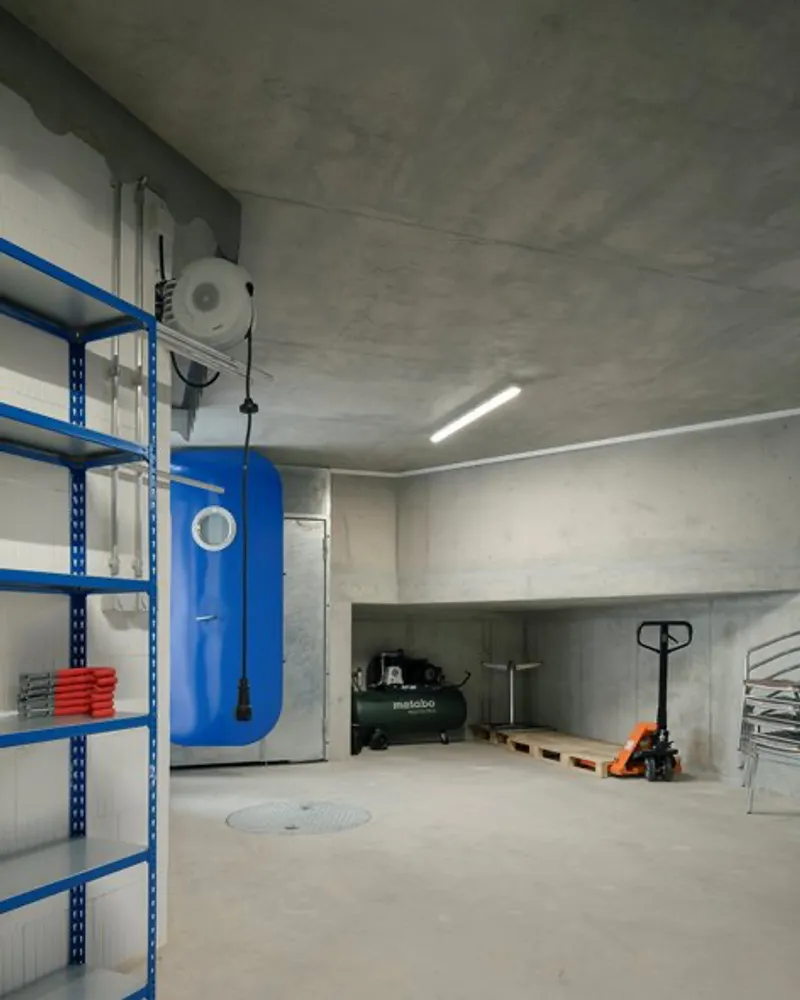
The lighthouse’s interior spans three levels, each offering distinct experiences for visitors. At the base, a protected living space provides panoramic views through a long horizontal window, inviting contemplation and engagement with the lake and surrounding landscape. This design echoes the magical constructions of César Manrique, the Spanish artist-architect, creating an interior where natural light, materiality, and framing of the view enhance the sense of place.
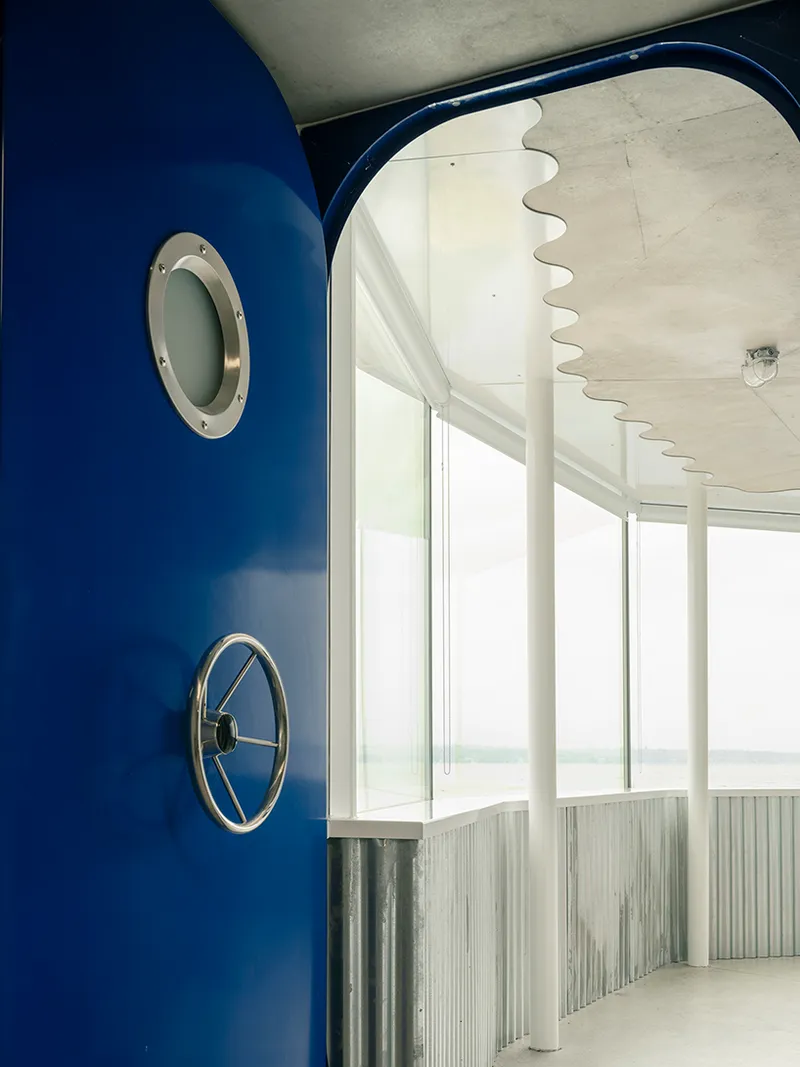
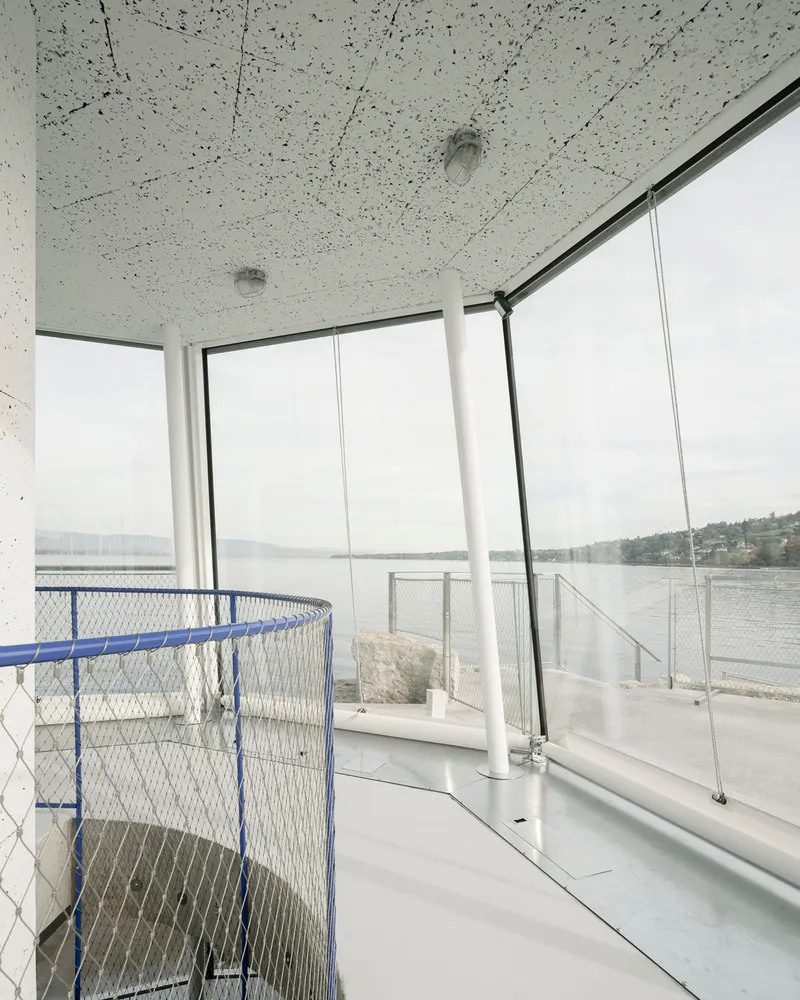
Moving upward, the intermediate levels maintain an intimate and functional character, while the upper cabin replicates the experience of a compact boat cabin. This top level provides full panoramic views of Geneva Lake, merging the sensation of exploration with architectural comfort. The spatial experience is further enhanced by dynamic interactions between the lighthouse’s structure, the lake, and the surrounding harbor, allowing visitors to perceive both the scale of the landscape and the delicate engineering of the tower.
Dynamic Lantern and Interaction with the Environment
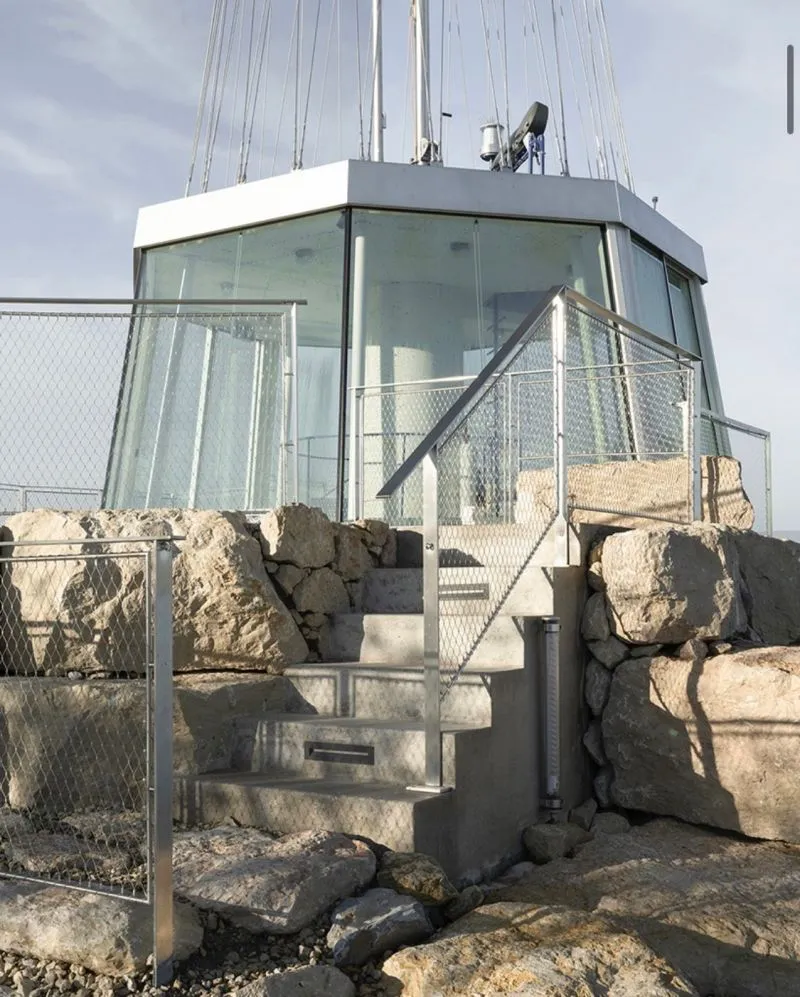
One of the defining elements of the project is its dynamic lantern, a light fixture that can be raised and lowered using a guidance system integrated into the lighthouse’s structural pillars. This feature transforms the lighthouse into a responsive architectural instrument, capable of modulating light and interaction with its surroundings. By controlling the height and intensity of illumination, the lighthouse engages with near and distant perspectives, emphasizing both intimate and grand-scale experiences of the site.
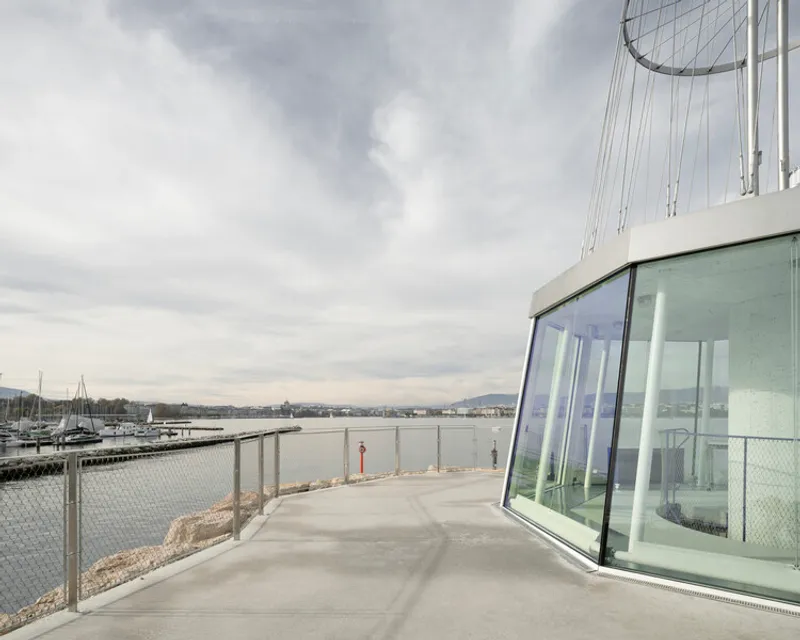
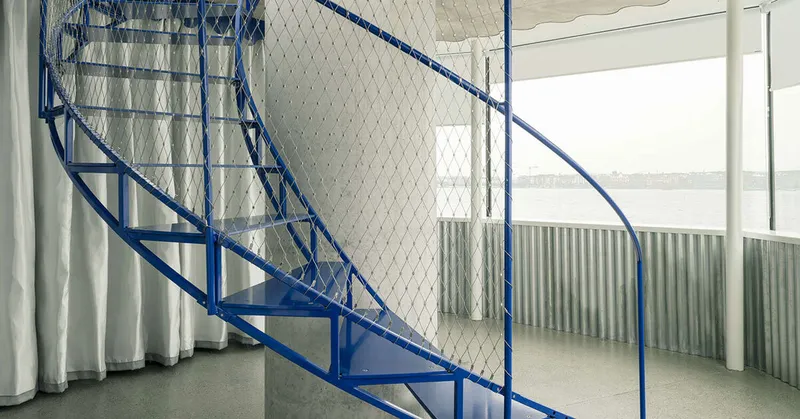
The interplay between the dynamic lantern, structural transparency, and surrounding landscape allows the lighthouse to respond to its context. During the day, the tower appears as a semi-transparent sculpture, whereas at night, its lantern creates a symbolic beacon that reinforces the traditional purpose of lighthouses: guiding and inspiring.
Contextual Integration and Landscape Design
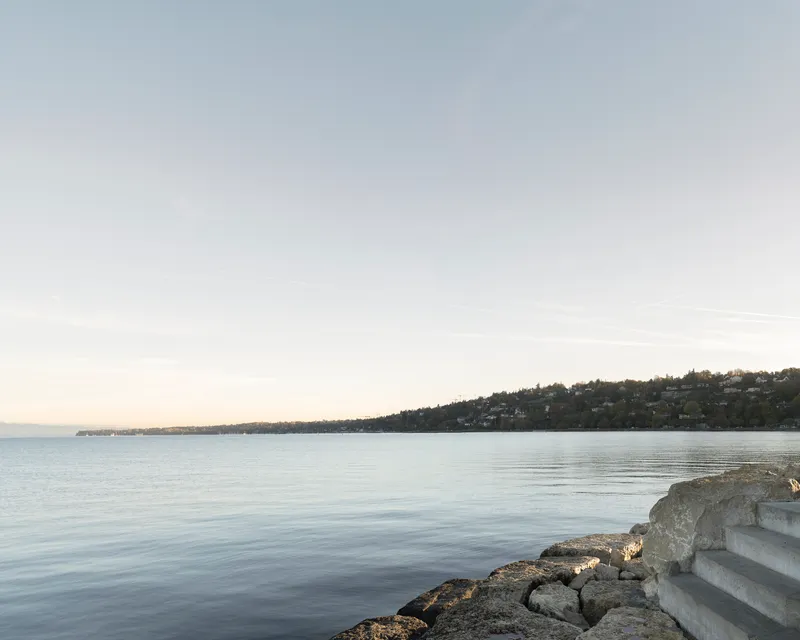
Unlike conventional coastal lighthouses that rely on dramatic cliffs and extreme conditions, the Phare Ylliam Lighthouse occupies a calm lakeside setting. Its design emphasizes sensitivity to the local landscape, ensuring the structure neither dominates nor disrupts the natural environment. By integrating mineral blocks and referencing riprap formations, the lighthouse establishes a dialogue between architecture and nature.
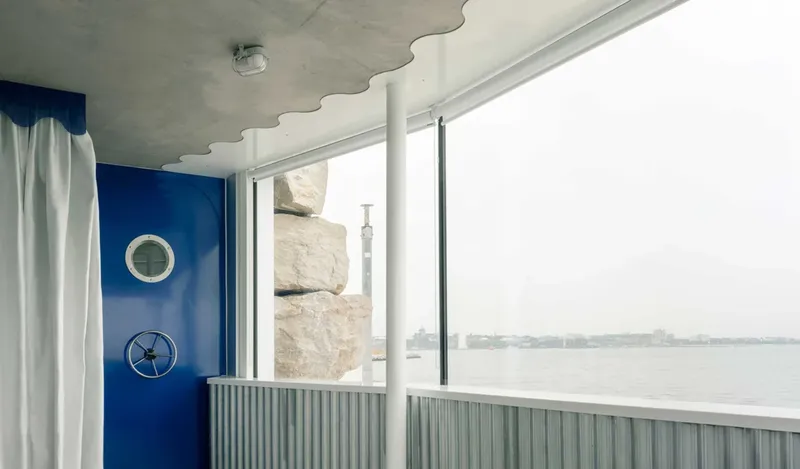
The surrounding site was carefully developed to accentuate the extension of the land into the lake. This allows the lighthouse to emerge as a vertical marker, visible from both near and distant vantage points, reinforcing its identity as a landmark without resorting to visual excess. Visitors experience a journey of perception, moving from the grounded, solid base to the delicate vertical lightness that reaches skyward.
Symbolism and Poetic Significance
Lighthouses have always carried profound symbolic meaning: guidance, safety, and imagination. The Phare Ylliam Lighthouse embodies these ideals while extending them into modern architectural discourse. It functions as a beacon, yes, but also as a poetic and cultural object, emphasizing human interaction with water, light, and landscape. It invites reverie, encouraging visitors to consider distant horizons, the journey of life, and the interplay between human-made structures and natural systems.
BUREAU’s design rejects the conventional, figurative approach to lighthouses. Instead, it presents a minimalist, infrastructural presence that emphasizes functionality while evoking beauty. It stands as an exploration of form, transparency, and materiality, echoing the historical lineage of lighthouses while pushing boundaries toward contemporary architecture.
Sustainability and Technical Achievement
The lighthouse integrates advanced engineering principles that ensure stability, durability, and environmental sensitivity. Its hyperboloid structure allows for minimal material usage without compromising strength, demonstrating the potential of lightweight, sustainable design. The dynamic lantern further contributes to energy efficiency, adjusting illumination according to situational needs and enhancing visitor experience without excess energy consumption.
Phare Ylliam Lighthouse exemplifies the fusion of engineering excellence and architectural poetry, creating a built environment that is both functional and inspirational. It showcases how modern infrastructure can embody cultural significance, providing a template for future architectural interventions in sensitive landscapes.
Conclusion
Phare Ylliam Lighthouse is more than a navigational aid; it is a landmark of contemporary architecture, a cultural symbol, and an innovative engineering achievement. Through its combination of hyperboloid structure, dynamic lighting, and integration with Geneva Lake’s landscape, it transforms a simple lakeside pier into a poetic architectural experience. BUREAU has demonstrated that lighthouses can evolve beyond traditional forms, embracing modernity, functionality, and symbolism, creating a timeless icon of light, guidance, and beauty.
All the Photographs are works of Dylan Perrenoud


Popular Articles
Popular articles from the community


Manzana Morphosis: Stretching Barcelona's Grid into a Living Landscape for 2050
A radical reworking of the Eixample manzana turns density into a tool for generous public space, vertical ecology, and environmental performance.

Temporary Home for Dogs: A Reversed Zoo Rethinks Animal Shelter Architecture
In Bucharest, a sinuous corridor and freed landscape flip the logic of containment, designing a shelter that works to make itself unnecessary.

Tsunami Convergenics: Turning Catastrophic Ocean Forces into Underwater Housing Infrastructure
A speculative underwater settlement off the coast of Onagawa, Japan, treats tsunamis and typhoons as energy sources rather than threats.

Opera by the Sea Estonia: Three Shells Dissolving Architecture into Tallinn's Coastline
A winning opera house proposal replaces monumental form with interconnected shells that blur the boundary between building, park and Baltic Sea.

Similar Reads
You might also enjoy these articles


Hodi-Mandai Geram
Project Function: Preservation and revitalization of the Intangible heritage and socio-spatial identity of the Hodi by Housing, Cultural Memory Center, Sacred Grove, landscape, local tourism economy


Olio Towers: A Mid-Rise for Performers That Fuses Housing, Rehearsal, and Stage
Located blocks from Houston's Theater District, this modular tower stacks living units around a central performance atrium.

Oasis: Modular Green Housing Carved into Dhaka's Urban Fabric
A shortlisted Plugin Housing entry reclaims unauthorized settlements in Dhaka with stepped concrete volumes, green roofs, and ventilation-driven design.

Black Hole: A Floating Megastructure for the Post-Physical Era
Emiliano Mazzarotto envisions a spherical, self-scaling arena where e-sports, digital hotels, and holographic stadiums replace traditional public space.

Explore Luminaire Competitions
Discover active competitions in this discipline

Challenge to reimagine the Iron Throne

Photograph architecture without architects

Illustrate the lost glory of Angkor Wat - Render Challenge

Design challenge to reuse E-waste
Comments (0)
Please login or sign up to add comments
No comments yet. Be the first to comment!