
Populus Hotel Studio Gang – A Landmark of Sustainable Hospitality in Denver
Populus Hotel by Studio Gang is a sustainable landmark in Denver, merging Aspen-inspired design with innovative hospitality and eco-friendly architecture.


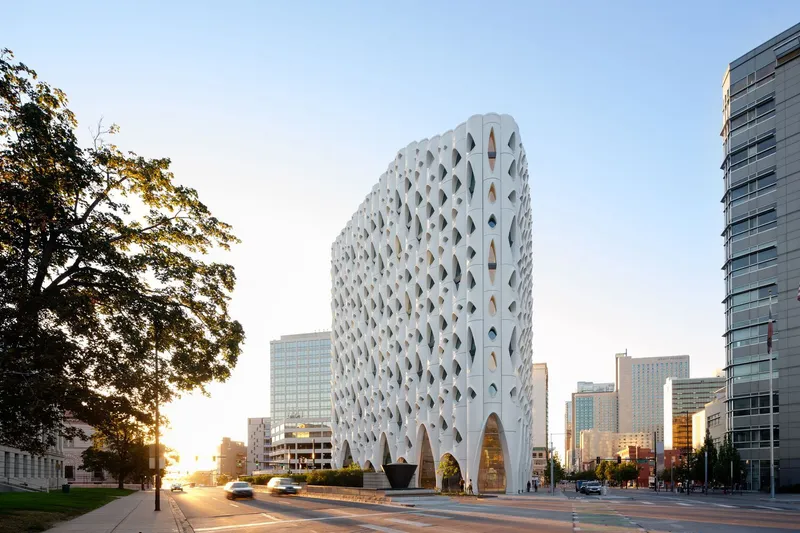
The Populus Hotel Studio Gang is a groundbreaking 265-room hospitality project redefining Denver’s skyline and setting a new benchmark for sustainable hotel design. Completed in 2024, this architectural icon marks Studio Gang’s first project in Colorado and the American Southwest. Inspired by the natural growth patterns of Aspen trees (Populus tremuloides), the design blends urban vibrancy with ecological sensitivity, making the hotel a modern symbol of Denver’s civic and cultural identity.
Architectural Concept and Design Inspiration
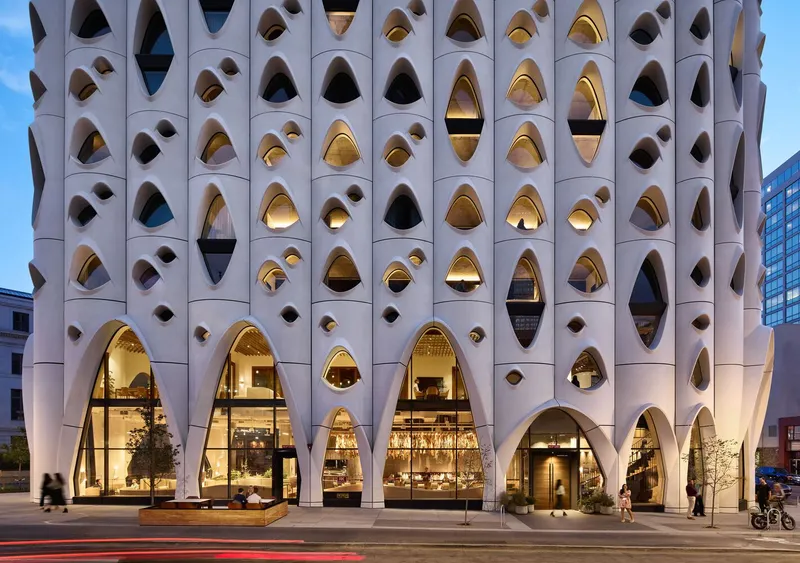
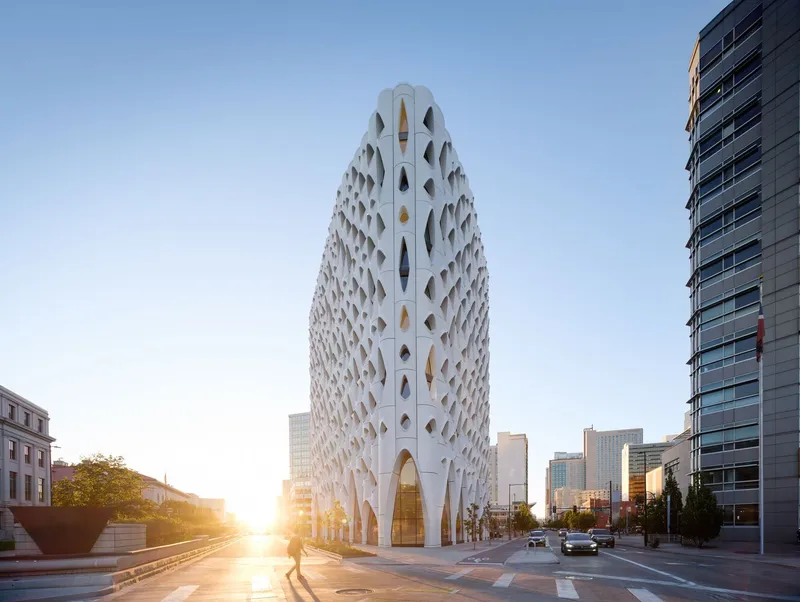
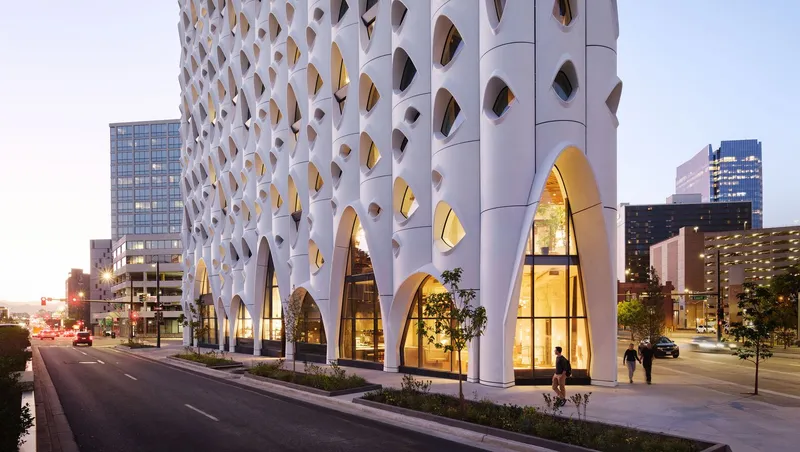
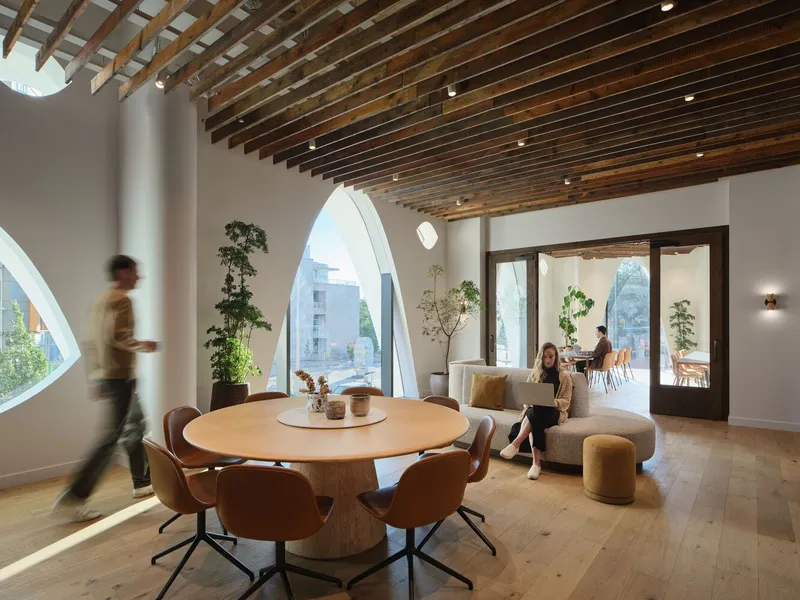
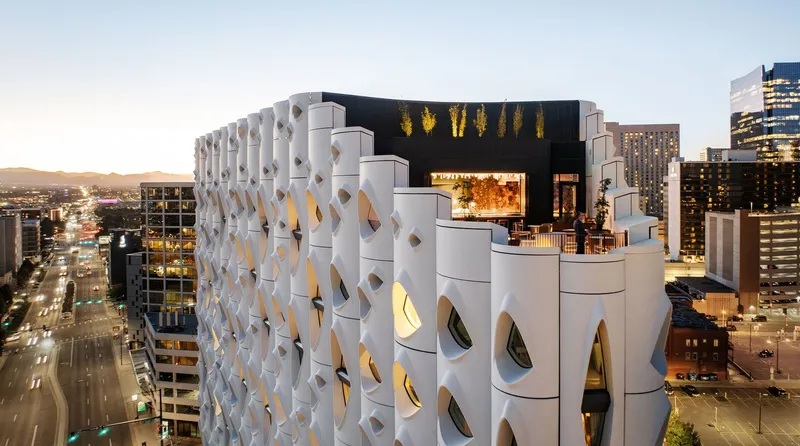
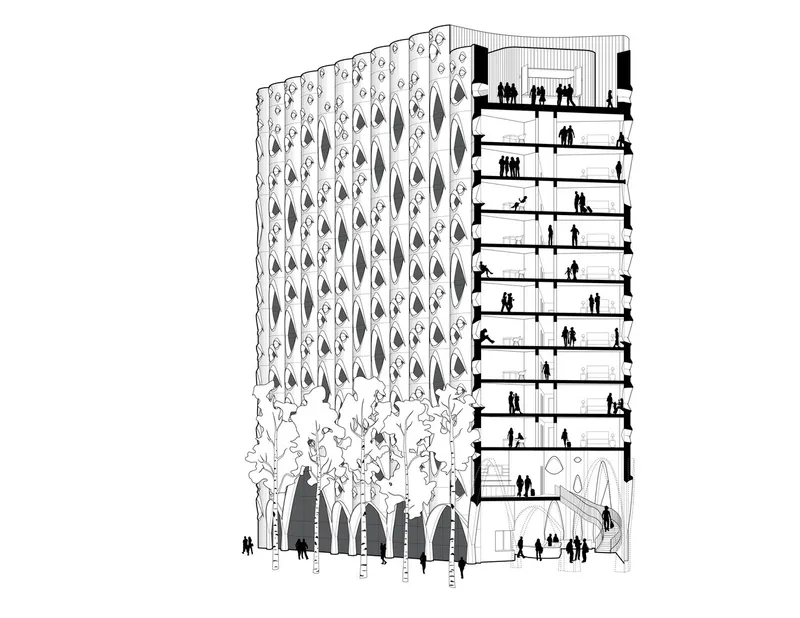
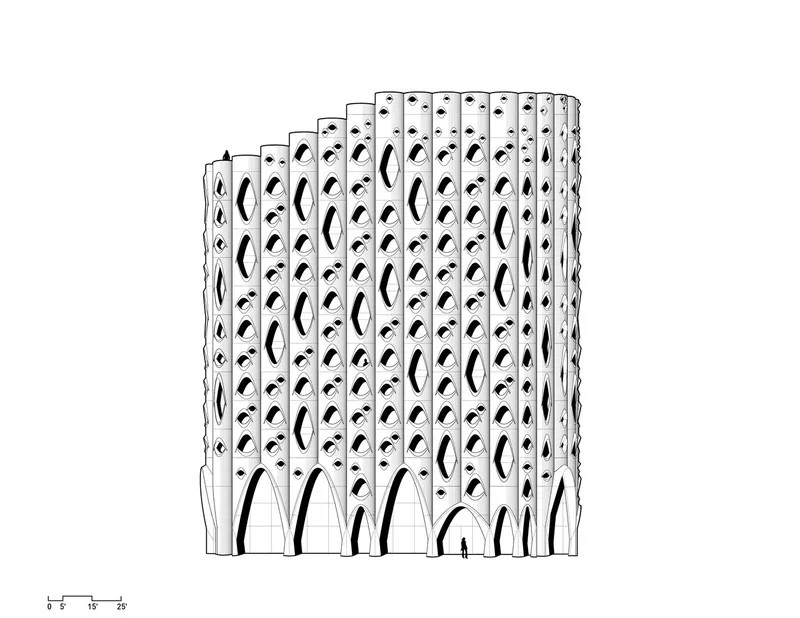
Led by Jeanne Gang, Studio Gang envisioned Populus as a structure that reflects both Denver’s dynamic urban character and its proximity to breathtaking natural landscapes. The building’s sculptural façade is composed of vertical scallops that correspond to the width of the guest rooms, creating a rhythmic texture that visually links the interior and exterior.
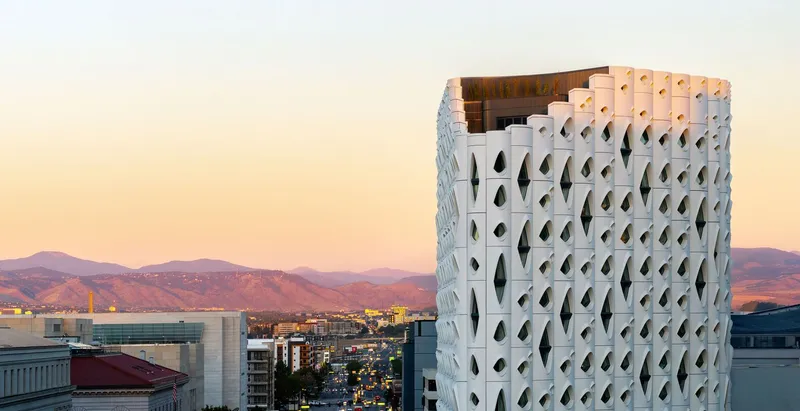
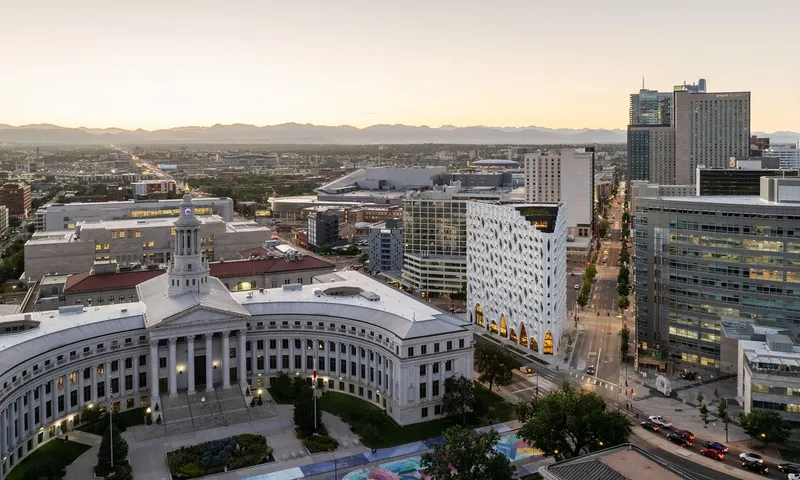
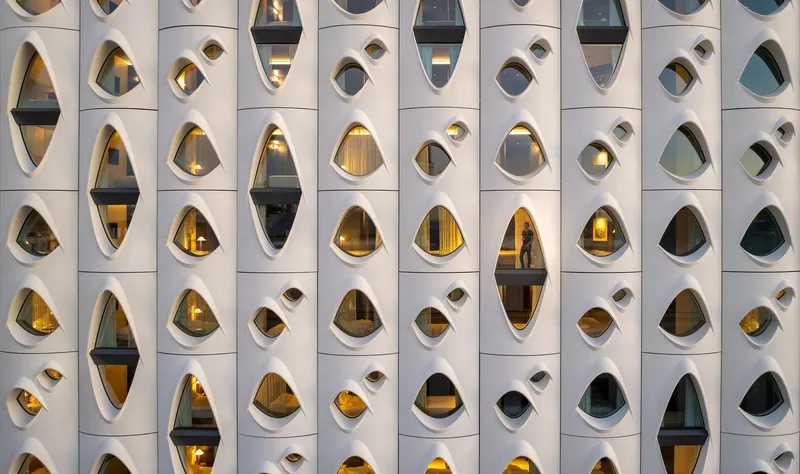
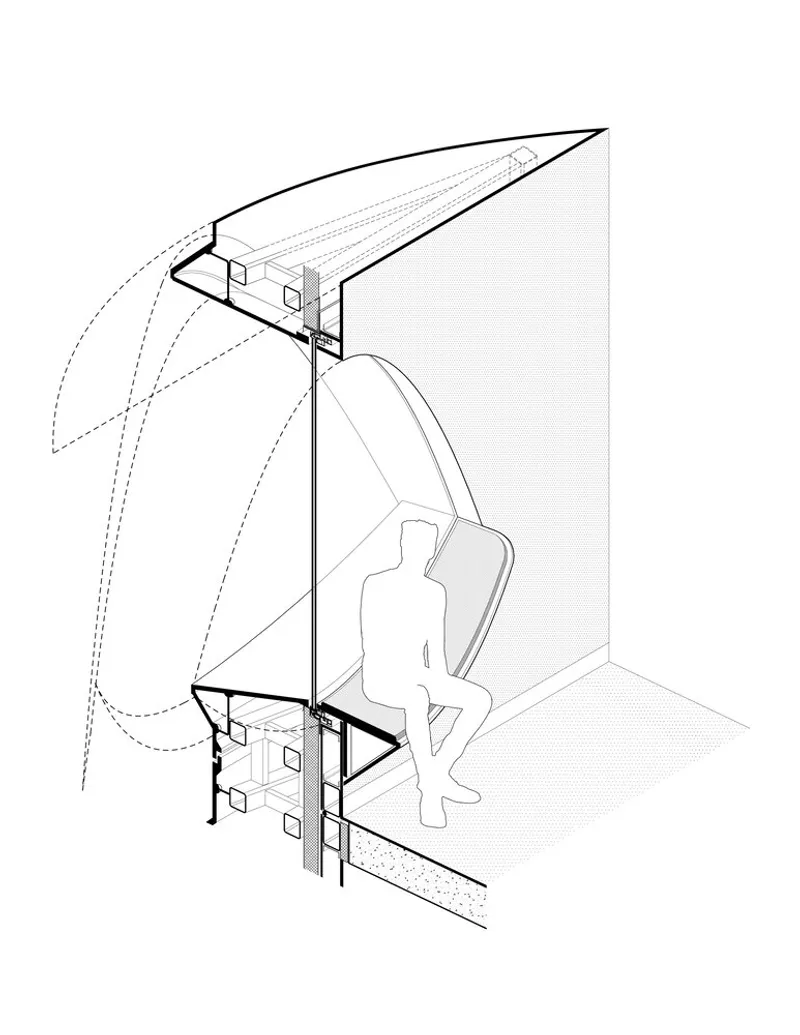
A distinctive feature of the hotel is its unique window design. These windows, inspired by the eye-shaped marks on Aspen tree bark, vary in shape and scale across the building, allowing for tailored daylighting and framing panoramic views of Denver’s State Capitol, Civic Center Park, and the Rocky Mountains.
Spatial Planning and Interior Design
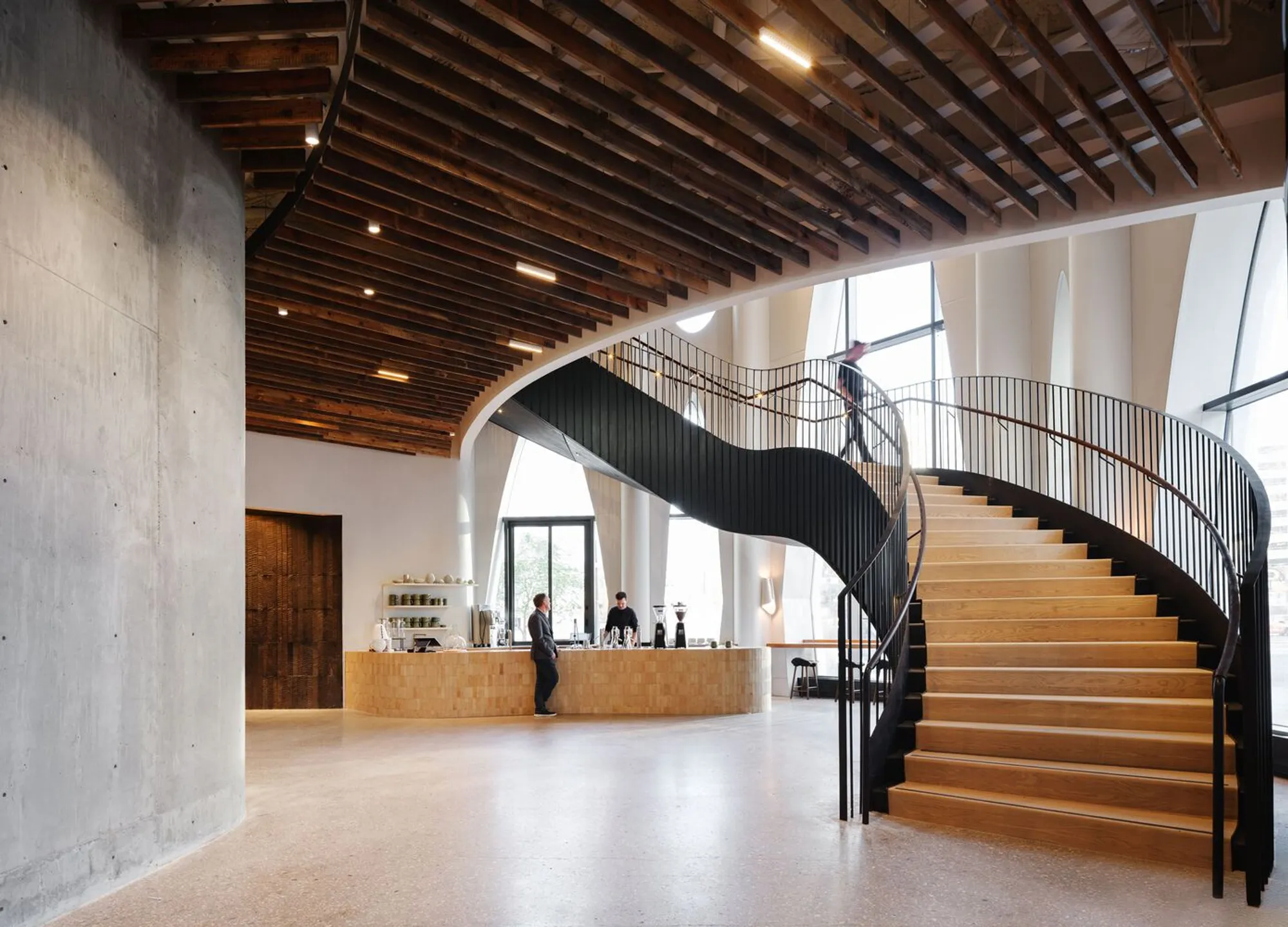
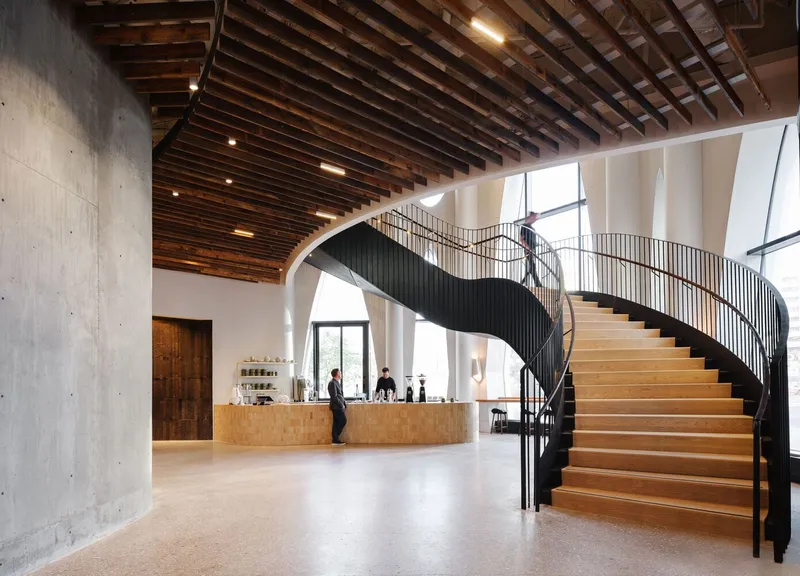
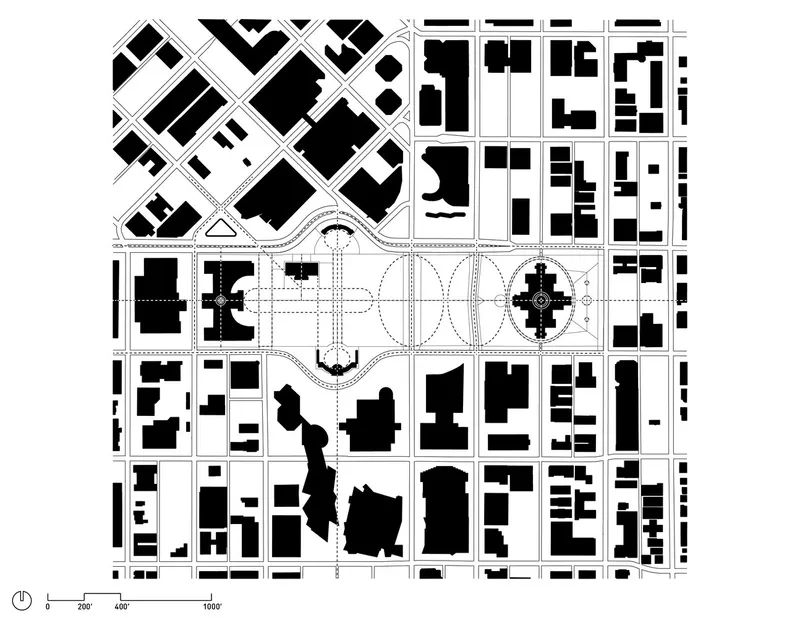
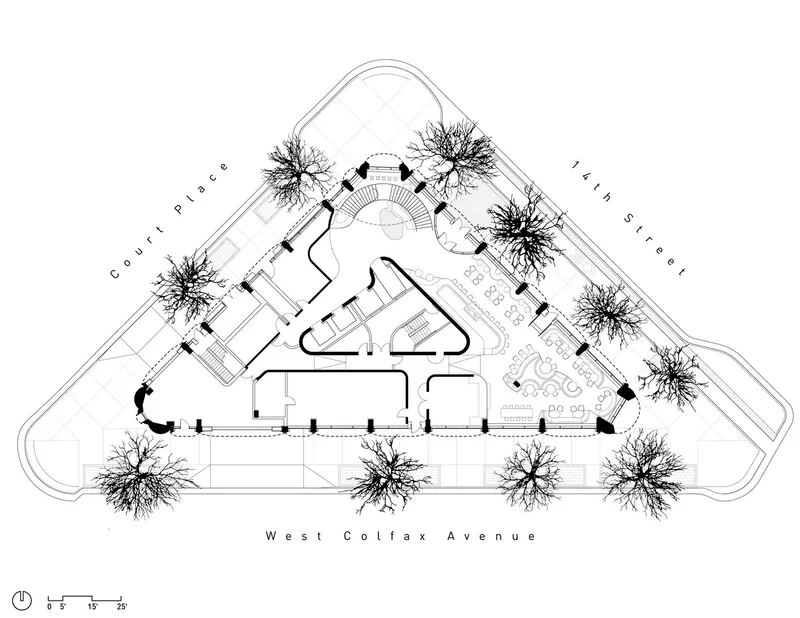
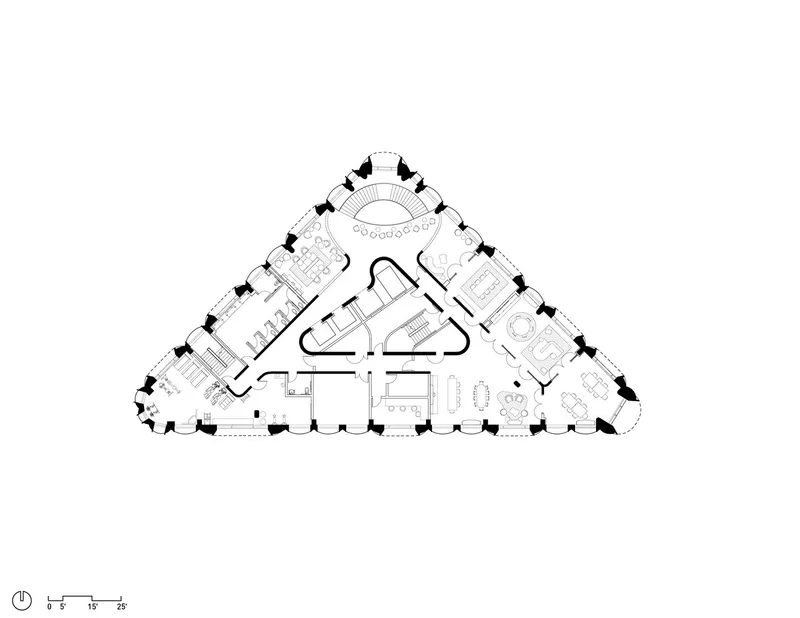
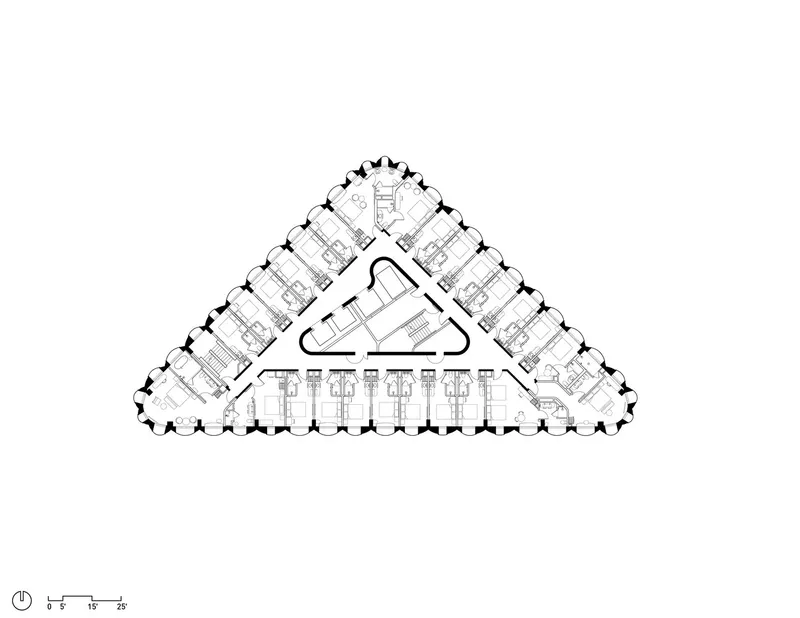
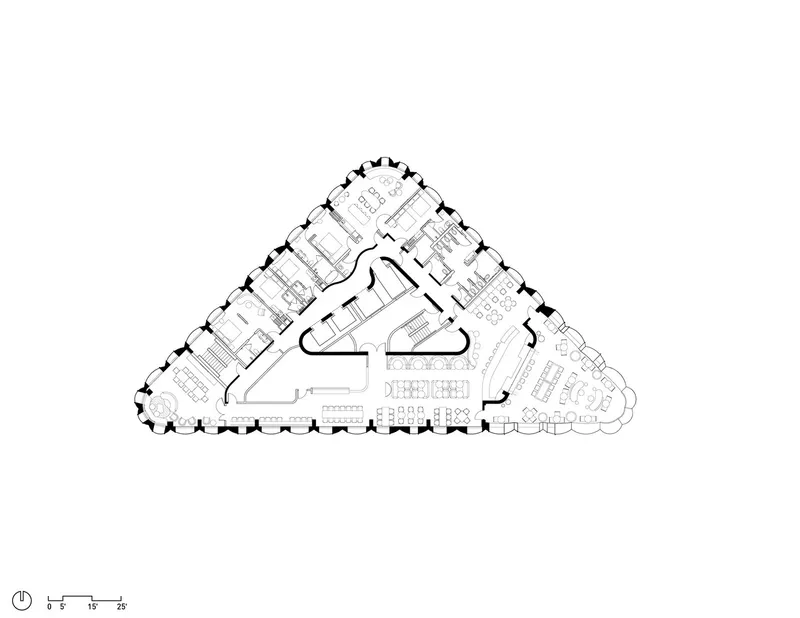
Located on a prominent corner connecting Denver’s civic, arts, and commercial districts, the Populus Hotel is designed to engage with the city on all three of its sides. A double-height lobby welcomes visitors, seamlessly connecting to Pasque, an all-day dining venue, and a coffee bar. Above, guests can access a fitness center, flexible lounges, and event spaces.
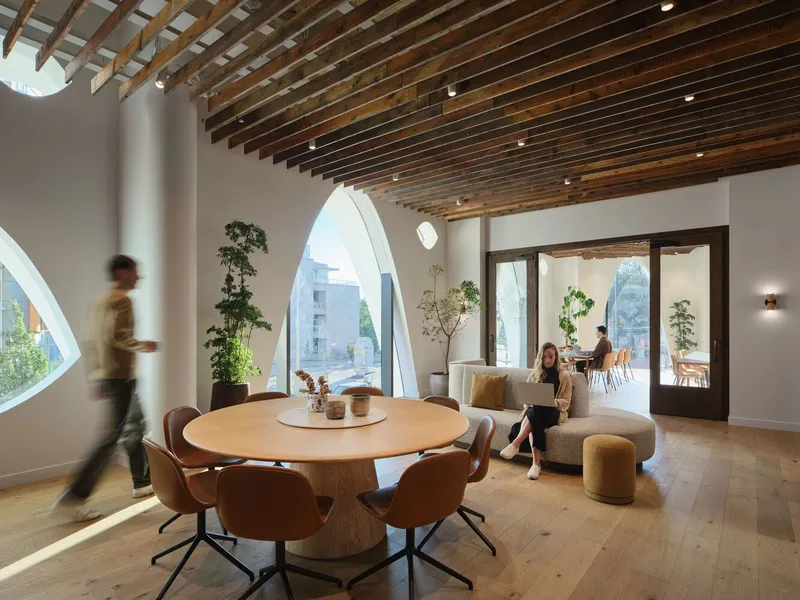
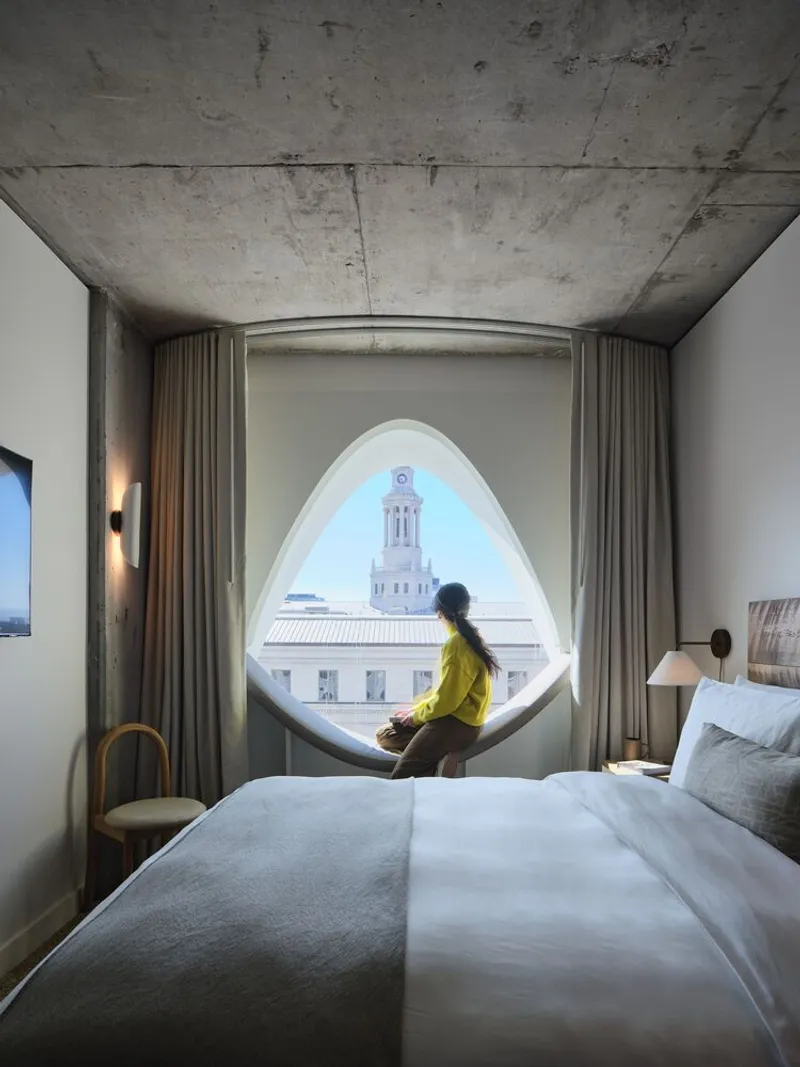
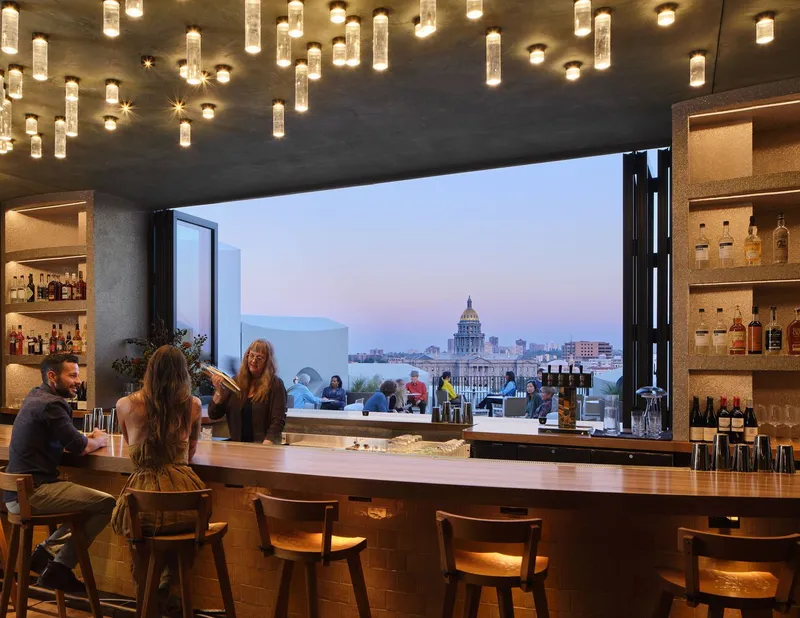
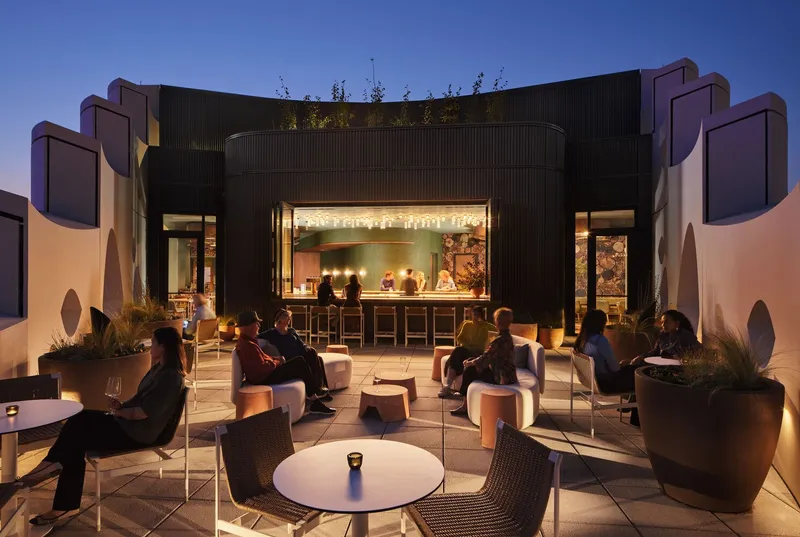
The rooftop level features Stellar Jay, a restaurant and bar with sweeping views of the city and mountain backdrop. Select guest rooms are equipped with built-in seating, offering cozy alcoves for guests to enjoy immersive views, fostering a connection with both nature and the urban environment.
Sustainable Design Strategies
Sustainability lies at the heart of the Populus Hotel Studio Gang concept. In a bold move, the hotel has eliminated parking spaces to encourage eco-friendly transportation options, making it a first-of-its-kind for new hotels in Denver. The structure uses fly ash as a substitute for cement, reducing the carbon footprint of construction.

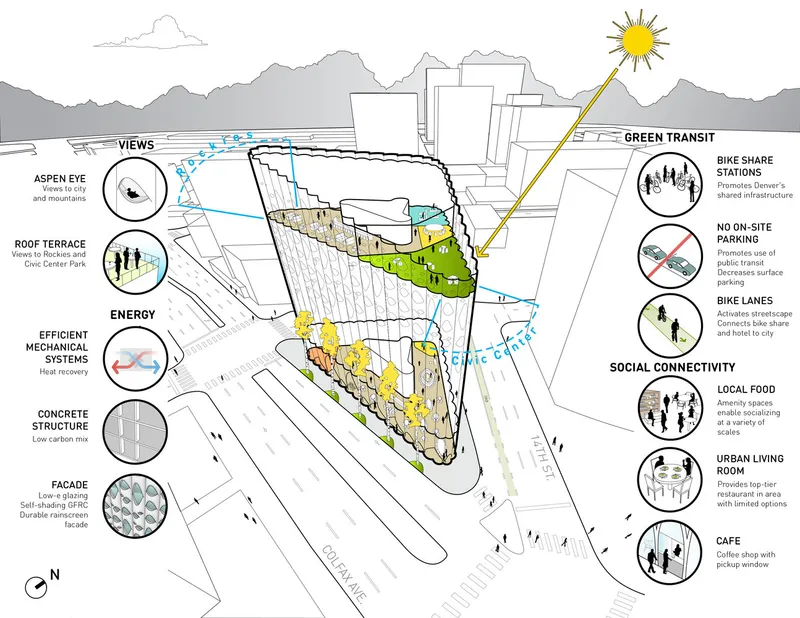
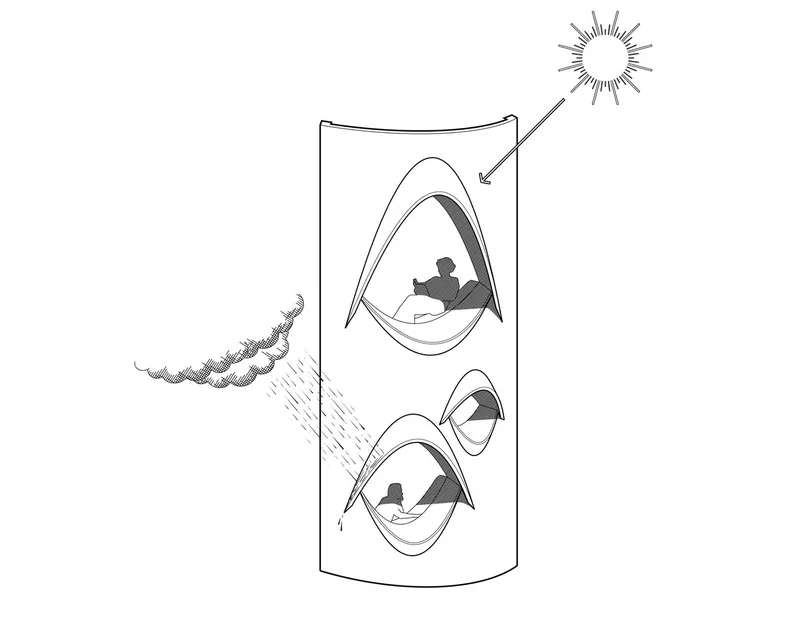
The façade design is highly functional: extended window “lids” provide shading, enhance energy efficiency, and channel rainwater effectively. Inside, the exposed concrete structure reduces the need for additional finishes, while the use of reclaimed materials, such as Wyoming snow fencing for ceiling treatments and recycled leather veneers, highlights the commitment to a circular economy. The green roof further enhances urban biodiversity by providing a habitat for insects and local wildlife.
Populus as a Social and Cultural Hub
Beyond its innovative design, Populus aims to become a social anchor for downtown Denver. With its contemporary hospitality concept, rooftop experiences, and active street-level spaces, the hotel creates a welcoming environment for both locals and visitors. Operated by Aparium Hotel Group and owned by Urban Villages, Populus blends luxury with ecological responsibility.
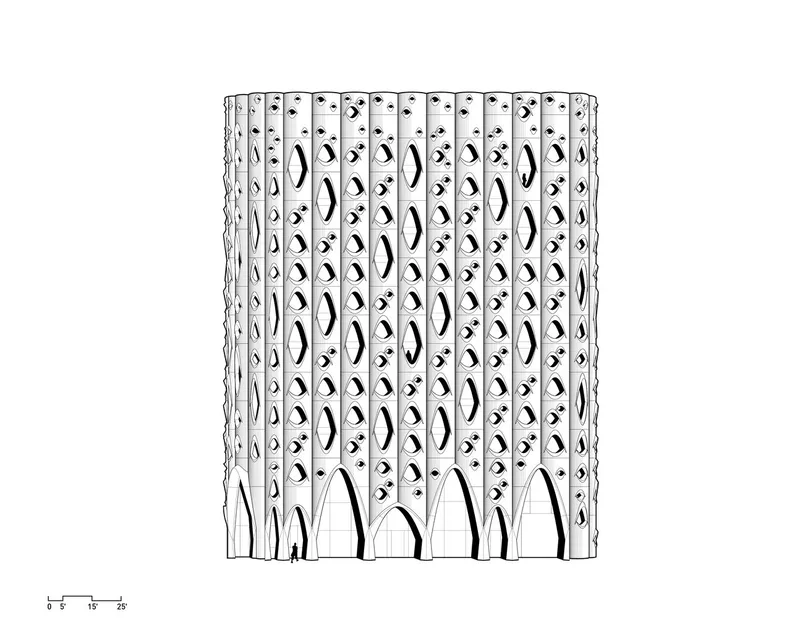
The Populus Hotel Studio Gang exemplifies how hospitality architecture can integrate nature-inspired design with cutting-edge sustainability strategies. Its striking façade, thoughtful interiors, and environmentally conscious approach position it as one of the most innovative hotels in the United States, aiming for LEED Gold certification.
All the photographs are works of Jason O'Rear, Steve Hall, Peng Chen / Unsplash




Popular Articles
Popular articles from the community


Play: Fragments of Their World
Familiar architecture becomes modular playground design, creating safe spaces where displaced children can learn, connect, imagine and play.

Riyadh For All: Intergenerational Urban Design for Active Aging in Rabat
Riyadh For All reimagines urban design in Rabat with intergenerational co-living, adaptive courtyards, and Moroccan cultural exchange today.

Hill & Cross Opera: Sculptural Opera House Architecture Shaped by Tallinn’s Landscape and Identity
Hill & Cross Opera reimagines opera house architecture in Tallinn through its sculptural hill, civic plaza, glass wave and a luminous cross.

Co-life: Sustainable Architecture for Age-Friendly Community Living
Co-life reimagines sustainable architecture for seniors through courtyards, rammed earth, shared gardens, and spaces designed for belonging.


Similar Reads
You might also enjoy these articles

Bamboo Housing Challenge 2026: Design Affordable, Sustainable Homes Using Bamboo
An international design competition by Bamboo U and IBUKU inviting architects and designers to reimagine affordable housing using bamboo — with the winning design built full-scale in Bali.

Computational Design & Education: Beegraphy Design Awards Introduces 7th Category (Featuring Jiyun's Innovative Approach)
Dive into Beegraphy’s 7th Design Awards category, where computational design meets education to create immersive, interactive learning tools, inspired by Jiyun’s work.
From Parametric Lighting to Urban Furniture: Join the 2nd Workshop in Beegraphy’s Computational Design Series
Dive into Cutting-Edge Design Techniques and Practical Applications with Industry Experts

Last Call: Unleash Your Architectural Genius in SHAK's Kindergarten Design Competition
Urgent call for architects to join SHAK's kindergarten design competition before the looming deadline

Explore Architecture Competitions
Discover active competitions in this discipline



Challenge to reimagine the Iron Throne


Photograph architecture without architects


Illustrate the lost glory of Angkor Wat - Render Challenge


Design challenge to reuse E-waste
Comments (0)
Please login or sign up to add comments
No comments yet. Be the first to comment!