

Preserving History: Architectural Marvel of the Archives Départementales de l'Isère
How Does the Archives Départementales de l'Isère Preserve and Showcase History?

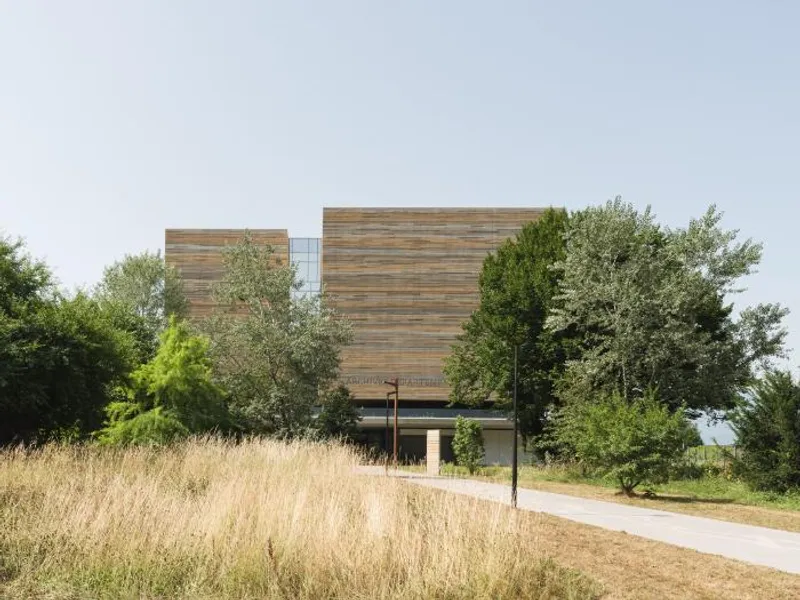
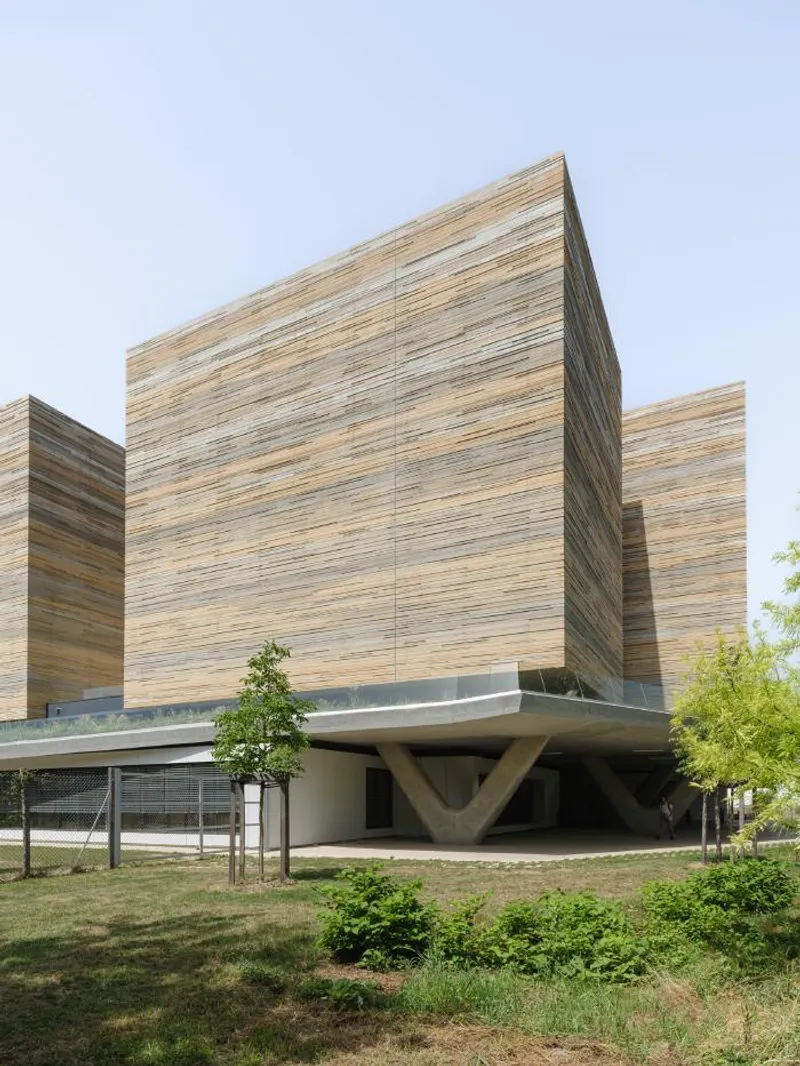
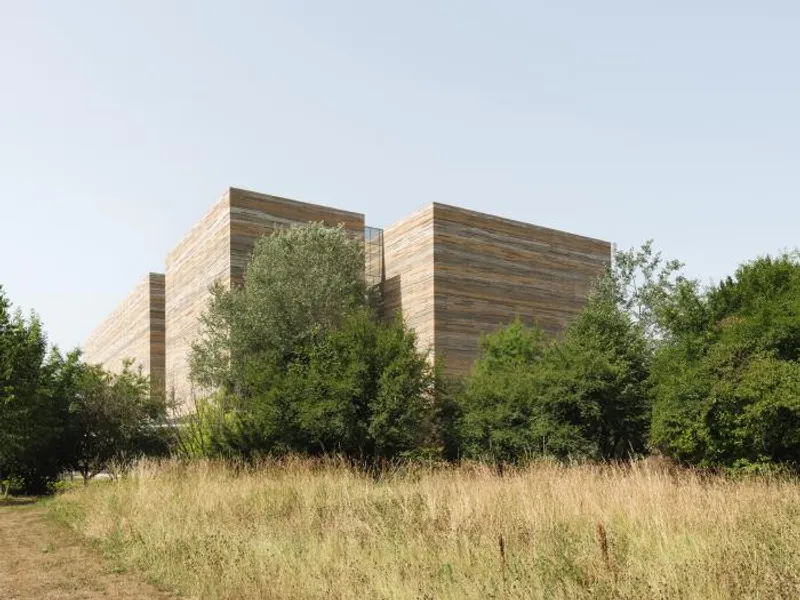
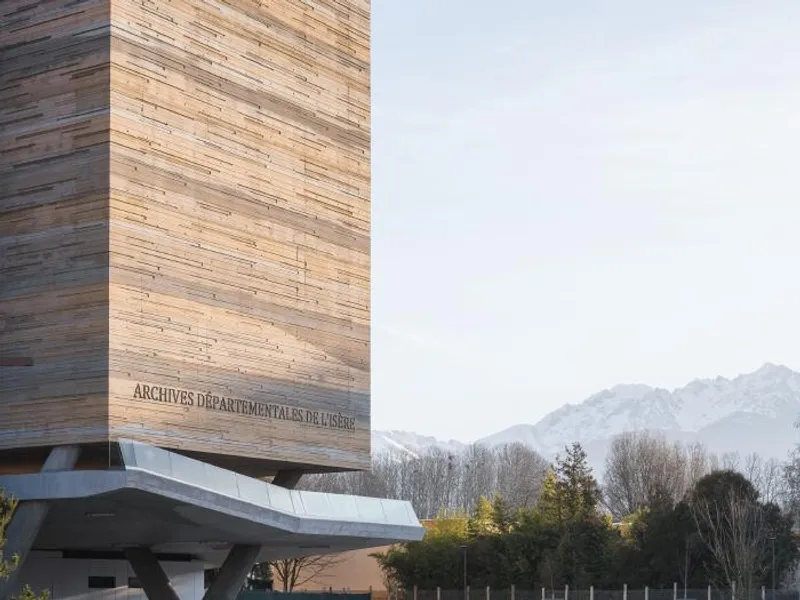
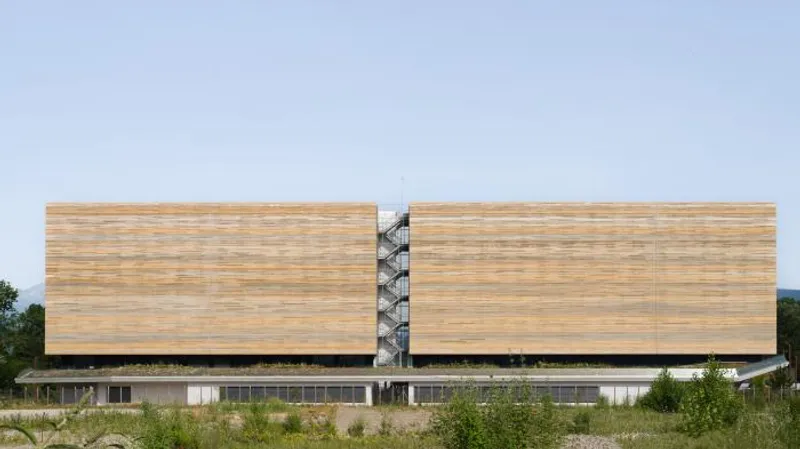
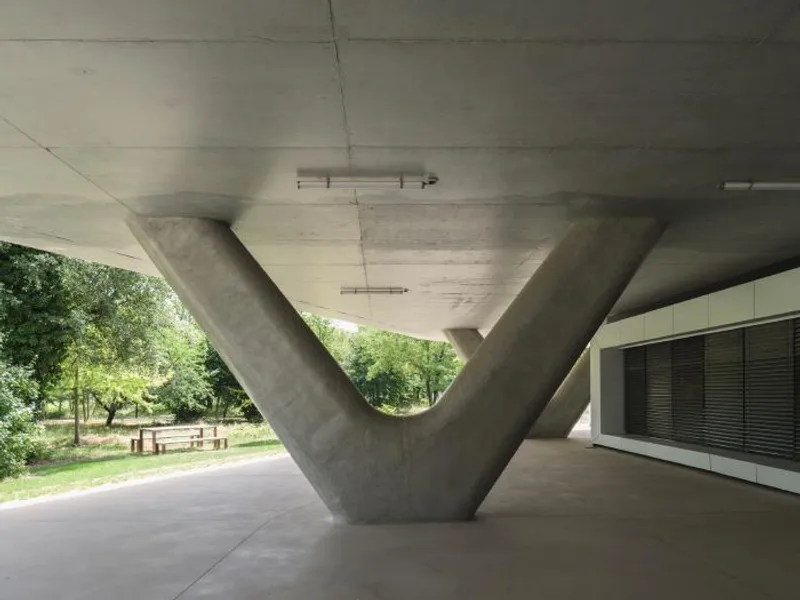
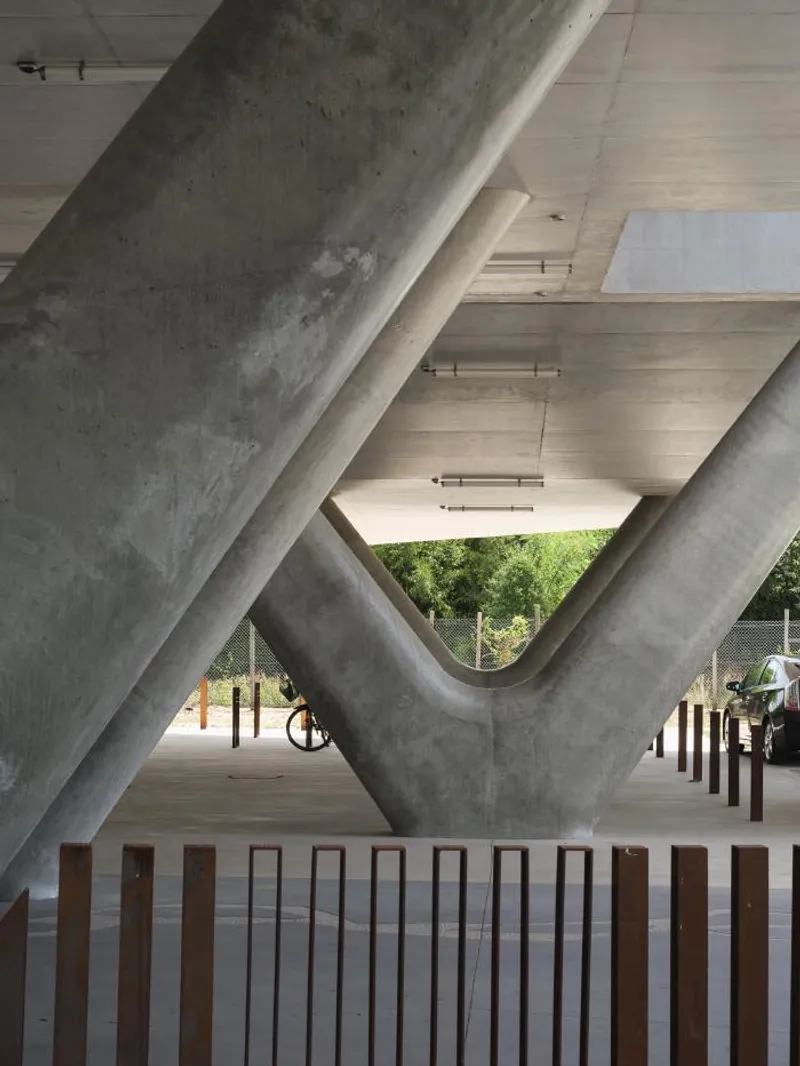
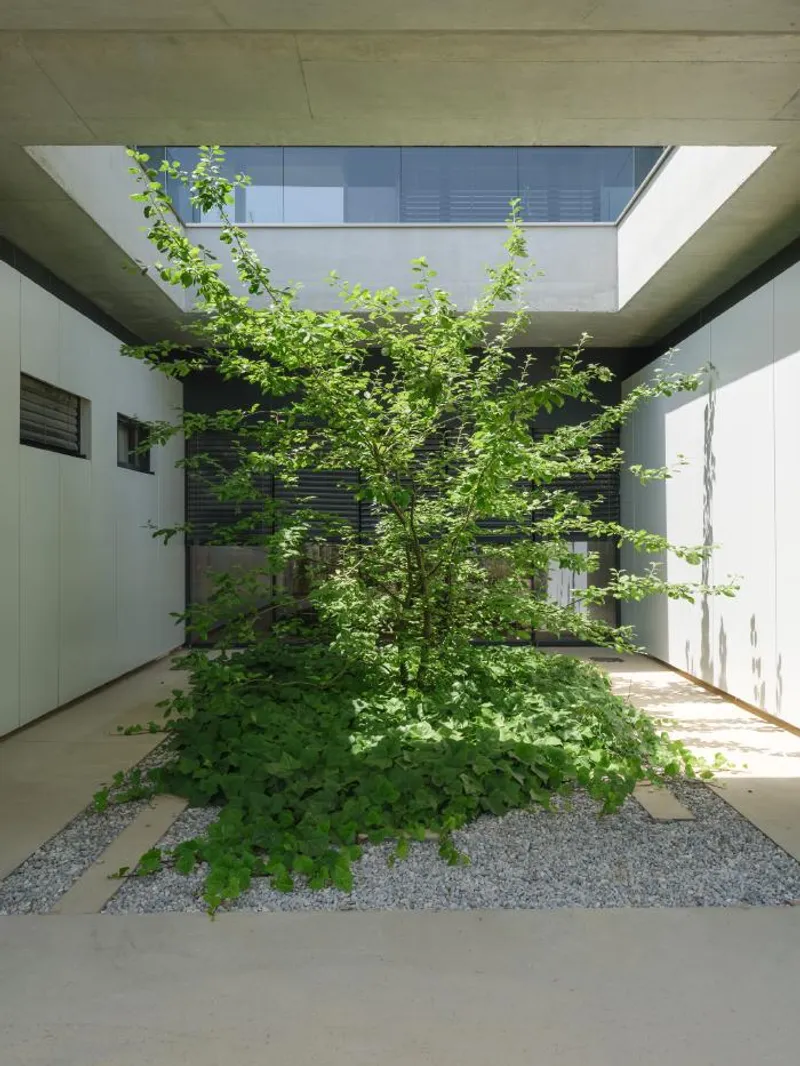
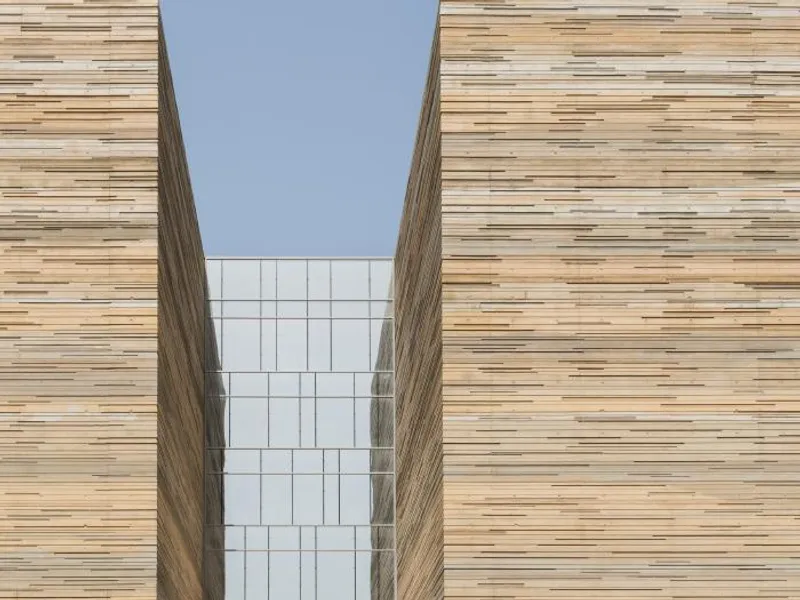
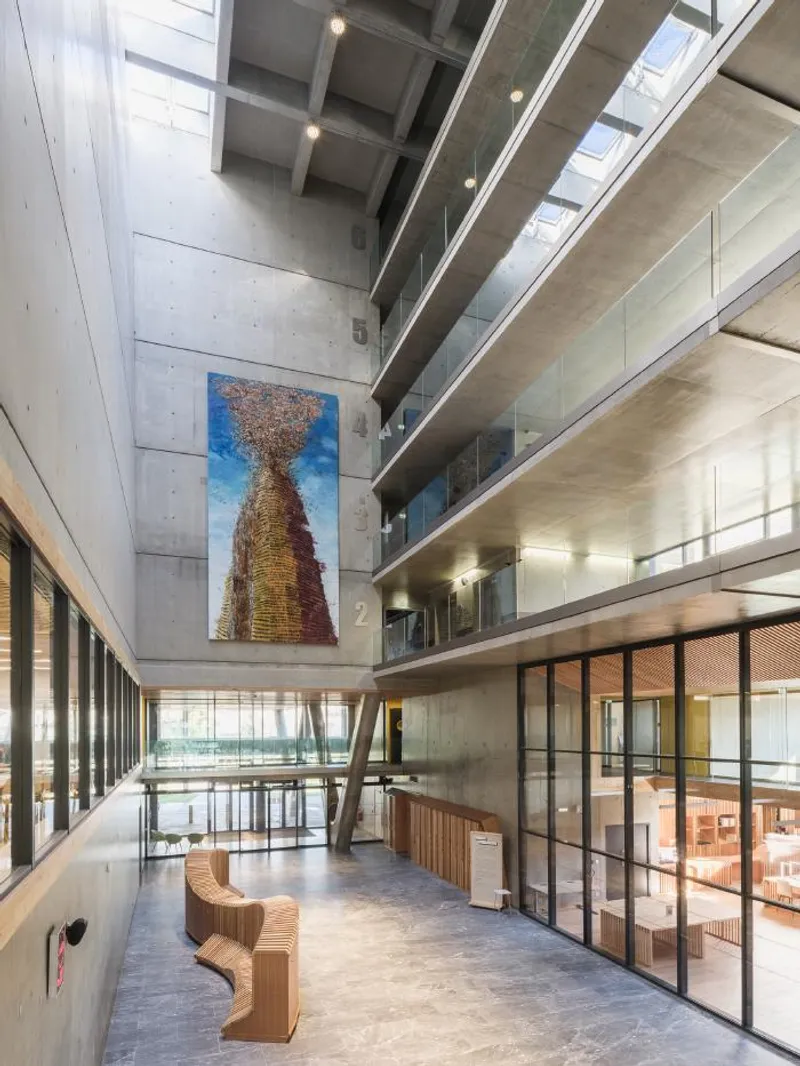
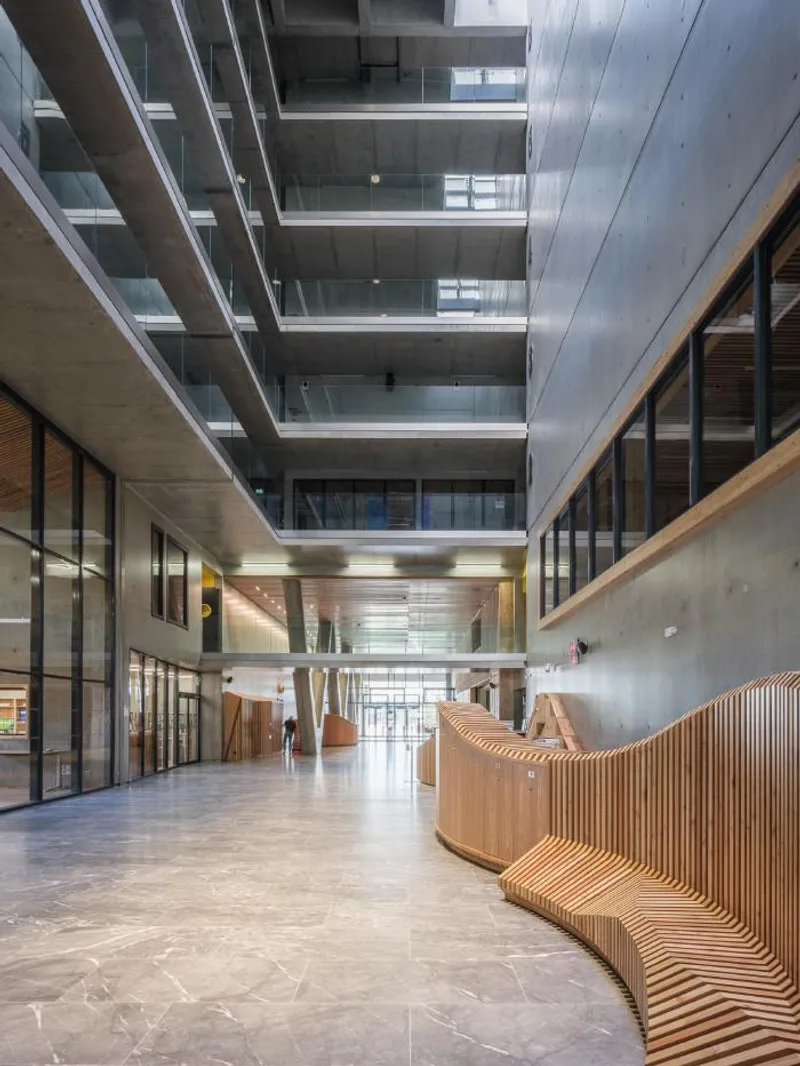
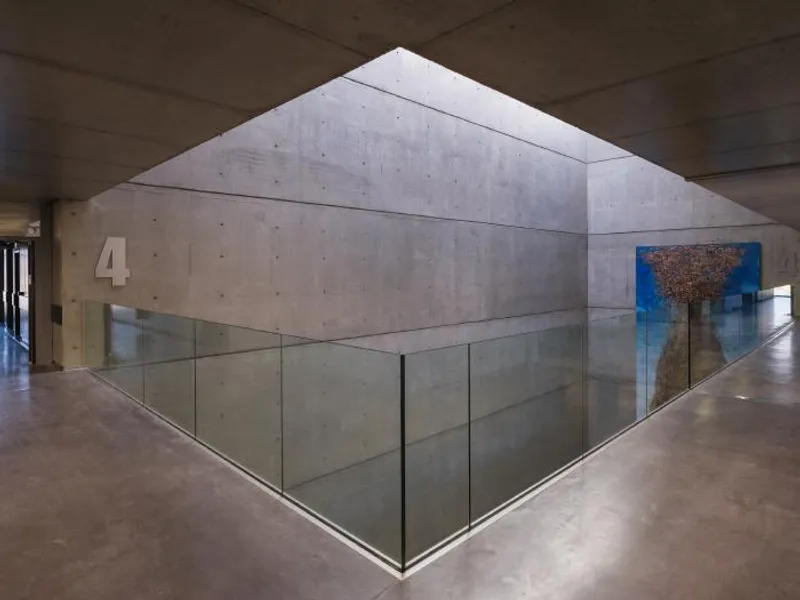
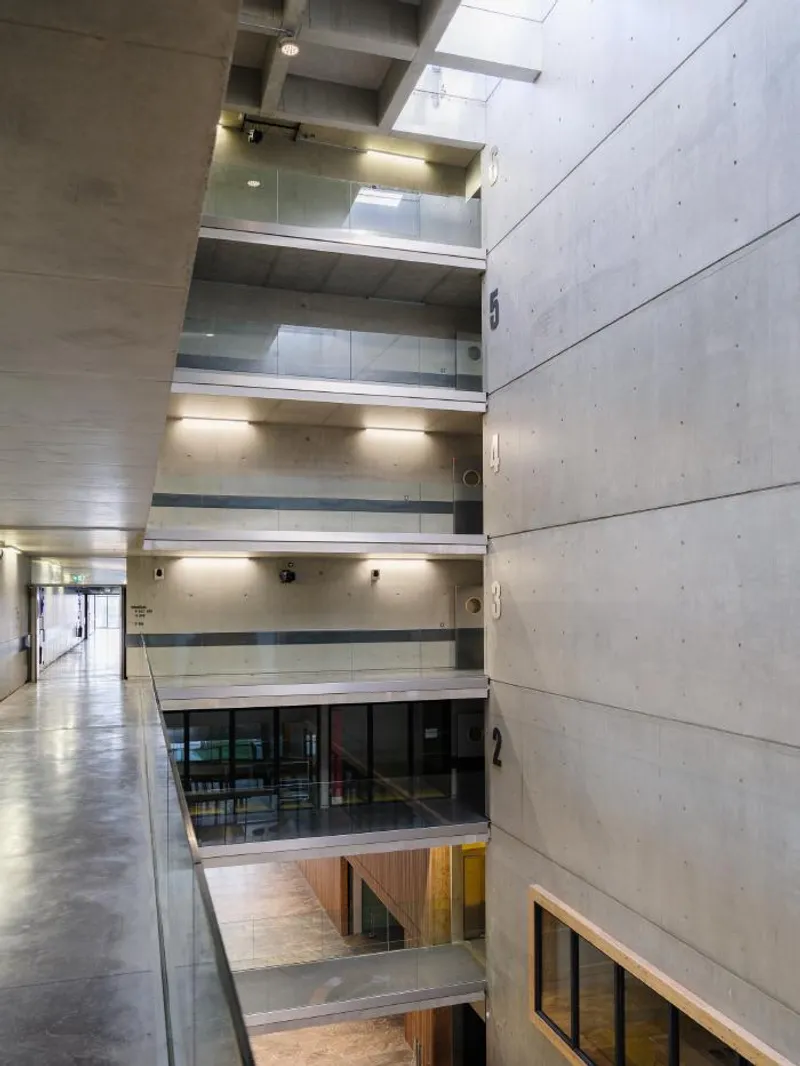
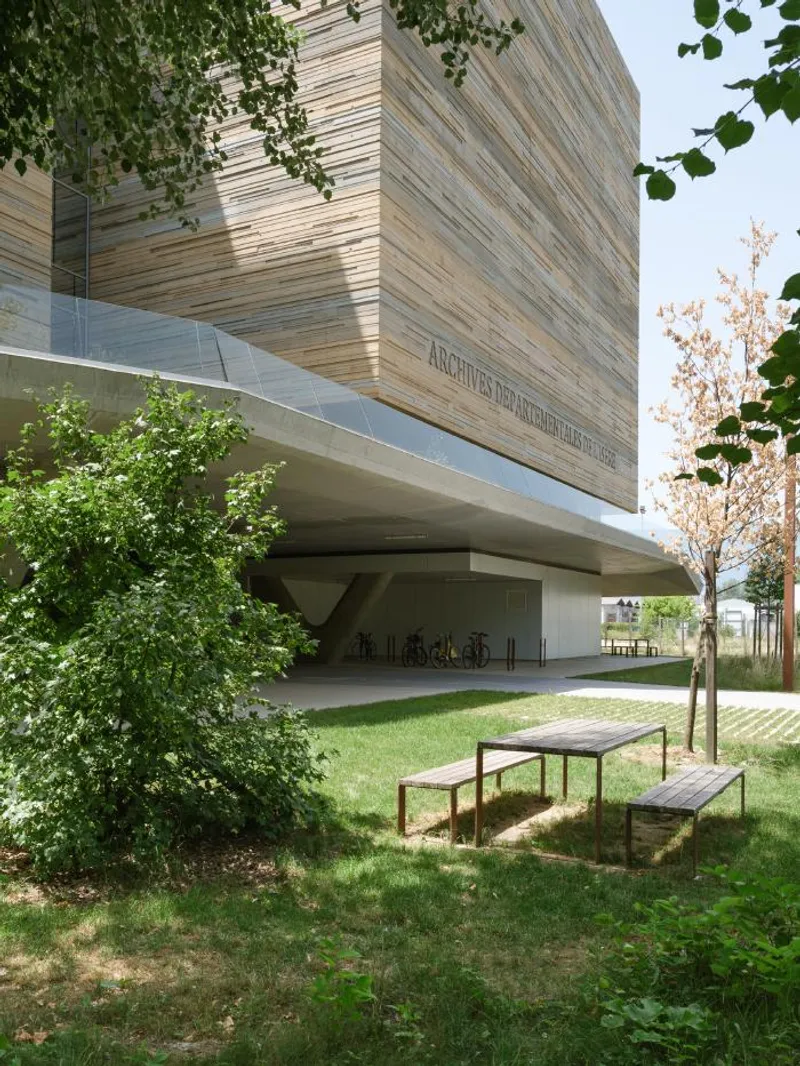
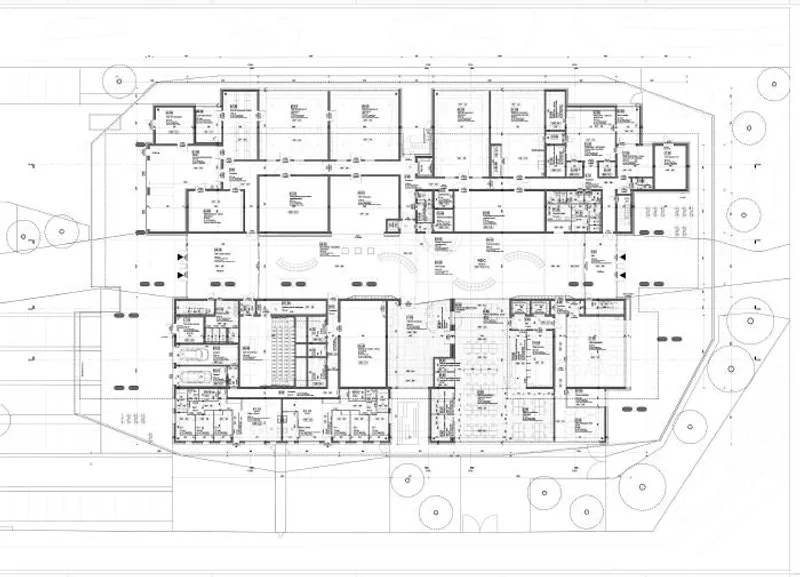
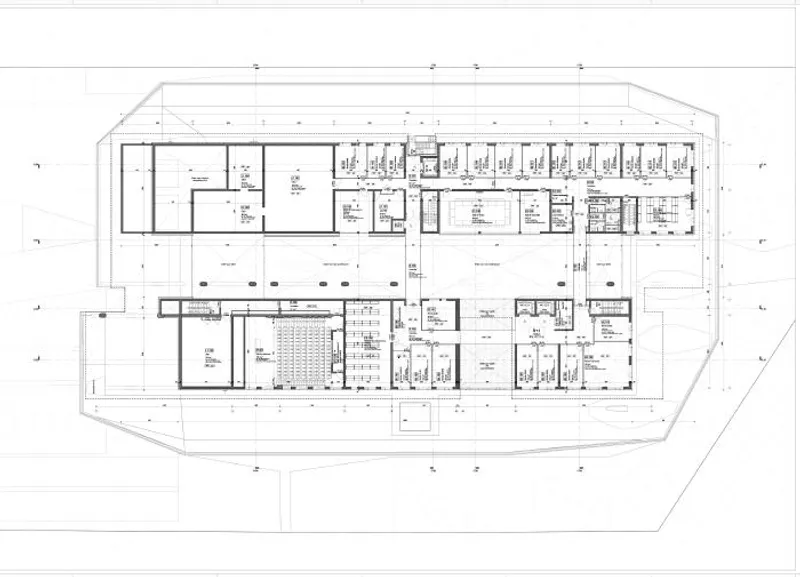
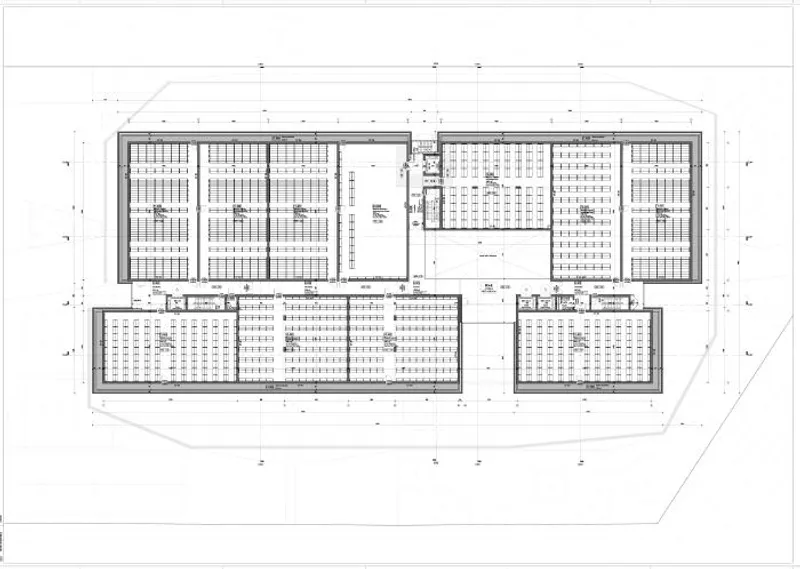
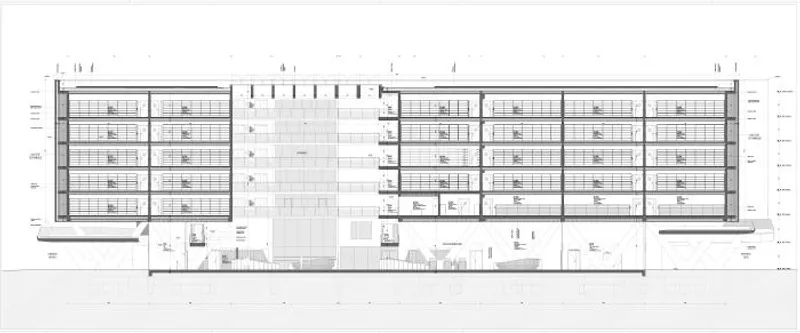
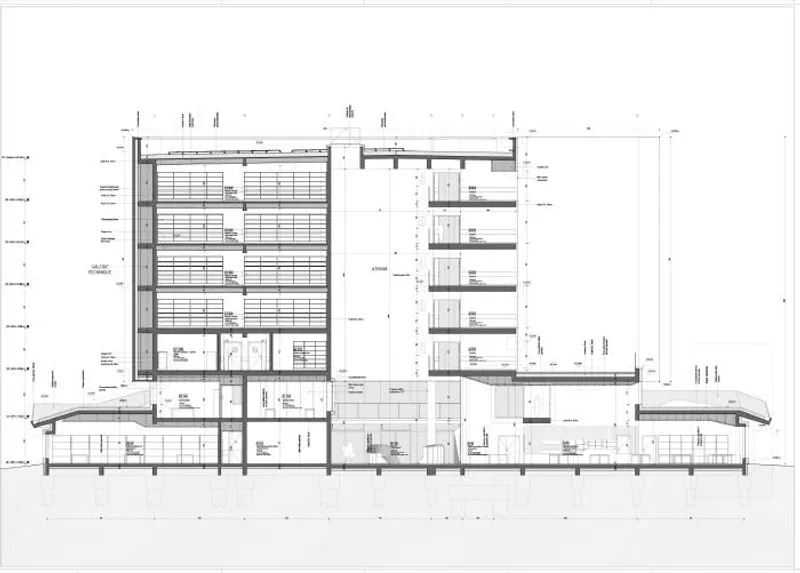
The project of the Isère Departmental Archives (ADI) consists of three components: a base, plant strata, and a storage volume. These volumes represent the raw and mineral expression of the Isère territory. The building is traversed by an internal street with two entrances. The volumetry of the Archives reflects the functional logic of the program. Four blocks of archive stores are connected by vertical glazed spaces that provide natural light, without direct sunlight, to the circulation areas used by archivists throughout the day. These imposing masses respond to the density of the program they contain and the loads they support.
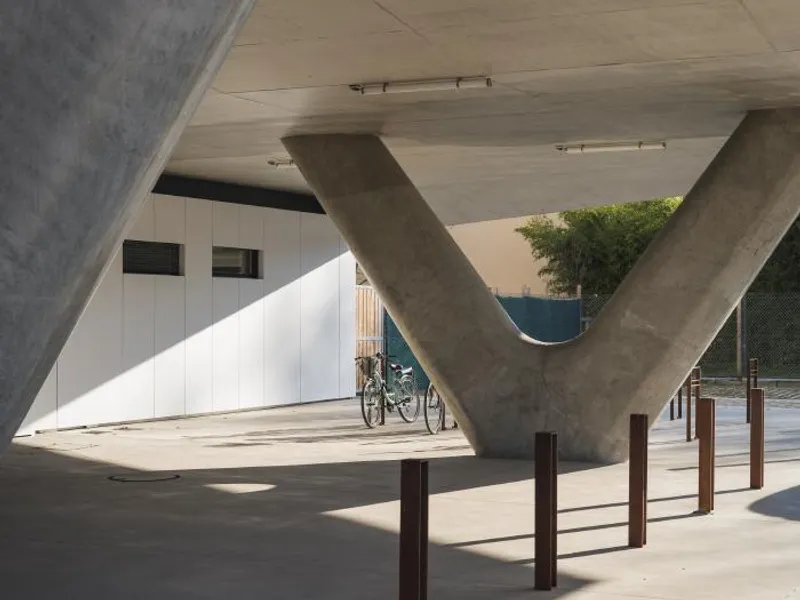
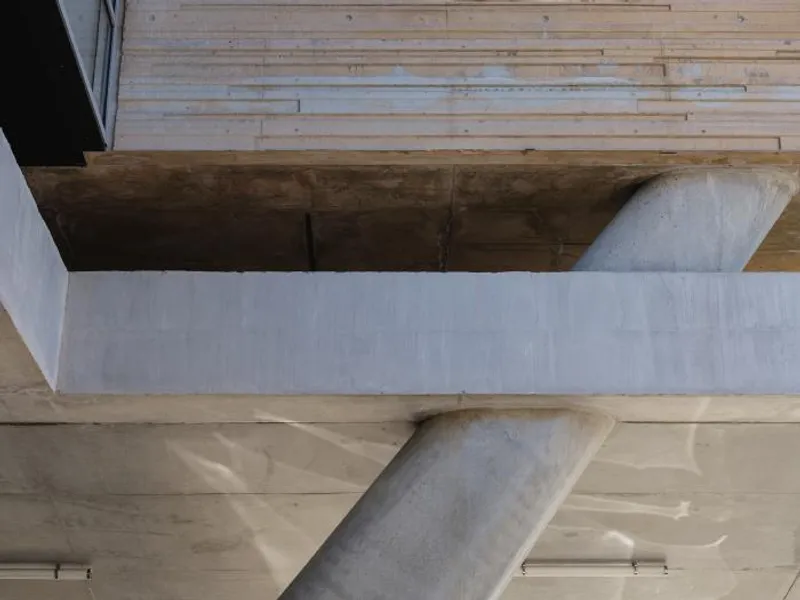
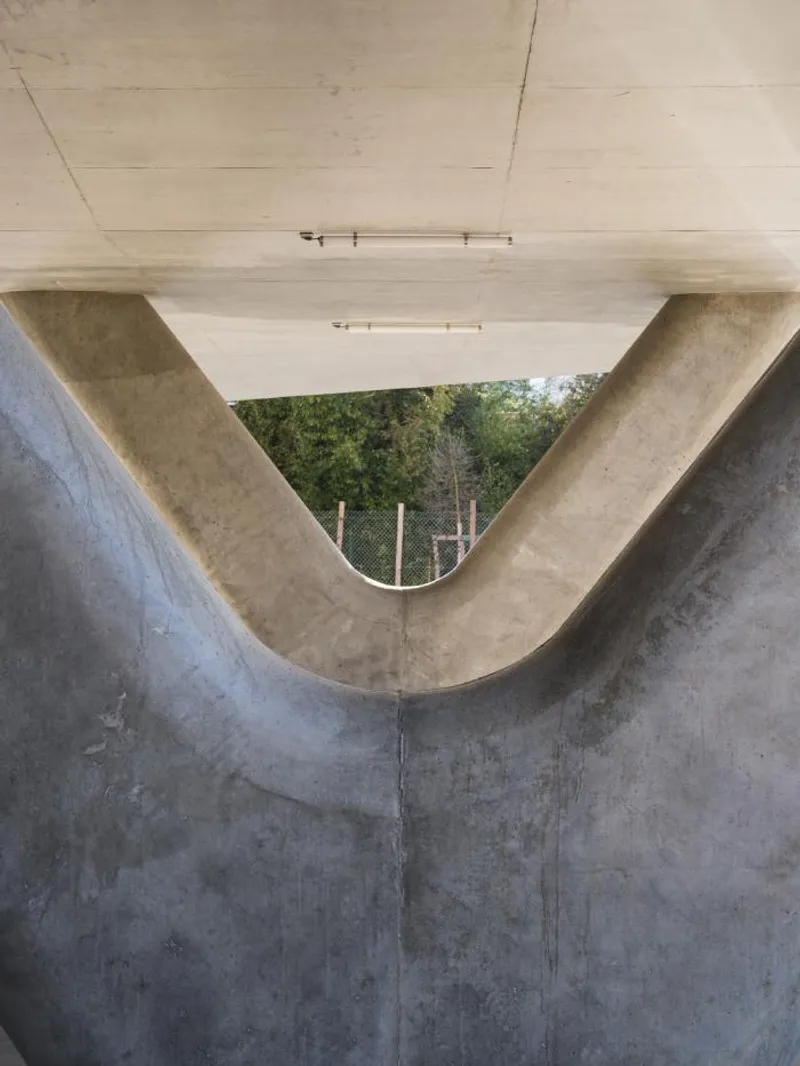
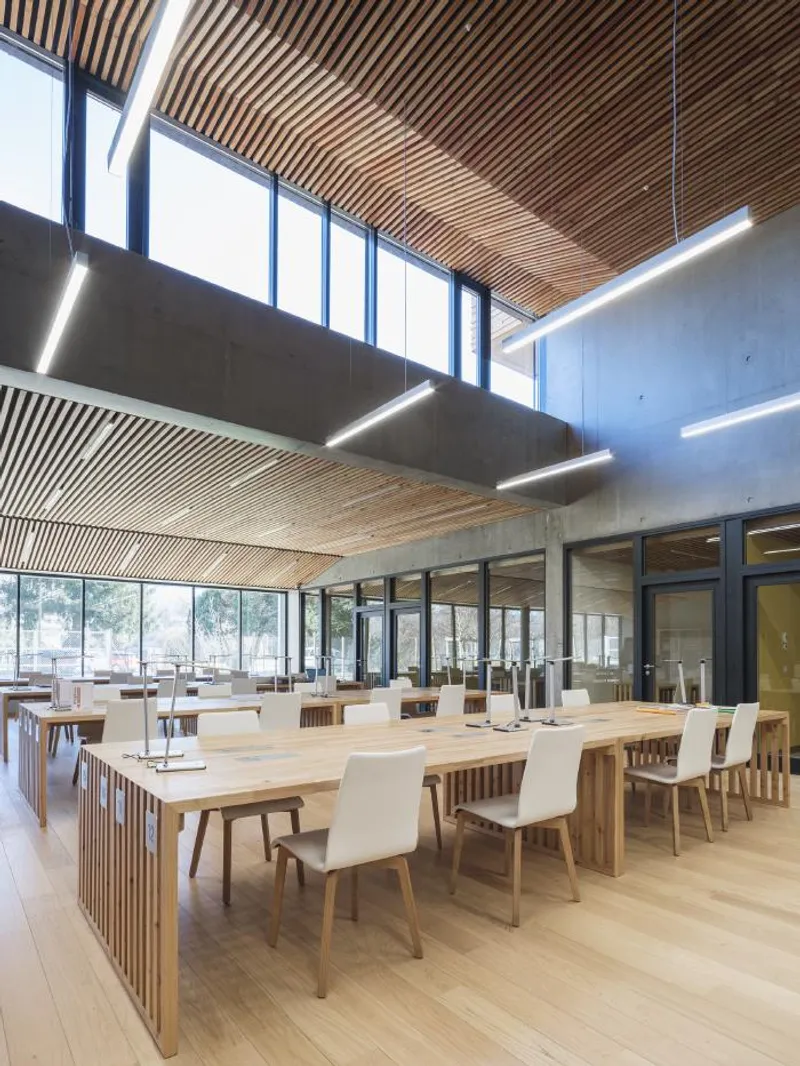
The base of the building receives the conservation activities, the reception of the public, as well as the administration specific to the site. The plant stratum creates a visual and functional break, taking up the spirit of the nearby University Campus. The skin and the concrete structure of the project make the link between the geology of the limestone massifs which surround the Grenoble Plain and the industrial history of a territory which initiated the technique of moulded concrete and, today, continues research and innovation. The construction system sets up a building that is highly insulated, inert and stable in the face of climatic conditions of temperature and humidity, a strong constraint of the program.








Popular Articles
Popular articles from the community


The Amber Palace Opera: A Geological Fiction Surfaces on Tallinn's Baltic Waterfront
Pierre Brillard reimagines a Baltic legend as a public landscape, opera house, and waterfront promenade rooted in Tallinn's coastal identity.

Extended Shell: Retrofitting Kolkata's Balconies as Living Urban Thresholds
A modular retrofit system recovers the social and environmental intelligence of Kolkata's historic verandas for contemporary Park Street residents.

Singing Woman: An Opera House That Performs Before the Curtain Rises
Ovidiu Cristian Pavel's conceptual opera house translates Estonia's choral identity into a sculpted waterfront landmark facing the Baltic Sea.

Opera by the Sea Estonia: Three Shells Dissolving Architecture into Tallinn's Coastline
A winning opera house proposal replaces monumental form with interconnected shells that blur the boundary between building, park and Baltic Sea.

Similar Reads
You might also enjoy these articles
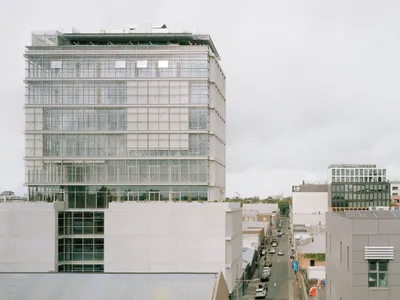
116 Rokeby Building, Collingwood
Sustainable Collingwood office building featuring double-skin façade, natural ventilation, rooftop amenities, and carbon-neutral design focused on wellbeing and longevity.
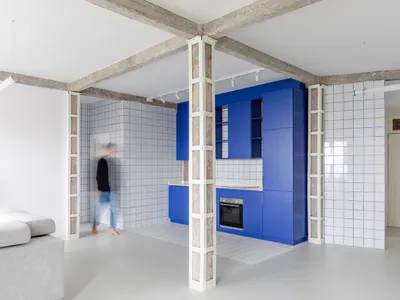
Contemporary Apartment Renovation in Spain: RV House by BIAN Opens Up to the Sea
A minimalist 1930s apartment in Santander is transformed into a flexible, sea-facing home through contemporary Spanish renovation.
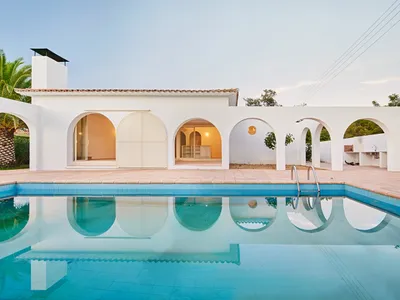
3 Marías House: A Contemporary Mediterranean Courtyard Retreat by Bajet Giramé + Burckhardt
Mediterranean courtyard home blending traditional architecture with modern design, terracotta flooring, flexible interiors, sustainable climate strategies, and garden integration.
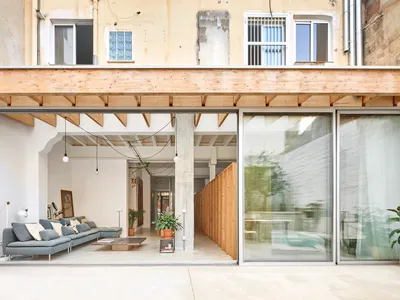
NZ10 Apartment by auba studio: Adaptive Reuse in Palma de Mallorca
Adaptive reuse apartment transforms bakery into light-filled home with patios, privacy layers, and wood interiors enhancing urban living experience.

Explore Architecture Competitions
Discover active competitions in this discipline


Challenge to reimagine the Iron Throne

Photograph architecture without architects

Illustrate the lost glory of Angkor Wat - Render Challenge

Design challenge to reuse E-waste
Comments (0)
Please login or sign up to add comments
No comments yet. Be the first to comment!