
Reimagining Democracy: A Modern Temple of Vesta in Hyde Park
A Bold Architectural Proposal for a New Public Forum in London


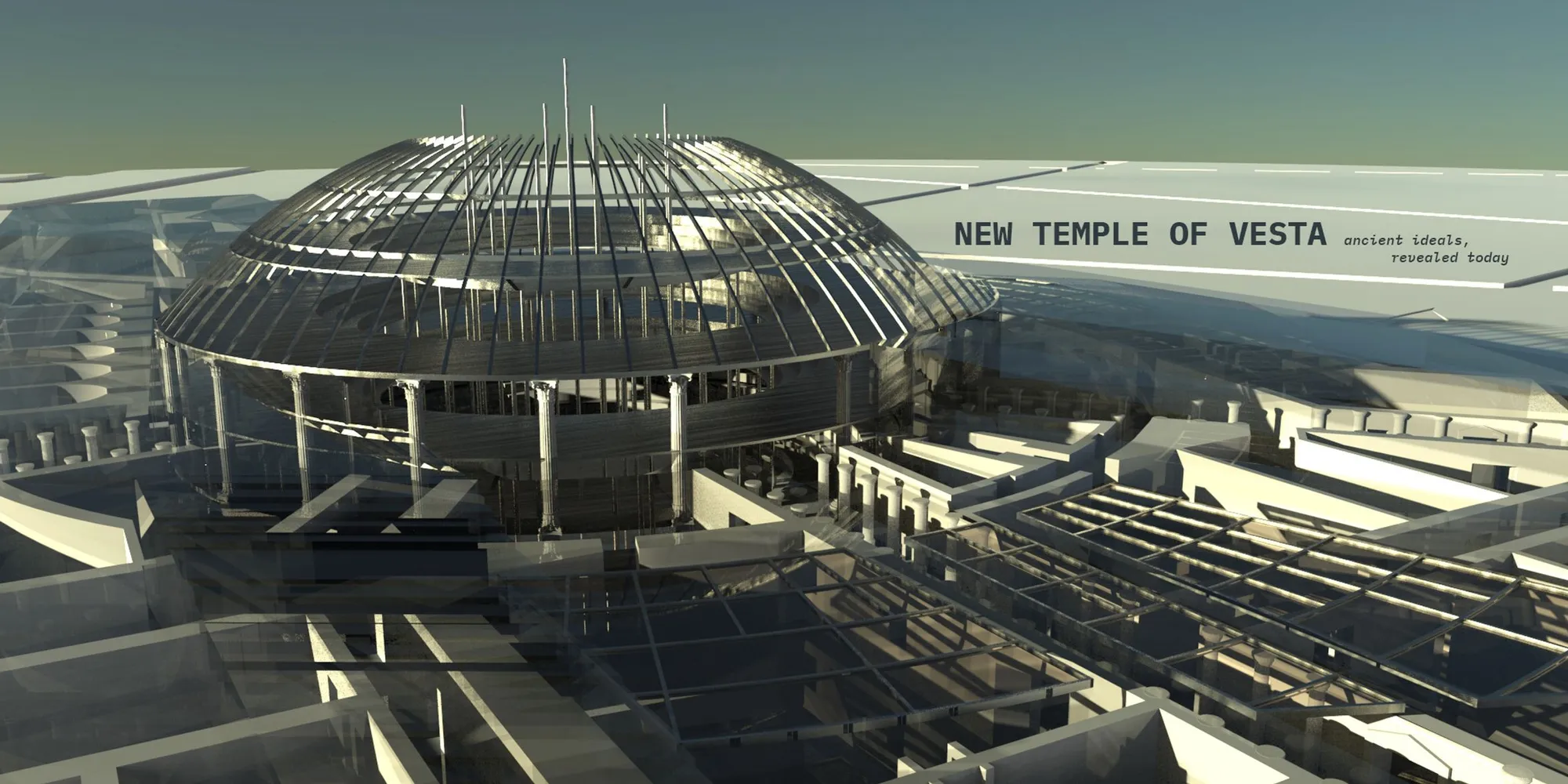
Thought-provoking architectural design of the "New Temple of Vesta," a shortlisted entry for the Urban Living Room competition. Designed by Aleksa Vuckovic and Ivan Raskovic, the pavilion reimagines the ancient Roman concept of the forum for the 21st century, offering a dynamic and engaging space for political and social discourse in London's Hyde Park. This article will explore the concept, design, and potential impact of this striking structure, analyzing its inspiration, spatial organization, and the multifaceted ways it seeks to empower citizens and reshape the relationship between the people and their government.
From Ancient Ideals to Modern Realities: The Genesis of the Concept
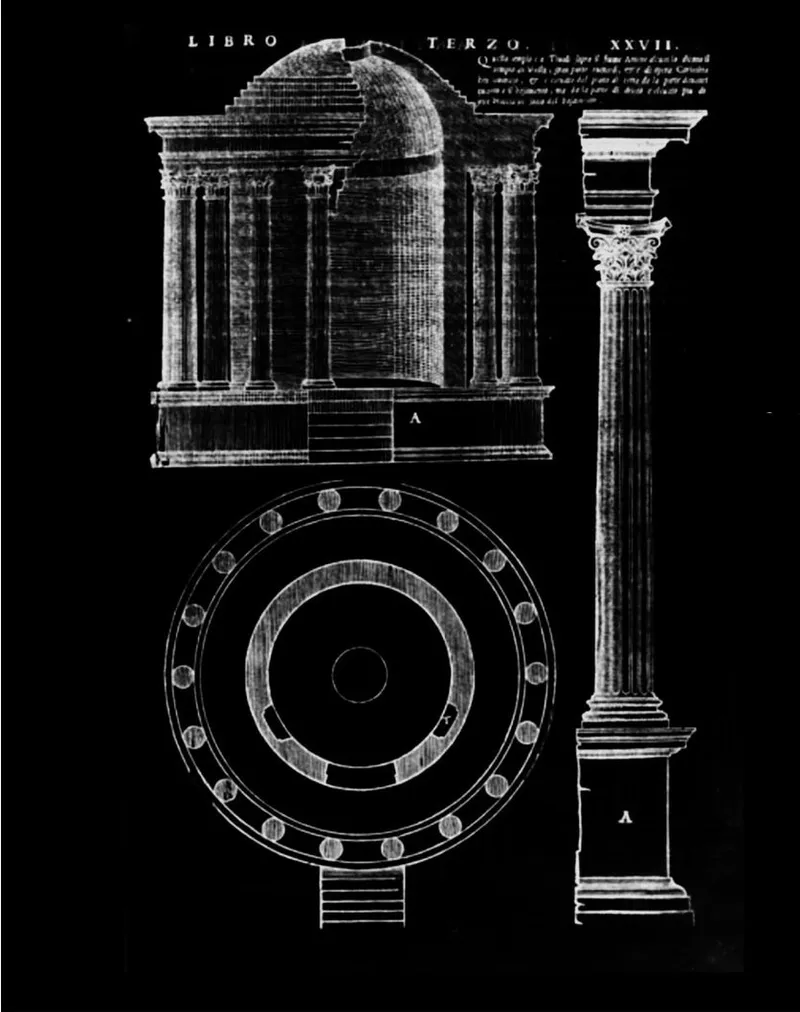
The New Temple of Vesta draws its inspiration from the historical and symbolic significance of the original Temple of Vesta in ancient Rome. This circular structure, dedicated to the goddess Vesta and the sacred fire she represented, served as a focal point for Roman civic life, symbolizing unity, prosperity, and the well-being of the community. The architects behind the proposed pavilion sought to translate these core values into a contemporary context, reimagining the temple as a modern public forum where citizens can engage in open dialogue, exchange ideas, and participate in the democratic process.
The design cleverly inverts the traditional power dynamic often seen in government buildings. Instead of placing authority figures above the populace, the New Temple of Vesta situates them below ground level in a space inspired by medieval dungeons. This symbolic gesture aims to remind those in power that their authority ultimately derives from the people they represent. The pavilion's design encourages a more transparent and accountable form of governance, where citizens can directly engage with their elected officials and hold them responsible for their actions.
A Multi-Layered Approach to Public Engagement: The Spatial Organization
The New Temple of Vesta features a distinctive three-tiered structure, each level representing a different aspect of civic engagement and democratic participation. These layers, namely the Dungeons, the New Forum, and the Ground Surface, are carefully designed to facilitate a diverse range of interactions and experiences.
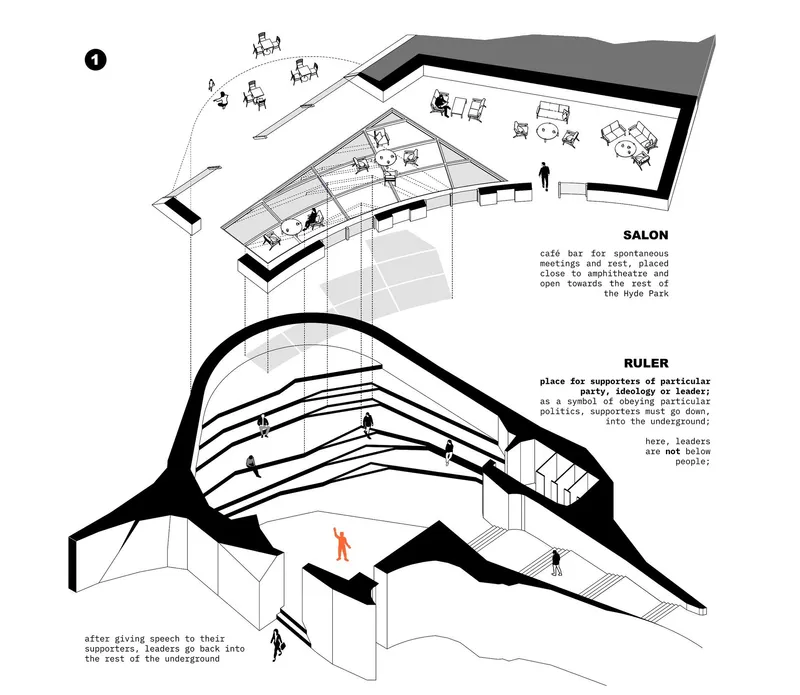
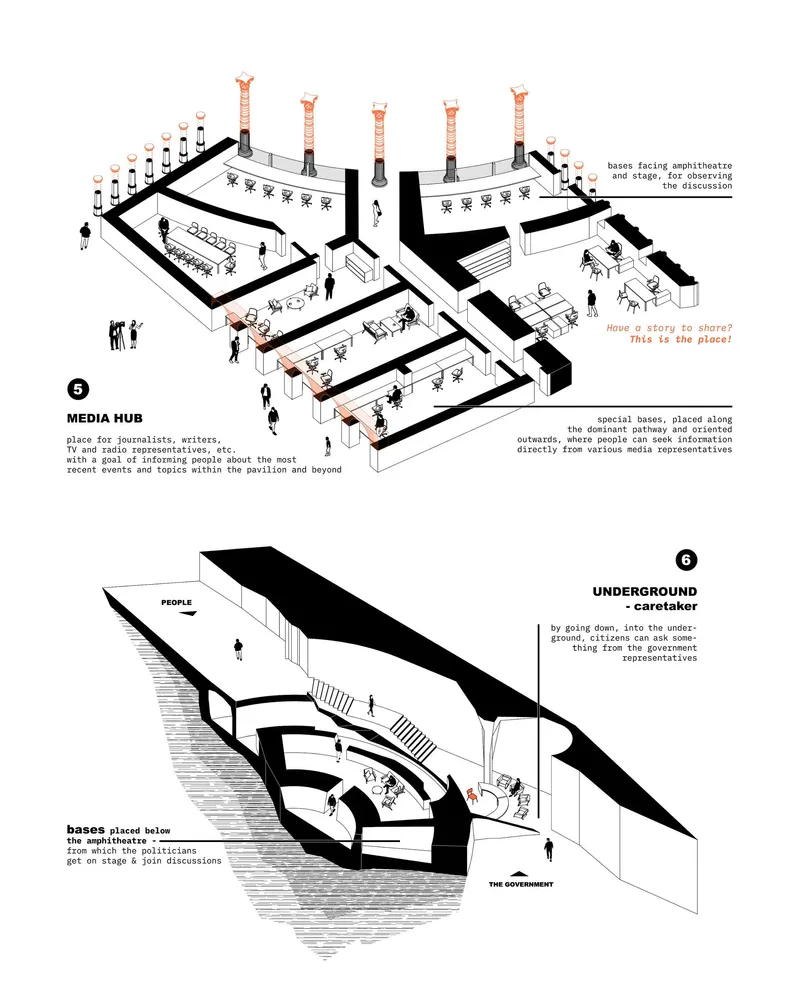
The Dungeons: This subterranean level, inspired by medieval dungeons and cave architecture, houses government offices and provides a space for direct interaction between citizens and government representatives. The architects envision this area as a place where individuals can voice their concerns, seek assistance, and engage in one-on-one dialogue with those in power. This unconventional placement of government officials below ground serves as a powerful reminder that they are ultimately accountable to the people they serve.
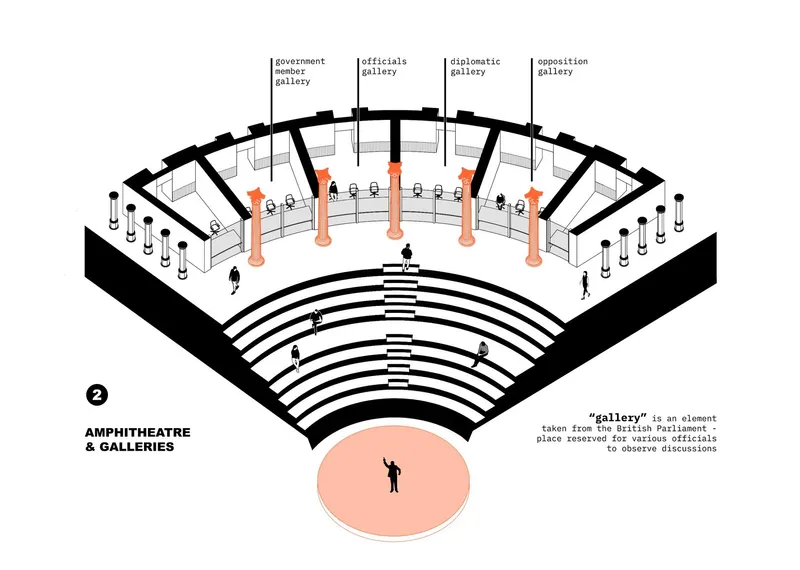
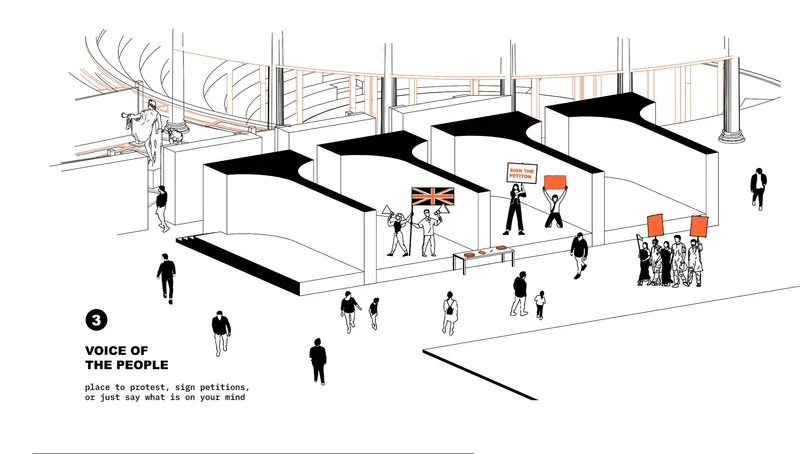
The New Forum: This elevated layer, accessible through dramatic cuts in the landscape, serves as the heart of the pavilion. Inspired by the bustling public forums of ancient Rome, this space offers a platform for a variety of activities, including public debates, presentations, exhibitions, and informal gatherings. The New Forum is envisioned as a dynamic and vibrant hub for political and social discourse, where citizens can engage with different perspectives, participate in discussions, and contribute to the shaping of public opinion.
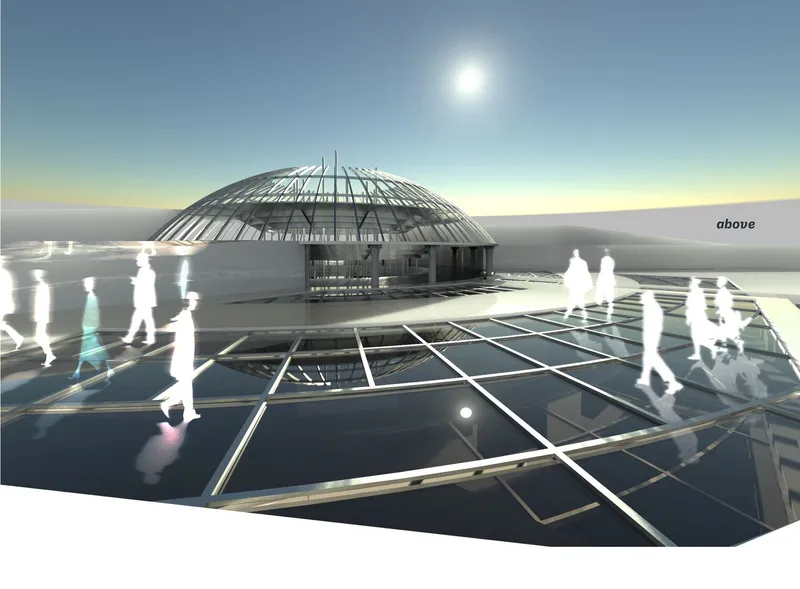
The Ground Surface: This level seamlessly integrates the pavilion into the surrounding landscape of Hyde Park. It provides a welcoming and accessible entry point to the pavilion and serves as a space for informal gatherings and spontaneous interactions. The Ground Surface encourages a sense of community and belonging, allowing visitors to connect with each other and enjoy the natural beauty of the park.
A Stage for Democratic Dialogue: The Movable Stage and its Symbolism
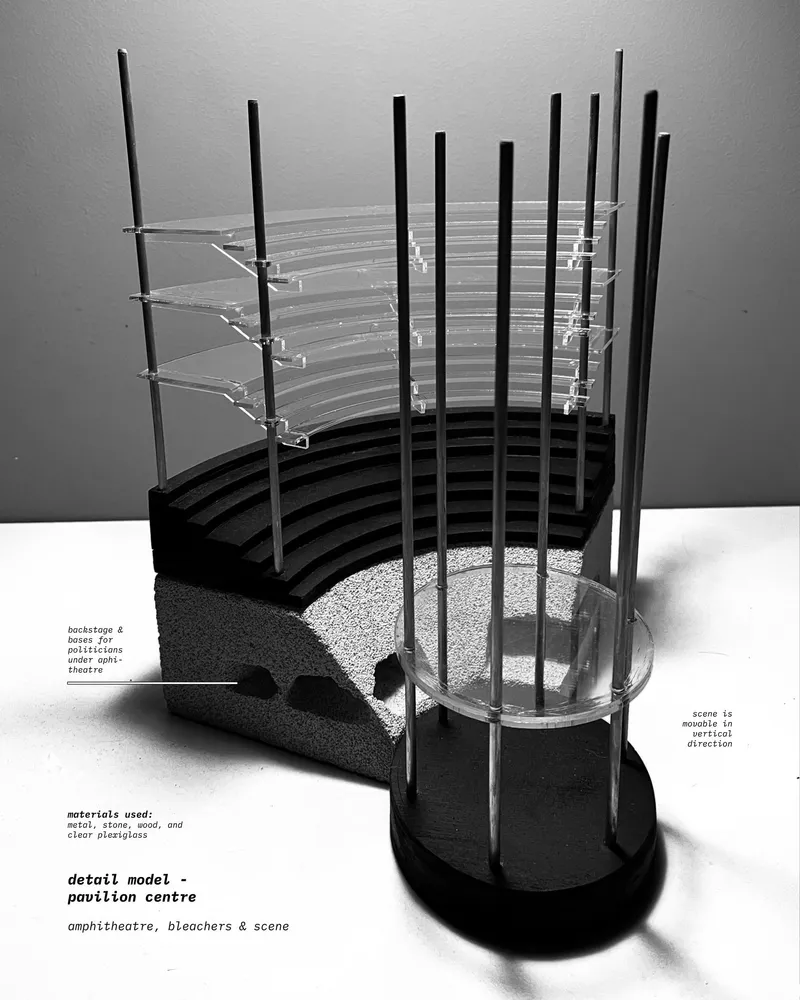
At the center of the New Temple of Vesta lies a unique and symbolic feature: a movable stage. This stage can be raised or lowered, altering the spatial dynamics between speakers and the audience and reflecting the ever-shifting power dynamics inherent in democratic societies. The architects envision this stage as a platform for a variety of events, including political debates, public addresses, performances, and community gatherings.
The different positions of the stage represent different modes of interaction:
The Ruler: Elevated high above the audience, this position signifies traditional power structures, where the speaker holds a position of authority and addresses the people from a position of dominance.
The Equals: Positioned at the same level as the audience, this configuration fosters a sense of equality and encourages open dialogue and exchange between the speaker and the participants.
The Humbled: Located below the audience, this position symbolizes the accountability of those in power to the people they represent. It encourages humility and reminds speakers that they are ultimately servants of the public good.
The Center Stage: Situated at the center of the pavilion, this position emphasizes the importance of the speaker and their message, providing optimal visibility and ensuring that their voice is heard by all.
The movable stage adds a dynamic and engaging element to the pavilion's design, allowing for a variety of spatial configurations that can be adapted to different types of events and interactions. It serves as a powerful symbol of the fluidity of power in a democratic society and the importance of ongoing dialogue and engagement between the people and their government.
Transparency and Accountability: Fostering a More Engaged Citizenry
The New Temple of Vesta is designed to promote transparency and accountability in government. By placing government officials in the subterranean Dungeons and allowing for direct interaction between citizens and representatives, the pavilion seeks to break down the traditional barriers that often separate the people from those in power.
The use of glazed ceilings in the Dungeons allows visitors on the upper levels to observe the activities taking place below, further reinforcing the importance of transparency and public scrutiny. This design element serves as a constant reminder to government officials that they are being observed and held accountable for their actions.
A Modern Interpretation of Ancient Ideals: The Architectural Design
The pavilion's architectural design draws inspiration from both classical and contemporary influences. The circular form echoes the shape of the original Temple of Vesta, while the use of modern materials and construction techniques creates a striking and contemporary aesthetic.
The pavilion's exterior is clad in a combination of plaster and clear plexiglass, creating a sense of lightness and transparency. The interior features a variety of materials, including semi-fossilized wood, metal, and clear plexiglass, creating a warm and inviting atmosphere.
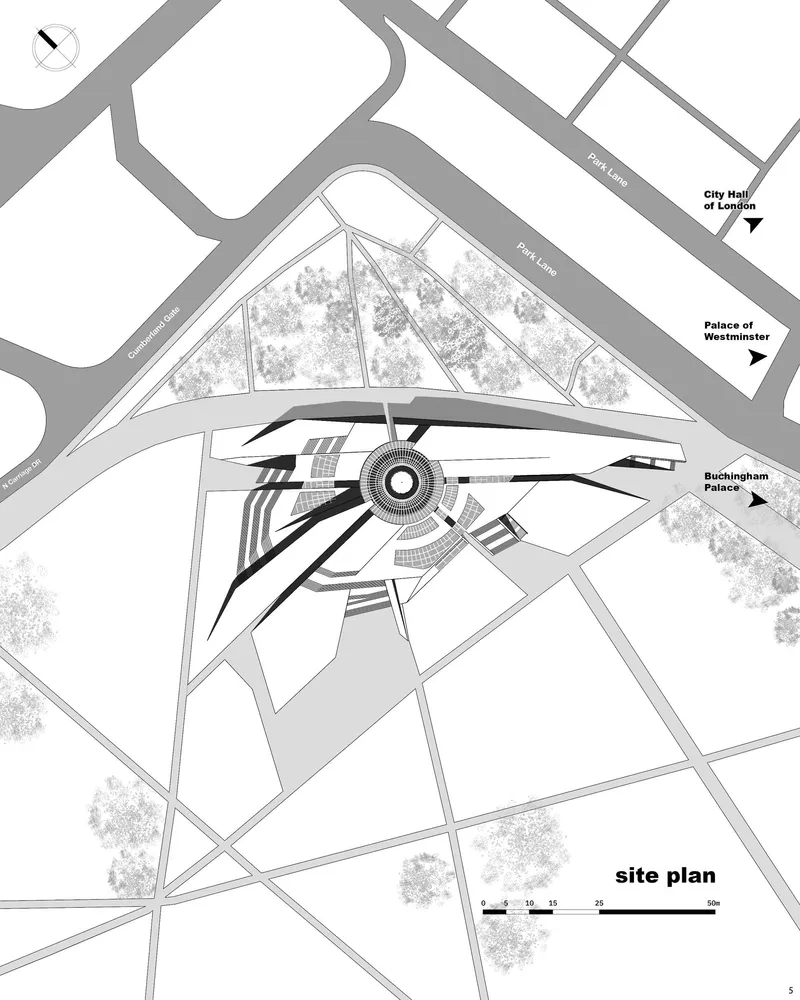
The pavilion's design is carefully integrated into the surrounding landscape of Hyde Park. Openings and cuts in the pavilion's form are strategically placed to align with existing pathways and movement patterns within the park, ensuring a seamless and harmonious connection between the built environment and the natural world.
A Catalyst for Change: The Potential Impact of the New Temple of Vesta
The New Temple of Vesta offers a bold and innovative vision for a new type of public space, one that encourages active citizenship, promotes democratic dialogue, and fosters a stronger connection between the people and their government. While still a conceptual design, the pavilion has the potential to serve as a catalyst for change, inspiring similar projects around the world and contributing to a more engaged and empowered citizenry.
By reimagining the ancient concept of the forum for the 21st century, the New Temple of Vesta offers a compelling example of how architecture can be used to shape and enhance our understanding of democracy and civic engagement. It is a powerful reminder that the foundation of a thriving democracy lies in the active participation of its citizens and the ongoing dialogue between the people and those who represent them. The New Temple of Vesta, with its innovative design and thought-provoking symbolism, stands as a testament to the enduring power of architecture to inspire, challenge, and ultimately, contribute to a more just and equitable society.



Popular Articles
Popular articles from the community


Co-life: Sustainable Architecture for Age-Friendly Community Living
Co-life reimagines sustainable architecture for seniors through courtyards, rammed earth, shared gardens, and spaces designed for belonging.

Riyadh For All: Intergenerational Urban Design for Active Aging in Rabat
Riyadh For All reimagines urban design in Rabat with intergenerational co-living, adaptive courtyards, and Moroccan cultural exchange today.

Co-Life: Senior Housing Design That Reconnects Older Adults With the City
Co-Life reimagines senior housing design through healing gardens, shared streets, workshops, and a sustainable community across generations.

Lunar Spiral: Space Architecture Shaped by the Mathematics of the Universe
Lunar Spiral reimagines space architecture through Fibonacci geometry, lunar regolith, levitating habitats, and self-sustaining Moon living.

Similar Reads
You might also enjoy these articles

Day and Night Park: A Time-Based Urban Newsstand in Beijing
A temporary urban newsstand in Beijing blending travel, light, and reading through poetic colors, compact form, and community-focused design.

Modernist Patio Renovation in El Masnou, Barcelona by Oliver Segura Arquitectura + Cebrià Arquitectura
Modernist patio renovation blending tradition and innovation with a movable pool, leveled floors, and Catalan materials in El Masnou.

Alto Residencial Coop: Cooperative Housing Development in Santiago de Compostela by Carbajo Barrios Arquitectos
A linear cooperative housing complex blending white volumes and perforated metal façades, enhancing community living, natural light, privacy, and urban integration.

Vil Genis School by BPA ARCHITECTURE – Massy, France
Vil Genis School in Massy, France, features sustainable design, south-facing classrooms, community integration, accessible spaces, and modern educational architecture.


Explore Civic Architecture Competitions
Discover active competitions in this discipline


Challenge to design locus for the upliftment of human rights


Challenge to reimagine the Iron Throne


Photograph architecture without architects


Illustrate the lost glory of Angkor Wat - Render Challenge
Comments (0)
Please login or sign up to add comments
No comments yet. Be the first to comment!