
Residential Architecture at Hohentorsplatz by Hild und K
Hohentorsplatz by Hild und K exemplifies sustainable residential architecture, blending innovative design with energy-efficient technology and community-focused living.


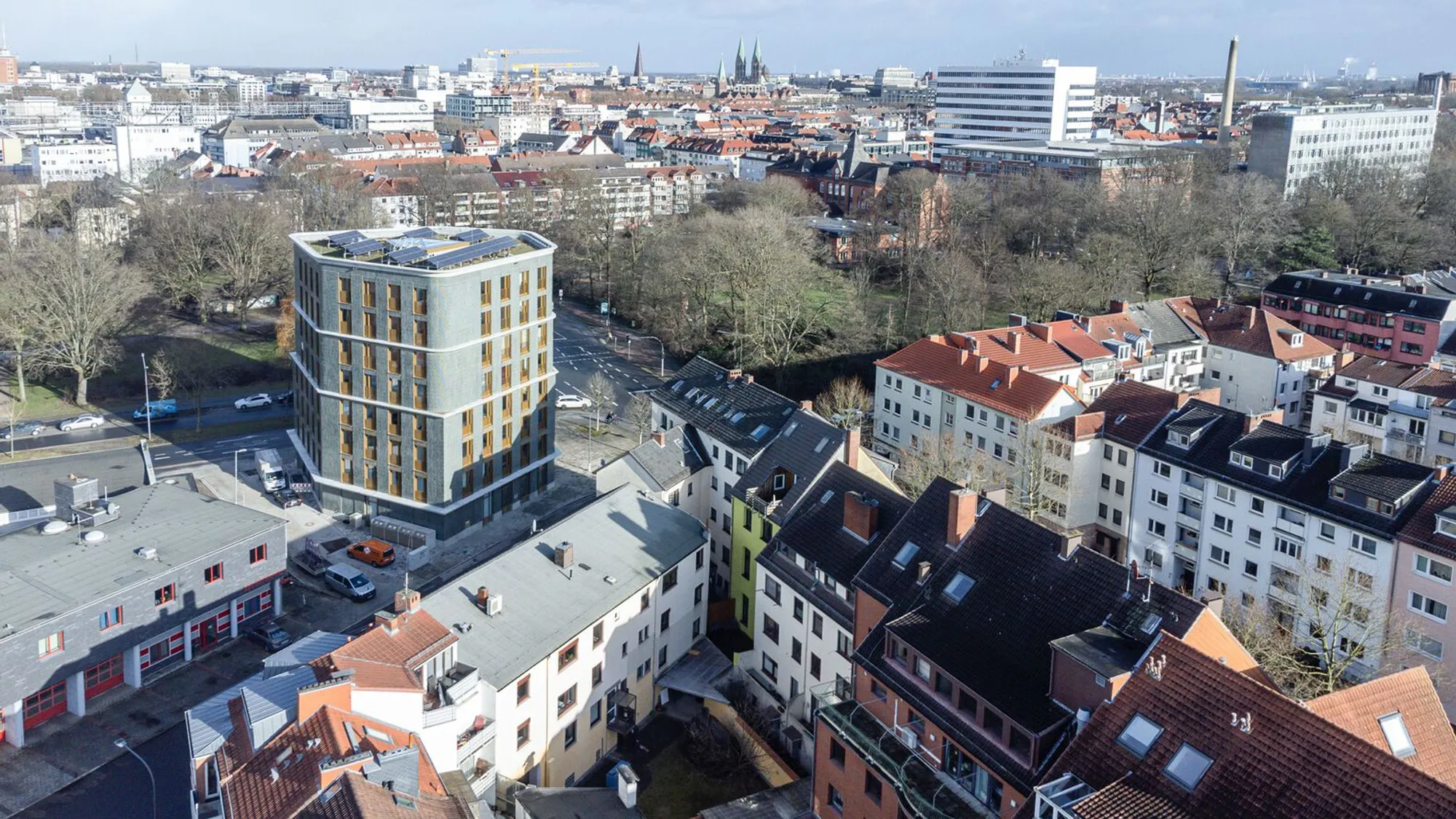
In the heart of Bremen’s Neustadt district, the Hohentorsplatz residential building by Hild und K stands as a remarkable example of sustainable residential architecture. This eight-storey structure not only reflects innovative design and urban planning but also emphasizes sustainability, a key consideration in modern architectural practices. The project integrates residential space with energy-efficient technology, setting a new benchmark for eco-friendly housing in urban environments.
Context and Vision Behind the Design
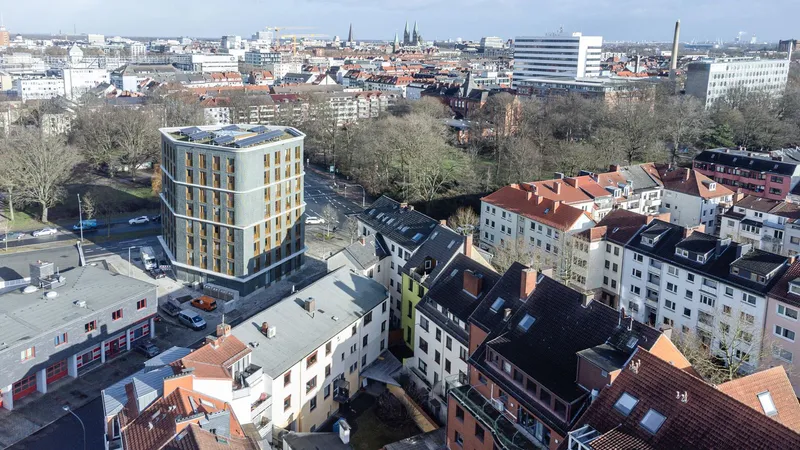
Located on the periphery of Bremen’s historic Neustadt ramparts, Hohentorsplatz sits within a city center undergoing revitalization. The goal of the competition launched by GEWOBA, the Bremen housing company, was to develop a modern, multi-storey residential building that would not only provide affordable housing but also contribute to the revitalization of the urban landscape. The design by Hild und K sought to create an accent in the urban space, pushing the boundaries of conventional residential architecture.
Architectural Features and Urban Integration
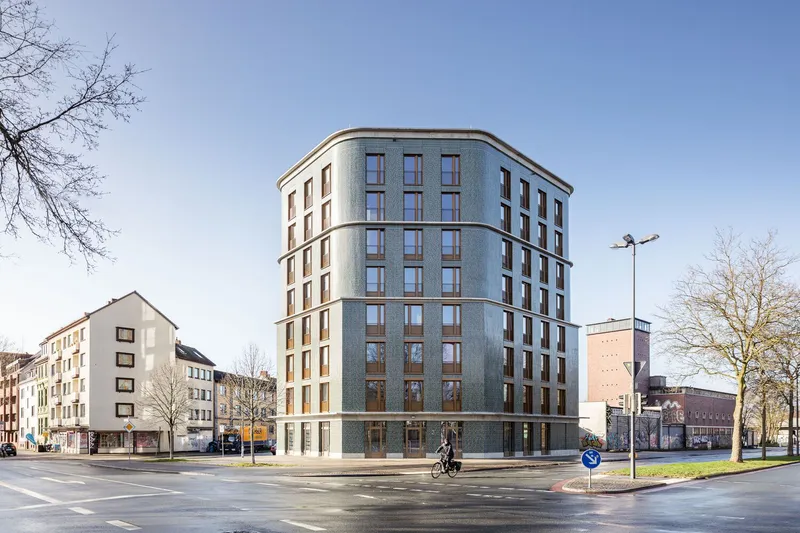
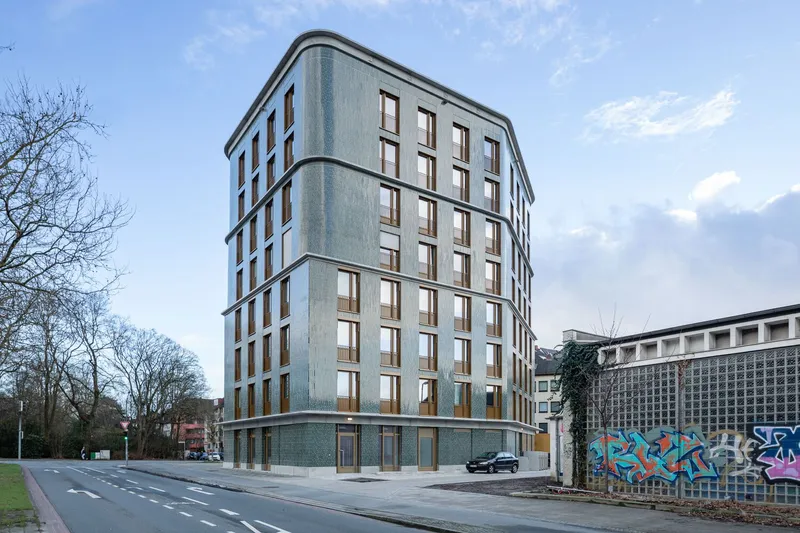
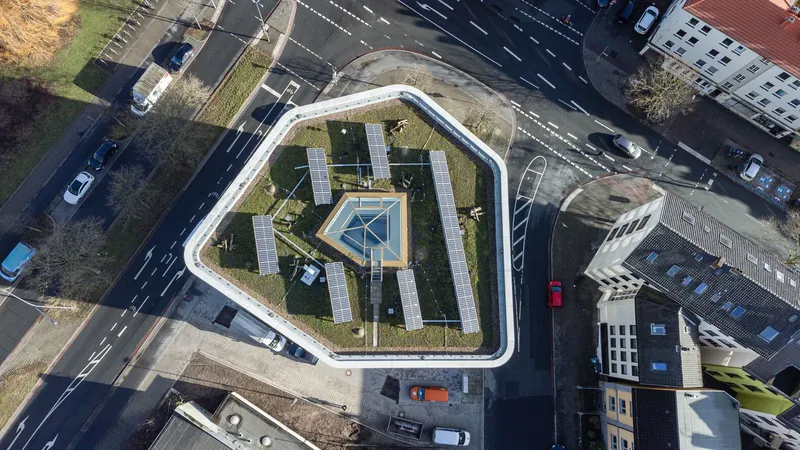
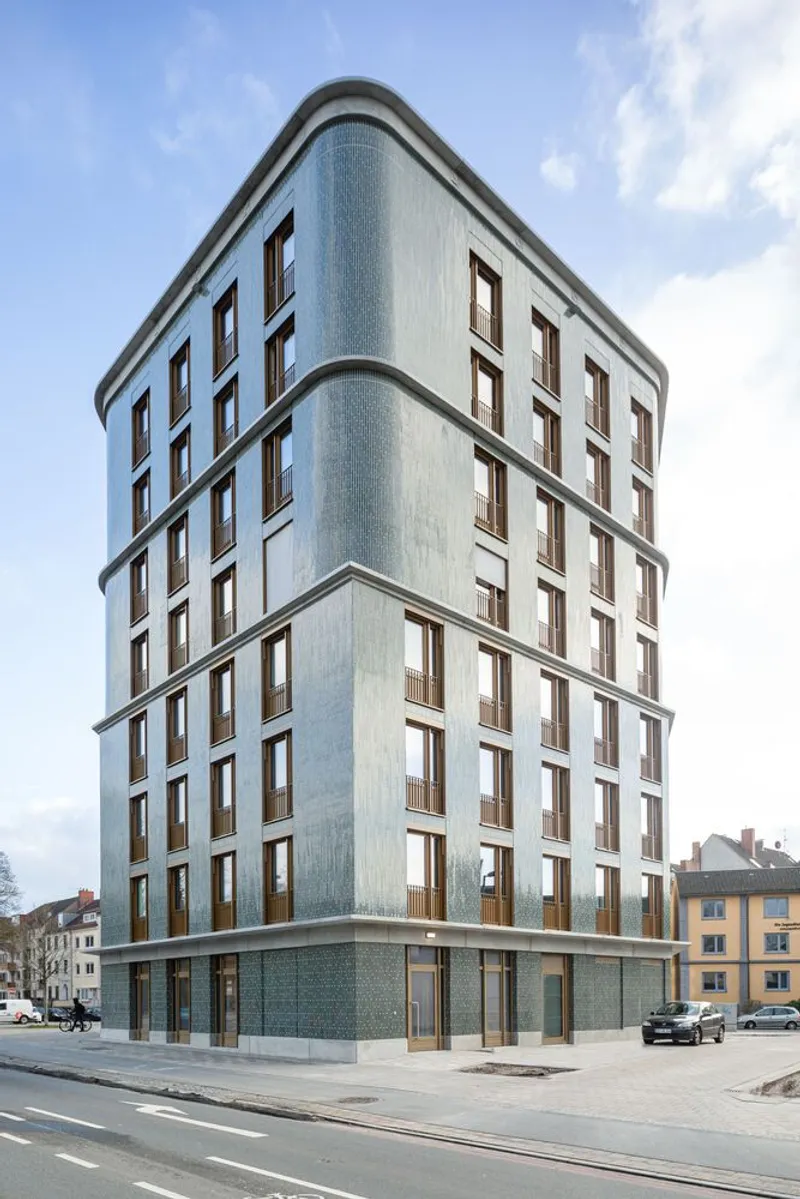
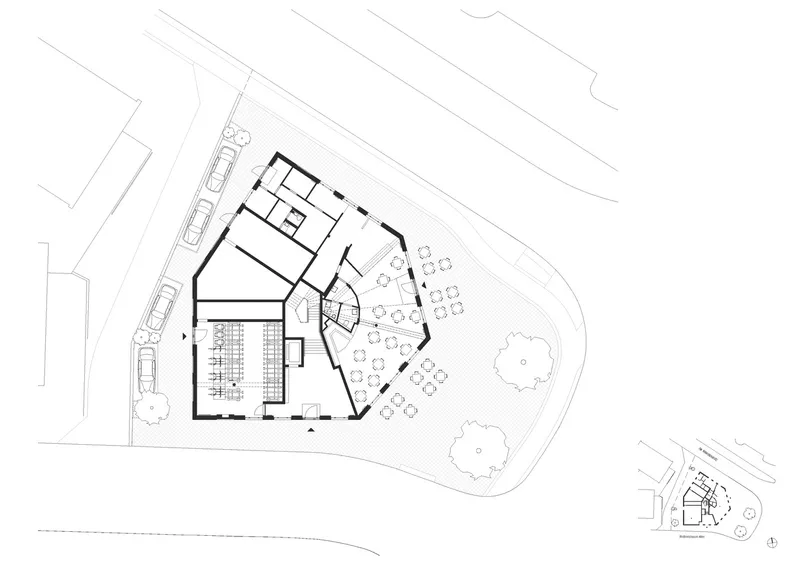
The Hohentorsplatz building’s design is an impressive exploration of form, with its hexagonal floor area making the most of the wedge-shaped building plot. This unique layout ensures the building stands out, adding a new dynamic to the urban environment. Positioned at the tip of the site like a polygonal 'prow,' the structure creates a visually striking entrance to the quarter when viewed from the nearby Neustadtwallanlagen, creating a memorable architectural statement.
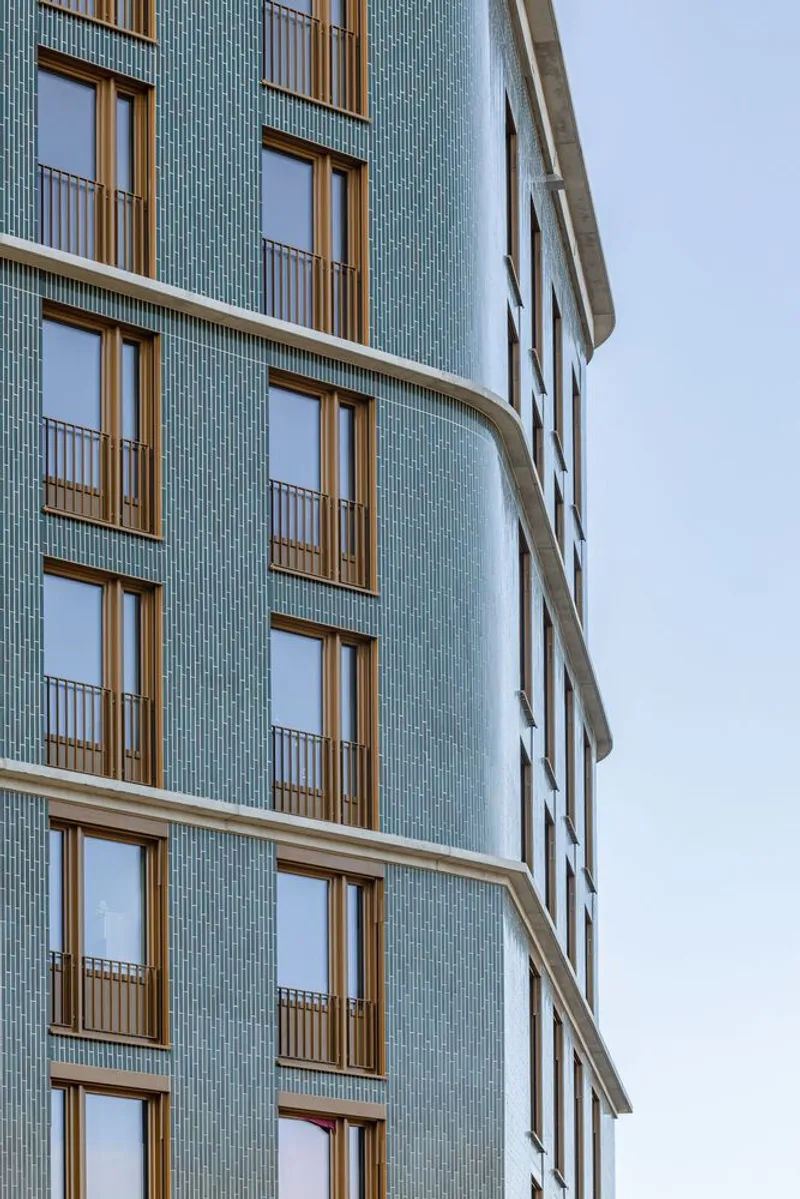
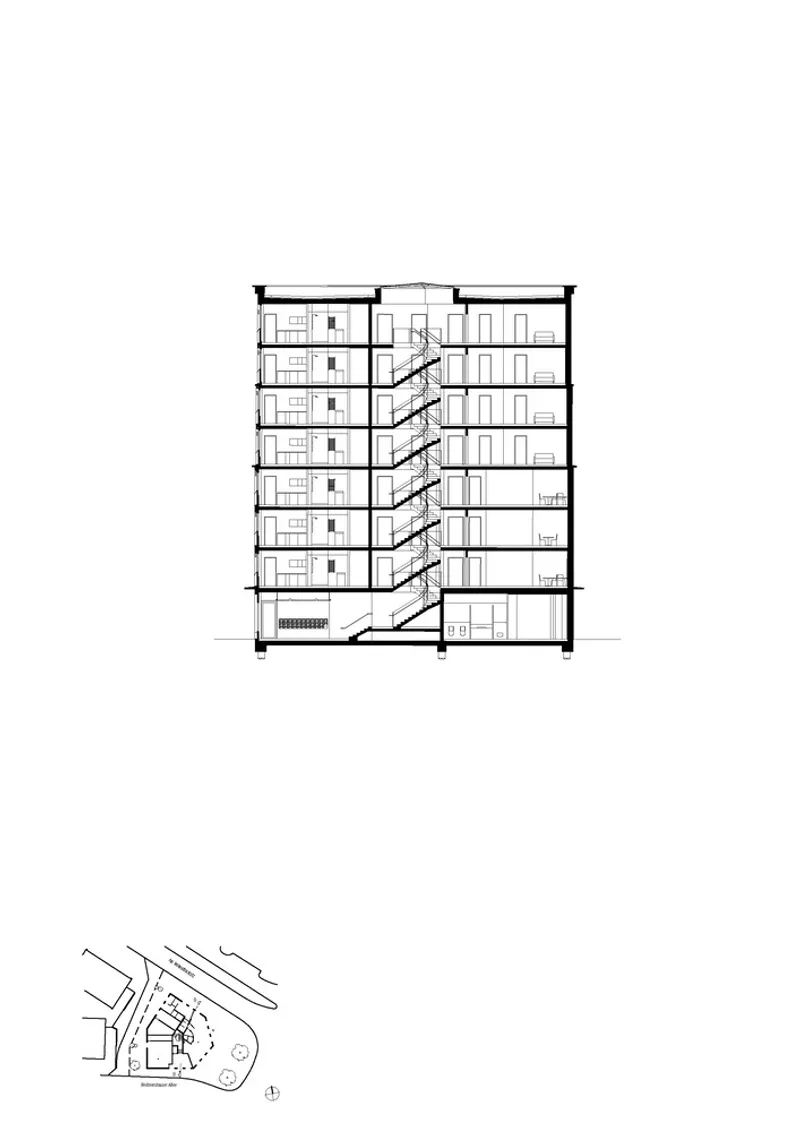
The building’s staggered form not only offers aesthetic appeal but also responds to the surrounding architectural context. Recesses after the fourth and sixth storeys create a delicate balance between the building's bold structure and its urban setting, ensuring the building blends seamlessly with its environment.
Sustainability and Energy Efficiency
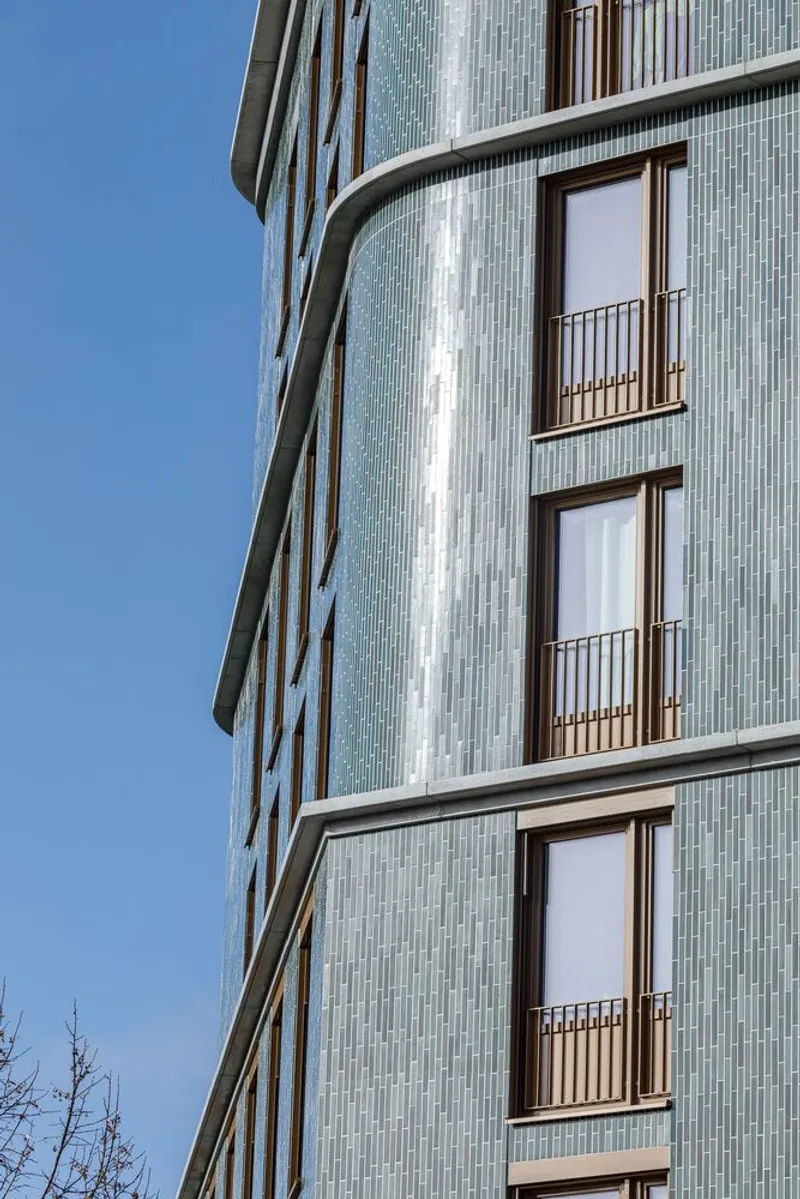
A defining feature of Hohentorsplatz is its focus on sustainability. The building is designed with green technology at its core. The façade is clad in glazed bricks that create a dynamic interplay of light and shadow, while also contributing to the building's energy efficiency. The green hue of the façade is symbolic of the sustainable approach, as solar cells installed on the building's roof, along with a combined heat and power unit, provide a renewable energy source for the building.
The compact design of the building not only enhances its visual impact but also reduces the amount of materials required for construction and the energy needed to operate the building, making it an eco-friendly model for urban residential design.
Spatial Organization and Community Engagement
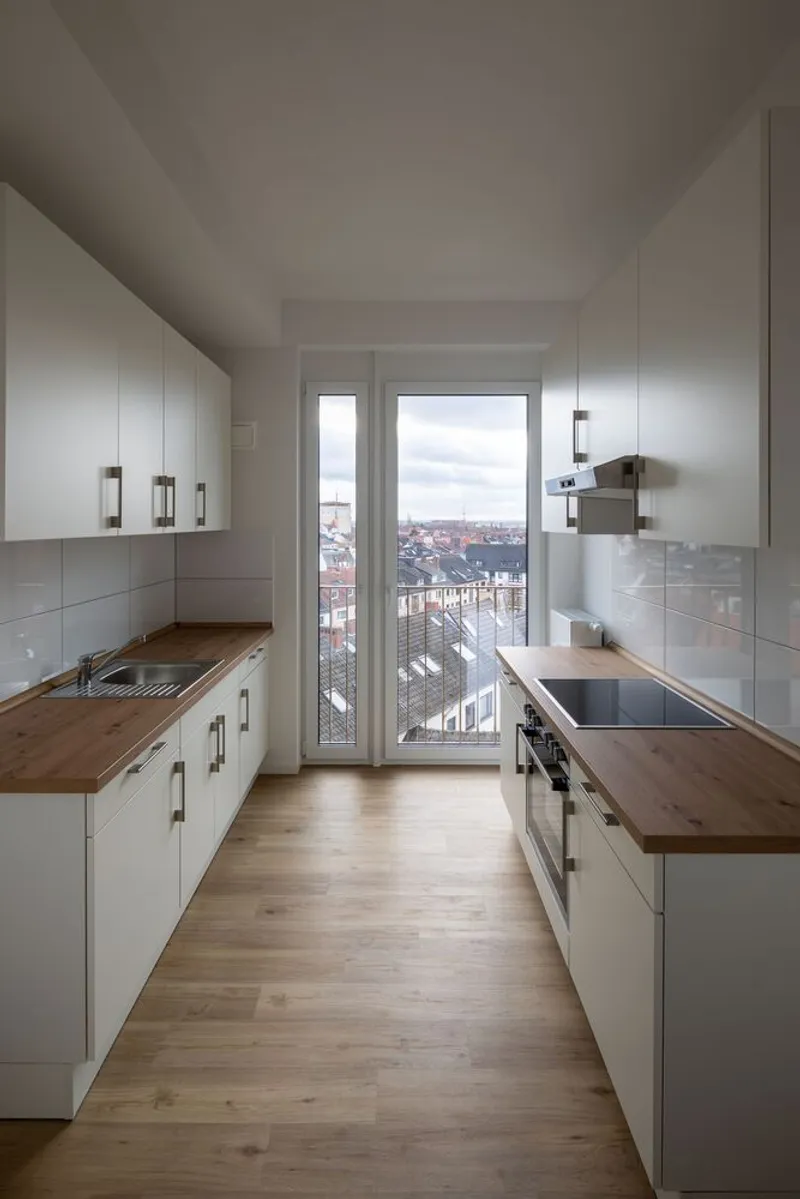
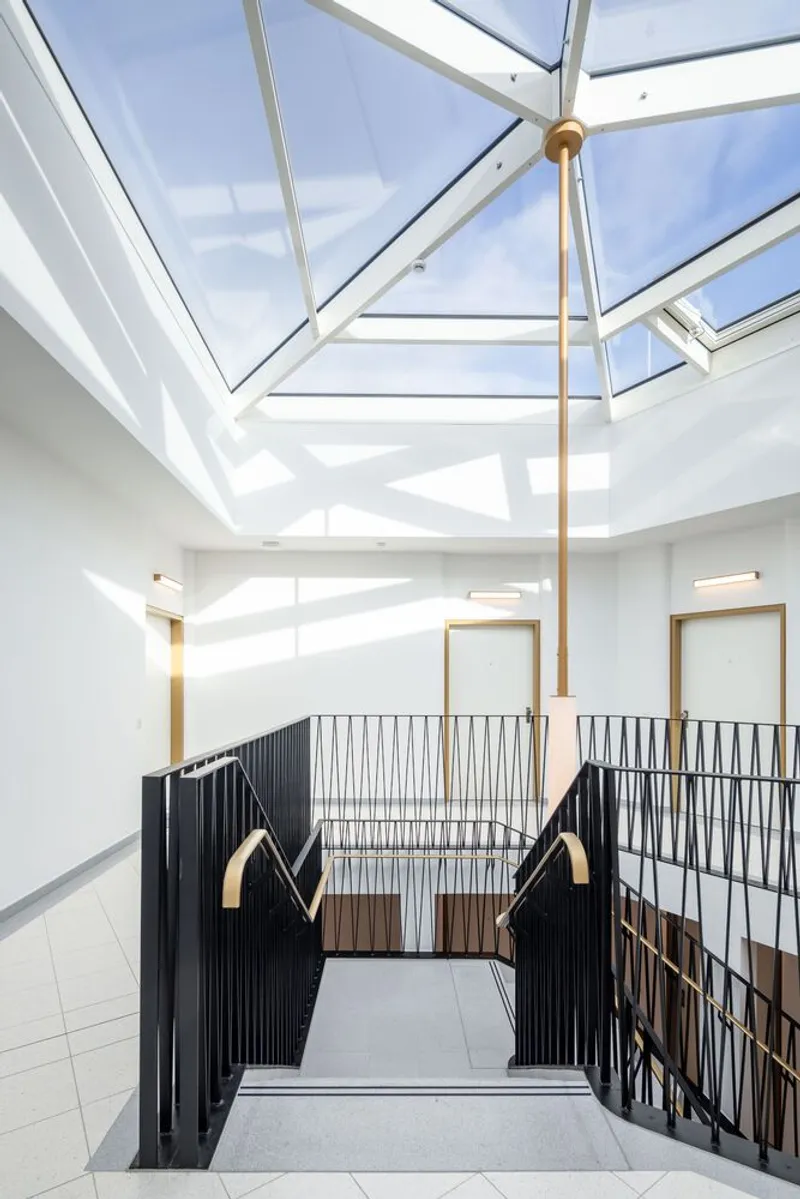
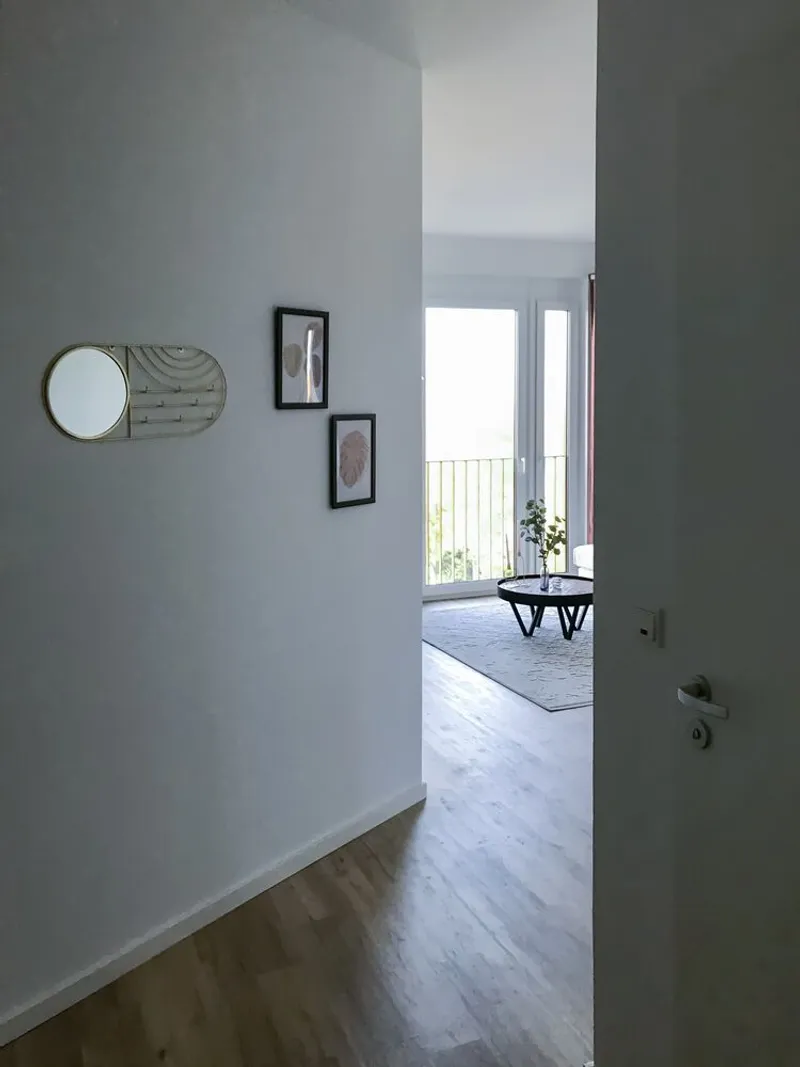
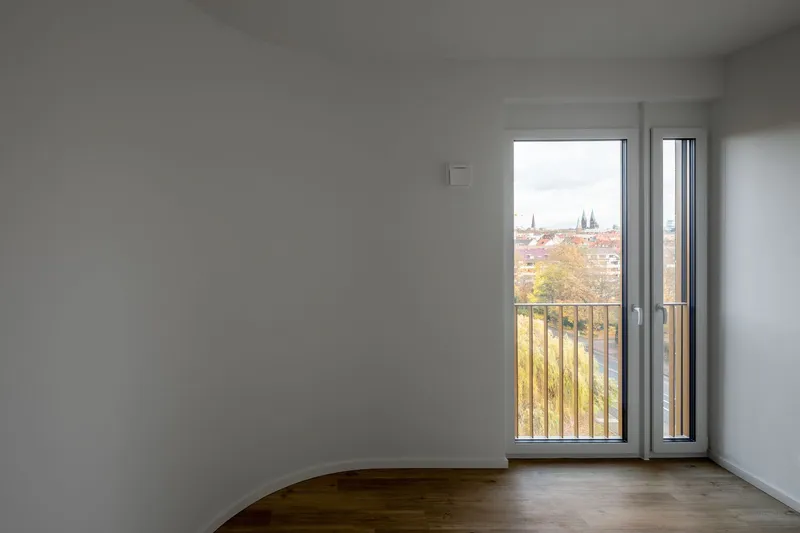
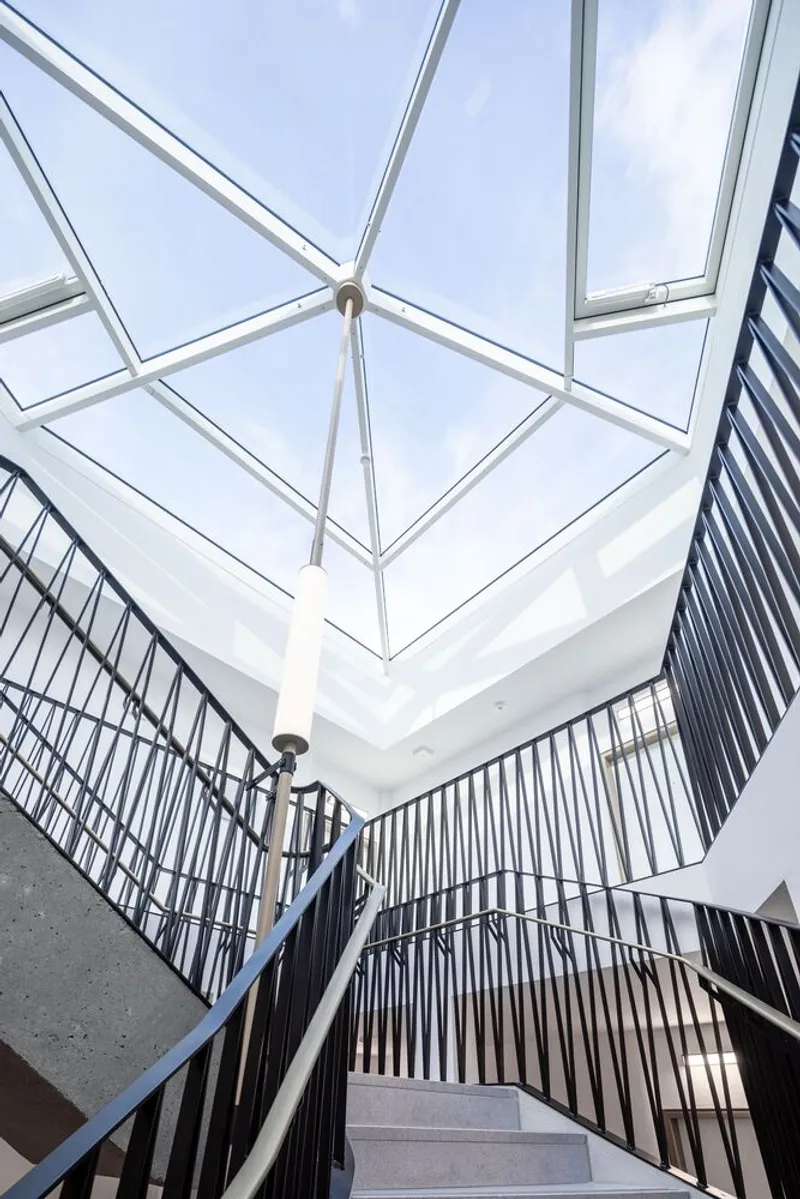
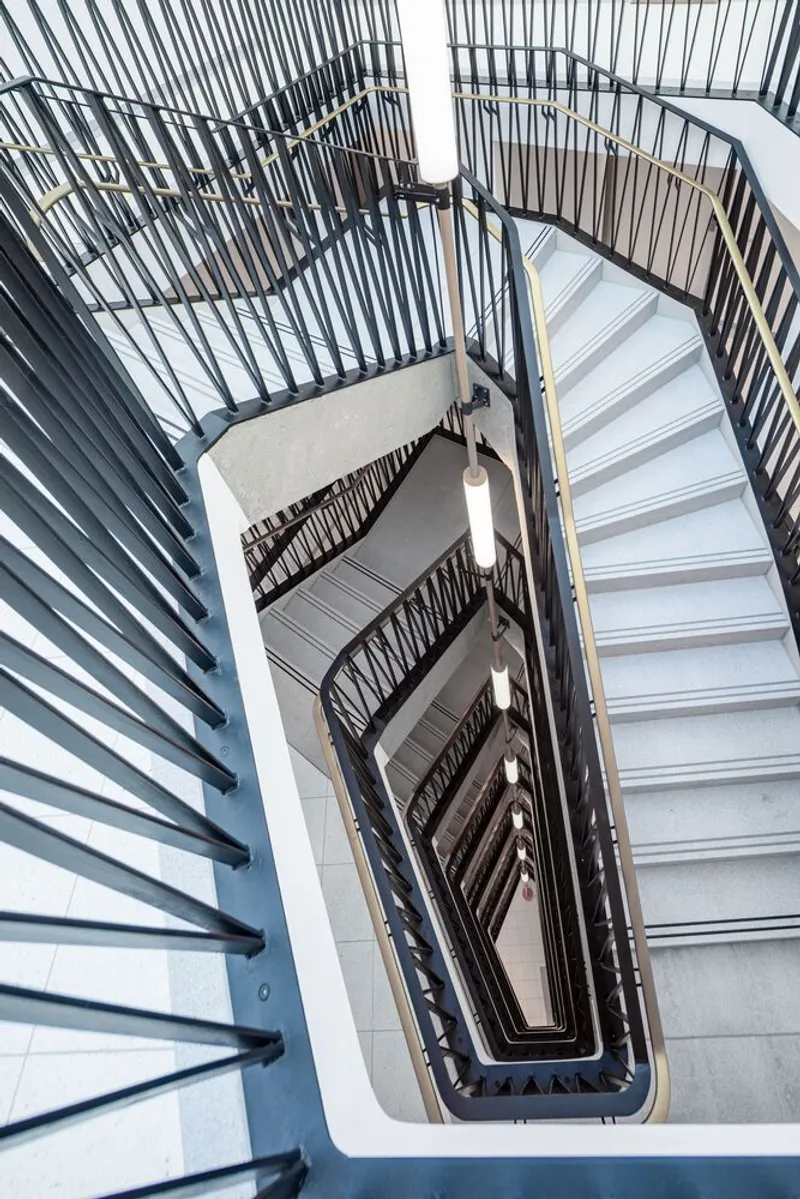
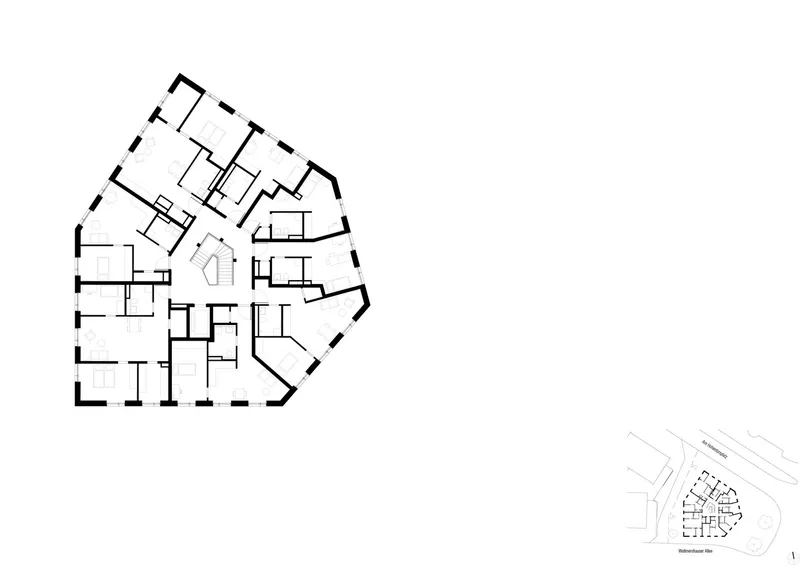
One of the standout features of Hohentorsplatz is its innovative approach to housing. The building includes both subsidized and privately financed apartments, arranged around a central staircase. Both types of housing are designed to the same high standard, promoting equality and social integration. The design ensures that all apartments are well-lit, with no spaces oriented exclusively towards the north, which contributes to a comfortable living environment.
This approach to space and design promotes community interaction and social engagement, which was inspired by the work of renowned architect Alvar Aalto. The spacious common areas encourage residents to interact, fostering a sense of community among people from diverse socio-economic backgrounds.
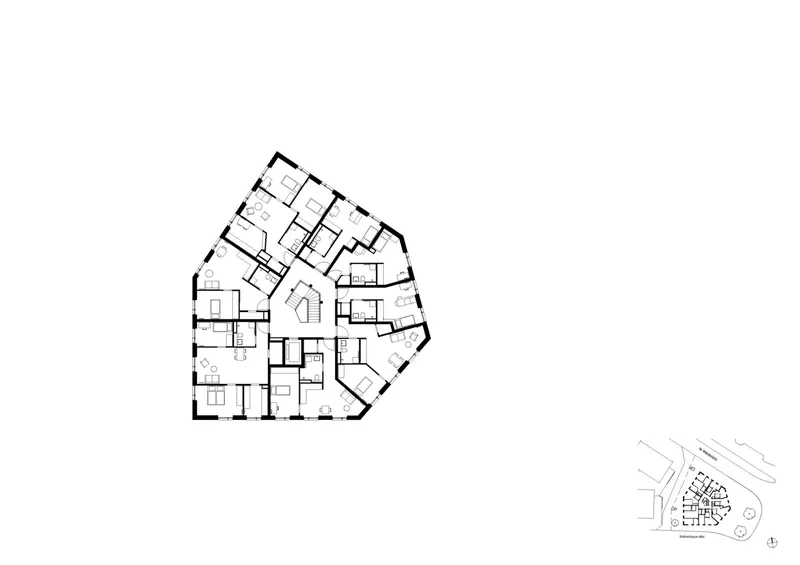
The Hohentorsplatz residential building by Hild und K demonstrates the potential for sustainable residential architecture in urban settings. With its emphasis on energy efficiency, innovative design, and community-building, it sets a new standard for future housing developments. By integrating sustainable building techniques with thoughtful design, this project showcases how modern architecture can create both functional and environmentally responsible living spaces.
All Photographs are works of Michael Heinrich




Popular Articles
Popular articles from the community


Riyadh For All: Intergenerational Urban Design for Active Aging in Rabat
Riyadh For All reimagines urban design in Rabat with intergenerational co-living, adaptive courtyards, and Moroccan cultural exchange today.

Conexión: Biophilic Design Reimagines High-Rise Living in Hong Kong
Conexión reimagines high-rise living in Hong Kong through biophilic design, green facades, shared spaces, daylight, water and nature within.

EW PARK: Sustainable Architecture Reimagines the Future of Urban Parking
EW PARK reimagines city parking as a modular wooden tower combining automation, solar energy, electric mobility, and adaptable urban design.

Hill & Cross Opera: Sculptural Opera House Architecture Shaped by Tallinn’s Landscape and Identity
Hill & Cross Opera reimagines opera house architecture in Tallinn through its sculptural hill, civic plaza, glass wave and a luminous cross.


Similar Reads
You might also enjoy these articles

Bamboo Housing Challenge 2026: Design Affordable, Sustainable Homes Using Bamboo
An international design competition by Bamboo U and IBUKU inviting architects and designers to reimagine affordable housing using bamboo — with the winning design built full-scale in Bali.

Computational Design & Education: Beegraphy Design Awards Introduces 7th Category (Featuring Jiyun's Innovative Approach)
Dive into Beegraphy’s 7th Design Awards category, where computational design meets education to create immersive, interactive learning tools, inspired by Jiyun’s work.

From Parametric Lighting to Urban Furniture: Join the 2nd Workshop in Beegraphy’s Computational Design Series
Dive into Cutting-Edge Design Techniques and Practical Applications with Industry Experts

Last Call: Unleash Your Architectural Genius in SHAK's Kindergarten Design Competition
Urgent call for architects to join SHAK's kindergarten design competition before the looming deadline


Explore Architecture Competitions
Discover active competitions in this discipline



Challenge to reimagine the Iron Throne


Photograph architecture without architects


Illustrate the lost glory of Angkor Wat - Render Challenge


Design challenge to reuse E-waste
Comments (0)
Please login or sign up to add comments
No comments yet. Be the first to comment!