
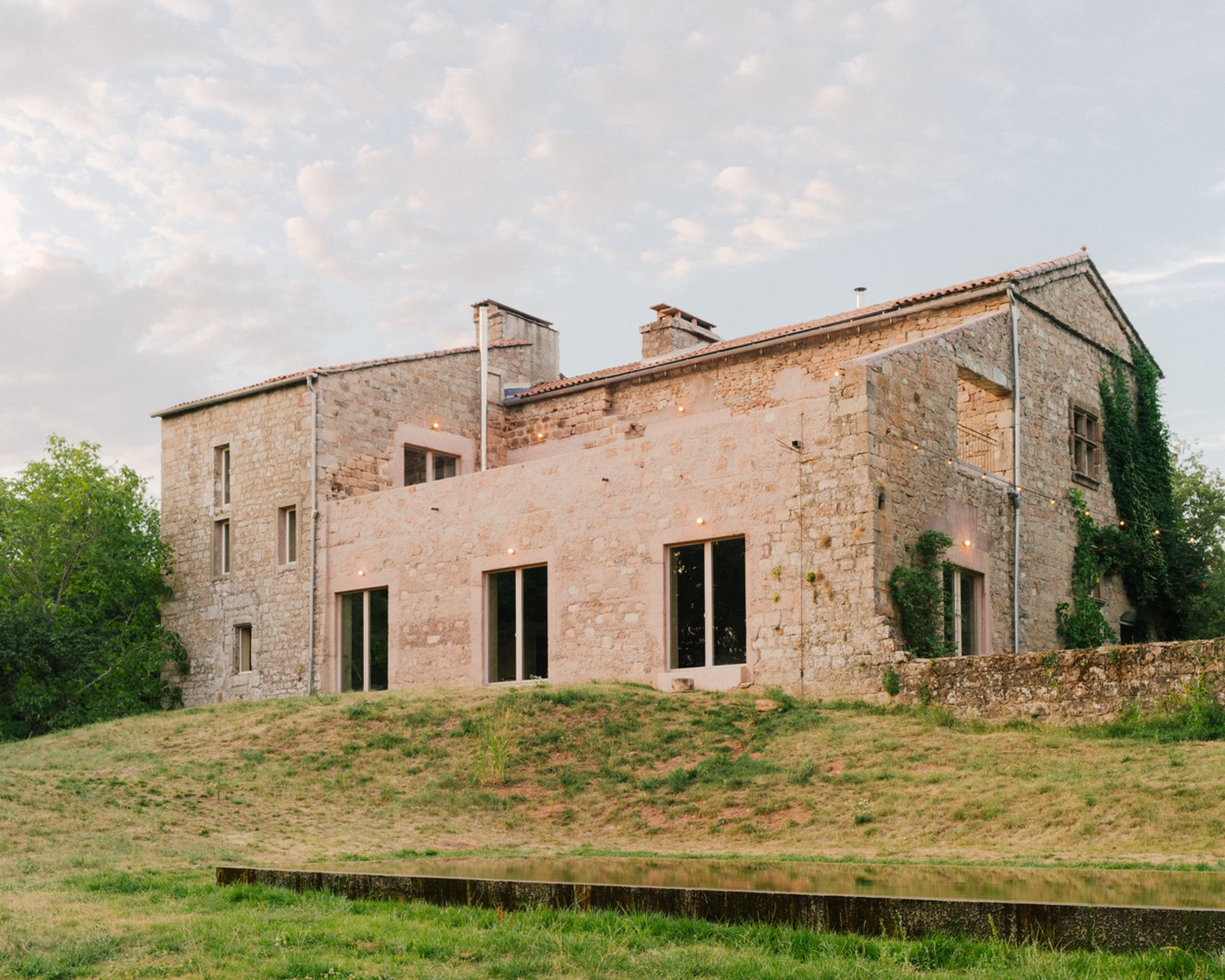
Restoration of 16th Century Houses in France: LA FAGE by Plan Común
Restoration of a 16th-century French house blending history, sustainability, and modern design with breathtaking views of the Pyrenees.

The restoration of historical homes is both an art and a challenge, especially when the property dates back centuries. In Saint-Beauzile, France, LA FAGE by Plan Común exemplifies a masterful restoration of a 16th-century house. This innovative project showcases how thoughtful design can preserve heritage while meeting modern living standards.
the Project
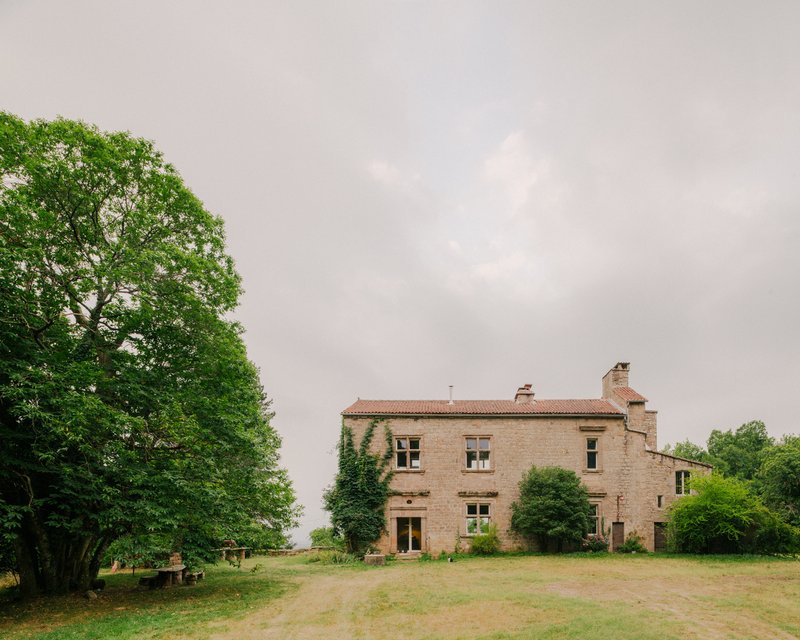
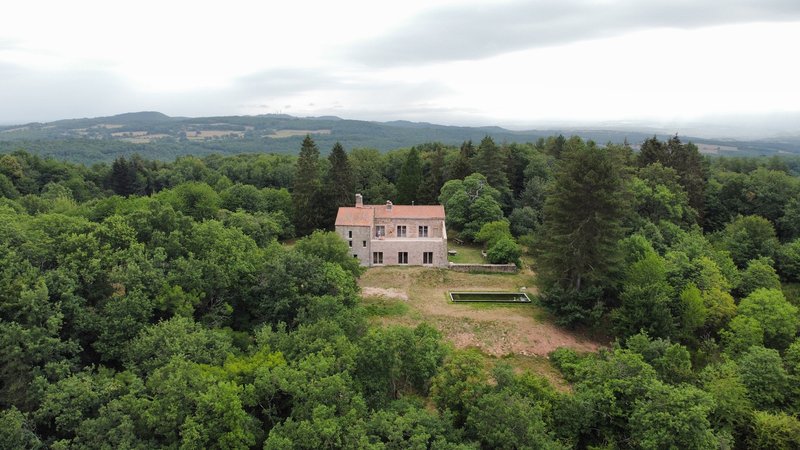
Completed in 2021, LA FAGE is nestled in a forest, offering breathtaking views of the northern Pyrenees. The project prioritizes minimal intervention, transforming the house without overshadowing its historical essence. At its core, the design blends sustainability, functionality, and a deep respect for the original architecture.
Location and Setting
Saint-Beauzile, a tranquil French village, provides the perfect backdrop for this project. Surrounded by dense greenery and panoramic mountain views, the house's location was pivotal in shaping the design strategy. The southeastern part of the property became the focus of restoration, with new elements enhancing its connection to the landscape.
Key Features of the Restoration
1. Selective Transformation
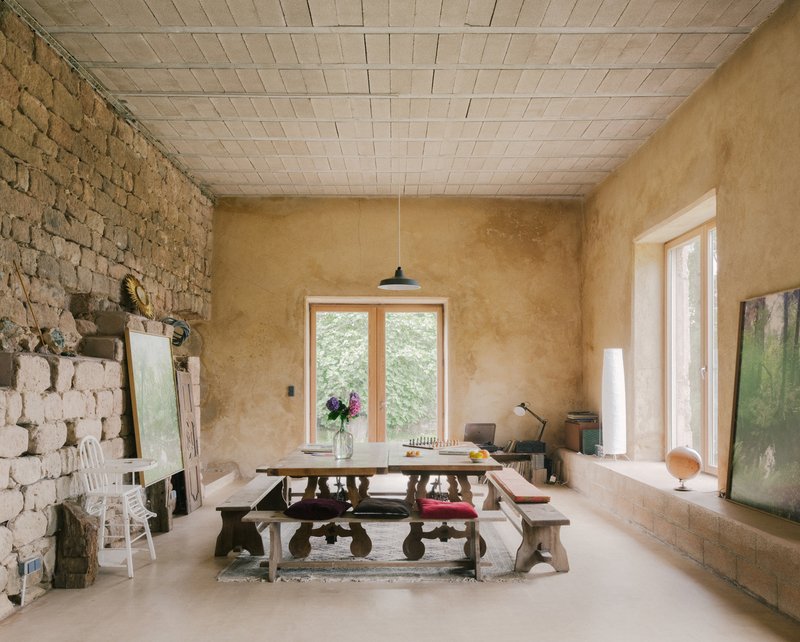
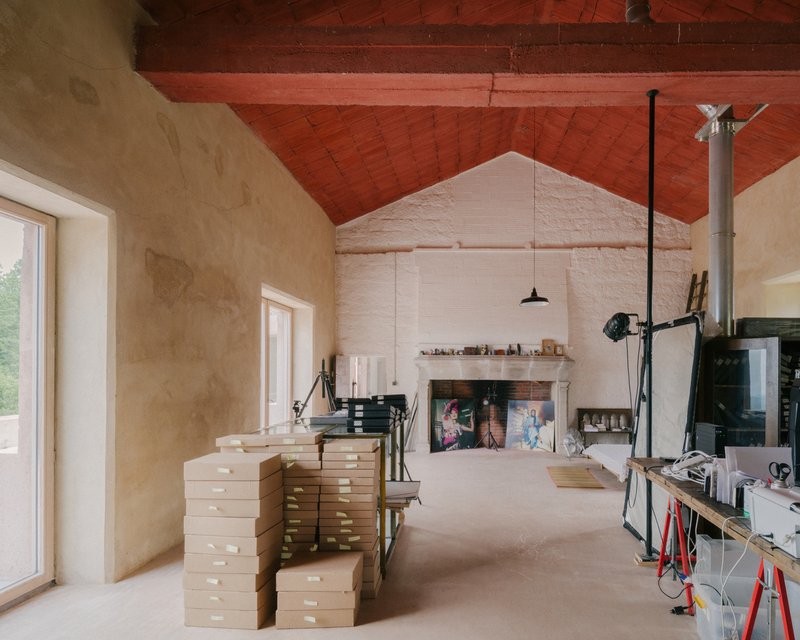
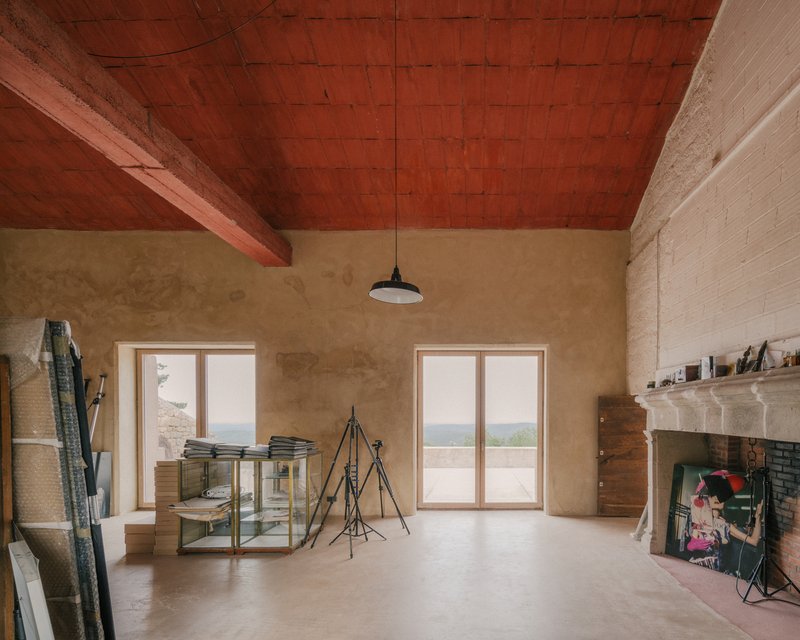
The intervention centers on the barn, a critical component of the house. This space was reimagined to serve as the primary living area, redefining the house's flow and functionality.
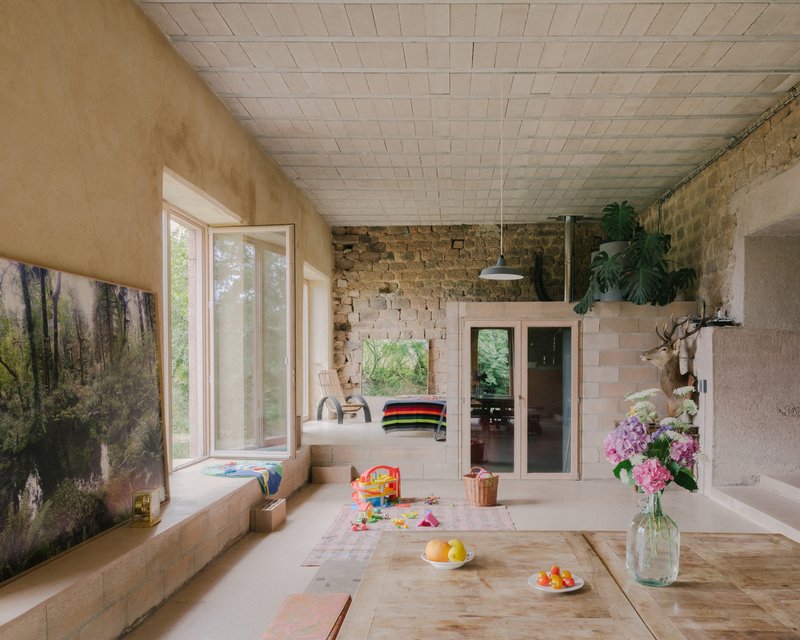
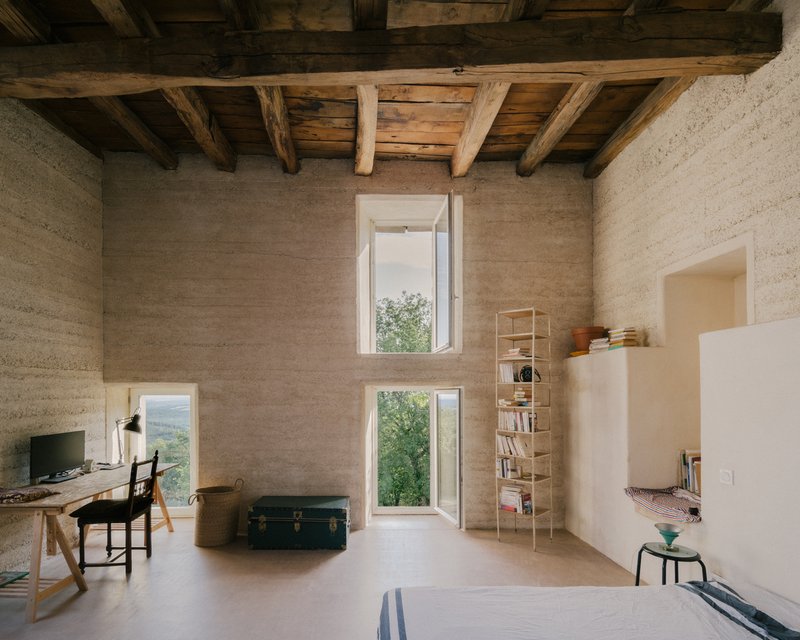
- Ground Floor Living Room: The barn was transformed into a large, open-plan living room.
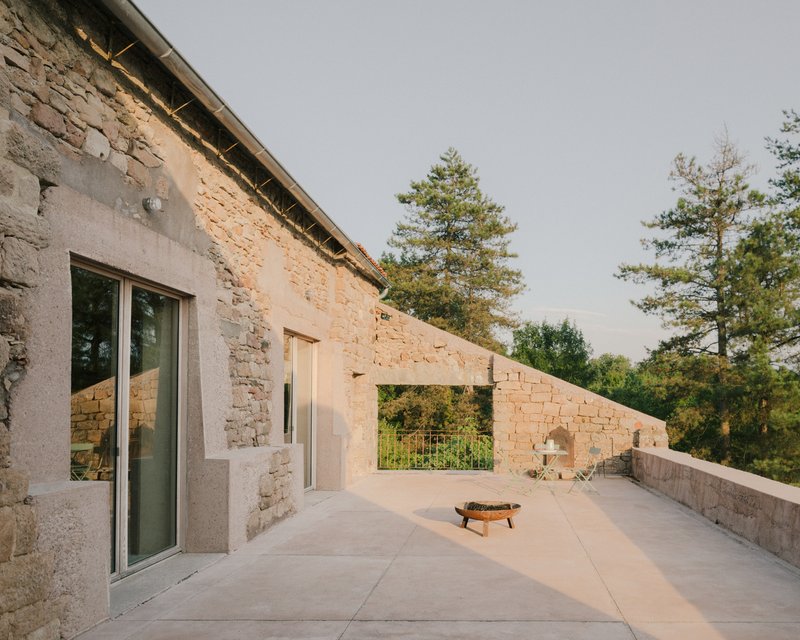
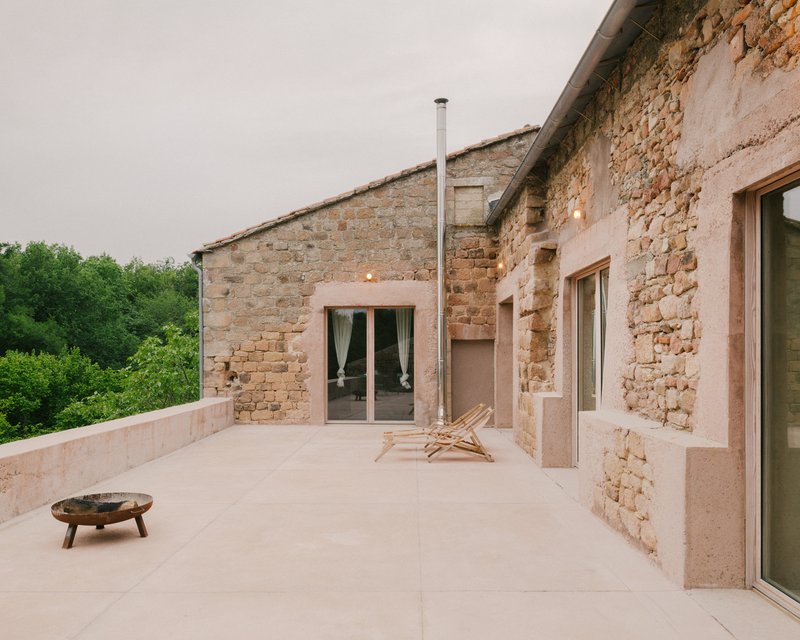
- First Floor Terrace: A new common terrace was introduced, offering sweeping views of the Pyrenees.
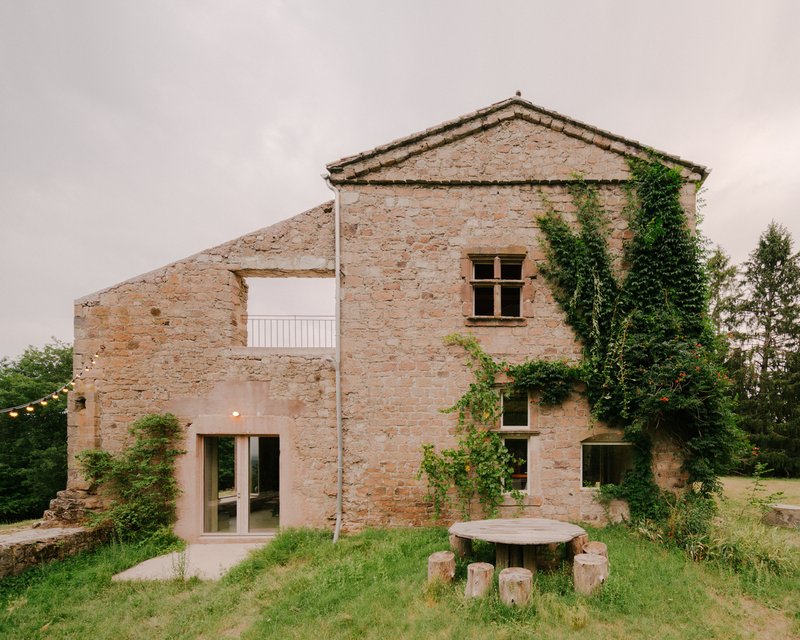
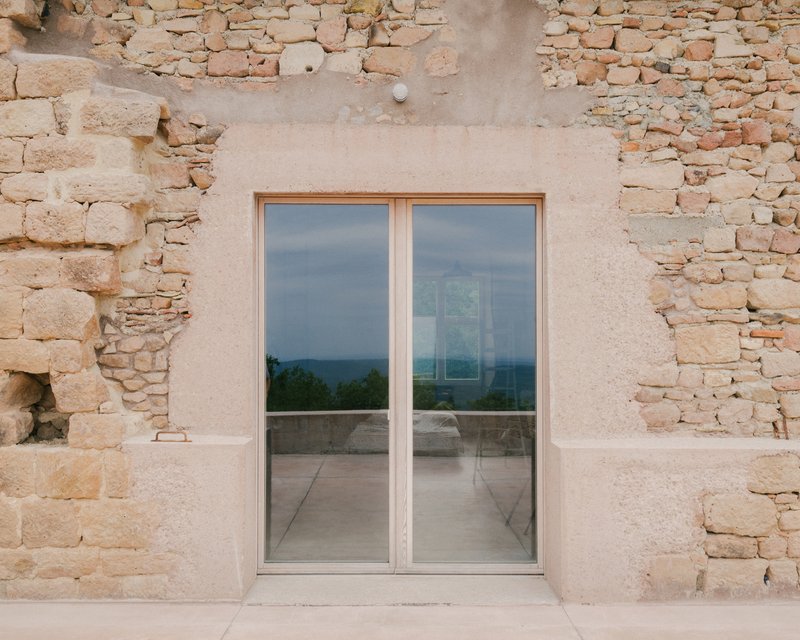
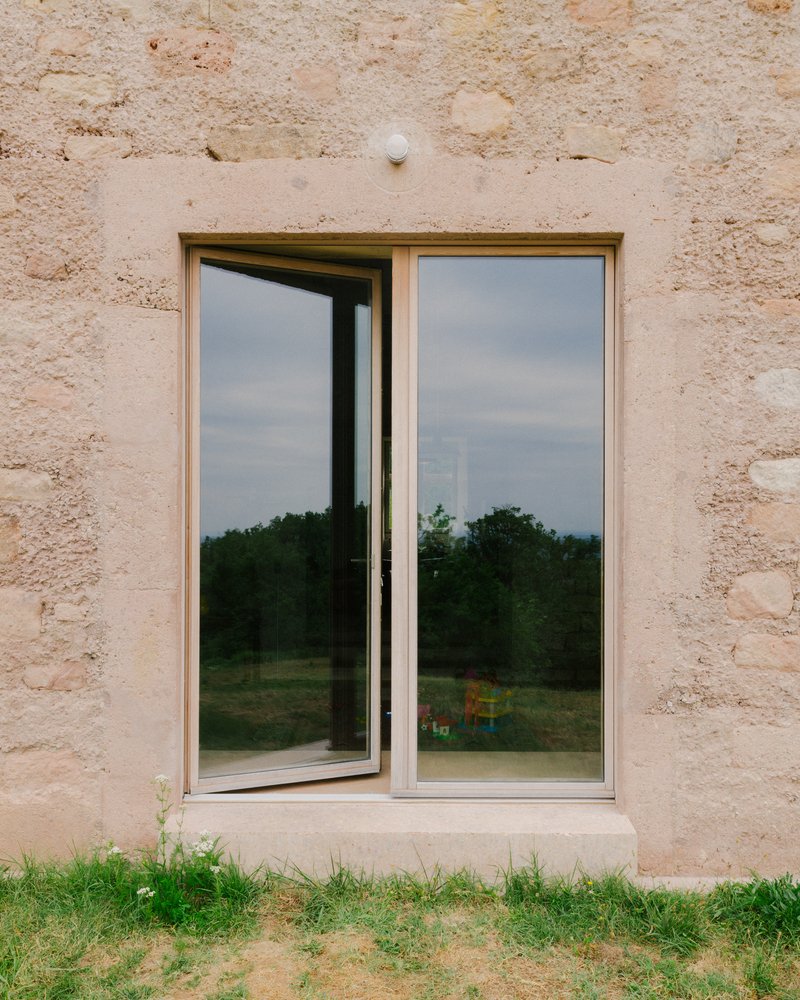
- Eight Identical Openings: Large openings were strategically placed to maximize natural light, ventilation, and seamless indoor-outdoor connections.
2. Minimal Living Volume
To balance comfort with energy efficiency, the design includes a reduced living area for winter use. This approach minimizes heating needs, ensuring sustainability without compromising usability.
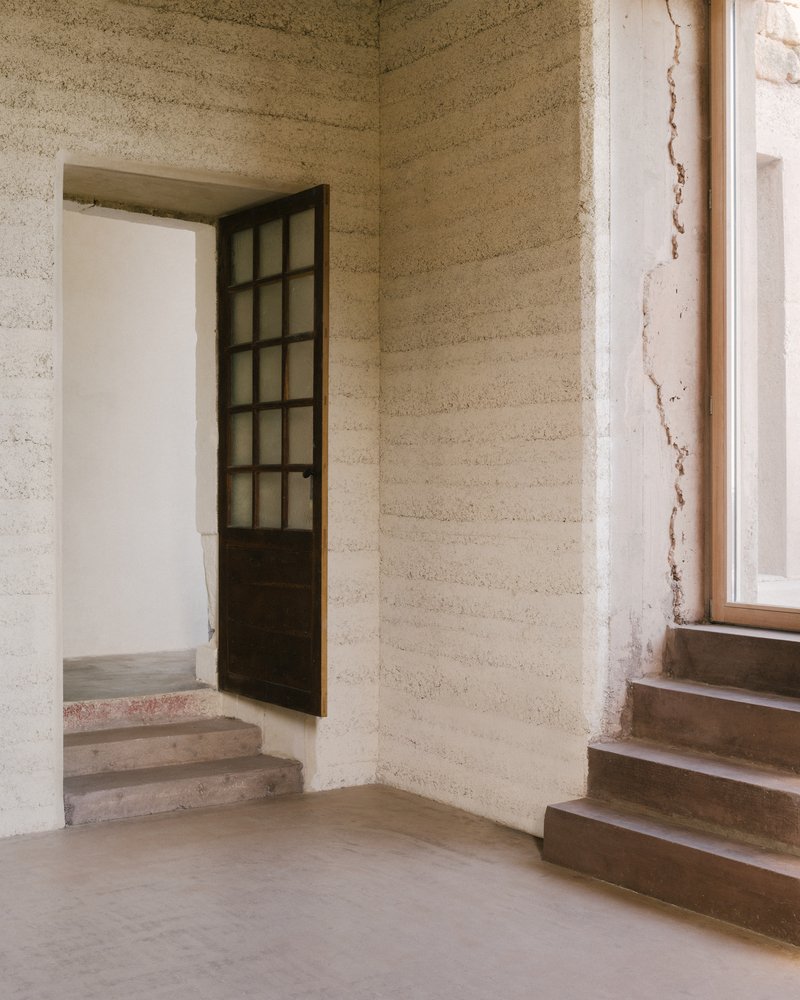
- Thermal Comfort: The house incorporates high-quality insulation using bio-sourced lime-hemp materials.
- Energy Savings: A ground heating system supports the reduced living volume during colder months.
3. Innovative Use of Materials
The restoration creatively blends existing and new materials, emphasizing sustainability and cost-efficiency.
- Cyclopean Concrete Wall: The barn's partially collapsed wall was reconstructed with cyclopean concrete, incorporating yellow and purple stones found on-site.
- Prefabricated Beams and Slabs: These cost-effective elements were meticulously implemented for durability and aesthetic appeal.
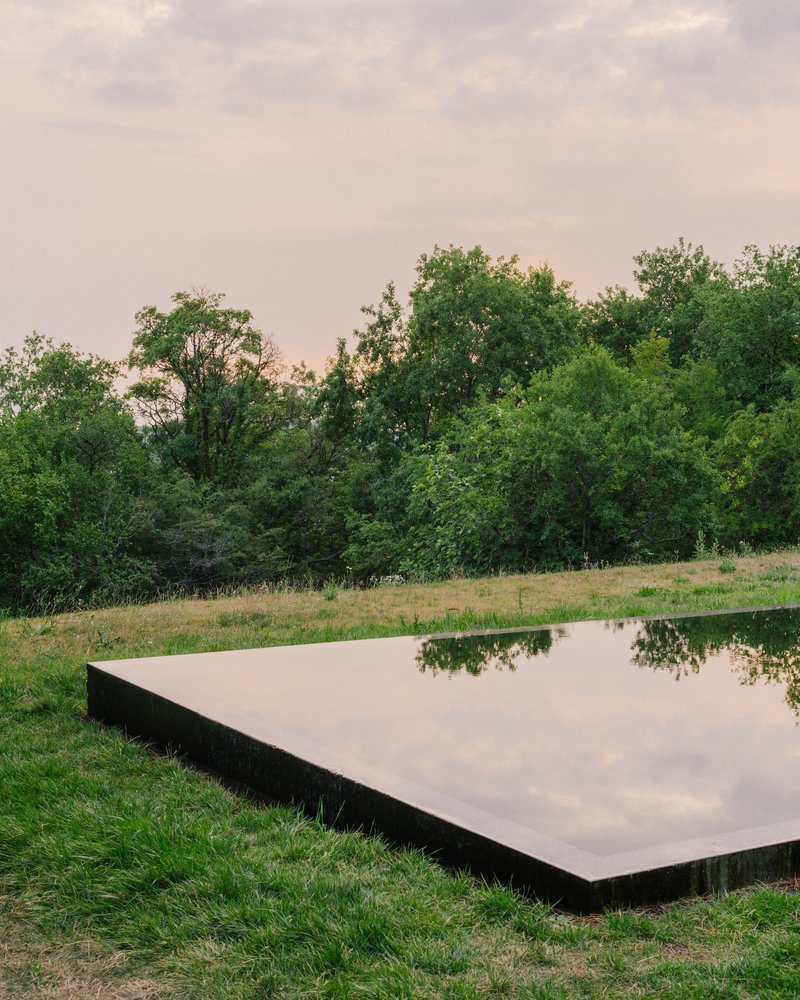
- Natural Swimming Pool: A swimming pool with biological filtration adds a modern touch while aligning with the house's eco-friendly ethos.
Challenges in Restoring Historical Houses
Restoring a centuries-old house like LA FAGE requires addressing various challenges:
- Structural Stability: Ensuring the old foundation can support new additions.
- Modern Standards: Adapting the house for contemporary use without compromising its historic character.
- Environmental Integration: Maintaining harmony between the architecture and its natural surroundings.
Why LA FAGE Stands Out
Plan Común’s approach to LA FAGE highlights the potential of restoration projects to marry history and modernity. By focusing on a minimal footprint and prioritizing communal spaces, the project enhances the house's livability while preserving its essence.
The Role of Sustainable Design
Sustainability is a cornerstone of this project, evident in the use of eco-friendly materials and energy-efficient systems. This approach not only respects the environment but also ensures the house's longevity for future generations.
The Future of Historical Restorations
Projects like LA FAGE serve as a blueprint for restoring historical homes worldwide. By combining thoughtful design, sustainable practices, and a respect for history, architects can breathe new life into old structures, allowing them to continue telling their stories.
By focusing on "Restoration of 16th Century Houses in France", LA FAGE demonstrates how heritage can coexist with modernity, inspiring architects and homeowners alike.
All Photographs are work of Maxime Verret



Popular Articles
Popular articles from the community

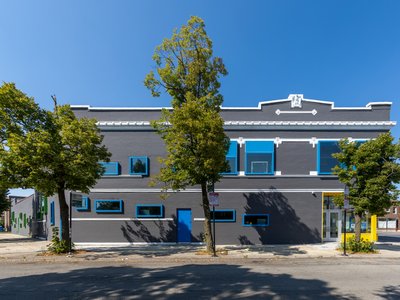
Gads Hill Early Learning Center by JGMA: Adaptive Reuse Shaping Community-Focused Educational Architecture
Adaptive reuse transforms fragmented structure into vibrant early learning center with playful façade, natural light, and community-focused sustainable design.
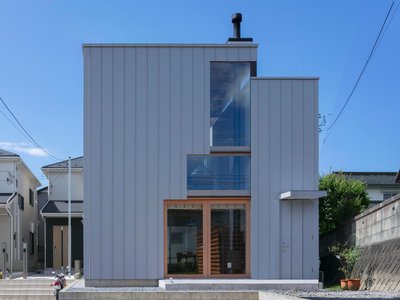
Split House: A Compact Urban Home Blending Privacy, Light, and Flexible Living in Japan
Compact Japanese home featuring DOMA space, flexible café potential, passive lighting, privacy zoning, and sustainable urban living design.

Solar Steam: A Climate-Responsive Architecture That Redefines the Monument
A climate-responsive memorial architecture that transforms heat, decay, and time into a living system reflecting humanity’s ecological impact.
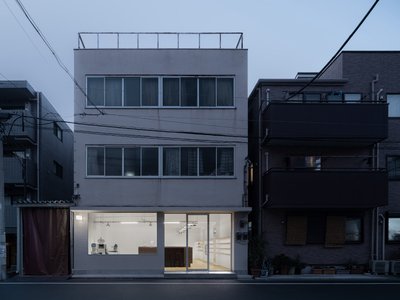
Atelier Macri Concept Store Interior Design by CASE-REAL
Atelier Macri store features a "ko" counter, walnut wood details, cork displays, blending retail, gallery, and seamless customer experiences.

Similar Reads
You might also enjoy these articles


The Ken Roberts Memorial Delineation Competition (Krob)
As the most senior architectural drawing competition currently in operation anywhere in the world, it draws hundreds of entries each year, awarding the very best submissions in a series of medium-based categories.


Waterfront Redevelopment and Urban Revitalization in Mumbai: Forging a New Dawn for Darukhana
A transformative waterfront redevelopment project reimagining Darukhana’s shipbreaking heritage into an inclusive urban future.

OUT-OF-MAP: A Call for Postcards on Feminist Narratives of Public Space
Rhizoma Design and Research Lab invites artists, designers, architects, researchers, and students to reflect on how feminist perspectives can reshape public space. Selected works will be exhibited in Barcelona, October 2026. Submissions open until 15 April 2026.


Documentation Work on Buddhist Wooden Temple
Architectural syncretism and cultural hybridity: A comparative study of the Buddhist temples in Chattogram Hill tracks

Explore Architecture Competitions
Discover active competitions in this discipline




The International Standard for Design Portfolios


The Global Benchmark for Architecture Dissertation Awards


The Global Benchmark for Graduation Excellence


Challenge to reimagine the Iron Throne
Comments (0)
Please login or sign up to add comments
No comments yet. Be the first to comment!