

Revitalizing Urban Waterfronts: Innovations Redefining the City-Water Interface
Can Urban Waterfront Rehabilitation Foster Sustainable Development and Community Engagement?


In a quest to reimagine the relationship between cities and water, the rehabilitation of sea and river shores has emerged as a transformative approach, breathing new life into urban areas. With a focus on creating active public spaces for all to enjoy, these projects have the potential to revitalize neglected coastlines, promote environmental stewardship, and foster community engagement. From reclaiming polluted rivers to repurposing industrial waterfronts, these initiatives embody the ethos of sustainable development and offer diverse benefits to cities and their inhabitants.

Historically, water has played a fundamental role in shaping the dynamics of cities, yet its significance has often been overlooked in favour of other priorities like transportation and industry. However, in recent decades, a shift in urban planning has sparked a wave of initiatives that seek to harness the potential of maritime and riverfront areas. These redeveloped spaces now serve as vibrant hubs for recreation, cultural events, and connecting with nature—a rare experience in many urban environments.

One noteworthy aspect of these projects is their contribution to the restoration of ecosystems and the preservation of the environment. By rehabilitating previously polluted shores, these initiatives actively address the pressing environmental and climate challenges we face today. Additionally, they go beyond merely creating public spaces by incorporating a range of services and amenities, such as restaurants, shops, and museums. These additions not only enhance the urban fabric but also stimulate local economies and attract tourism.
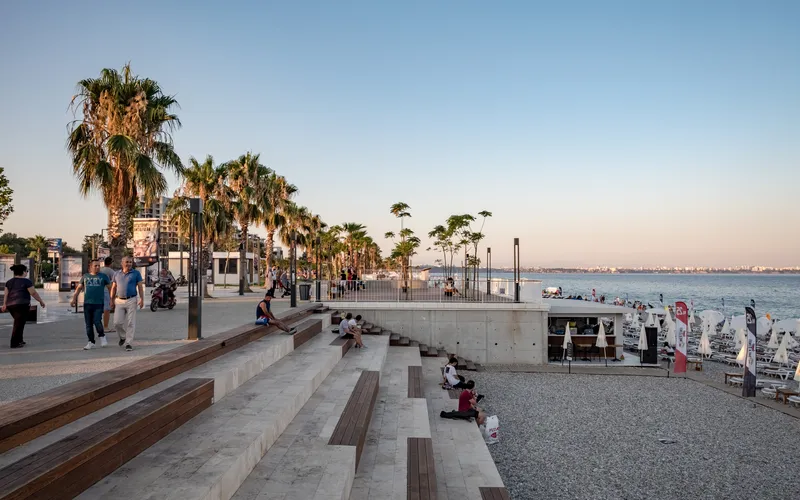
To showcase the transformative power of rehabilitating sea and river shores, we have selected six outstanding examples from around the world. These projects have successfully redefined the relationship between cities and water, offering new ways for communities to engage with these previously underutilized spaces.
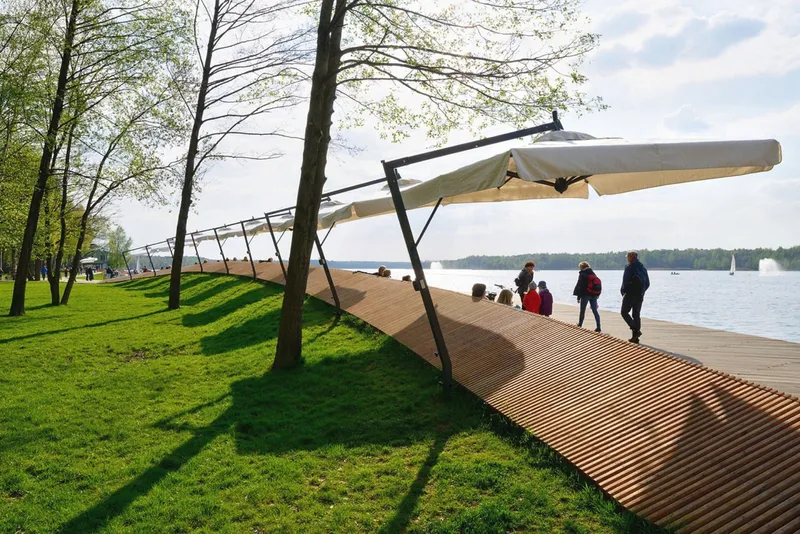
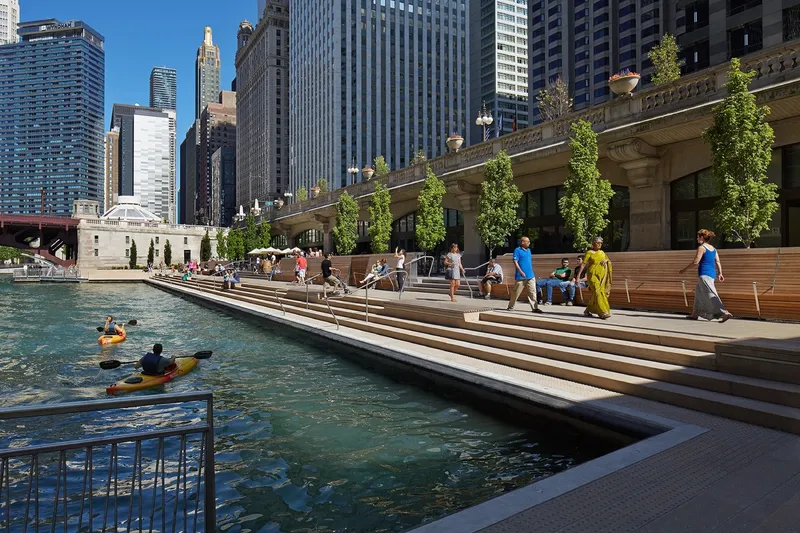
Chicago Riverwalk in the United States stands as a testament to the city's commitment to reclaiming its waterways. Once a heavily polluted channel, the river has undergone a remarkable transformation, becoming an ecological, recreational, and economic asset for Chicago. With its scenic promenades and improved water quality, the riverwalk has become a thriving public space, bridging the divide between land and water.

Denmark's Aarhus Harbor Bath, designed by BIG, exemplifies the integration of urban life with waterfront recreation. This innovative project provides diverse swimming areas, boardwalks, and saunas, encouraging residents and visitors to immerse themselves in the water. By repurposing an industrial area, the harbour bath breathes new life into the waterfront, offering an engaging and adventurous experience for all.

In Poland, the Paprocany Lake Shore Redevelopment in Tychy has transformed an underutilized lakeside area into a popular recreational space. By emphasizing the landscape's natural beauty and expanding recreational offerings, the project has quickly become a vibrant gathering place for families and individuals alike, revitalizing the neighbourhood and fostering a sense of community.

The redevelopment of the New Coast of Thessaloniki in Greece reflects a holistic approach to architecture and environmental regeneration. Seamlessly blending with the natural scenery, this linear waterfront project harmonizes with the ephemeral and mutable nature of the sea. By creating a unified architectural proposal, it not only enhances the visual appeal but also contributes to the ecological balance of the region.

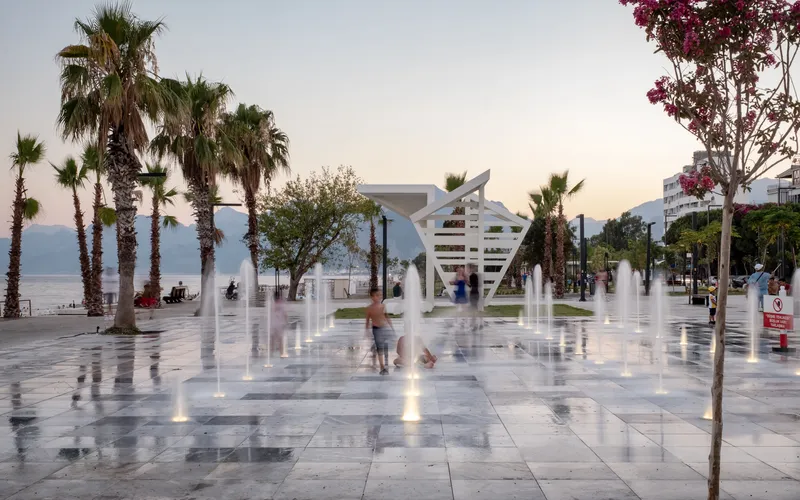
Turkey's Antalya Konyaalti Coastline Urban Rehabilitation focuses on reducing the dominance of a highway that once separated the city from its coast. Through the establishment of thematic focal zones and pedestrian-friendly infrastructure, the project reconnects the residential neighbourhoods with the waterfront. By incorporating various recreational, cultural, and sporting activities, it creates a multifunctional space that encourages active engagement and social interaction.





Popular Articles
Popular articles from the community

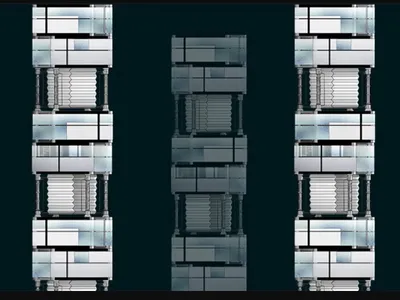
Tsunami Convergenics: Turning Catastrophic Ocean Forces into Underwater Housing Infrastructure
A speculative underwater settlement off the coast of Onagawa, Japan, treats tsunamis and typhoons as energy sources rather than threats.
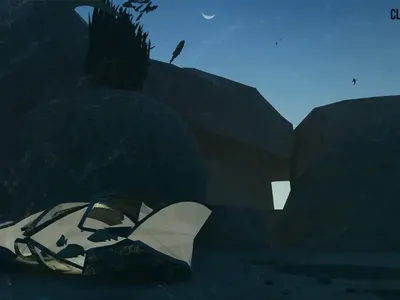
Cloaked Colonization: A Mobile Underwater Habitat That Moves Like a Fish
Micah Abaya's shortlisted EHC Pacific entry reimagines ocean settlement as a dispersed network of self-sustaining architectural organisms.
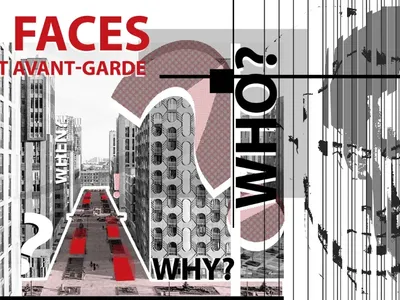
Faces of the Soviet Avant-Garde: Turning Moscow's Street Names into an Open-Air Museum
A network of sculptural installations across a Moscow residential district transforms forgotten architect names into spatial encounters with cultural memor

Manzana Morphosis: Stretching Barcelona's Grid into a Living Landscape for 2050
A radical reworking of the Eixample manzana turns density into a tool for generous public space, vertical ecology, and environmental performance.

Similar Reads
You might also enjoy these articles
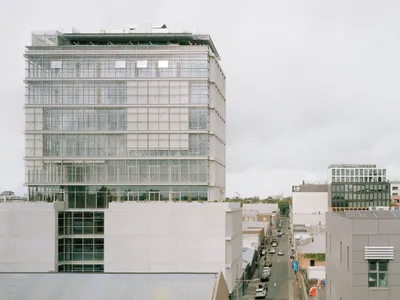
116 Rokeby Building, Collingwood
Sustainable Collingwood office building featuring double-skin façade, natural ventilation, rooftop amenities, and carbon-neutral design focused on wellbeing and longevity.
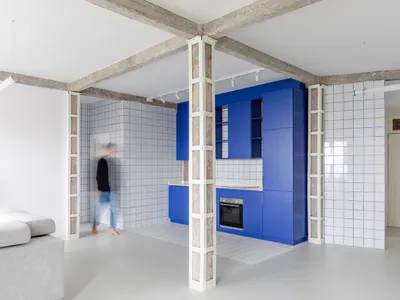
Contemporary Apartment Renovation in Spain: RV House by BIAN Opens Up to the Sea
A minimalist 1930s apartment in Santander is transformed into a flexible, sea-facing home through contemporary Spanish renovation.
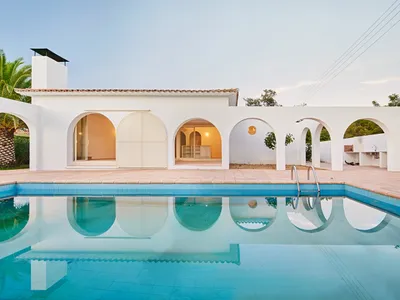
3 Marías House: A Contemporary Mediterranean Courtyard Retreat by Bajet Giramé + Burckhardt
Mediterranean courtyard home blending traditional architecture with modern design, terracotta flooring, flexible interiors, sustainable climate strategies, and garden integration.
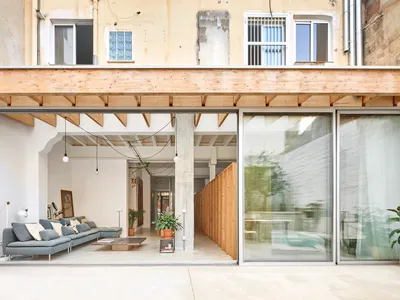
NZ10 Apartment by auba studio: Adaptive Reuse in Palma de Mallorca
Adaptive reuse apartment transforms bakery into light-filled home with patios, privacy layers, and wood interiors enhancing urban living experience.

Explore Riverfront Development Competitions
Discover active competitions in this discipline

Challenge to reimagine the Iron Throne

Photograph architecture without architects

Illustrate the lost glory of Angkor Wat - Render Challenge

Design challenge to reuse E-waste
Comments (0)
Please login or sign up to add comments
No comments yet. Be the first to comment!