
Robotic Sustainable Construction: Transforming Architecture with Circularity Park
This article explores Circularity Park, a Swiss innovation showcasing robotic sustainable construction, upcycled materials, and advanced digital fabrication techniques.


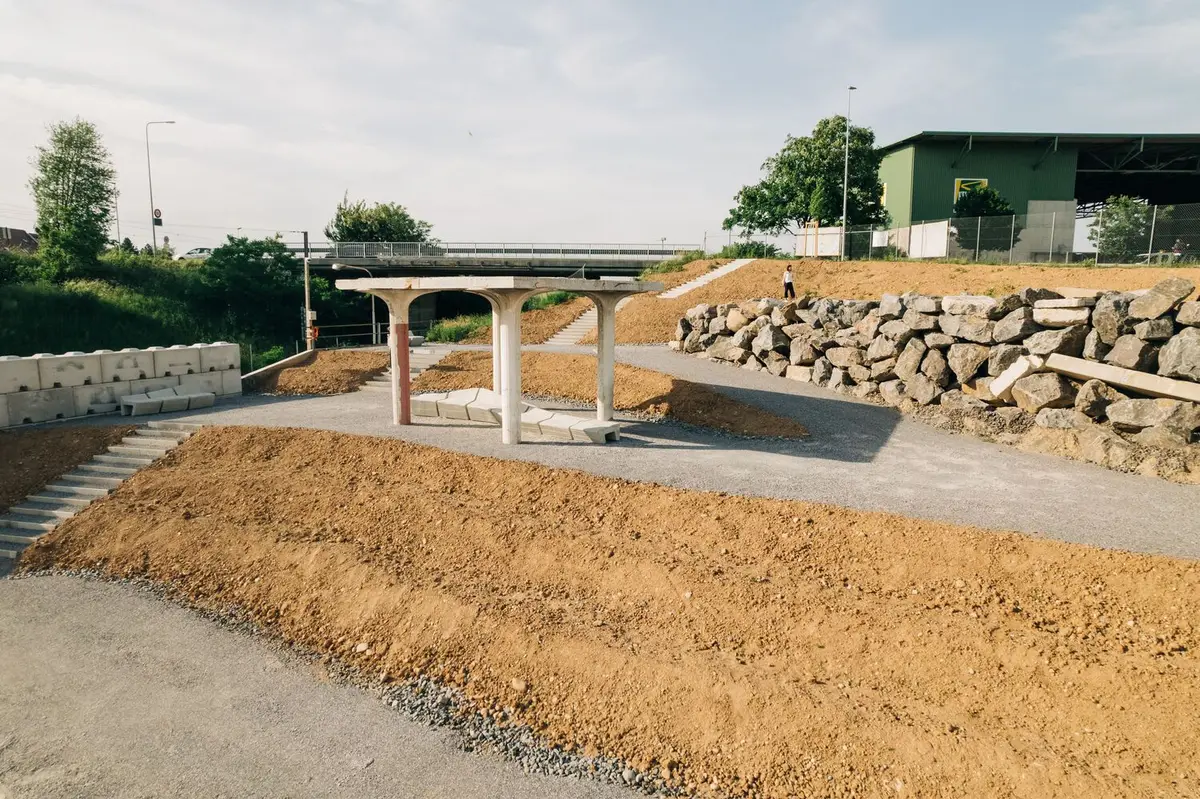
Circularity Park in Oberglatt, Switzerland, is a groundbreaking demonstration of how robotic construction can lead the future of sustainable architecture. Designed and executed by ETH Zurich’s Chair of Landscape Architecture, Gramazio Kohler Research, and Robotic Systems Lab, the park exemplifies innovation in material reuse, digital construction methods, and ecological design.
What Is Robotic Sustainable Construction?
Robotic sustainable construction is the integration of advanced robotics and automation with eco-conscious building practices. It emphasizes using local or upcycled materials to minimize environmental impact, reduce construction waste, and improve efficiency. Circularity Park is a leading example, showcasing how robots can shape landscapes and structures using sustainable methodologies.
Features of Circularity Park
1. Robotically Fabricated Retaining Wall
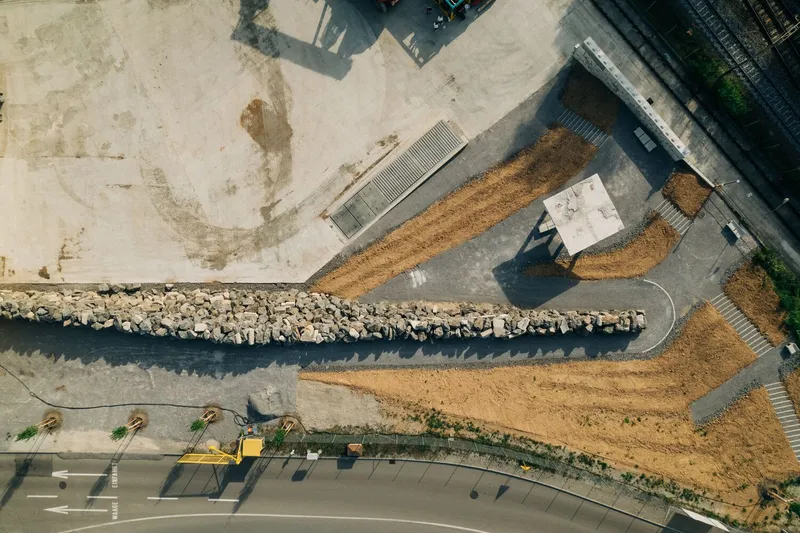
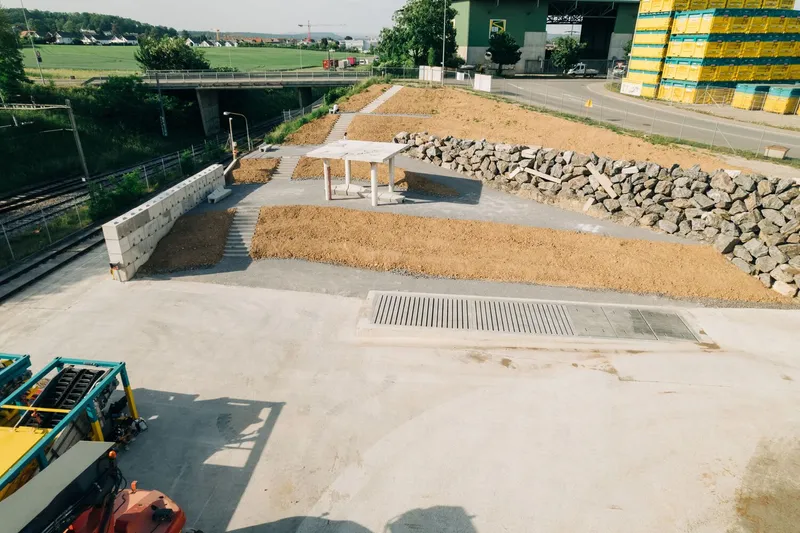
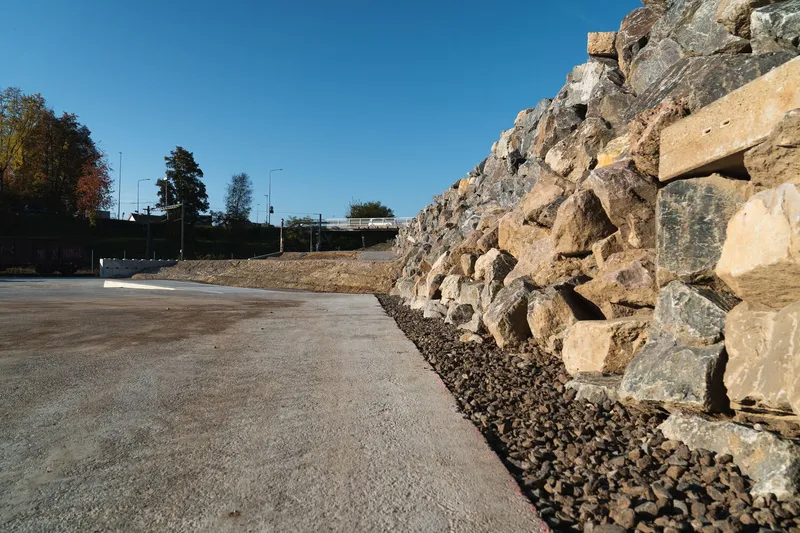
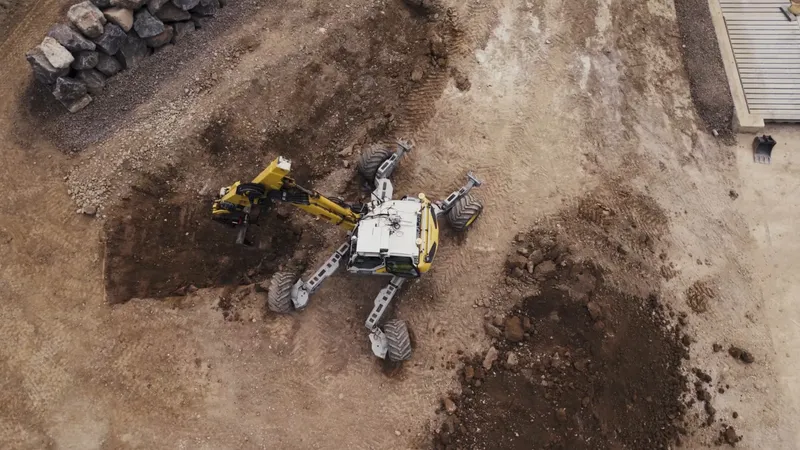
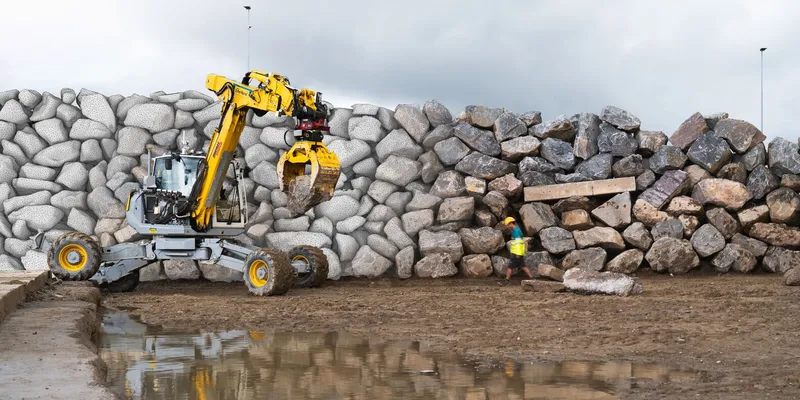
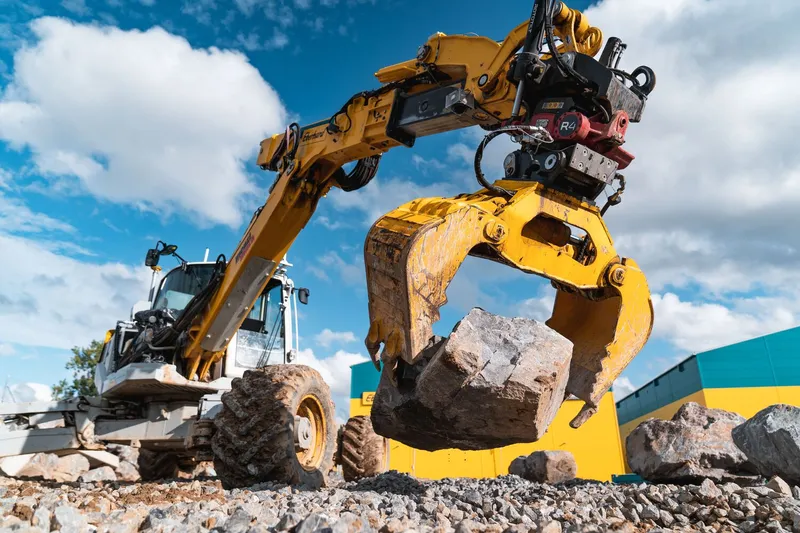
One of the park's standout features is a 65-meter-long dry-stone retaining wall constructed using a custom robotic excavator, HEAP (Hydraulic Excavator for an Autonomous Purpose). This wall uses upcycled concrete and local stones, drastically reducing the embodied carbon footprint. The adaptive building process, enabled by machine vision and computational tools, represents a major leap in autonomous construction.
2. Terraced Robotic Landscapes
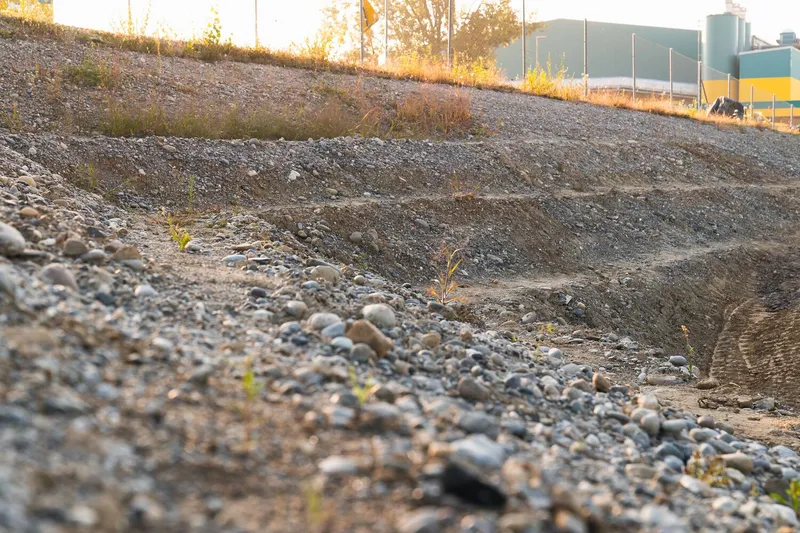
The park's robotic landscapes demonstrate precision in shaping embankments, connecting different elevation levels seamlessly. These embankments, built with HEAP, support pedestrian movement and promote biodiversity through carefully integrated steps that control water runoff and soil erosion.
3. Digital Concrete Technology
Another innovation is the park's benches, fabricated using ETH Zurich's digital concrete "Eggshell" technology. This method enables lightweight, intricate designs with minimal material use, pushing the boundaries of sustainable fabrication.
Why Robotic Construction Matters in Sustainability
The global construction industry is a significant contributor to carbon emissions, necessitating innovative solutions to reduce its environmental impact. Robotic construction offers several advantages:
- Material Efficiency: Using as-found materials reduces the need for new resources.
- Energy Reduction: Robots perform tasks with precision, lowering energy requirements.
- Waste Minimization: Digital design tools optimize material use and eliminate overproduction.
Circularity Park’s retaining wall, for example, repurposes 938 elements of waste concrete and stones, illustrating the potential for robotics in upcycling construction debris.
Applications and Future Potential
Robotic sustainable construction is not limited to parks and landscapes. Its applications extend to:
- Urban Housing: Developing affordable, 3D-printed homes with local materials.
- Infrastructure: Building resilient roads and bridges with minimal disruption.
- Disaster Recovery: Rapidly constructing shelters using site-specific resources.
ETH Zurich’s ongoing research continues to refine these technologies, expanding their applicability across various architectural scales.
Challenges and Opportunities
While robotic construction holds immense promise, challenges remain:
- Complexity of Materials: Adapting robots to handle diverse shapes and textures is crucial.
- Cost of Technology: Initial investment in robotics can be high, though long-term savings often offset this.
- Skill Development: Training professionals to manage and operate these advanced systems is essential.
Despite these hurdles, projects like Circularity Park demonstrate that the benefits far outweigh the challenges, paving the way for broader adoption.
A Blueprint for the Future
Circularity Park is more than just a recreational space—it’s a living laboratory showcasing the transformative power of robotic sustainable construction. By integrating cutting-edge technology with ecological principles, it provides a blueprint for addressing global challenges in construction and sustainability.
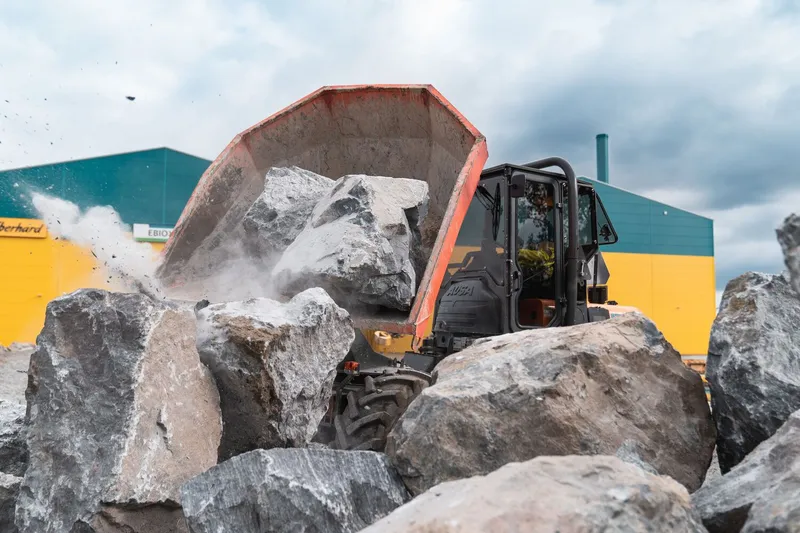
All Photographs are work of Marc Schneider, Ryan Luke, Girts Apskalns


Popular Articles
Popular articles from the community


The Amber Palace Opera: A Geological Fiction Surfaces on Tallinn's Baltic Waterfront
Pierre Brillard reimagines a Baltic legend as a public landscape, opera house, and waterfront promenade rooted in Tallinn's coastal identity.

Opera by the Sea Estonia: Three Shells Dissolving Architecture into Tallinn's Coastline
A winning opera house proposal replaces monumental form with interconnected shells that blur the boundary between building, park and Baltic Sea.

Singing Woman: Contemporary Architecture Inspired by Estonia’s Voice and the Sea
Singing Woman turns Estonia’s song culture into flowing opera house architecture, blending public life, landscape, sea, and national memory.
Extended Shell: Retrofitting Kolkata's Balconies as Living Urban Thresholds
A modular retrofit system recovers the social and environmental intelligence of Kolkata's historic verandas for contemporary Park Street residents.

Similar Reads
You might also enjoy these articles


Hodi-Mandai Geram
Project Function: Preservation and revitalization of the Intangible heritage and socio-spatial identity of the Hodi by Housing, Cultural Memory Center, Sacred Grove, landscape, local tourism economy


Olio Towers: A Mid-Rise for Performers That Fuses Housing, Rehearsal, and Stage
Located blocks from Houston's Theater District, this modular tower stacks living units around a central performance atrium.

Oasis: Modular Green Housing Carved into Dhaka's Urban Fabric
A shortlisted Plugin Housing entry reclaims unauthorized settlements in Dhaka with stepped concrete volumes, green roofs, and ventilation-driven design.

Black Hole: A Floating Megastructure for the Post-Physical Era
Emiliano Mazzarotto envisions a spherical, self-scaling arena where e-sports, digital hotels, and holographic stadiums replace traditional public space.

Explore Robotic Fabrication Competitions
Discover active competitions in this discipline

Challenge to reimagine the Iron Throne

Photograph architecture without architects

Illustrate the lost glory of Angkor Wat - Render Challenge

Design challenge to reuse E-waste
Comments (0)
Please login or sign up to add comments
No comments yet. Be the first to comment!