
São Sabas College Architecture by Guido Otero – A Residential Conversion into a Dynamic Educational Space
São Sabas College by Guido Otero transforms a residence into a dynamic educational campus with adaptive reuse, natural light, and modern design.


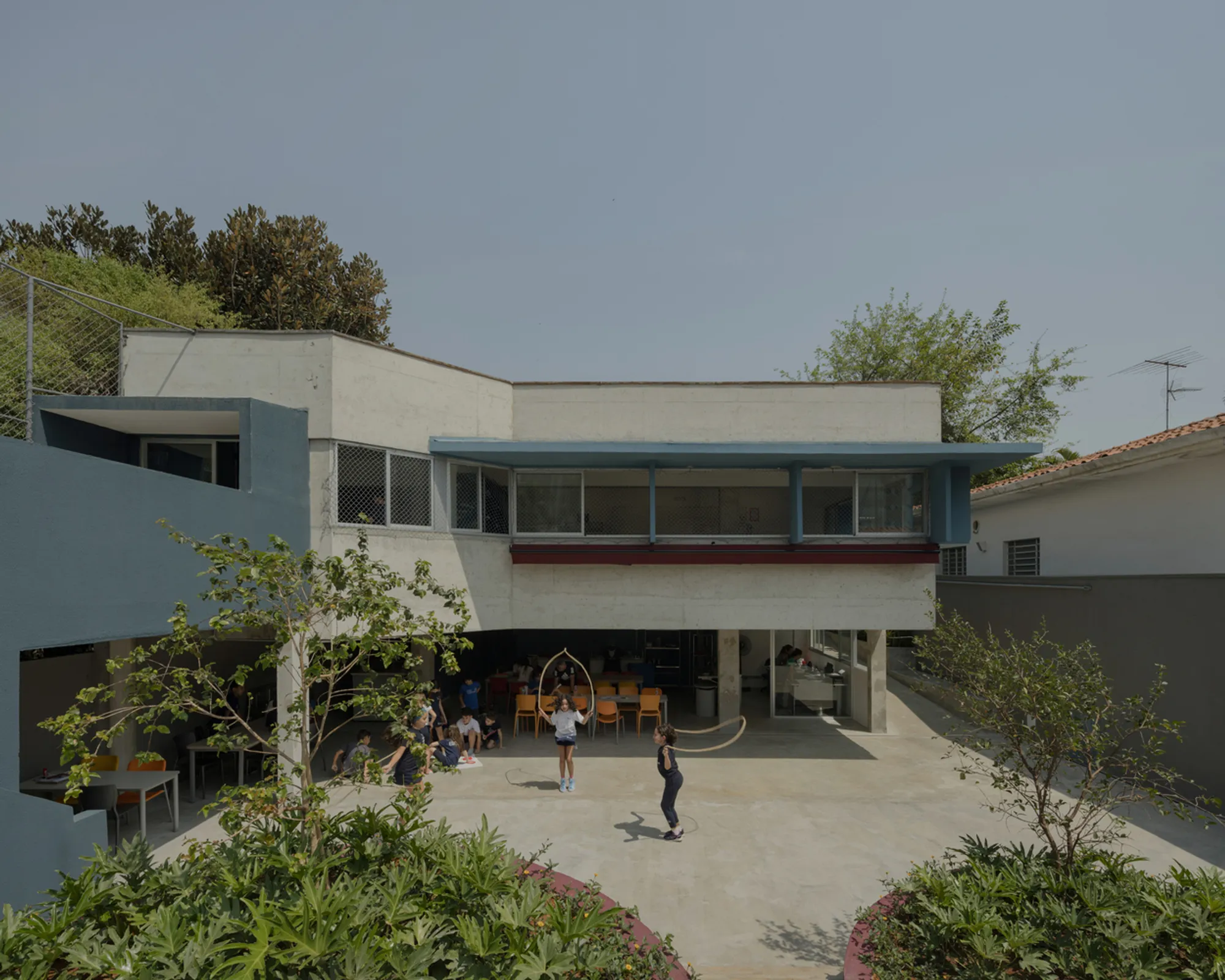
The São Sabas College Architecture project by Guido Otero Arquitetura represents a visionary transformation of a residence in Chácara Flora, Brazil, into a modern and functional middle school campus. Completed in 2024, the project skillfully integrates adaptive reuse, contemporary design strategies, and sustainable features to create an educational environment that prioritizes natural light, ventilation, and community-focused spaces.
Adaptive Reuse Concept
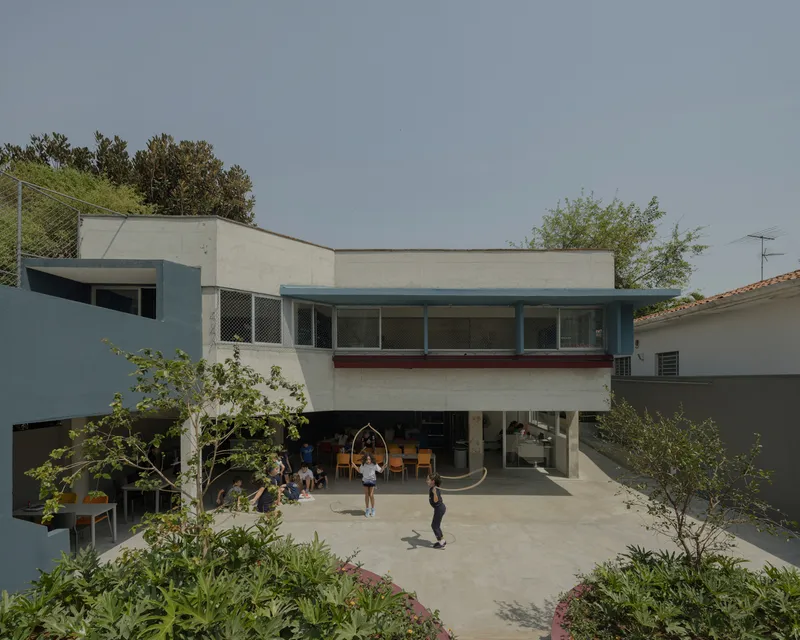
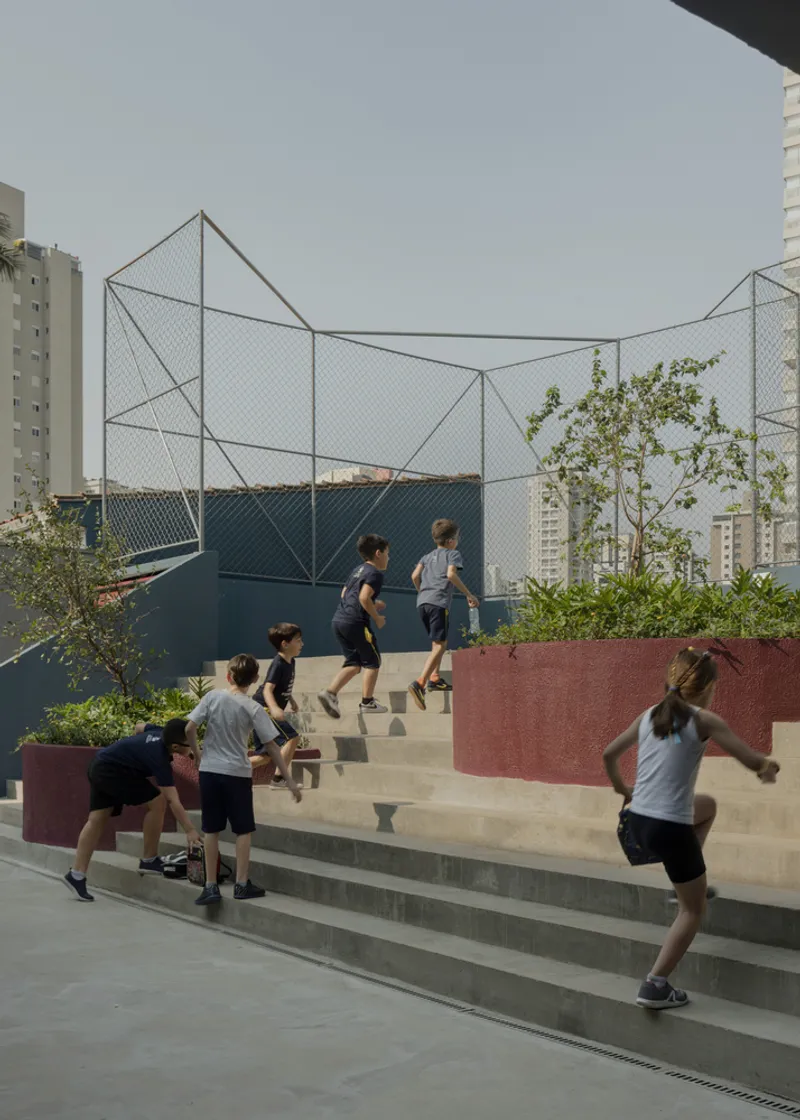
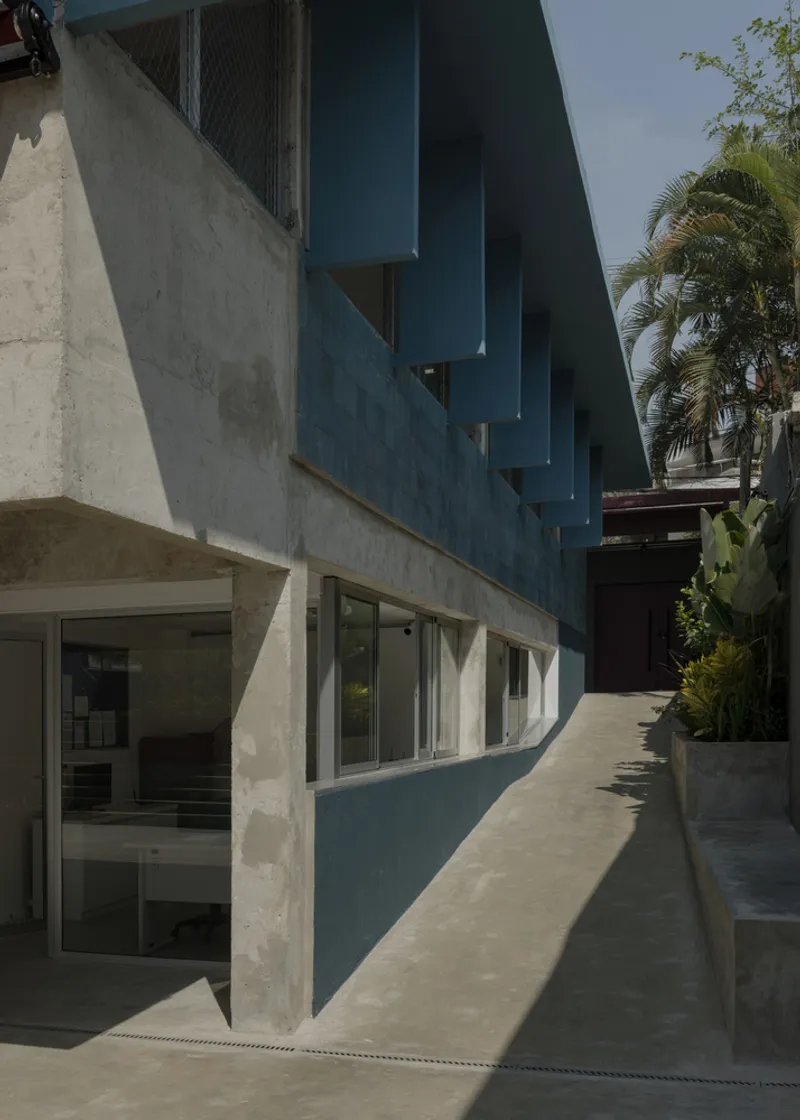
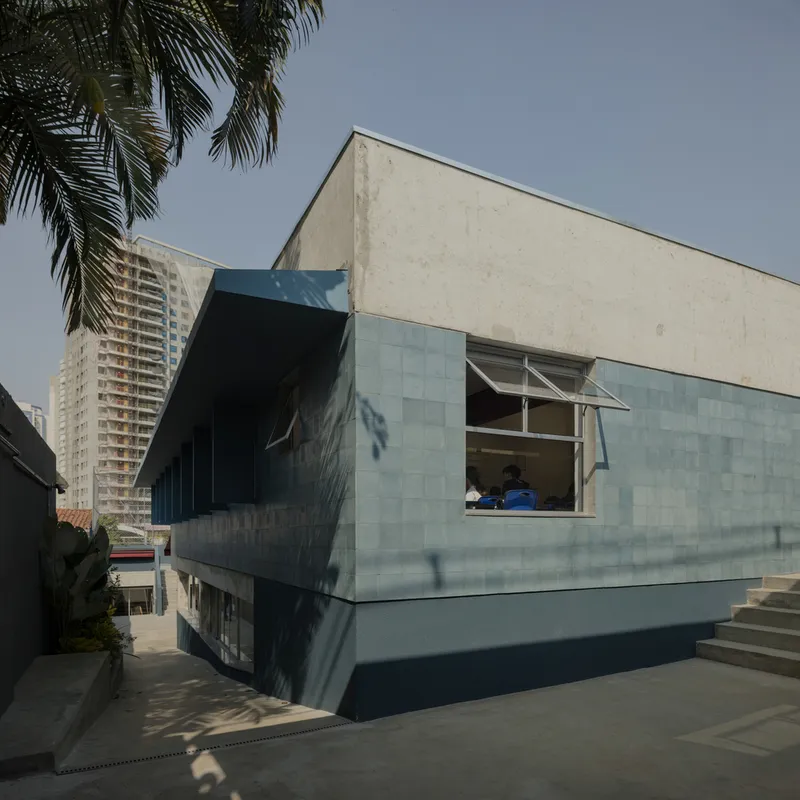
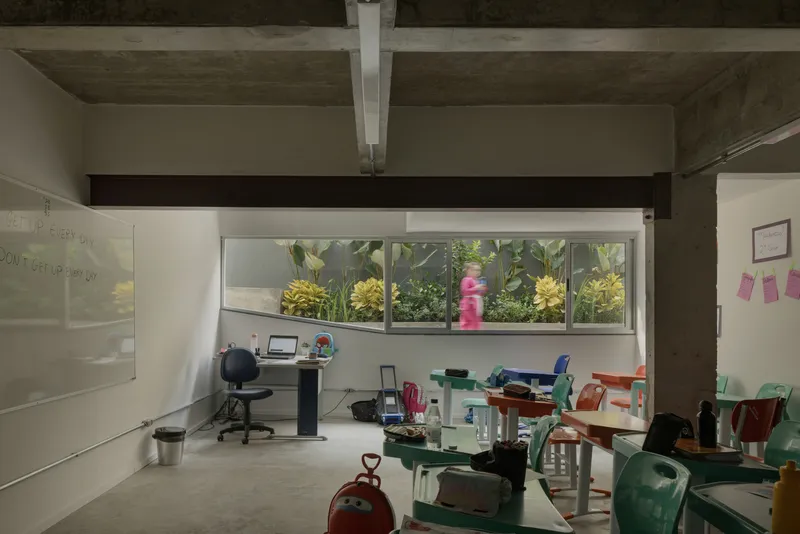
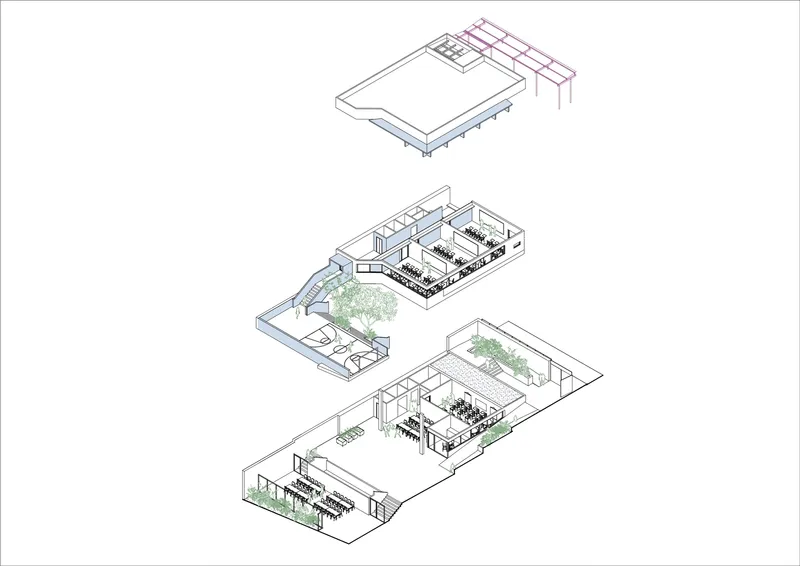
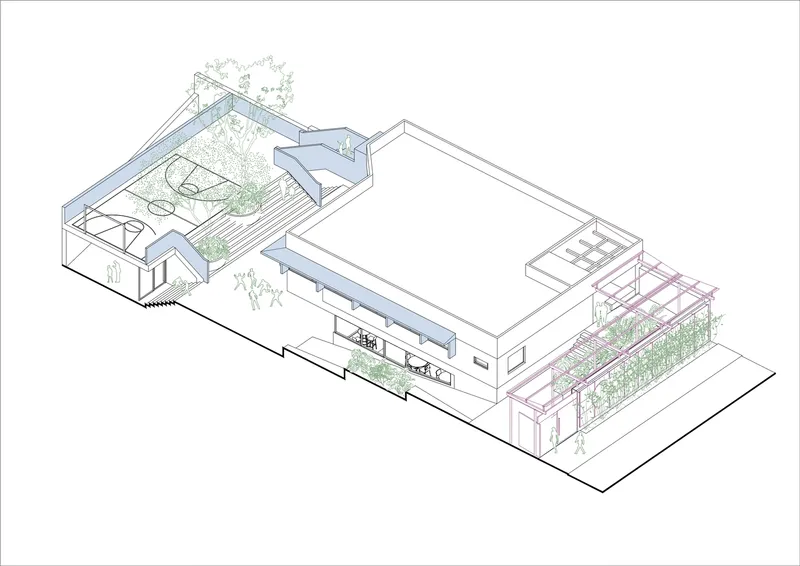
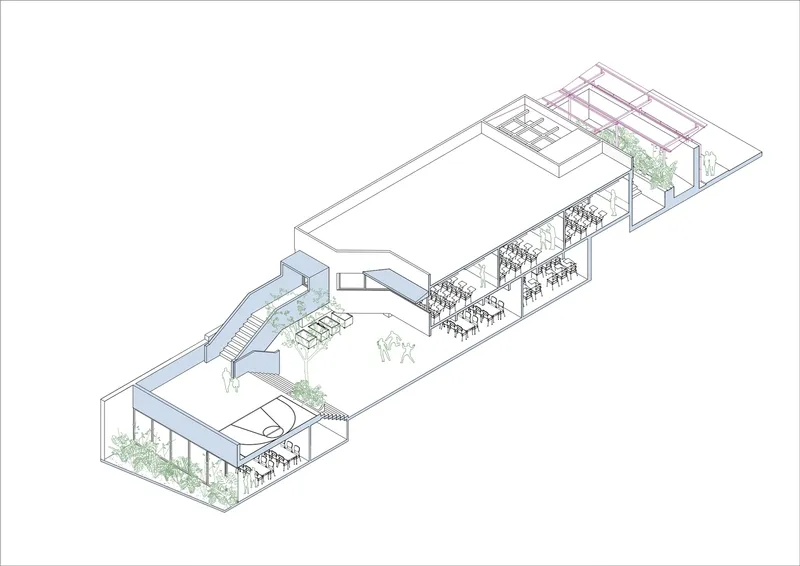
The conversion of a former residence into the new unit of Colégio São Sabas demonstrates how thoughtful design can repurpose existing structures for entirely new functions. The original house volume now accommodates four classrooms, while two additional classrooms were added by elevating the sports court by half a level, making intelligent use of the site’s topography.
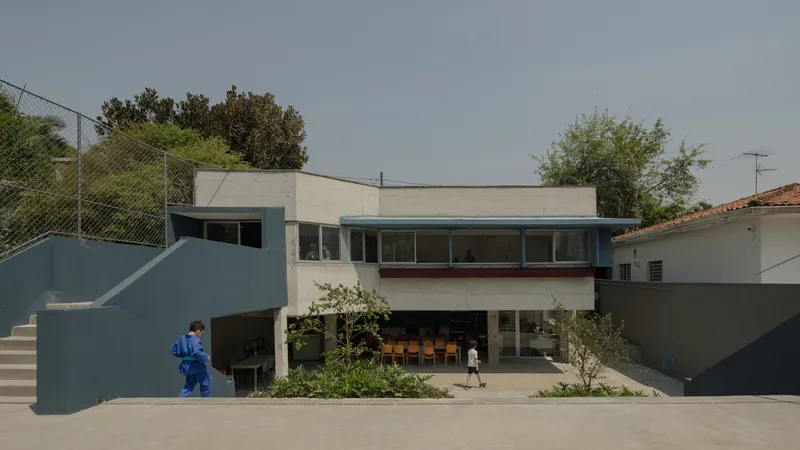
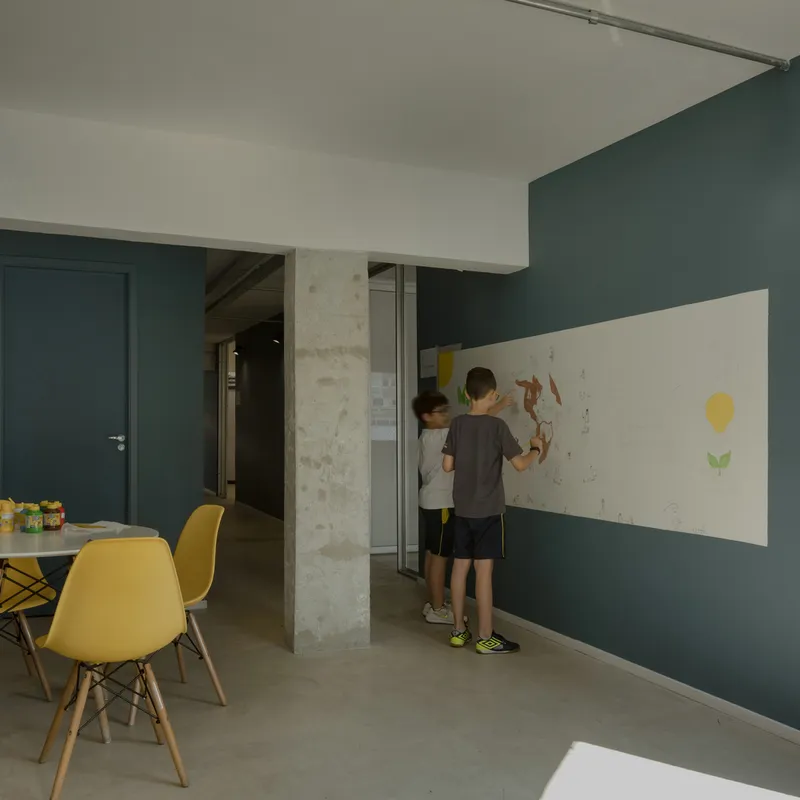
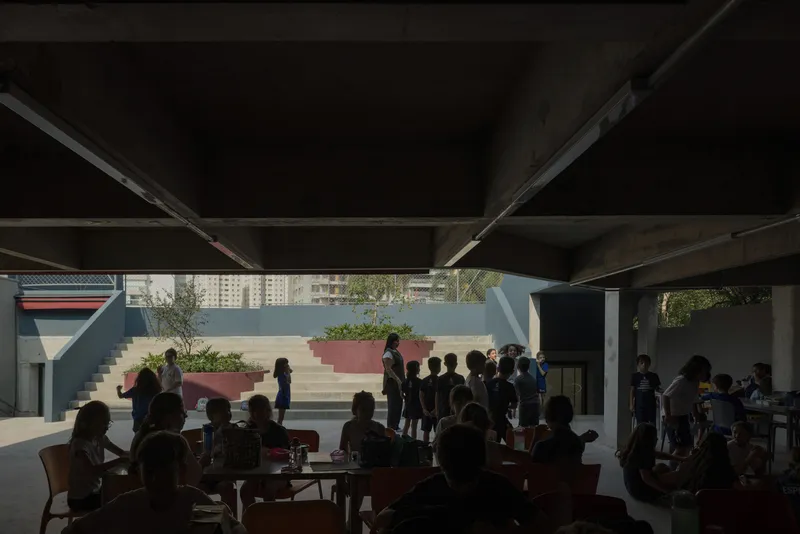
The project also incorporates a dining hall, multipurpose space, and administrative offices, all of which enhance the campus’ functionality and foster collaborative learning experiences. By preserving key elements of the original building and strategically opening its façade, the architects achieved a balance between heritage and modernity.
Spatial Layout and Circulation
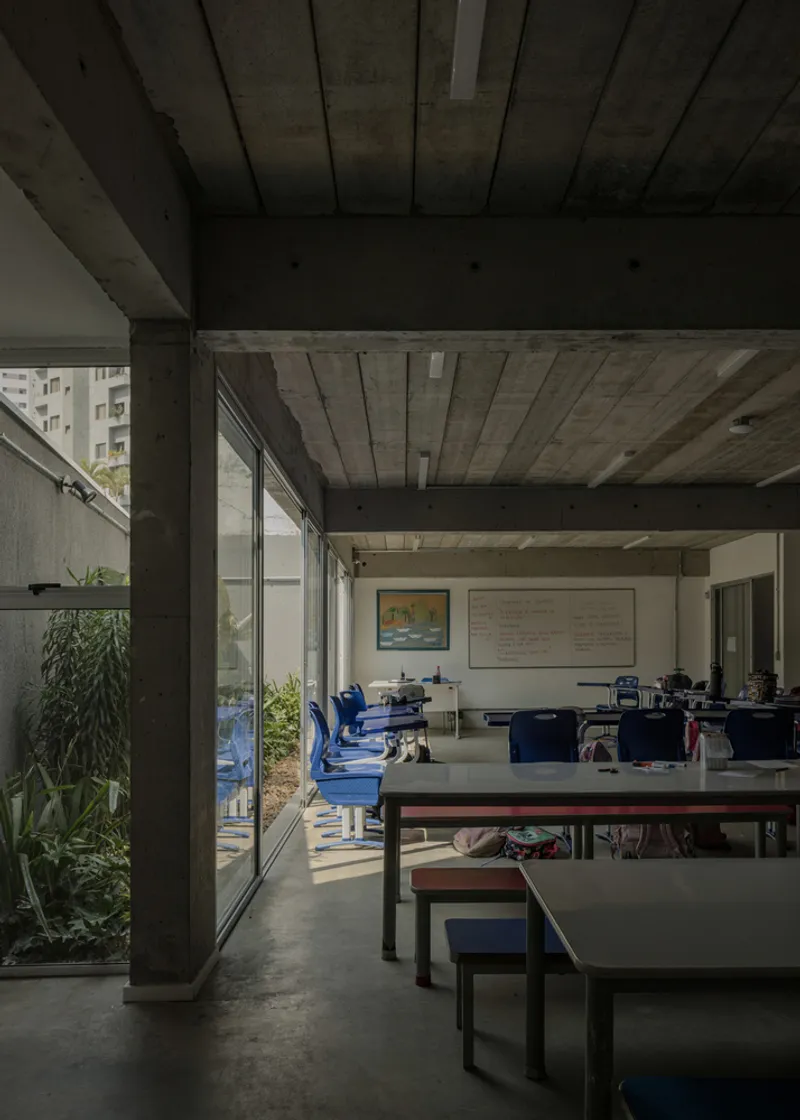
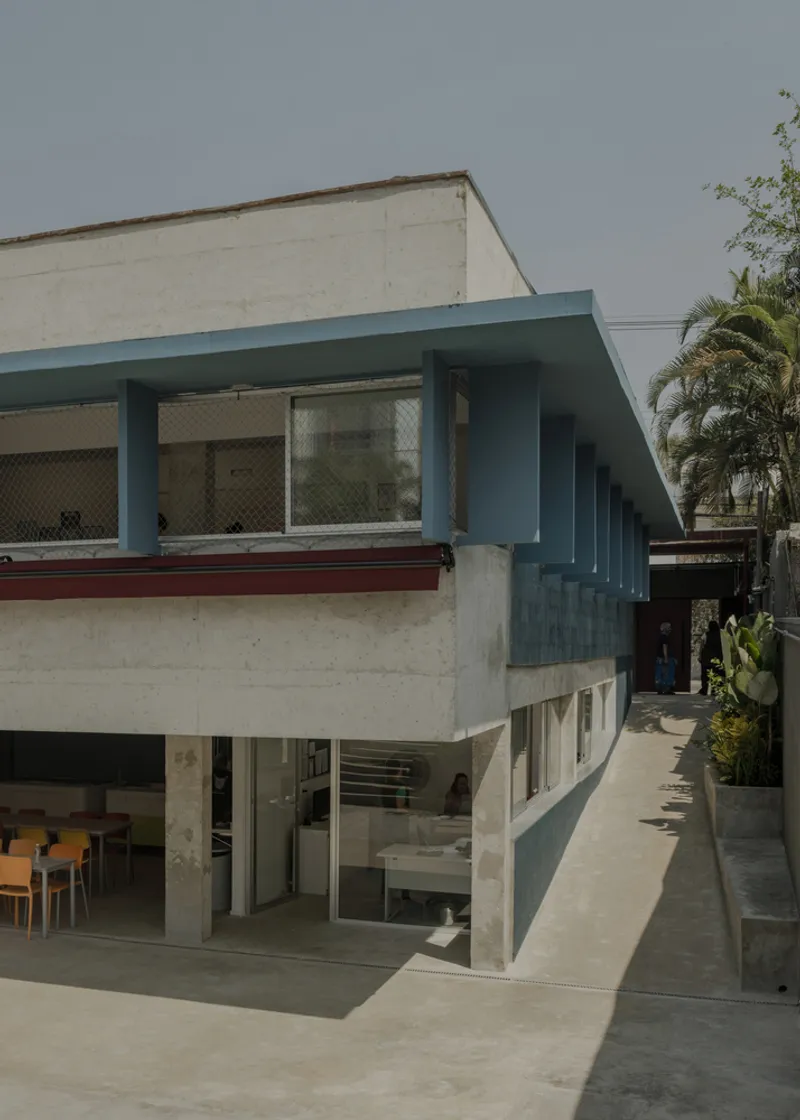
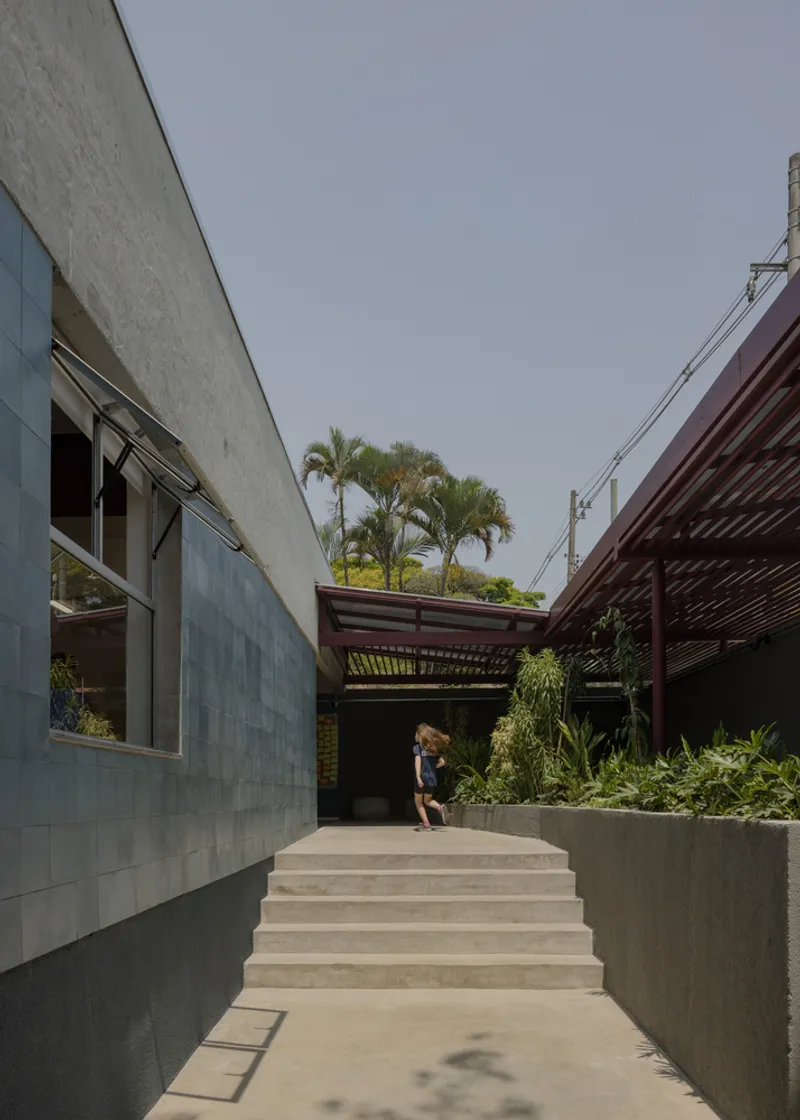
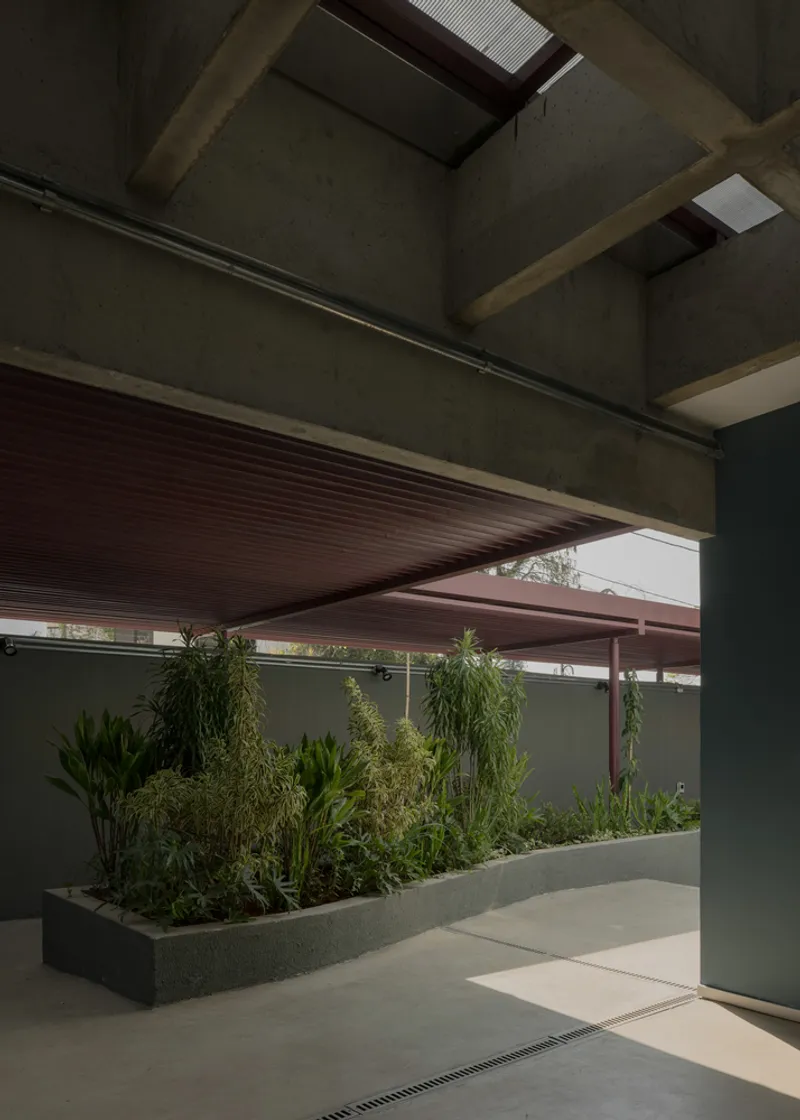
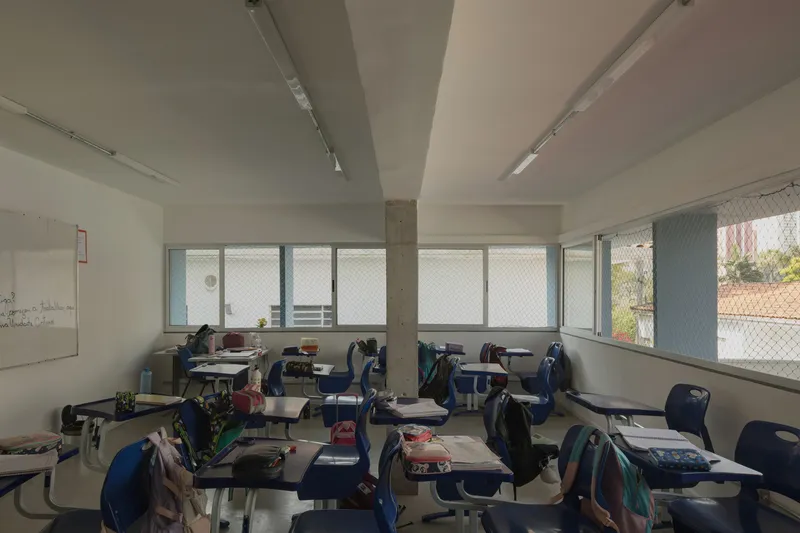
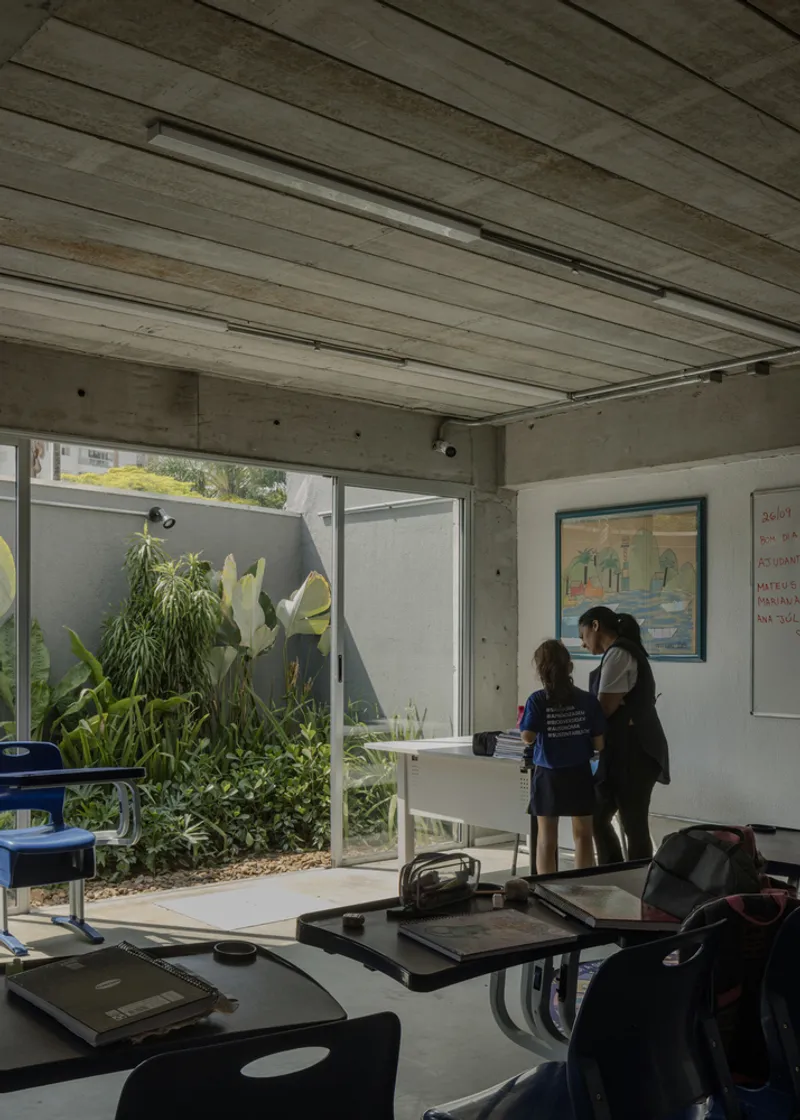
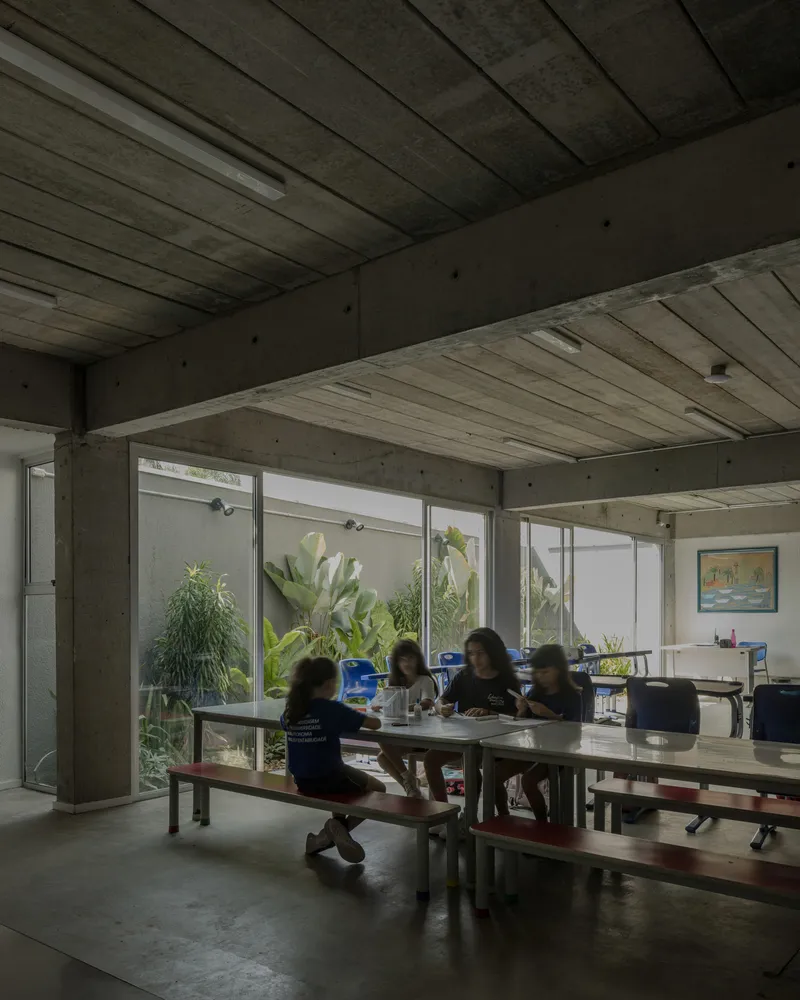
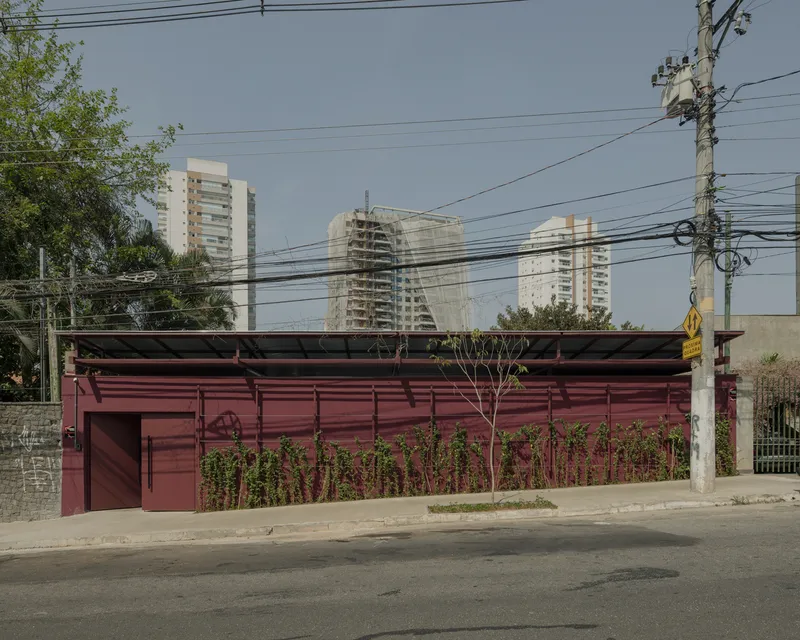
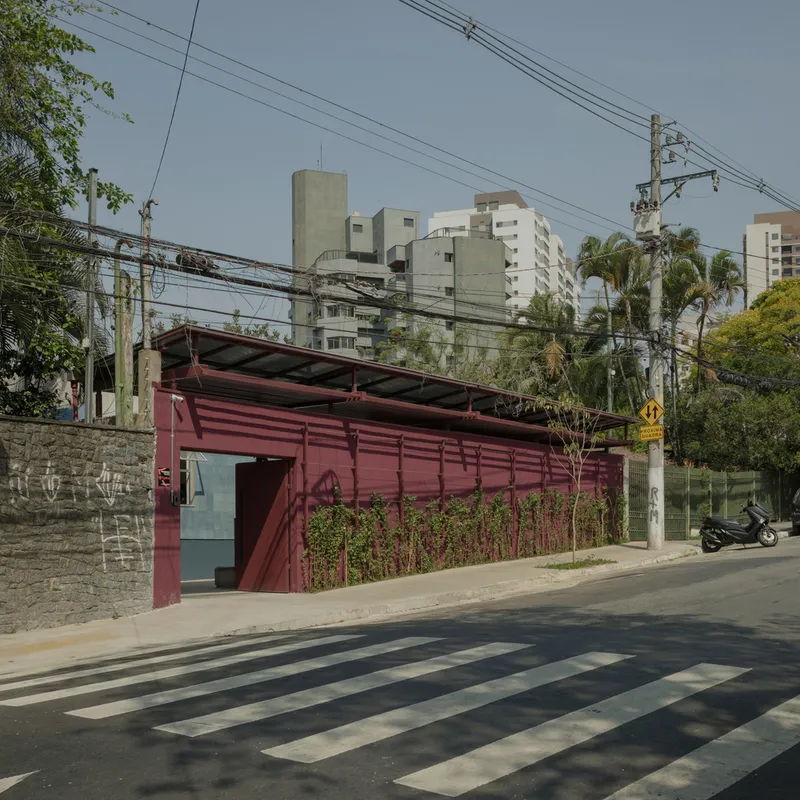
The classrooms were strategically placed along the façade of the original structure to maximize natural light and cross ventilation. This required selective structural demolitions and a reconfiguration of the supporting framework. Exposed metal reinforcements painted in a distinctive plum tone not only provide structural stability but also serve as a visual signature for the school’s new identity.
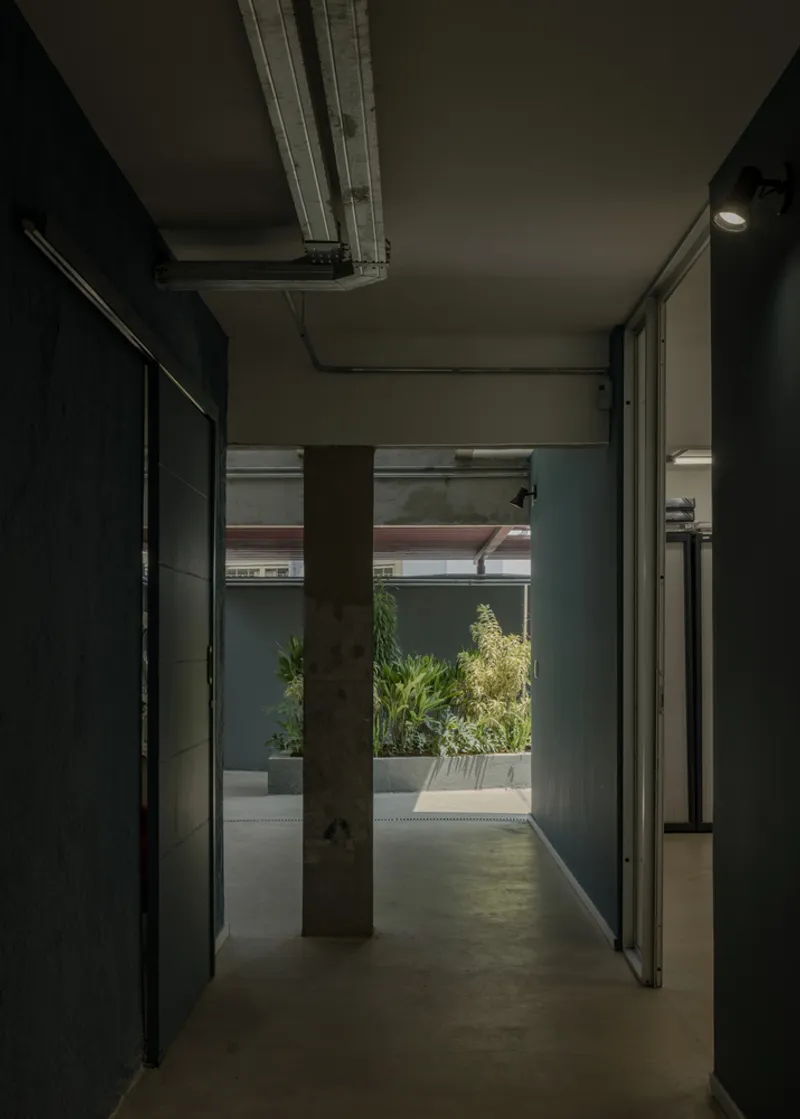
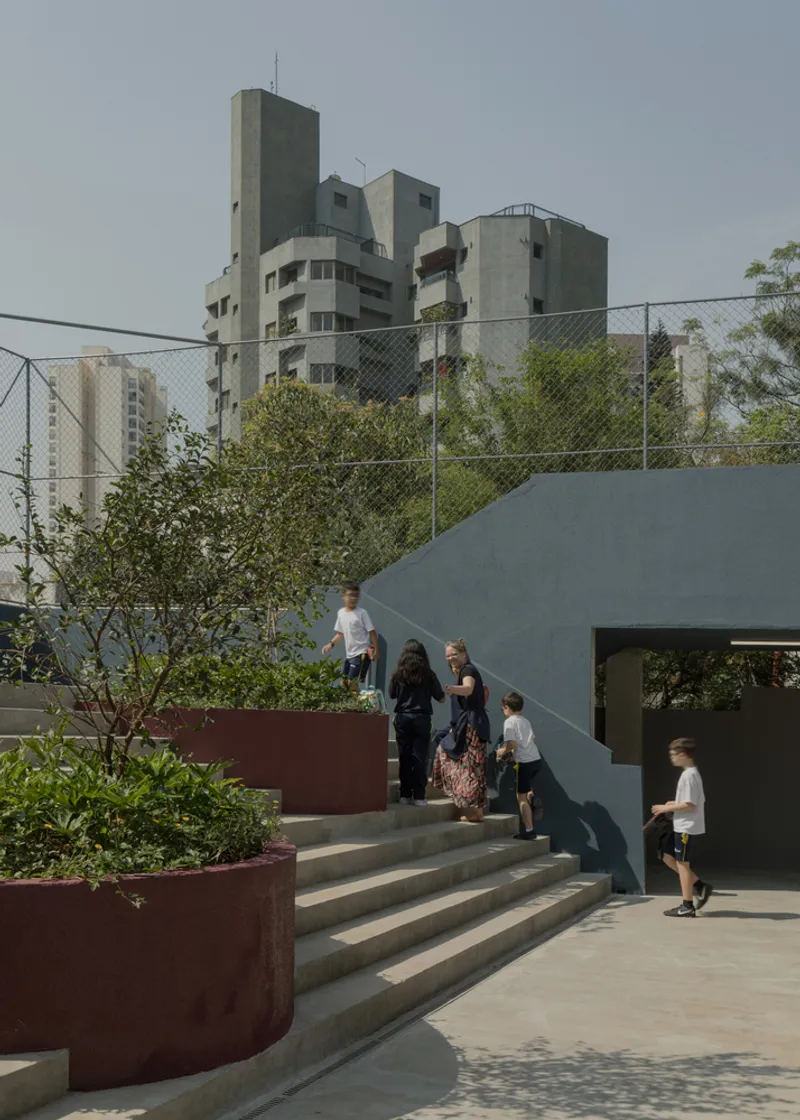
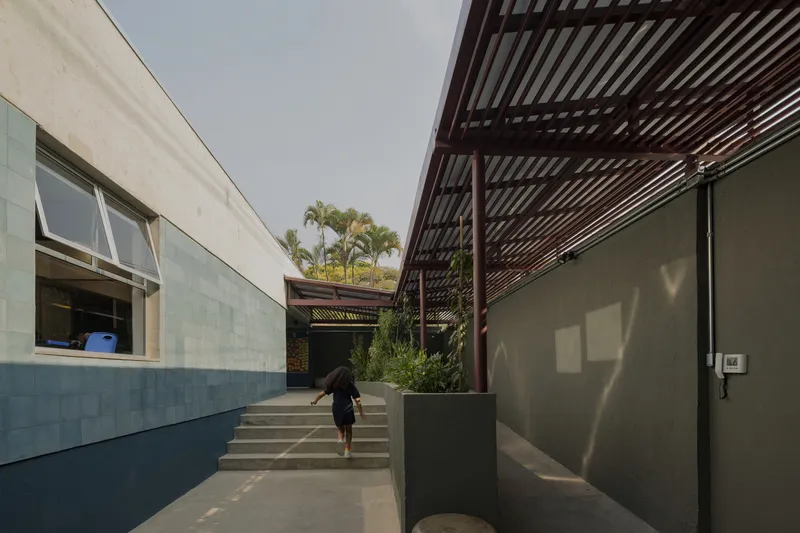
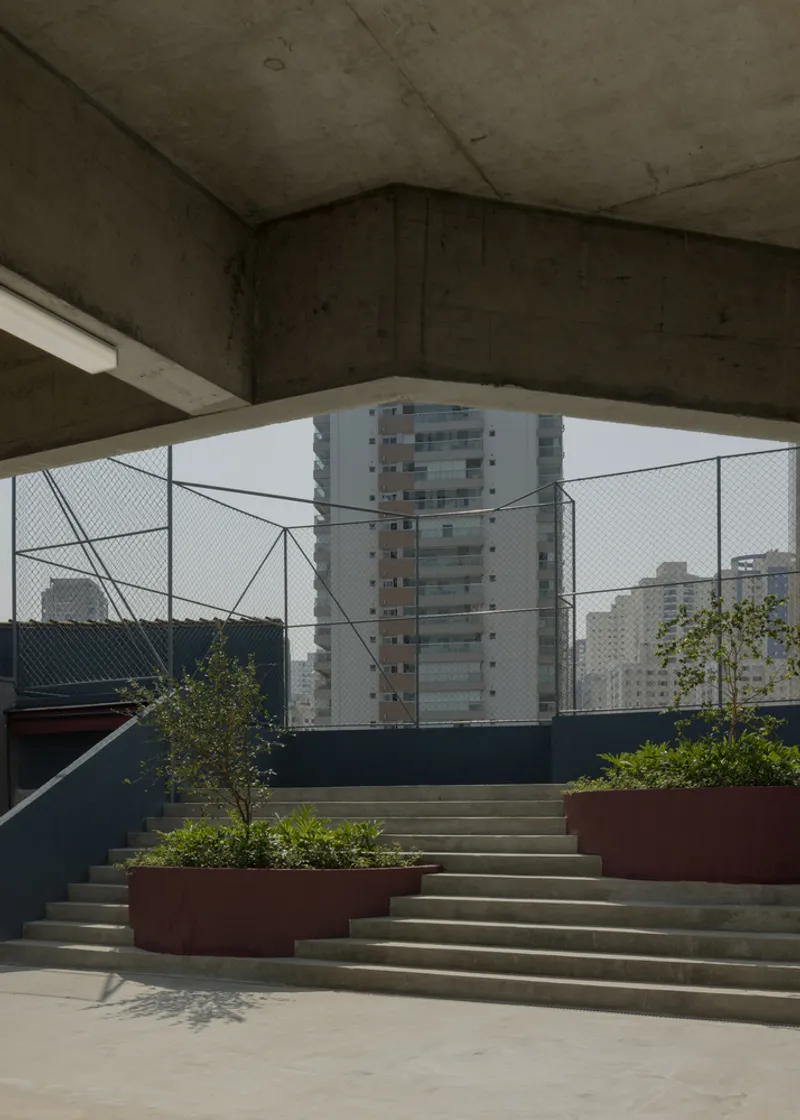
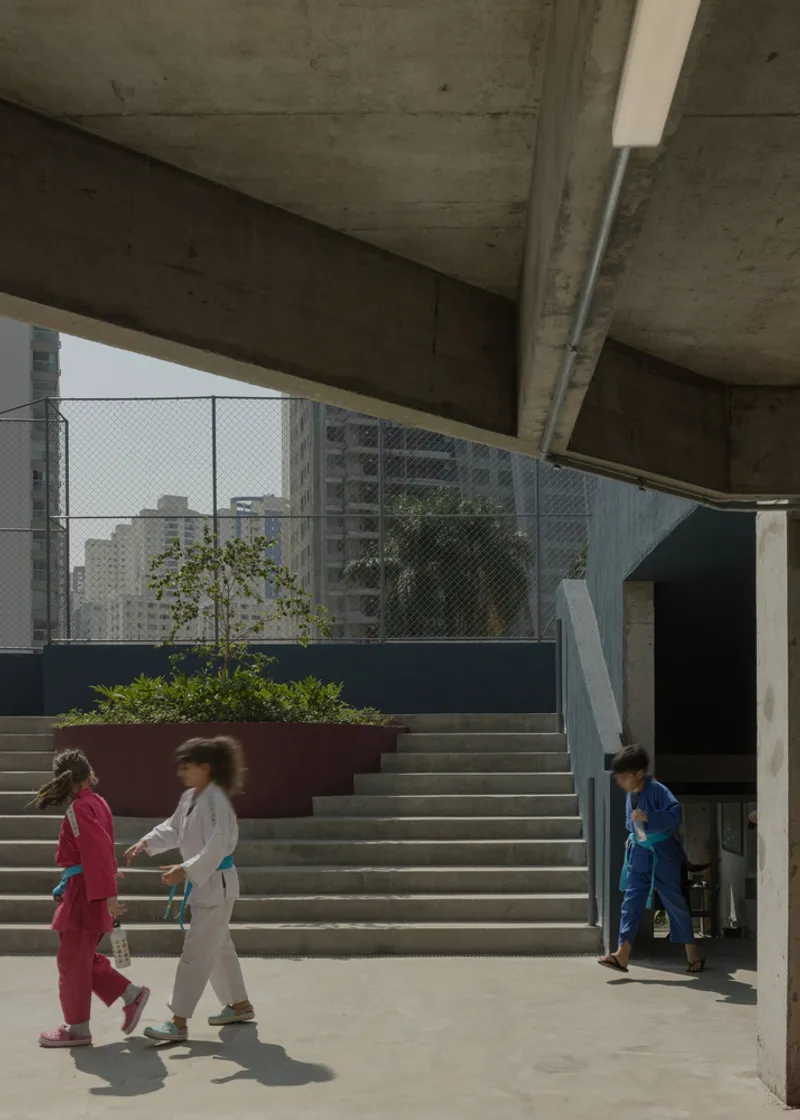
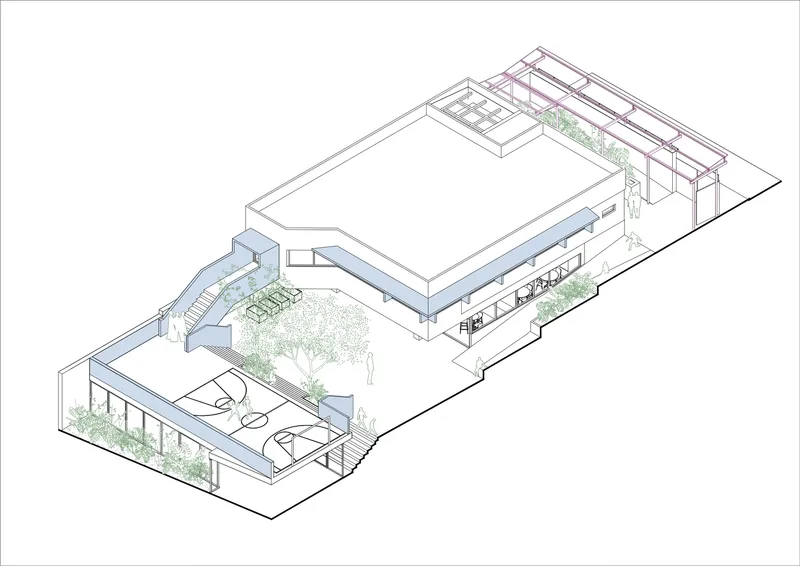
Vertical circulation was redesigned to improve accessibility and flow. A combination of ramps, stairs, and an elevator replaced the restrictive narrow hallways of the former residence, while a split-level design introduced dynamic spaces for recreation and informal gatherings. A stepped seating area acts as both a social hub and a casual outdoor classroom.
Climate-Responsive Features
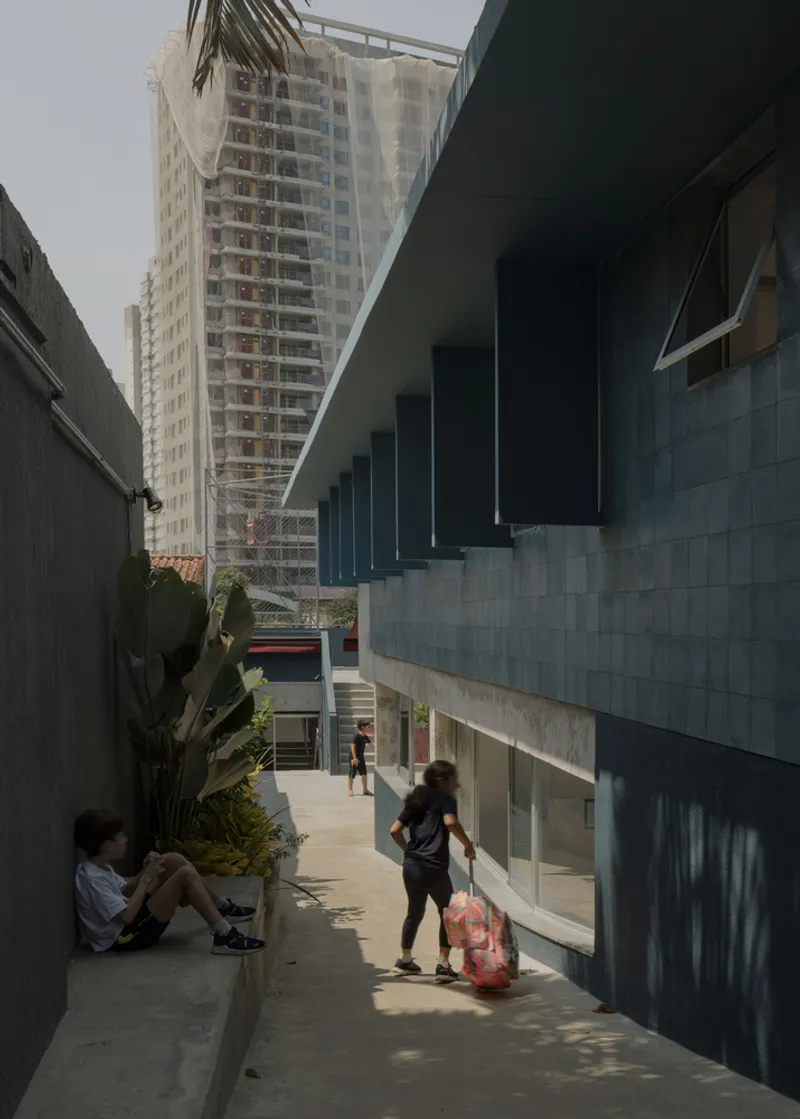
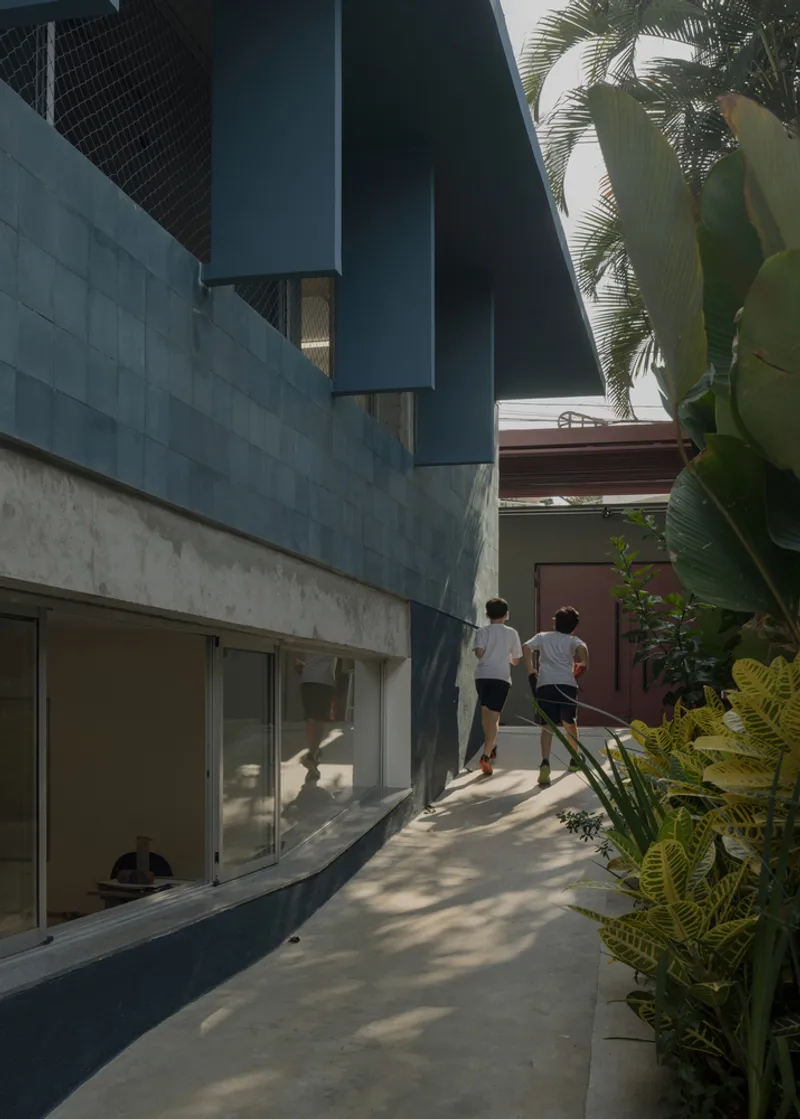
To shield classrooms from direct sunlight while maintaining ventilation, the architects designed horizontal brise-soleils with vertical fins. These elements create shade, enhance airflow during rainy days, and contribute to the modern character of the school’s façade.
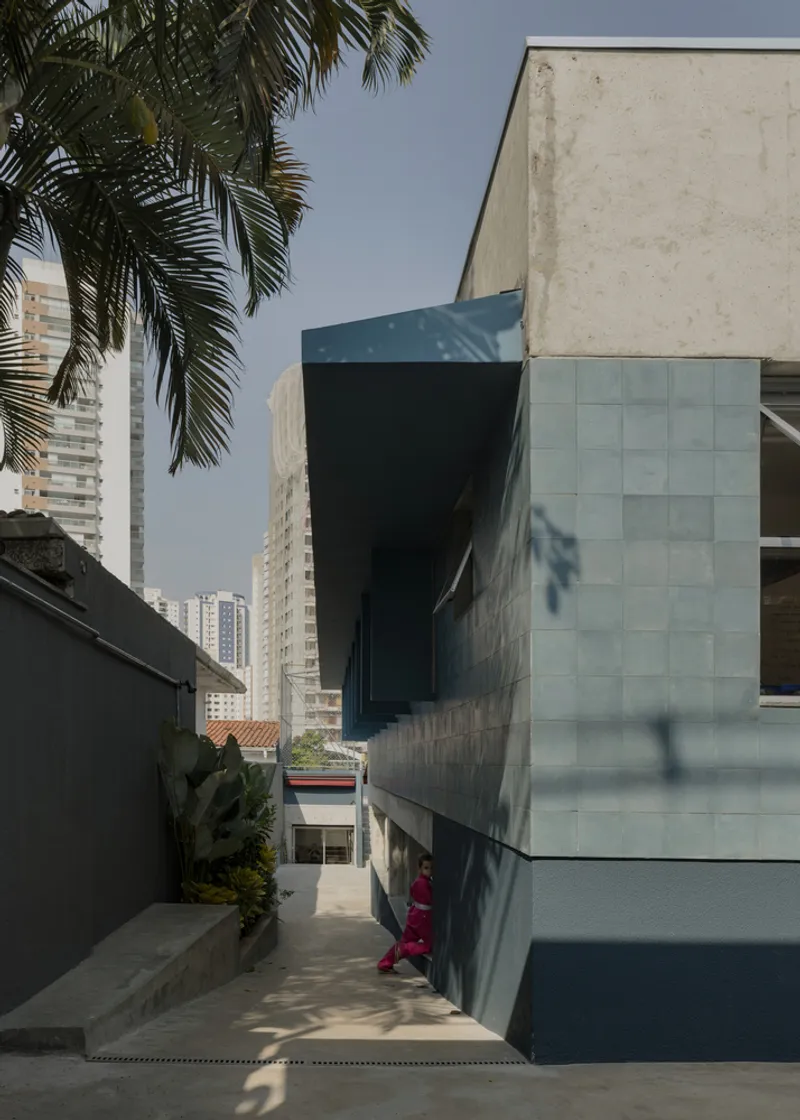
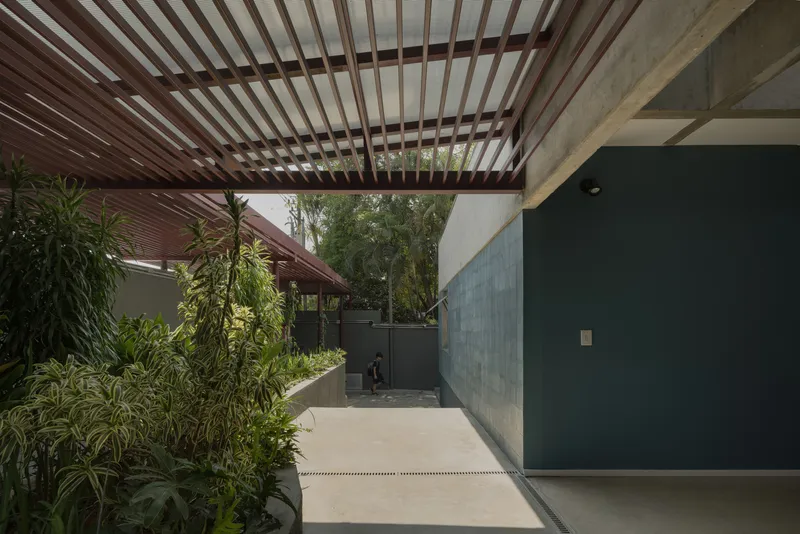
A metal canopy at the entrance improves accessibility for wheelchair users and provides sheltered drop-off and pick-up points during inclement weather, signaling the building’s transformation to the public.
Materiality and Cost Efficiency
A key goal of the São Sabas College Architecture project was to reduce construction costs without compromising design quality. The use of simple yet robust materials—concrete, exposed metal, and wood—ensures durability while creating a warm and modern aesthetic. These materials, combined with minimalist detailing, give the school a distinct identity that balances functionality with visual appeal.
Integration of Green Spaces
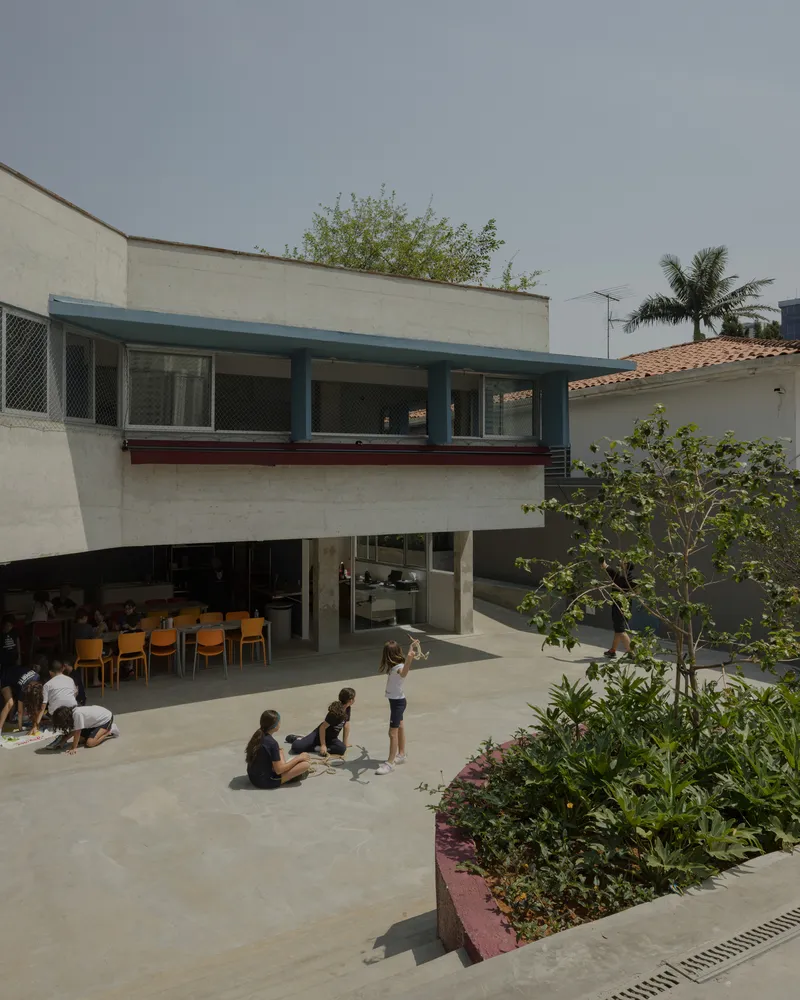
The project incorporates green areas and paved outdoor zones to create a welcoming environment for students. The spacious courtyard acts as a central gathering point for outdoor play, group activities, and community events, bringing nature closer to the learning experience. This blend of built and natural elements enhances the sense of openness and connection throughout the campus.
The São Sabas College Architecture by Guido Otero showcases how adaptive reuse can deliver cost-effective, sustainable, and innovative educational spaces. By merging the charm of the original residence with contemporary interventions, the project creates a learning environment that is open, bright, and connected to its surroundings.
All Photographs are works of Federico Cairoli




Popular Articles
Popular articles from the community


Lunar Spiral: Space Architecture Shaped by the Mathematics of the Universe
Lunar Spiral reimagines space architecture through Fibonacci geometry, lunar regolith, levitating habitats, and self-sustaining Moon living.

Co-life: Sustainable Architecture for Age-Friendly Community Living
Co-life reimagines sustainable architecture for seniors through courtyards, rammed earth, shared gardens, and spaces designed for belonging.

The Ocean Hive: Sustainable Architecture for a Self-Sufficient Civilization at Sea
The Ocean Hive imagines sustainable architecture at sea, where modular habitats, algae, wave power and ocean waste sustain a growing colony.

Conexión: Biophilic Design Reimagines High-Rise Living in Hong Kong
Conexión reimagines high-rise living in Hong Kong through biophilic design, green facades, shared spaces, daylight, water and nature within.


Similar Reads
You might also enjoy these articles

Bamboo Housing Challenge 2026: Design Affordable, Sustainable Homes Using Bamboo
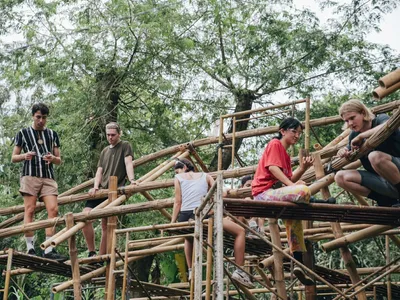
An international design competition by Bamboo U and IBUKU inviting architects and designers to reimagine affordable housing using bamboo — with the winning design built full-scale in Bali.

Computational Design & Education: Beegraphy Design Awards Introduces 7th Category (Featuring Jiyun's Innovative Approach)
Dive into Beegraphy’s 7th Design Awards category, where computational design meets education to create immersive, interactive learning tools, inspired by Jiyun’s work.

From Parametric Lighting to Urban Furniture: Join the 2nd Workshop in Beegraphy’s Computational Design Series
Dive into Cutting-Edge Design Techniques and Practical Applications with Industry Experts

Last Call: Unleash Your Architectural Genius in SHAK's Kindergarten Design Competition
Urgent call for architects to join SHAK's kindergarten design competition before the looming deadline


Explore Architecture Competitions
Discover active competitions in this discipline



Challenge to reimagine the Iron Throne


Photograph architecture without architects


Illustrate the lost glory of Angkor Wat - Render Challenge


Design challenge to reuse E-waste
Comments (0)
Please login or sign up to add comments
No comments yet. Be the first to comment!