
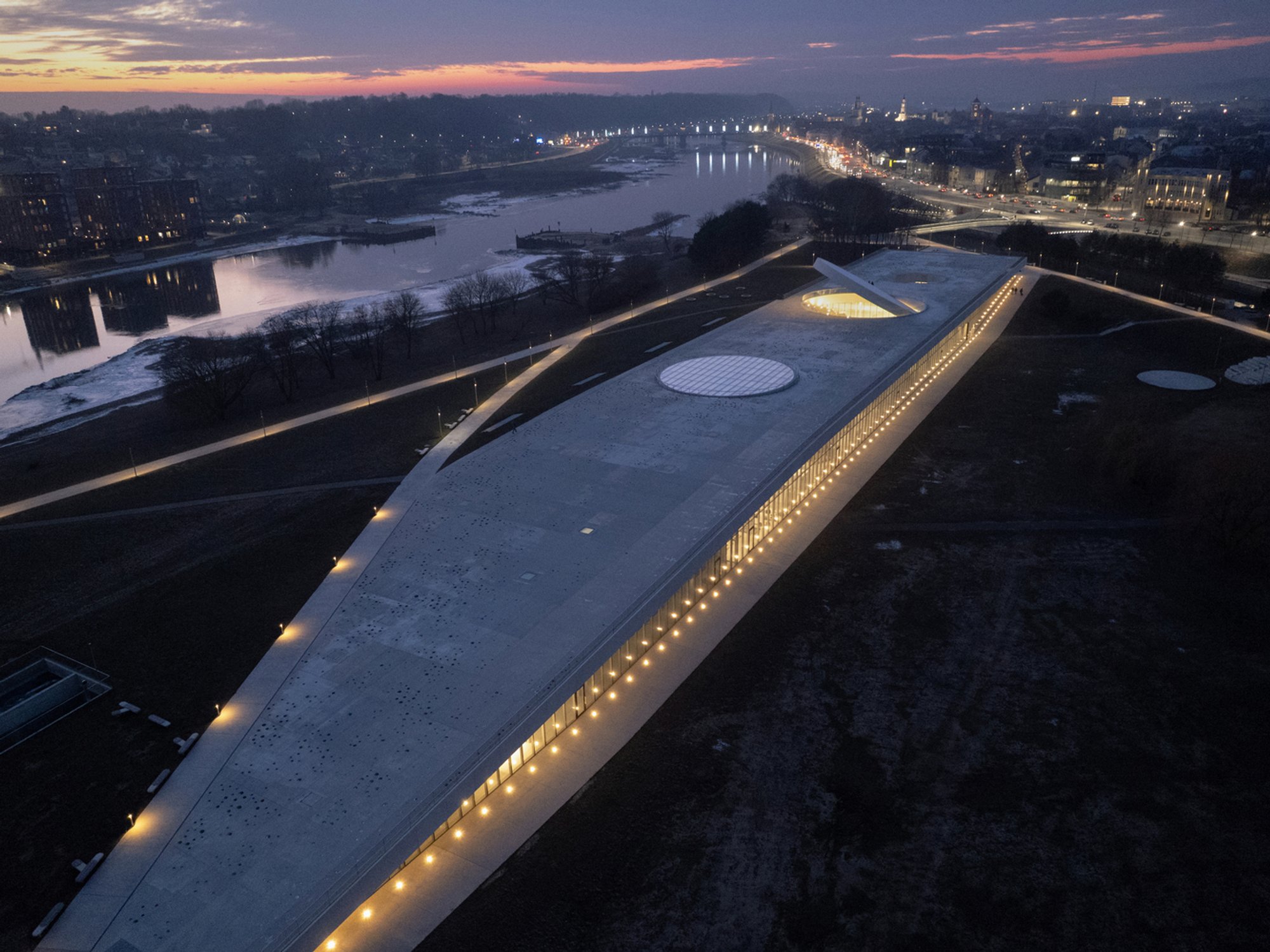
Science Island Museum: A Vision of Futuristic Museum Architecture by SMAR Architecture Studio
A futuristic museum in Kaunas that fuses science, landscape, and architecture to create a dynamic, reflective cultural landmark.

A Cultural Beacon in the Heart of Kaunas
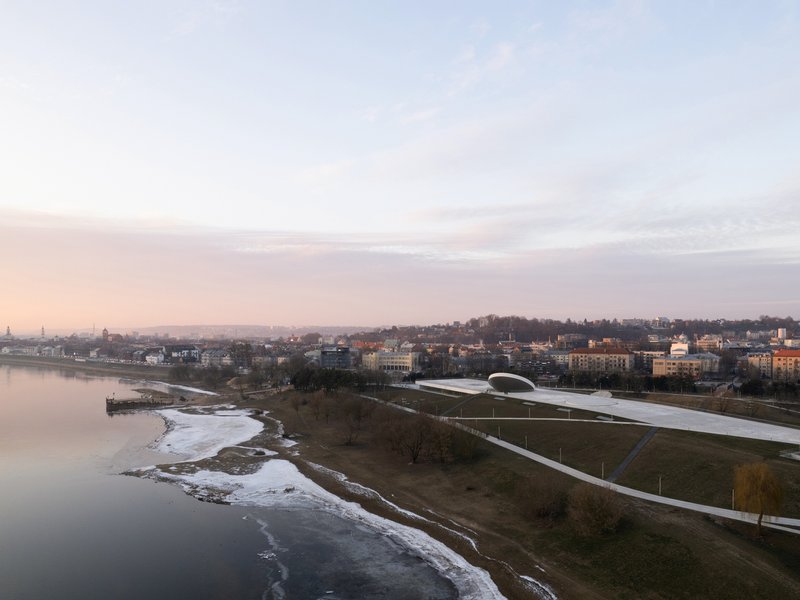
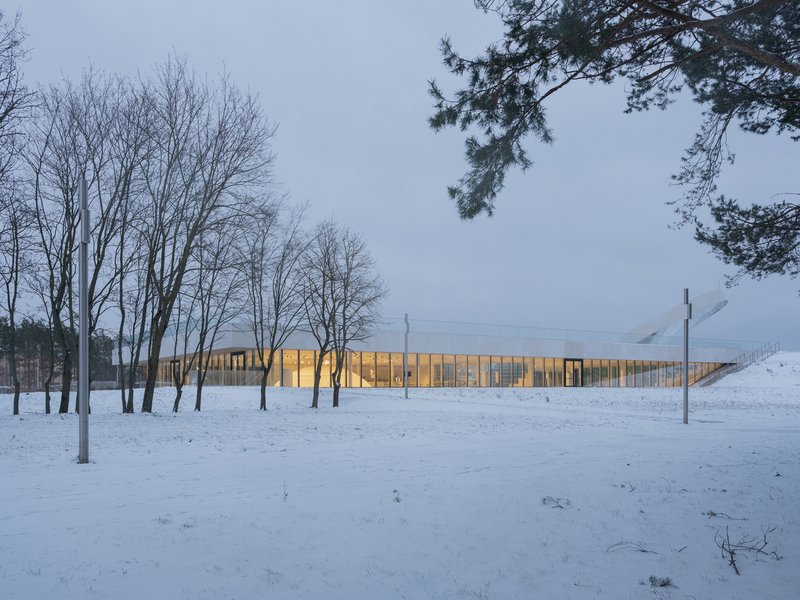
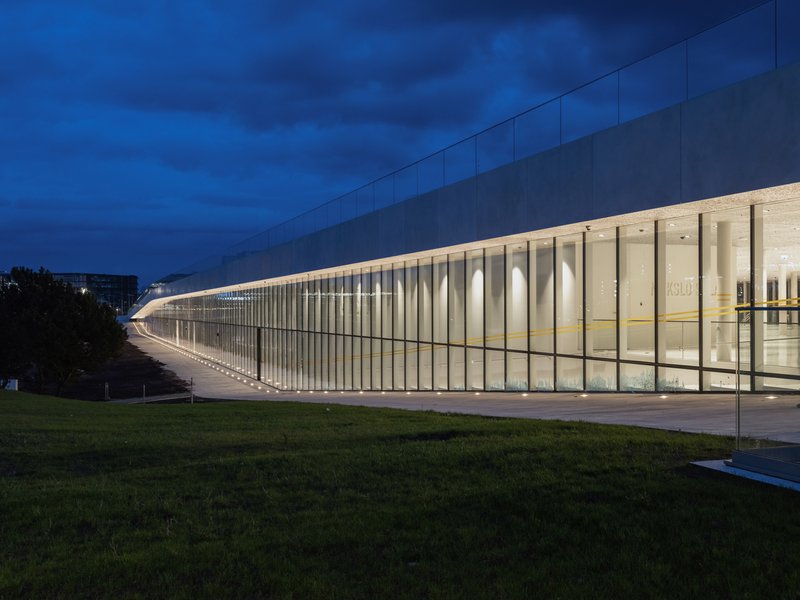
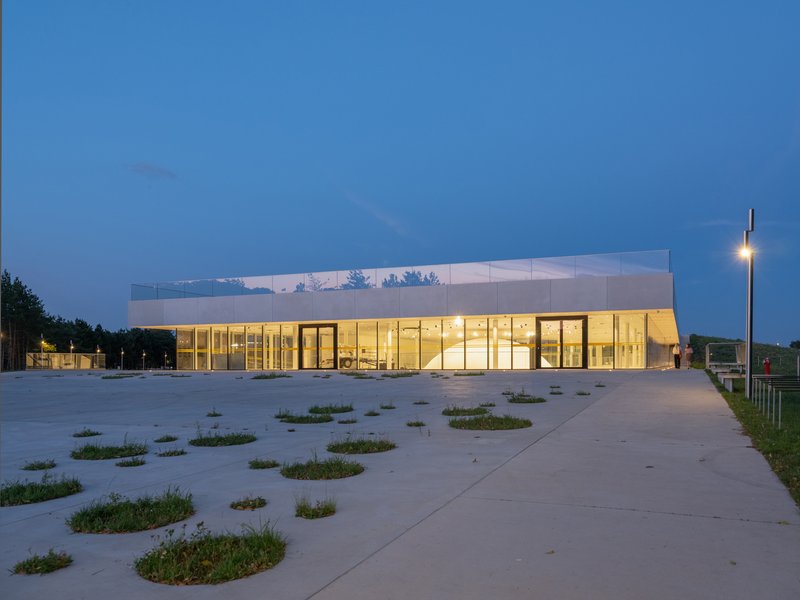
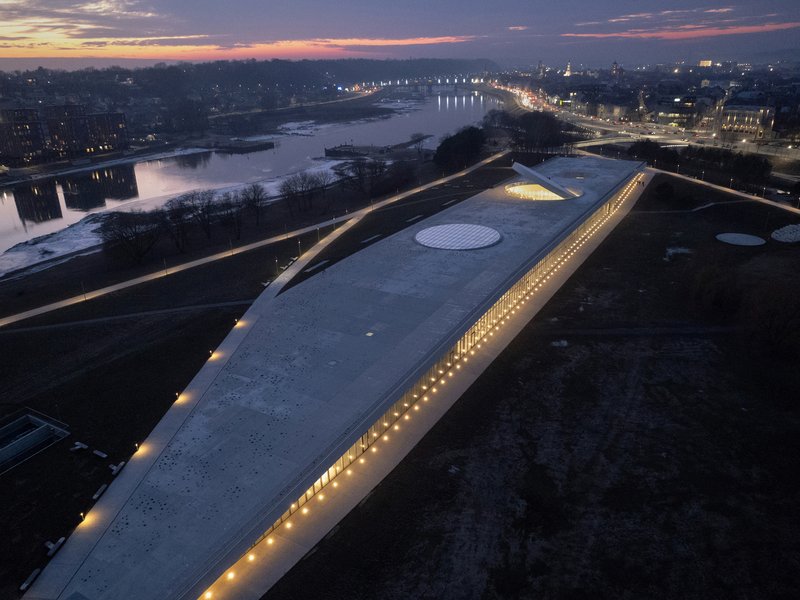
The Science Island Museum, also known as Mokslo Sala, redefines the concept of museum architecture through its futuristic form and seamless integration with the landscape of Kaunas’ Nemunas Island. Designed by SMAR Architecture Studio, this 15,000-square-meter museum is not merely a space for exhibitions but a dynamic cultural hub that merges science, nature, and the built environment in an immersive architectural experience. Completed in 2025, the museum marks a pivotal moment for Lithuania’s architectural and scientific landscape.
Landscape-Driven Design Concept
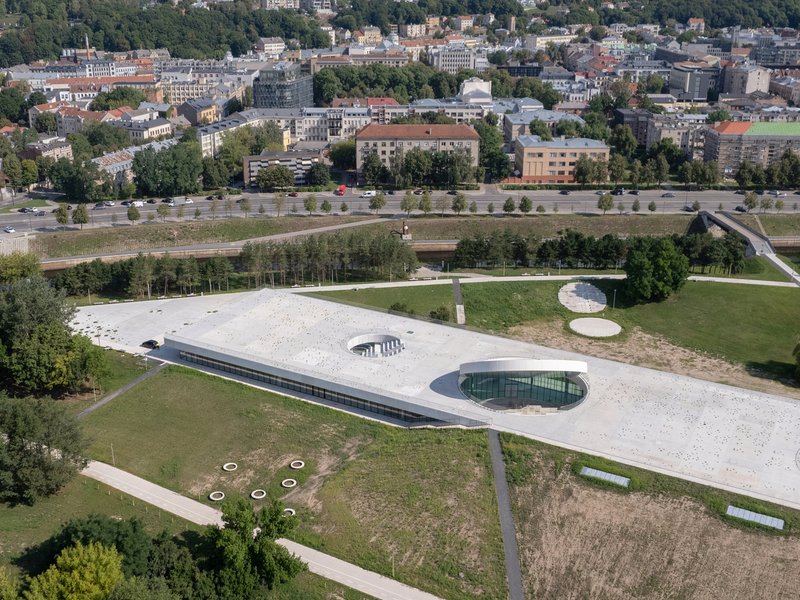
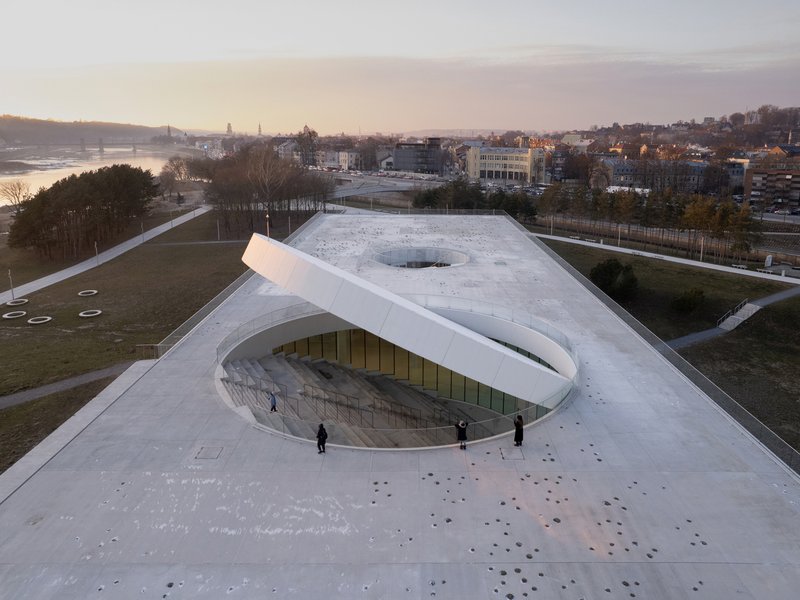
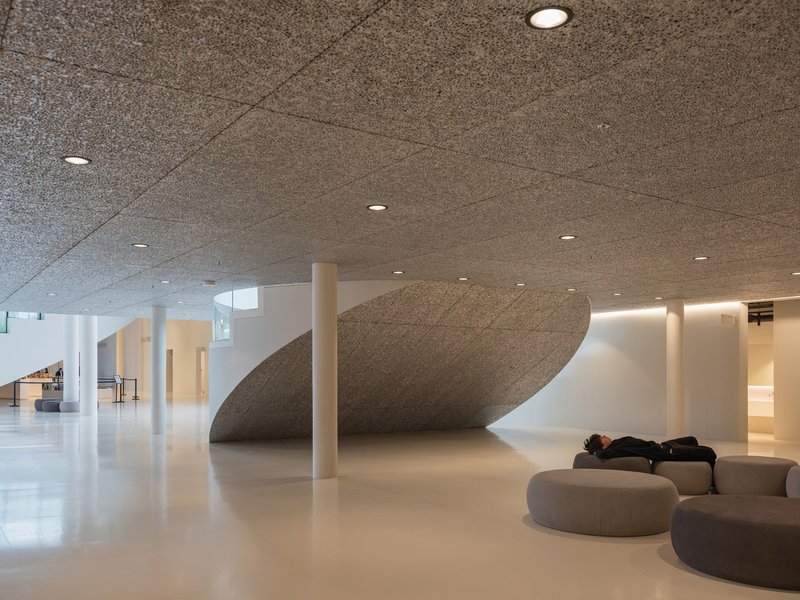
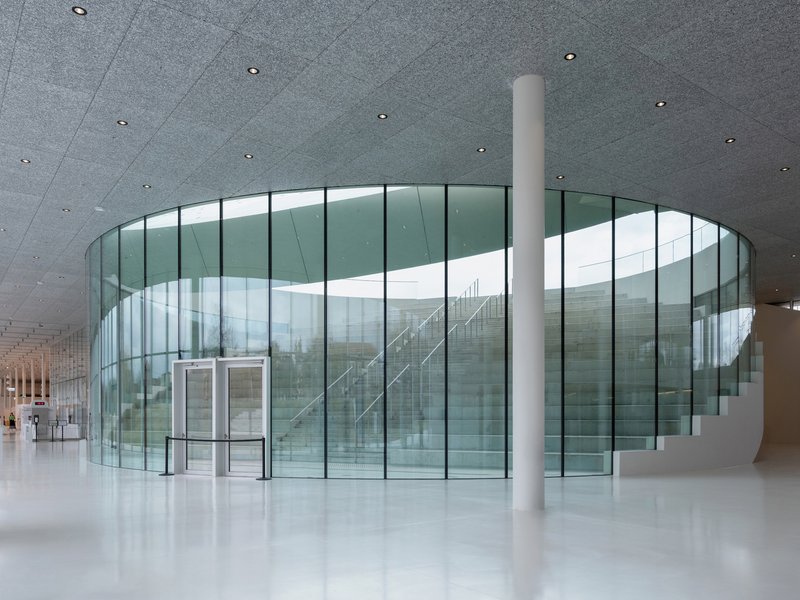
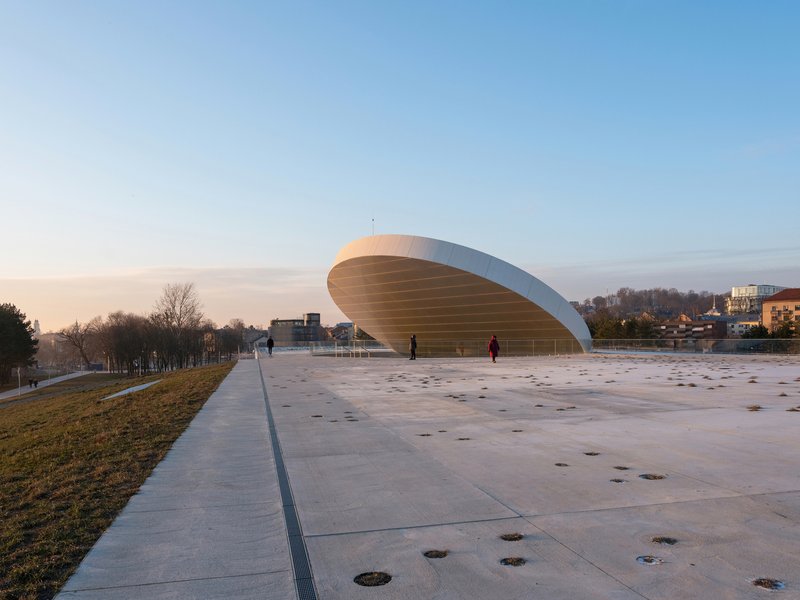
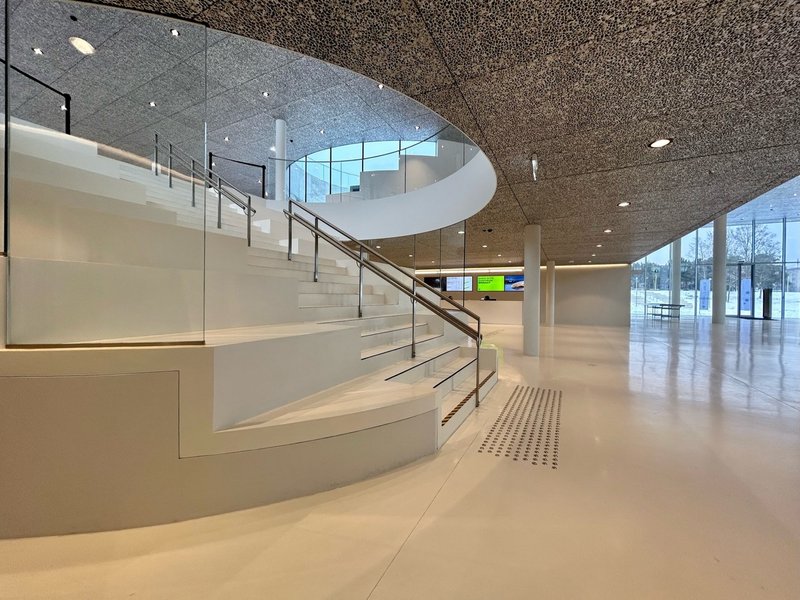
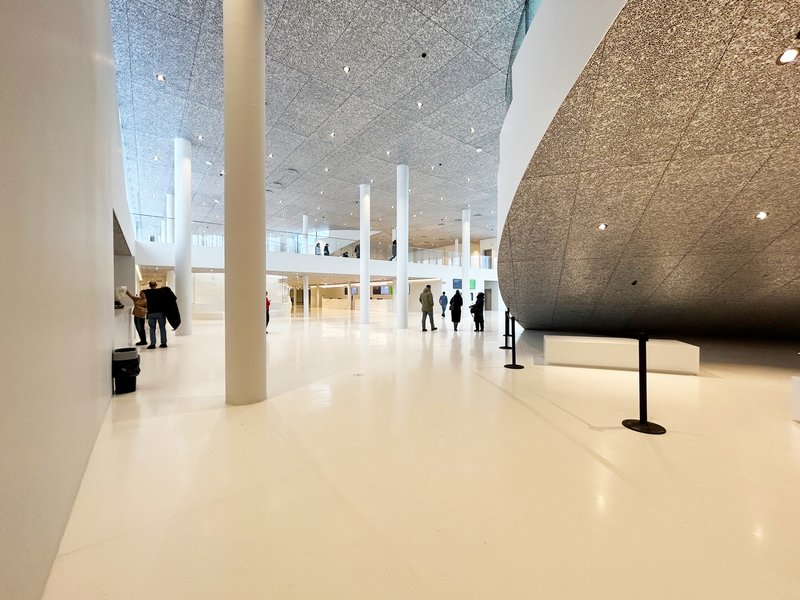
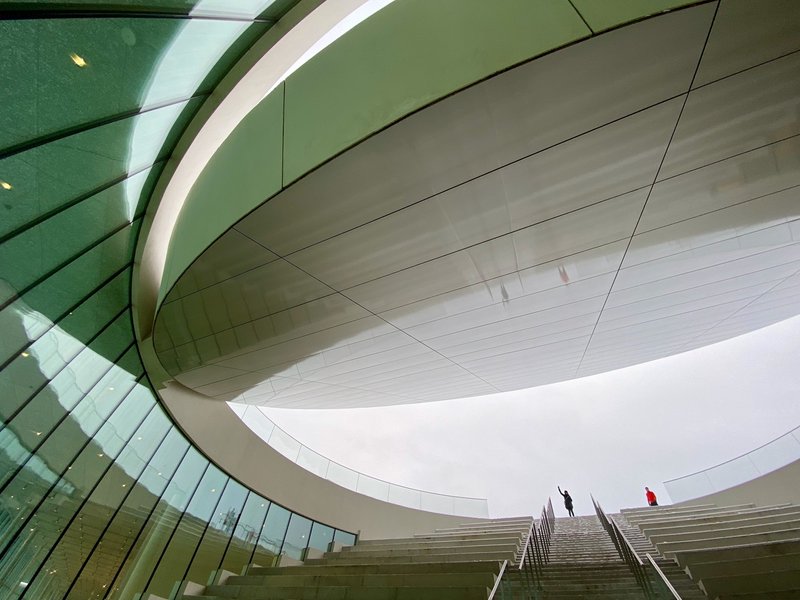
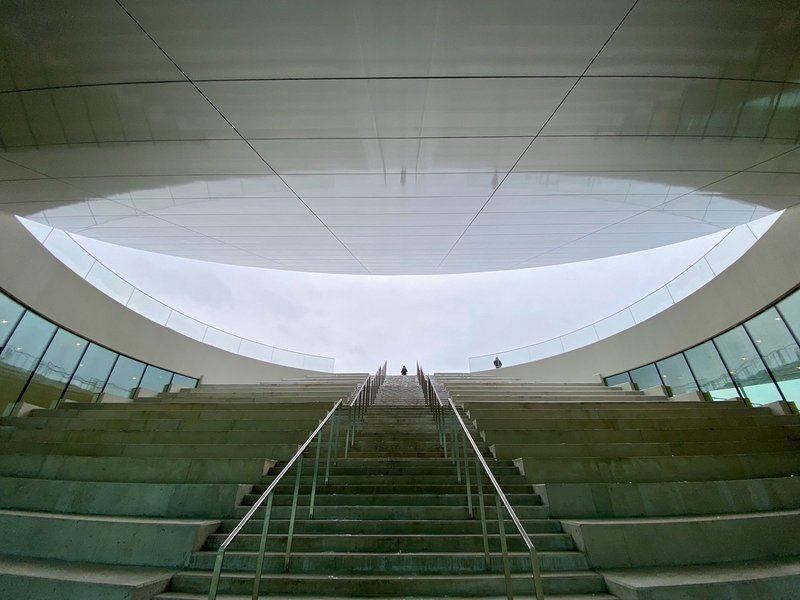
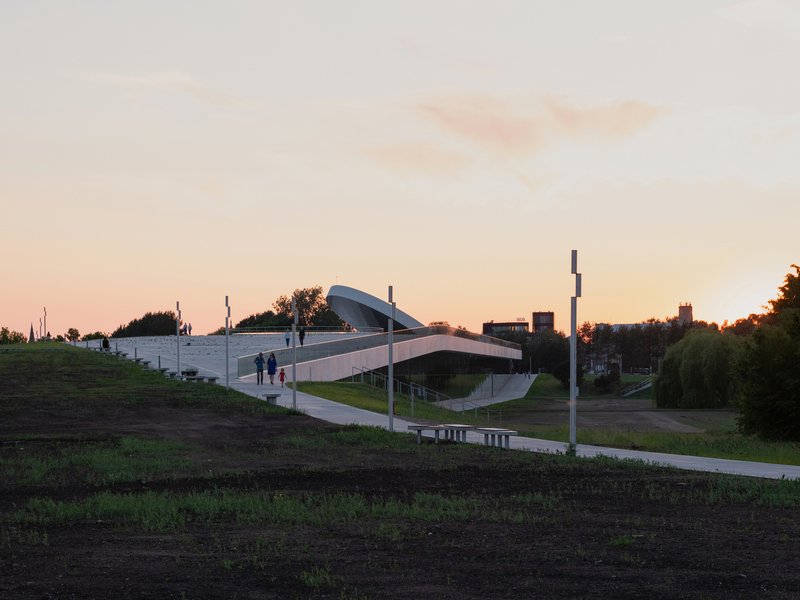
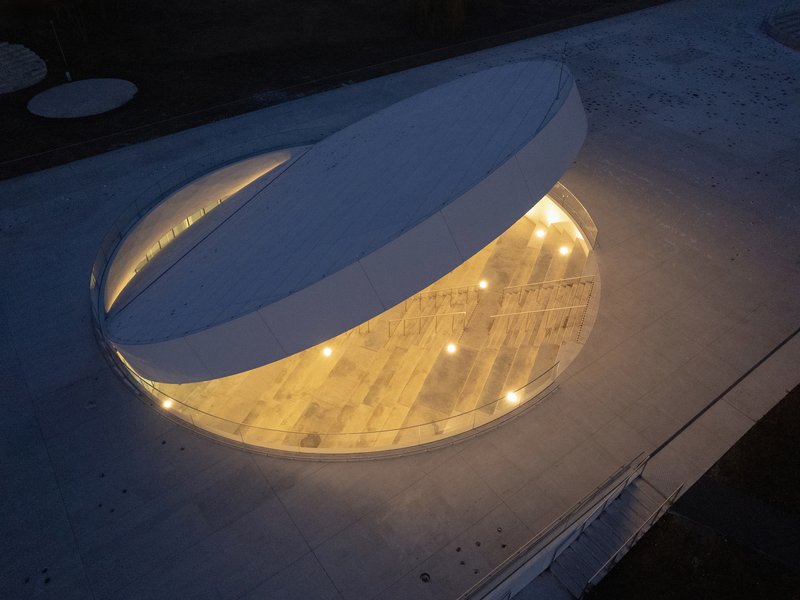
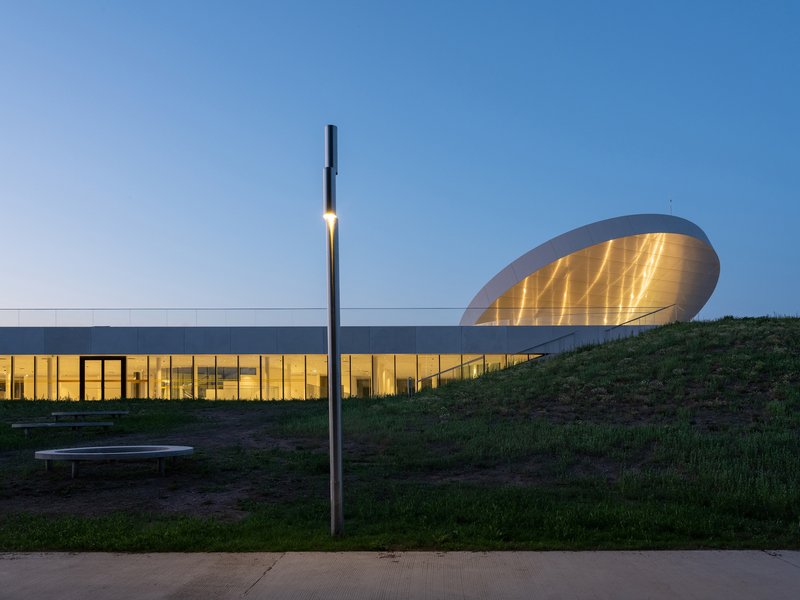
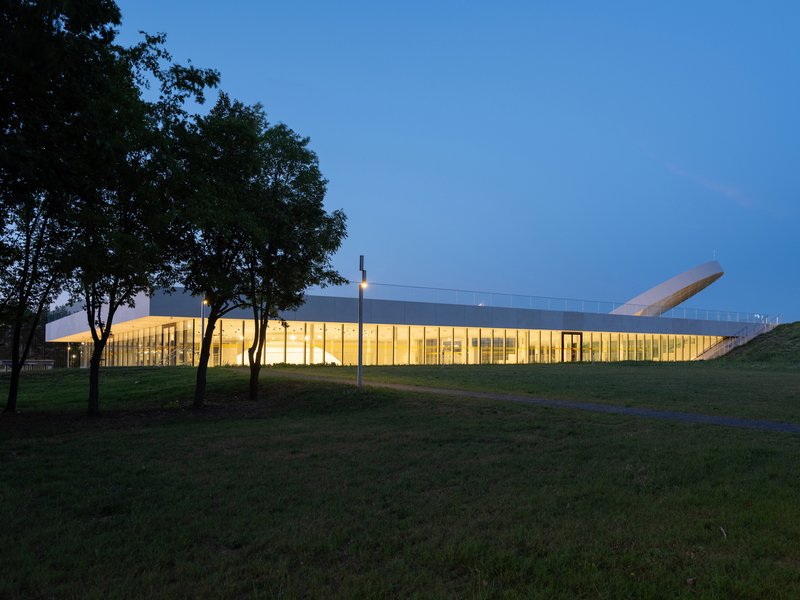
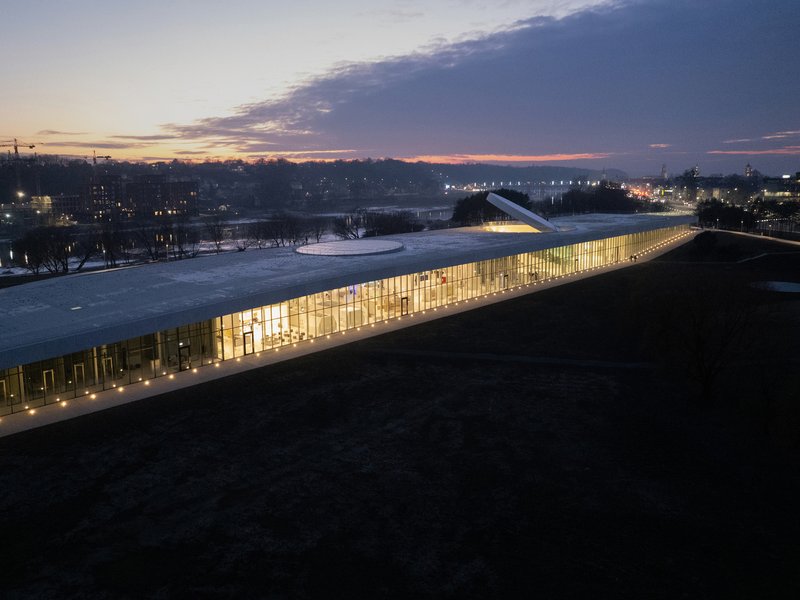
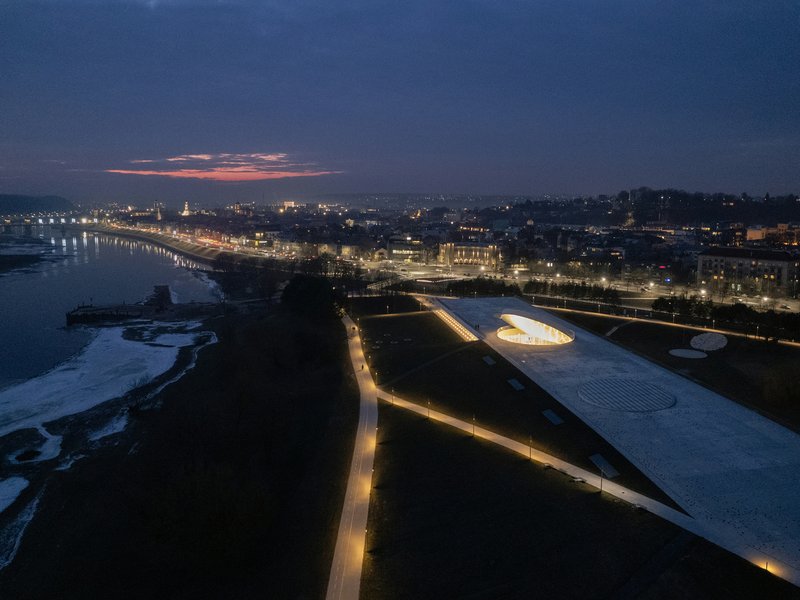
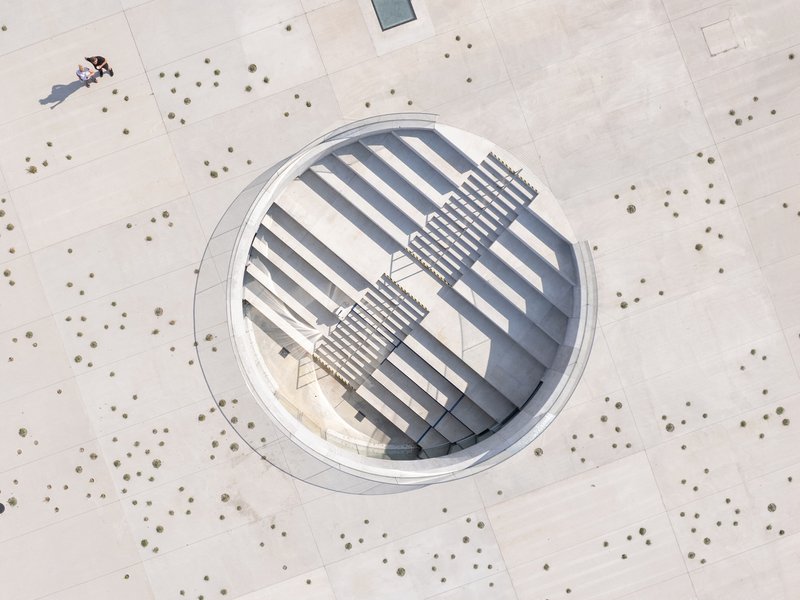
The museum's design follows the contours of Nemunas Island, embracing the land’s natural topography to establish a deep connection between architecture, nature, and city life. Rather than imposing a rigid form, the building appears to emerge organically from the ground, featuring a roofscape that serves as an accessible public park. Circular cutouts in the roof double as open-air stages and seating areas, encouraging community interaction while blurring the line between structure and landscape.
A Holistic and Phenomenological Visitor Experience
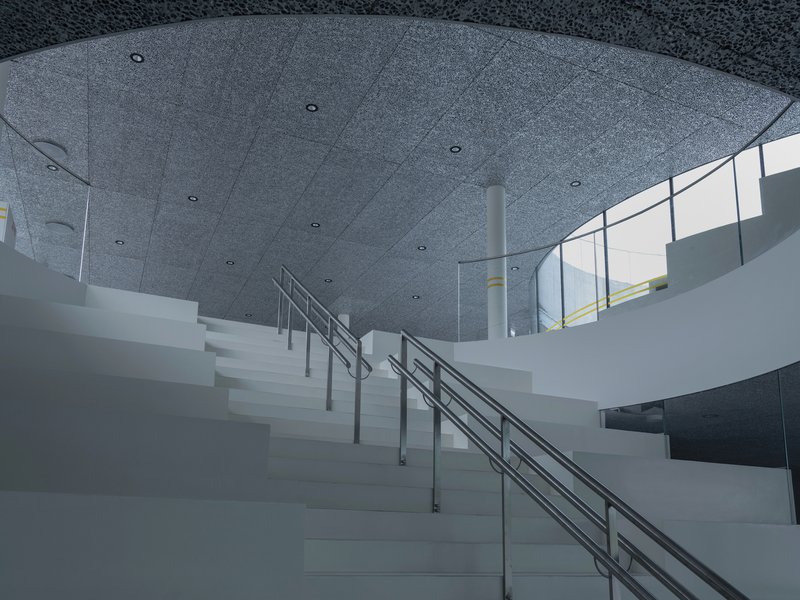
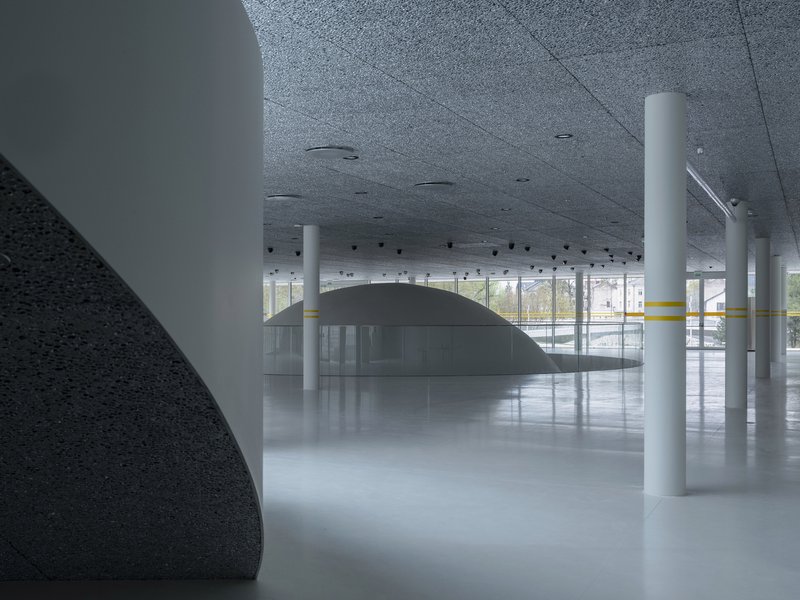
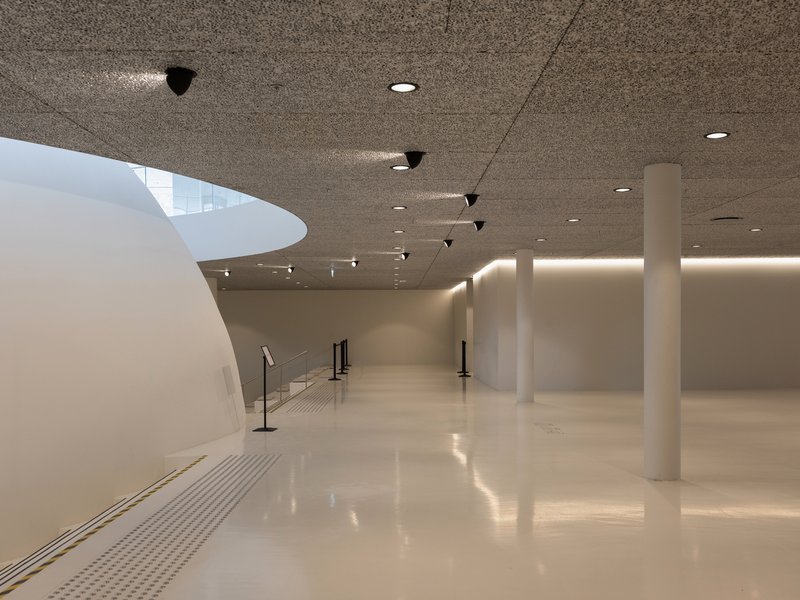
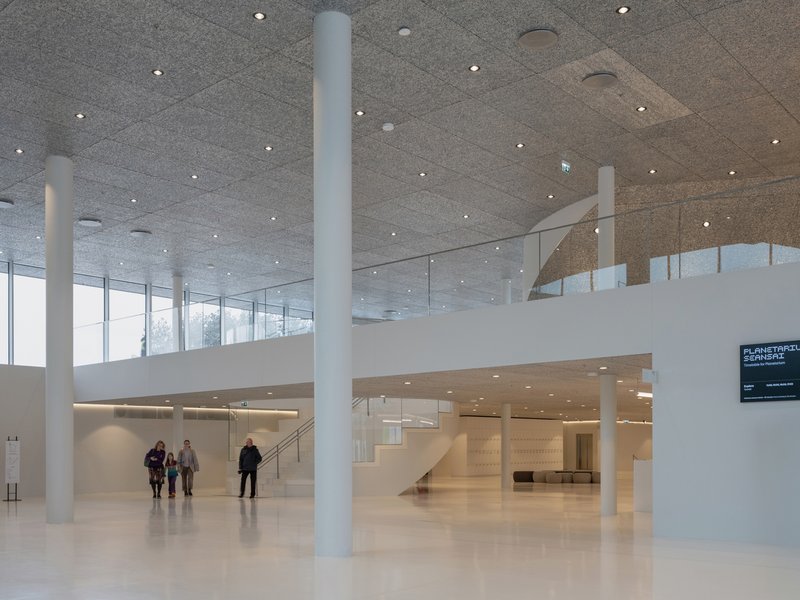
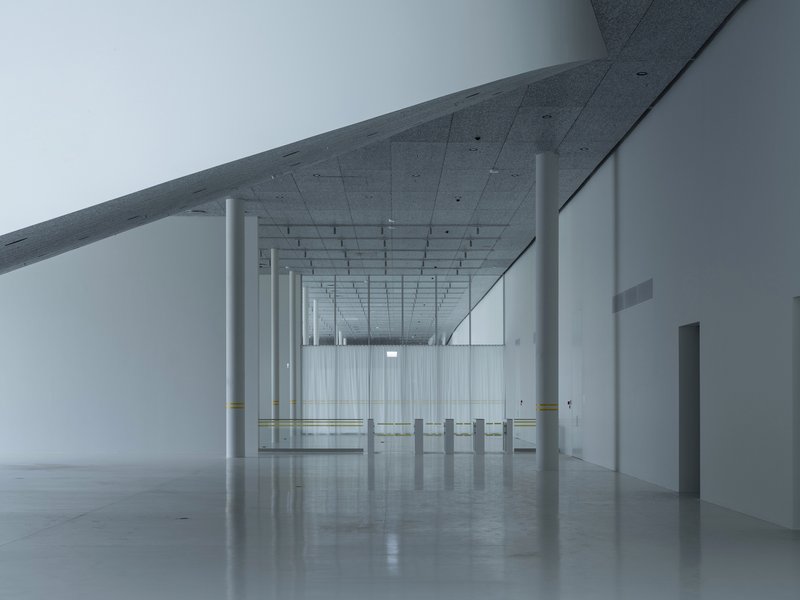
The Science Island Museum promotes an experience rooted in environmental awareness and sensory engagement. It is not just a vessel for displaying scientific knowledge—it is itself a tool for learning. Visitors move through spaces that react to changing seasons, natural light, and climatic conditions, creating an ever-evolving sensory narrative. This immersive strategy allows individuals to perceive the environment from within the architecture, fostering a deeper understanding of environmental sciences through direct experience.
Innovative Spatial Organization
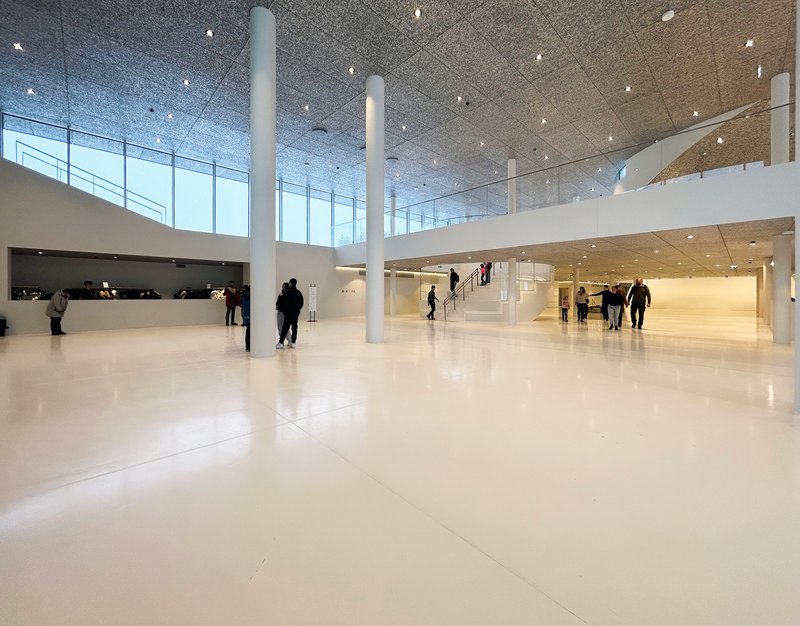
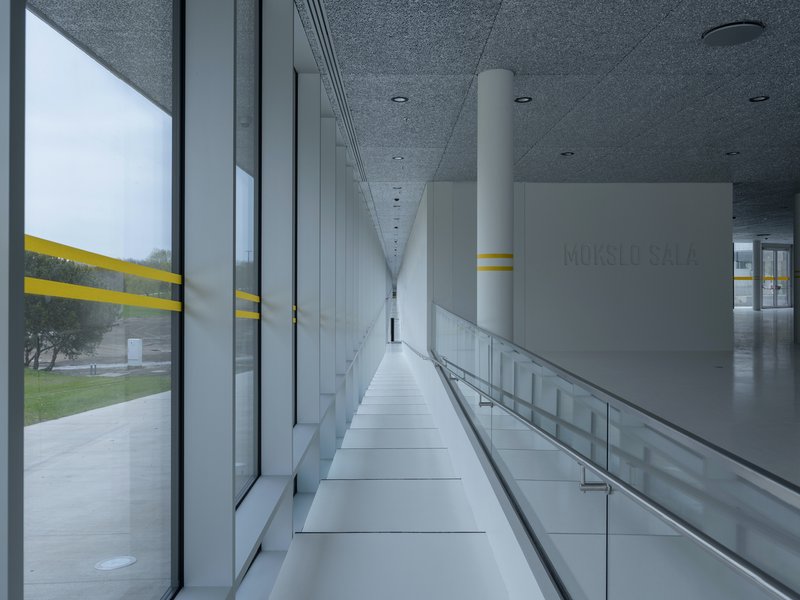
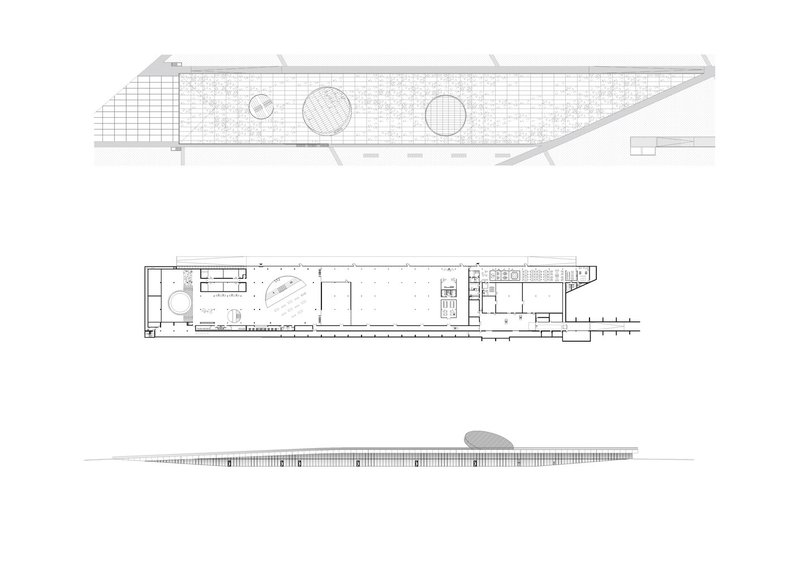
The museum is organized into two primary sections: the "Front of the House" and the "Back of the House." Unlike conventional public buildings, where service and research spaces are often hidden away, SMAR Architecture Studio has elevated these zones. Laboratories and offices are flooded with natural light and granted views over the park, reflecting the egalitarian and integrated vision behind the design. Every part of the building contributes to the larger educational and scientific mission of the museum.
Reflective Landmark as Symbolic Architecture
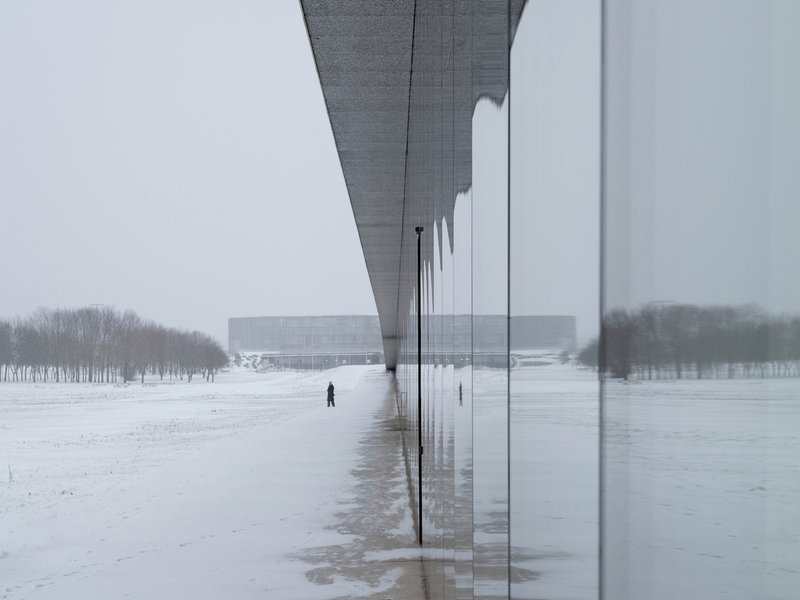
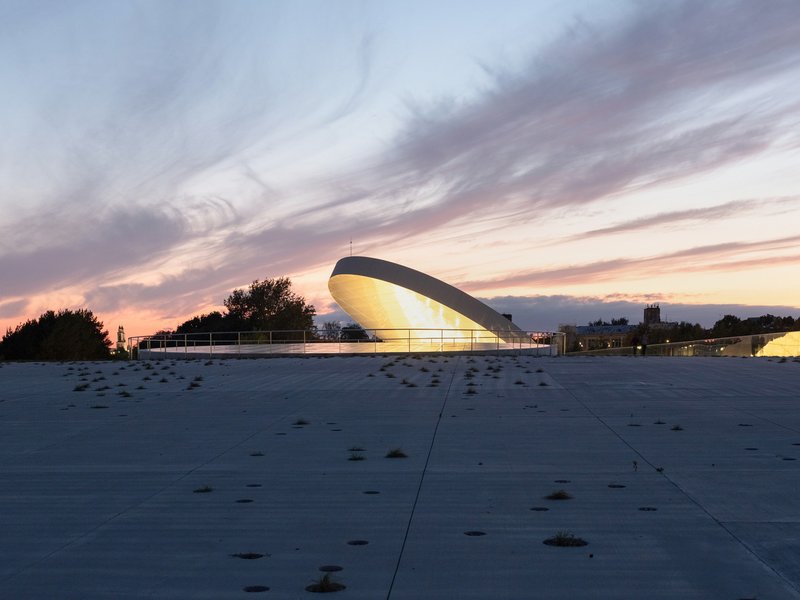
At the apex of the design is a sloped, reflective disk that caps the roof, acting as a symbolic "second sun" for the city. This disc reflects natural daylight into the building during the day and emits a soft artificial glow at night. Clad in native vegetation, the roof becomes a living system that further enhances the museum’s commitment to environmental consciousness. The reflective surface not only grounds the museum in its setting but transforms it into a landmark of futuristic museum architecture—constantly alive, luminous, and inspiring.
A New Vision for Museums and Cities
Science Island Museum exemplifies how contemporary architecture can fuse educational purpose with cultural spectacle and environmental responsibility. It invites public participation, nurtures curiosity, and serves as a vibrant new heart for Kaunas. This project is not just a museum; it’s a bold step toward reimagining how architecture can communicate the value of science and sustainability in the modern world.
All photographs are works of L.Mykolaitis




Popular Articles
Popular articles from the community

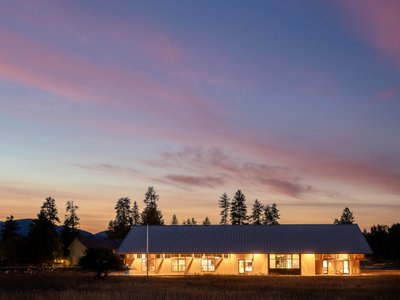
Johnston Architects Reimagines the Methow Valley Hay Barn as a Small-Town Library in Winthrop
A 7,300-square-foot timber library channels the region's agrarian vernacular to serve a rural Washington community of 400 year-round residents.
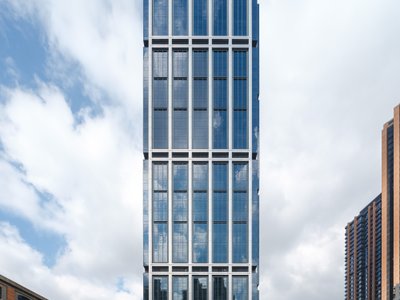
Foster + Partners Wraps a 200-Meter Shanghai Tower in Stainless Steel and Industrial Memory
The Suhe Centre Office Tower anchors a regenerated waterfront district in Shanghai with an all-steel structure that nods to local warehouse heritage.
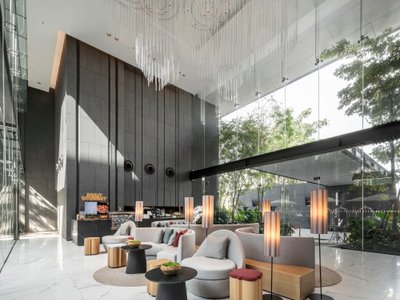
IDIN Architects Wraps a Hua Hin Hotel Around a Private Courtyard to Escape the City
Dusit D2 Hua Hin turns an urban infill site in Thailand's family vacation heartland into a self-contained resort through courtyard planning.
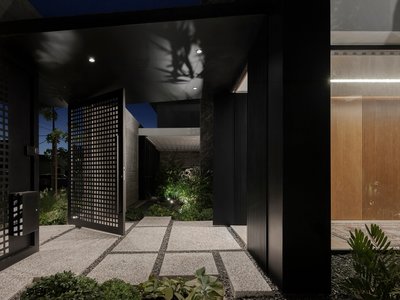
Constanti Architects Builds a Fortress of Privacy in Nicosia with House 345
A concrete and timber residence in Cyprus reinterprets the traditional introverted courtyard house for a new urban landscape.

Similar Reads
You might also enjoy these articles

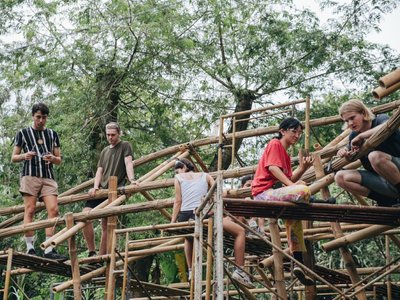
Bamboo Housing Challenge 2026: Design Affordable, Sustainable Homes Using Bamboo
An international design competition by Bamboo U and IBUKU inviting architects and designers to reimagine affordable housing using bamboo — with the winning design built full-scale in Bali.

Computational Design & Education: Beegraphy Design Awards Introduces 7th Category (Featuring Jiyun's Innovative Approach)
Dive into Beegraphy’s 7th Design Awards category, where computational design meets education to create immersive, interactive learning tools, inspired by Jiyun’s work.

From Parametric Lighting to Urban Furniture: Join the 2nd Workshop in Beegraphy’s Computational Design Series
Dive into Cutting-Edge Design Techniques and Practical Applications with Industry Experts

Introducing Sphere by UNI: Pioneering a New Era in AEC Industry
Unlocking Global Potential with BIM and Agile Management

Explore Architecture Competitions
Discover active competitions in this discipline




The International Standard for Design Portfolios


The Global Benchmark for Architecture Dissertation Awards


The Global Benchmark for Graduation Excellence


Challenge to reimagine the Iron Throne
Comments (0)
Please login or sign up to add comments
No comments yet. Be the first to comment!