
Selenite Dreams: A Plaster-Driven Journey Through Space, Myth, and Materiality
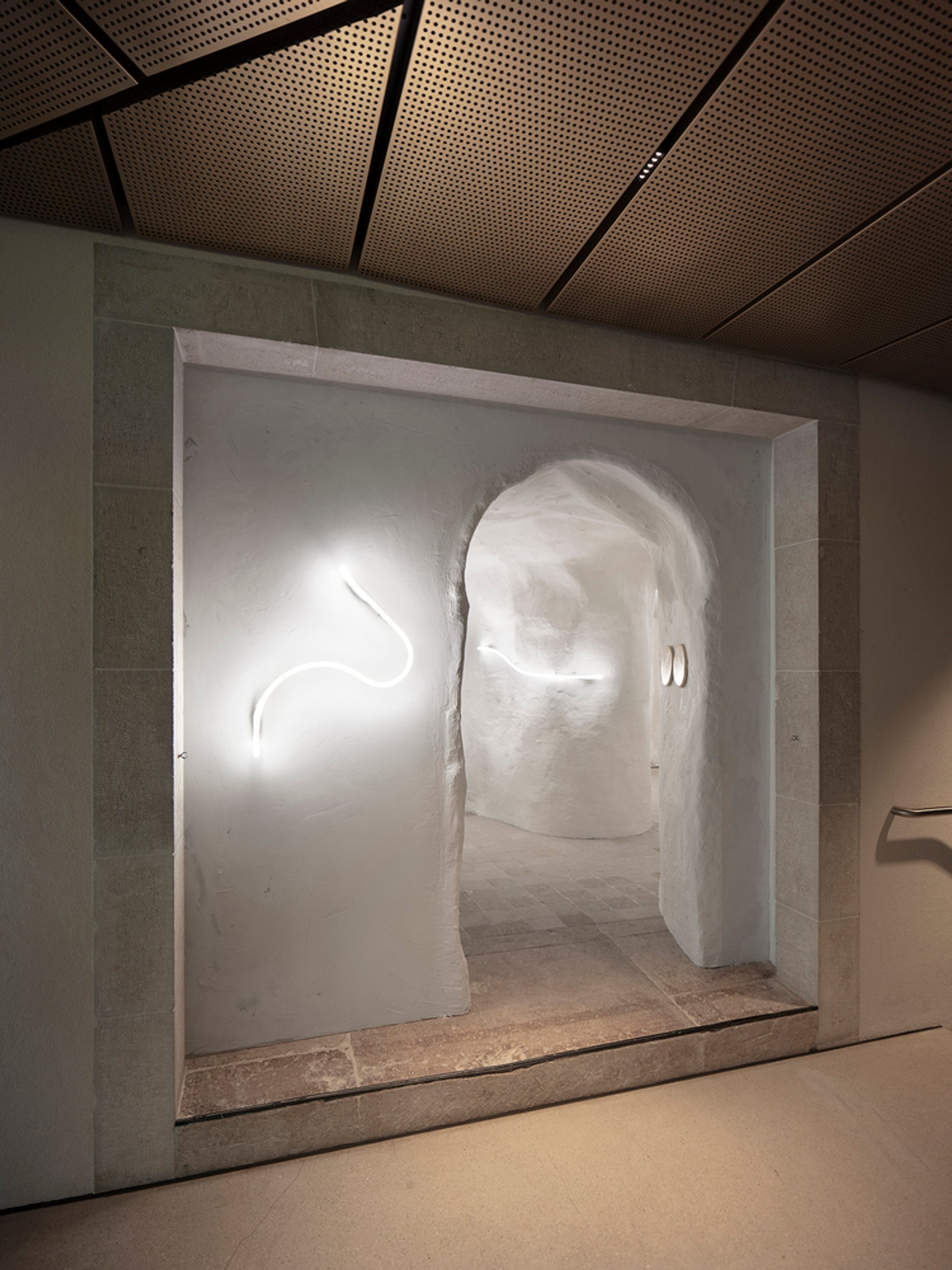
Immersive plaster installation blending myth, materiality, and surrealist echoes within a white grotto by BUREAU in Switzerland.

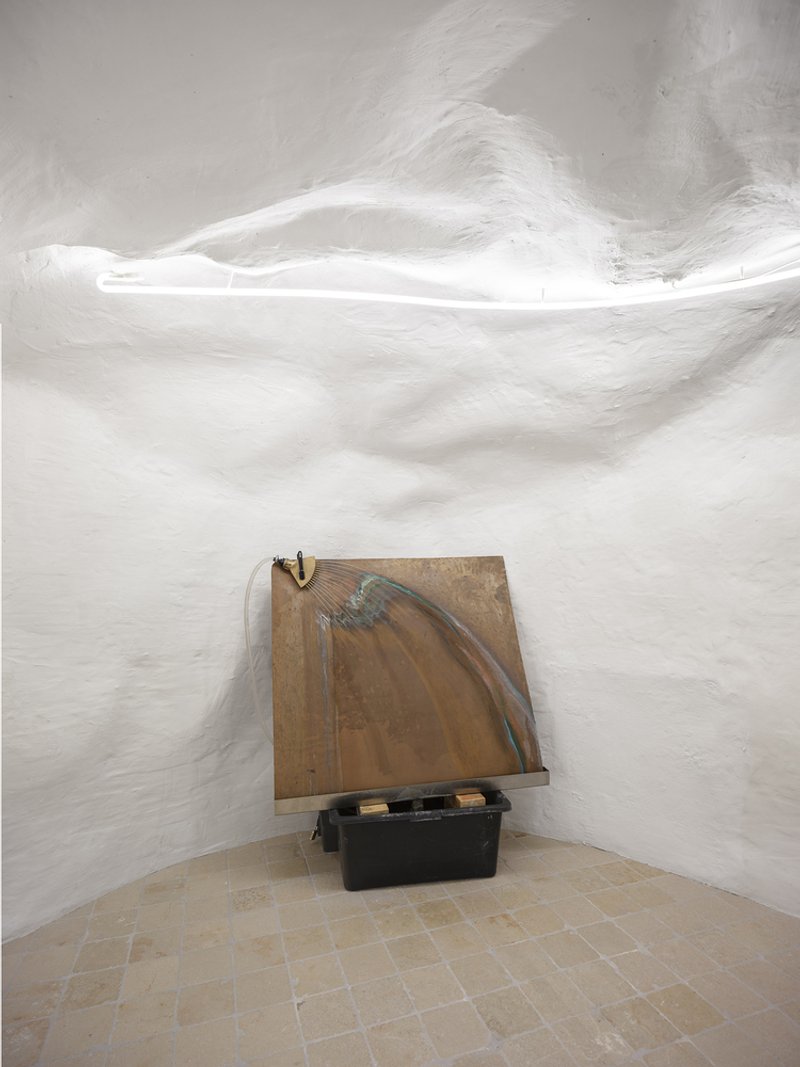
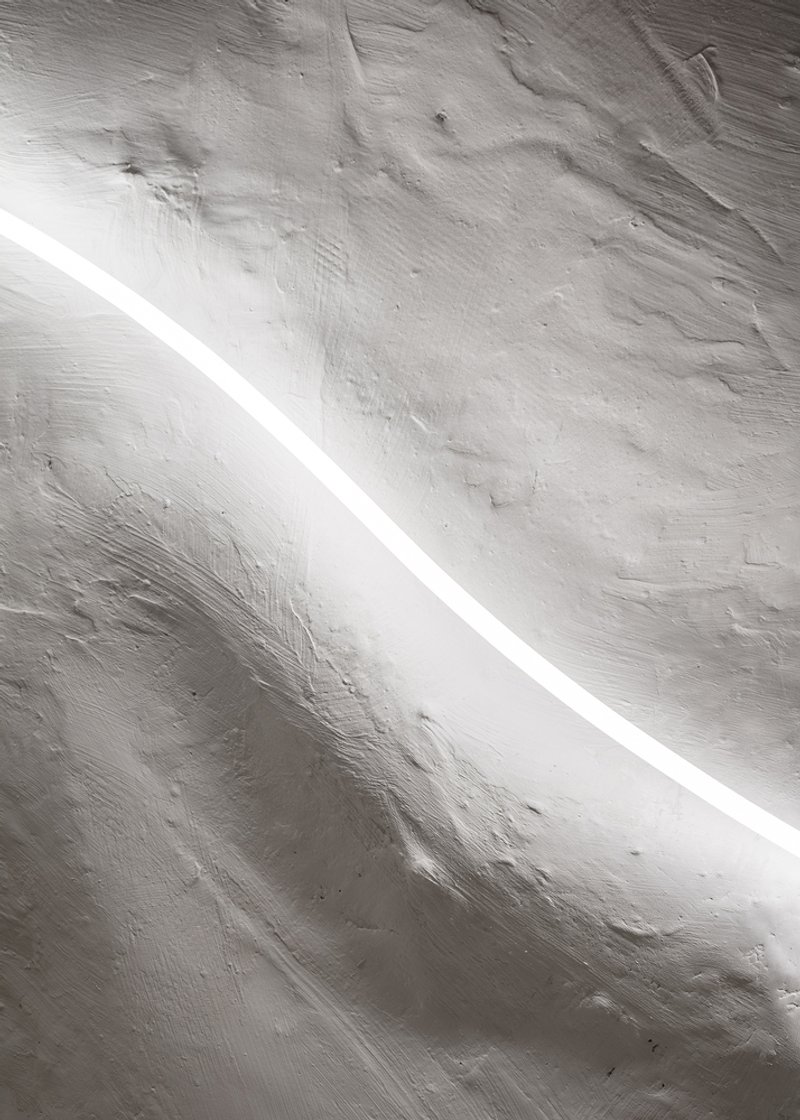
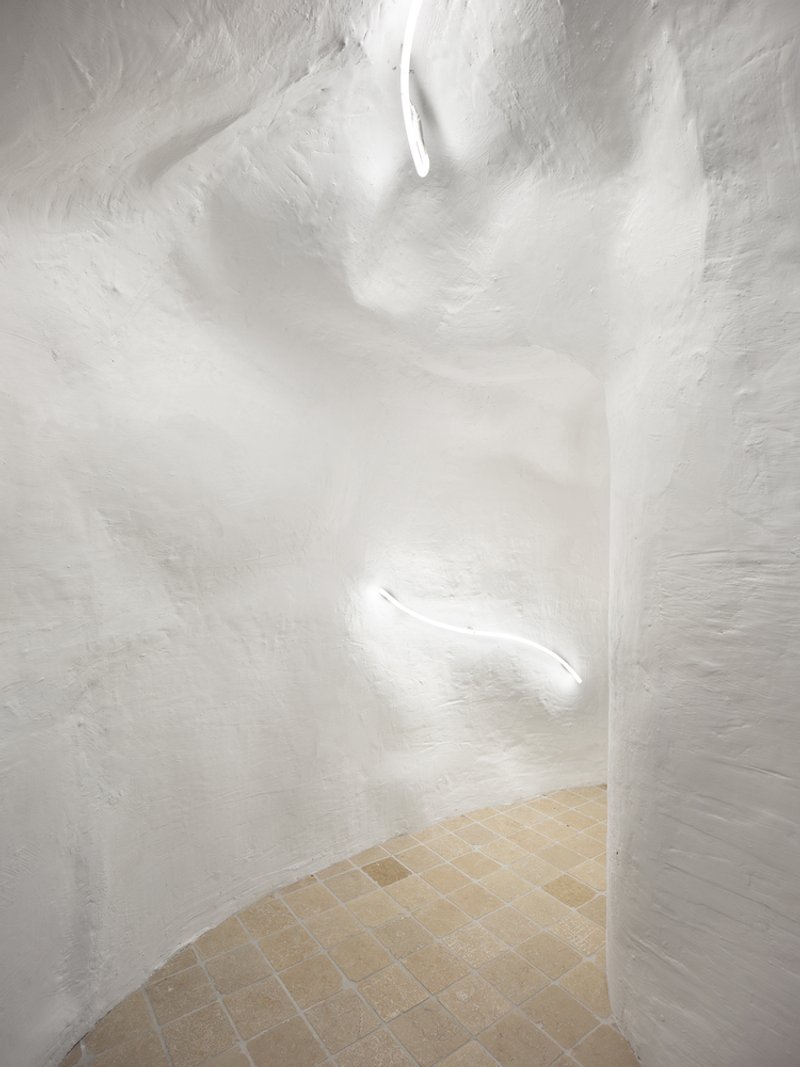
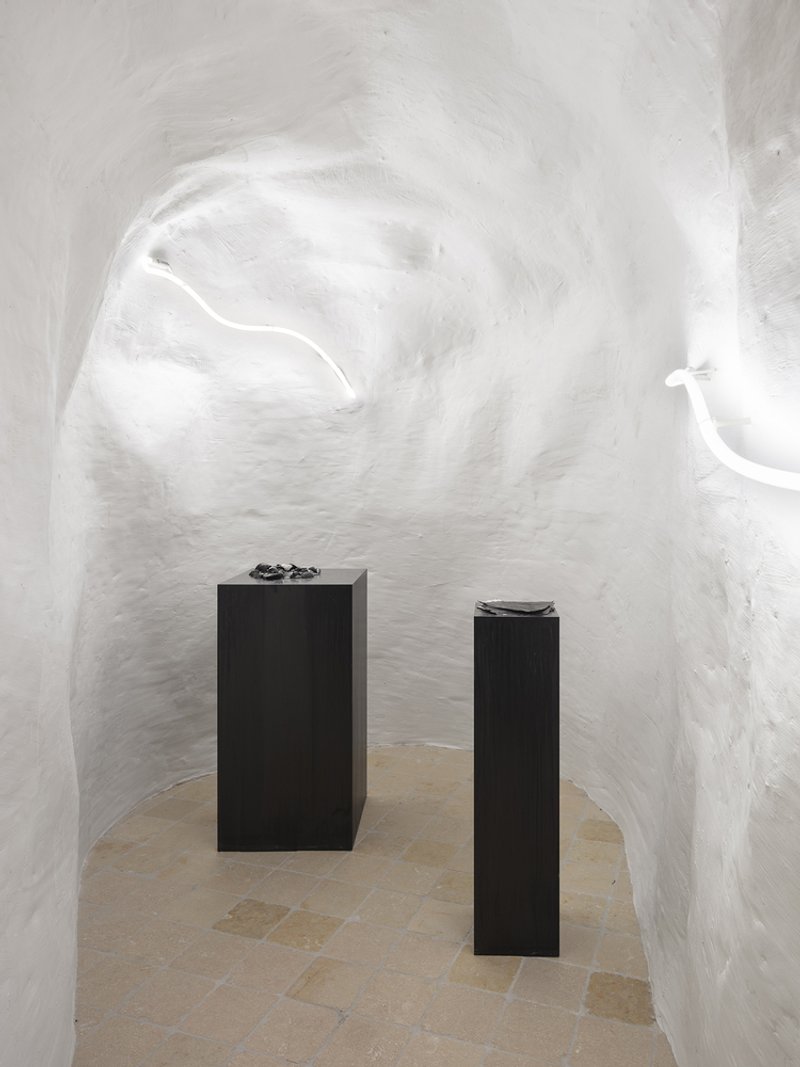
In the heart of Le Brassus, Switzerland, BUREAU's temporary exhibition Selenite Dreams unfolds as an immersive installation that redefines material perception and architectural atmosphere. Designed by Daniel Zamarbide, Carine Pimenta, and Galliane Zamarbide, the 24-square-meter space is a poetic homage to plaster as a medium of transformation, drawing connections between ancient mythology, modernist provocation, and contemporary material discourse.
Plaster as a Philosophical Medium
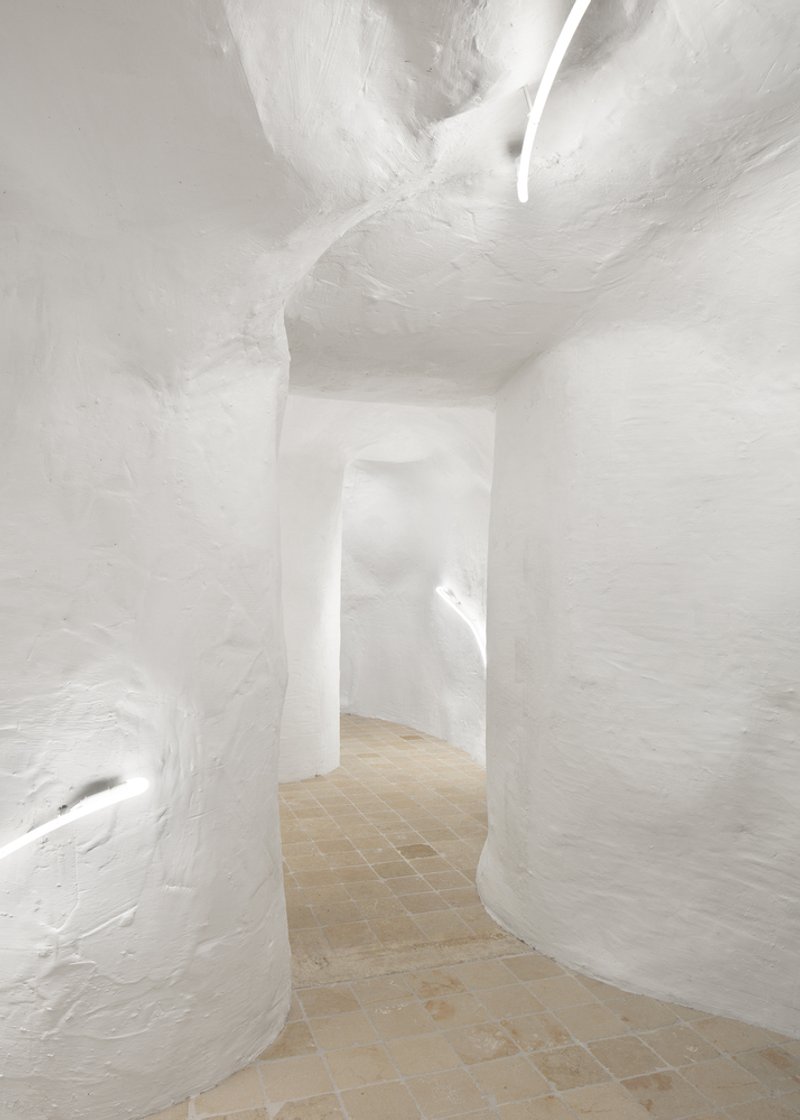
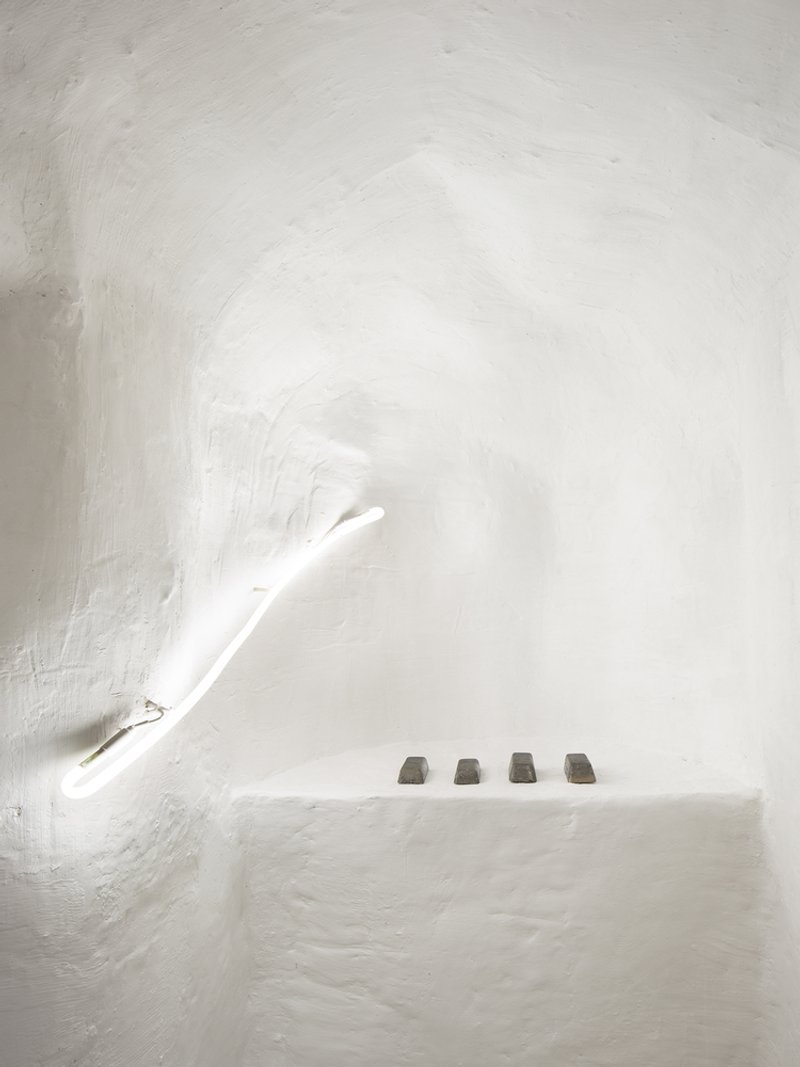
At its core, Selenite Dreams engages with plaster not just as a construction material, but as a metaphor for the elasticity of architectural thought. The installation echoes the ideas of “minor architecture,” inspired by Jill Stoner’s critique of architectural hierarchy. The use of plaster—derived from gypsum, or selenite—evokes fragility, transience, and versatility. Historically relegated to prefiguring masterpieces in sculpture galleries, plaster here steps into the foreground, reclaiming narrative and presence.
Mythology Meets Material
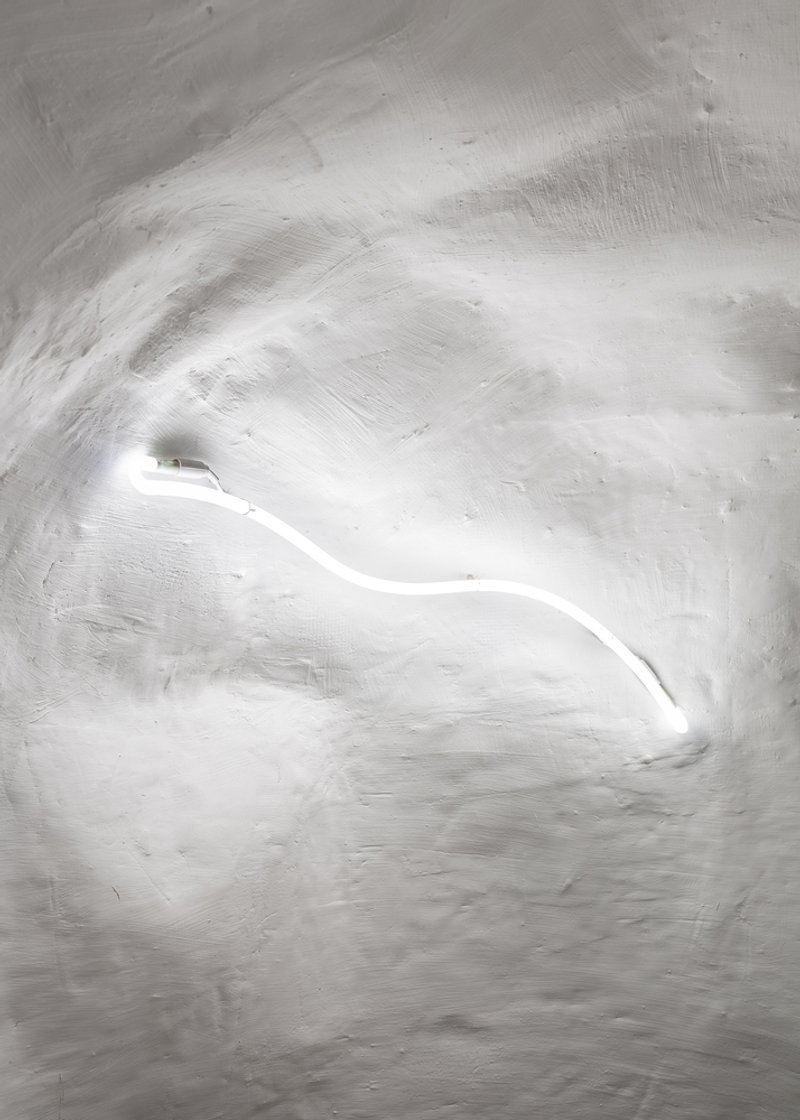
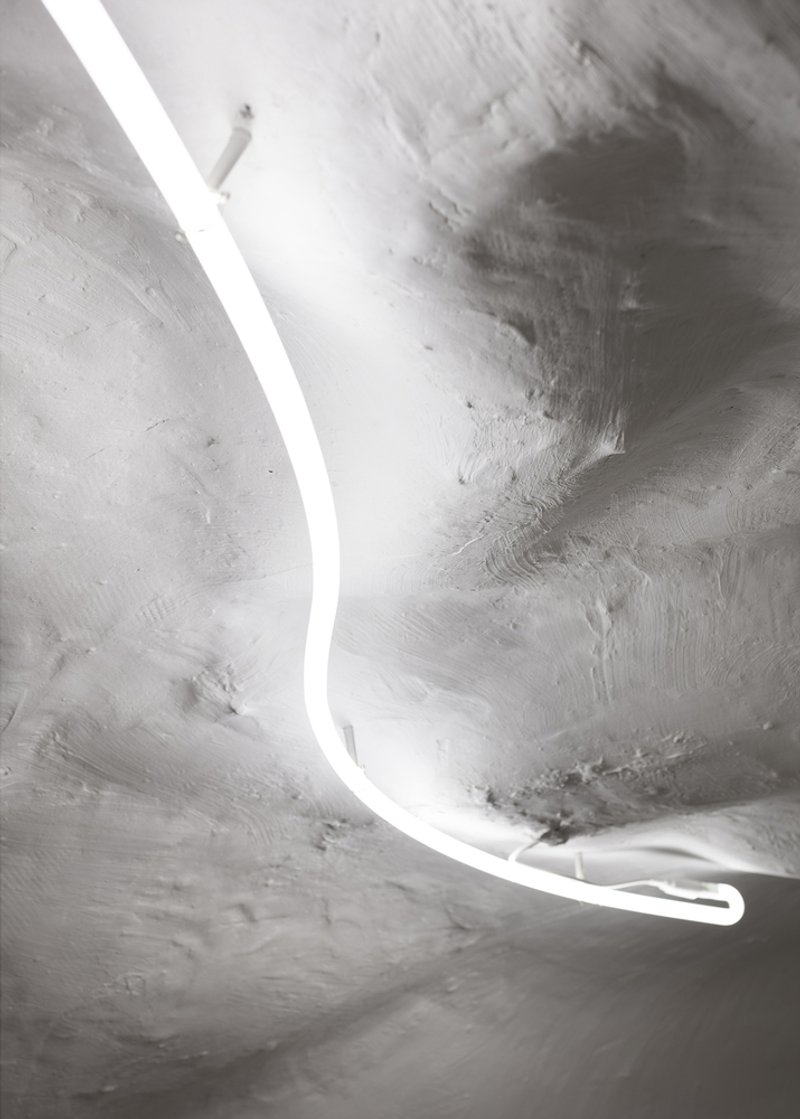
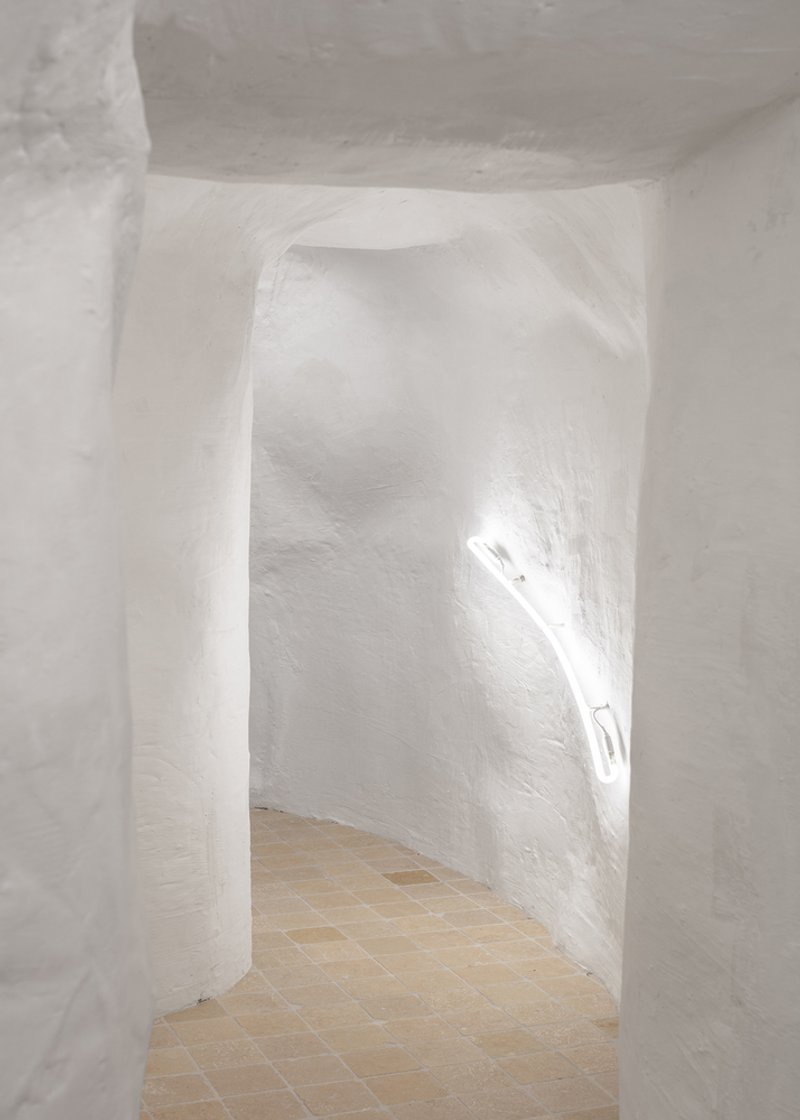
The title "Selenite" refers to the moon-like luminescence of gypsum, conjuring images of Selene, the Greek goddess of the moon. This mystical association is grounded in real-world wonders like the Cueva de los Cristales in Naica, Mexico, where massive selenite crystals inspire surreal reverie. This dreamlike quality becomes central to the spatial narrative, as viewers wander through the exhibition’s white grotto, a cocoon-like void that dissolves the boundaries between space and sculpture.
Surrealist Influences and Historical Echoes
The installation pays subtle tribute to Salvador Dalí’s 1939 “Dream of Venus” pavilion, a surrealist counterpoint to modernist utopias at the New York World’s Fair. Like Dalí’s plaster-laden dreamscape, Selenite Dreams offers a Gesamtkunstwerk—a total artwork where architecture, material, light, and myth entwine.
From Healing to Hallucination
Beyond its aesthetic value, plaster is explored for its medicinal and emotional connotations. Frequently used in orthopedics, the material symbolizes healing, immobilization, and rest. Here, those associations transform into spatial and psychic calm—an invitation to pause, reflect, and explore the material as both physical form and mental scape.
Spatial Alchemy and Artistic Collaboration
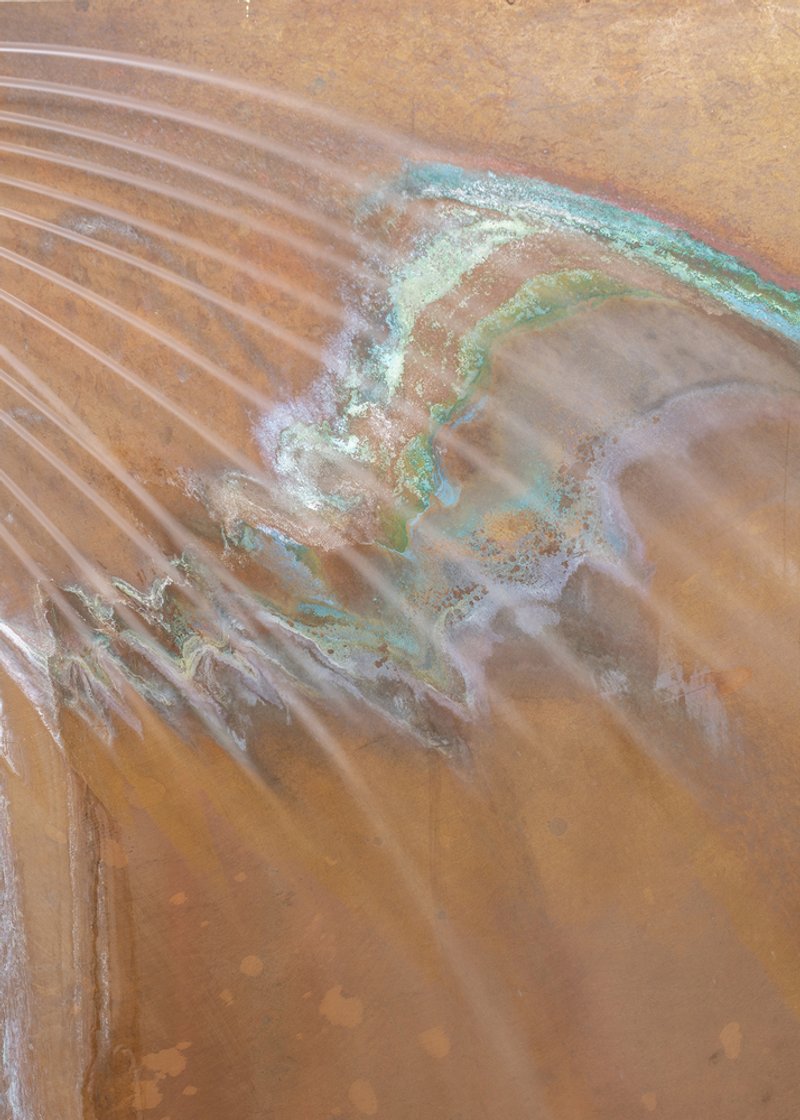
Set within a refined space originally conceived by Bjarke Ingels Group (BIG), the exhibition reconfigures a corporate-modernist backdrop into a delicate terrain. Artworks by Nina Beier, Latifa Echakhch, Raphael Hefti, Olivier Laric, and Christodoulos Panayiotou, among others, are nestled within this sensory landscape. Walls curve, vaults arch, and plaster melts into undefined contours—echoes of Dalí’s distorted dream logic.
The result is an architectural space that sheds the rigidity of the traditional white cube. Instead, it fosters a topological fluidity, allowing art and architecture to merge into a seamless dreamscape.
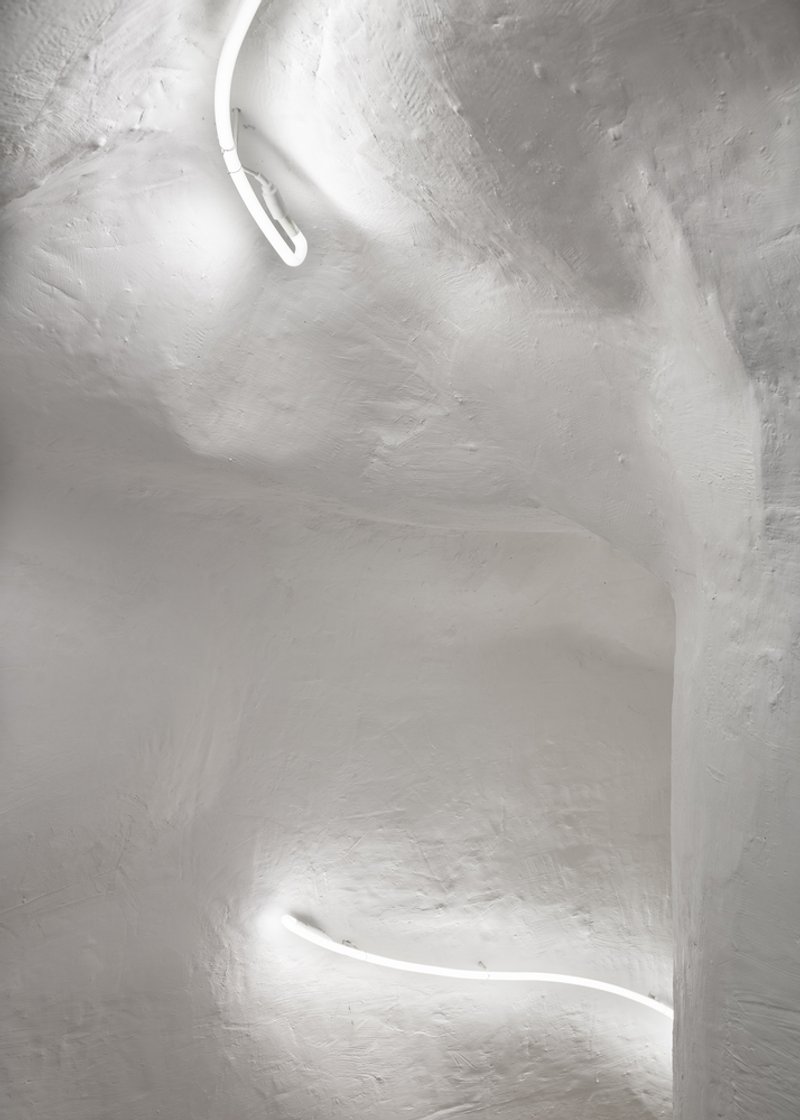
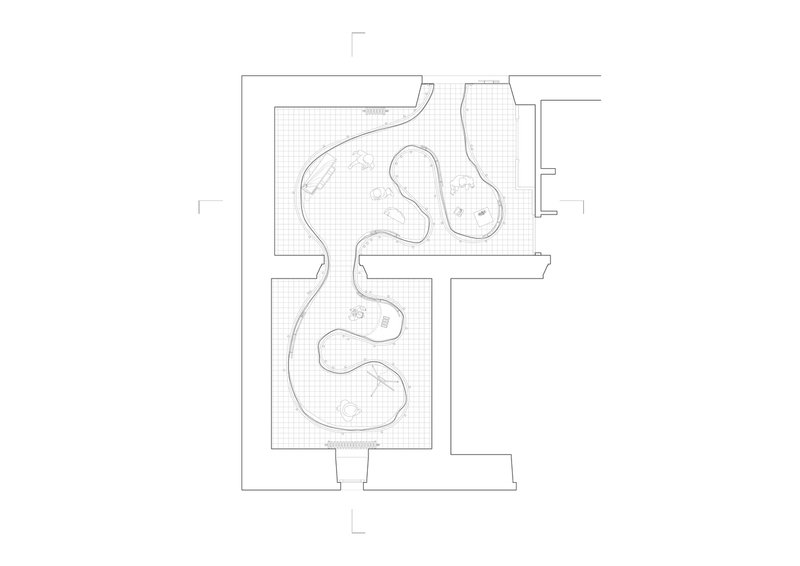
All Photographs are works of Dylan Perrenoud



Popular Articles
Popular articles from the community

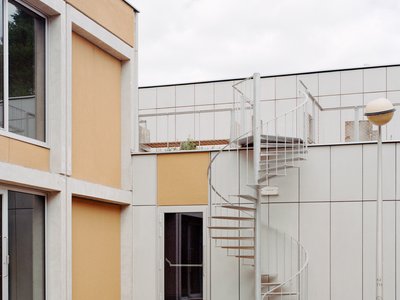
MAKER architecten Rewire a 1972 Brutalist Dormitory on the VUB Campus as a Living Lab
A modular renovation strategy in Belgium breathes new life into Willy Van Der Meeren's modernist student housing without erasing its concrete bones.
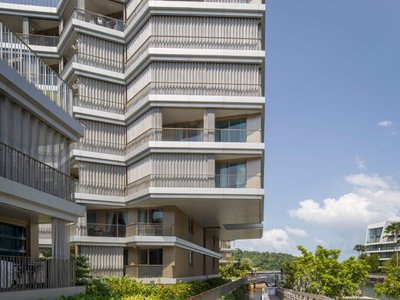
KCAP and DCA Architects Build a Stepped Urban Village on Singapore's King's Dock Waterfront
A 26,000 square meter residential development in Singapore trades tower isolation for terraced courtyards and a planted promenade along the harbor.
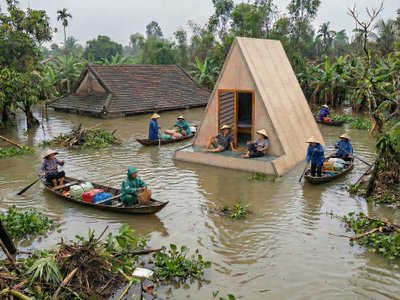
CTA | Creative Architects Designs Triangular Floating Shelters for Vietnam's Flood-Ravaged Communities
A timber-louvered triangular shelter rises on concrete pontoons to keep Vietnamese families safe and together when floodwaters come.
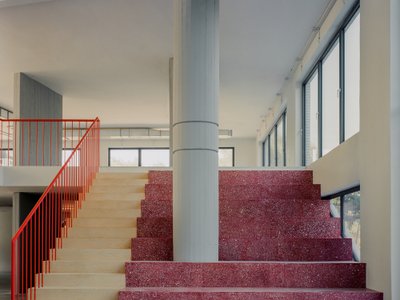
Art 1 Office Strips Athens Back to Its Bones
Neiheiser Argyros transforms a 40-year-old Athens office building into a vivid, materially rich workplace anchored by red steel, exposed concrete, and roof

Similar Reads
You might also enjoy these articles

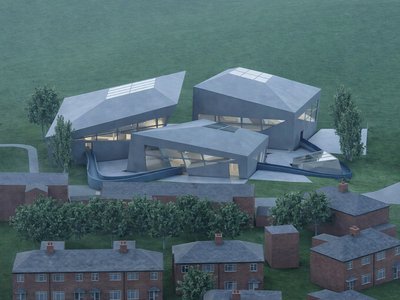
Filtering Space: A Gradual Spatial Experience
From urban intensity to spatial calm.


The Ken Roberts Memorial Delineation Competition (Krob)
As the most senior architectural drawing competition currently in operation anywhere in the world, it draws hundreds of entries each year, awarding the very best submissions in a series of medium-based categories.


Waterfront Redevelopment and Urban Revitalization in Mumbai: Forging a New Dawn for Darukhana
A transformative waterfront redevelopment project reimagining Darukhana’s shipbreaking heritage into an inclusive urban future.

OUT-OF-MAP: A Call for Postcards on Feminist Narratives of Public Space
Rhizoma Design and Research Lab invites artists, designers, architects, researchers, and students to reflect on how feminist perspectives can reshape public space. Selected works will be exhibited in Barcelona, October 2026. Submissions open until 15 April 2026.

Explore Architecture Competitions
Discover active competitions in this discipline




The International Standard for Design Portfolios


The Global Benchmark for Architecture Dissertation Awards


The Global Benchmark for Graduation Excellence

Challenge to design a portable music platform
Comments (0)
Please login or sign up to add comments
No comments yet. Be the first to comment!