

Séraphin of Urtsadzor Shelter: An Immersive Architectural Workshop in the Armenian Caucasus
Séraphin of Urtsadzor Shelter is a collaborative, multi-species architectural workshop in Armenia, blending hands-on construction, ecology, and immersive community experience.


Architects:BUREAU (Daniel Zamarbide, Carine Pimenta, Galliane Zamarbide) + NPATAK |

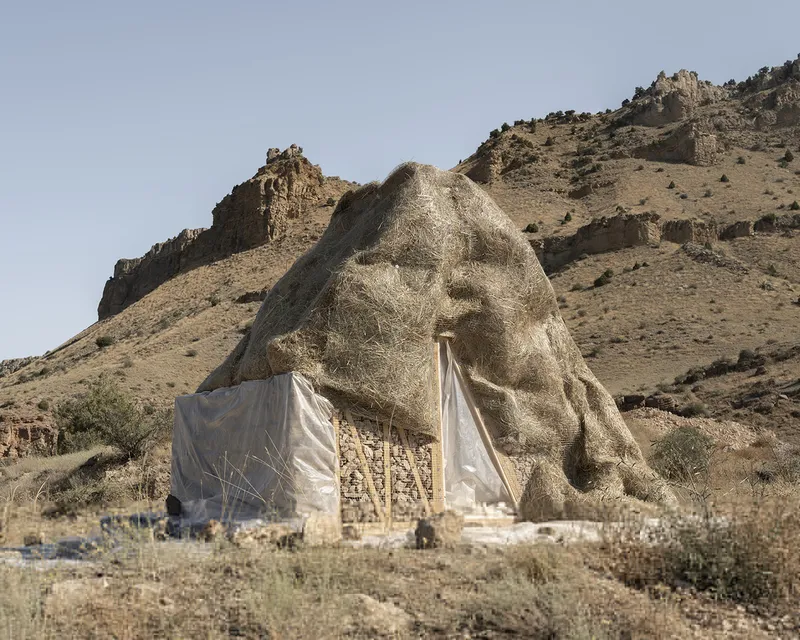
Nestled in the rugged landscapes of the Armenian Caucasus, the Séraphin of Urtsadzor Shelter emerges as an experimental architectural project and immersive workshop led by BUREAU architects: Daniel Zamarbide, Carine Pimenta, Galliane Zamarbide, and NPATAK, alongside fifteen Armenian and international students. Completed in 2024, this small yet conceptually rich 9 m² installation explores collaborative building, multi-species habitats, and temporary community living within a remote and challenging environment.

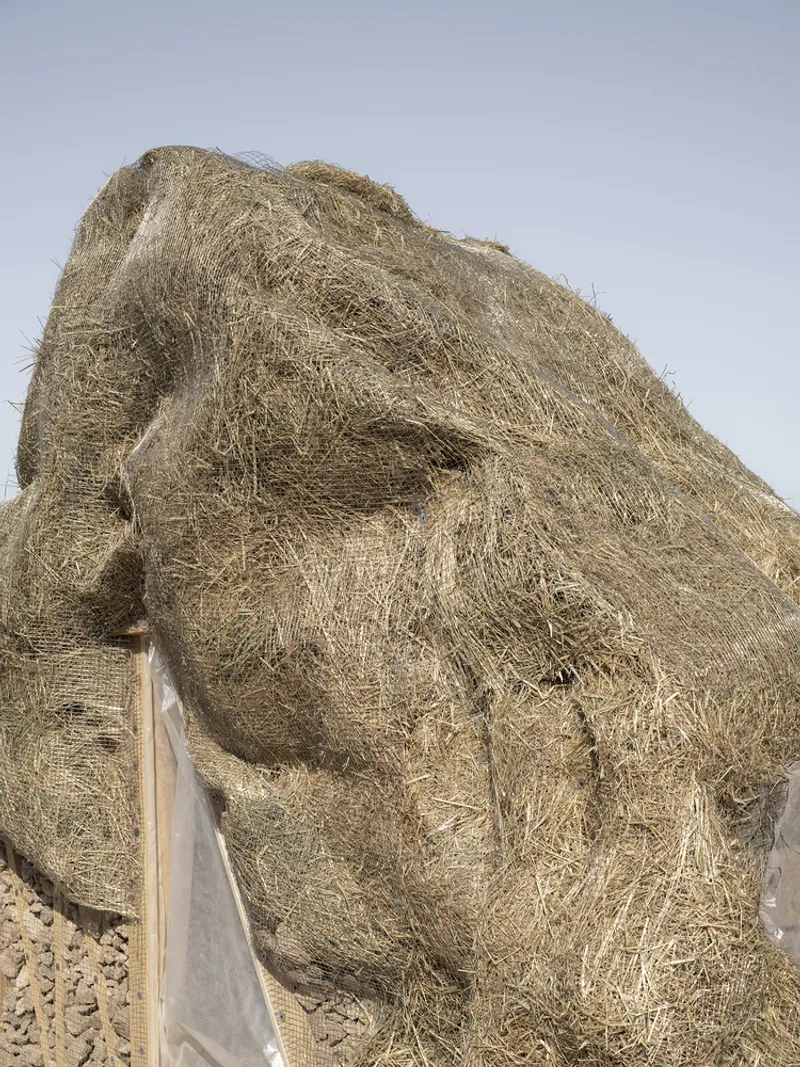
A Unique Summer Workshop in Armenia
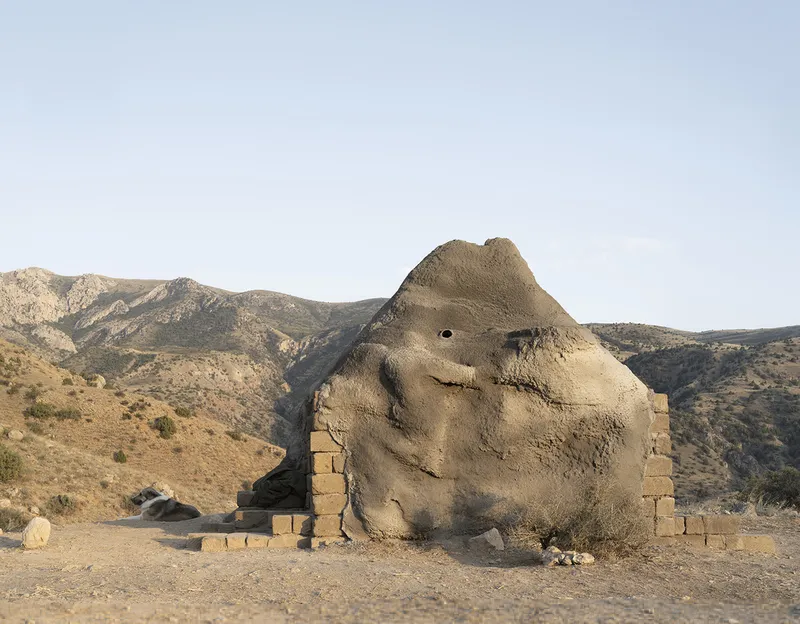
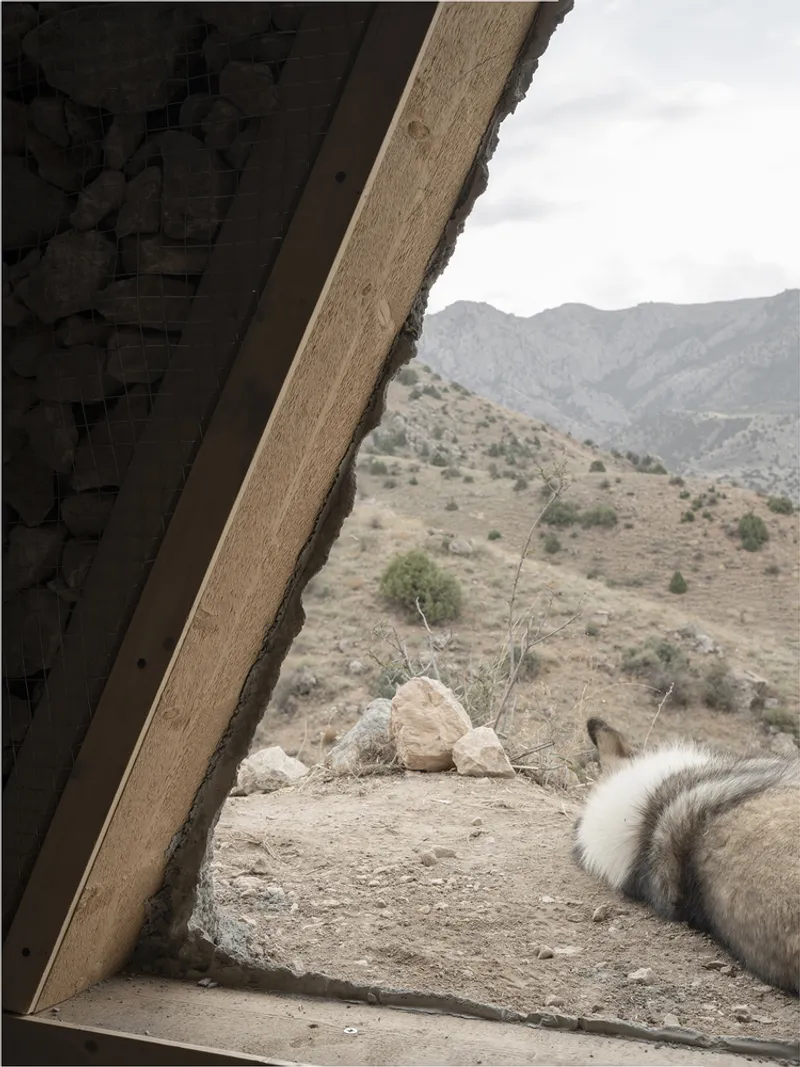
During the summer of 2024, participants engaged in a three-week intensive workshop that combined construction, social interaction, and ecological awareness. Waking at 5:30 a.m., the group worked under the intense Caucasus sun to create a deliberately undefined, multi-species artifact. They shared meals, played football, danced at night, and coexisted with the surrounding wildlife, including wild dogs, horses, mantises, vultures, and occasionally dangerous snakes. From an external perspective, this experience appeared both absurd and beautiful, reflecting a profound connection between humans and their environment.
Literary and Historical Inspiration
The project draws inspiration from Charles Ferdinand Ramuz’s early 20th-century novel Derborence, which recounts a Swiss village devastated by a landslide in 1714, causing the deaths of 15 people and 170 animals. This narrative inspired BUREAU’s architectural trilogy, which began in the Swiss mountains, continued in a French art community, and culminated in the Armenian Caucasus. Unlike the previous works, Séraphin of Urtsadzor is a co-authored creation, emphasizing the collective process of making rather than solely the architects’ design.

Architecture as Dialogue and Experience
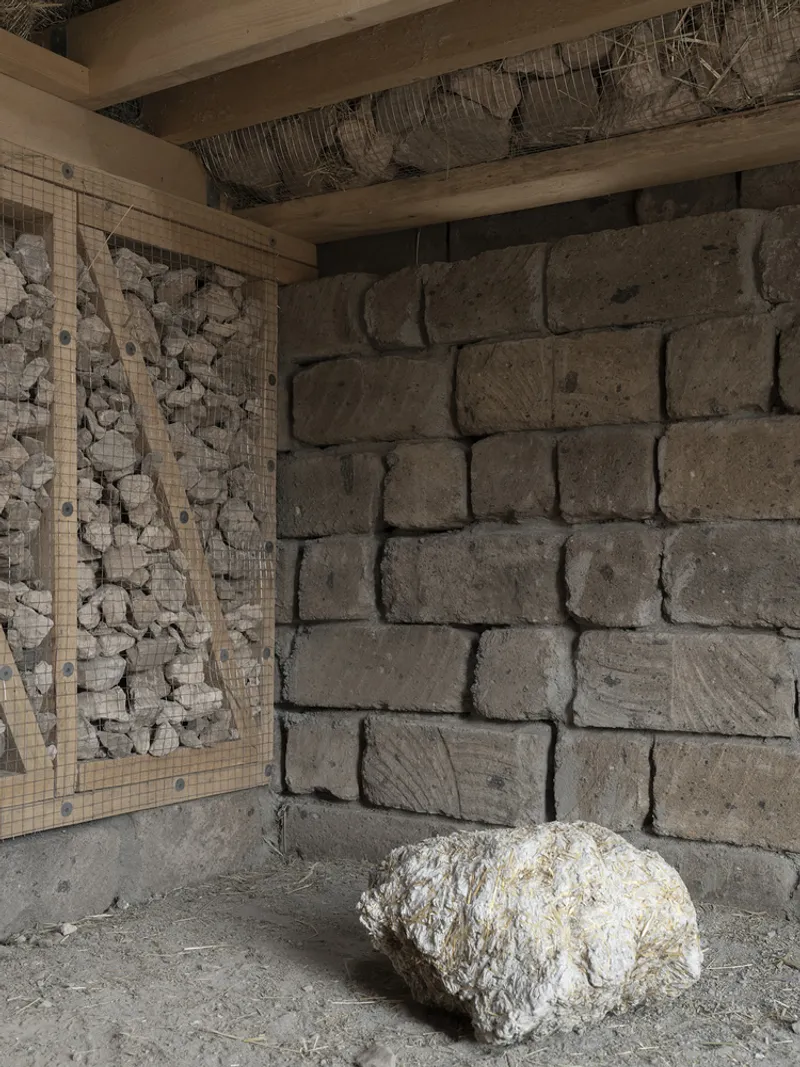
At the core of the project lies a pedagogical approach aimed at dissolving the boundaries between thinking and making. While contemporary architecture often prioritizes theory over physical construction, this workshop embraced hands-on craft, collaboration, and multi-species consideration. Drawing from the ideas of sociologist Richard Sennet, the shelter embodies the principle that creative making emerges from active engagement with the environment, fellow humans, and other living beings. Participants collectively shaped the shelter, fostering a dialogical and immersive design process.

The Shelter: Multi-Species and Open-Ended
Séraphin of Urtsadzor is intentionally open, porous, and adaptable. Constructed from straw and rock, it provides shelter for humans and other creatures, creating a supportive micro-environment within the vast Caucasus landscape. The structure functions as a temporary refuge, gathering point, and ecological intervention, allowing for multiple uses without prescribing a fixed program. It embodies a multi-scalar approach, acknowledging diverse inhabitants while celebrating the act of building as a communal, experimental, and participatory endeavor.


The Séraphin of Urtsadzor Shelter is not just an architectural object but an experience of co-creation, environmental engagement, and experimental living. It challenges traditional architectural hierarchies, emphasizing hands-on craft, collaborative processes, and ecological mindfulness. This project stands as a testament to how architecture can exist beyond utility, becoming a vessel for community, dialogue, and multi-species coexistence.


All photographs are works of Dylan Perrenoud




Popular Articles
Popular articles from the community


Conexión: Biophilic Design Reimagines High-Rise Living in Hong Kong
Conexión reimagines high-rise living in Hong Kong through biophilic design, green facades, shared spaces, daylight, water and nature within.
AL-JANNAH: Sustainable Architecture and Permaculture for Afghan Widows
AL-JANNAH uses sustainable architecture and permaculture to create resilient oasis of housing, learning, work and renewal for Afghan widows.

The Musturak Paradise: Senior Living Architecture for a Connected Future in Temara, Morocco
The Musturak Paradise reimagines senior living architecture in Temara via private homes, social spaces, culture, community, and shared care.

The Ocean Hive: Sustainable Architecture for a Self-Sufficient Civilization at Sea
The Ocean Hive imagines sustainable architecture at sea, where modular habitats, algae, wave power and ocean waste sustain a growing colony.

Similar Reads
You might also enjoy these articles


Hodi-Mandai Geram
Project Function: Preservation and revitalization of the Intangible heritage and socio-spatial identity of the Hodi by Housing, Cultural Memory Center, Sacred Grove, landscape, local tourism economy


Olio Towers: A Mid-Rise for Performers That Fuses Housing, Rehearsal, and Stage
Located blocks from Houston's Theater District, this modular tower stacks living units around a central performance atrium.

Oasis: Modular Green Housing Carved into Dhaka's Urban Fabric
A shortlisted Plugin Housing entry reclaims unauthorized settlements in Dhaka with stepped concrete volumes, green roofs, and ventilation-driven design.

Black Hole: A Floating Megastructure for the Post-Physical Era
Emiliano Mazzarotto envisions a spherical, self-scaling arena where e-sports, digital hotels, and holographic stadiums replace traditional public space.


Explore İshak Şimşek Arhitecture Competitions
Discover active competitions in this discipline



Challenge to design a portable theatre


Challenge to design a portable music platform

Challenge to design an open learning module for the elderly


Challenge to reimagine the Iron Throne
Comments (0)
Please login or sign up to add comments
No comments yet. Be the first to comment!