
Shenjia Garden Intangible Heritage Pavilion: A Landmark in Robotic Brickwork Architecture
Shenjia Garden Pavilion merges tradition with robotic brickwork architecture, showcasing parametric design, intelligent construction, and cultural heritage preservation in Shanghai.

The Shenjia Garden Intangible Heritage Pavilion in Nanqiao Town, Shanghai, designed by Archi-Union Architects in collaboration with TJAD, redefines robotic brickwork architecture. As part of the “Nanqiao Source” renewal plan, this 2,862 m² cultural hub bridges tradition and innovation, integrating local materials, parametric design, and intelligent construction technologies.
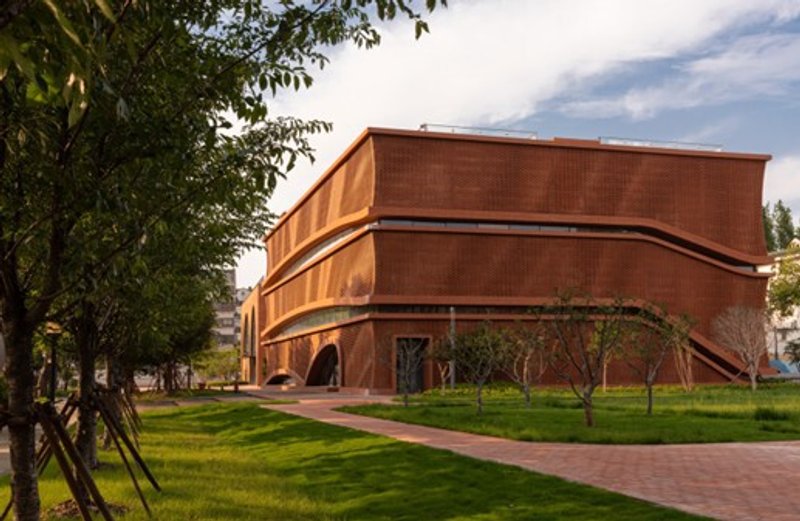
Positioned as a cultural anchor along the Punan Canal, the pavilion unites community life, heritage preservation, and modern craftsmanship into a single architectural narrative.
Urban and Cultural Context
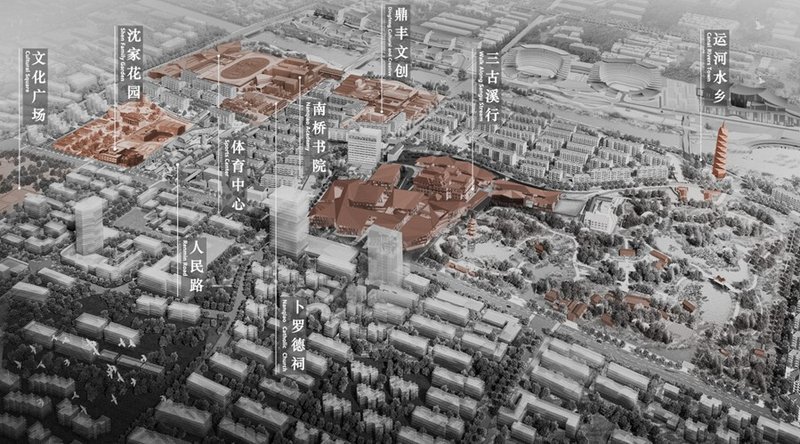
The pavilion is one of nine micro-interventions in the “One River ∙ Nine Beads” urban acupuncture strategy for Fengxian District. Sited within the historic Shenjia Garden, it maintains harmony with the surrounding heritage buildings by adopting horizontal massing instead of competing vertically.
An offset entrance preserves the garden’s axial view, while a restrained material palette of clay brick, fair-faced concrete, and glass establishes a chromatic dialogue with the site’s historic masonry.
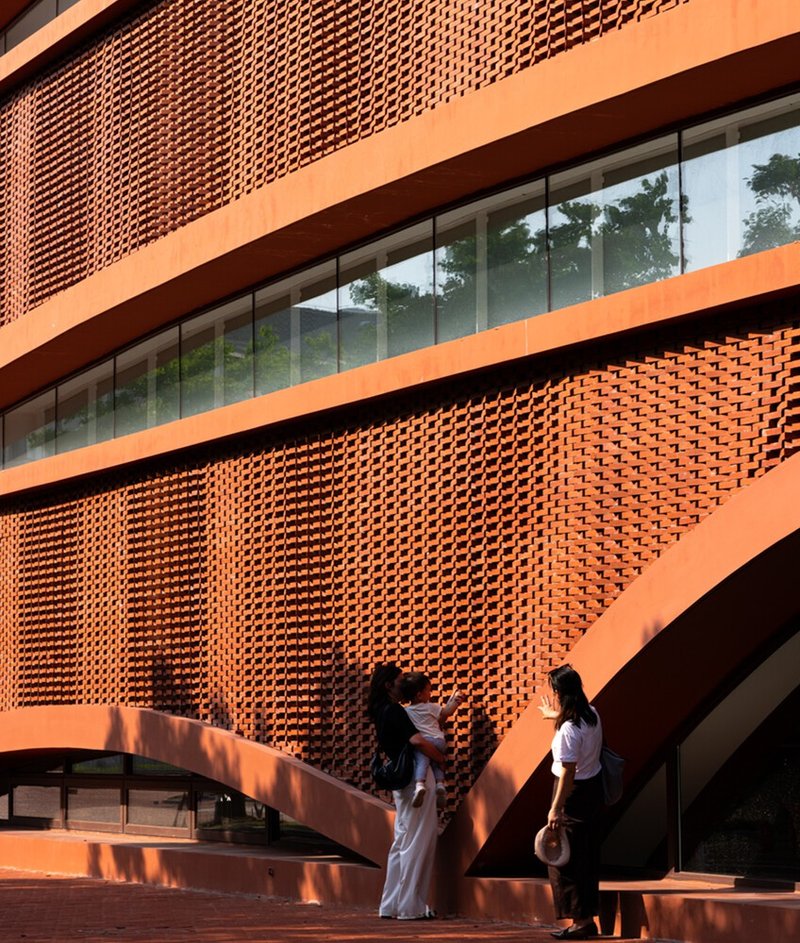
The Parametric Brick-Weave Façade
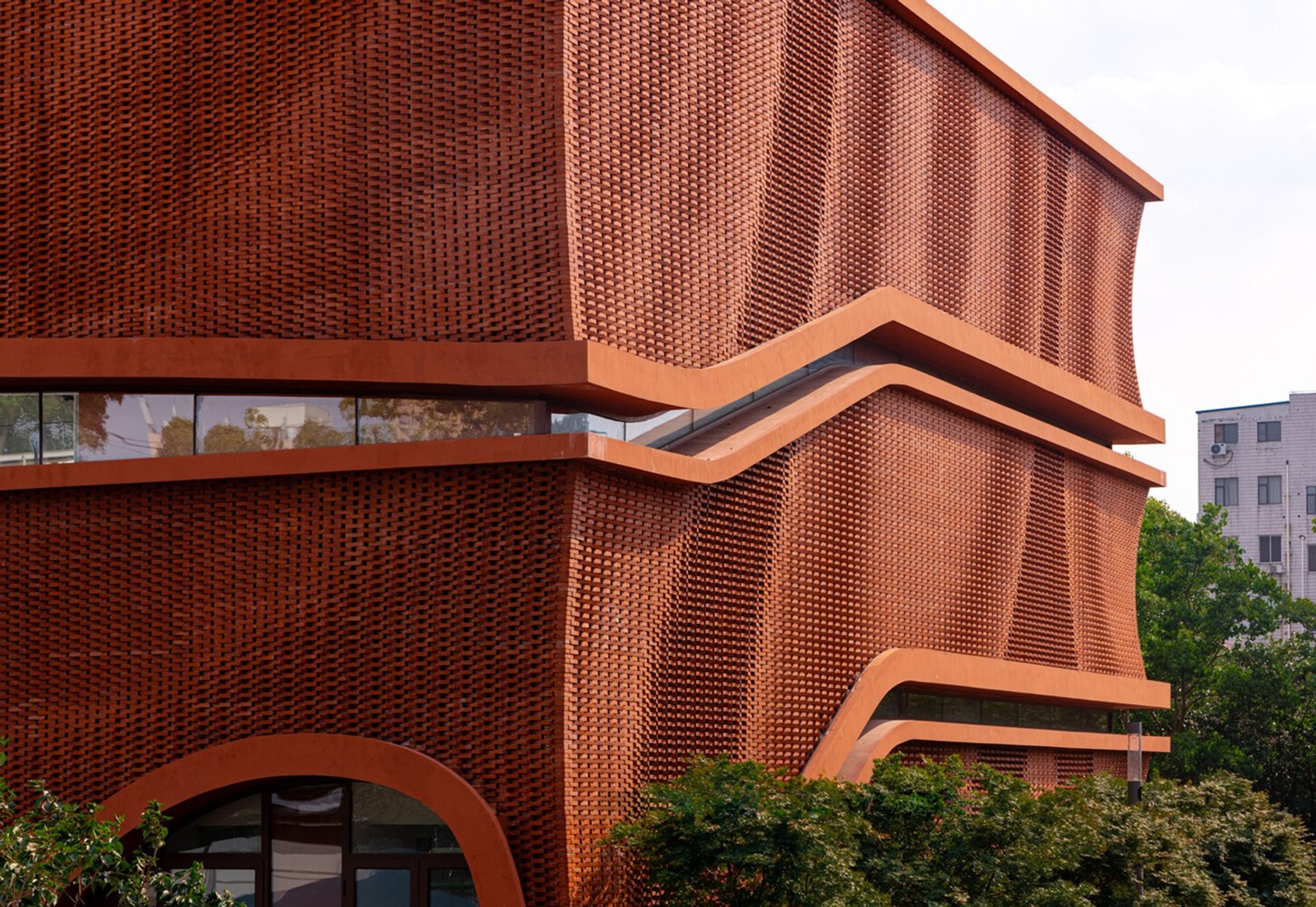
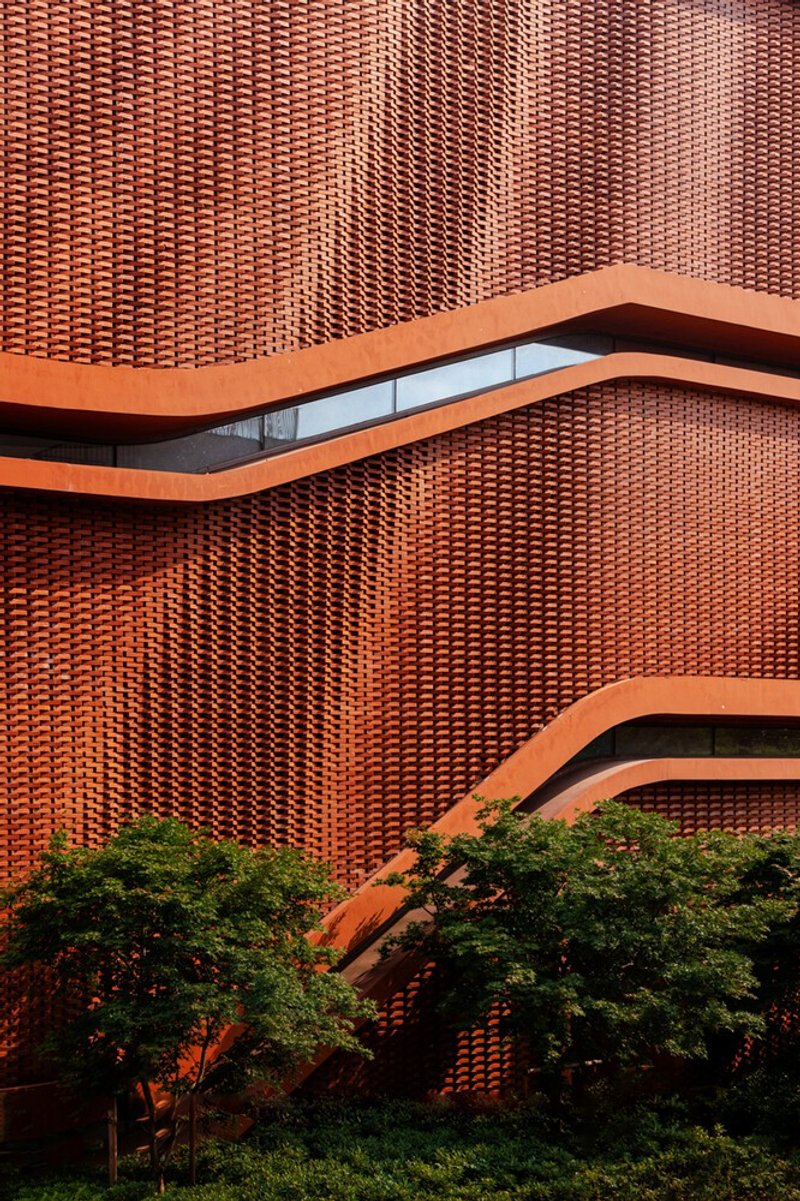
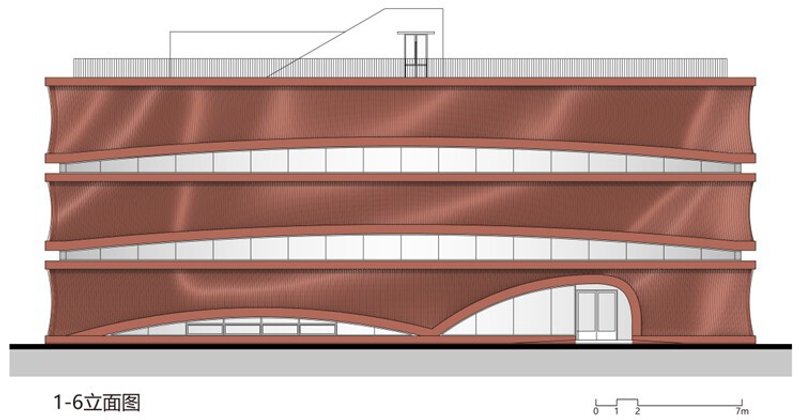
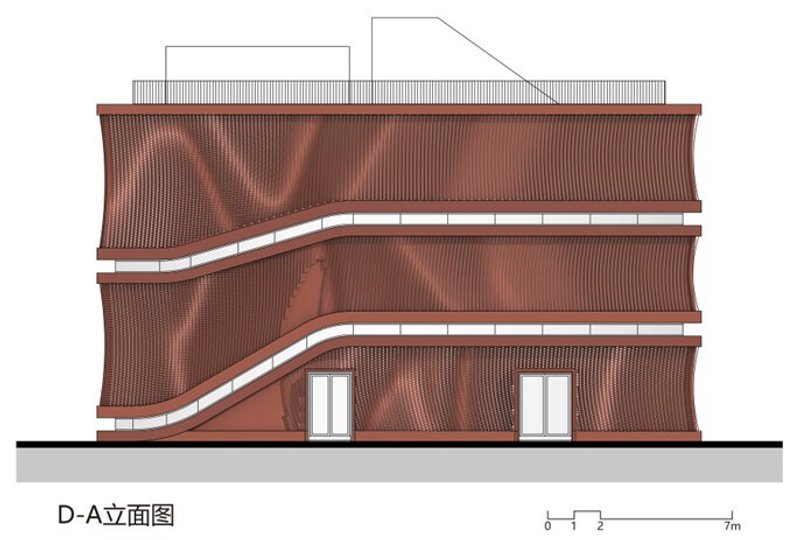
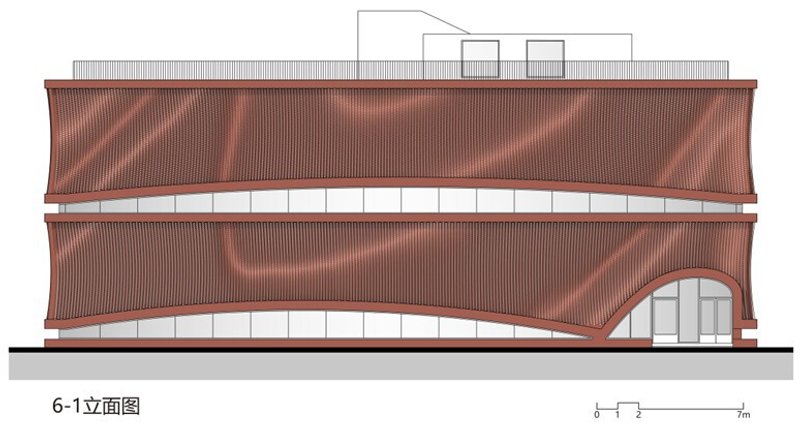
The most striking feature of the pavilion is its parametric brick-weave screen. Inspired by the natural imagery of “wind skimming water,” the façade is generated through algorithmic rotations and projections of uniform clay bricks. The result is a ripple-like texture that functions as sun-shade, secondary structure, and cultural symbol.
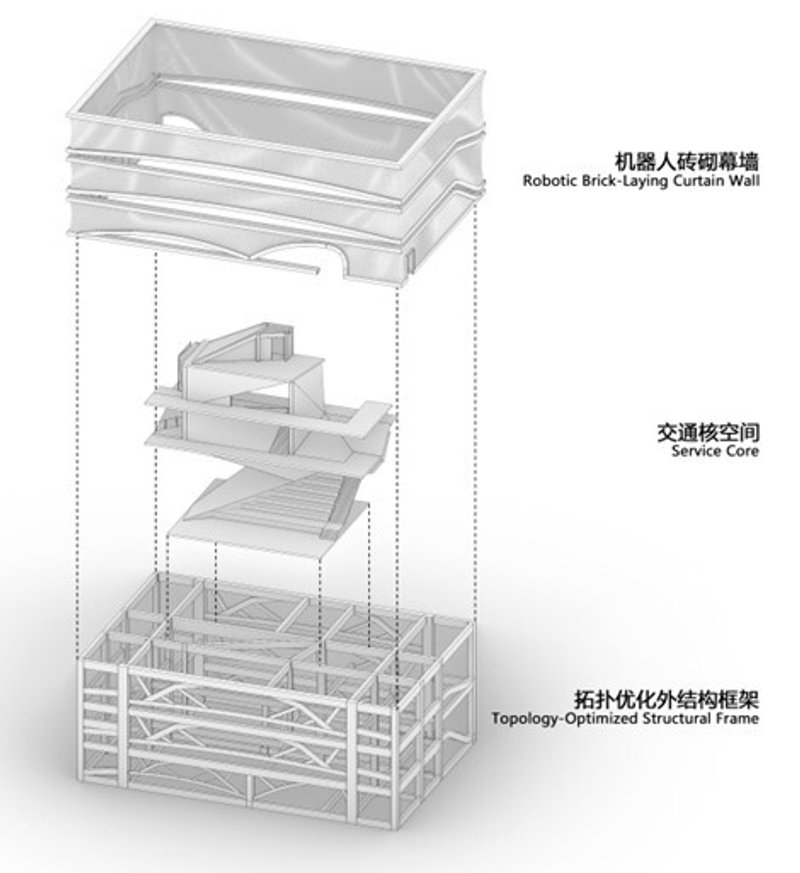
Behind the screen, a steel sub-frame ensures stability, while calculated apertures regulate natural light and passive cooling, turning a traditional building material into a flexible, high-performance architectural textile.
Robotic Masonry: Precision in Construction
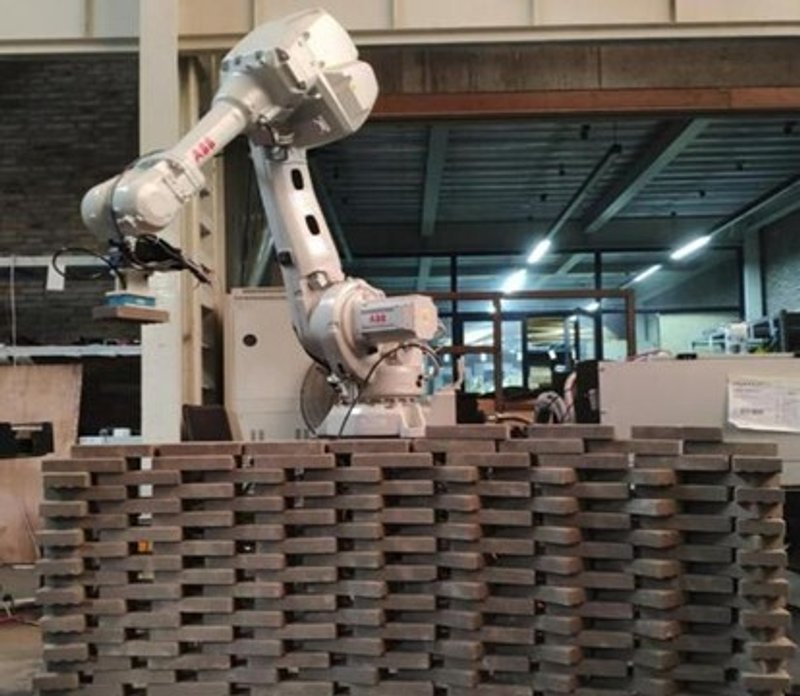
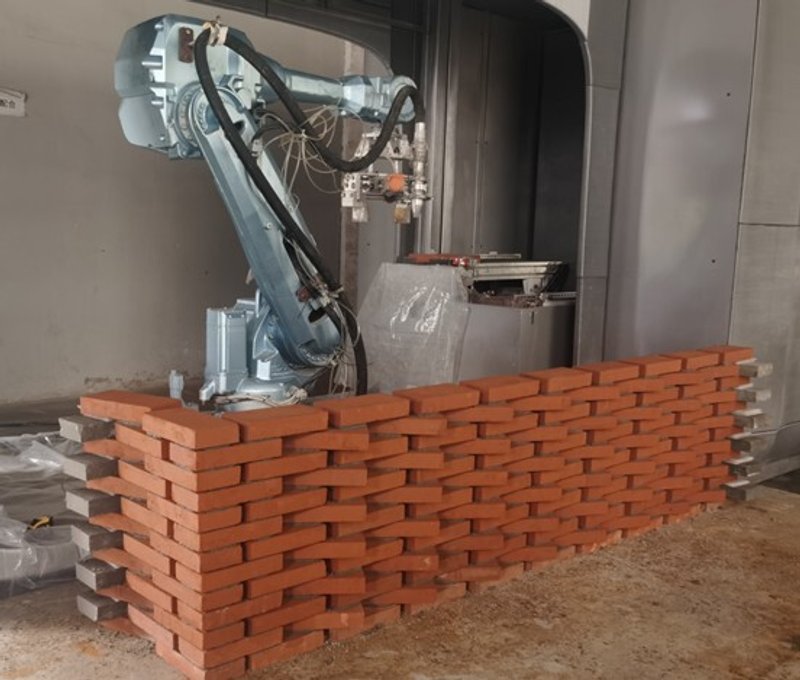
Central to the pavilion’s architectural innovation is its robotic brickwork fabrication process. Using a direct design-to-manufacture workflow, brick coordinates from the parametric model are transferred to industrial robots for off-site assembly.
This process allows for dry-connection installation without scaffolding, reducing on-site construction time by 30% and material waste by 40%. Replaceable hanging joints extend the lifespan of the façade, setting a new benchmark for sustainable cultural architecture.
Interior as Structural and Environmental Performance
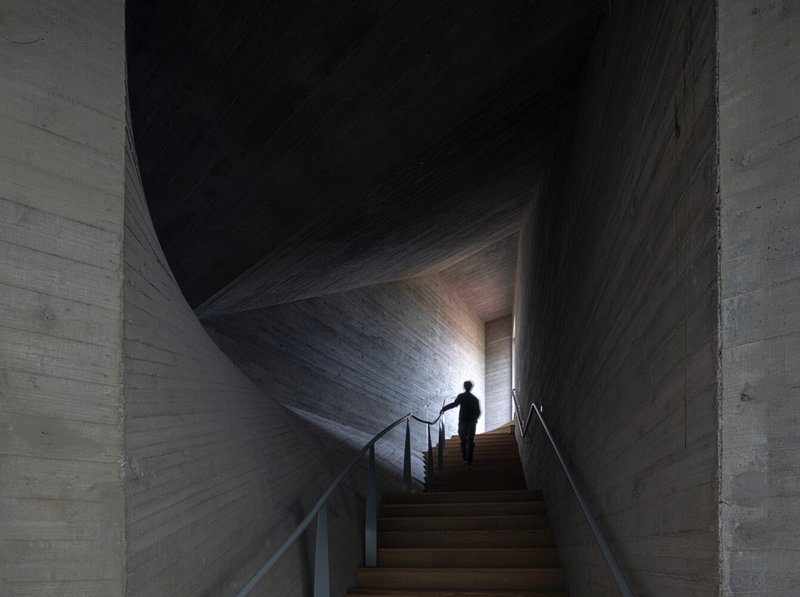
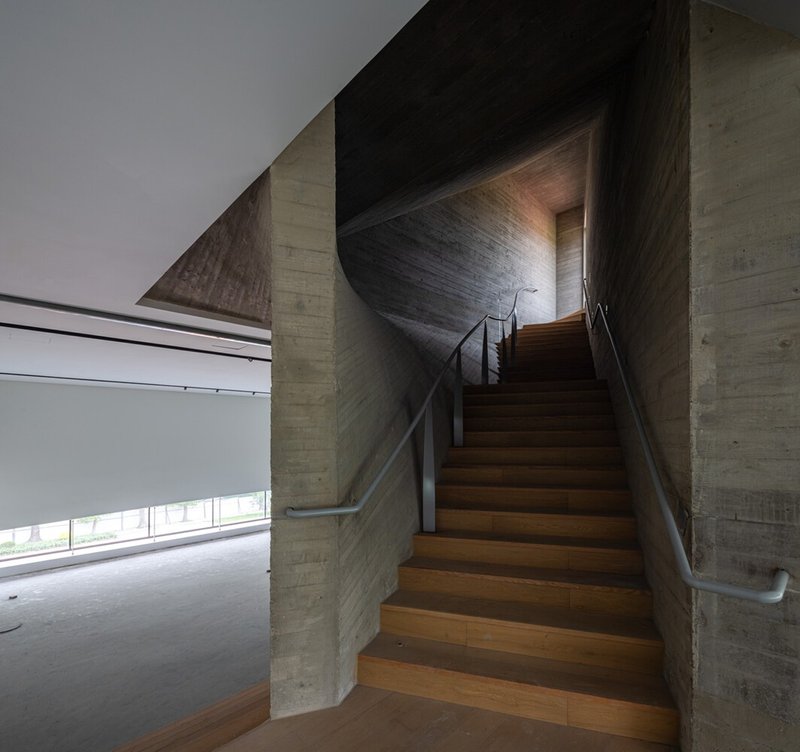
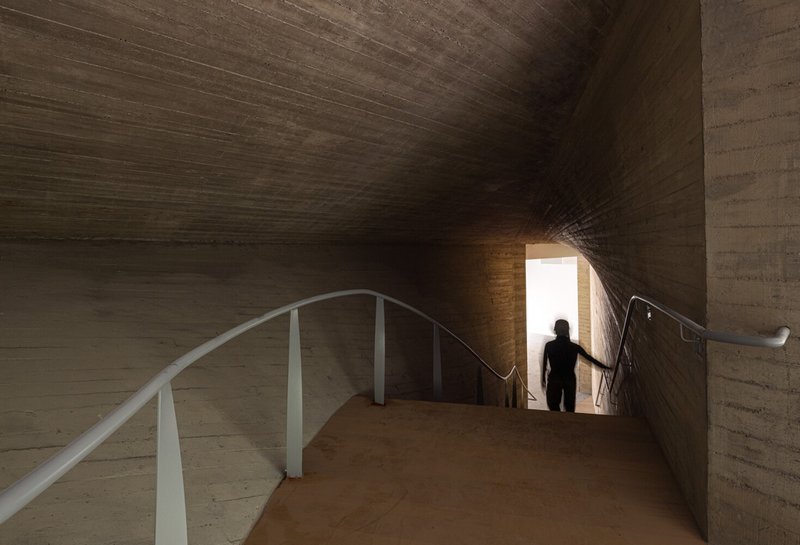
Inside, the design avoids decorative excess in favor of structural and environmental orchestration. A three-storey folded-plate concrete core, generated using Bidirectional Evolutionary Structural Optimisation (BESO), serves as both load-bearing spine and climatic chimney.
Cantilevered stair treads align with tension zones, and skylights create dynamic light patterns that recall structural stress fields. The integration of stack-effect ventilation and the self-shading brick façade ensures passive cooling during transitional seasons.
A 24×12 m column-free hall with movable partitions allows the space to shift between exhibitions and craft workshops, supporting both cultural programming and community engagement.
Structural Logic and Formal Continuity
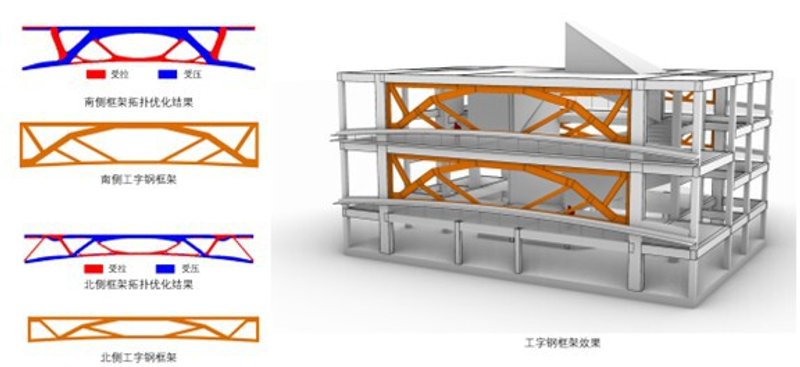
The building’s north-south frames are optimised through structural topology algorithms to reduce member count and joint complexity. The undulating brick façade and steel skeleton form a unified design language, aligning aesthetics with structural necessity—a key hallmark of advanced robotic brickwork architecture.
A New Model for Cultural Infrastructure
The pavilion performs three intertwined roles: It is a vessel of cultural memory, housing exhibitions and workshops; A demonstrator of intelligent construction, showing how local materials can be digitally reinterpreted; And an urban catalyst, connecting the historic villa with the canal promenade and enhancing daily cultural life.
The Shenjia Garden Intangible Heritage Pavilion exemplifies how robotic brickwork architecture can merge heritage and technological innovation. By reimagining traditional clay brick through parametric algorithms and robotic fabrication, the pavilion offers a contemporary architectural language that both respects history and embraces the future.
All the photographs are works of Shengliang Su




Popular Articles
Popular articles from the community


On the Brooks House by Monsoon Collective – A Contemporary Kerala Home Rooted in Tradition
Kerala home blending tradition and modernity with water-inspired design, brick architecture, courtyard planning, and sustainable rainwater harvesting strategies.

Louis Malle Cinema: A Limestone Cultural Landmark Revitalizing Community Life in Prayssac
Limestone cinema extension with public forecourt, blending heritage and modern design to create flexible cultural spaces and strengthen community interaction.

Solar Steam: A Climate-Responsive Architecture That Redefines the Monument
A climate-responsive memorial architecture that transforms heat, decay, and time into a living system reflecting humanity’s ecological impact.
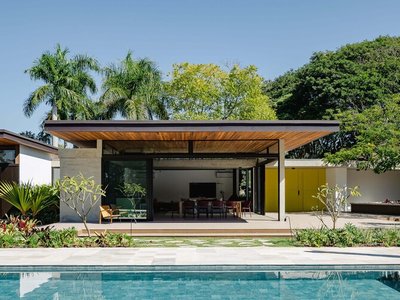
Flamboyant House by Juliana Camargo + Prumo Projetos
Modern Brazilian house integrating existing tree, pool, and volumes with glass, wood, and transitional spaces blending interior, exterior, and landscape seamlessly.


Similar Reads
You might also enjoy these articles


Bamboo Housing Challenge 2026: Design Affordable, Sustainable Homes Using Bamboo
An international design competition by Bamboo U and IBUKU inviting architects and designers to reimagine affordable housing using bamboo — with the winning design built full-scale in Bali.

Computational Design & Education: Beegraphy Design Awards Introduces 7th Category (Featuring Jiyun's Innovative Approach)
Dive into Beegraphy’s 7th Design Awards category, where computational design meets education to create immersive, interactive learning tools, inspired by Jiyun’s work.

From Parametric Lighting to Urban Furniture: Join the 2nd Workshop in Beegraphy’s Computational Design Series
Dive into Cutting-Edge Design Techniques and Practical Applications with Industry Experts

Introducing Sphere by UNI: Pioneering a New Era in AEC Industry
Unlocking Global Potential with BIM and Agile Management


Explore Architecture Competitions
Discover active competitions in this discipline




The International Standard for Design Portfolios


The Global Benchmark for Architecture Dissertation Awards


The Global Benchmark for Graduation Excellence


Challenge to reimagine the Iron Throne
Comments (0)
Please login or sign up to add comments
No comments yet. Be the first to comment!