
Shoji-Inspired Japanese House Design in Minato-ku by FujiwaraMuro Architects
A contemporary shoji-inspired home in Osaka blending Japanese tradition with modern design through gardens, floating rooms, and lantern-like architecture.


A Traditional Aesthetic Reimagined in Modern Urban Japan
FujiwaraMuro Architects has masterfully redefined Shoji-inspired Japanese house design with their latest project—an intimate 65 m² private lodging in Minato-ku, Osaka. Situated along a major street, the narrow site presents both a challenge and an opportunity to explore spatial layering, cultural motifs, and architectural storytelling through the lens of contemporary Japanese design.
The Shoji Concept as Architectural Language
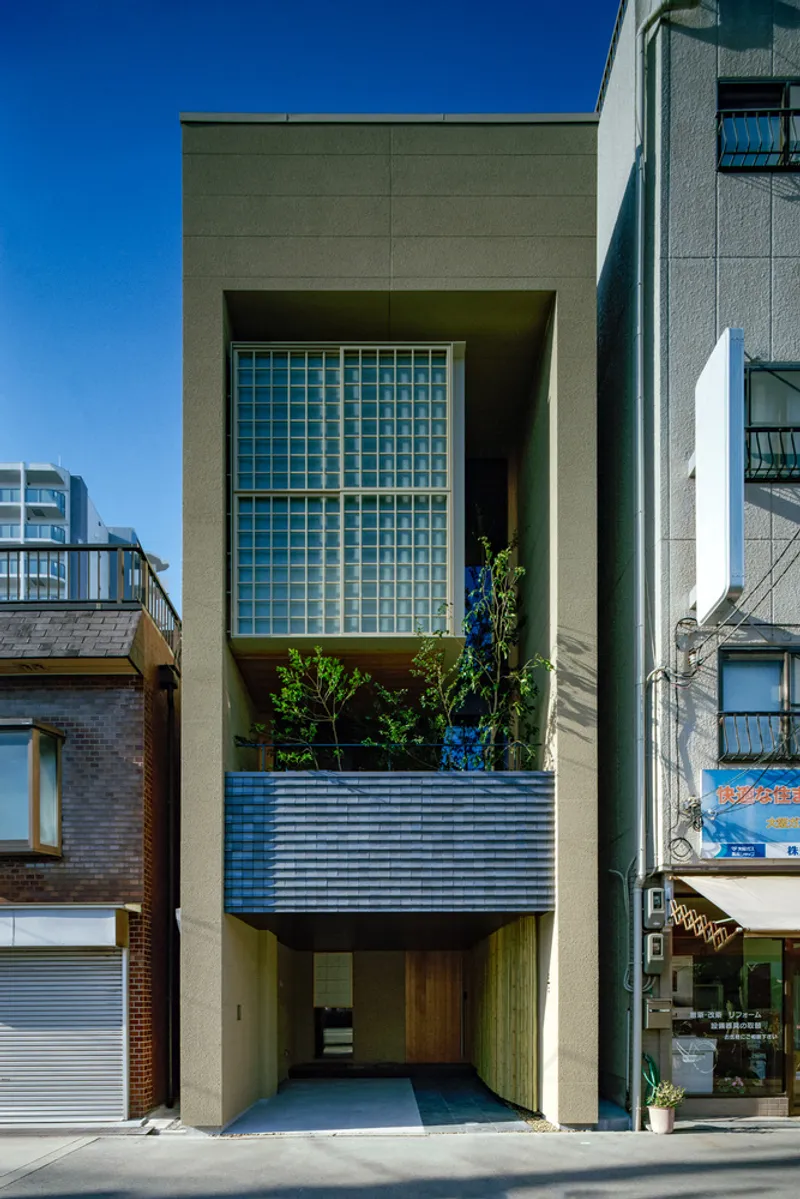
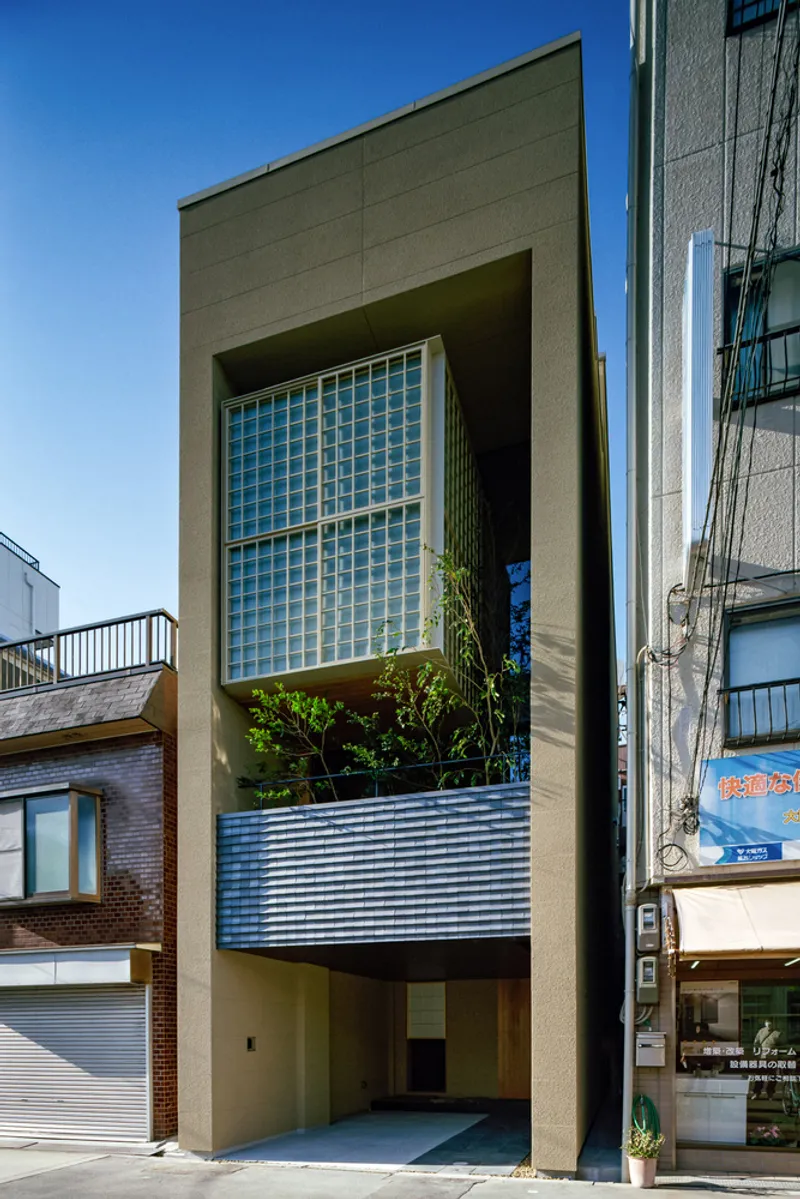
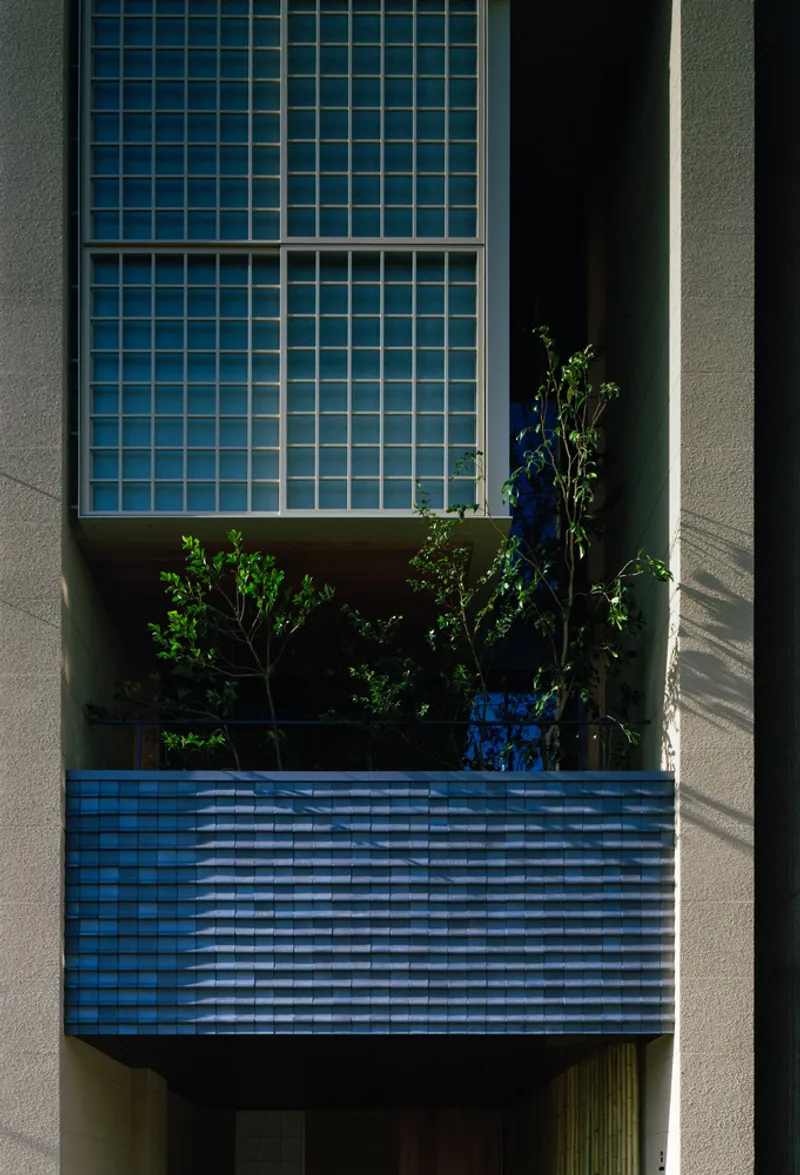
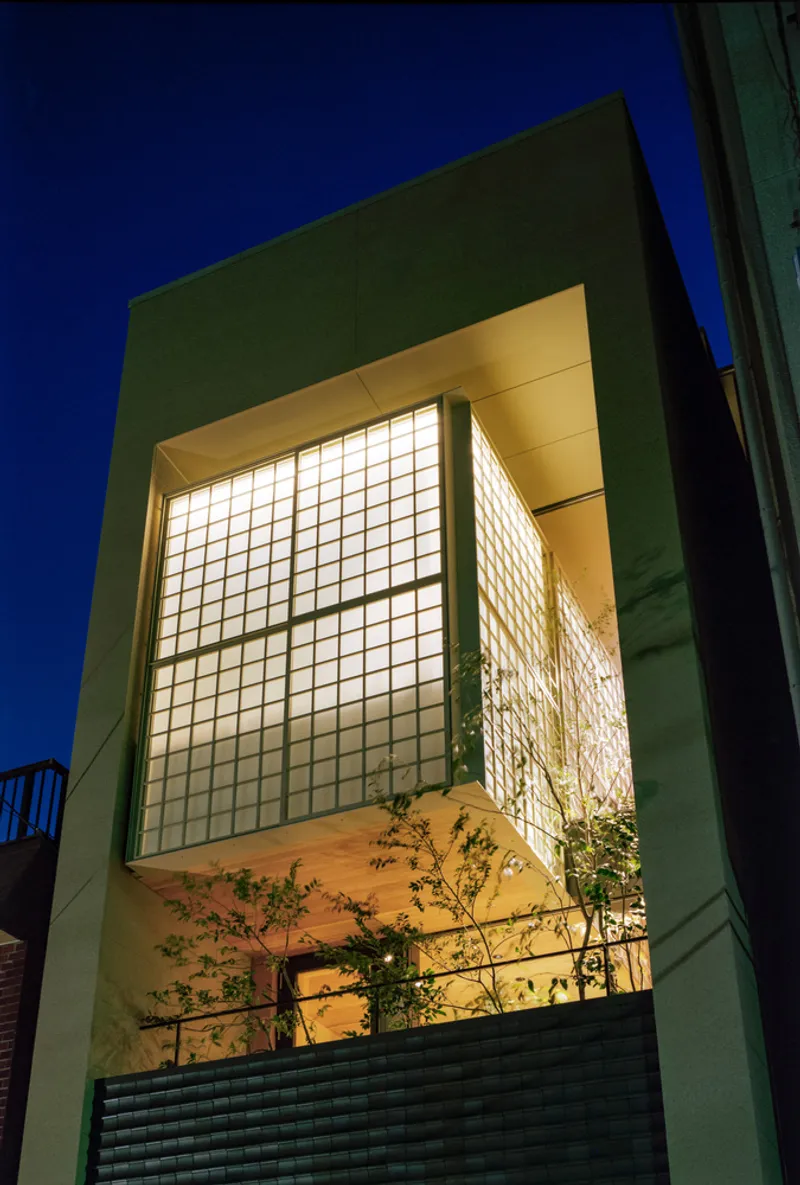
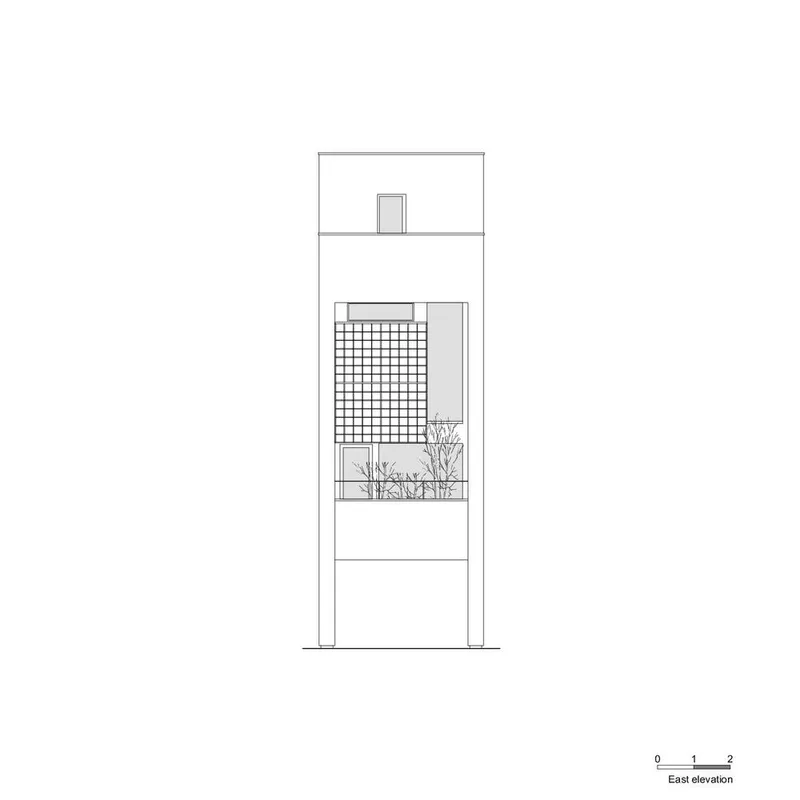
At the heart of the project is the shoji screen—a traditional Japanese element made of wood lattice and translucent paper. Here, it becomes more than just a material detail; it forms the conceptual backbone of the entire house. From the exterior, a glowing “floating shoji box” rises above the streetscape, evoking the quiet elegance of a lantern. This architectural feature is not only a visual anchor but also sets the tone for the sequence of experiences that unfold inside.
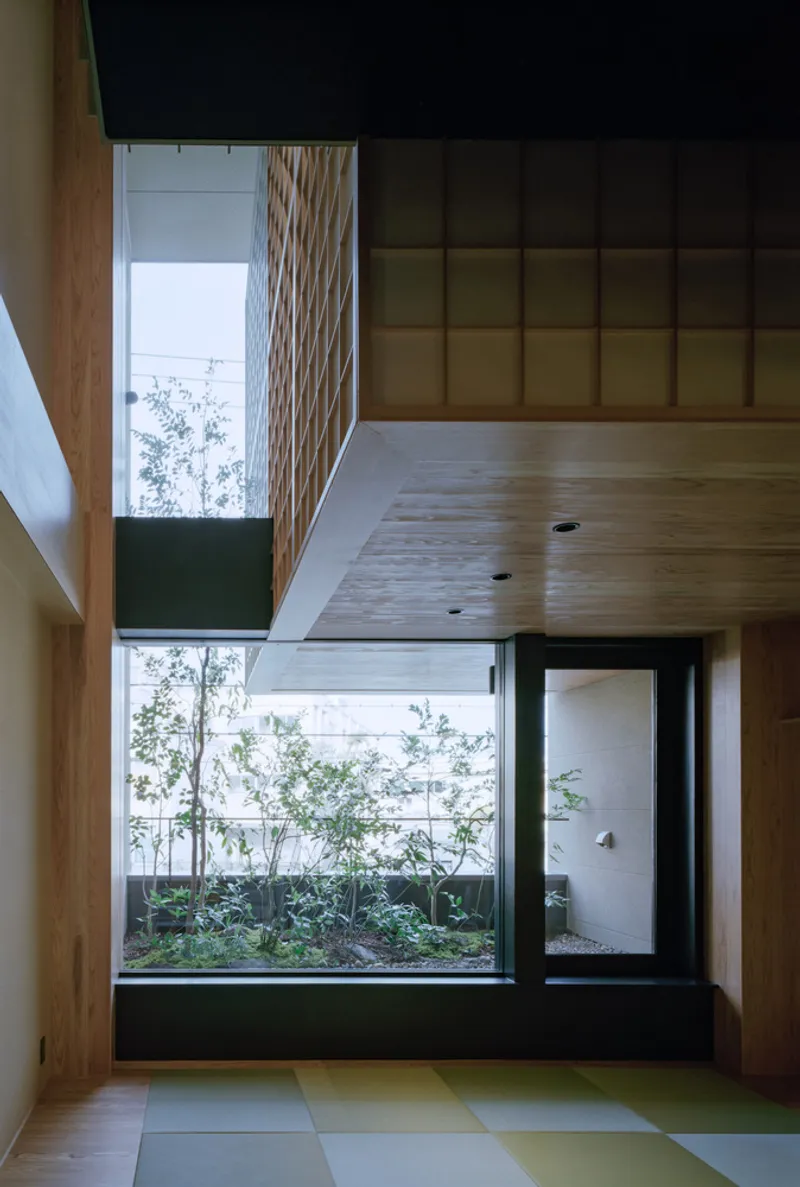
The client’s request was specific: they wanted a space that reflected the spirit of traditional Japanese architecture. FujiwaraMuro responded with subtlety and sophistication, translating the tea room aesthetic and engawa-style transitions into a modern vertical home.
Entering Through Layers of Nature and Light
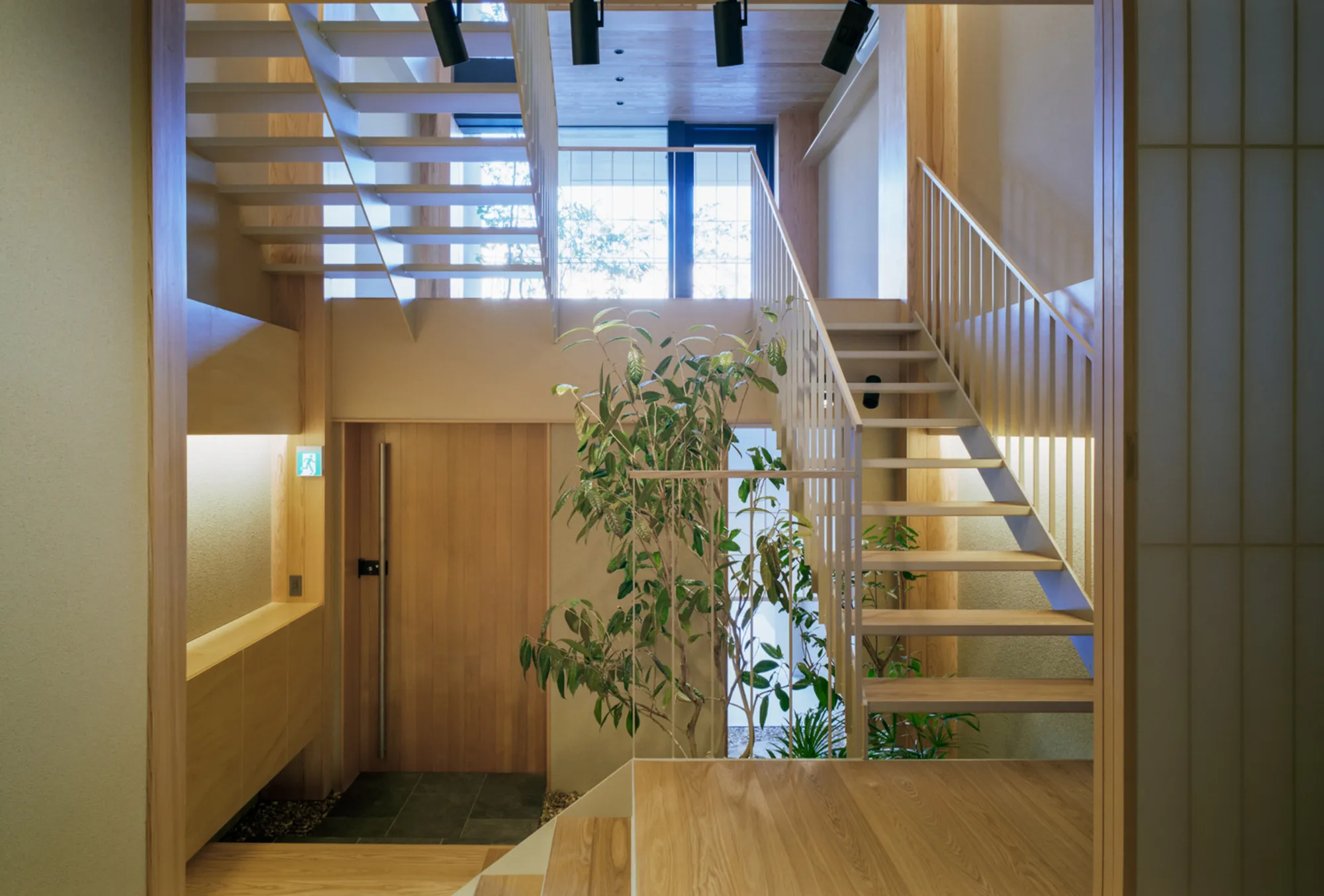
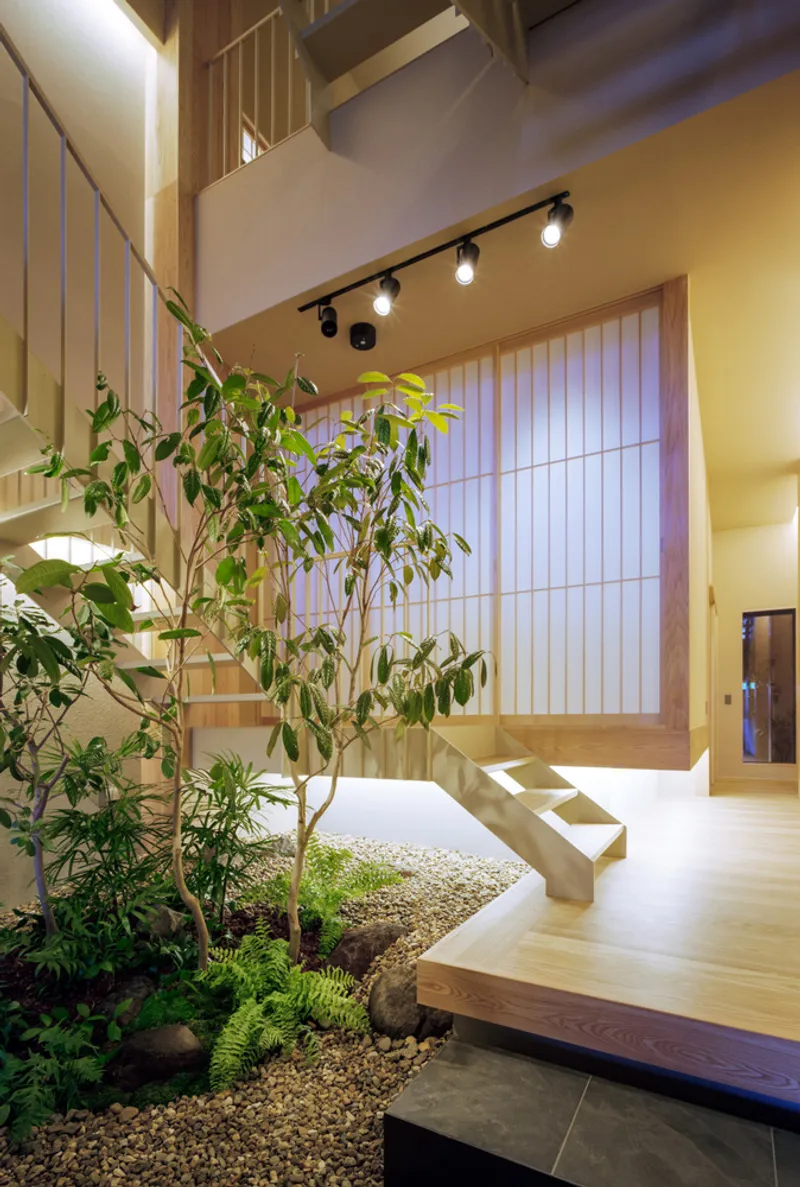
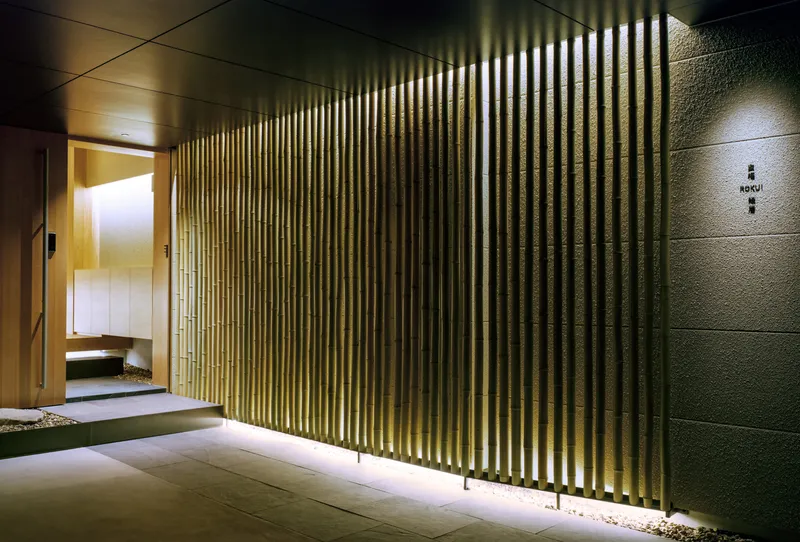
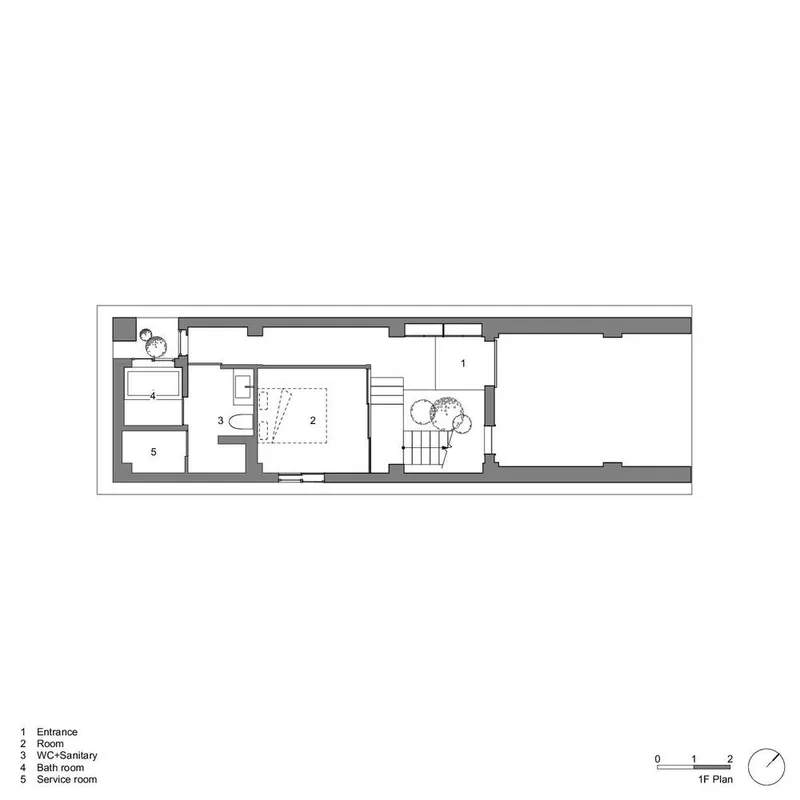
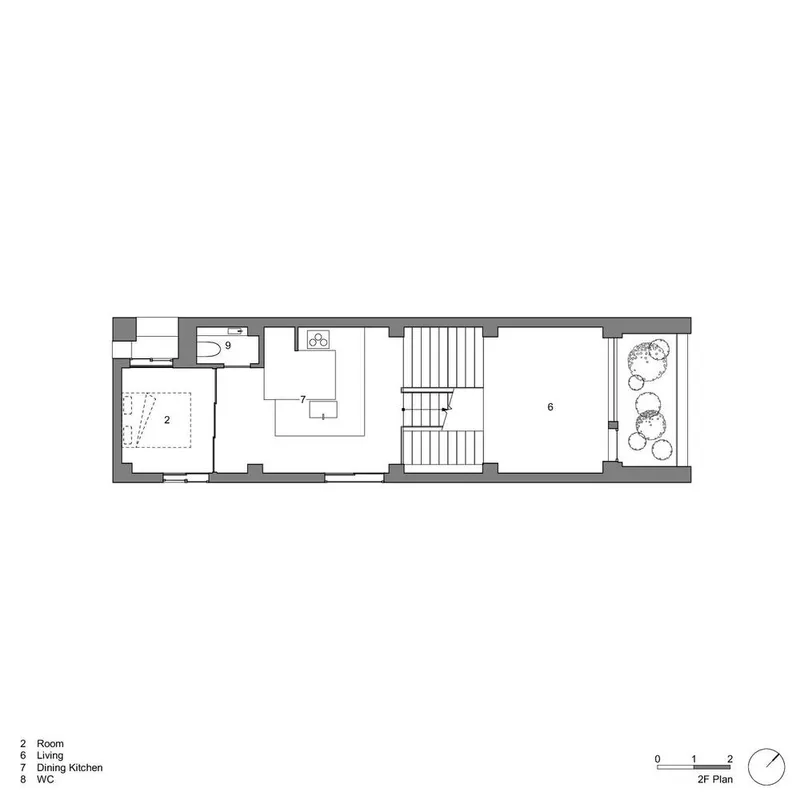
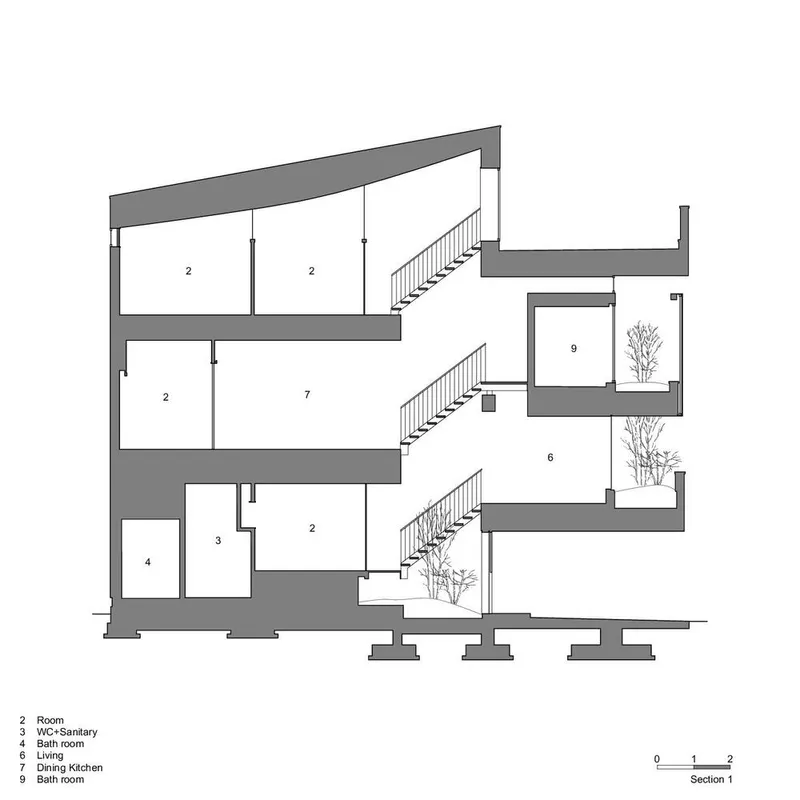
Approached via a bamboo and stone garden, the entry experience begins with a soft encounter with nature. The first floor opens into a small garden-adjacent entrance hall. A private room appears to float above this space, accessible by a veranda-like landing that recalls the calm and transitional qualities of engawa.
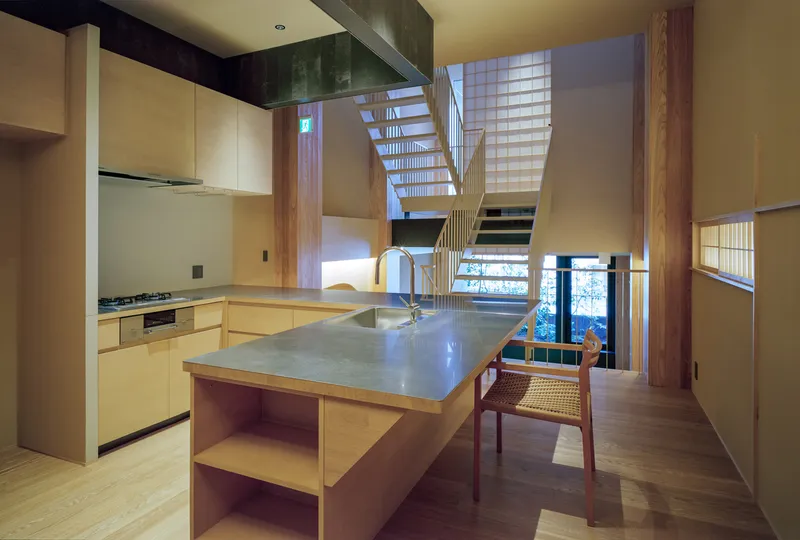
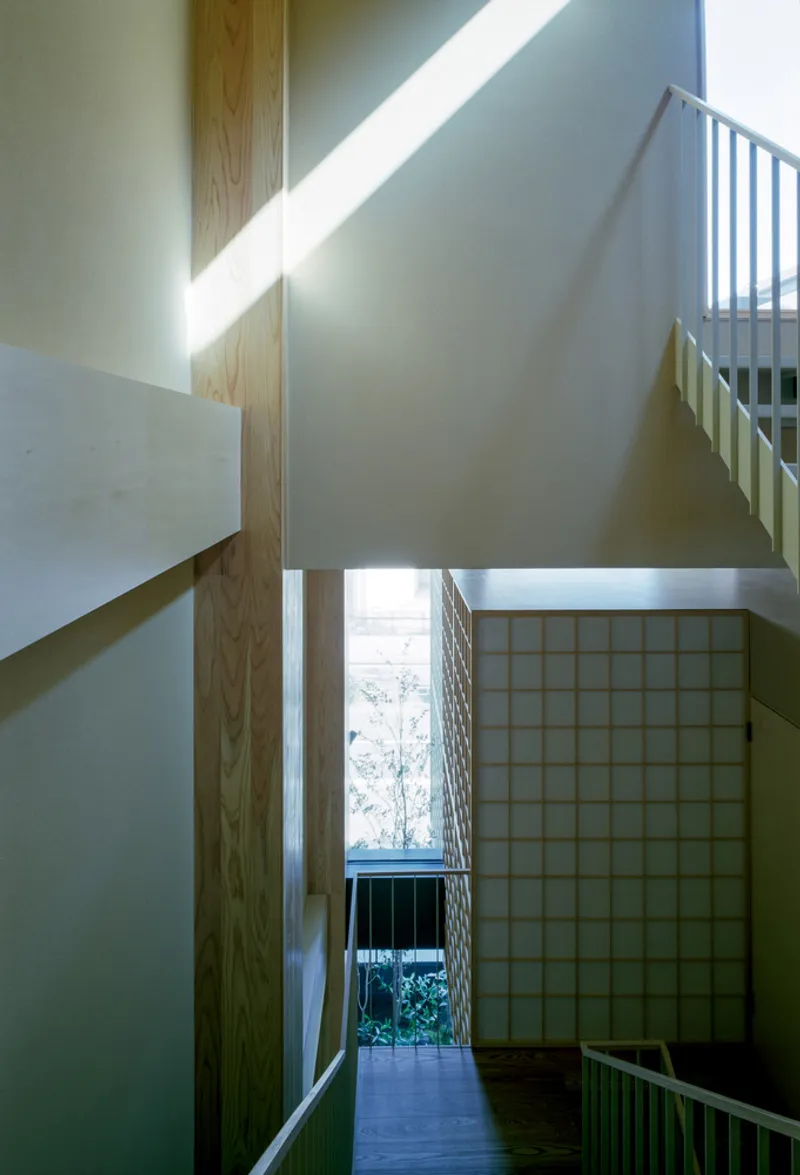
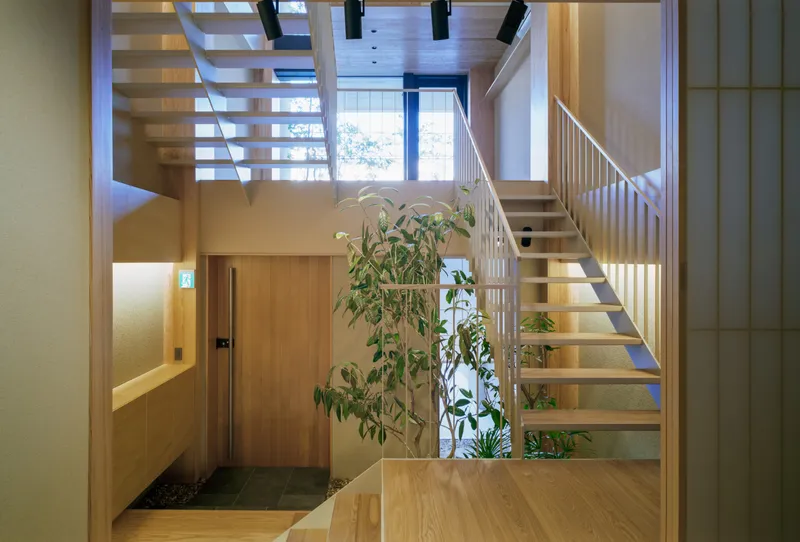
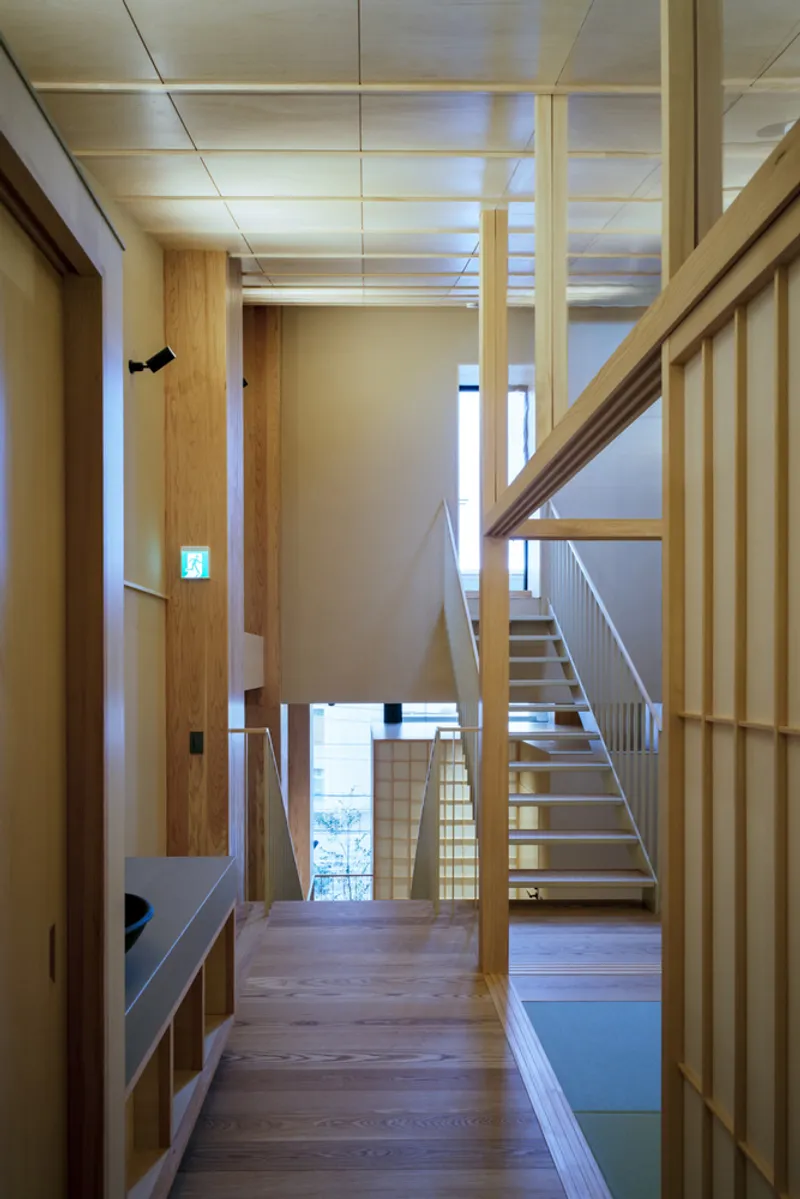
This spatial layering continues throughout the home. A split-level design allows for shifting perspectives between rooms. Each floor is organized around central stairs that spiral alongside interior gardens, creating vertical continuity through views, light, and greenery.
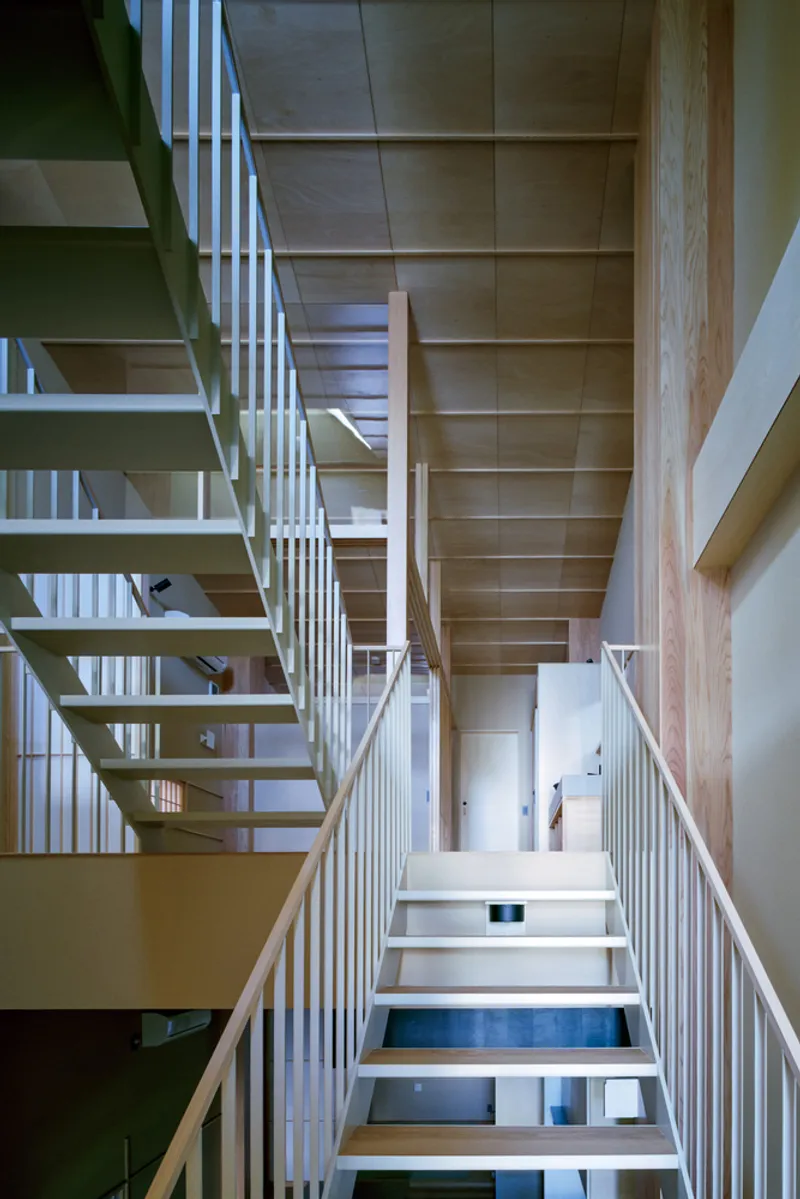
Vertical Living Rooted in Tradition
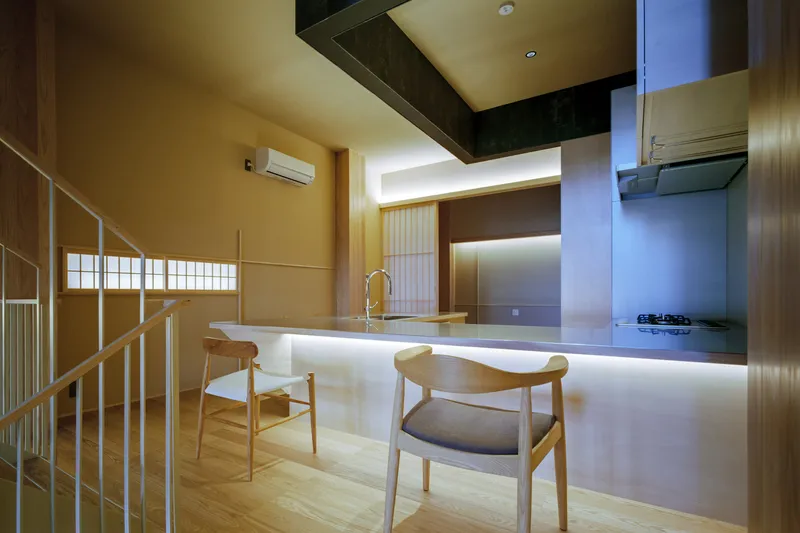
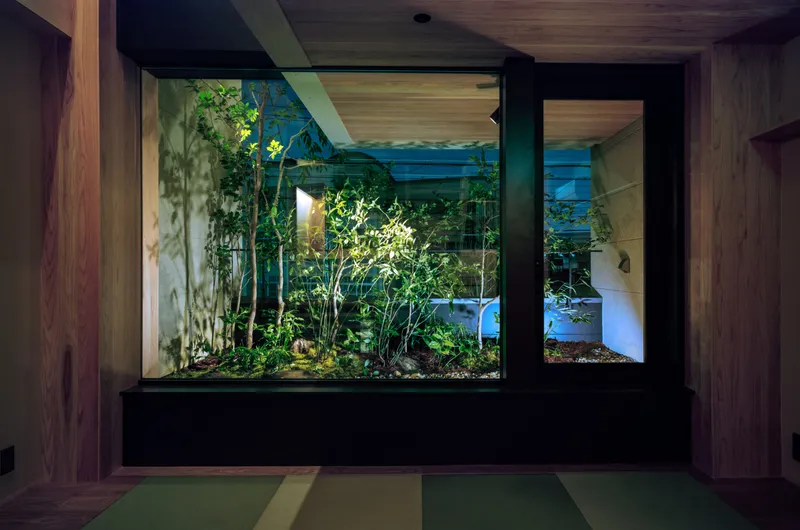
On the second floor, the living room features traditional tatami flooring, again anchored by a small garden that offers a calming presence. From here, an elevated dining kitchen overlooks the living room and garden through the central stair void. This open-plan format ensures that the traditional elements remain integral, even in a highly functional urban layout.
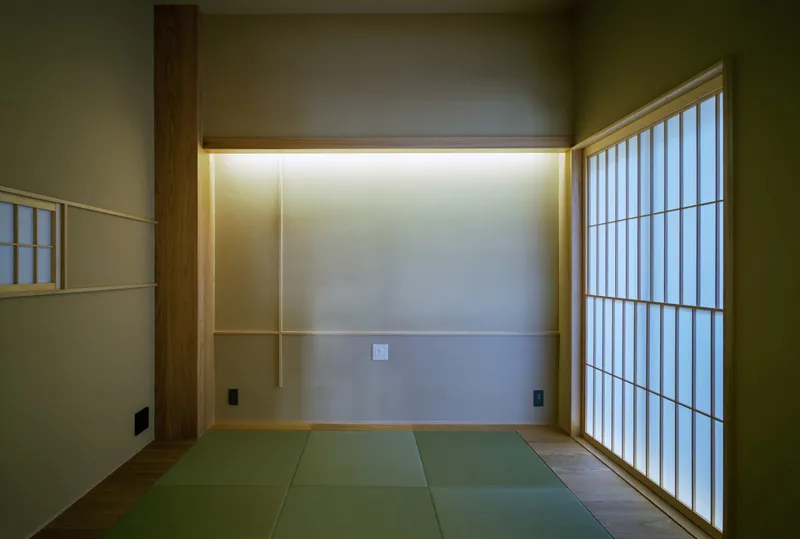
The design promotes visual dialogue across floors. From the dining area, one can see the third-floor shoji box above, while also being grounded in the meditative calm of the living room below.
The Floating Shoji Box: A Lantern in the Night
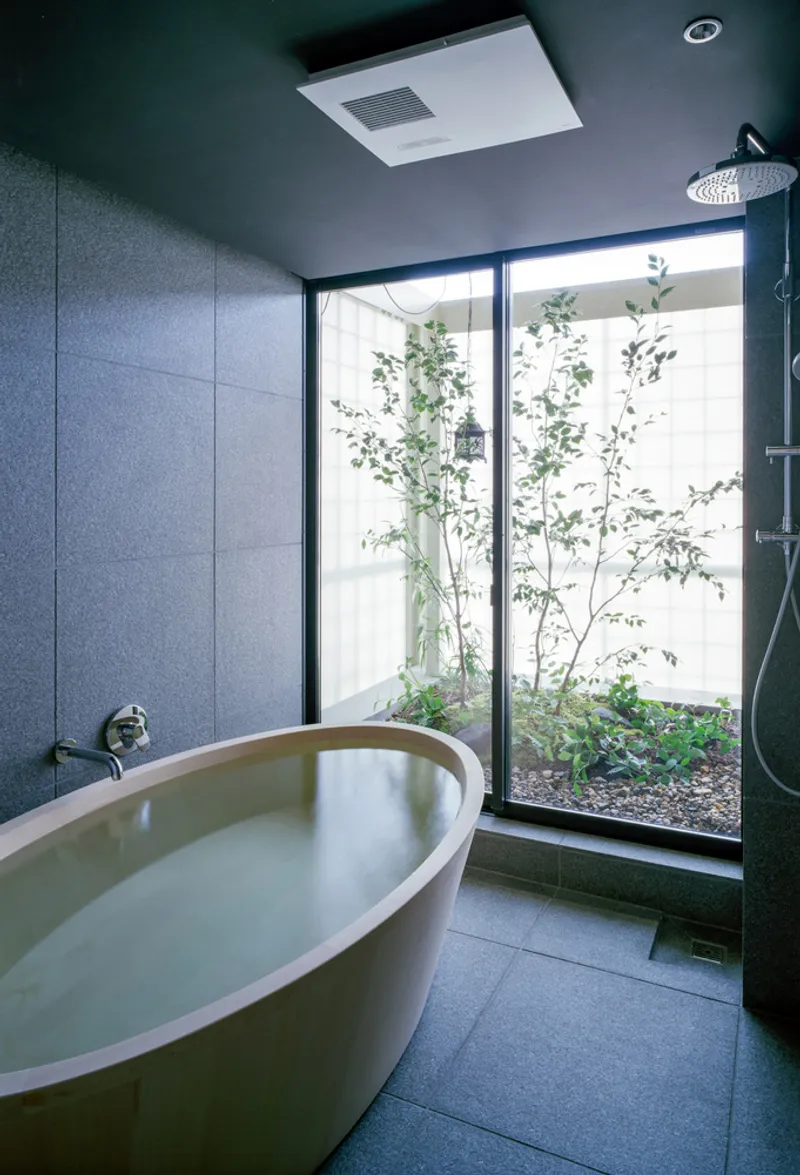
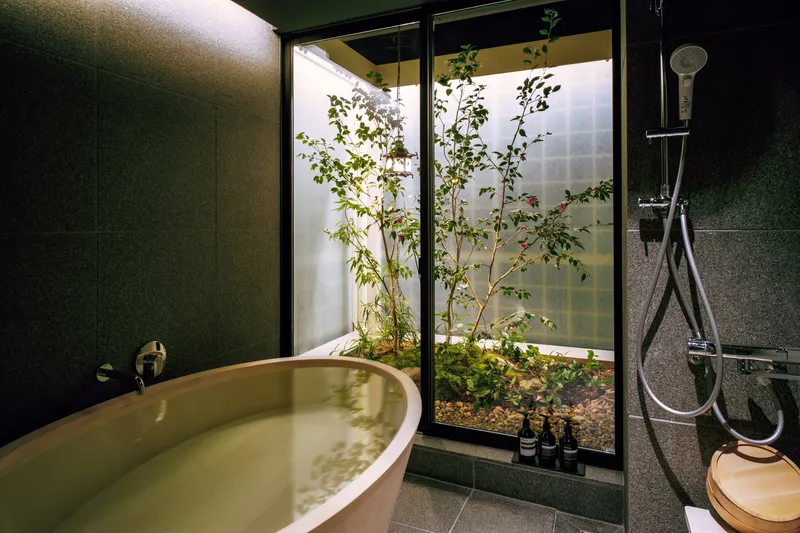
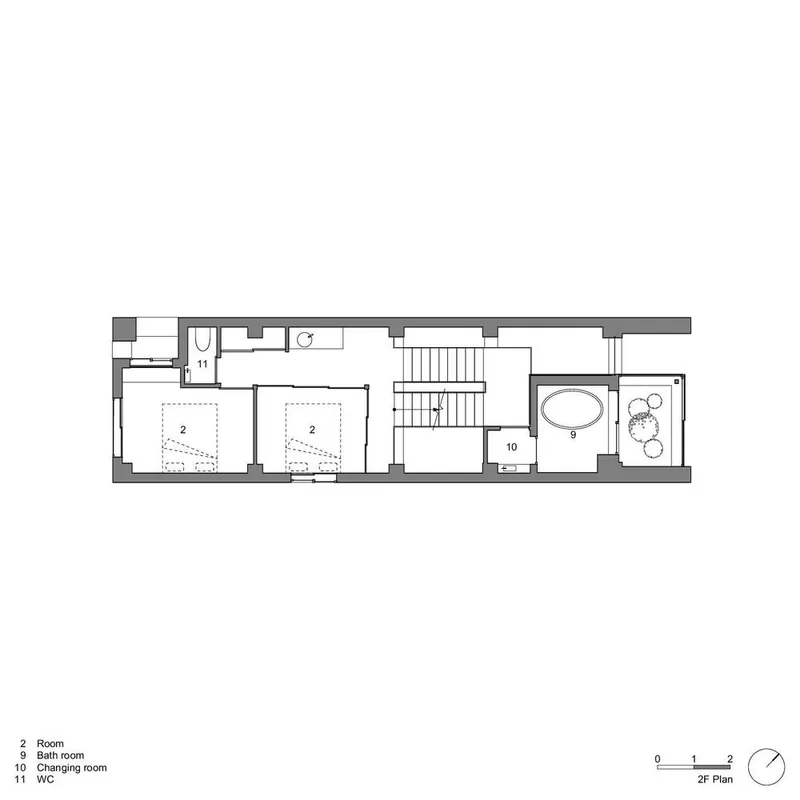
The architectural climax is reached on the third floor, where the “floating shoji box” becomes fully realized. Inside this illuminated volume, a bathroom and indoor garden create a tranquil, spa-like experience. The use of natural materials, indirect lighting, and open-air bathing elements gives a sense of openness within intimacy.
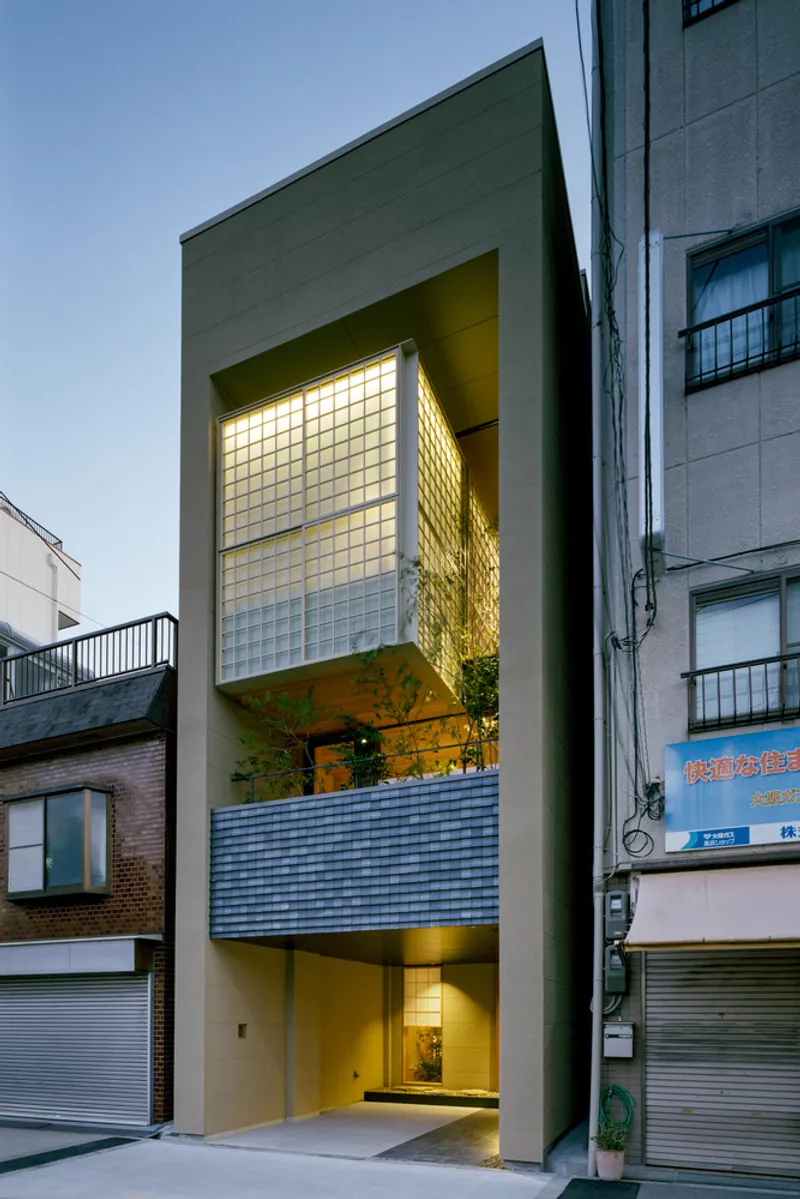
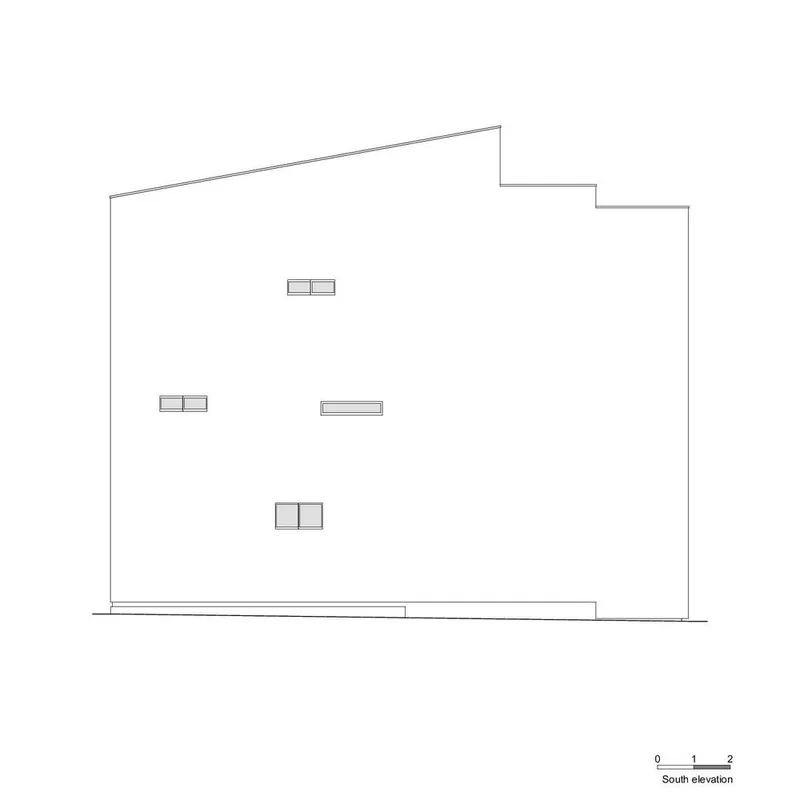
A secondary private room on the upper level of the third floor connects seamlessly to a rooftop balcony. The sloped ceiling curves gently upward, and large movable shoji partitions allow the entire top floor to be opened or closed, depending on the mood or use. At night, the entire box glows softly from within—an homage to the traditional Japanese lantern, reinterpreted in architectural scale.
Modern Shoji House as Urban Sanctuary
This project demonstrates how deeply ingrained elements of Japanese tradition—shoji screens, gardens, engawa, tatami—can be interwoven with modern spatial strategies. In this Shoji-inspired Japanese house design, FujiwaraMuro Architects offer not just a private lodging but a deeply atmospheric experience of space, light, and materiality.
Despite its modest size and narrow footprint, the house achieves a remarkable sense of spaciousness and complexity through split levels, layered views, and garden integration. It becomes a contemplative retreat in the heart of Osaka—timeless, elegant, and unmistakably Japanese.
All Photographs are works of Katsuya Taira(studioREM)




Popular Articles
Popular articles from the community


The Ocean Hive: Sustainable Architecture for a Self-Sufficient Civilization at Sea
The Ocean Hive imagines sustainable architecture at sea, where modular habitats, algae, wave power and ocean waste sustain a growing colony.

Co-Life: Senior Housing Design That Reconnects Older Adults With the City
Co-Life reimagines senior housing design through healing gardens, shared streets, workshops, and a sustainable community across generations.

The Earth Pod: 3D Printed Homes for Resilient Refugee Communities
The Earth Pod reimagines refugee housing through 3D printed homes made from clay, combining resilience, self-sufficiency, and rapid shelter.

Lunar Spiral: Space Architecture Shaped by the Mathematics of the Universe
Lunar Spiral reimagines space architecture through Fibonacci geometry, lunar regolith, levitating habitats, and self-sustaining Moon living.


Similar Reads
You might also enjoy these articles

Bamboo Housing Challenge 2026: Design Affordable, Sustainable Homes Using Bamboo
An international design competition by Bamboo U and IBUKU inviting architects and designers to reimagine affordable housing using bamboo — with the winning design built full-scale in Bali.

Computational Design & Education: Beegraphy Design Awards Introduces 7th Category (Featuring Jiyun's Innovative Approach)
Dive into Beegraphy’s 7th Design Awards category, where computational design meets education to create immersive, interactive learning tools, inspired by Jiyun’s work.

From Parametric Lighting to Urban Furniture: Join the 2nd Workshop in Beegraphy’s Computational Design Series
Dive into Cutting-Edge Design Techniques and Practical Applications with Industry Experts

Last Call: Unleash Your Architectural Genius in SHAK's Kindergarten Design Competition
Urgent call for architects to join SHAK's kindergarten design competition before the looming deadline


Explore Tetsuo Kobori Architects Competitions
Discover active competitions in this discipline



Challenge to reimagine the Iron Throne


Photograph architecture without architects


Illustrate the lost glory of Angkor Wat - Render Challenge


Design challenge to reuse E-waste
Comments (0)
Please login or sign up to add comments
No comments yet. Be the first to comment!